 19
ASUS ROG Crosshair X870E Glacial Review - A Masterpiece
VRM Overview »Component Analysis
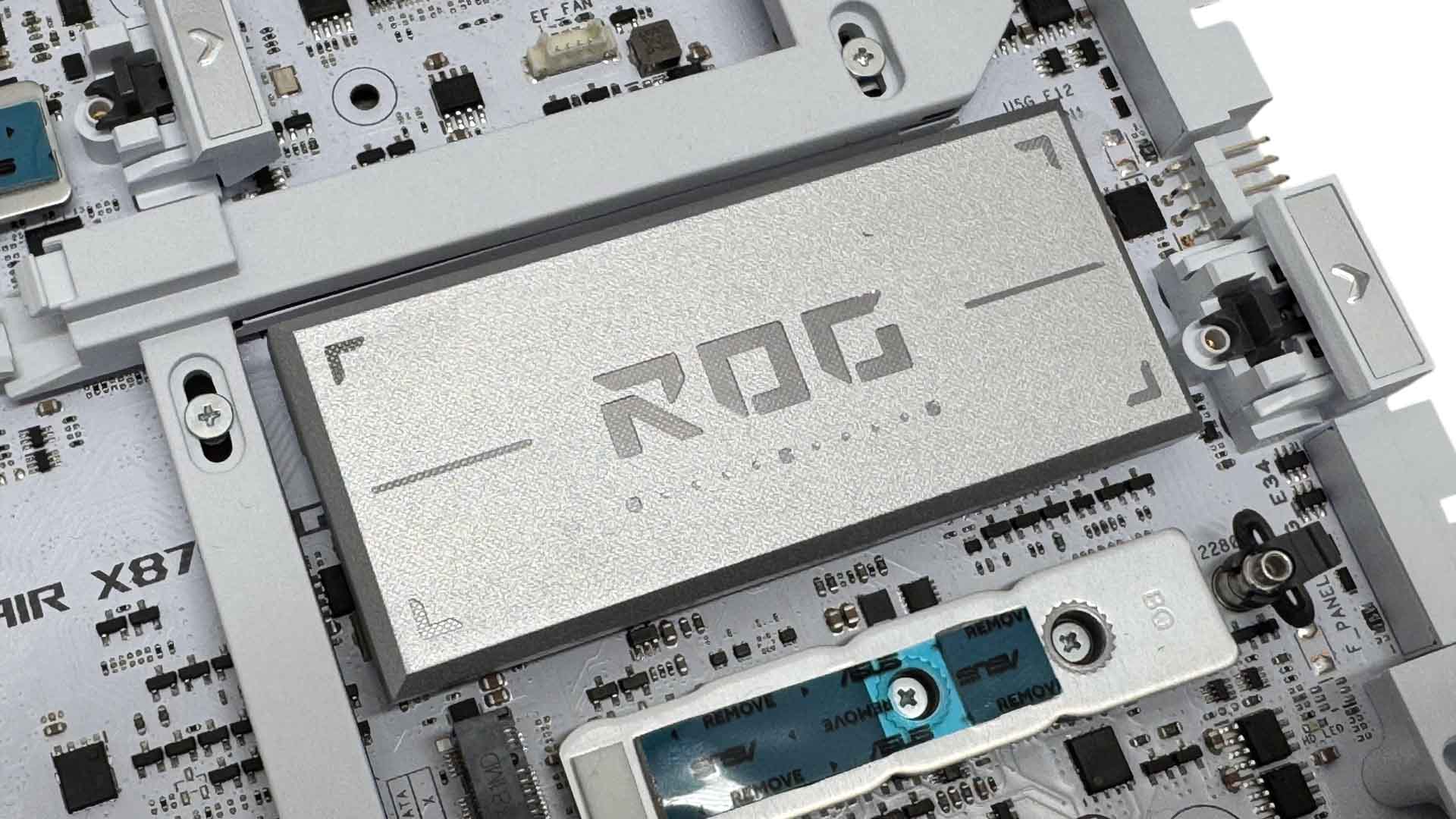
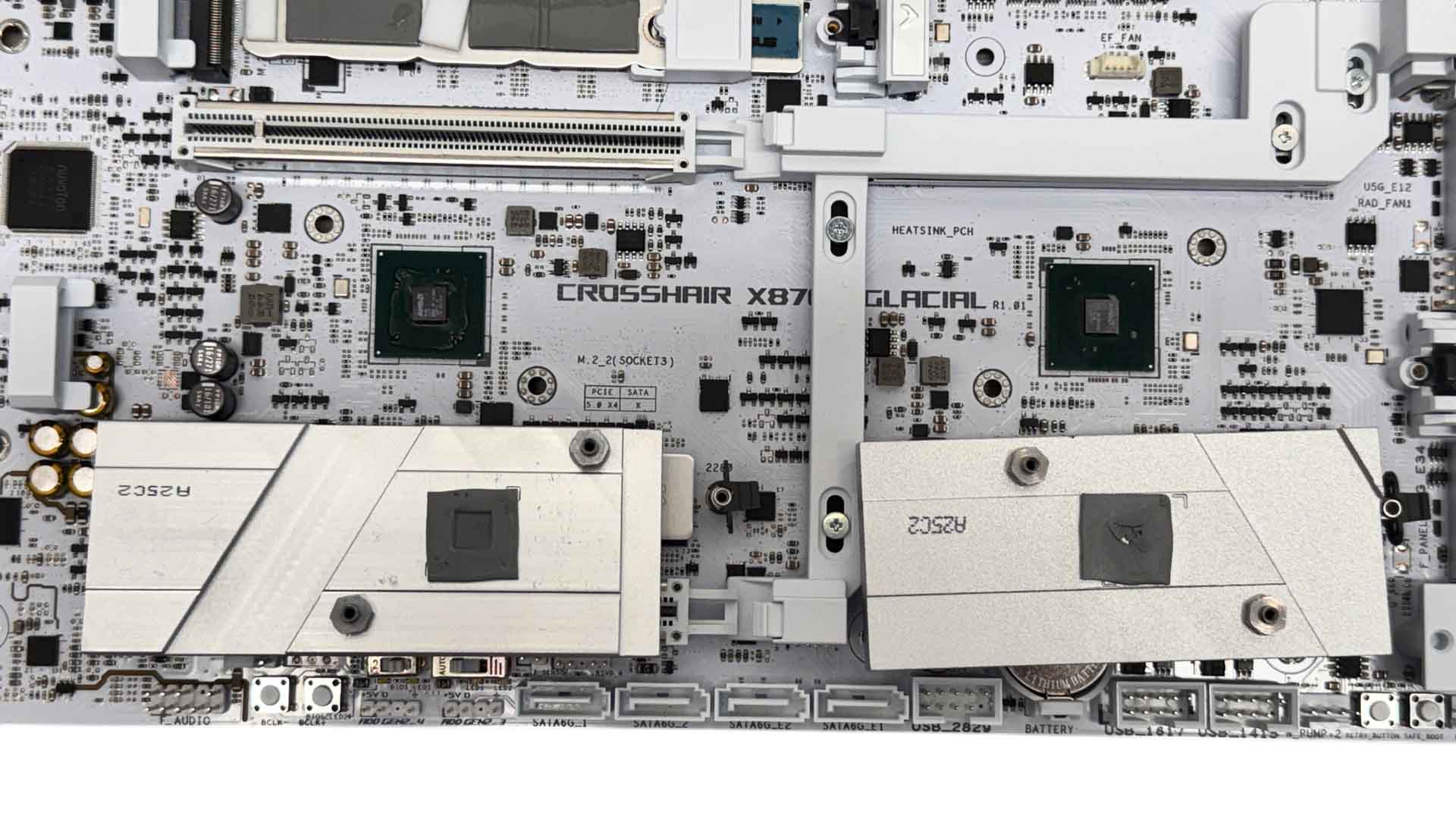
The dual X870E chipsets are cooled by thick individual ROG-branded heatsinks, and it's a shame that these won't be visible given the M.2 heatsink sits right on top. Still, they'll give you a nice little show when you're installing your SSDs and make you feel a little less sorry for the bruising your wallet just took.
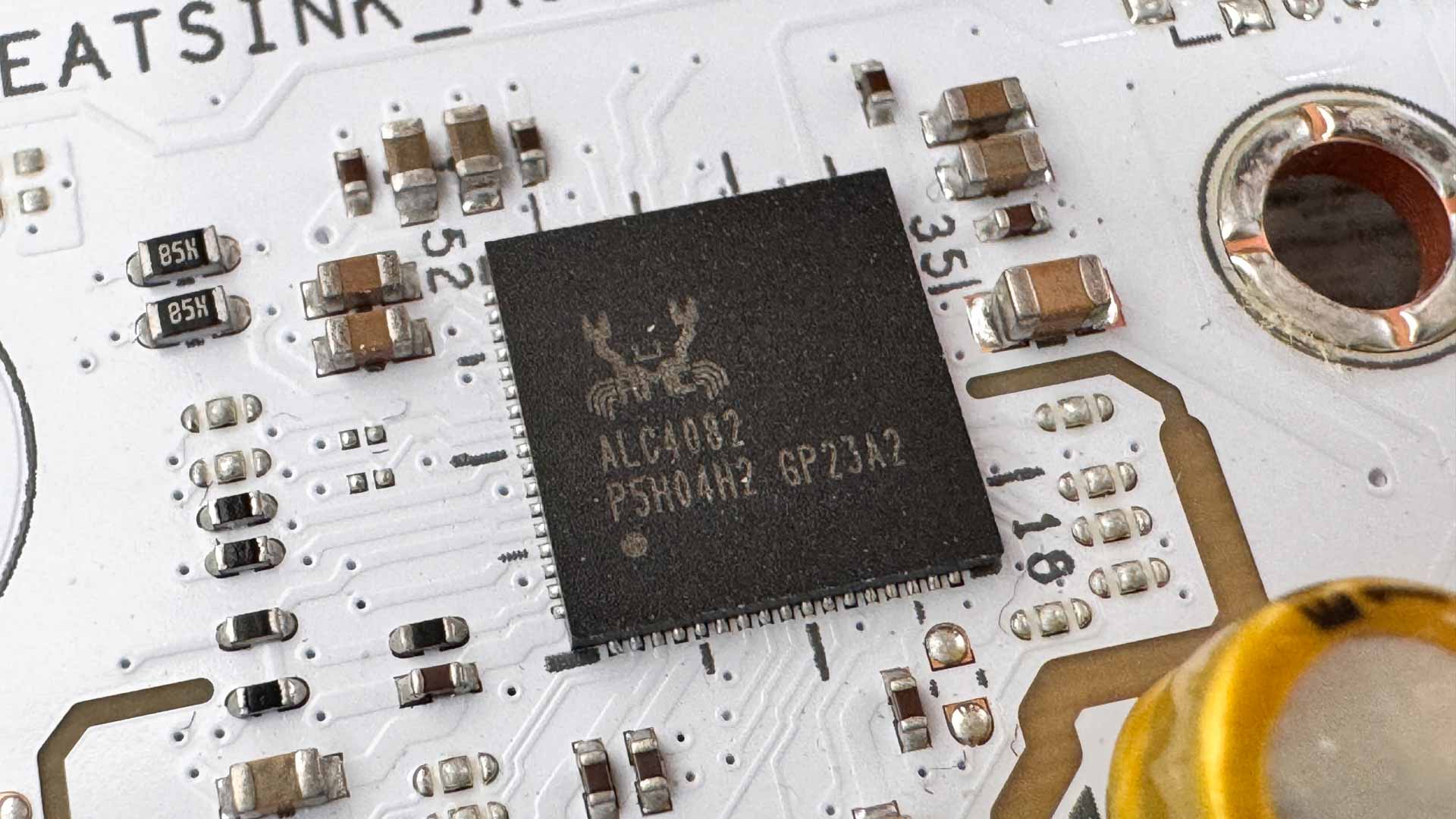
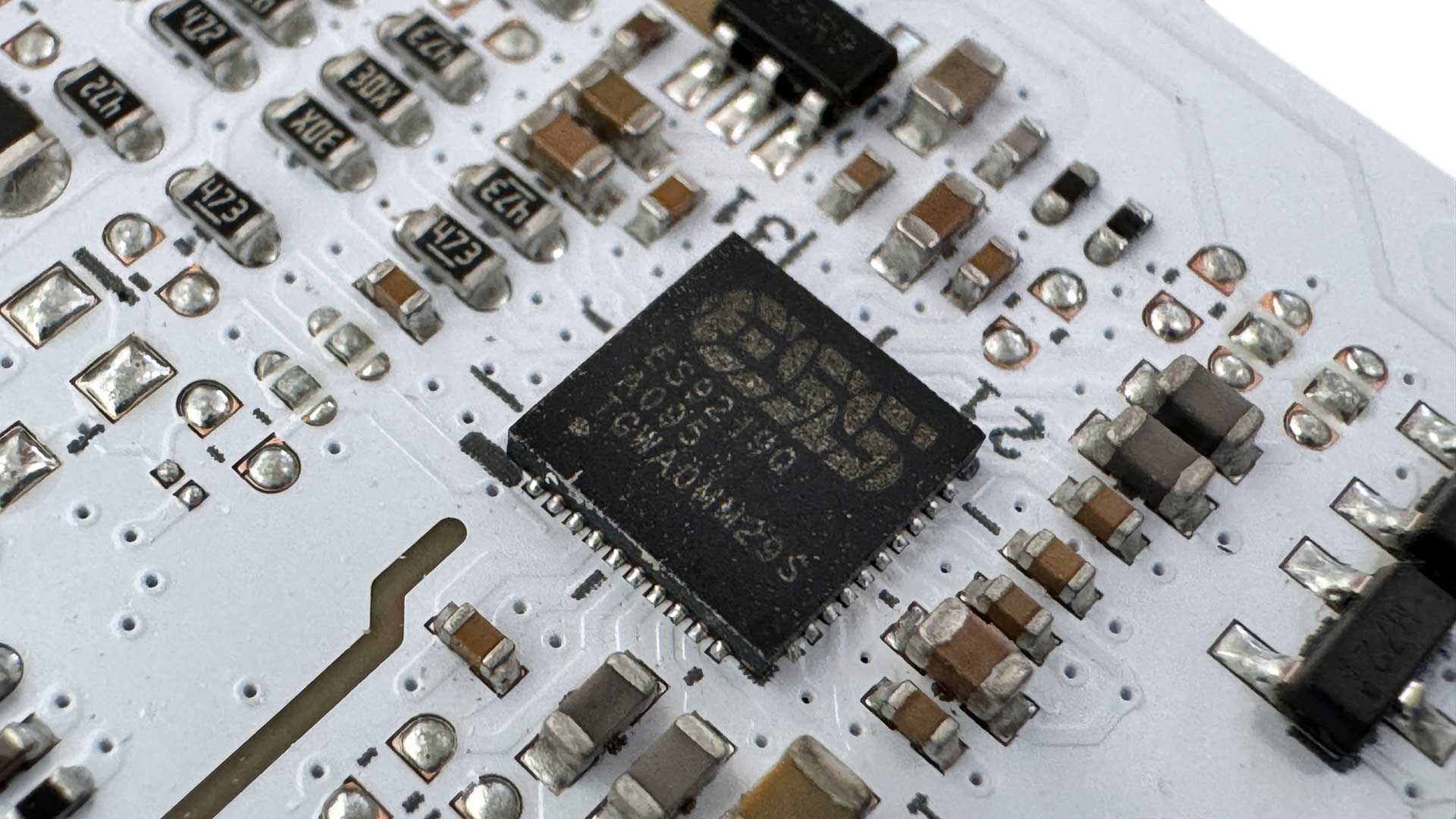
Audio is provided by Realtek's USB-based ALC4082 codec and is paired with an ESS ES9219Q DAC, which is an identical setup to that of the MSI MEG X870E Godlike X Edition.
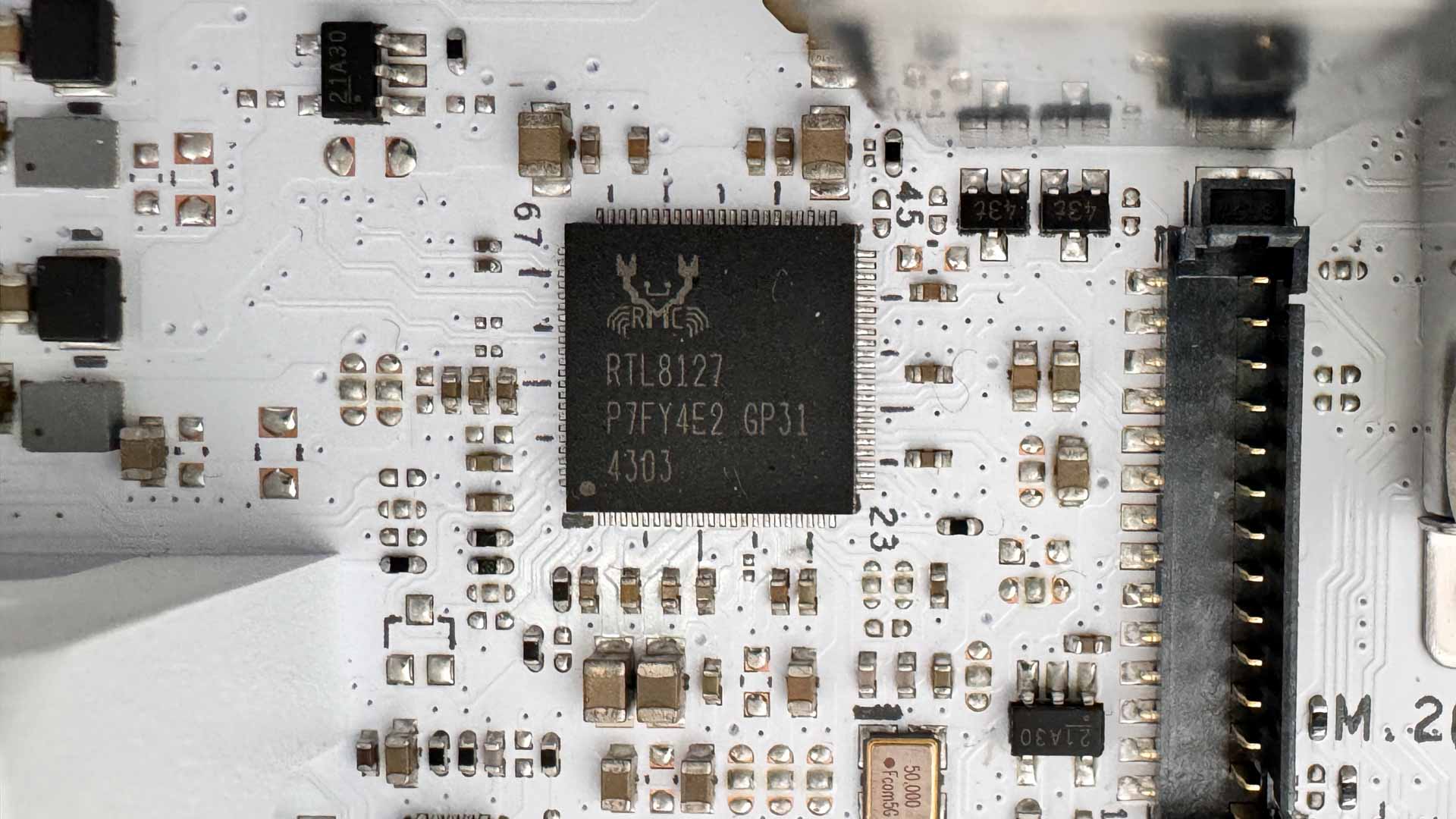
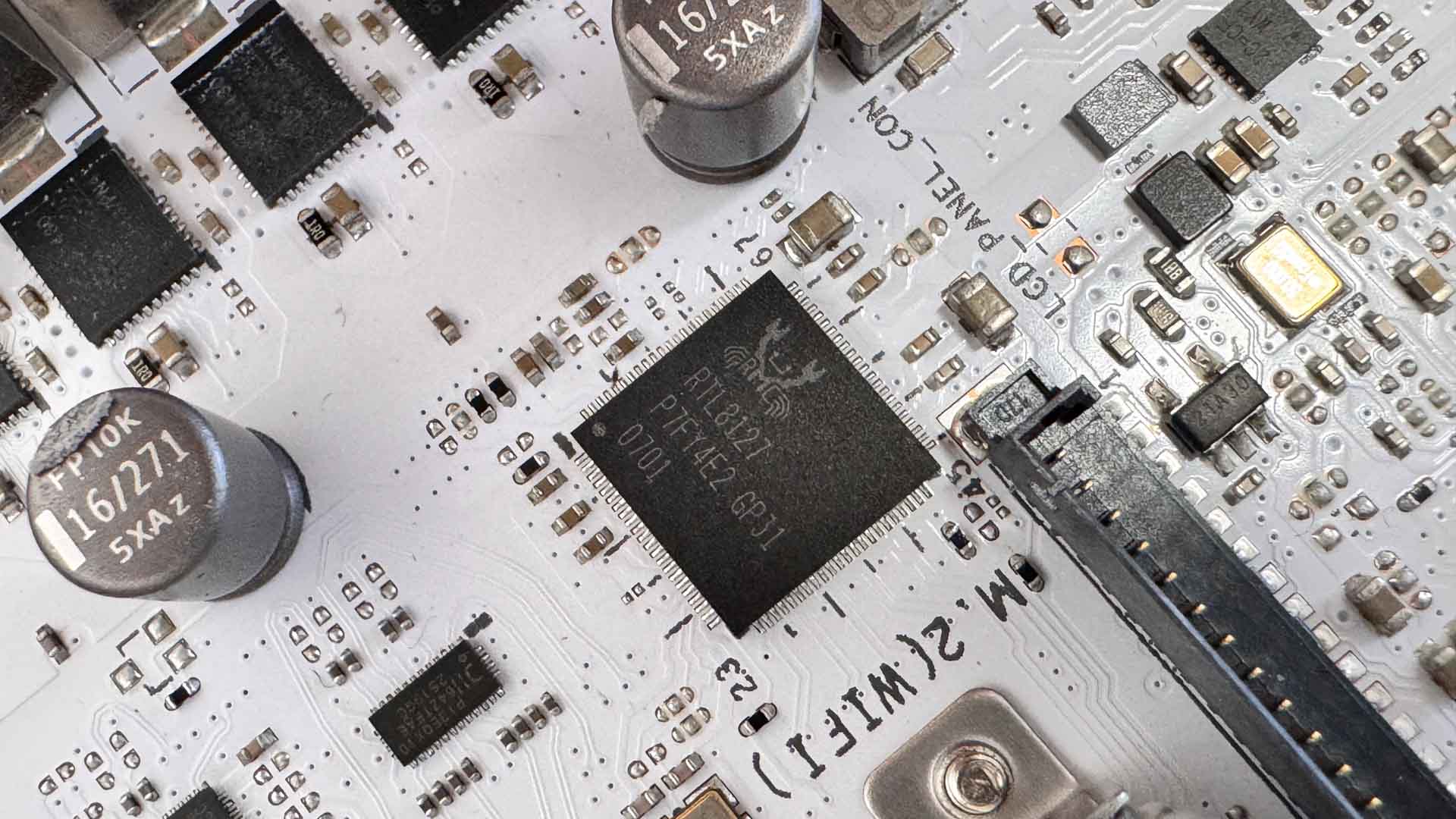
It's the first time we've seen a Realtek 10 Gbps Ethernet controller on a consumer motherboard we've reviewed and here you get a pair of them. You'll struggle to find a Realtek RTL8127-based PCIe network card with change from $50 so it gives you some indication of how much these add to the price tag. We are a little concerned that only one of them is passively cooled using the VRM heatsink. The one behind the I/O display cable port is left to its own devices. Thanks to the thick white coating on the PCB it's tricky to see the traces to identify the passively cooled one, so something to be aware of in case you run into issues - try swapping ports.
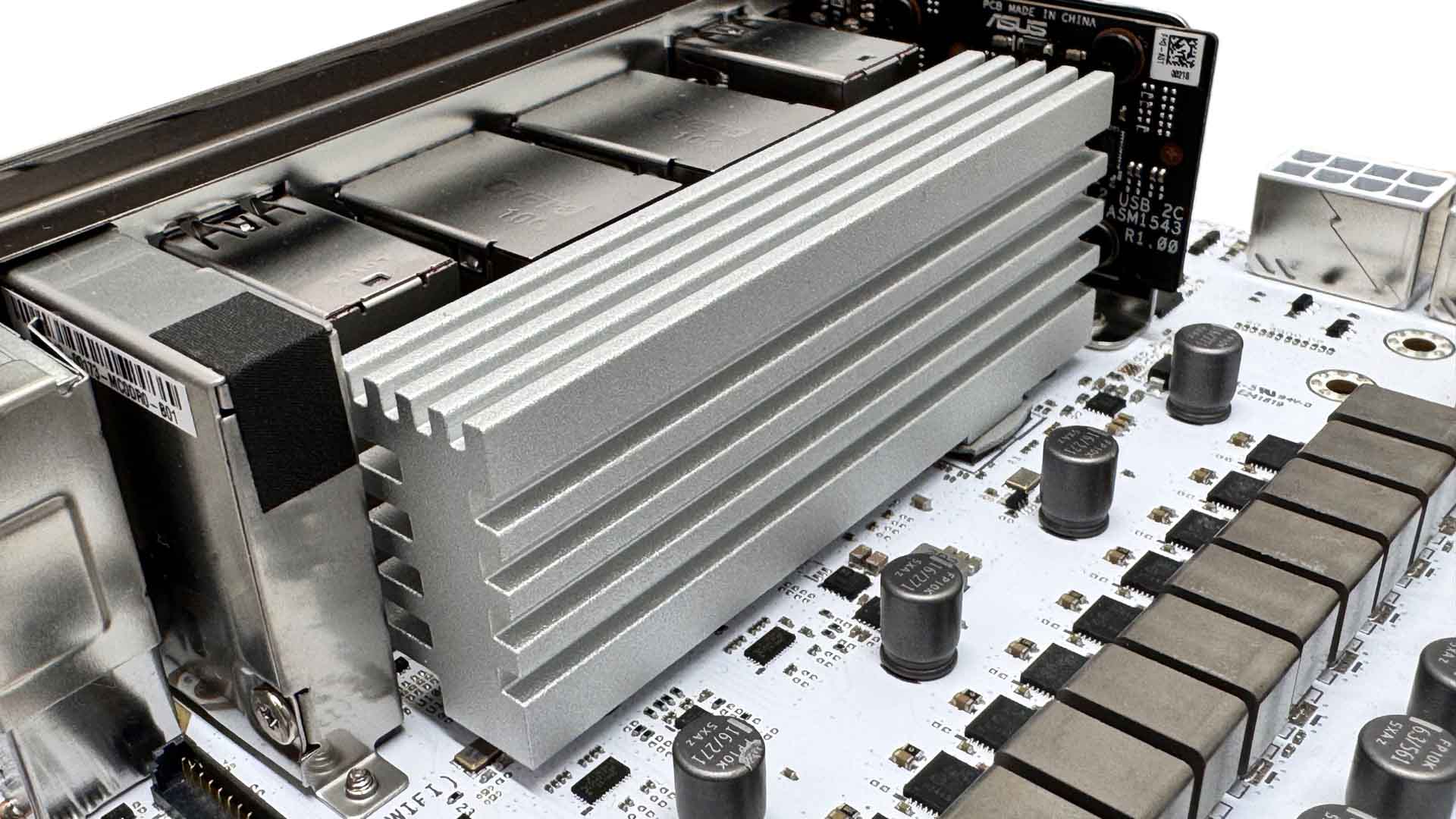
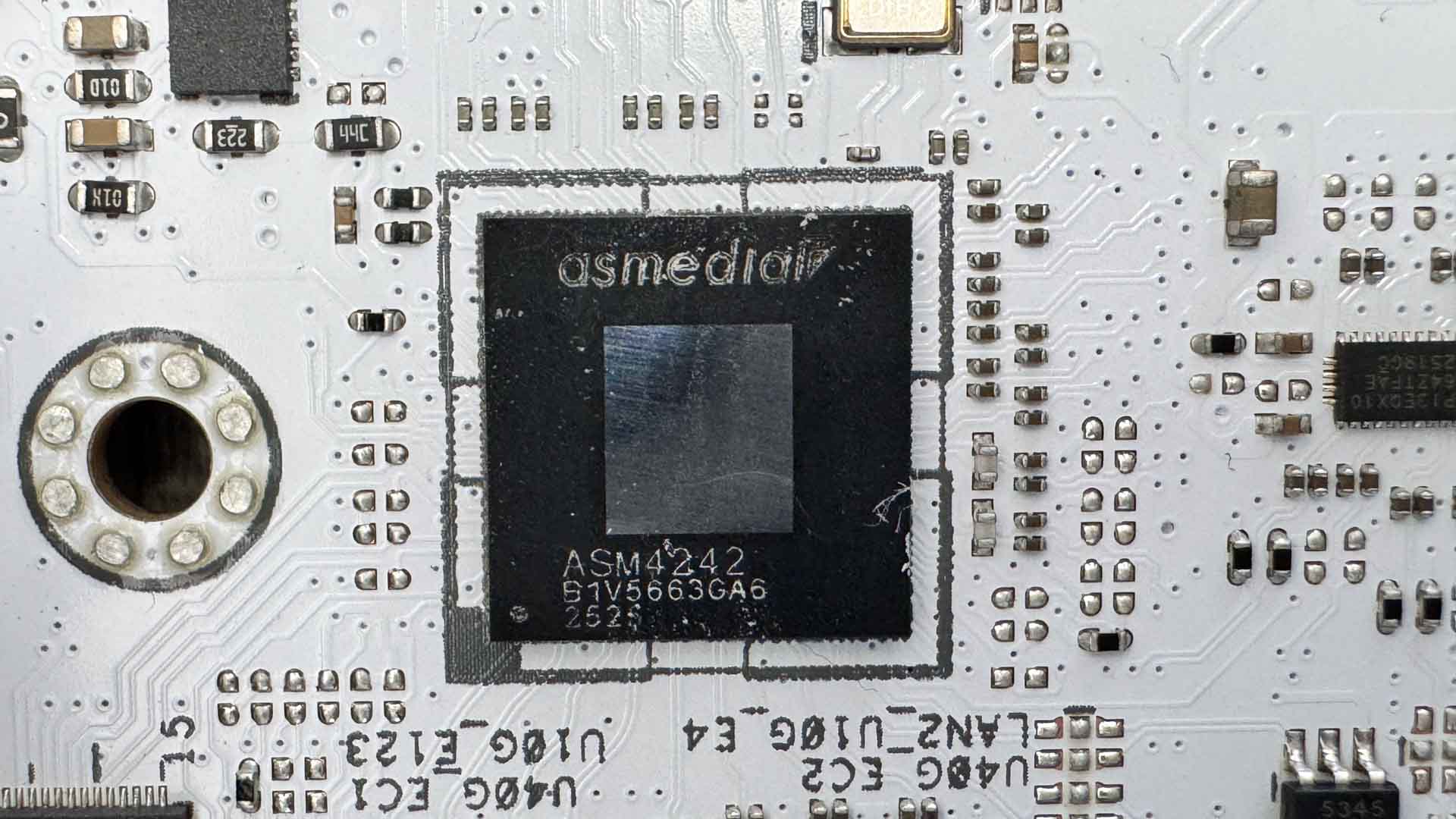
There's a large heatsink under the main VRM heatsink and this is the usual USB4 controller heatsink. These have in the past been used to cool 10 Gbps Ethernet controllers, but here is just the lone ASMedia ASM4242 controller, which is Thunderbolt 4-cerified.
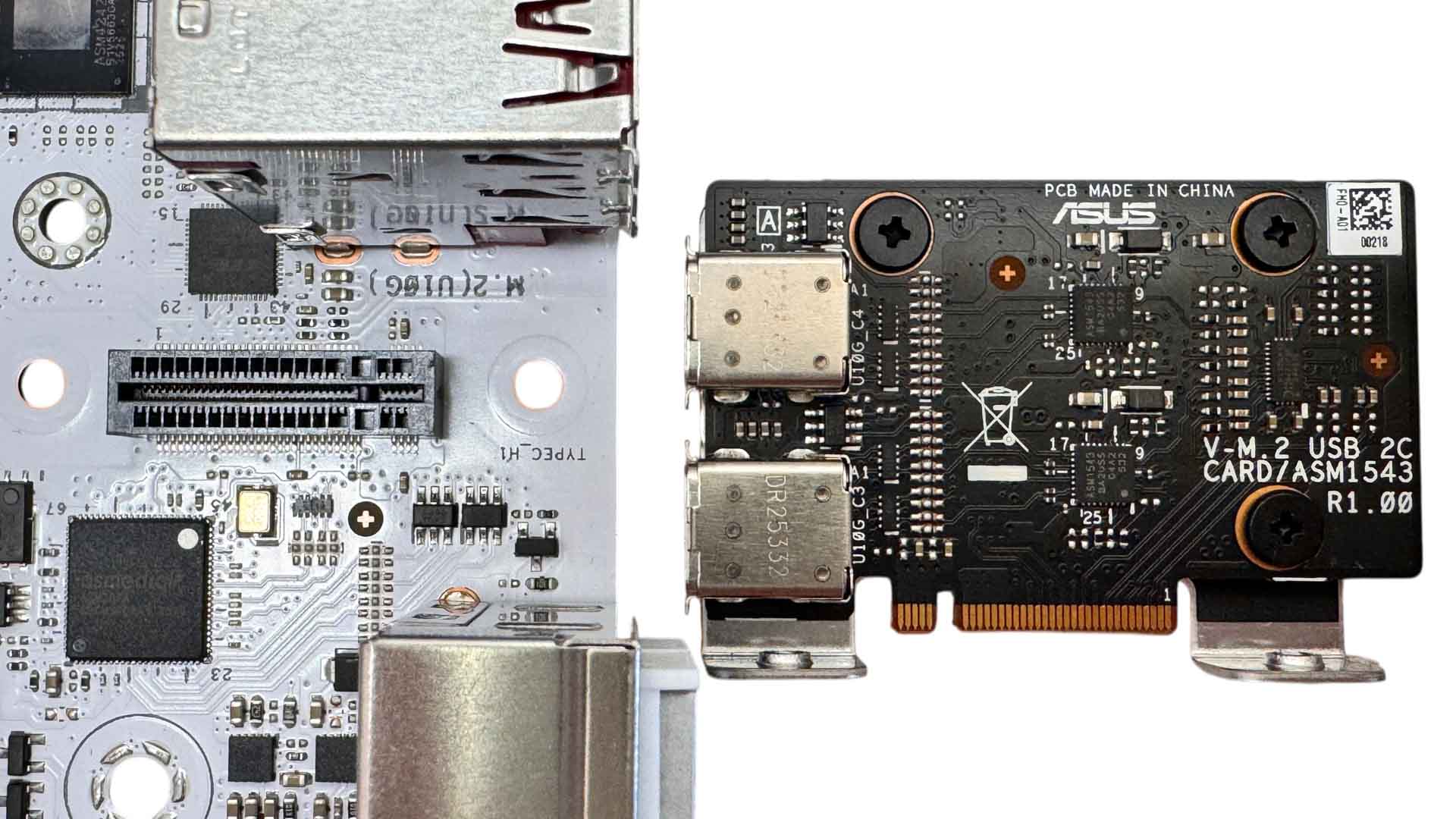
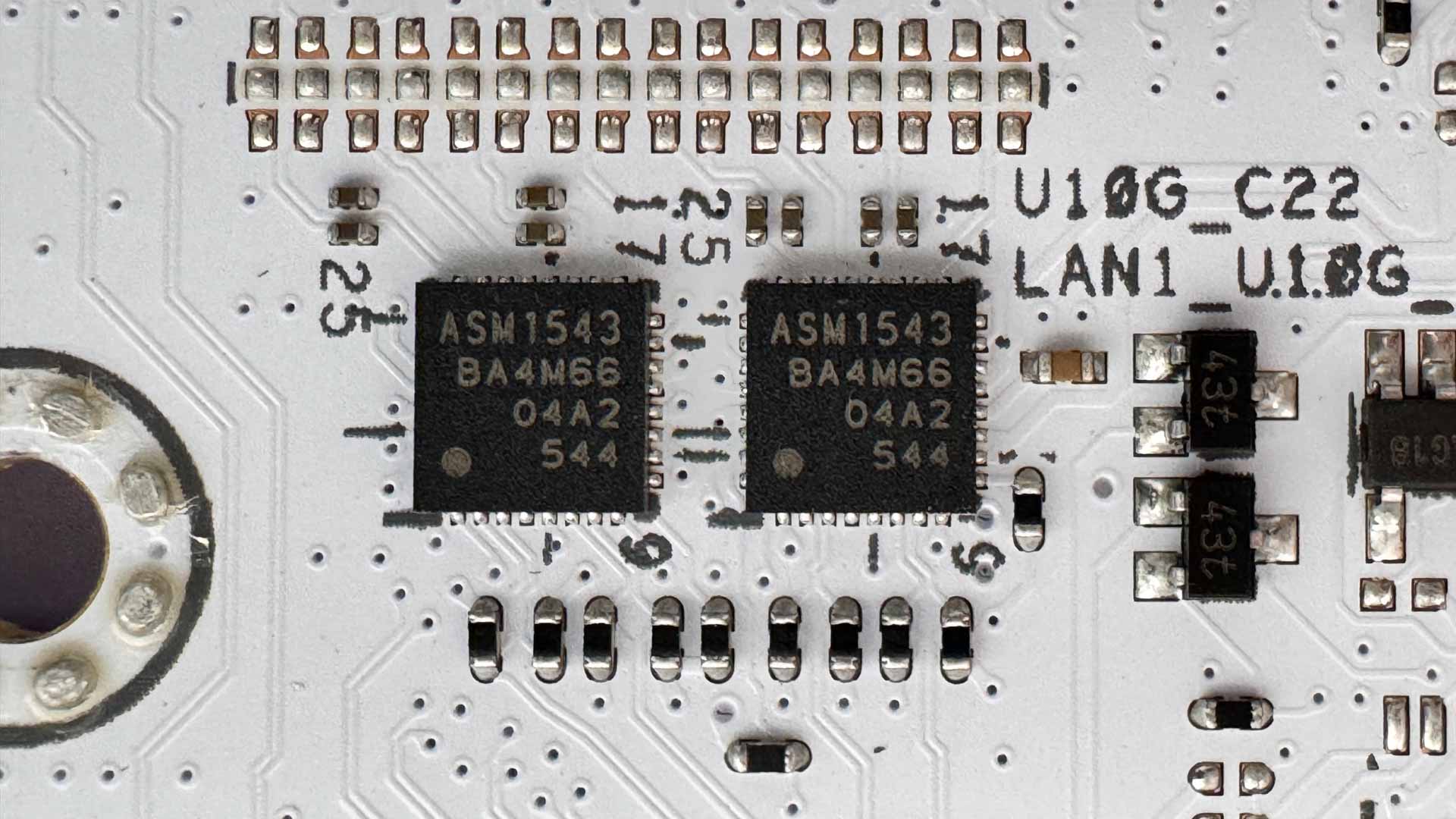
To be able to double-up on USB 3.2 Gen 2 10 Gbps Type-C ports, with four in total, a daughterboard is used to save space and is equipped with two ASM1543 Type-C MUX switches. Two more of these are located further down to handle the other Type-C ports.
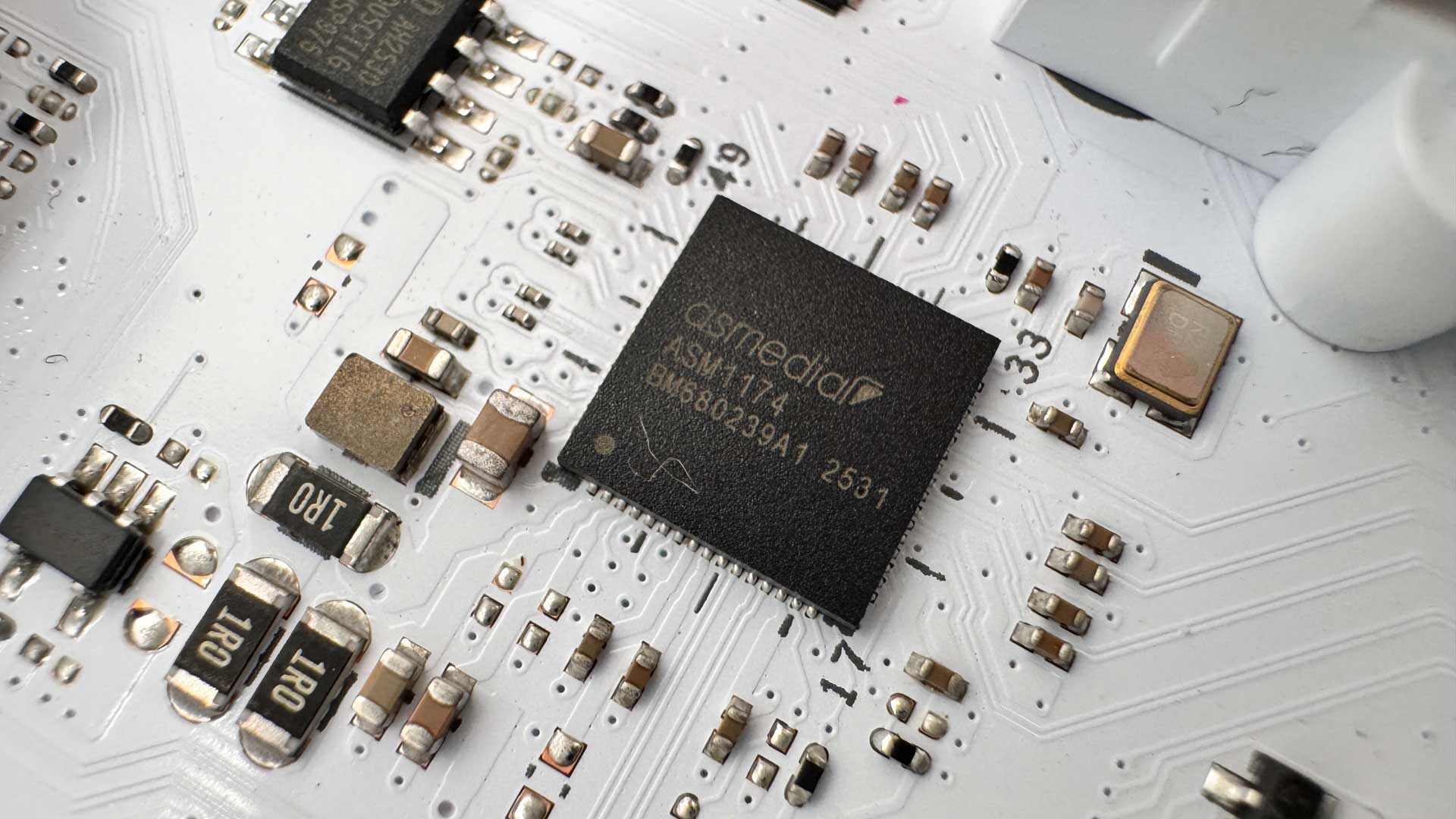
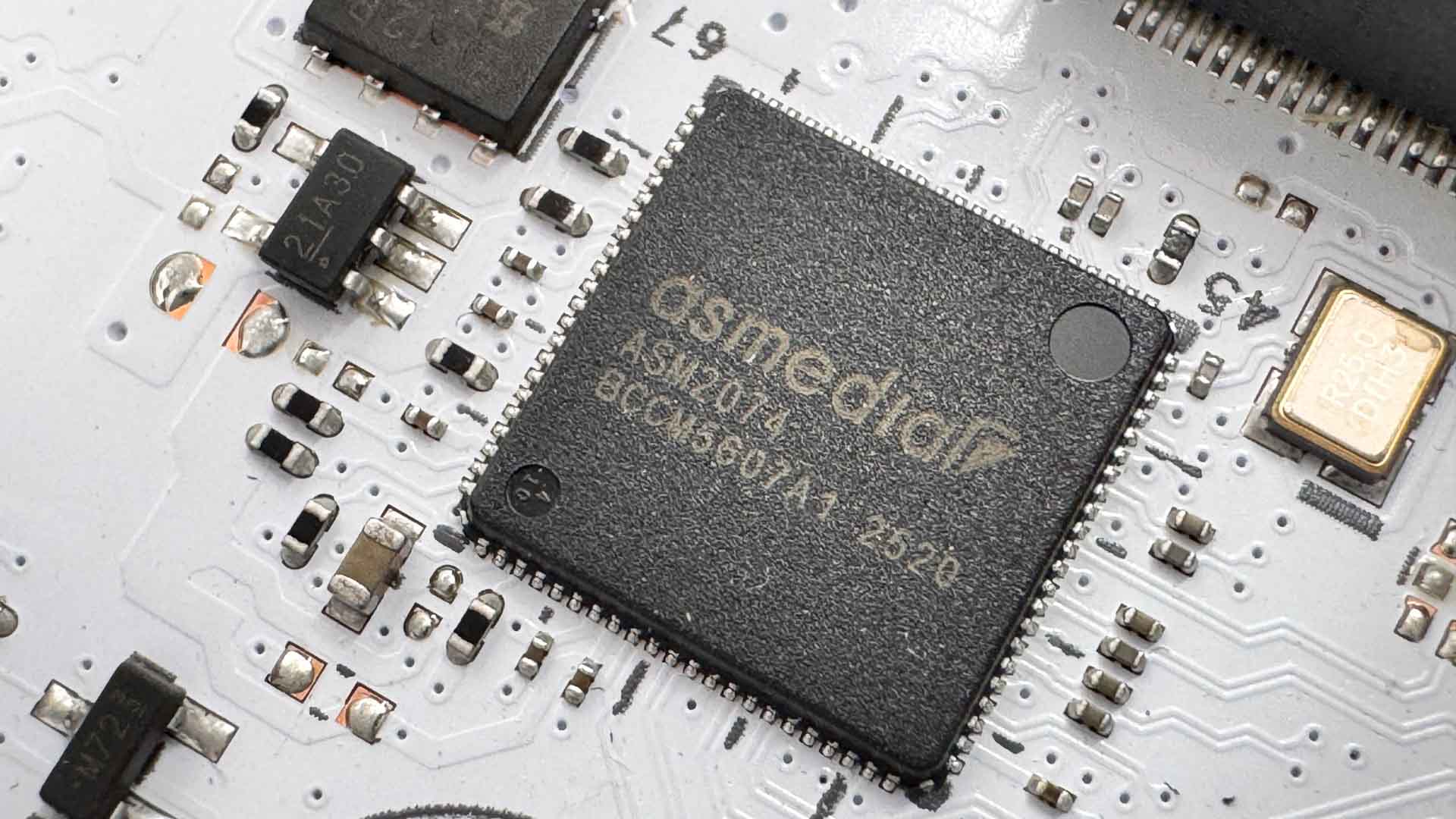
We also have an ASM1174 controller handling the two USB 3.0 front panel headers while an ASM2074 USB 3.2 Gen 2 10 Gbps hub controller is paired with the additional rear Type-C ports and daughterboard.
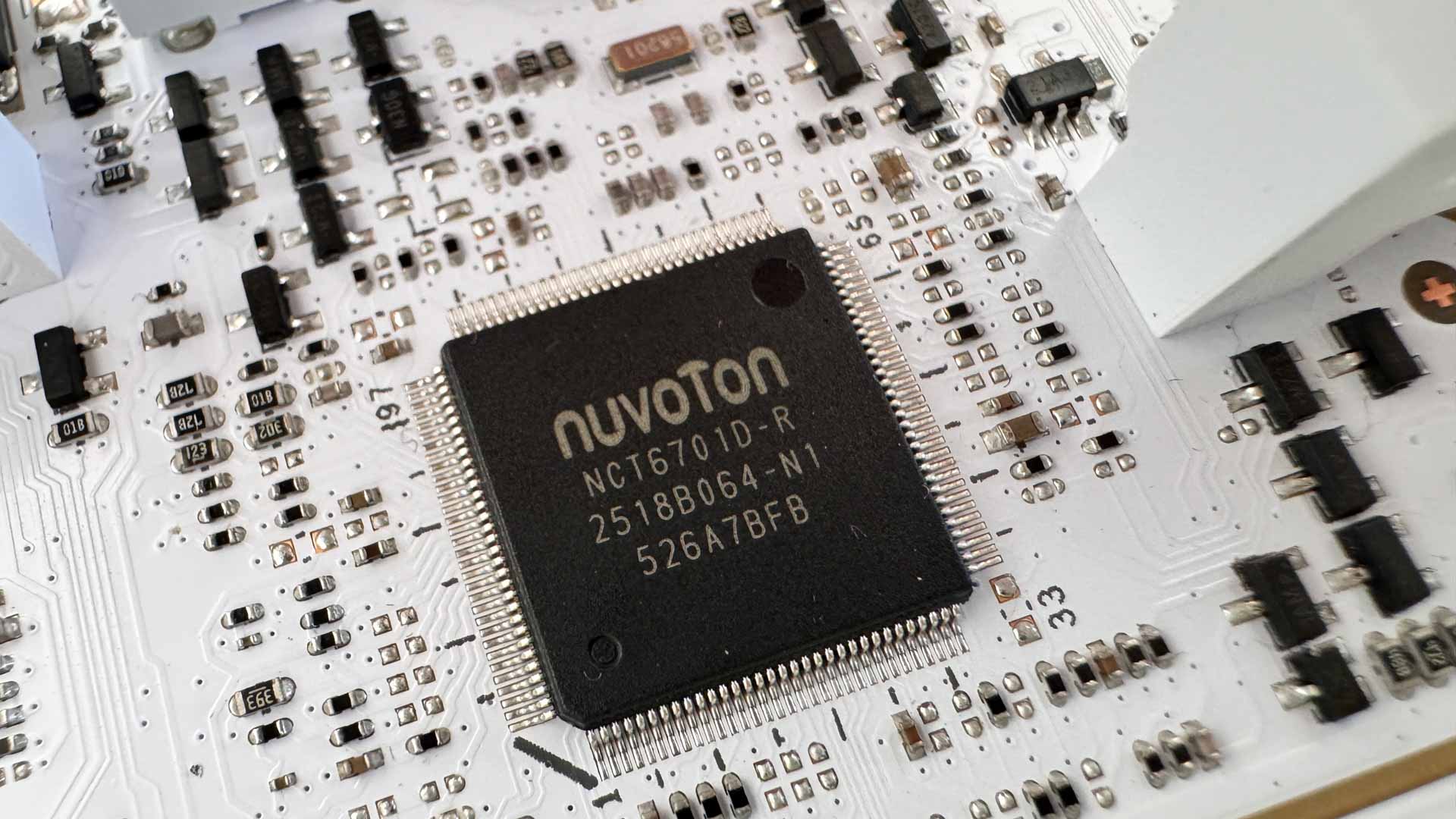
For hardware monitoring we have the usual Nuvoton NCT6701D super I/O series chip.
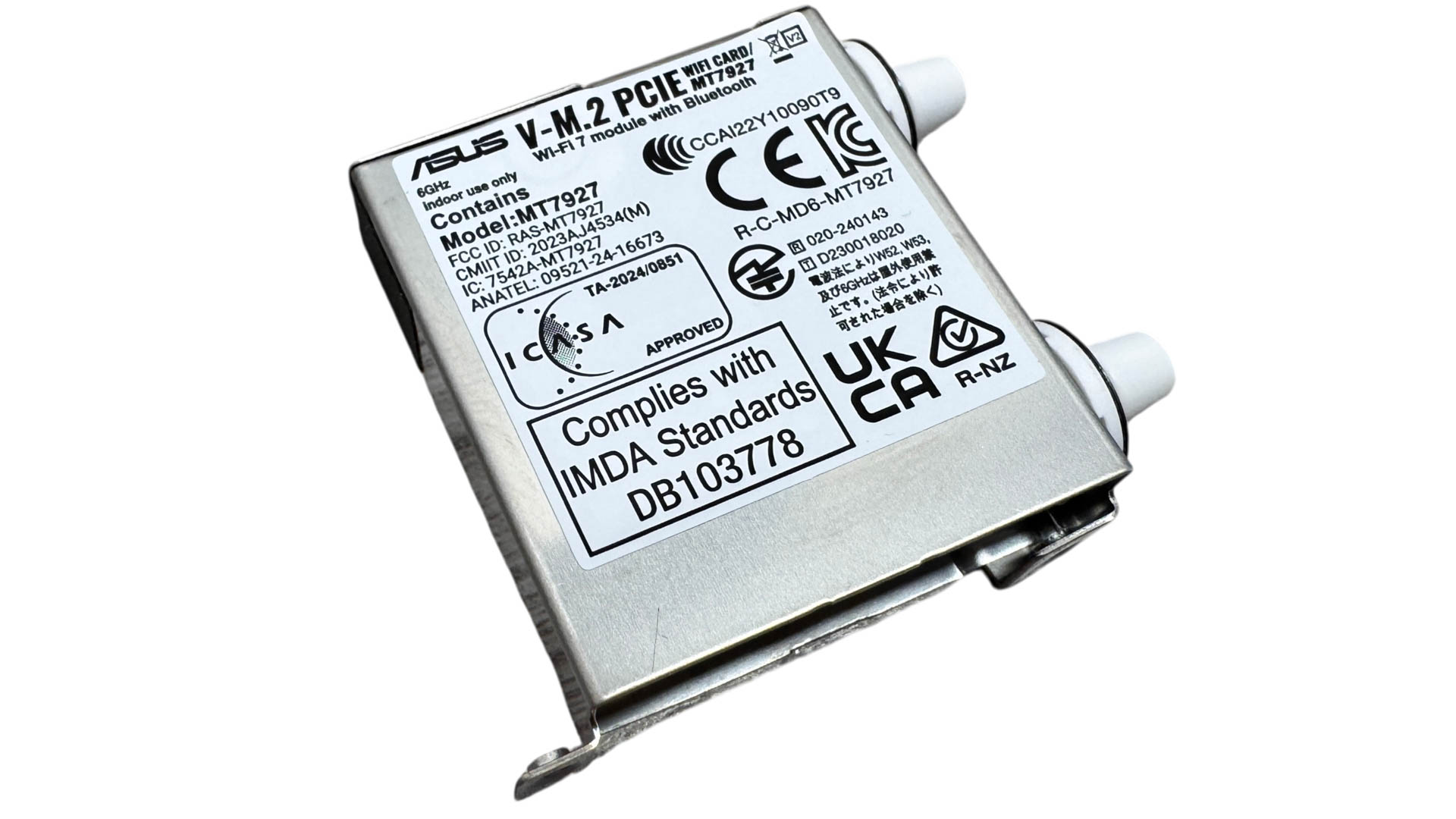
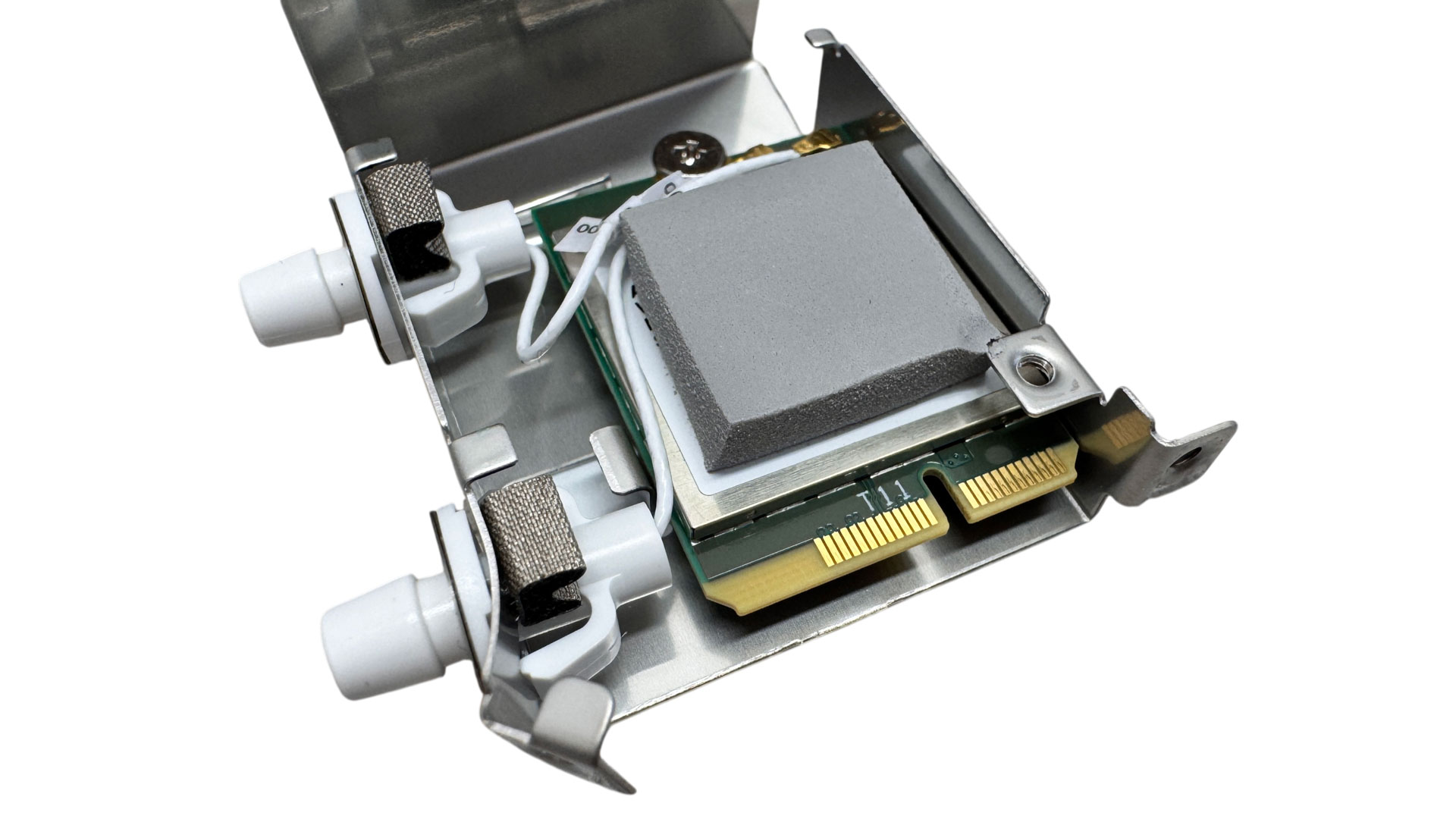
The Wi-Fi 7 module of choice is MediaTek's MT7927 controller, which features ASUS Q-Antenna quick connectors, inside a thermal pad is used to thermally connect the module to the steel casing to act as a heatsink.
Nov 20th, 2026 11:56 PST
change timezone
Latest GPU Drivers
New Forum Posts
- Honestly, do you care about GTA VI? (192)
- How to prevent OLED burn damage due to PC freezes or power outtages? (45)
- GeekMagic Ultra Smart WiFi Weather Station (6)
- Very unusual two gaming-pc scenarios. (33)
- Anthrophics IPO (16)
- Can i play GTA 6 now? (Joke) (10)
- Last game you purchased? (1410)
- TechPowerUp Screenshot Thread (MASSIVE 56K WARNING) (4387)
- SATA drive 1.4 GBps with Intel X25-E on Windows 98! (35)
- RX 9000 series GPU Owners Club (2245)
Popular Reviews
- AMD Zen 6 Technical Deep Dive
- Ugreen NASync DXP4800 GT Review
- Corsair RM1200e (Second Generation) Review
- Acemagic Retro X3 Review
- Microsoft Surface Laptop Ultra Review - The Next-gen Arm Laptop
- Upcoming Hardware Launches 2027 (Updated Nov 2026)
- Pulsar Office Tour & First Look at P1 Dual-Sensor Mouse
- Biwin Black Opal NV7400 2 TB Review
- AMD Ryzen 7 9800X3D Memory Performance Scaling
- AMD Ryzen 7 9800X3D Review - The Best Gaming Processor
TPU on YouTube
Controversial News Posts
- NVIDIA Co-Founder and CEO Jensen Huang Officially Resigns (490)
- Report: Jensen Huang Eyes NVIDIA Comeback (250)
- Open Letter Asking NVIDIA to Reinstate Jensen Huang Passes 115,000 Signatures (184)
- OpenAI CEO Argues Home PCs Waste the World's Limited DRAM Supply (152)
- NVIDIA Launches Investigation Into Jensen Huang's Relationship With Suspected Chinese Spy (136)
- Intel "Raptor Lake Next" 16-Core and 20-Core CPUs Surface (130)
- Legendary Game Studio BioWare Shuts Down Following EA Layoffs (104)
- Dell CEO Says the Memory Shortage Will Get Worse in 2027 (95)