 10
ASUS ROG Maximus Z890 Apex Review
Value & Conclusion »Overclocking
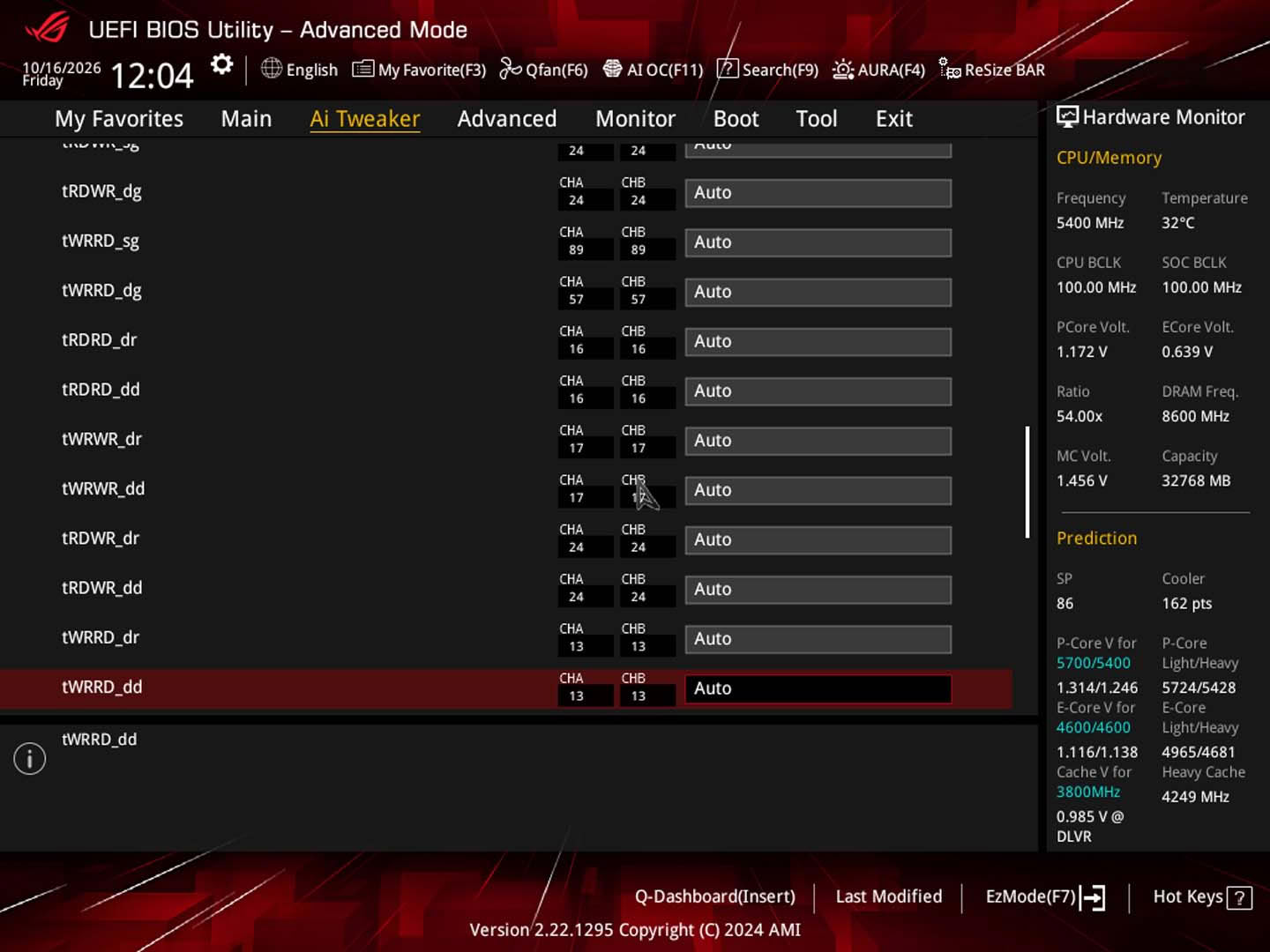
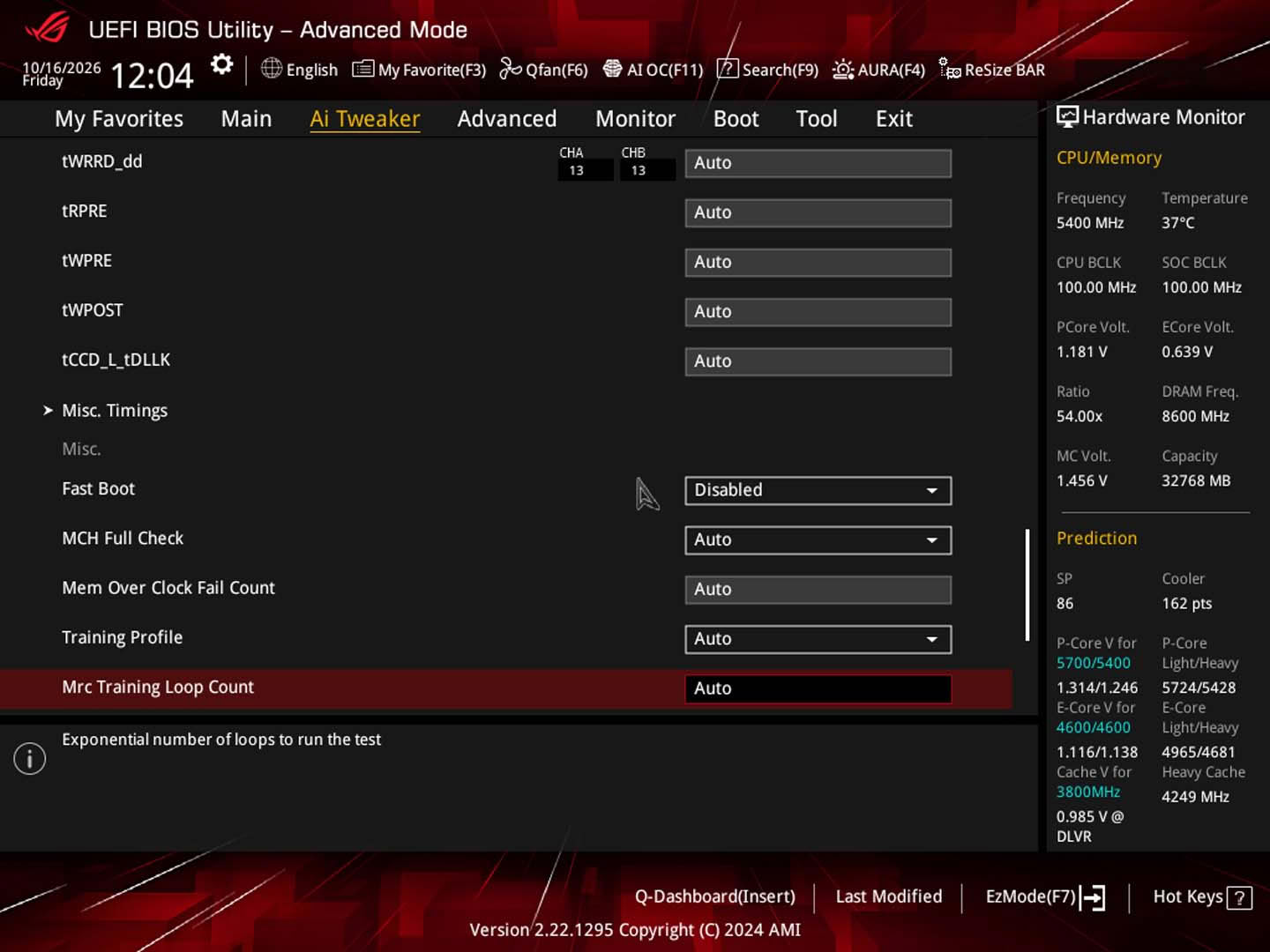
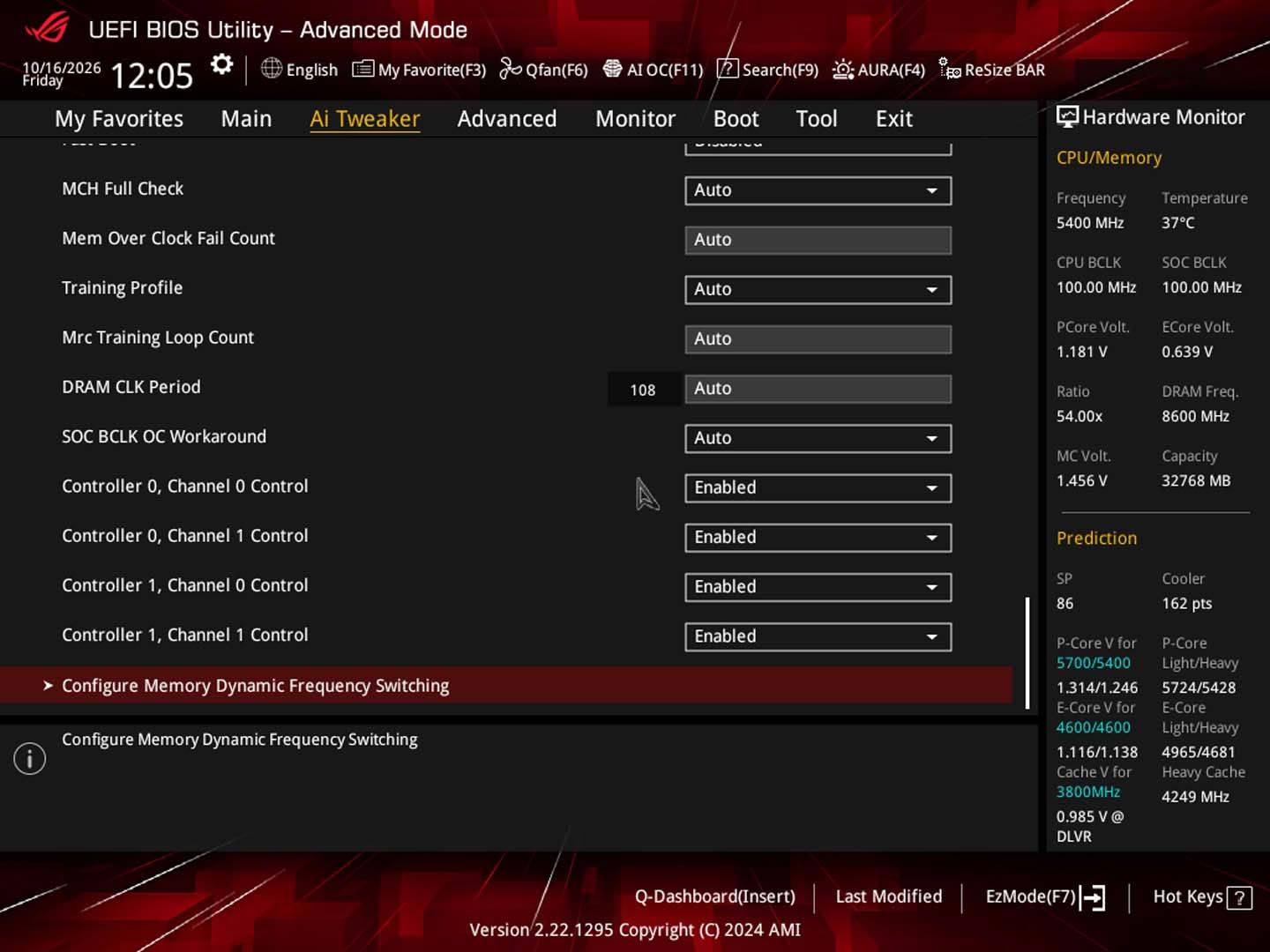
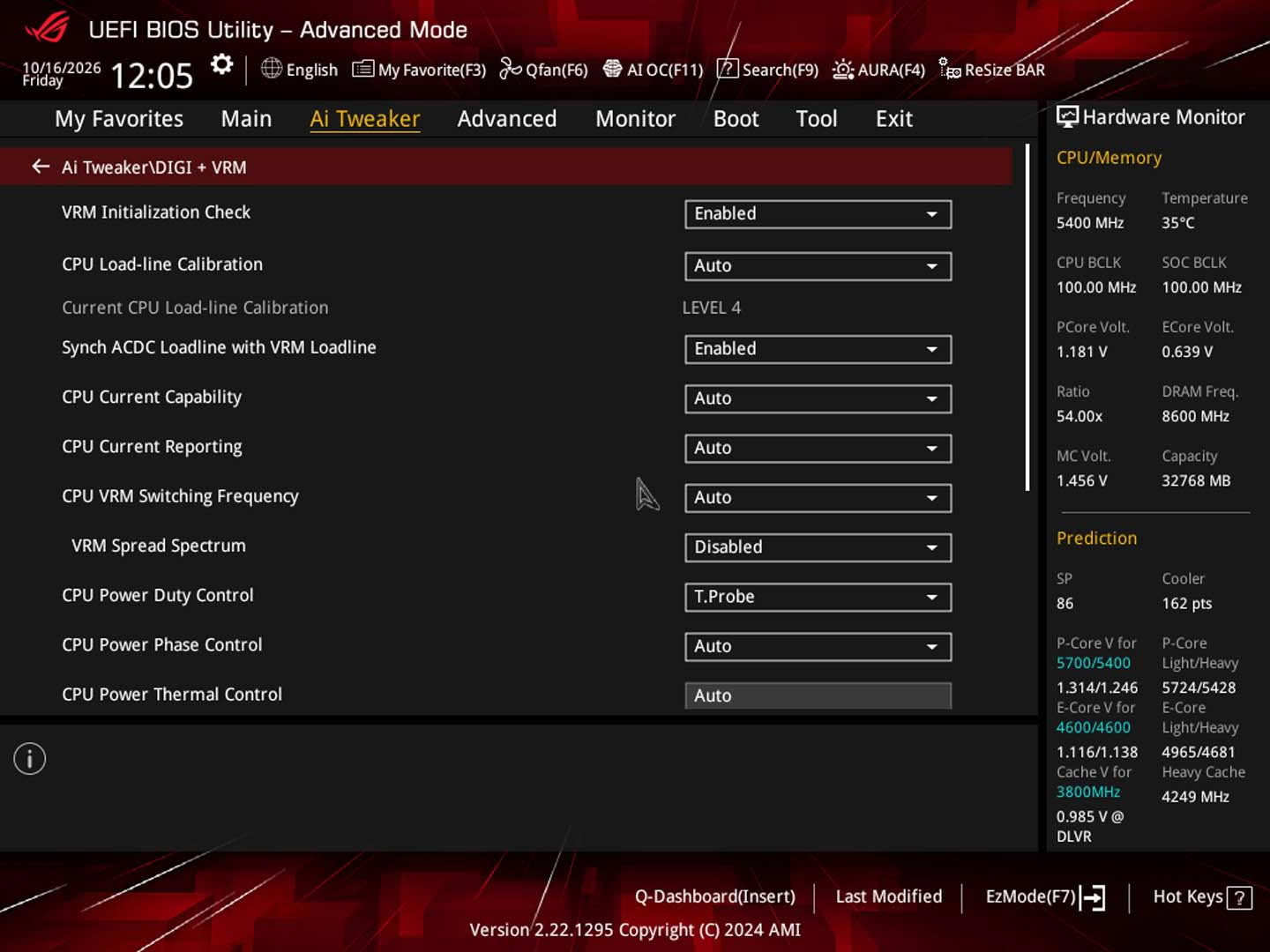
We're continuing to progress our motherboard memory overclocking testing using ADATA standard and CUDIMM kits to see what makes sense going forward in terms of useful, repeatable findings while balancing the time it takes to test this very niche area of performance. The goal here is not just the best memory performance or the lowest timings, but equally to avoid creating bottlenecks in the memory itself or CPU memory controller. Instead, we're looking at identifying variations between motherboards that impact memory overclocking performance and the general experience, such as memory training, signal isolation, shielding and trace distances.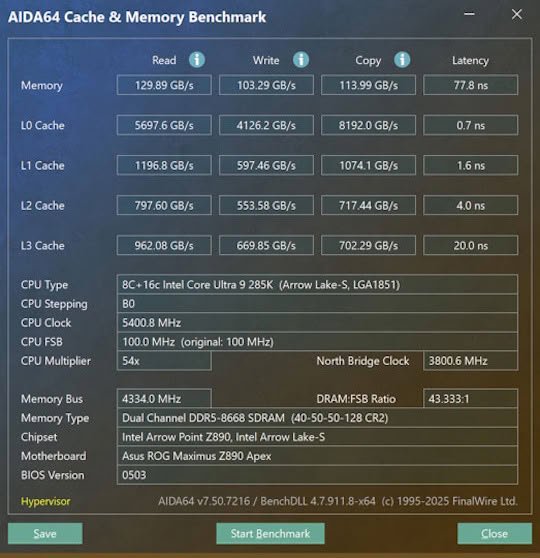
So far the standard 8000 MT/s DDR5 kit is proving to be by far the better one at identifying these differences, with this already proving the case on our AMD system. The first test resulted in the highest memory speed we've seen so far of 8666 MT/s while locking in timings, other frequencies and voltages; slightly better than the 8600 MT/s achieved by the ASRock Z890 Taichi Aqua. Bear in mind passing this test only involves booting into Windows and getting through a benchmark run of AIDA64 without crashing.
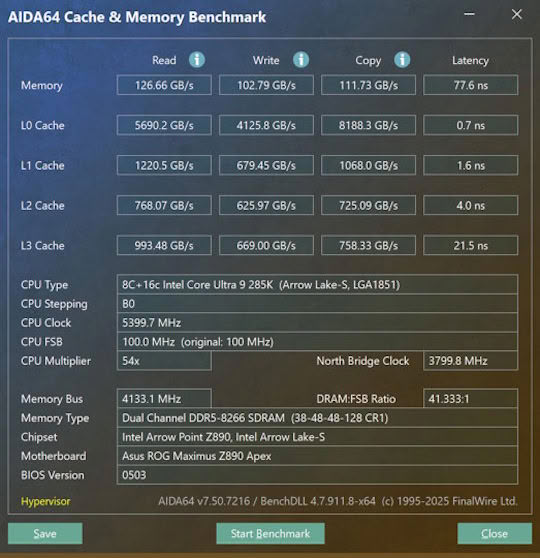
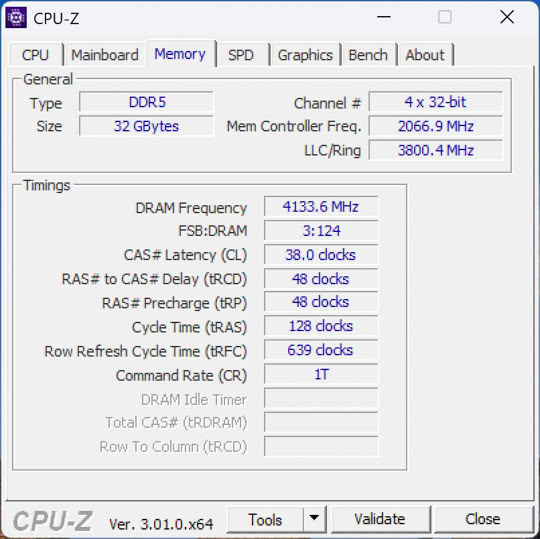
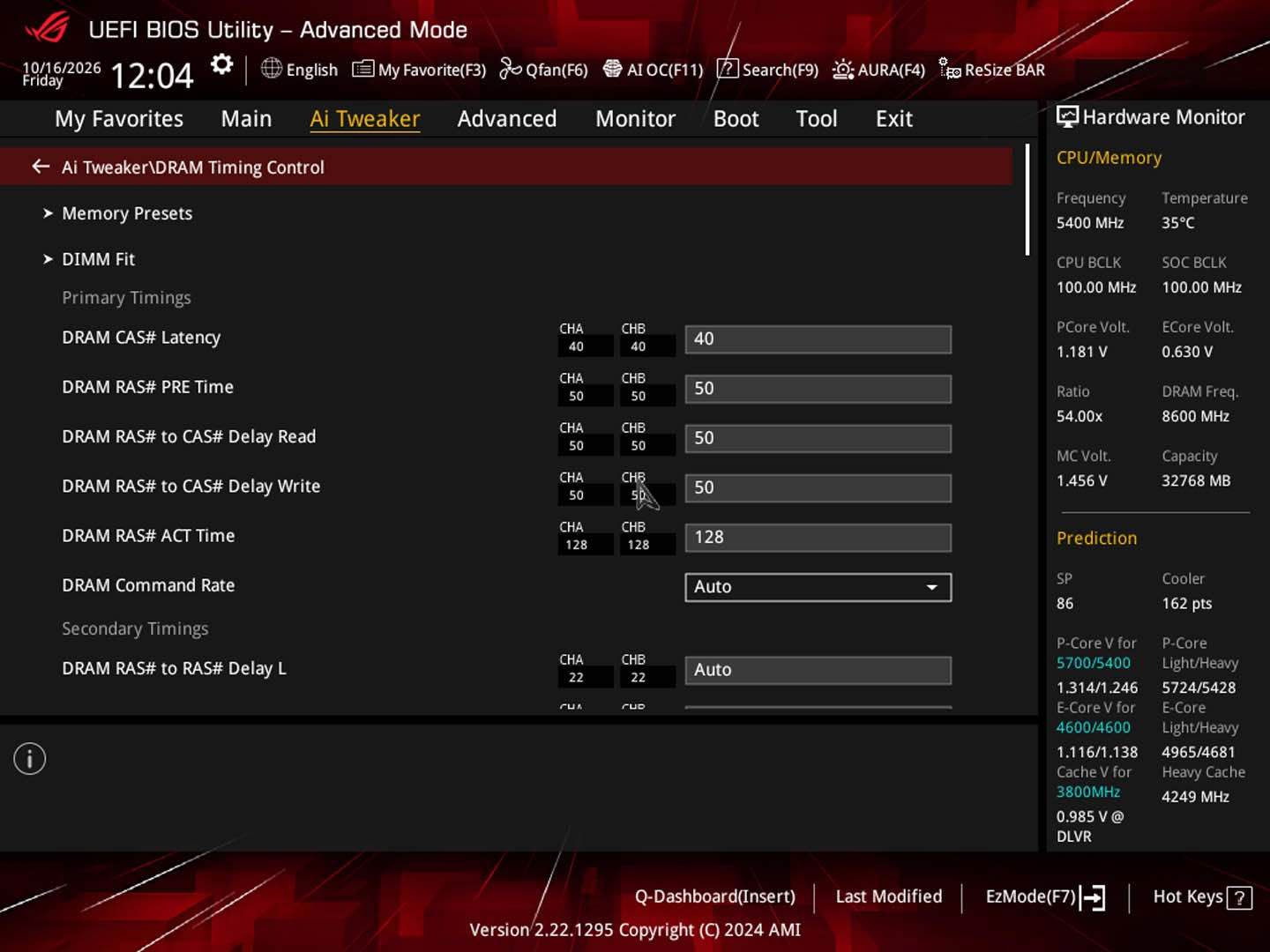
The next test is simply to see the highest frequency that can be booted with a 1T command rate. The ASRock board failed here even when dropping the frequency down to 6000 MT/s, but the Z890 Apex proved to be fine all the way up to 8400 MT/s, although to get benchmark runs in AIDA64 and Y-Cruncher to complete, that had to be knocked back to 8266 MT/s.
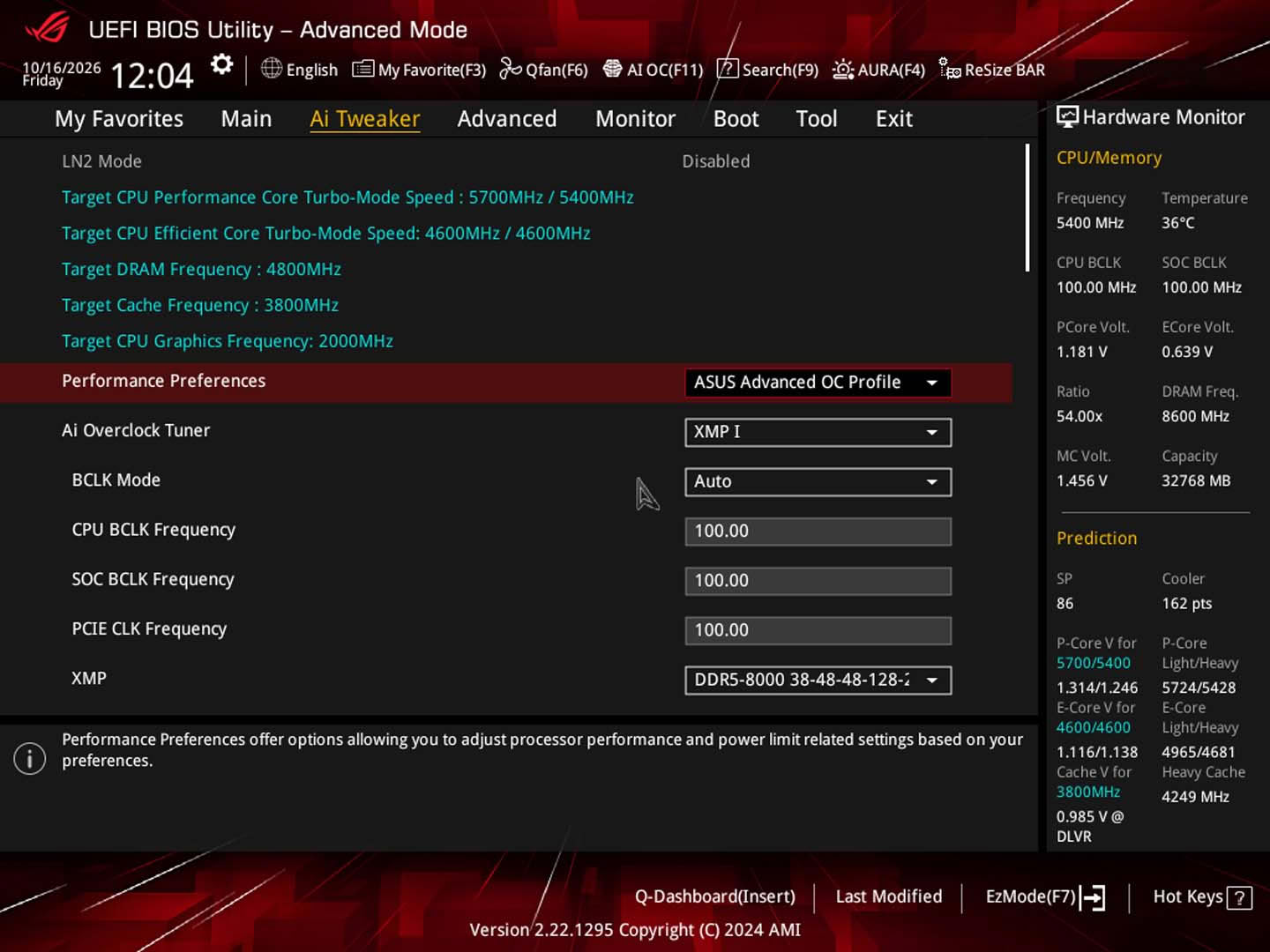
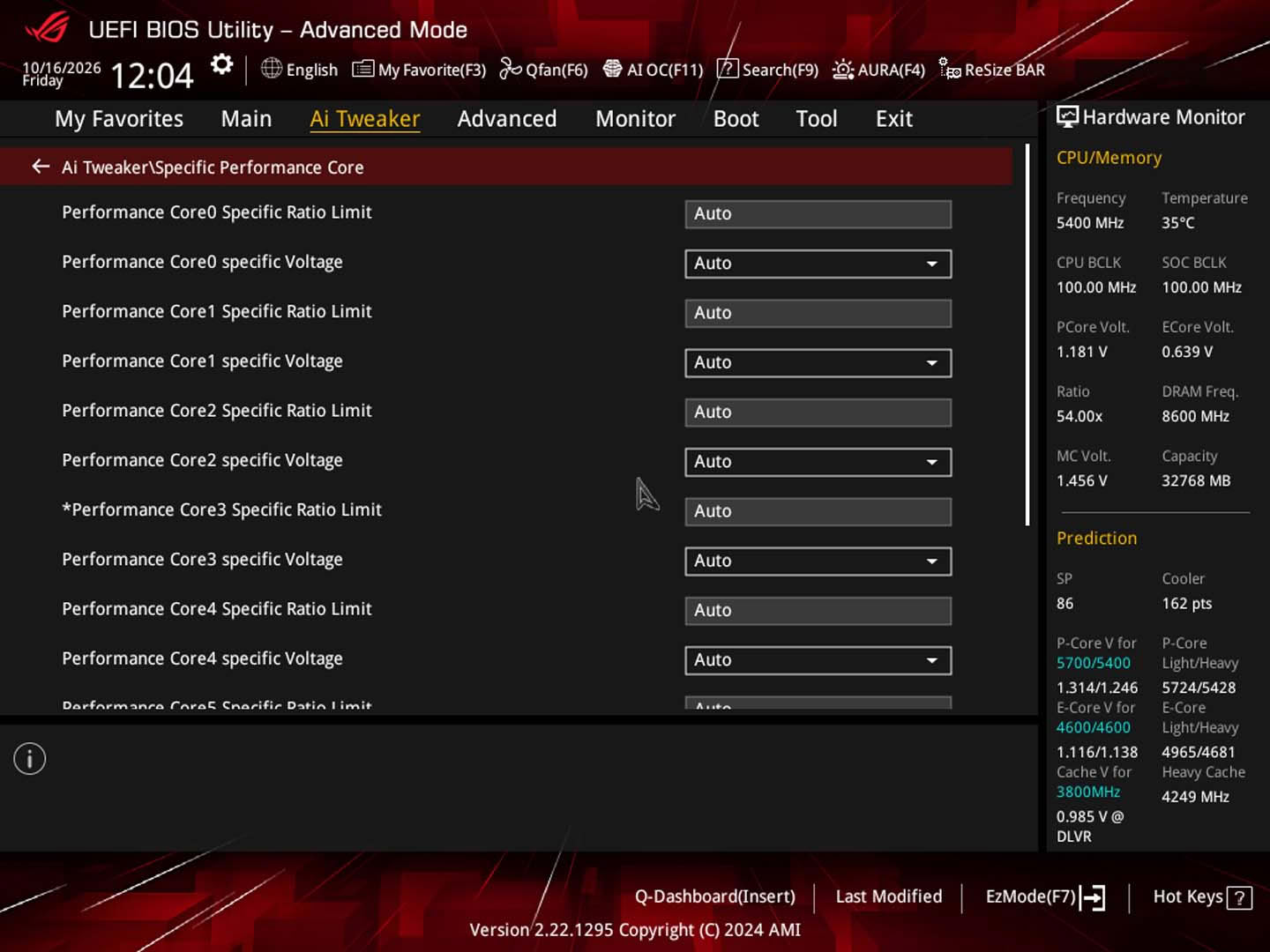
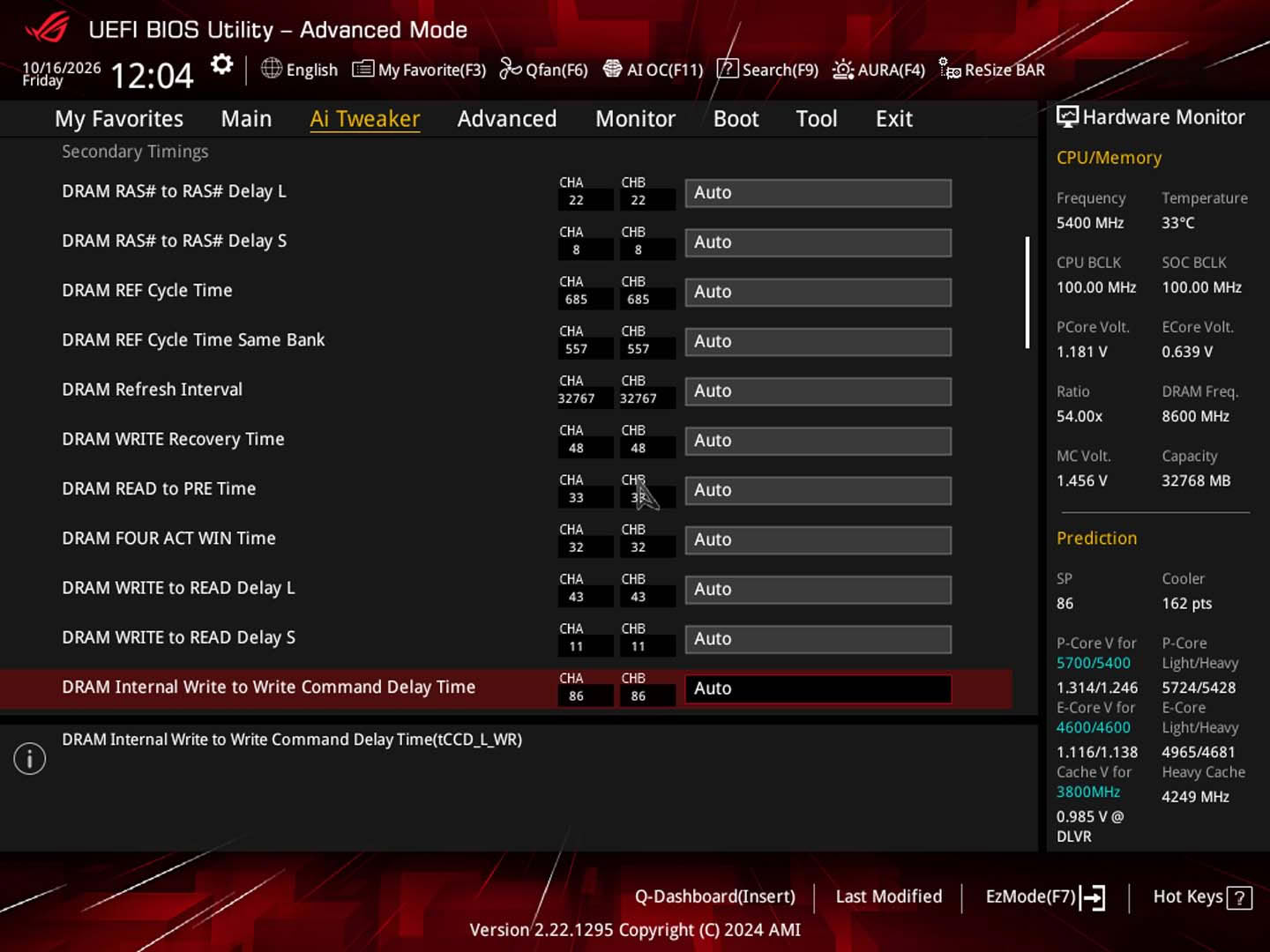
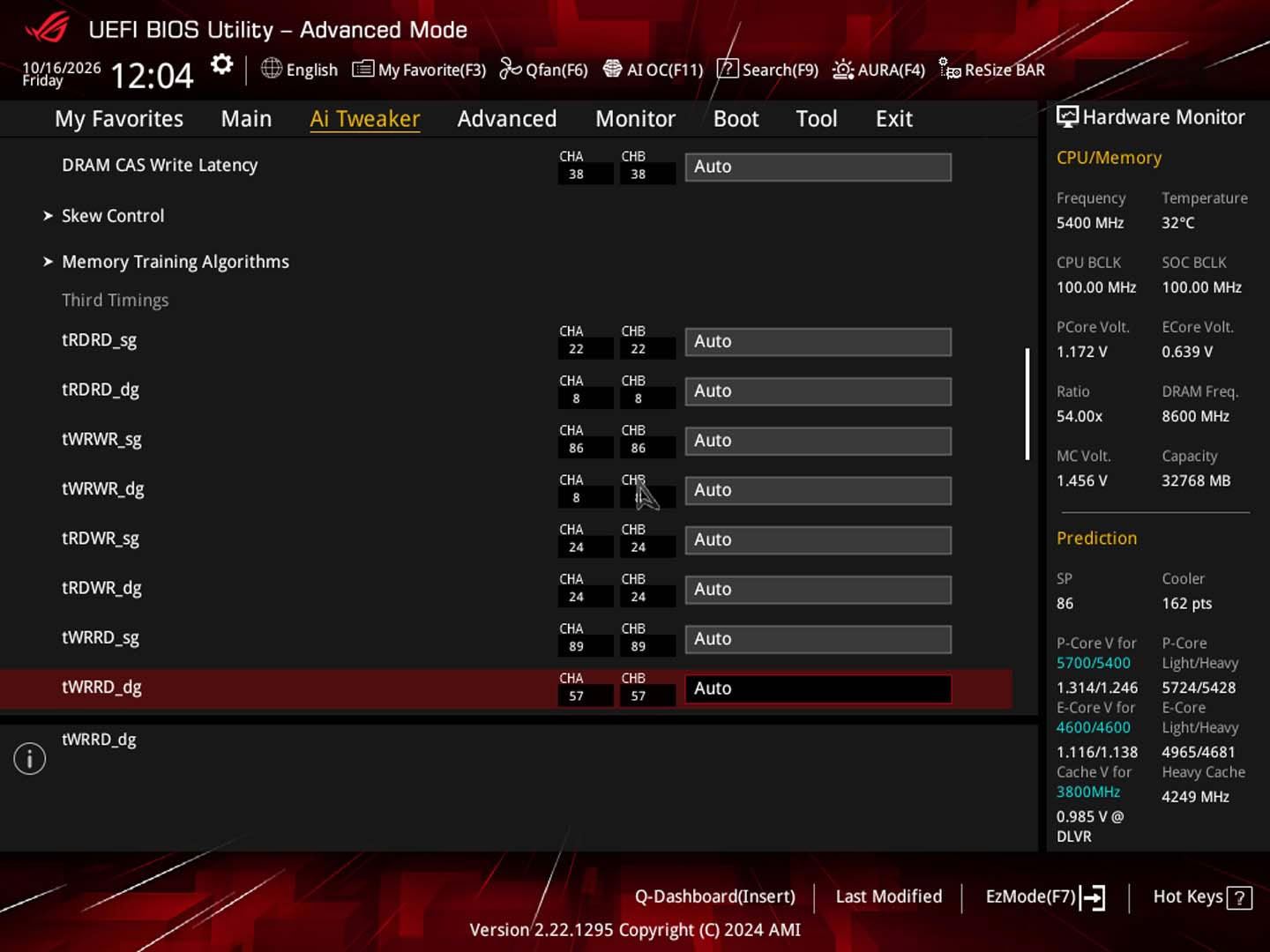
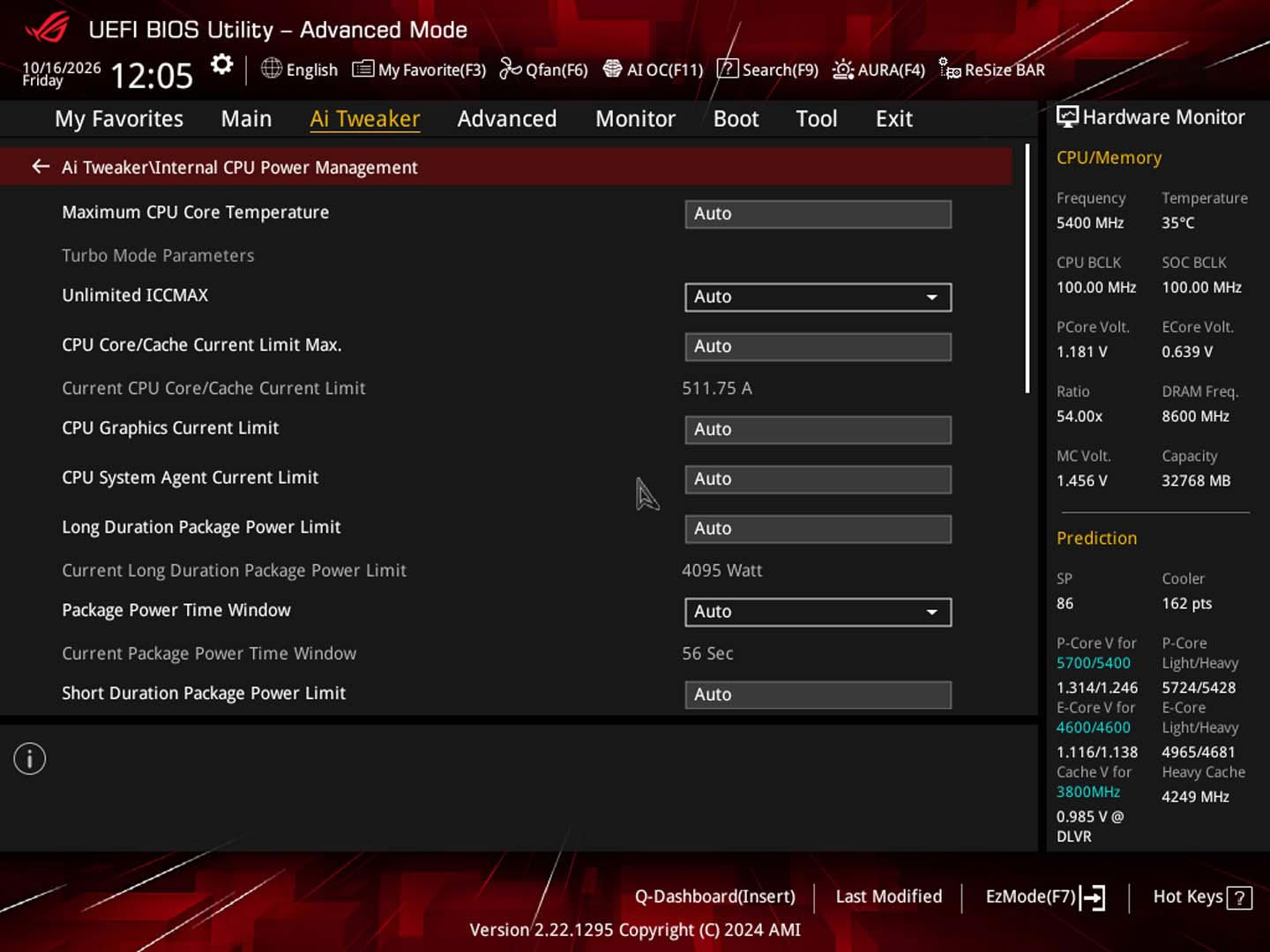
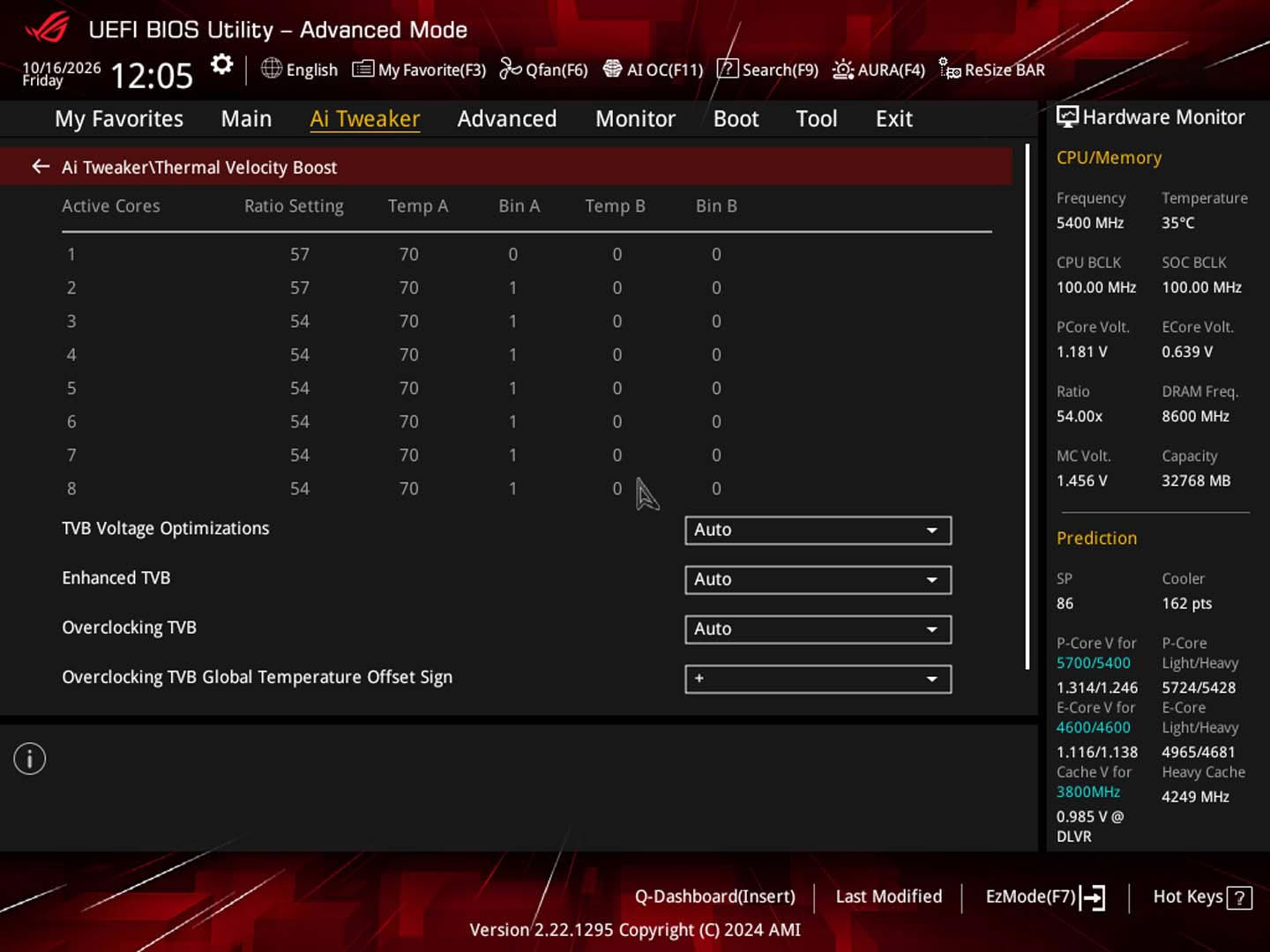
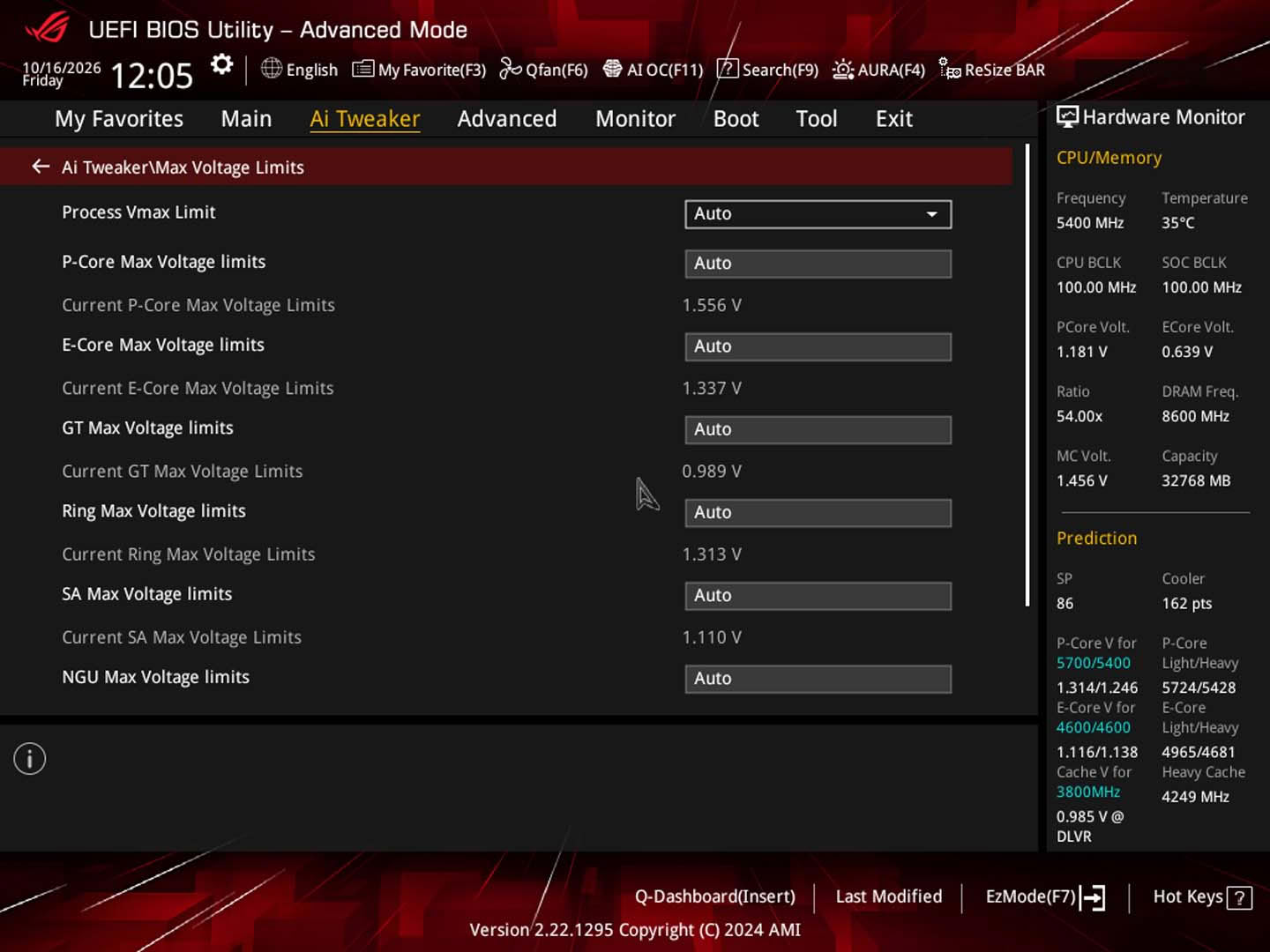
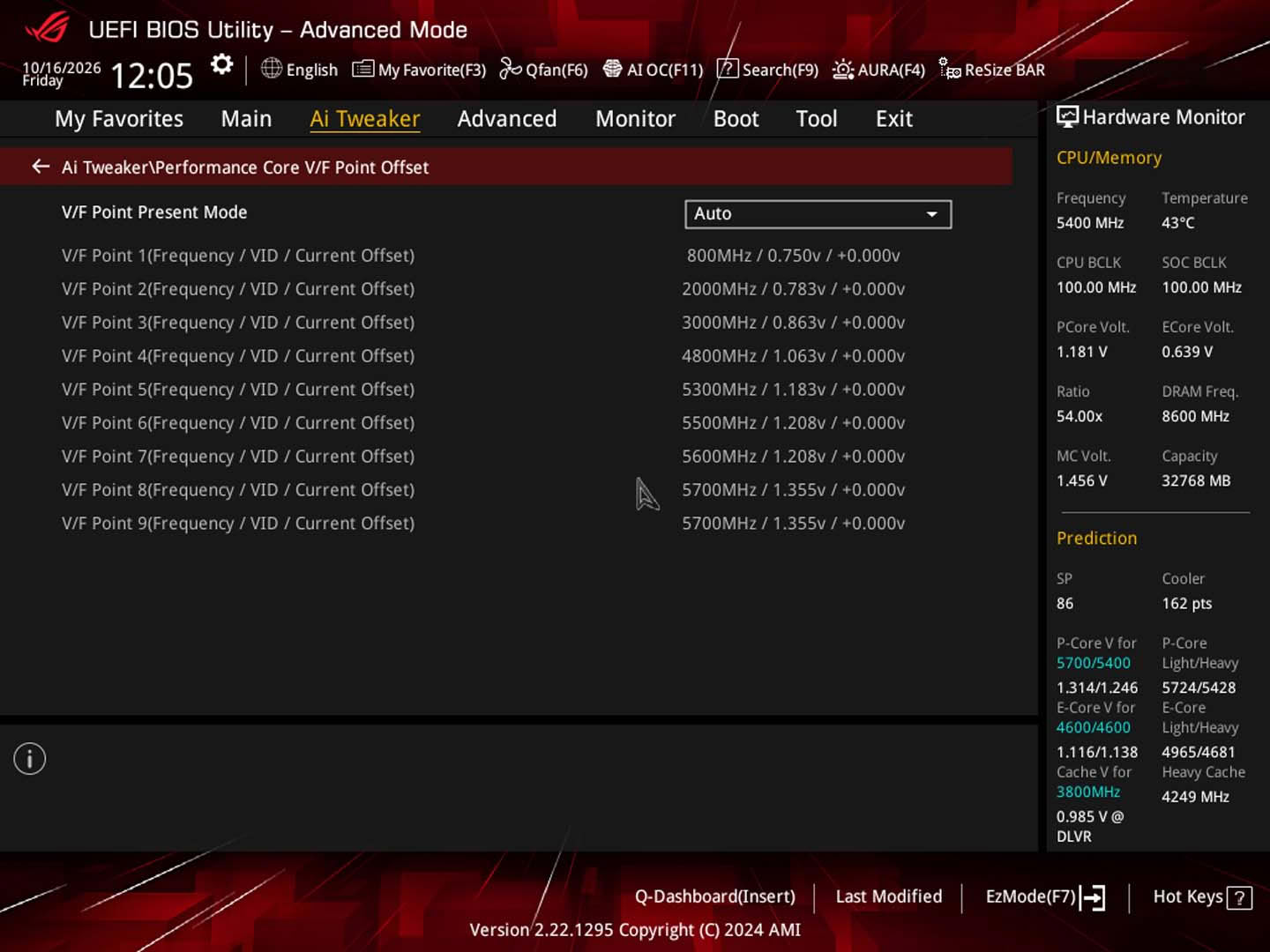
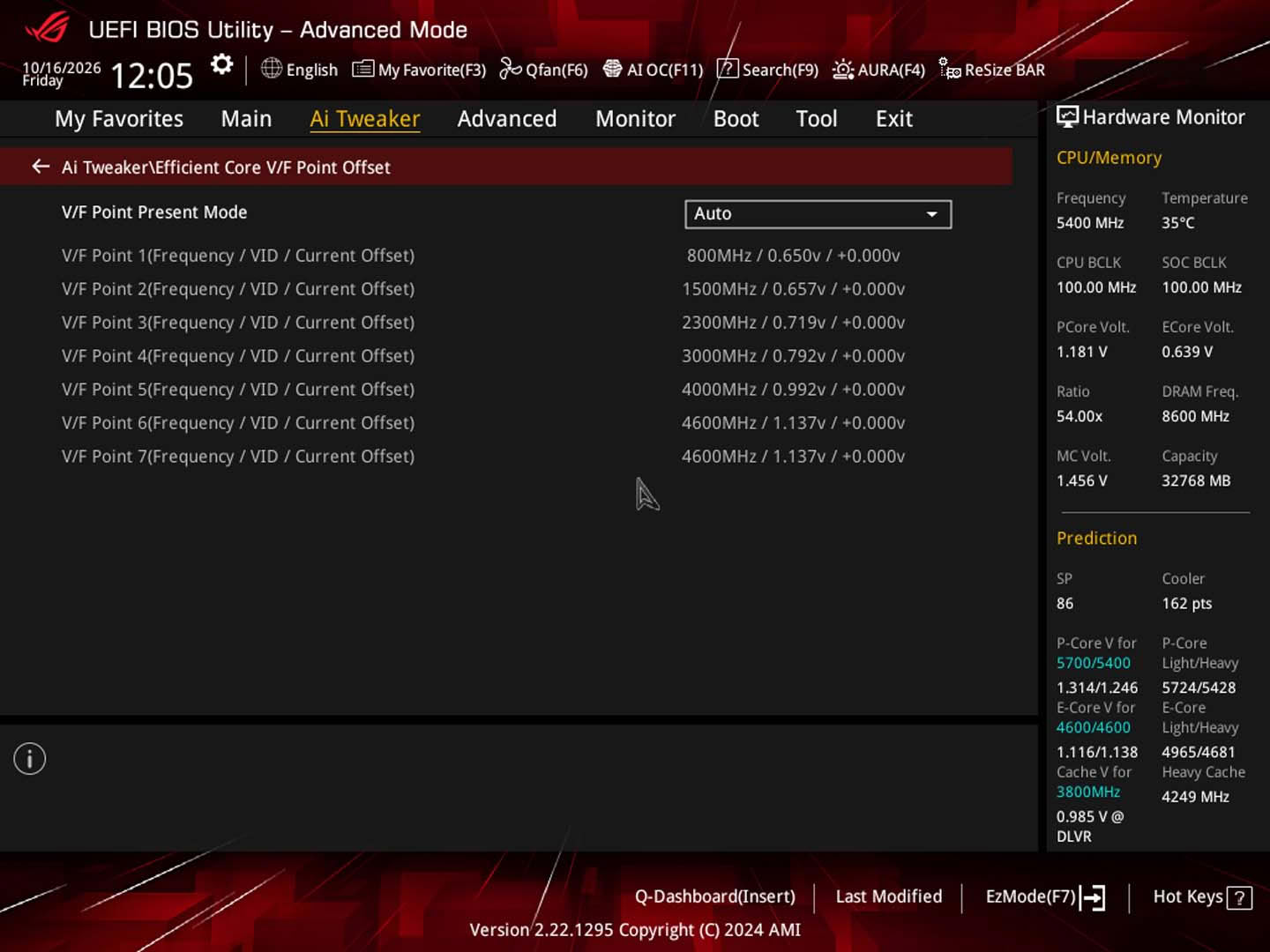
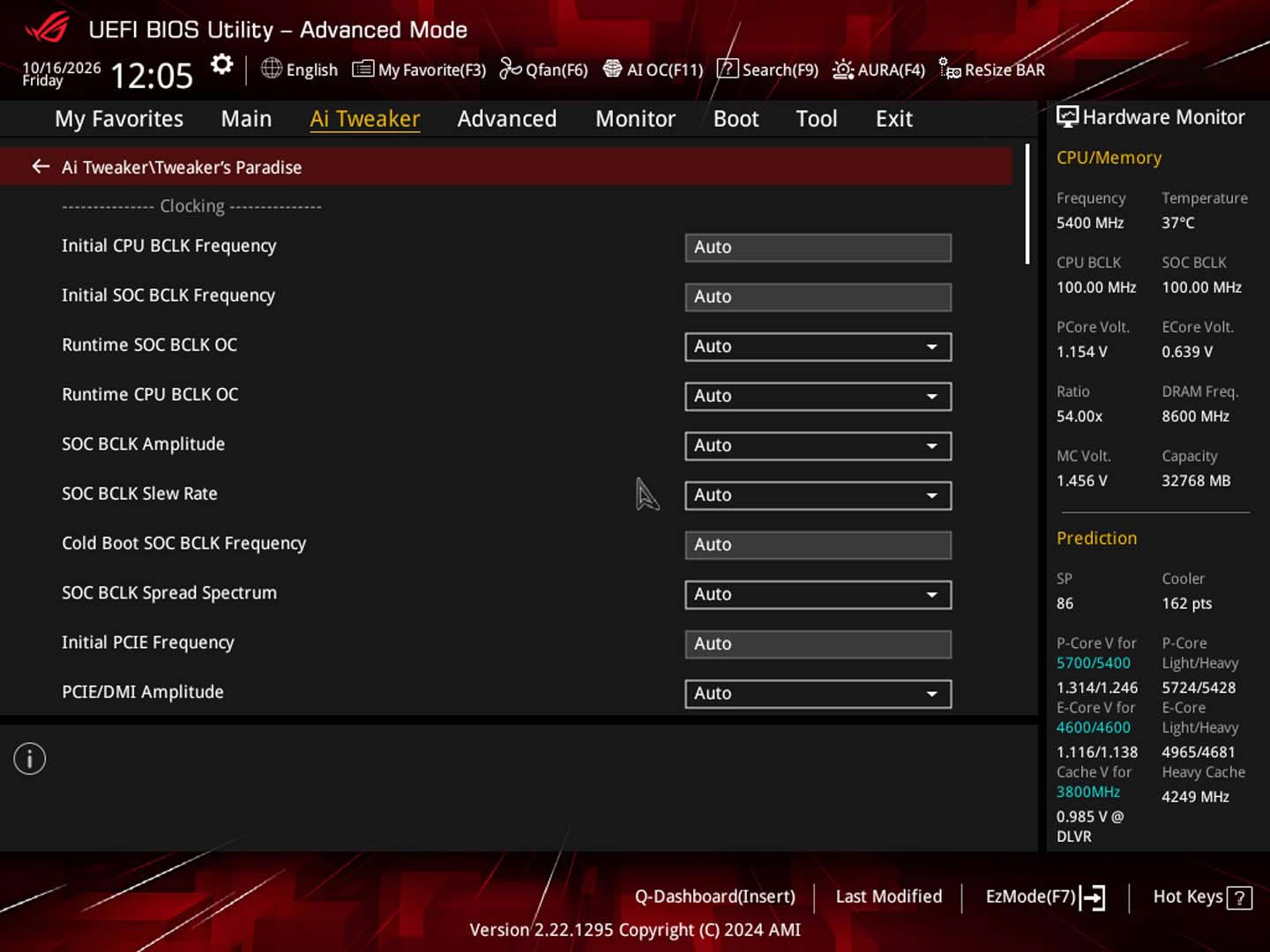
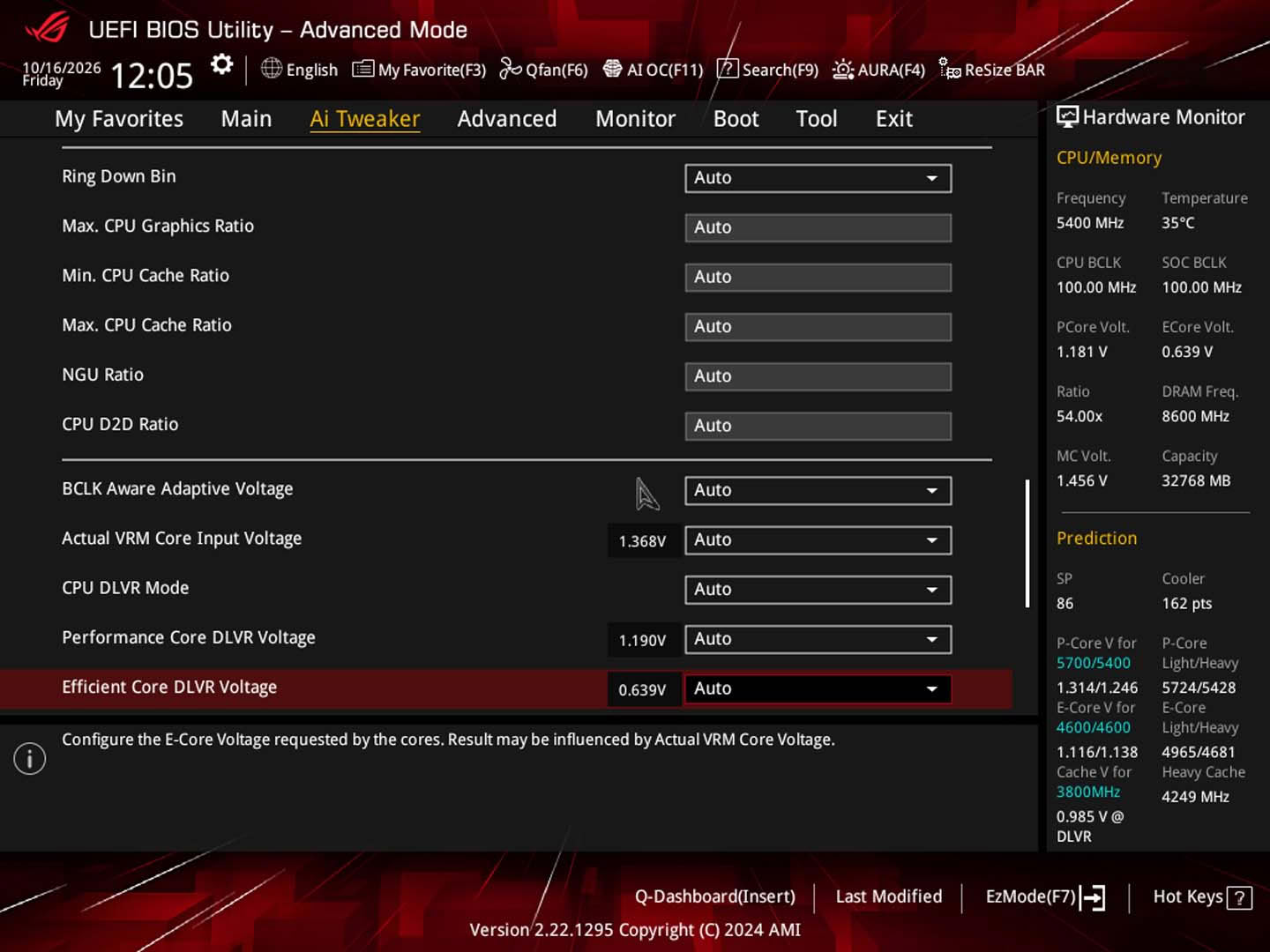
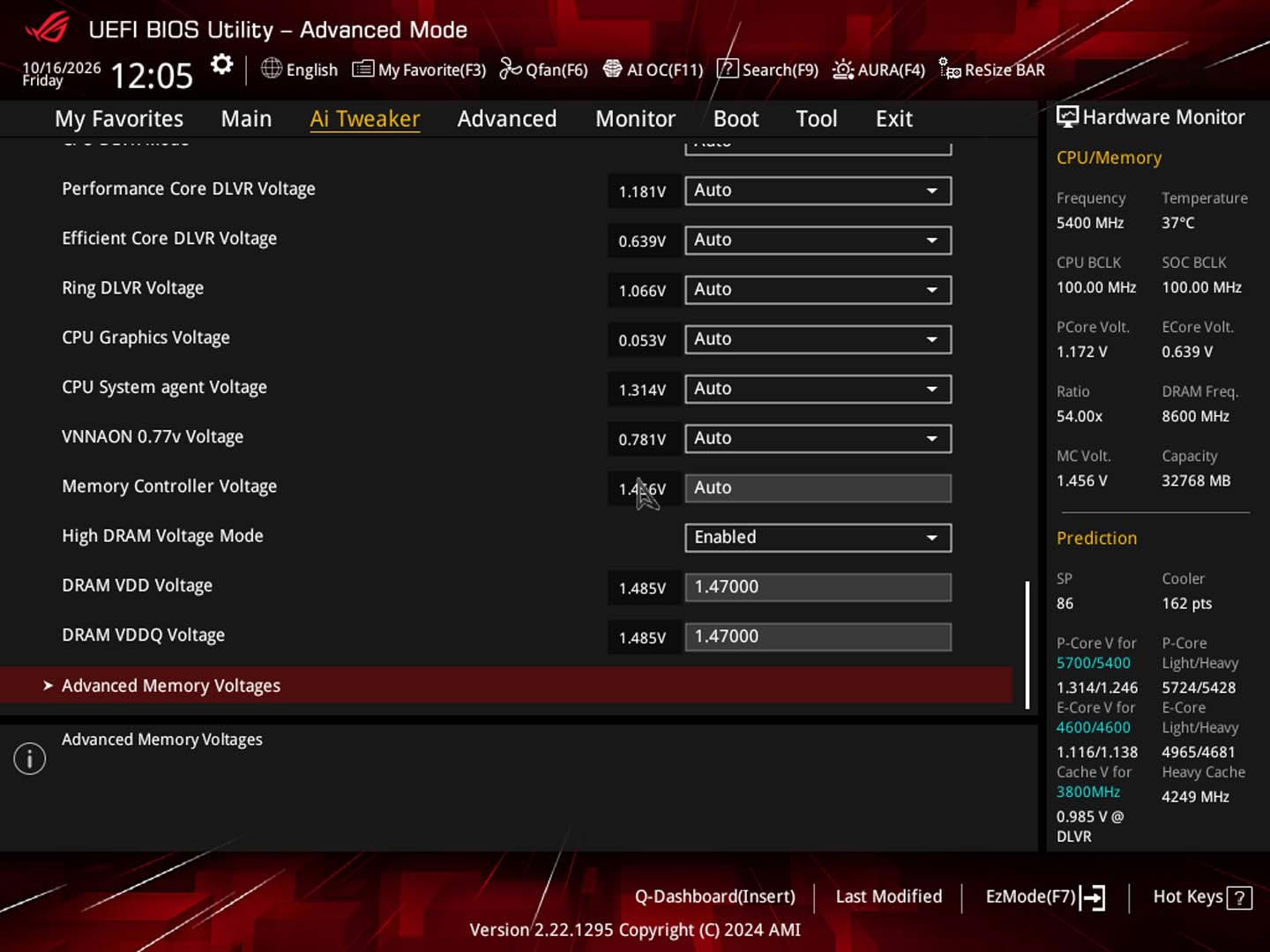
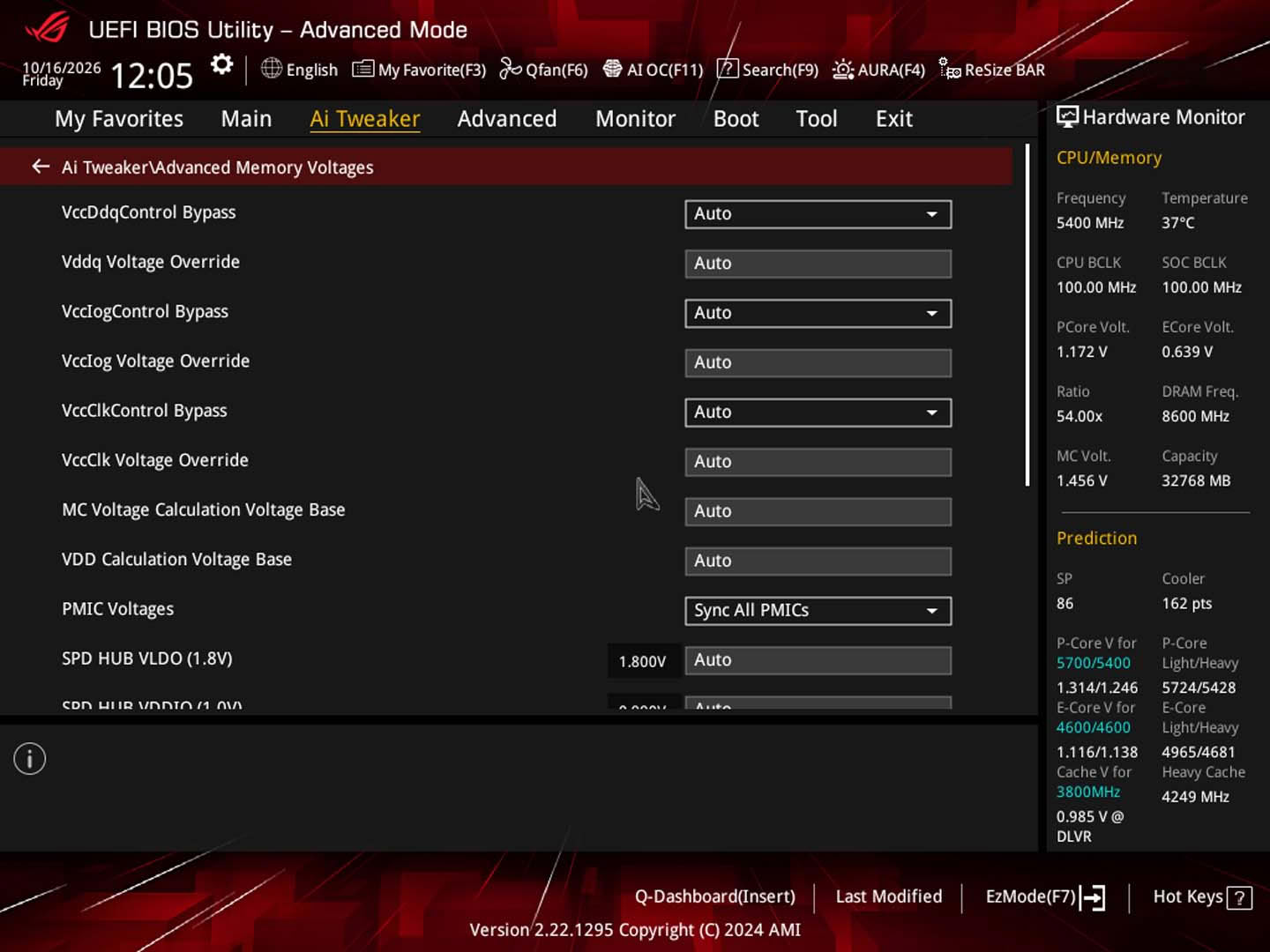
Recovery from failed settings was also far better on the Z890 Apex than on the Z890 Taichi Aqua. However, the Z890 Apex did have a few gremlins when we first fired it up, refusing to turn on even when we switched to the second BIOS, requiring a cold boot, and doing the same a few hours later, again before we'd started overclocking, requiring a BIOS flash using Flashback to bring it back to life. This wasted a few hours of testing time and was quite frustrating, with several other reports of this behavior online too. Ironically, it was silky smooth and predictable when overclocking. The EFI itself is probably the best out there for overclocking in terms of visual appeal and ergonomics, with a mass of options, but presented as a well laid-out system that doesn't need too much flitting between menus.
Nov 18th, 2026 13:38 PST
change timezone
Latest GPU Drivers
New Forum Posts
- Can i play GTA 6 now? (Joke) (6)
- Very unusual two gaming-pc scenarios. (12)
- Dell Workstation Owners Club (3513)
- Any other old-timers here planning to play WoW Forever? (151)
- Time to upgrade CPU and MOBO (33)
- The Filthy, Rotten, Nasty, Helpdesk-Nightmare picture clubhouse (2876)
- WarpCoreBench scores! (67)
- Honestly, do you care about GTA VI? (144)
- Acer Predator BiFrost Radeon RX 9070 OC (9)
- DTS DCH Driver for Realtek HDA [DTS:X APO4 + DTS Interactive] (2814)
Popular Reviews
- Acemagic Retro X3 Review
- Upcoming Hardware Launches 2027 (Updated Nov 2026)
- AMD Zen 6 Technical Deep Dive
- ASUS ROG Strix B850-I Gaming Wi-Fi7 W Review
- Corsair HX1000i Shift Crystal Review
- Biwin Black Opal NV7400 2 TB Review
- Chieftec Iceberg PRO 360 DARK Review
- AMD Ryzen 7 9800X3D Review - The Best Gaming Processor
- Pulsar Office Tour & First Look at P1 Dual-Sensor Mouse
- Phantom Blade Zero Performance Benchmark Review - 35 GPUs Tested
TPU on YouTube
Controversial News Posts
- NVIDIA Co-Founder and CEO Jensen Huang Officially Resigns (478)
- Report: Jensen Huang Eyes NVIDIA Comeback (187)
- Open Letter Asking NVIDIA to Reinstate Jensen Huang Passes 115,000 Signatures (184)
- OpenAI CEO Argues Home PCs Waste the World's Limited DRAM Supply (152)
- NVIDIA Launches Investigation Into Jensen Huang's Relationship With Suspected Chinese Spy (136)
- Intel "Raptor Lake Next" 16-Core and 20-Core CPUs Surface (130)
- Legendary Game Studio BioWare Shuts Down Following EA Layoffs (104)
- Dell CEO Says the Memory Shortage Will Get Worse in 2027 (95)