 14
ASUS ROG Strix Z890-E Gaming Wi-Fi Review
VRM Overview »Component Analysis
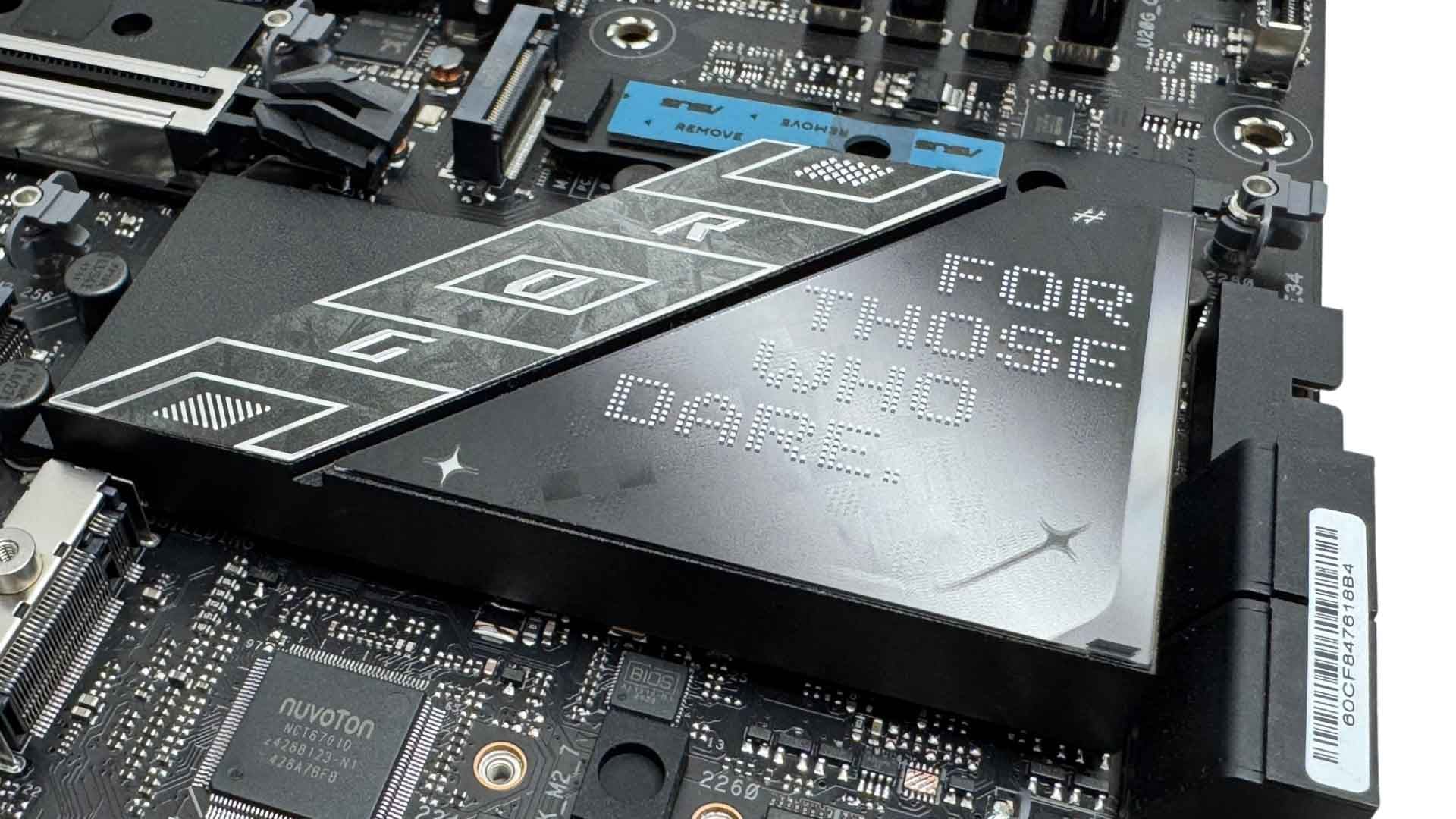
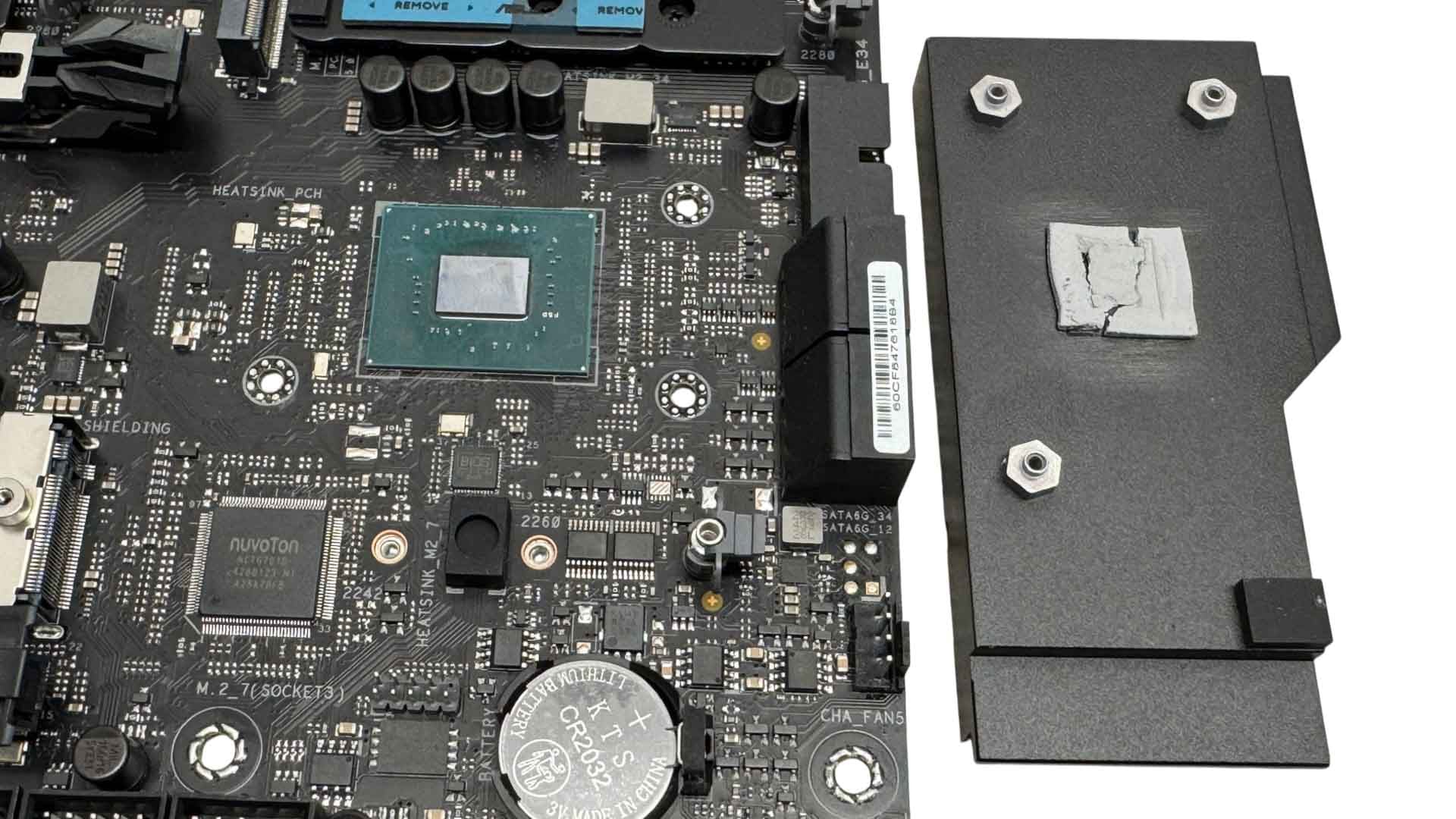
One of the benefits with Z890 compared to X870E is that there's just a single chip to deal with. The PCH here has its own heatsink that's certainly large enough to keep things in check.
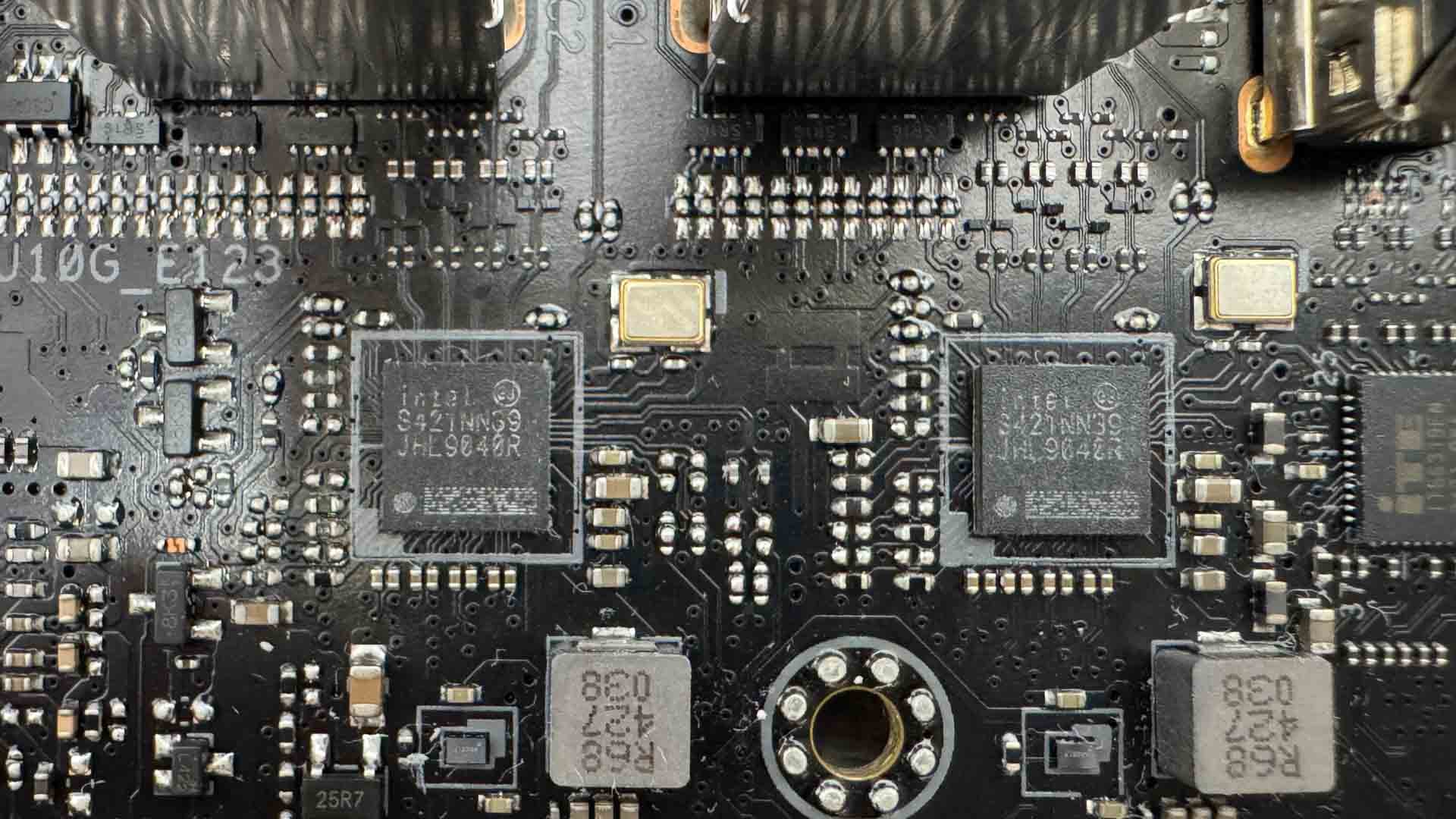
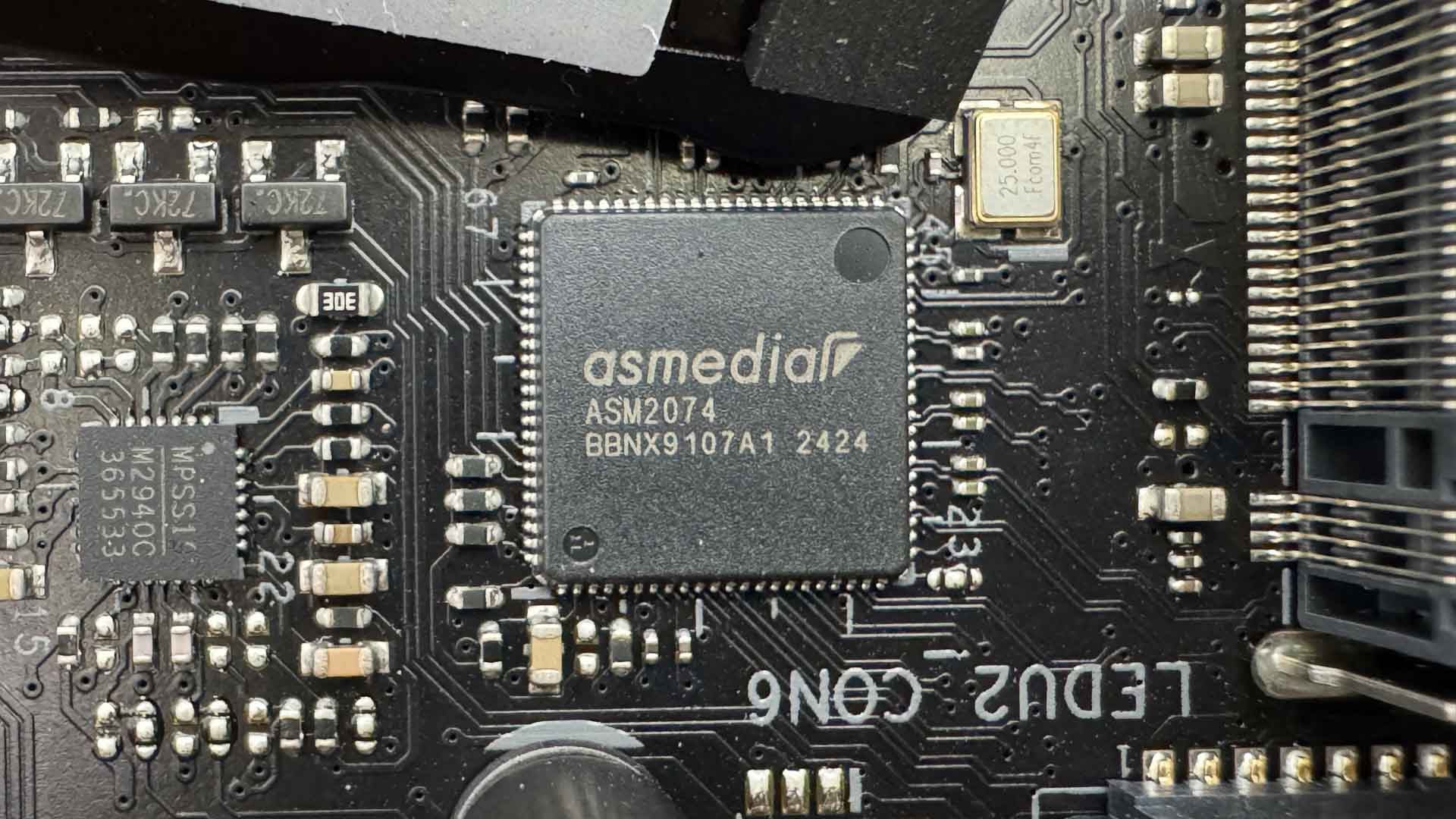
As usual, we have a pair of JHL9040R Thunderbolt 4 redrivers linked to the rear Type-C 40 Gbps ports. We also have an ASMedia ASM2074 hub controller contributing to the impressive array of seven USB 3.2 Gen 2 10 Gbps Type-A ports on the rear I/O panel.
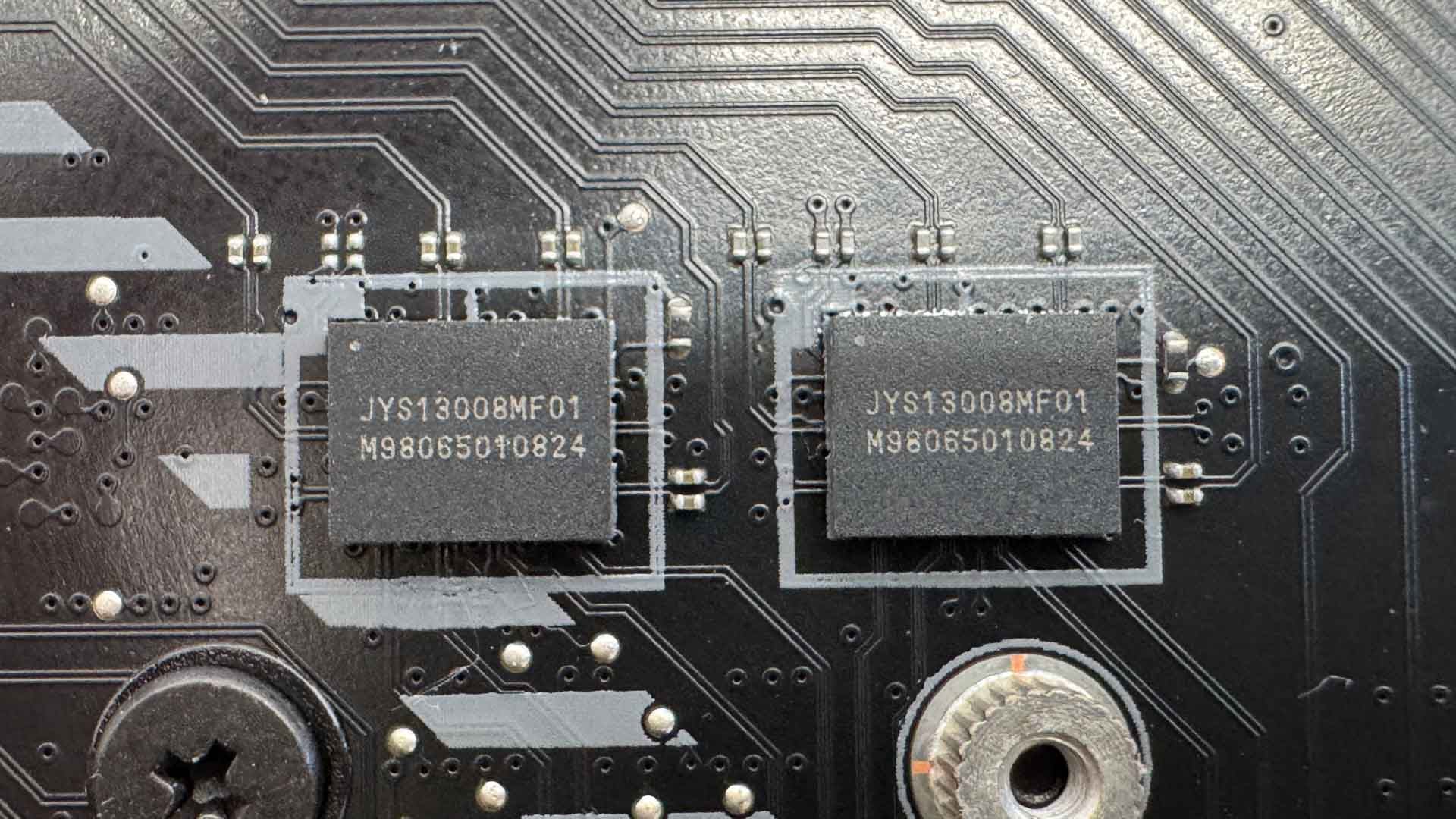
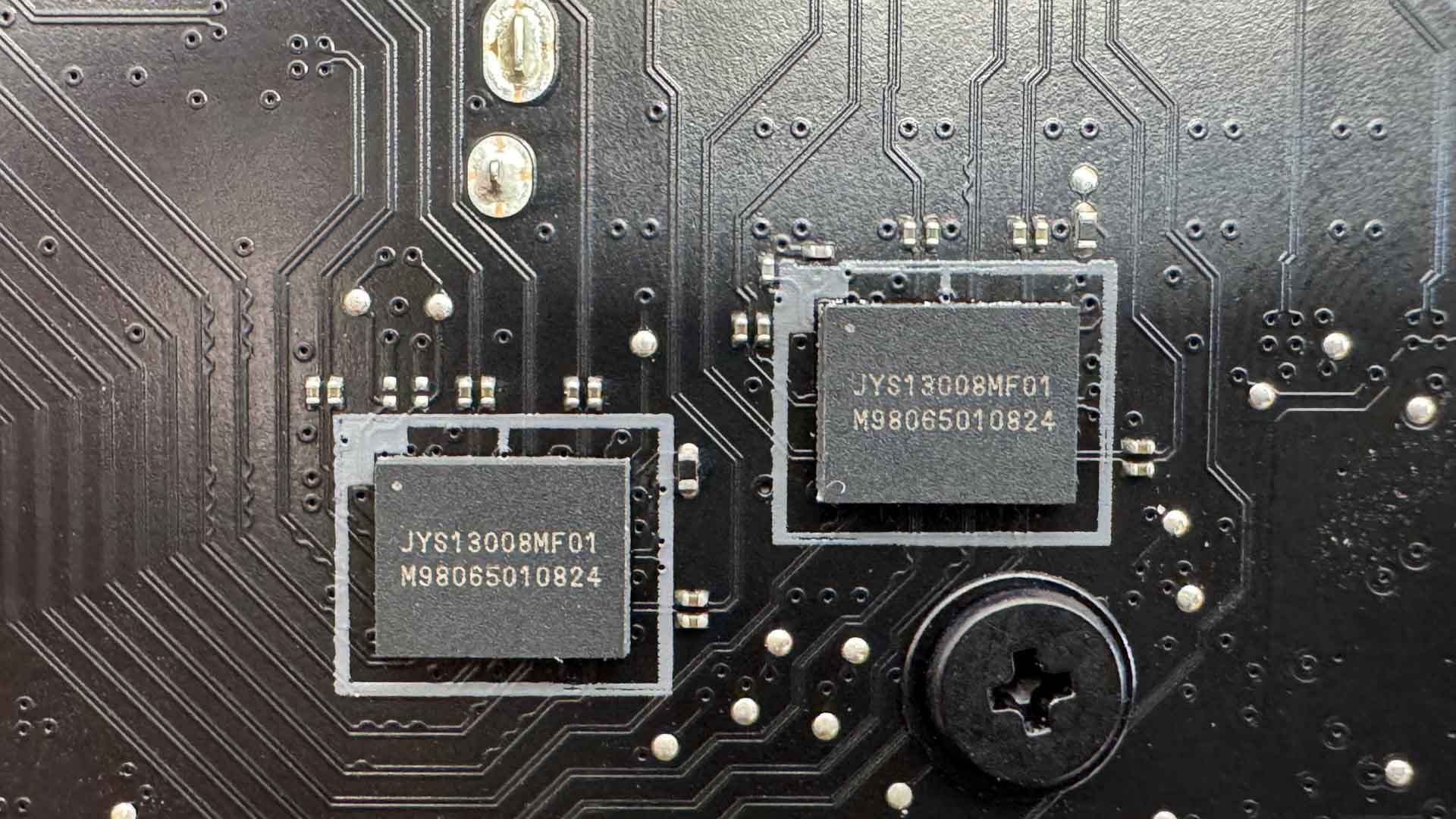
To handle bandwidth sharing between the PCIe slot devices and M.2 ports we have two pairs of PCIe Gen 5 JYS13008MF01 Linear Equalizers.
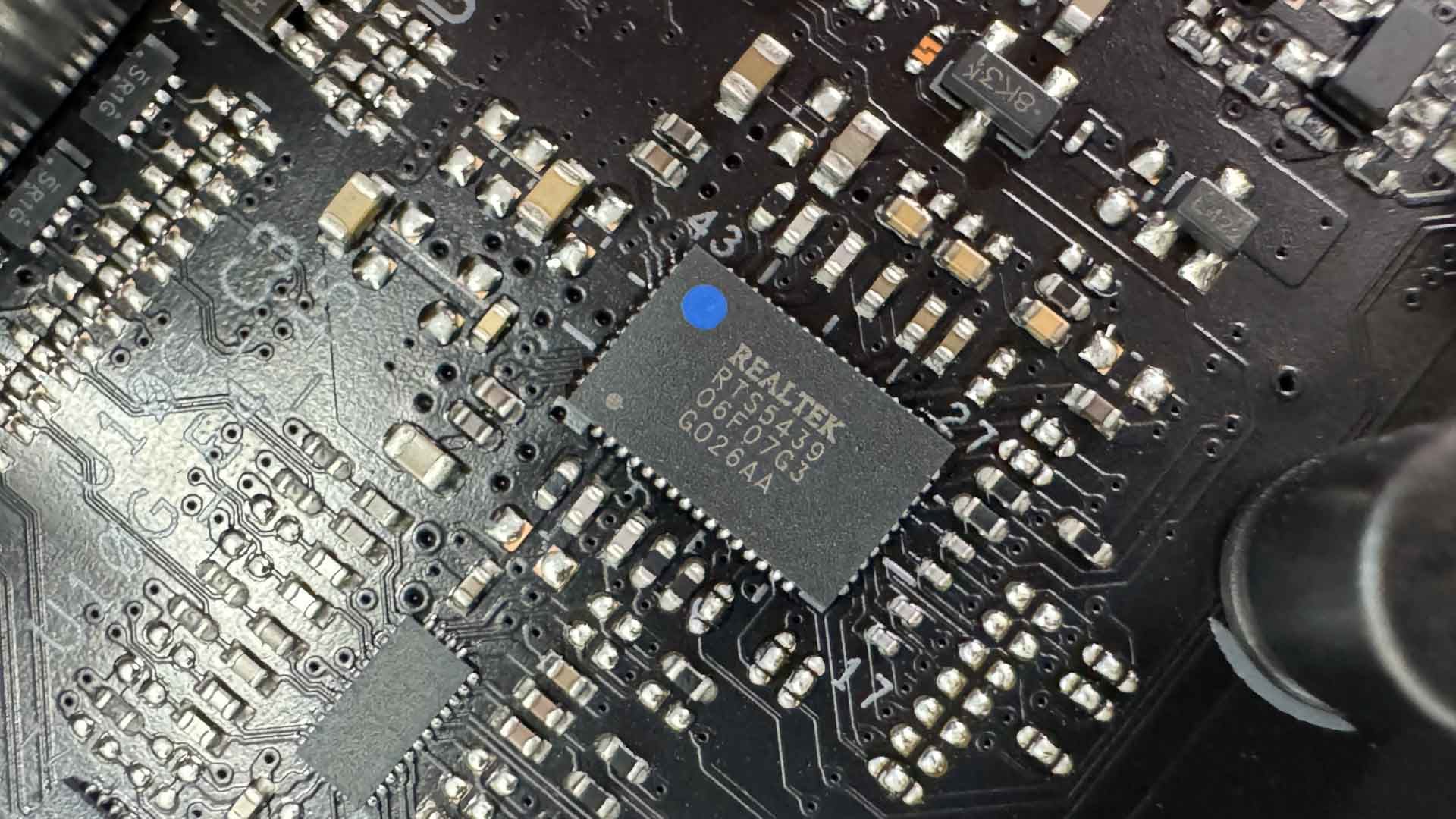
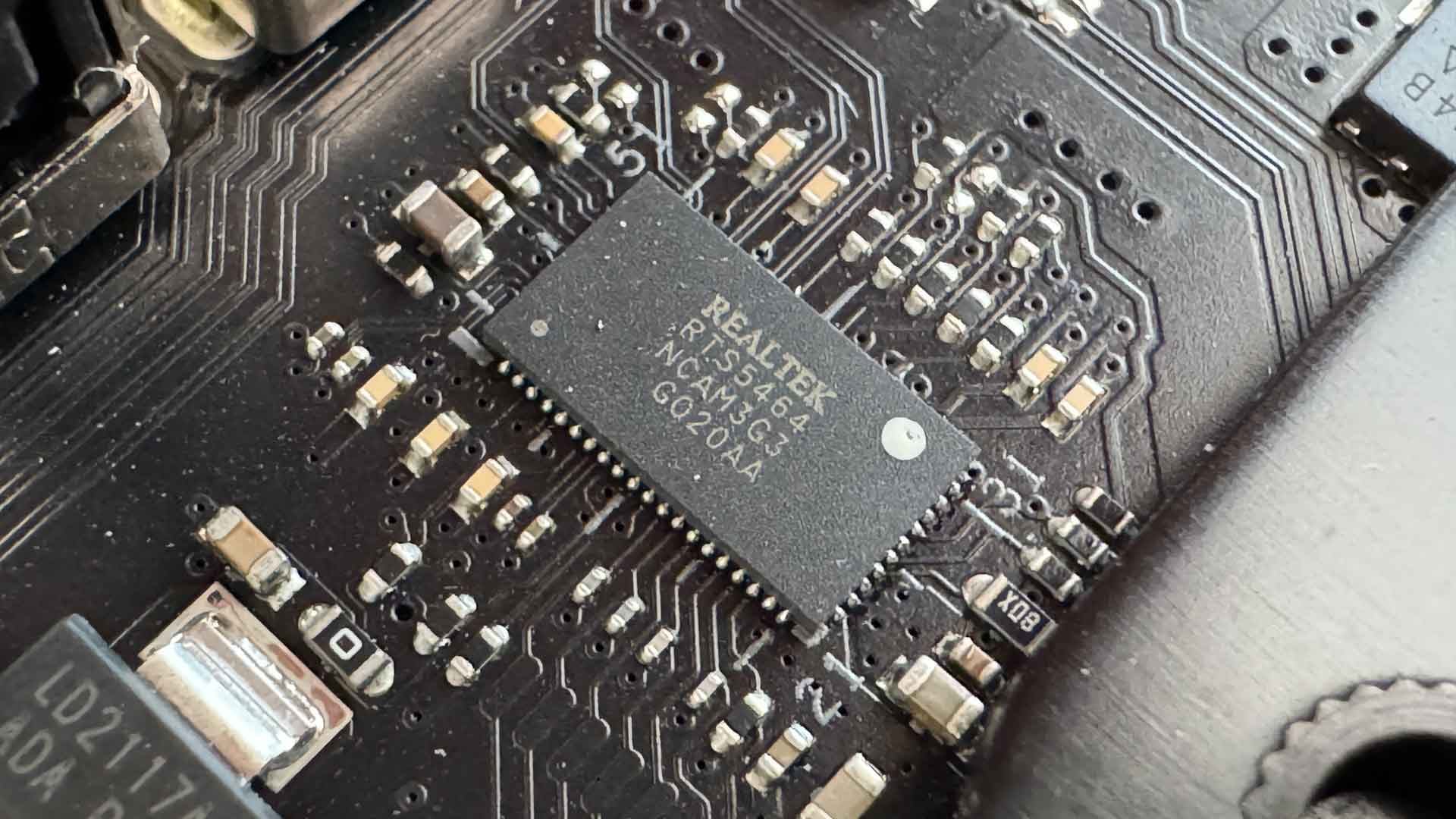
For power to the front Type-C header, we have a Realtek RTS5439 power delivery controller, which sits alongside a USB 3.2 Gen 2x2 20 Gbps RTS5464 USB controller.
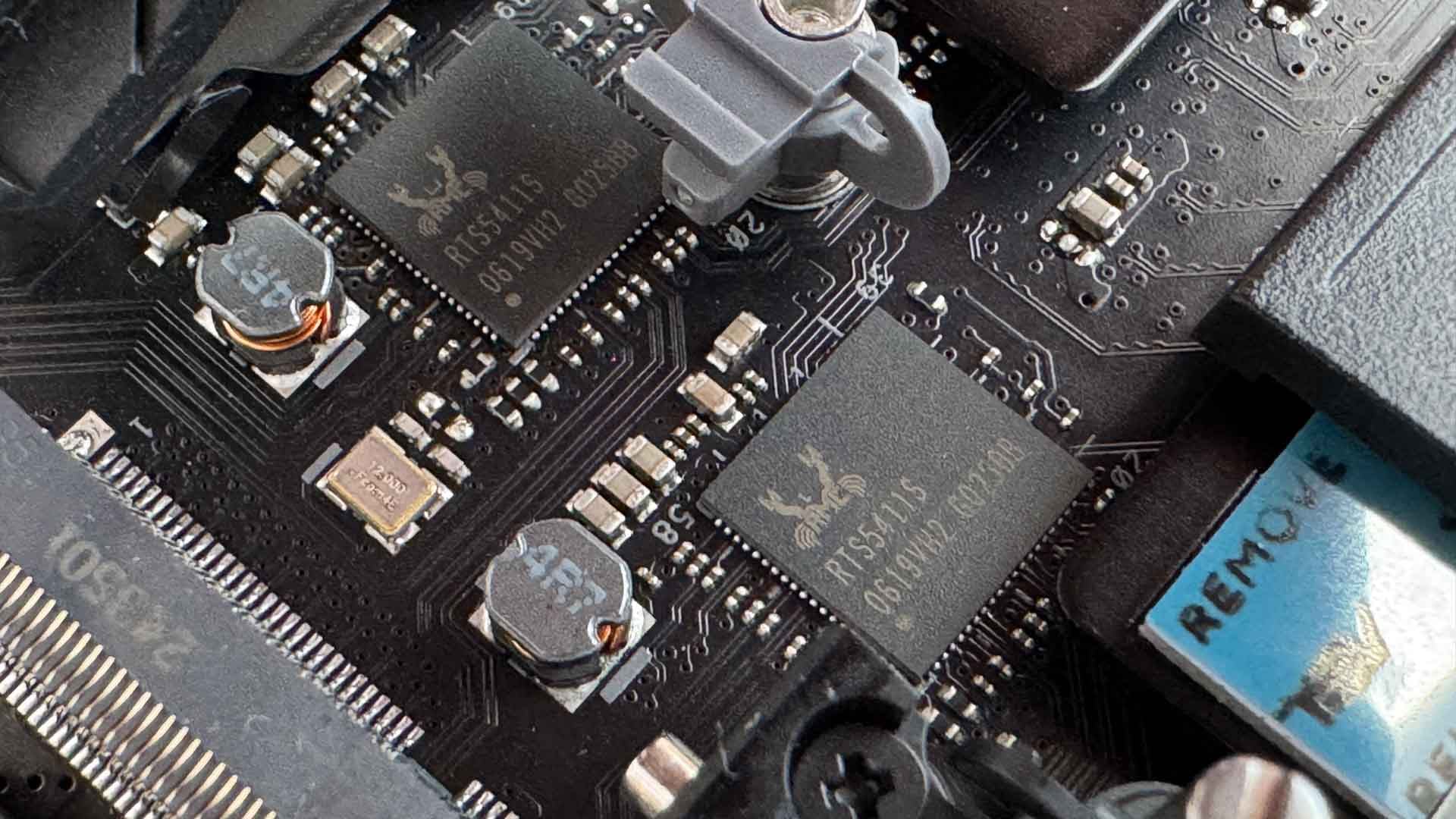
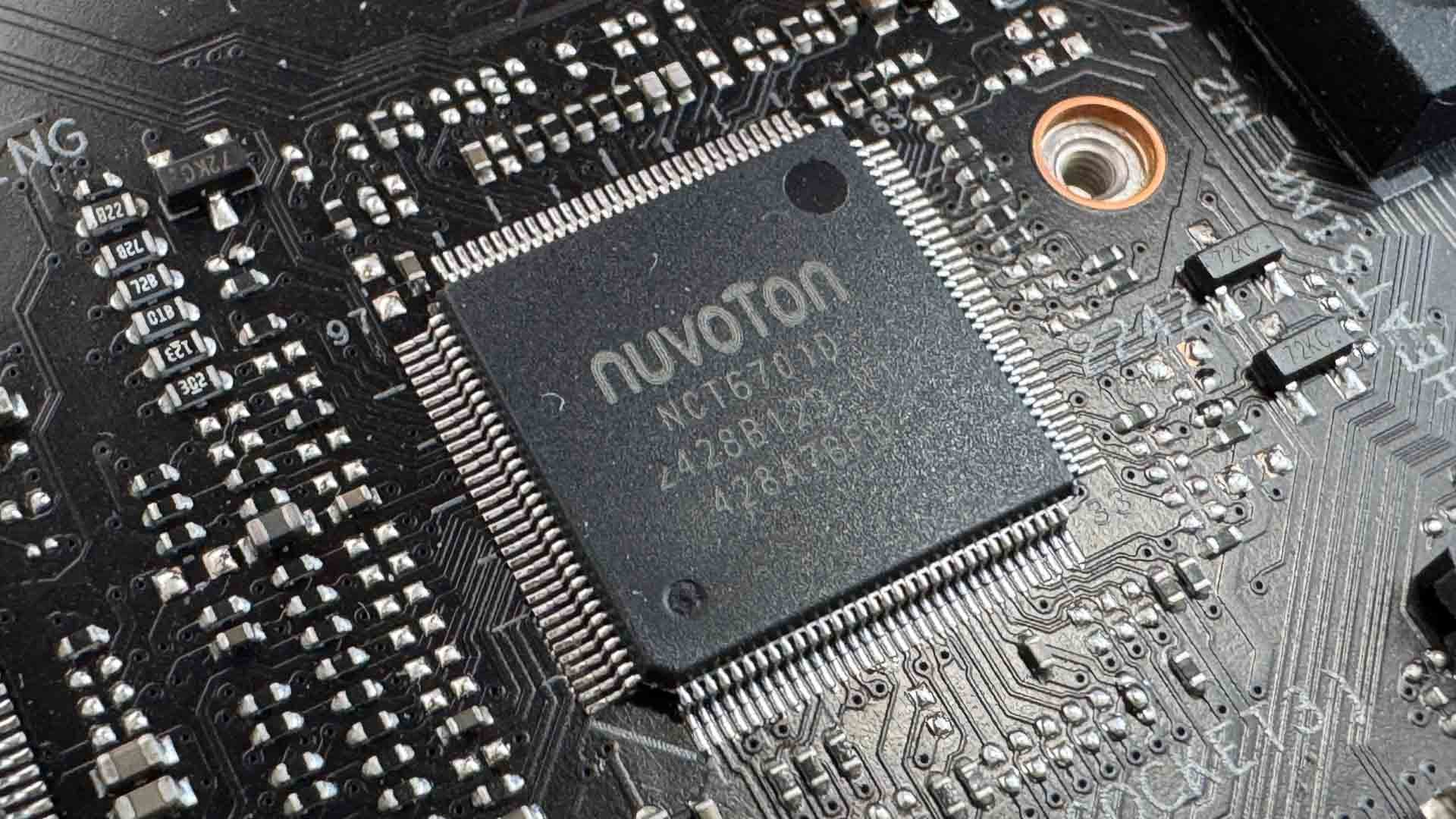
As is common on high-end ASUS boards, the two USB 3.0 headers are powered by a pair of Realtek RTS5411S USB 3.0 hub controllers. We also have a Nuvoton NCT6701D super I/O series chip used for hardware monitoring
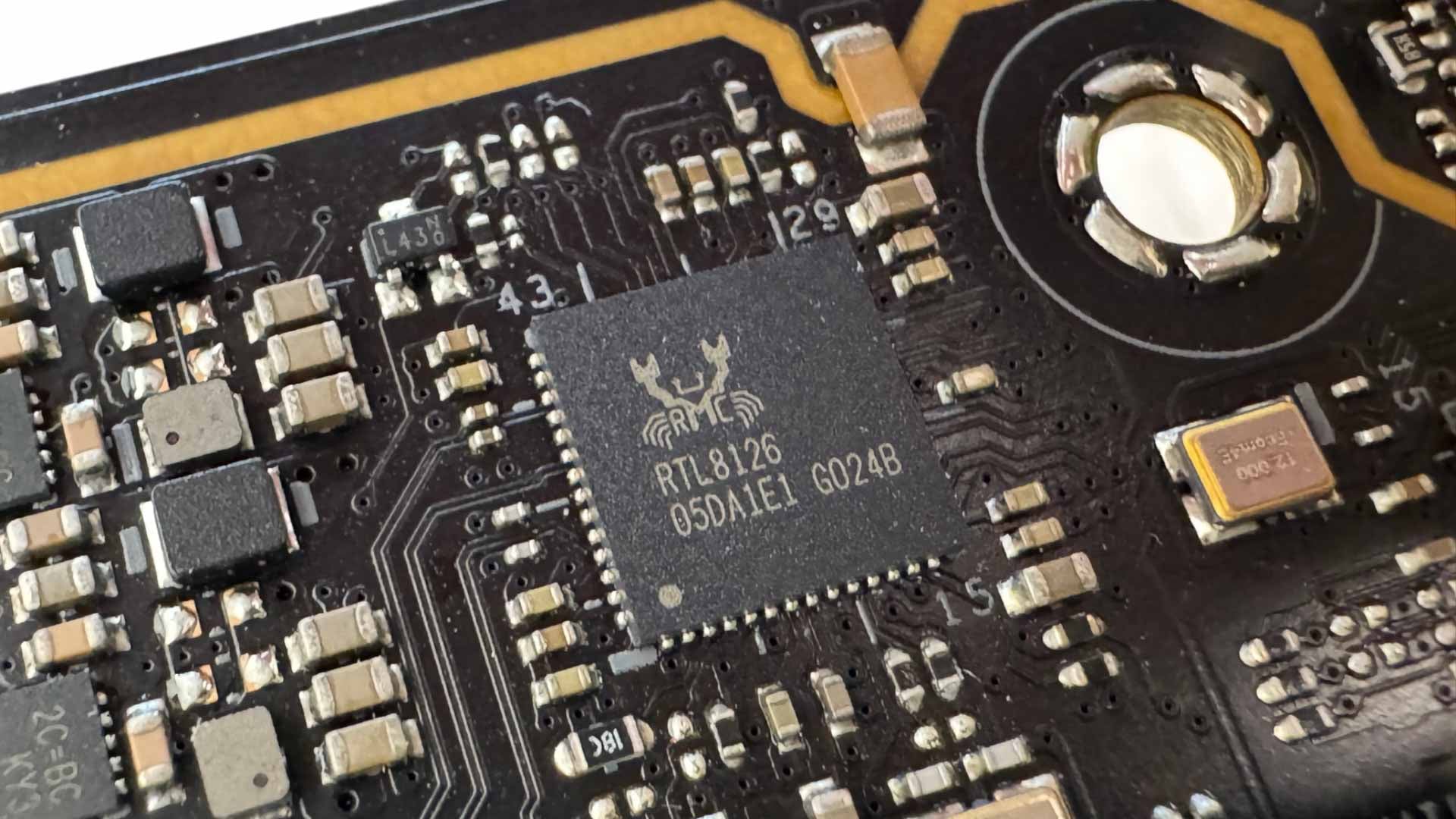
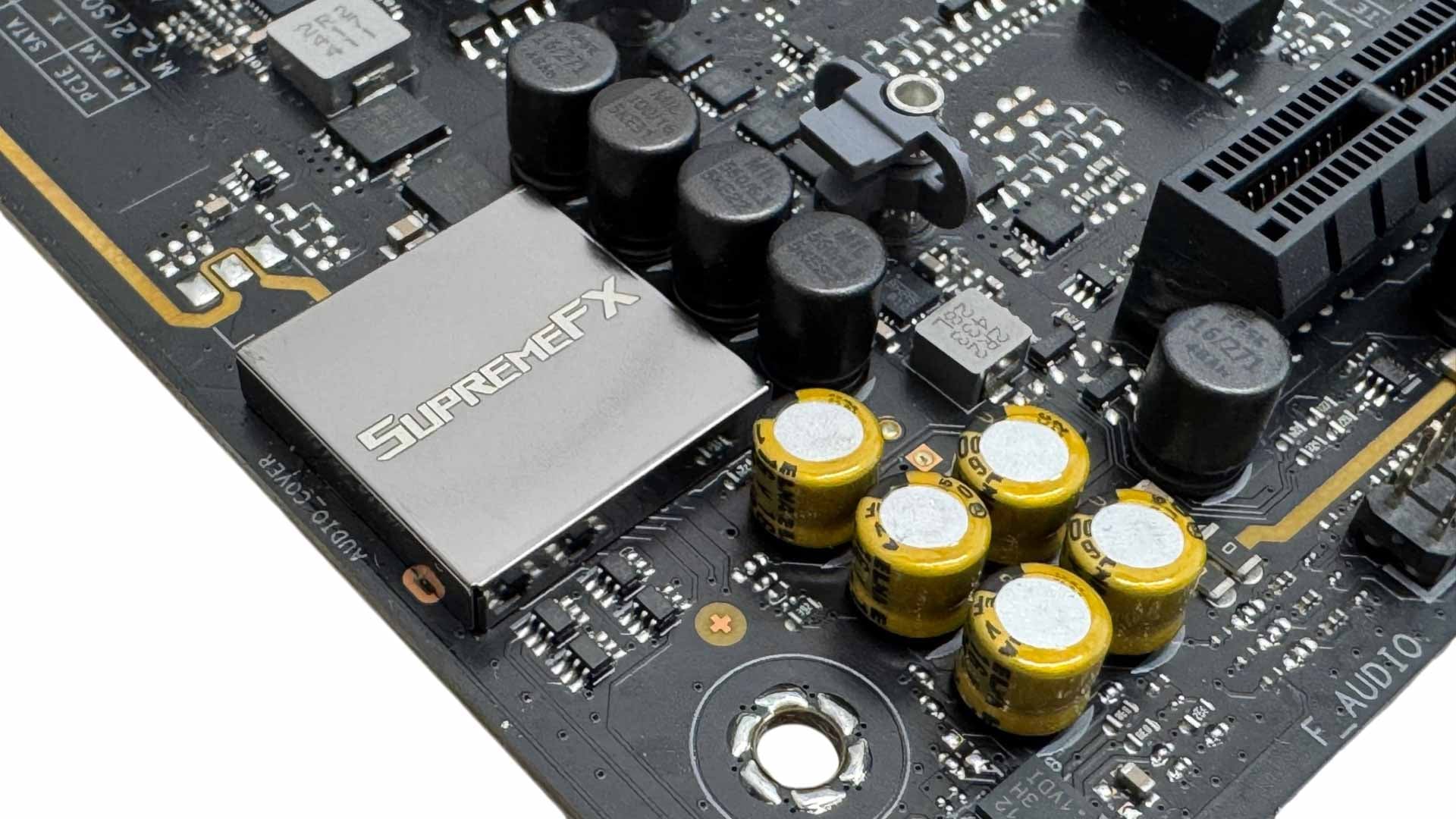
For the 5 Gbps Ethernet we have Realtek's RTL8126 controller and for the onboard audio, hidden under a soldered cap is Realtek's ALC4080 codec paired with a Savitech SV3H712 AMP.
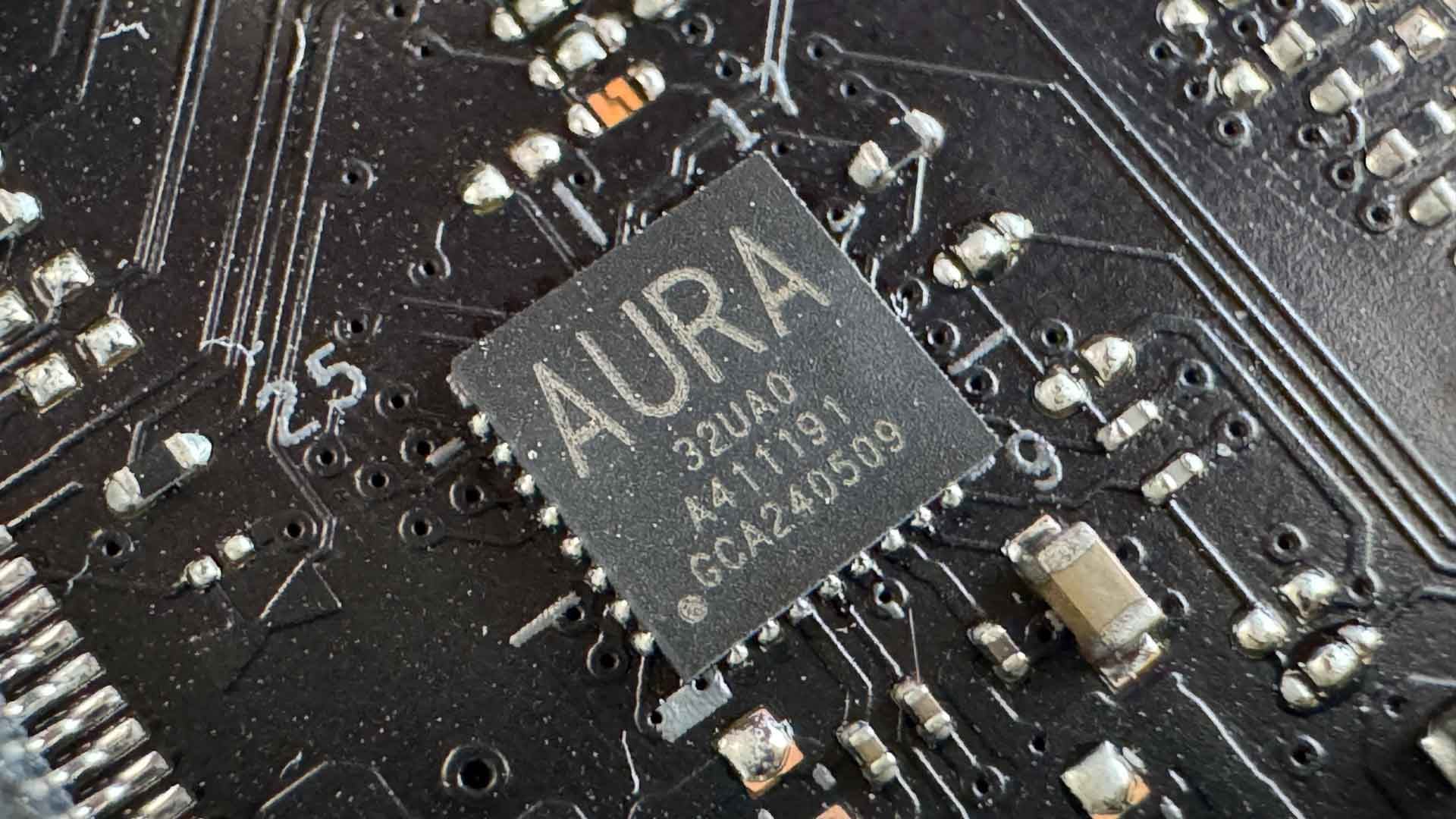
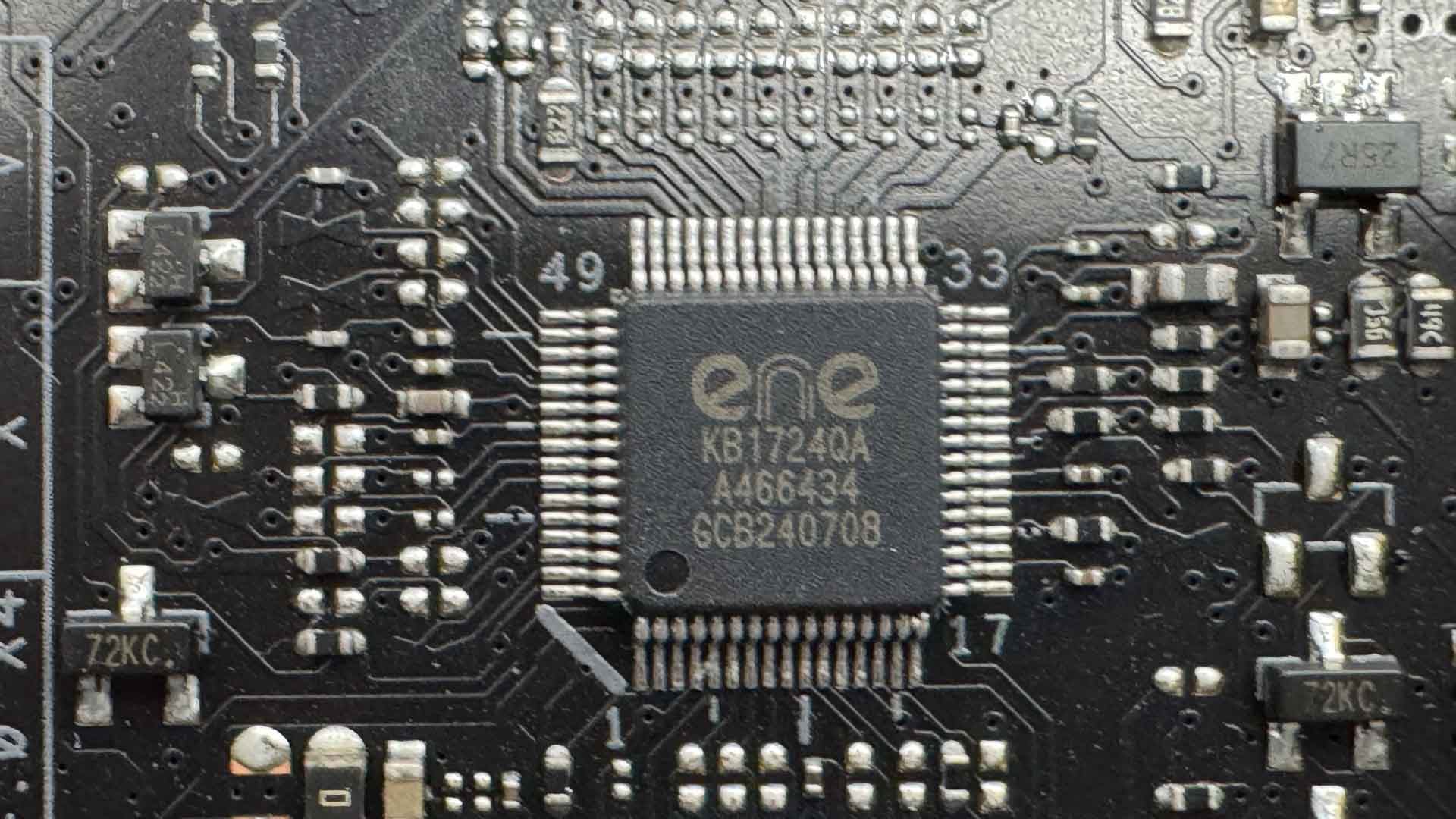
For RGB lighting control we have an AURA 32UA0 chip while ASUS AI overclocking is powered by an ENE KB1724QA chip.
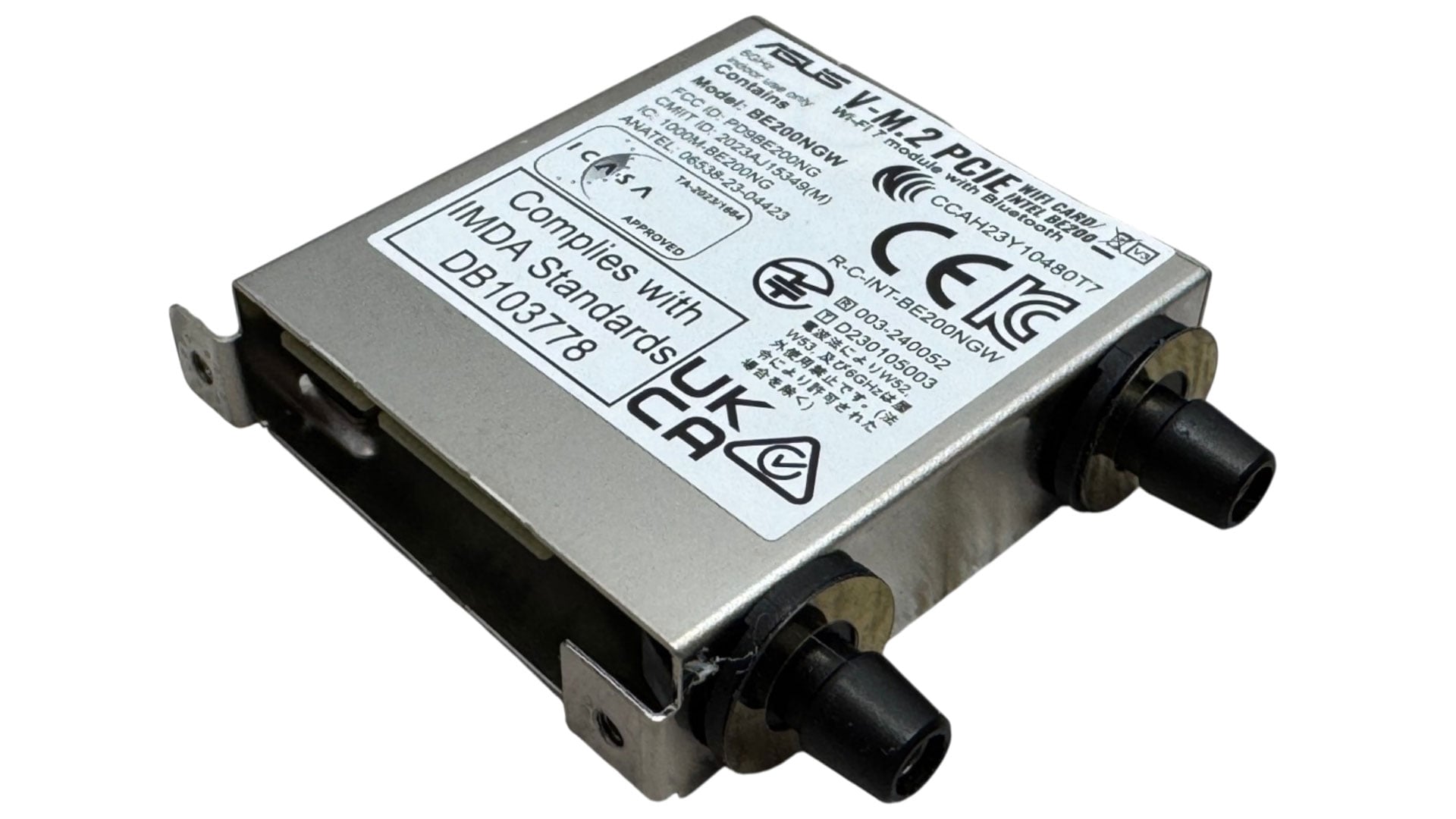
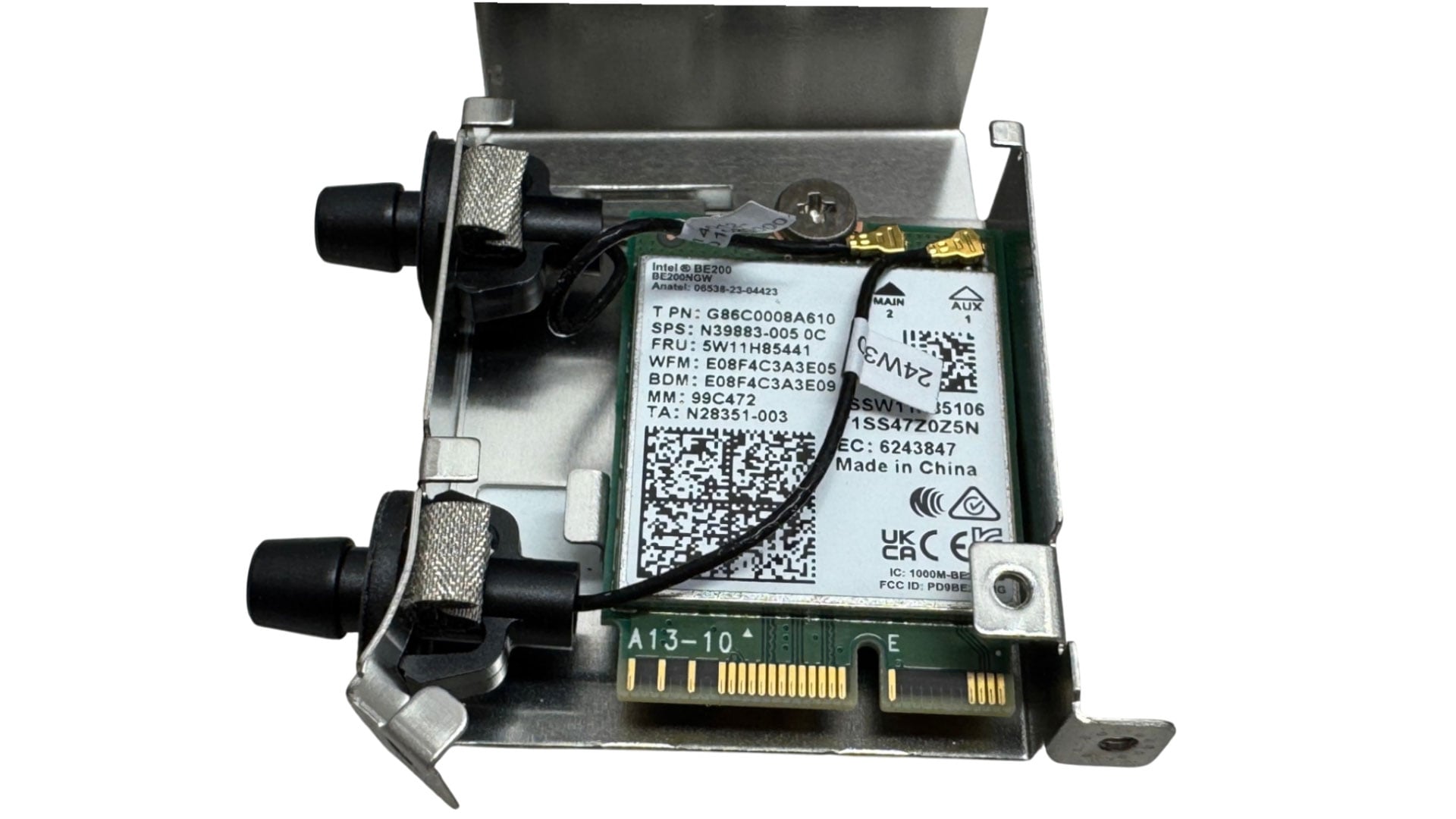
The Wi-Fi 7 module is Intel's BE200. Internally this uses standard micro connectors, but externally it only has ASUS Q-Antenna connectors. The module itself can be removed, but requires removing the entire VRM heatsink array as well as unclipping the rear I/O shield.
Nov 13th, 2026 09:46 PST
change timezone
Latest GPU Drivers
New Forum Posts
- The TPU Darkroom - Digital SLR and Photography Club (4496)
- Debunking 10-Year-Old Myths: How a Properly Tuned FX-8320 (4.21 GHz) Beats i5-8400, i7-4770, Ryzen 5 1500X, and Even a 4.92 GHz FX-9590 in 3DMark Time (5)
- TPU's Nostalgic Hardware Club (22154)
- To AiO CPU Cooler users? (9)
- Microsoft Exchange/365 outages? (47)
- Dual B70 or Dual R9700 Pro on Linux (3)
- inside Case Mod gallery, non modded cases are posted? (0)
- Slow SSD read speeds - help! (3)
- I won't download games that are larger than 30–40 GB. (108)
- TechPowerUp Screenshot Thread (MASSIVE 56K WARNING) (4386)
Popular Reviews
- AMD Zen 6 Technical Deep Dive
- Corsair HX1000i Shift Crystal Review
- NZXT C1200 Platinum Review
- Upcoming Hardware Launches 2027 (Updated Nov 2026)
- Montech King 95 3D PRO Review
- NZXT H7 RGB+ Review
- NZXT H5 Review
- Phantom Blade Zero Performance Benchmark Review - 35 GPUs Tested
- XPG NIMBUS PLUS Review - Mid-range Chair With Strong Competitors
- Gigabyte Z890I Aorus Ultra Review
TPU on YouTube
Controversial News Posts
- NVIDIA Co-Founder and CEO Jensen Huang Officially Resigns (358)
- OpenAI CEO Argues Home PCs Waste the World's Limited DRAM Supply (152)
- NVIDIA Launches Investigation Into Jensen Huang's Relationship With Suspected Chinese Spy (136)
- Intel "Raptor Lake Next" 16-Core and 20-Core CPUs Surface (130)
- Legendary Game Studio BioWare Shuts Down Following EA Layoffs (104)
- Dell CEO Says the Memory Shortage Will Get Worse in 2027 (95)
- NVIDIA GeForce RTX 50-Series Scheduled for up to $500 Price Hike This Week (89)
- Modder Fits RTX 5090 With Four 8-Pin Connectors, Halving Current per Wire (80)