 5
ASUS ROG Strix Z890-I Gaming Wi-Fi Review
BIOS Overview »VRM Overview
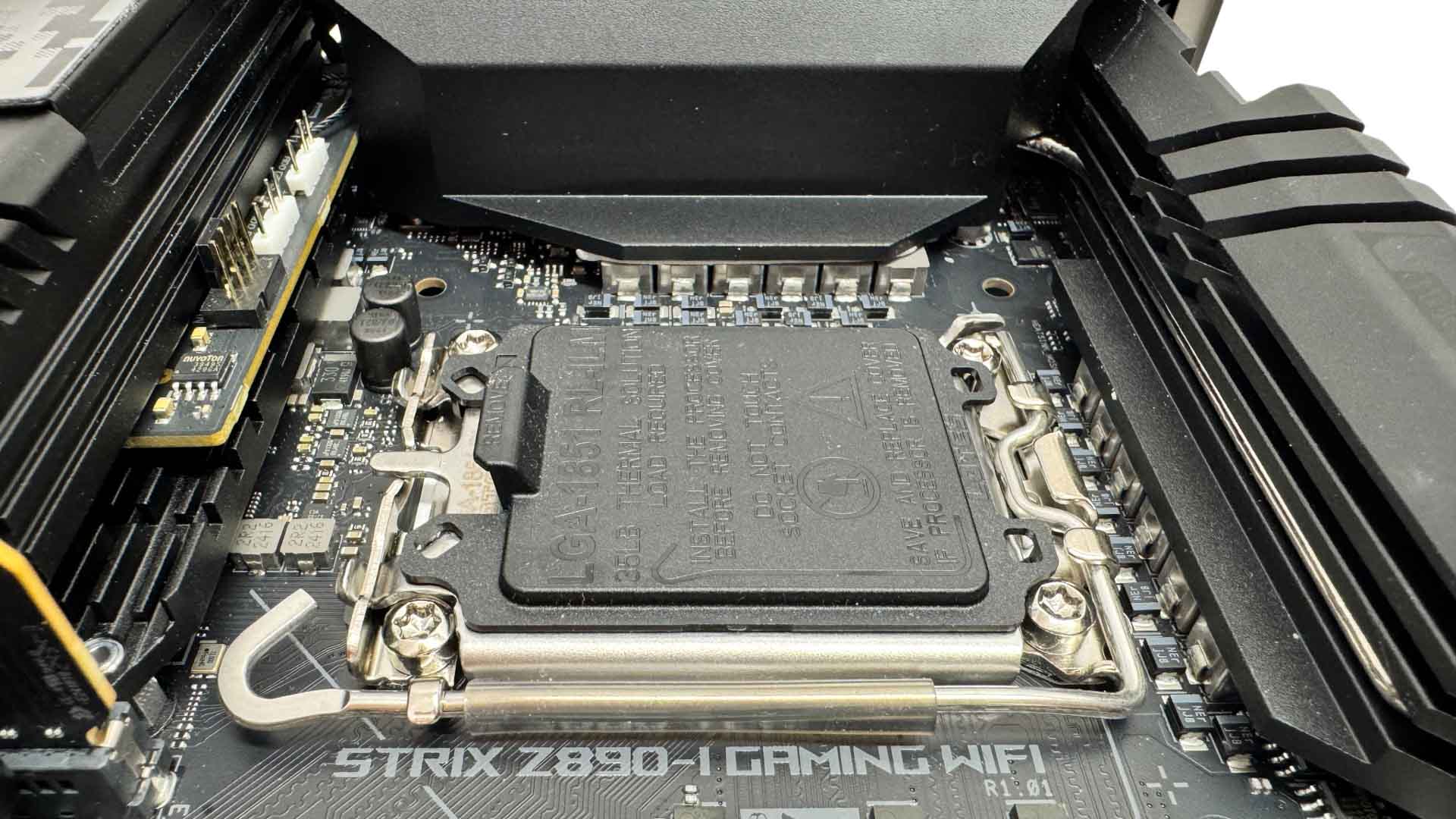
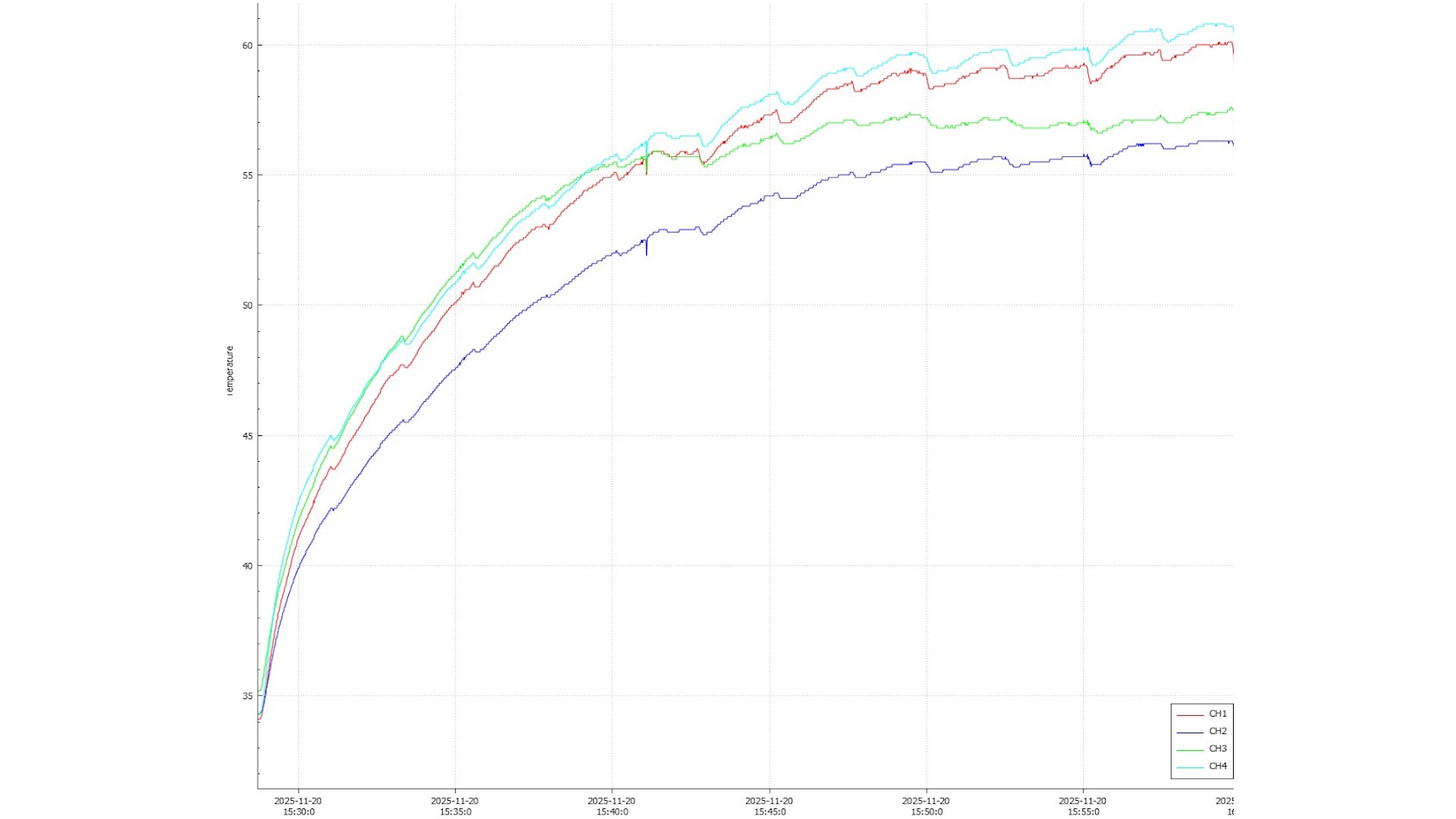
The 10+1+2+1 power phase design is spread across three banks of VRMs, which is impressive for a Mini-ITX board. Even more impressive is that the VRM fan remained quiet even after 30 minutes of dealing with our Intel Core ultra 9 285K at full load. Here the peak VRM temperature barely topped 60°C either so really, there isn't a need to for much fine-tuning here unlike the chipset area with SSDs that benefitted far more from tweaking time. However, it's still worth seeing what can be adjusted seeing ASUS has done a good job here.
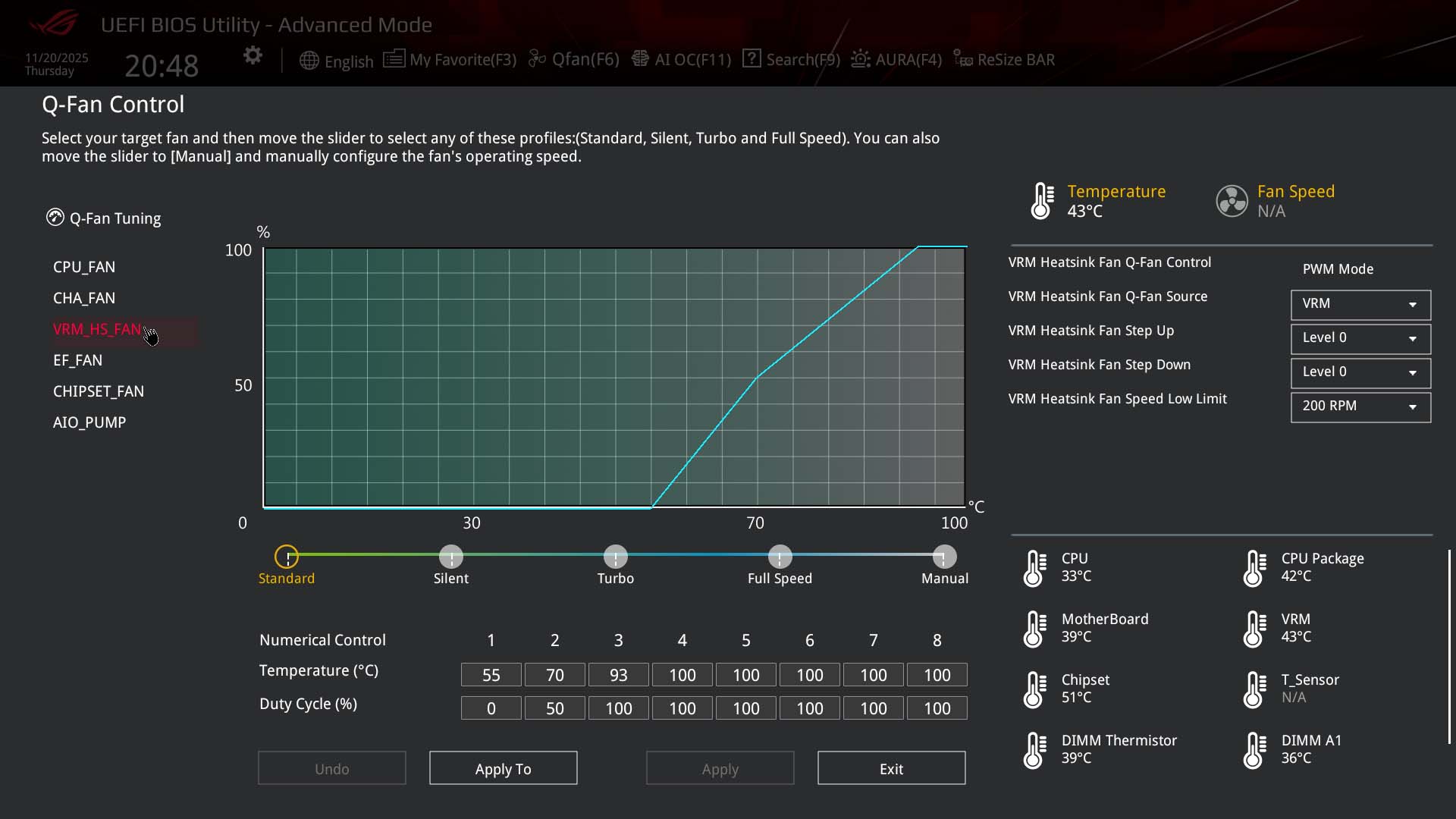

At default settings the fan is set to respond to VRM temperature, which hasn't been the case with competing boards, resulting in the fan spinning up unnecessarily. Here, it won't start moving till the VRMs hit 55°C and with the peak being just above 60°C in our stress test, it barely got going, sitting below 1,000 rpm. Clearly with one of AMD's most powerful processors not really seeing it break a sweat, there's little need for extra airflow and noise here, but even at 3,000 rpm the fan was still inaudible, so if you want to maximize cooling without adding noise then we'd suggest setting the maximum to 3,000 rpm. The top fascia undoubtedly restricts airflow, but while it's easily removable and would likely improve airflow, even with a 16-core CPU running flat out for 30 minutes, there wasn't much need for it.
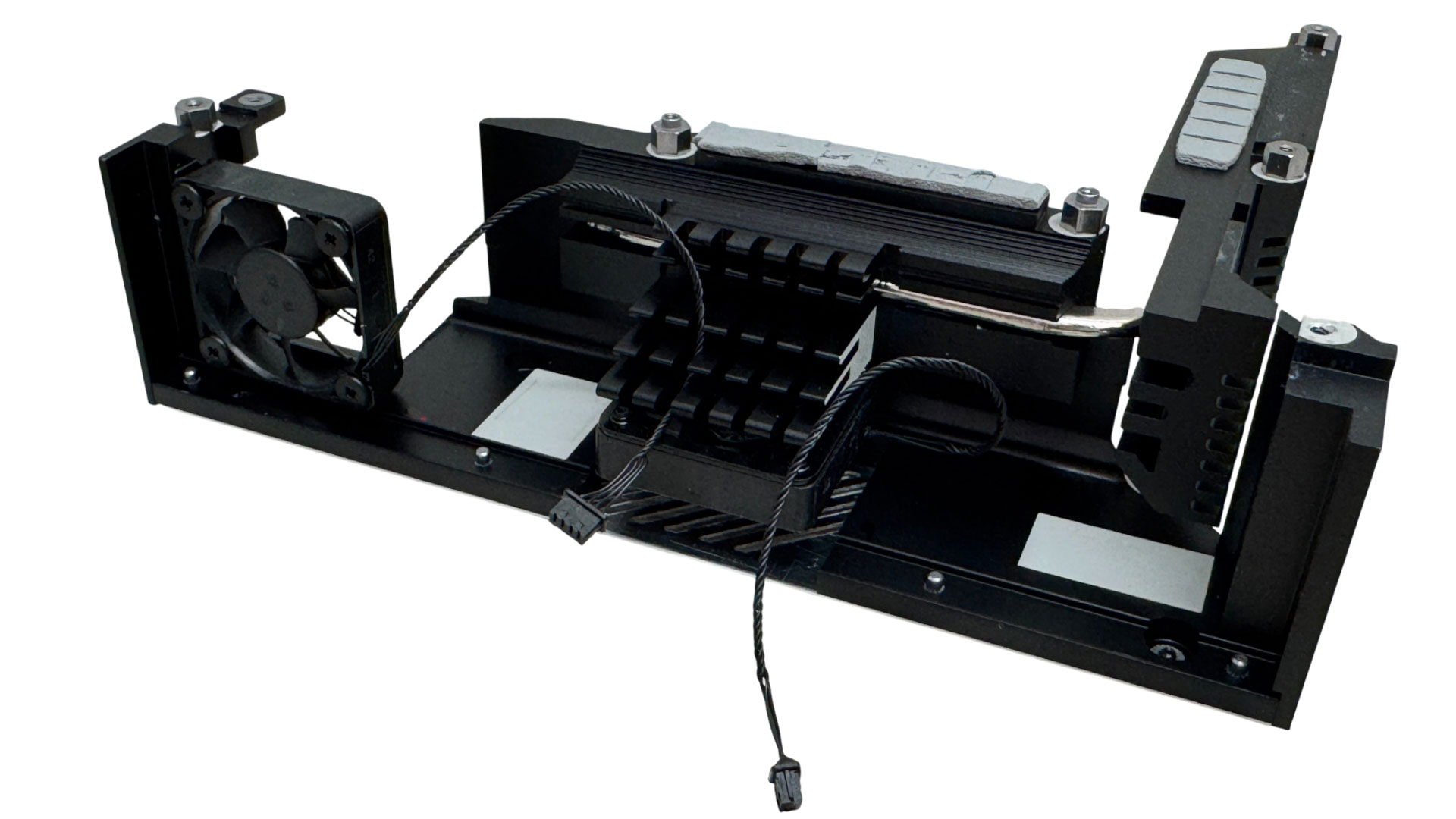
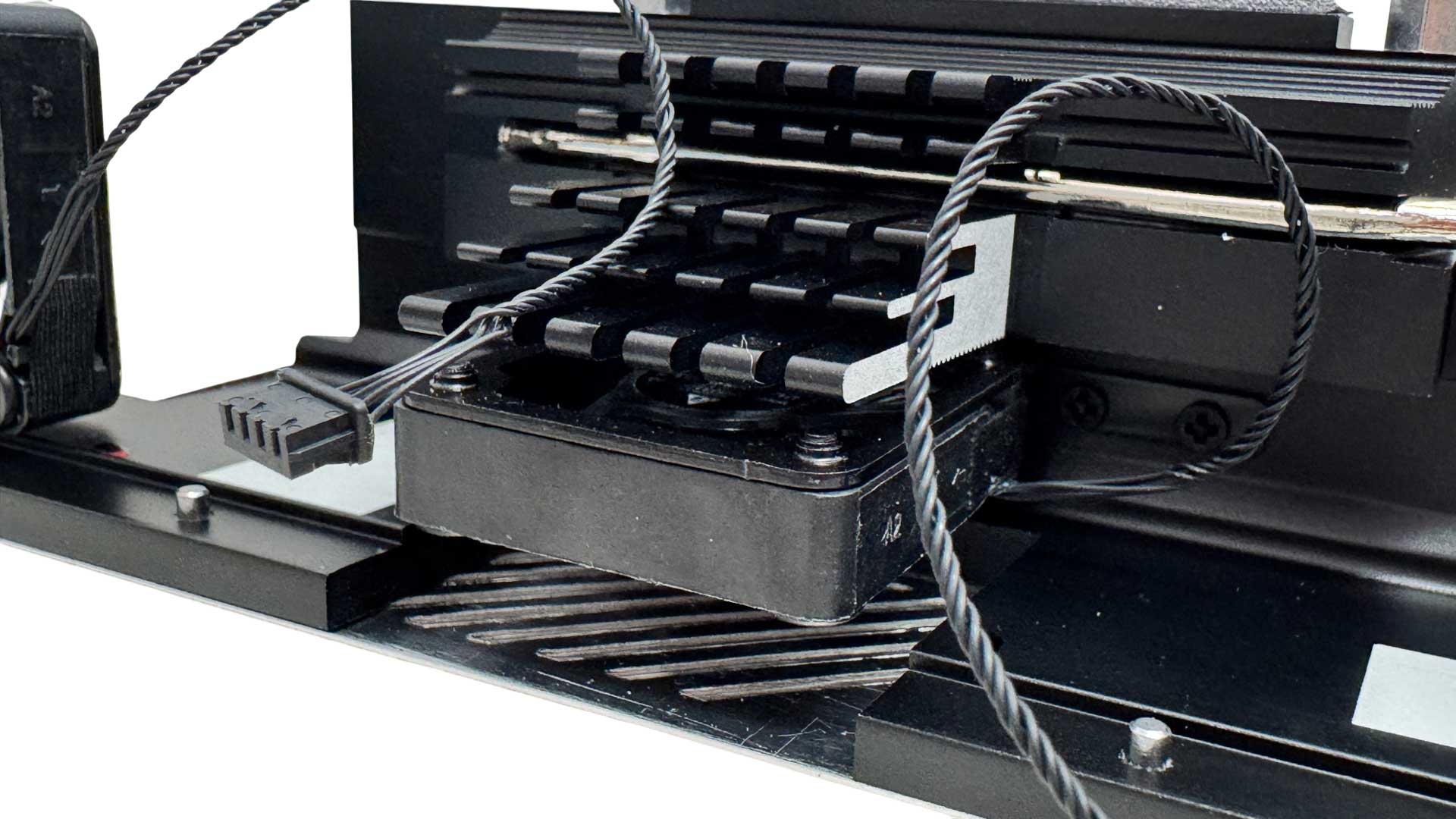
Under the hood we can see the intricate design at work, with the chipset fan on the left and the VRM fan sitting under a large finned heatsink protruding from the main VRM heatsink. This is exactly what we wish MSI had done with its equivalent boards as the fan here is being put to good use and thanks to the heatpipe it cools two of three banks of VRMs, with the third bank getting a little airflow from the chipset fan.

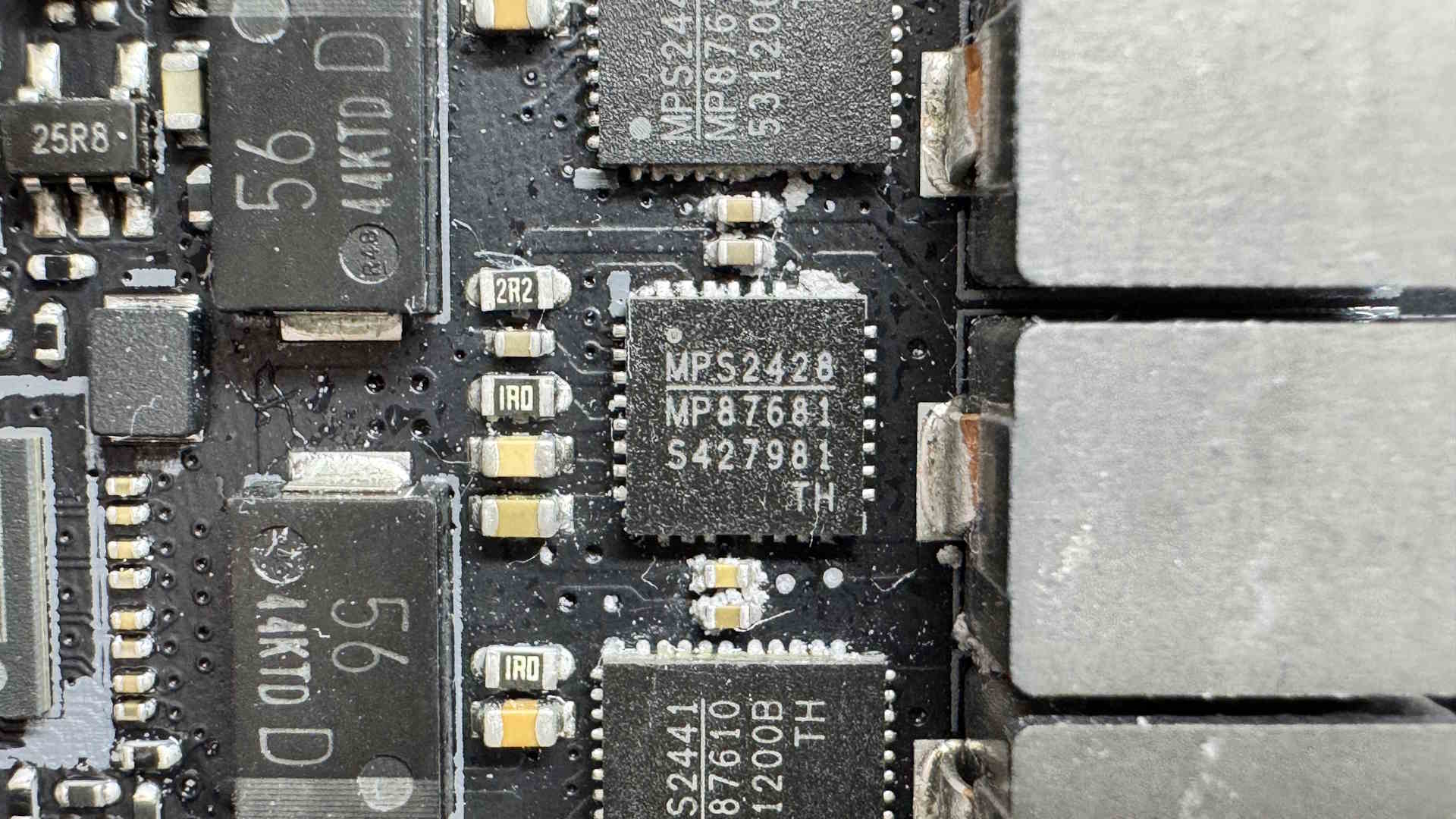
For the vCore stages we have 10 Monolithic Power Systems MP87610 110 A stages and our particular sample had these for iGPU and VCCSA stages too - three there in total, which are meant to be 90 A according to ASUS, but we've seen slightly different VRM configurations on this board since it was released. For VNNAON we have a single Monolithic Power Systems MPS 2428 MP87681 80 A stage.
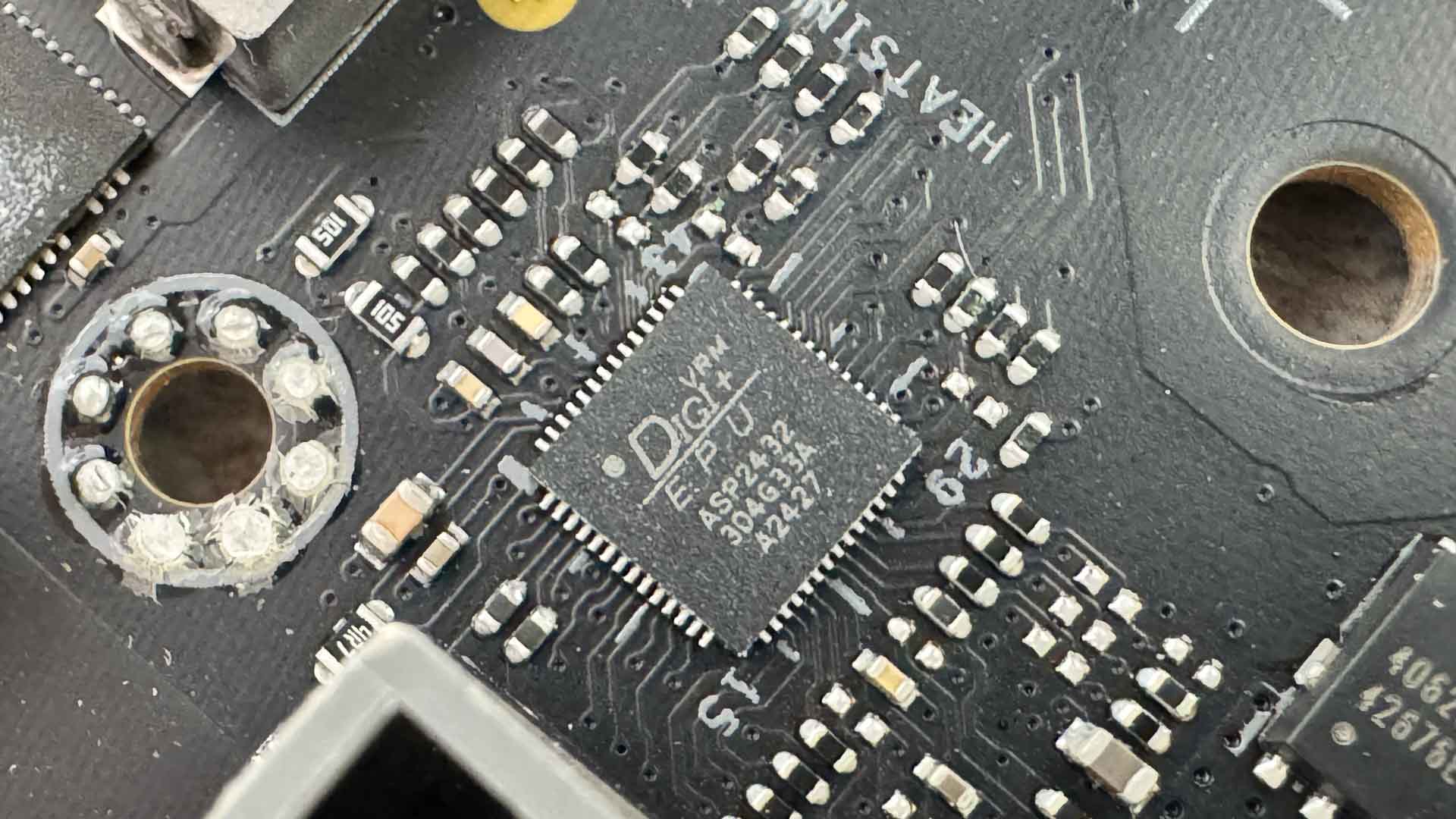
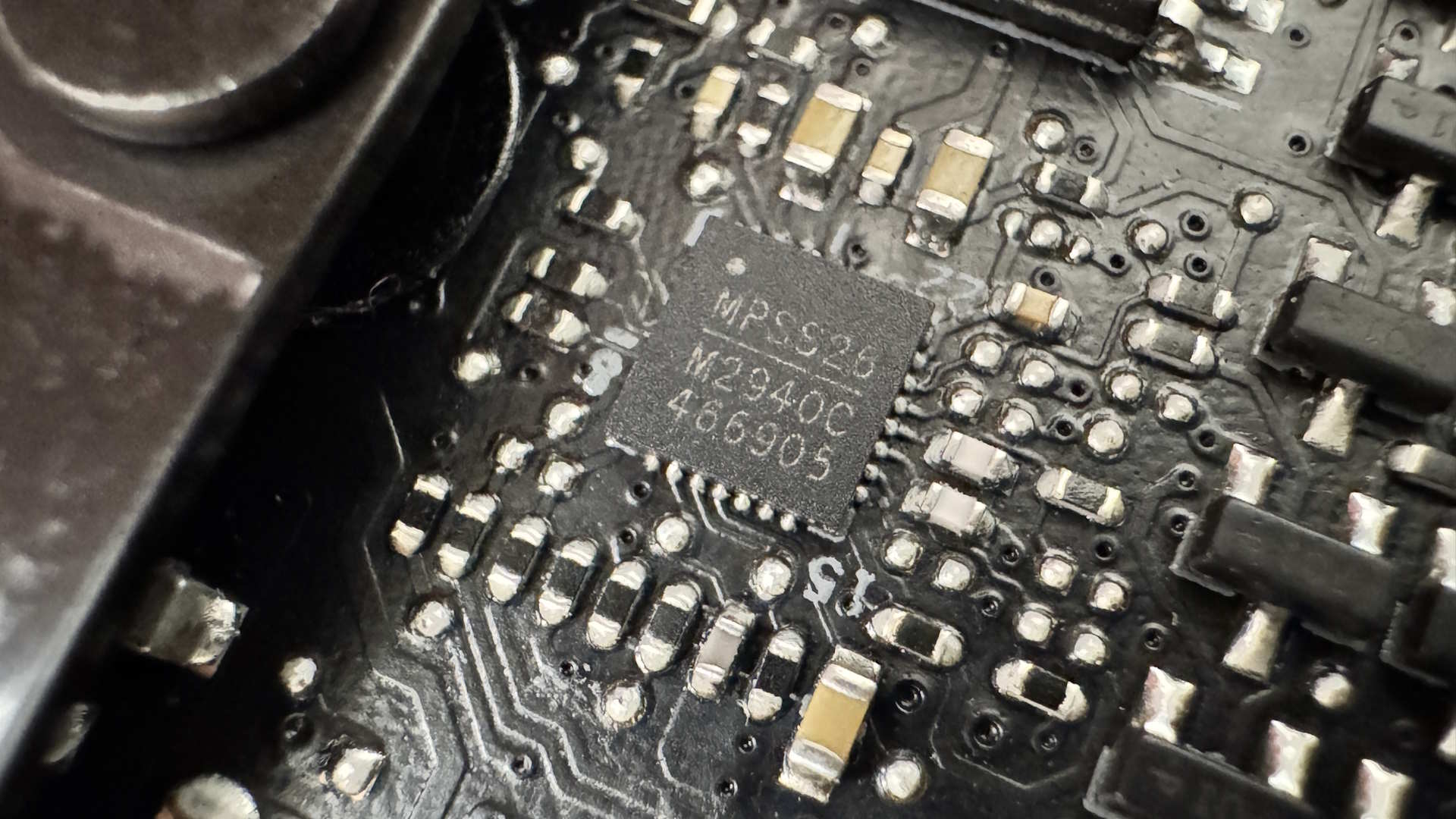
Two PWM controllers are present with the usual DIGI+ branded ASP2432, and we also have a tiny Monolithic Power Systems M2940C, which was also used on the MSI MPG Z890I Edge Ti Wi-Fi.
Nov 26th, 2026 10:07 CST
change timezone
Latest GPU Drivers
New Forum Posts
- What's your main Black Friday / Cyber Monday purchase? (18)
- Wireless Internet sharing between PC and router both-ways, is it possible? (24)
- Can you guess Which game it is? (366)
- Post your CrystalDiskMark speeds (658)
- Making a game in Godot engine (20)
- X79 and/or rampage IV OC'ing thread for those of us still left.... (2459)
- Exploring Local LLMs: Models, Hardware and Setup Experiences (4)
- Linpack Xtreme Released (513)
- Claude credits purchased on or after Dec. 7 now have an expiry date (20)
- Acer TravelMate P414-51 (i5-1135G7): CPU stuck at x4 / ~200 MHz effective under 100% load, no throttle flags. How to find who's clamping it? (1)
Popular Reviews
- ASRock X870E Challenger Wi-Fi White Review
- VZMORE AX9 Max Review
- Upcoming Hardware Launches 2027 (Updated Nov 2026)
- Microsoft Surface Laptop Ultra Review - The Next-gen Arm Laptop
- AMD Ryzen 7 9800X3D Review - The Best Gaming Processor
- AMD Zen 6 Technical Deep Dive
- Corsair RM1200e (Second Generation) Review
- Phantom Blade Zero Performance Benchmark Review - 35 GPUs Tested
- Montech CyberFlow ARGB 360 Review
- Pulsar Office Tour & First Look at P1 Dual-Sensor Mouse
TPU on YouTube
Controversial News Posts
- Jensen Huang Reinstated as CEO of NVIDIA (586)
- NVIDIA Co-Founder and CEO Jensen Huang Officially Resigns (492)
- Report: Jensen Huang Eyes NVIDIA Comeback (281)
- Open Letter Asking NVIDIA to Reinstate Jensen Huang Passes 115,000 Signatures (184)
- OpenAI CEO Argues Home PCs Waste the World's Limited DRAM Supply (152)
- NVIDIA Launches Investigation Into Jensen Huang's Relationship With Suspected Chinese Spy (136)
- Intel "Raptor Lake Next" 16-Core and 20-Core CPUs Surface (130)
- Intel Razor Lake Gets a 12 P-Core bLLC Chip With No E-Cores, Per Leak (94)