 7
Campfire Audio Honeydew In-Ear Monitors Review
(7 Comments) »Introduction

Campfire Audio is a relatively new company in the IEM world, being an offspring of ALO (Audio Line Out) Audio, which itself was founded in 2009. The company prides itself on experimenting with different materials and techniques for the production of earphones, all of which are individually assembled by hand in Portland, OR (USA). The brand has been known for more premium offerings to date, so it was all the more surprising to hear of not one, but two new releases that are much more budget-friendly than the norm from the company. We take a look at the Honeydew today, and thanks to Campfire Audio for providing TechPowerUp a review sample!

The Honeydew is one of two new releases, with the other the Campfire Audio Satsuma reviewed separately. The two might as well be twins in that their conceptualization had a common base, a back to basics ideology focusing on such features as "customized acoustic chambers, full-range balanced armature drivers, and quality cabling over convenient add-ons such as voice command and wireless capabilities" in the company's own words. The two are tuned quite differently, so treating them more like fraternal twins would be apt. Let's find out more about the Campfire Audio Honeydew in this review which begins with a look at the specifications in the table below.
Specifications
| Campfire Audio Honeydew In-Ear Monitors | |
|---|---|
| Shell: | 3D printed ABS acoustic chamber in honeydew melon color |
| Cable: | Silver-plated copper wiring |
| Driver Units: | Single full-range 10 mm liquid crystalline polymer (LCP) diaphragm dynamic driver |
| Sensitivity: | 94 dB SPL @ 1 kHz: 17.68 mVrms |
| Frequency Response: | 5 Hz–18 kHz |
| Impedance: | 17.44 Ω @ 1 kHz |
| Cable Connectors: | 3.5 mm TRS plug to source + two beryllium/copper MMCX plugs to earbuds |
| Cable Length: | 4 ft/1.2 m |
| Warranty: | Two years |
Packaging and Accessories
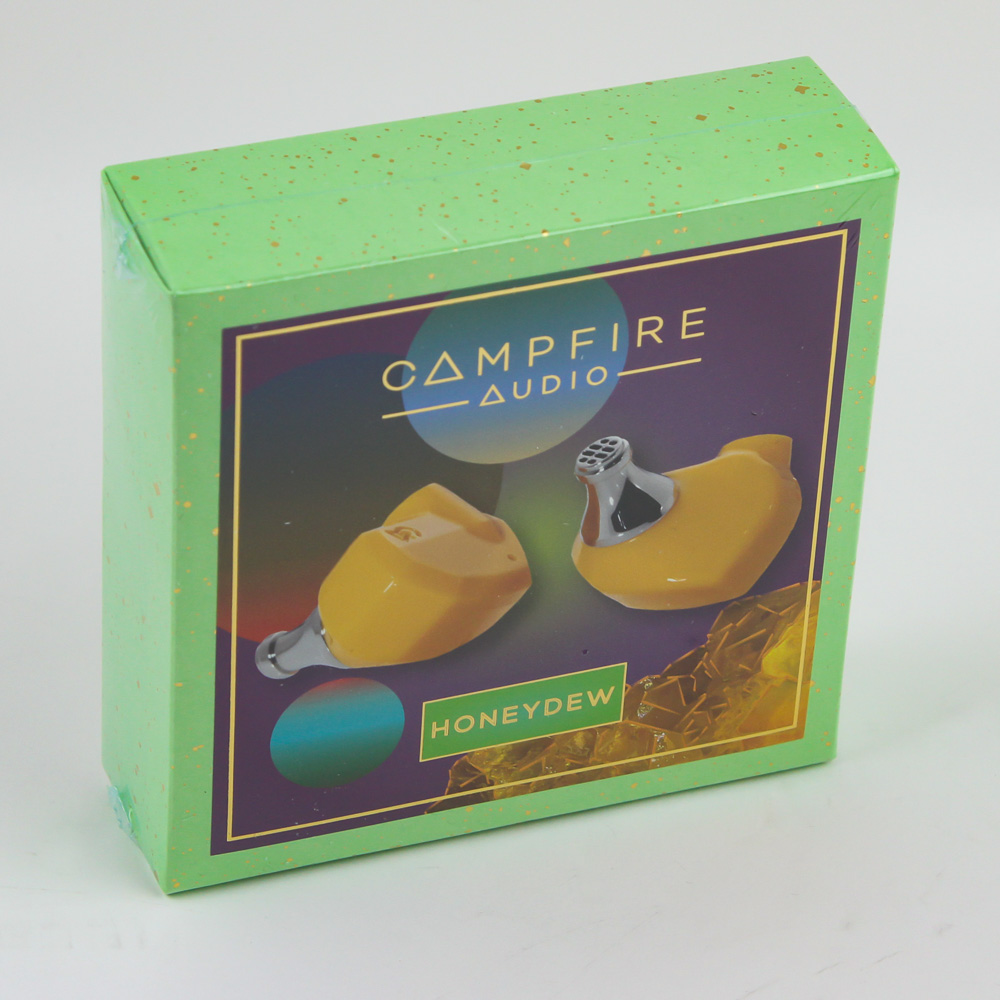
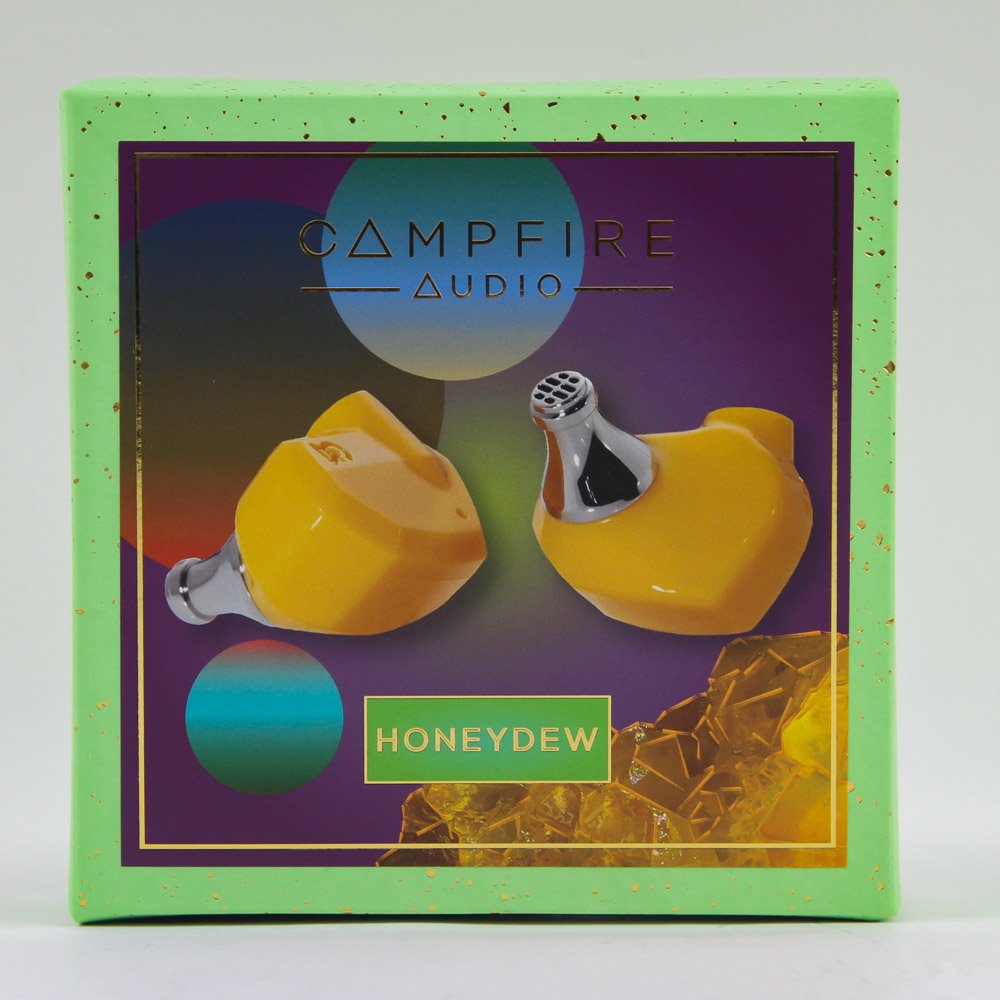


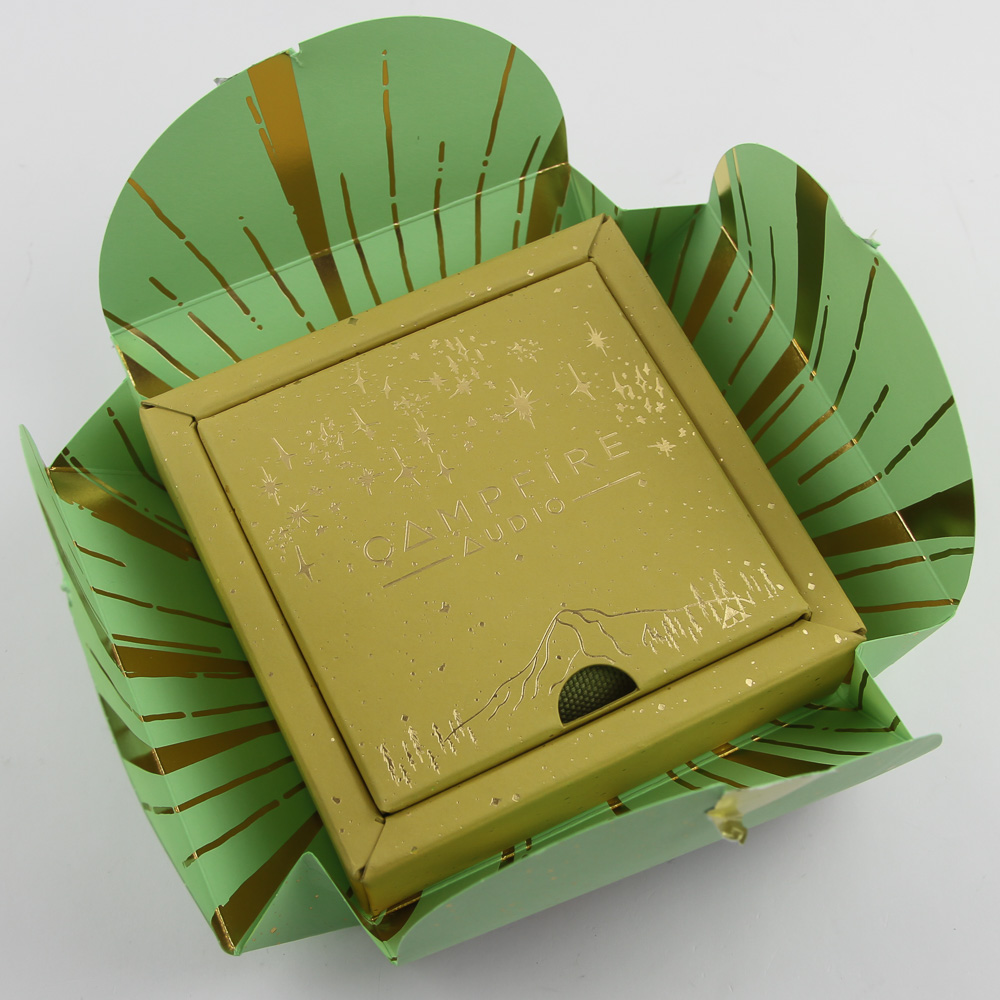

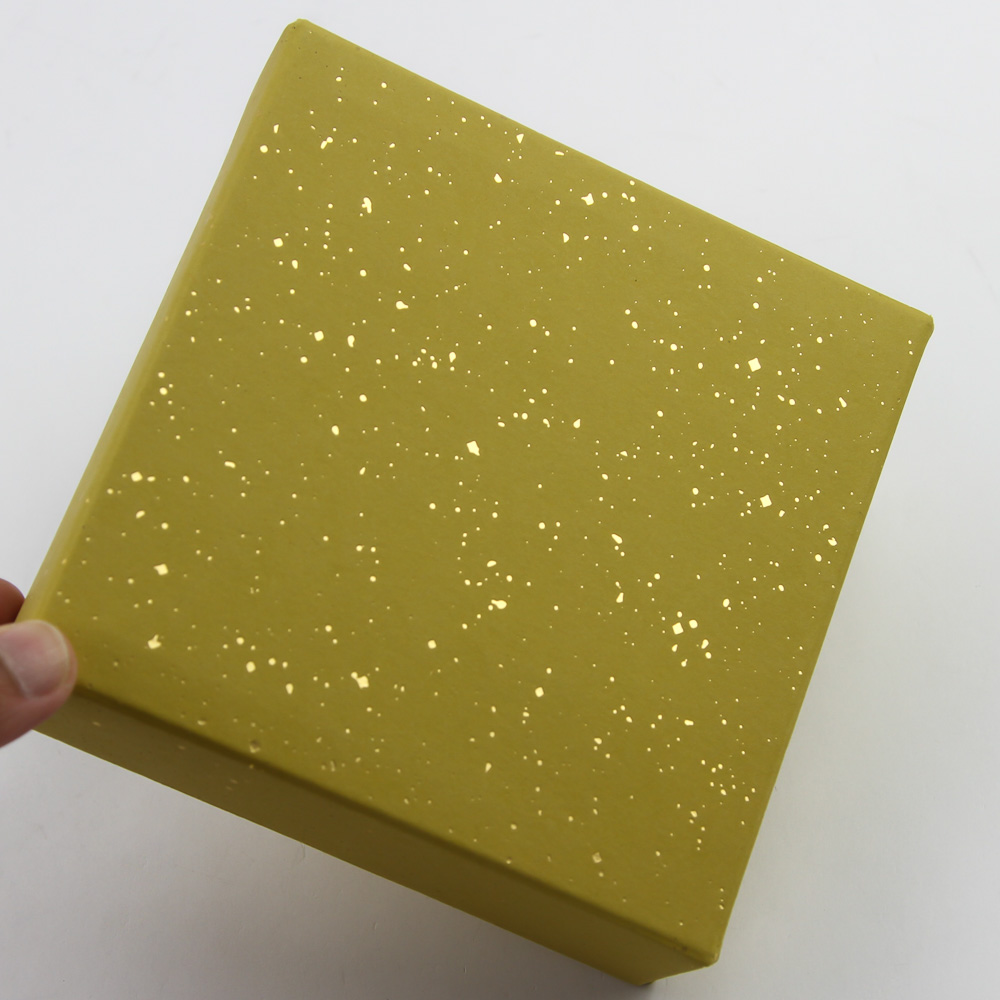
Whenever a brand is known for 4-figure IEMs more than anything else, I worry about which shortcuts are taken to hit a lower budget. So when these arrived, I was not surprised that the actual packaging was on the smaller side. I went in expecting a more barebones unboxing too, but was certainly surprised. Packaging for the Campfire Audio Honeydew begins with a plastic seal over the box, which has a very colorful front with a render of the earphones underneath an equally colorful logo, all placed like a badge over a lime-color base with gold speckles all over. There's contact information alongside some marketing features on the side and a seal on the back over what we now find out is more of a gift-box style wrapper which unfurls to reveal the actual product box.
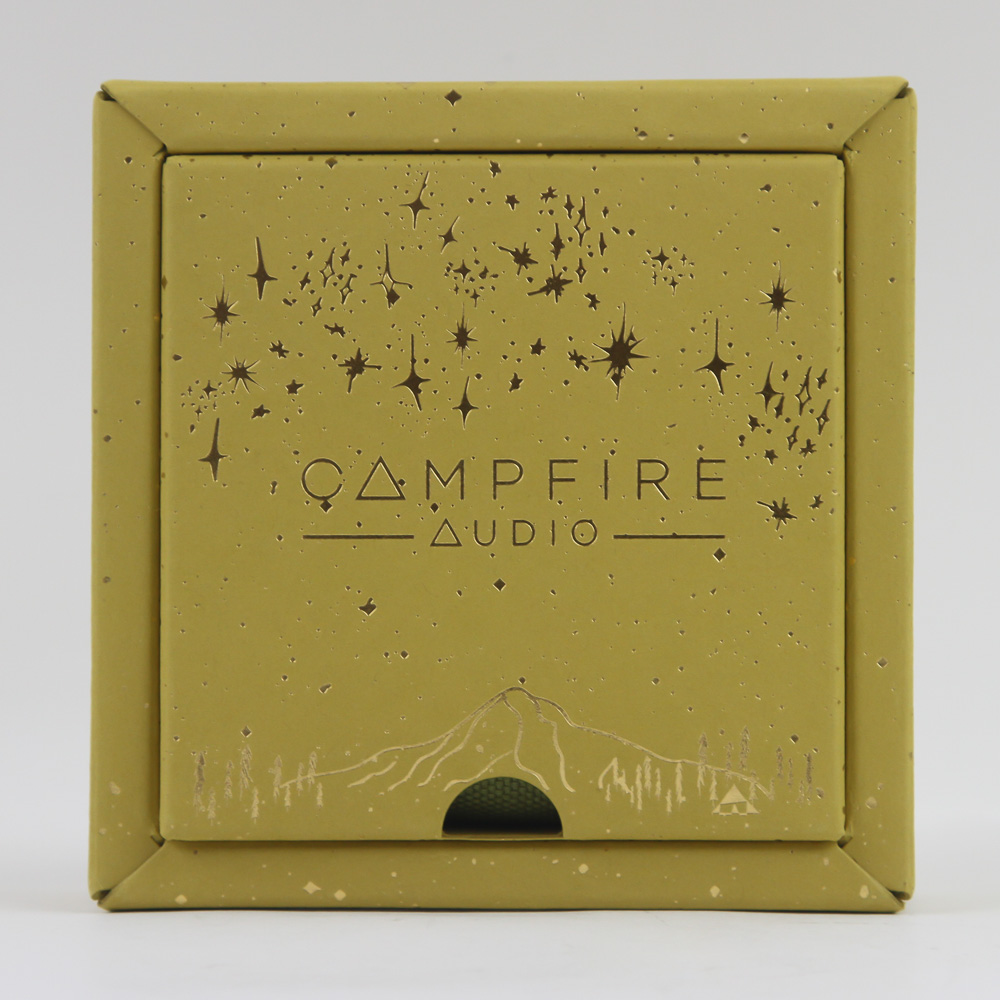
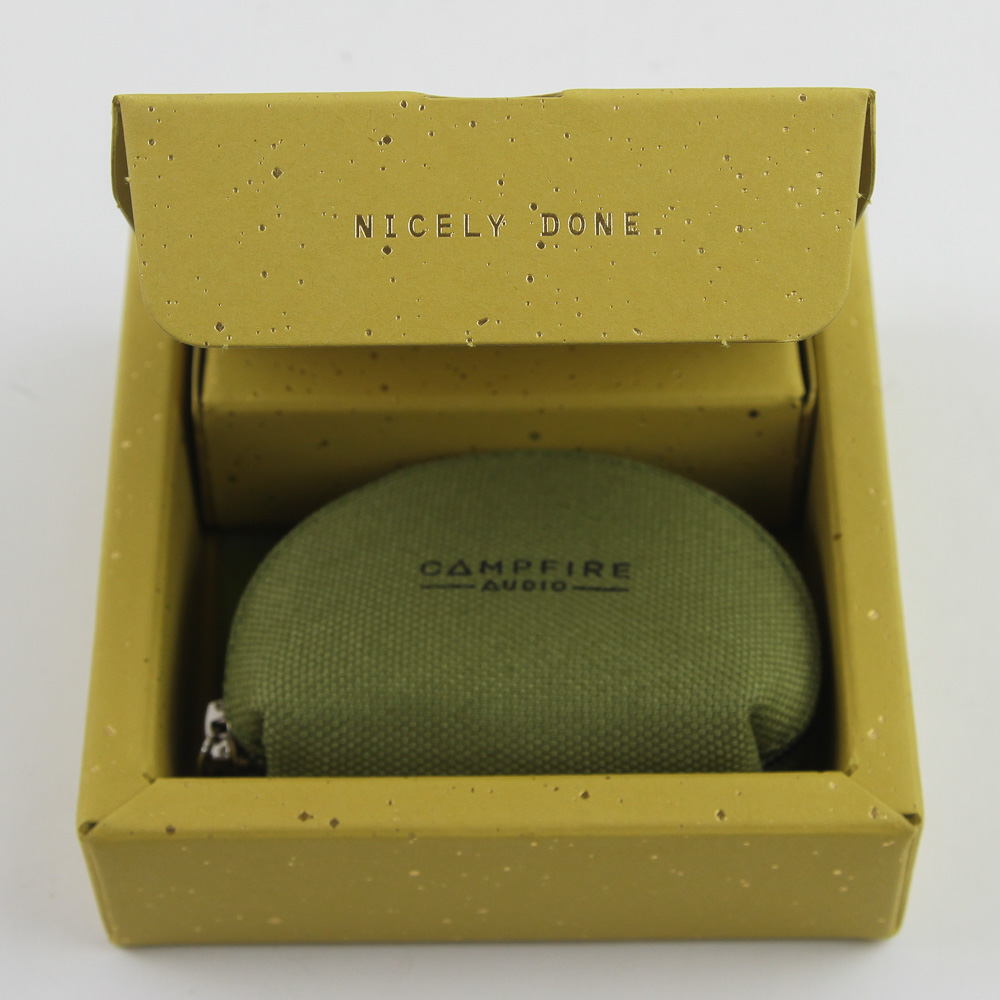
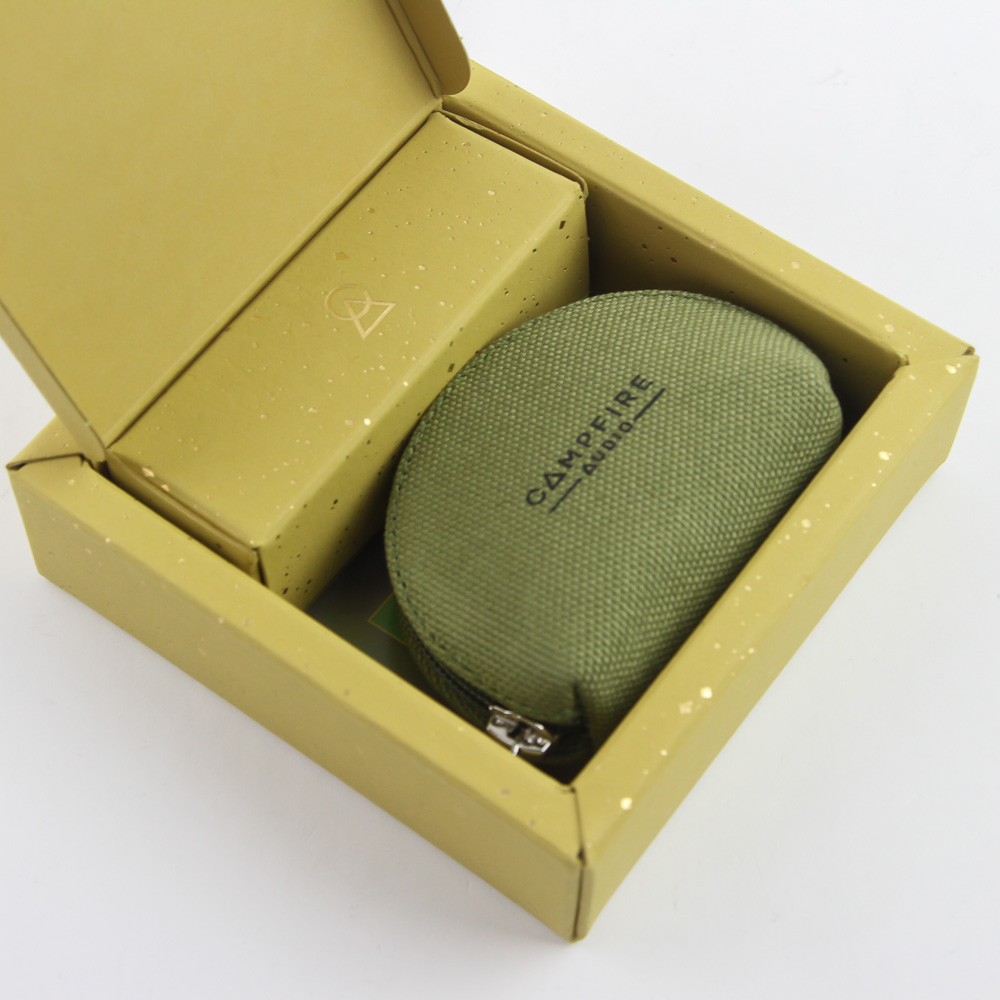
The box is a similar orange in color as the earphone buds, with the Campfire Audio logo in shiny gold lettering and what looks to be a depiction of a starry night over a mountain and trees, perhaps to depict the Portland area native to the brand. More of the gold speckles are seen all over the box, which you need to see in person to better appreciate. That will hold your attention for just long enough to realize you need to now go ahead and open the box, which congratulates you on a job nicely done. Everything relevant to the user experience is packed inside two containers, which makes for highly space-efficient packaging.

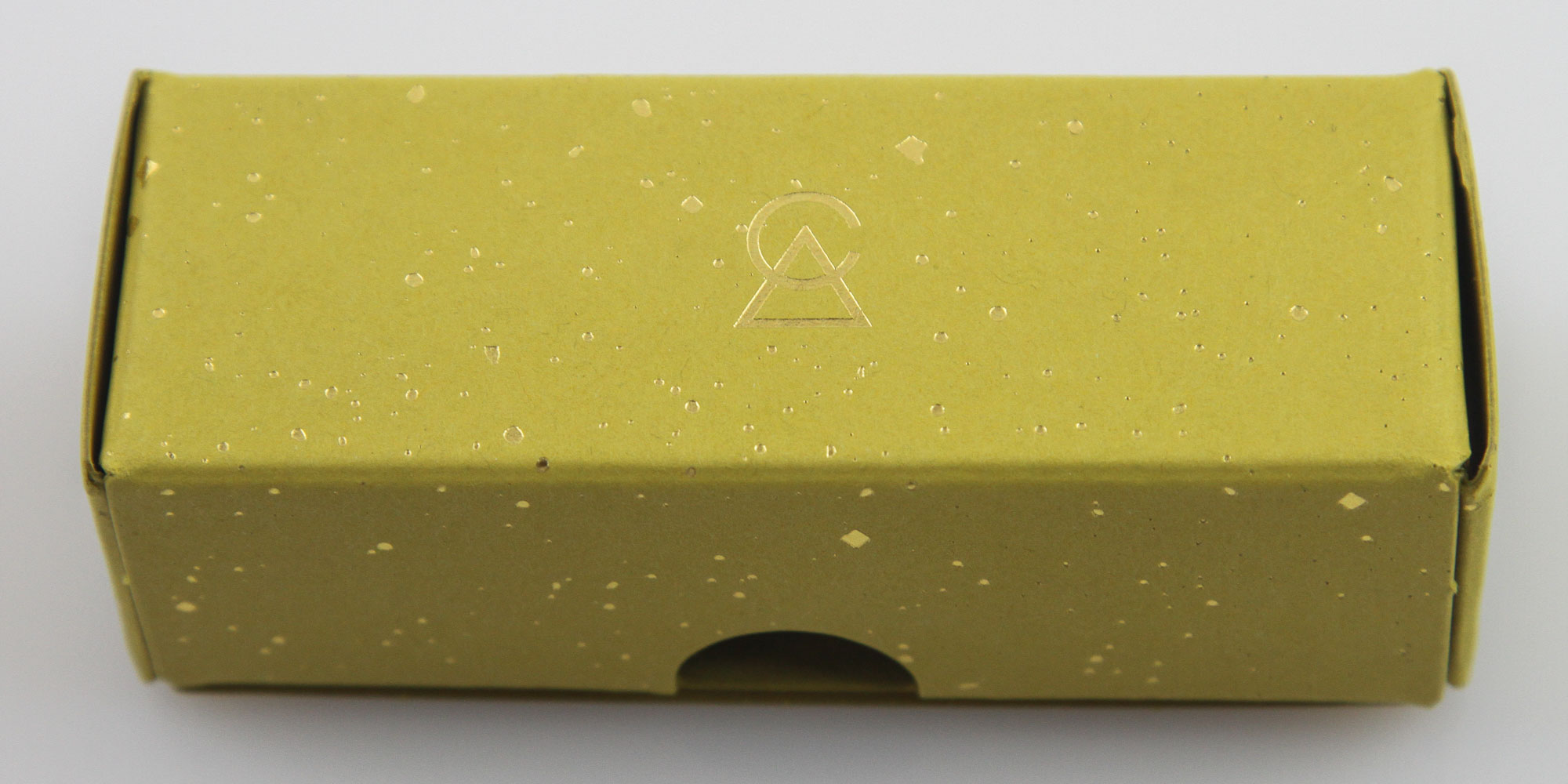
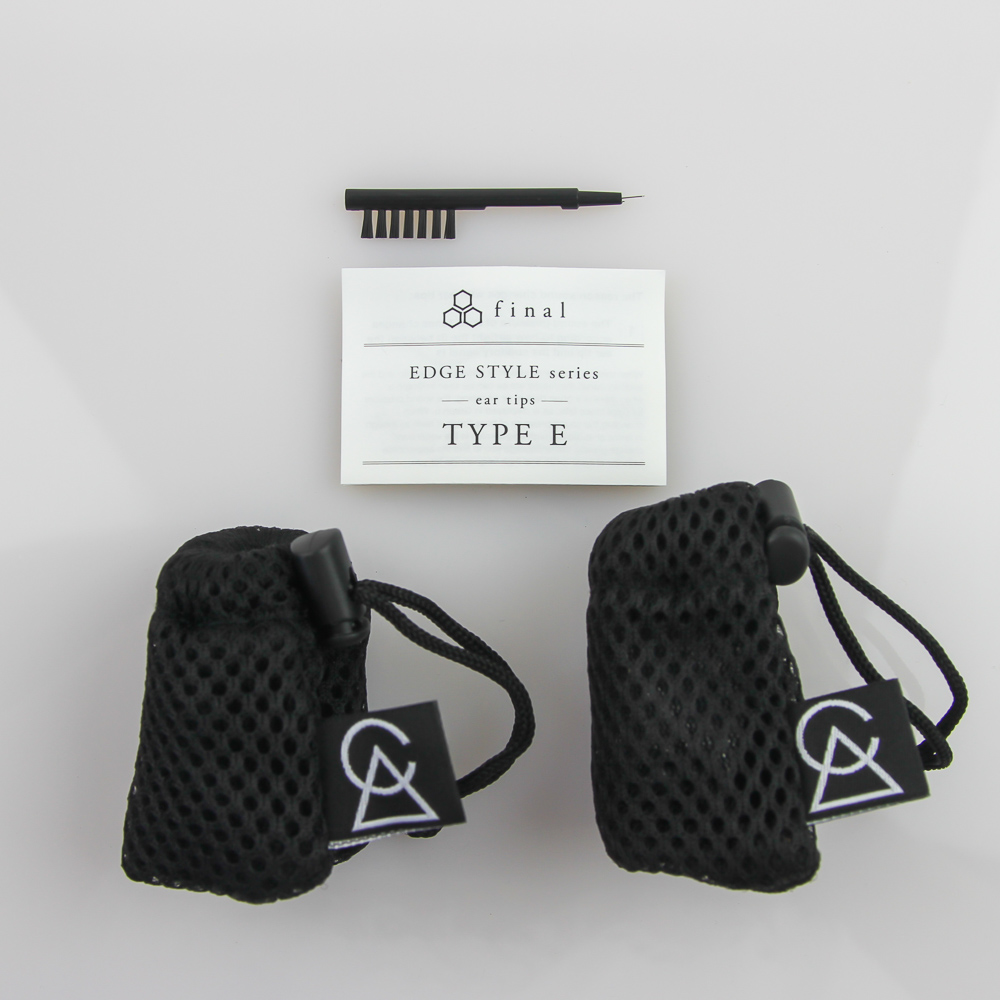
Well, that was a white lie. Some paperwork underneath includes a user manual going over the do's and don'ts of the Honeydew as it pertains to the cable with MMCX connectors and fitting them in your ears. There is also a customer service card for you to jot down the serial number for any warranty-related issues, and both have the same design on the outer surface as with the packaging wrapper. The accessory box is made out of cardboard similar to the product box and has the same color and design scheme, just with a truncated logo. It opens up to reveal two drawstring fabric pouches, each of which has two compartments, a cleaning tool, as well as a note about one of the ear tip sets being from final audio, which we have separately seen elsewhere.

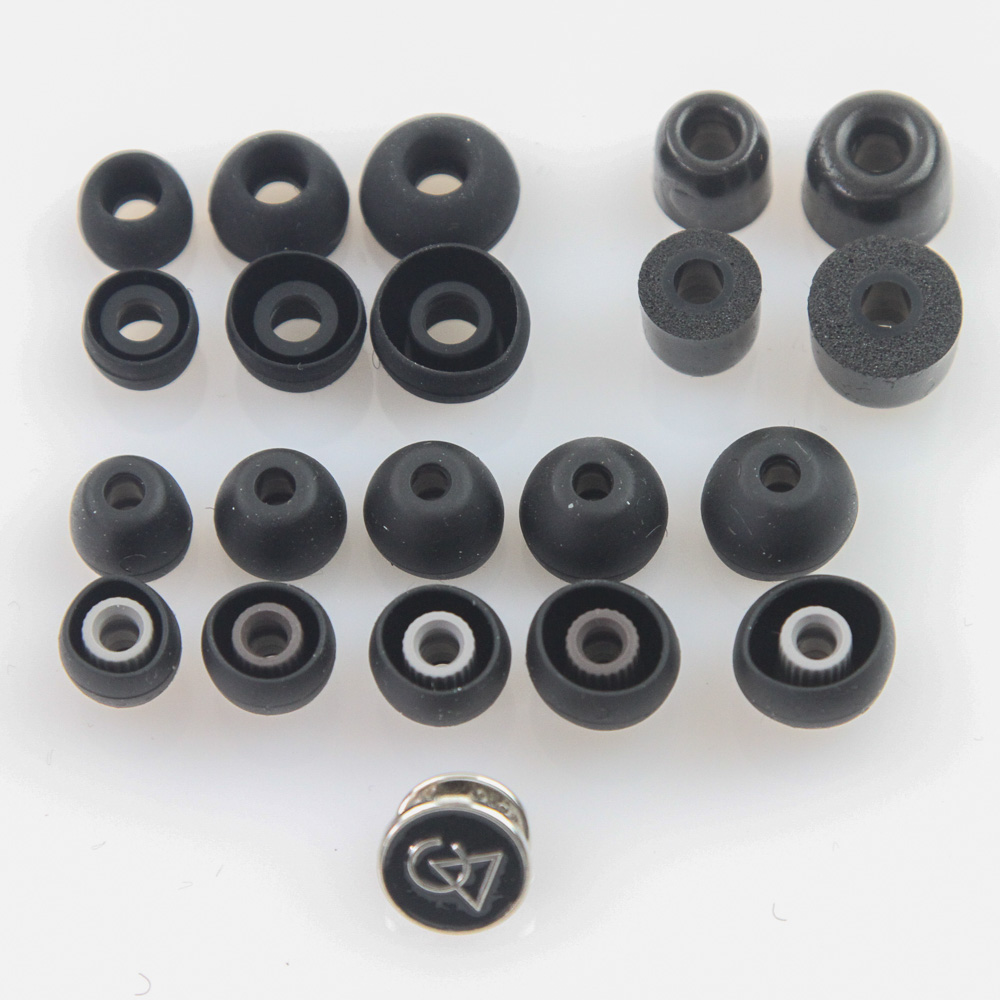

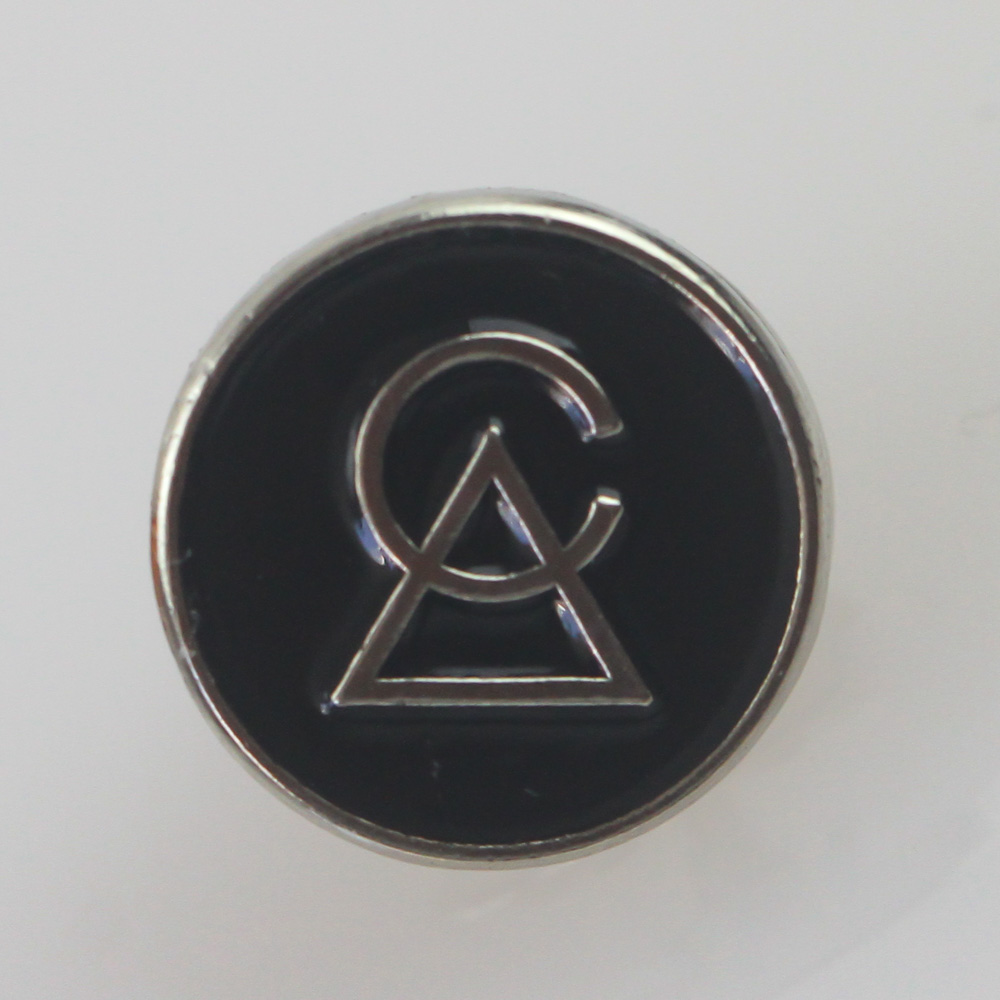
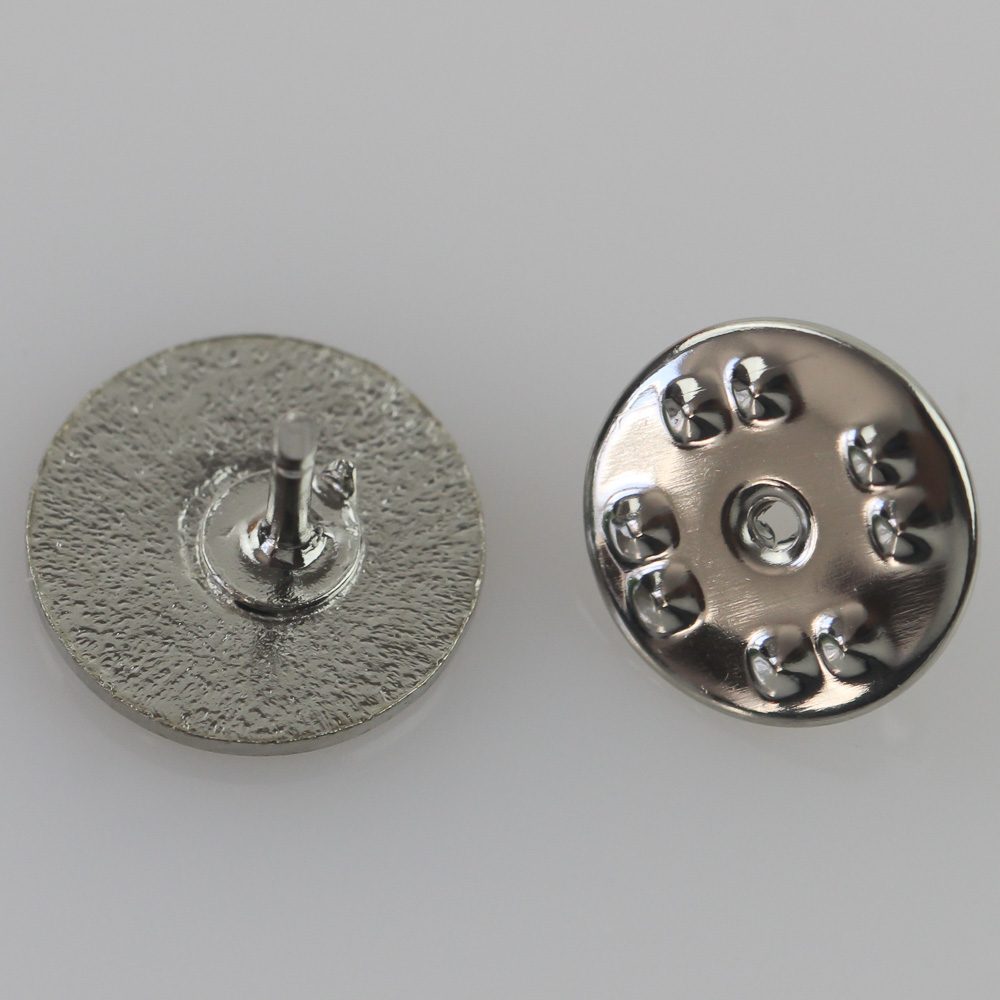
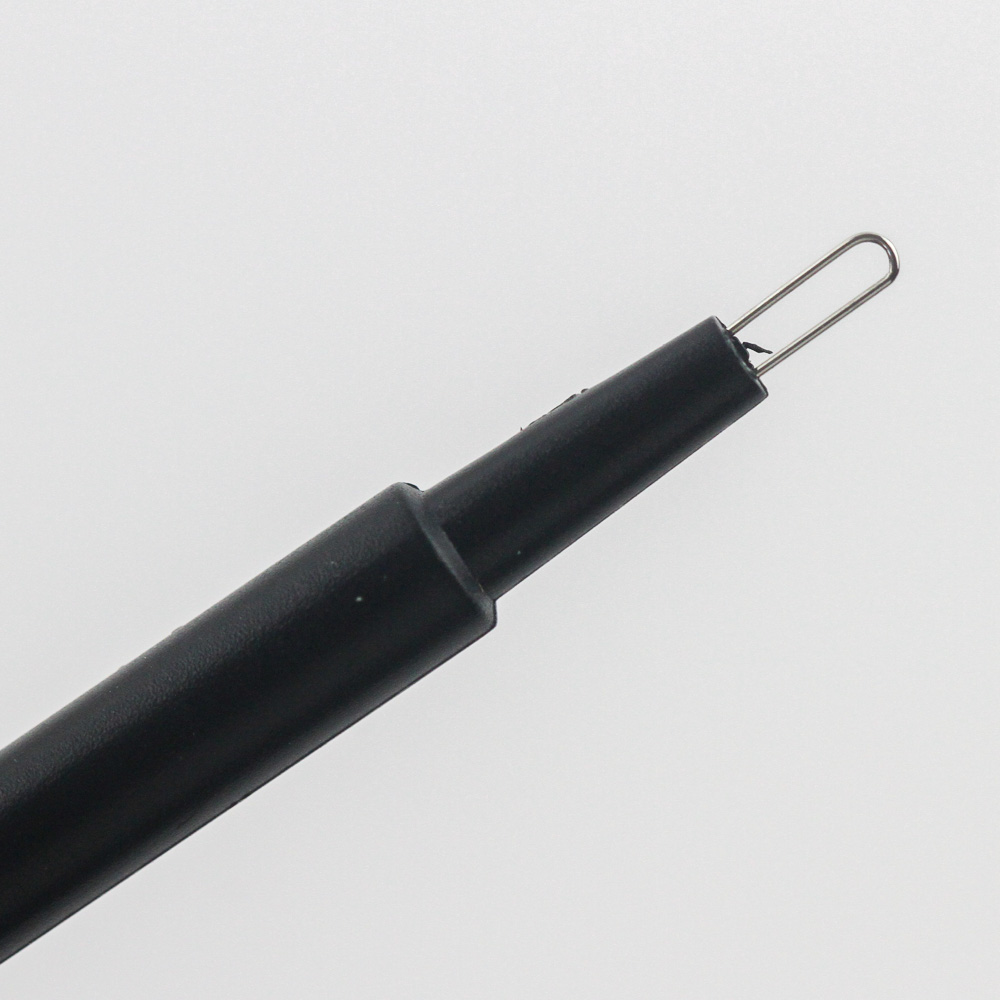
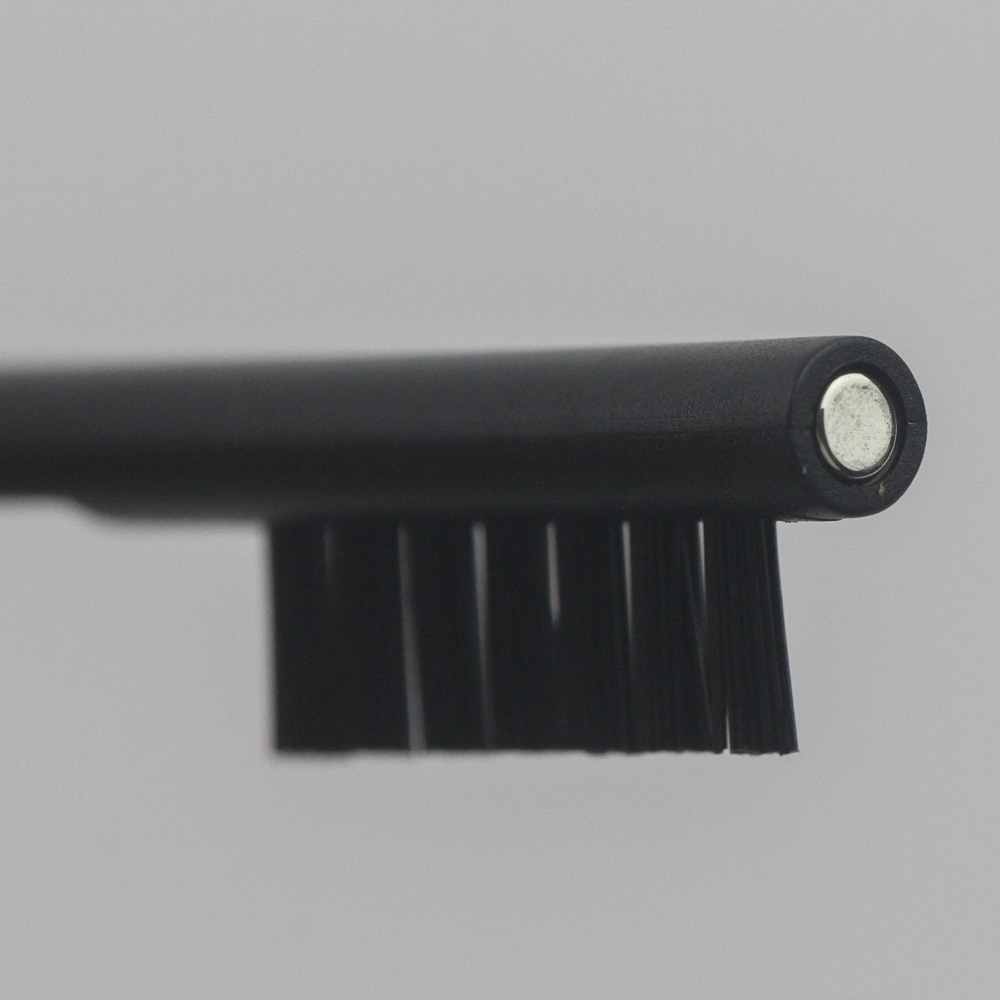
I have to voice my displeasure with these pouches, however. One contains a set of silicone ear tips in sizes S/M/L and memory foam ear tips in sizes S/L, so size M is presumably pre-installed on the IEMs, and the other contains a set of final audio Type-E silicone ear tips as well as a metal pin with the truncated Campfire Audio logo. It is harder than it needs to be to get these things out of those tiny compartments, and I don't even have large hands to begin with. There are going to be fabric shavings all over your desk, or wherever else you unbox, and any static electricity in the area will multiply by a few orders of magnitude once these are on your hands. Sure, it looks cute, but is quite impractical to where I would rather have everything in plastic bags similar to the one the pin comes in.
The actual contents are quite nice, though. Campfire Audio throws in a plethora of its own silicone ear tips in various sizes to go with the memory foam tips, which are nice to see, but ups the ante further with the final Type-E tips that rest on the entrance of the ear tips for a more comfortable, albeit potentially less secure and isolating, fit. The pin is nice to look at once and put back in the box, at least for me, and the tool is only useful as a brush despite the multiple potential applications with the wire clip and magnetic point.
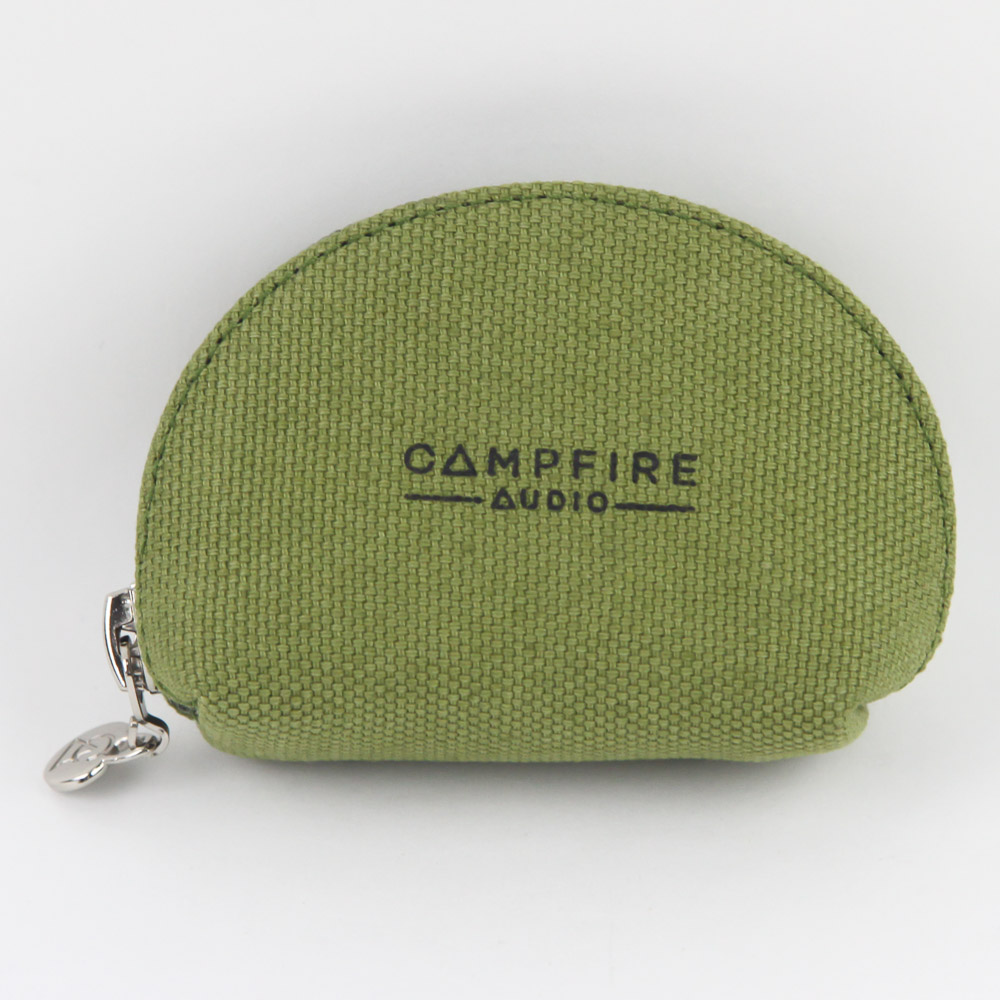
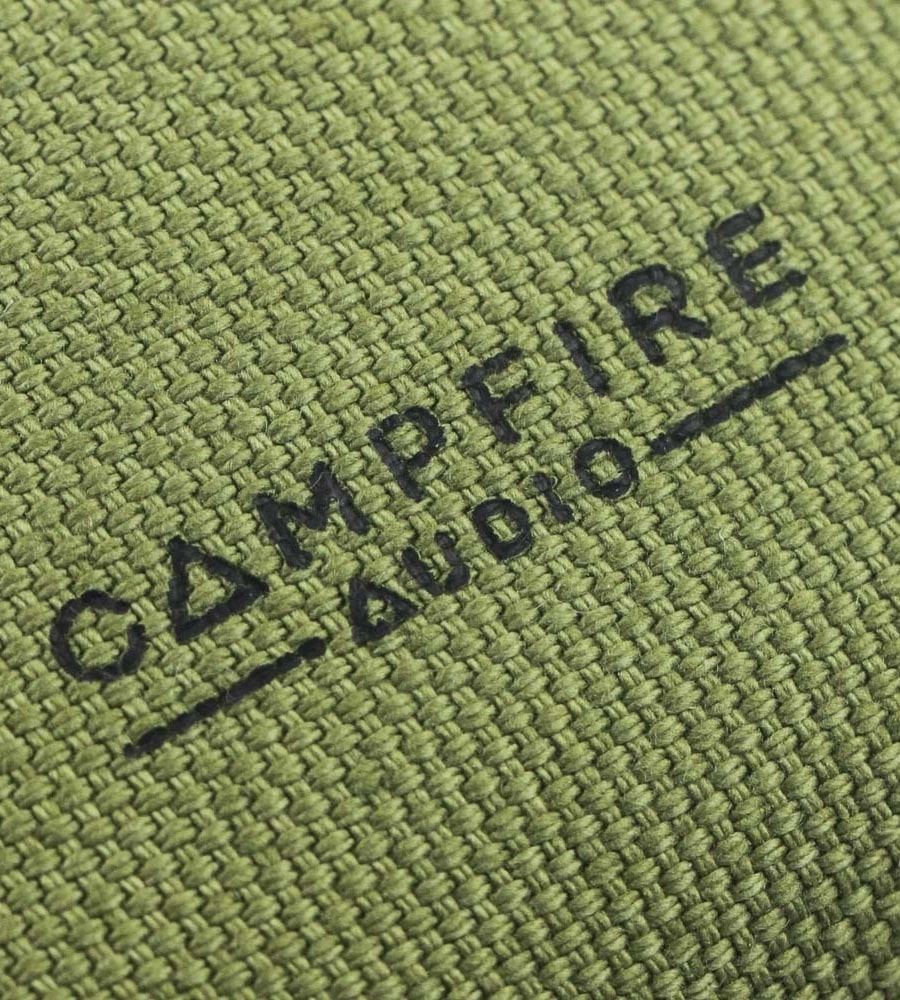
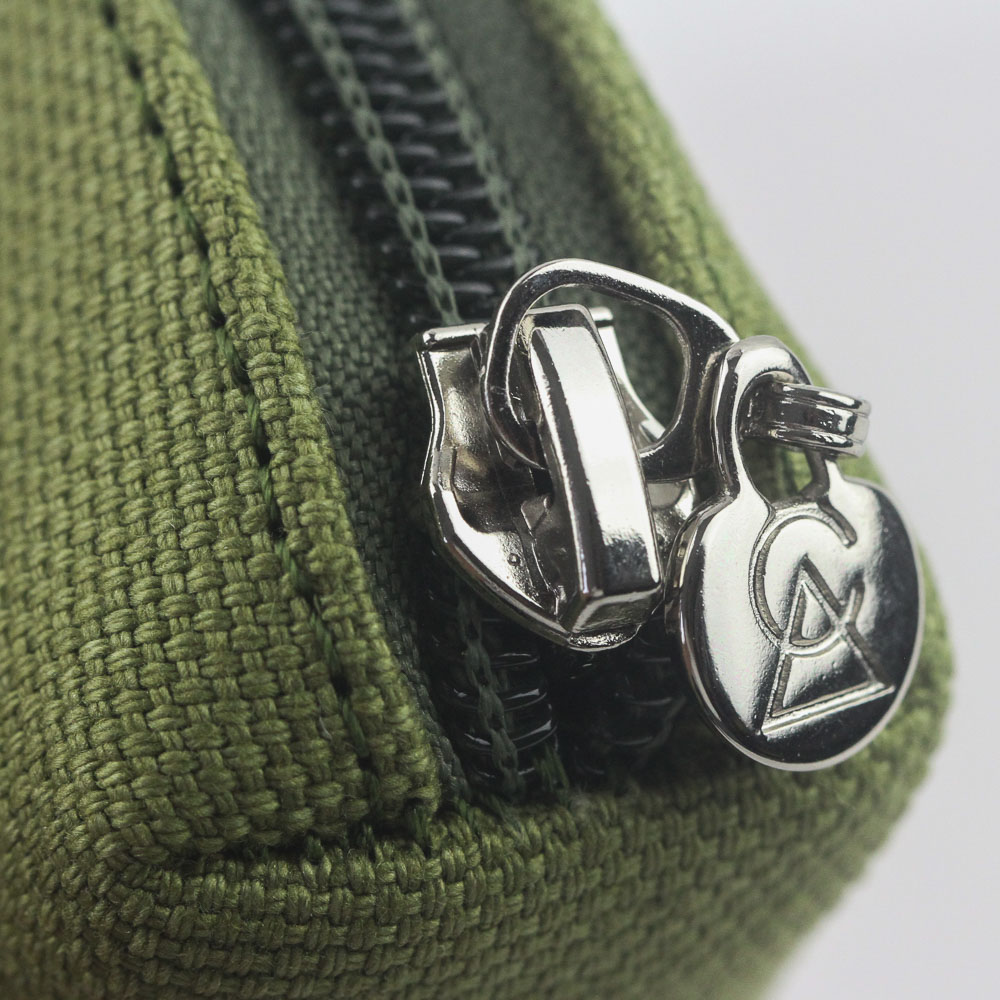
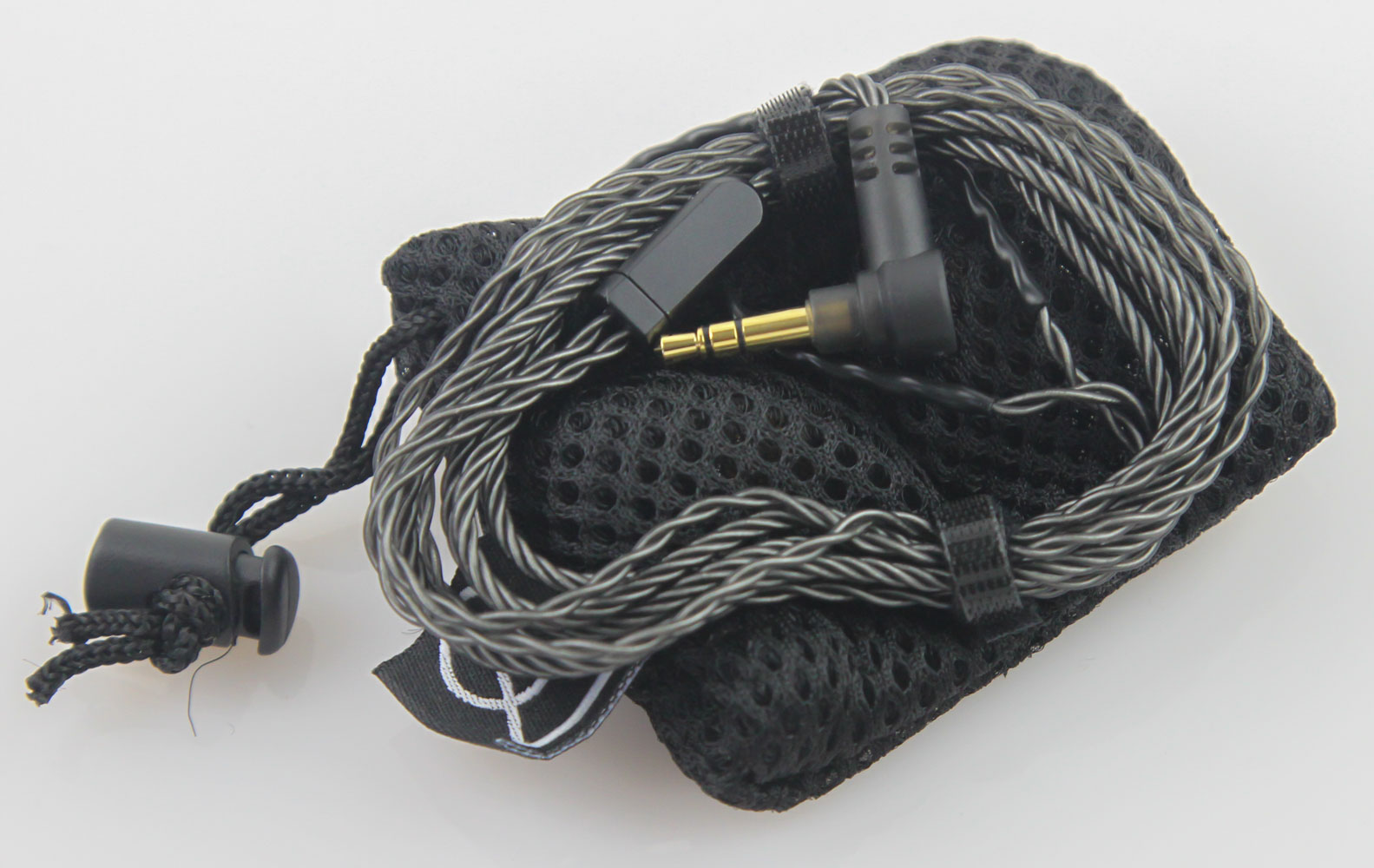
No such complaints about the carry case, though, which is a new size and design for the Campfire Audio brand. It is a mint green-colored canvas case from Portugal, slightly different in color from the one that comes with the Satsuma, but with the same durable finish all around that has the canvas provide good protection in use. The stitching is nicely done, and there is a good-sized zipper that goes around the top to open the case, which we also see has the logo in black on front. Inside is a third of those drawstring bags, removing which we see a soft lining all around the inner surface of the case. This bag holds the IEM buds and cable, which are connected out of the box, with the cable held on the outside with the same hook-and-loop connectors that keep the cable tidied up as well.
Our Patreon Silver Supporters can read articles in single-page format.
Nov 22nd, 2026 21:17 CST
change timezone
Latest GPU Drivers
New Forum Posts
- Increasing Power Limit? (9)
- DTS DCH Driver for Realtek HDA [DTS:X APO4 + DTS Interactive] (2818)
- Honestly, do you care about GTA VI? (266)
- What are you playing? (26240)
- UPS what one to get? (48)
- Your PC ATM (36458)
- Gacha Games - Discussions, Pulls, Updates, etc. (1157)
- Last game you purchased? (1414)
- Making a game in Godot engine (19)
- Intel D270 (5)
Popular Reviews
- Microsoft Surface Laptop Ultra Review - The Next-gen Arm Laptop
- Corsair RM1200e (Second Generation) Review
- Upcoming Hardware Launches 2027 (Updated Nov 2026)
- Pulsar Office Tour & First Look at P1 Dual-Sensor Mouse
- Ugreen NASync DXP4800 GT Review
- AMD Ryzen 7 9800X3D Review - The Best Gaming Processor
- AMD Zen 6 Technical Deep Dive
- AMD Ryzen 7 5800X3D 10th Anniversary Review
- Phantom Blade Zero Performance Benchmark Review - 35 GPUs Tested
- Biwin Black Opal NV7400 2 TB Review
TPU on YouTube
Controversial News Posts
- NVIDIA Co-Founder and CEO Jensen Huang Officially Resigns (492)
- Report: Jensen Huang Eyes NVIDIA Comeback (266)
- Open Letter Asking NVIDIA to Reinstate Jensen Huang Passes 115,000 Signatures (184)
- OpenAI CEO Argues Home PCs Waste the World's Limited DRAM Supply (152)
- NVIDIA Launches Investigation Into Jensen Huang's Relationship With Suspected Chinese Spy (136)
- Intel "Raptor Lake Next" 16-Core and 20-Core CPUs Surface (130)
- NVIDIA GeForce RTX 50-Series Scheduled for up to $500 Price Hike This Week (89)
- Intel Razor Lake Gets a 12 P-Core bLLC Chip With No E-Cores, Per Leak (86)