 58
Colorful GeForce RTX 5070 Mini OC Review
(58 Comments) »Introduction

The Colorful GeForce RTX 5070 Mini OC is a refreshing new take on custom design graphics cards by a company that made its mark with large, over-the-top designs for high-end graphics cards. It seeks to raise the bar with the amount of graphics processing muscle packed into a card that's 18 cm in length and no more than 2 slots thick, without needing any liquid cooling. The GeForce RTX 5070 is a performance-segment GPU, recommended by NVIDIA for 1440p AAA gaming with ray tracing, although it's possible for this GPU to game at 4K Ultra HD if you know your way around game settings, or can tap into the latest DLSS 4.5 and dynamic multi frame generation features.
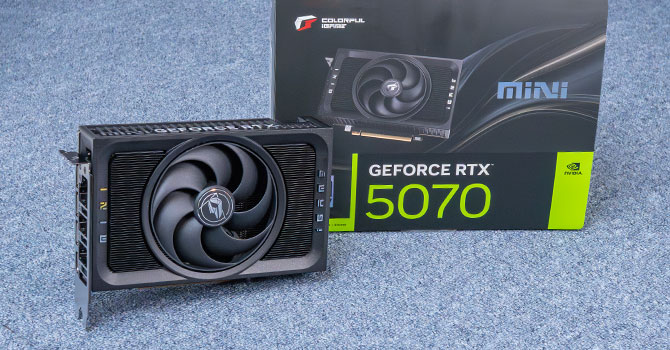
Most GeForce custom-design graphics card designers already follow NVIDIA's lead in designing compact PCBs for the RTX 5070, with the aim of enabling flow-through cooling solutions where airflow from one of three fans flows through the heatsink and out through cutouts in the backplate. The RTX 5070 Mini OC is no exception. Where Colorful's designers took a turn was in designing a dense air cooling solution that uses a tightly packed aluminium fin-stack heatsink with its fins that stick out from cutouts in the cooler's shroud, which is more of a metal reinforcement frame than a shroud, just like on the NVIDIA Founders Edition cards. This heatsink uses four copper heat pipes that carry heat through an aluminium fin-stack that's ventilated by the card's sole 100 mm fan. The challenge here is to tame a GPU with a total graphics power of 250 W at load.
NVIDIA GeForce RTX 5070 is powered by the latest GeForce Blackwell graphics architecture. It improves in all aspects of the GPU despite the chips themselves being built on the same NVIDIA 4N foundry node as the older RTX 40-series. The new CUDA cores come with increased IPC and support for Neural Rendering and shader execution reordering that's aware of Neural shaders. The new generation RT cores come with generational improvements to the ray intersection performance, further lowering the cost of ray tracing on your frame rates, it also comes with preparation for Mega Geometry, a feature with which the geometric detail of ray traced objects can be significantly increased (think what tessellation did to poly counts in raster graphics).
Perhaps the biggest feature update of Blackwell over the older Ada architecture is support for DLSS Multi Frame Generation, or the ability to draw up to five frames following every conventionally rendered frame completely using AI, effectively multiplying frame rates by up to 6 times. This 6x Multi Frame Generation feature was recently announced by NVIDIA as part of its 2026 International CES update. Also announced is DLSS 4.5, a new upscaler that uses an updated Transformer based AI model that's even more accurate than the one DLSS 4 debuted with alongside the RTX 50-series, which in turn offers a massive uplift in image quality over older DLSS versions that use convoluted neural networks (CNN) based upscalers.
The GeForce RTX 5070 is based on the GB205 silicon, which it nearly maxes out, enabling 48 out of 50 streaming multiprocessors (SM), which work out to 6,144 CUDA cores, 192 Tensor cores, 48 RT cores, 192 TMUs, and 80 ROPs. The chip also rocks 48 MB of L2 cache. NVIDIA implemented the latest GDDR7 memory standard with this generation. While the memory size and bus-width have remained unchanged over the previous generation RTX 4070, with 12 GB of it across 192-bit; GDDR7 offers a data-rate of 28 Gbps, resulting in a 33% increase in memory bandwidth.
Colorful GeForce RTX 5070 Mini OC is a uniquely designed product that should pick the attention of the SFF gaming PC crowd. Not only is it SFF-Ready as NVIDIA describes, it, but is an extreme compacting of a GPU that some brands even build elaborate triple-slot cards with. Colorful is asking $760 for this card (based on the Chinese price on JD.com)
| Price | Cores | ROPs | Core Clock | Boost Clock | Memory Clock | GPU | Transistors | Memory | |
|---|---|---|---|---|---|---|---|---|---|
| RTX 4060 | $270 | 3072 | 48 | 1830 MHz | 2460 MHz | 2125 MHz | AD107 | 18900M | 8 GB, GDDR6, 128-bit |
| Arc A770 | $250 | 4096 | 128 | 2100 MHz | N/A | 2187 MHz | ACM-G10 | 21700M | 16 GB, GDDR6, 256-bit |
| Arc B580 | $200 | 2560 | 80 | 2670 MHz | N/A | 2375 MHz | BMG-G21 | 19600M | 12 GB, GDDR6, 192-bit |
| RTX 4060 Ti | $300 | 4352 | 48 | 2310 MHz | 2535 MHz | 2250 MHz | AD106 | 22900M | 8 GB, GDDR6, 128-bit |
| RTX 5060 | $320 | 3840 | 48 | 2280 MHz | 2497 MHz | 1750 MHz | GB206 | 21900M | 8 GB, GDDR7, 128-bit |
| RX 7700 XT | $400 | 3456 | 96 | 2171 MHz | 2544 MHz | 2250 MHz | Navi 32 | 26500M | 12 GB, GDDR6, 192-bit |
| RX 9060 XT | $430 | 2048 | 64 | 2530 MHz | 3130 MHz | 2518 MHz | Navi 44 | 29700M | 16 GB, GDDR6, 128-bit |
| RTX 5060 Ti | $380 | 4608 | 48 | 2407 MHz | 2572 MHz | 1750 MHz | GB206 | 21900M | 8 GB, GDDR7, 128-bit |
| RTX 5060 Ti 16 GB | $520 | 4608 | 48 | 2407 MHz | 2572 MHz | 1750 MHz | GB206 | 21900M | 16 GB, GDDR7, 128-bit |
| RTX 4070 | $500 | 5888 | 64 | 1920 MHz | 2475 MHz | 1313 MHz | AD104 | 35800M | 12 GB, GDDR6X, 192-bit |
| RX 7800 XT | $470 | 3840 | 96 | 2124 MHz | 2430 MHz | 2425 MHz | Navi 32 | 28100M | 16 GB, GDDR6, 256-bit |
| RTX 4070 Super | $600 | 7168 | 80 | 1980 MHz | 2475 MHz | 1313 MHz | AD104 | 35800M | 12 GB, GDDR6X, 192-bit |
| RX 7900 GRE | $550 | 5120 | 160 | 1880 MHz | 2245 MHz | 2250 MHz | Navi 31 | 57700M | 16 GB, GDDR6, 256-bit |
| RTX 4070 Ti | $700 | 7680 | 80 | 2310 MHz | 2610 MHz | 1313 MHz | AD104 | 35800M | 12 GB, GDDR6X, 192-bit |
| RTX 5070 | $630 | 6144 | 80 | 2325 MHz | 2512 MHz | 1750 MHz | GB205 | 31100M | 12 GB, GDDR7, 192-bit |
| Colorful RTX 5070 Mini OC | $760 | 6144 | 80 | 2325 MHz | 2557 MHz | 1750 MHz | GB205 | 31100M | 12 GB, GDDR7, 192-bit |
| RTX 4070 Ti Super | $900 | 8448 | 96 | 2340 MHz | 2610 MHz | 1313 MHz | AD103 | 45900M | 16 GB, GDDR6X, 256-bit |
| RX 7900 XT | $620 | 5376 | 192 | 2000 MHz | 2400 MHz | 2500 MHz | Navi 31 | 57700M | 20 GB, GDDR6, 320-bit |
| RX 9070 | $590 | 3584 | 128 | 2070 MHz | 2520 MHz | 2518 MHz | Navi 48 | 53900M | 16 GB, GDDR6, 256-bit |
| RX 9070 XT | $670 | 4096 | 128 | 2400 MHz | 2970 MHz | 2518 MHz | Navi 48 | 53900M | 16 GB, GDDR6, 256-bit |
| RTX 5070 Ti | $920 | 8960 | 96 | 2295 MHz | 2452 MHz | 1750 MHz | GB203 | 45600M | 16 GB, GDDR7, 256-bit |
| RX 7900 XTX | $750 | 6144 | 192 | 2300 MHz | 2500 MHz | 2500 MHz | Navi 31 | 57700M | 24 GB, GDDR6, 384-bit |
| RTX 4080 | $1200 | 9728 | 112 | 2205 MHz | 2505 MHz | 1400 MHz | AD103 | 45900M | 16 GB, GDDR6X, 256-bit |
| RTX 4080 Super | $1300 | 10240 | 112 | 2295 MHz | 2550 MHz | 1438 MHz | AD103 | 45900M | 16 GB, GDDR6X, 256-bit |
| RTX 5080 | $1200 | 10752 | 112 | 2295 MHz | 2617 MHz | 1875 MHz | GB203 | 45600M | 16 GB, GDDR7, 256-bit |
Packaging

The Card
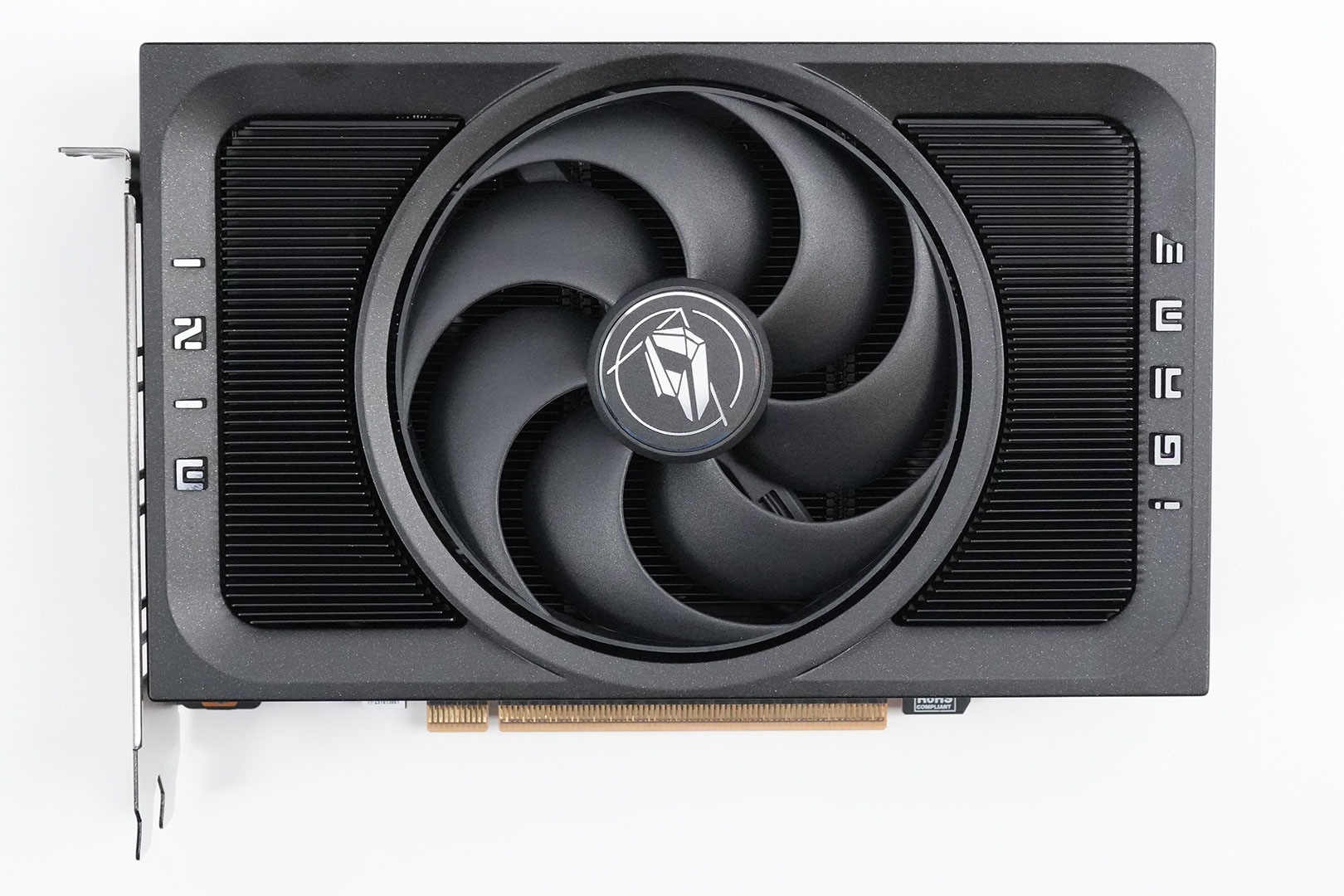


Colorful's RTX 5070 Mini OC looks fantastic thanks to its mostly-black color theme. All surfaces are made from thick, high-quality metal—no plastic anywhere.
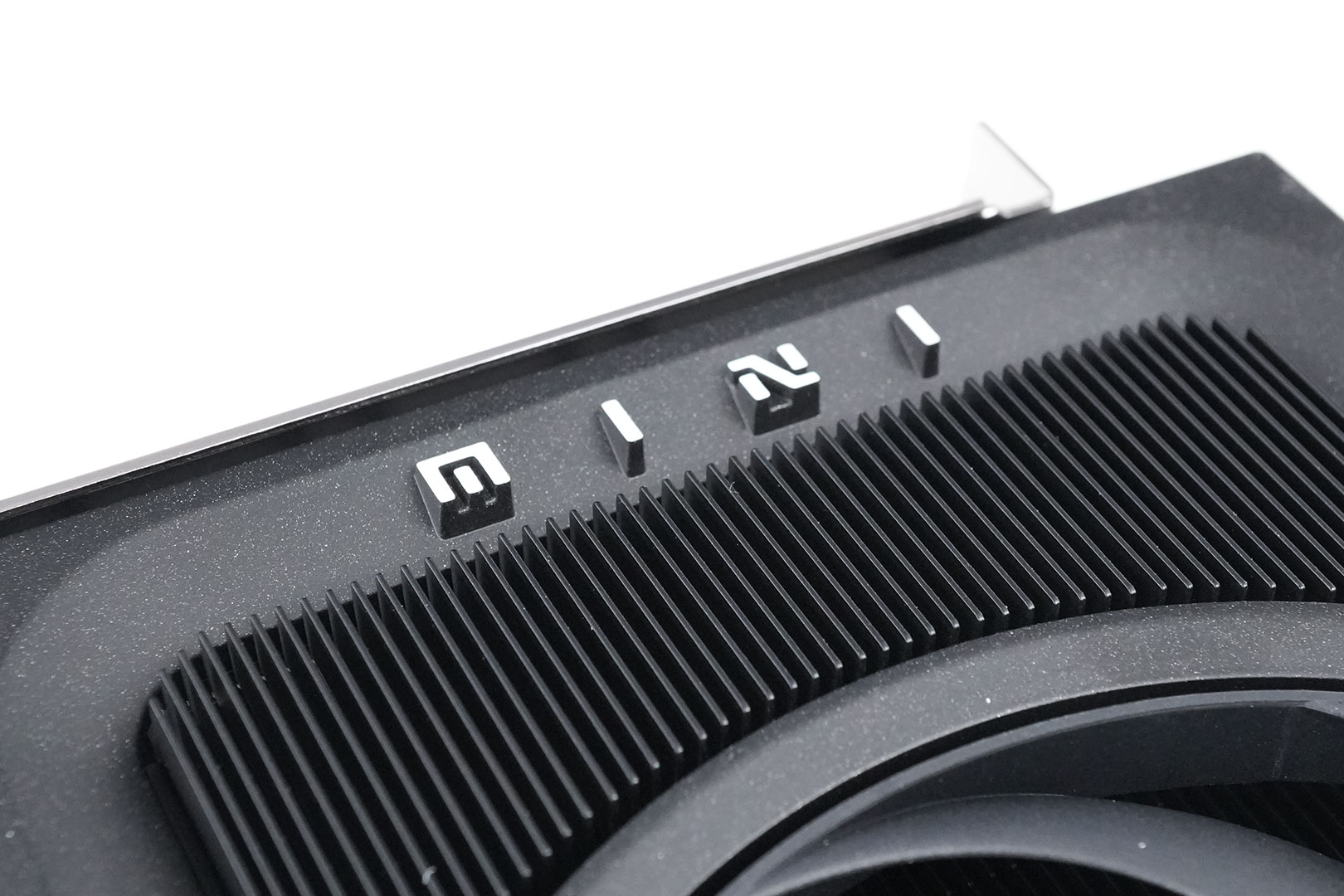

You can see the great attention given to adding intricate details on the metal surfaces.

Size comparison with the RTX 5070 Founders Edition.
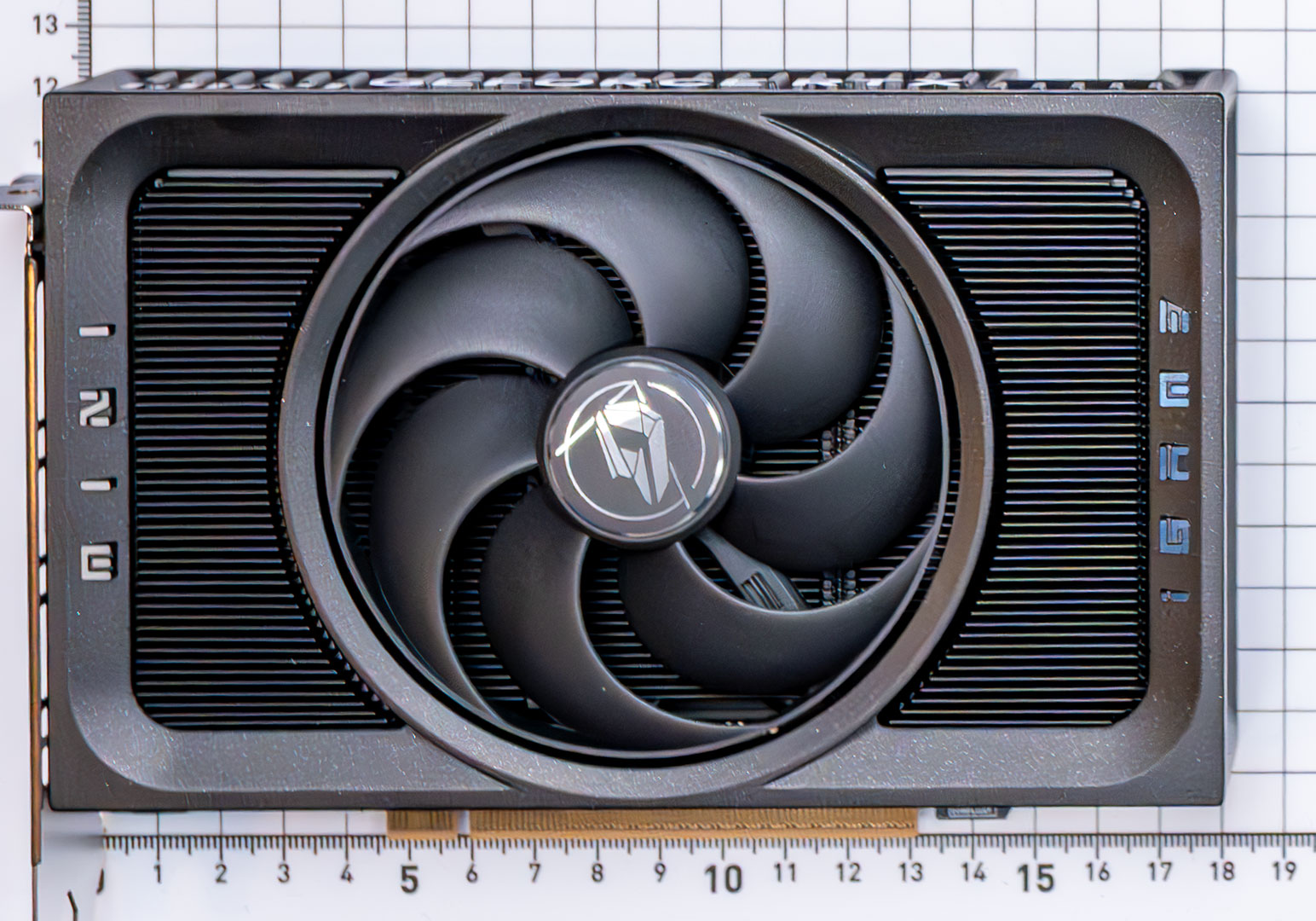
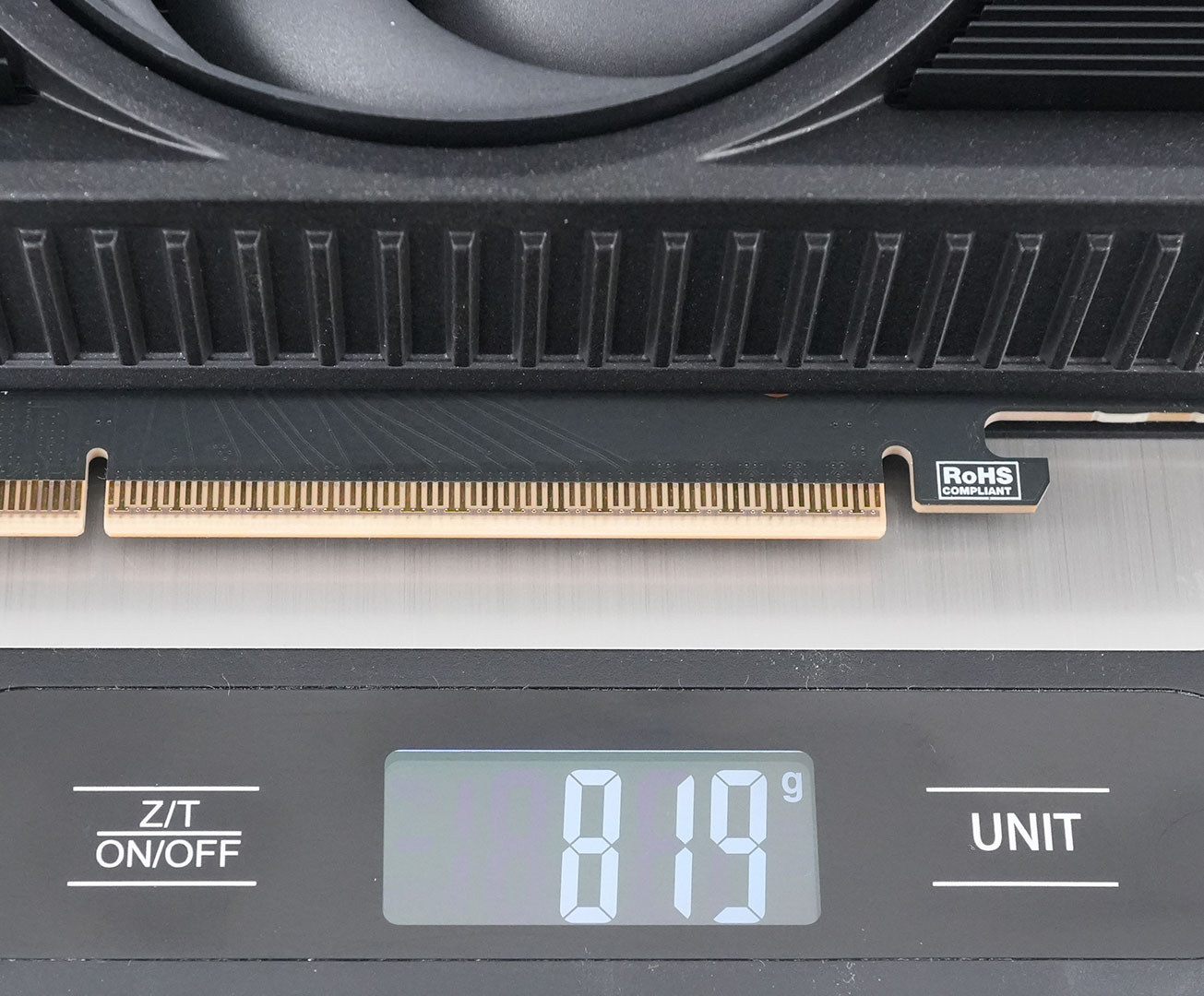
Dimensions of the card are 18.0 × 12.5 cm, and it weighs 819 g.
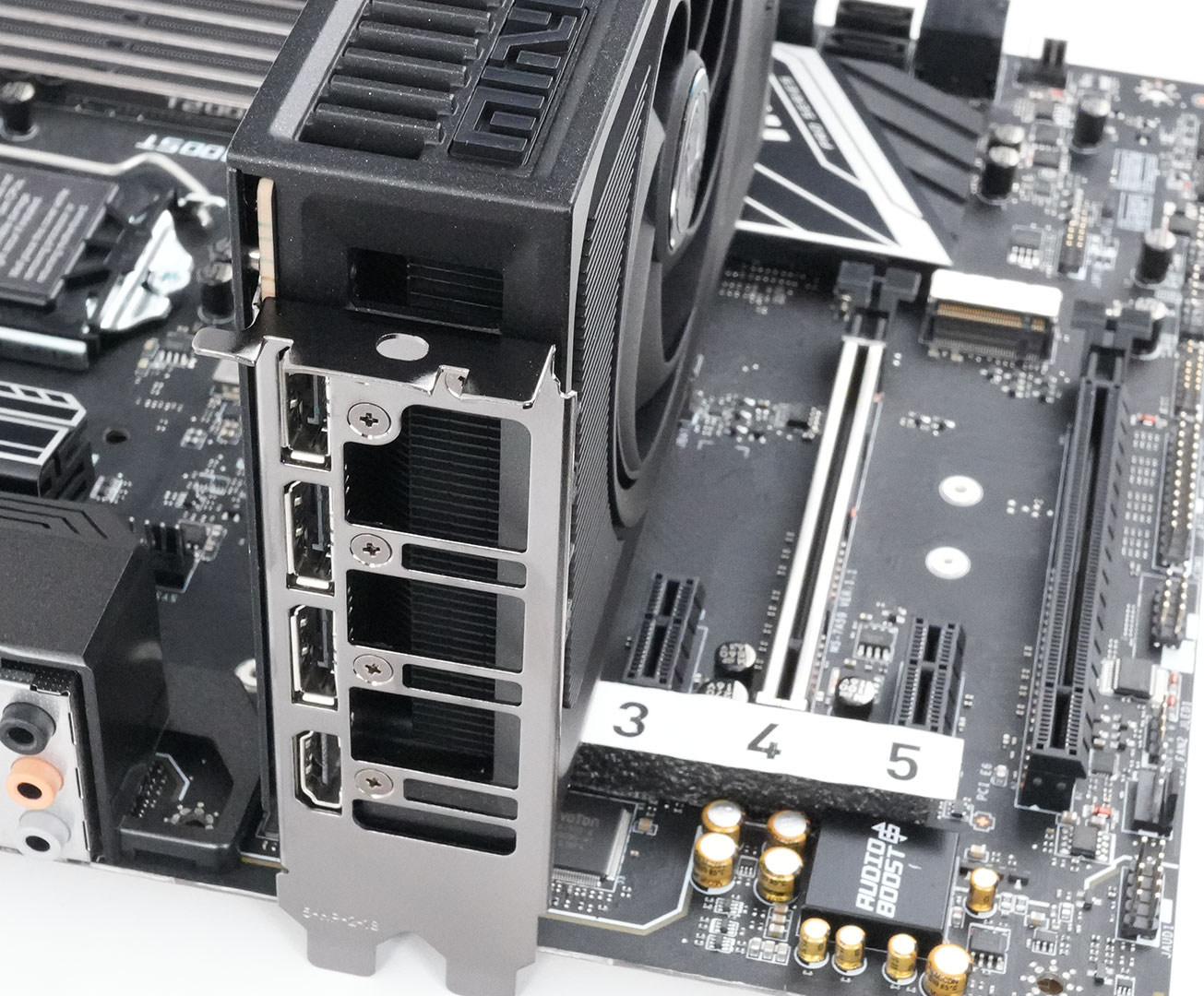

Installation requires two slots in your system. We measured the card's width to be 40 mm.
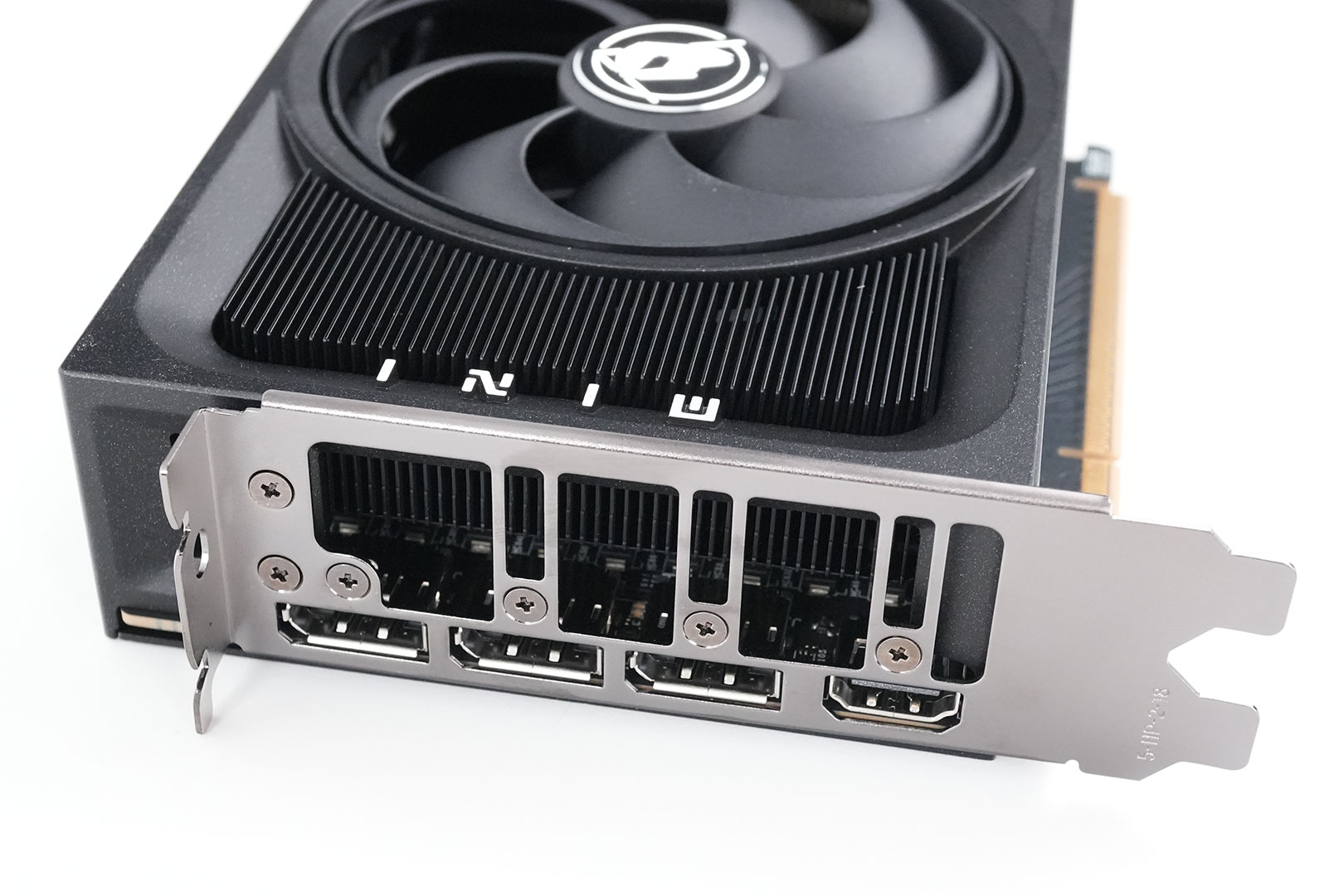
Display connectivity includes three standard DisplayPort 2.1b and one HDMI 2.1b port.
All GeForce RTX 50-series Blackwell cards feature a new display engine supporting DisplayPort 2.1b with UHBR20, as well as HDMI 2.1a. Both interfaces support DSC (display stream compression). With DSC enabled, a single DisplayPort on this card can drive 4K 12-bit HDR at 480 Hz; or 8K 12-bit HDR at up to 165 Hz. The RTX 5070 features an updated media acceleration engine with support for 4:2:2 video formats, AV1 UHQ, and MV-HEVC. Unlike the bigger RTX 50-series models, which have two, there is a single NVENC and NVDEC unit each.
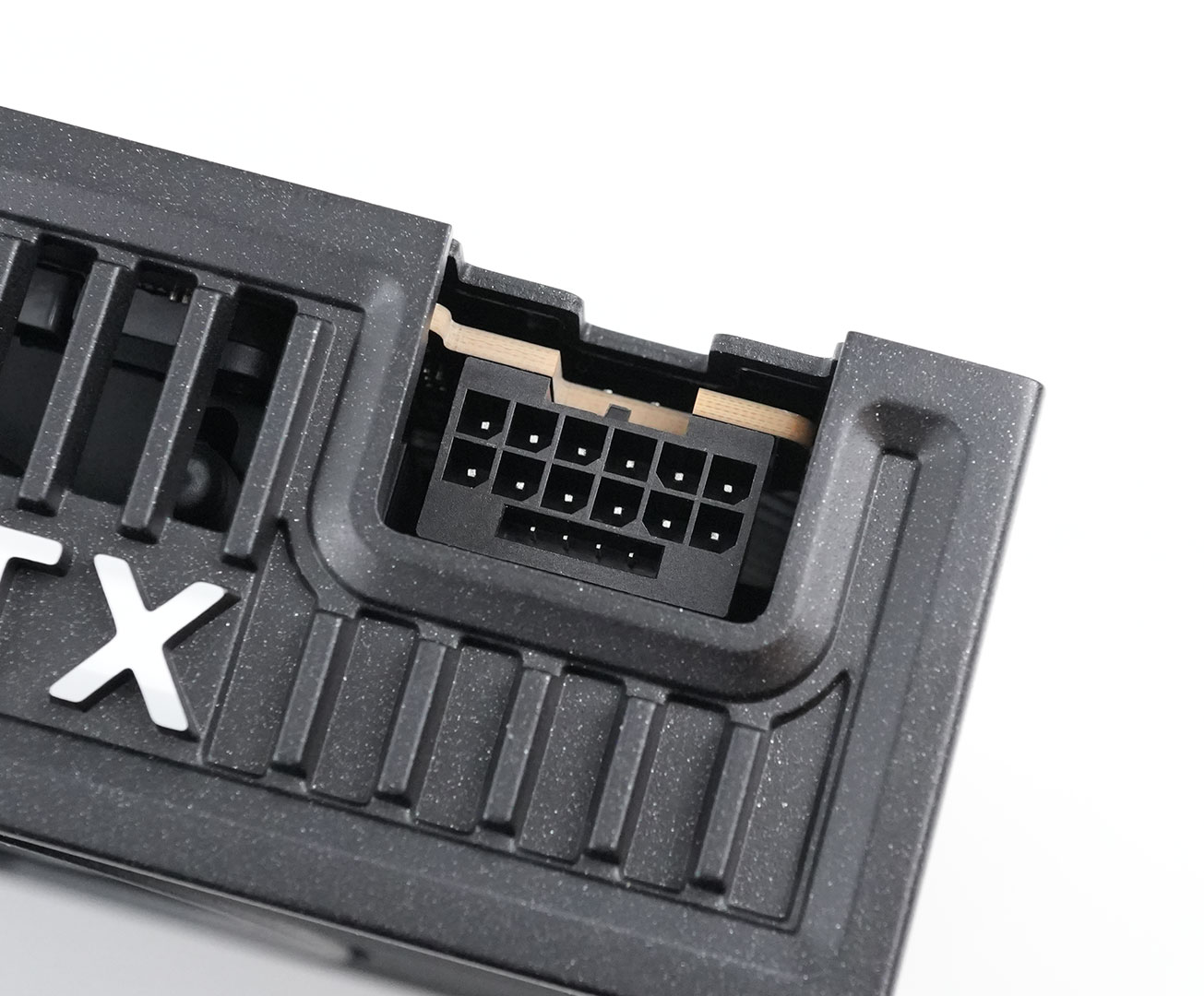
The card uses a single 16-pin connector, which allows a maximum power draw of 600 W. The board power limit is set to 250 W, without any manual increases to the power limit allowed.
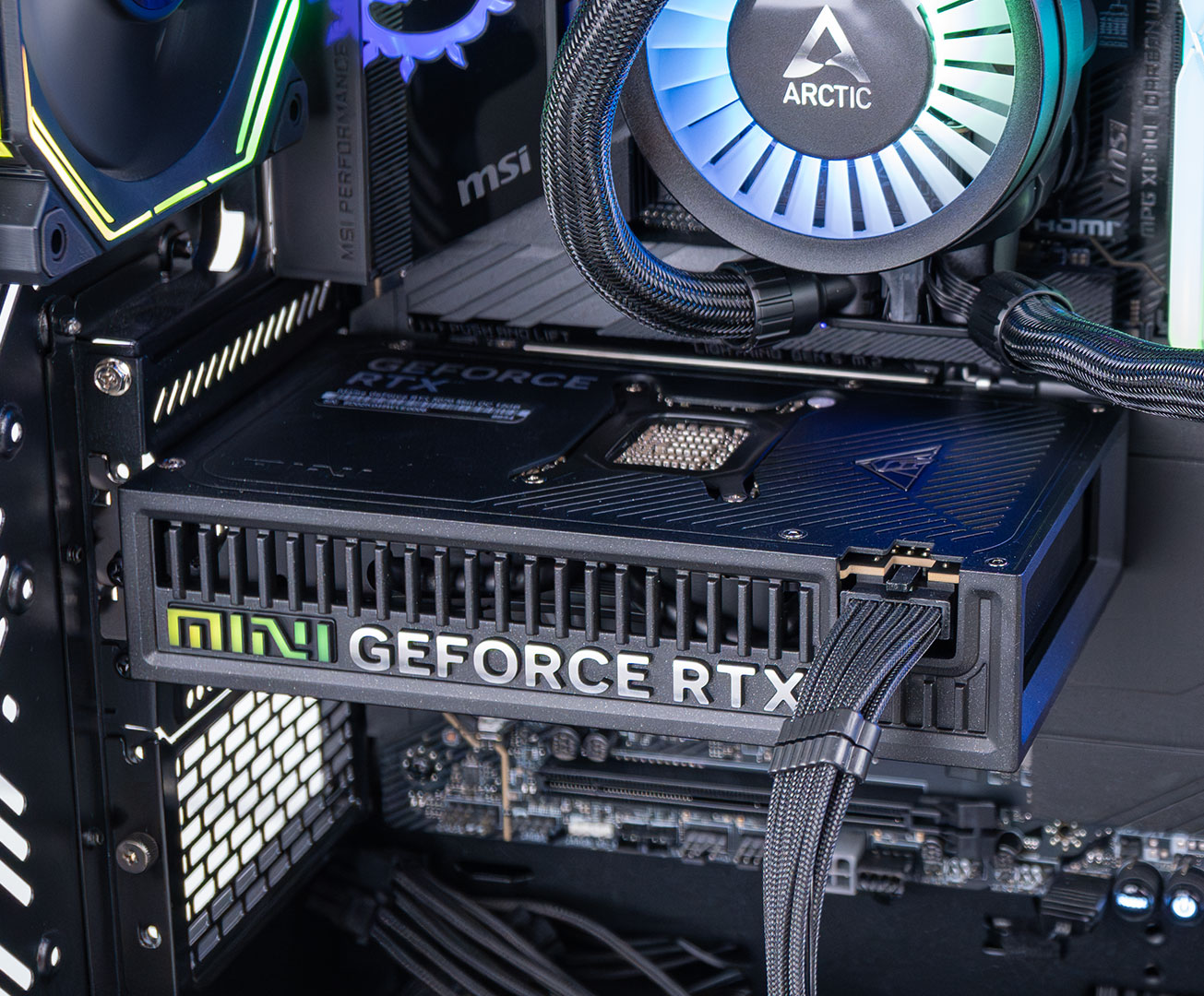
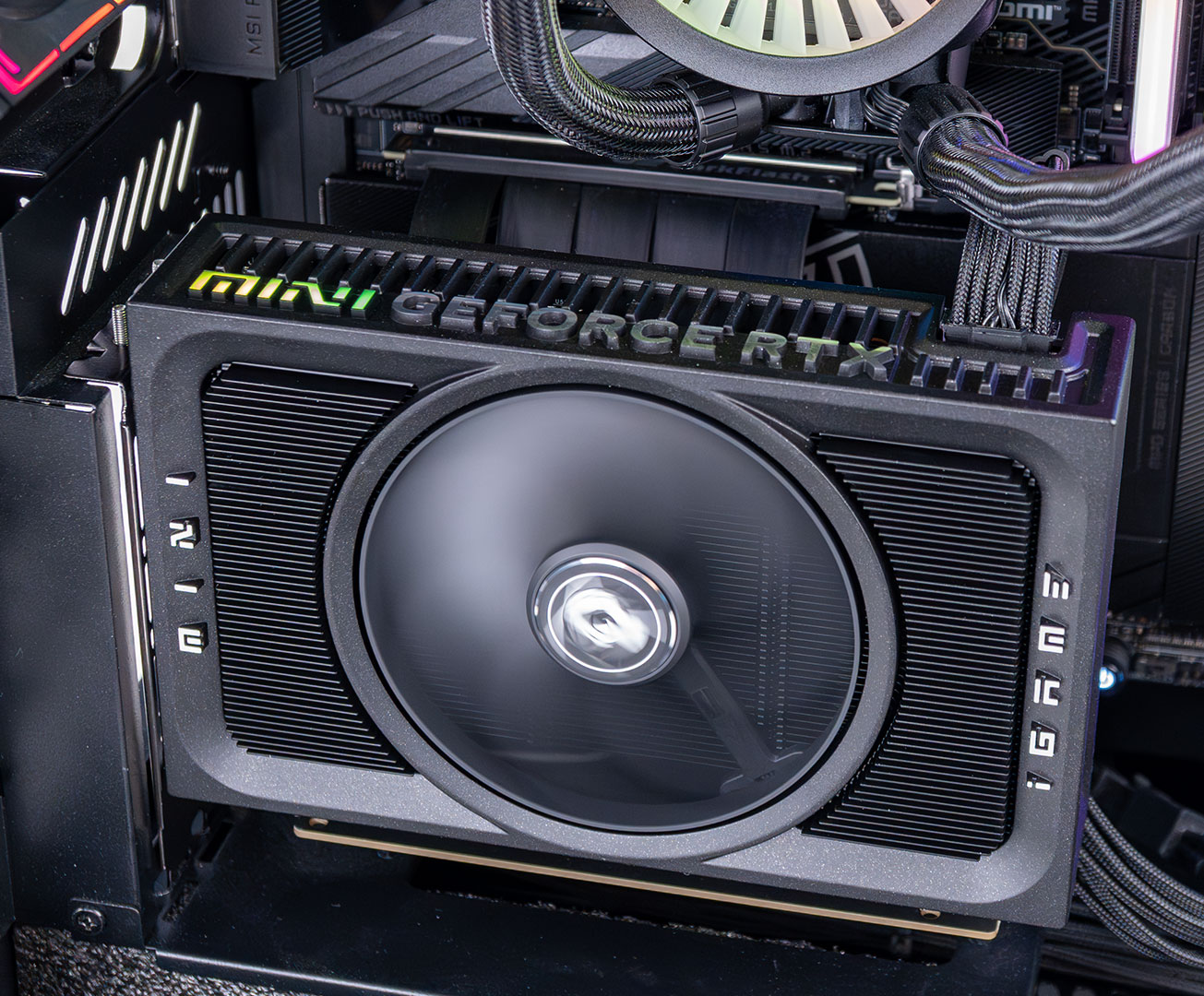
Colorful has added an RGB illumination zone on the "Mini" logo along the top edge of the card.
Teardown
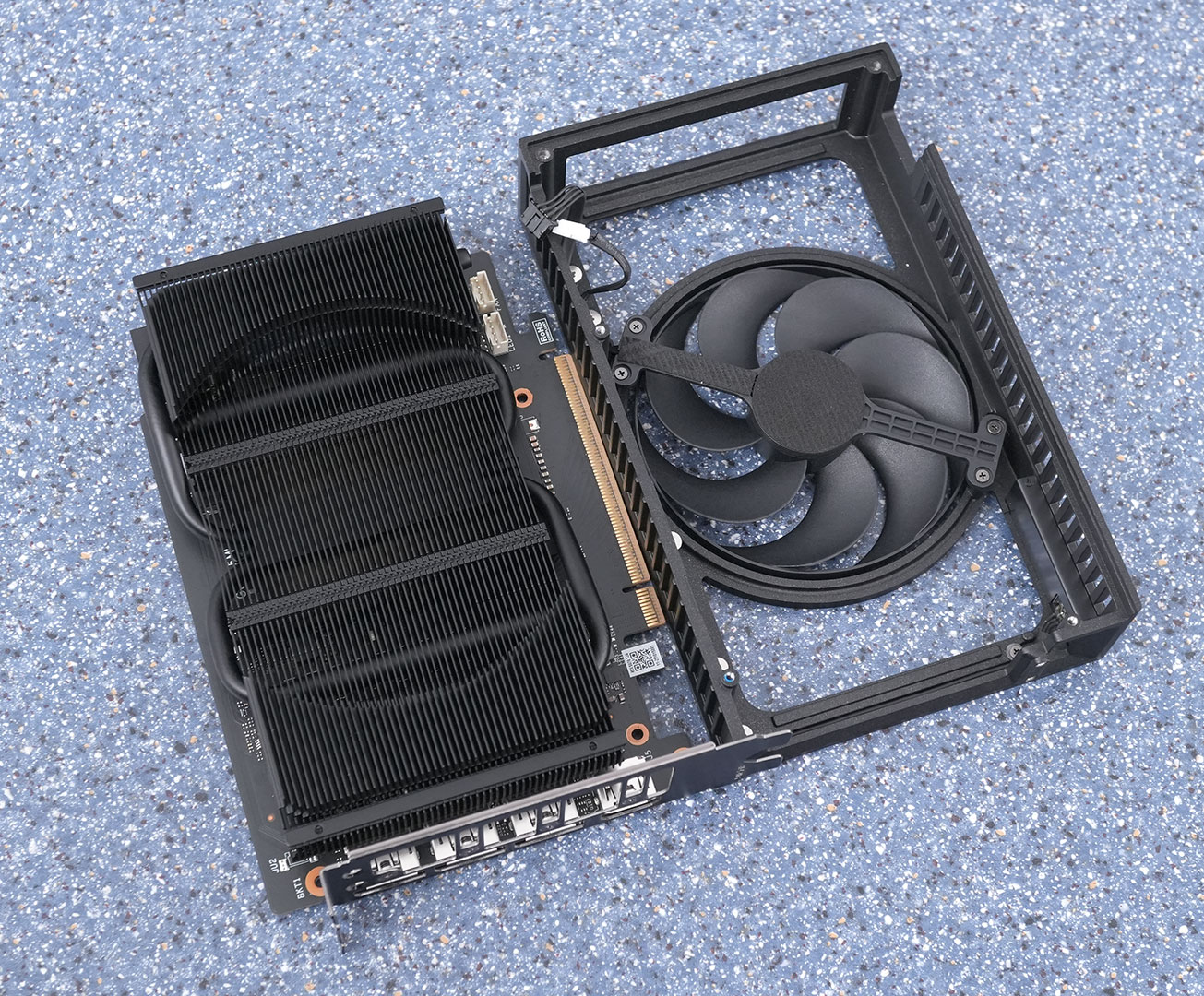
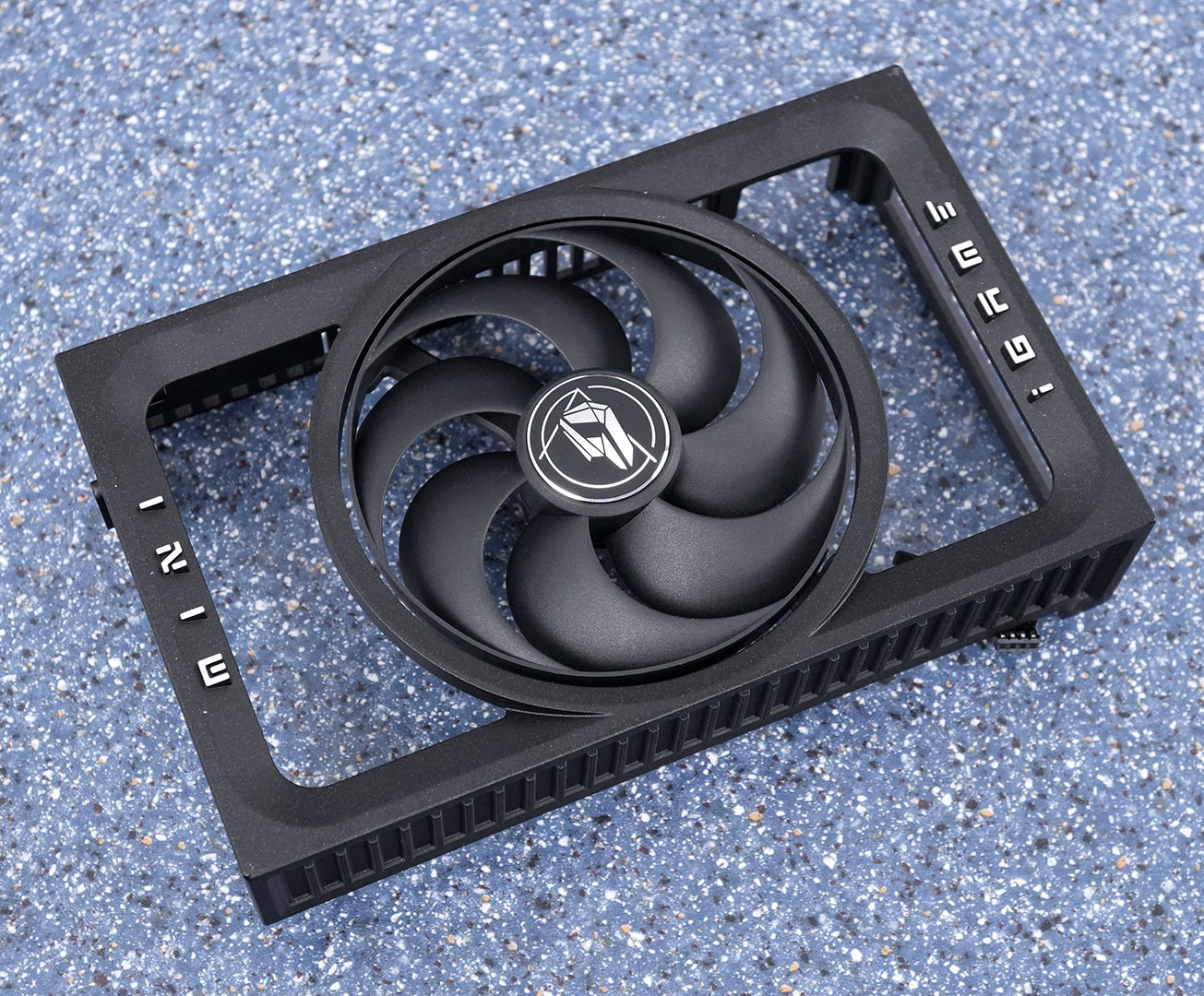
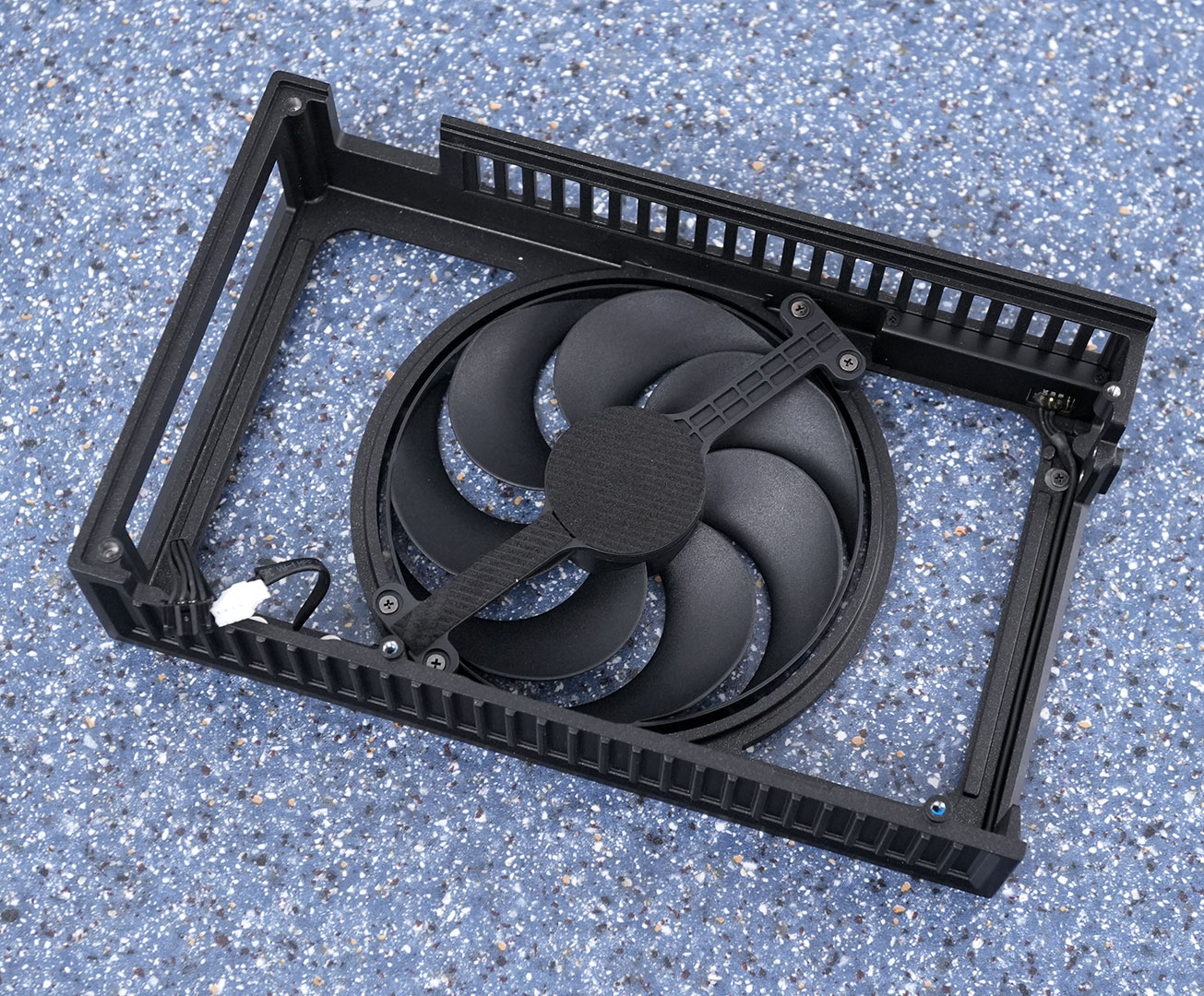
You can easily remove the cooler shroud along with the fan, allowing you to clean the heatsink or replace the fan in a few years if necessary, without disturbing the thermal interface material between the GPU, memory, and cooler.
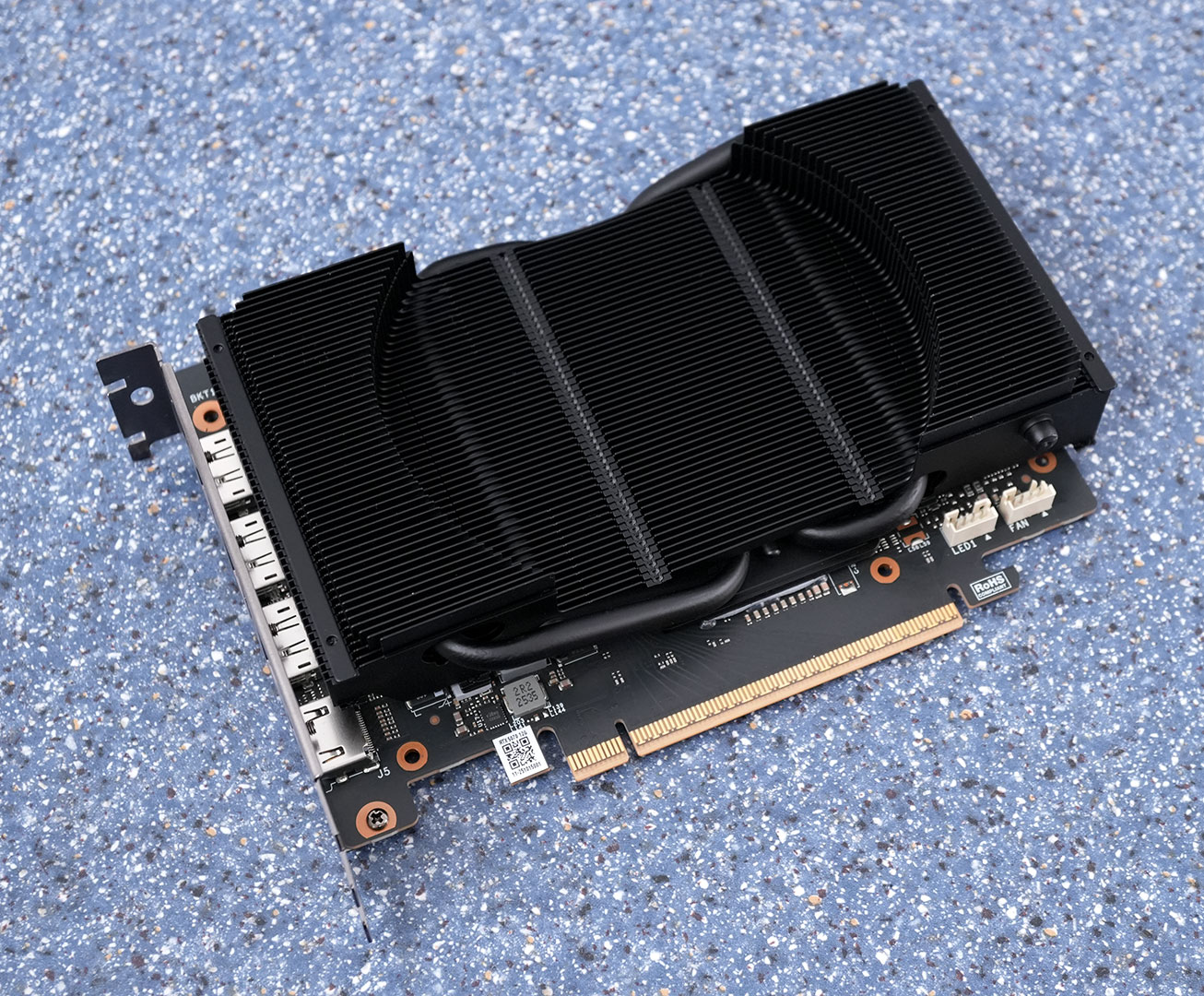
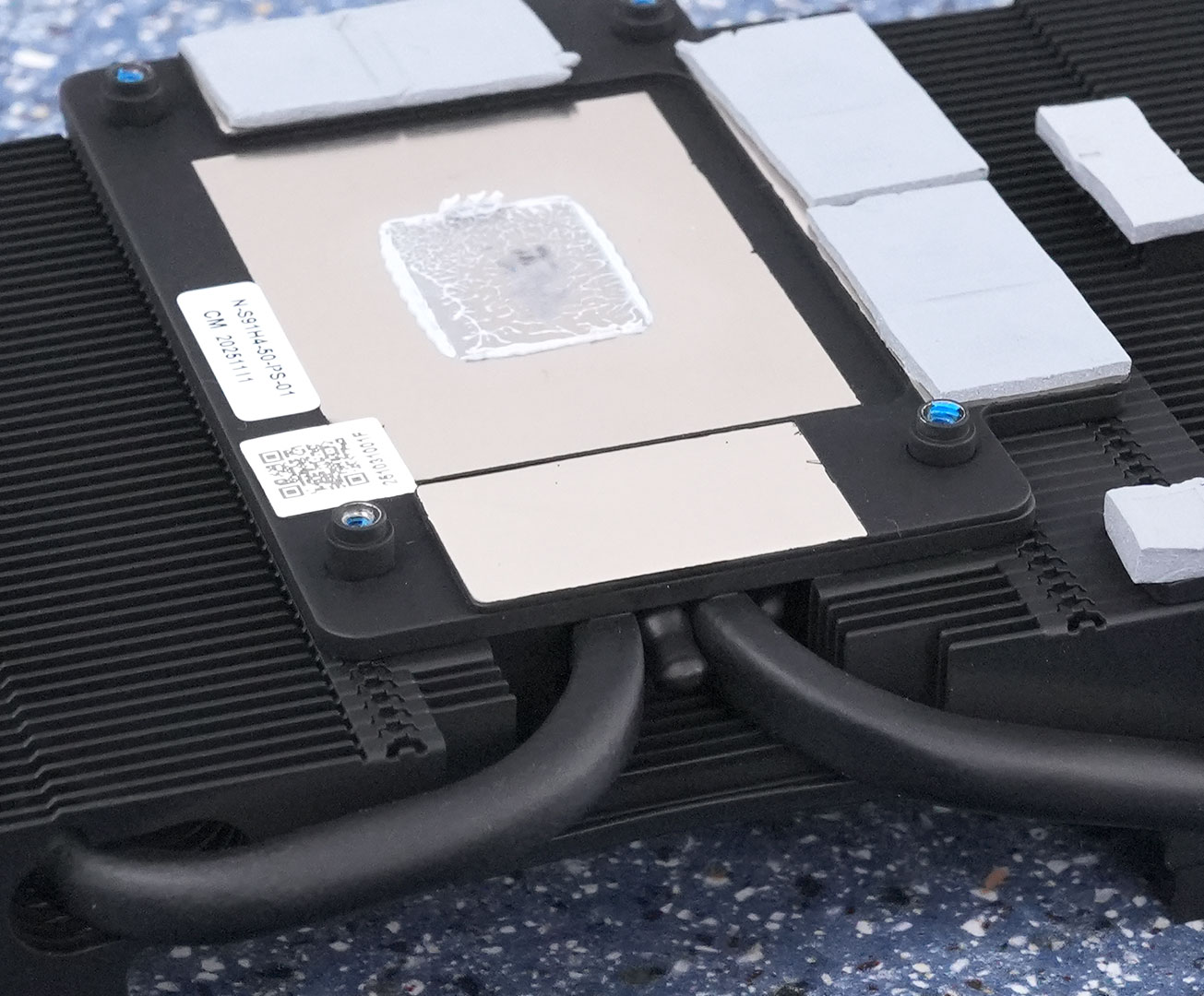
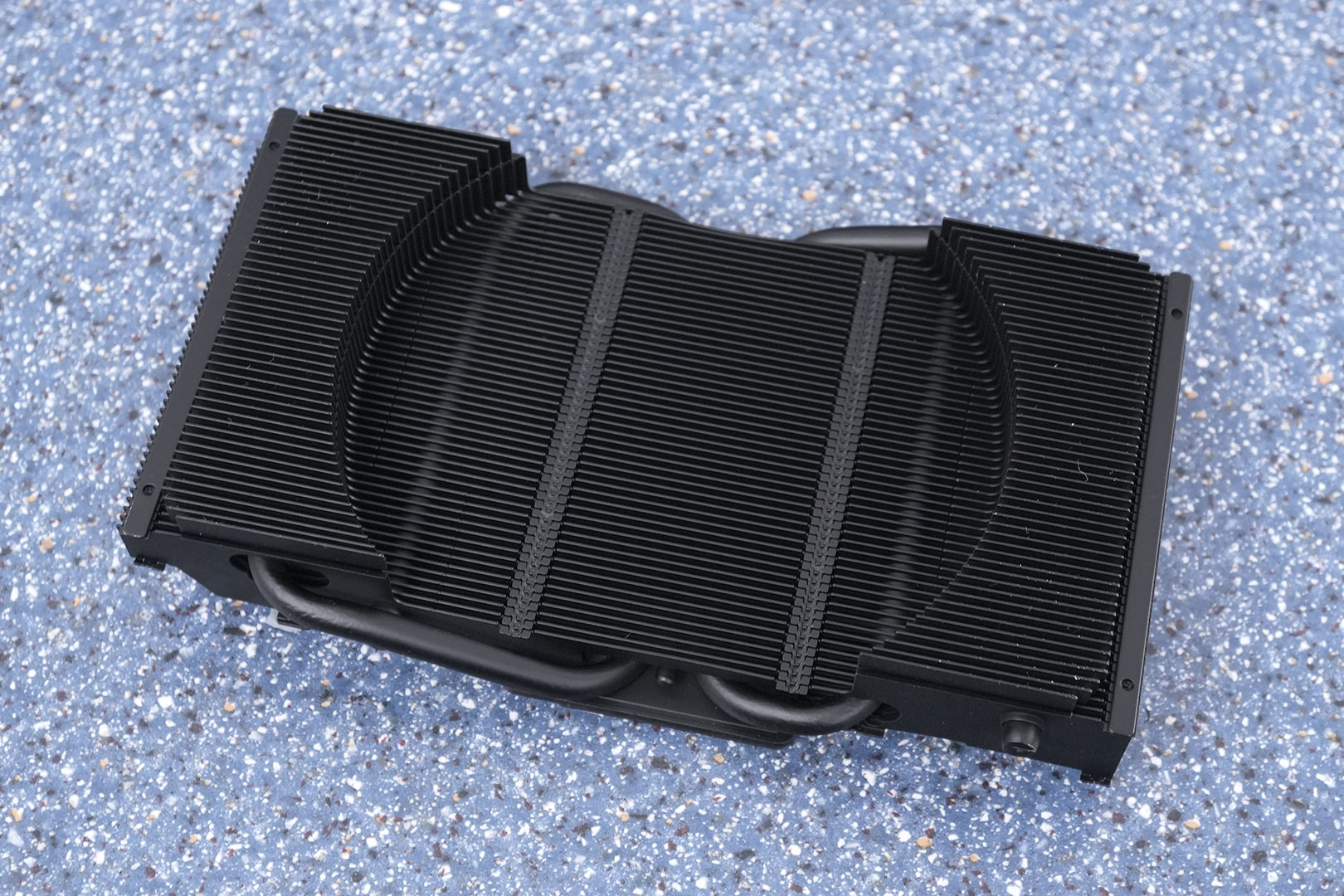
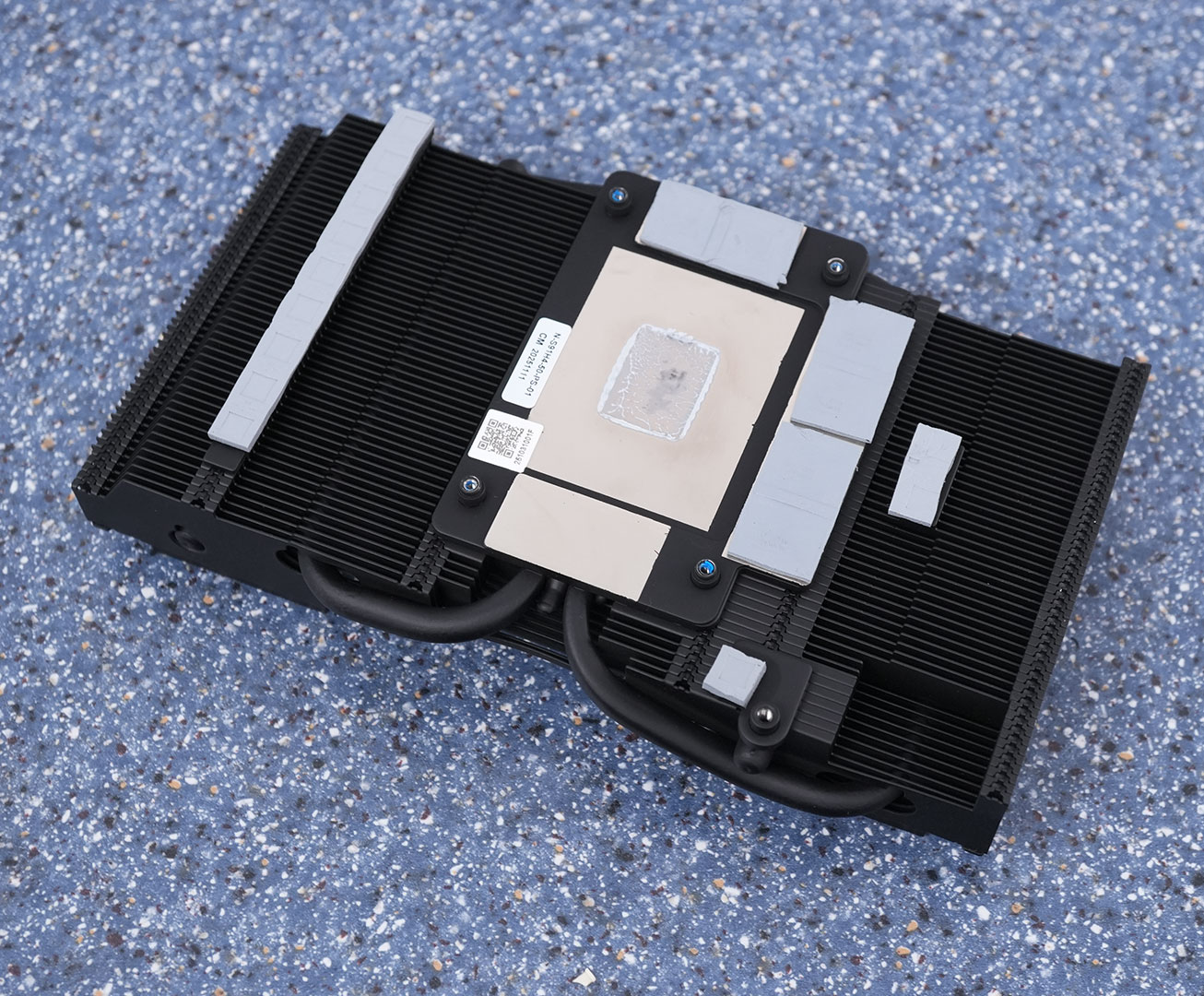
Colorful's thermal solution uses four heatpipes. It provides cooling not only for the GPU, but also for the memory chips and VRM circuitry.
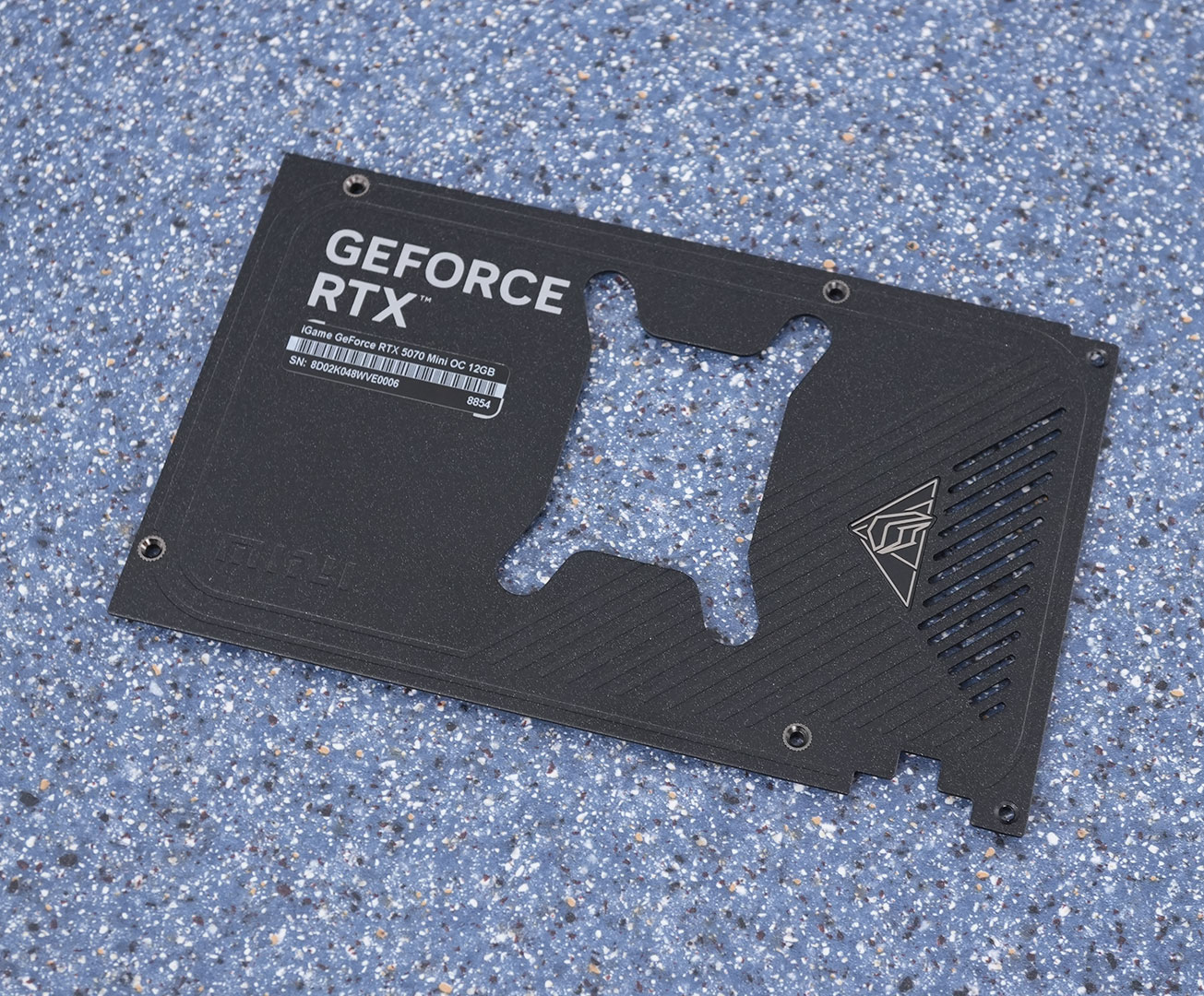
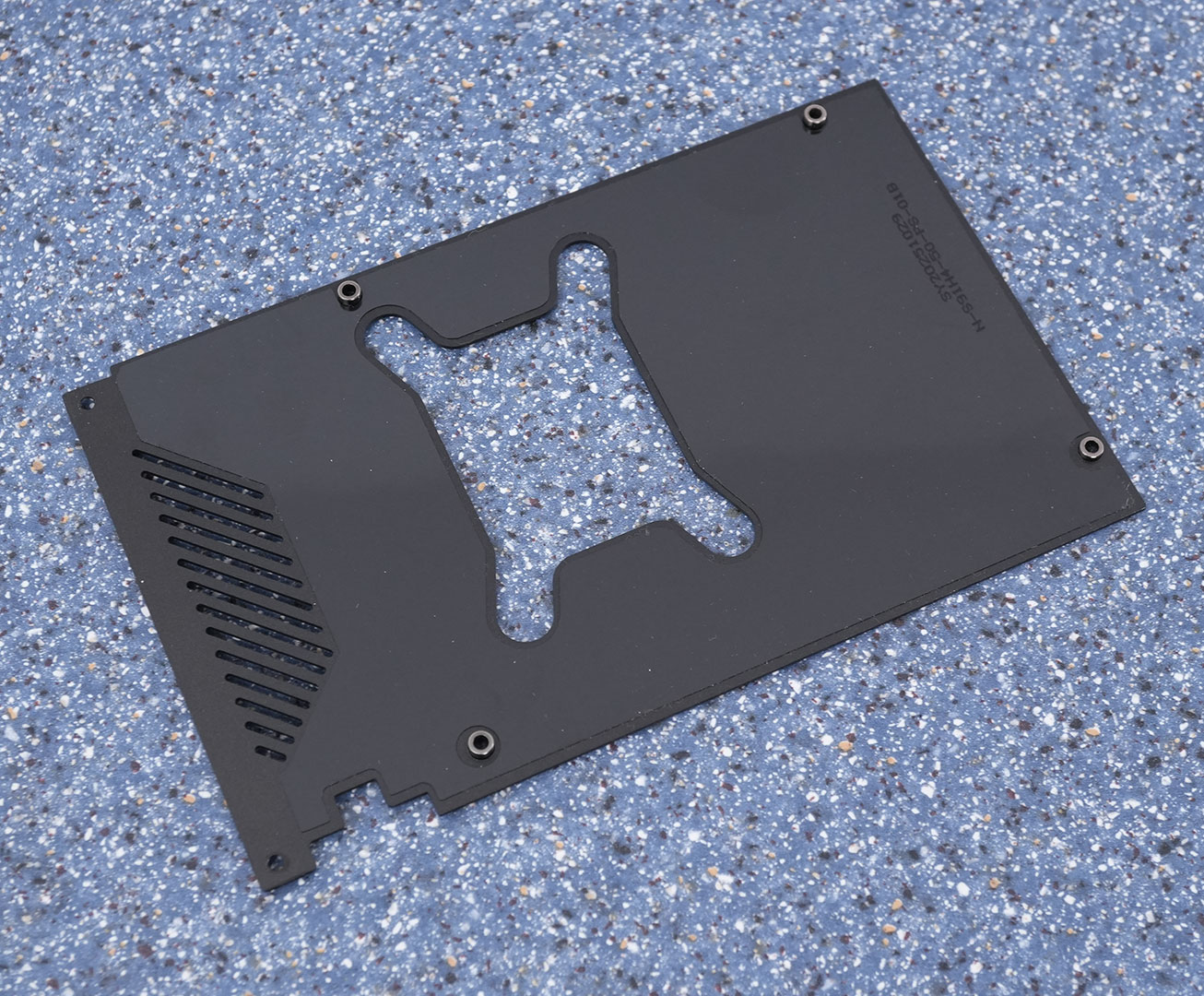
The backplate protects the card against damage during installation and handling.
High-resolution PCB Pictures
These pictures are for the convenience of volt modders and people who would like to see all the finer details on the PCB. Feel free to link back to us and use these in your articles, videos or forum posts.

High-resolution versions are also available (front, back).
Circuit Board (PCB) Analysis


A 9-phase VRM powers the GPU, highlighted in the red rectangles above. These are controlled by an Alpha & Omega AOZ73004CQI (ENC0) voltage controller.

All GPU power phases use Alpha & Omega DNN0 AOZ5310NQI DrMOS with a rating of 60 A.


Powering the six GDDR7 memory chips is a 3-phase VRM driven by another Alpha & Omega AOZ73004CQI voltage controller.
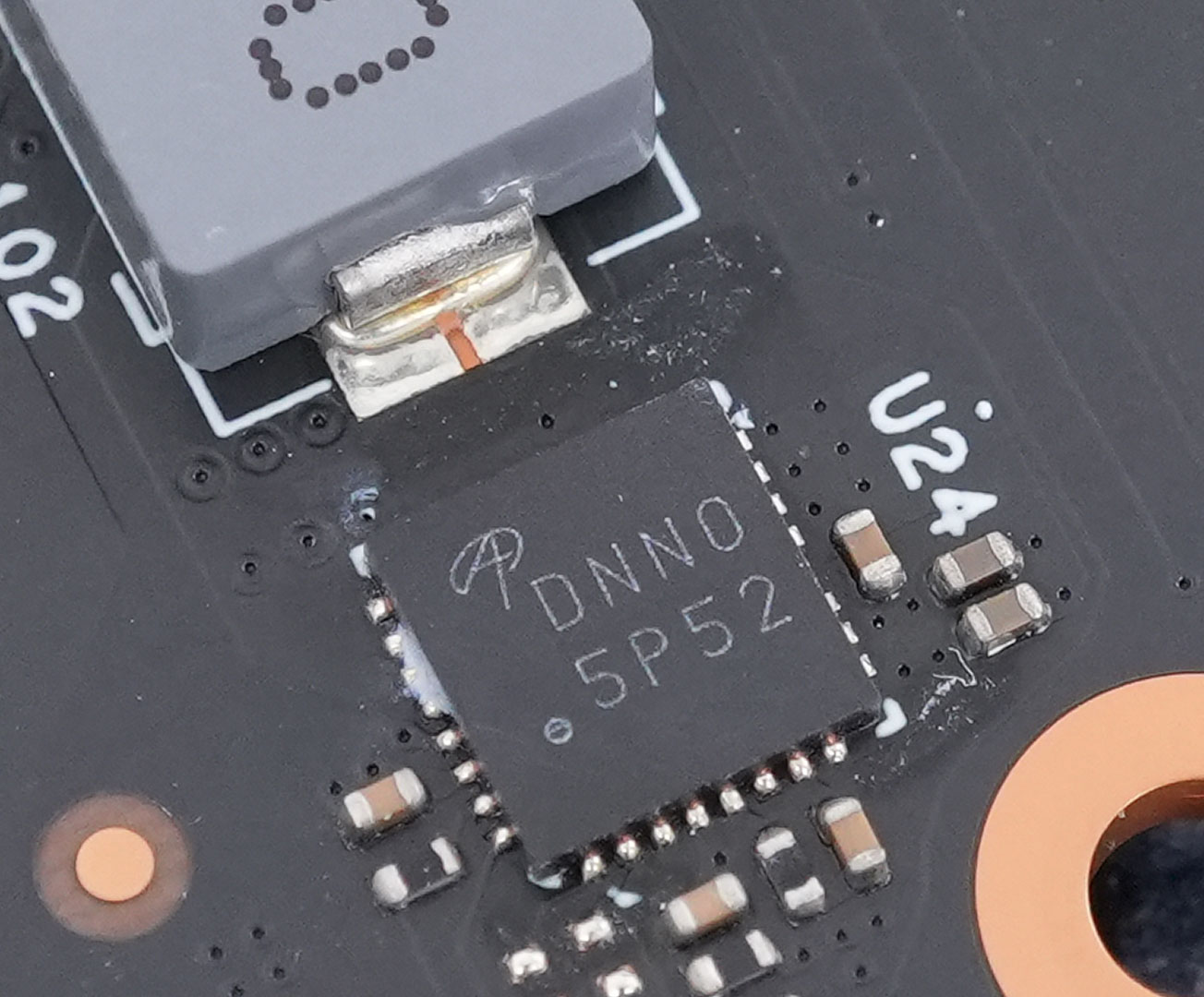
Memory voltage is handled by uPI uP9646 DrMOS with a 50 A rating.
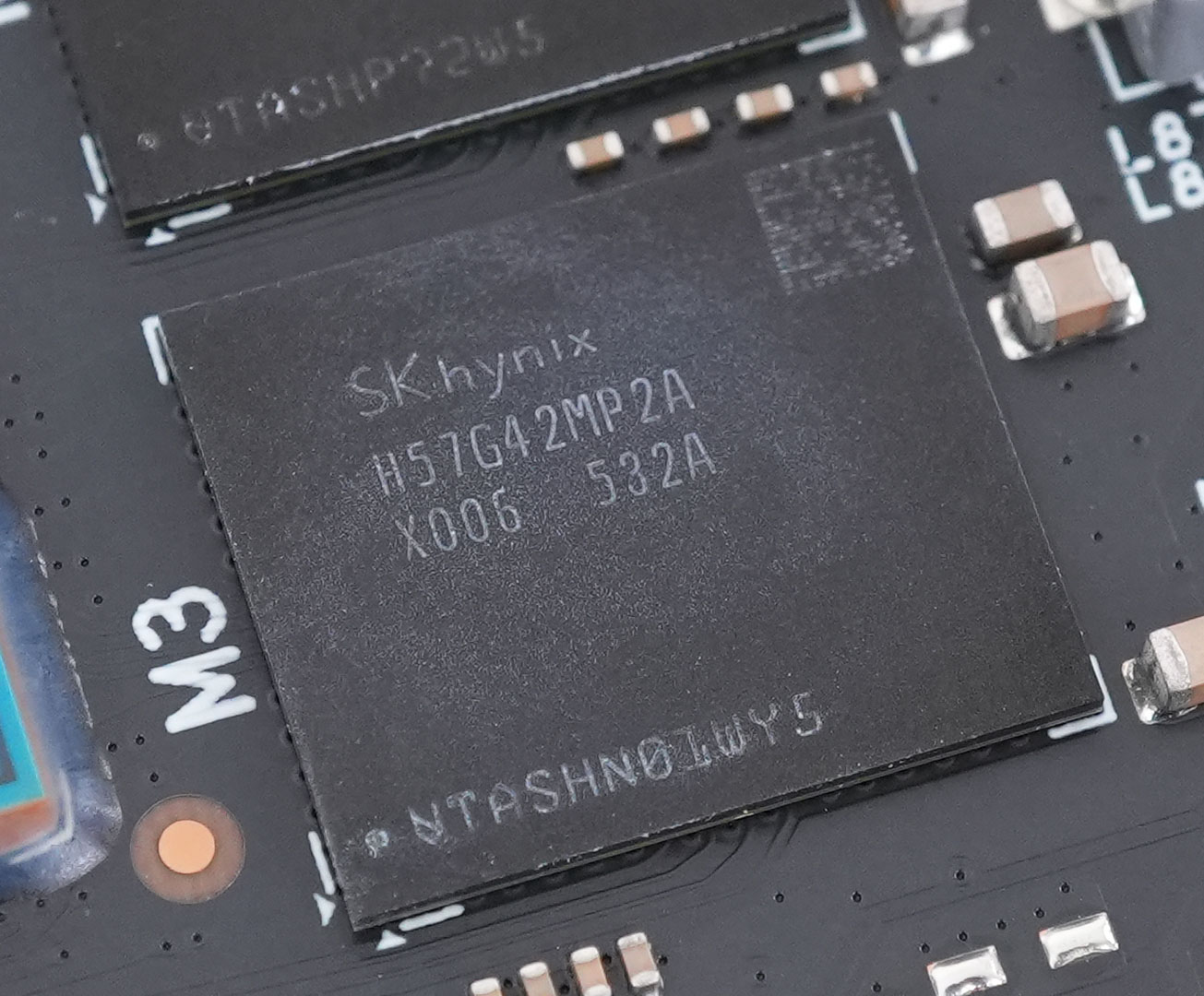
The GDDR7 memory chips are made by SK hynix, and bear the model number H57G42MP2AX-006, they are rated for 28 Gbps.
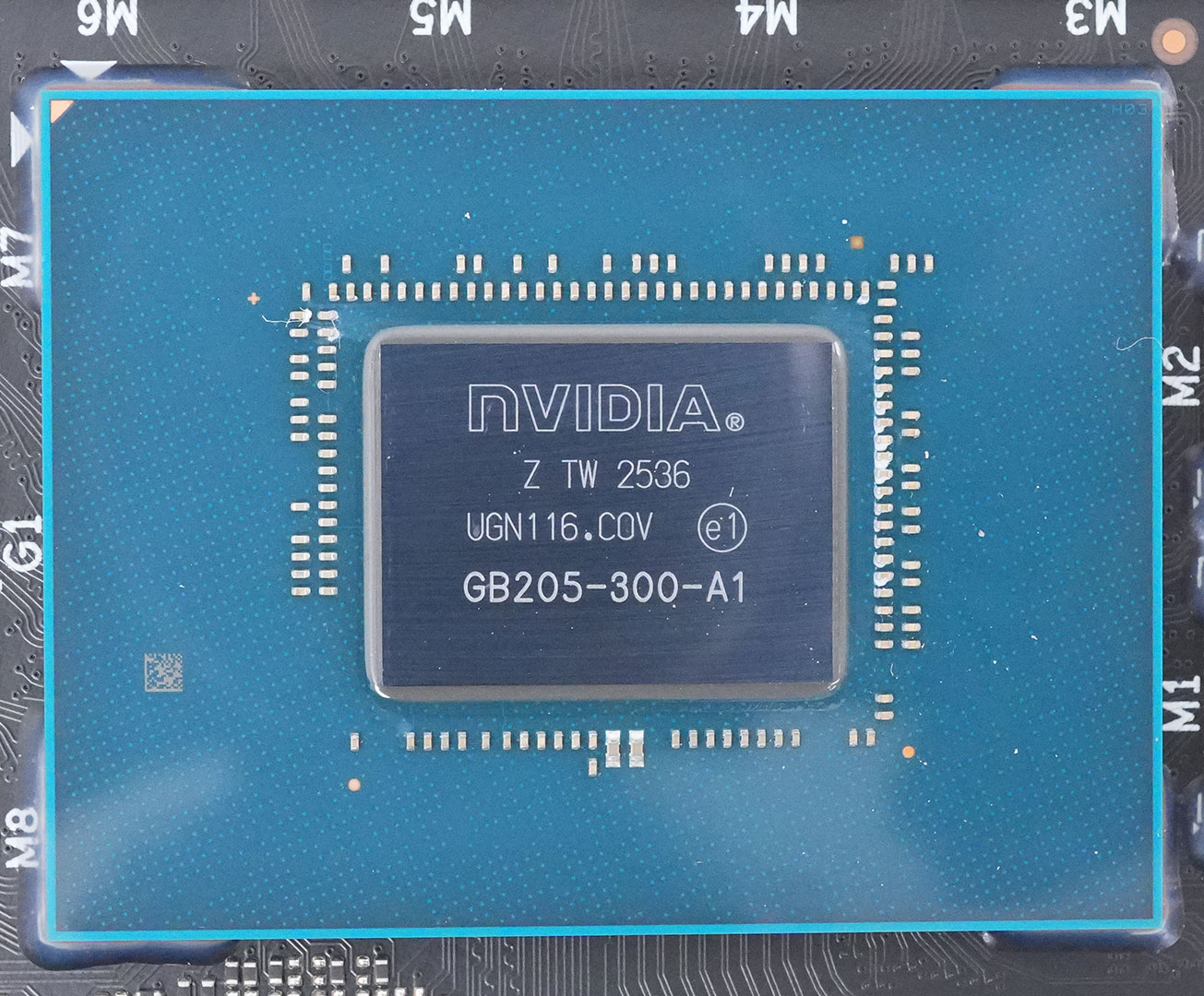
The NVIDIA GB205 GPU at the heart of the GeForce RTX 5070 is much smaller than the GB203 chip used on the RTX 5070 Ti and RTX 5080, or the GB202 of the RTX 5090. It is fabricated using a 5 nanometer "NVIDIA 4N" process at TSMC Taiwan (same process as Ada). The die measures 263 mm², and comes with a transistor count of 31.1 billion.
Our Patreon Silver Supporters can read articles in single-page format.
Nov 12th, 2026 11:12 PST
change timezone
New Forum Posts
- When you could finally run Crysis maxed out? (50)
- TPU's Nostalgic Hardware Club (22148)
- 3050 Ti 120W TGP Shunt Mod Result [Legion 5 2021] (5)
- I won't download games that are larger than 30–40 GB. (89)
- Any other old-timers here planning to play WoW Forever? (148)
- So I fixed the r36s “k36” variant and clone with an Onn 128gb sd card and the Onn sd card reader and it BOOTED..so real neat! Take a look. (3)
- Windows 11 General Discussion (7724)
- I forced a 16 Year Old 64GB SSD to write 1 PETABYTE (And it didn't die) (192)
- The TPU Darkroom - Digital SLR and Photography Club (4494)
- WarpCoreBench scores! (15)
Popular Reviews
- AMD Zen 6 Technical Deep Dive
- Upcoming Hardware Launches 2027 (Updated Nov 2026)
- NZXT C1200 Platinum Review
- XPG NIMBUS PLUS Review - Mid-range Chair With Strong Competitors
- NZXT H7 RGB+ Review
- Montech King 95 3D PRO Review
- NZXT H5 Review
- Phantom Blade Zero Performance Benchmark Review - 35 GPUs Tested
- Corsair HX1000i Shift Crystal Review
- Gigabyte Z890I Aorus Ultra Review
TPU on YouTube
Controversial News Posts
- NVIDIA Co-Founder and CEO Jensen Huang Officially Resigns (201)
- OpenAI CEO Argues Home PCs Waste the World's Limited DRAM Supply (152)
- NVIDIA Launches Investigation Into Jensen Huang's Relationship With Suspected Chinese Spy (136)
- Intel "Raptor Lake Next" 16-Core and 20-Core CPUs Surface (130)
- Legendary Game Studio BioWare Shuts Down Following EA Layoffs (104)
- Dell CEO Says the Memory Shortage Will Get Worse in 2027 (95)
- NVIDIA GeForce RTX 50-Series Scheduled for up to $500 Price Hike This Week (89)
- Modder Fits RTX 5090 With Four 8-Pin Connectors, Halving Current per Wire (80)