 25
EVGA SuperNOVA G6 1000 W Review - Turning to Seasonic
(25 Comments) »Introduction

We would like to thank EVGA for supplying the review sample.

EVGA recently introduced the G6 line to bring back the performance levels of the legendary G2 models, which used Super Flower platforms. For unknown reasons, EVGA broke ties with Super Flower quite some time ago, using other OEMs to fill the void. For the G6 models, it teamed up with Seasonic and used the popular Focus Gold platform, with several upgrades to enhance performance and protection features.
Only 140 mm deep, this is among the smallest 1000 W PSUs available on the market. The chassis is so compact the 135 mm fan almost entirely covers its top. I am used to high power-density SFX and SFX-L PSUs, but as it seems, this trend also moved to ATX units. Compact dimensions help during installation, but usually result in higher noise output since increased airflow is required to cool the parts, which are now closer to each other. The higher the efficiency levels, the lower the thermal loads, so the fan works less. In other words, highly efficient platforms make sense for small PCBs, but are not ideal for Bronze platforms.
The 1000 G6 is fully modular and meets the Gold efficiency requirements of both 80 PLUS and Cybenetics with 115 V input. With 230 V, it is rated as Platinum by Cybenetics. Moreover, noise output is low, Cybenetics A-, which is 25–30 dBA average noise output.
Specifications
| Features & Specifications | |
|---|---|
| Max. DC Output | 1000 Watt |
| PFC | Active PFC |
| Efficiency | 80 PLUS Gold, Cybenetics Gold |
| Noise | Cybenetics A- (25–30 dBA) |
| Modular | Yes (fully) |
| Intel C6/C7 Power State Support | Yes |
| Operating Temperature | 0–50 °C |
| Protections | Over Voltage Protection Under Voltage Protection Over Power Protection Over Temperature Protection Over Current Protection Short Circuit Protection |
| Cooling | 135 mm fluid dynamic bearing fan (HA13525H12F-Z) |
| Semi-Passive Operation | Yes (selectable) |
| Dimensions (W x H x D) | 150 x 85 x 140 mm |
| Weight | 1.71 kg (3.77 ) |
| Compliance | ATX12V v2.53, EPS 2.92 |
| Warranty | 10 years |
| Price at Time of Review (excl. VAT) | $219.99 |
| Power Specifications | |||||||
|---|---|---|---|---|---|---|---|
| Rail | 3.3 V | 5 V | 12 V | 5 VSB | -12 V | ||
| Max. Power | 25 A | 25 A | 83.3 A | 3 A | 0.5 A | ||
| 125 W | 1000 W | 15 W | 6 W | ||||
| Total Max. Power | 1000 W | ||||||
Photos


At the face of the box is a photo of the PSU's fan grille, along with the model name and capacity description, in large font. You will find more details on the backside of the box.


Packing protection is good since a foam spacer surrounds the PSU.


The bundle includes the user manual, fixing bolts, Velcro straps, and 24-pin ATX plug to jump-start the PSU.


The cooling fan is almost as large as the top side of the PSU's cover. Besides the AC inlet and power switch on the front side, there is another switch for toggling the PSU's passive operation on/off.


On the two sides, we find stickers with the model description. One of these also depicts the power specifications and safety icons.


The modular panel has 14 sockets; two 24-pin ATX, five peripheral, two EPS, and five PCIe connectors.


The fan grille does not restrict airflow and looks nice. Without looking at the power specifications label, you can easily take this to be a 600 W PSU because of its small dimensions.
Cables and Connectors
| Modular Cables | ||||
|---|---|---|---|---|
| Description | Cable Count | Connector Count (Total) | Gauge | In-Cable Capacitors |
| ATX connector 20+4 pin (610 mm) | 1 | 1 | 18-22AWG | No |
| 4+4 pin EPS12V (700 mm) | 2 | 2 | 16AWG | No |
| 6+2 pin PCIe (700 mm+125 mm) | 3 | 6 | 16-18AWG | No |
| 6+2 pin PCIe (700 mm) | 2 | 2 | 18AWG | No |
| SATA (560 mm+110 mm+110 mm) | 4 | 12 | 18AWG | No |
| 4-pin Molex (560 mm+100 mm+100 mm+100 mm) | 1 | 4 | 18AWG | No |
| FDD Adapter (105 mm) | 1 | 1 | 22AWG | No |
| AC Power Cord (1400 mm) - C13 coupler | 1 | 1 | 16AWG | - |


The cables are long. It is nice to see 700 mm long EPS and PCIe cables. The EPS connectors use 16AWG gauges, and the same goes for the PCIe cables that host two connectors.


The number of peripheral connectors is adequate, but I disapprove of the small distance between peripheral connectors, especially the 4-pin Molex ones.
Component Analysis
Before reading this page, we strongly suggest looking at this article, which will help you better understand the insides of a PSU.| EVGA SuperNOVA 1000 G6 Parts Description | |
|---|---|
| General Data | |
| Manufacturer (OEM) | Seasonic |
| PCB Type | Double-Sided |
| Primary Side | |
| Transient Filter | 4x Y caps, 2x X caps, 2x CM chokes, 1x MOV, and 1x Discharge IC |
| Bridge Rectifier(s) | 2x GBUE2560 (600 V, 25 A @ 140 °C) |
| Inrush Current Protection | NTC thermistor (MF72-5D20L) (5 ohm) & relay |
| APFC MOSFETs | 2x Infineon IPA60R099P6 (600 V, 24 A @ 100 °C, Rds (on): 0.099 ohm) |
| APFC Boost Diode | 1x STMicroelectronics STPSC10H065 (650 V, 10 A @ 135 °C) |
| Bulk Cap(s) | 2x Nippon Chemi-Con (420 V, 470 uF each or 940 uF combined, 2,000 h @ 105 °C, KMZ) |
| Main Switchers | 4x Infineon IPA60R190P6 (600 V, 12.7 A @ 100 °C, Rds (on): 0.19 ohm) |
| APFC Controller | Champion CM6500UN |
| Switching Controller | Champion CU6901V |
| Topology | Primary Side: APFC, full-bridge & LLC converter Secondary Side: synchronous rectification & DC-DC converters |
| Secondary Side | |
| +12 V MOSFETs | 6x Nexperia PSMN1R4-40YLD (40 V, 220 A @ 100 °C, Rds (on): 1.4 mOhm) |
| +5 V & +3.3 V | DC-DC Converters: 6x 40030L PWM Controllers: ANPEC |
| Filtering Capacitors | Electrolytic: 6x Nippon Chemi-Con (2–5,000 h @ 105 °C, KZE) 2x Nippon Chemi-Con (4–10,000 h @ 105 °C, KY), 1x Nippon Chemi-Con (2,000 h @ 105 °C, KZH), 3x Rubycon (3–6,000 h @ 105 °C, YXG) Polymer: 21x Nippon Chemi-Con, 13x FPCAP |
| Supervisor IC | Weltrend WT7527RA (OCP, OVP, UVP, SCP, PG) & Weltrend WT51F104 (Firmware OPP) |
| Fan Controller | Weltrend WT51F104 |
| Fan Model | Hong Hua HA13525H12F-Z (135 mm, 12 V, 0.50 A, fluid dynamic bearing fan) |
| 5VSB Circuit | |
| Rectifier(s) | 1x MCC MBR1045ULPS SBR (45 V, 10 A) |
| Standby PWM Controller | Excelliance MOS Corp EM8569C |
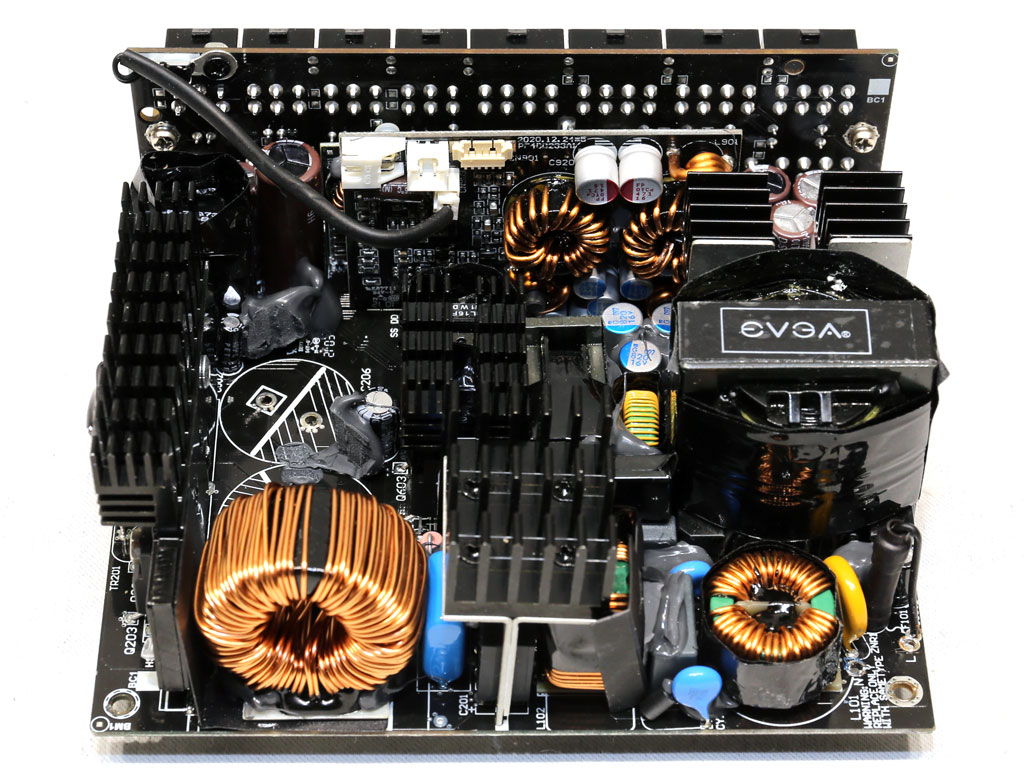
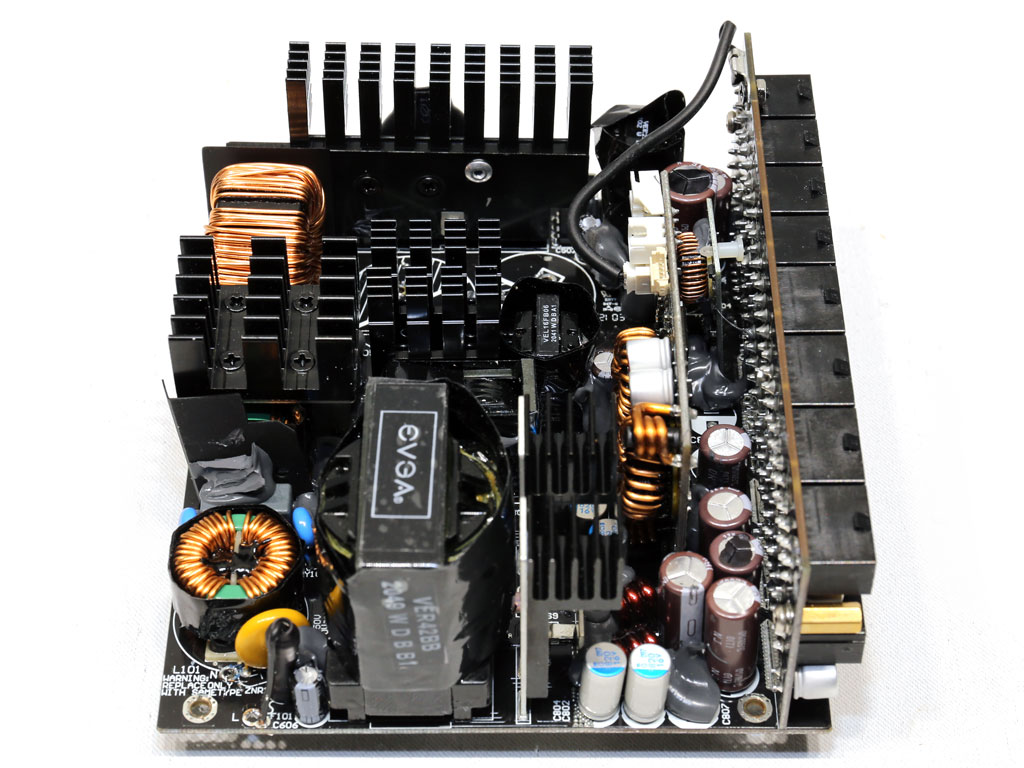
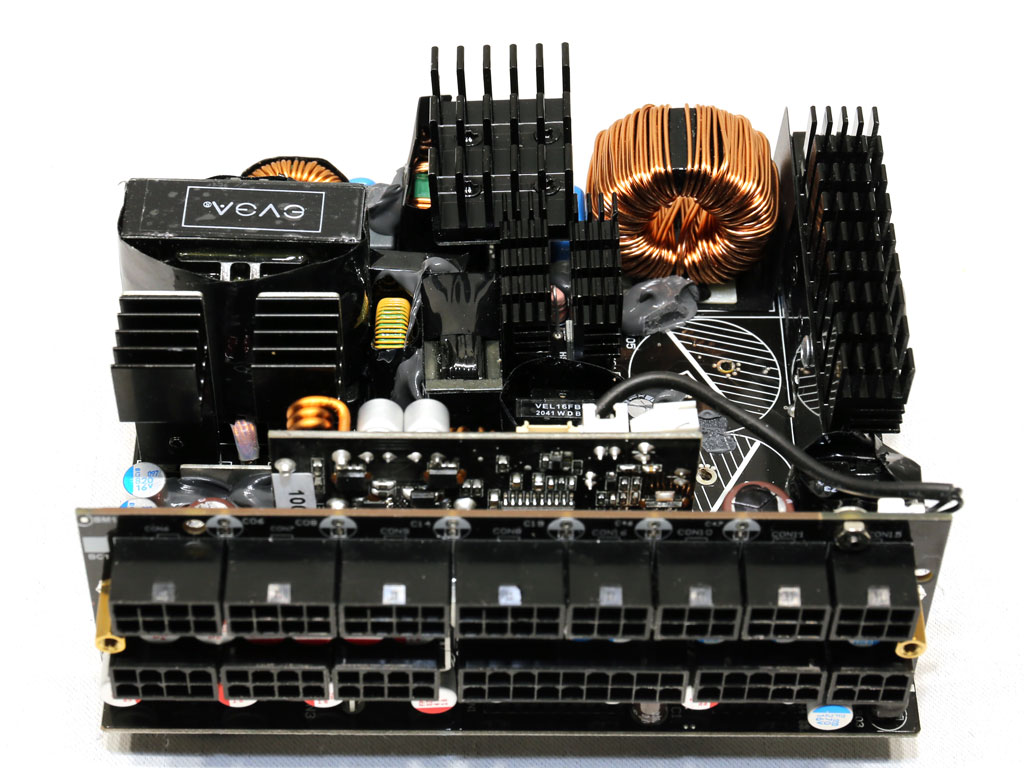

The PCB is tiny for a 1000 W unit. Compared to the Seasonic Focus Plus Gold platform, this one has several changes, of which the most important is the MCU responsible for the PSU's firmware OPP EVGA states shuts the PSU down when over-power conditions persist for more than 1 ms. In other words, firmware OPP reacts slower than hardware OPP.
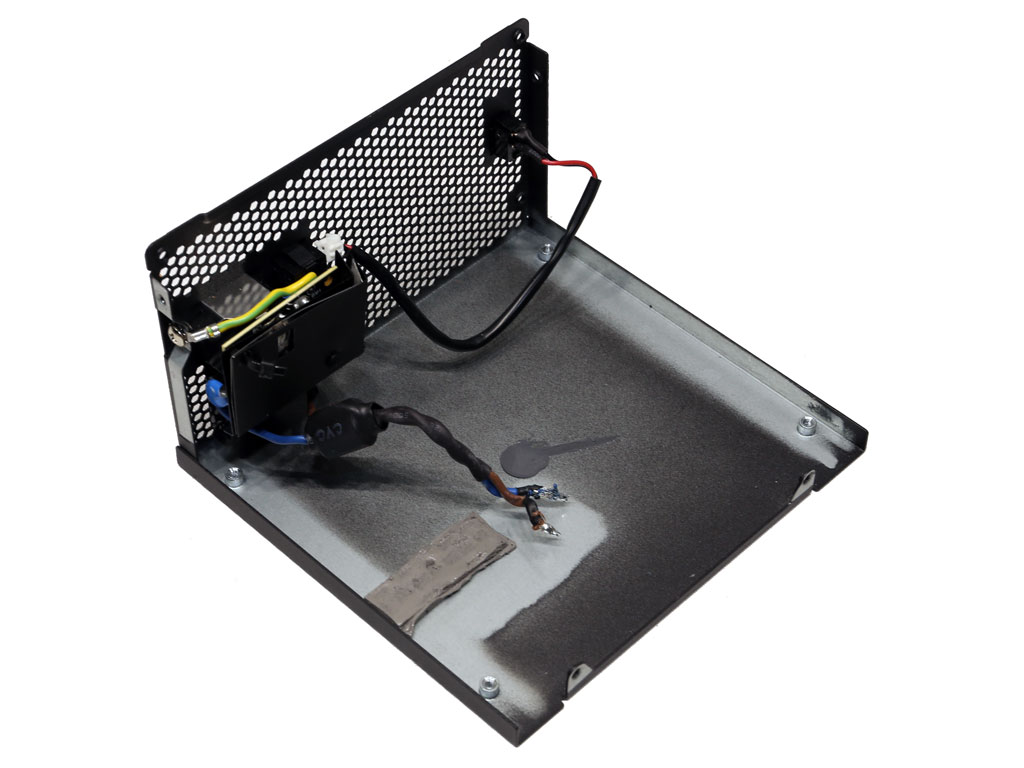
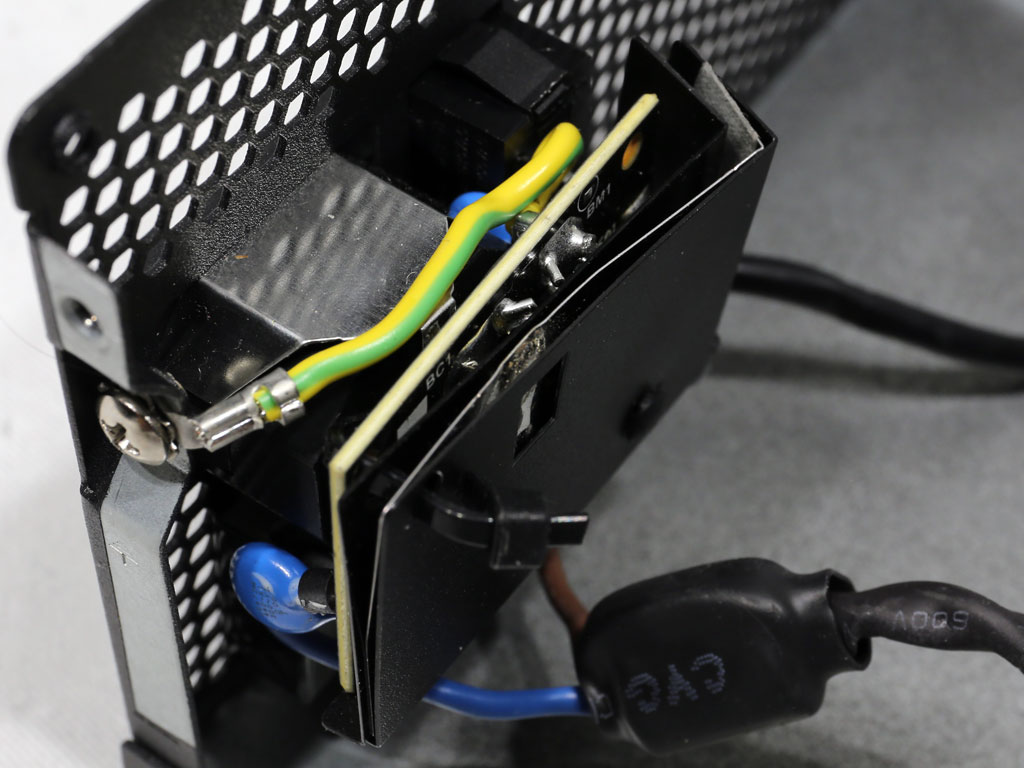

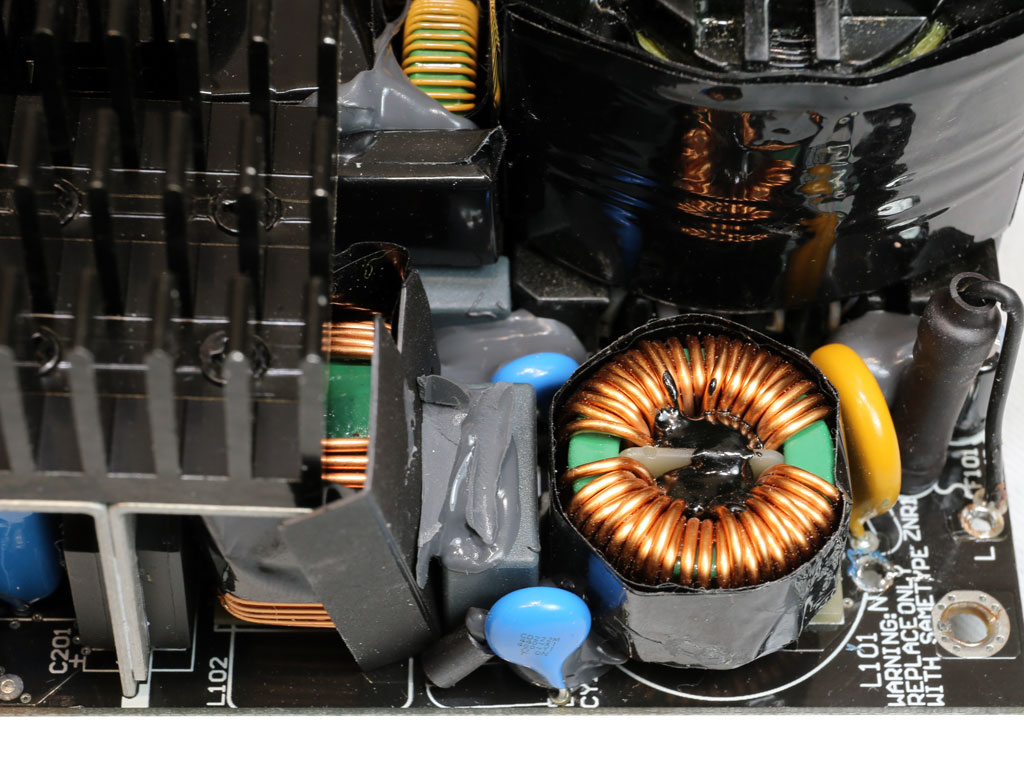
The transient/EMI filter stages have all the necessary parts, offering good EMI suppression.

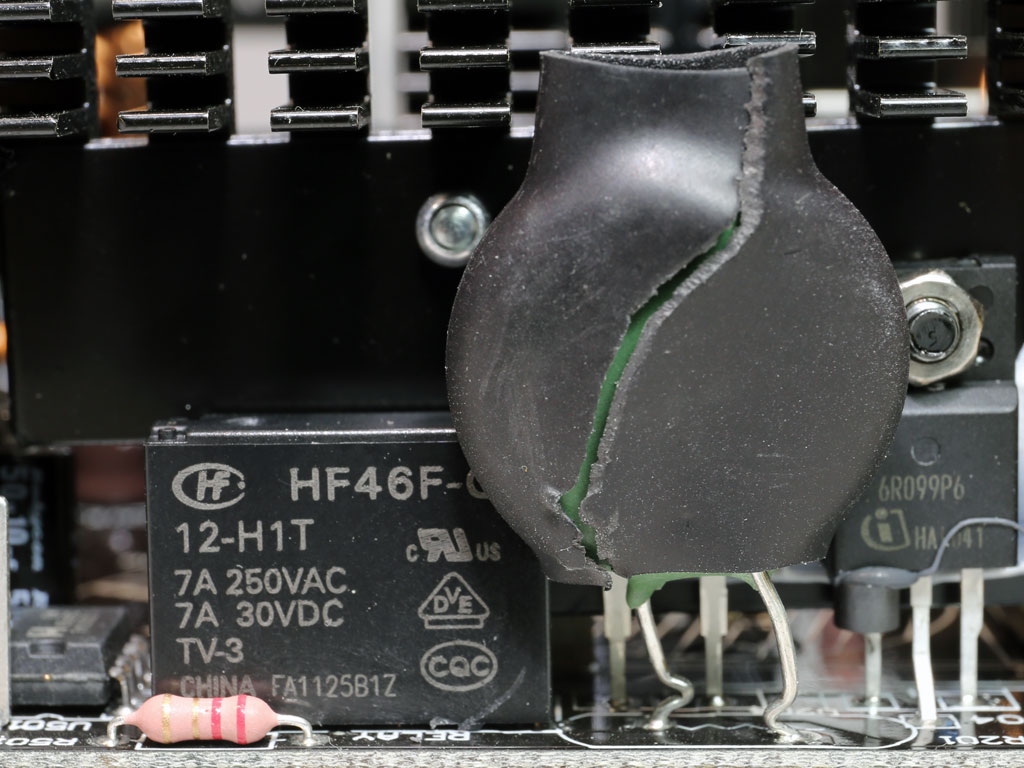
A Metal Oxide Varistor (MOV) handles voltage surges, while an NTC thermistor and relay combination suppresses large inrush currents. The NTC thermistor is covered in heat shrink, which I had to remove for its identification.
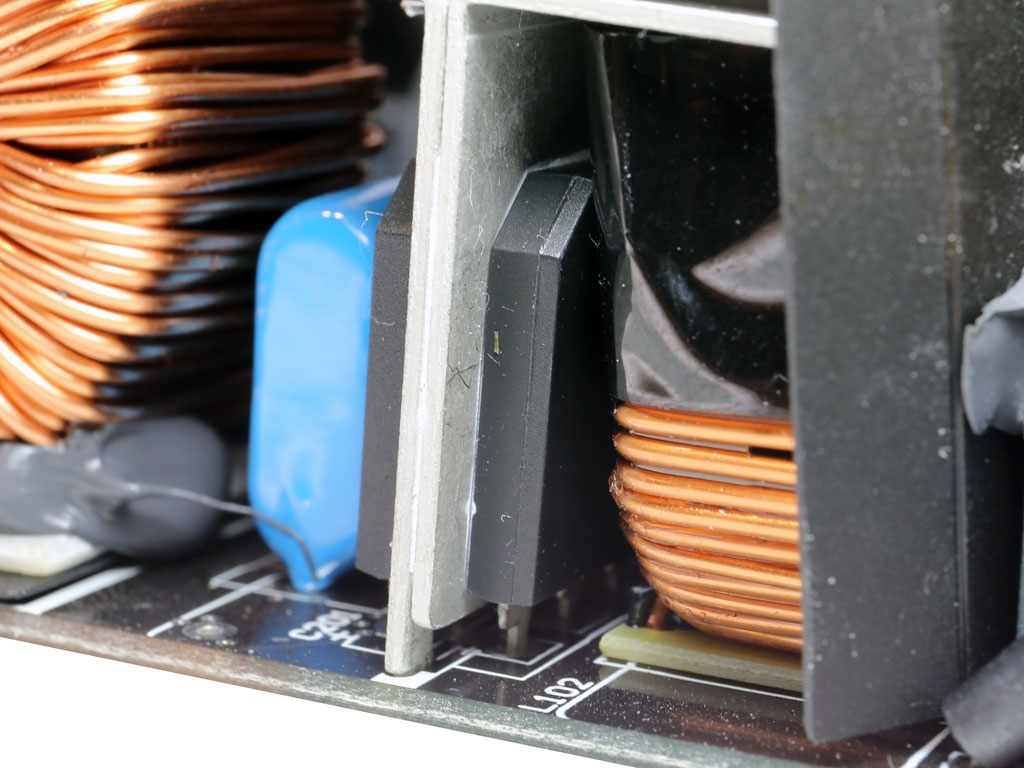

The bridge rectifiers are bolted to a leaning heatsink.


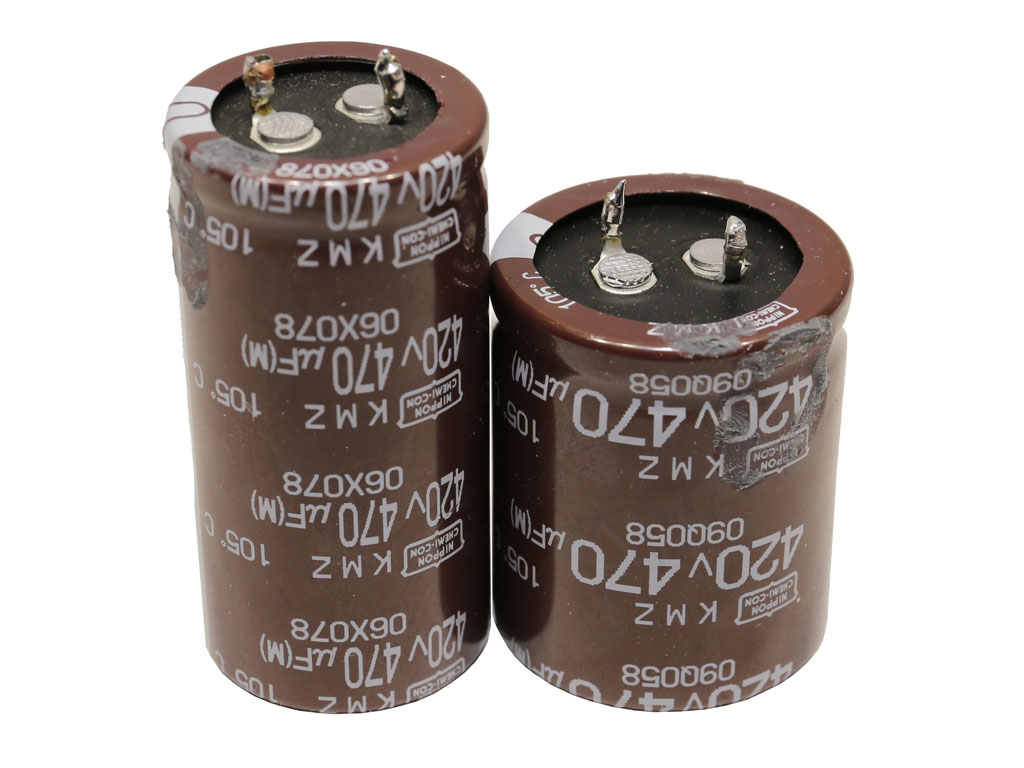
The APFC converter uses two Infineon FETs and a single STMicroelectronics boost diode. The bulk caps are by Chemi-Con, and their combined total capacity is 940 uF.
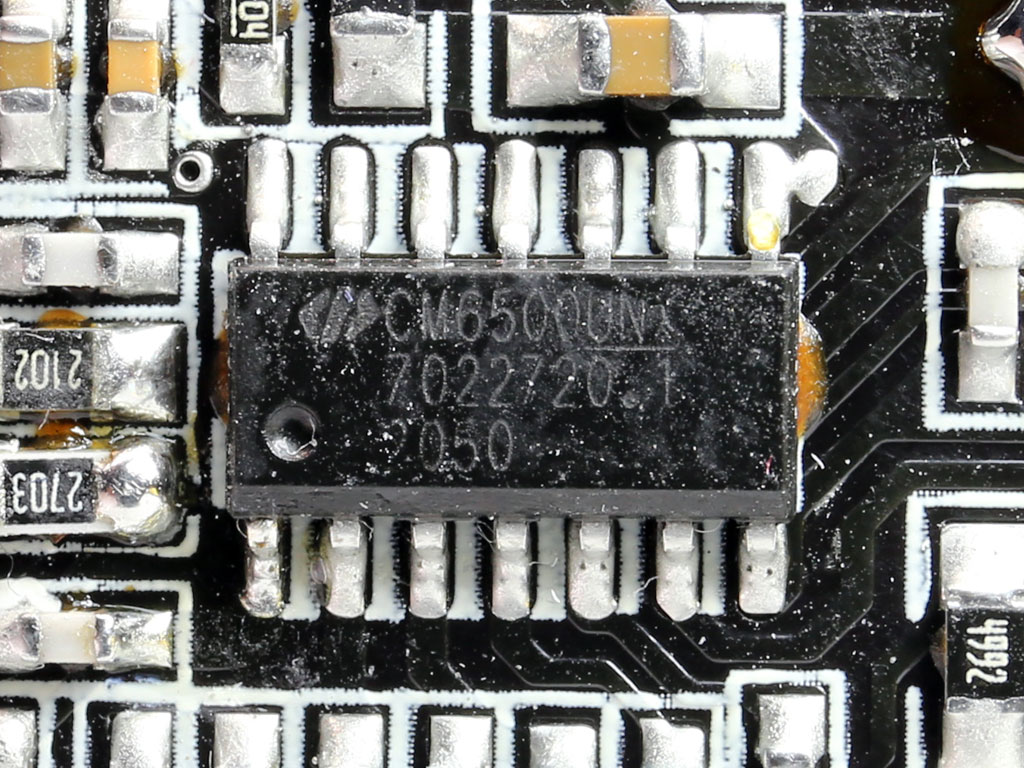
The APFC controller is a Champion CM6500UN.

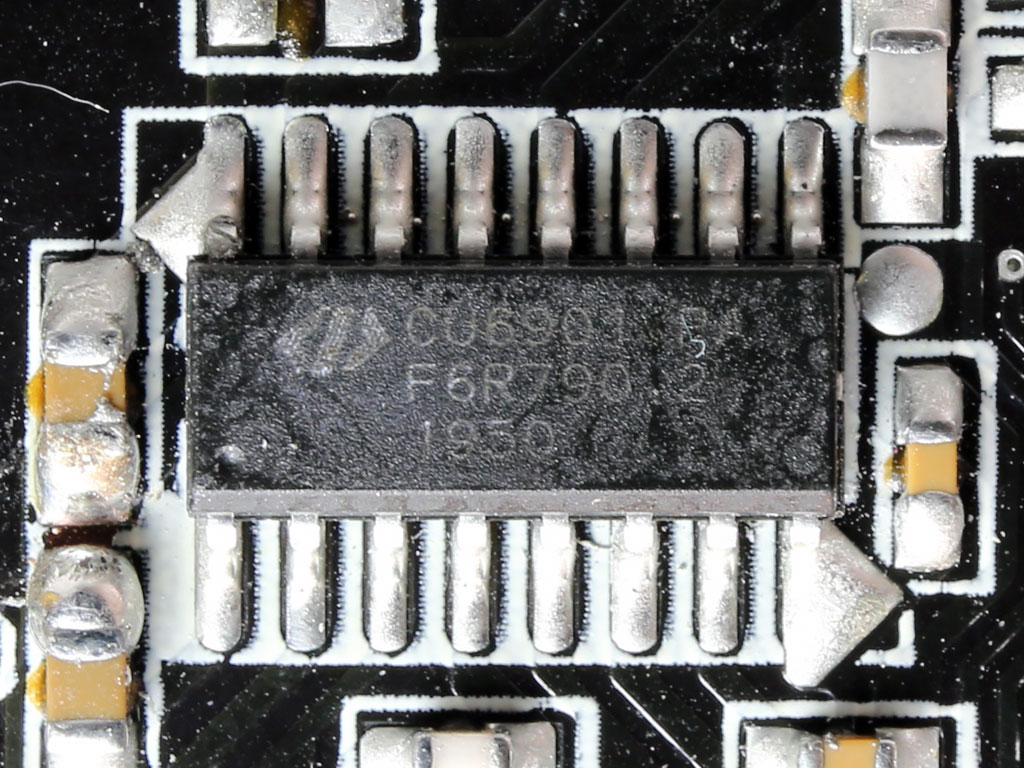
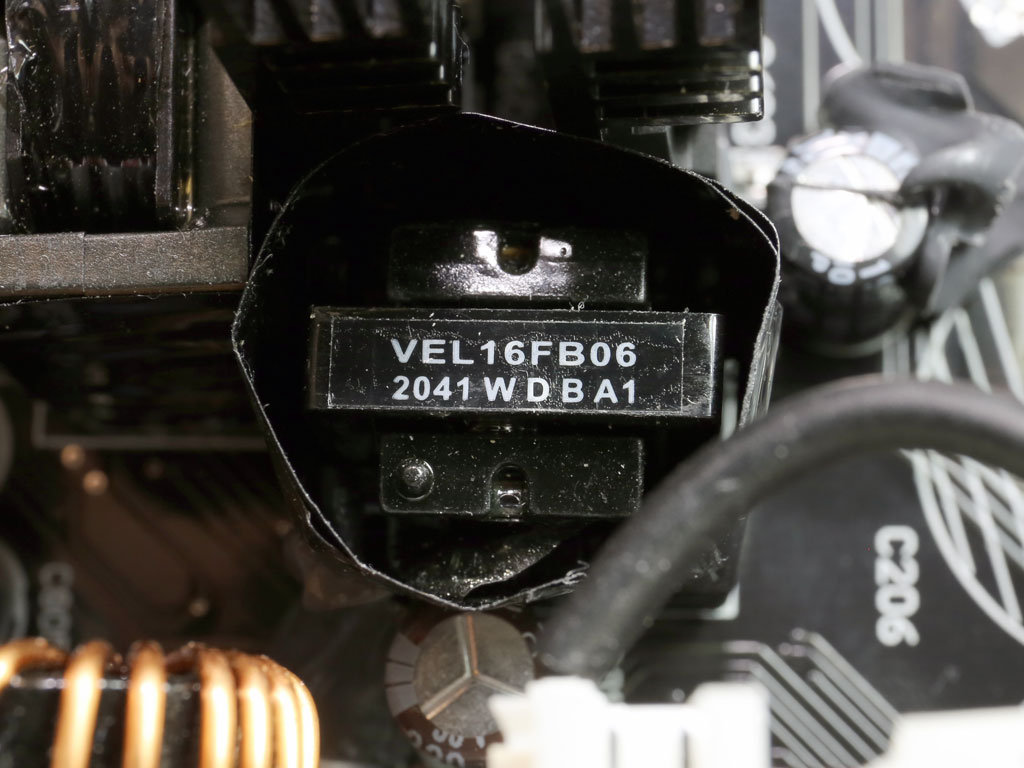
The main FETs are four Infineon IPA60R190P6 installed in a full-bridge topology. The resonant controller is a Champion CU6901V.
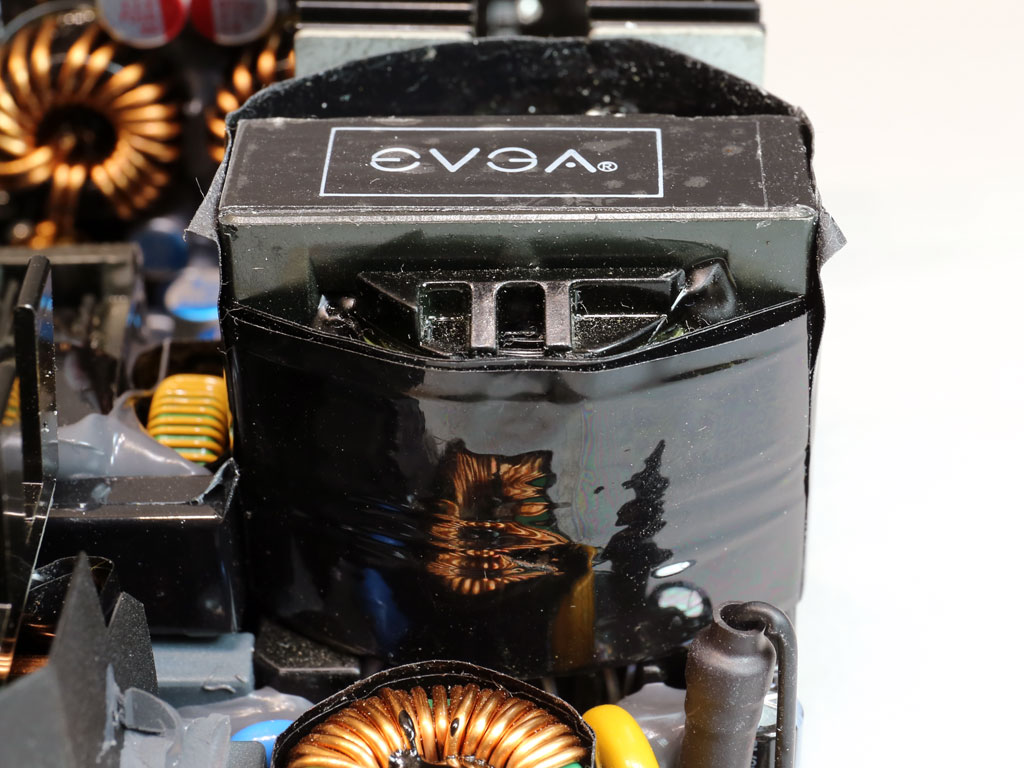
The unit's main transformer isolates the primary from the secondary side and also lowers the voltage.
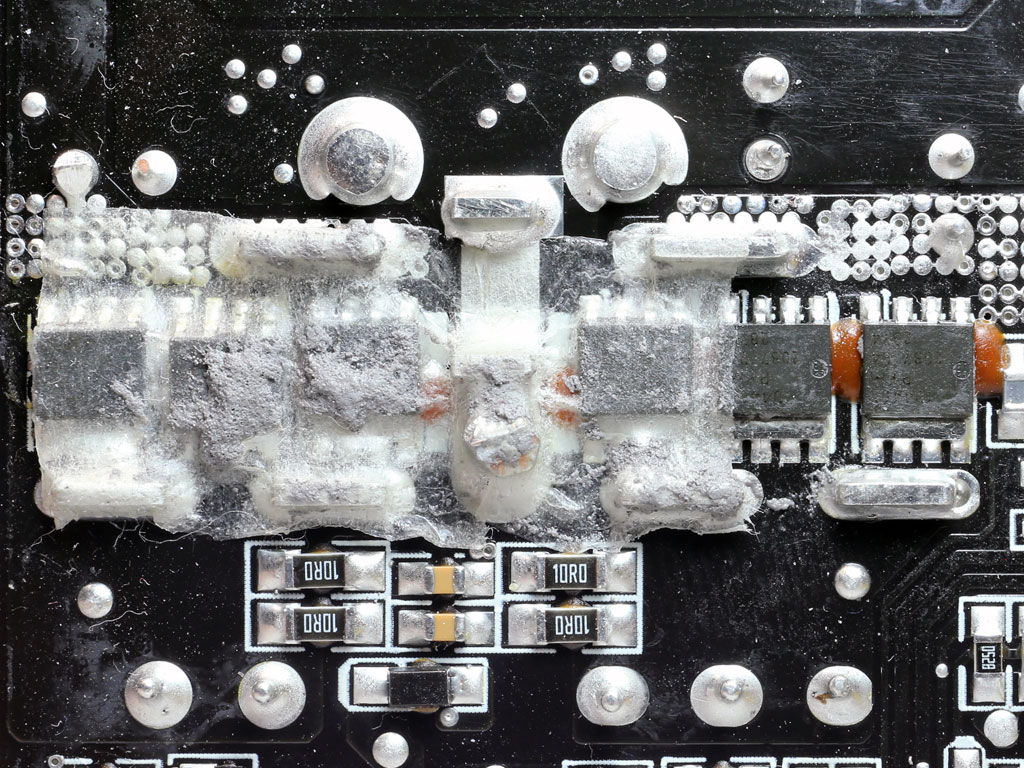
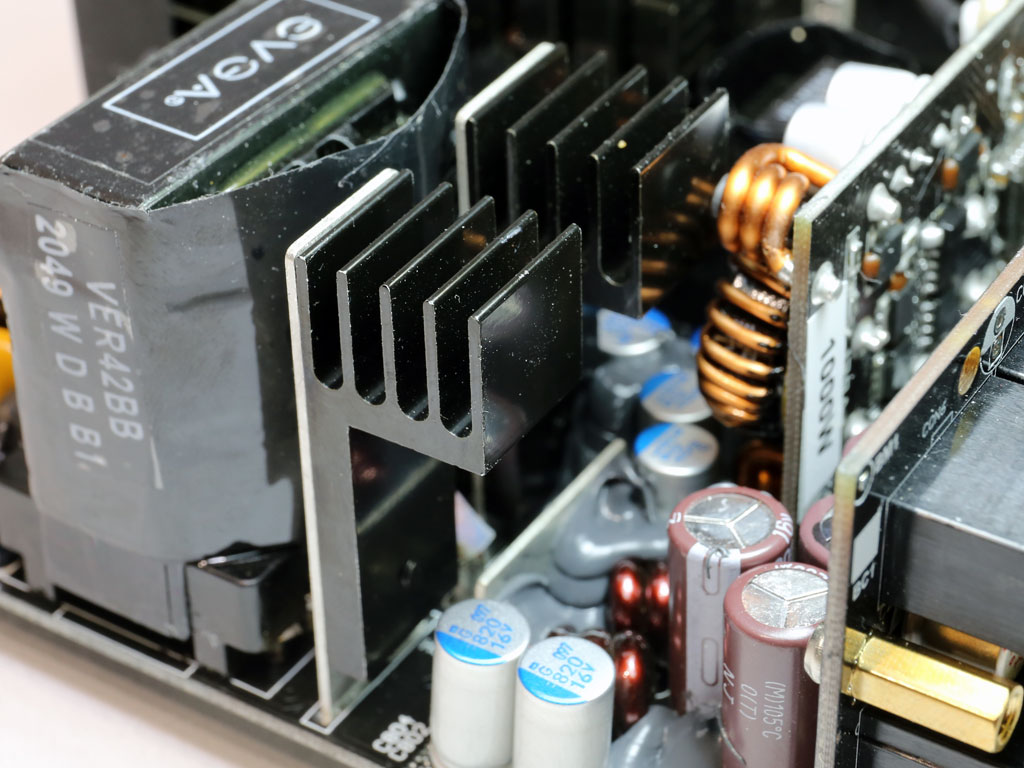
The FETs regulating the +12 V rail are installed on the solder side of the main PCB.
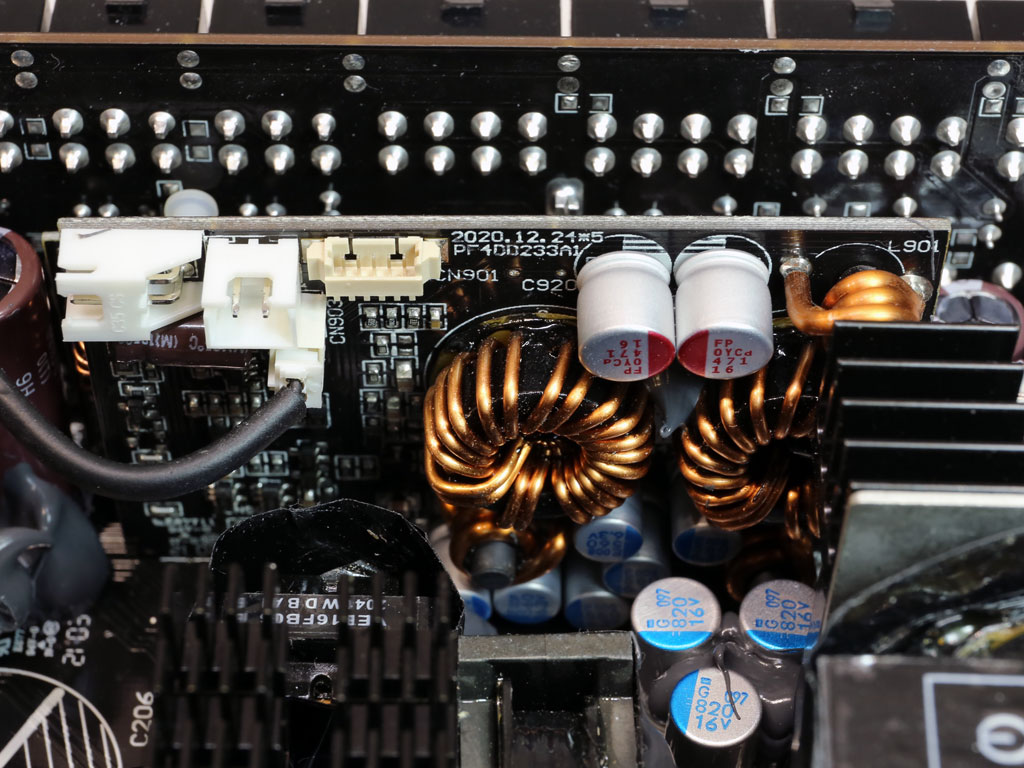
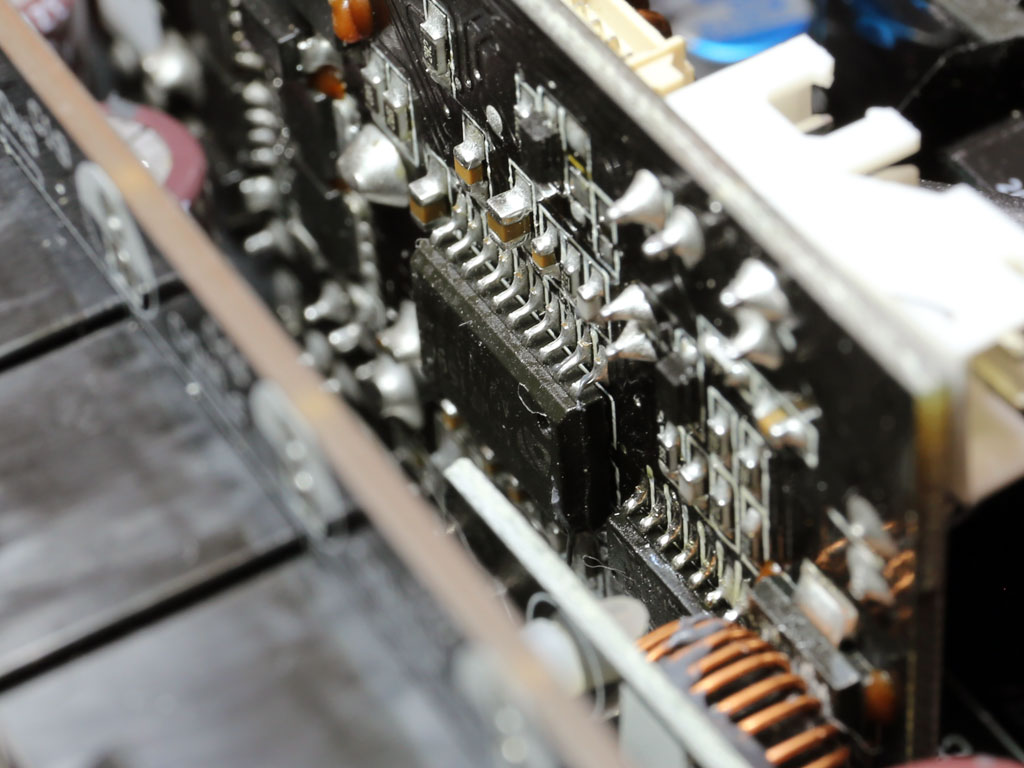
Two DC-DC converters generate the minor rails. They use six 6x 40030L FETs, and their joint PWM controller is by Anpec.
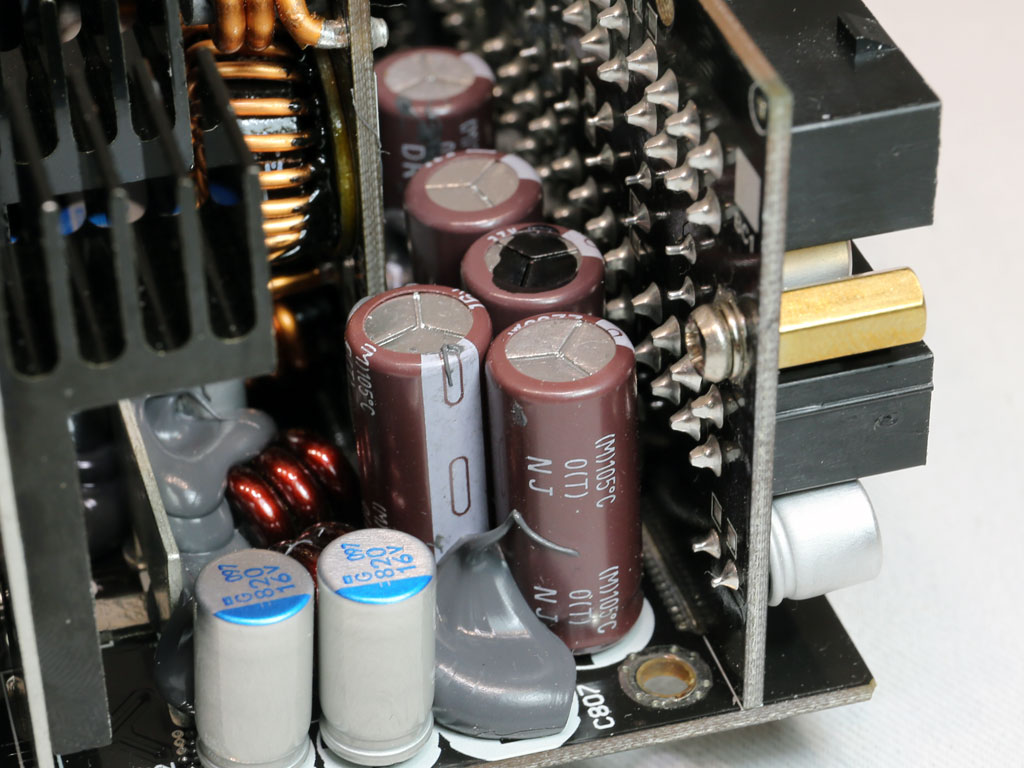
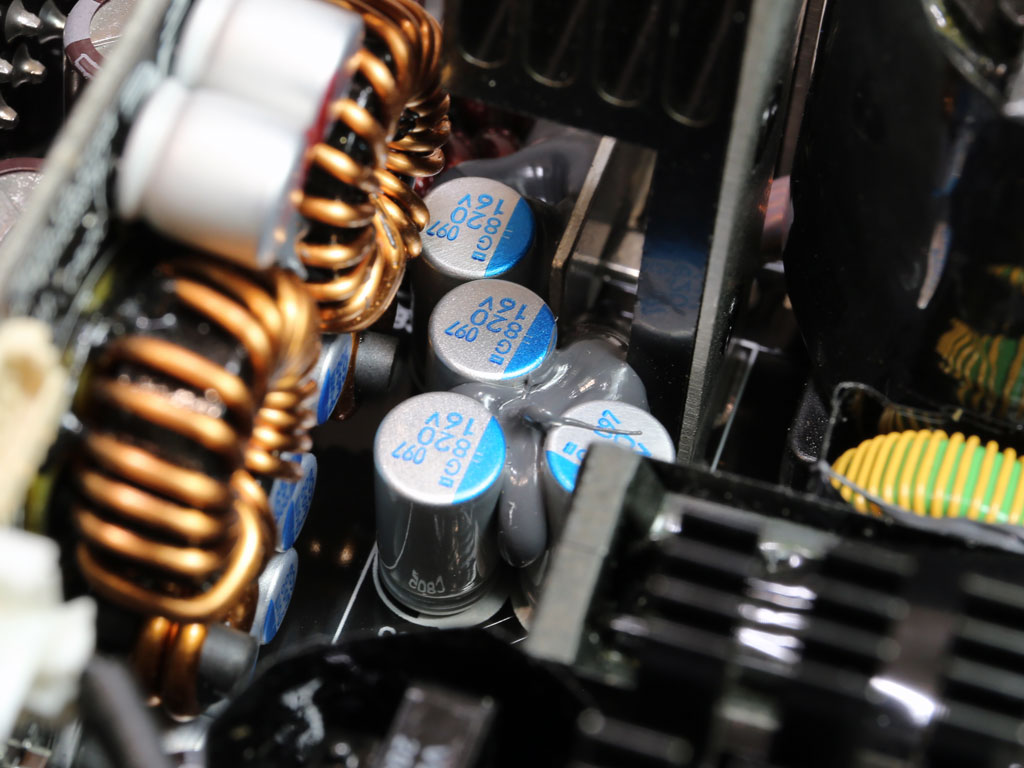

All caps, both electrolytic and polymer, are provided by good manufacturers.
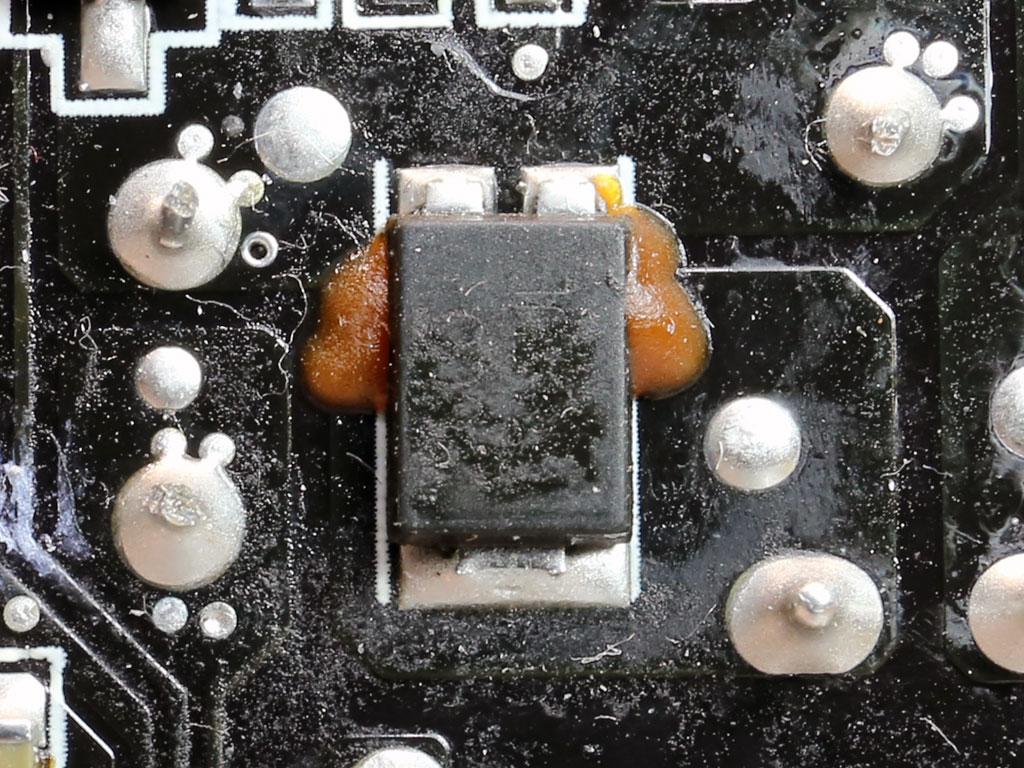

The 5VSB circuit uses an MCC MBR1045ULPS SBR on its secondary side. The standby PWM controller is an EM8569C.

The supervisor IC is a Weltrend WT7527RA providing the essential protection features, including hardware OPP. There is also a Weltrend WT51F104 for firmware OPP, which also controls the fan's speed.

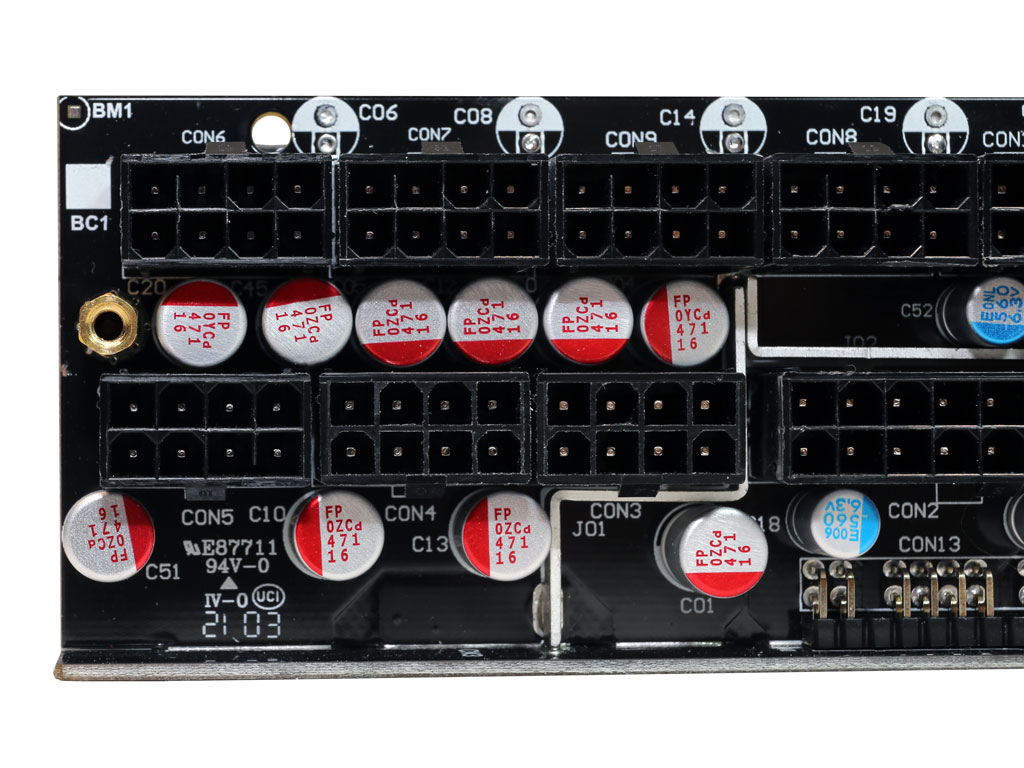
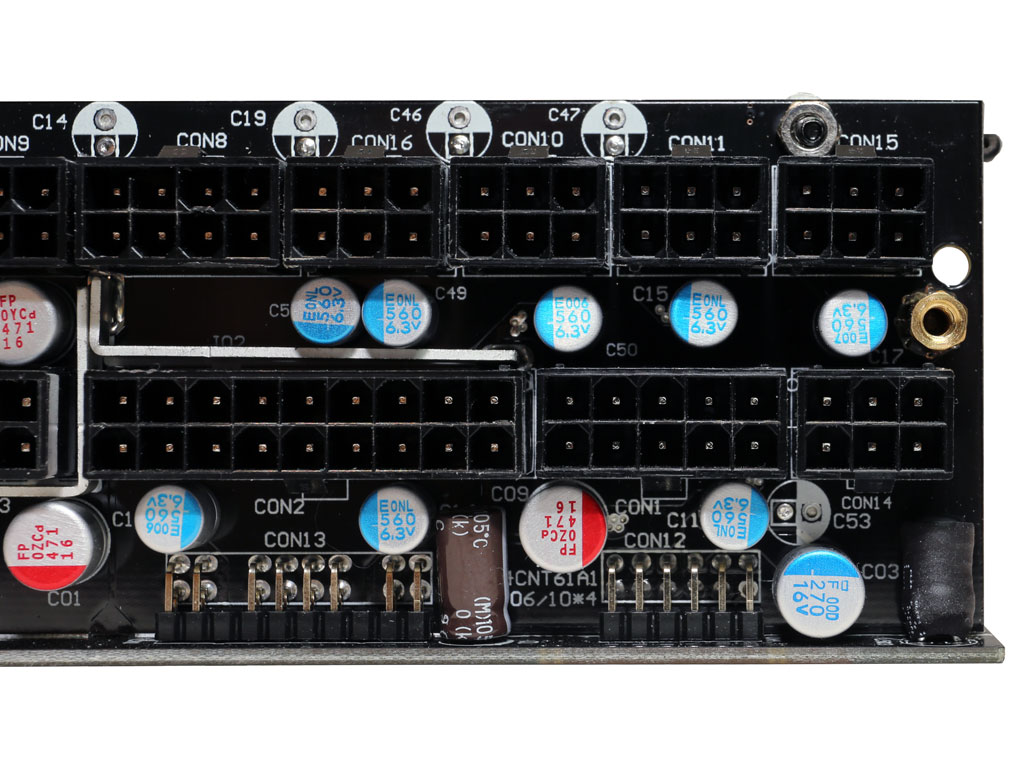
Many polymer caps are installed on the face of the modular PCB.

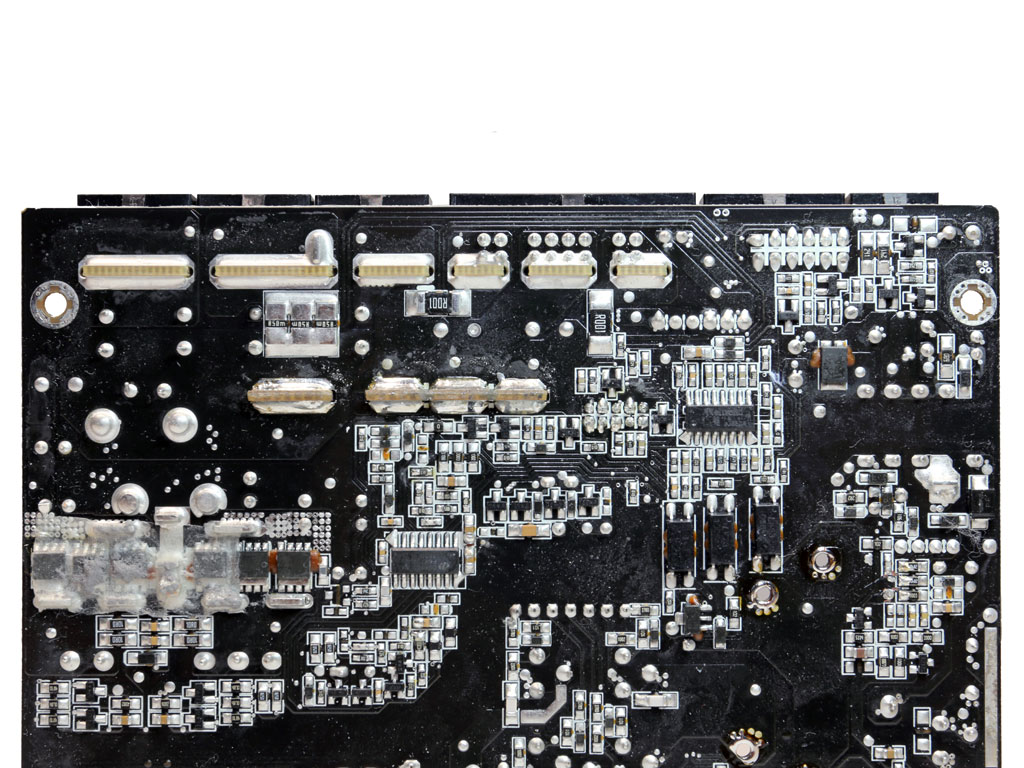
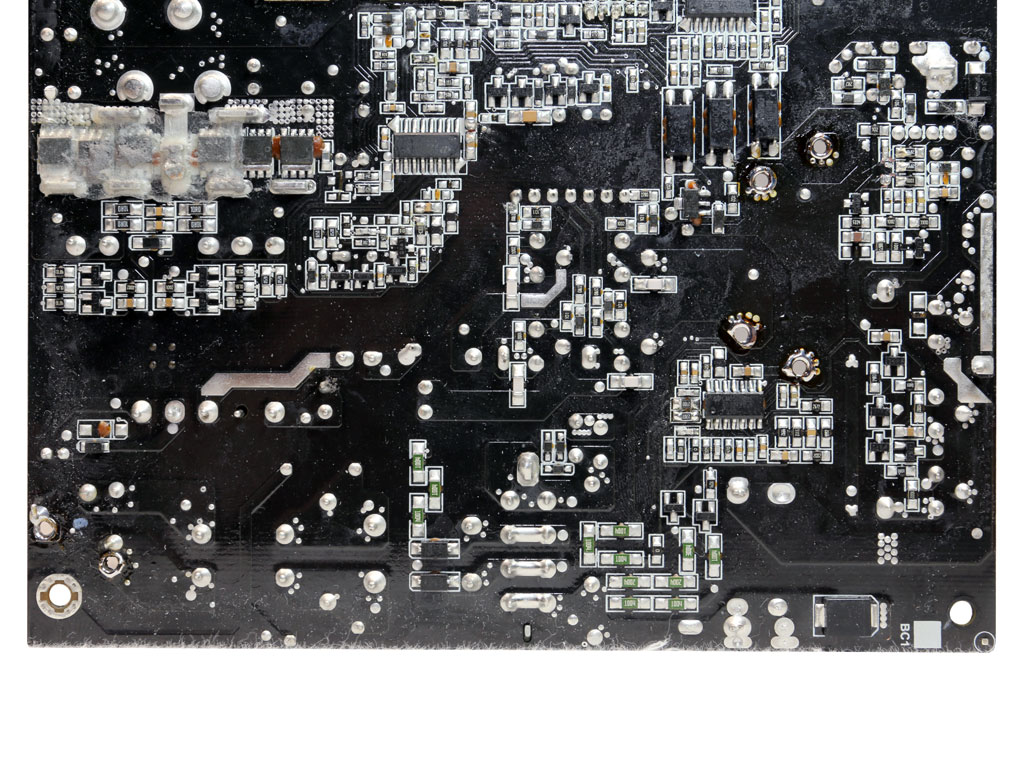
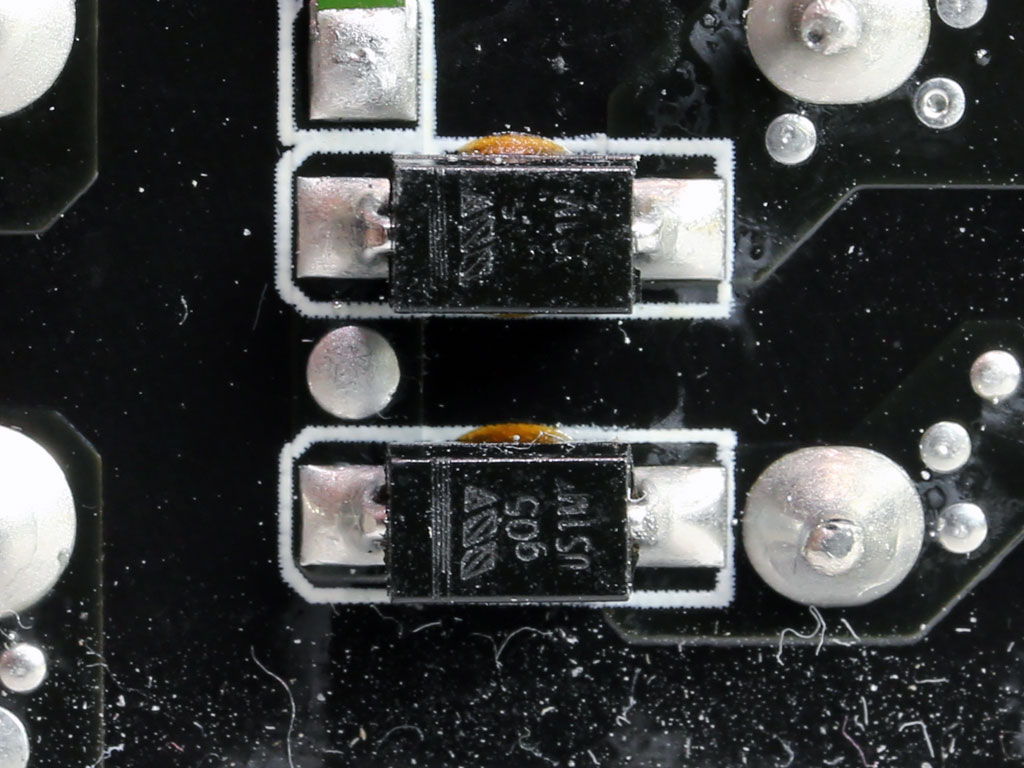
Soldering quality is good.
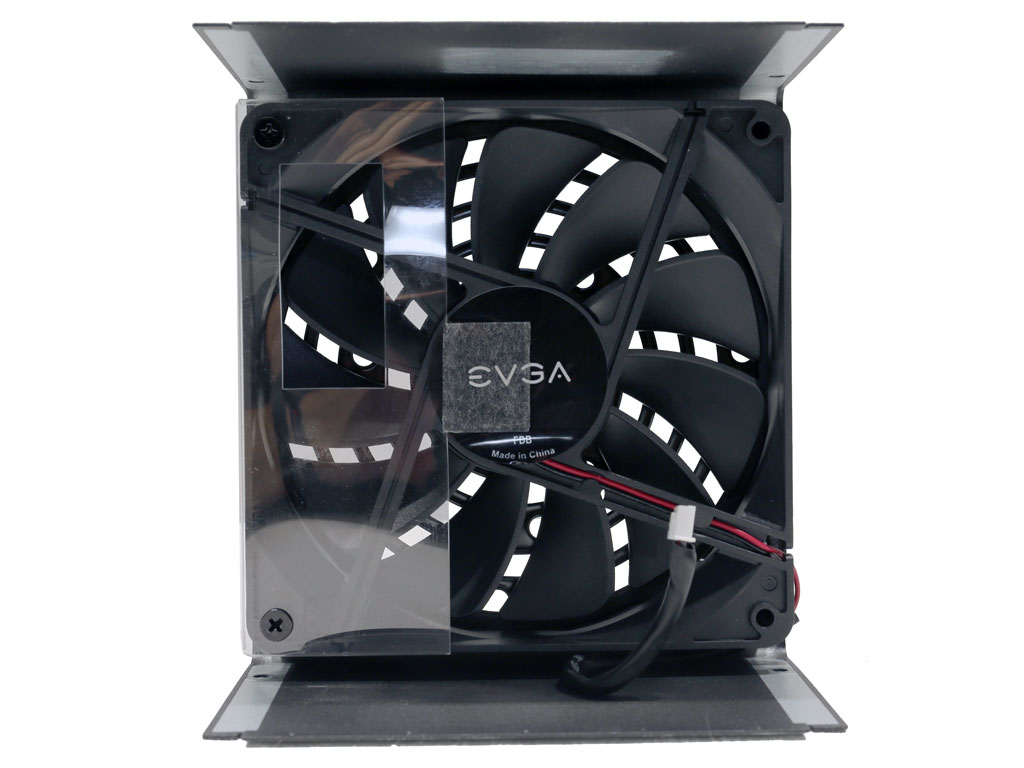
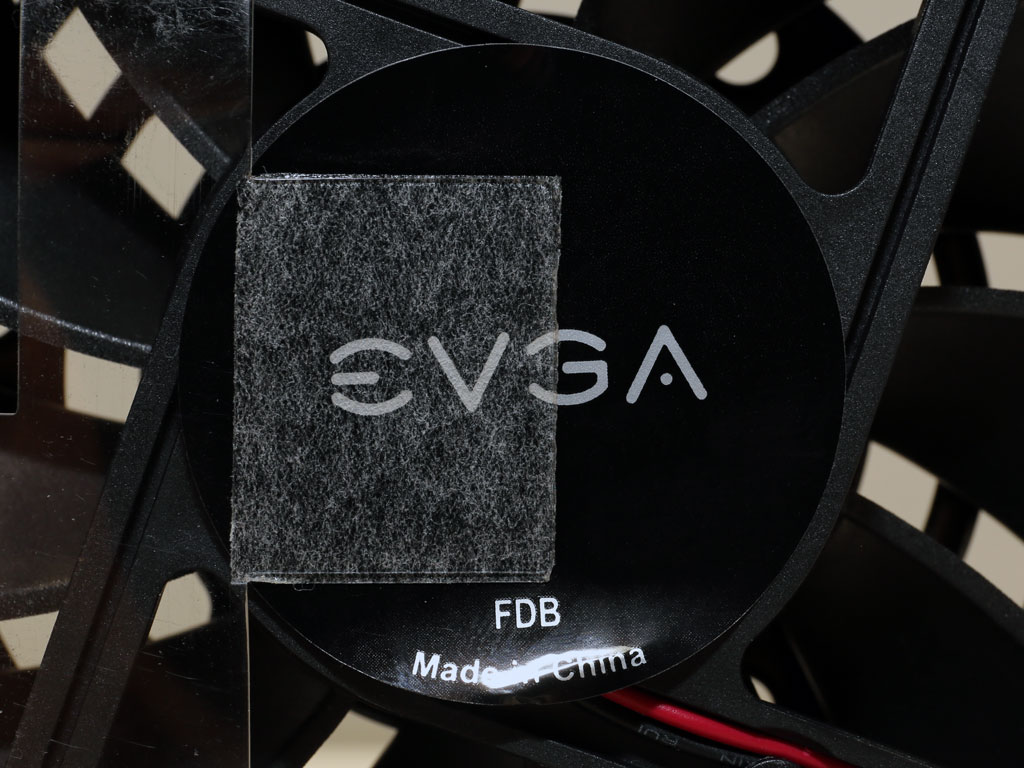
The cooling fan is by Hong Hua, and its model number is HA13525H12F-Z. It uses a fluid dynamic bearing, which means it will last for a while, and its noise output is lower than a double ball-bearing fan with similar specifications.
Test Setup

Our Patreon Silver Supporters can read articles in single-page format.
Nov 13th, 2026 21:57 CST
change timezone
Latest GPU Drivers
New Forum Posts
- no "PhysX" workable (8)
- AI generated images... (224)
- Tell me about your favourite graphics card (28)
- Crimson Desert (31)
- RenoDX HDR - how to view the differnce Before&After in game? (0)
- Displayport DP80 3M (10ft) cable that can achieve 80gbps stable? (5)
- I'll flash a ASUS ROG Strix RX480 O8G in Cause of Code 43, as a Newbie (1)
- Opinion on Monitor Replacement (6)
- TMOG - post your benchmark results here (16)
- Microsoft Exchange/365 outages? (61)
Popular Reviews
- AMD Zen 6 Technical Deep Dive
- Corsair HX1000i Shift Crystal Review
- NZXT C1200 Platinum Review
- Upcoming Hardware Launches 2027 (Updated Nov 2026)
- ASUS ROG Strix B850-I Gaming Wi-Fi7 W Review
- Montech King 95 3D PRO Review
- NZXT H7 RGB+ Review
- NZXT H5 Review
- Phantom Blade Zero Performance Benchmark Review - 35 GPUs Tested
- XPG NIMBUS PLUS Review - Mid-range Chair With Strong Competitors
TPU on YouTube
Controversial News Posts
- NVIDIA Co-Founder and CEO Jensen Huang Officially Resigns (379)
- OpenAI CEO Argues Home PCs Waste the World's Limited DRAM Supply (152)
- NVIDIA Launches Investigation Into Jensen Huang's Relationship With Suspected Chinese Spy (136)
- Intel "Raptor Lake Next" 16-Core and 20-Core CPUs Surface (130)
- Legendary Game Studio BioWare Shuts Down Following EA Layoffs (104)
- Dell CEO Says the Memory Shortage Will Get Worse in 2027 (95)
- NVIDIA GeForce RTX 50-Series Scheduled for up to $500 Price Hike This Week (89)
- Modder Fits RTX 5090 With Four 8-Pin Connectors, Halving Current per Wire (80)