 14
Formula V Line Air Power G10 Review
A Closer Look - Inside »A Closer Look - Outside
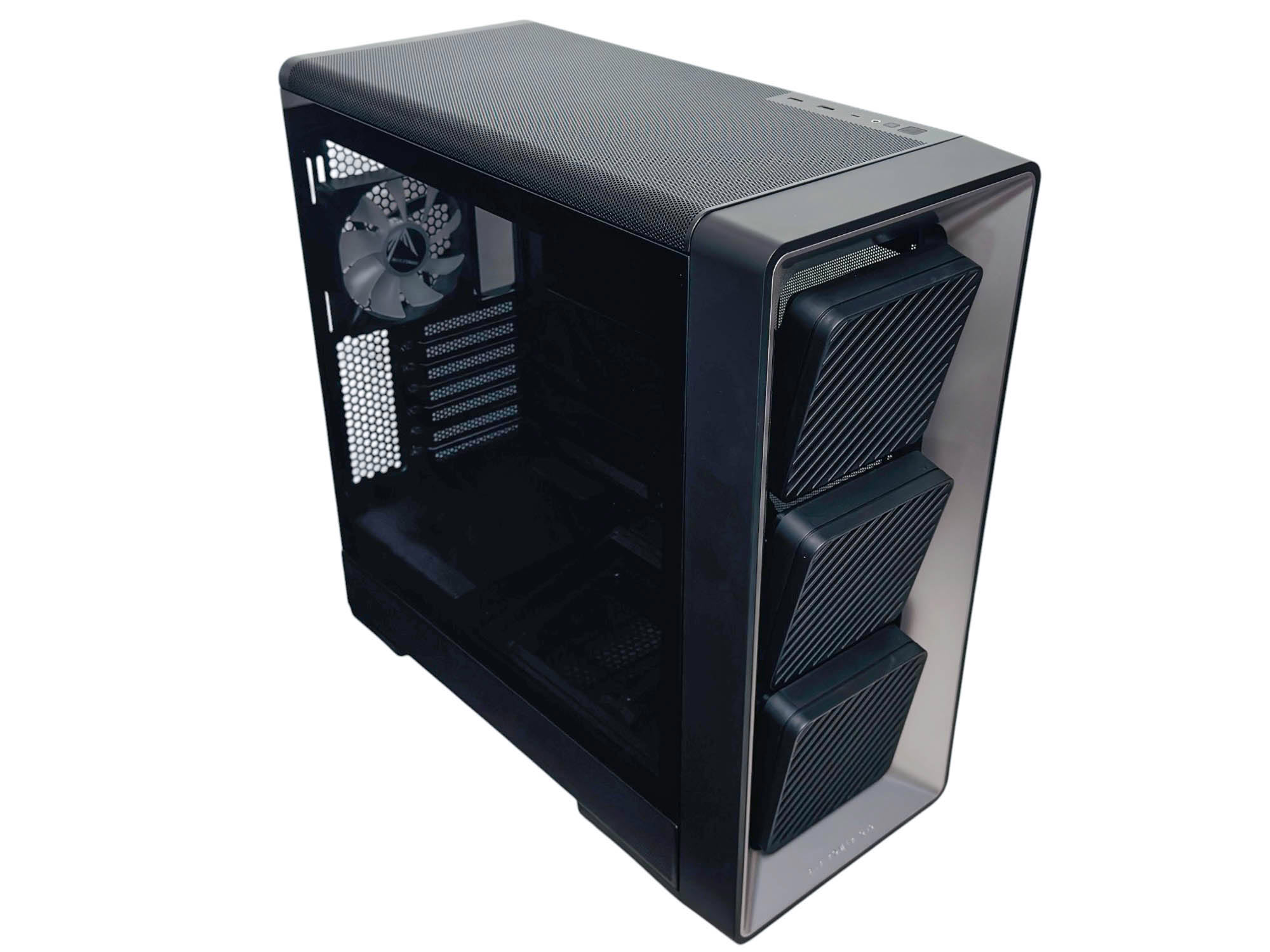
The case's unique front end is dominated by an elegant metal-effect surround housing three individual fan enclosures. Each one is equipped with a removable dust filter and can be angled to point at hardware inside your case. The side panel is tinted, and the roof features a large removable mesh section, that also houses the front panel.
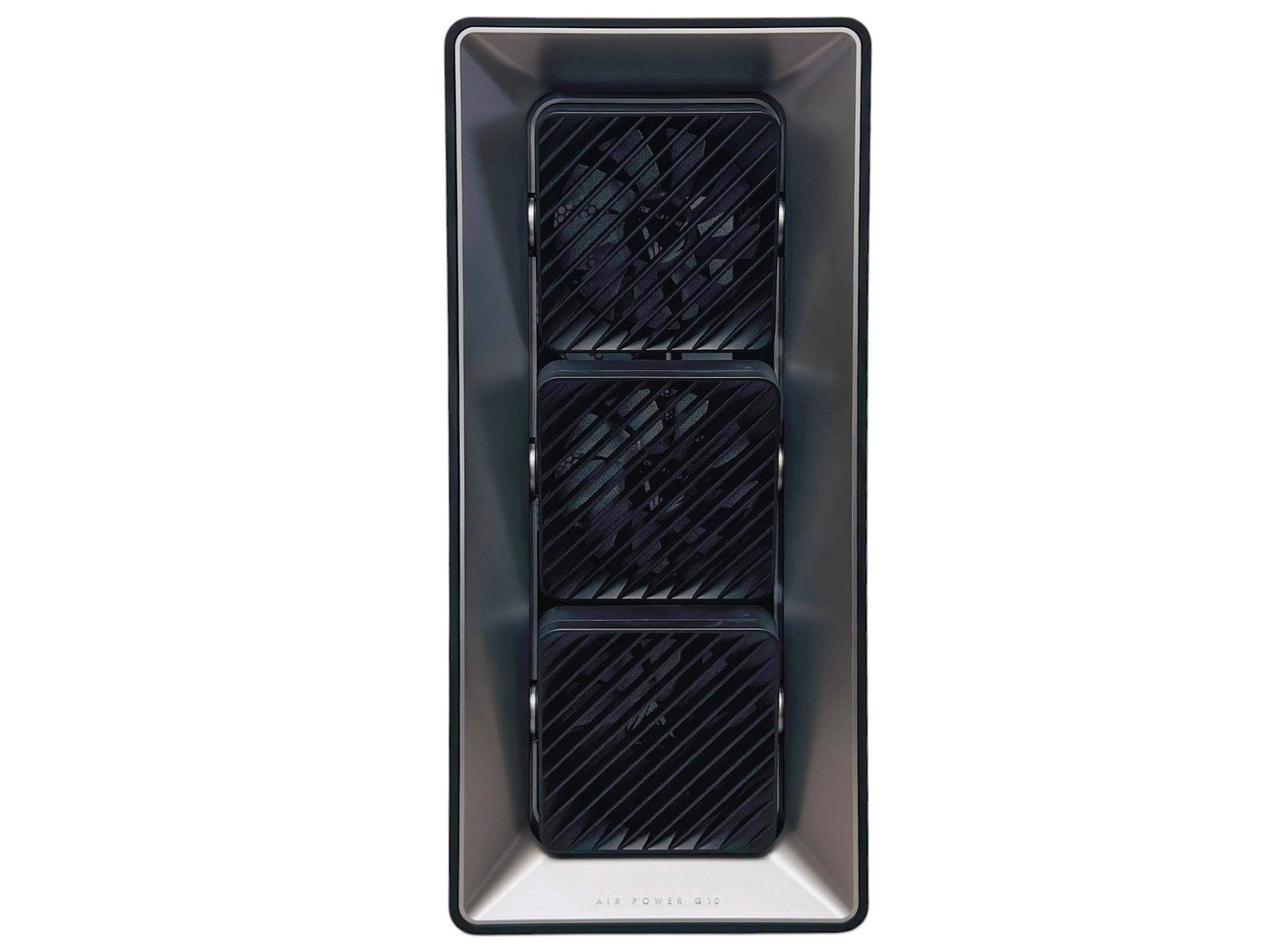
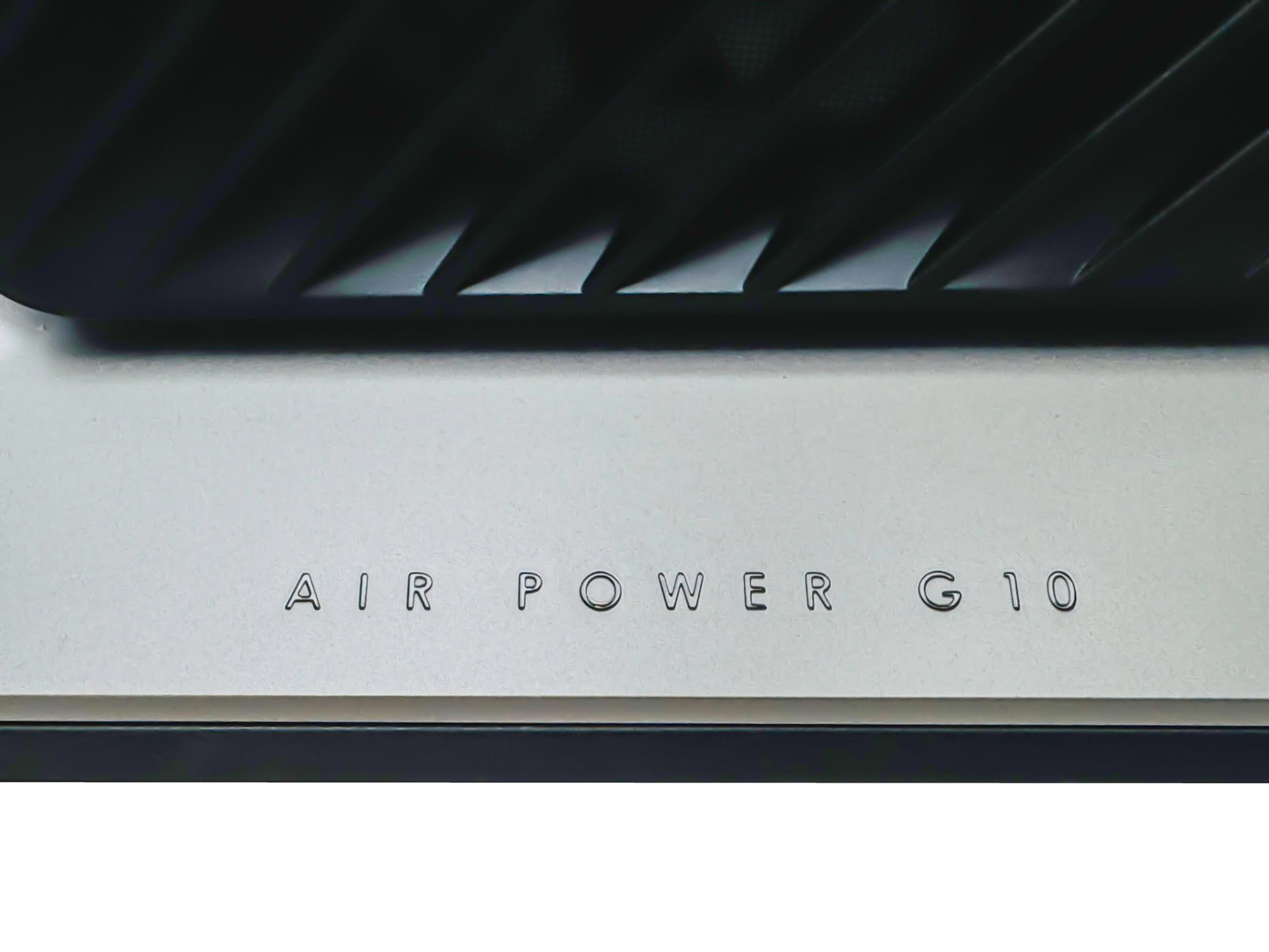
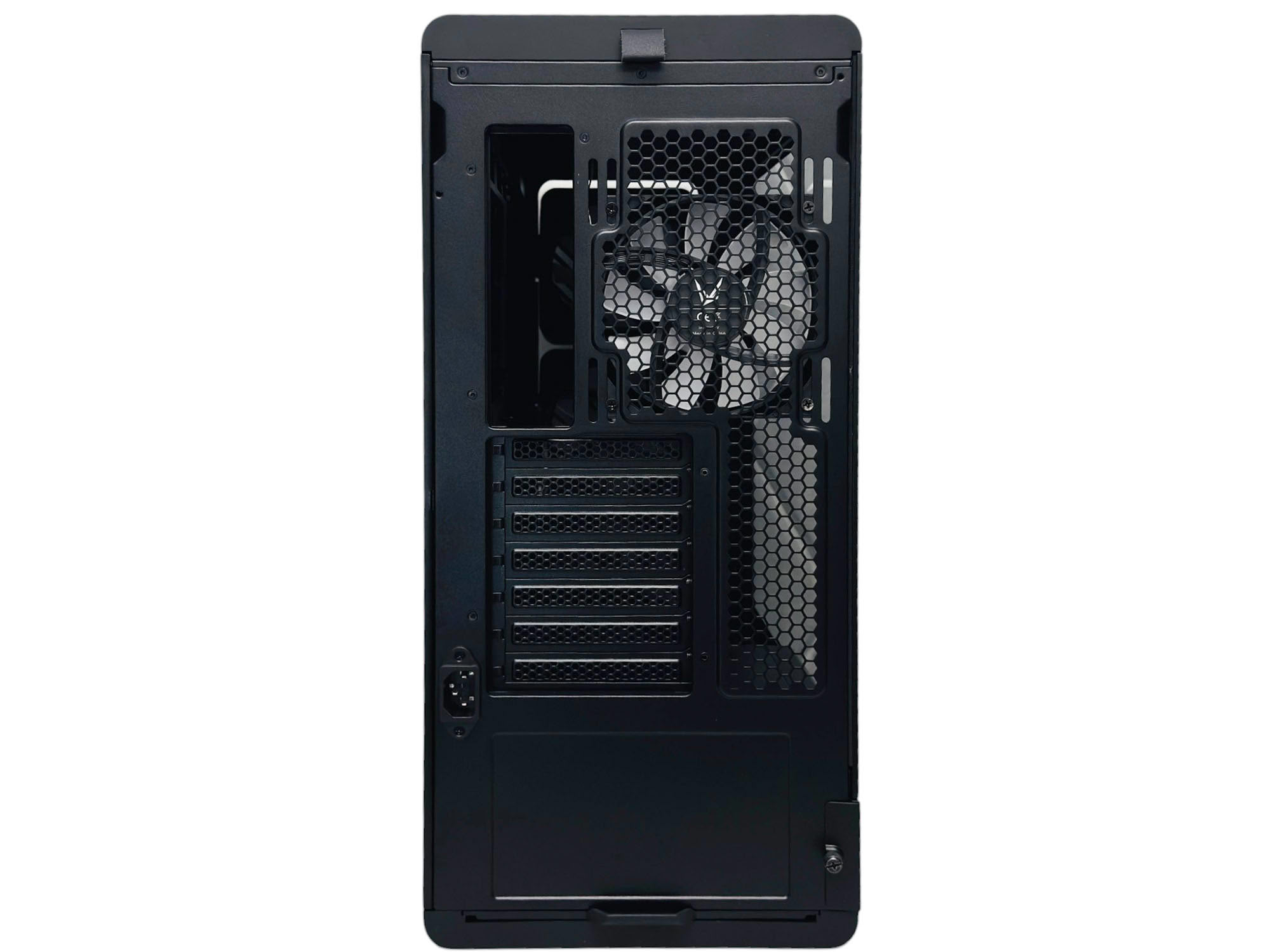
From the front, the Air Power G10 looks fantastic with the angled fan grilles adding an industrial-looking aesthetic dynamic. The plastic surround does a great job of mimicking brushed aluminium too. The rear of the case reveals an atypical layout for an ATX case, since the PSU is not located in the rear, there's a kettle lead extension.
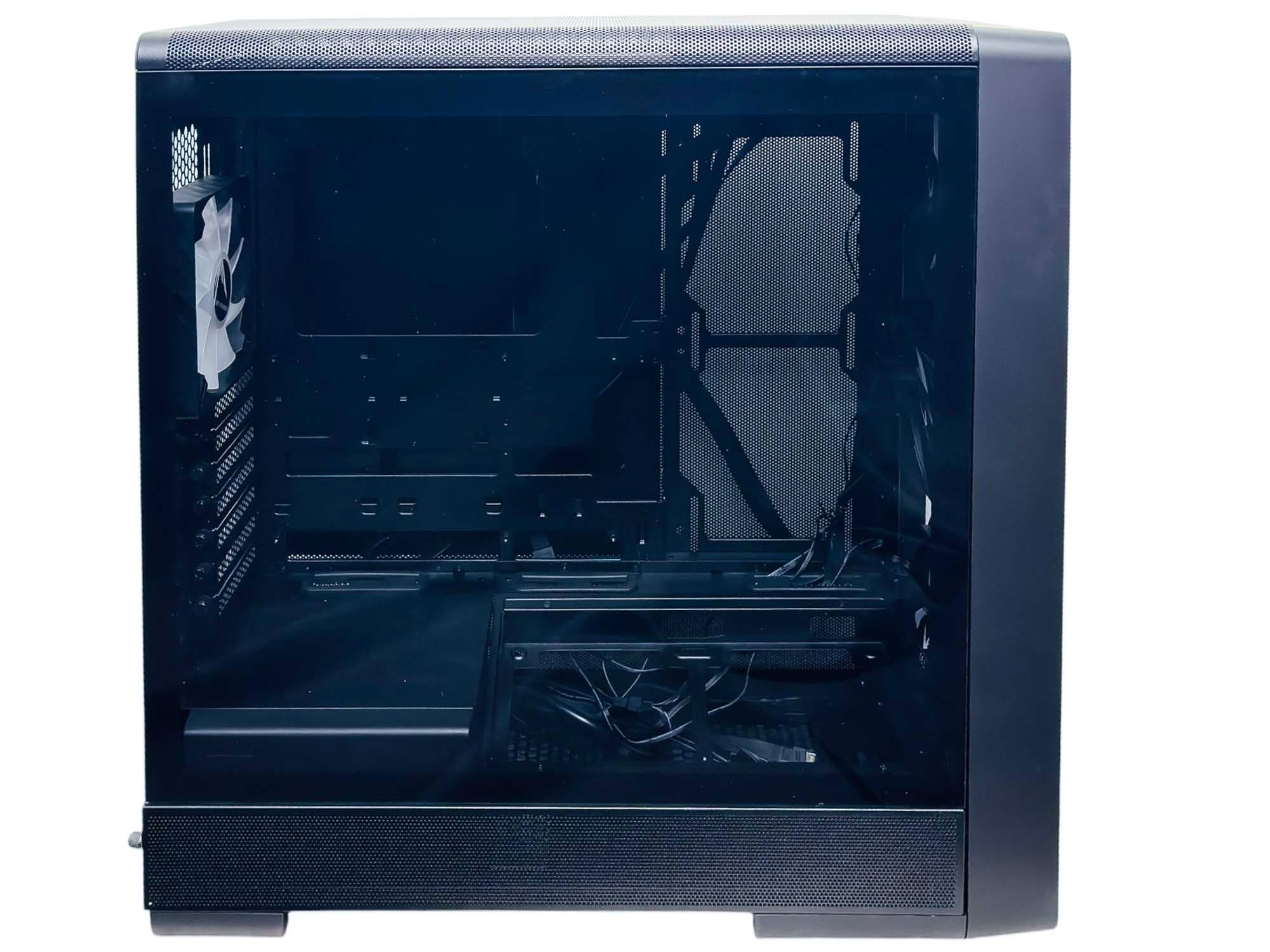
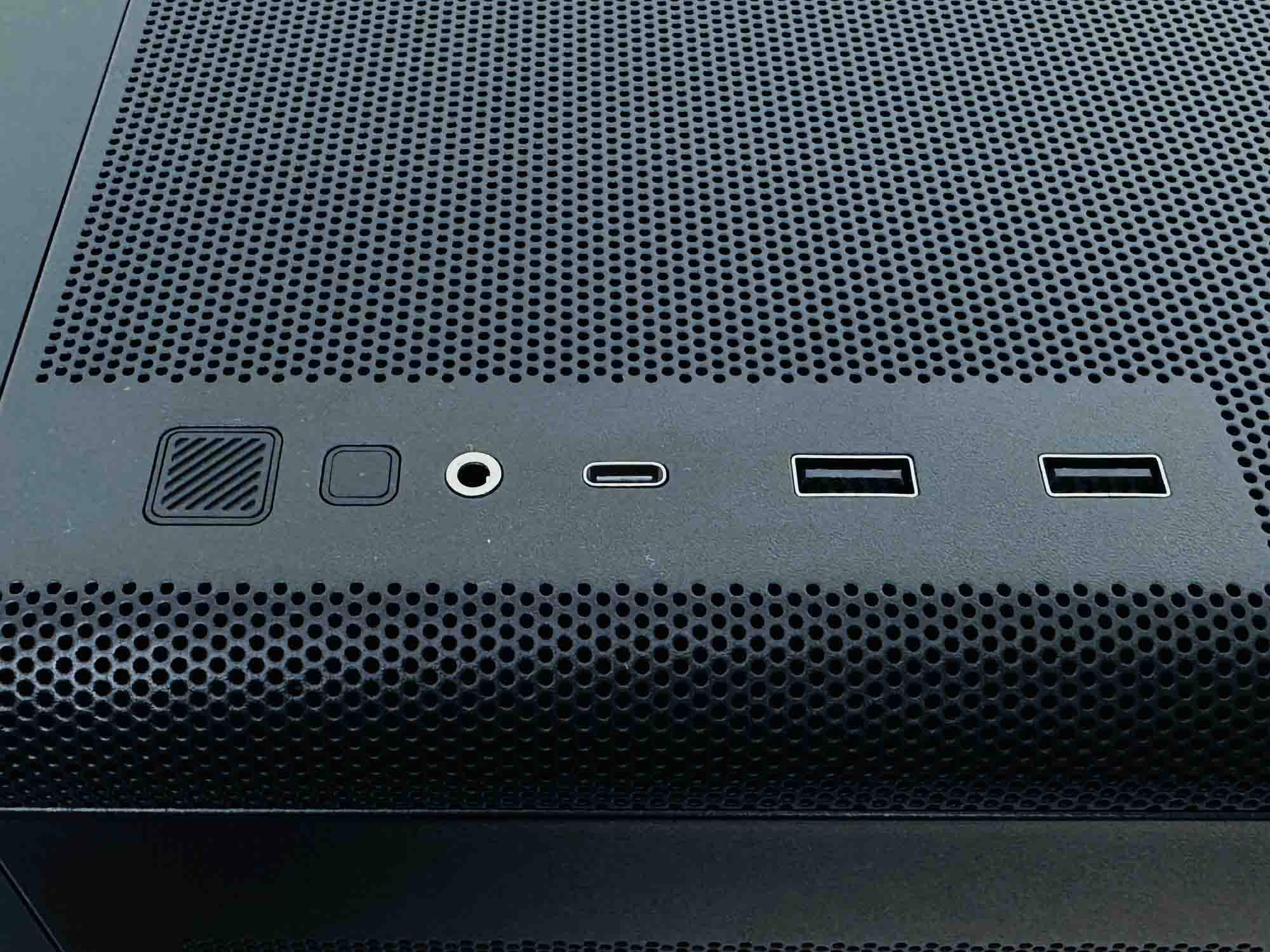
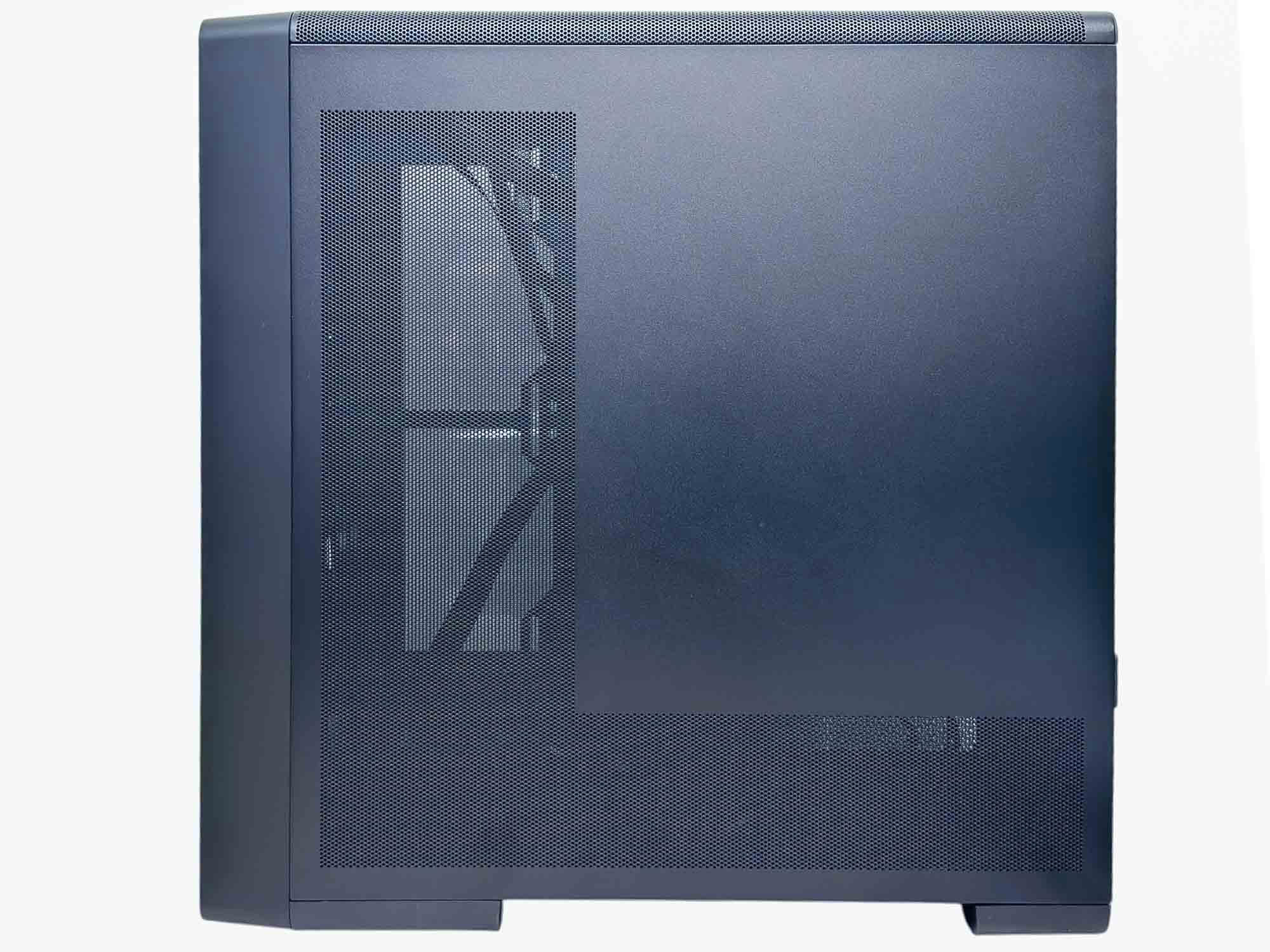
The large tinted glass side panel is tool-free and uses metal flanges at the base and push-pins at the top to secure it in place. There's also a large removable mesh at the bottom. The front panel is located on top of the case to one side. There are both power and reset buttons, an audio combo port, a USB 3.2 Gen 2x2 20 Gbps Type-C port and two USB 3.0 Type-A ports. The far side panel has a large L-shaped mesh area with the vertical part feeding side fan mounts. It, too, is tool-free and uses the same securing method.
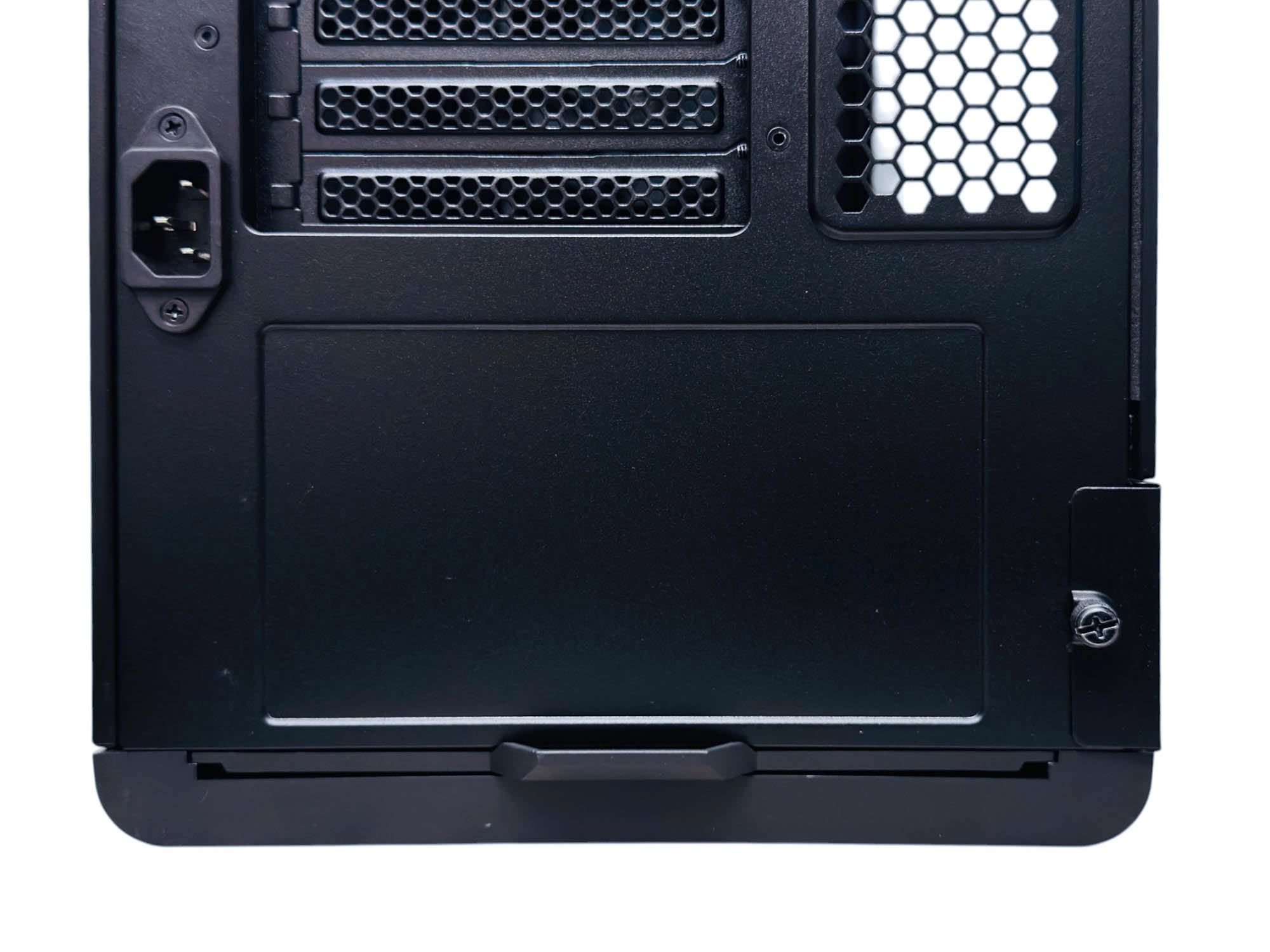
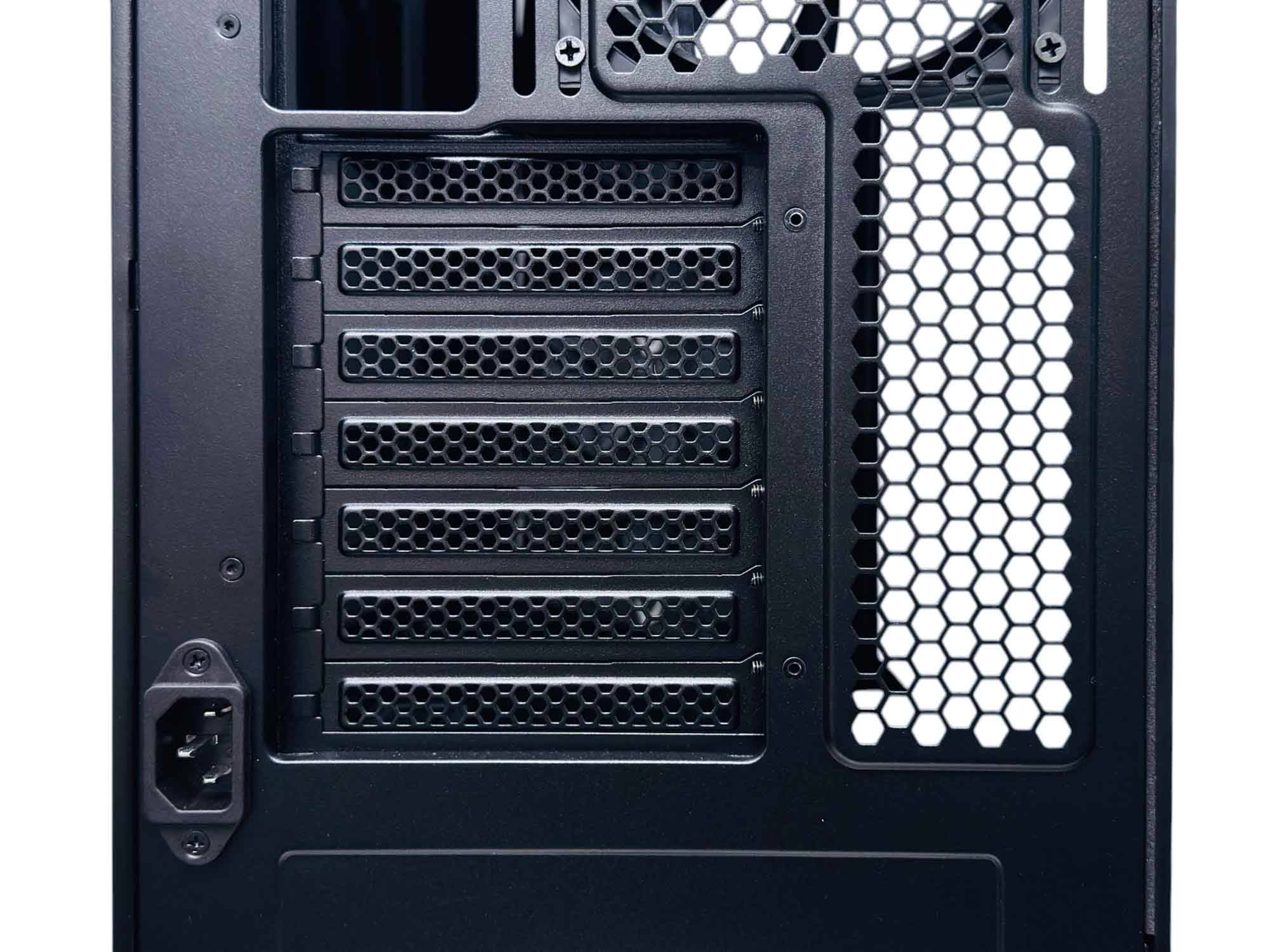
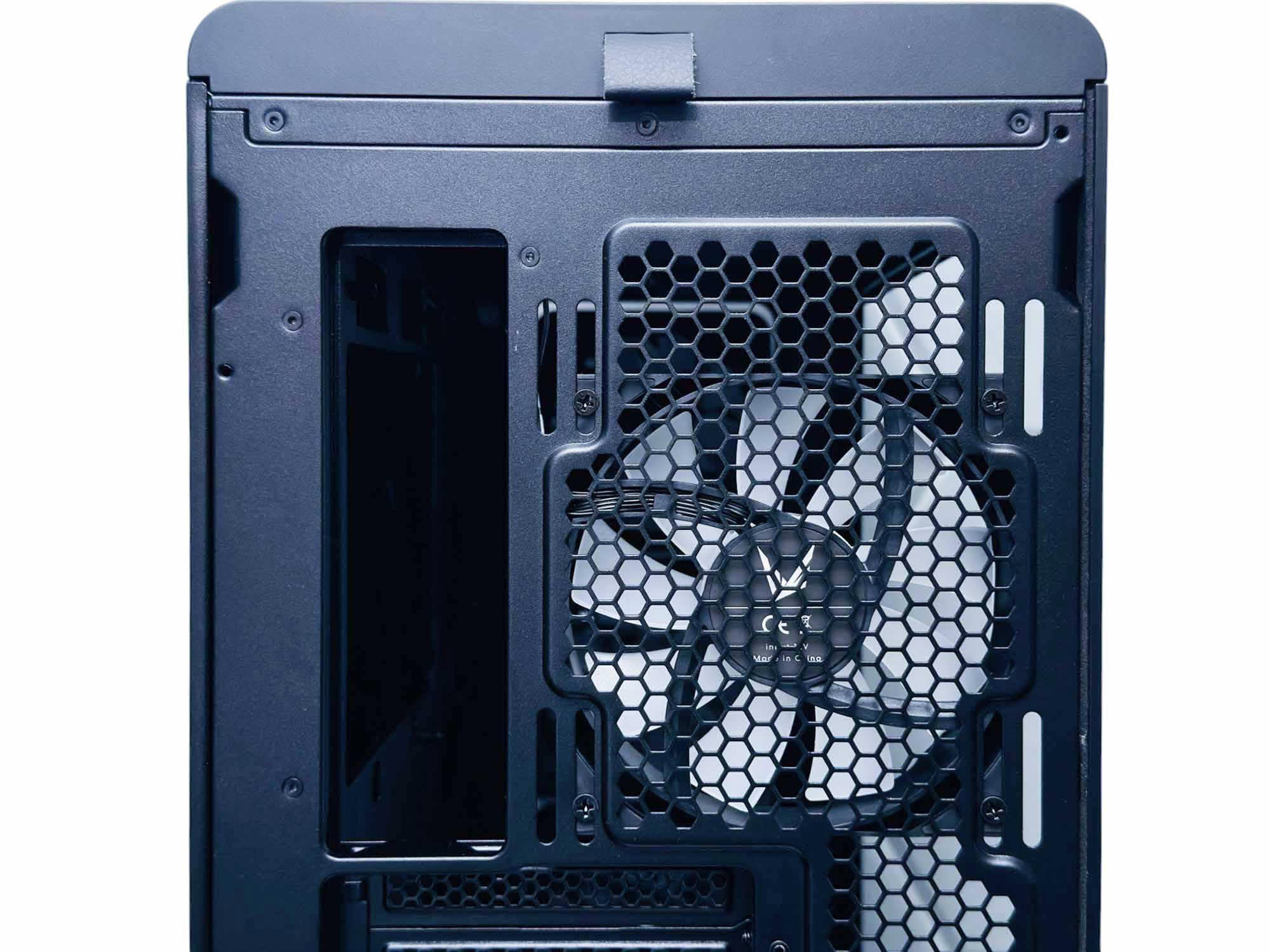
The lower part of the rear features a pull-out full-length dust filter and a side-mounted kettle lead extension socket. There are seven PCI expansion slot covers, which are vented and secured from the inside. The rear 120 mm PA fan is identical to the rest that are included and has a peak speed of 1,500 rpm, with an airflow rating of 60 CFM and a claimed noise level of 27 dBA. The mount also supports 140 mm fans and both are able to slide up and down to align with your CPU cooler.
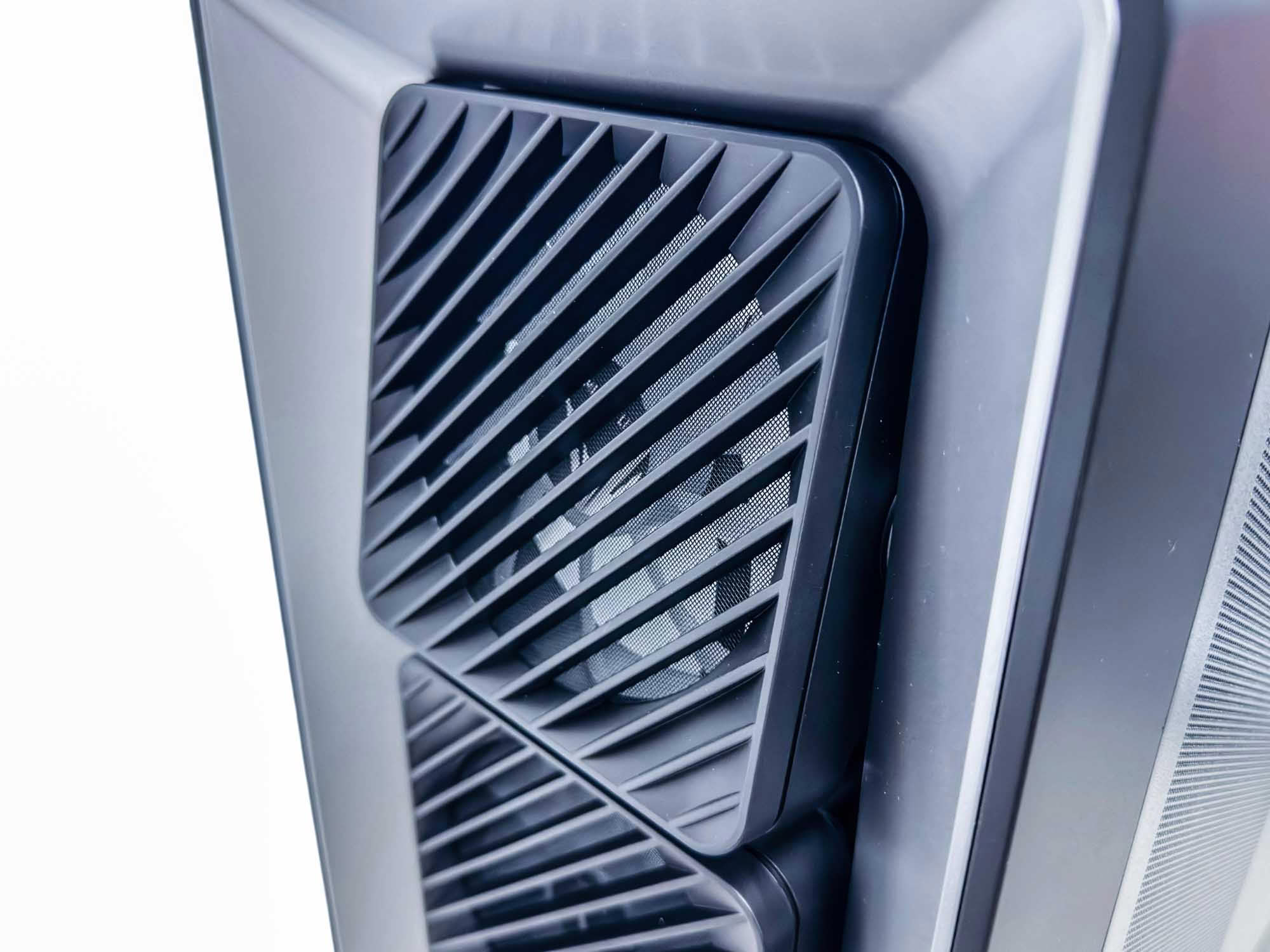
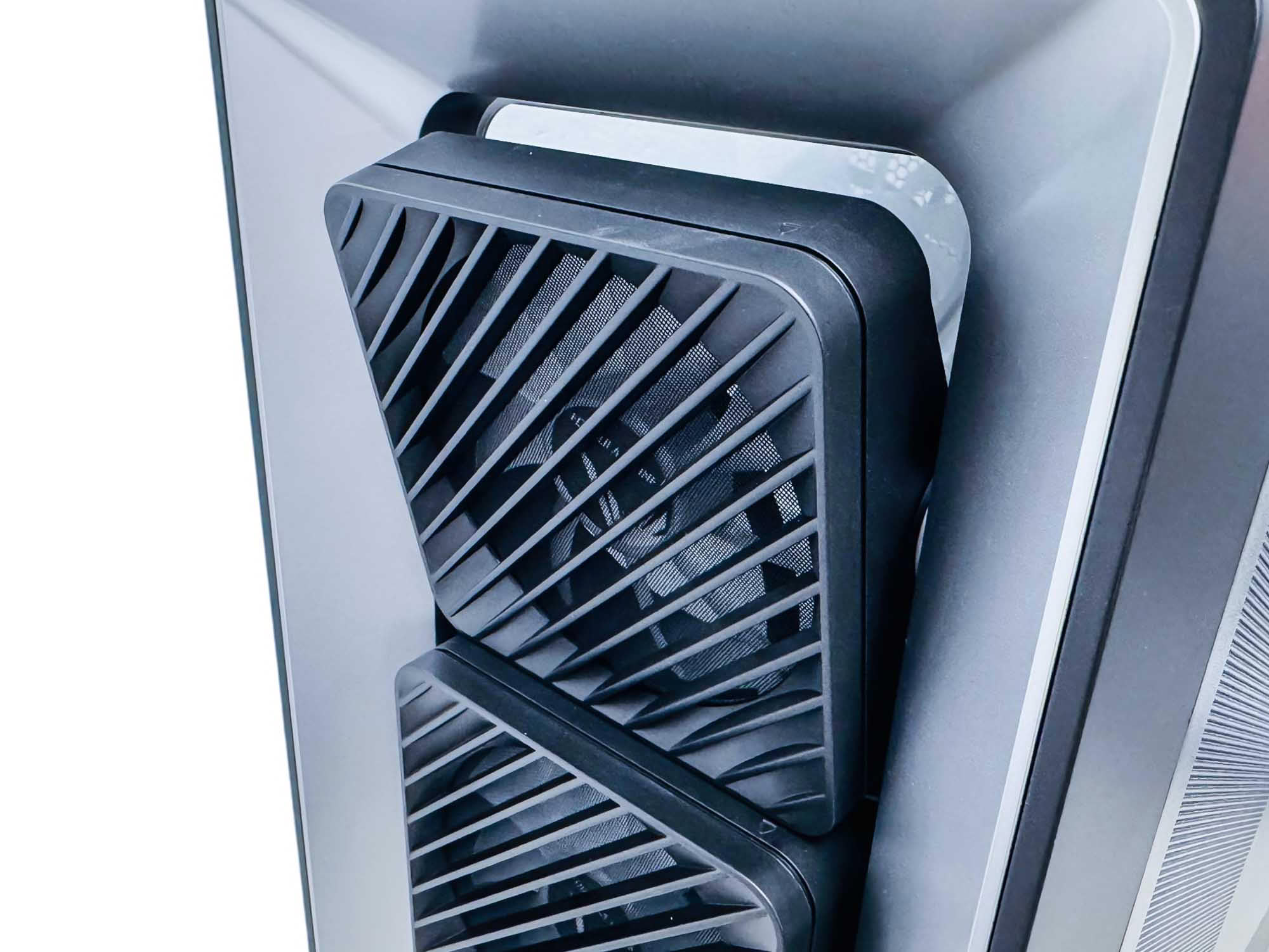
The front fans are housed in individual frames that can tilt up and down, with the goal being you can aim them at specific places in your case. The end pieces can be removed to clean filters inside. This will likely work to a point, but if the airflow from two fans crosses too much, it's likely to deflect and lose momentum, potentially resulting in a worse situation than traditional front fans.
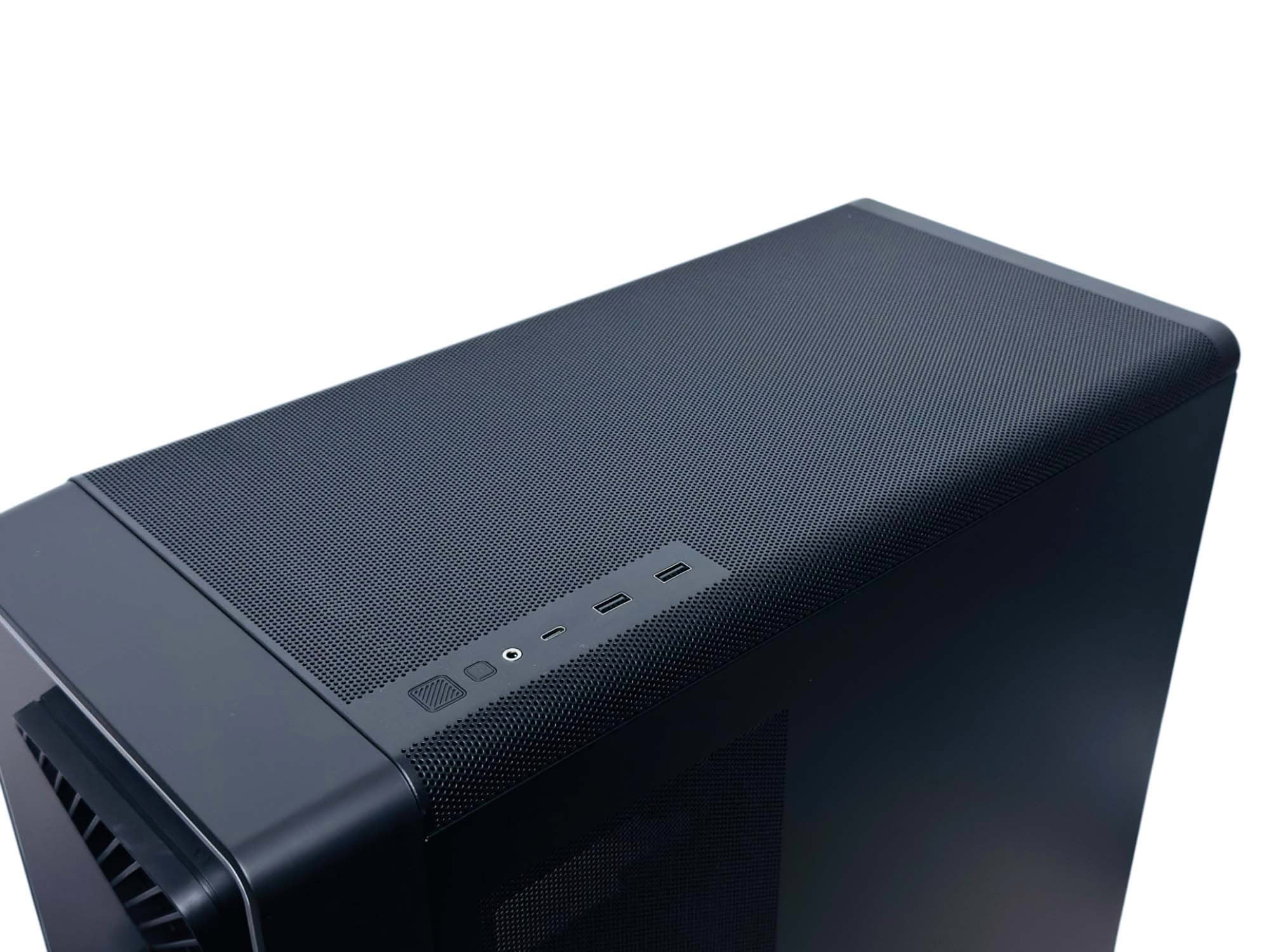
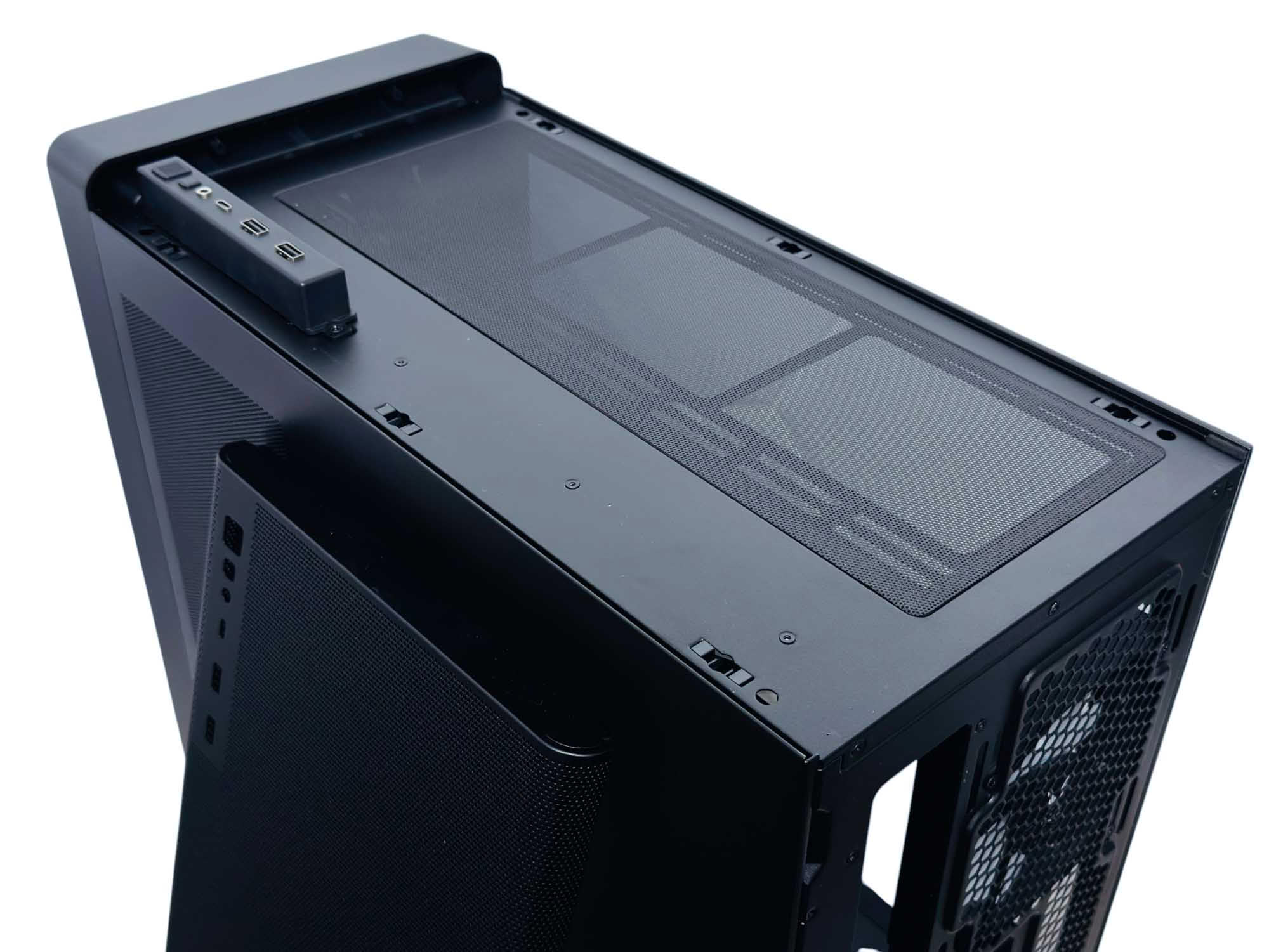
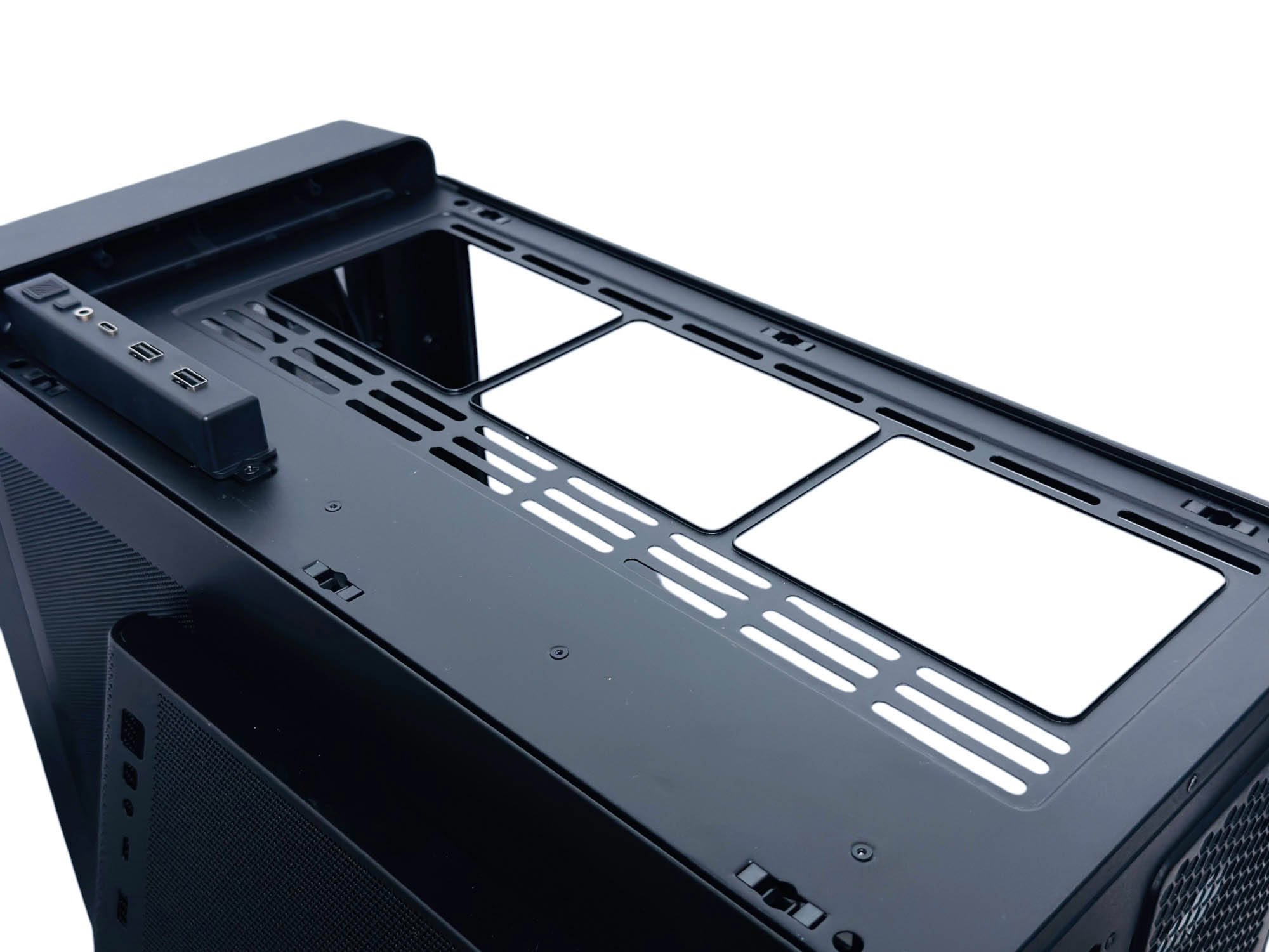
The roof panel is secured using push-pins and lifts off, although it was a little stiff. Beneath is a magnetic dust filter, and below that sits a fan mount with space for three 120 or two 140 mm fans, or corresponding radiator sizes.
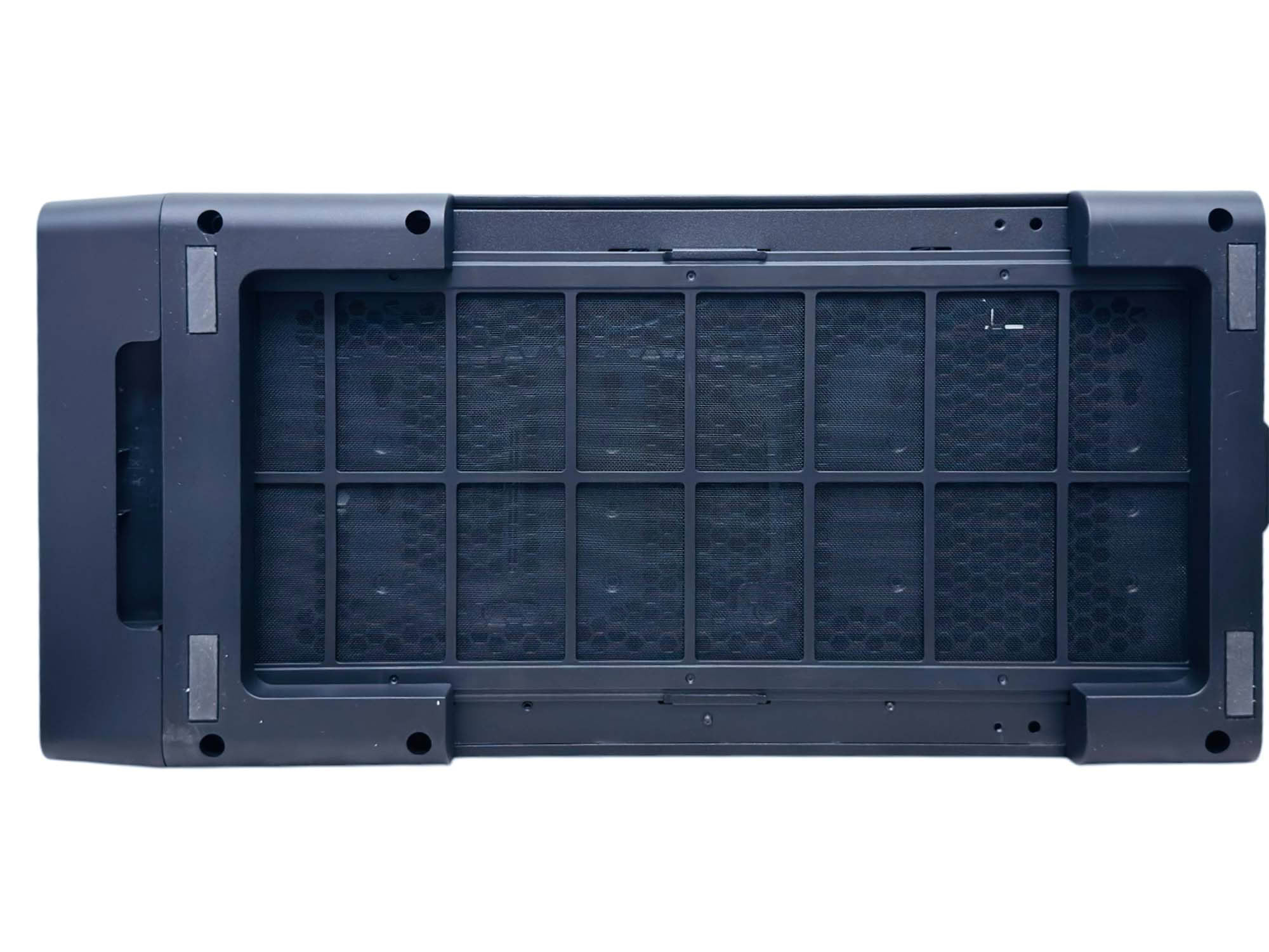
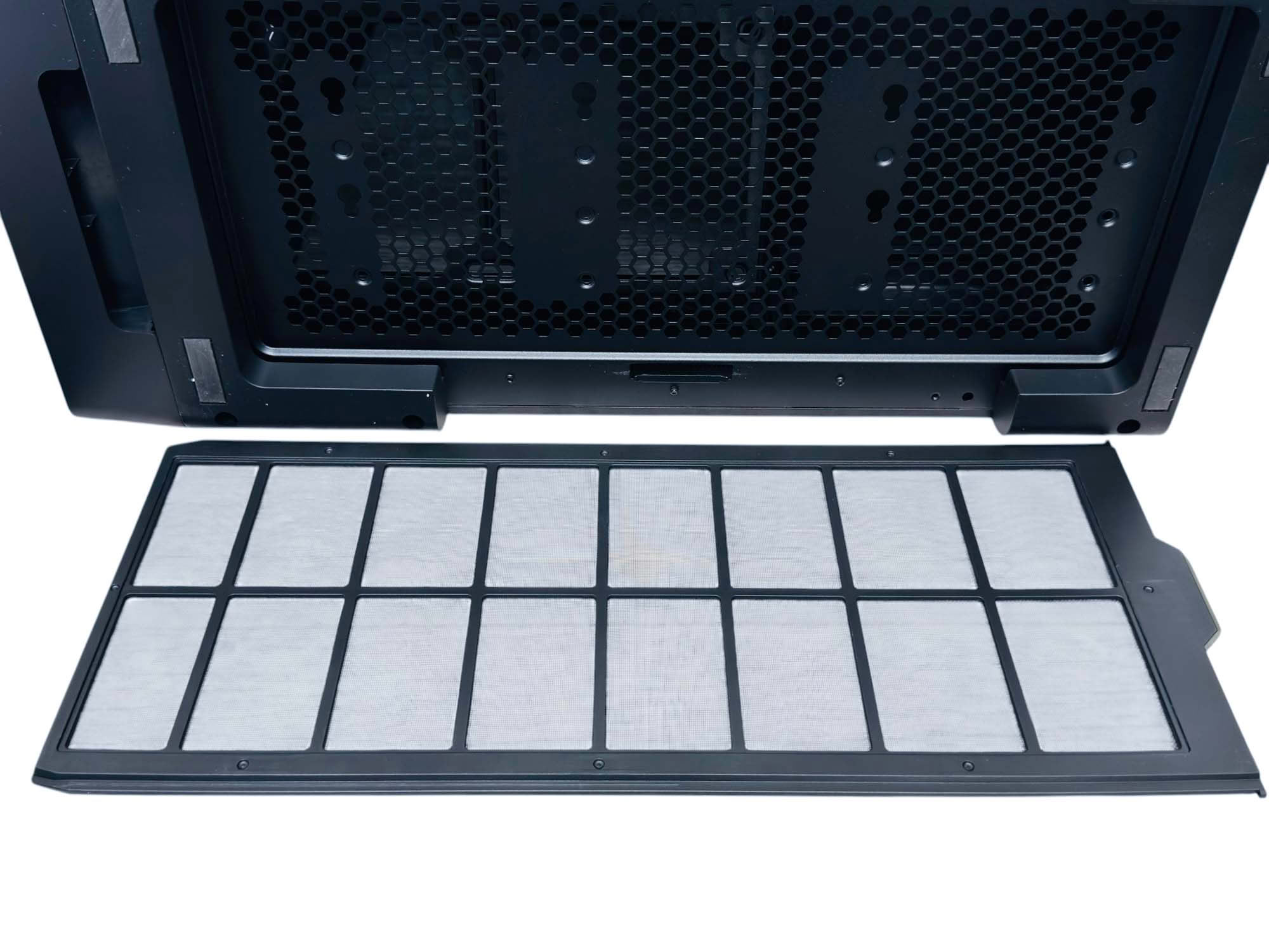
The base features four small rubber feet along with a large dust filter. This can be removed from the rear using a small pull-tab for cleaning.
Nov 19th, 2026 15:23 CST
change timezone
Latest GPU Drivers
New Forum Posts
- Windows 11 General Discussion (7736)
- Current Sales, Bundles, Giveaways (10448)
- Last game you purchased? (1409)
- WarpCoreBench scores! (76)
- Got the EOL 32GB TridentZ 6000 CL26 1.4V (12)
- Dell Workstation Owners Club (3516)
- Making a game in Godot engine (4)
- DTS DCH Driver for Realtek HDA [DTS:X APO4 + DTS Interactive] (2815)
- Security Apps (2)
- How to prevent OLED burn damage due to PC freezes or power outtages? (28)
Popular Reviews
- Acemagic Retro X3 Review
- Ugreen NASync DXP4800 GT Review
- Upcoming Hardware Launches 2027 (Updated Nov 2026)
- Pulsar Office Tour & First Look at P1 Dual-Sensor Mouse
- AMD Zen 6 Technical Deep Dive
- Biwin Black Opal NV7400 2 TB Review
- Sapphire Radeon RX 7700 XT Pure Review
- Sapphire Radeon RX 7700 XT Pulse Review
- AMD Ryzen 7 9800X3D Review - The Best Gaming Processor
- Chieftec Iceberg PRO 360 DARK Review
TPU on YouTube
Controversial News Posts
- NVIDIA Co-Founder and CEO Jensen Huang Officially Resigns (486)
- Report: Jensen Huang Eyes NVIDIA Comeback (223)
- Open Letter Asking NVIDIA to Reinstate Jensen Huang Passes 115,000 Signatures (184)
- OpenAI CEO Argues Home PCs Waste the World's Limited DRAM Supply (152)
- NVIDIA Launches Investigation Into Jensen Huang's Relationship With Suspected Chinese Spy (136)
- Intel "Raptor Lake Next" 16-Core and 20-Core CPUs Surface (130)
- Legendary Game Studio BioWare Shuts Down Following EA Layoffs (104)
- Dell CEO Says the Memory Shortage Will Get Worse in 2027 (95)