 187
NVIDIA GeForce RTX 5050 8 GB Review
Circuit Board Analysis »Packaging


The Card


Gigabyte's Gaming OC is a slightly premium version of the RTX 5050, using a dual-slot, triple-fan cooler. The color theme is mostly black with various shades of gray. On the back you'll find a plastic backplate with a large cutout.


Dimensions of the card are 28.5 x 12.5 cm, and it weighs 701 g.


Installation requires two slots in your system. We measured the card's width to be 40 mm.

Display connectivity includes two standard DisplayPort 2.1b and two HDMI 2.1b.
All GeForce RTX 50-series Blackwell cards feature a new display engine supporting DisplayPort 2.1b with UHBR20, as well as HDMI 2.1a. Both interfaces support DSC (display stream compression). With DSC enabled, a single DisplayPort on this card can drive 4K 12-bit HDR at 480 Hz; or 8K 12-bit HDR at up to 165 Hz. The RTX 5060 features an updated media acceleration engine with support for 4:2:2 video formats, AV1 UHQ, and MV-HEVC. Unlike the bigger RTX 50 models, which have two, there is a single NVENC and NVDEC unit each.

The card uses a single 8-pin connector, which allows a maximum power draw of 150 W, plus 75 W from the slot, but the actual board power limit is set much lower of course.


There is no lighting on the Gigabyte RTX 5050 Gaming OC.
Teardown
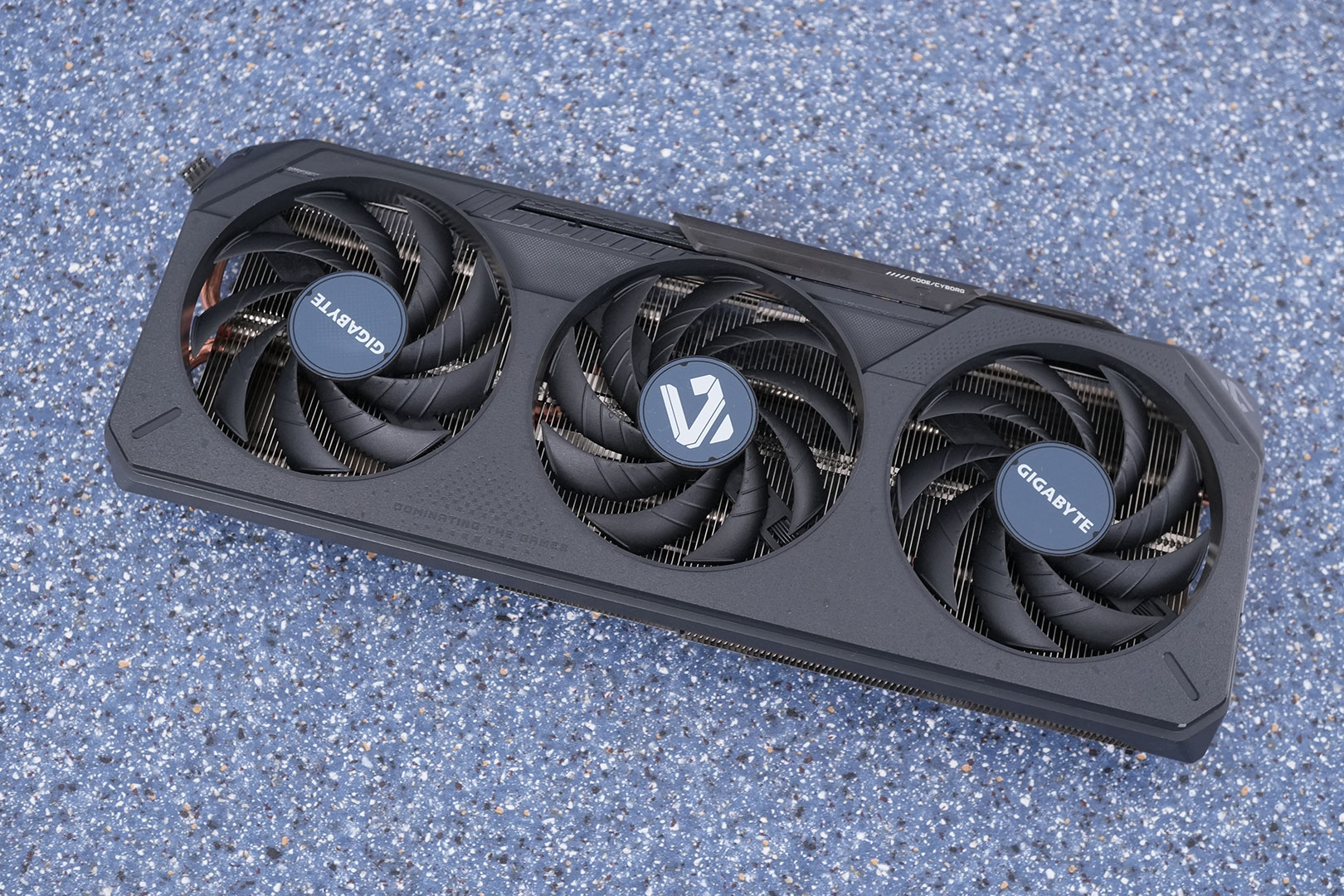


The heatsink uses two heatpipes and provides cooling not only for the GPU, but also for the memory chips and VRM circuitry.
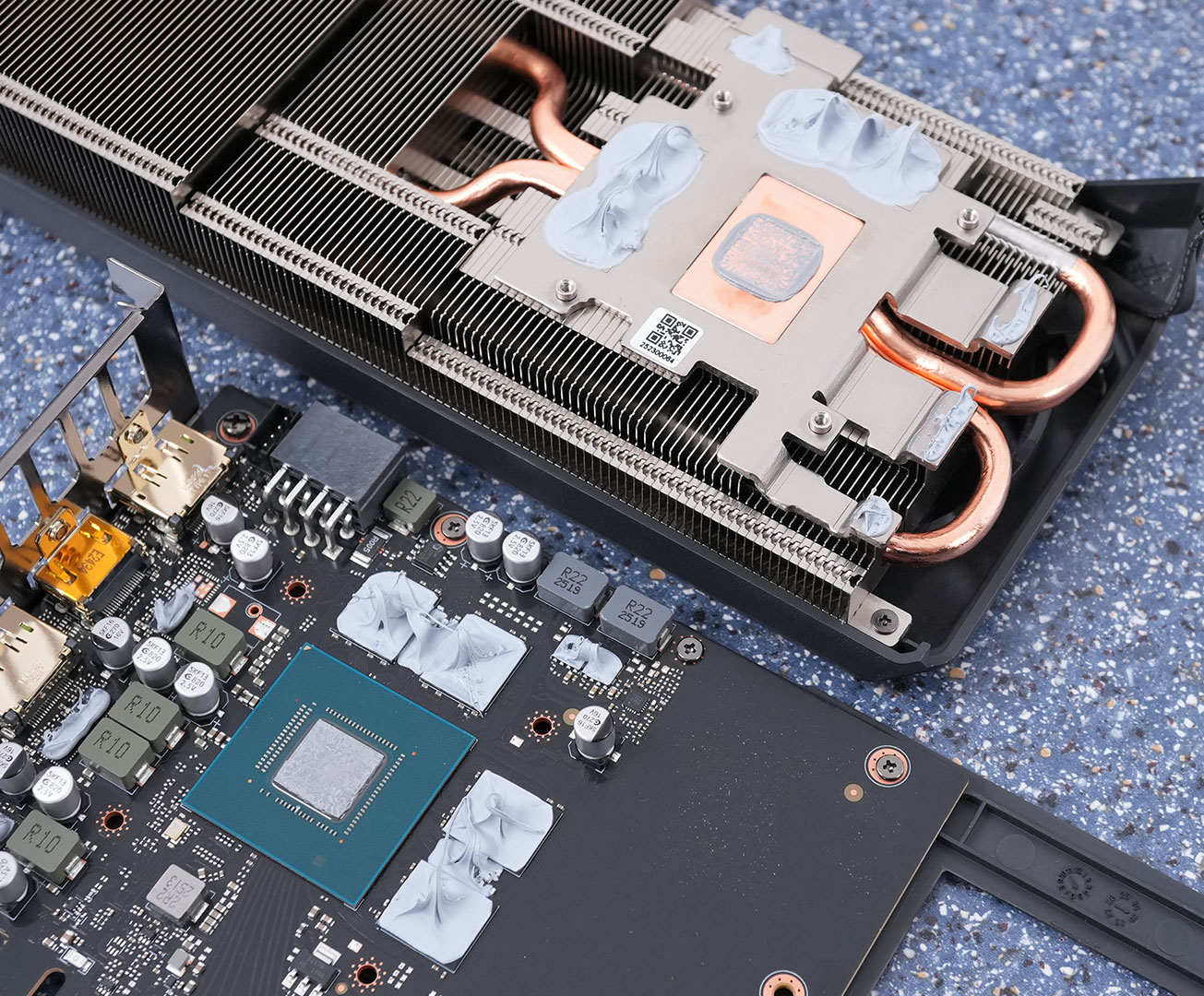

Unlike thermal pads, used on virtually all other cards, here, as with their other GPUs, Gigabyte is using thermal putty on the VRMs, memory and backplate. This makes it extremely difficult to maintain the card, because the putty ends up everywhere, and it'll have to be cleaned up to be replaced every time you disassemble the card. Otherwise, you can't be sure that everything is making good contact.
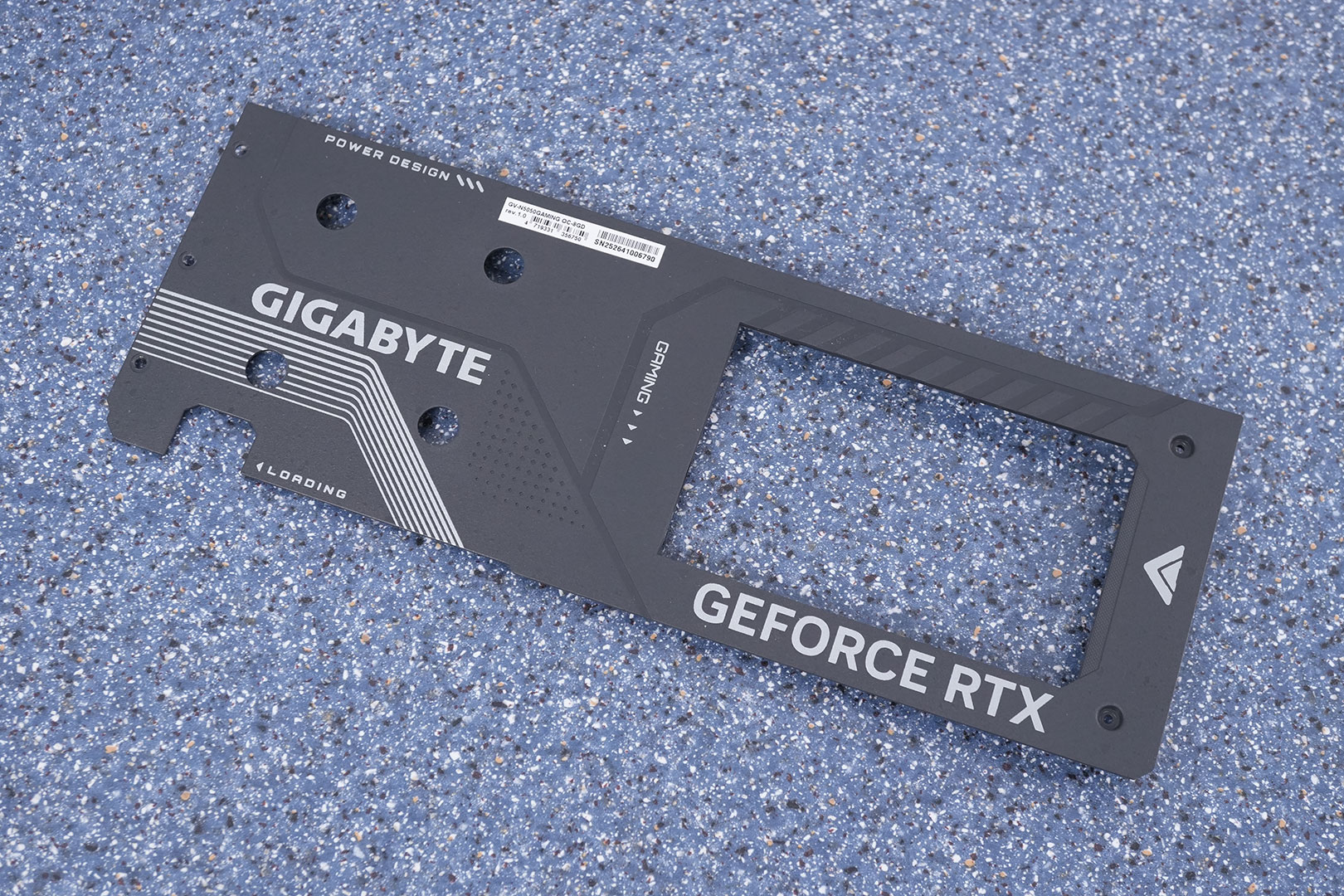

The backplate protects against damage during installation and handling.
Nov 24th, 2026 09:07 CST
change timezone
Latest GPU Drivers
New Forum Posts
- Your PC ATM (36488)
- Increasing Power Limit? (31)
- HP ZBook 17 G3 i7 – black screen and fans running at max speed after switching SSD to GPT (1)
- GTA VI (33)
- I forced a 16 Year Old 64GB SSD to write 1 PETABYTE (And it didn't die) (194)
- Games at first startup always worse why? (0)
- Strange PC issues with Z690 setup (2)
- How to prevent OLED burn damage due to PC freezes or power outtages? (58)
- Which ryzen am5 cpu ? (201)
- AI generated images... (234)
Popular Reviews
- Microsoft Surface Laptop Ultra Review - The Next-gen Arm Laptop
- ASRock X870E Challenger Wi-Fi White Review
- Upcoming Hardware Launches 2027 (Updated Nov 2026)
- Corsair RM1200e (Second Generation) Review
- AMD Ryzen 7 9800X3D Review - The Best Gaming Processor
- AMD Zen 6 Technical Deep Dive
- AMD Ryzen 7 7700X3D Review
- Pulsar Office Tour & First Look at P1 Dual-Sensor Mouse
- Phantom Blade Zero Performance Benchmark Review - 35 GPUs Tested
- Ugreen NASync DXP4800 GT Review
TPU on YouTube
Controversial News Posts
- NVIDIA Co-Founder and CEO Jensen Huang Officially Resigns (492)
- Jensen Huang Reinstated as CEO of NVIDIA (452)
- Report: Jensen Huang Eyes NVIDIA Comeback (281)
- Open Letter Asking NVIDIA to Reinstate Jensen Huang Passes 115,000 Signatures (184)
- OpenAI CEO Argues Home PCs Waste the World's Limited DRAM Supply (152)
- NVIDIA Launches Investigation Into Jensen Huang's Relationship With Suspected Chinese Spy (136)
- Intel "Raptor Lake Next" 16-Core and 20-Core CPUs Surface (130)
- NVIDIA GeForce RTX 50-Series Scheduled for up to $500 Price Hike This Week (89)