 19
Gigabyte X870 Aorus Infinity Review
VRM Overview »Component Analysis
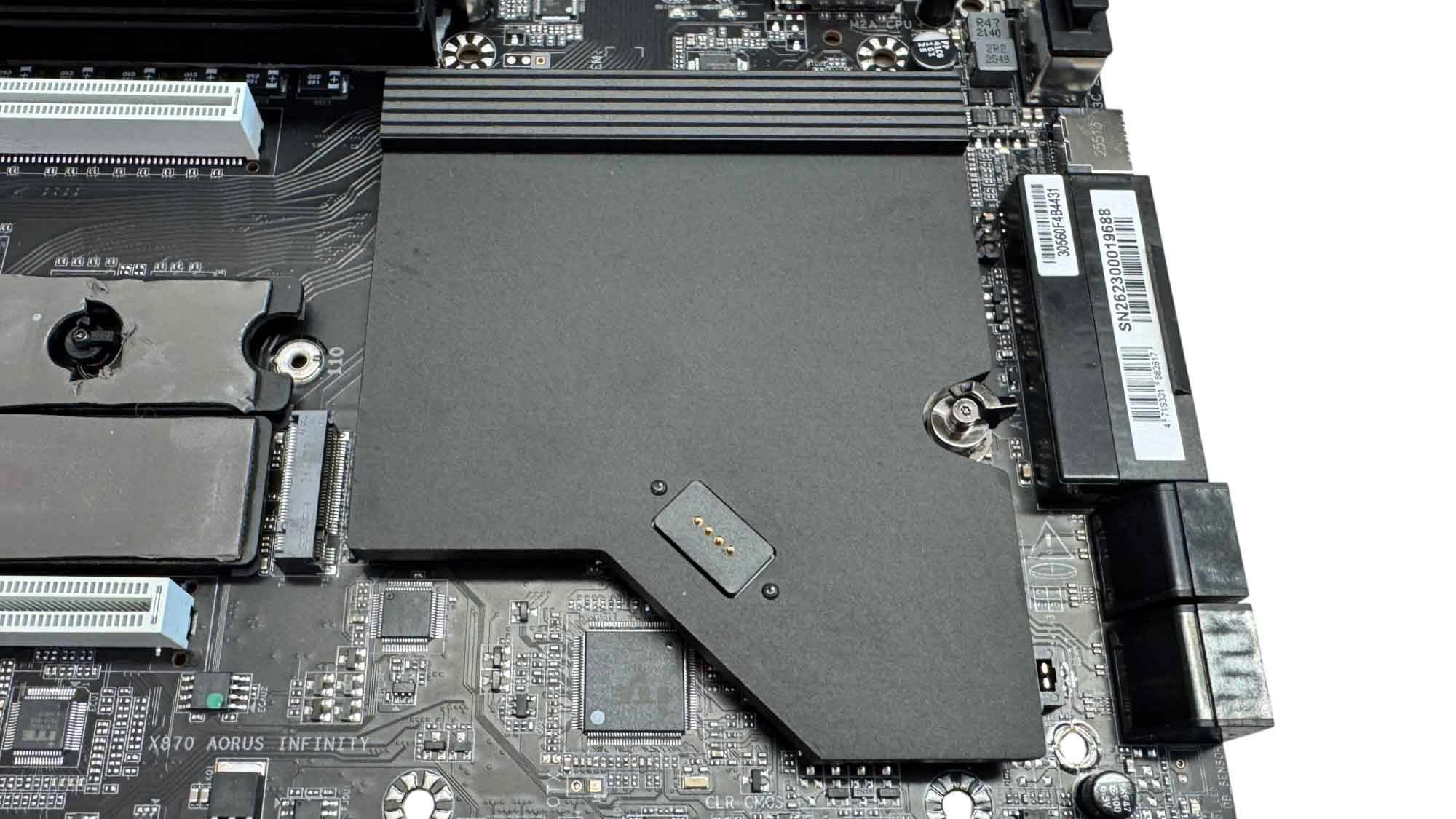
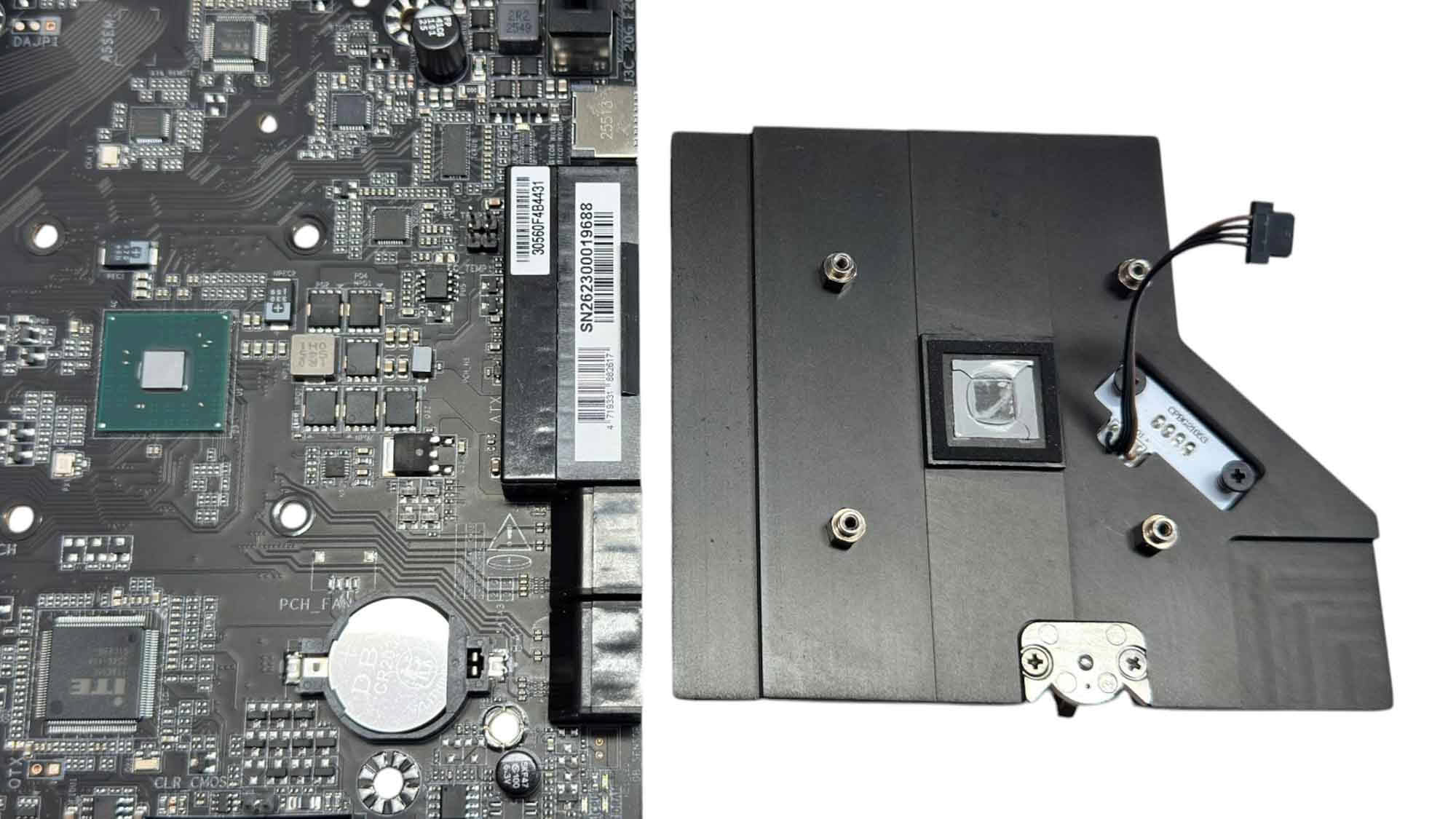
One reason to opt for X870 over X870E is the need for just one chipset rather than two, saving PCB real estate as well as requiring a smaller heatsink. It's still a decent size, although most of it is covered by the large M.2 heatsink that sits on top.
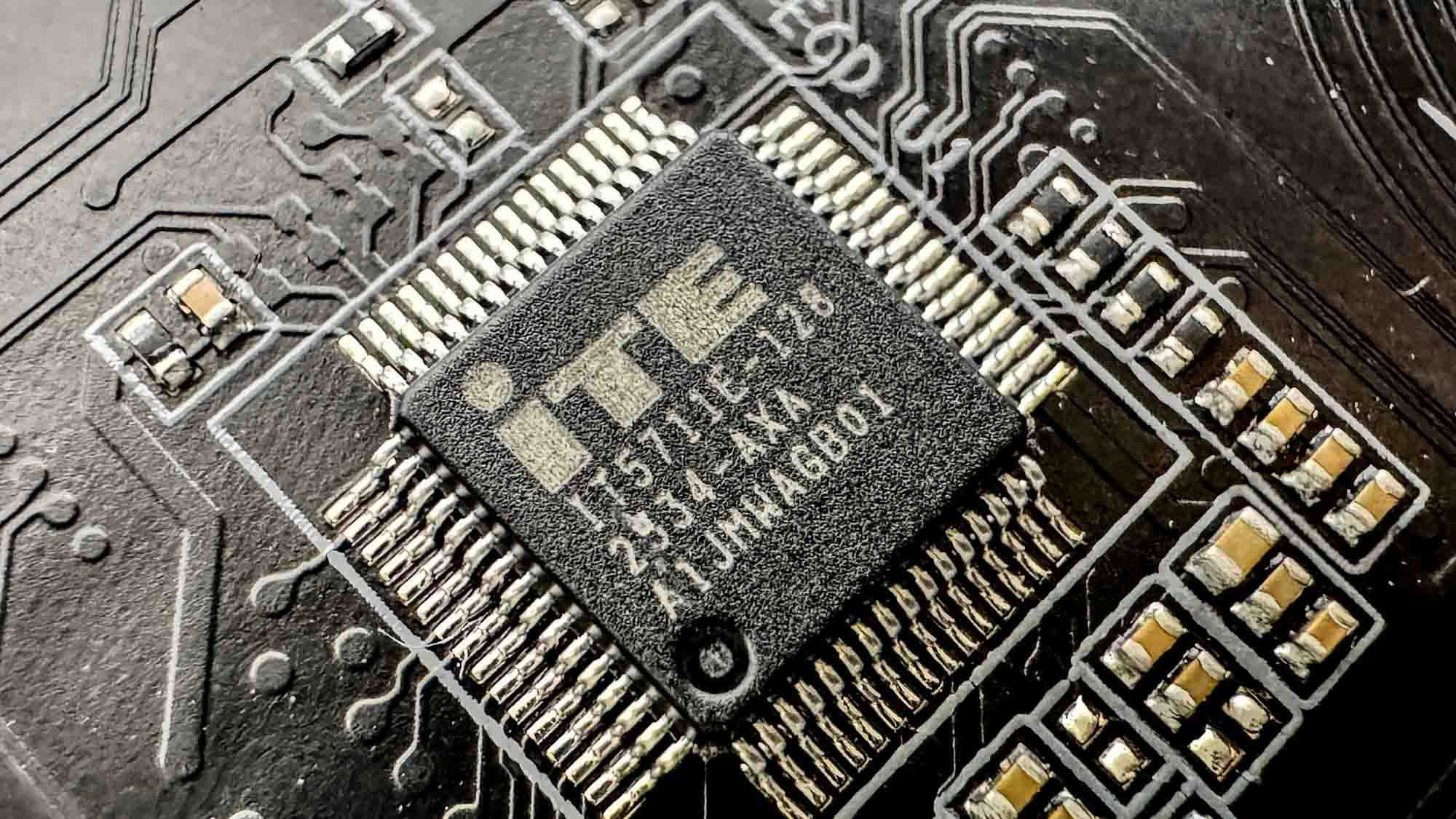
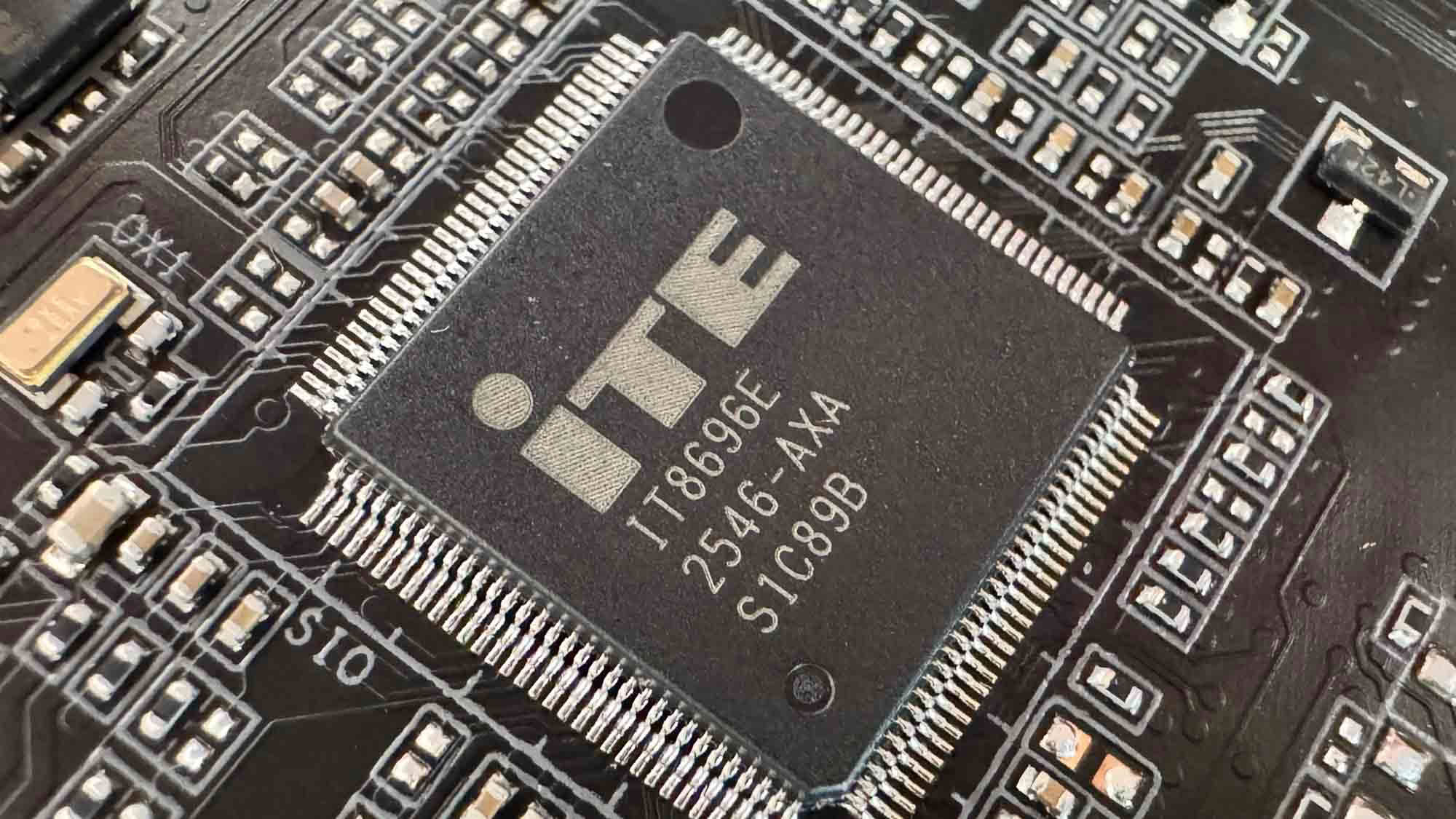
The IT5711E is an RGB lighting controller Gigabyte uses to handle the onboard lighting and RGB ports. For part of the hardware monitoring we have an ITE Tech IT8696E super I/O controller.
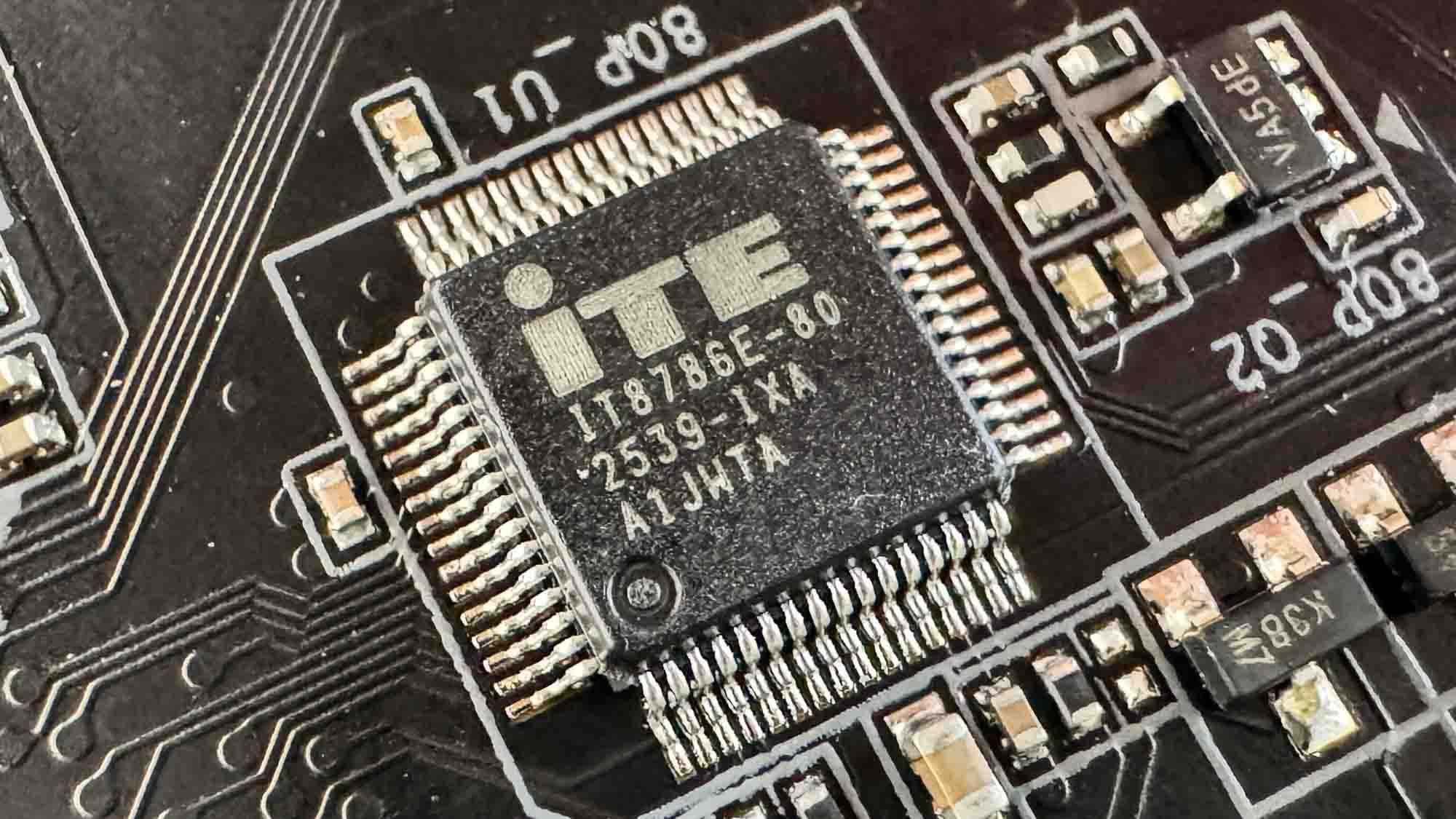
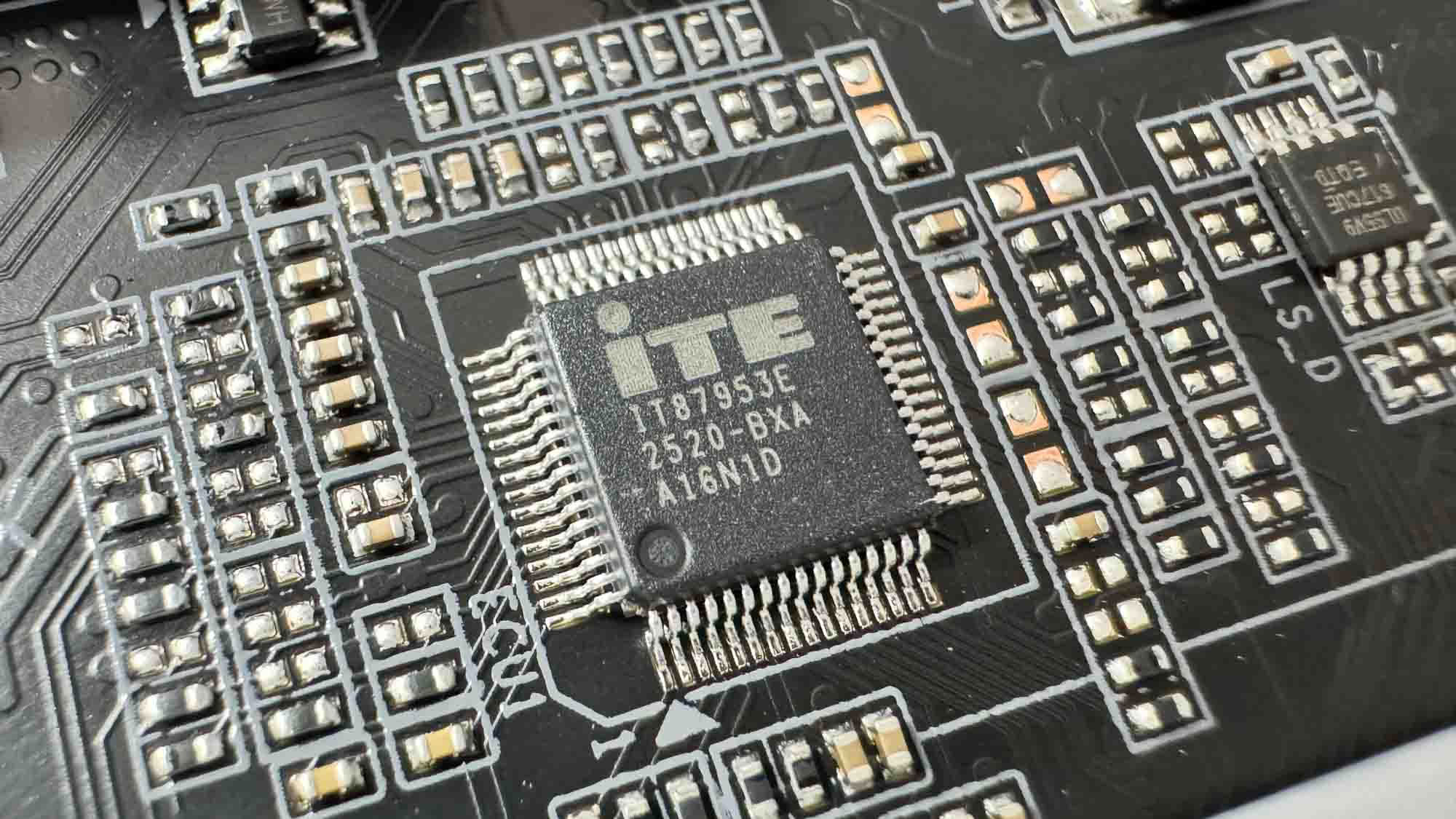
Extra ITE Tech controllers are used for additional monitoring, including the IT8786E and IT87953E.
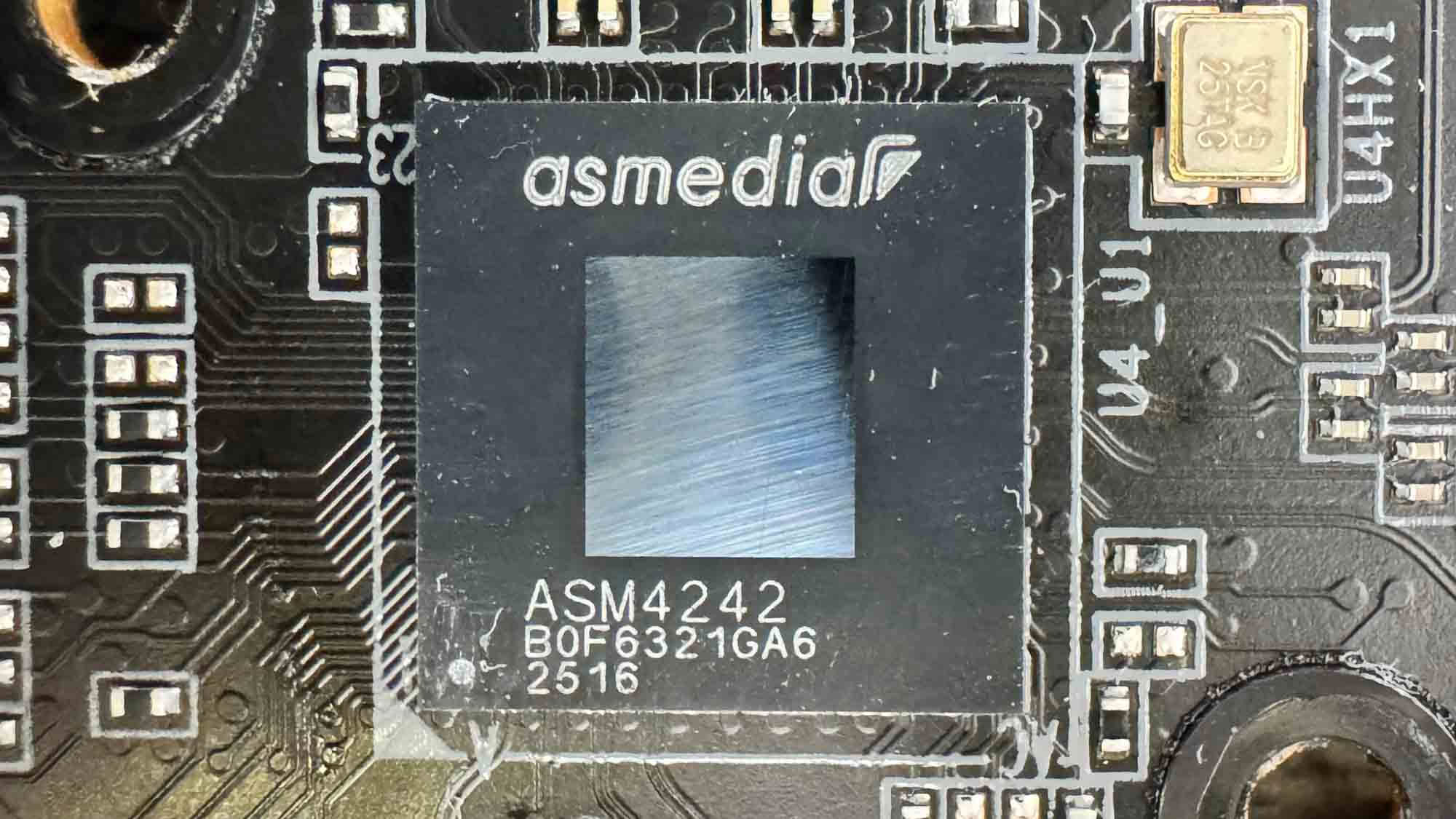
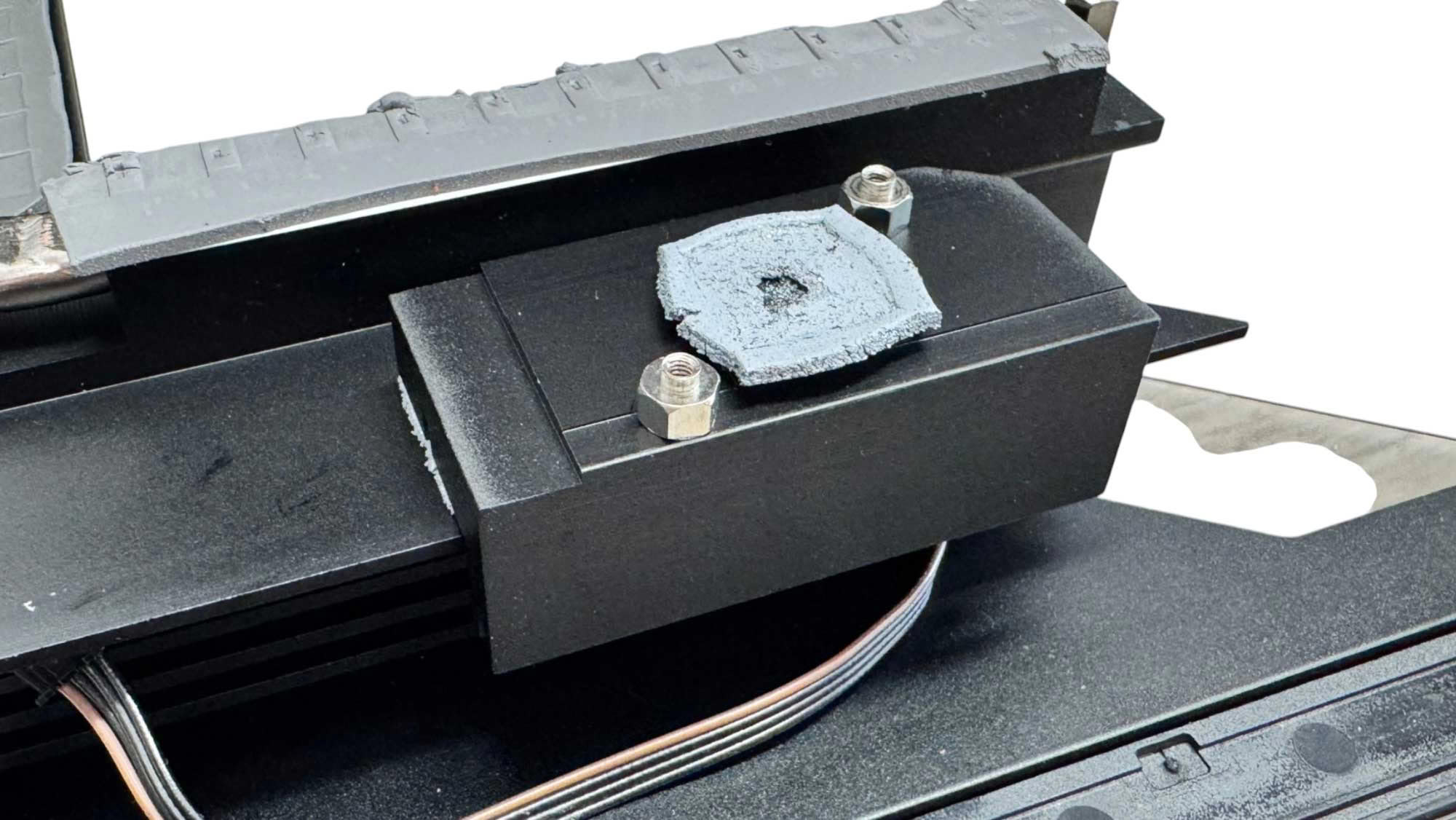
As usual, we have ASMedia's ASM4242 USB4 controller, which is Thunderbolt 4-certified. This is cooled using a heatsink that's thermally attached to the larger VRM heatsink above, so temperatures shouldn't be an issue here.
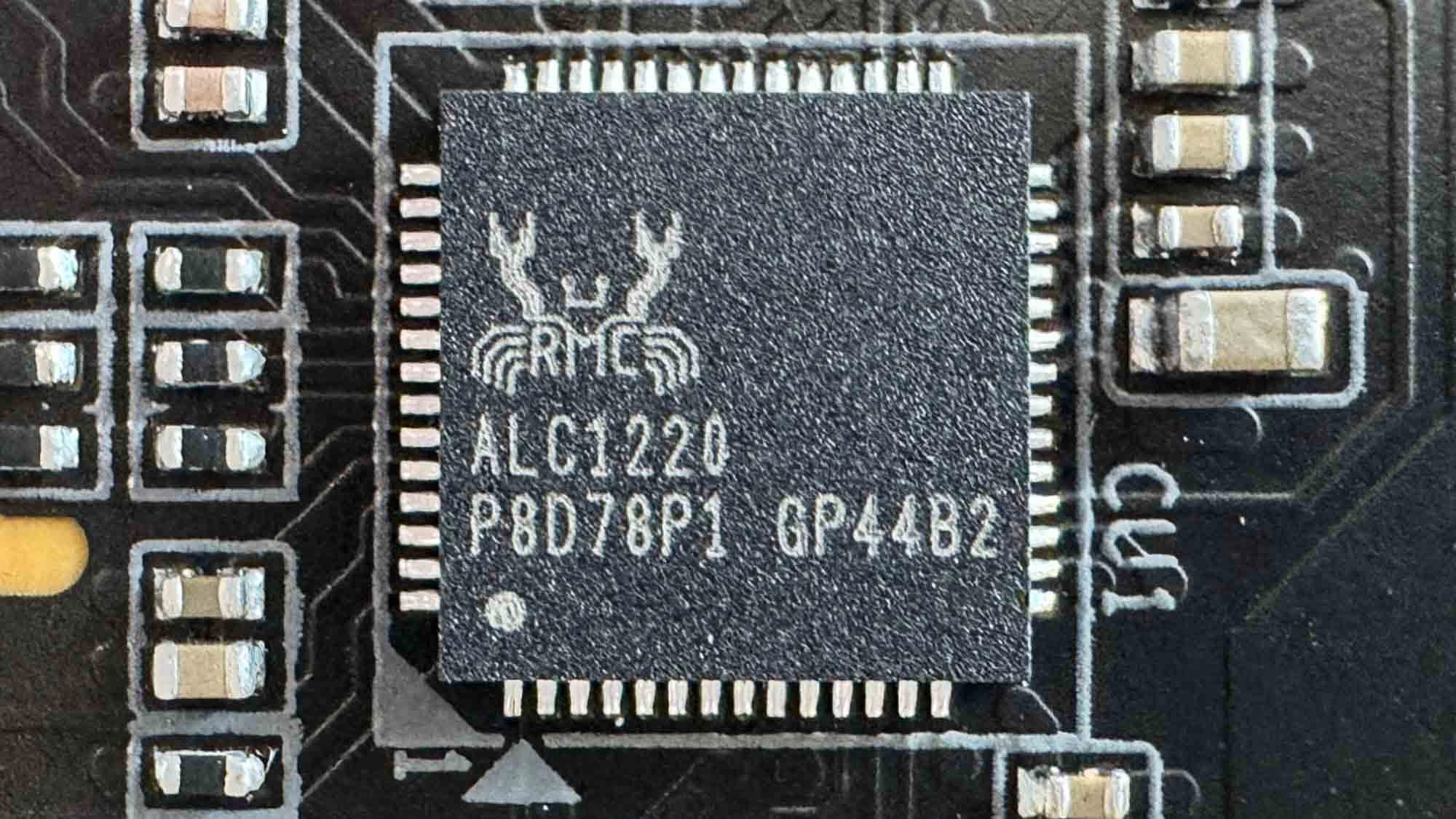
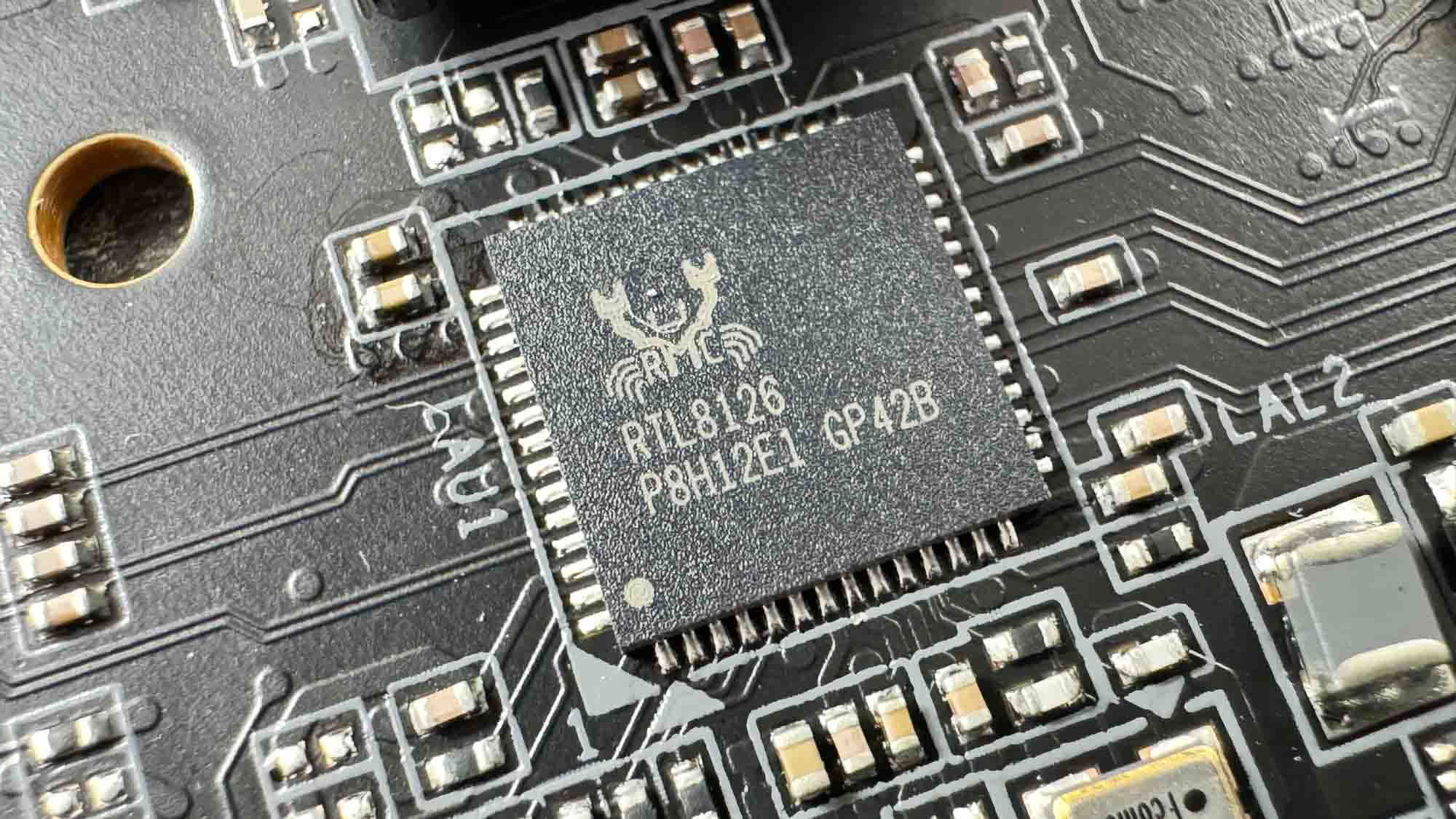
For onboard audio we have Realtek's ALC1220 codec that supports DTS:X Ultra spatial audio technology. The 5 Gbps Ethernet controller is Realtek's RTL8126.
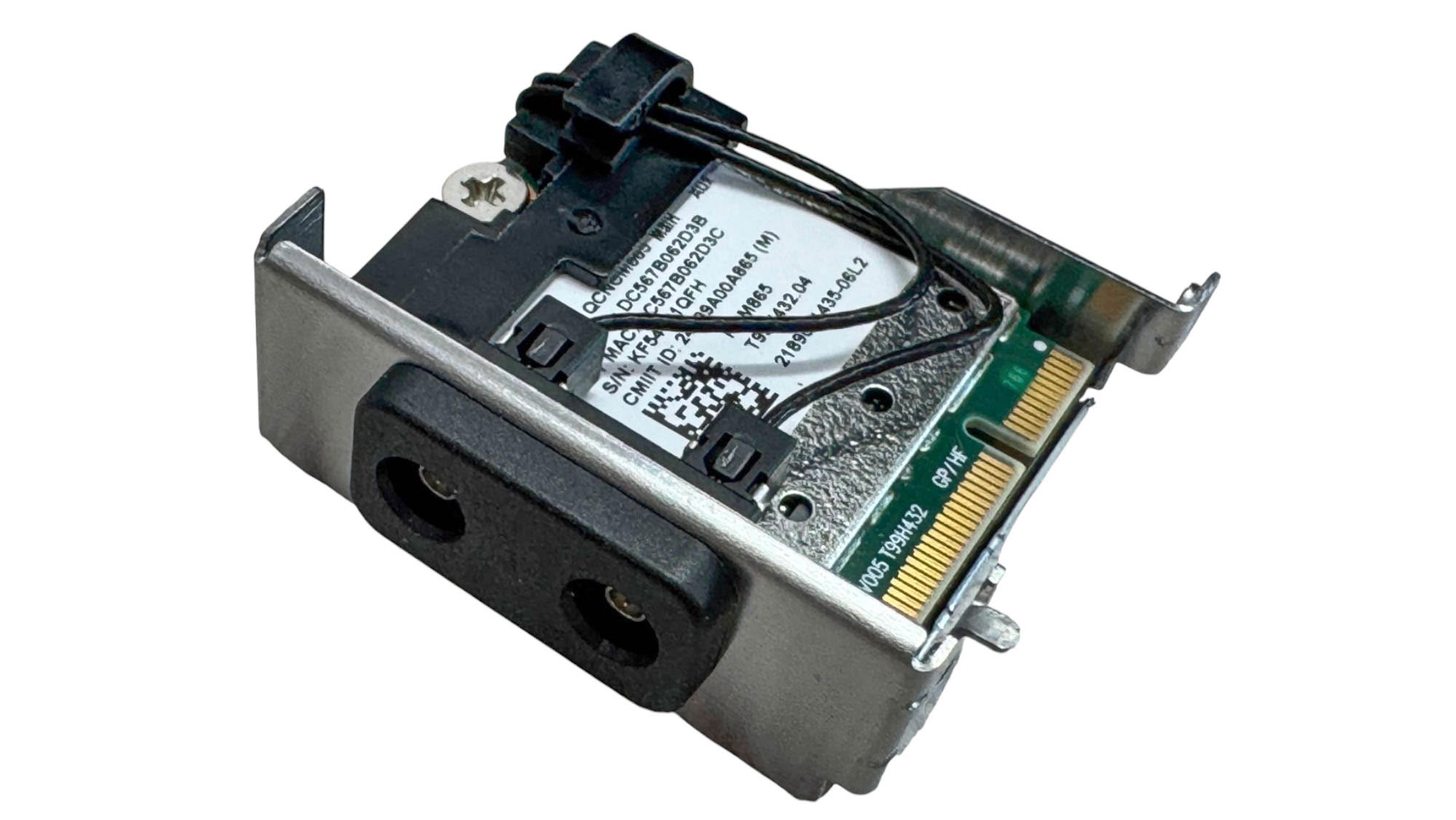
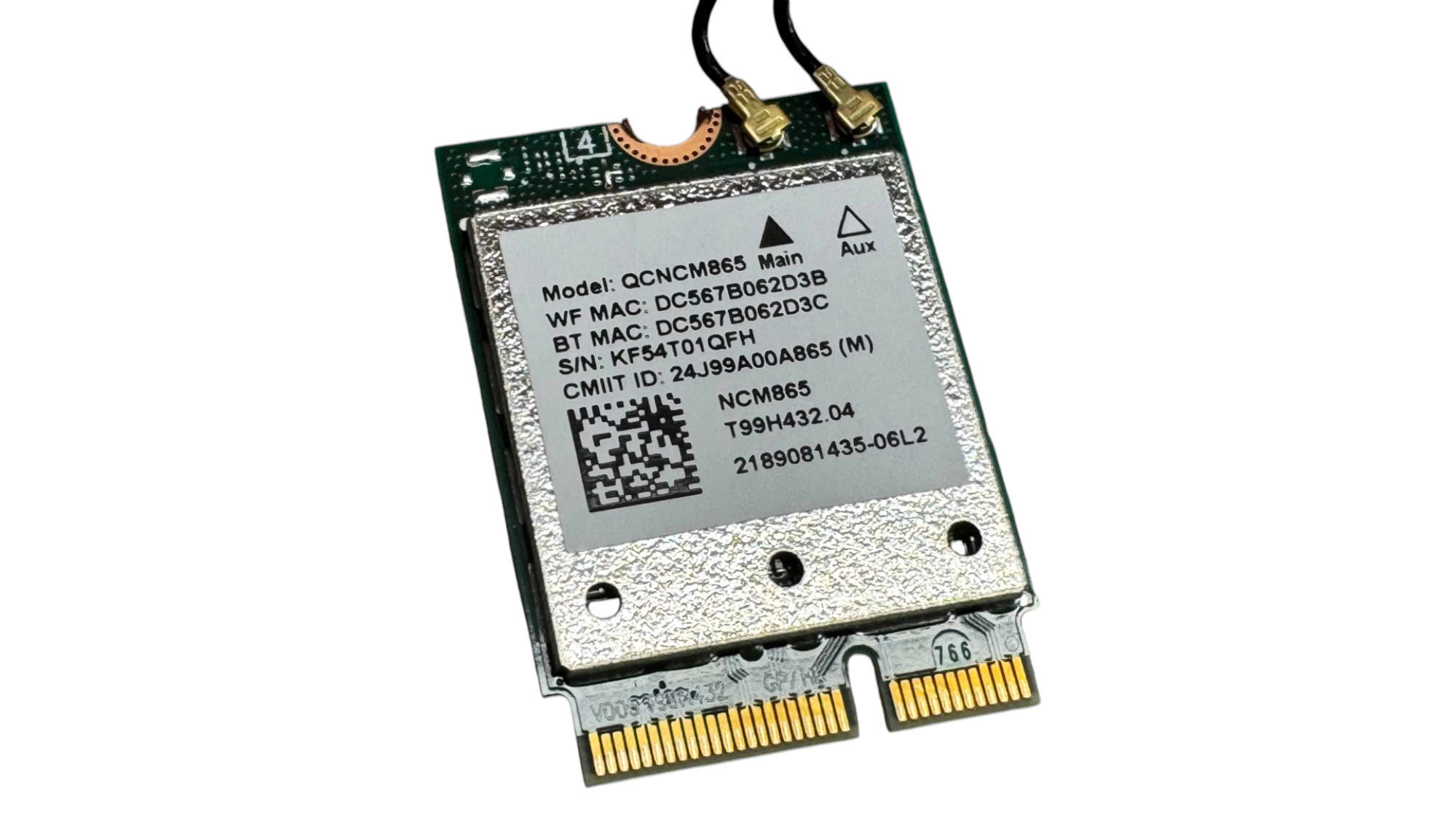
Gigabyte uses a new magnetic connector with its Wi-Fi module that allows the module to snap into place a lot like its M.2 heatsinks. Internally, normal micro connectors are used to attach to the Qualcomm QCNCM865 Wi-Fi 7 module. Due to there being a backplate on the motherboard, the module is difficult to remove as you need to detach the two PCIe UD Slot X supports, and deal with eight screws before you even start removing the single-piece VRM heatsink and I/O shield. You'll also need pliers to detach several standoffs to which the backplate mounts.
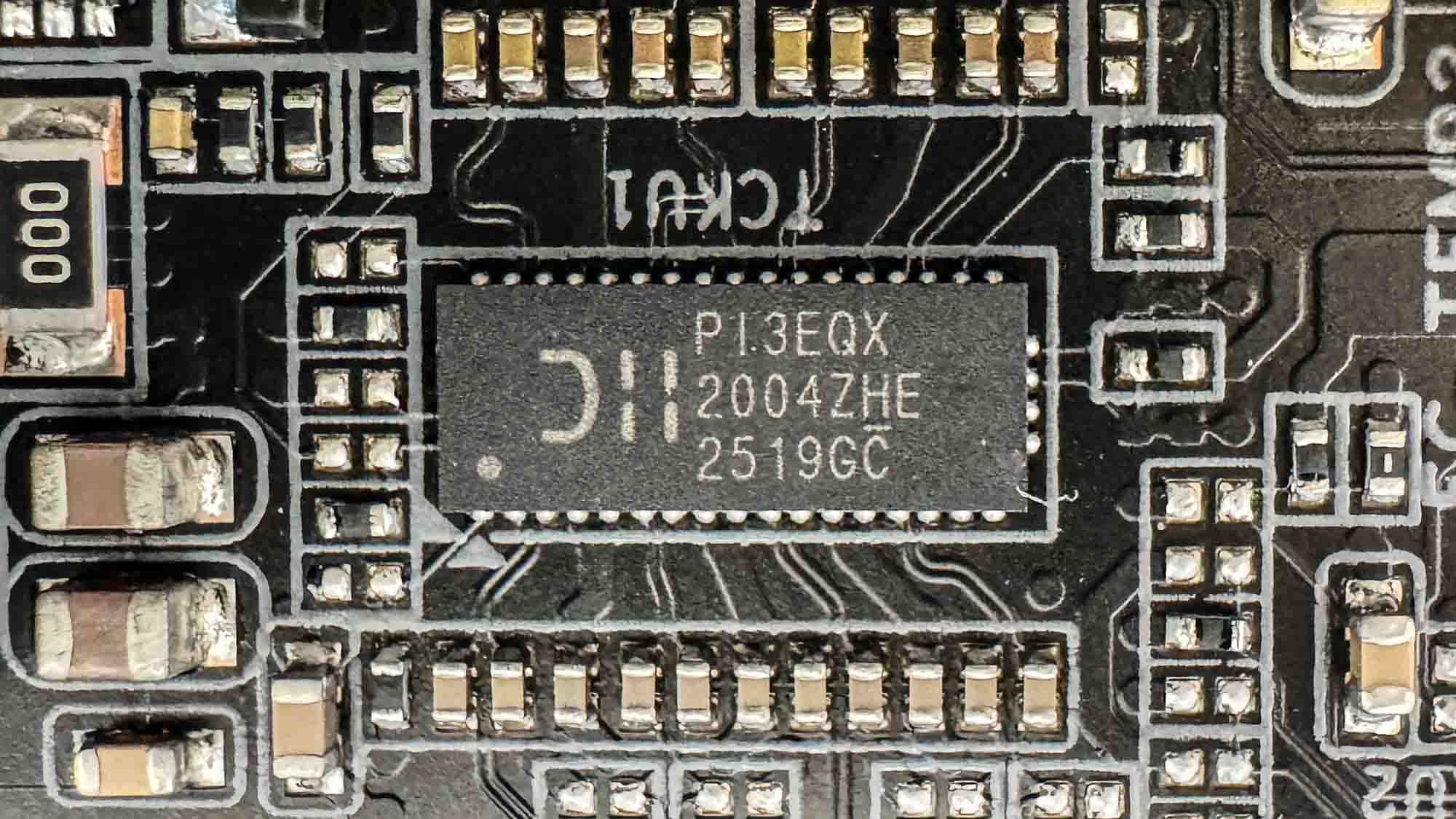
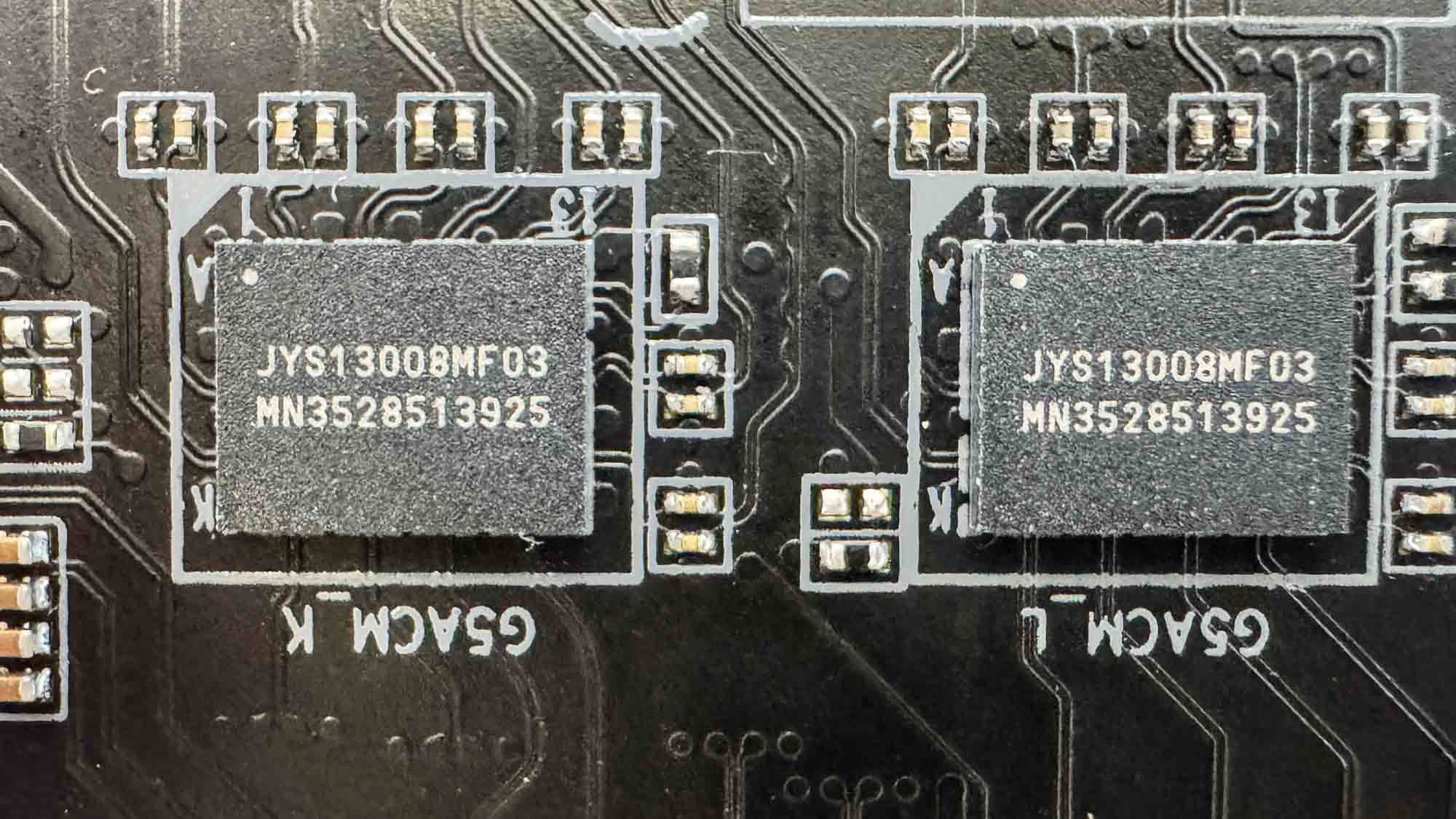
There are numerous redrivers on the PCB, including a Diodes Incorporated PI3EQX2004 that handles USB 3.2 Gen 2x2 20 Gbps signals and LeRain JYS13008MF03 PCIe Gen 5 redrivers.
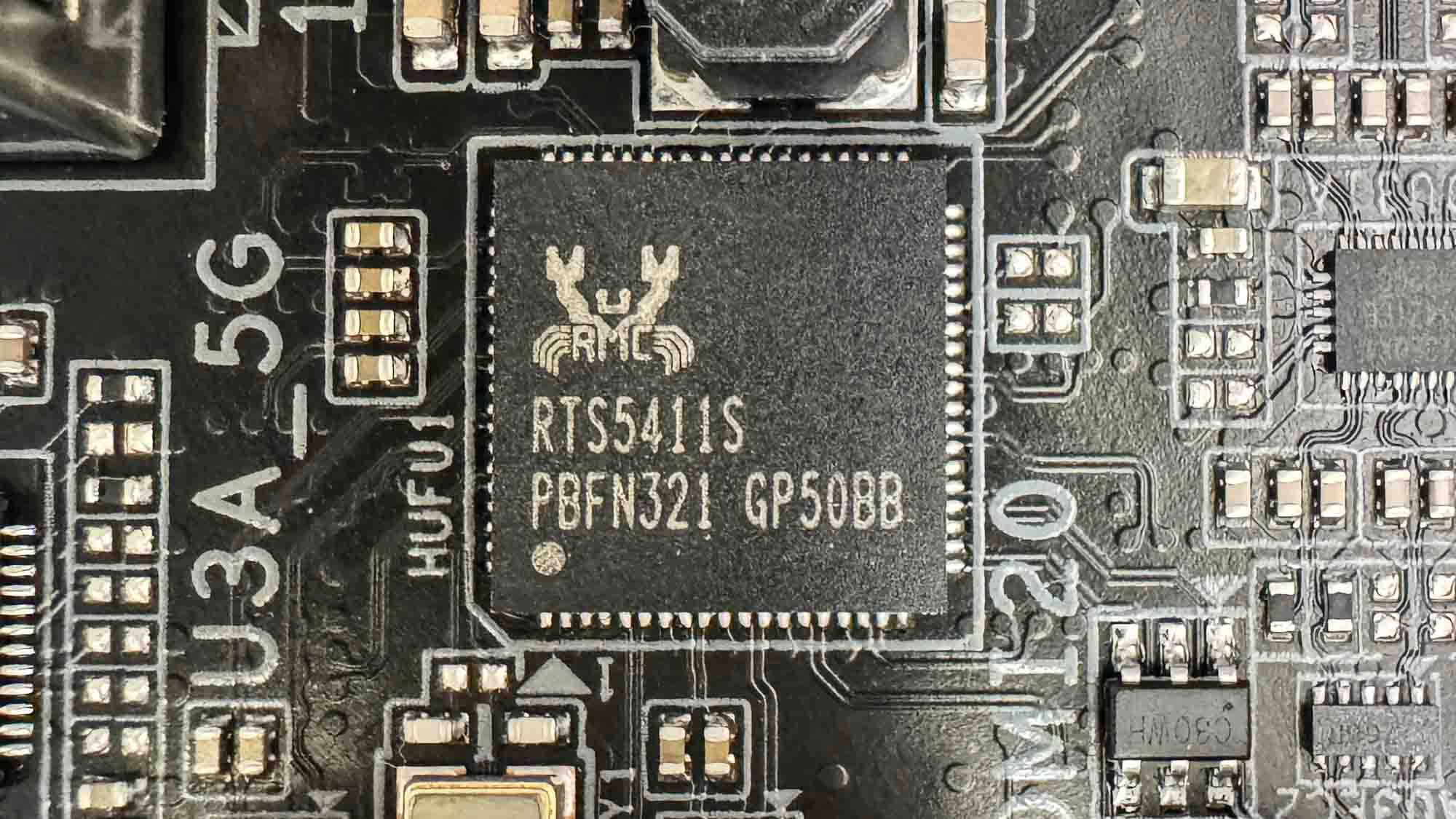
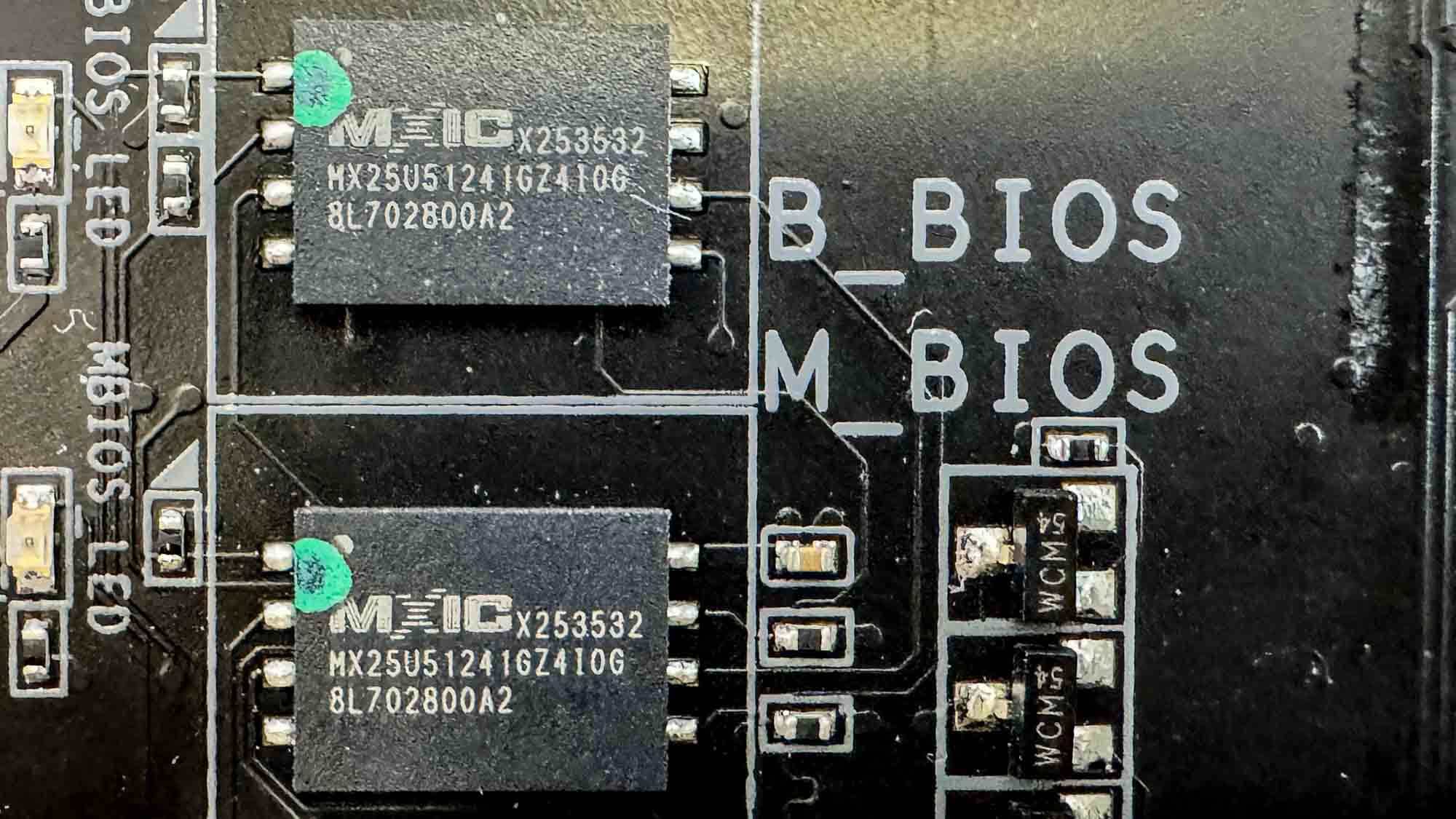
A Realtek RTS5411S USB 3.0 hub controller is also present near the rear I/O panel, and the X870 Aorus Infinity uses twin 512 Mbit (64 MB) BIOS chips for its dual BIOS feature. Each BIOS is preloaded with the Qualcomm Wi-Fi driver so whichever one is selected will enable you to connect to the Internet during Windows installation.
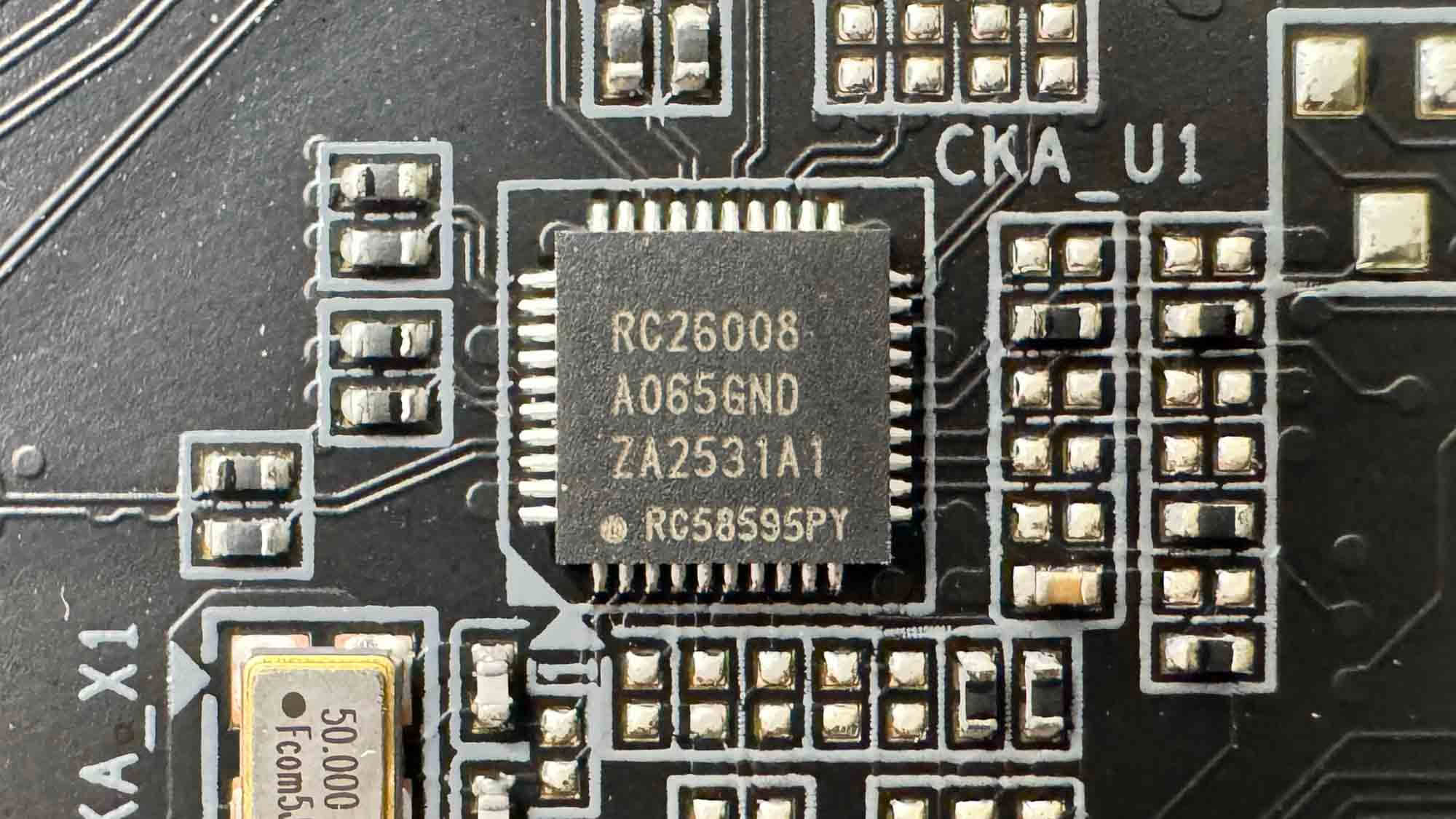
The Renesas RC26008 is an external clock generator, allowing for independent CPU base clock control. MSI uses the same chip for boards such as the MAG X870E Tomahawk Max Wi-Fi.
Nov 18th, 2026 18:29 PST
change timezone
Latest GPU Drivers
New Forum Posts
- Dual B70 or Dual R9700 Pro on Linux (6)
- Time to upgrade CPU and MOBO (37)
- 26.11.2 Adrenalin Edition is out (0)
- Honestly, do you care about GTA VI? (149)
- Without Jensen, PC gaming will be (45)
- [Poll] 12V-2x6 Connector Protection: What Are You Using? (WireView / Ampinel / Equalizer / Other / Nothing) (42)
- Got a new laptop! What should I do with it? (6)
- What are you playing? (26235)
- Can i play GTA 6 now? (Joke) (8)
- Dell Workstation Owners Club (3514)
Popular Reviews
- Acemagic Retro X3 Review
- Upcoming Hardware Launches 2027 (Updated Nov 2026)
- AMD Zen 6 Technical Deep Dive
- Ugreen NASync DXP4800 GT Review
- Pulsar Office Tour & First Look at P1 Dual-Sensor Mouse
- Biwin Black Opal NV7400 2 TB Review
- Sapphire Radeon RX 7700 XT Pure Review
- Chieftec Iceberg PRO 360 DARK Review
- Sapphire Radeon RX 7700 XT Pulse Review
- ASUS ROG Strix B850-I Gaming Wi-Fi7 W Review
TPU on YouTube
Controversial News Posts
- NVIDIA Co-Founder and CEO Jensen Huang Officially Resigns (483)
- Report: Jensen Huang Eyes NVIDIA Comeback (196)
- Open Letter Asking NVIDIA to Reinstate Jensen Huang Passes 115,000 Signatures (184)
- OpenAI CEO Argues Home PCs Waste the World's Limited DRAM Supply (152)
- NVIDIA Launches Investigation Into Jensen Huang's Relationship With Suspected Chinese Spy (136)
- Intel "Raptor Lake Next" 16-Core and 20-Core CPUs Surface (130)
- Legendary Game Studio BioWare Shuts Down Following EA Layoffs (104)
- Dell CEO Says the Memory Shortage Will Get Worse in 2027 (95)