 15
HAVN HS 360 VGPU Review
A Closer Look - Inside »A Closer Look - Outside
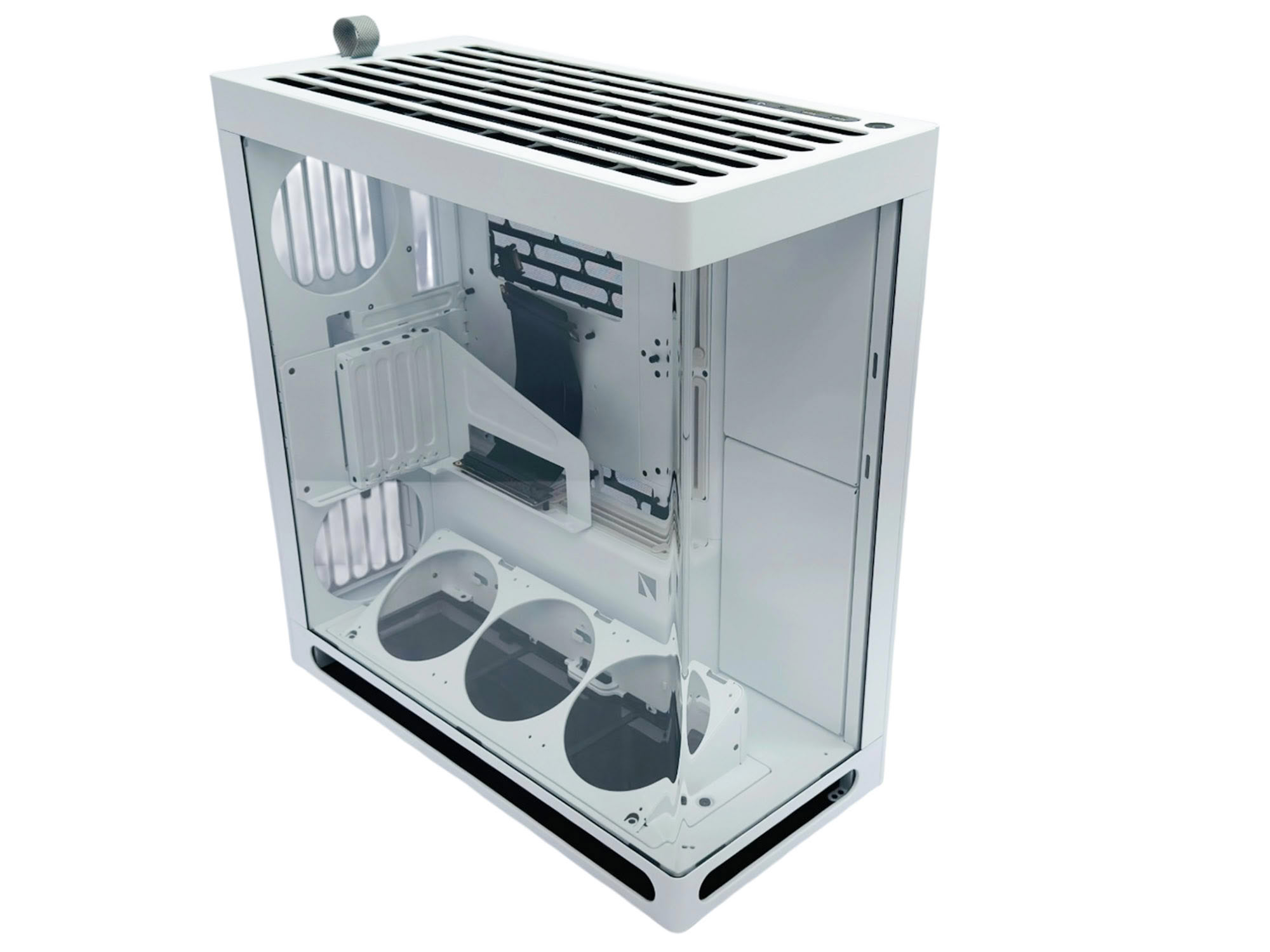
The resemblance here to the larger HS 420 VGPU is obvious, but the design differs in size, volume and refinement. It has enhanced structural strength, is nearly 20 percent smaller and nearly 30 percent lighter than its larger sibling, and supports rear connector ATX motherboards. It also has reduced visual distortion in the right-angled glass panel thanks to a tighter corner radius. The lack of tinted glass does mean the busy interior isn't quite as clean or appealing as other cases, which are either simpler or use tinted glass to tone down the view, but like the rest of the case, it's designed primarily with function in mind, with form a close second.
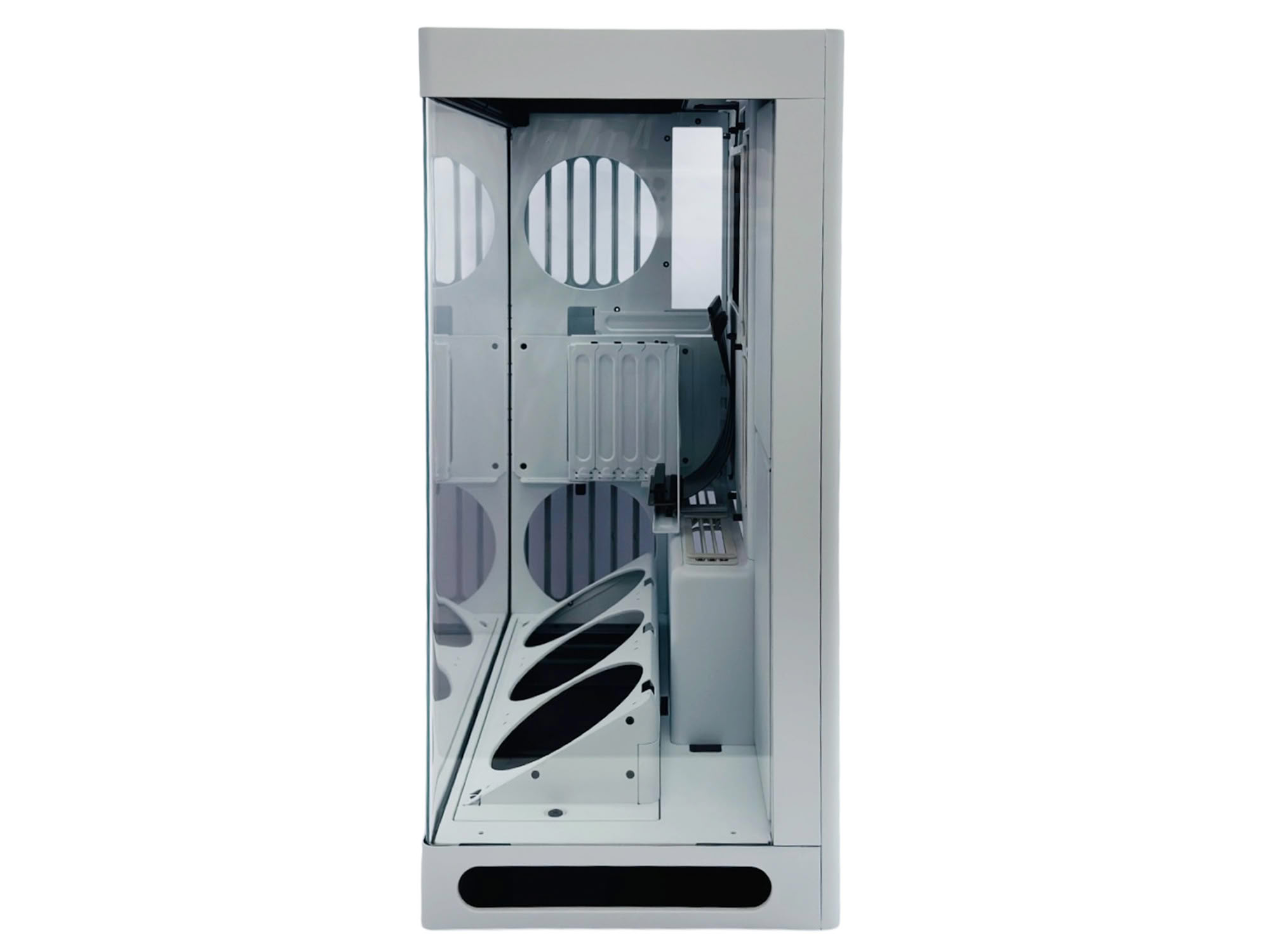
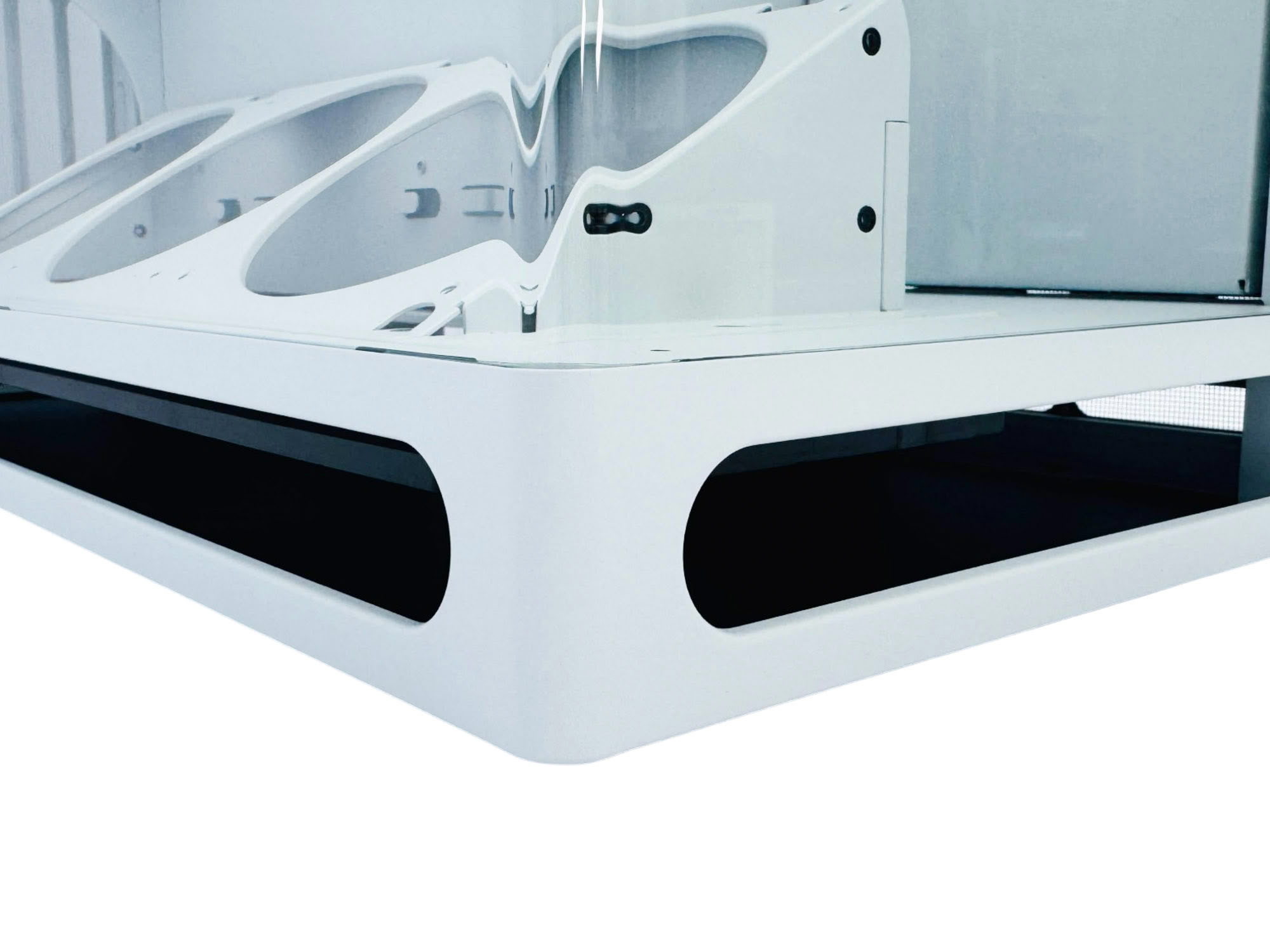
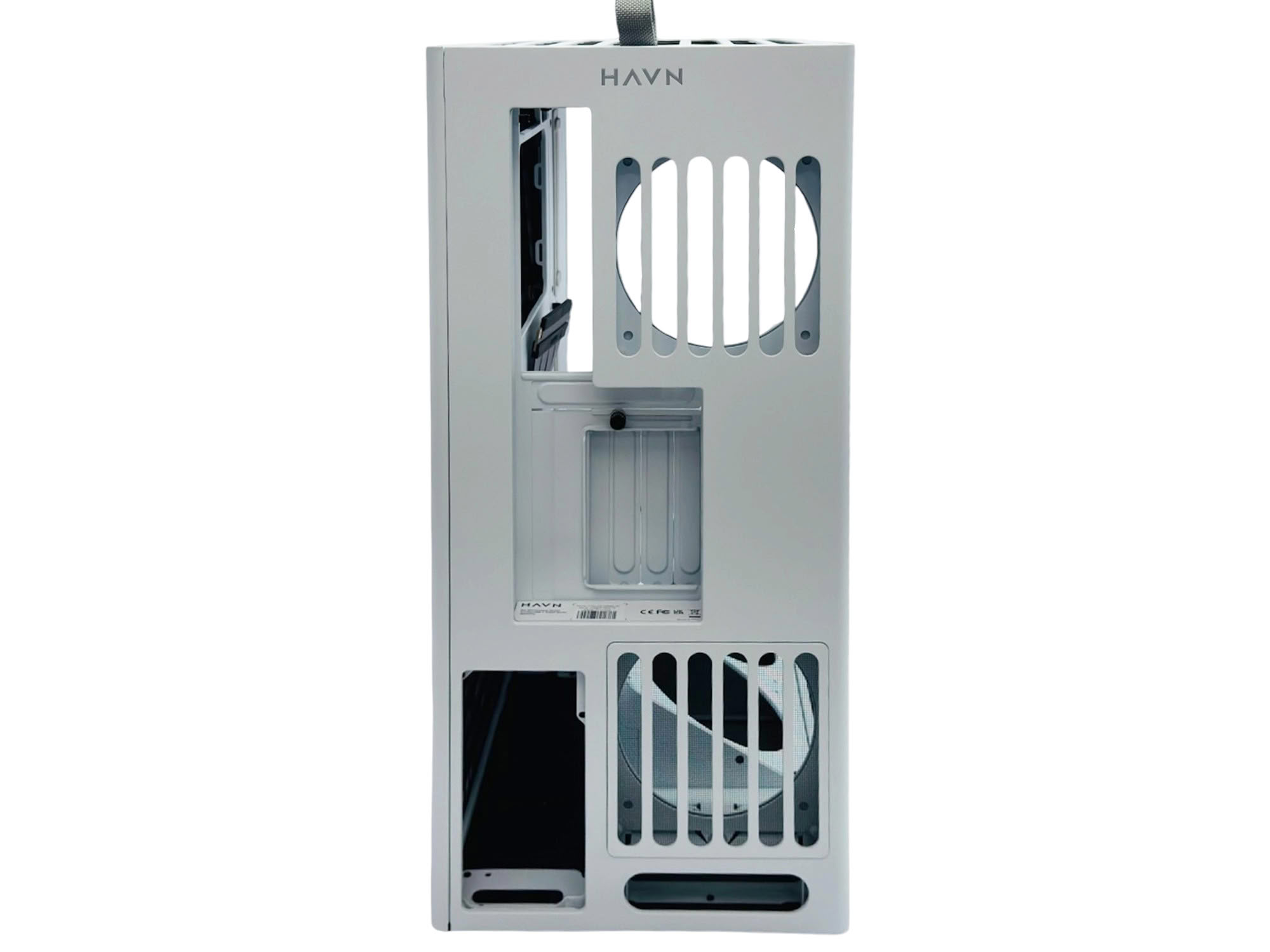
The lower vents dominate three sides of the case and certainly add to its edgy design. The glass panel is definitely crisp at the corner and sits neatly in place. The rear panel is unusual in that it has two 120 mm fan mounts while the PSU sits in a separate chamber and stands vertically. The case does not include any fans as standard, so unlike the BF 360, this is a blank canvas rather than an out-of-the-box performer.
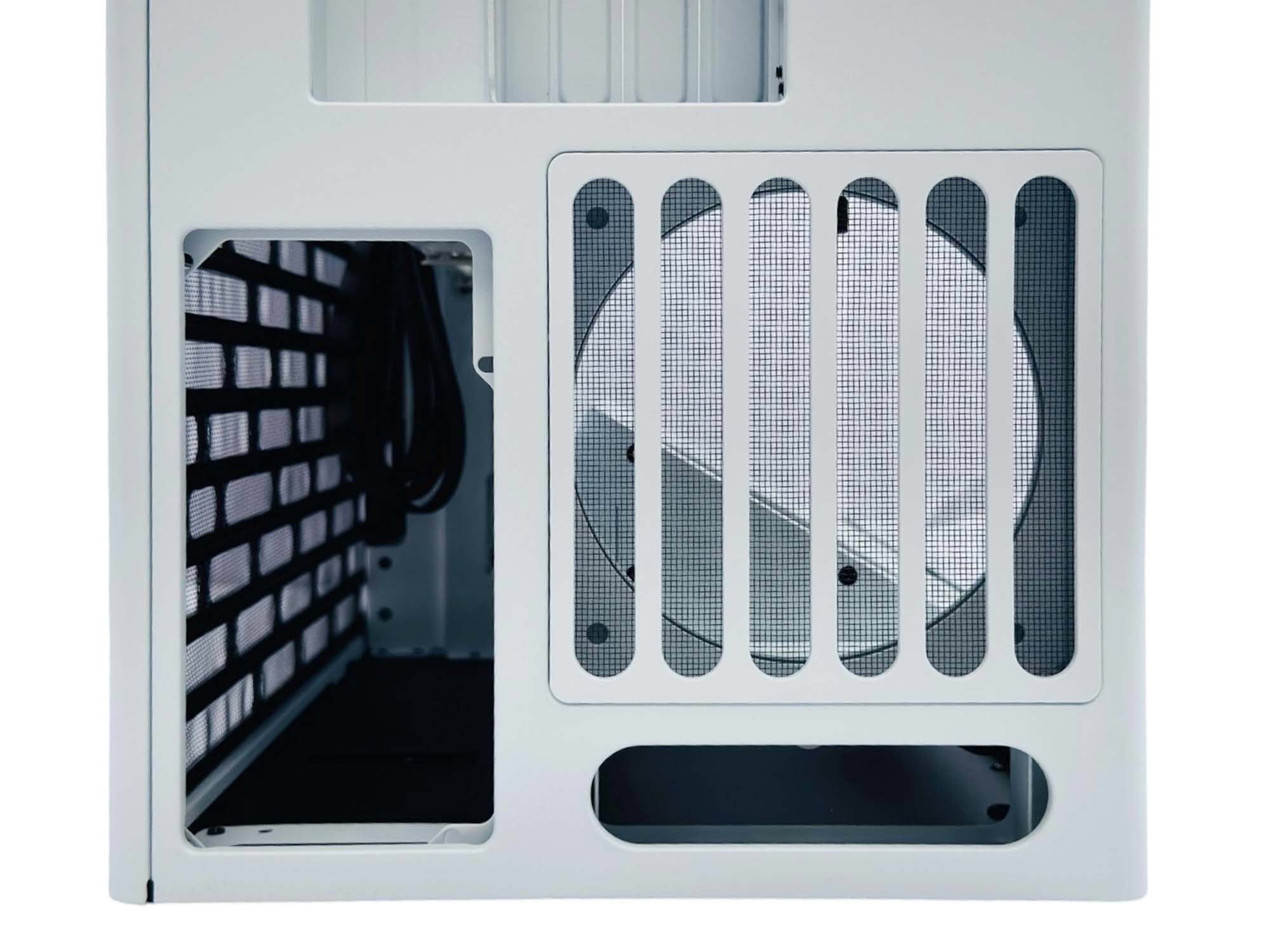
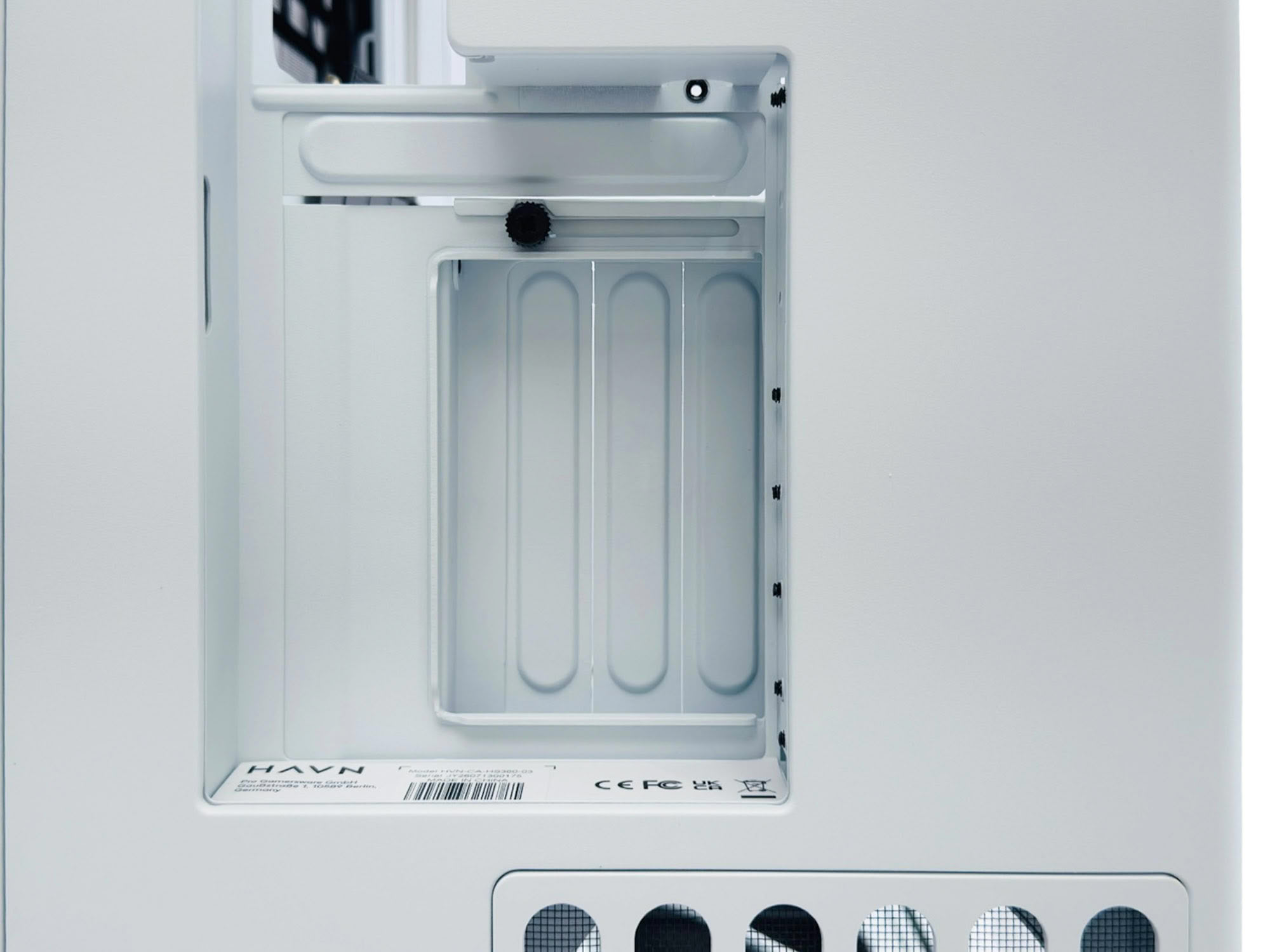
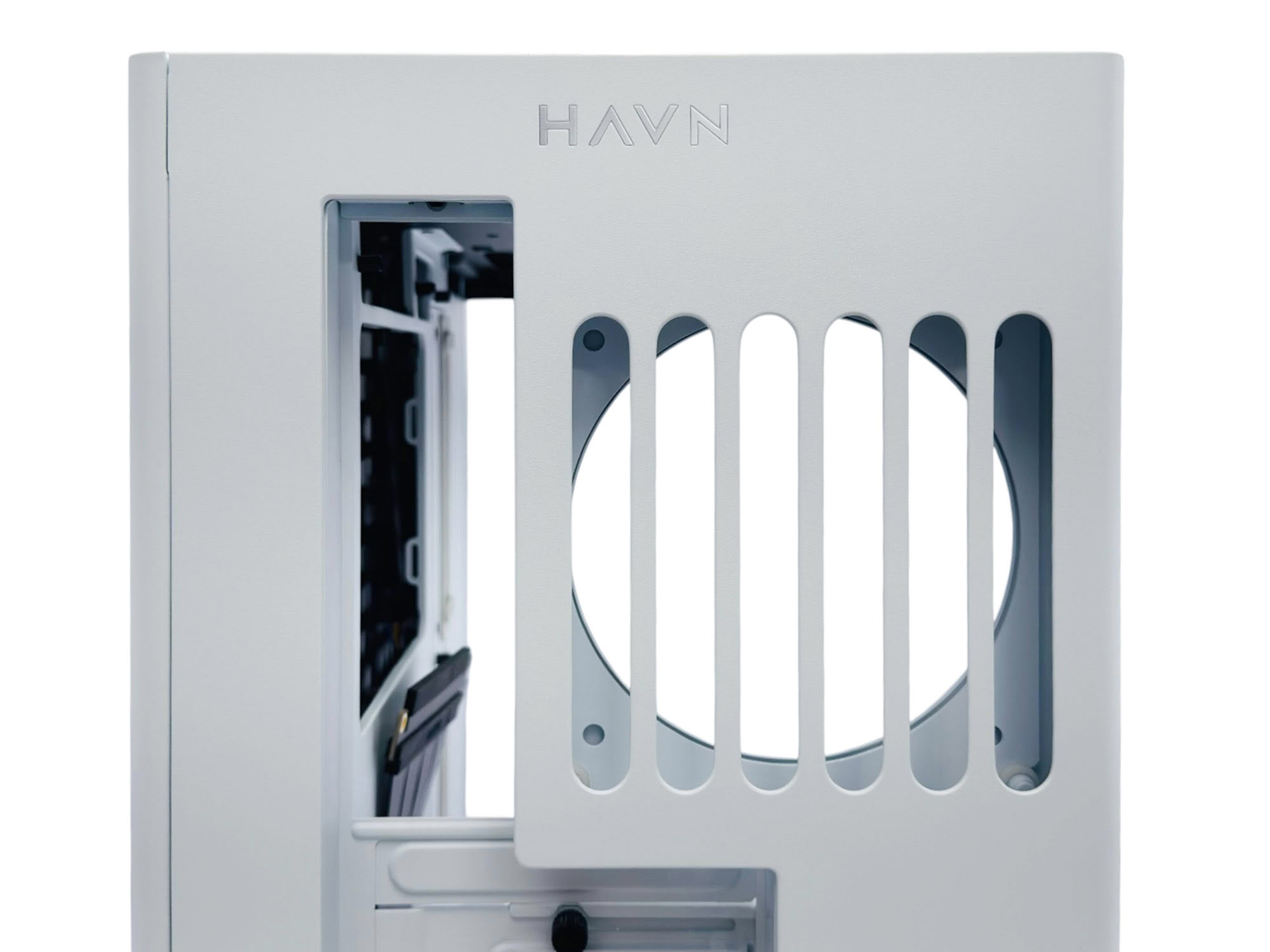
The rear panel is removable and covers various design features such as removable fan mounts and the vertical GPU mount, while also including a mesh for the lower fan vent as well as one of three large ventilation holes feeding the inner trio of 120 mm bottom fan mounts. The upper fan vent lacks the mesh, so it is primarily aimed at being an exhaust.
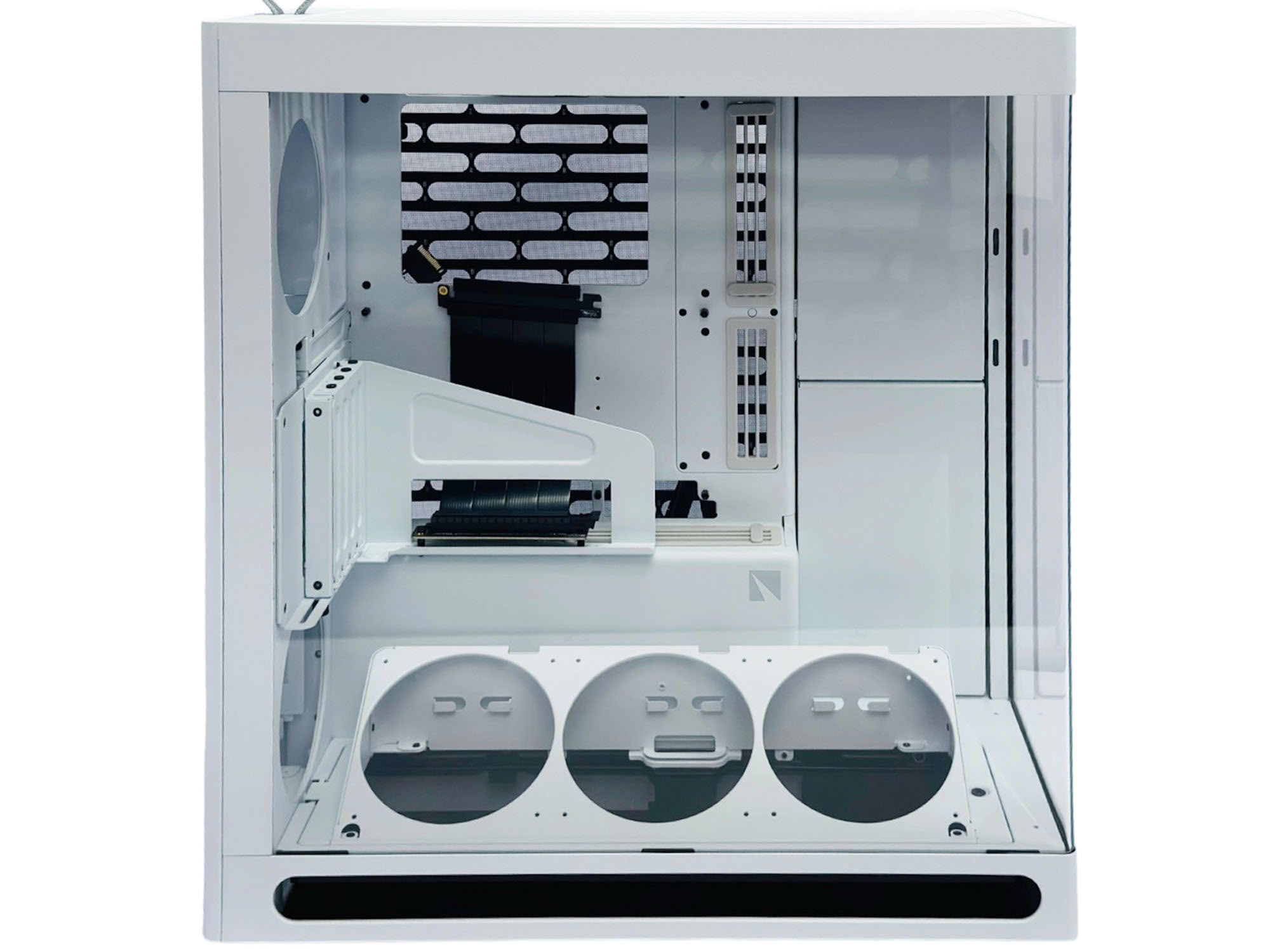
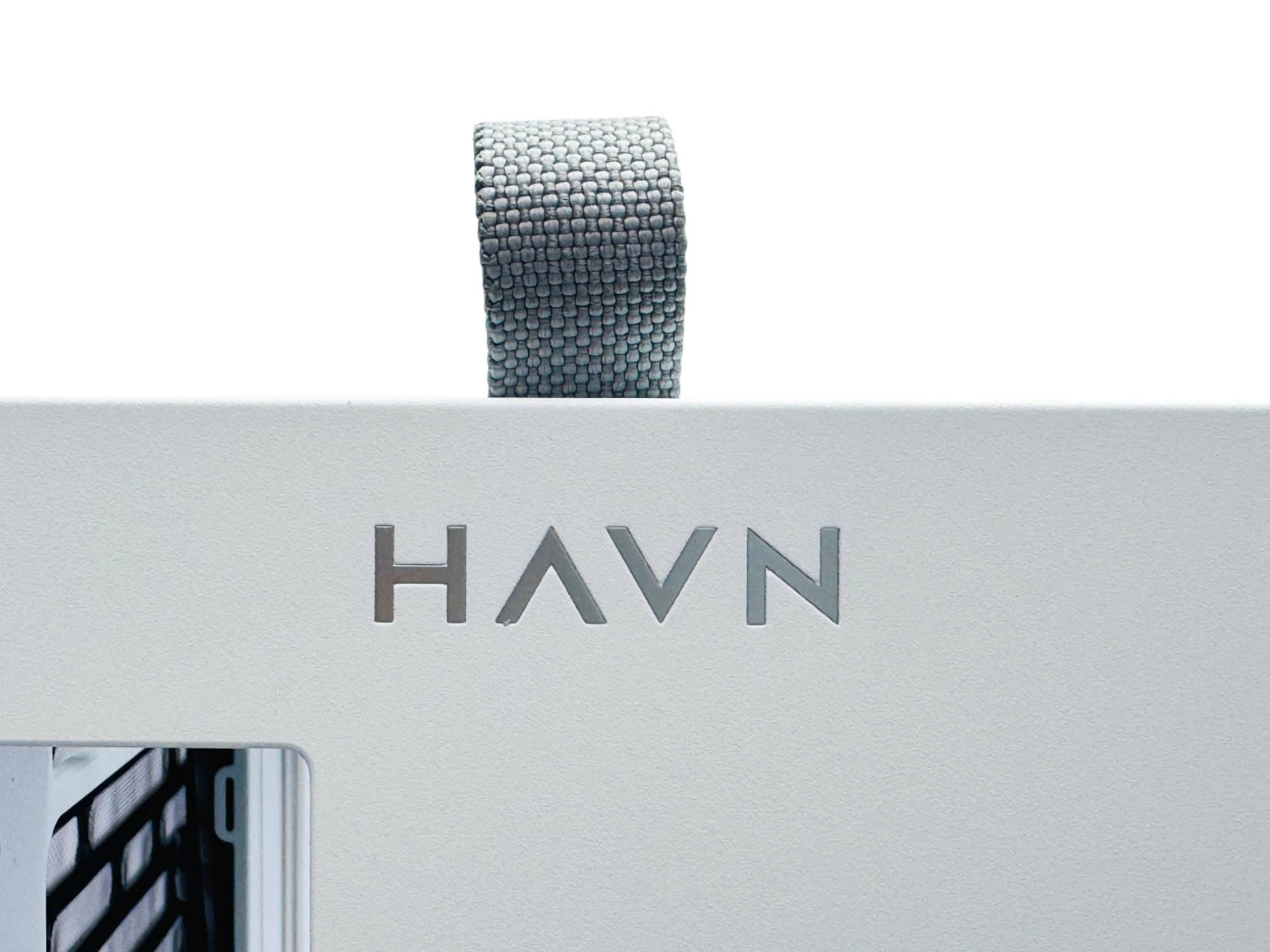
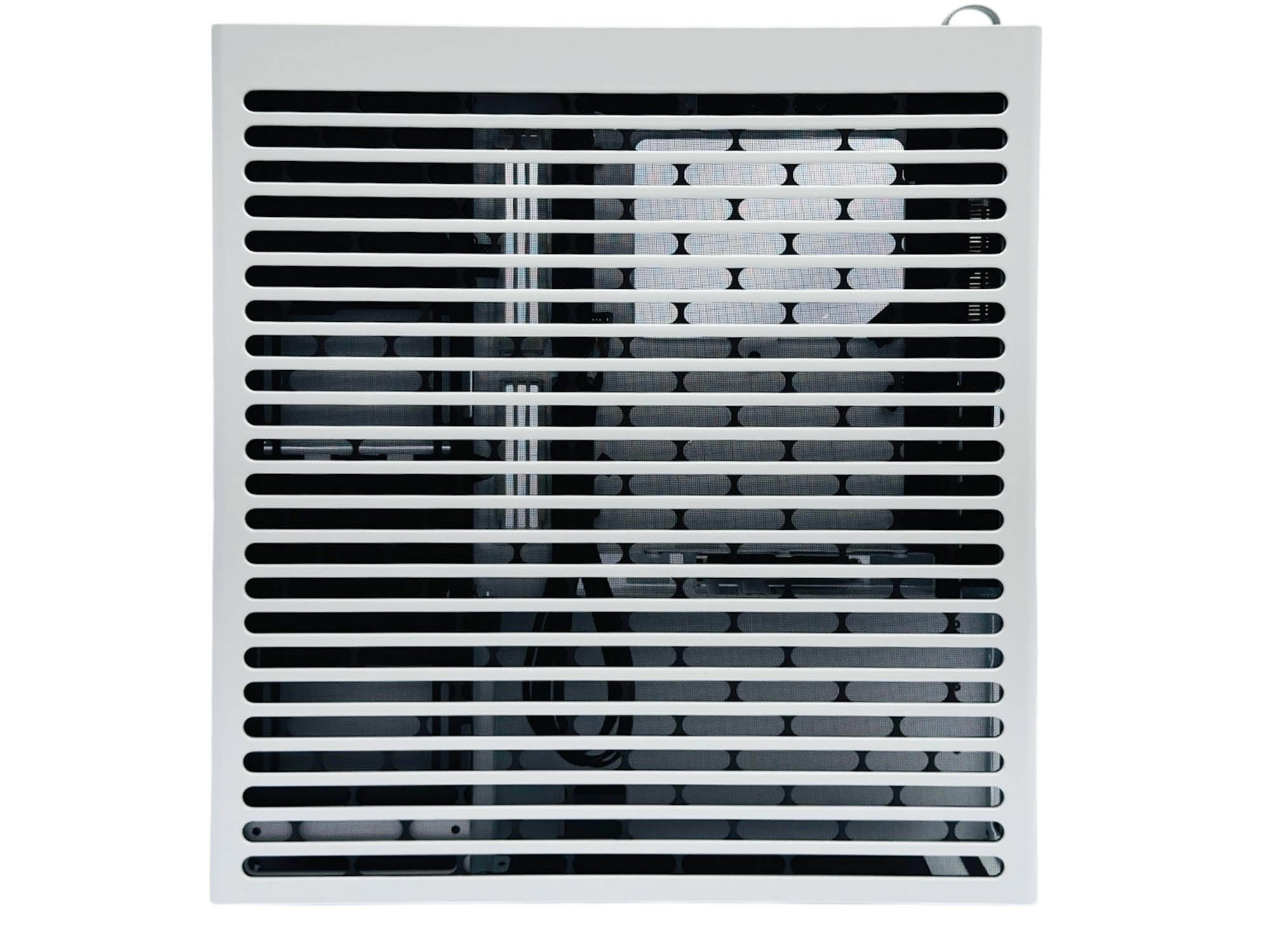
The huge wraparound glass panel gives a fantastic view of the interior, but it's clear you'll need to populate all the fan slots, so the gaping holes from missing fans won't be visible. The large vent at the bottom is purely there to feed the lower fan mounts, and its shape is in keeping with other vents in the chassis. The rear panel features an elegant HAVN logo with a material pull-tab on the top panel above. The far side panel has a mass of vents that are protected by a full-cover mesh filter. It and the rear panel secure using push-pins, while the glass section slides into rails from above.
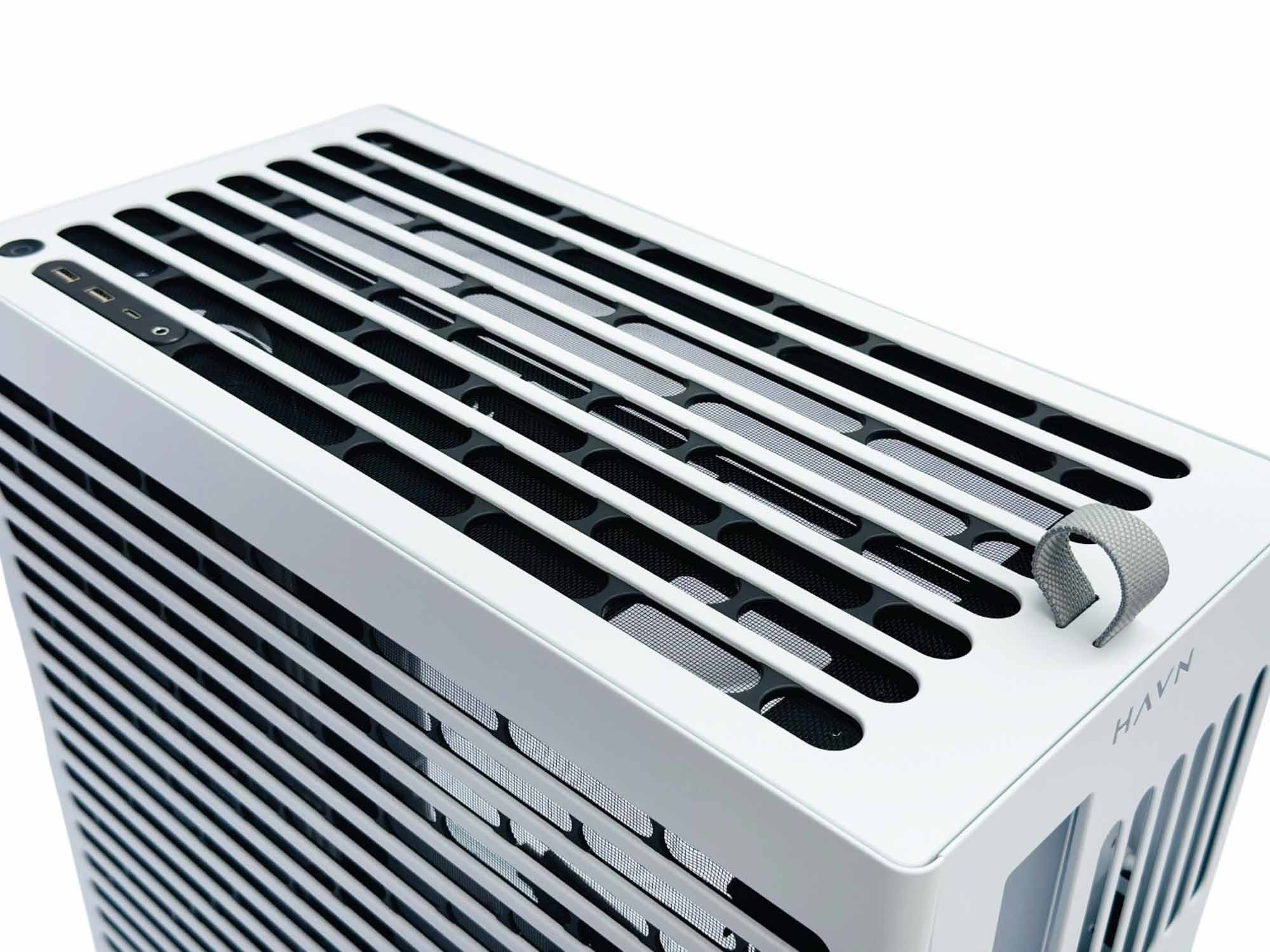
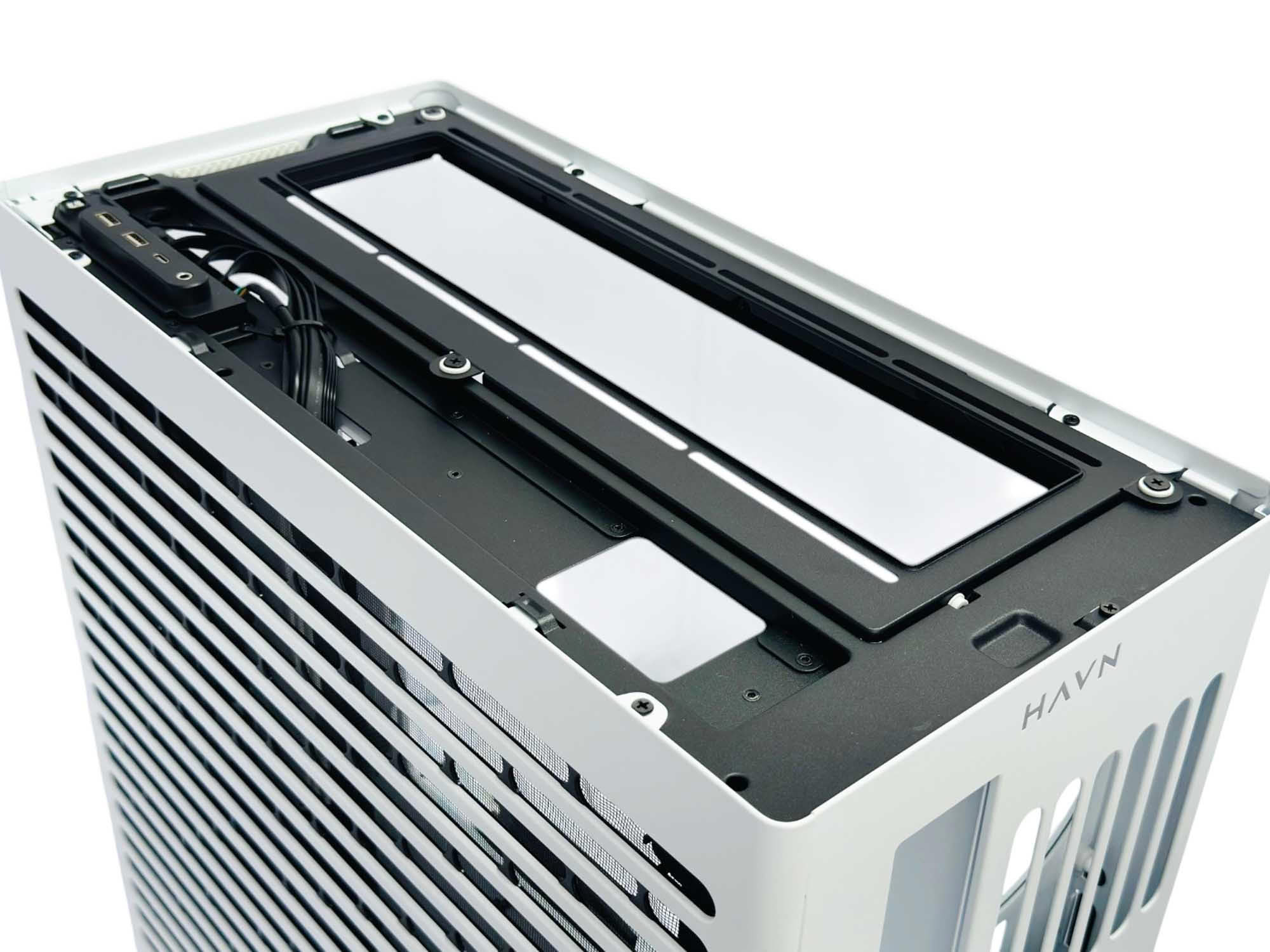
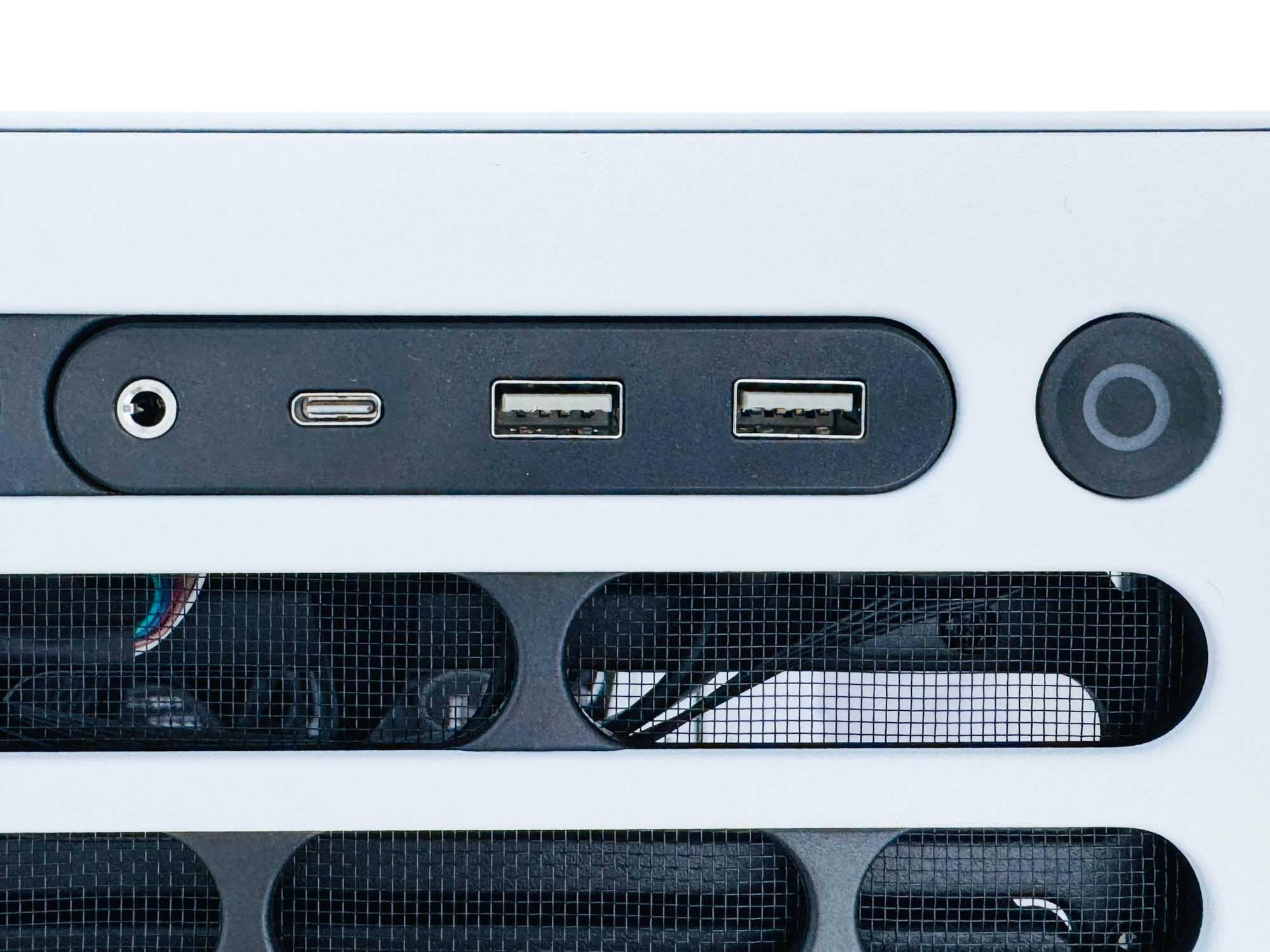
The long curved edge vents continue to the roof panel, which also features edge-to-edge mesh inside. It's exceptionally easy to remove and install with no tools needed, and it simply drops into place and is secured by magnets. Removing it reveals screws to detach the other three panels, but if your case is staying put then these are mostly optional if you'd prefer to have quicker access to the interior. The removable fan mount in the roof can house three 120 mm fans as well as a 360 mm radiator, and, like nearly every other removable component, it features large anti-vibration mounts, which are one of the HS 360 VGPU's stand-out features. The front panel is located in the roof and features your typical pair of USB 3.0 Type-A ports, a USB 3.2 Gen 2x2 20 Gbps Type-C port, an audio combo jack, and a power button.
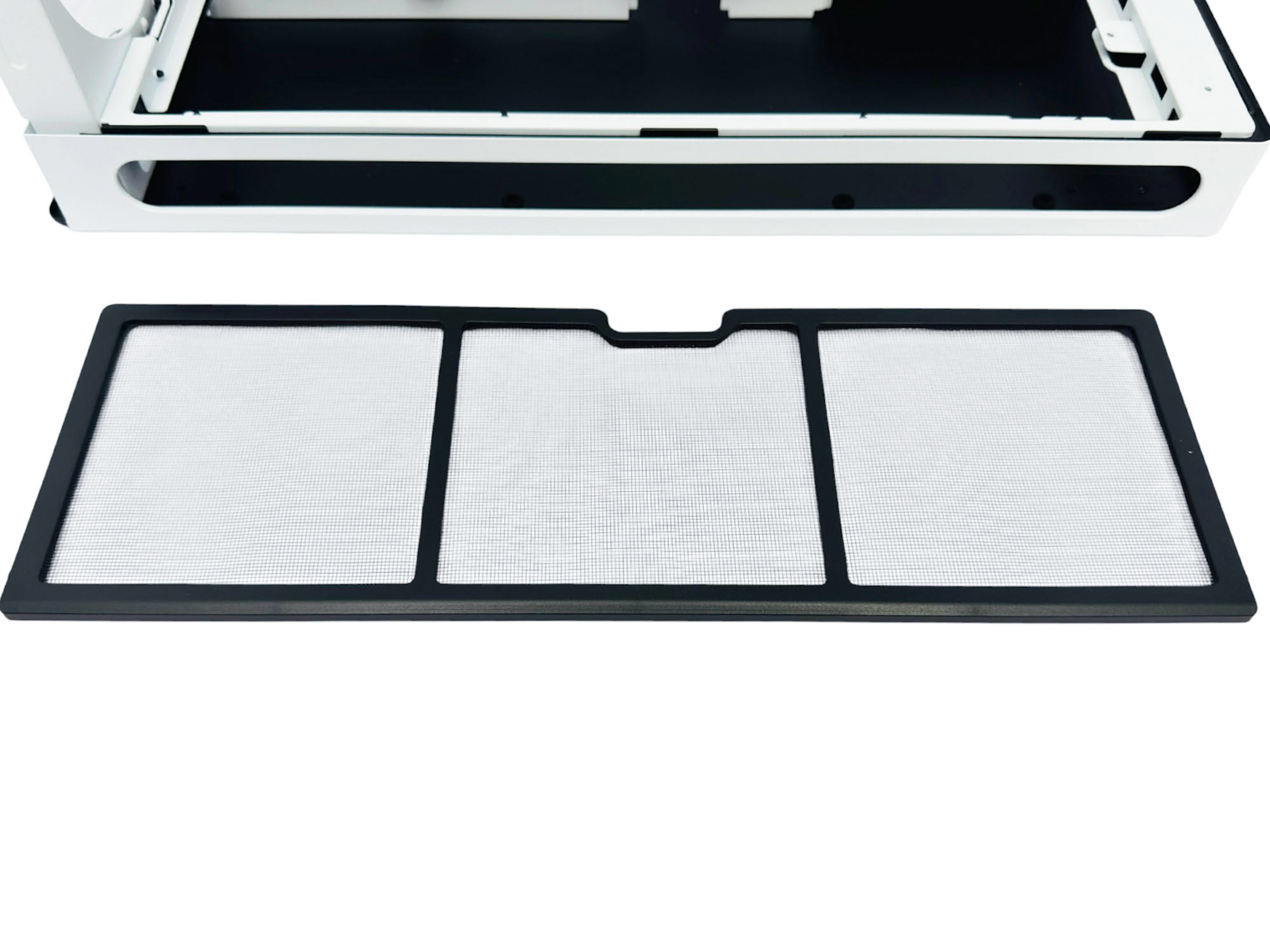
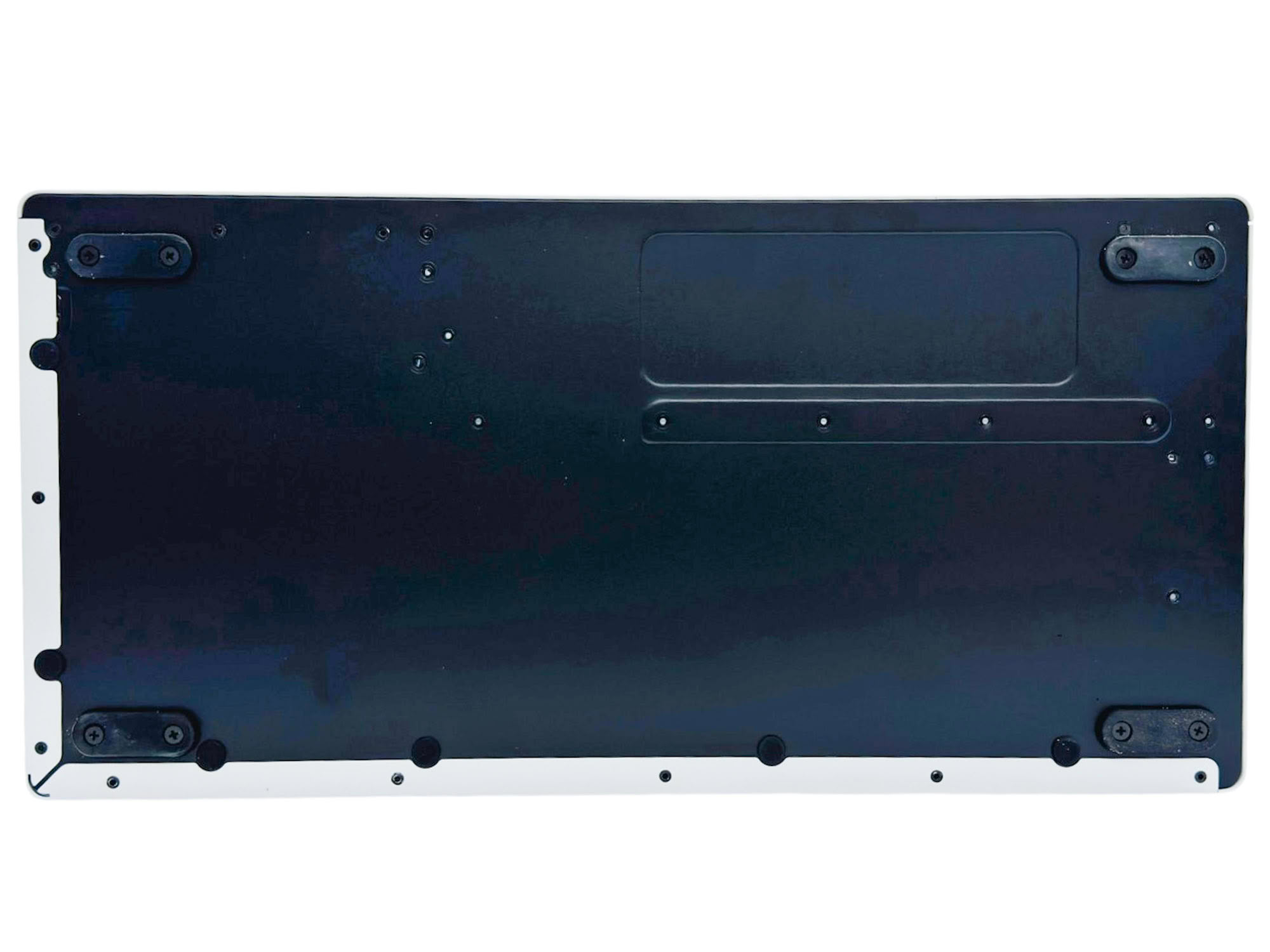
Due to the lower vent, the dust filter here needs to sit recessed directly below it, so the base of the case is largely devoid of any features other than the rubber-bottomed feet. If anything, the slide-in filter is perhaps the least intuitive feature of the case, as it doesn't slot in the way you would think, and can only be inserted in one orientation. It would have made more sense for it to be more flexible and be inserted any which way, given it's otherwise not particularly elaborate or complex.
Nov 18th, 2026 14:14 CST
change timezone
Latest GPU Drivers
New Forum Posts
- WarpCoreBench scores! (67)
- Honestly, do you care about GTA VI? (144)
- Acer Predator BiFrost Radeon RX 9070 OC (9)
- DTS DCH Driver for Realtek HDA [DTS:X APO4 + DTS Interactive] (2814)
- Very unusual two gaming-pc scenarios. (9)
- Free Games Thread (5382)
- RX 580 2048SP 8GB Samsung – Black Screens in Games, Looking for a Compatible BIOS (3)
- All Final Fantasy Discussion Thread (123)
- [Poll] 12V-2x6 Connector Protection: What Are You Using? (WireView / Ampinel / Equalizer / Other / Nothing) (38)
- Wireless Internet sharing between PC and router both-ways, is it possible? (18)
Popular Reviews
- Acemagic Retro X3 Review
- Upcoming Hardware Launches 2027 (Updated Nov 2026)
- AMD Zen 6 Technical Deep Dive
- ASUS ROG Strix B850-I Gaming Wi-Fi7 W Review
- Corsair HX1000i Shift Crystal Review
- Biwin Black Opal NV7400 2 TB Review
- Chieftec Iceberg PRO 360 DARK Review
- AMD Ryzen 7 9800X3D Review - The Best Gaming Processor
- Phantom Blade Zero Performance Benchmark Review - 35 GPUs Tested
- Pulsar Office Tour & First Look at P1 Dual-Sensor Mouse
TPU on YouTube
Controversial News Posts
- NVIDIA Co-Founder and CEO Jensen Huang Officially Resigns (477)
- Report: Jensen Huang Eyes NVIDIA Comeback (186)
- Open Letter Asking NVIDIA to Reinstate Jensen Huang Passes 115,000 Signatures (184)
- OpenAI CEO Argues Home PCs Waste the World's Limited DRAM Supply (152)
- NVIDIA Launches Investigation Into Jensen Huang's Relationship With Suspected Chinese Spy (136)
- Intel "Raptor Lake Next" 16-Core and 20-Core CPUs Surface (130)
- Legendary Game Studio BioWare Shuts Down Following EA Layoffs (104)
- Dell CEO Says the Memory Shortage Will Get Worse in 2027 (95)