 2
Kinera YH802 Limited Edition Hybrid ANC TWS Earphones Review
User Experience & Audio Performance »Closer Examination
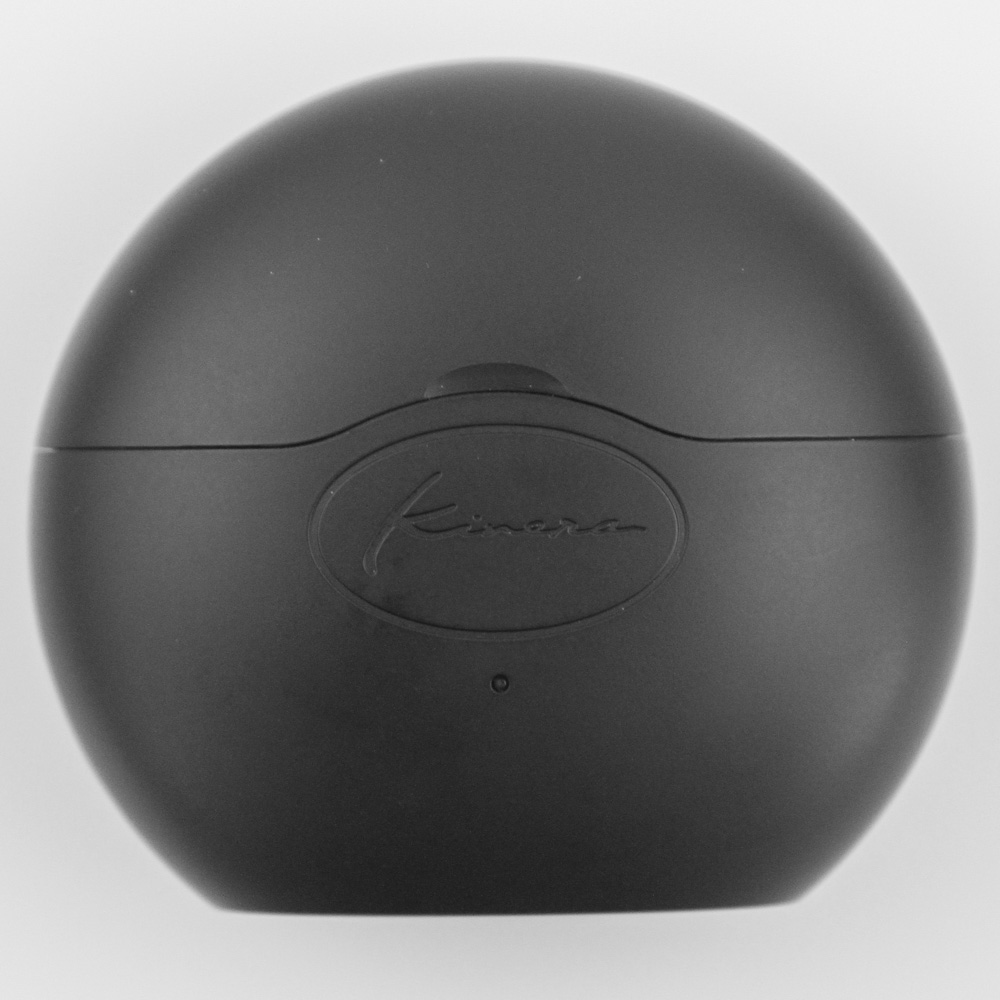


In the absence of any cables for actual operation, the storage/carry case included with TWS earphones is important since it is also responsible for charging the earphones themselves. Kinera has gone with a fairly tall case design to accommodate the Apple Airpod-style TWS sets that slot in vertically, which is made up for by having the case primarily composed of plastic for ~40 g if empty. It is also shaped like a cut-off puck with rounded surfaces everywhere but on the bottom for it to stand upright, making it easy to grasp and carry without taking up too much room in your pocket. The matte black finish also works well in hiding any defects or scratches, and the etched-in Kinera logo makes for some subtle branding up front. An in-line hinge greets us on the back, and no metal is seen here either, so don't go testing your strength on it. The back is where we see the expected Type-C port for charging the case itself.


A single red indicator light on the front of the case visually shows the charging states of the case. Unfortunately, it is very simple in that it just turns on red when the case is charging and turns off when the case is fully charged, so there is no prior warning for a low battery level. The case has a 500 mAh battery inside, which is fairly average for TWS earphones even today, but Kinera could have easily fit a larger one into the footprint occupied by the case. Opening the case, we do see compartments to hold the YH802 TWS set vertically, with two stickers there informing you to only remove them once you know you are not returning the product. The earphones fit in quite snugly with magnets used to hold and charge them at the bottom, and the exact same indicator LED configuration with a static red light when charging only. The LED turns blue for Bluetooth connectivity and flashes red and blue when in pairing mode.
Each of the earphones has a 55 mAh battery inside, so the case can theoretically provide 4+ charging cycles. Surprisingly, Kinera only rates battery life at 8 hours per cycle with total listening time 24 hours including the case, so the case is rated to only provide two charging cycles. I am thus happy to inform you that Kinera is erring on the side of caution, or perhaps it is referring to 24 hours with there being no charge on the earphones to begin with since I easily got 3–4 charging cycles from a fully charged case depending on the battery level of the earphones. This means total battery life with fully charged earphones and case easily exceeds 30 hours and addresses the potential battery life concerns I had going in. Charging times are fairly standard with no quick charging on offer and USB charging limited to 500 mA over 5 VDC, so the 500 mAh case battery theoretically takes two hours to fully charge. As expected, the earphones charge much slower, taking ~1.5 hours in total. If charging the case and earphones together, expect closer to 2.5–3 hours charging time.
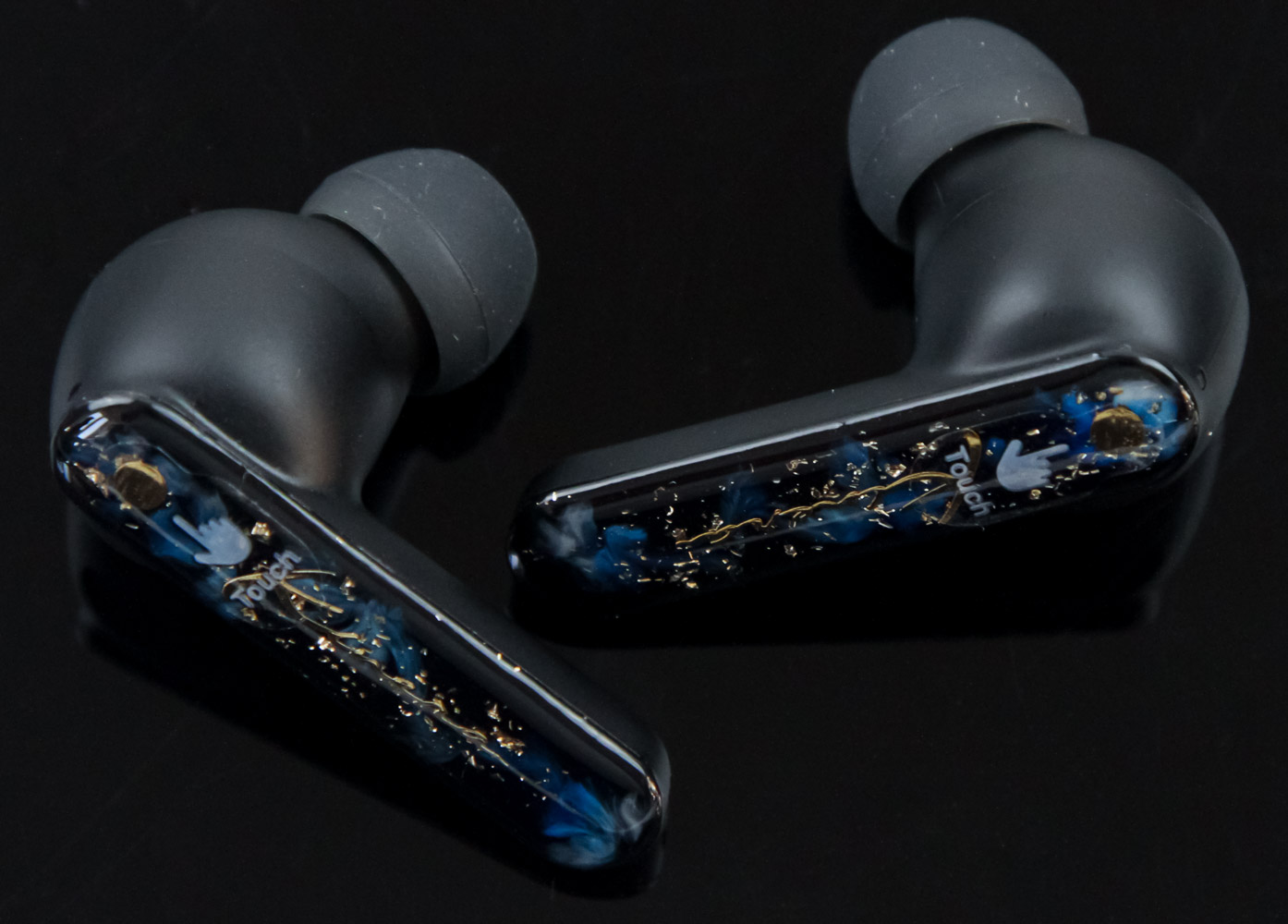
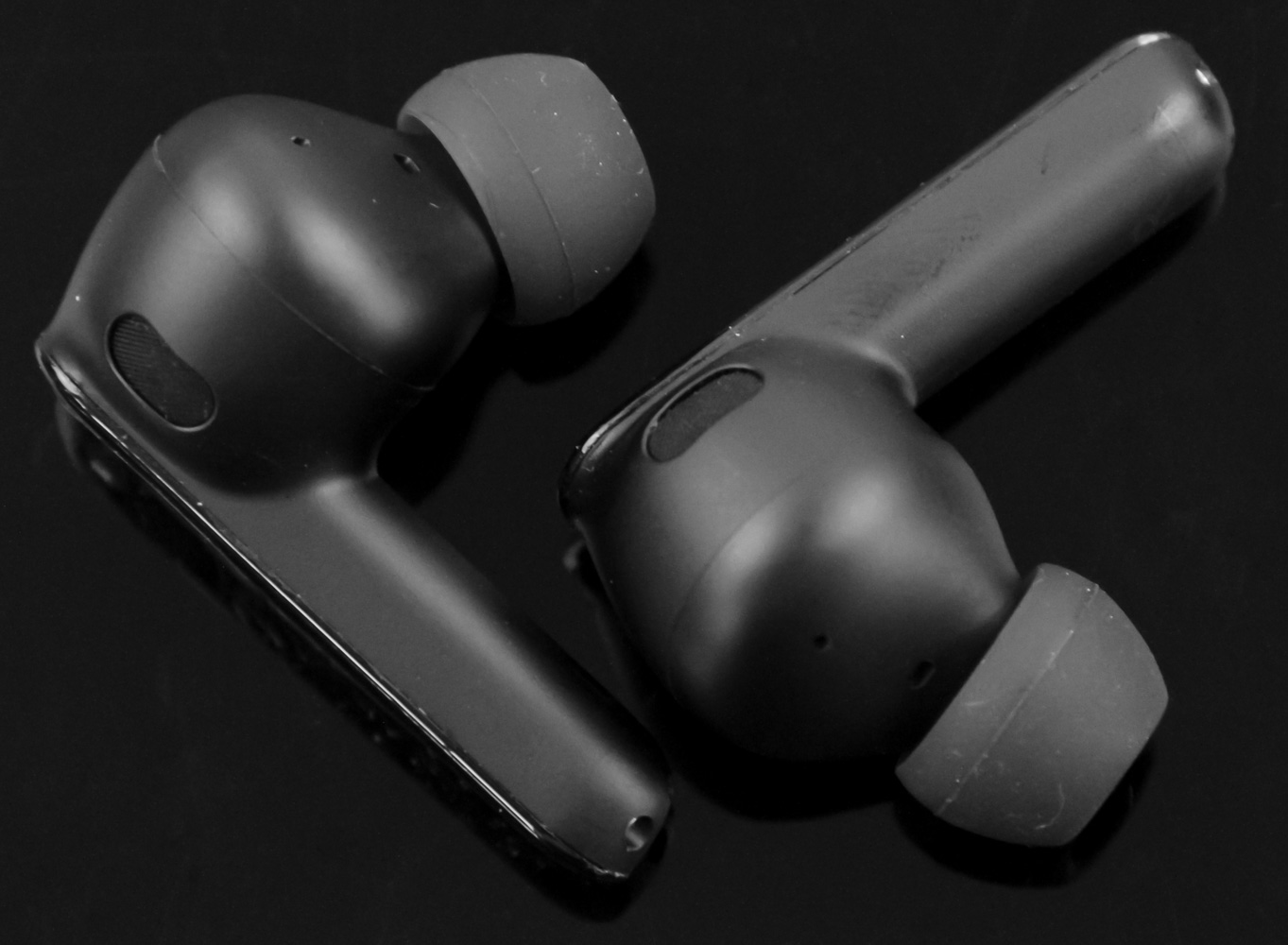
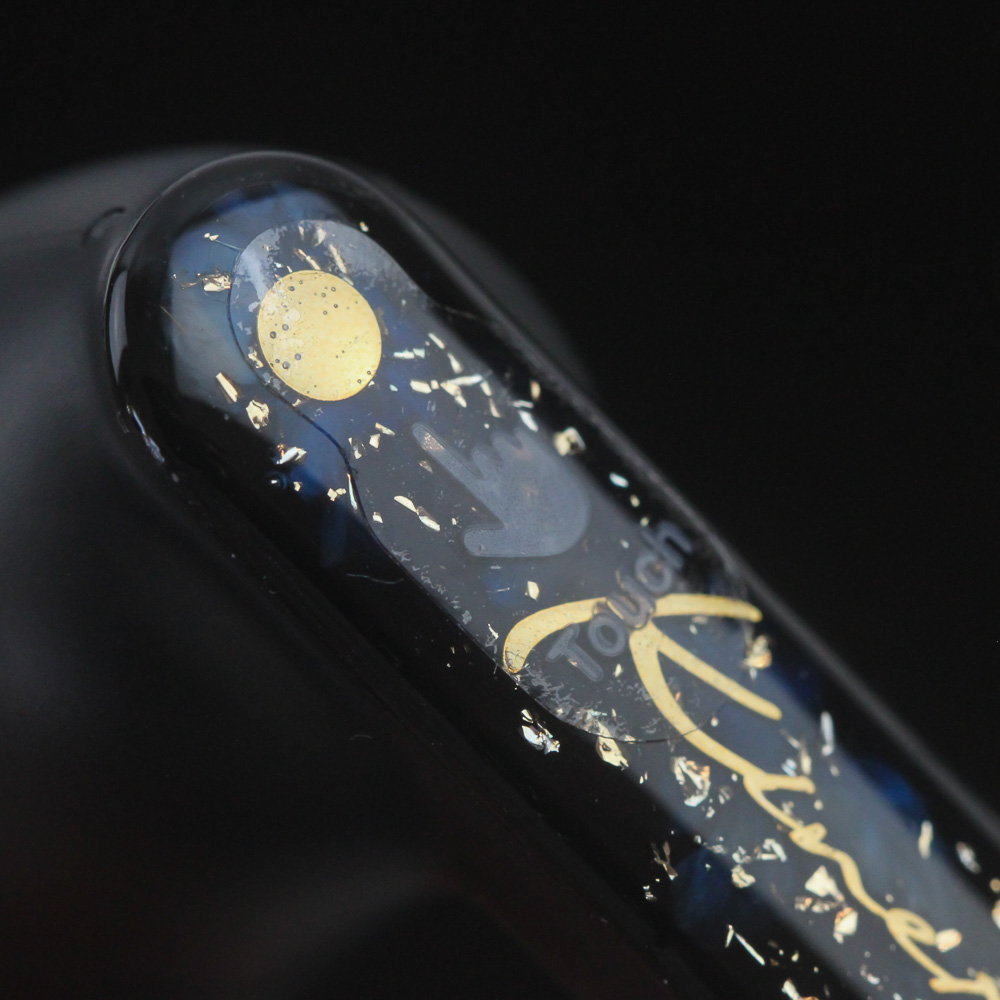
The charging case is not much different from before, and exactly the same one shipped with the now discontinued YH802 in black. Re-using it for the YH802 Limited Edition makes sense, with black the primary color of these TWS earphones, too. A single look at it reveals Kinera is using an IEM (in-ear monitor) design with the ear tips going into the ear canal instead of staying out, such as with earbuds themselves. This limited edition is special in that the face plate, if you will, is fully hand-painted by Kinera's team of artisans. The form factor also results in a longer pole heading down from the ear, which makes for more room to show off the blue and gold design held in place under a resin plate. The shells are also composed of plastic, making for a lightweight solution, and peeling a sticker off allows for the onboard touch controls to be used at the dotted point closer to the top.
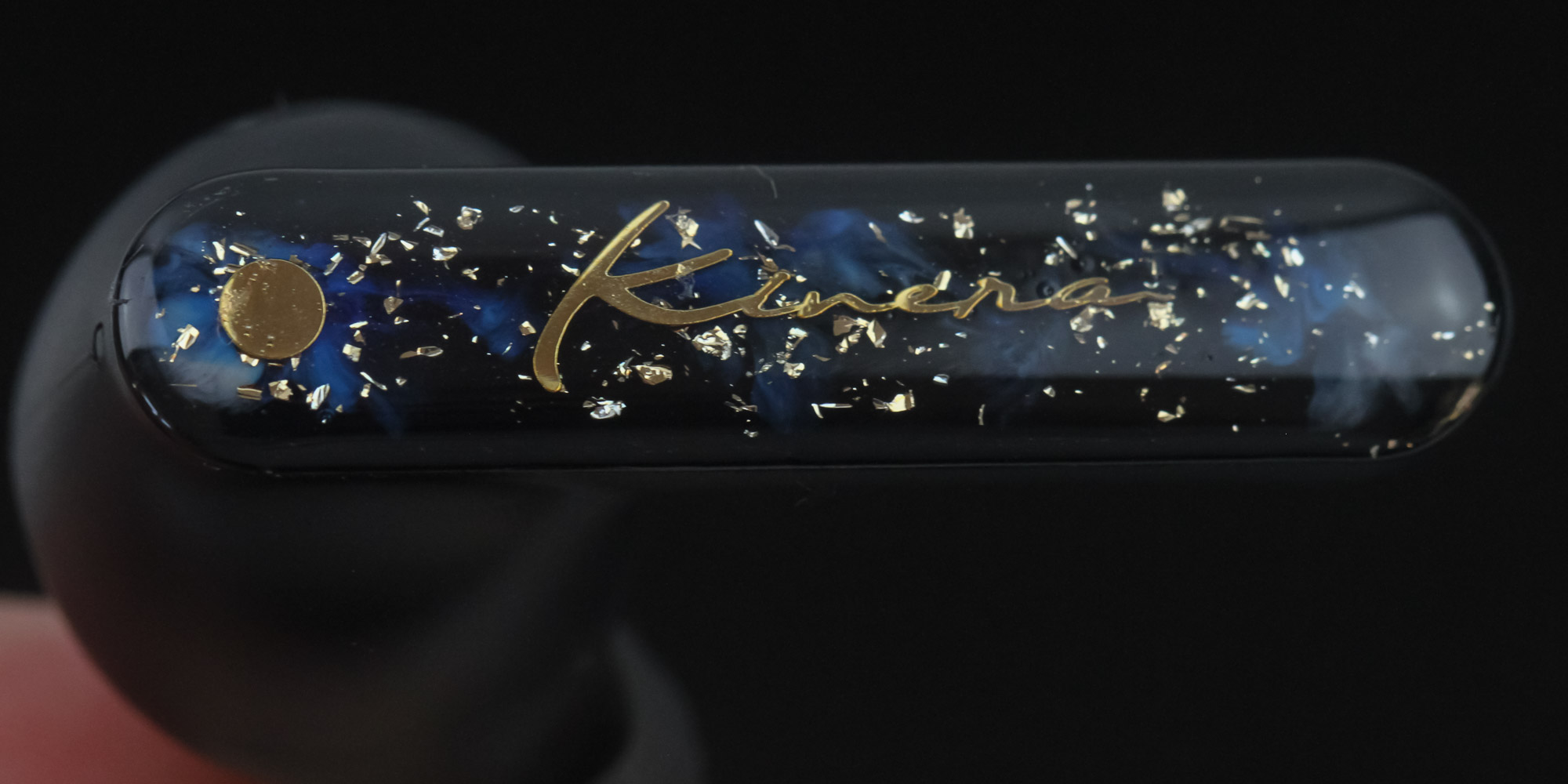
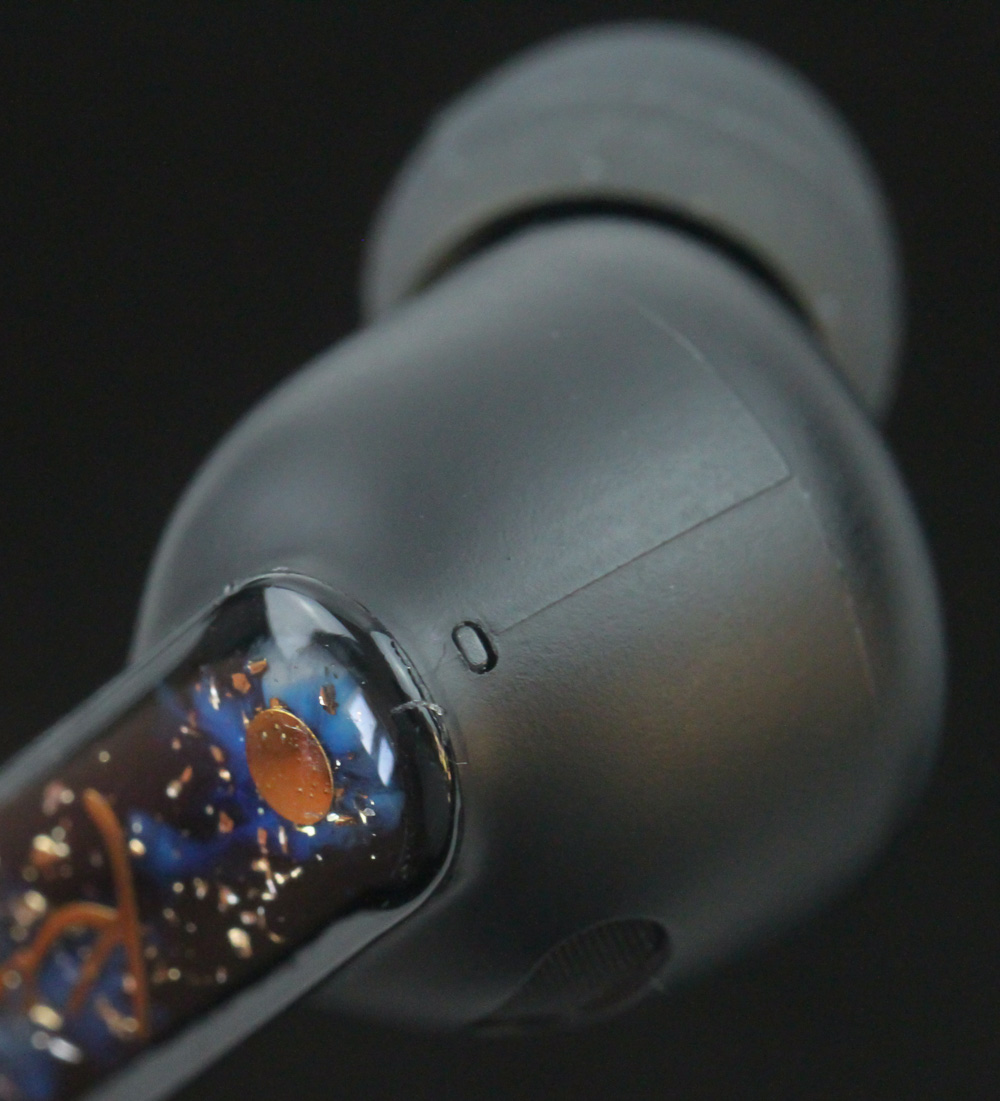
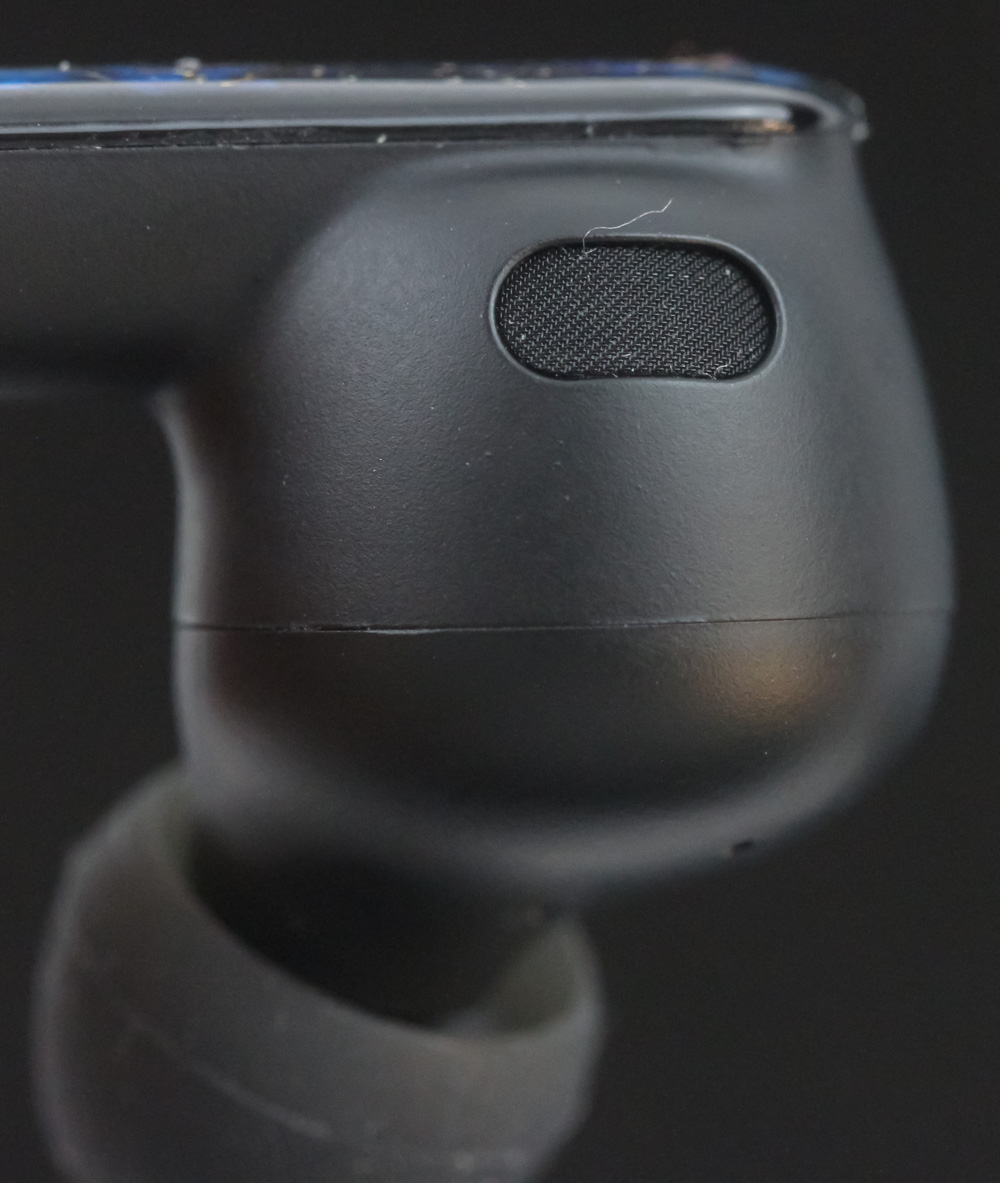
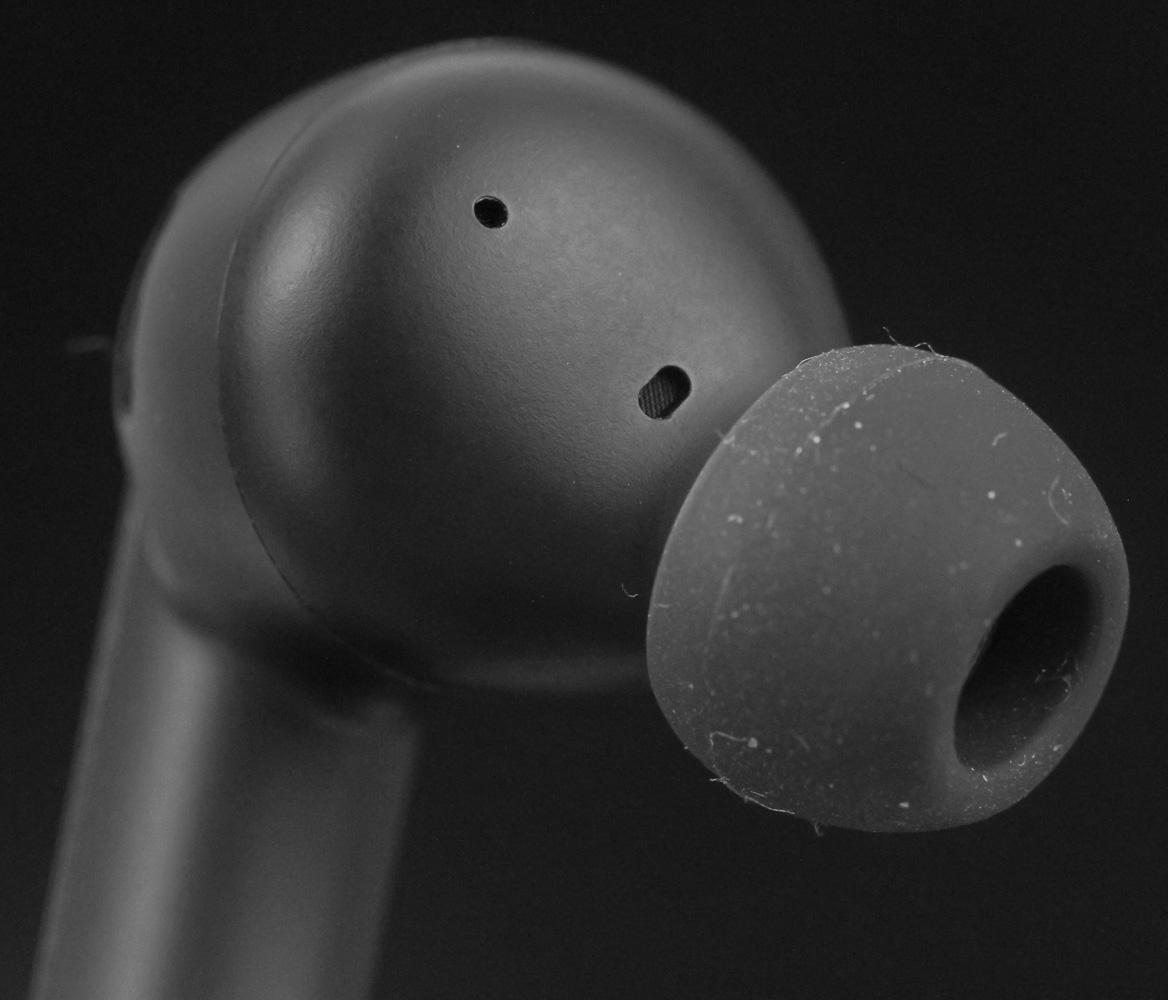
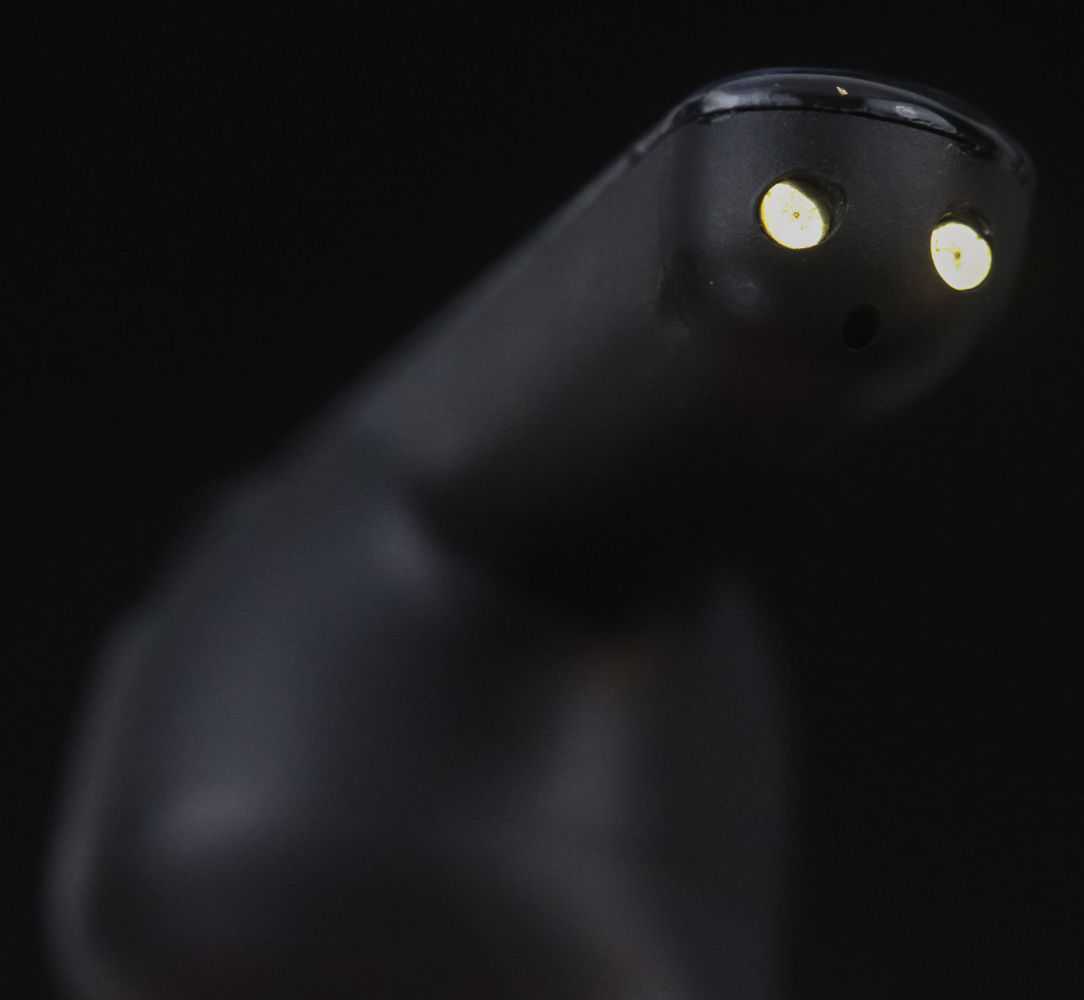
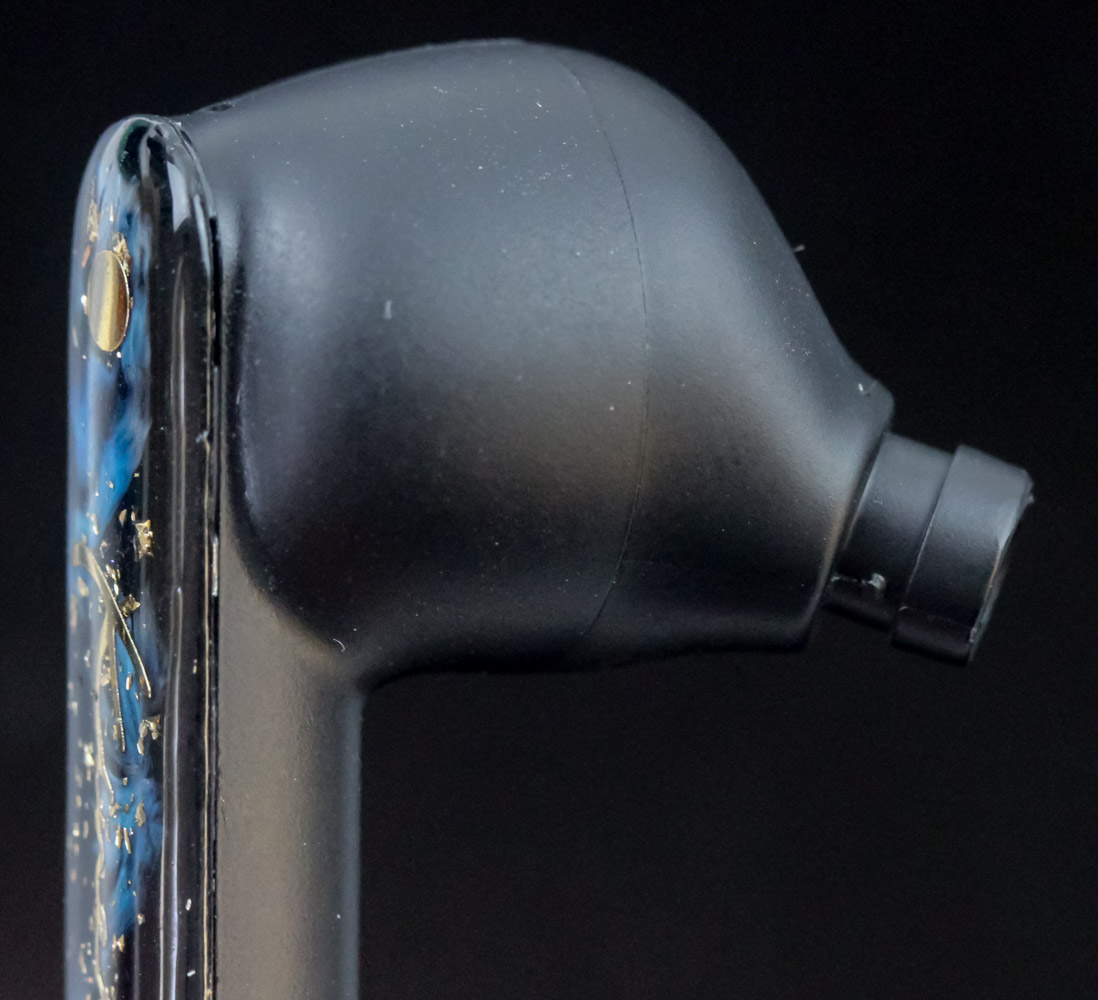
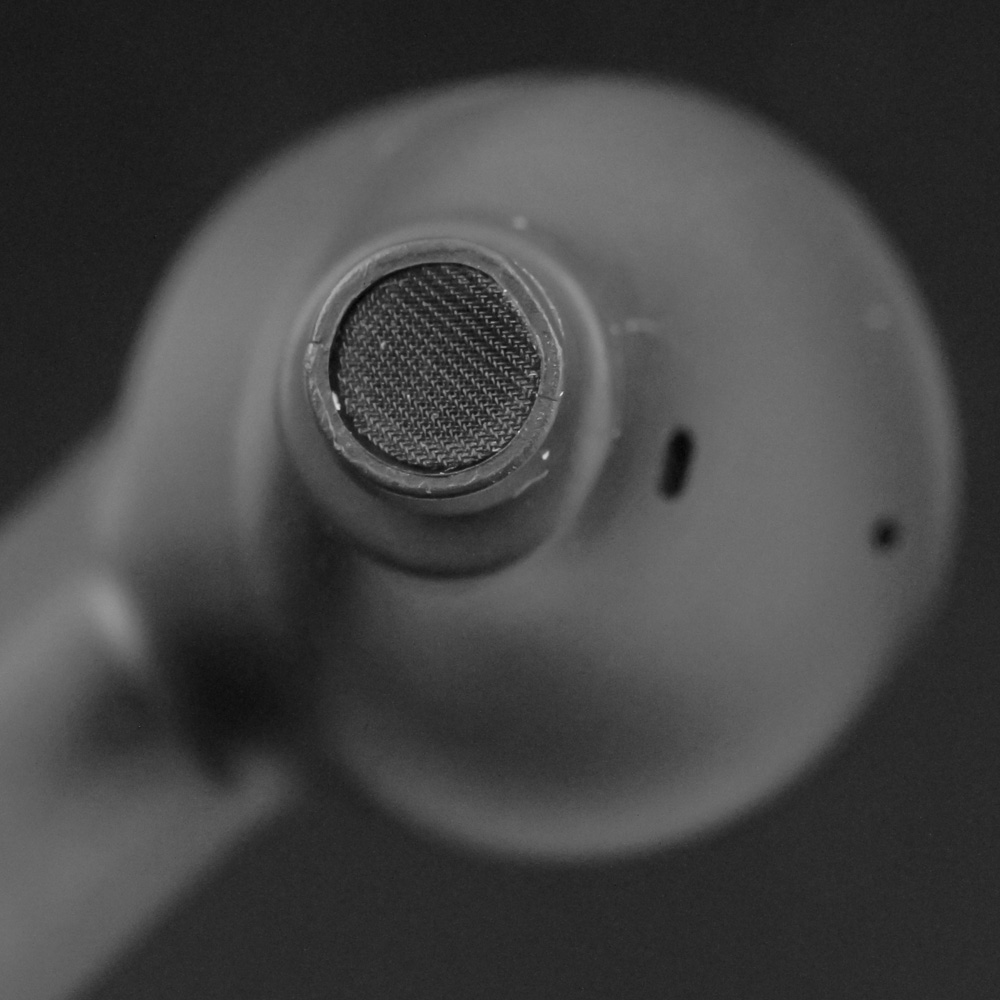
That "dotted point" is a fairly well-positioned capacitive touch pad for users to tap to initiate several pre-programmed controls we will go over on the next page. It is integrated nicely with the design and makes it appear as perhaps the moon in the night sky the background reminds me of. Everything under the resin cover is hand-painted, and Kinera shows off some of these in the production stage partway down on this page. The golden flakes are also applied by hand before everything is finished up, the resin applied, and then polished clear to make this the limited edition. The rest of the IEM body appears to be identical to before, including the bulbous shape of the shells for a better fit in the ear concha, and on the smaller side of average owing to the PCB likely placed along the shaft section. The shells have vents for not only the aforementioned indicator LED and driver, but three separate microphones per channel (feedback, feed-forward, and communication). The nature of this design means the microphone dedicated to picking up your voice automatically points towards and is closer to your mouth than on wholly in-ear TWS earphones. The ear tips fit well enough over the ~5.5 mm diameter nozzle, and a retaining notch secures the ear tips once installed. Kinera also has a mesh filter on the nozzle to prevent contaminants from entering the acoustic chamber.
Nov 16th, 2026 01:15 CST
change timezone
Latest GPU Drivers
New Forum Posts
- Your PC ATM (36442)
- Will zen 6 mobos have anything extra vs current ones? (47)
- GPU Temperatures Rise Very Quickly in FurMark – Is This Normal? (9)
- [Community Benchmark] MrH OpenCL Benchmark 2.0e (Windows Only – CPU & GPU) (3)
- The Official Thermal Interface Material thread (2301)
- Asus Rog Maximus Z890 Extreme. (Various questions). (26)
- It’s been fascinating times in Retro agian r36s isn’t even worth 50-65 dollars no more and newly listed Rm36 64gb 4in IPS models for only 34 dollars. (6)
- Power supply noise stops when I move the mouse (10)
- Can you guess Which game it is? (320)
- What is the latest game you finished or 100% (203)
Popular Reviews
- ASUS ROG Strix B850-I Gaming Wi-Fi7 W Review
- Corsair HX1000i Shift Crystal Review
- AMD Zen 6 Technical Deep Dive
- Upcoming Hardware Launches 2027 (Updated Nov 2026)
- Montech King 95 3D PRO Review
- NZXT C1200 Platinum Review
- Phantom Blade Zero Performance Benchmark Review - 35 GPUs Tested
- AMD Ryzen 7 9800X3D Review - The Best Gaming Processor
- NZXT H5 Review
- NZXT H7 RGB+ Review
TPU on YouTube
Controversial News Posts
- NVIDIA Co-Founder and CEO Jensen Huang Officially Resigns (430)
- Open Letter Asking NVIDIA to Reinstate Jensen Huang Passes 115,000 Signatures (184)
- OpenAI CEO Argues Home PCs Waste the World's Limited DRAM Supply (152)
- NVIDIA Launches Investigation Into Jensen Huang's Relationship With Suspected Chinese Spy (136)
- Intel "Raptor Lake Next" 16-Core and 20-Core CPUs Surface (130)
- Legendary Game Studio BioWare Shuts Down Following EA Layoffs (104)
- Dell CEO Says the Memory Shortage Will Get Worse in 2027 (95)
- NVIDIA GeForce RTX 50-Series Scheduled for up to $500 Price Hike This Week (89)