 20
Klevv Genuine G560 2 TB Review
(20 Comments) »Introduction

Launched in 2014, KLEVV is a brand that specializes in memory products, both DRAM and NAND. The brand is owned by Essencore, who are part of the SK Group (SK C&C), KLEVV benefits from its strong ties to SK Hynix, one of the world's largest and most respected DRAM manufacturers. The brand name "KLEVV" was chosen to suggest a clever, technically advanced choice for consumers.

In today's review, we're taking a look at the Klevv Genuine G560 2 TB, which is the company's first PCI-Express 5.0 solid-state-drive. Like the vast majority of Gen 5 options for consumers, the G560 is powered by the Phison E26 controller. The NAND flash used is Micron 232-layer TLC NAND—like on all the other Phison E26 drives we've seen so far. In some ways this is good news, because you're getting a trusted hardware platform that has been used by a lot of customers before. As expected for a high-end SSD, a DRAM cache is included with the G560 SSD.
The Klevv Genuine G560 is available in capacities of 1 TB ($185), 2 TB ($295) and 4 TB ($540). Endurance for these models is set to 700 TBW, 1400 TBW and 3000 TBW, respectively. Klevv offers a five-year warranty with the G650.
| Specifications: Klevv Genuine G560 2 TB SSD | |
|---|---|
| Brand: | Klevv |
| Model: | K02TBM2SP0-G56 |
| Capacity: | 2000 GB (1863 GB usable) 48 GB additional overprovisioning |
| Controller: | Phison E26 |
| Flash: | Micron 232-Layer 3D TLC B58R / NY256 / MT29F8T08EULCHD5-QB:C |
| DRAM: | 4 GB Hynix LPDDR4-4266 H9HCNNNCPUMLXR-NEE |
| Endurance: | 1400 TBW |
| Form Factor: | M.2 2280 |
| Interface: | PCIe Gen 5 x4, NVMe 2.0 |
| Device ID: | Klevv Genuine |
| Firmware: | EQFM22.3 |
| Warranty: | Five years |
| Price at Time of Review: | $295 / $148 per TB |
Packaging

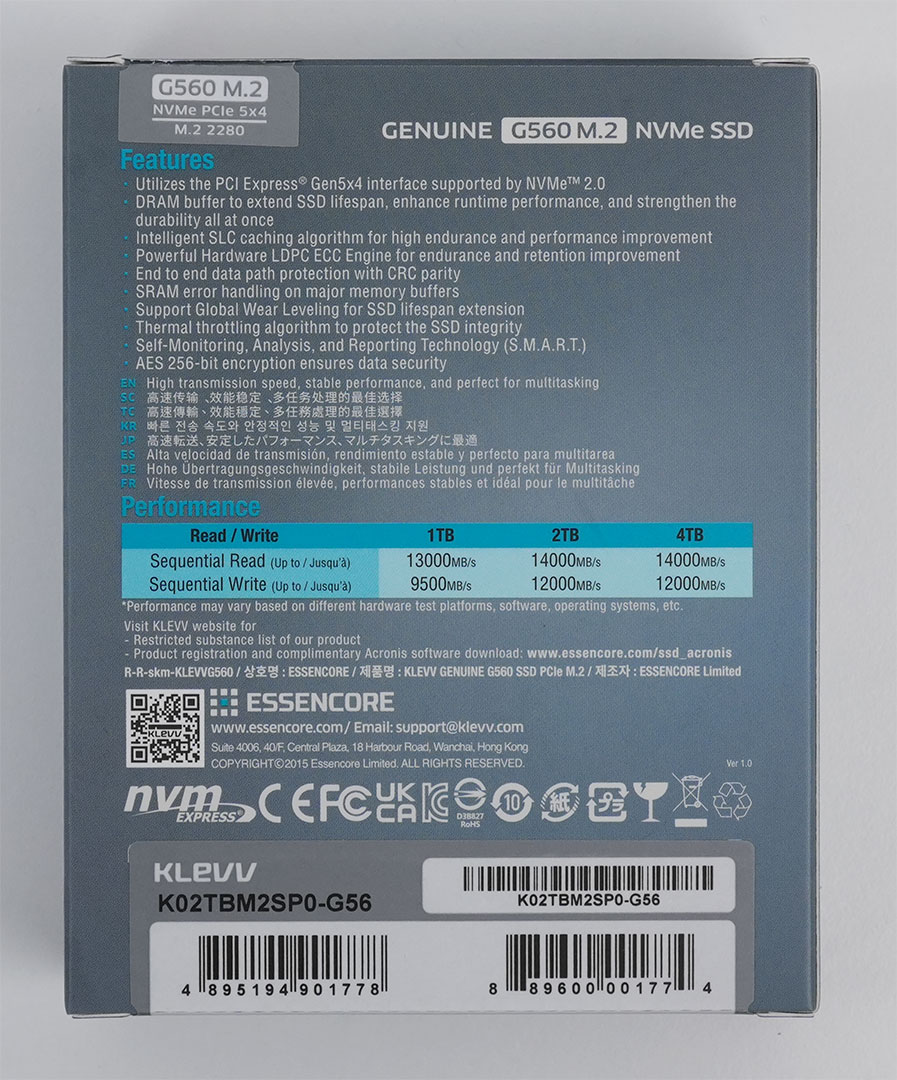
The Drive
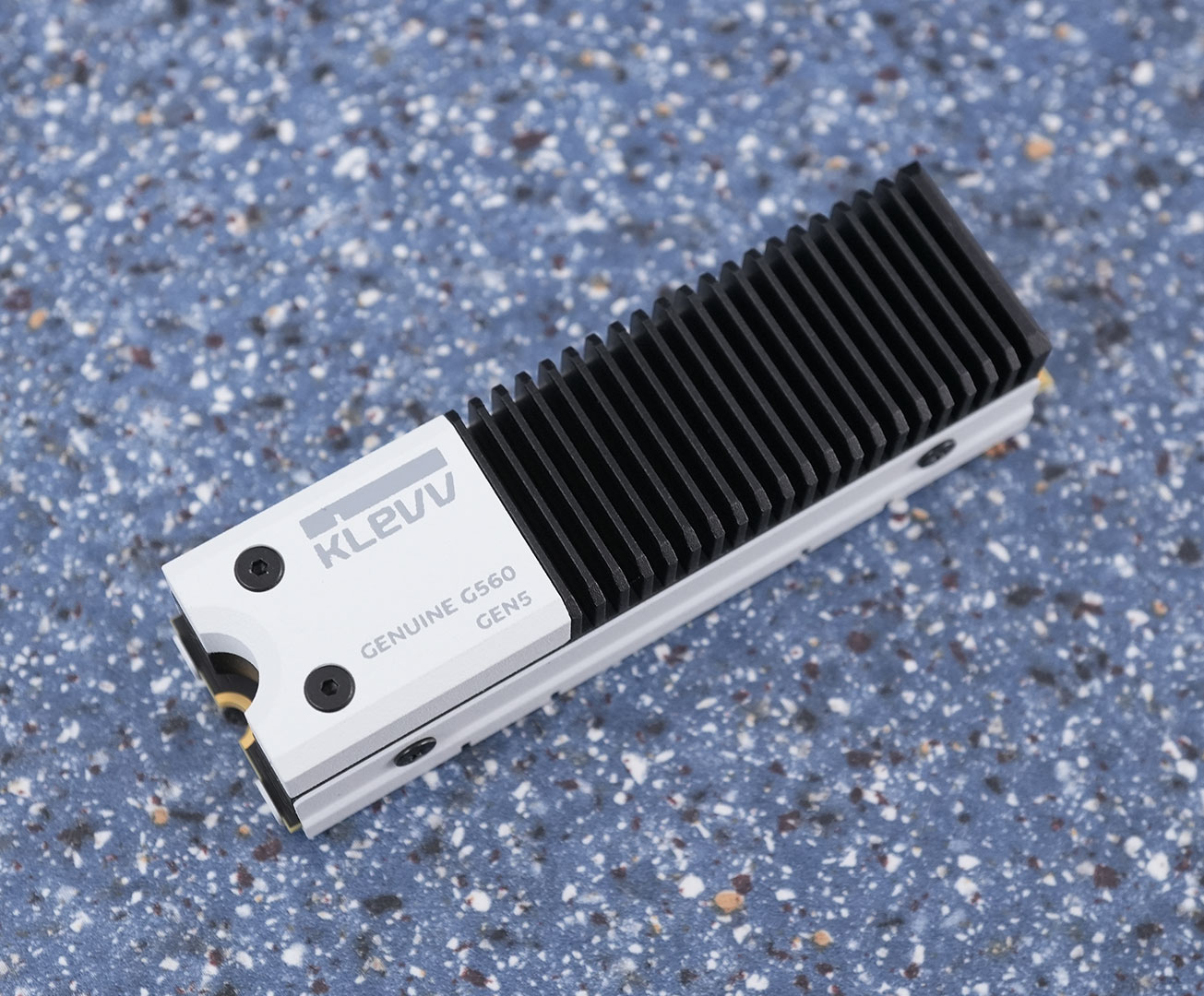

The drive is designed for the M.2 2280 form factor, which makes it 22 mm wide and 80 mm long.

PCI-Express 5.0 x4 is used as the host interface to the rest of the system, which doubles the theoretical bandwidth compared to PCIe 4.0 x4.

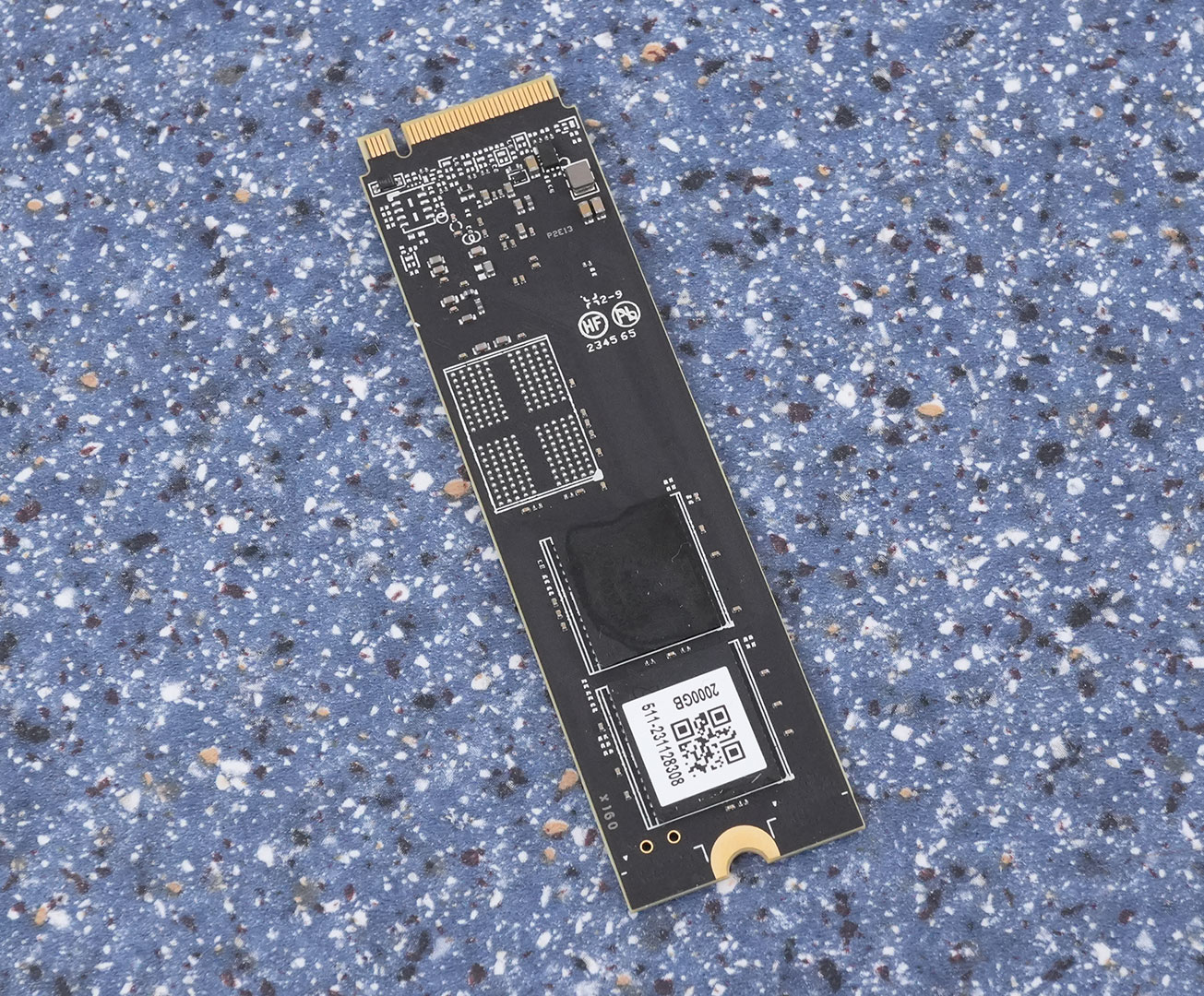
On the PCB you'll find the controller and four flash chips, a DRAM cache chip is included, too.
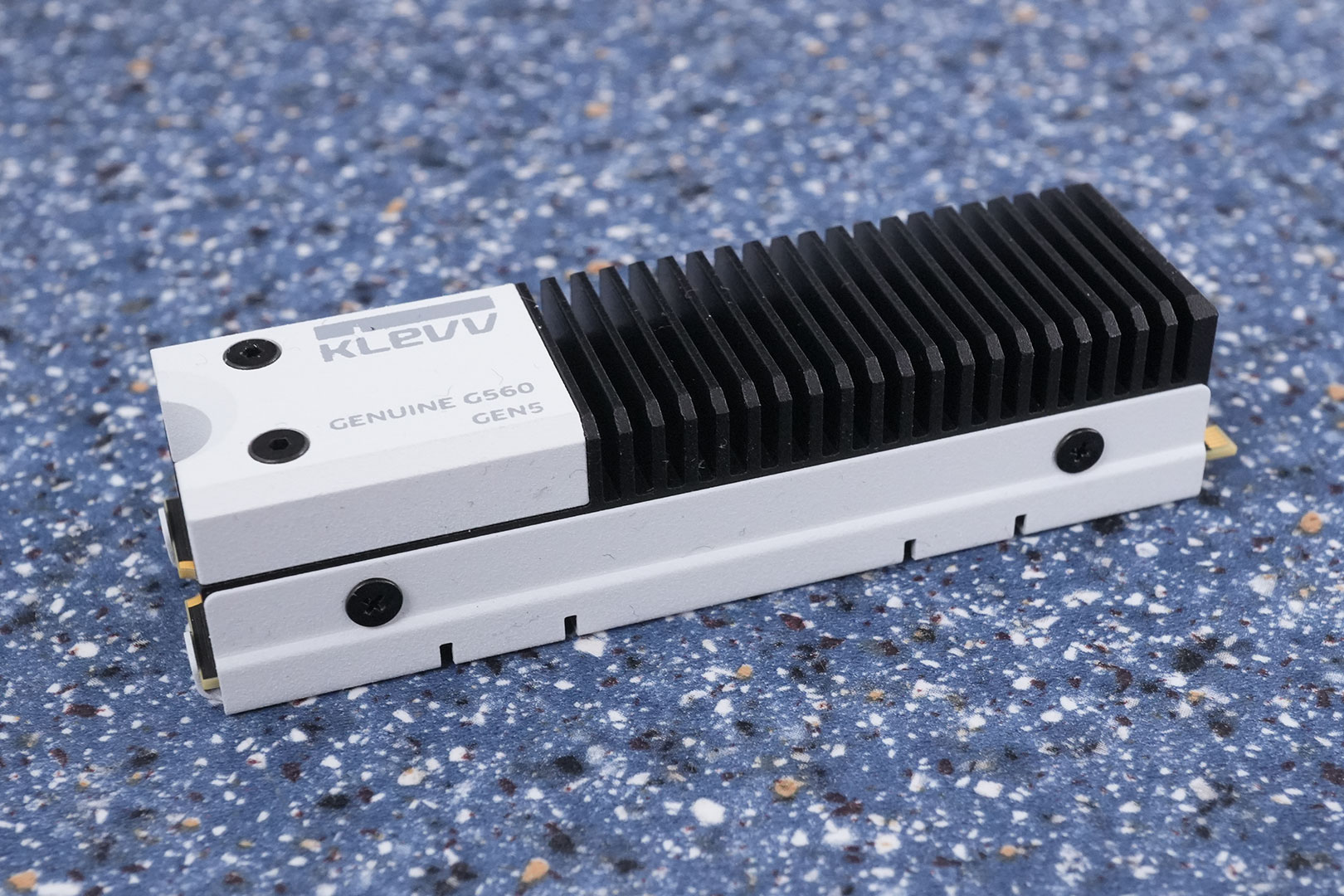

Klevv's cooling solution combines a slab of aluminium (left side), with a heatsink design, which is made from aluminium, too.
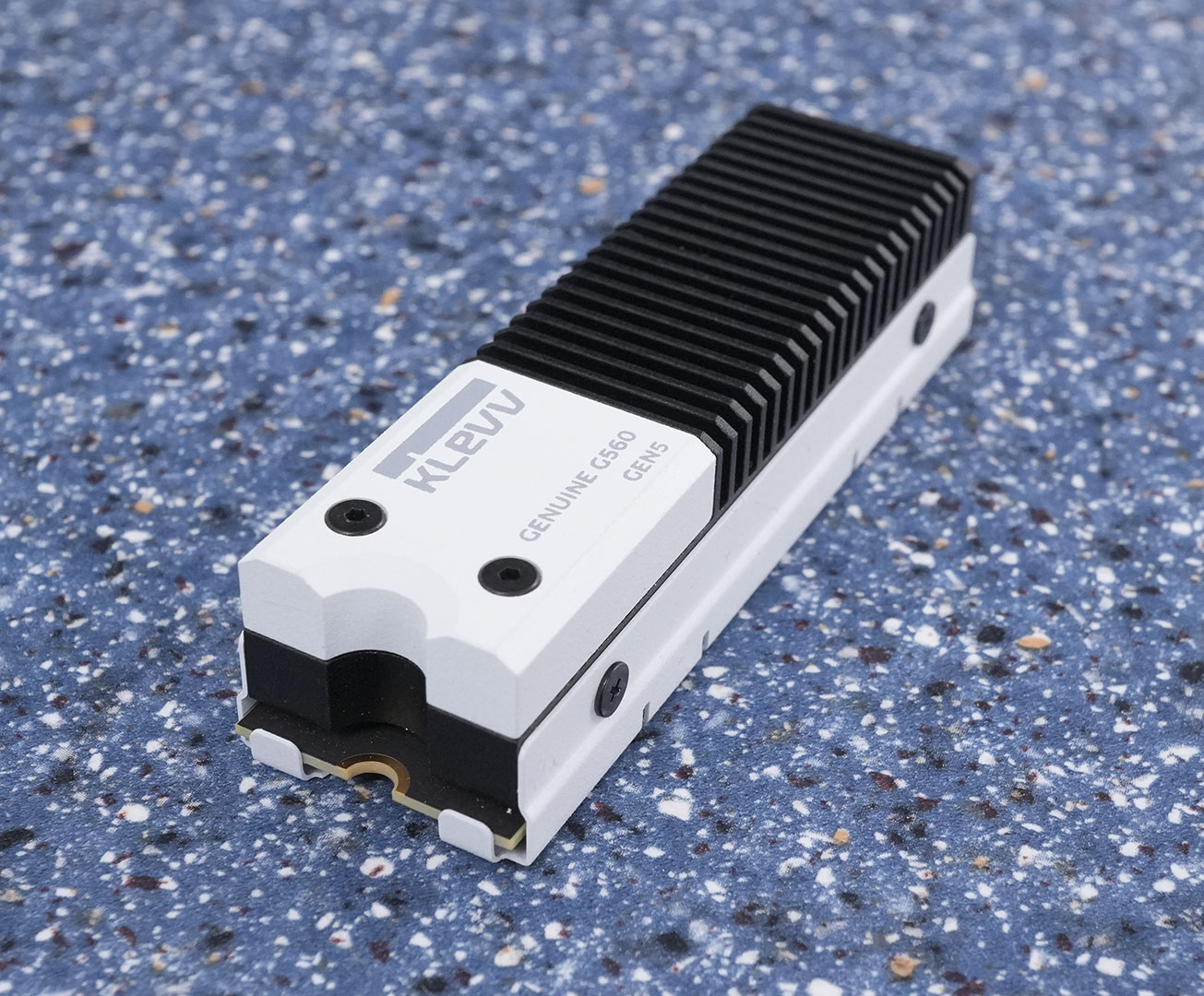
Four screws on the sides ensure the cooler stays attached well, with optimum cooling performance, even when used for longer durations.
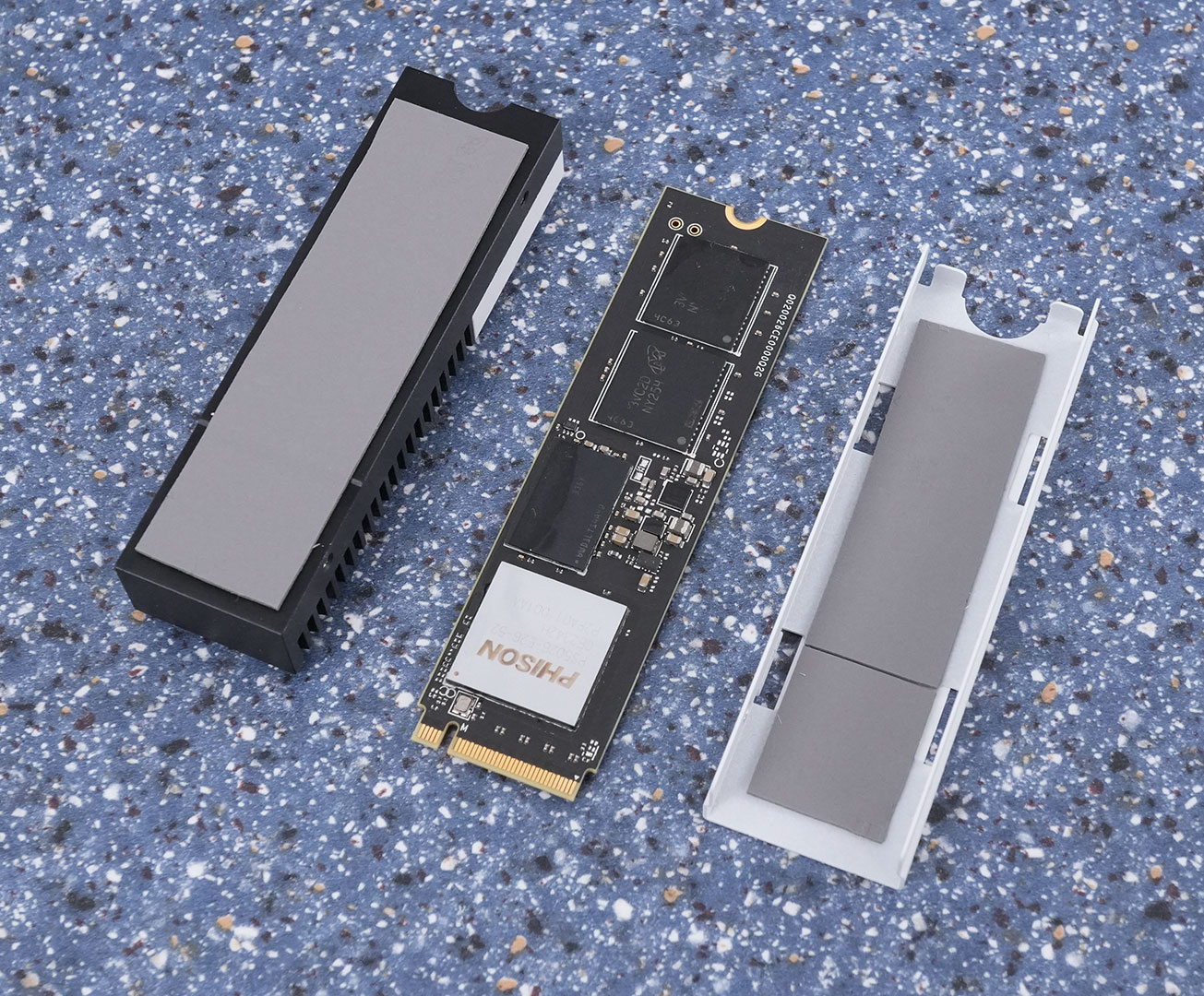

Two thermal pads are preinstalled, one on top of the SSD, the other on the bottom, to ensure optimal heat transfer.
Chip Component Analysis
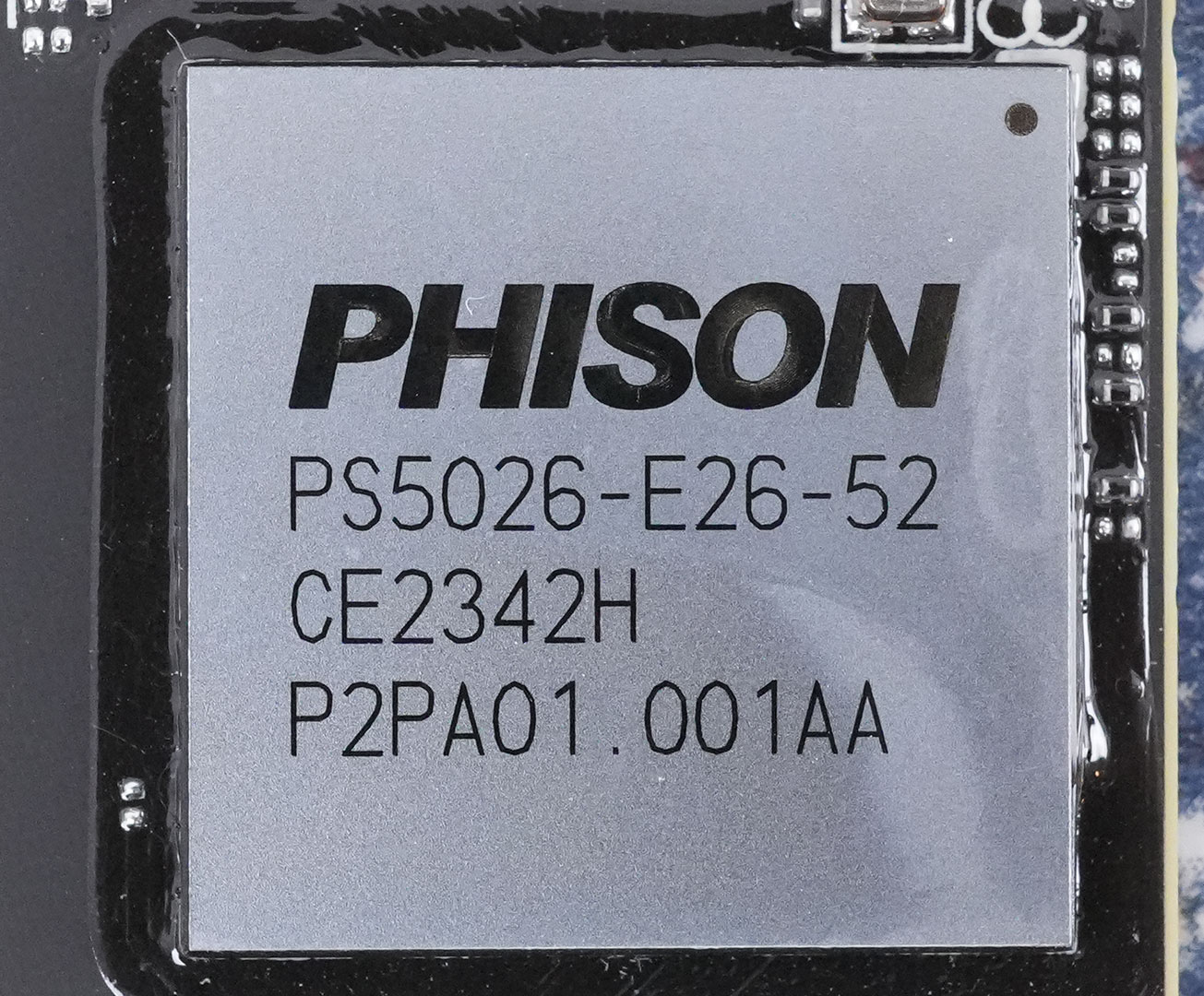
The Phison PS5026-E26 is Phison's first PCI-Express 5.0 controller. It is the company's current flagship with support for eight flash channels and NVMe 2.0, using an Arm Cortex design. The controller itself is fabricated using a 12 nanometer process at TSMC Taiwan.

The four flash chips are Micron 232-layer 3D TLC NAND. Each chip has a capacity of 512 GB.

A Hynix DDR4-4266 chip provides 4 GB of fast DRAM storage for the controller to store the mapping tables.
Test Setup
| Test System SSD 2024 | |
|---|---|
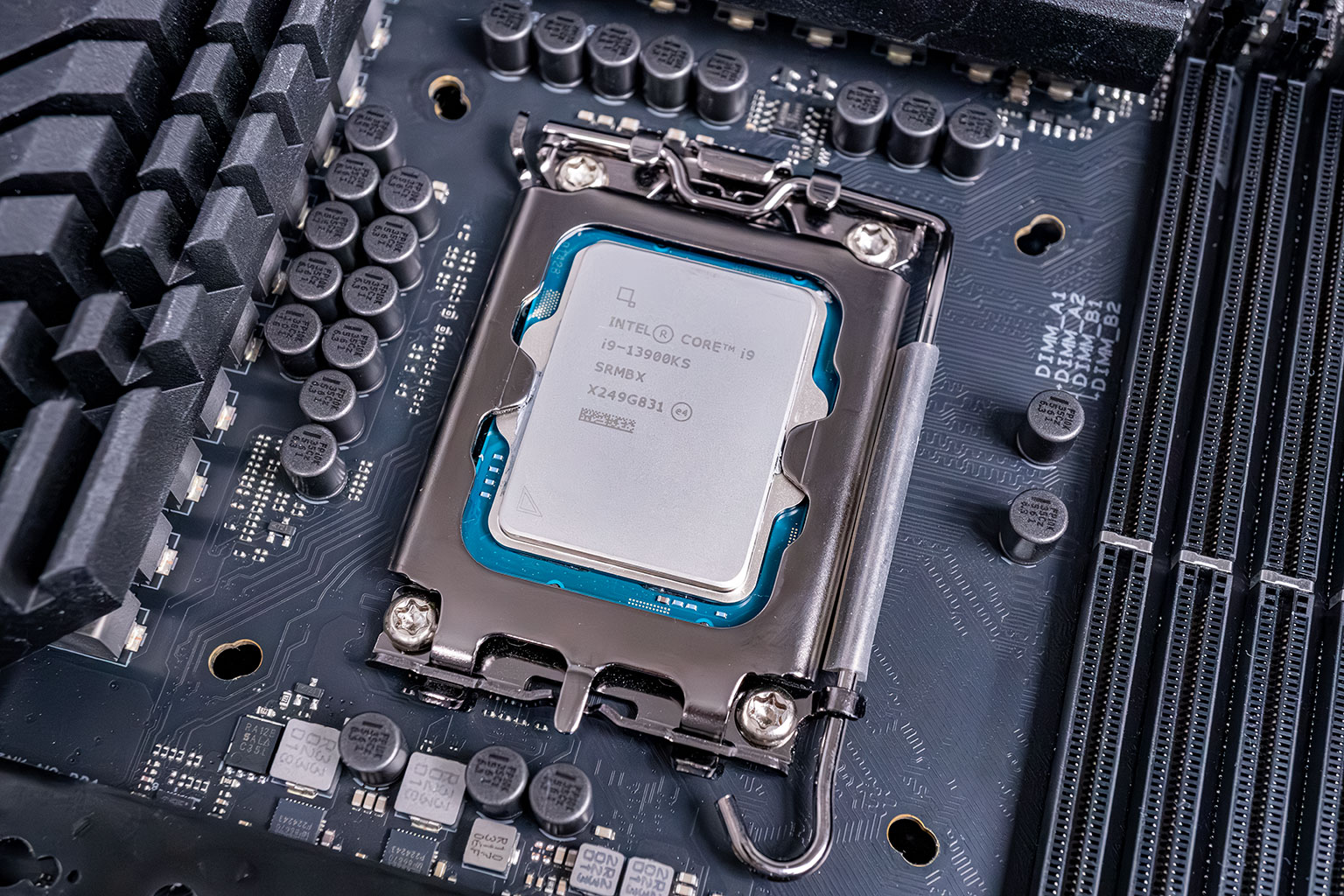
| Processor: | Intel Core i9-13900KS Raptor Lake 6.0 GHz, 8+16 cores / 32 threads |
| Motherboard: | ASUS ROG Z790 Dark Hero BIOS 1102 |
| Memory: | 2x 16 GB DDR5-6000 |
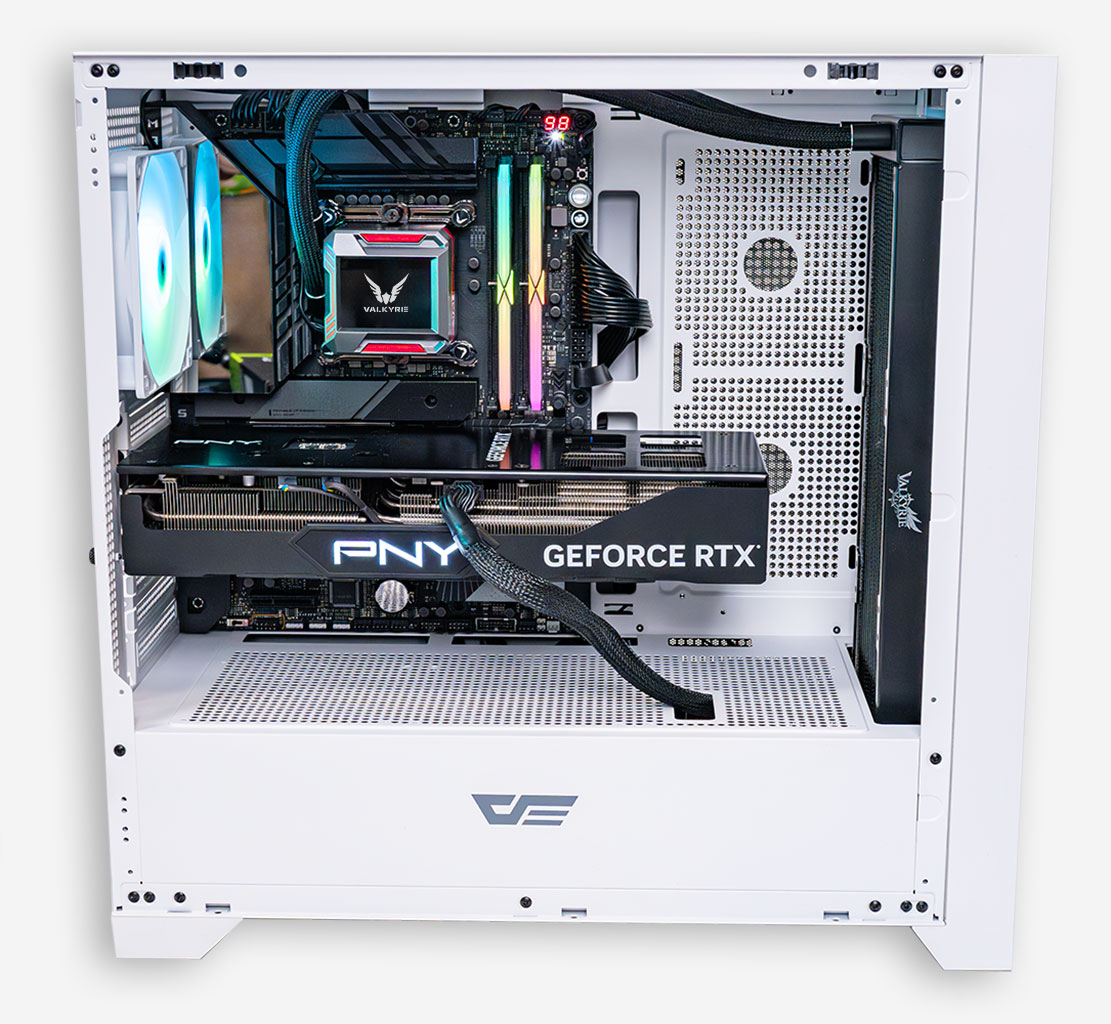
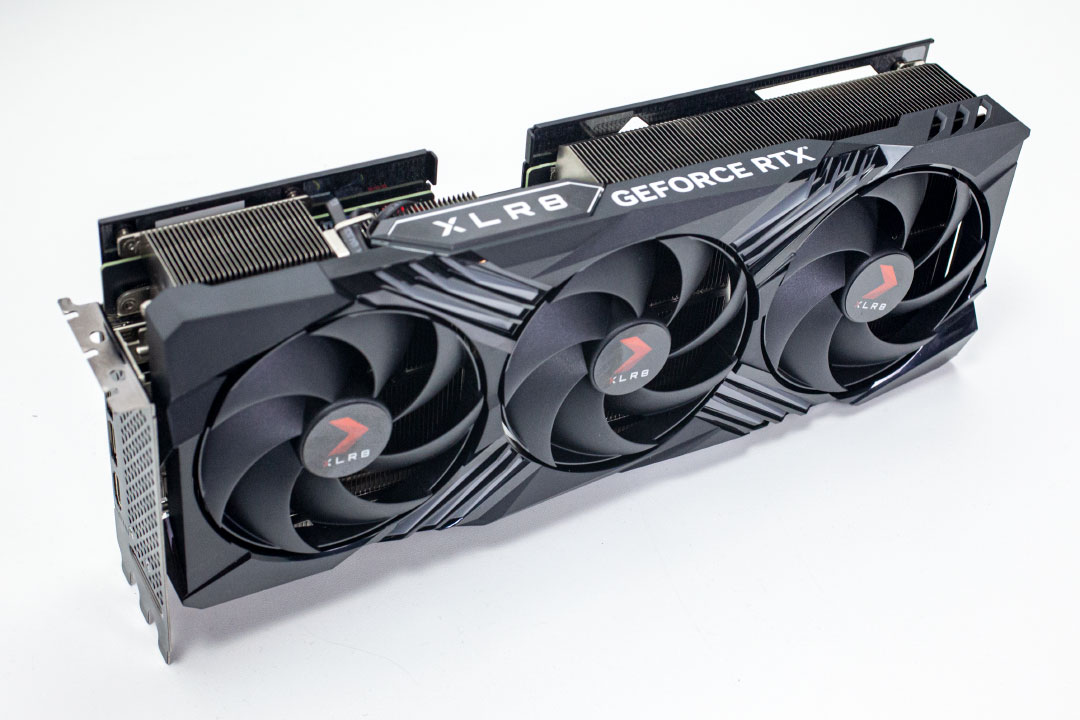
| Graphics: | PNY GeForce RTX 4080 Super Verto OC |
| Cooling: | Valkyrie Syn 360 mm AIO |
| Thermal Paste: | Arctic MX-6 |
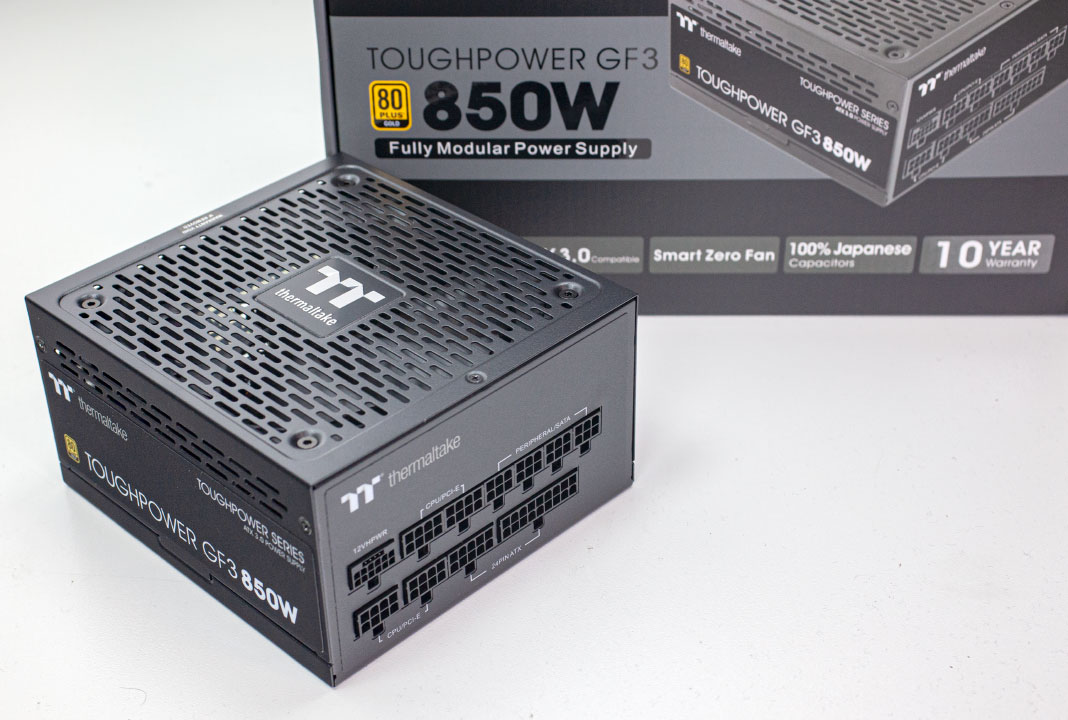
| Power Supply: | Thermaltake Toughpower GF3 850 W ATX 3.0 / 16-pin 12VHPWR |
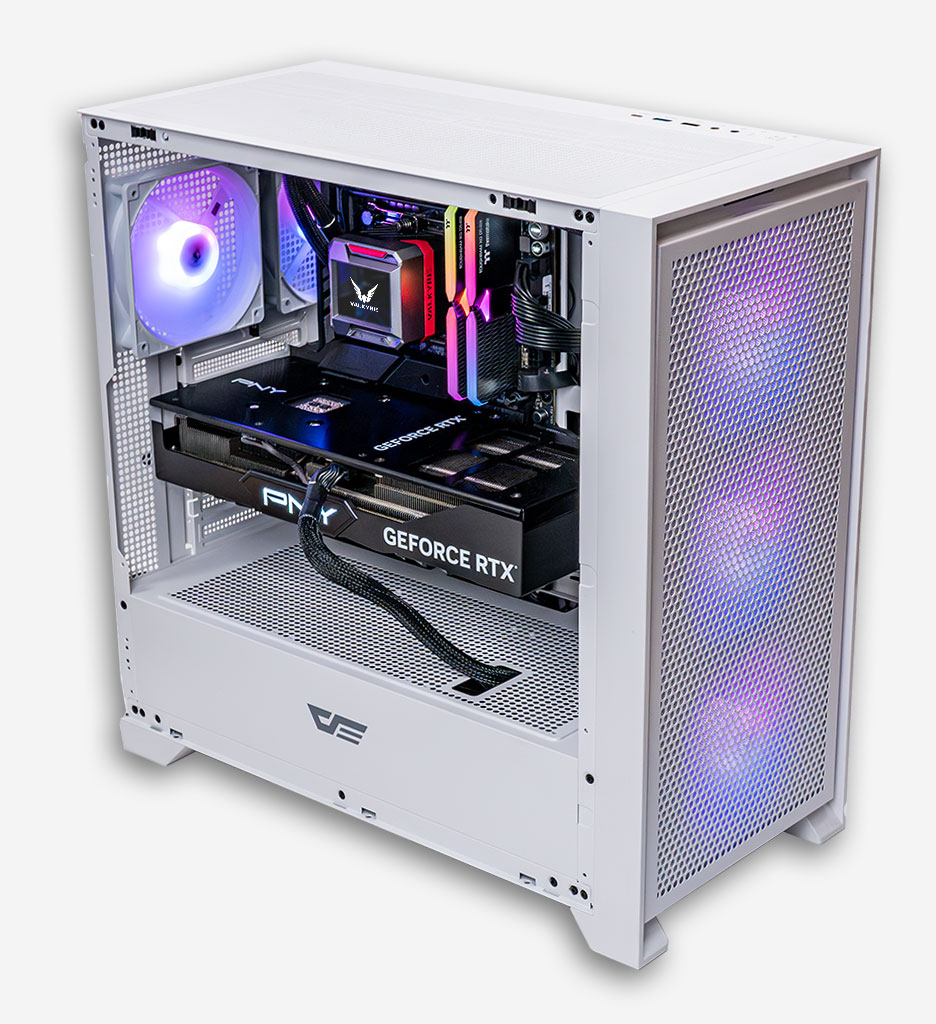
| Case: | darkFlash DRX70 White |
| Operating System: | Windows 11 Professional 64-bit 23H2 VBS enabled (Windows 11 default) |
| Drivers: | NVIDIA: 552.12 WHQL |


Synthetic Testing
- Tests are run with a 20-second-long warm-up time (result recording starts at second 21).
- Between each test, the drive is left idle for 60 seconds, to allow it to flush and reorganize its internal data.
- All write requests contain random, incompressible data.
- Disk cache is flushed between all tests.
- During these tests, M.2 drives are tested with additional active fan-cooling, to ensure thermal throttling can't happen
Real-life Testing
- After initial configuration and installation, a disk image is created; it is used to test every drive.
- Automated updates are disabled for the OS and all programs. This ensures that—for every review—each drive uses the same settings, without interference from previous testing.
- Our disk image consumes around 700 GB—partitions are resized to fill all available space on the drive.
- All drives are filled with random data to 85% of their capacity. This is intentional, to run the drive in realistic operating conditions—nobody uses a nearly-empty SSD in their system. It also puts additional stress on the pseudo-SLC cache subsystem, because there is less free NAND space to work with.
- Partitions are aligned properly.
- Disk cache is flushed between all tests.
- In order to minimize random variation, each real-life performance test is run several times, with reboots between tests to minimize the impact of disk cache.
- All application benchmarks run the actual application and do not replay any disk traces.
- Our real-life testing data includes performance numbers for a typical high-performance HDD, using results from a Western Digital WD Black 1 TB 7200 RPM 3.5" SATA. HDDs are significantly slower than SSDs, which is why we're not putting the result in the chart, as that would break the scaling, making the SSDs indistinguishable in comparison. Instead, we've added the HDD performance numbers in the title of each test entry.
- During these tests, M.2 drives are tested with additional active fan-cooling, to ensure thermal throttling can't happen
Our Patreon Silver Supporters can read articles in single-page format.
Nov 14th, 2026 08:25 CST
change timezone
Latest GPU Drivers
New Forum Posts
- No screen and keyboard with mouse not being powered on (6)
- What can the FX 8320 do today? Here is the answer. (3)
- Tell me about your favourite graphics card (48)
- What are you playing? (26219)
- 3D Printer Club (851)
- Folding Pie and Milestones!! (10202)
- a note from zachary85's son (9)
- Have you got pie today? (17083)
- Requesting original VBIOS for Gigabyte RX 5700 XT GAMING OC 8G Rev 2.0 (Micron) (3)
- Unallocated space in ssd , is it normal? (19)
Popular Reviews
- AMD Zen 6 Technical Deep Dive
- Corsair HX1000i Shift Crystal Review
- ASUS ROG Strix B850-I Gaming Wi-Fi7 W Review
- NZXT C1200 Platinum Review
- Upcoming Hardware Launches 2027 (Updated Nov 2026)
- Montech King 95 3D PRO Review
- NZXT H7 RGB+ Review
- NZXT H5 Review
- Phantom Blade Zero Performance Benchmark Review - 35 GPUs Tested
- XPG NIMBUS PLUS Review - Mid-range Chair With Strong Competitors
TPU on YouTube
Controversial News Posts
- NVIDIA Co-Founder and CEO Jensen Huang Officially Resigns (386)
- OpenAI CEO Argues Home PCs Waste the World's Limited DRAM Supply (152)
- NVIDIA Launches Investigation Into Jensen Huang's Relationship With Suspected Chinese Spy (136)
- Intel "Raptor Lake Next" 16-Core and 20-Core CPUs Surface (130)
- Legendary Game Studio BioWare Shuts Down Following EA Layoffs (104)
- Dell CEO Says the Memory Shortage Will Get Worse in 2027 (95)
- NVIDIA GeForce RTX 50-Series Scheduled for up to $500 Price Hike This Week (89)
- Modder Fits RTX 5090 With Four 8-Pin Connectors, Halving Current per Wire (80)