 7
Quick Look: MOONDROP STELLARIS Planar Magnetic IEMs - Brighter than the Stars!
(7 Comments) »Introduction

The never-ending march of planar IEMs continues! While our first such entry was with the kilobuck range Audeze Euclid and there have been plenty of misses along the way, it wasn't until the 7Hz Timeless that people saw a well-tuned set of planar magnetic drivers used in in-ear monitors at a reasonable cost. Then came the LETSHUOER S12 using a version of the same drivers in a much more amenable form factor and cost and the floodgates opened thereafter with entries from MUSE HiFi and many others. All of these seemed to rely on the same OEM drivers and it took until very recently for the likes of DUNU and MOONDROP to come up with their own sets, engineered from the ground up.

Today we examine the MOONDROP STELLARIS that aims to take on the likes of the 7Hz Salnotes Dioko, in offering exceptional value for money. The Stellaris effectively replaces the MOONDROP Starfield, hence also the space theme and design here, and uses custom-developed planar magnetic drivers in a fairly unique form factor. MOONDROP promises planar speed and accuracy, along with exceptional detail and ultra-low distortion, as well as a more nature timbre that pretty much any planar magnetic set generally loses out when compared to dynamic drivers. Thanks to SHENZHENAUDIO for providing a review sample to TechPowerUp as we aim to put these claims to the test today, beginning with a look at the product specifications in the table below.
| MOONDROP STELLARIS In-Ear Monitors | |
|---|---|
| Shell: | Metal shells with iridescent finish and gold hand-painted patterns |
| Cable: | No information available |
| Driver Units: | 14.5 mm planar magnetic drivers with "sub-nm" diaphragm and dual-sided 7+7 N52H magnets |
| Frequency Response: | 10 Hz–50 kHz |
| Sensitivity: | 117 dB/Vrms @1 kHz |
| Impedance: | 36 Ω +/-15 % @1 kHz |
| Cable Connectors: | 3.5 mm TRS plug to source + two 0.78 mm 2-pin plugs to IEMs |
| Cable Length: | 4 ft/1.2 m |
| Warranty: | One year |
Packaging and Accessories


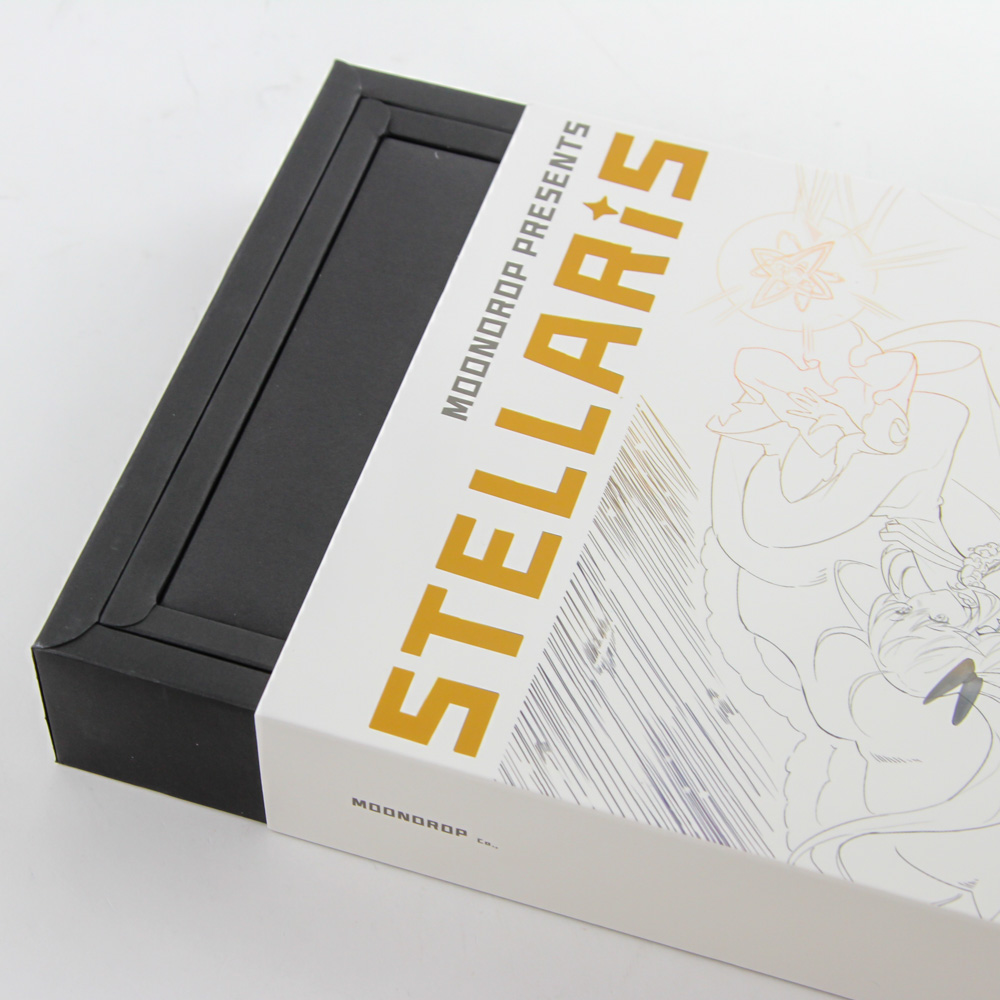


Anyone remotely familiar with MOONDROP products knows to expect a so-called "waifu" on the product box, and a new one at that. The STELLARIS is no exception, and I suppose the poor rendition of the feet here serves as a warning as to how—spoiler alert—the designers of this product probably don't understand how some things work. The front also has the company and product name whereas on the back is actually useful information about the product, including a factory frequency response curve and a diagram showing the various parts that make up these IEMs. There is an inner cardboard box which slides out of the sleeve and it has the items available for retrieval right away. These include the STELLARIS shells snugly protected by thick foam, and separate compartments for the various accessories. MOONDROP provides plenty of paperwork in the form of a contact card, a QC verification card, and a quick start guide going over how best to use IEMs if you are not familiar with them. There's also a STELLARIS-themed postcard too, if you were a fan of the artwork on the box but didn't want to keep the packaging. Everything else comes in individual plastic zip-lock bags, as seen above.

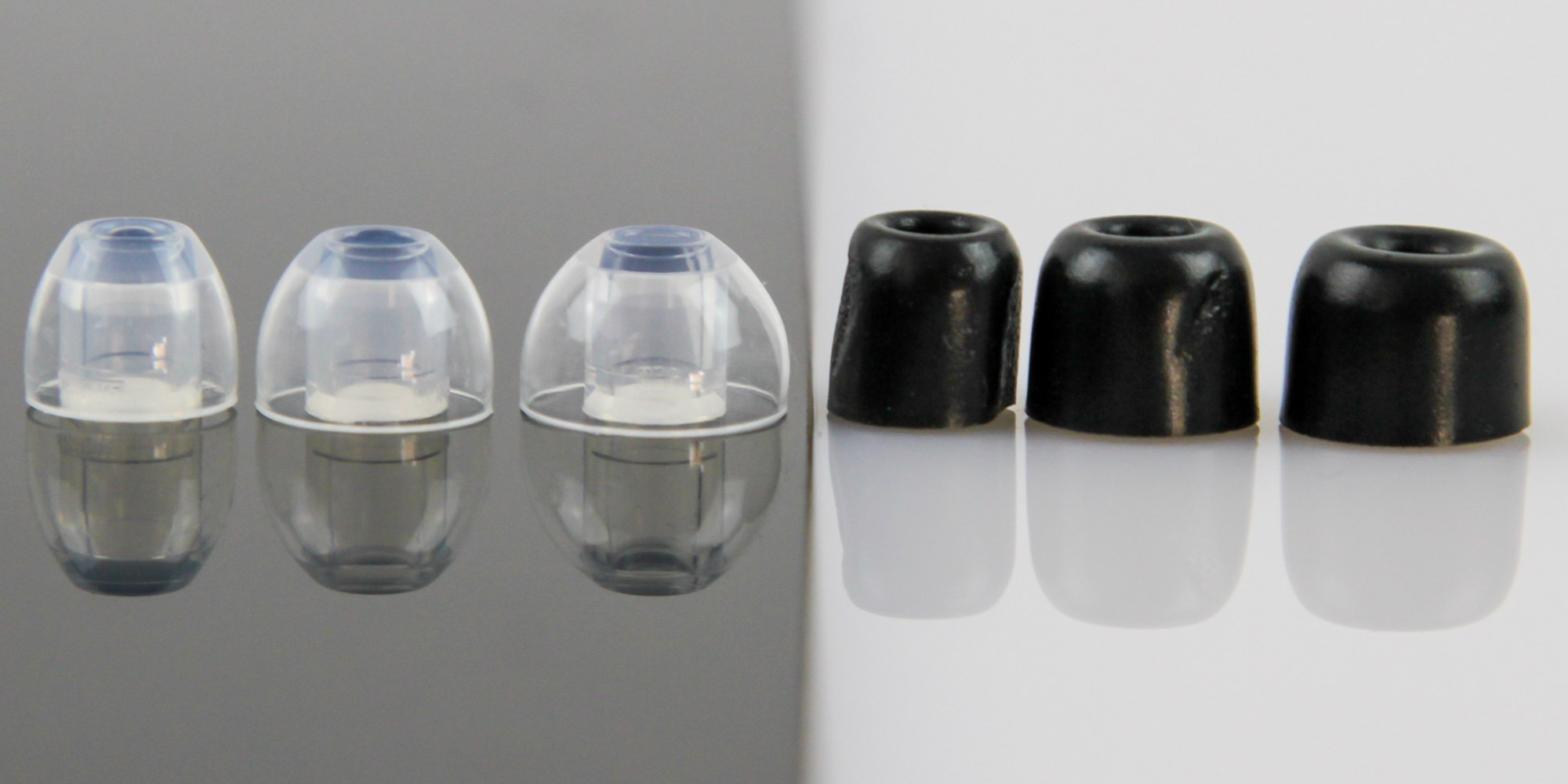
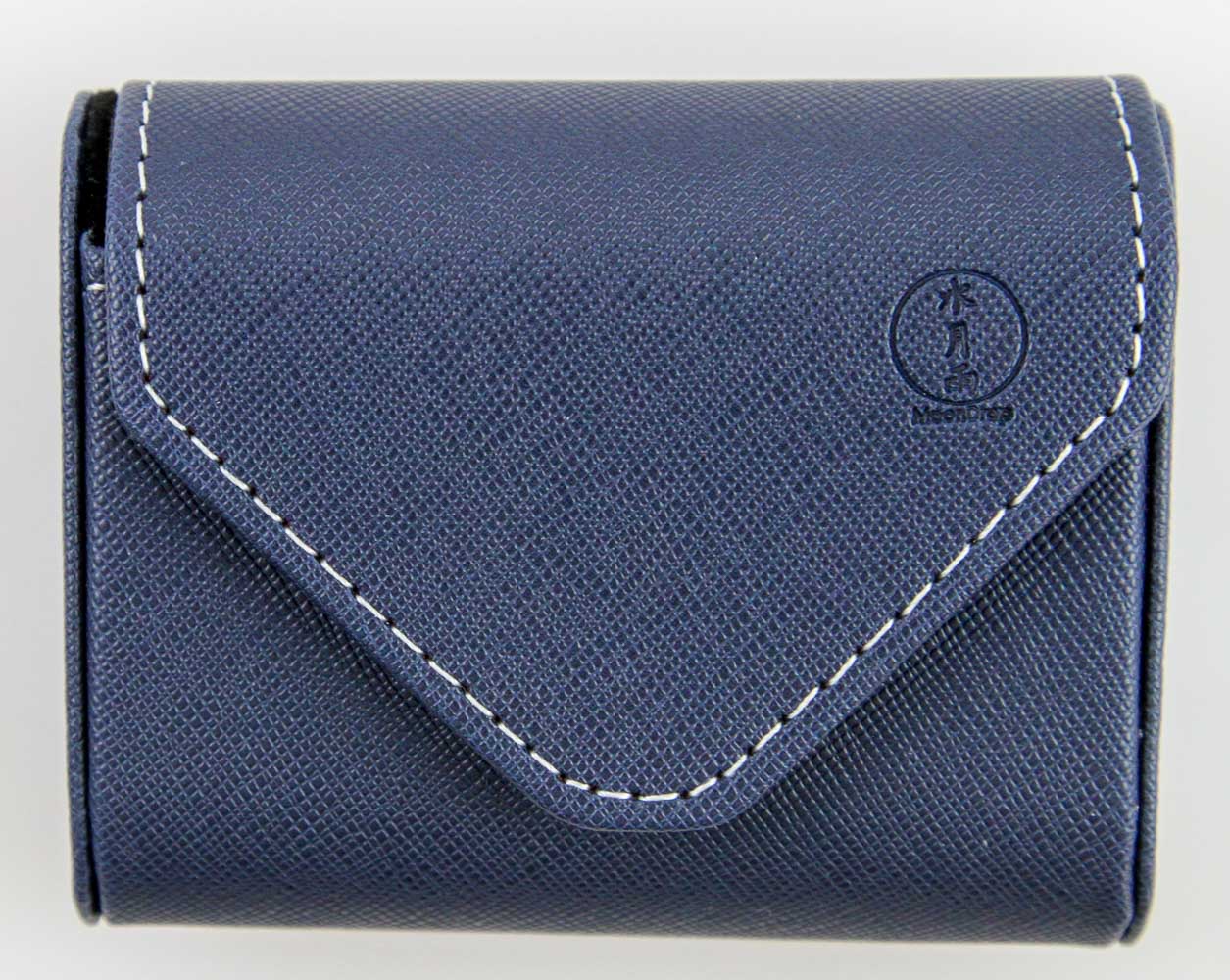
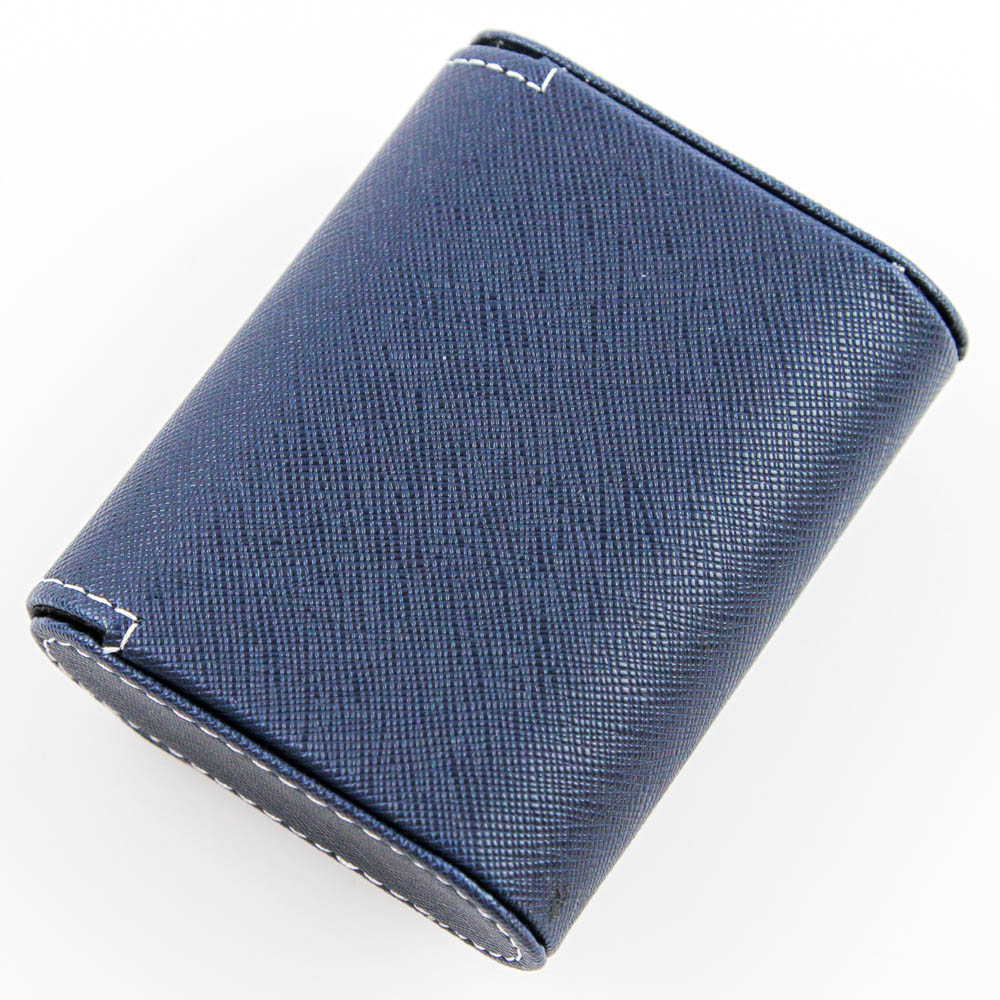


MOONDROP throws in two types of ear tips with the STELLARIS in the form of its MIS sponge foam tips in sizes S/M/L and also the expensive Softears Ultra Clear silicone tips in the same three sizes. The latter is developed by MOONDROP's sister brand Softears, and is similar to the AZLA SednaEarfit XELASTEC tips in being somewhat tacky to the touch, and lightly malleable based on a narrow temperature range to allow them to better fit your warmer ear canals. The carry case is very similar to that shipped with the MOONDROP KATO, except in all blue without the gray accent strip along the front. As is common in this price range, it is made out of faux leather and yet looks/feels nice enough, down to the stitching. The zipper is sturdy to where it won't fall off anytime soon and is easy to use. The MOONDROP logo is etched into the front, and the lid is held in place by a single magnet. The case has soft lining inside, along with ample room for both the IEMs and cable to be stored.
Closer Look
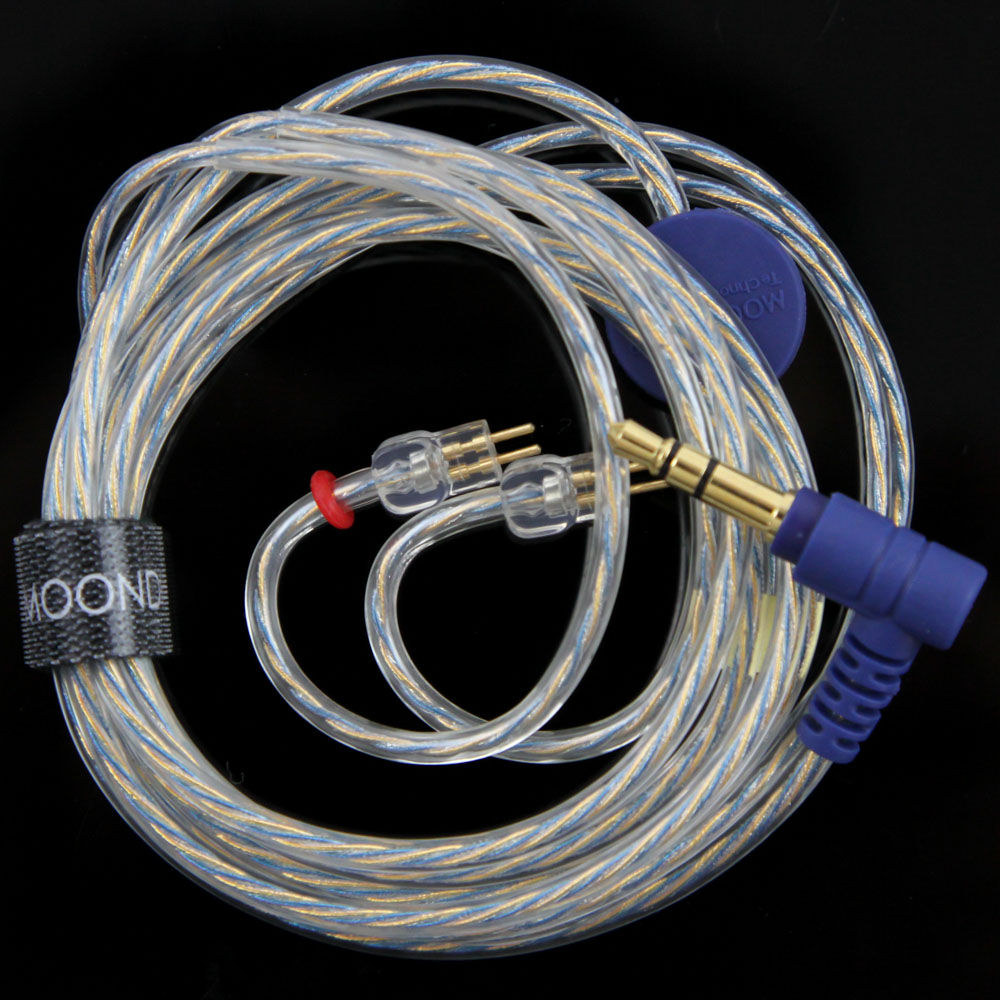
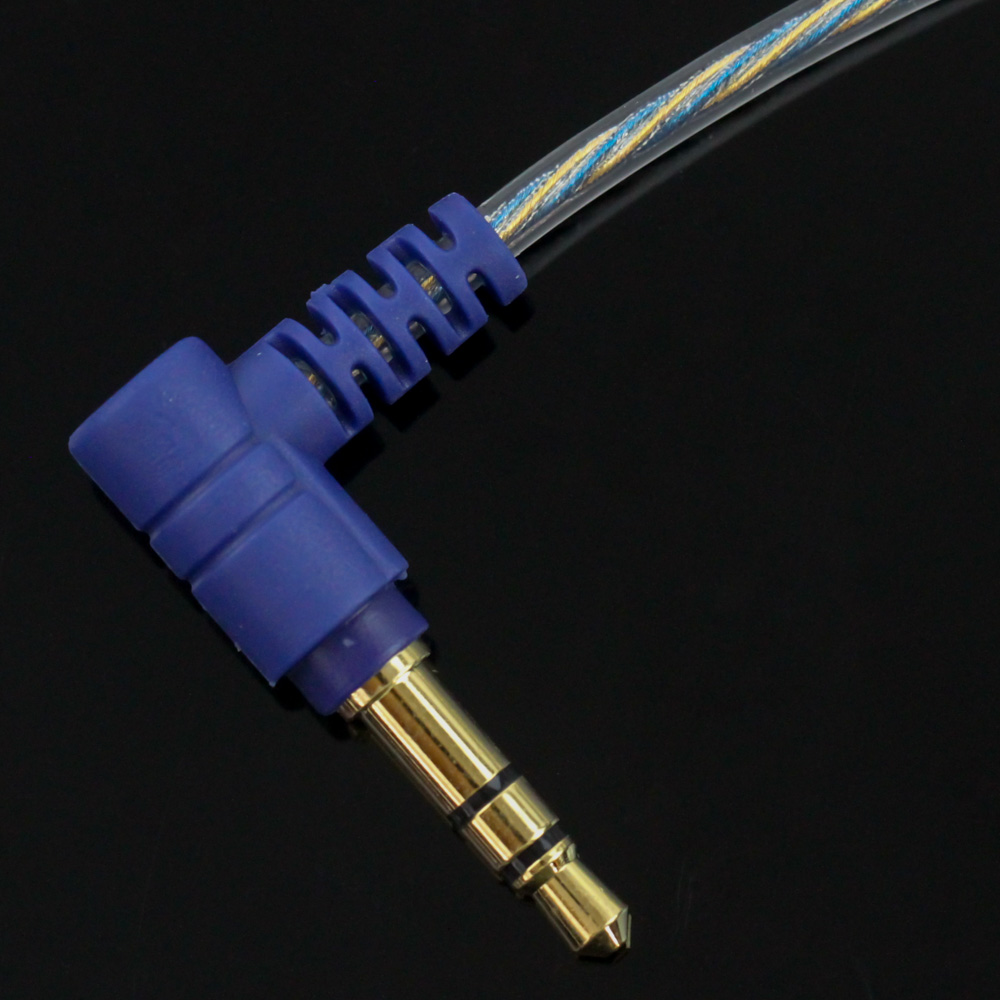
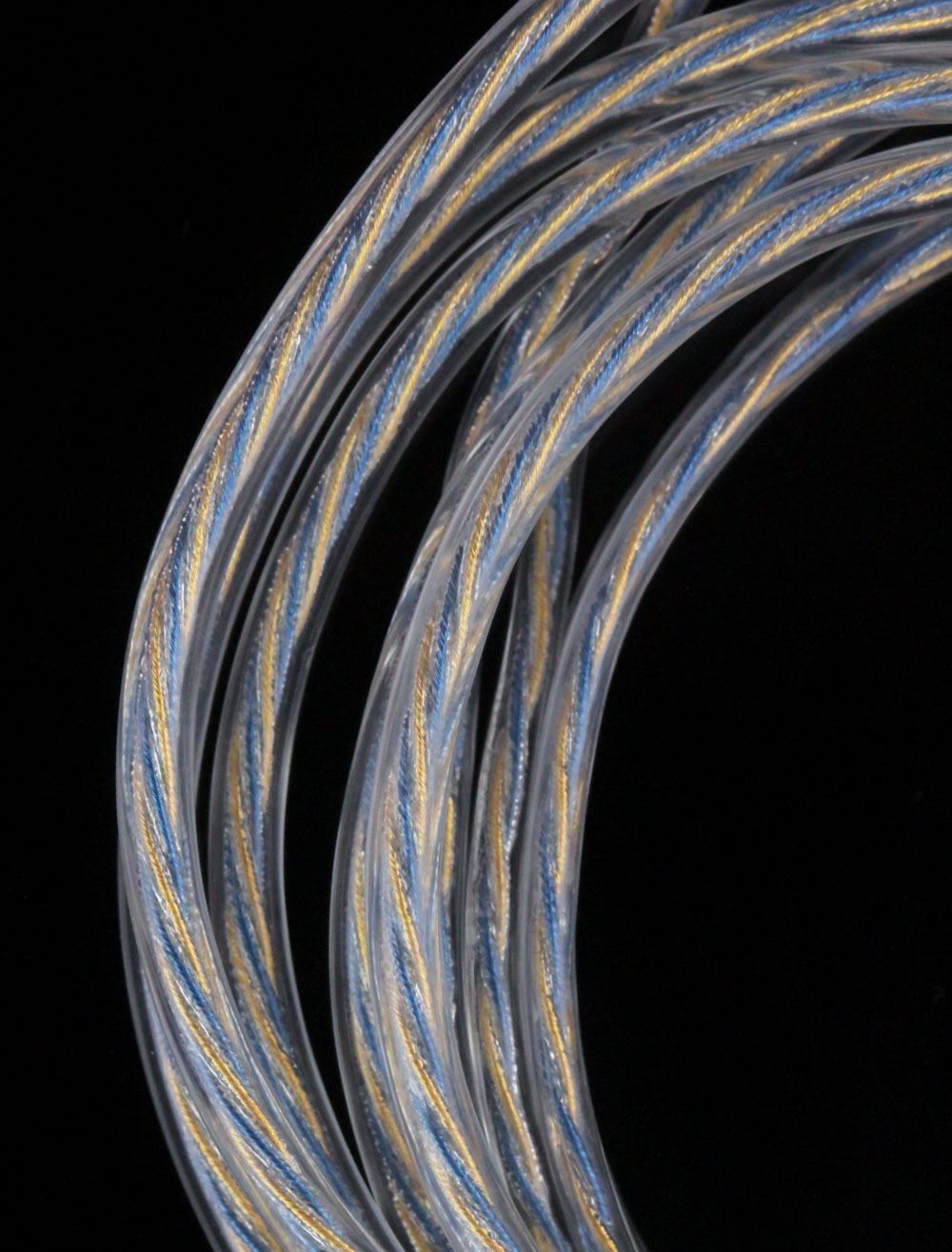
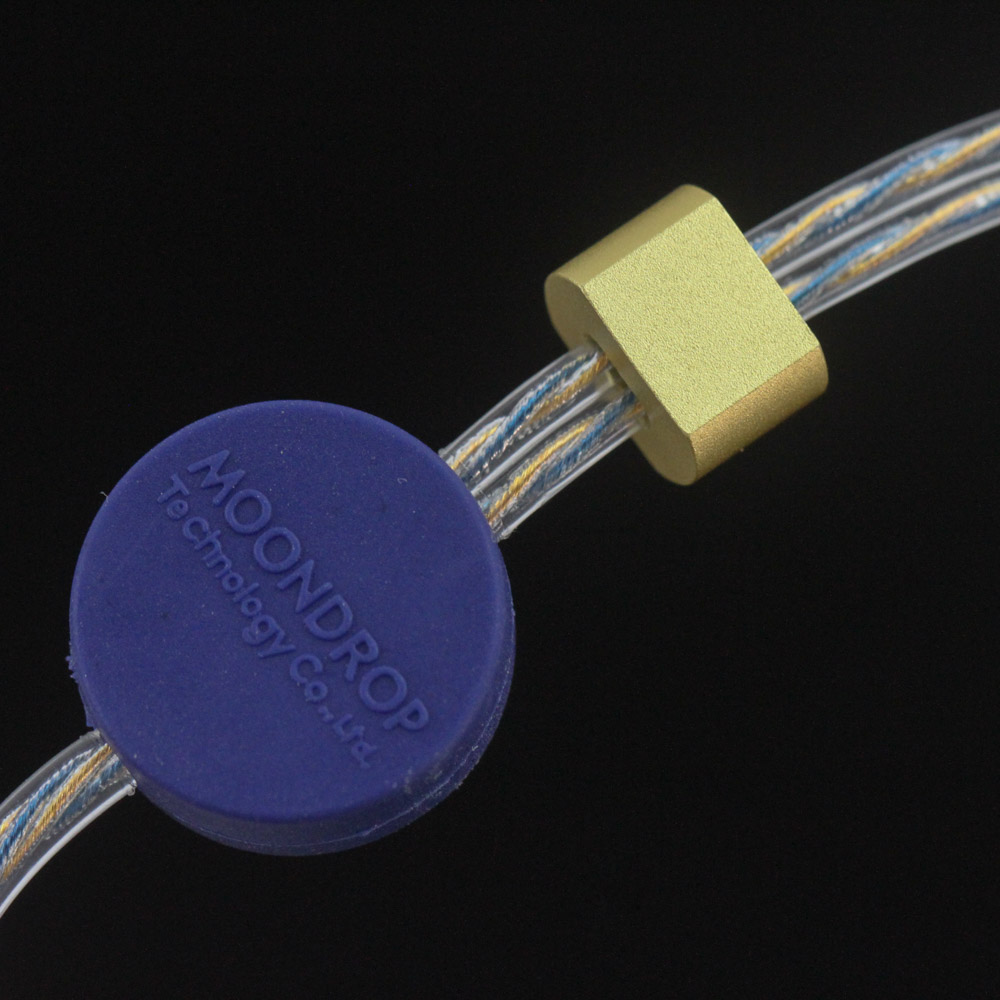
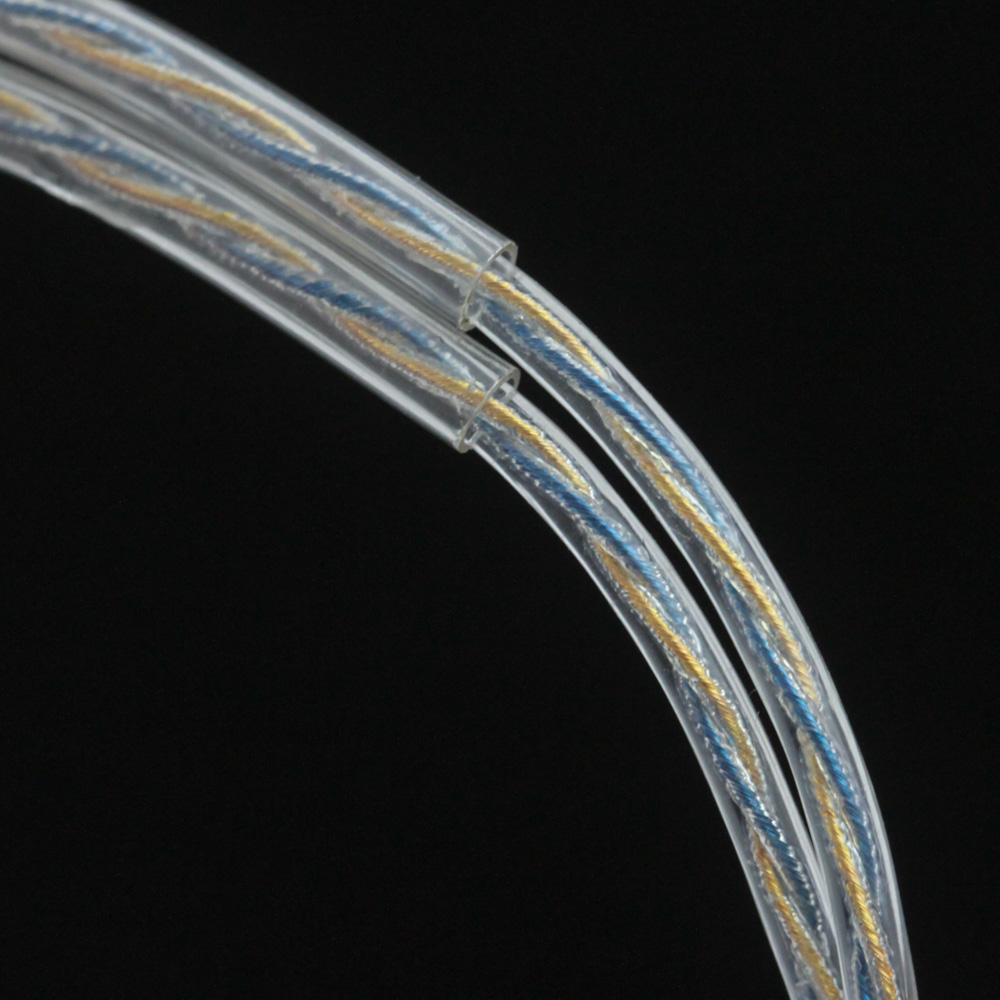
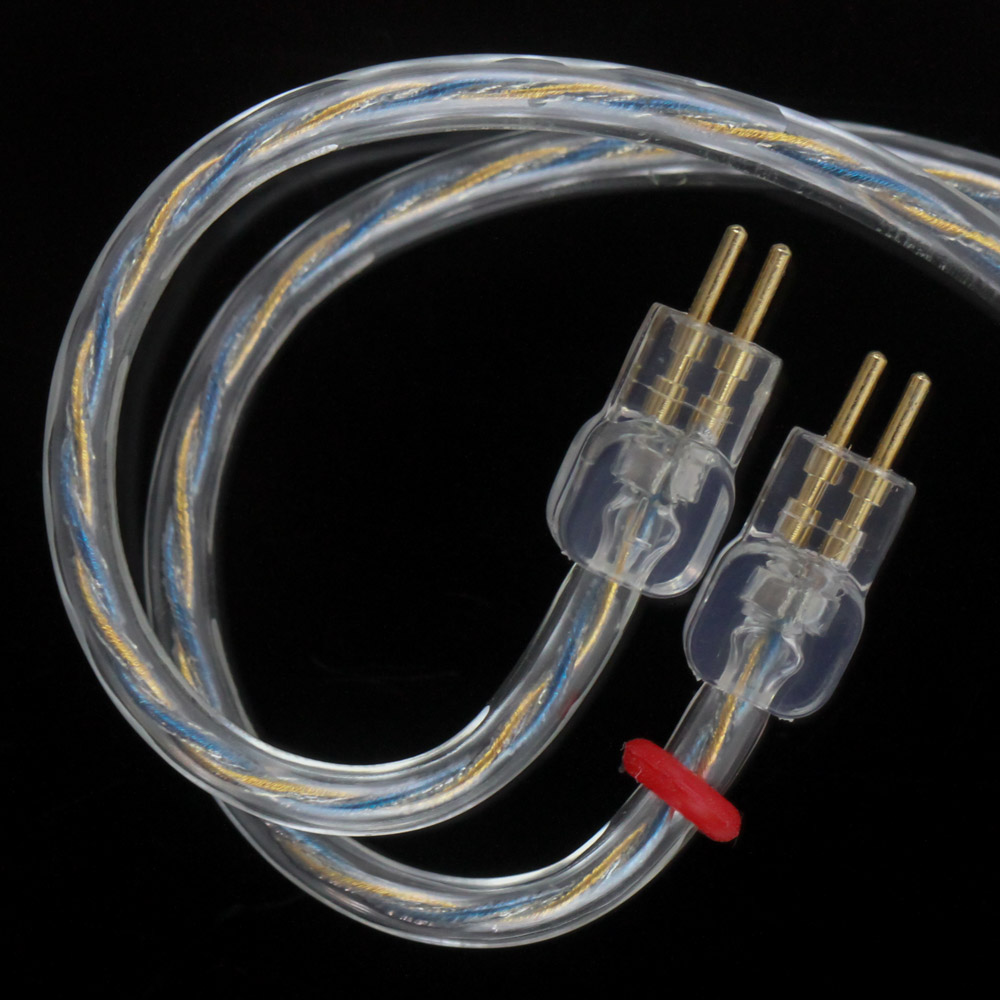
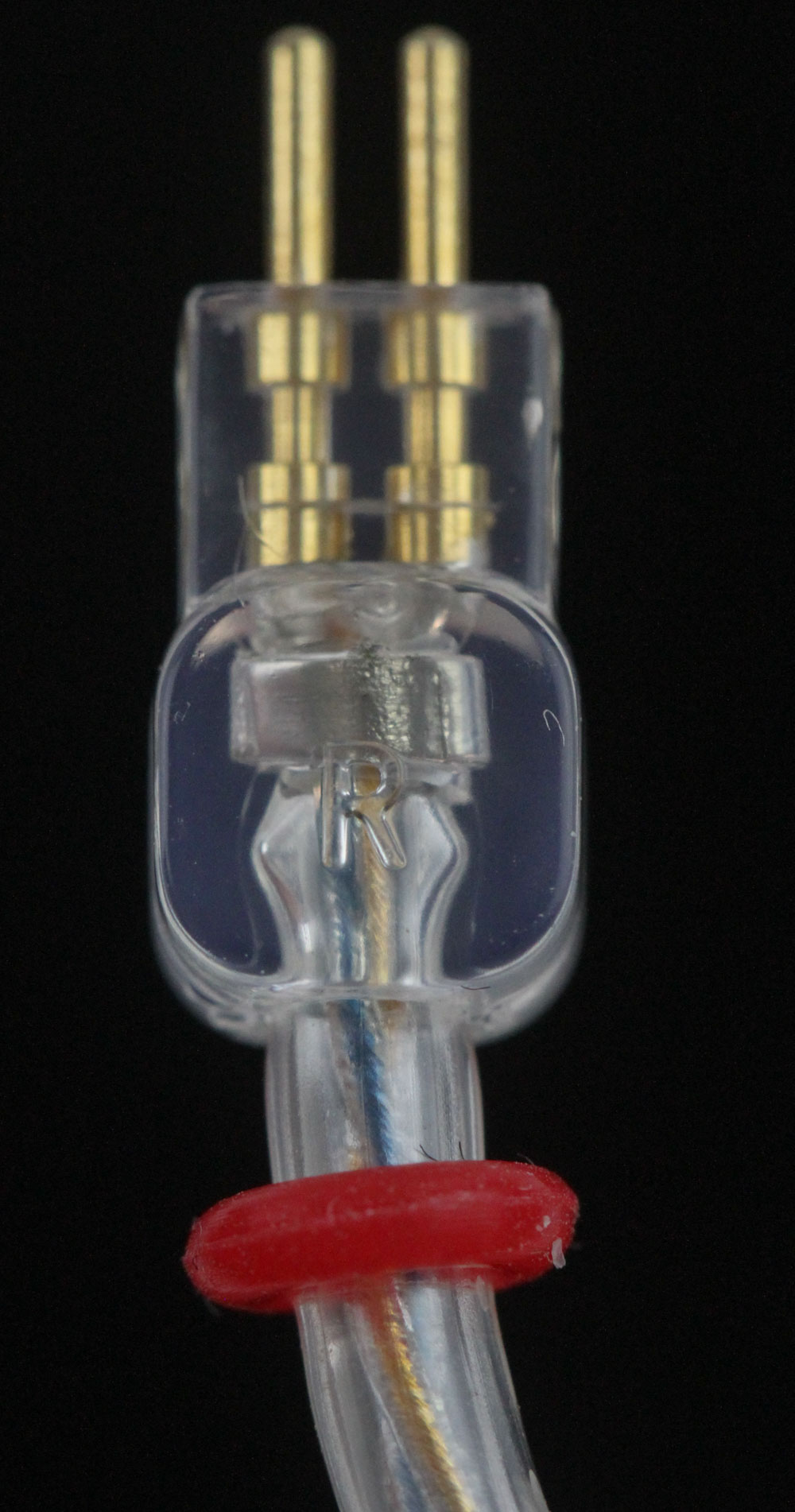
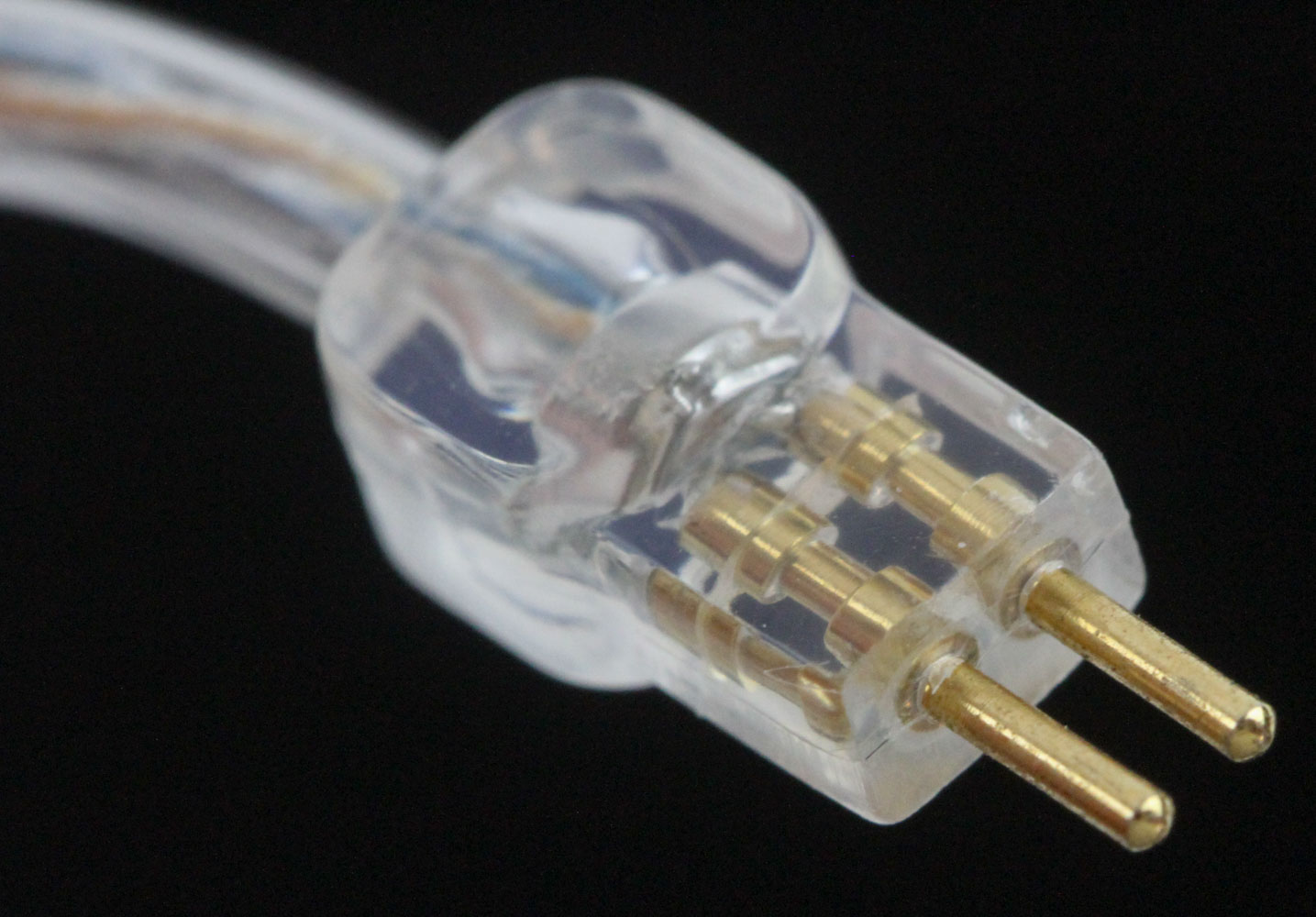
MOONDROP shares next to no information about the cable, which is a shame. It begins with a right-angled 3.5 mm TRS single-ended plug headed to your source, and tied to blue-colored plastic housing. The cable is probably re-used from the likes of the Aria Snow Edition, in which case it should be using high-purity 6N (99.9999%) oxygen-free copper as the conductor, that in turn gets silver-plating. The STELLARIS clearly employs a blue and gold color scheme so it's nice to see MOONDROP having gone the extra step to color-coordinate the sleeving of the individual braids that in turn come inside a clear sheath. The splitter is the exact same circular plastic bead that was used on the cheaper Chu and Aria cables, except again in blue. There is a gold-colored cable cinch here which doesn't go a great job unfortunately. Furthermore, there is a highly curved set of pre-formed ear hooks which then lead to two 0.78 mm 2-pin connectors that have hard-to-see L/R markings on the see-through housings, in addition to a red ring on the right side for channel identification. The metal plugs are gold-plated for oxidation resistance. It's not the best cable I've used in being harder to reshape, prone to kinks, and slightly microphonic.

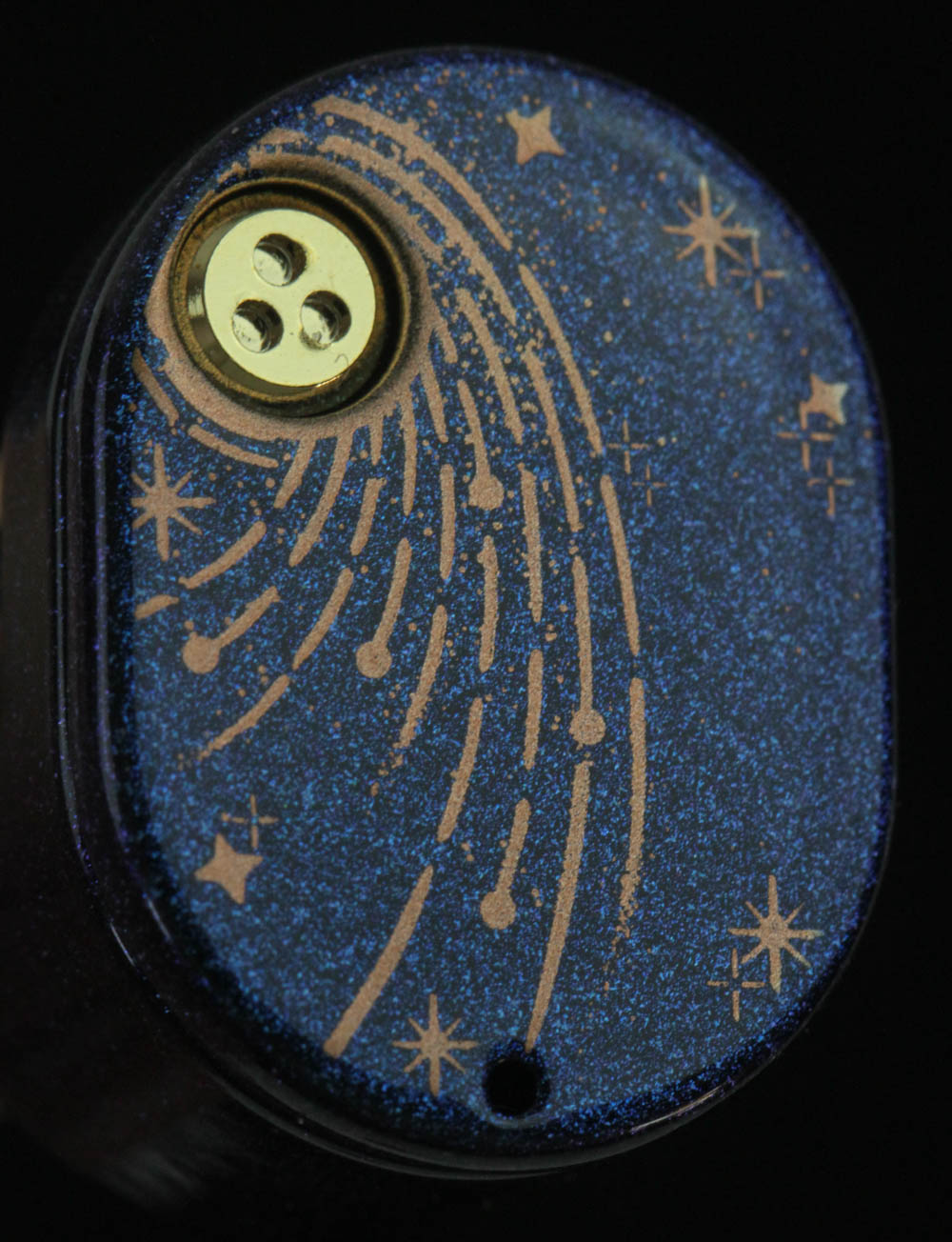
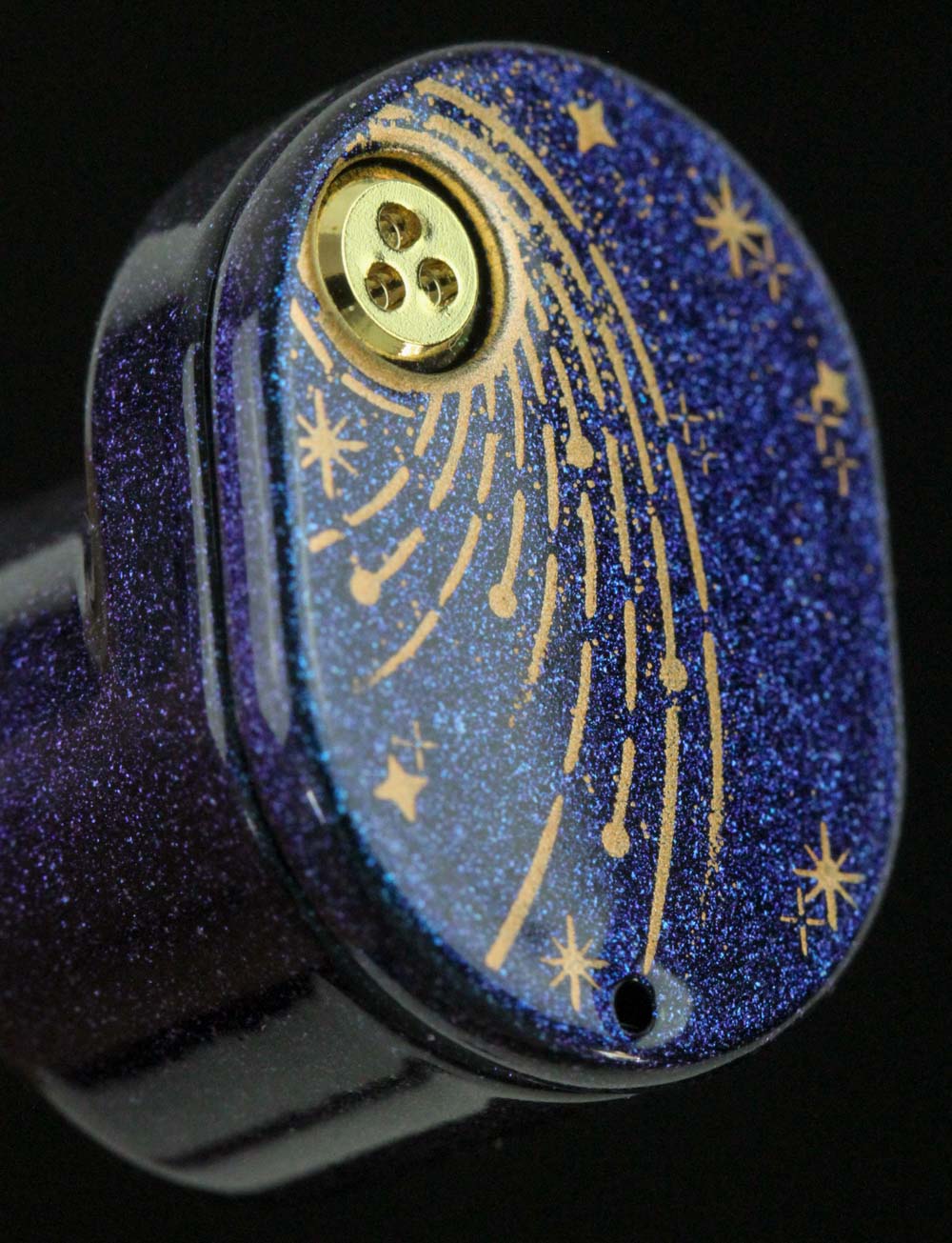
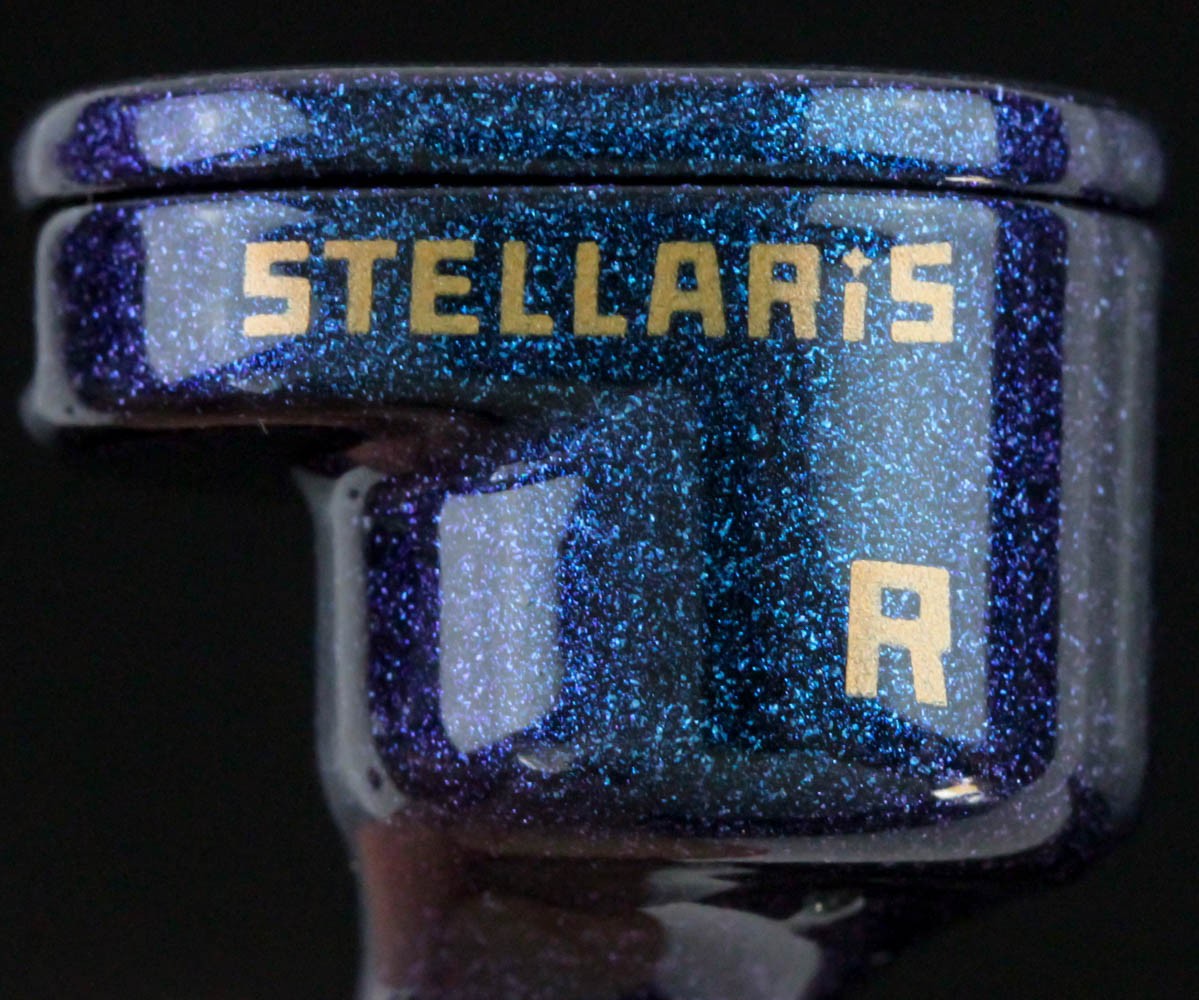
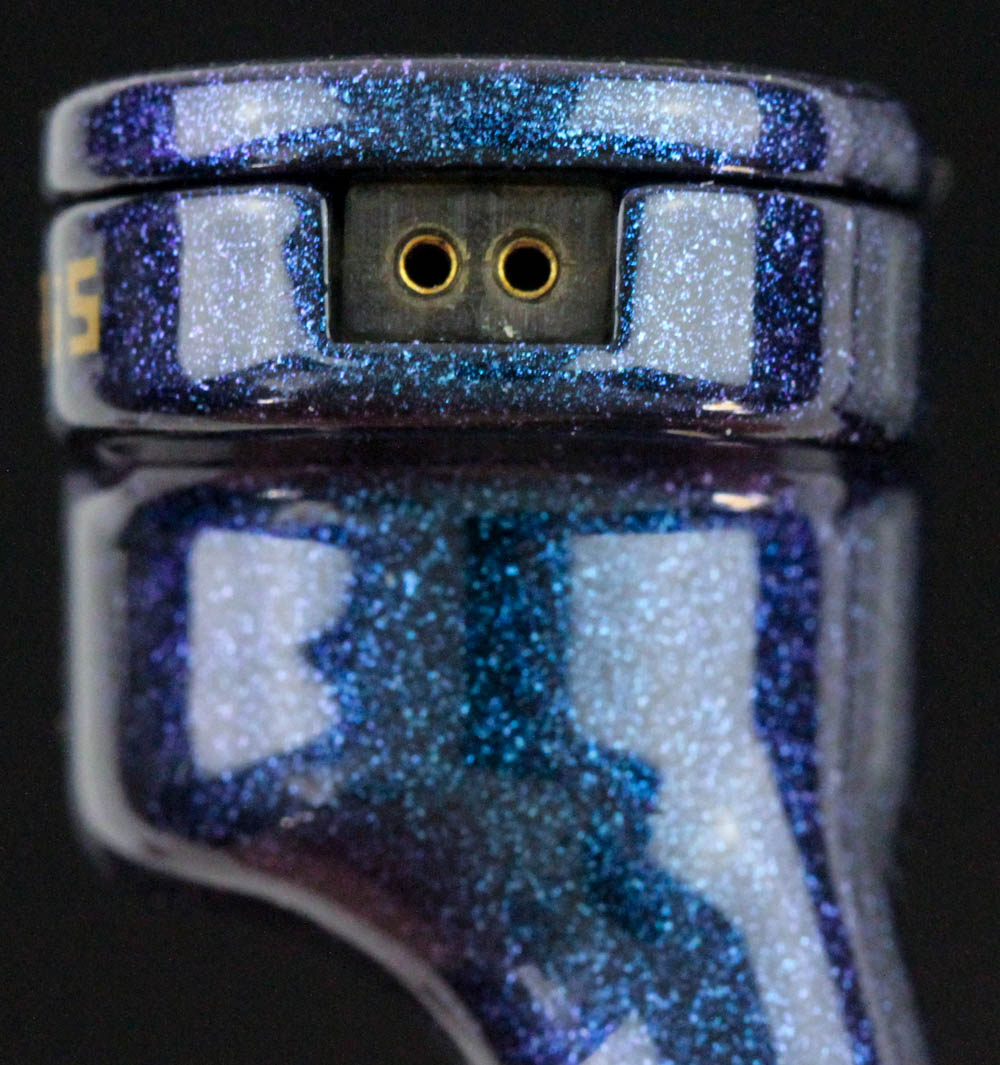

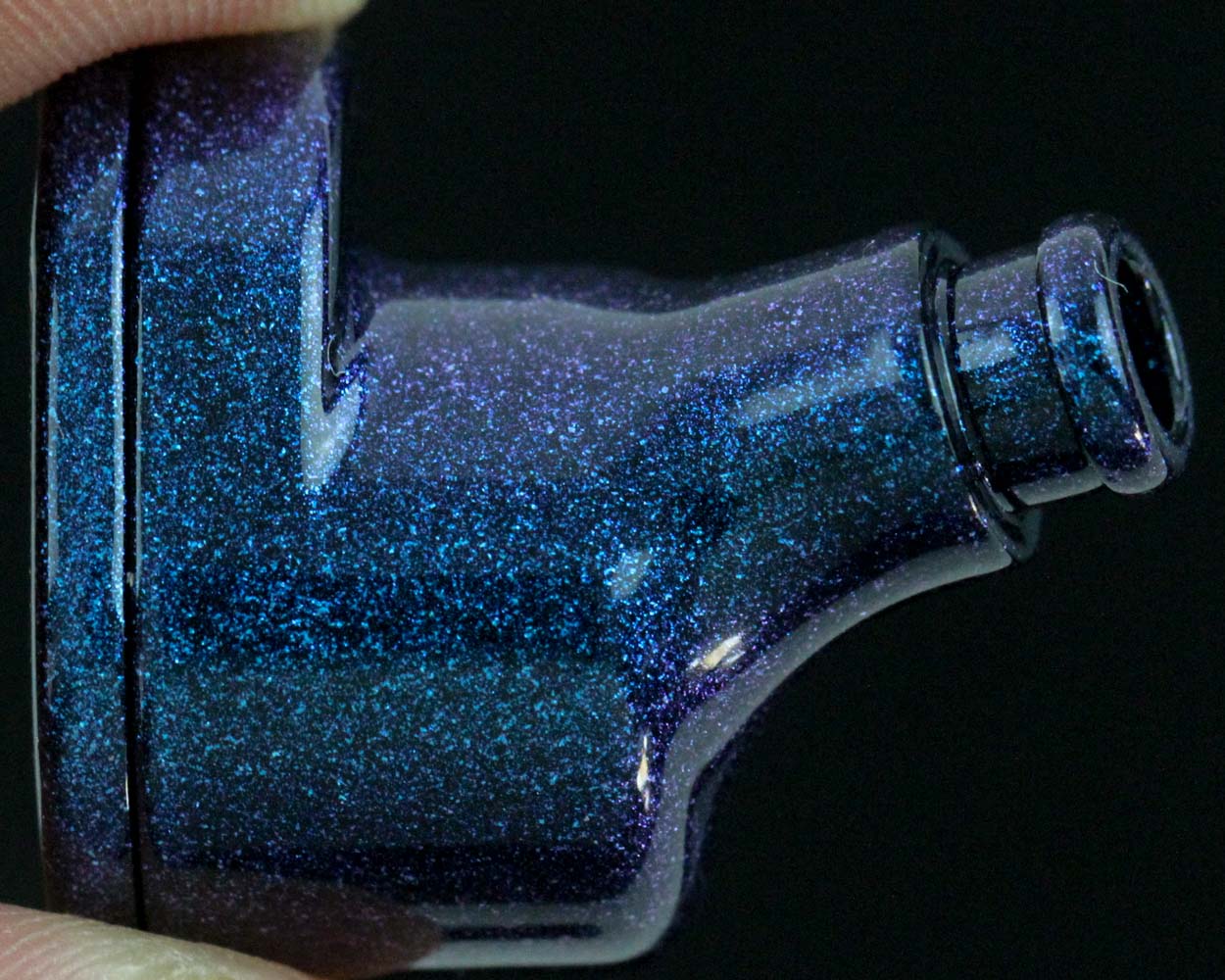
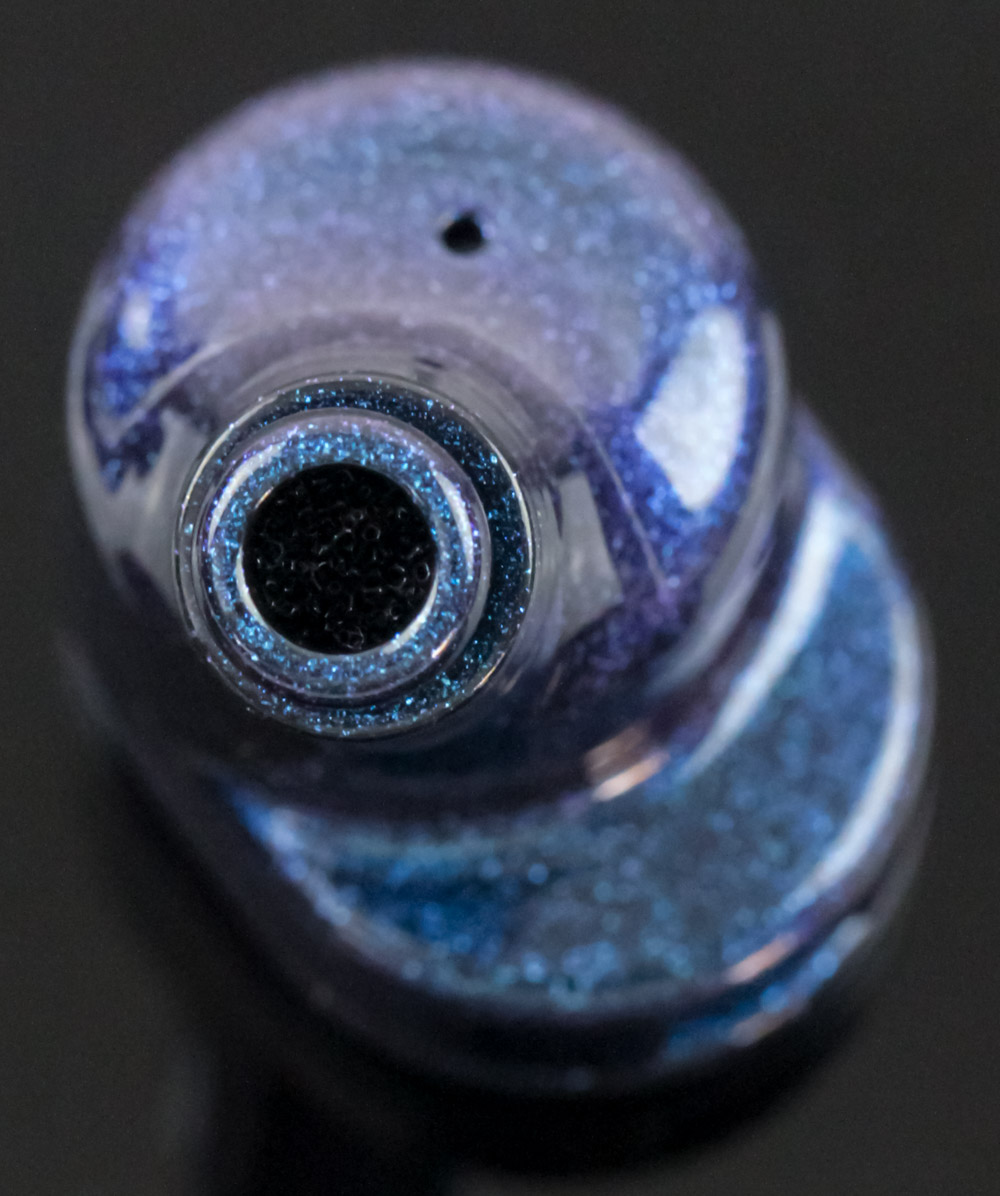
The MOONDROP STELLARIS shells are impressive in more ways than one. They are massive in both size and weight, taking up nearly 14 g each and reminding me of the IKKO OH10 IEMs with their copper shells. MOONDROP is using thick metal here—presumably brass—and the shape of the shells is also similar to some of the sister brand Softear IEMs with the pill-shaped faceplates that have a rather large housing and even larger nozzle behind. The shells get an iridescent finish that goes from muted to striking colors based on the incident light and the base blue color helps contrast the intricate sun and stars design in gold. MOONDROP claims these are hand-painted, but I find that hard to believe. The gold colored vents on the face plates are just decorative screws that MOONDROP has seemingly tried to patent for whatever reason. There's a lot of things going on here which make little sense to me! Note also the recessed 2-pin cable socket located at the top rather than the sides, with "STELLARIS" and L/R markers on the sides instead. We then make our way to that highly angular and thick, two-step nozzle that is already ~6.3 mm at the ends and has no filter, with MOONDROP instead going with foam inside for dampening as well as minor protection of the acoustic chamber from contaminants.
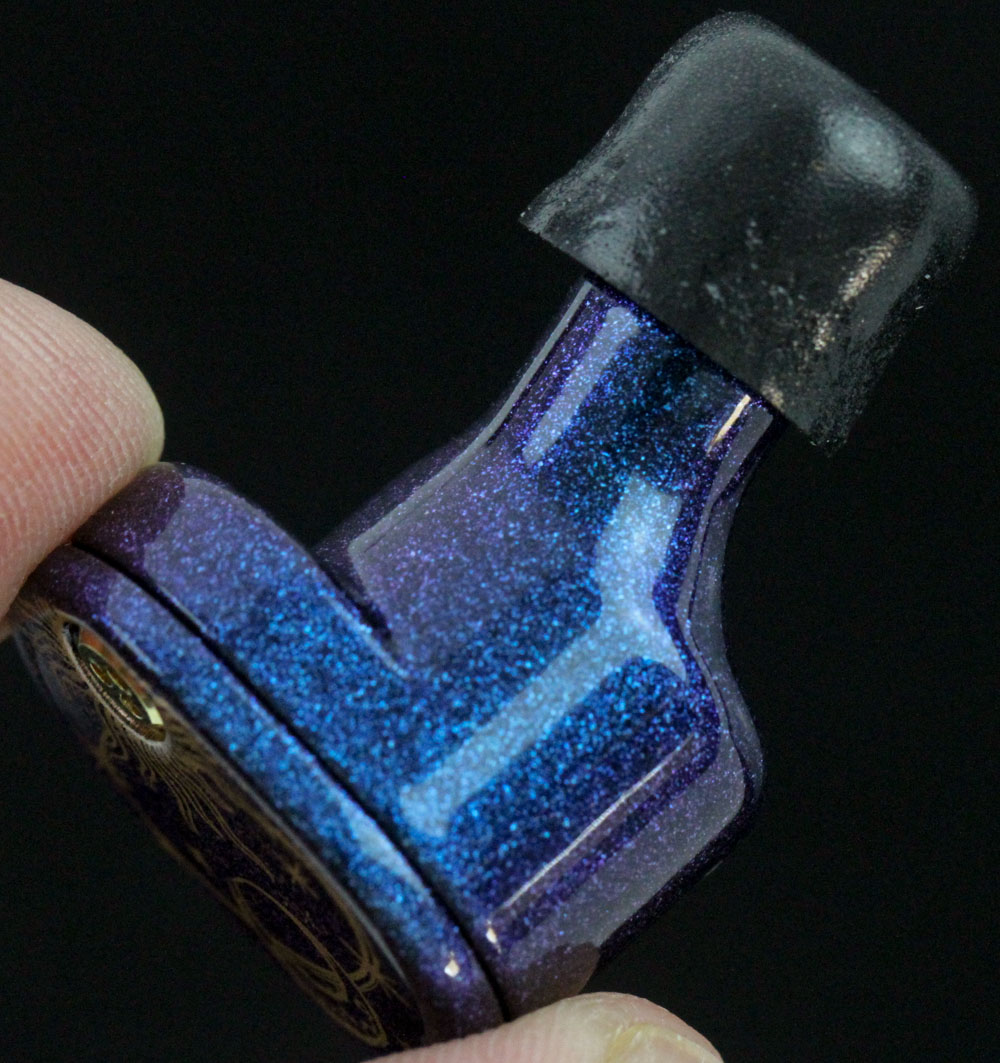

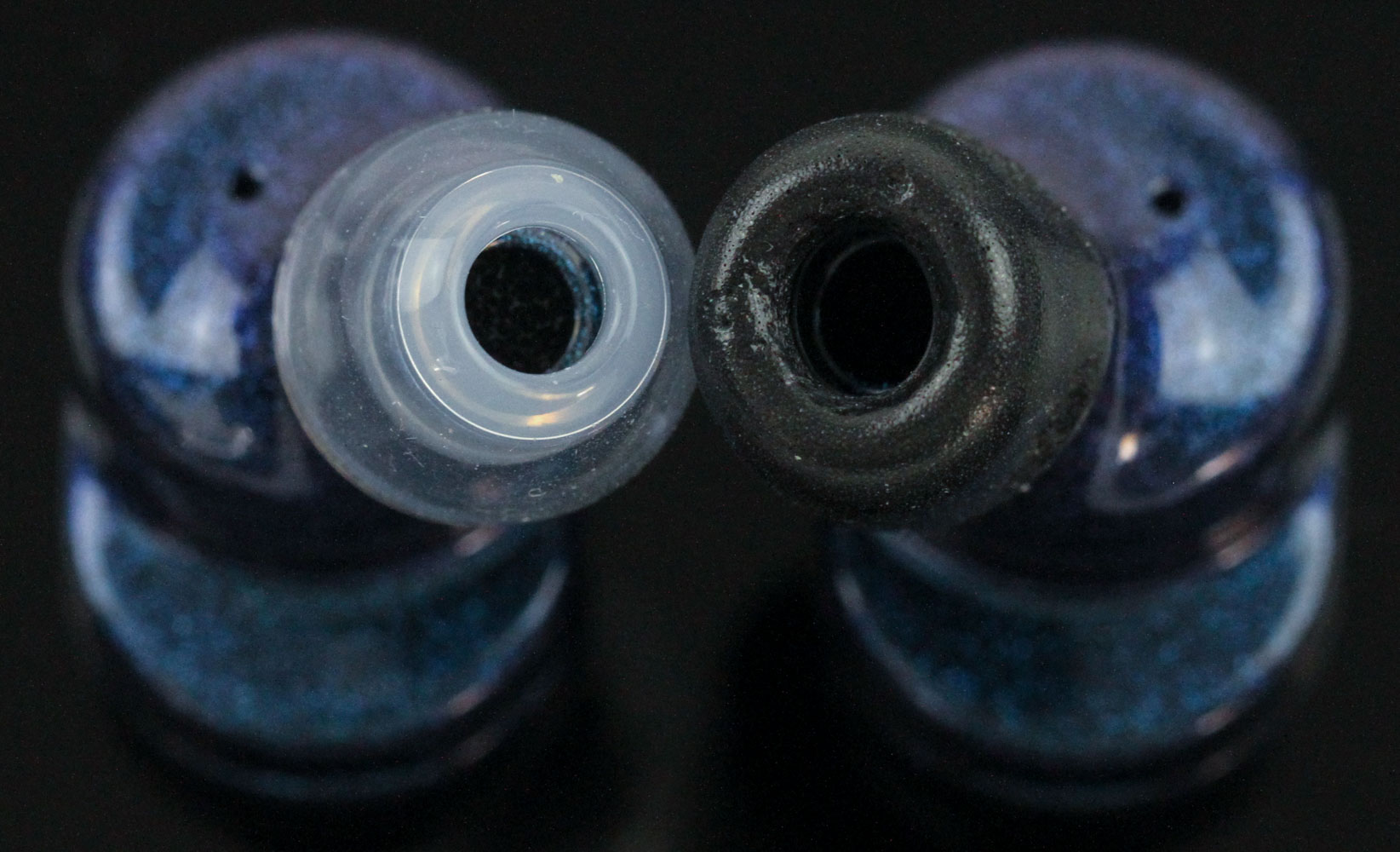


Seen above are both types of included ear tips in size M installed on the right shell—both have relatively larger bores. As mentioned previously, do try them all out and see what works best for you. Note that you may also end up having different sizes for the two ears depending on the size of your ear canal, given these biological features won't necessarily be the same for everyone. The Ultra Clear tips are tackier in grip, and mold better to the inside of the ear canal in my opinion. There is no retaining lip on the nozzle although you have to spread the tip bore slightly to fit over the nozzle anyway, thus retaining them in place via pressure once you get them all the way down the smaller nozzle section. Installing the cable is simple enough, with the pre-molded ear hooks that go over the ears and L/R indicators helping identify what goes where. Push the 0.78 mm 2-pin plugs into the IEM connectors as seen above, and friction will do the rest in keeping them in place. One thing I will note here is the blue plastic on the cable housings does not match the blue on the shells, but that's a small issue compared to what's coming up.
Our Patreon Silver Supporters can read articles in single-page format.
Nov 21st, 2026 11:20 PST
change timezone
Latest GPU Drivers
New Forum Posts
- Can you guess Which game it is? (343)
- UPS what one to get? (20)
- RX 580 2048SP 8GB - SK Hynix - Brand Unknown - BIOS Needed (0)
- Zen 3 IF/IMC degradation (243)
- State of the HPC-AI Market 2026: Processing Elements (0)
- 1 - 5 person file storage server equivalent accasible from anywhere + general VM server. (3)
- Honestly, do you care about GTA VI? (225)
- RX 9000 series GPU Owners Club (2251)
- Windows 11 General Discussion (7746)
- How to prevent OLED burn damage due to PC freezes or power outtages? (51)
Popular Reviews
- Microsoft Surface Laptop Ultra Review - The Next-gen Arm Laptop
- Ugreen NASync DXP4800 GT Review
- Corsair RM1200e (Second Generation) Review
- Pulsar Office Tour & First Look at P1 Dual-Sensor Mouse
- Upcoming Hardware Launches 2027 (Updated Nov 2026)
- Acemagic Retro X3 Review
- Biwin Black Opal NV7400 2 TB Review
- AMD Ryzen 7 9800X3D Review - The Best Gaming Processor
- AMD Zen 6 Technical Deep Dive
- Chieftec Iceberg PRO 360 DARK Review
TPU on YouTube
Controversial News Posts
- NVIDIA Co-Founder and CEO Jensen Huang Officially Resigns (492)
- Report: Jensen Huang Eyes NVIDIA Comeback (260)
- Open Letter Asking NVIDIA to Reinstate Jensen Huang Passes 115,000 Signatures (184)
- OpenAI CEO Argues Home PCs Waste the World's Limited DRAM Supply (152)
- NVIDIA Launches Investigation Into Jensen Huang's Relationship With Suspected Chinese Spy (136)
- Intel "Raptor Lake Next" 16-Core and 20-Core CPUs Surface (130)
- NVIDIA GeForce RTX 50-Series Scheduled for up to $500 Price Hike This Week (89)
- Intel Razor Lake Gets a 12 P-Core bLLC Chip With No E-Cores, Per Leak (86)