 34
MSI GeForce RTX 5070 Ti Ventus 3X PZ Review - Well-Hidden 16-Pin Power
Circuit Board Analysis »Packaging


The Card


With the RTX 5070 Ti Ventus PZ, MSI has refreshed their Ventus line of cards. The top cooler shroud shape is exactly the same as on the older Ventus model, but of course the color theme is white with highlights in various shades of gray. The metal backplate is powder coated in white, too, and you can immediately see the large opening for the 16-pin power cable.

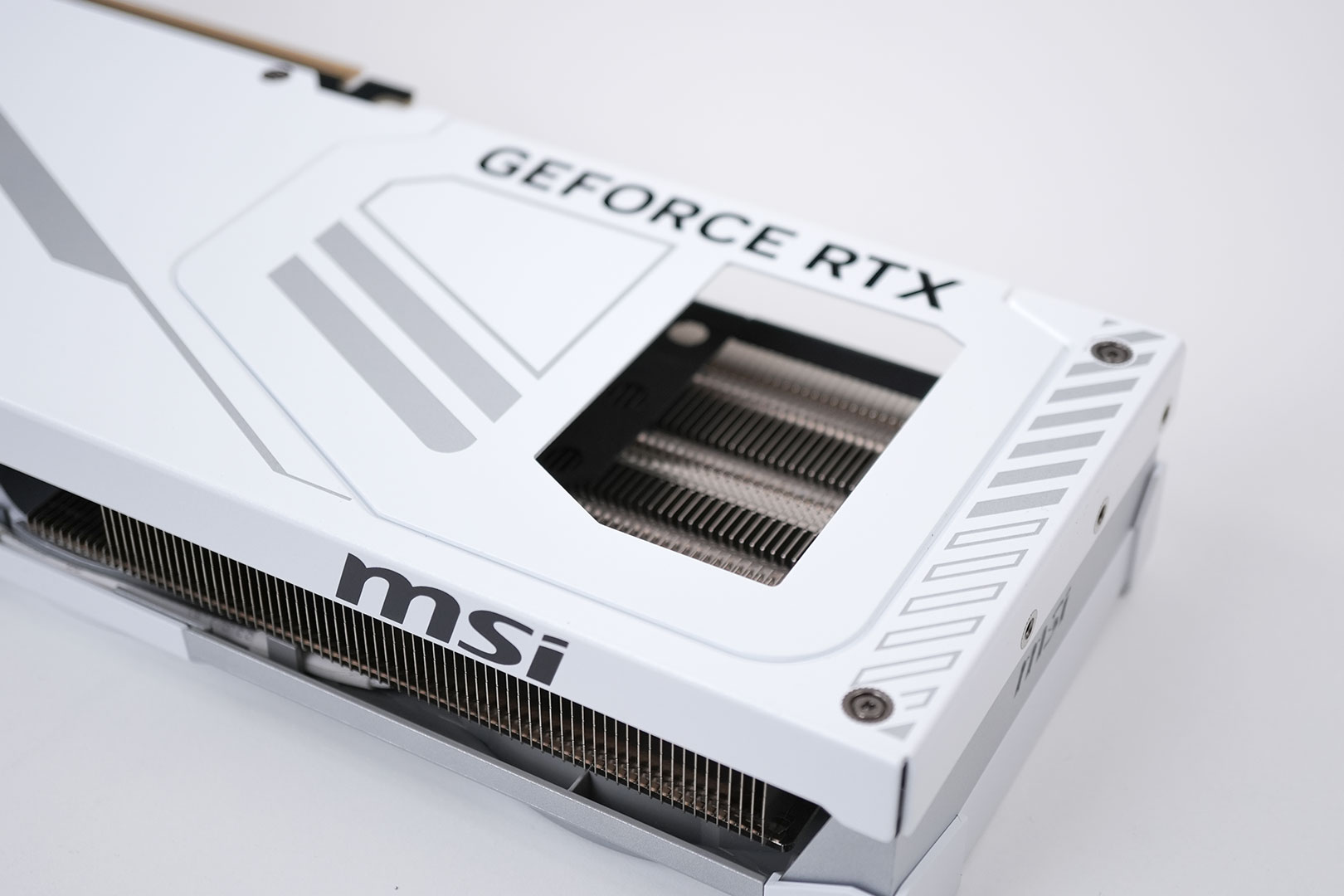

The opening is covered by a magnetically attached lid, which is an excellent idea. It's simple to install and remove without any tools, and it provides a secure connection. The lid stays firmly in place and does not wobble or come off on its own, even when the card is removed from the case and moved around.

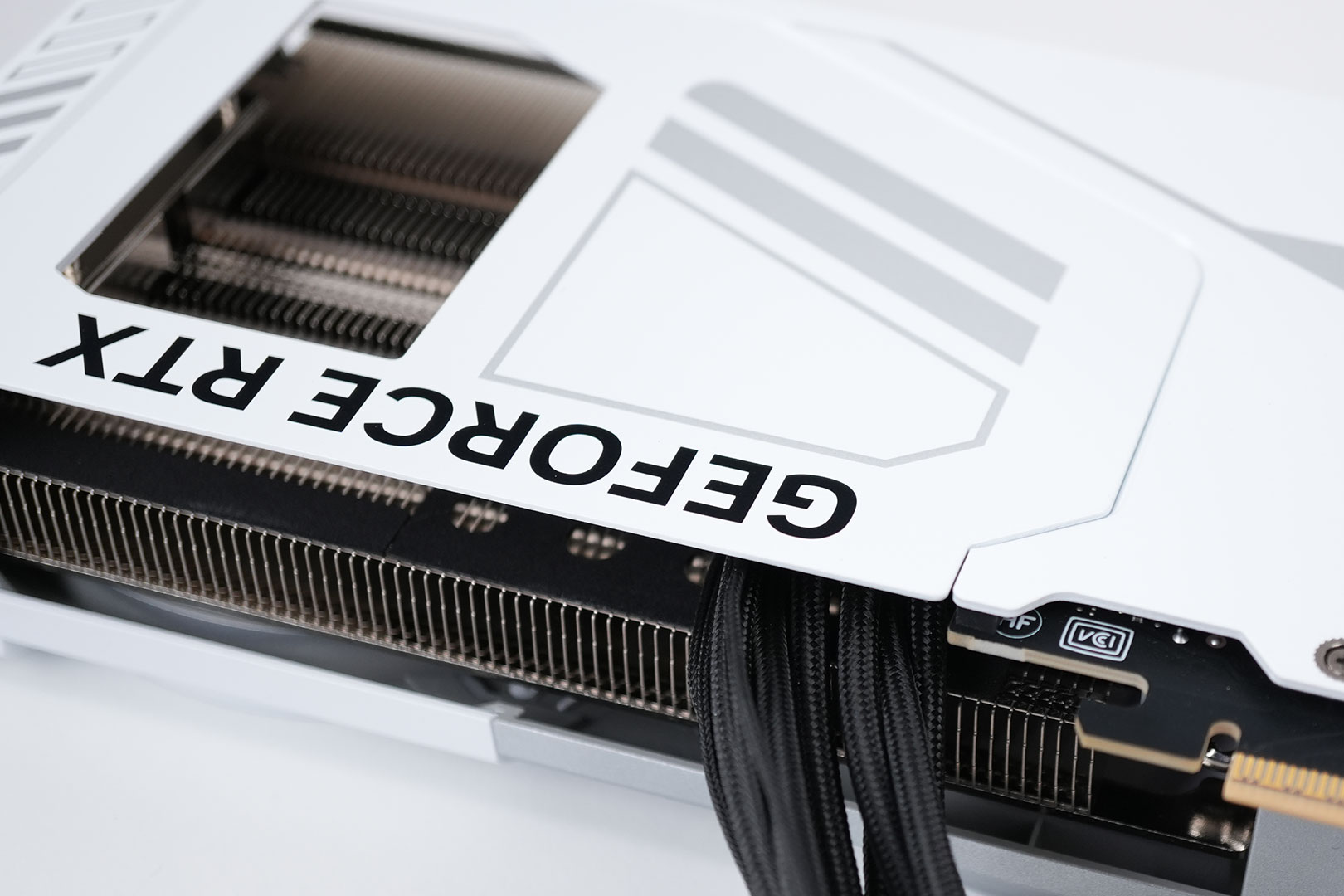
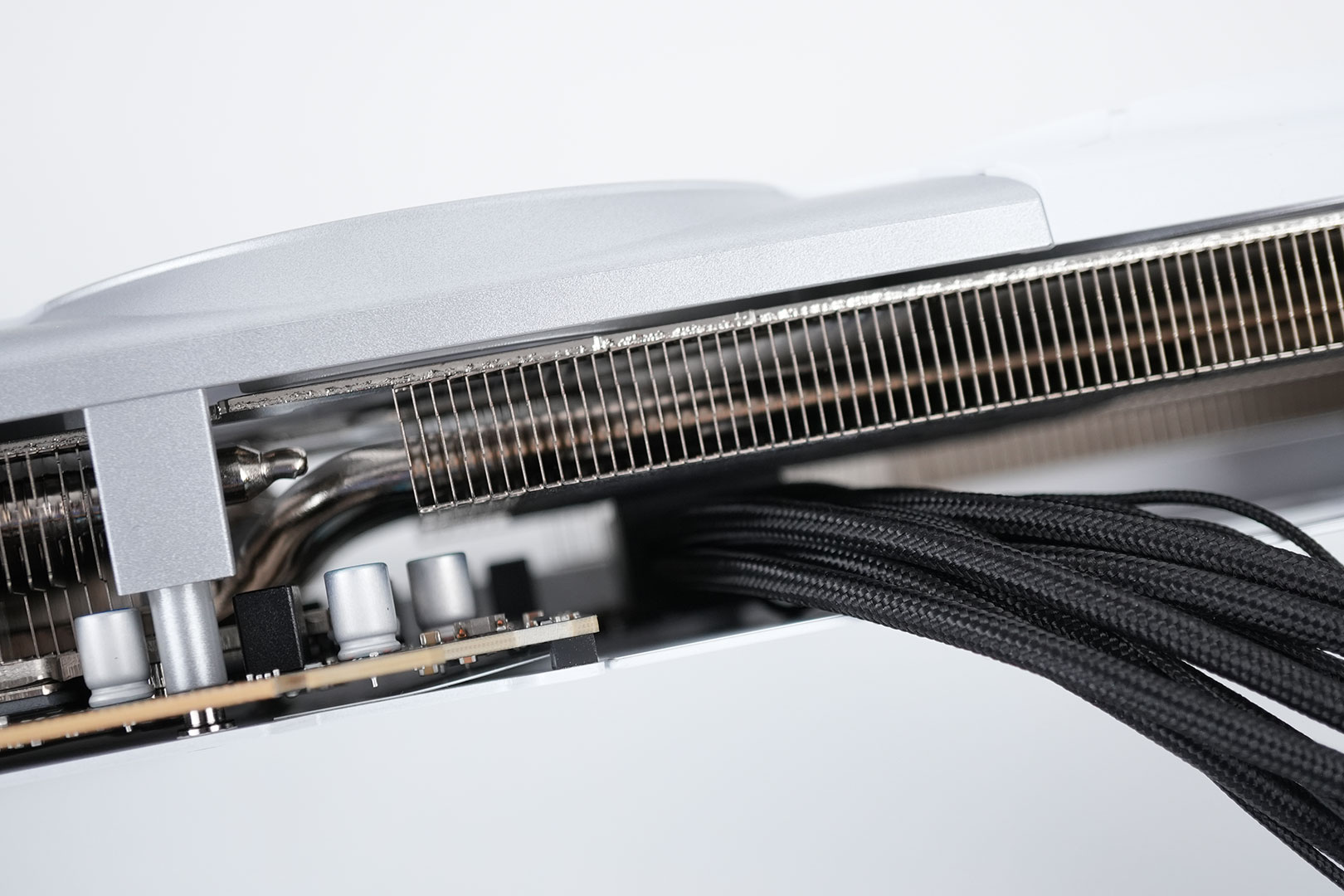
The 16-pin power cable feels right at home here, it's very easy to install and remove.
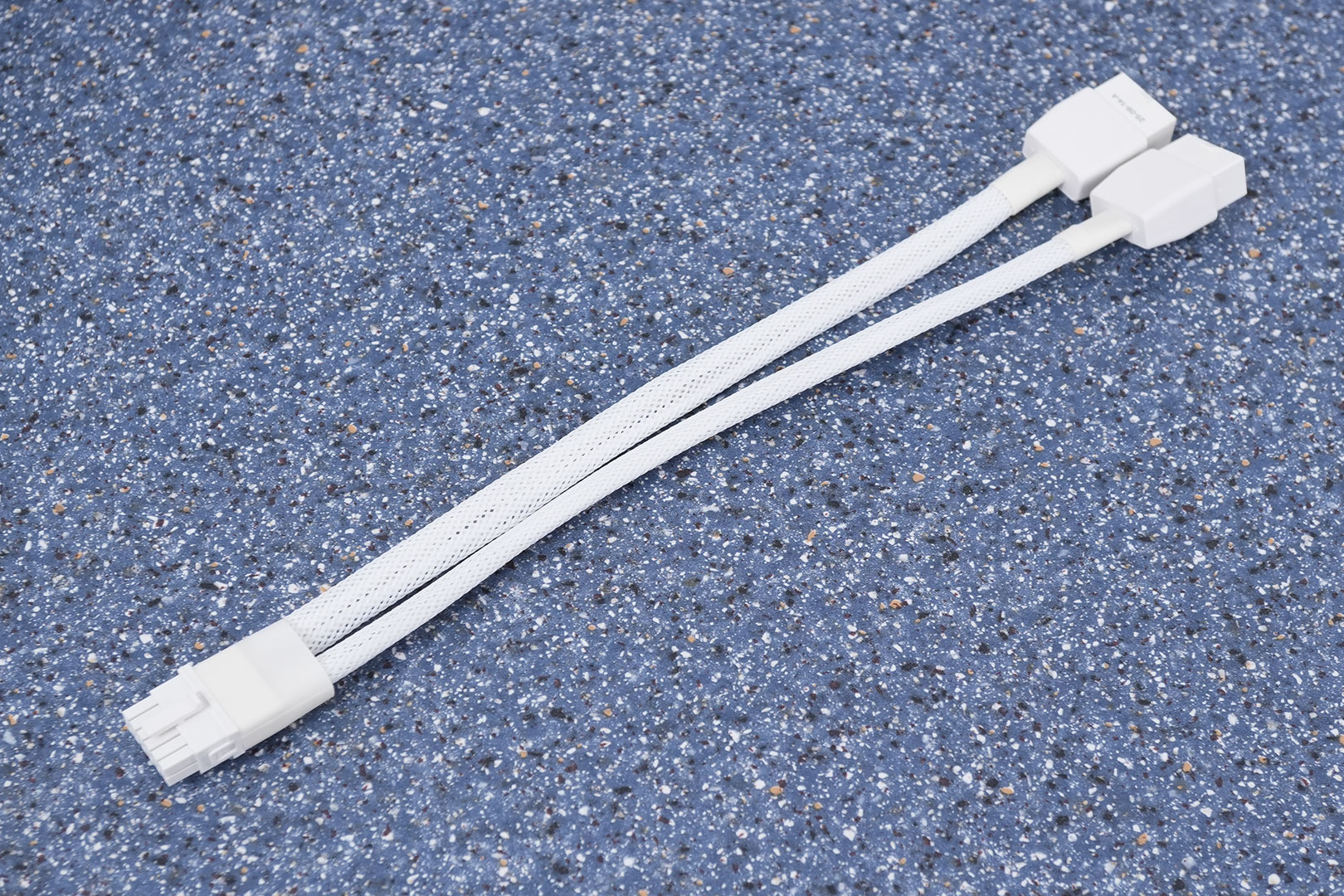
Included in the package is this white 16-pin to dual 8-pin power adapter cable—it looks fantastic.
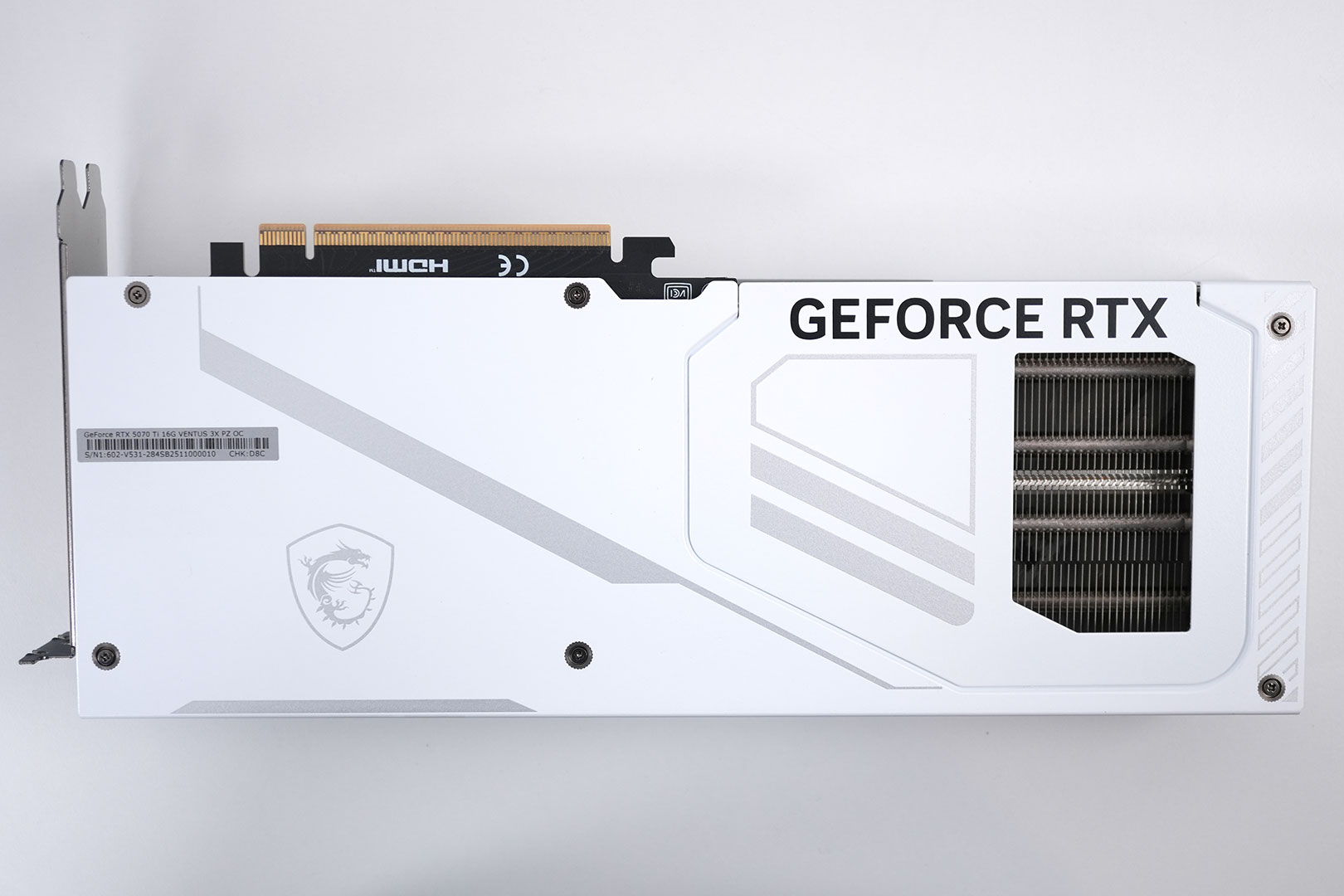
Here's the card with the cover attached.
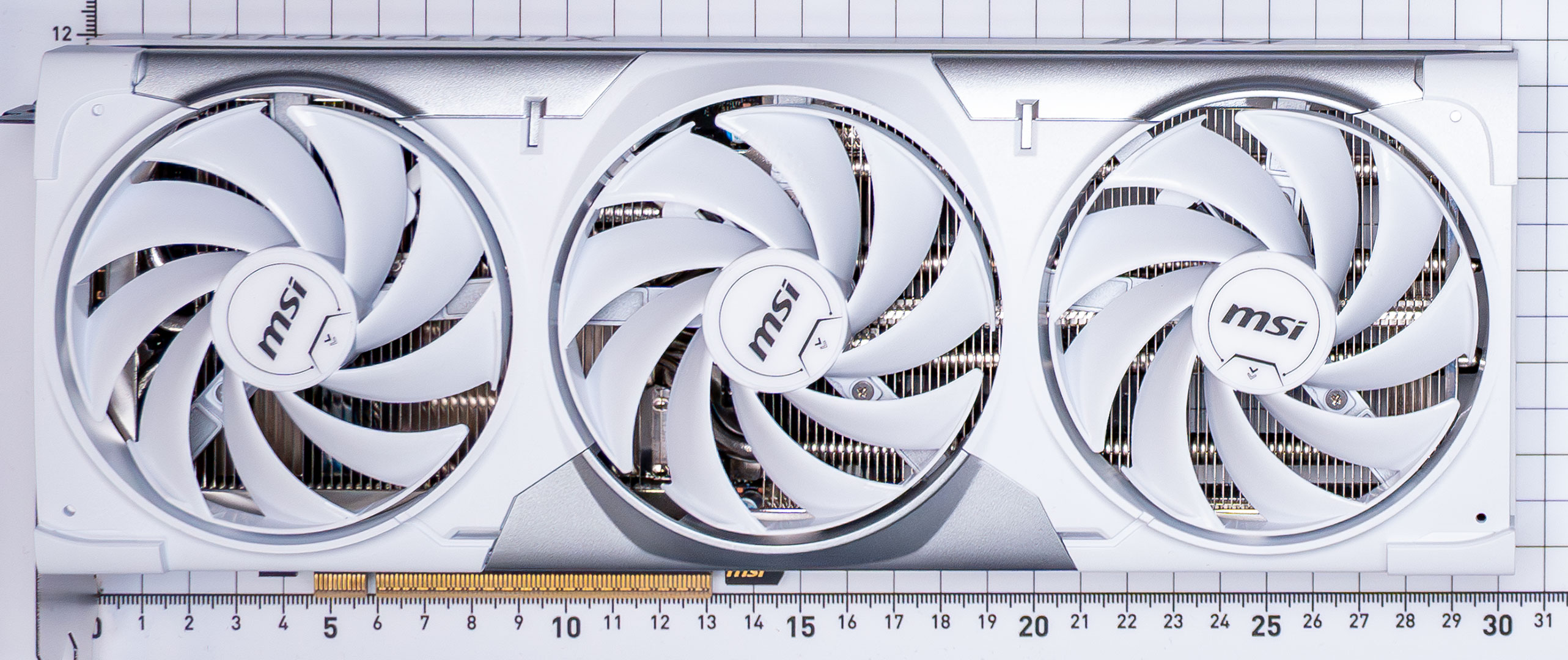
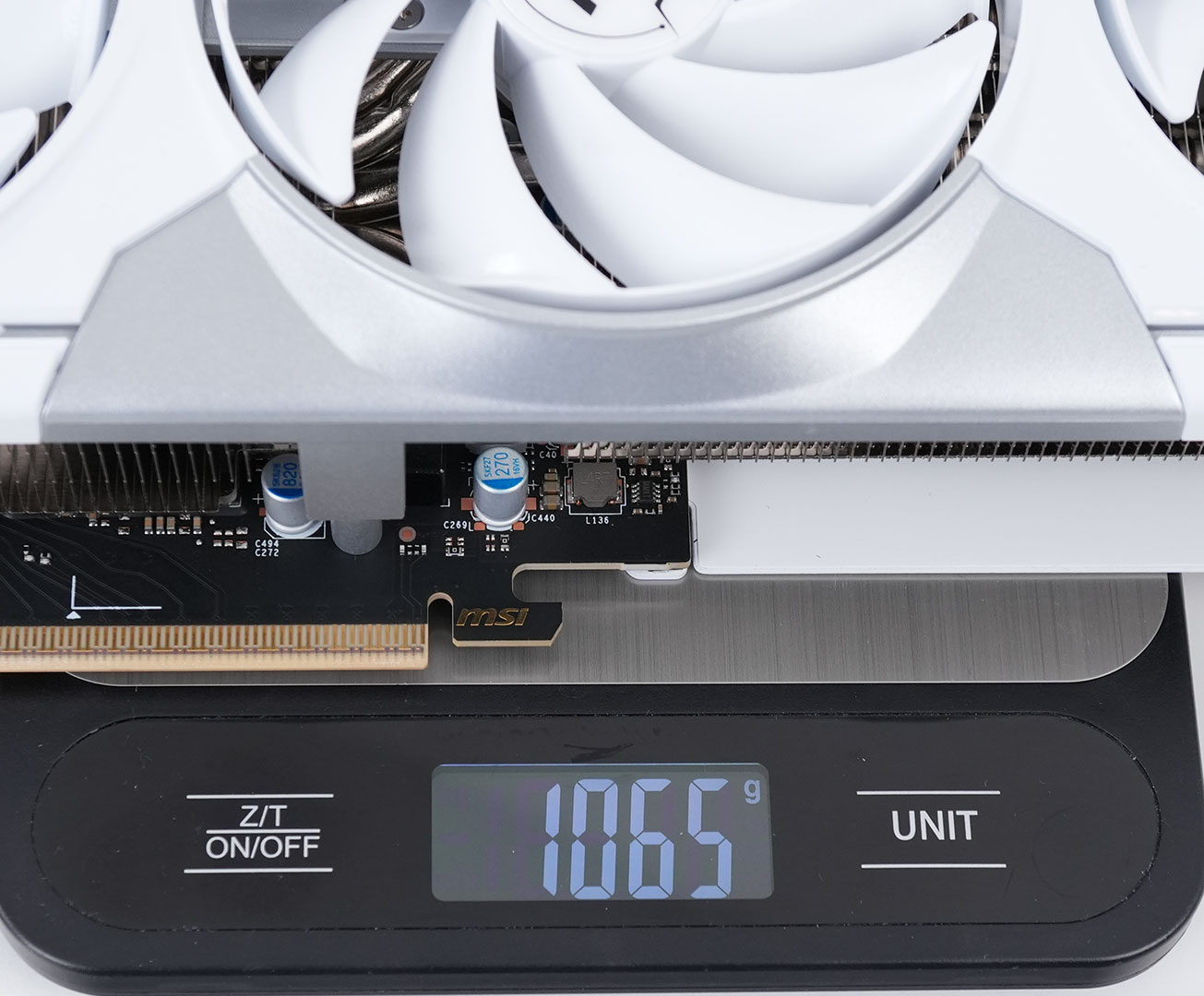
Dimensions of the card are 30.0 x 12.0 cm, and it weighs 1065 g.
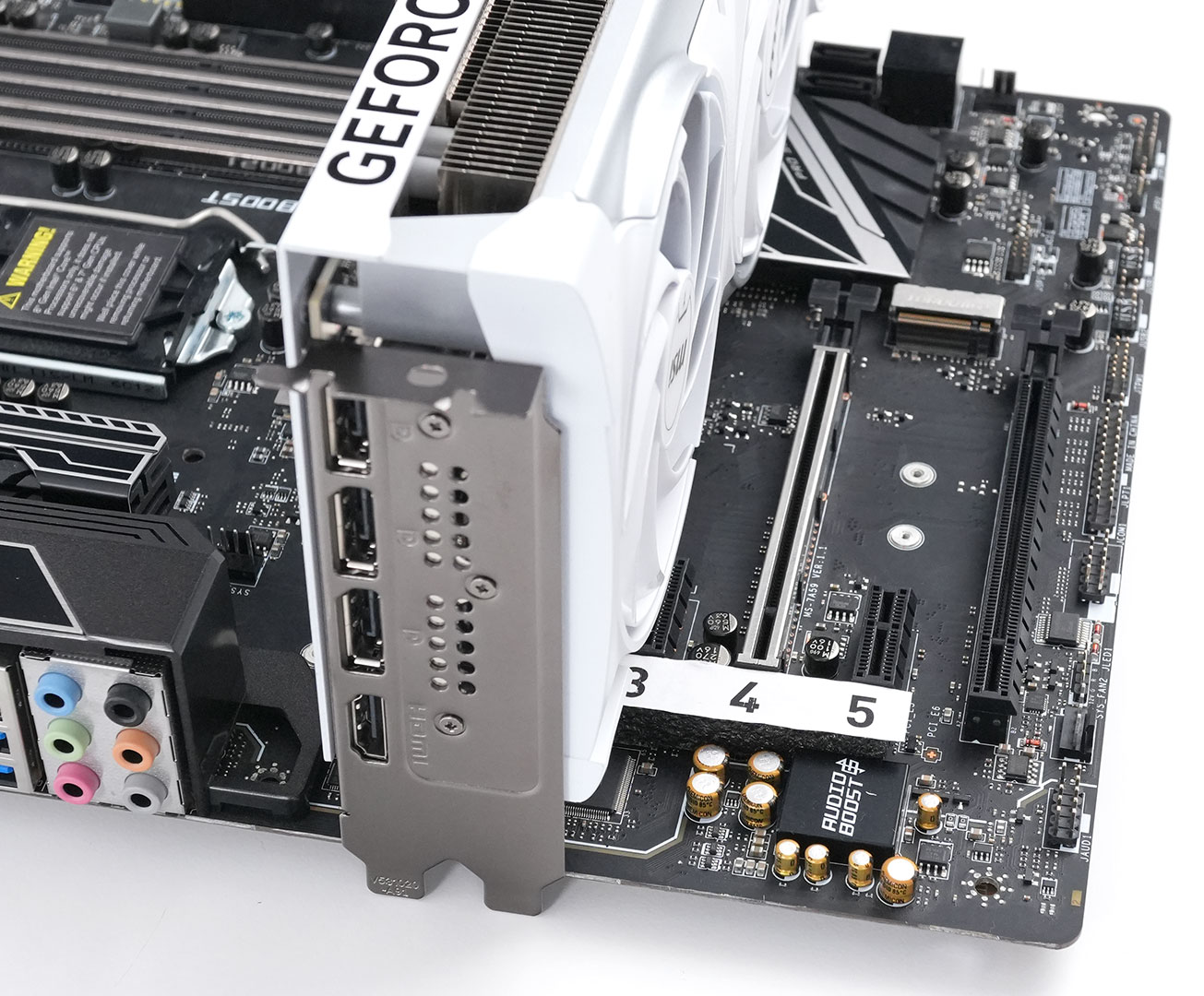
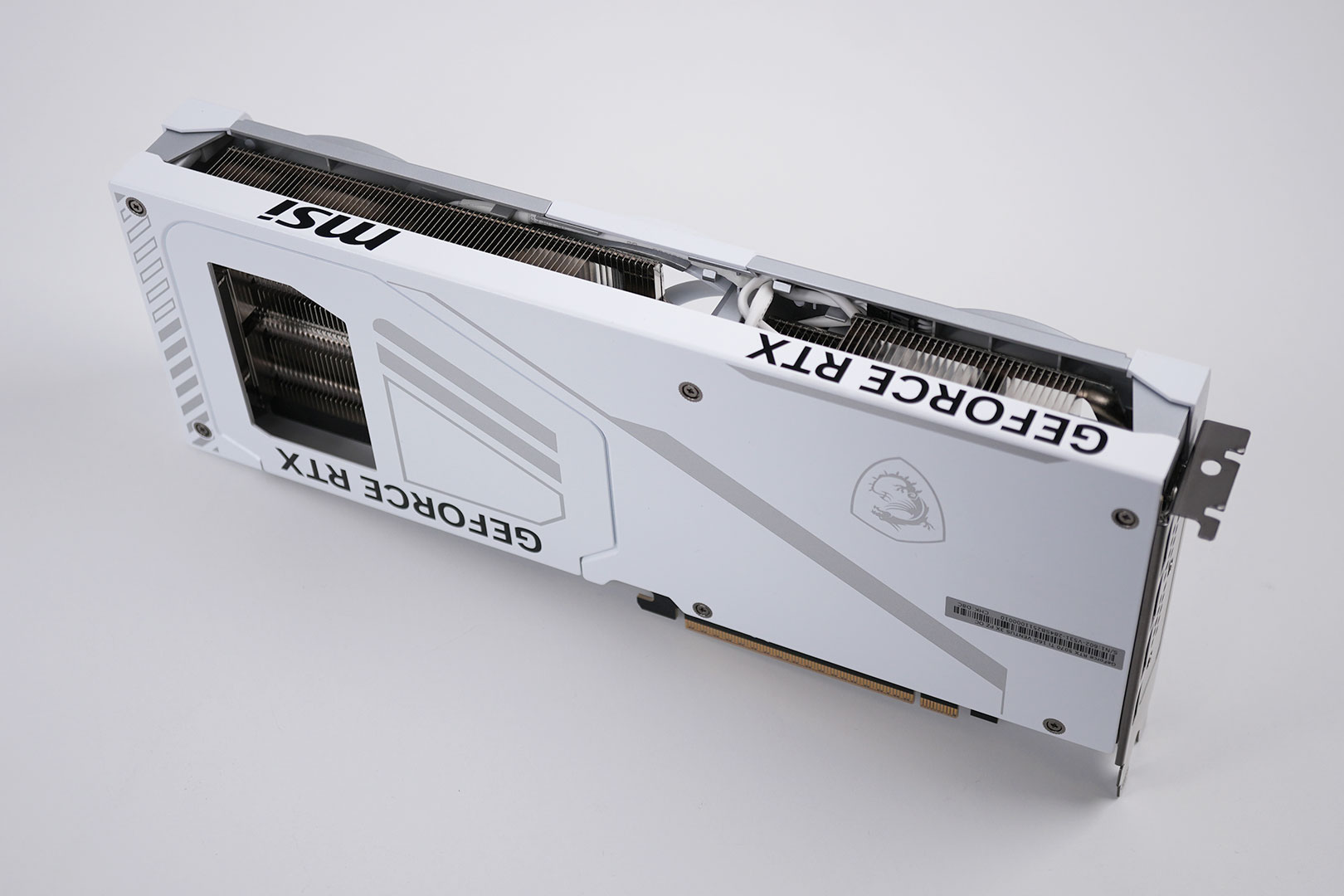
Installation requires three slots in your system. We measured the card's width to be 49 mm.
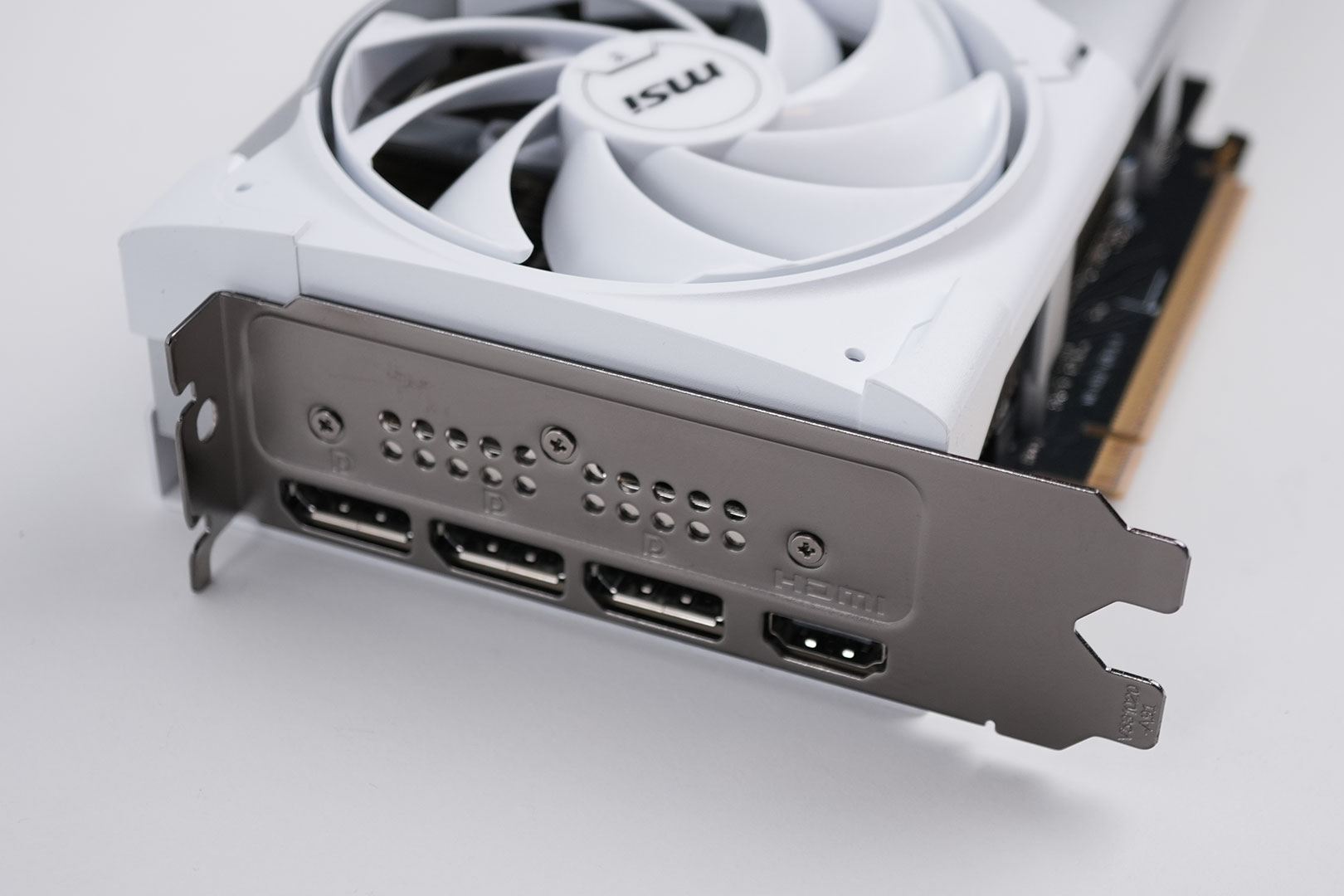
Display connectivity includes three standard DisplayPort 2.1b and a HDMI 2.1b.
All GeForce RTX 50-series Blackwell cards feature a new display engine supporting DisplayPort 2.1b with UHBR20, as well as HDMI 2.1a. Both interfaces support DSC (display stream compression). With DSC enabled, a single DisplayPort on this card can drive 4K 12-bit HDR at 480 Hz; or 8K 12-bit HDR at up to 165 Hz. The RTX 5070 Ti features an updated media acceleration engine with support for 4:2:2 video formats, AV1 UHQ, and MV-HEVC. There are two independent NVENC and NVDEC units.
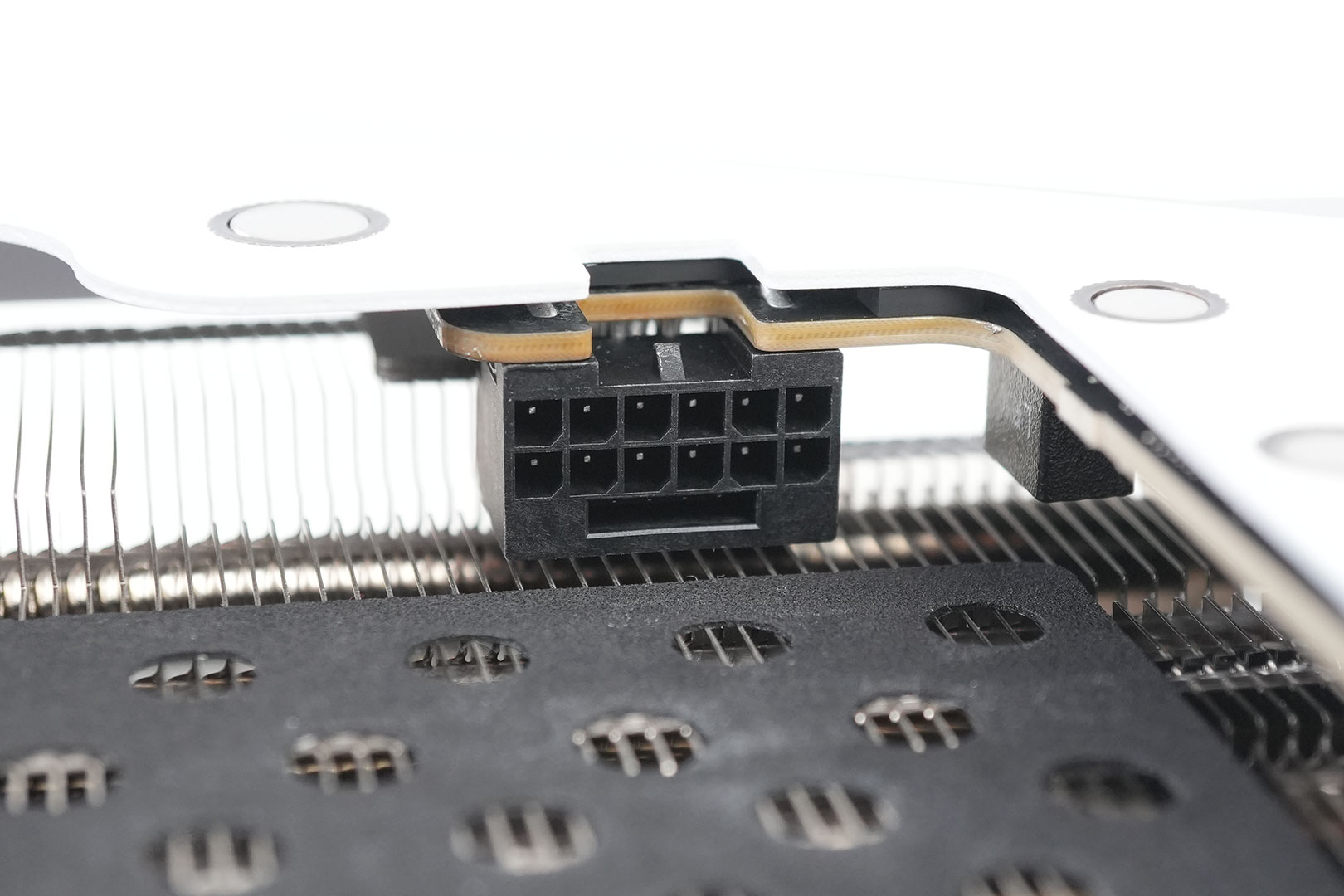
The card uses a single 16-pin connector, which allows a maximum power draw of 600 W. The board power limit is set to 300 W, without any manual increases to the power limit allowed.
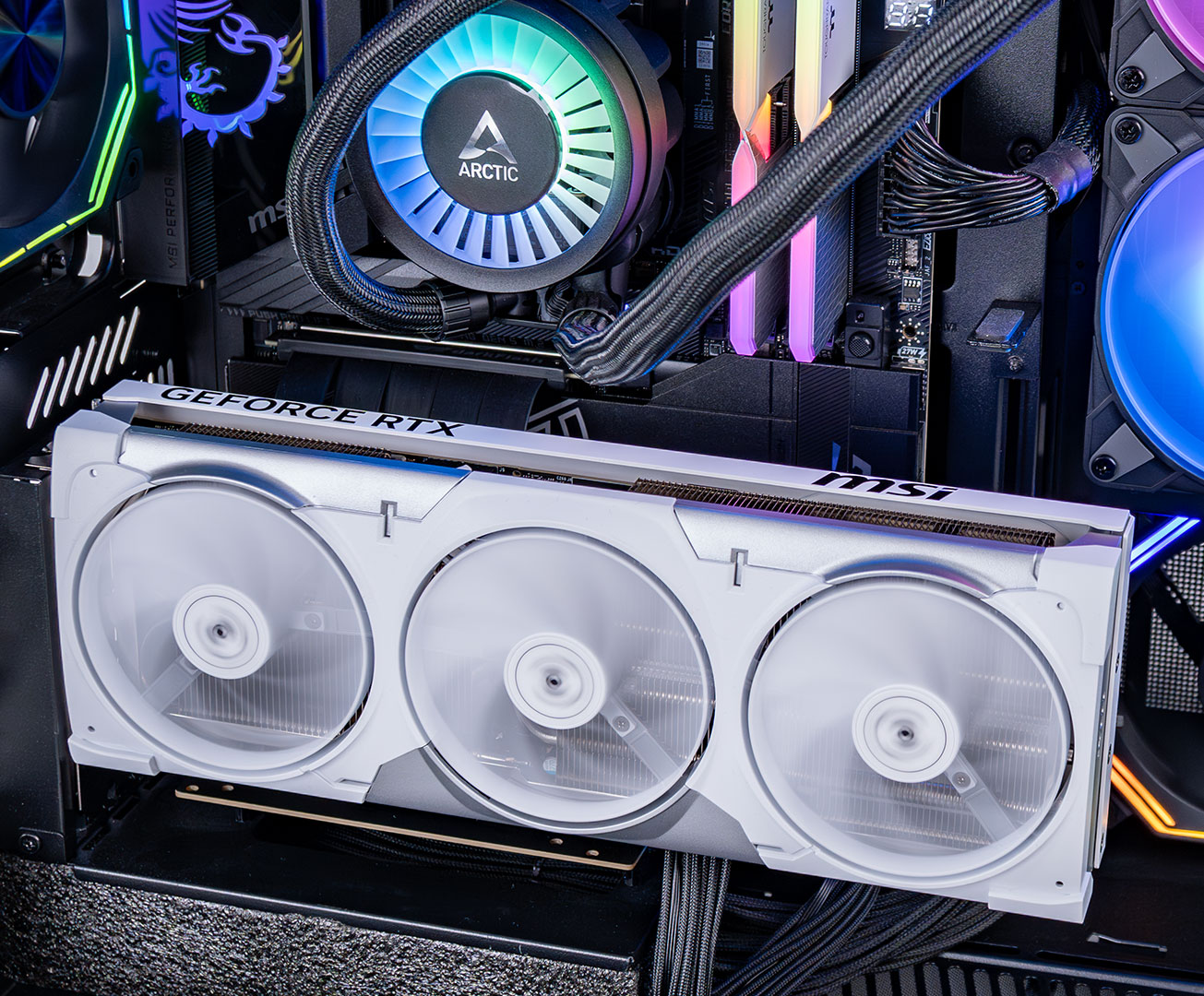
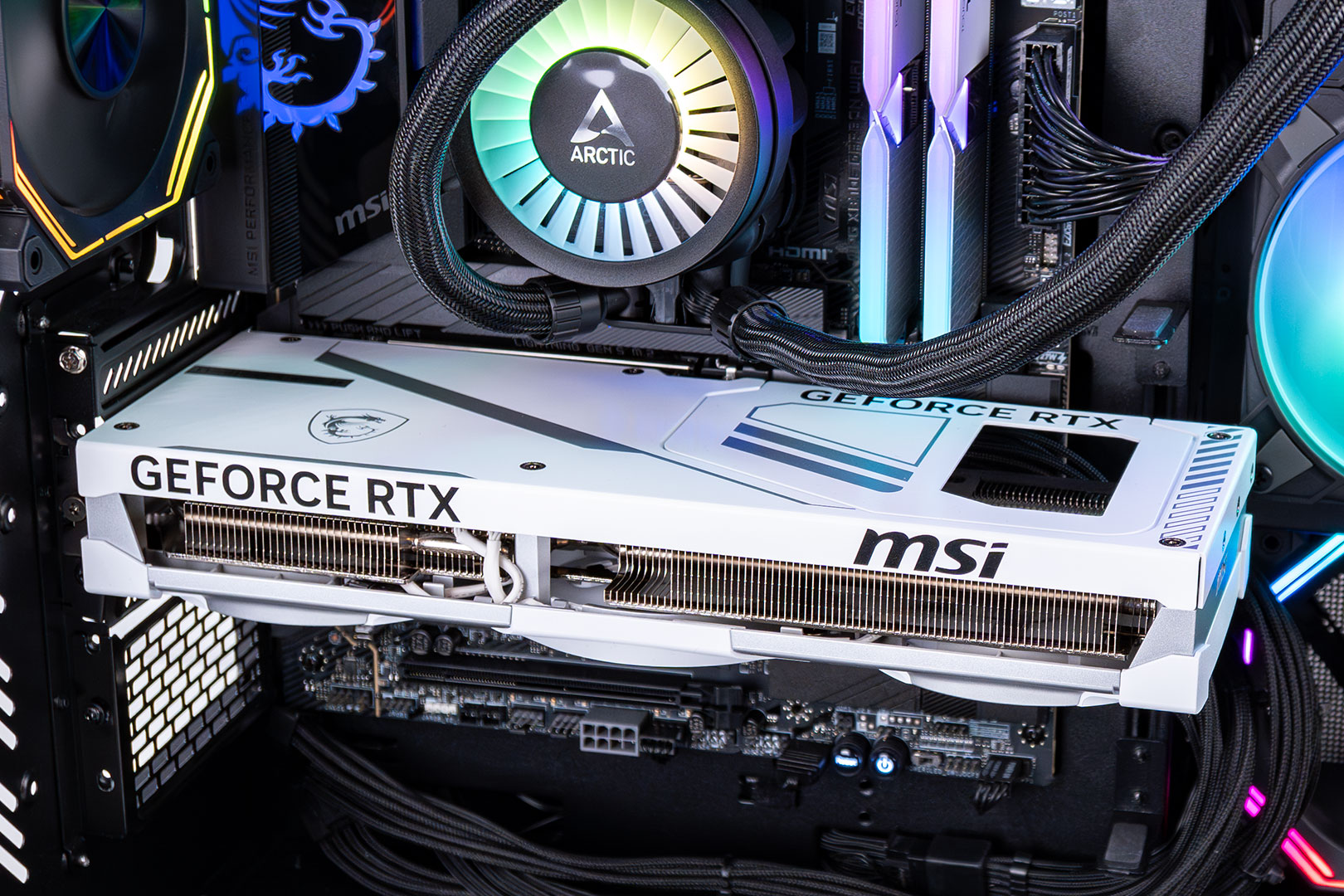
There is no lighting on the MSI RTX 5070 Ti Ventus PZ.
Teardown
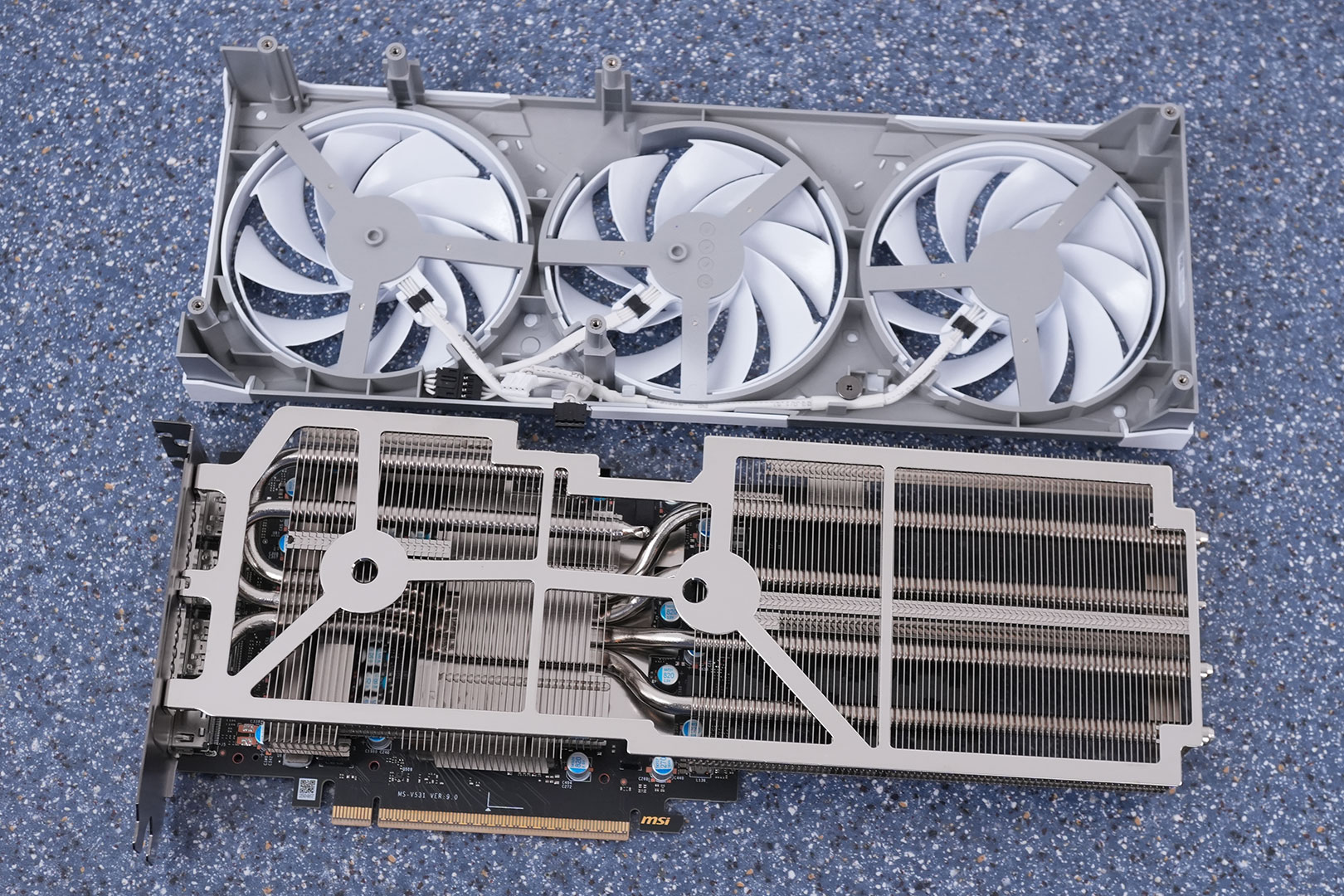
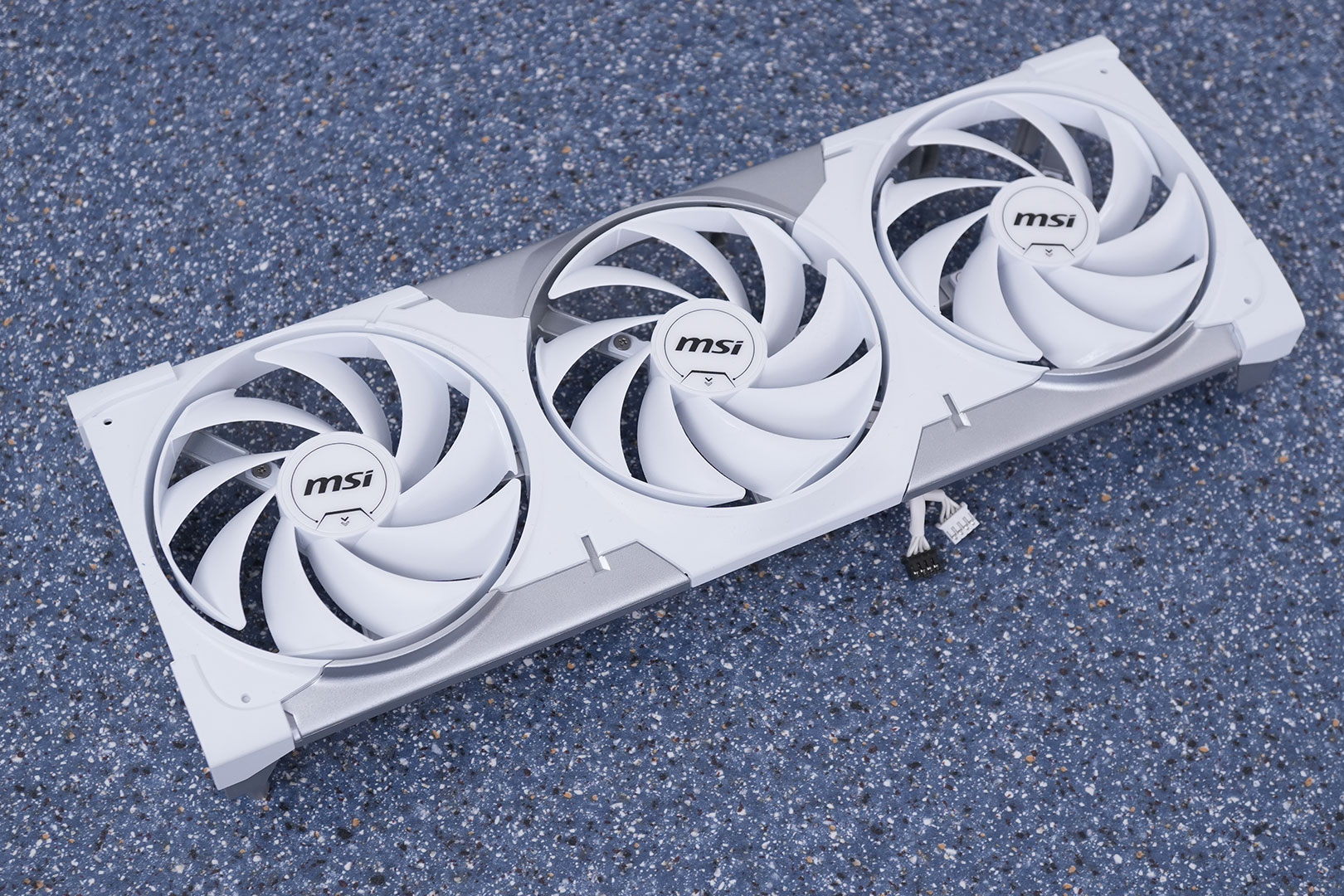
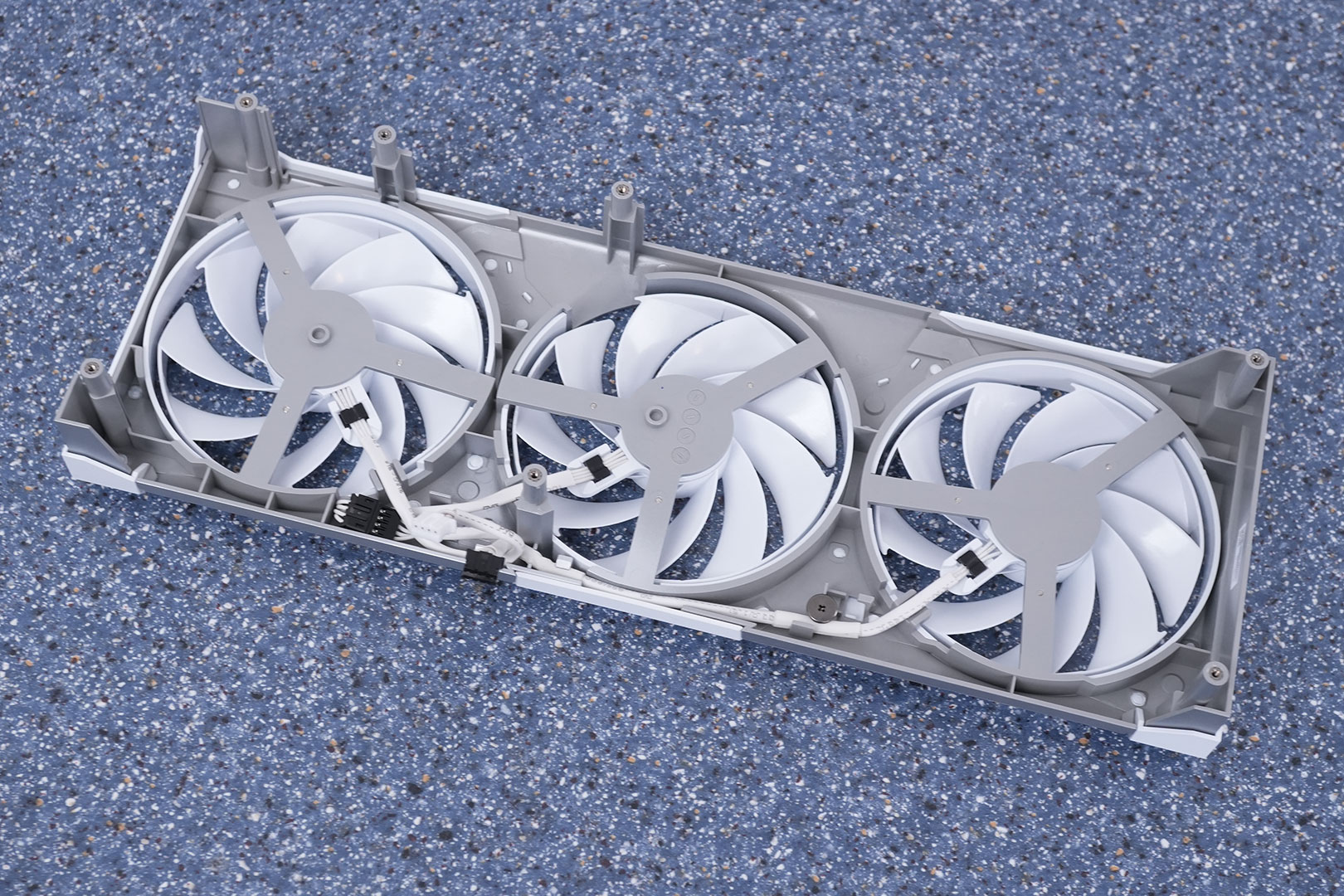
You can remove the backplate and then the cooler shroud with the fans, which makes it easy to fix the fans in a few years without having to disturb the thermal interface material between the GPU, memory, and the cooler.
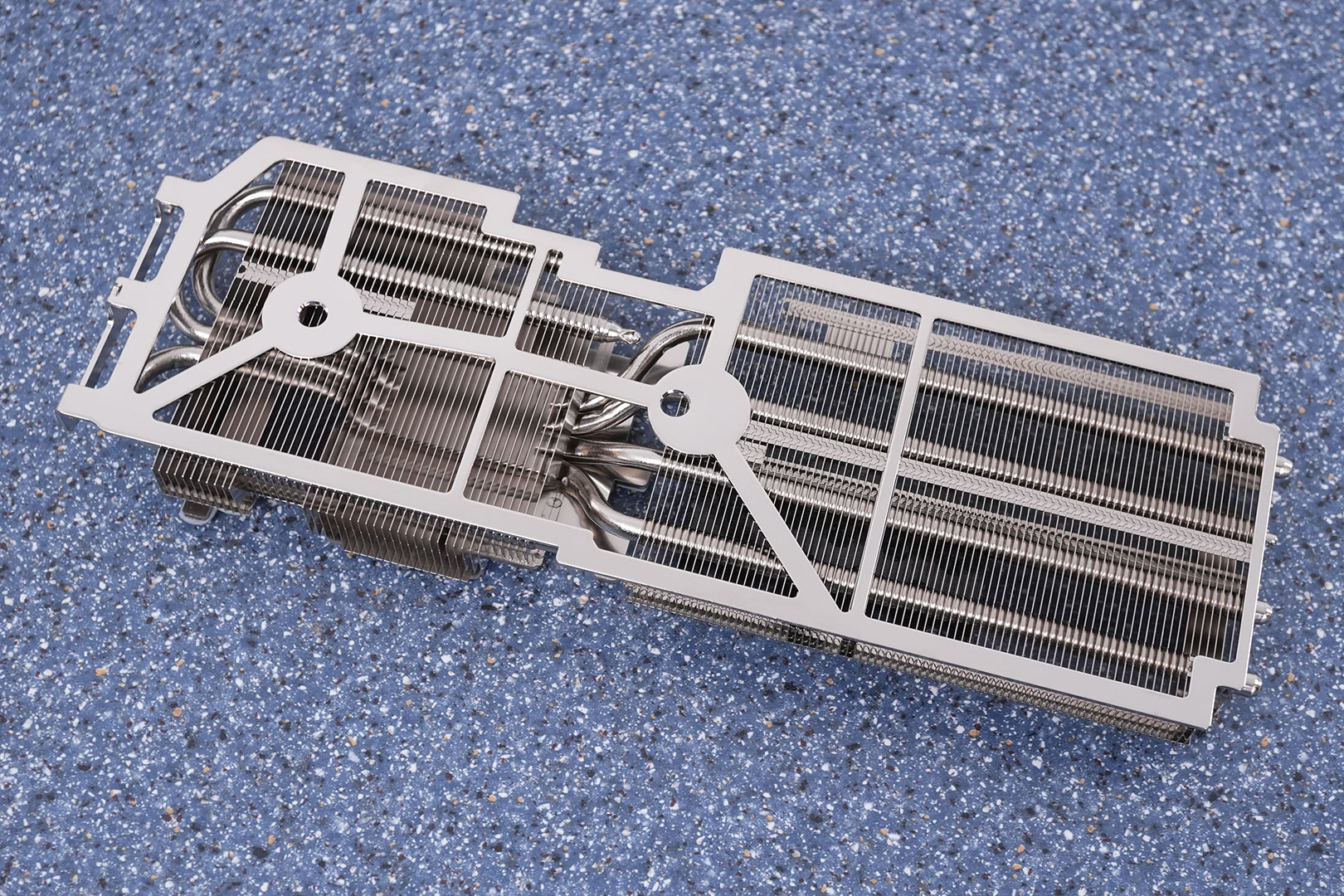
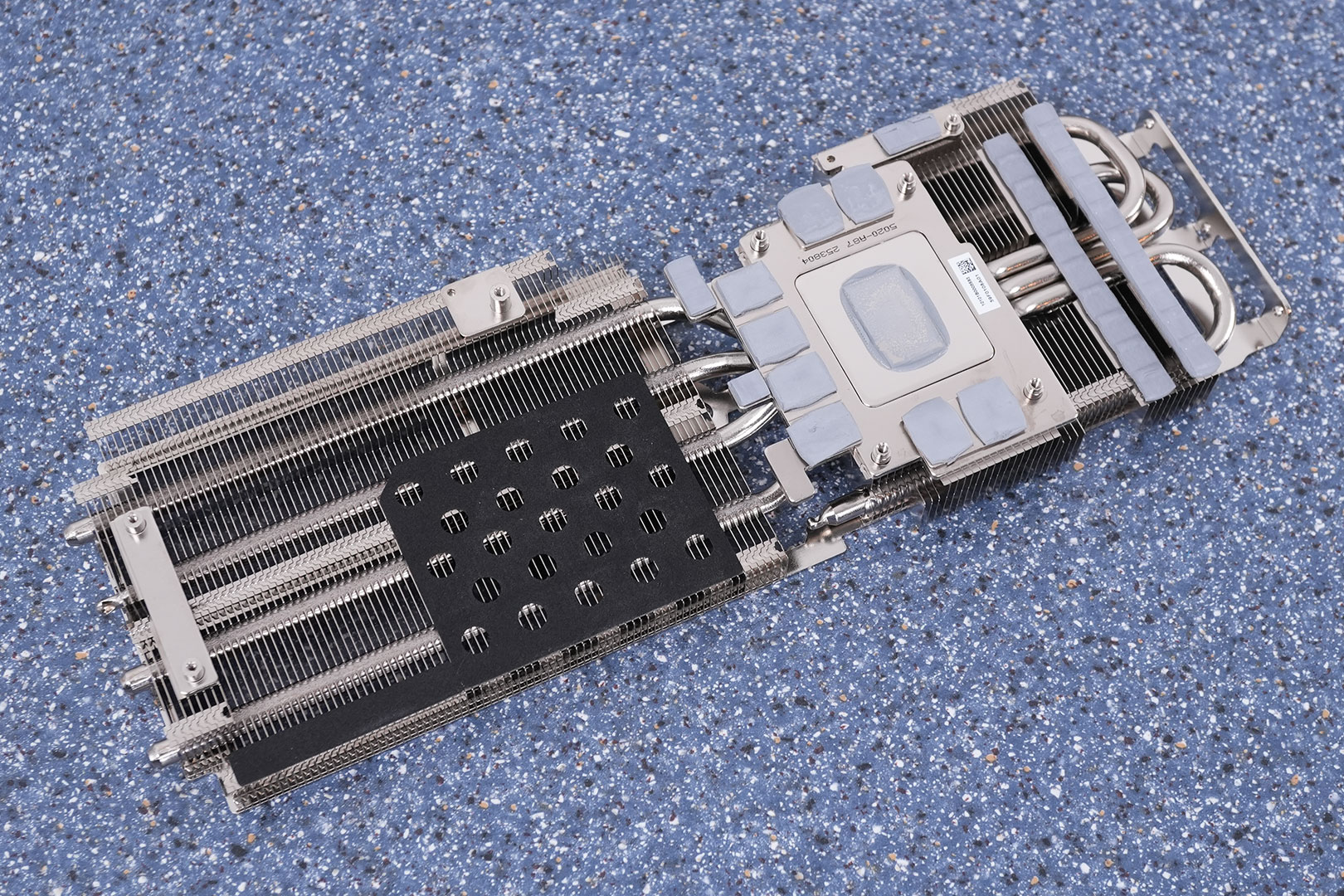
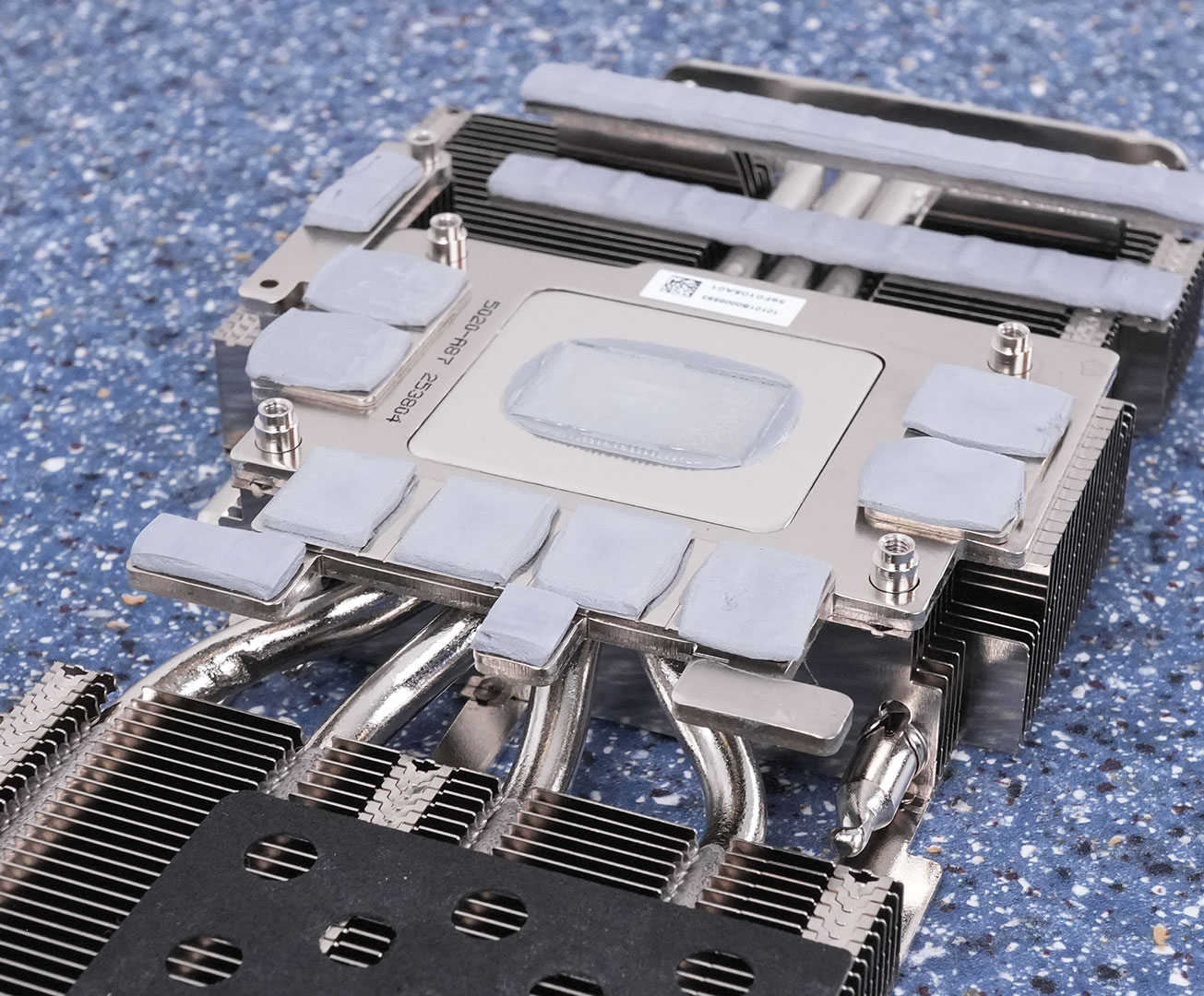
MSI's thermal solution uses four heatpipes. It provides cooling not only for the GPU, but also for the memory chips and VRM circuitry.
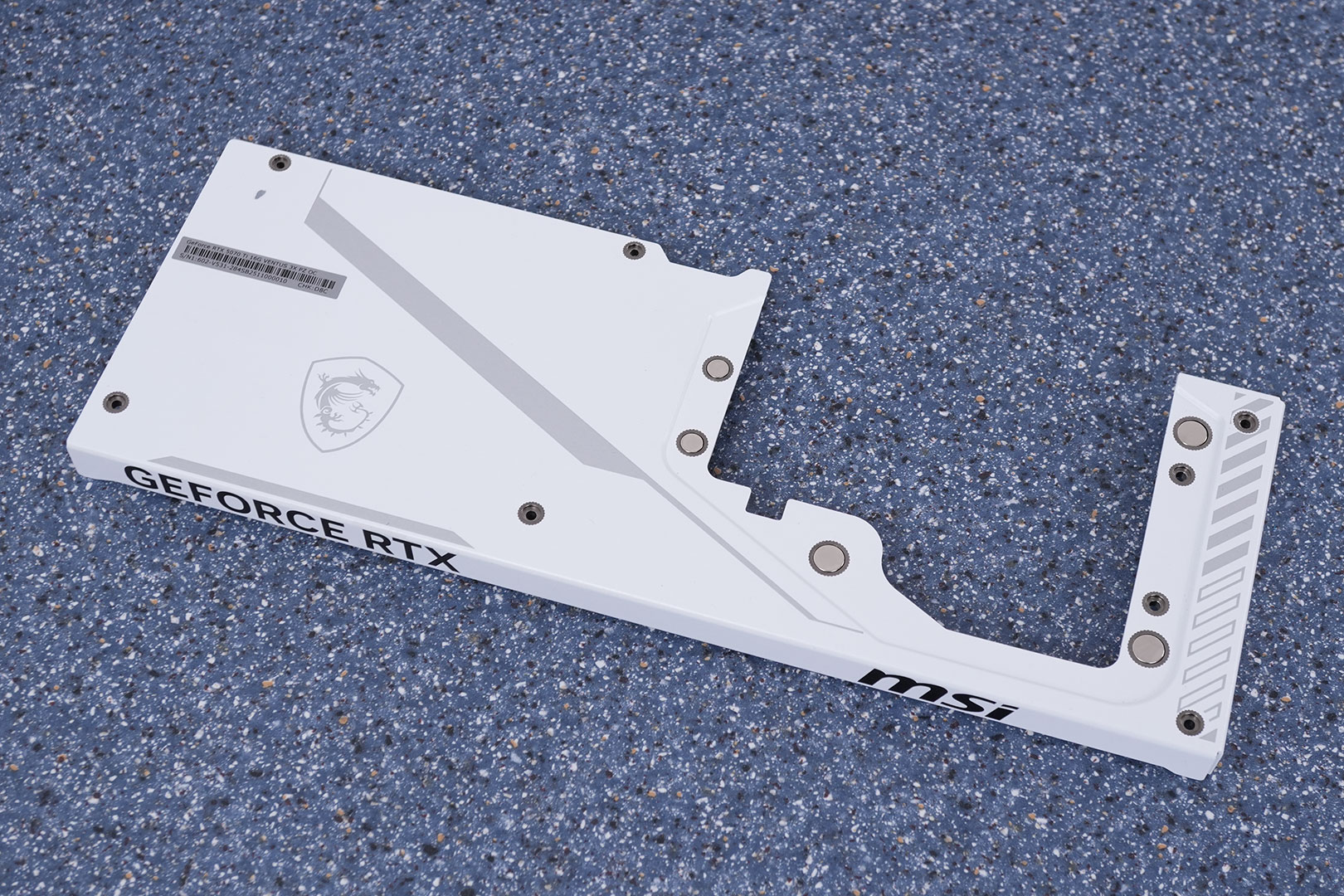
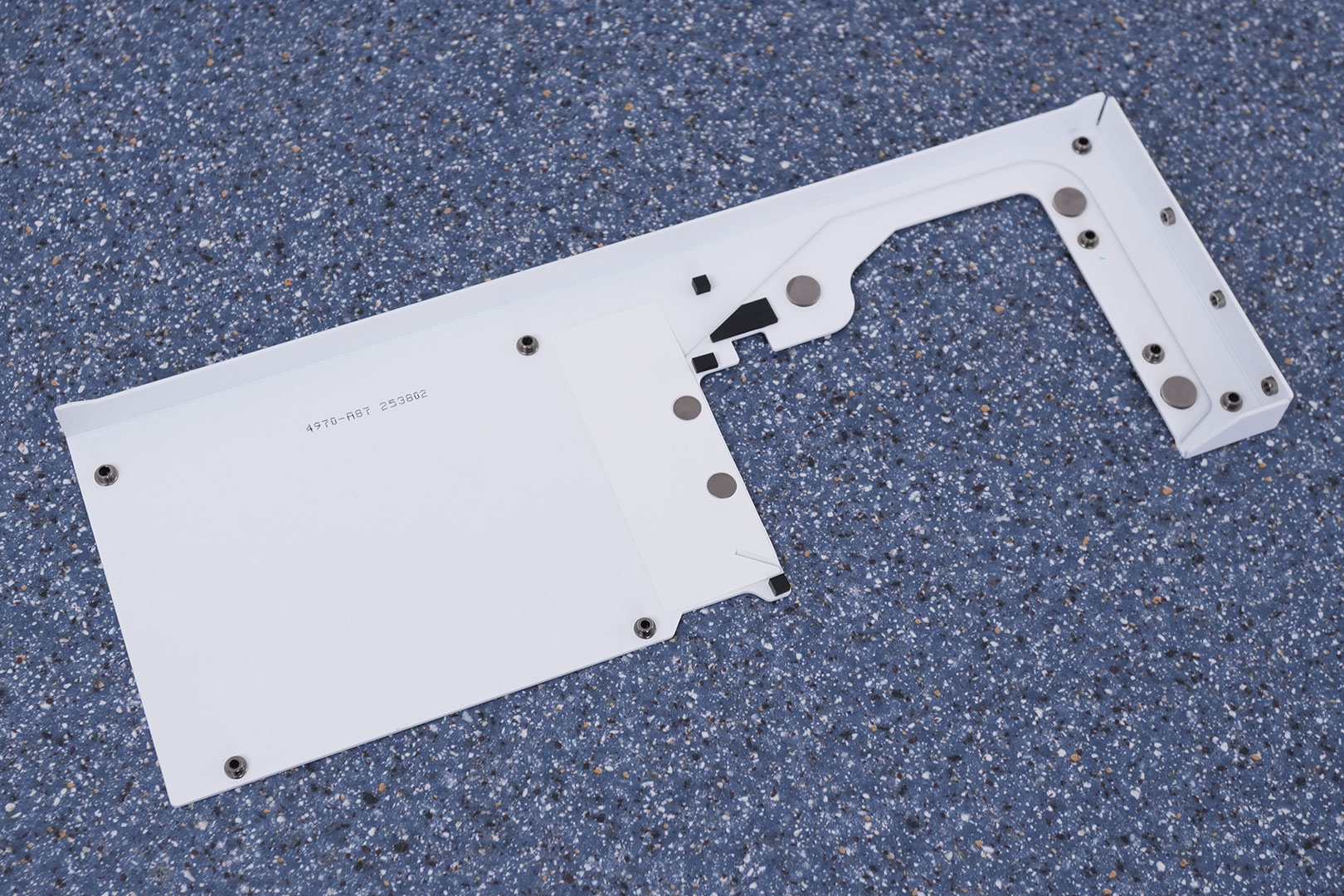
The backplate protects the card against damage during installation and handling.
Nov 26th, 2026 09:43 CST
change timezone
Latest GPU Drivers
New Forum Posts
- Can you guess Which game it is? (366)
- Post your CrystalDiskMark speeds (658)
- Wireless Internet sharing between PC and router both-ways, is it possible? (23)
- Making a game in Godot engine (20)
- What's your main Black Friday / Cyber Monday purchase? (17)
- X79 and/or rampage IV OC'ing thread for those of us still left.... (2459)
- Exploring Local LLMs: Models, Hardware and Setup Experiences (4)
- Linpack Xtreme Released (513)
- Claude credits purchased on or after Dec. 7 now have an expiry date (20)
- Acer TravelMate P414-51 (i5-1135G7): CPU stuck at x4 / ~200 MHz effective under 100% load, no throttle flags. How to find who's clamping it? (1)
Popular Reviews
- ASRock X870E Challenger Wi-Fi White Review
- VZMORE AX9 Max Review
- Upcoming Hardware Launches 2027 (Updated Nov 2026)
- Microsoft Surface Laptop Ultra Review - The Next-gen Arm Laptop
- AMD Ryzen 7 9800X3D Review - The Best Gaming Processor
- AMD Zen 6 Technical Deep Dive
- Corsair RM1200e (Second Generation) Review
- Phantom Blade Zero Performance Benchmark Review - 35 GPUs Tested
- Montech CyberFlow ARGB 360 Review
- Pulsar Office Tour & First Look at P1 Dual-Sensor Mouse
TPU on YouTube
Controversial News Posts
- Jensen Huang Reinstated as CEO of NVIDIA (585)
- NVIDIA Co-Founder and CEO Jensen Huang Officially Resigns (492)
- Report: Jensen Huang Eyes NVIDIA Comeback (281)
- Open Letter Asking NVIDIA to Reinstate Jensen Huang Passes 115,000 Signatures (184)
- OpenAI CEO Argues Home PCs Waste the World's Limited DRAM Supply (152)
- NVIDIA Launches Investigation Into Jensen Huang's Relationship With Suspected Chinese Spy (136)
- Intel "Raptor Lake Next" 16-Core and 20-Core CPUs Surface (130)
- Intel Razor Lake Gets a 12 P-Core bLLC Chip With No E-Cores, Per Leak (94)