 11
MSI MEG Maestro 900R Review
Review System Setup »A Closer Look - Inside
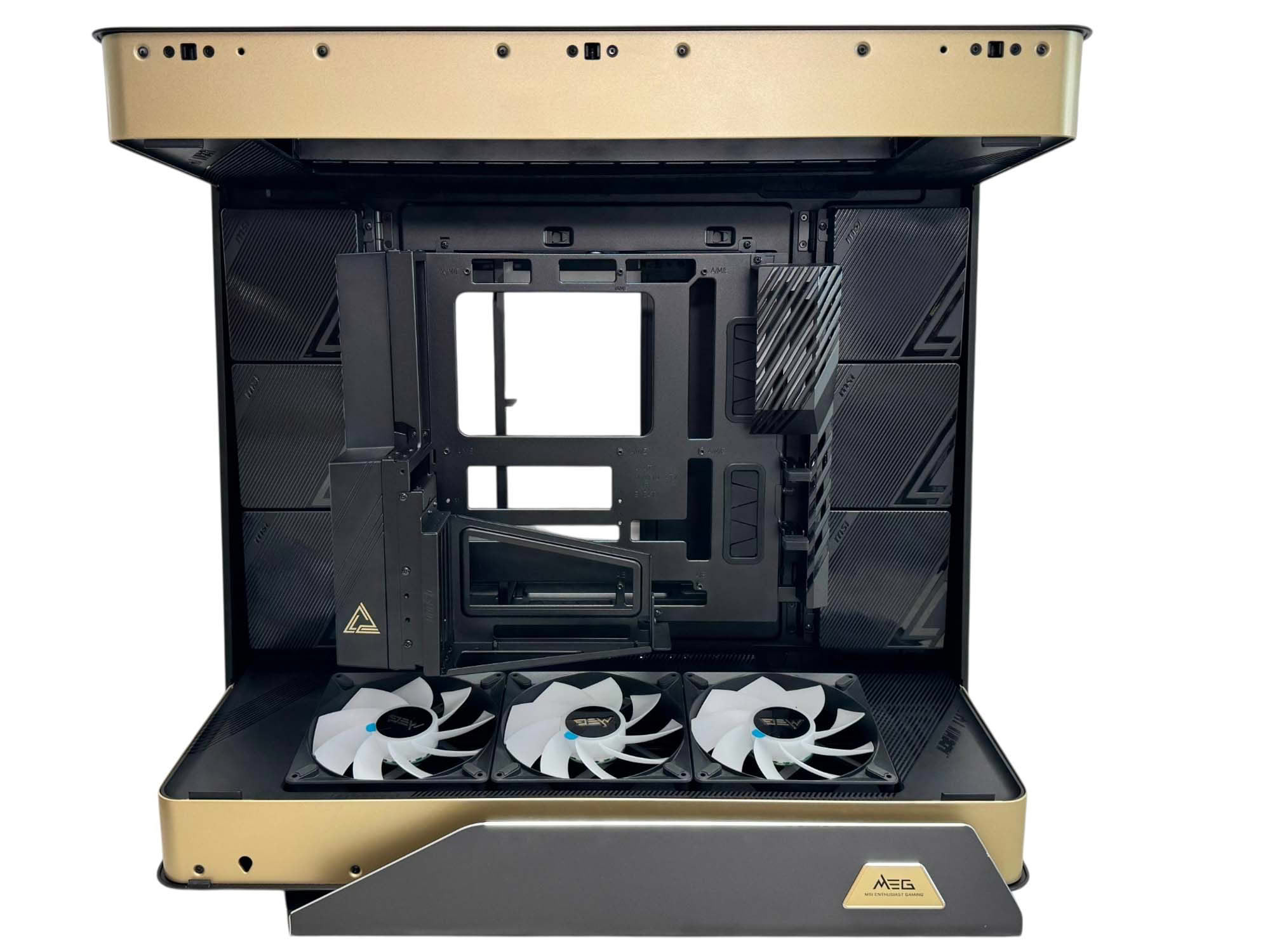
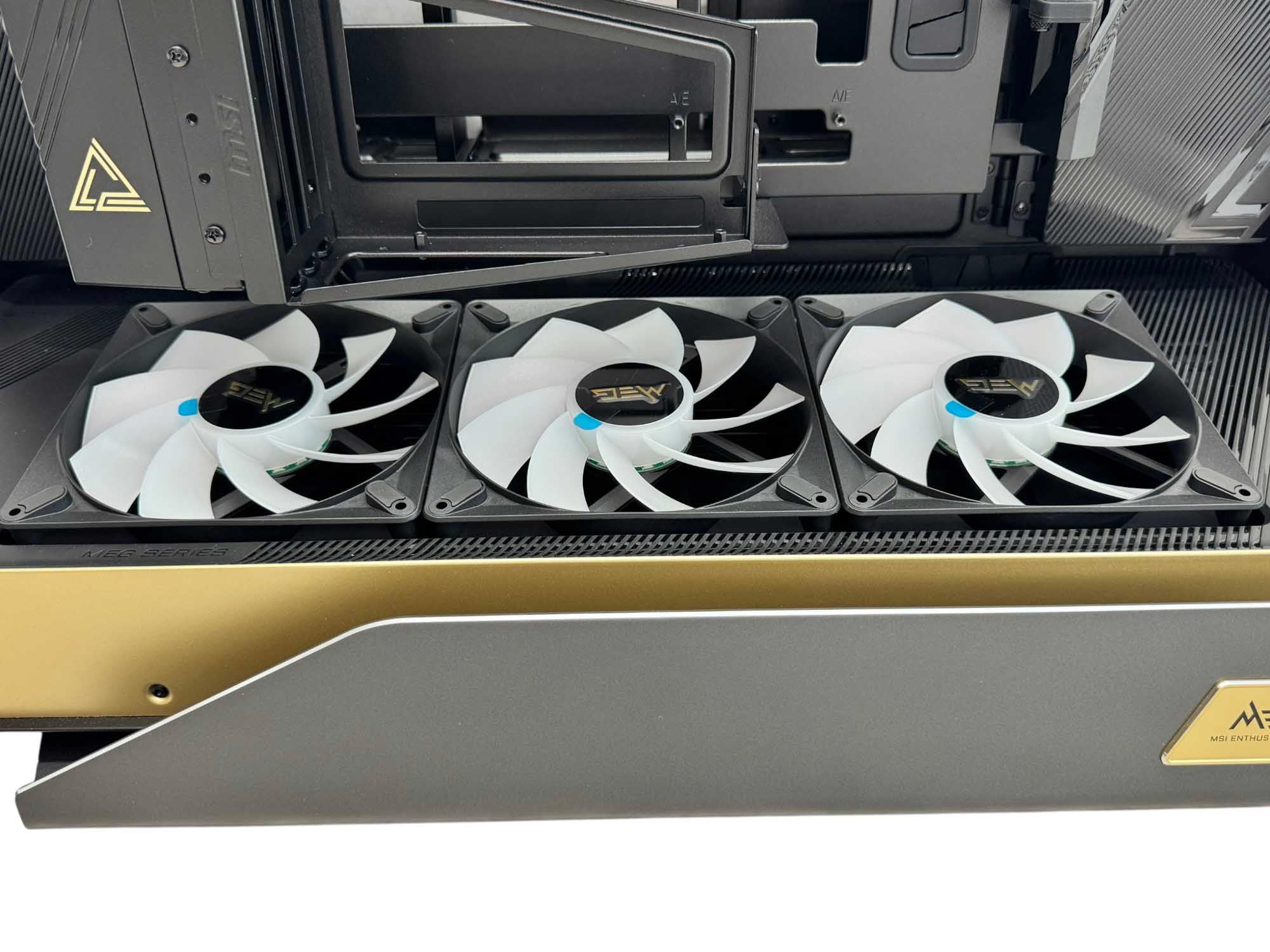
The inside of the case is where the vast majority of the action happens, with very little on the exterior aside from the front panel ports. All cables are routed through the base of the case, so there are no external PCI expansion slots or rear I/O panel. The key feature internally is a removable motherboard tray in the center, which is best described as a compact test bench. Inside it, the PSU, GPU and motherboard can be installed and rotated with the entire thing lifting out once you detach cables and coolers of course. The only included fans are in the base and are large 160 mm RGB models. The lower gray aluminium plate is screwed into place and doesn't pop off like the one on the roof.
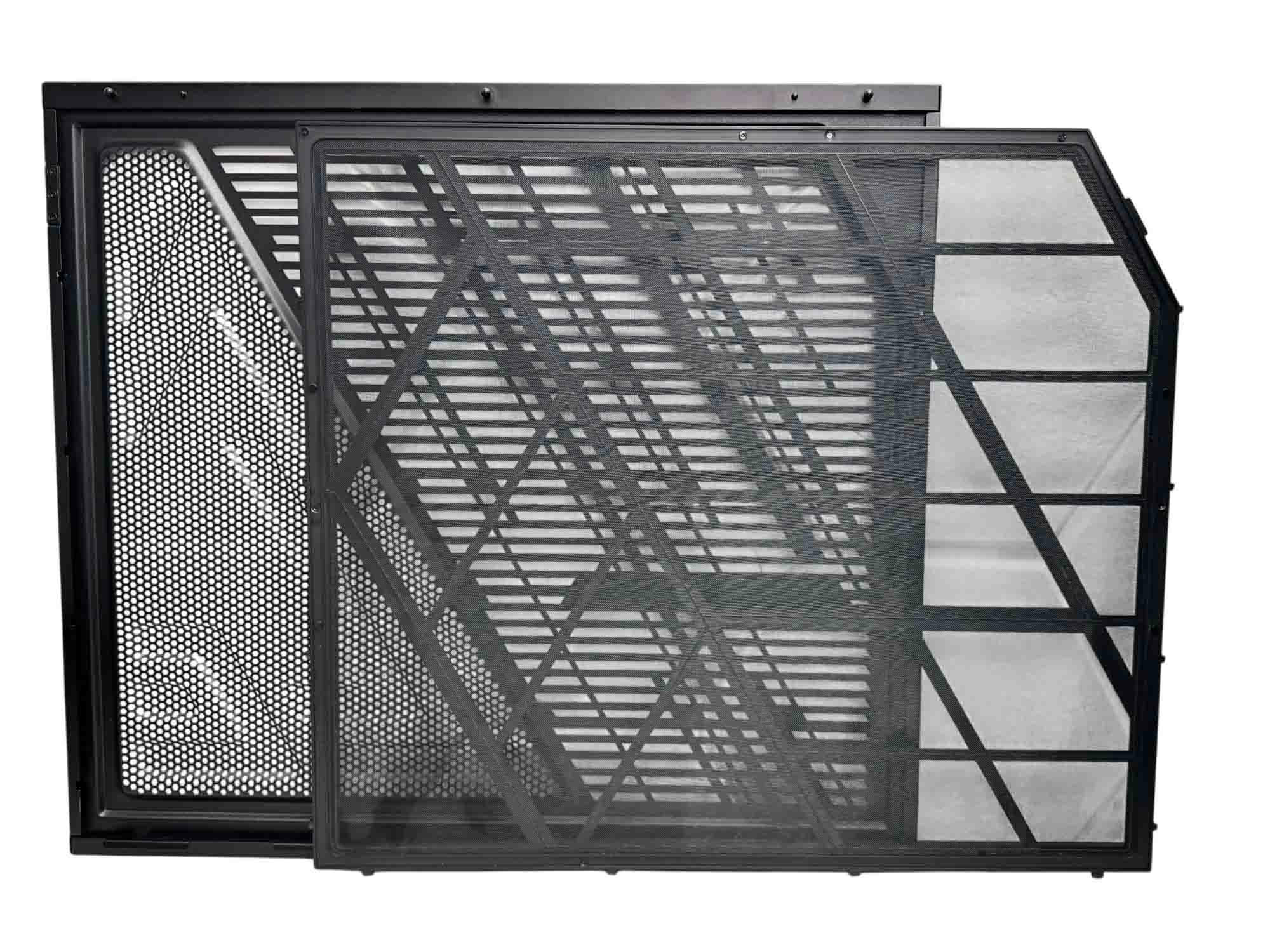
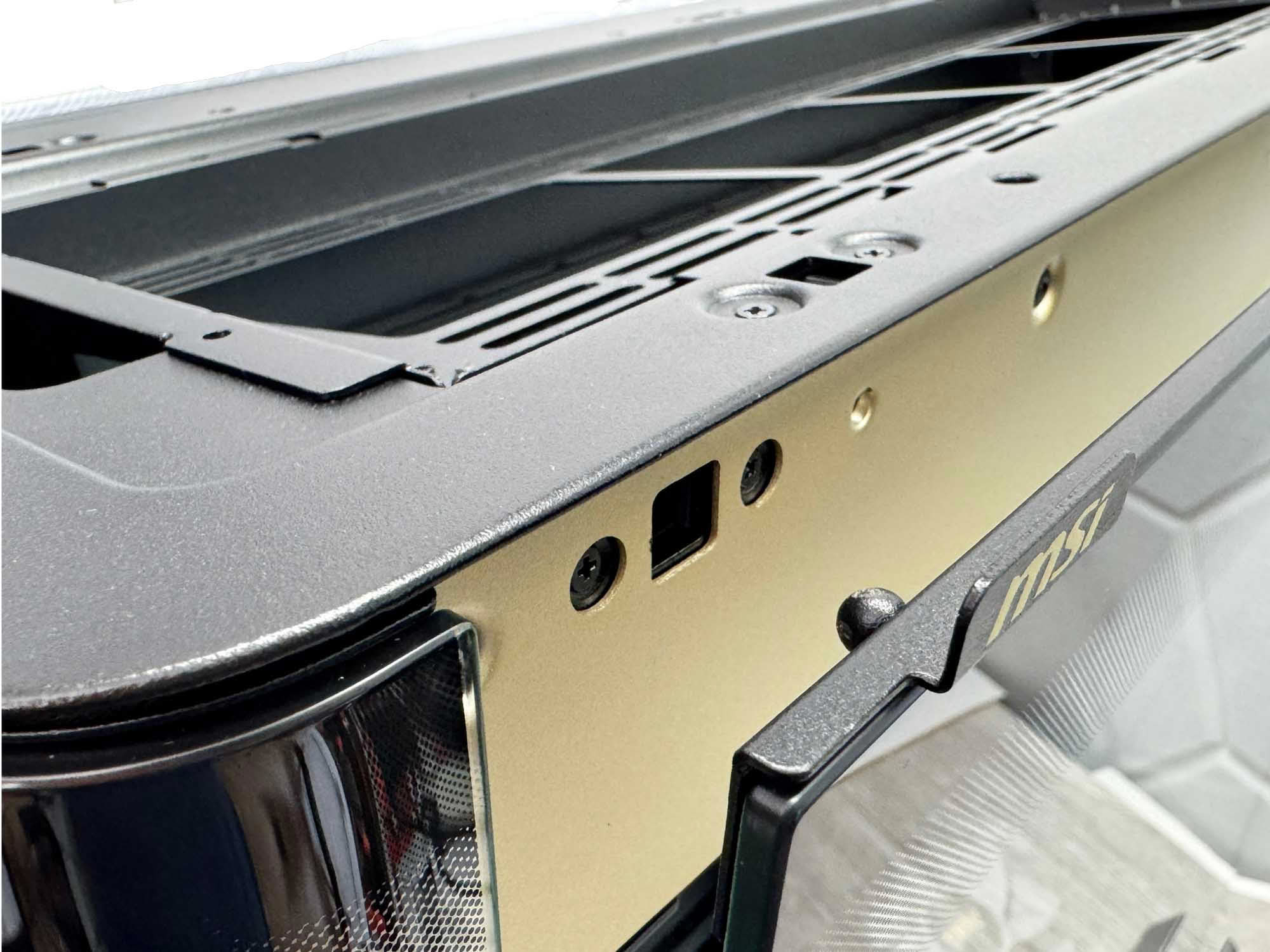
The huge far side panel removes and installs easily with a sturdy push-pin design like the other panels, but as it's much lighter than the glass panel on the other side, it is much easier to use. It features a full size dust filter that clips into place. This proved to be a little stiff to remove, but it does release with some persuasion.
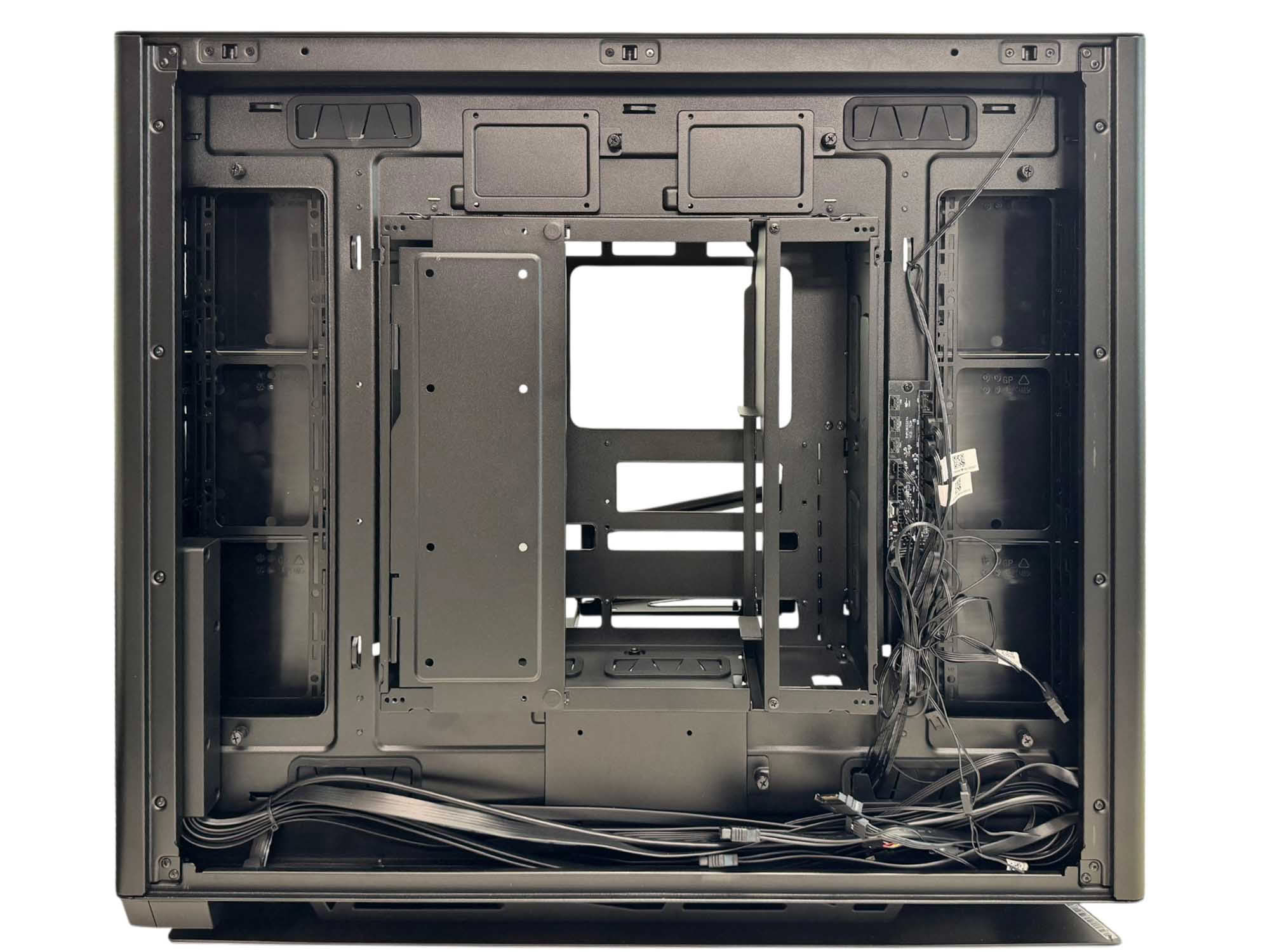
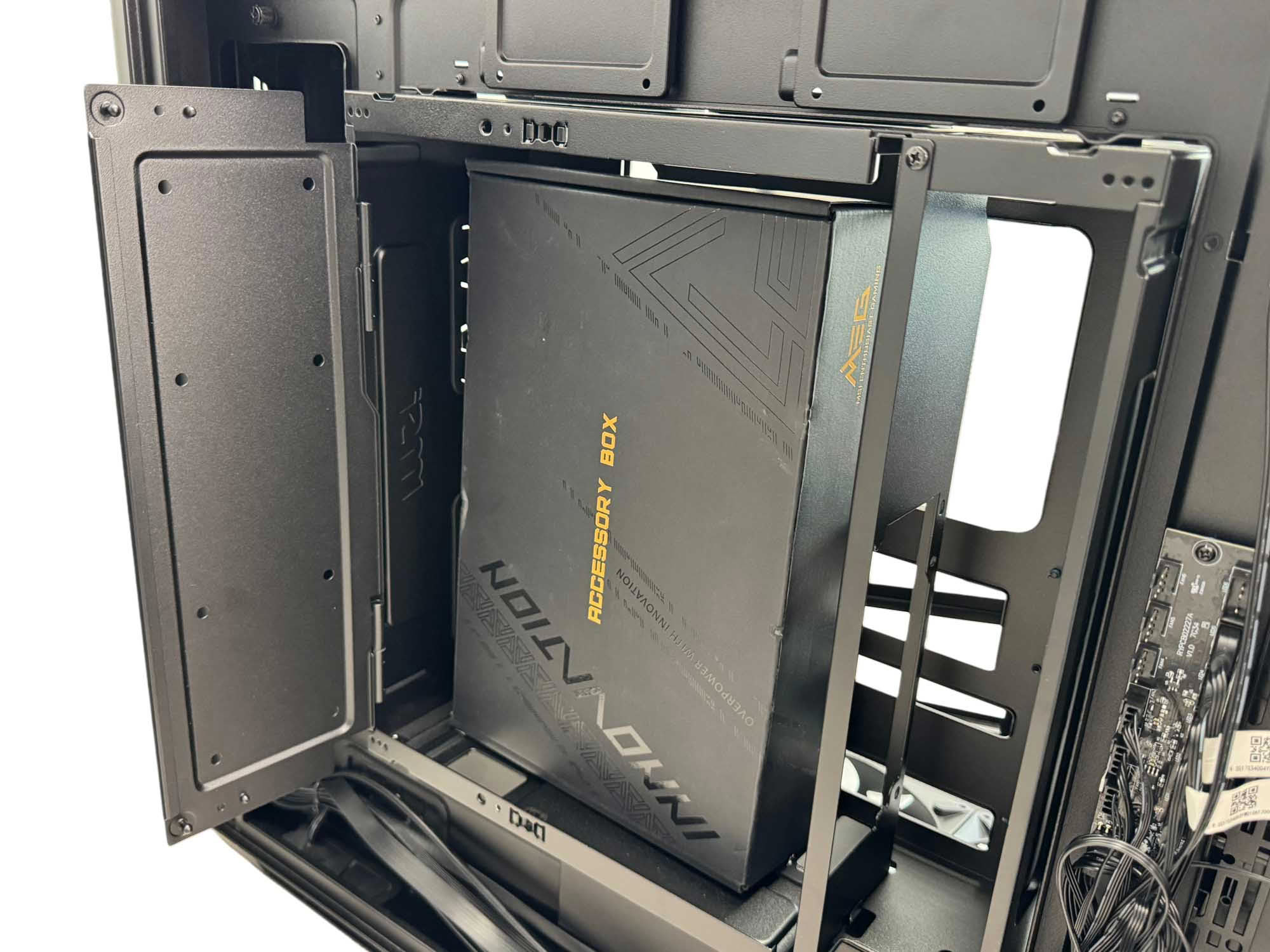
The enormous opening around the back has the removable test bench at its center with two removable fan mounts on either side with four large cable routing holes equipped with rubber grommets. The accessory box is hidden in the PSU enclosure within the test bench section.
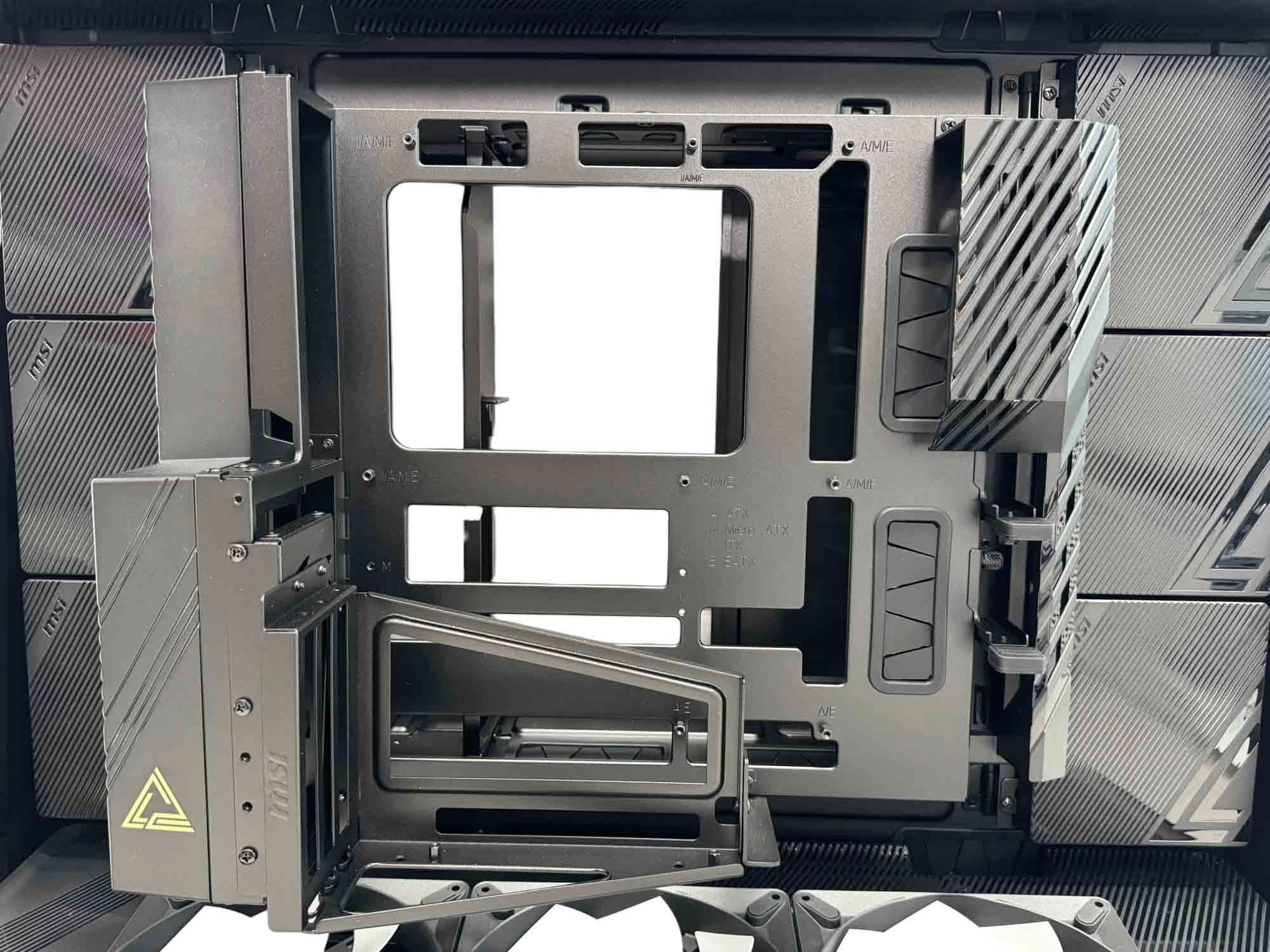
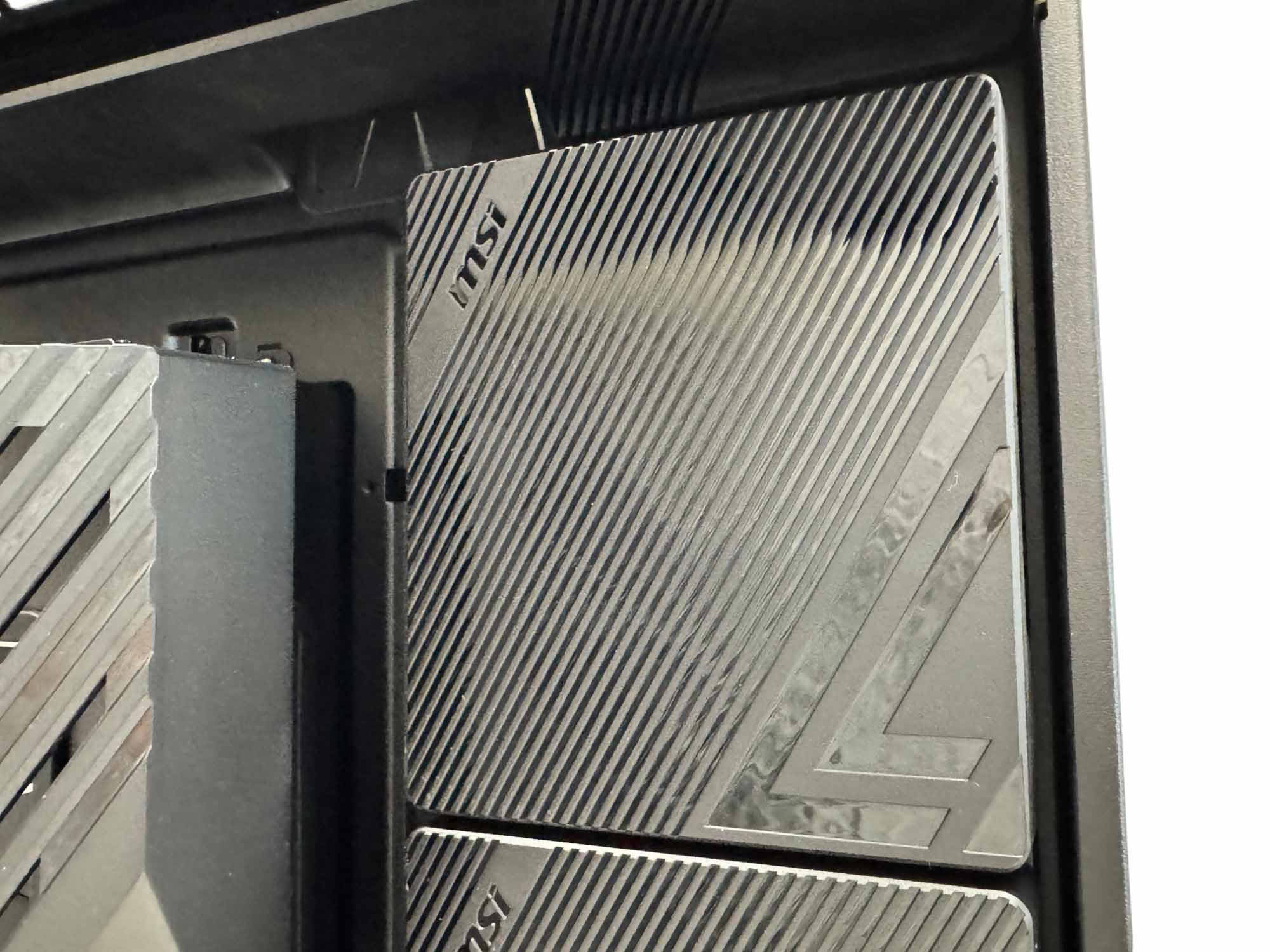
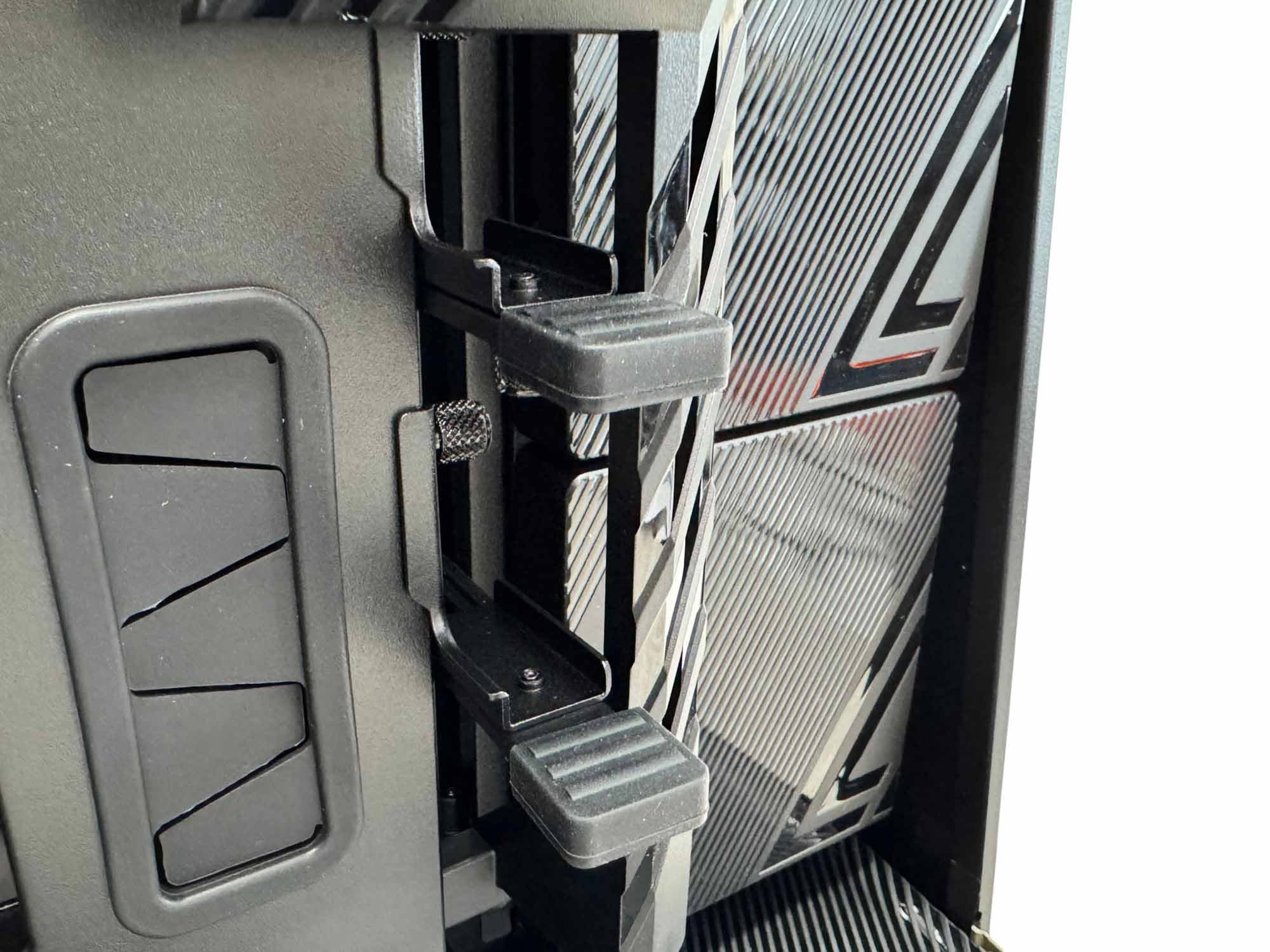
A close-up of the test bench from the front reveals BTF/Project Zero/Project Stealth support as well as EATX motherboard support. GPUs are supported horizontally and connected to the motherboard, or vertically using an included riser cable. The contraption's mounting points are symmetrical and allow it to be rotated 360 degrees at 90 degree intervals. With BTF motherboards, there are no cables visible at all, with the GPU and motherboard rear I/O panel cables being hidden by a removable plastic shroud. This does, of course, mean that adding or removing cables requires the removal of the side panel and this shroud. Plastic fascias line the two side fan mounting locations, which also support hard disks. Next to one bank of these is an adjustable GPU support. This is part of the internal rotating test bench so will always be where it needs to be.
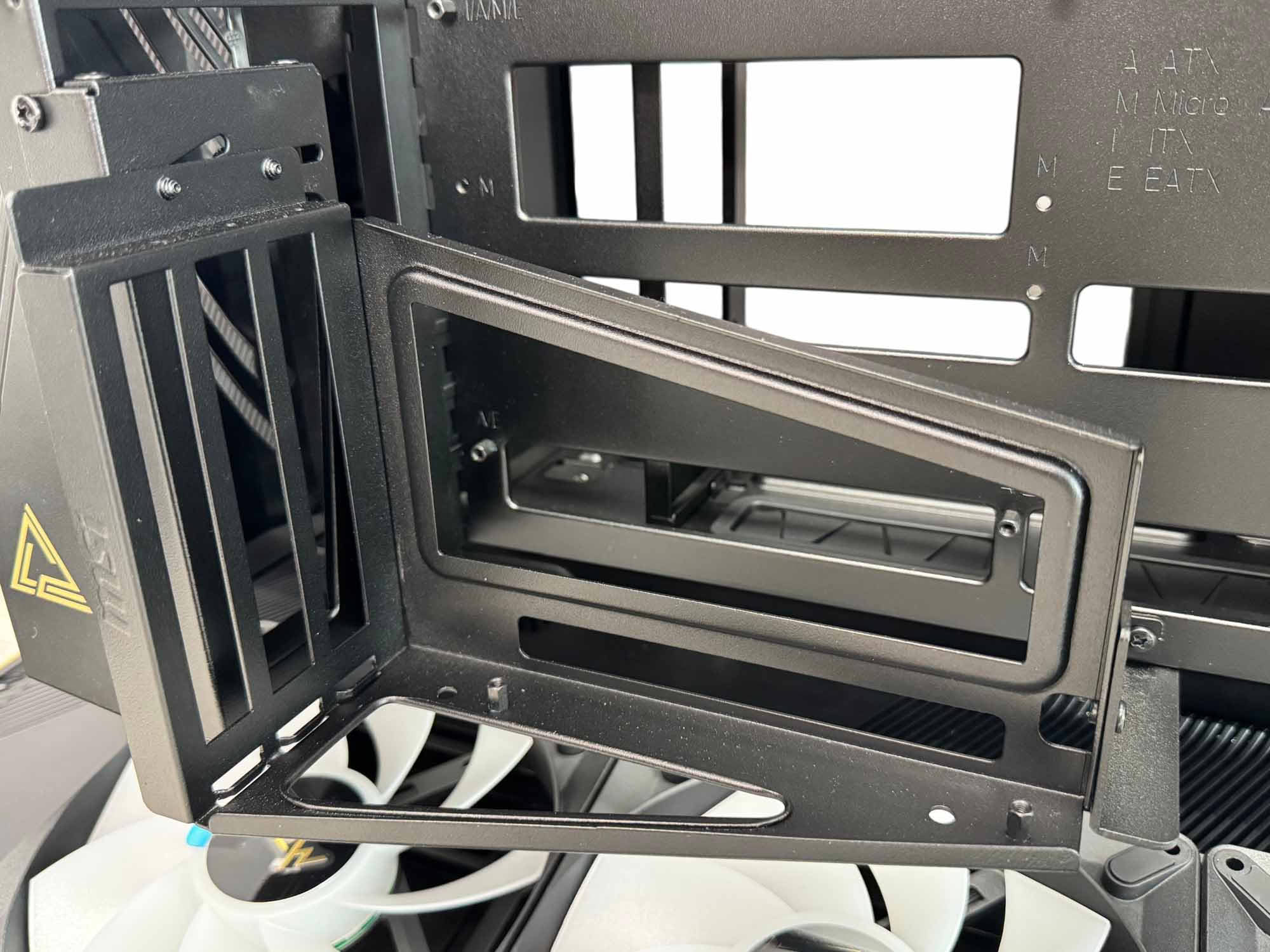
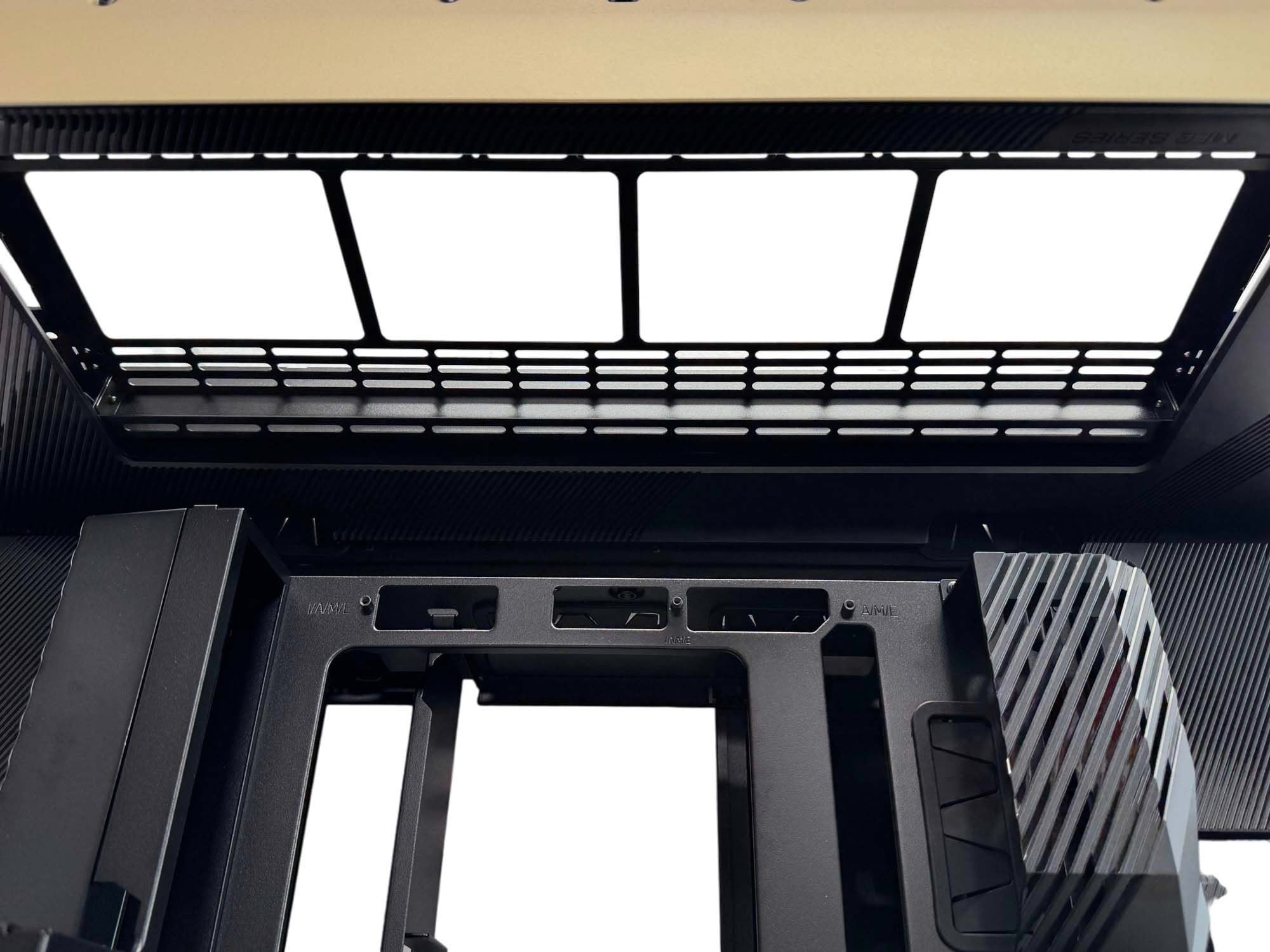
The GPU bracket is removable to allow horizontal installation, but out of the box it does not have the included riser cable installed and this has to be done manually. The top fan mounts mirror the base and offer space for up to four 120 mm or three 140/160 mm fans, or 360 mm and 420 mm radiators, and as we saw over the previous page, the mount here is removable.
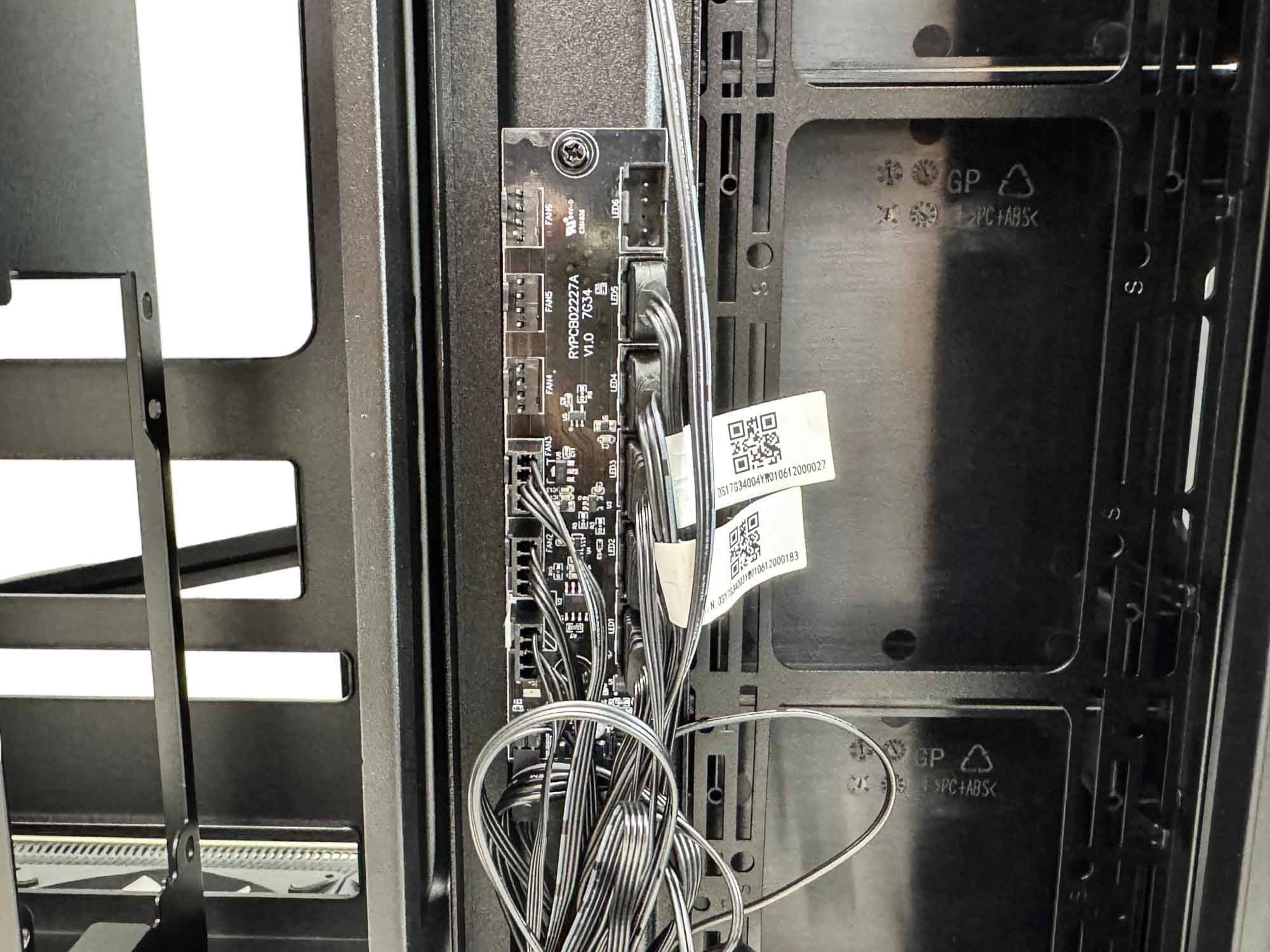
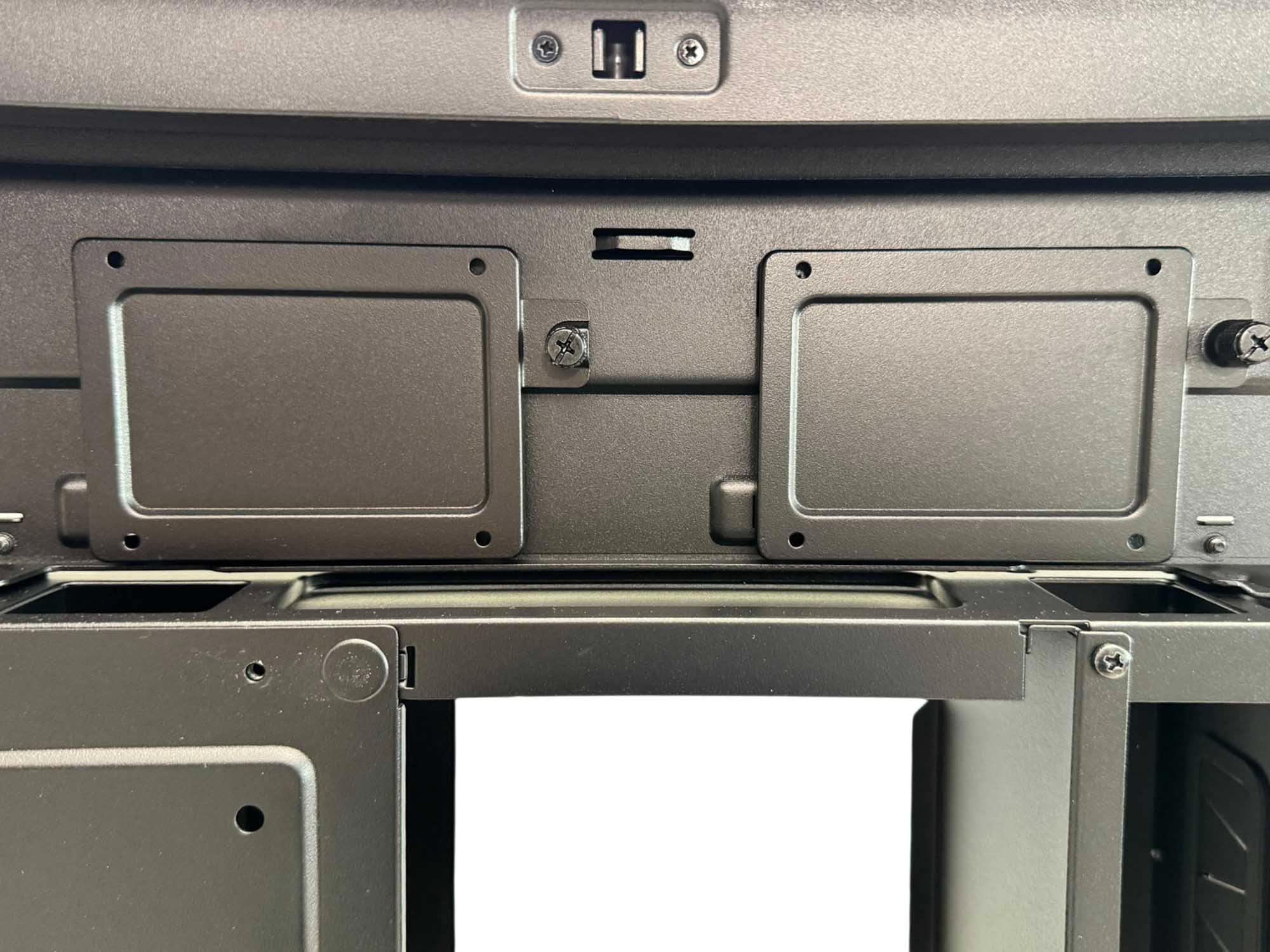
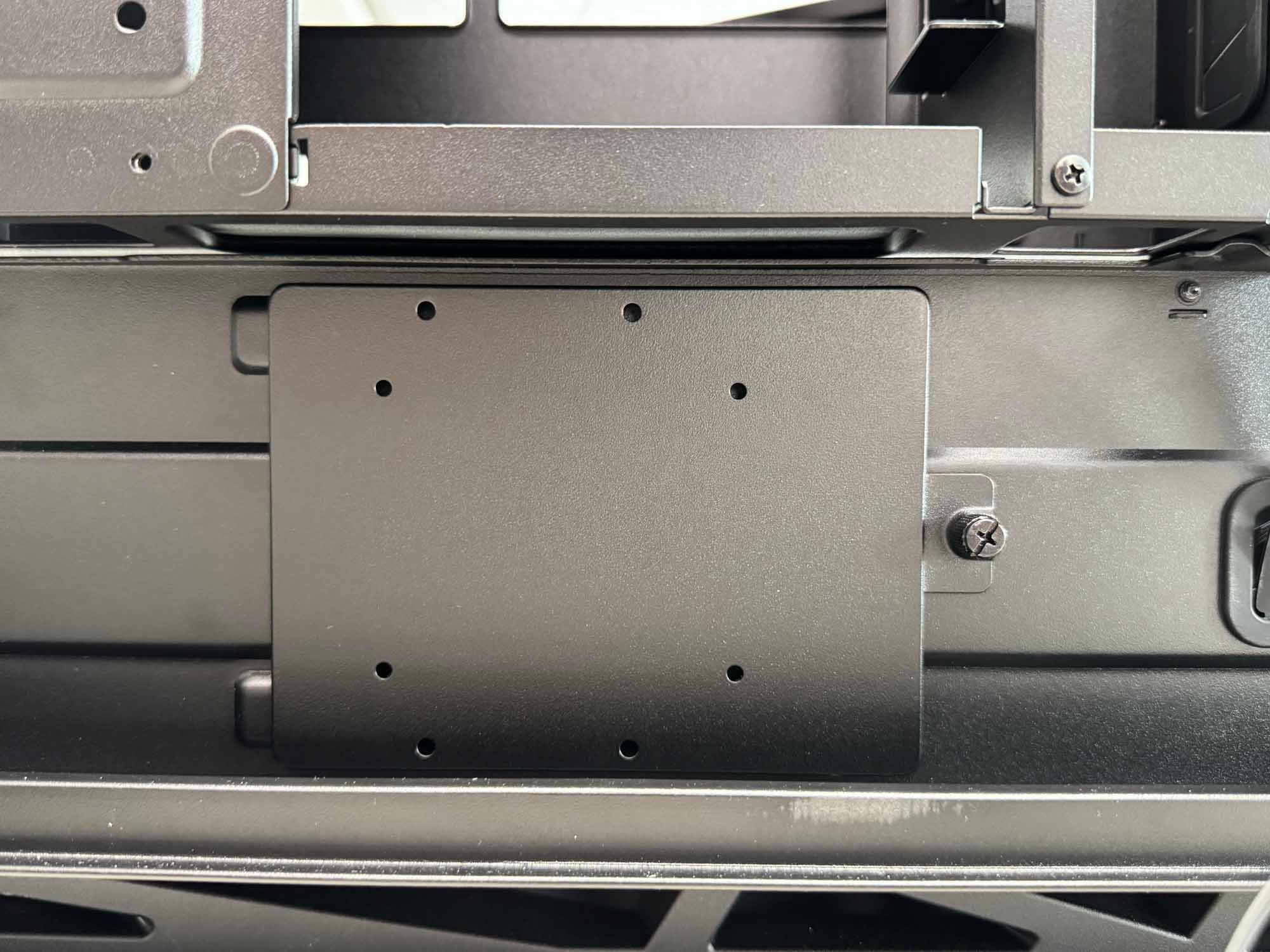
The fan and lighting hub feature six 3-pin ARGB connectors and six 4-pin fan headers. The hub offers inputs from your motherboard; otherwise, fans will run at full speed and RGB lighting defaults to color cycling mode being powered by a SATA connector. As well as hard disk and SSD mounting holes in the side fan mounts, there are three storage trays in the rear chamber. Two cater to 2.5" SSDs, and the second larger tray adds a third as well as 3.5" hard disk mounting holes.
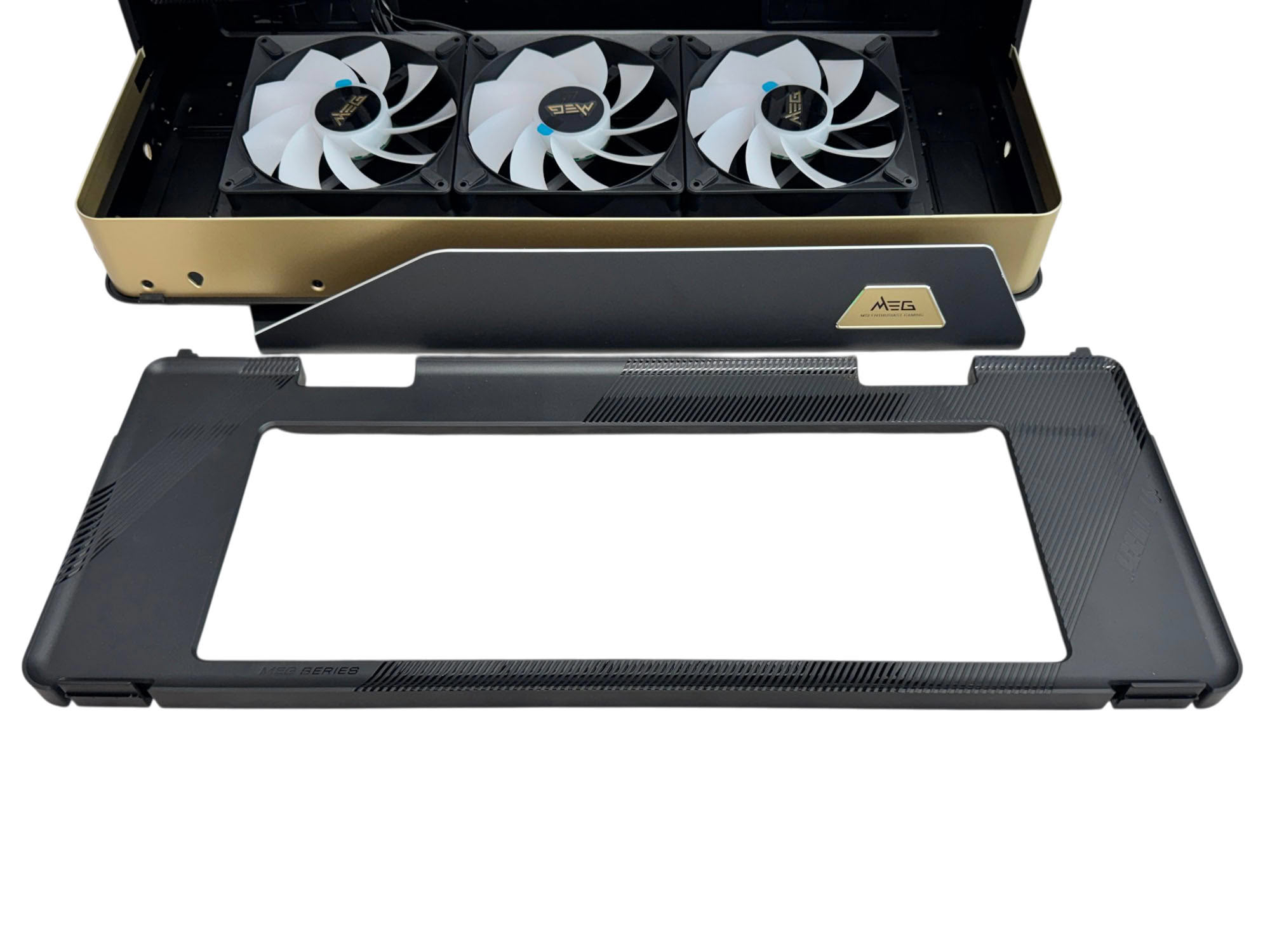
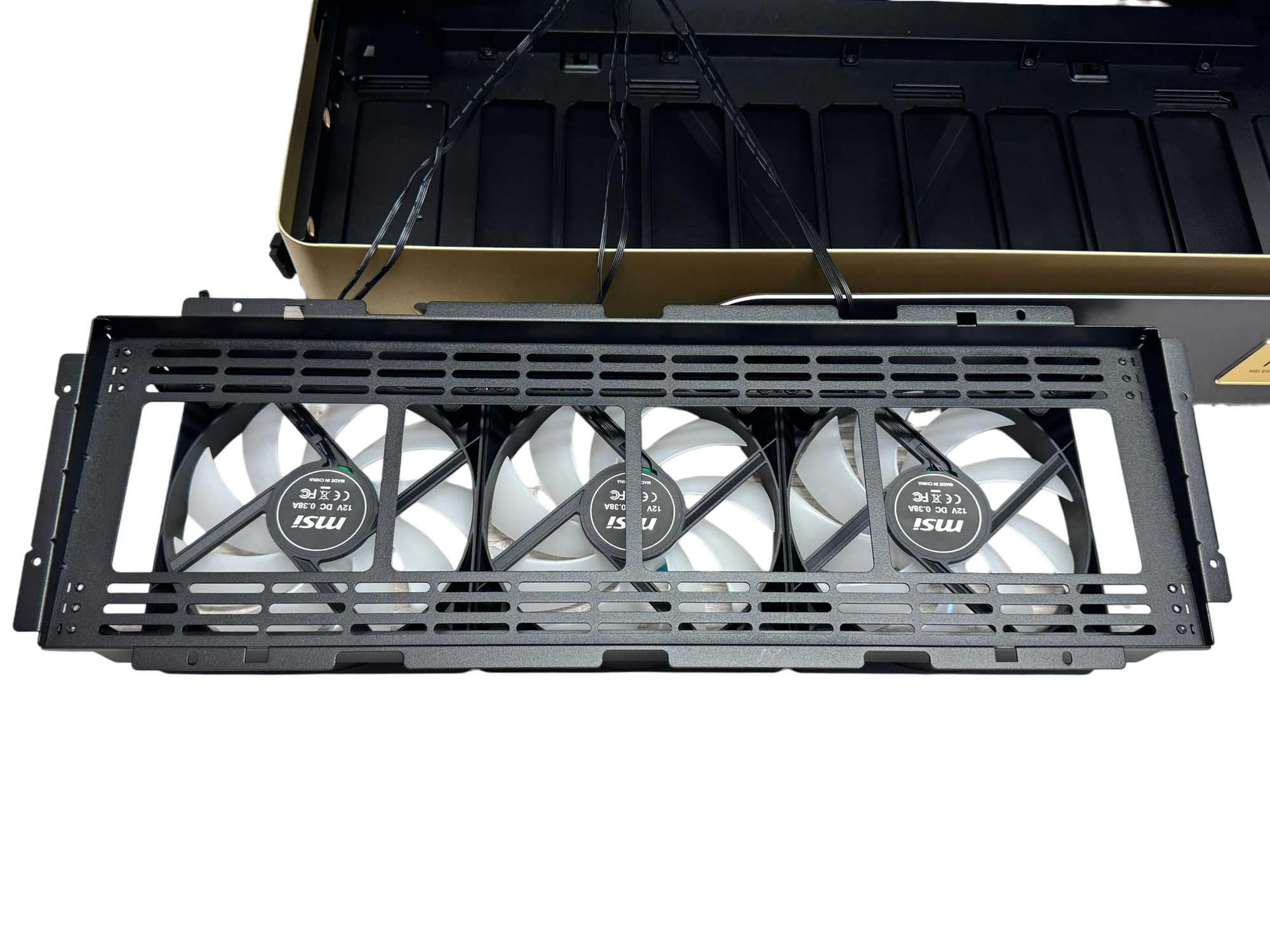
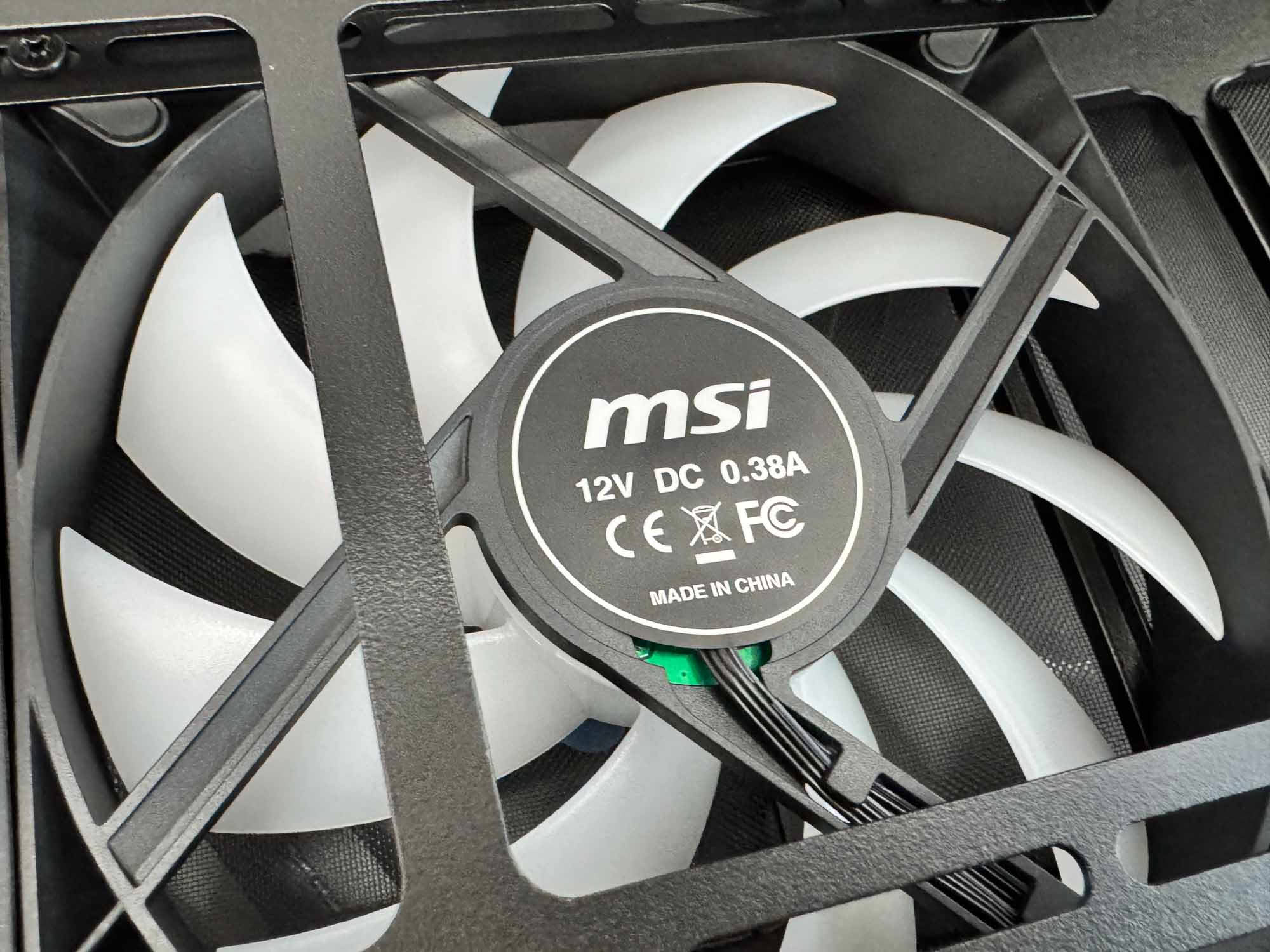
The lower fan mounting tray is also removable, but requires a large plastic shroud that clips into place to be removed. Both the lower and upper fan mounting trays can be rotated 180 degrees, which angles the fans slightly towards the glass panels. The three 160 mm RGB fans included don't appear to be listed on MSI's website and have a different frame design from its MPG D160 ARGB fans.
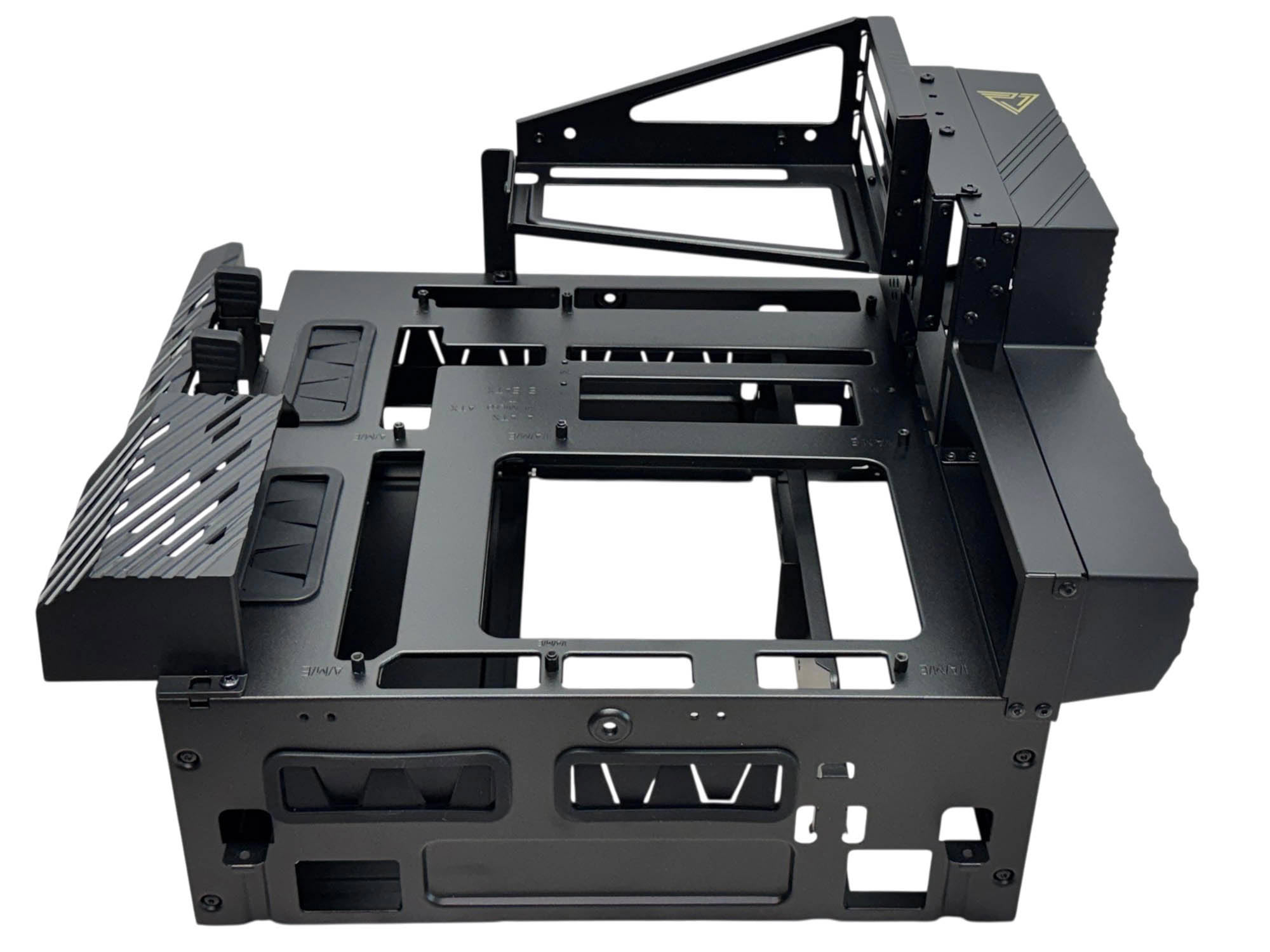
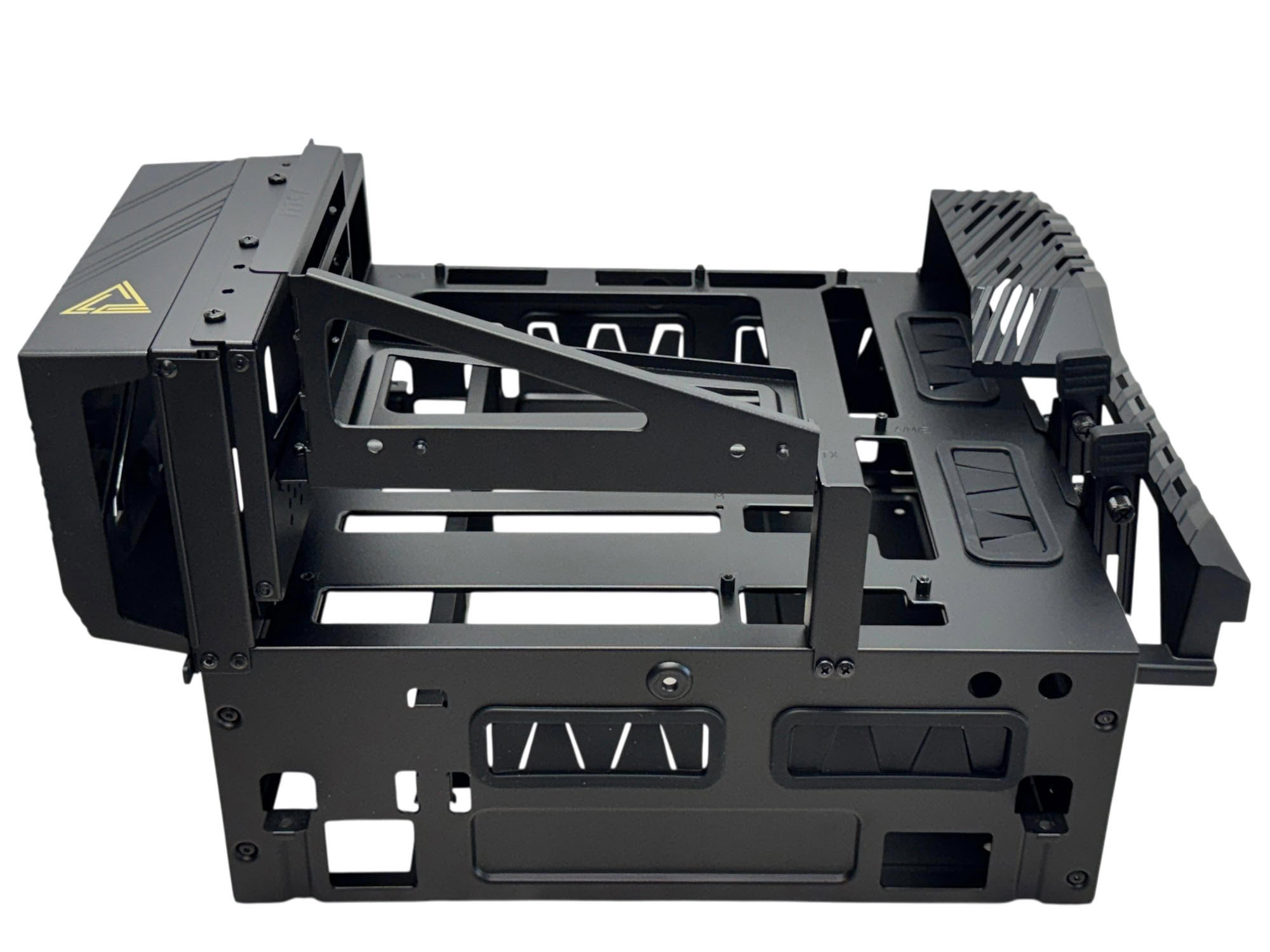
The test bench can be detached by removing four screws that secure it to the main chassis. MSI also includes some extras for it, such as feet as well as two radiator brackets plus its own power and reset buttons. It's extremely sturdy too and has everything you need to build a fully functional test bench PC. The I/O panel and GPU cover do an excellent job of hiding cables and can be used in test bench mode too. As this is the primary location of all your core hardware, there are eight cable routing holes around the edges, equipped with rubber grommets. The vertical GPU mount is also installed to the test bench section.
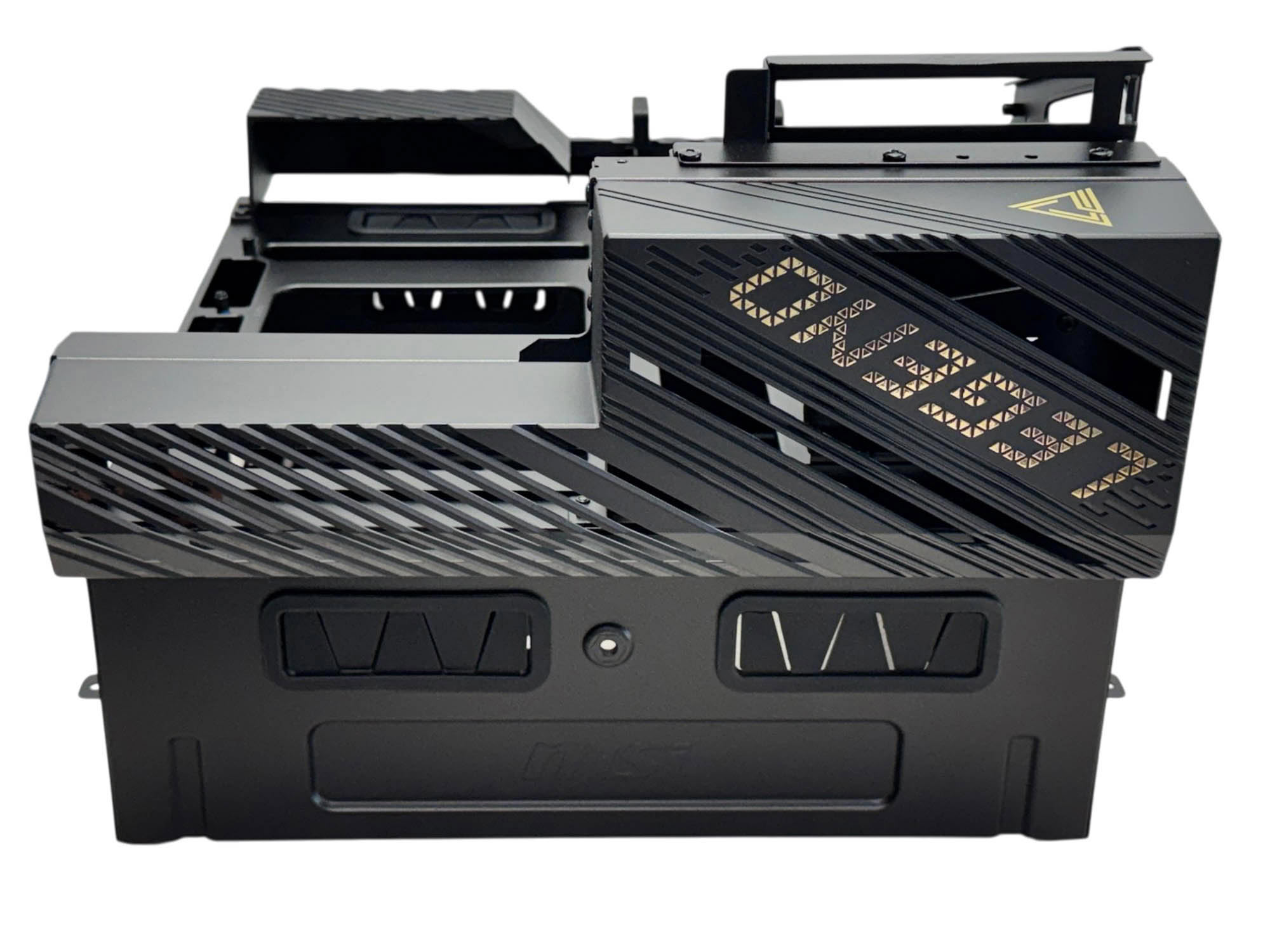
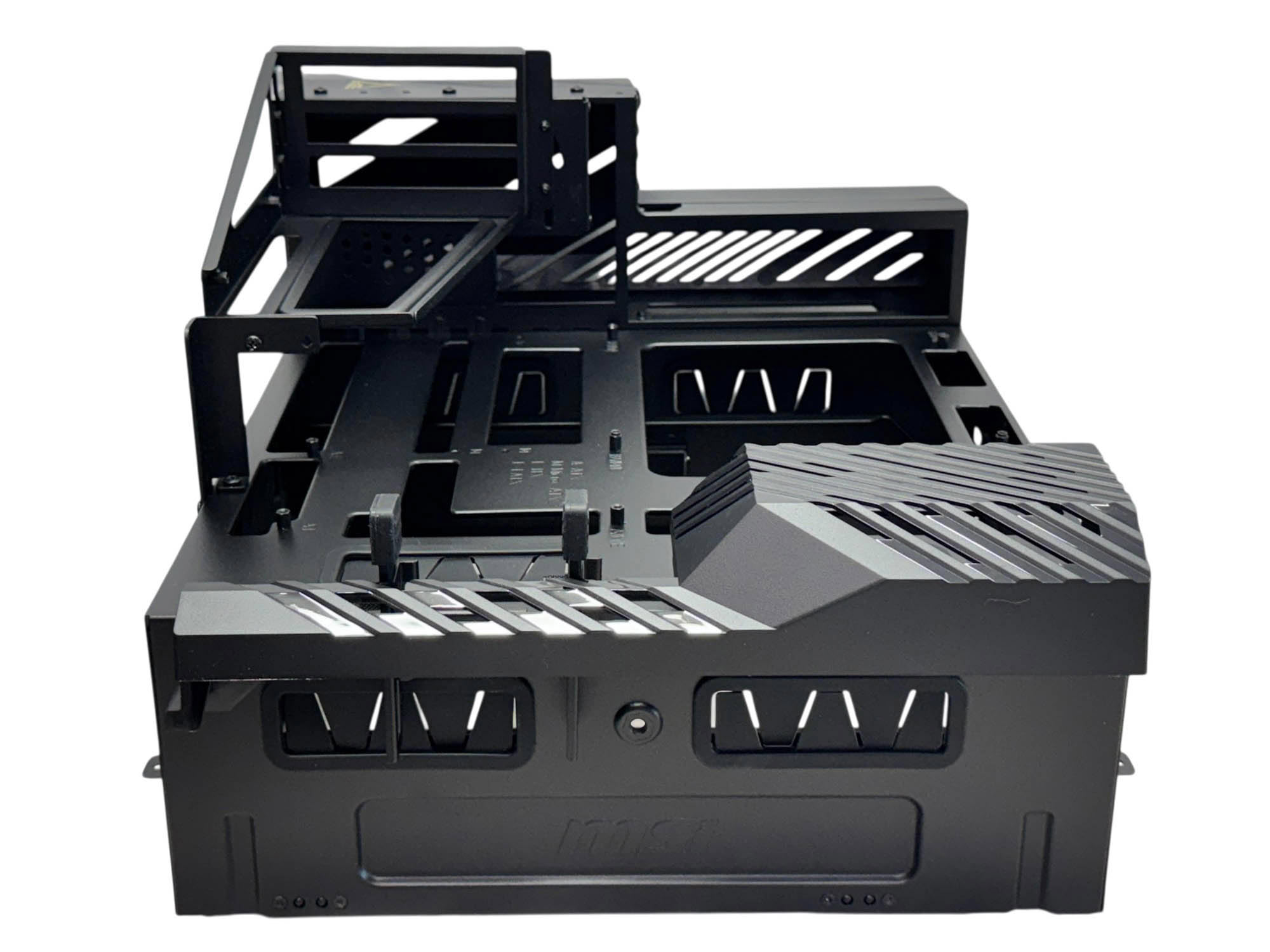
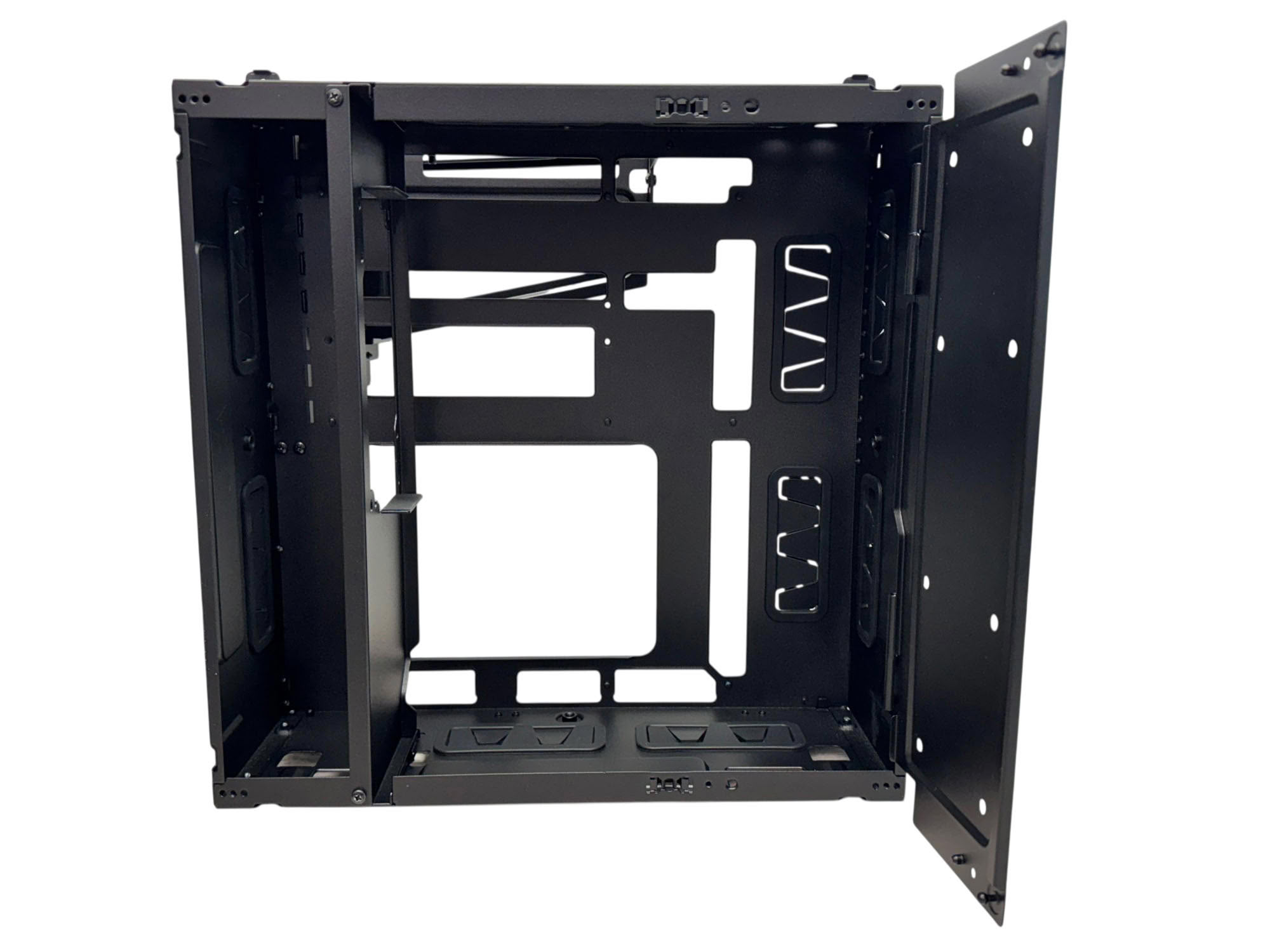
Your PSU is located internally and behind a half door that opens on hinges and is secured using push-pins. Whether you have a standard or rear connector motherboard, the PSU, graphics card and motherboard can all be installed to the test bench before being inserted into the main chassis, and there are plenty of spaces here to stow cables too.
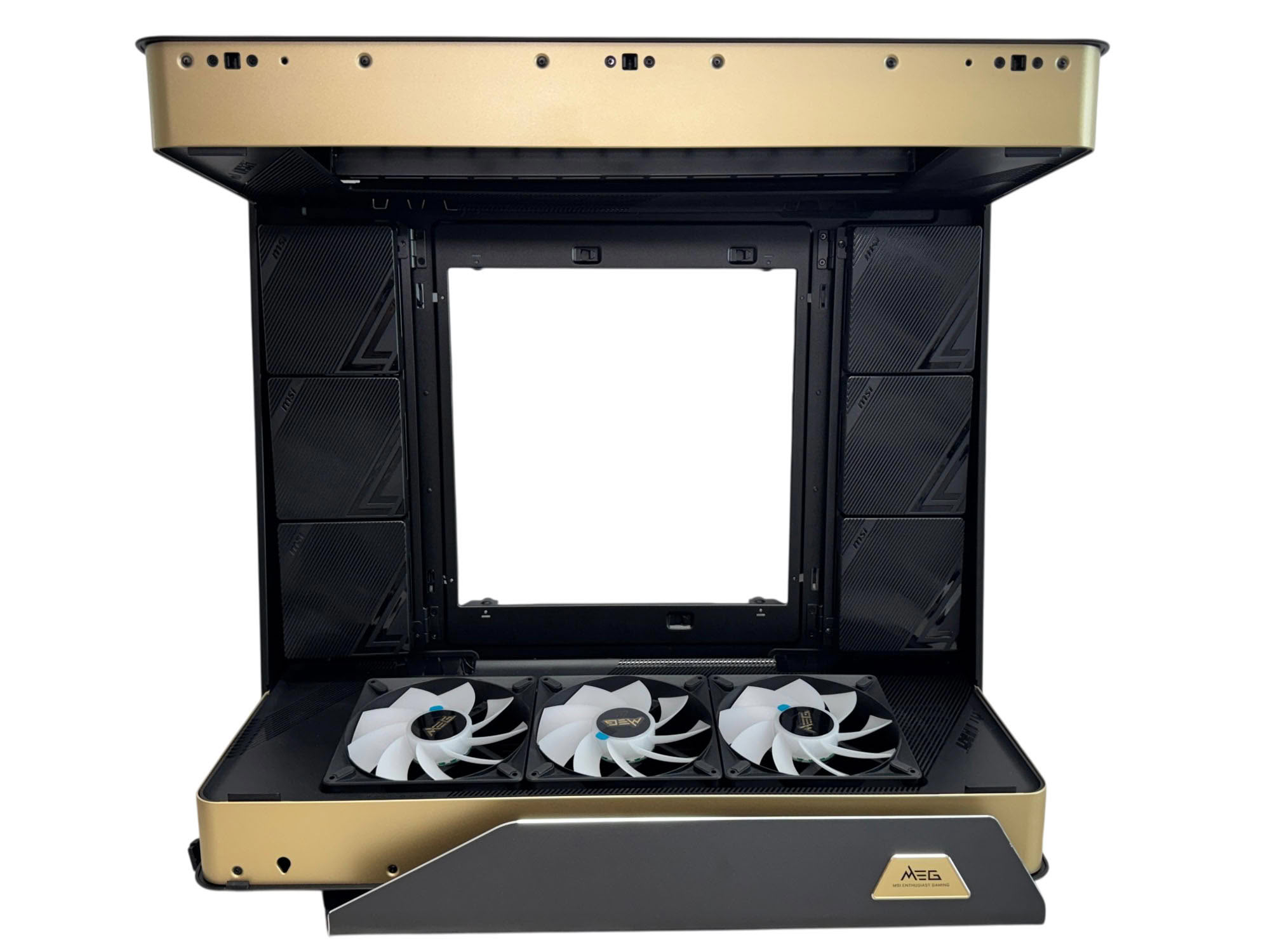
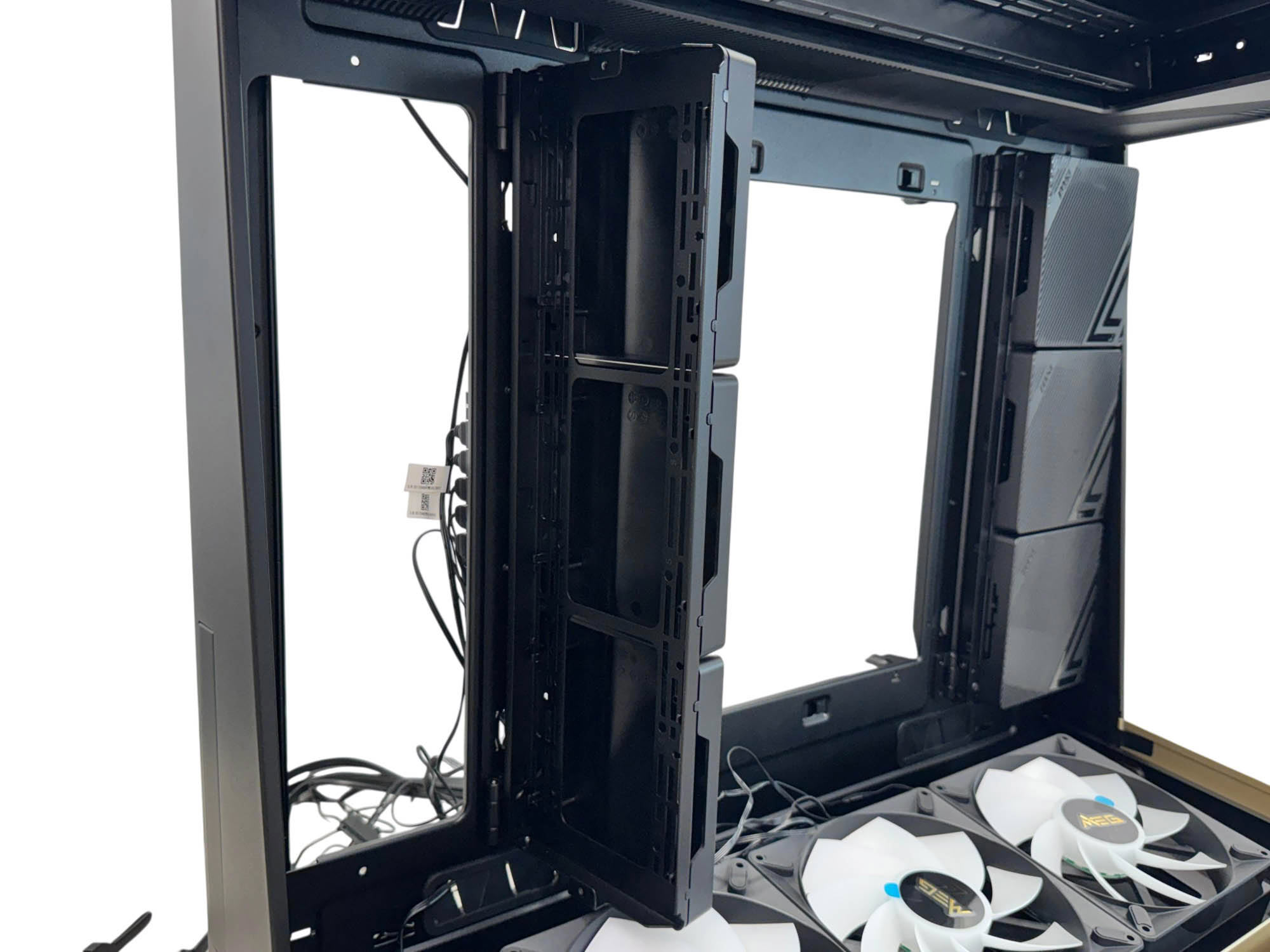
With the glass panels removed, it's clear they provide a degree of rigidity to the chassis, which can flex without them. Adding to this lack of rigidity is that the two side fan mounts swing out on hinges, leaving large gaping holes in the chassis, only secured at either end with screws. Impressively, these mounts both support 360 mm radiators, bringing the total count to a maximum of four 360 mm radiators, with two of those having the option of a larger 420 mm model too.
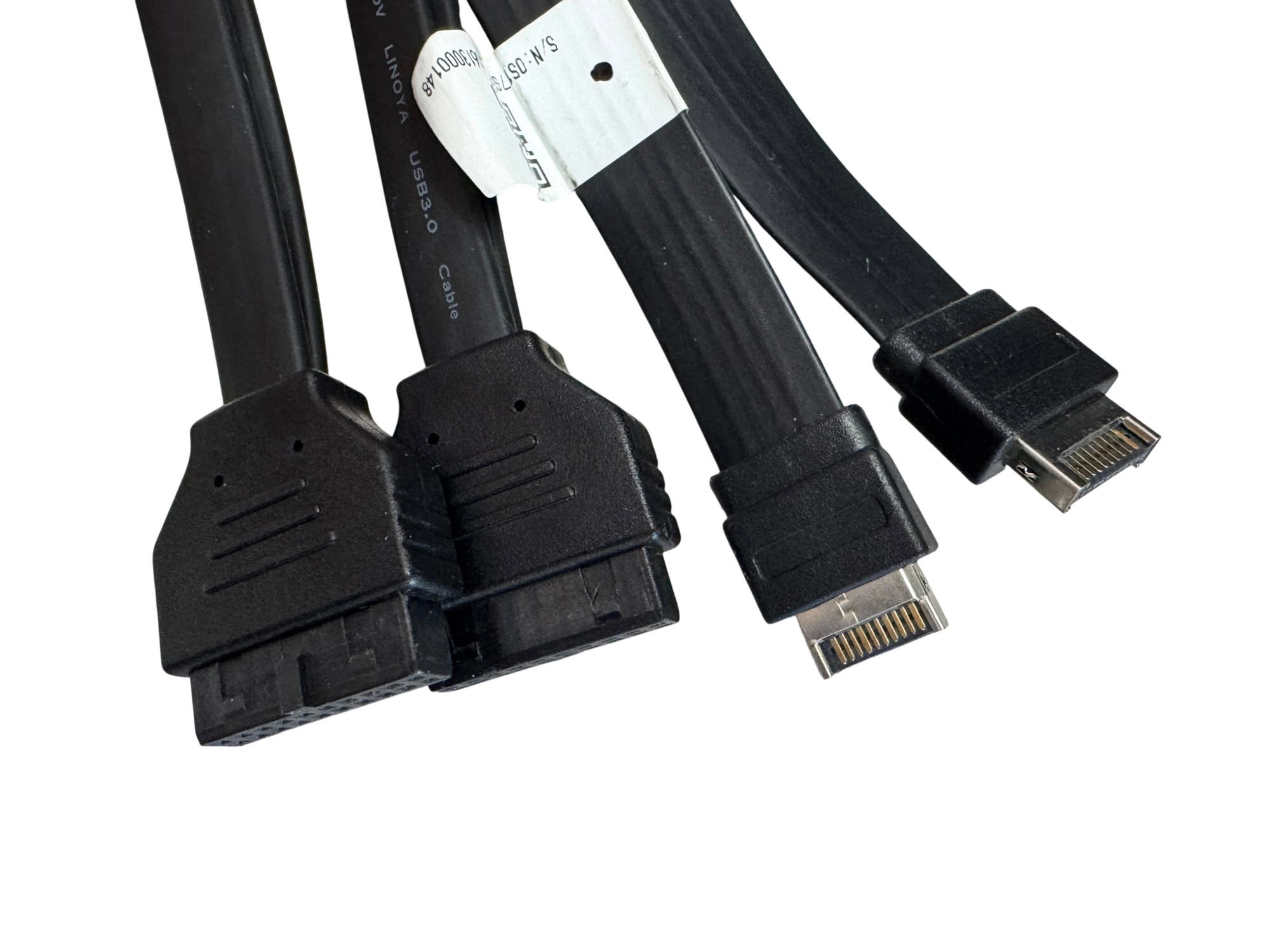
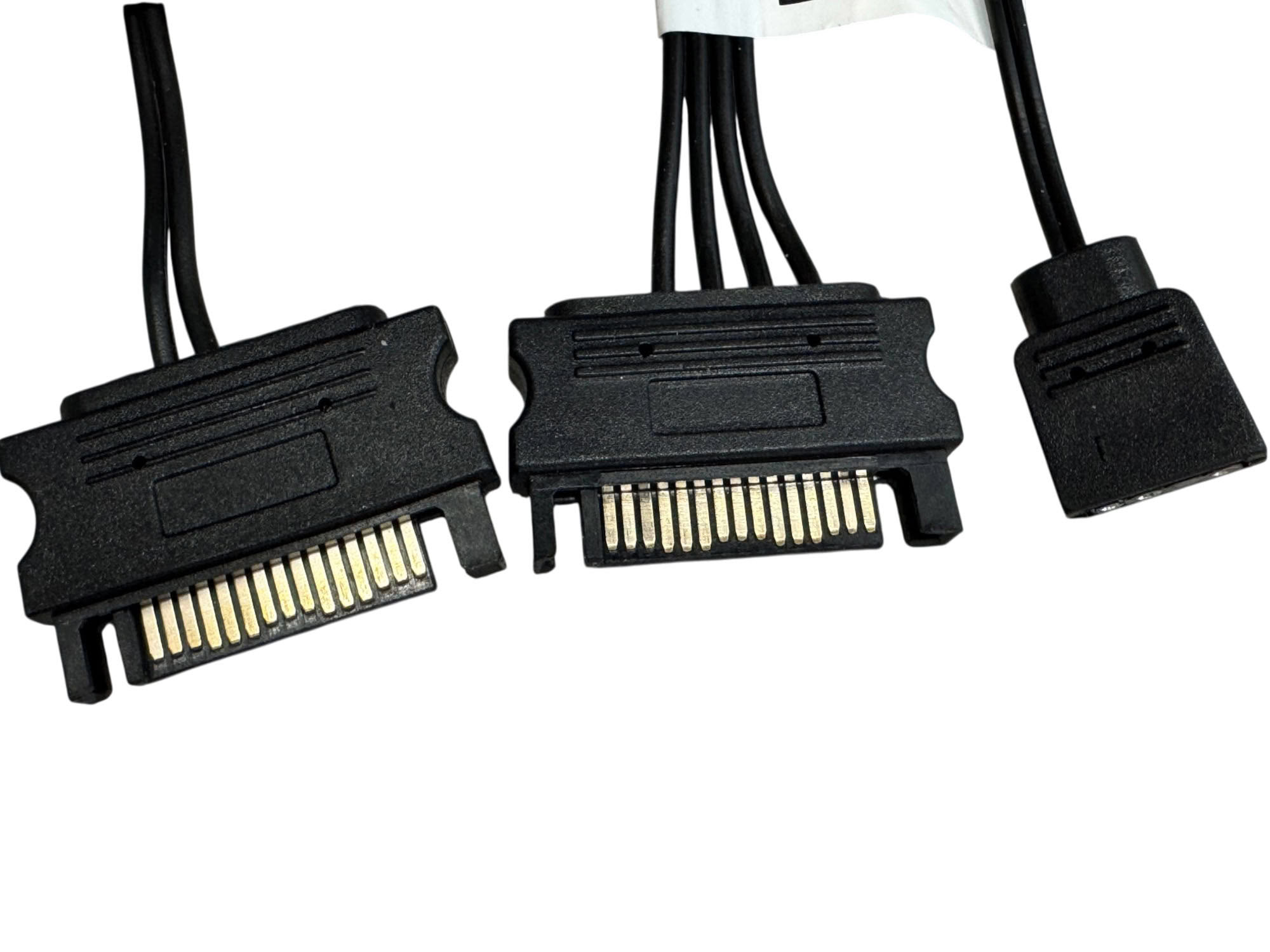
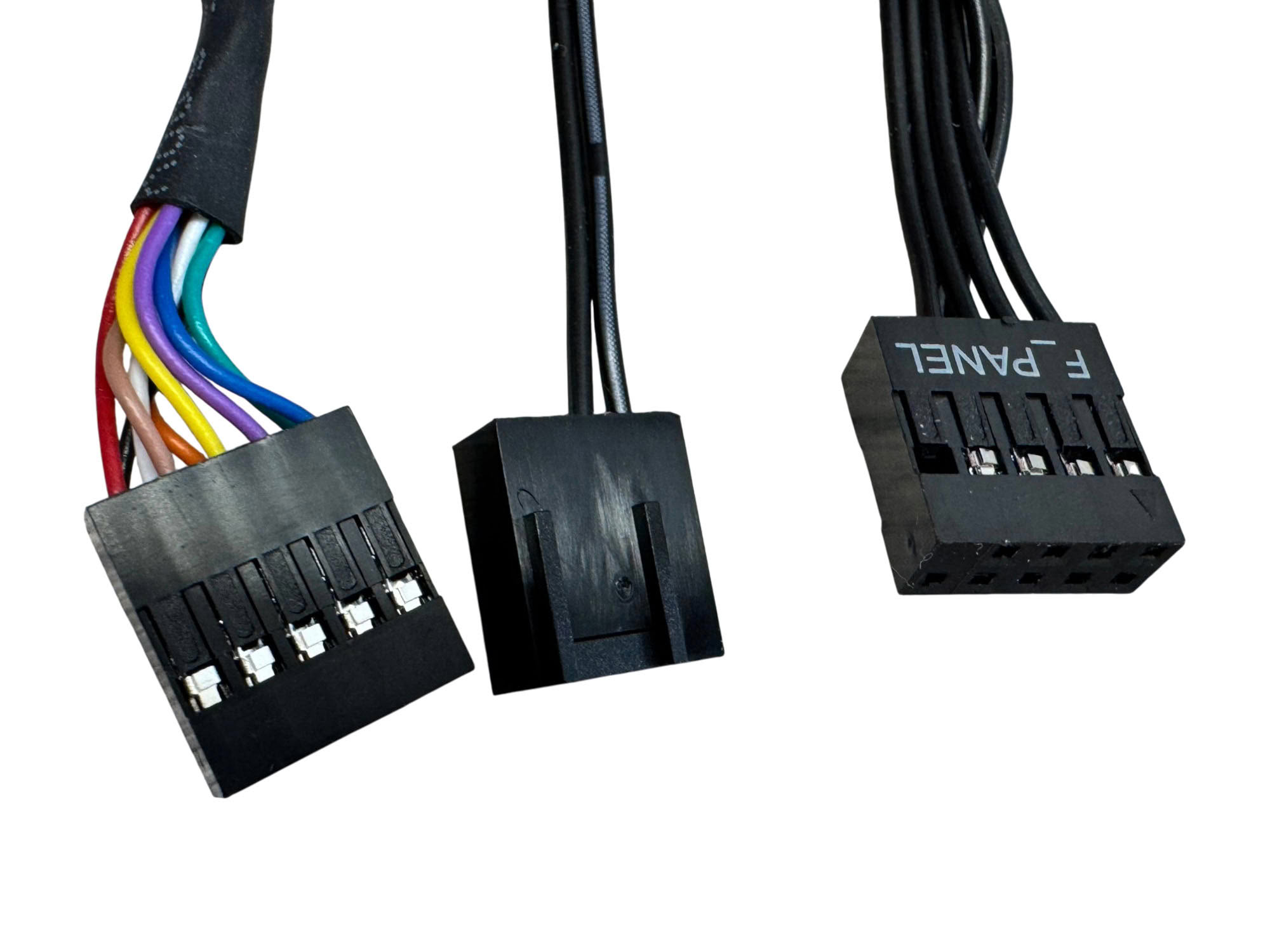
To deal with the mass of USB ports, we have two Type-C header cables with the USB 3.2 Gen 2x2 20 Gbps one being labelled, so whatever configuration you have on your motherboard, you can make sure to connect it to the right one. There are also two USB 3.0 header cables, two SATA power cables, RGB and fan signal cables from the fan and lighting hub plus the usual front panel and audio header cables.
Nov 14th, 2026 19:43 CST
change timezone
Latest GPU Drivers
New Forum Posts
- Planning for Prolonged High Prices and Maintaining What You Already Have (66)
- Tell me about your favourite graphics card (80)
- WarpCoreBench scores! (34)
- 9070 GRE 3.9ghz validation reached. (11)
- Honestly, do you care about GTA VI? (20)
- AI generated images... (226)
- What is in your fleet, size and contents? (28)
- X79 and/or rampage IV OC'ing thread for those of us still left.... (2452)
- Can you guess Which game it is? (317)
- What can the FX 8320 do today? Here is the answer. (43)
Popular Reviews
- AMD Zen 6 Technical Deep Dive
- ASUS ROG Strix B850-I Gaming Wi-Fi7 W Review
- Corsair HX1000i Shift Crystal Review
- Upcoming Hardware Launches 2027 (Updated Nov 2026)
- Montech King 95 3D PRO Review
- NZXT C1200 Platinum Review
- NZXT H7 RGB+ Review
- NZXT H5 Review
- Phantom Blade Zero Performance Benchmark Review - 35 GPUs Tested
- AMD Ryzen 7 9800X3D Review - The Best Gaming Processor
TPU on YouTube
Controversial News Posts
- NVIDIA Co-Founder and CEO Jensen Huang Officially Resigns (406)
- OpenAI CEO Argues Home PCs Waste the World's Limited DRAM Supply (152)
- NVIDIA Launches Investigation Into Jensen Huang's Relationship With Suspected Chinese Spy (136)
- Intel "Raptor Lake Next" 16-Core and 20-Core CPUs Surface (130)
- Legendary Game Studio BioWare Shuts Down Following EA Layoffs (104)
- Dell CEO Says the Memory Shortage Will Get Worse in 2027 (95)
- NVIDIA GeForce RTX 50-Series Scheduled for up to $500 Price Hike This Week (89)
- Modder Fits RTX 5090 With Four 8-Pin Connectors, Halving Current per Wire (80)