 16
MSI MPG X870E Carbon Max Wi-Fi Review
VRM Overview »Component Analysis
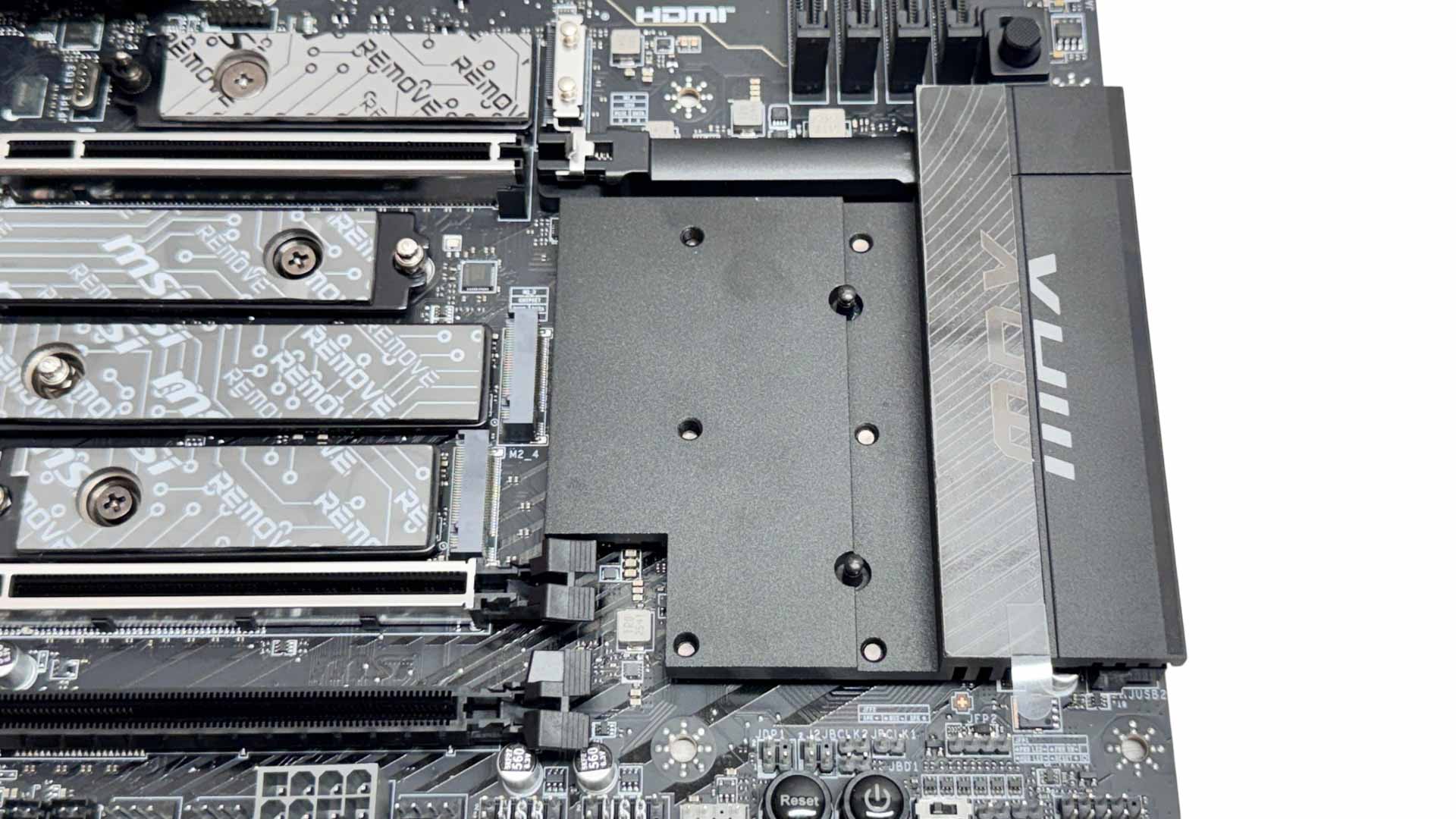
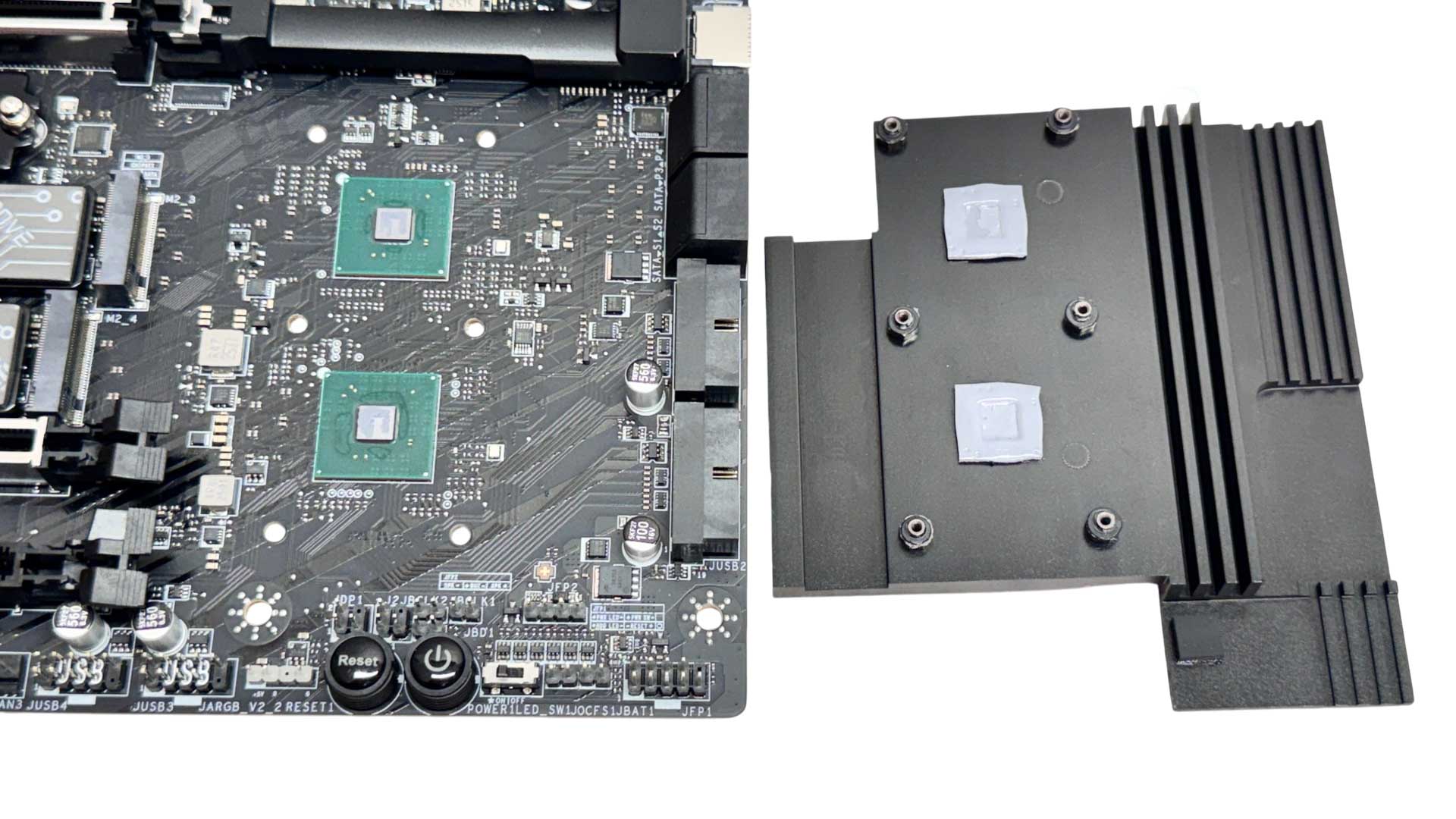
The chipset heatsink is slightly larger than that on the Ace but lacks the thermal pad linking it with the M.2 heatsink above for a little extra cooling for the two X870 chipsets.
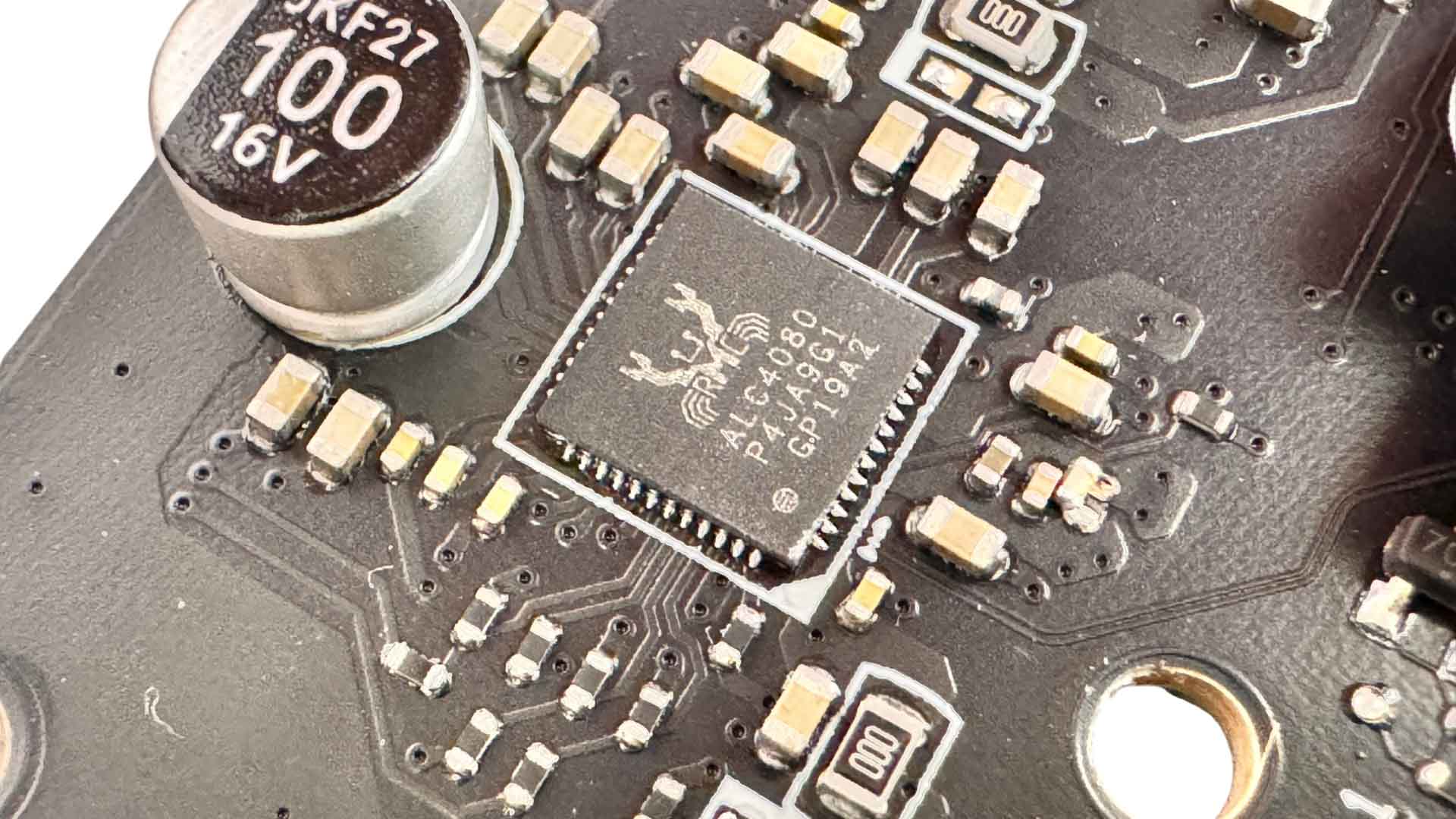
The same Realtek ALC4080 audio codec is used that we've seen on other Max boards such as the MAG X870E Tomahawk Max Wi-Fi and of course the MEG X870E Ace Max, but it's only with the Ace and upwards that you get an ESS DAC too.


The dual Ethernet controllers lack the 10 Gbps we saw on the Ace and instead comprise Realtek's RTL8126 5 Gbps controller alongside its slower 2.5 Gbps sibling, the RTL8125.
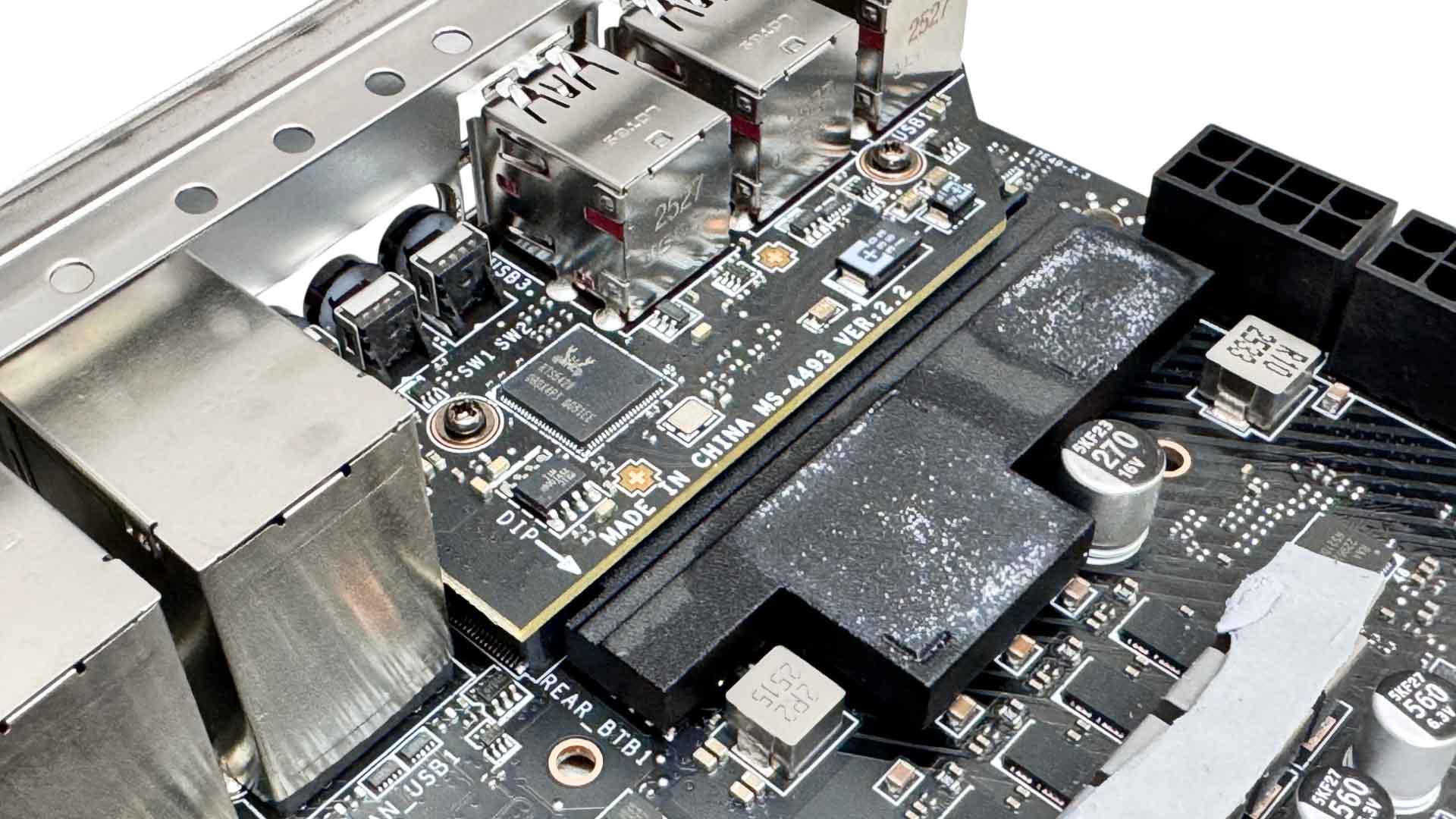
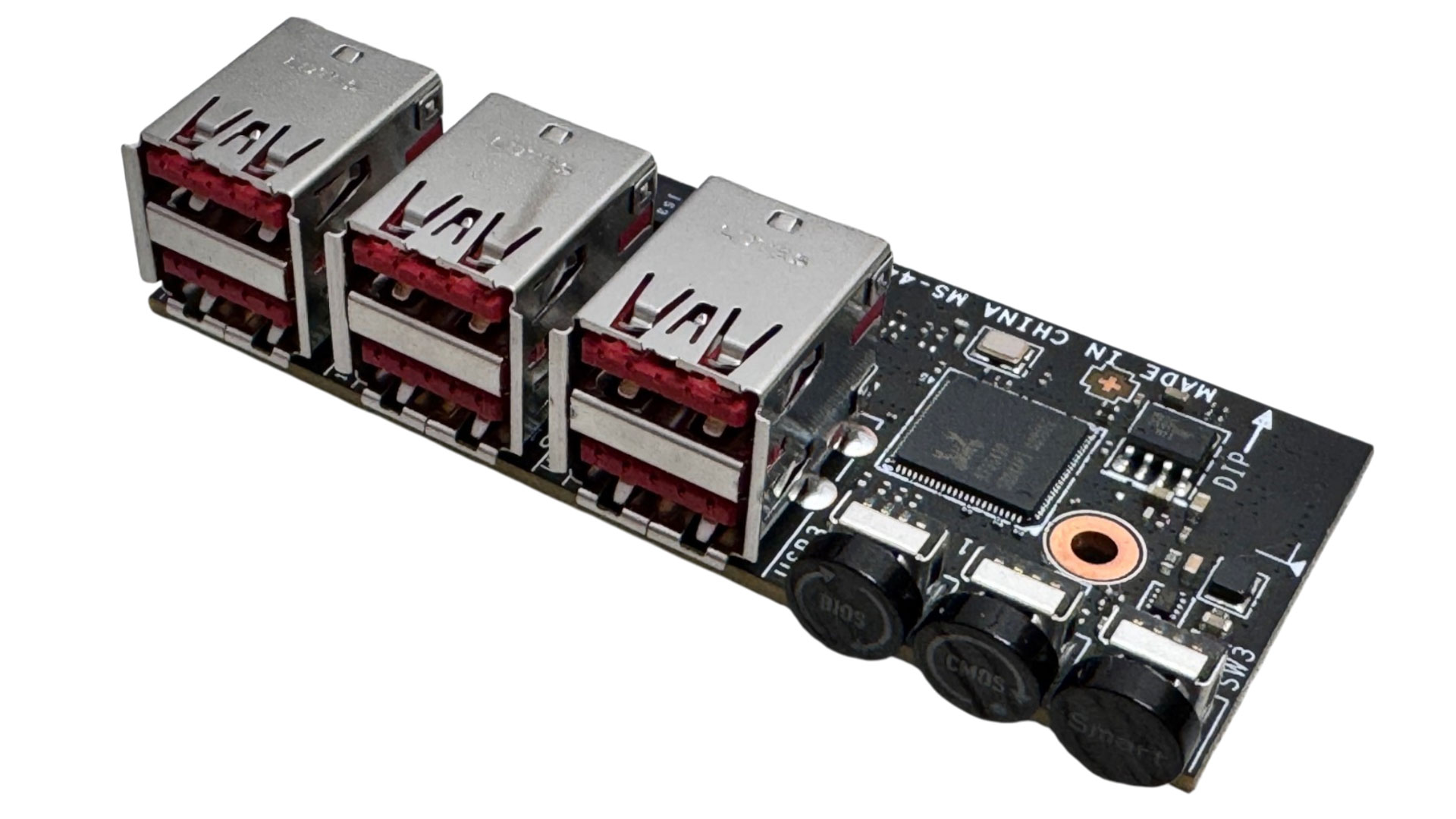
As we've seen with a few X870E MSI boards under the new Max naming scheme and also previous models, the impressive rear assortment of nine Type-A USB ports partly comprises six USB 3.2 Gen 2 10 Gbps ports located on a detachable daughterboard, usually paired with a trio of buttons. The USB4 controller sits under the USB daughterboard and for this reason, MSI has seen fit to link its edge to the VRM heatsink above for additional heat dissipation using thermal pads.
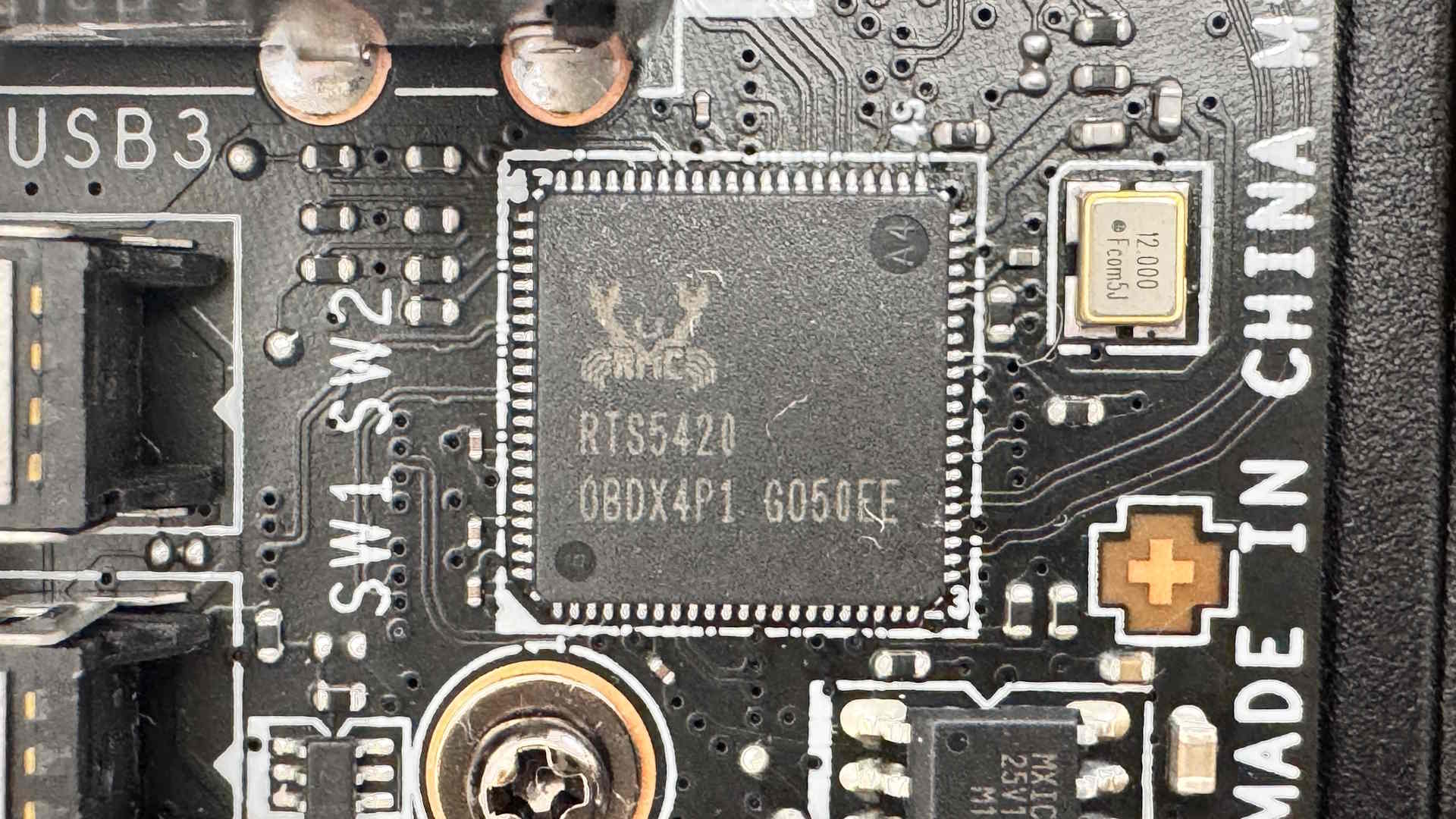
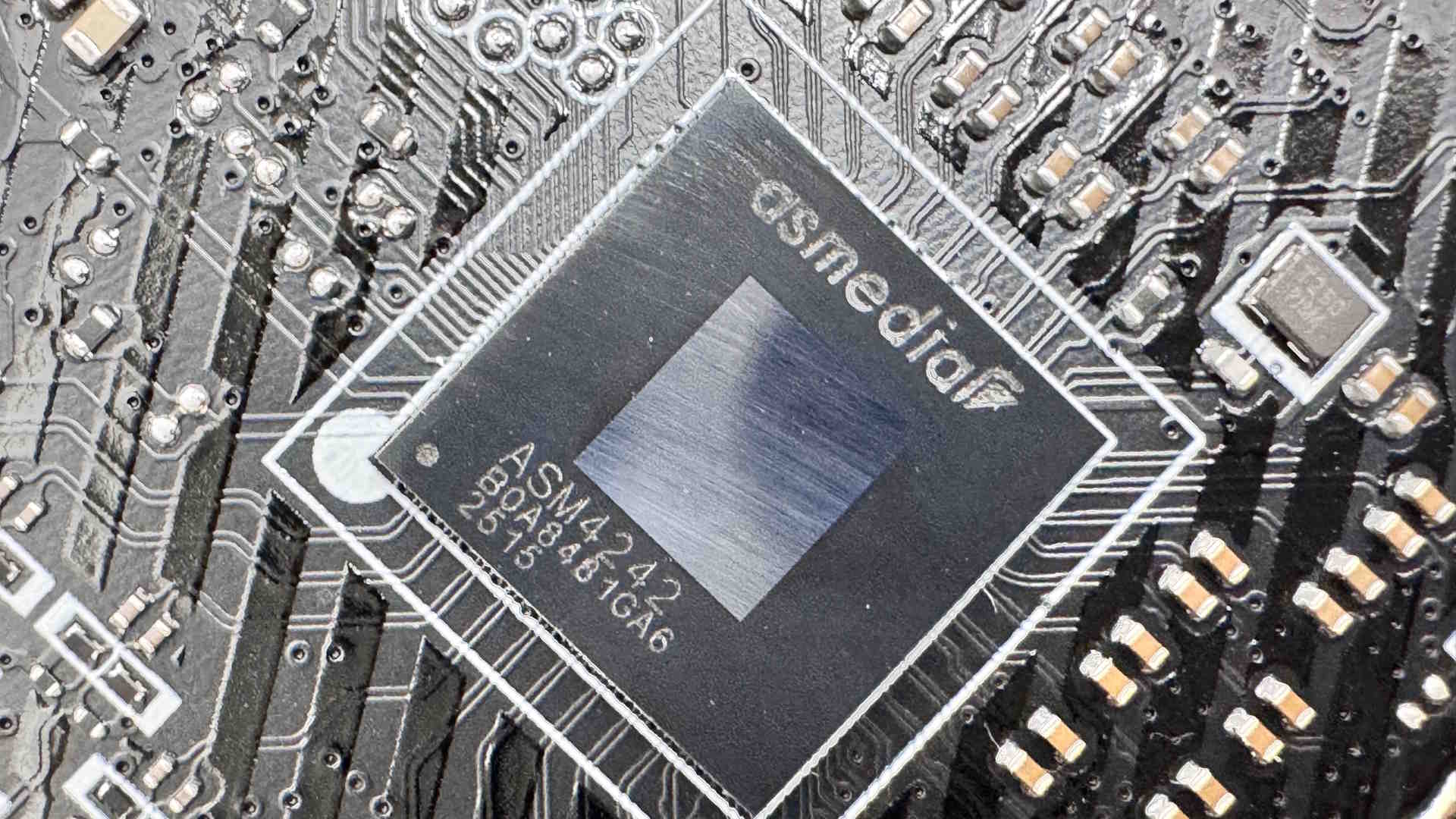
The ports come via an RTS5420 hub controller on the daughterboard itself. As usual, we have the ASMedia ASM4242 USB4 controller, which is Thunderbolt 4 certified.
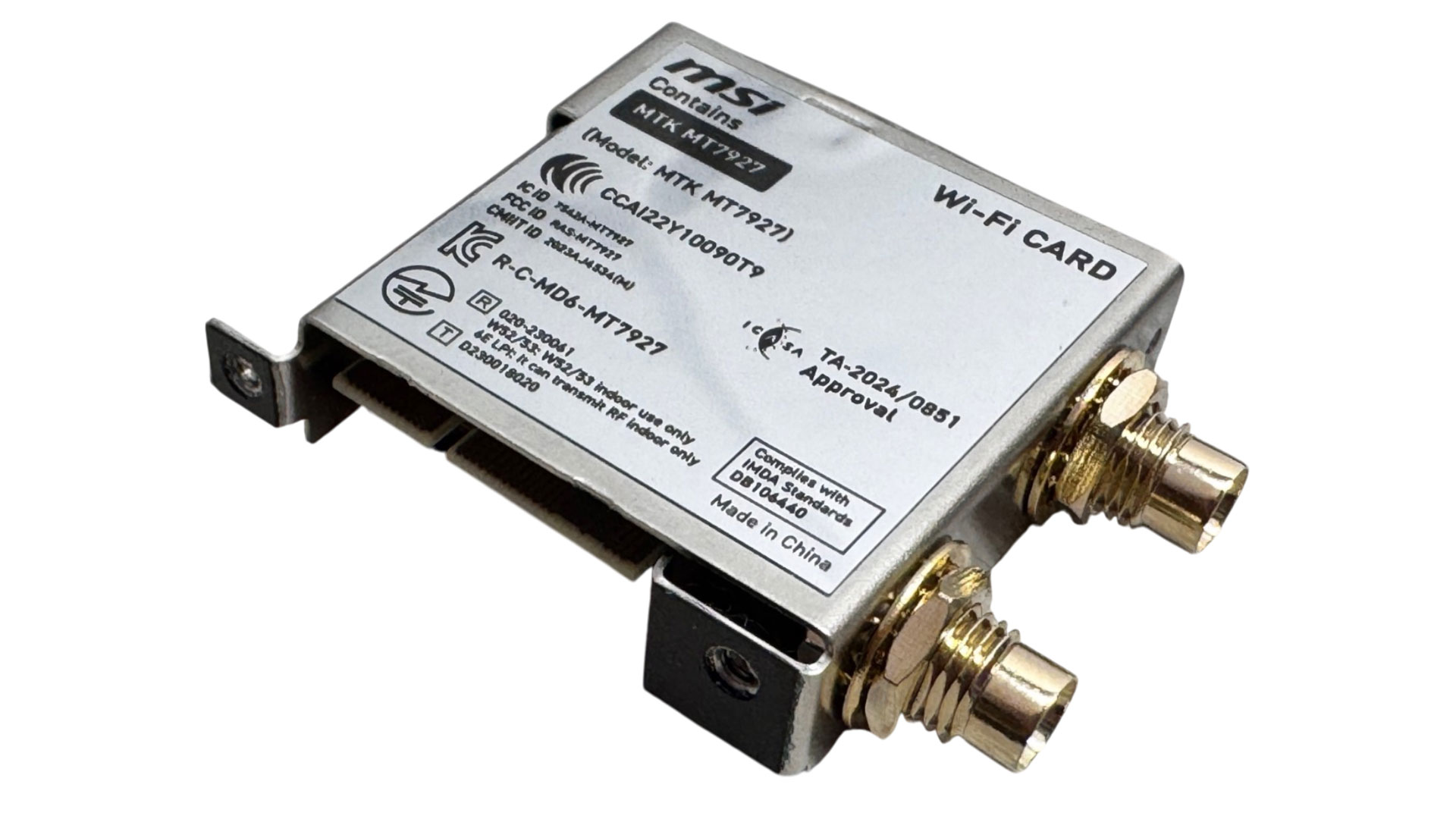
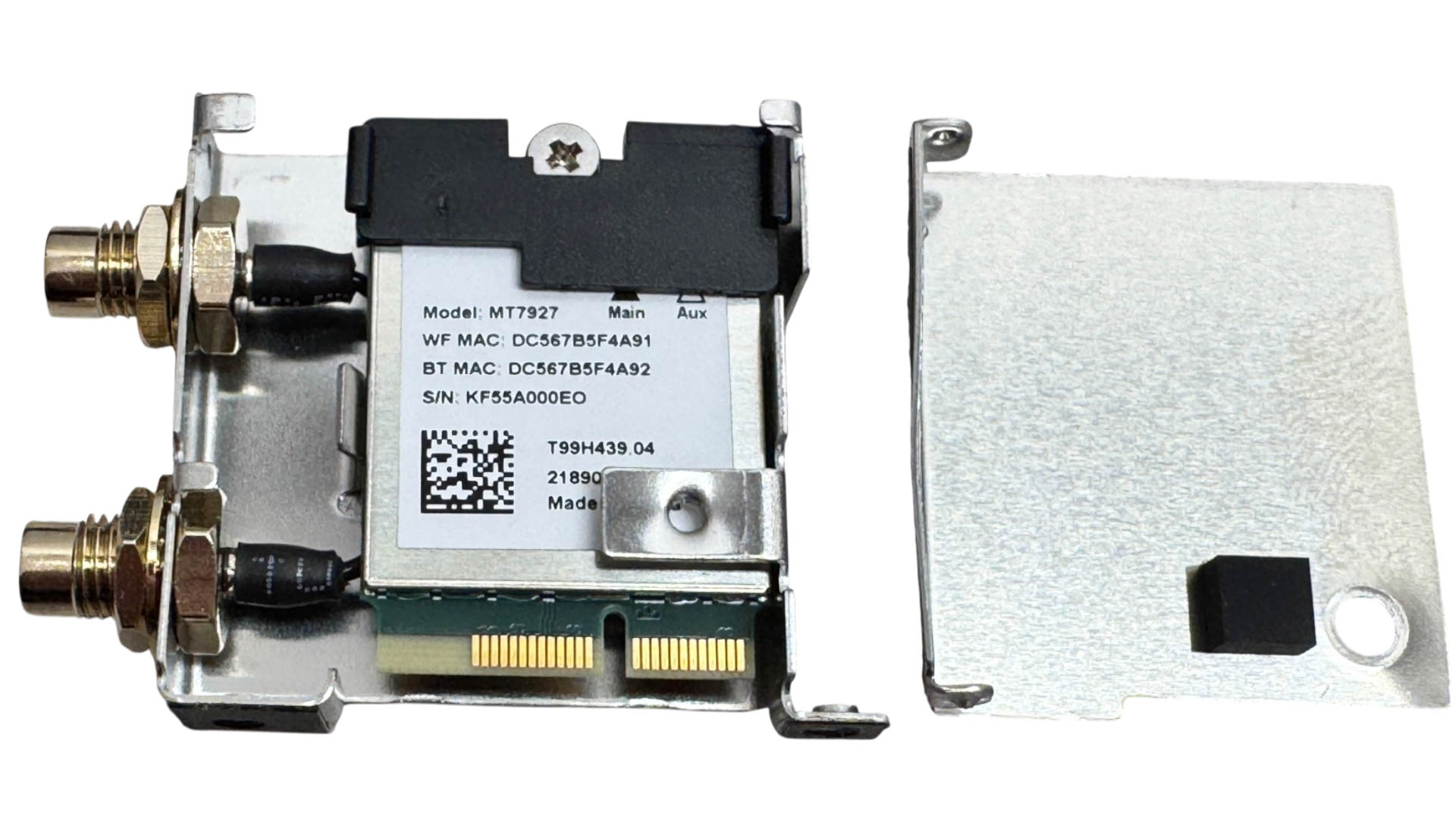
For Wi-Fi 7 we have MediaTek's MT7927. This uses MSI EZ antenna connectors, but as we've already mentioned, these are also compatible with standard threaded connectors. Removing it is relatively simple as there's no backplate to deal with. As the VRMs are linked with a heatpipe you'll need to remove both to be able to get at the Wi-Fi module, plus the rear I/O shield.
Nov 16th, 2026 00:51 CST
change timezone
Latest GPU Drivers
New Forum Posts
- Your PC ATM (36441)
- [Community Benchmark] MrH OpenCL Benchmark 2.0e (Windows Only – CPU & GPU) (3)
- GPU Temperatures Rise Very Quickly in FurMark – Is This Normal? (8)
- The Official Thermal Interface Material thread (2301)
- Asus Rog Maximus Z890 Extreme. (Various questions). (26)
- Will zen 6 mobos have anything extra vs current ones? (46)
- It’s been fascinating times in Retro agian r36s isn’t even worth 50-65 dollars no more and newly listed Rm36 64gb 4in IPS models for only 34 dollars. (6)
- Power supply noise stops when I move the mouse (10)
- Can you guess Which game it is? (320)
- What is the latest game you finished or 100% (203)
Popular Reviews
- ASUS ROG Strix B850-I Gaming Wi-Fi7 W Review
- Corsair HX1000i Shift Crystal Review
- AMD Zen 6 Technical Deep Dive
- Upcoming Hardware Launches 2027 (Updated Nov 2026)
- Montech King 95 3D PRO Review
- NZXT C1200 Platinum Review
- Phantom Blade Zero Performance Benchmark Review - 35 GPUs Tested
- AMD Ryzen 7 9800X3D Review - The Best Gaming Processor
- NZXT H5 Review
- NZXT H7 RGB+ Review
TPU on YouTube
Controversial News Posts
- NVIDIA Co-Founder and CEO Jensen Huang Officially Resigns (430)
- Open Letter Asking NVIDIA to Reinstate Jensen Huang Passes 115,000 Signatures (184)
- OpenAI CEO Argues Home PCs Waste the World's Limited DRAM Supply (152)
- NVIDIA Launches Investigation Into Jensen Huang's Relationship With Suspected Chinese Spy (136)
- Intel "Raptor Lake Next" 16-Core and 20-Core CPUs Surface (130)
- Legendary Game Studio BioWare Shuts Down Following EA Layoffs (104)
- Dell CEO Says the Memory Shortage Will Get Worse in 2027 (95)
- NVIDIA GeForce RTX 50-Series Scheduled for up to $500 Price Hike This Week (89)