 7
MSI MPG Z890I Edge Ti Wi-Fi Review
BIOS Overview »VRM Overview


The 10+1+1+1 power phase design extends across two banks of MOSFETs unlike many other Mini-ITX boards that stick to a single bank. The primary heatsink here is actively cooled by a small fan too. Out of the box, this resulted in a peak VRM temperature of 81°C, which seemed to be the levelling out phase after 15 minutes of dealing with a Core Ultra 9 285K under full load. This isn't amazing given the fanless ASUS ROG Strix B860-I Gaming Wi-Fi kept things well below 80°C
The fan is set up to respond to CPU temperature by default, which isn't very logical seeing as it's not always tied to VRM temperatures. This can also mean it's much louder than it needs to be. Thankfully, by default, it only approached its 15,000 rpm peak after fifteen minutes or so and even here the noise wasn't particularly unpleasant, although certainly still very loud.
Firstly, we'd suggest switching the fan to respond to VRM temperatures, but the noise sensitive owners out there probably want to force it to stick to below 40 percent speed. The graphs in MSI's EFI here are a little tricky to understand at first, because the left-hand scale is not temperature. It's actually fan percentage. The x-axis is temperature but isn't labelled. You have to watch the temperature shown as you adjust the points on the graph, or manually enter the figures in the boxes at the top. Sadly, while the fan was listed in the software fan control, it couldn't be adjusted.


The heatsinks are linked by a heatpipe and are relatively large, but dismantling them reveals the reason for the disappointing temperatures. The fan doesn't point at anything except the daughterboard and PCB below. It would have made more sense to place it vertically so it points air at the heatsink. In short, it's not likely to result in a massive impact, even if it's hitting high speeds.

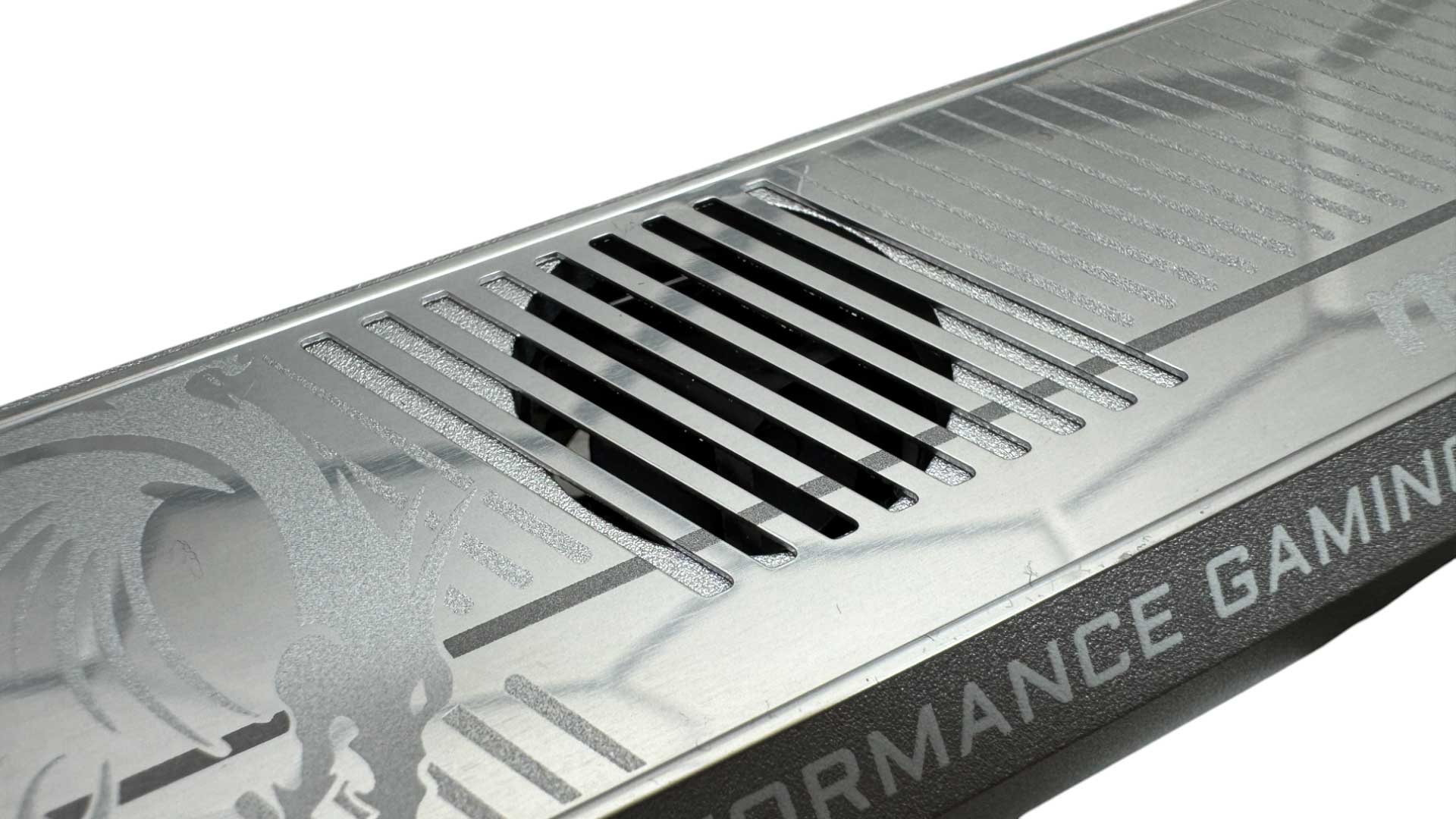
It's good to see the rear of the VRMs is cooled too, but something else to potentially hamper the fan's impact is the relatively restrictive top vent, which almost certainly restricts airflow. It's a shame that MSI wasn't able to employ a similar design to the fan on the B850 board's M.2 heatsink, which is larger and quieter too.


The 10 vCore stages are Renesas R2209004 110 A smart power stages that we've also seen on the likes of the MSI MPG X870E Carbon Wi-Fi and ASRock X870E Taichi. We also have two 75 A Renesas 220075R0 stages and a single Monolithic Power Systems MPS2414 60 A stage handling iGPU, VCCSA and VNNAON.

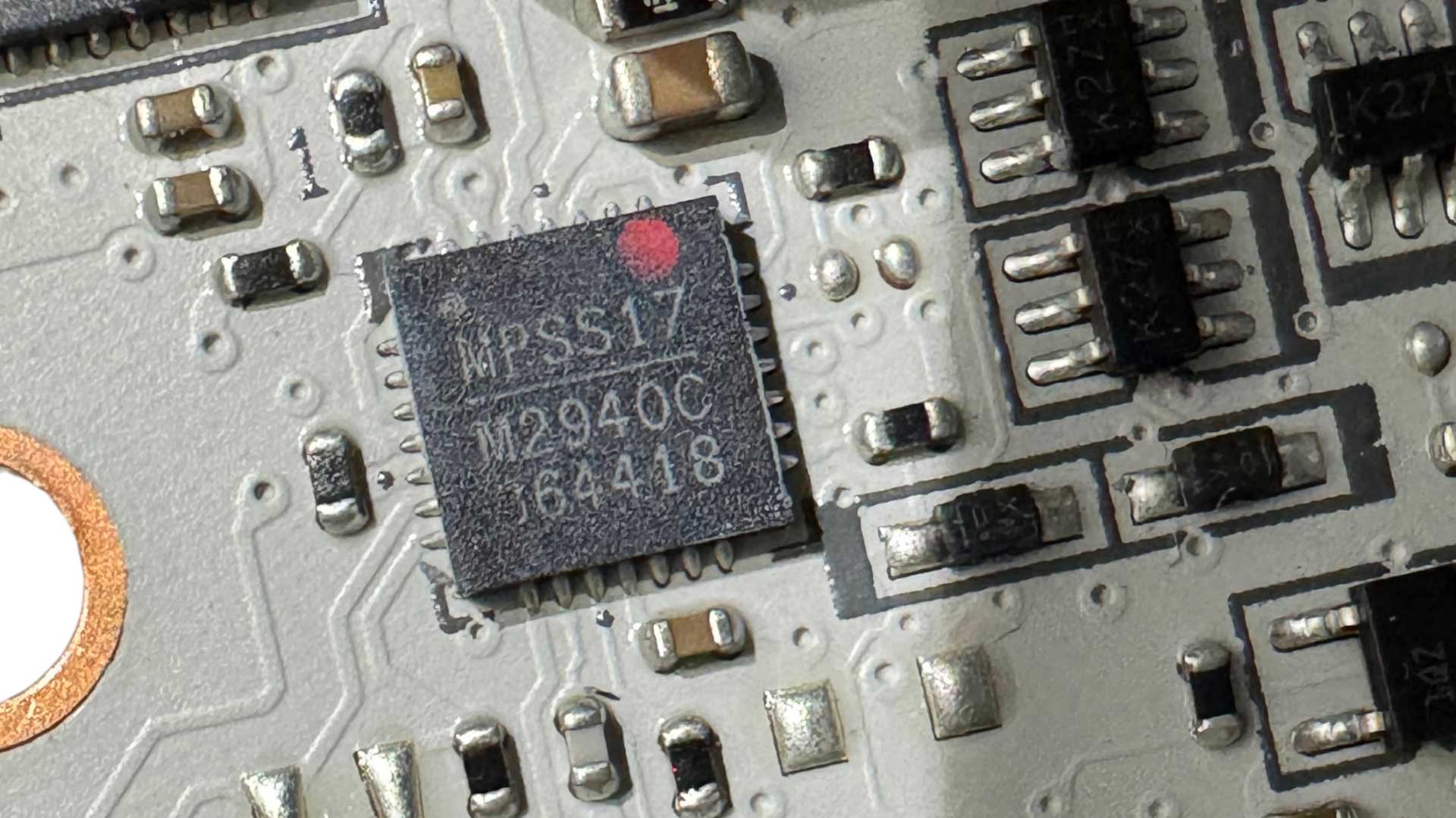
There are two PWM controllers, one from Renesas in the form of the RAA 229134 and also a tiny Monolithic Power Systems MPS M2940C.
Nov 27th, 2026 17:23 CST
change timezone
Latest GPU Drivers
New Forum Posts
- -18C on GPU by moving it to the front of the case. (17)
- Anthrophics IPO (48)
- What's your main Black Friday / Cyber Monday purchase? (41)
- Exit Adobe - PDF reader, and PDF editor recommendations (10)
- The TPU UK Clubhouse (27308)
- Wireless Internet sharing between PC and router both-ways, is it possible? (34)
- Gigabyte RX 6800 XT Gaming OC and I would like to test the BIOS version 020.001.000.071.000000. (18)
- Mouse Pad advice - Shidenkai out of production? (21)
- Which Xfinity modem/router setup supports network printing/scanning between a wired PC and a Wi-Fi Brother MFC-L8900CDW printer? (0)
- Unigine Superposition on Linux (20)
Popular Reviews
- VZMORE AX9 Max Review
- Upcoming Hardware Launches 2027 (Updated Nov 2026)
- AMD Ryzen 7 9800X3D Review - The Best Gaming Processor
- ASRock X870E Challenger Wi-Fi White Review
- Microsoft Surface Laptop Ultra Review - The Next-gen Arm Laptop
- AMD Zen 6 Technical Deep Dive
- Montech CyberFlow ARGB 360 Review
- Phantom Blade Zero Performance Benchmark Review - 35 GPUs Tested
- Moaiplay Ora Pro G1 850 Review
- ORICO Obook15 AI Review
TPU on YouTube
Controversial News Posts
- Jensen Huang Reinstated as CEO of NVIDIA (623)
- NVIDIA Co-Founder and CEO Jensen Huang Officially Resigns (492)
- Report: Jensen Huang Eyes NVIDIA Comeback (281)
- Open Letter Asking NVIDIA to Reinstate Jensen Huang Passes 115,000 Signatures (184)
- OpenAI CEO Argues Home PCs Waste the World's Limited DRAM Supply (152)
- NVIDIA Launches Investigation Into Jensen Huang's Relationship With Suspected Chinese Spy (136)
- Intel Razor Lake Gets a 12 P-Core bLLC Chip With No E-Cores, Per Leak (94)
- NVIDIA GeForce RTX 50-Series Scheduled for up to $500 Price Hike This Week (89)