 12
NZXT H2 Flow Review
A Closer Look - Outside »NZXT C850 SFX Gold PSU
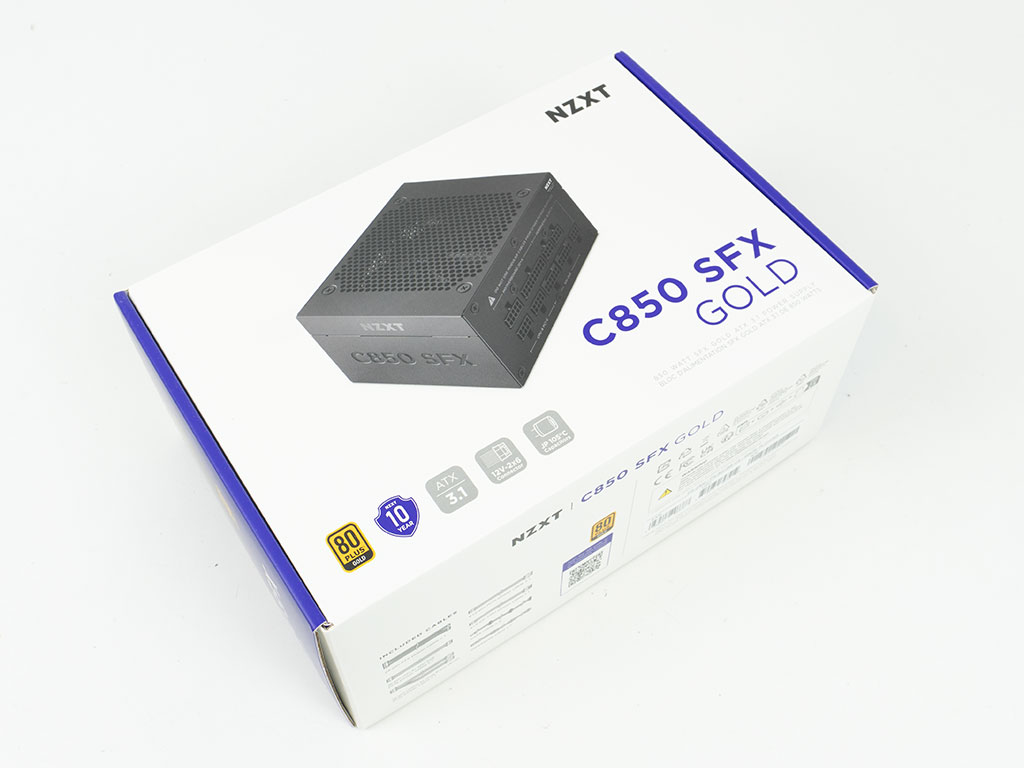
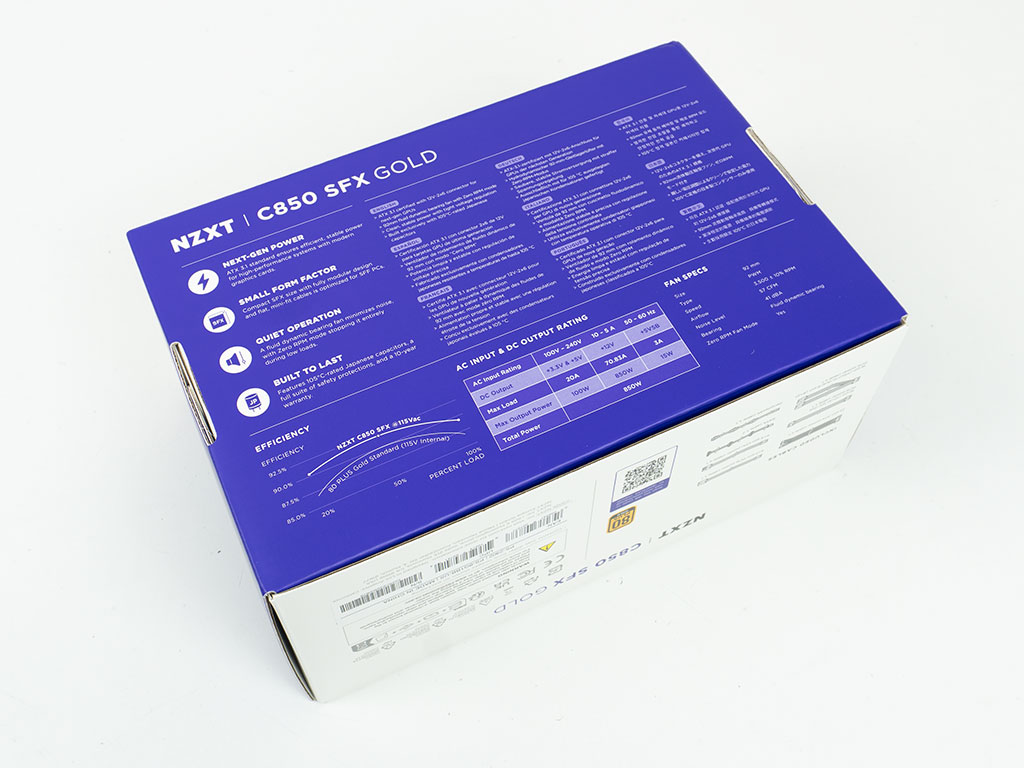
While the original H1 included an SFX-L PSU, the market has changed considerably, with plenty of power supply choices in the SFX or SFX-L format available to satisfy the now much larger SFF market segment. As such, it makes sense for NZXT to no longer bundle a PSU with the H2 Flow and instead sell their own in retail, by launching a new SFX PSU with 850 watt capacity—simply called the C850 SFX Gold—alongside the case. It ships in a full color box with an image of the PSU on the top and its technical details on the underside.

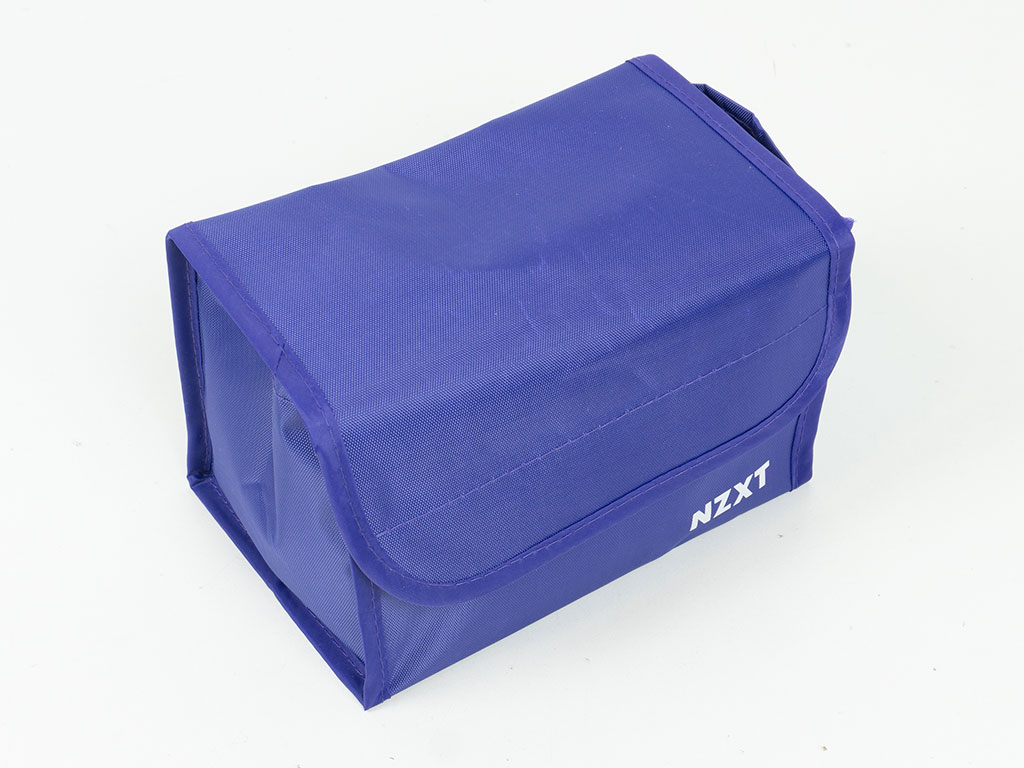
The unit is secured with cardboard spacers neatly inside the box next to the cables. NZXT goes the extra mile and includes a sturdy bag to hold all the cables for the fully modular PSU. The use of the purple brand color is a nice touch as well.
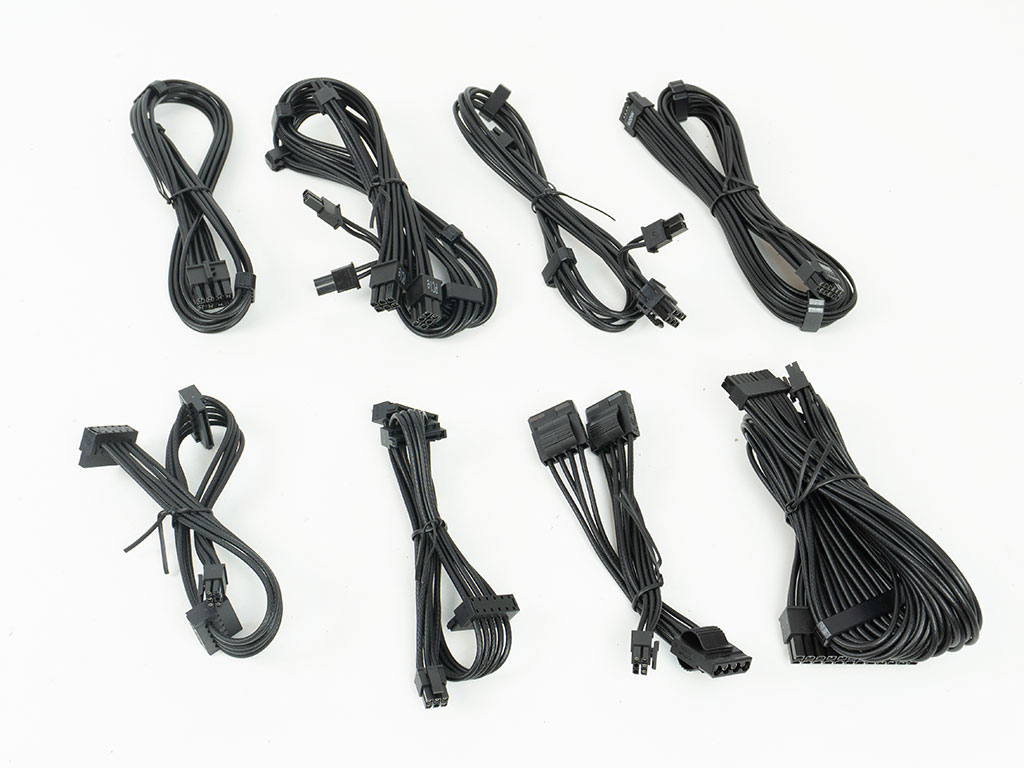
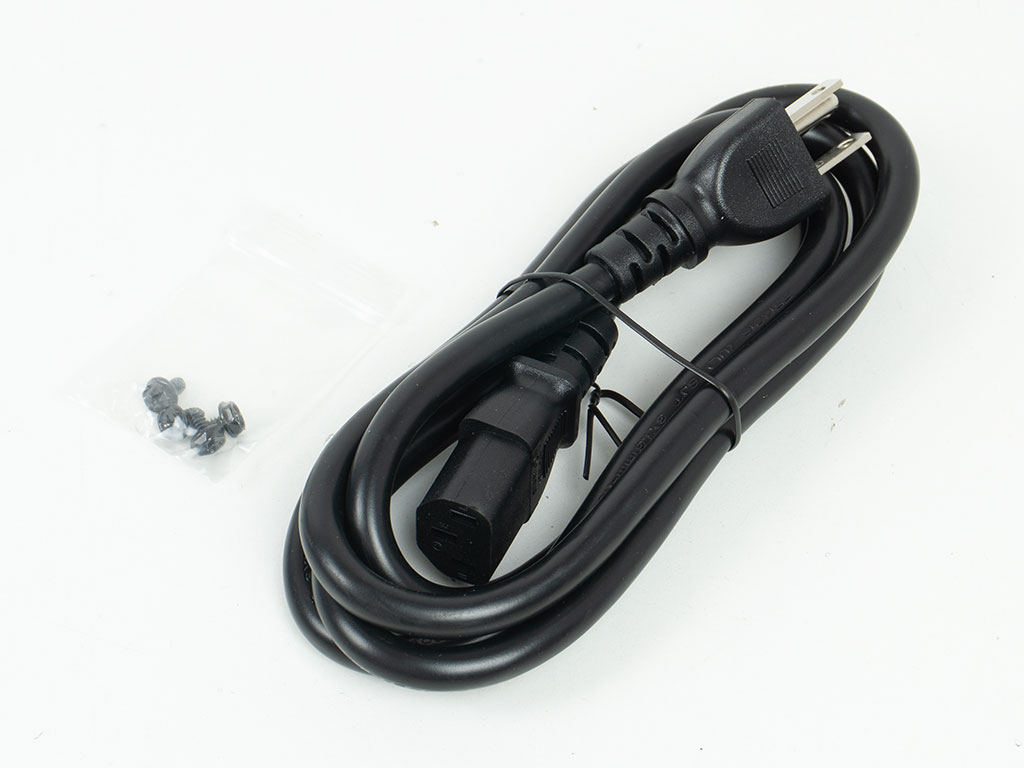
All the cables for the power supply sport separate wires and cable clamps so that you can align the wires for a clean look. That would make sense for an ATX PSU, but will be detrimental in SFF enclosures where compact wiring is not a preference but a requirement. Especially the cable comb on the ATX lead is massive and will make things more difficult inside the H2 Flow. Besides that, NZXT includes the mandatory power cable and mounting screws.
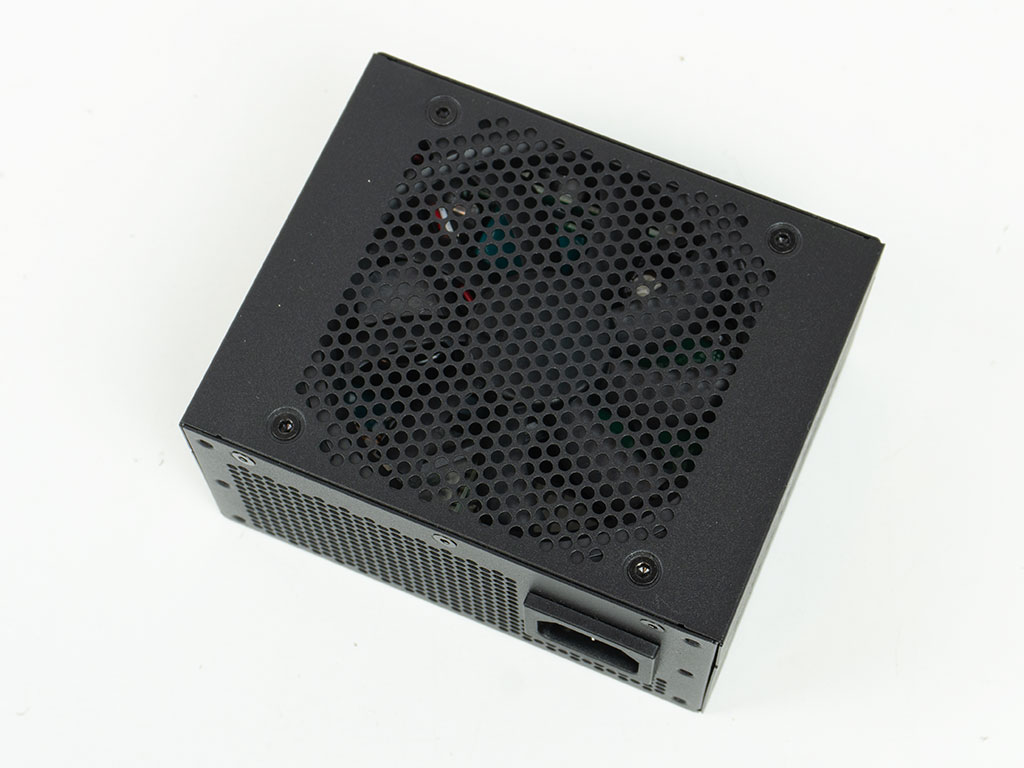
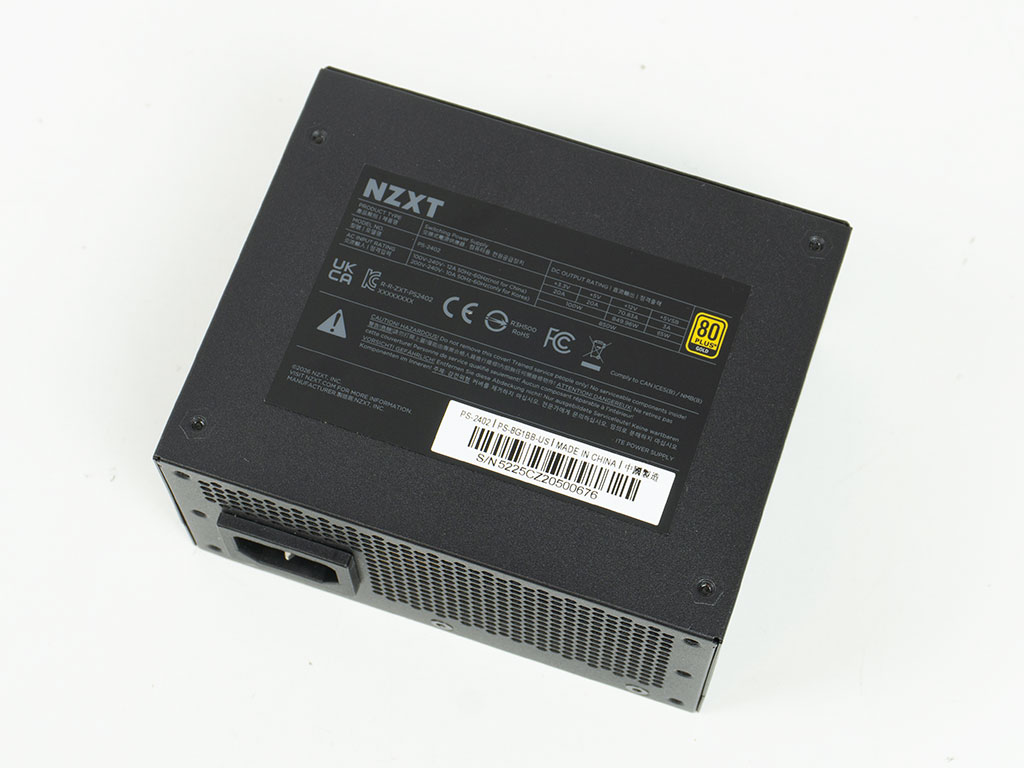
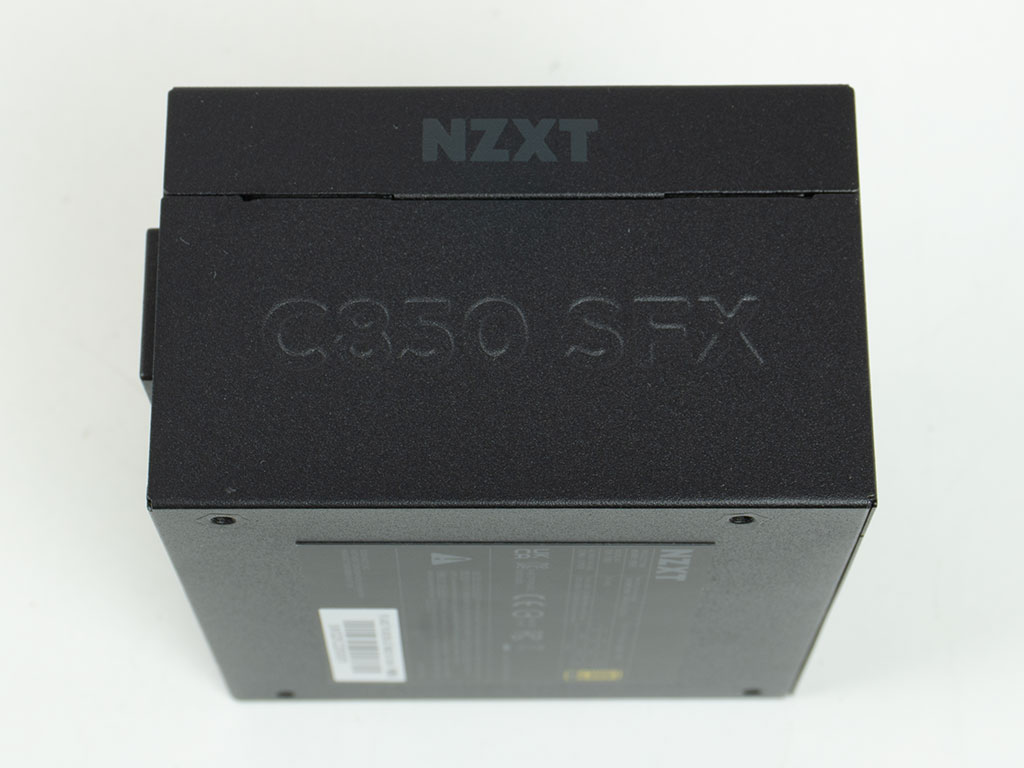
The NZXT C850 sports a 92 mm PWM cooling fan which only spins if you go beyond a certain load, making this unit semi-passive. On the backside, there is the usual sticker with the model number and general power delivery details. Instead of a sticker on the sides to let you know which capacity the unit has, NZXT has embossed the model name on the sides. They could afford that luxury as there is only a single capacity available, so this branding could be built into the one set of tooling to manufacture the housing of this SFX PSU.
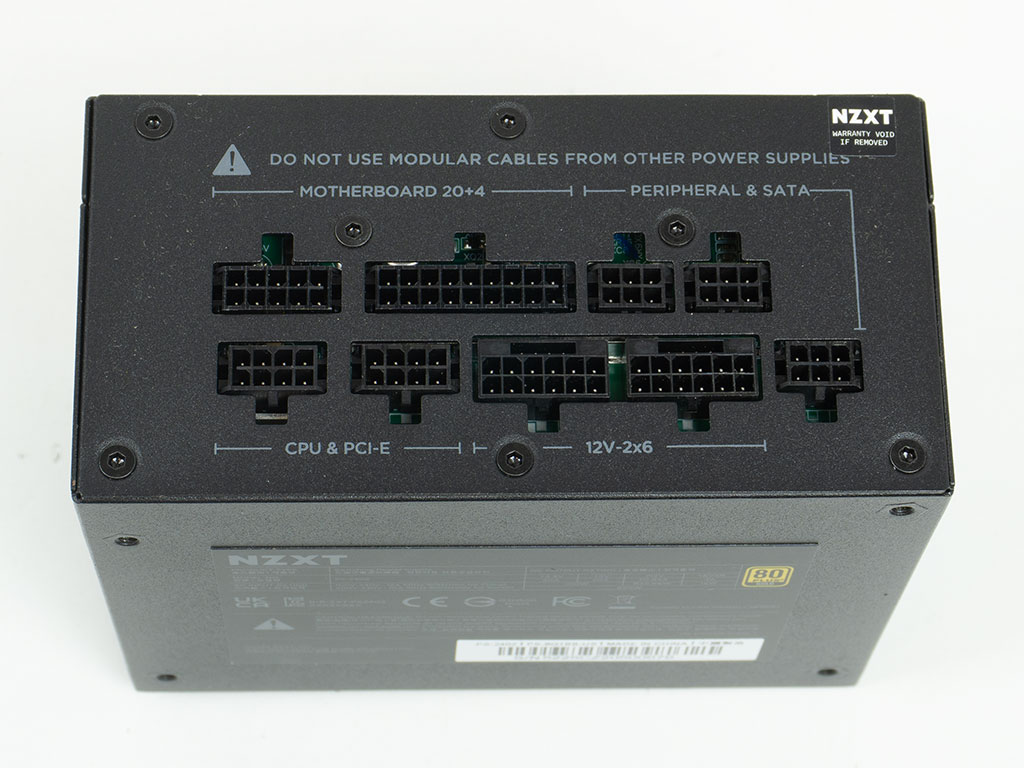
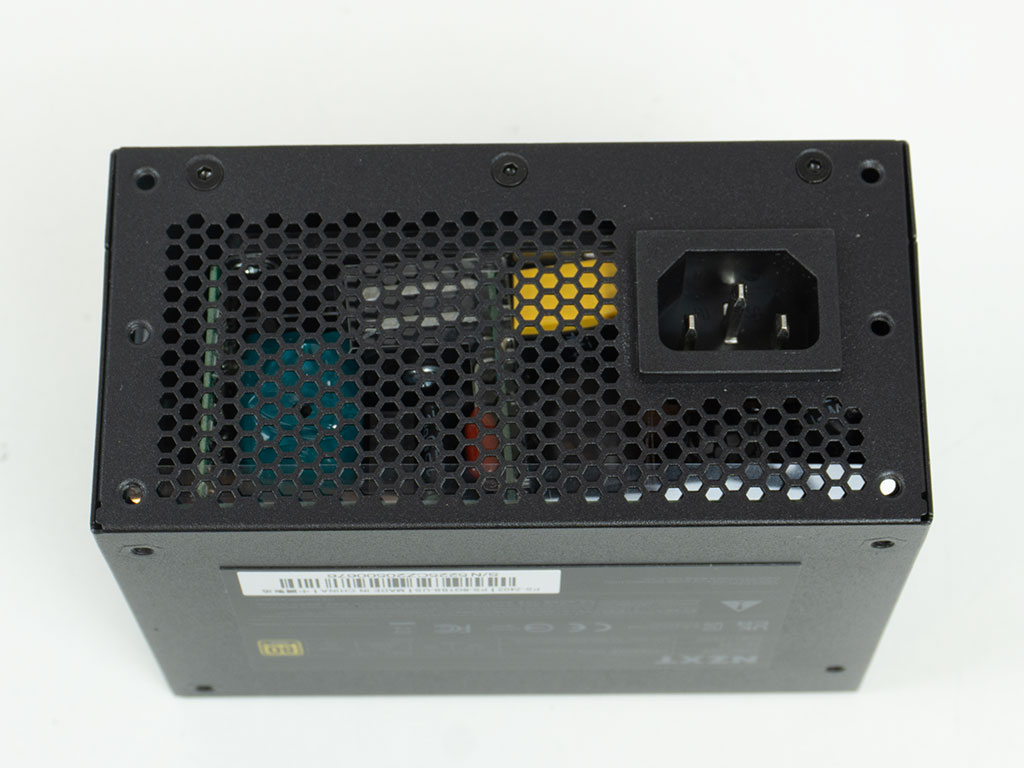
The NZXT C850 sports all the usual ports for a modern PSU, but also includes not one, but two 12V-2x6 connectors. All the plugs are recessed into the housing, as that is a requirement to stay within the dimensional confines of the SFX specifications. On the opposite side, you will only find a power intake plug. NZXT has skipped the physical on/off switch. While that is not a dealbreaker, it means that you will have resort to pulling the plug to cut off all power flowing to the PSU.
Nov 27th, 2026 10:49 CST
change timezone
Latest GPU Drivers
New Forum Posts
- Found Out Why My FygoOS Transfers Were Stuck at 11 MB/s (1)
- WireView Pro II GPU Alignment: Wired | Variant: Black (11)
- Mouse Pad advice - Shidenkai out of production? (18)
- Unigine Superposition on Linux (19)
- Exit Adobe - PDF reader, and PDF editor recommendations (8)
- -18C on GPU by moving it to the front of the case. (8)
- Technical Issues - TPU Main Site & Forum (2026) (410)
- What's your main Black Friday / Cyber Monday purchase? (31)
- Wireless Internet sharing between PC and router both-ways, is it possible? (32)
- TPU's WCG/BOINC Team (34813)
Popular Reviews
- VZMORE AX9 Max Review
- Upcoming Hardware Launches 2027 (Updated Nov 2026)
- ASRock X870E Challenger Wi-Fi White Review
- AMD Ryzen 7 9800X3D Review - The Best Gaming Processor
- Microsoft Surface Laptop Ultra Review - The Next-gen Arm Laptop
- Montech CyberFlow ARGB 360 Review
- AMD Zen 6 Technical Deep Dive
- Phantom Blade Zero Performance Benchmark Review - 35 GPUs Tested
- Corsair RM1200e (Second Generation) Review
- ORICO Obook15 AI Review
TPU on YouTube
Controversial News Posts
- Jensen Huang Reinstated as CEO of NVIDIA (621)
- NVIDIA Co-Founder and CEO Jensen Huang Officially Resigns (492)
- Report: Jensen Huang Eyes NVIDIA Comeback (281)
- Open Letter Asking NVIDIA to Reinstate Jensen Huang Passes 115,000 Signatures (184)
- OpenAI CEO Argues Home PCs Waste the World's Limited DRAM Supply (152)
- NVIDIA Launches Investigation Into Jensen Huang's Relationship With Suspected Chinese Spy (136)
- Intel Razor Lake Gets a 12 P-Core bLLC Chip With No E-Cores, Per Leak (94)
- NVIDIA GeForce RTX 50-Series Scheduled for up to $500 Price Hike This Week (89)