 128
Pragmata Performance Benchmark Review - 30+ GPUs Tested
Preset Performance & Image Quality »Graphics Settings
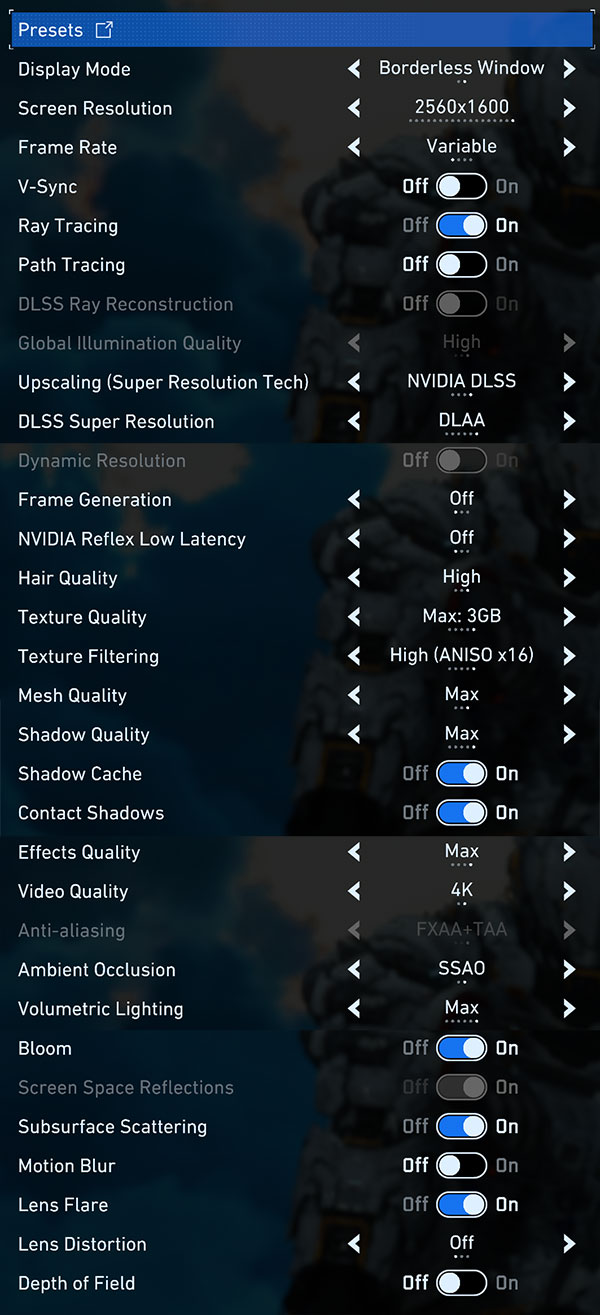
- All graphics settings are on a single scrollable page, with a Presets button at the top for quick configuration. Available presets are "Quality," "Balanced," "Performance," and "Minimum." The preset screen shows your GPU's available VRAM and recommends a minimum of 12 GB for Quality. Unusually, selecting a preset also changes the screen resolution—likely a leftover from the console port. Even the highest "Quality" preset does not max out all settings, though it does enable ray tracing.
- Display Mode supports "borderless window" and "windowed." There is no exclusive fullscreen option.
- Frame Rate can be set to 30, 60, or 120 FPS, or "Variable" for uncapped. V-Sync is a separate on/off toggle.
- Ray Tracing and Path Tracing are separate on/off toggles. Enabling path tracing automatically grays out Global Illumination Quality and Screen Space Reflections, as path tracing handles these natively. Enabling path tracing also force-enables DLSS upscaling and Frame Generation, but you can switch to DLAA and turn Frame Generation back off manually. Path tracing is grayed out on AMD GPUs entirely—tested with the RX 9070 XT—making it an NVIDIA-exclusive feature. AMD Ray Regeneration is not available either.
- DLSS Ray Reconstruction is automatically enabled when path tracing is active with NVIDIA DLSS upscaling. There is no way to enable Ray Reconstruction with standard ray tracing only—it's tied exclusively to path tracing.
- Upscaling offers NVIDIA DLSS, AMD FSR 3, and AMD FSR 1. When DLSS is selected, DLSS Super Resolution provides quality presets including DLAA for native-resolution antialiasing. Intel XeSS is not supported.
- Image Quality controls the render resolution, with options from 50% to 200%, so rendering above native resolution is possible. Dynamic Resolution is available as a toggle but is grayed out when an upscaling technology is active.
- Frame Generation is a separate option. NVIDIA Reflex Low Latency is available alongside it.
- Hair Quality controls the RE Engine's strand-based hair rendering system, with options up to at least "High."
- Texture Quality shows VRAM usage per level (e.g., "Max: 3 GB"). Texture Filtering goes up to "High (ANISO x16)."
- Mesh Quality and Shadow Quality each go up to "Max." Shadow Cache and Contact Shadows are additional on/off toggles for fine-tuning shadow rendering.
- Effects Quality goes up to "Max." Video Quality controls pre-rendered cutscene resolution, up to "4K."
- Anti-aliasing offers "Off," "TAA," and "FXAA+TAA." It is grayed out when upscaling is active, as the upscaler handles antialiasing. Unfortunately, the built-in TAA is very poor—even at native resolution, the image flickers noticeably even when standing still, especially on thin lines and high-contrast edges. Using DLSS with DLAA or Quality mode produces a much more stable and cleaner image. In fact, the native TAA is so bad that even FSR 3 at Balanced looks slightly better than the pixelated antialiasing failure at 100% native resolution—and you get a performance boost on top. This makes using an upscaler effectively mandatory for a good experience.
- Ambient Occlusion can be set to "Off" or "SSAO."
- Volumetric Lighting goes up to "Max." Bloom is a separate on/off toggle.
- Screen Space Reflections are automatically disabled when ray tracing or path tracing is active.
- Subsurface Scattering, Motion Blur, Lens Flare, and Depth of Field are individual on/off toggles. Motion Blur can be easily disabled.
- Lens Distortion has multiple settings beyond just on/off.
- There is no field of view slider here, but you can set camera distance in the camera settings: "near," "standard" (default) and "far" (which I prefer slightly over the default).
Test System
| Test System - GPU 2025.2 | |
|---|---|
| Processor: | AMD Ryzen 7 9800X3D Zen 5, 5.2 GHz, 8 cores/16 threads |
| Motherboard: | MSI X870E Carbon Wi-Fi BIOS 7E49v1A3 |
| Resizable BAR: | Enabled on all supported cards (NVIDIA, AMD & Intel) |
| Memory: | Thermaltake TOUGHRAM XG 2× 16 GB DDR5 6200 MT 28-36-36-76 UCLK 1:1 |
| Cooling: | Arctic Liquid Freezer III 280 mm AIO |
| Thermal Paste: | Arctic MX-6 |
| Storage: | 4 TB M.2 NVMe SSD |
| Power Supply: | Seasonic Focus GX 1000 W ATX 3.0 / 16-pin 12VHPWR |
| Case: | darkFlash DY470 |
| Operating System: | Windows 11 Professional 64-bit 24H2 VBS enabled (Windows 11 default) |
| Drivers: | NVIDIA: 595.97 WHQL AMD: 26.3.1 WHQL Intel: 101.8629 WHQL |
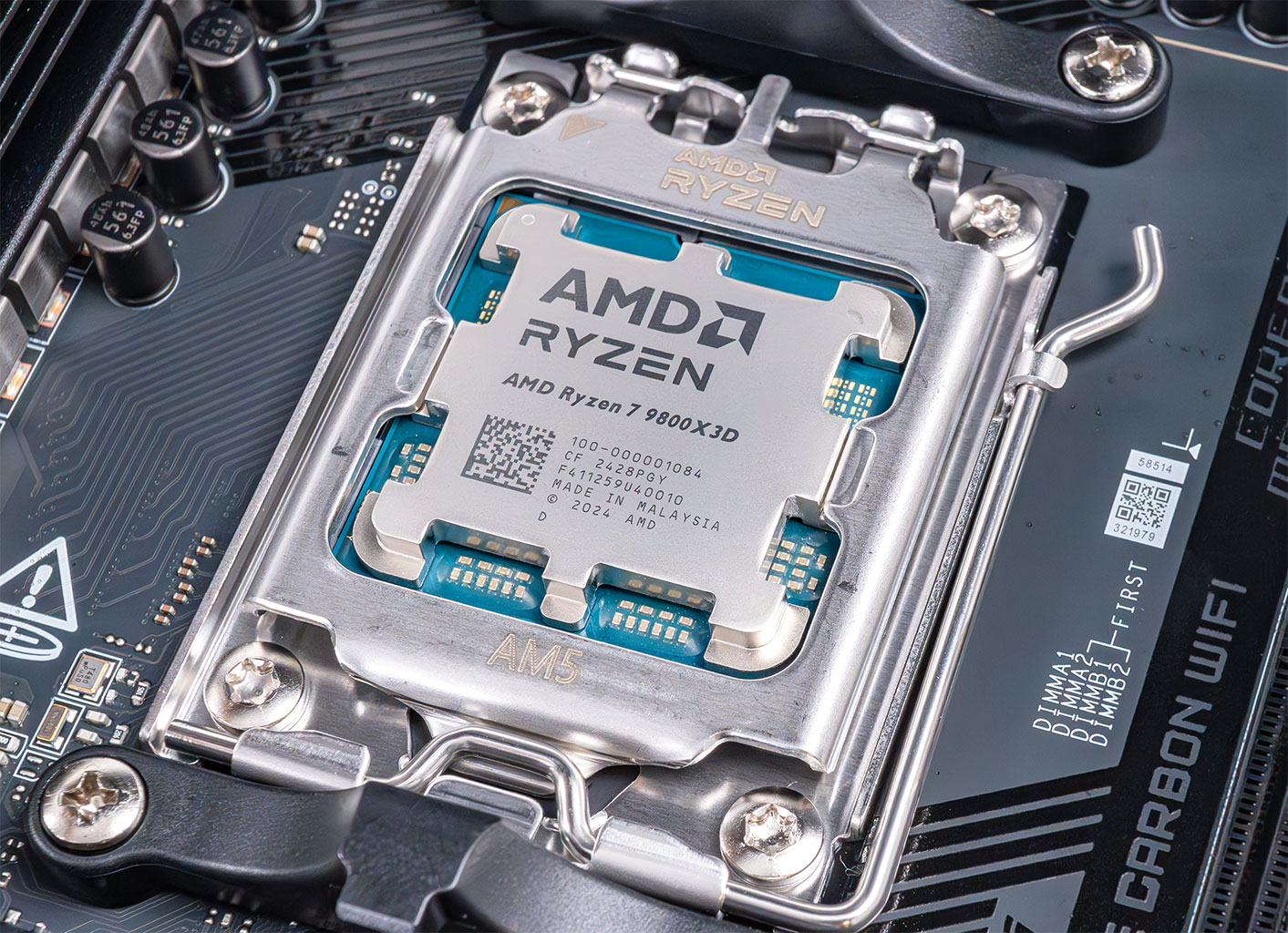
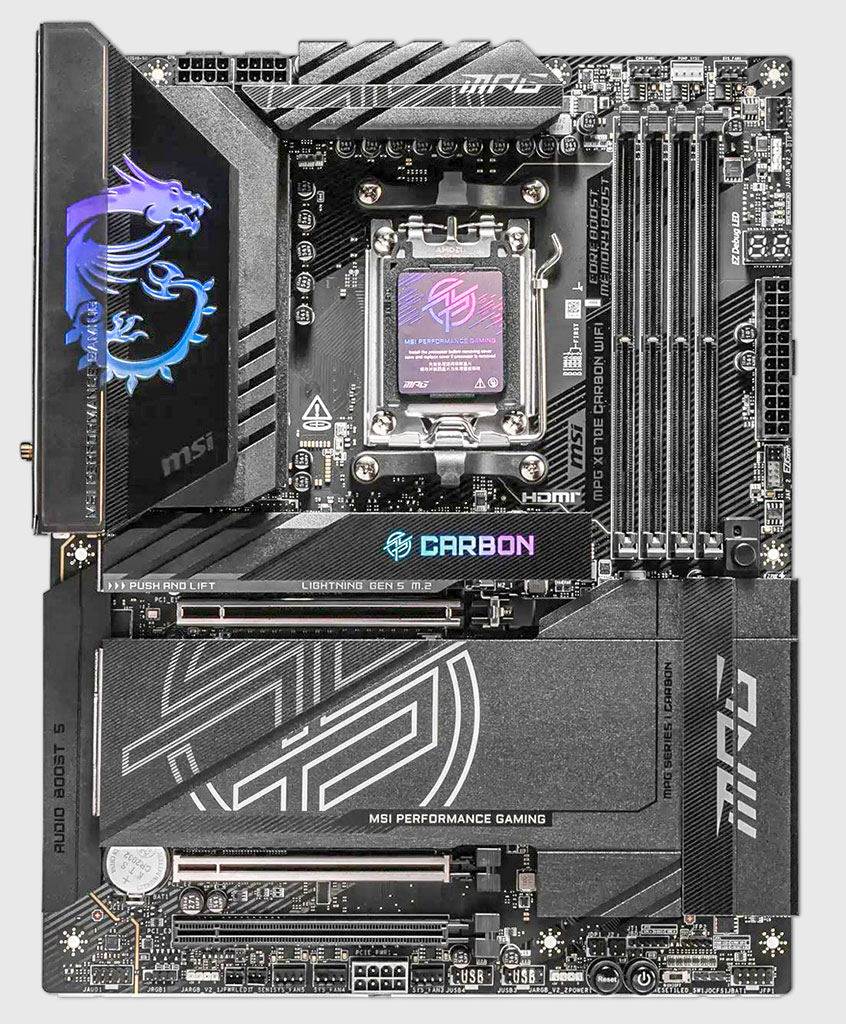
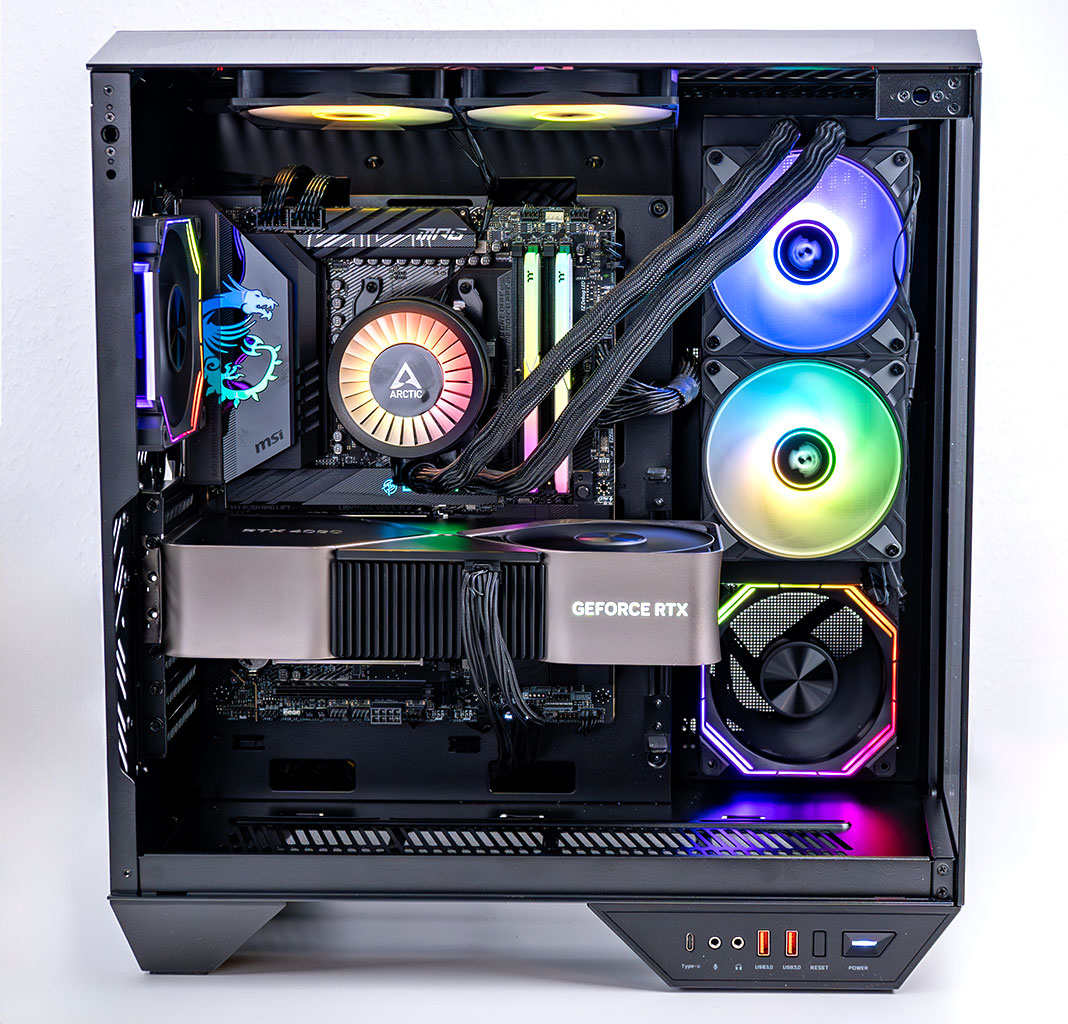
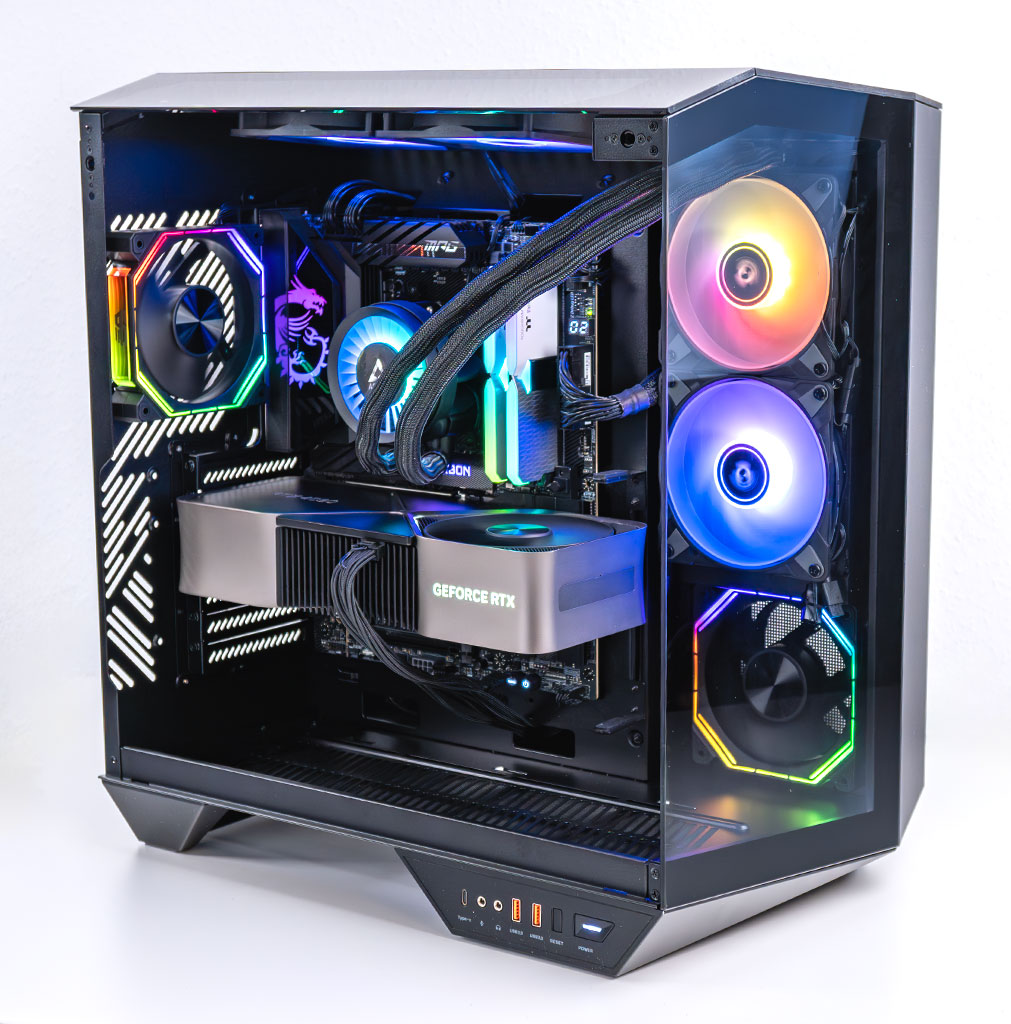
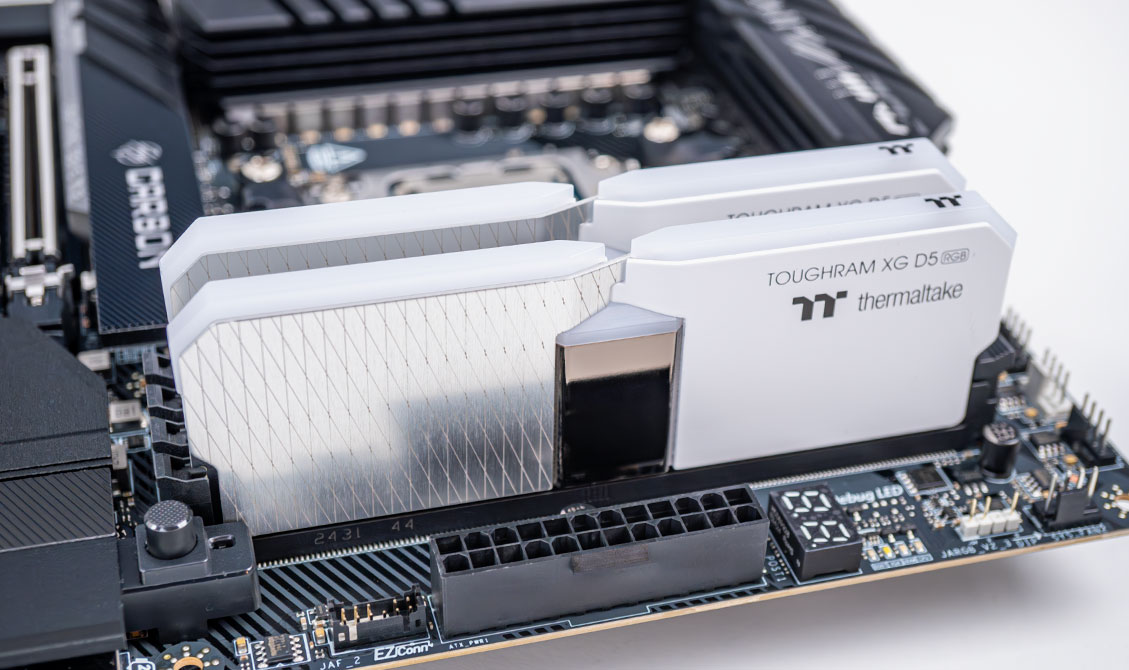
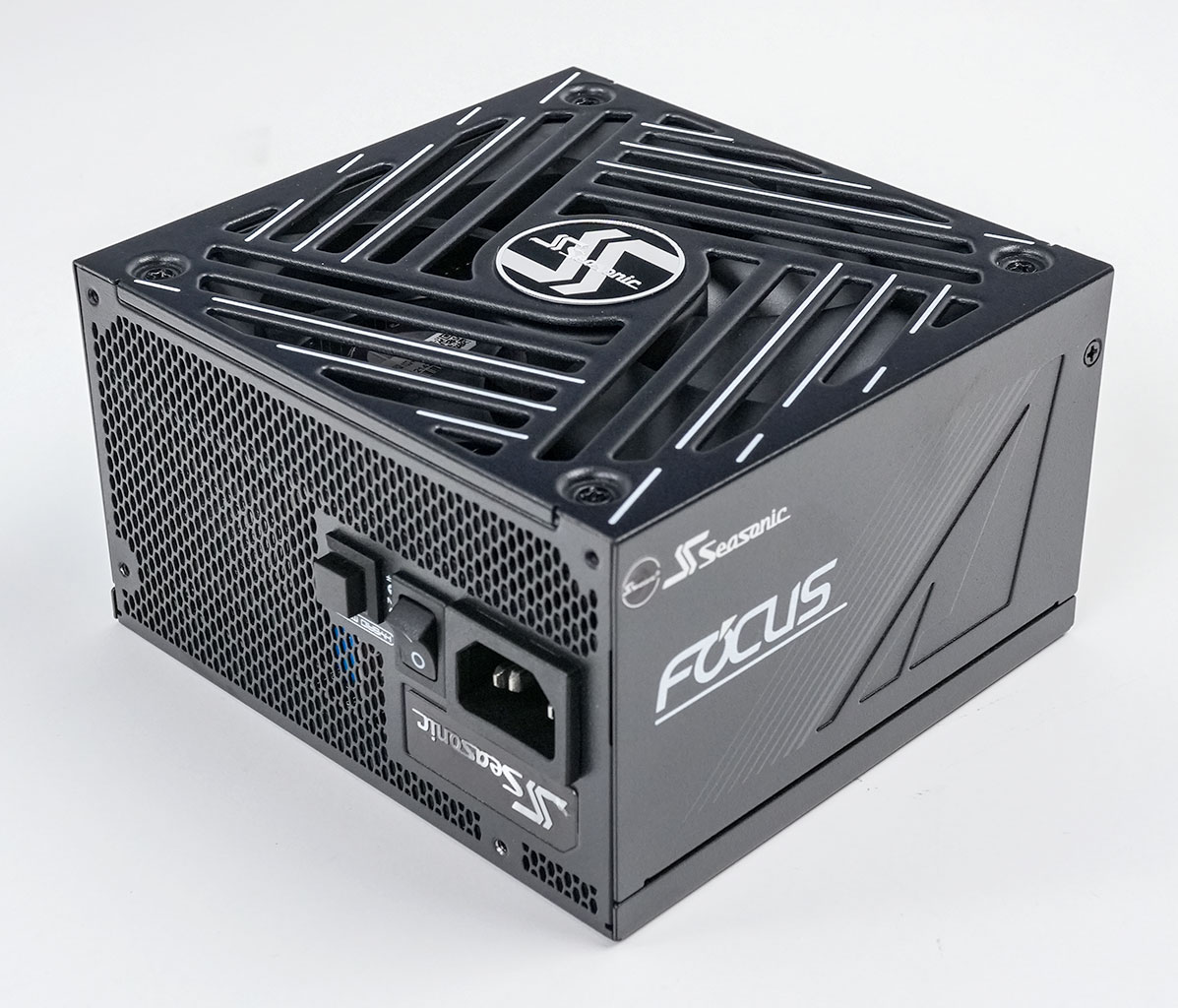
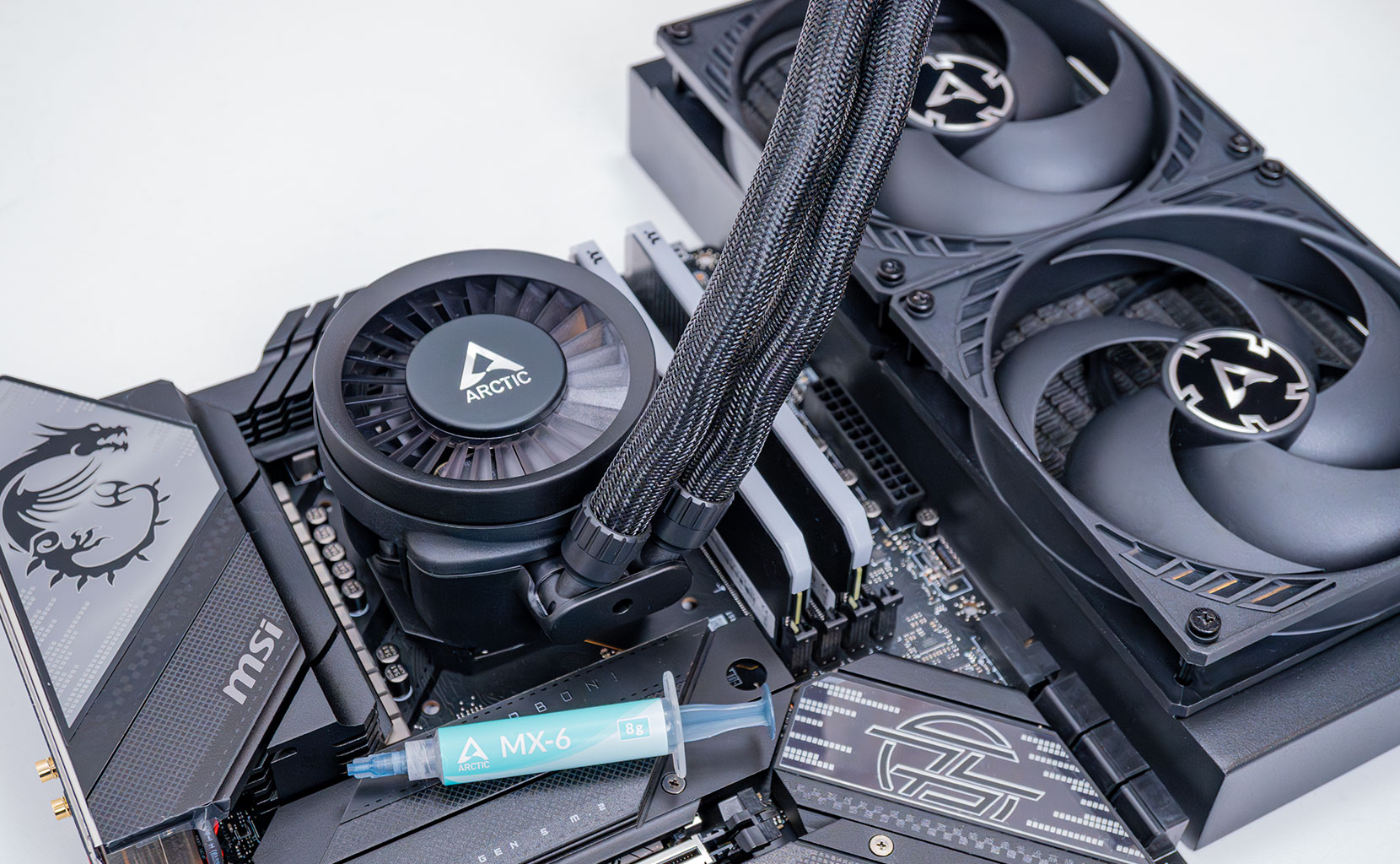
- All cards used for comparison are Founders Edition/reference design. If a reference card does not exist, we use the closest model to ensure default clocks and power limit.
- We tested the press review build of the game
- Our benchmarking scene uses real in-game gameplay in an indoors location that's typical for the gameplay you encounter. There is no built-in benchmark tool.
Nov 24th, 2026 00:49 CST
change timezone
Latest GPU Drivers
New Forum Posts
- The time has come to upgrade...my desktop (1)
- Which ryzen am5 cpu ? (198)
- Your PC ATM (36481)
- SATA drive 1.4 GBps with Intel X25-E on Windows 98! (42)
- RAM overclock cause worse feeling than JEDEC (10)
- DTS DCH Driver for Realtek HDA [DTS:X APO4 + DTS Interactive] (2819)
- WarpCoreBench scores! (96)
- Increasing Power Limit? (20)
- Gacha Games - Discussions, Pulls, Updates, etc. (1162)
- RX 580 2048SP 8GB - SK Hynix - Ardiyes - BIOS Needed (4)
Popular Reviews
- Microsoft Surface Laptop Ultra Review - The Next-gen Arm Laptop
- ASRock X870E Challenger Wi-Fi White Review
- Upcoming Hardware Launches 2027 (Updated Nov 2026)
- Corsair RM1200e (Second Generation) Review
- AMD Ryzen 7 9800X3D Review - The Best Gaming Processor
- AMD Zen 6 Technical Deep Dive
- AMD Ryzen 7 7700X3D Review
- Pulsar Office Tour & First Look at P1 Dual-Sensor Mouse
- Ugreen NASync DXP4800 GT Review
- Phantom Blade Zero Performance Benchmark Review - 35 GPUs Tested
TPU on YouTube
Controversial News Posts
- NVIDIA Co-Founder and CEO Jensen Huang Officially Resigns (492)
- Jensen Huang Reinstated as CEO of NVIDIA (395)
- Report: Jensen Huang Eyes NVIDIA Comeback (278)
- Open Letter Asking NVIDIA to Reinstate Jensen Huang Passes 115,000 Signatures (184)
- OpenAI CEO Argues Home PCs Waste the World's Limited DRAM Supply (152)
- NVIDIA Launches Investigation Into Jensen Huang's Relationship With Suspected Chinese Spy (136)
- Intel "Raptor Lake Next" 16-Core and 20-Core CPUs Surface (130)
- NVIDIA GeForce RTX 50-Series Scheduled for up to $500 Price Hike This Week (89)