 13
Silverstone SFX Series ST45SF-G 450 W Review
Performance Rating & Performance per Dollar »Ripple Measurements
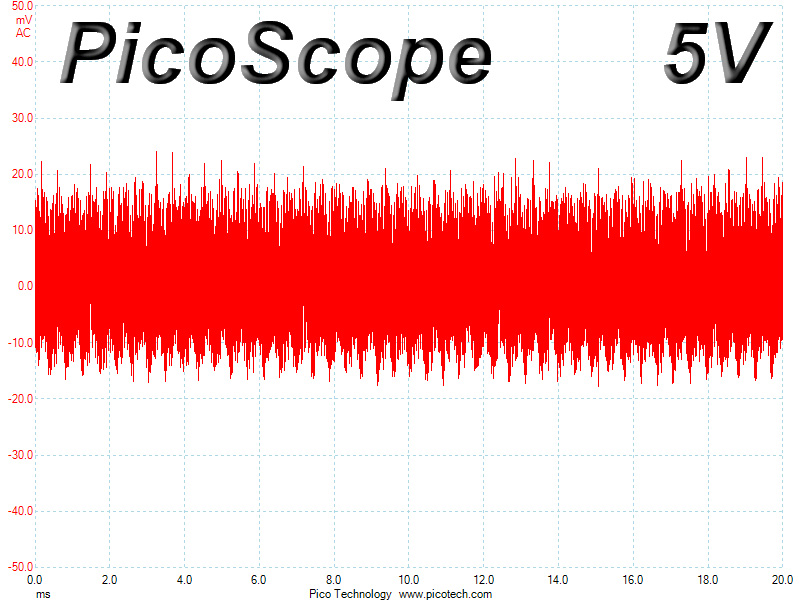
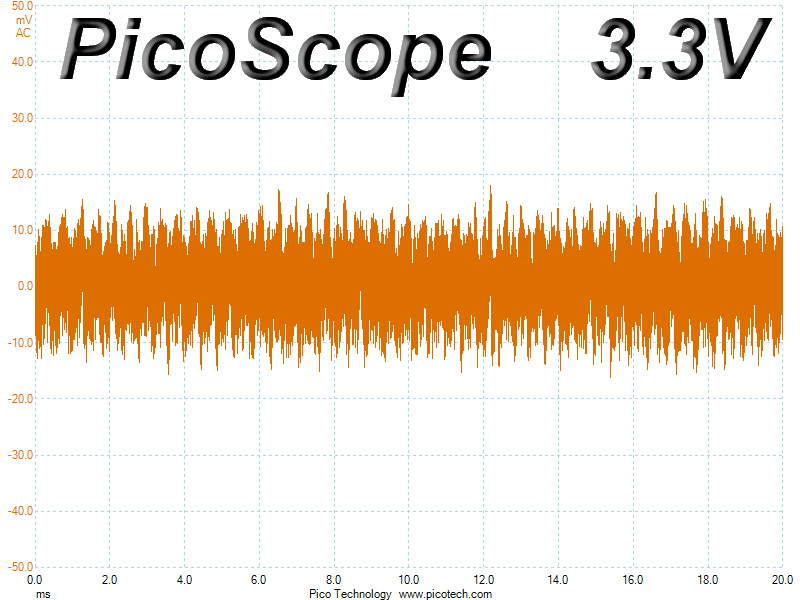
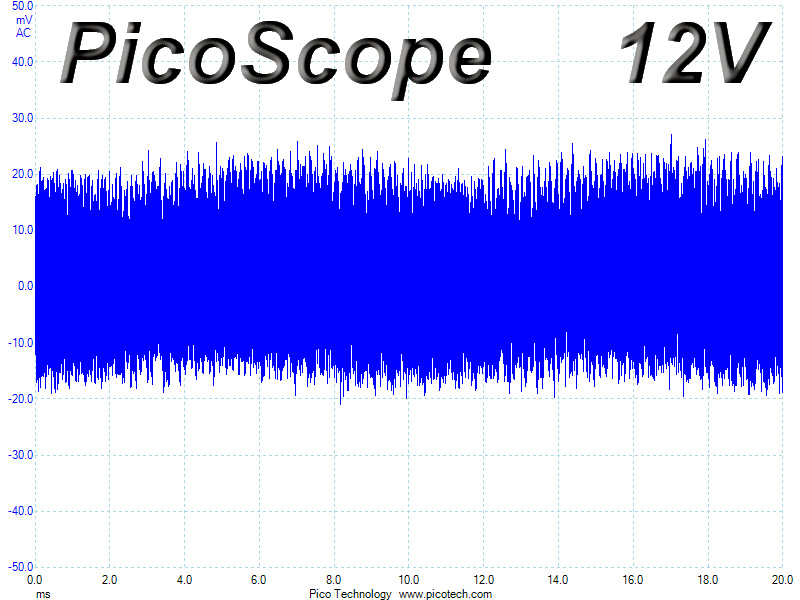
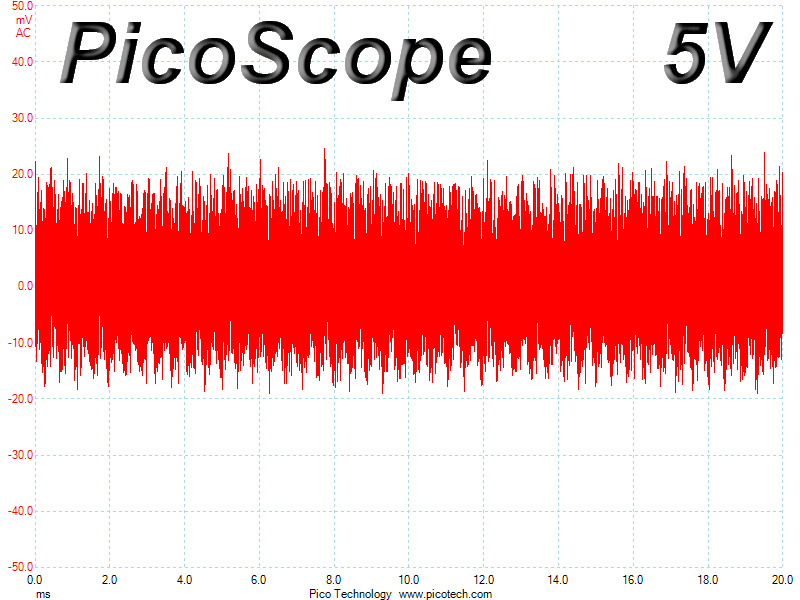
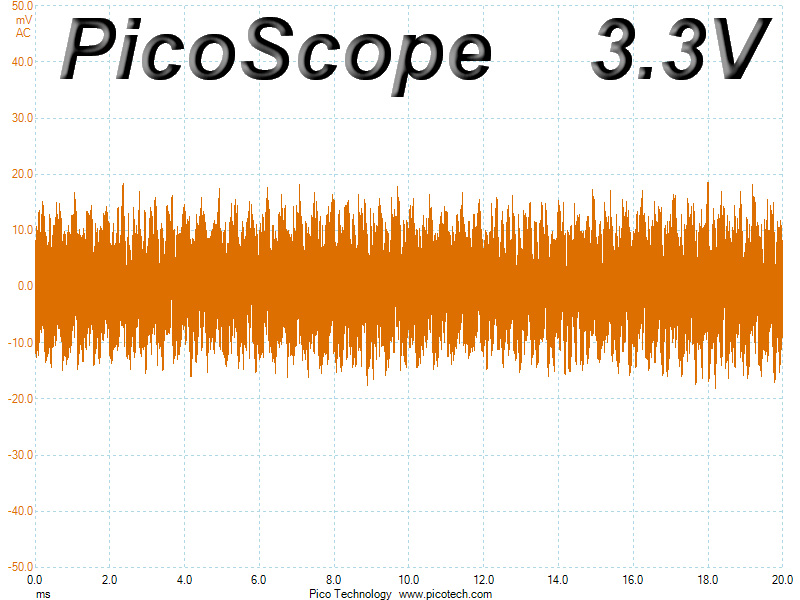
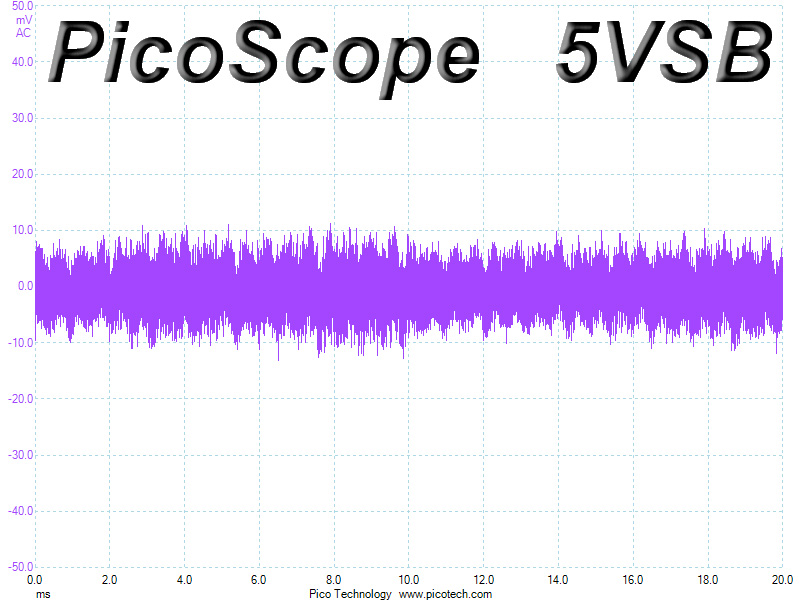
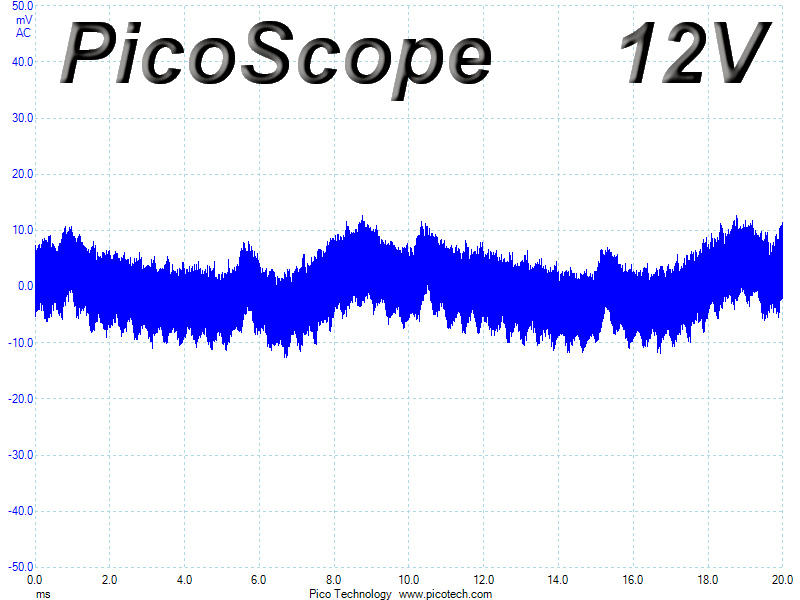
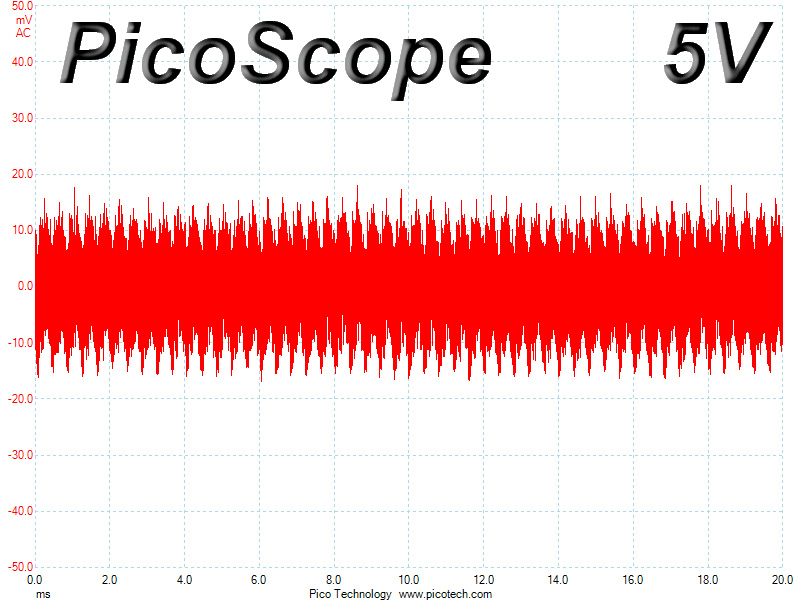
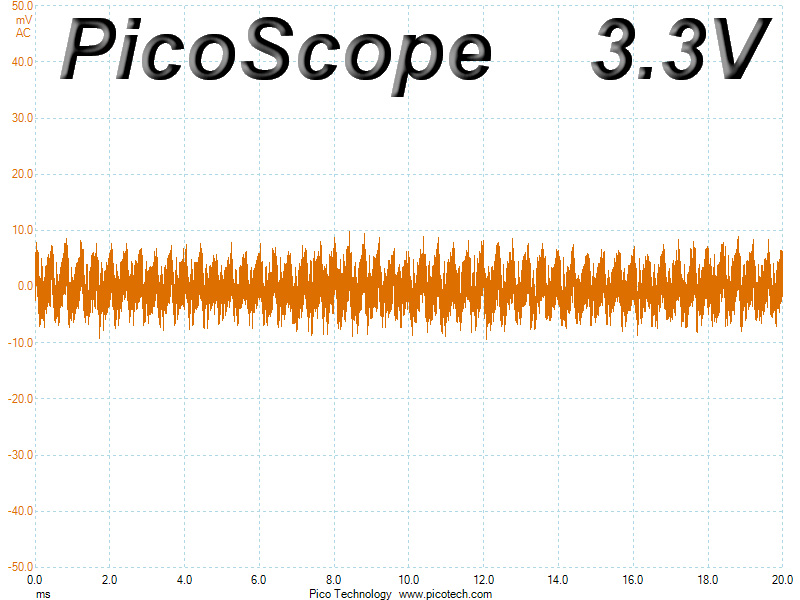
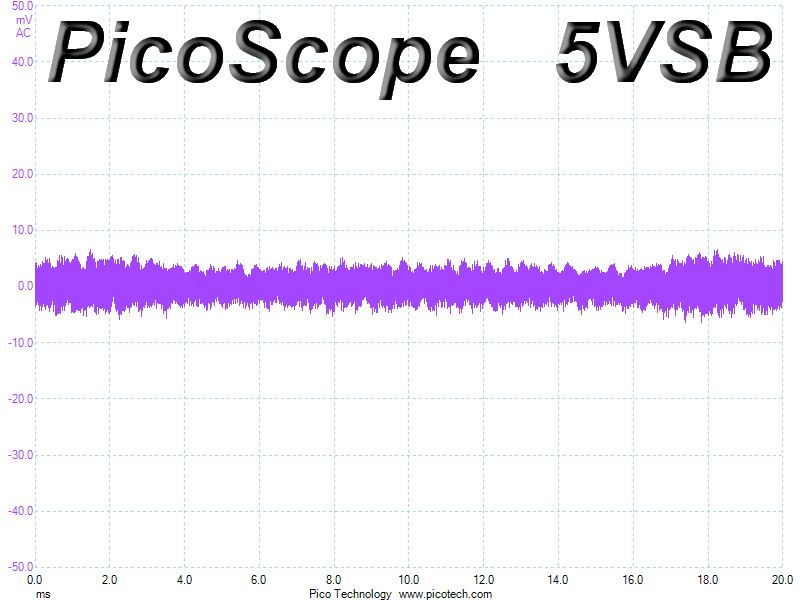
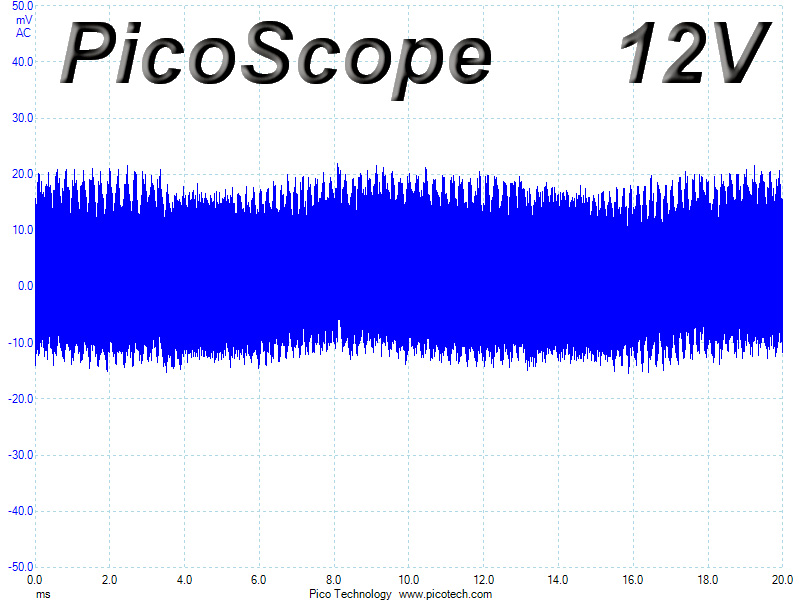
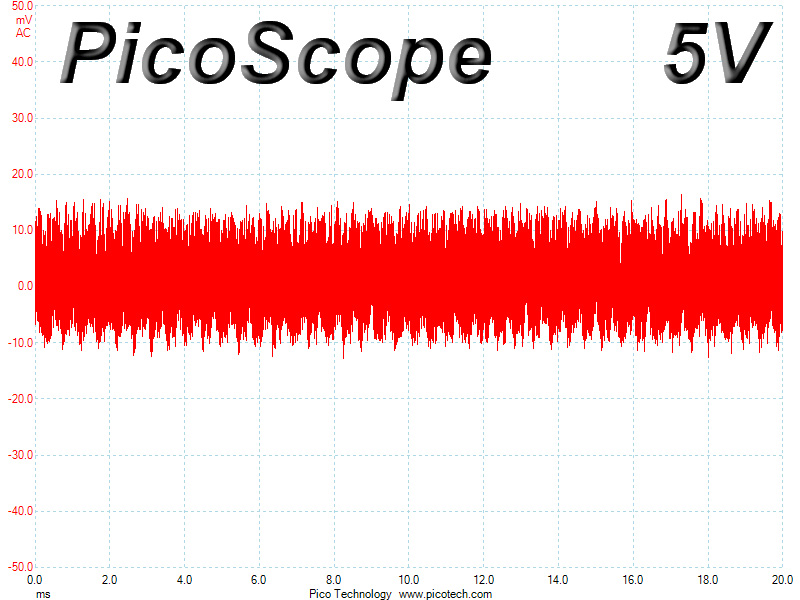
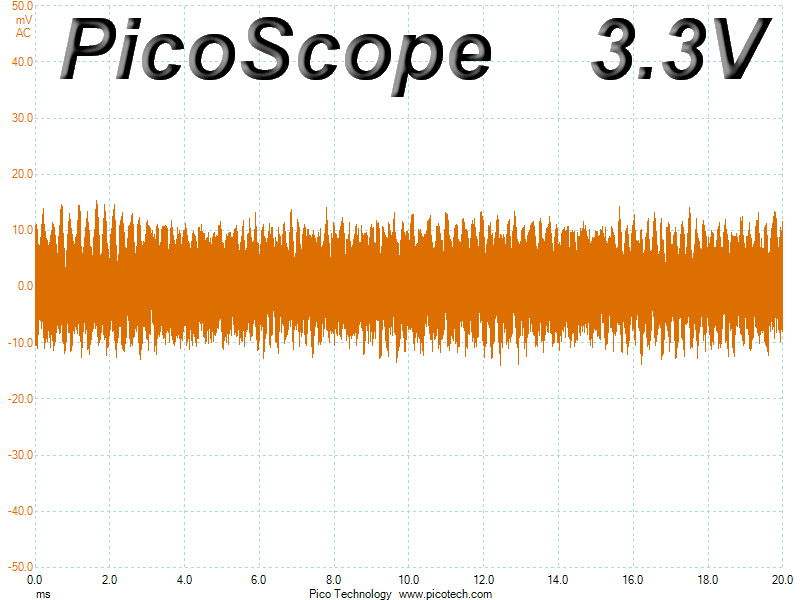
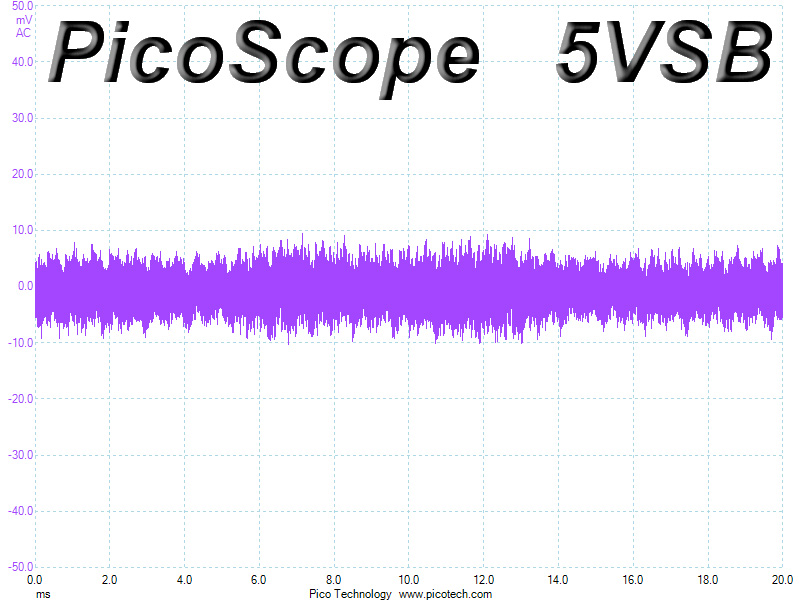
You will see the ripple levels that we measured on the main rails of the ST45SF-G in the following table. The limits are, according to the ATX specification, 120 mV (+12V) and 50 mV (5V, 3.3V, and 5VSB).| Ripple Measurements Silverstone ST45SF-G | |||||
|---|---|---|---|---|---|
| Test | 12 V | 5 V | 3.3 V | 5VSB | Pass/Fail |
| 20% Load | 36.3 mV | 20.6 mV | 14.2 mV | 10.3 mV | Pass |
| 40% Load | 20.8 mV | 23.6 mV | 18.1 mV | 12.3 mV | Pass |
| 50% Load | 21.7 mV | 25.1 mV | 19.9 mV | 14.4 mV | Pass |
| 60% Load | 23.3 mV | 30.2 mV | 31.4 mV | 16.1 mV | Pass |
| 80% Load | 34.0 mV | 36.0 mV | 31.2 mV | 20.2 mV | Pass |
| 100% Load | 43.9 mV | 42.7 mV | 34.6 mV | 24.9 mV | Pass |
| 110% Load | 49.2 mV | 46.3 mV | 38.1 mV | 27.4 mV | Pass |
| Crossload 1 | 27.3 mV | 35.6 mV | 21.0 mV | 14.1 mV | Pass |
| Crossload 2 | 39.0 mV | 30.7 mV | 30.4 mV | 21.3 mV | Pass |
Ripple suppression on the +12V rail is fairly good, but we expected better results on the minor rails. The 5V rail exceeds 40 mV at full load, which is dangerously close to the limit. We were hoping to see far better ripple suppression on the minor rails from such a modern platform. Space restrictions apparently didn't allow for more filtering capacitors, and the increase in heat under which we conducted our tests surely played its part. Nevertheless, Silverstone and Enhance should improve on this platform a little bit to lower the ripple on the secondary rails a notch.
Ripple at Full Load
In the following oscilloscope screenshots, you can see the AC ripple and noise that the main rails registered (+12V, 5V, 3.3V, and 5VSB). The bigger the fluctuations on the oscilloscope's screen, the bigger the ripple/noise. For all measurements, we set 0.01 V/Div (each vertical division/box equals to 0.01 V) as standard.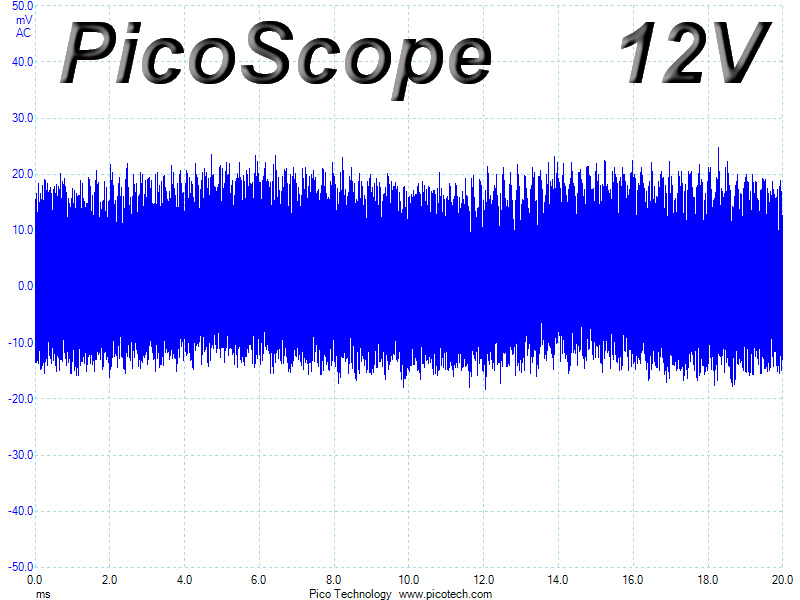
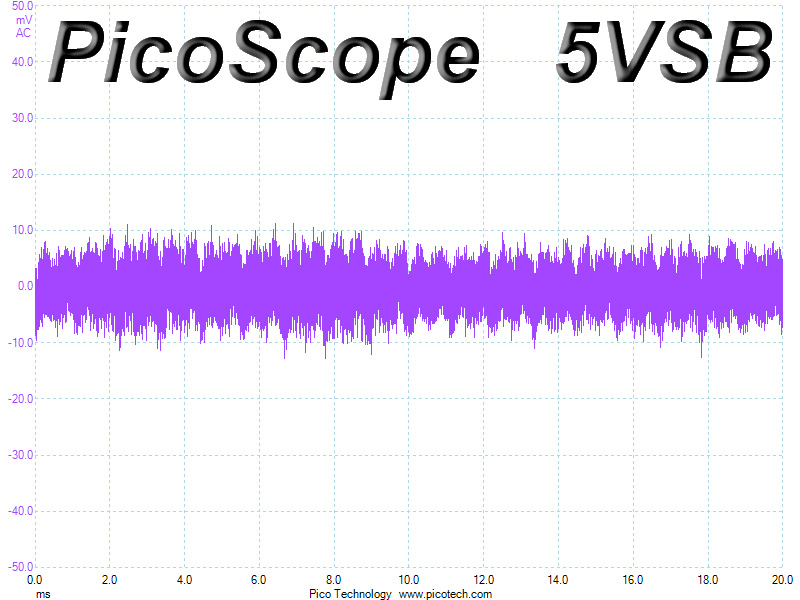
Ripple at 110% Load
Ripple at Crossload 1
Ripple at Crossload 2
Nov 13th, 2026 23:38 CST
change timezone
Latest GPU Drivers
New Forum Posts
- What are you playing? (26216)
- Tell me about your favourite graphics card (33)
- no "PhysX" workable (9)
- AI generated images... (224)
- Crimson Desert (31)
- RenoDX HDR - how to view the differnce Before&After in game? (0)
- Displayport DP80 3M (10ft) cable that can achieve 80gbps stable? (5)
- I'll flash a ASUS ROG Strix RX480 O8G in Cause of Code 43, as a Newbie (1)
- Opinion on Monitor Replacement (6)
- TMOG - post your benchmark results here (16)
Popular Reviews
- AMD Zen 6 Technical Deep Dive
- Corsair HX1000i Shift Crystal Review
- NZXT C1200 Platinum Review
- Upcoming Hardware Launches 2027 (Updated Nov 2026)
- ASUS ROG Strix B850-I Gaming Wi-Fi7 W Review
- Montech King 95 3D PRO Review
- NZXT H7 RGB+ Review
- NZXT H5 Review
- Phantom Blade Zero Performance Benchmark Review - 35 GPUs Tested
- XPG NIMBUS PLUS Review - Mid-range Chair With Strong Competitors
TPU on YouTube
Controversial News Posts
- NVIDIA Co-Founder and CEO Jensen Huang Officially Resigns (380)
- OpenAI CEO Argues Home PCs Waste the World's Limited DRAM Supply (152)
- NVIDIA Launches Investigation Into Jensen Huang's Relationship With Suspected Chinese Spy (136)
- Intel "Raptor Lake Next" 16-Core and 20-Core CPUs Surface (130)
- Legendary Game Studio BioWare Shuts Down Following EA Layoffs (104)
- Dell CEO Says the Memory Shortage Will Get Worse in 2027 (95)
- NVIDIA GeForce RTX 50-Series Scheduled for up to $500 Price Hike This Week (89)
- Modder Fits RTX 5090 With Four 8-Pin Connectors, Halving Current per Wire (80)