 10
Thermal Grizzly DeltaMate CPU Block - MPII Review
Performance Summary & Performance per Dollar »Thermal Performance
Test System
| Test System | |
|---|---|
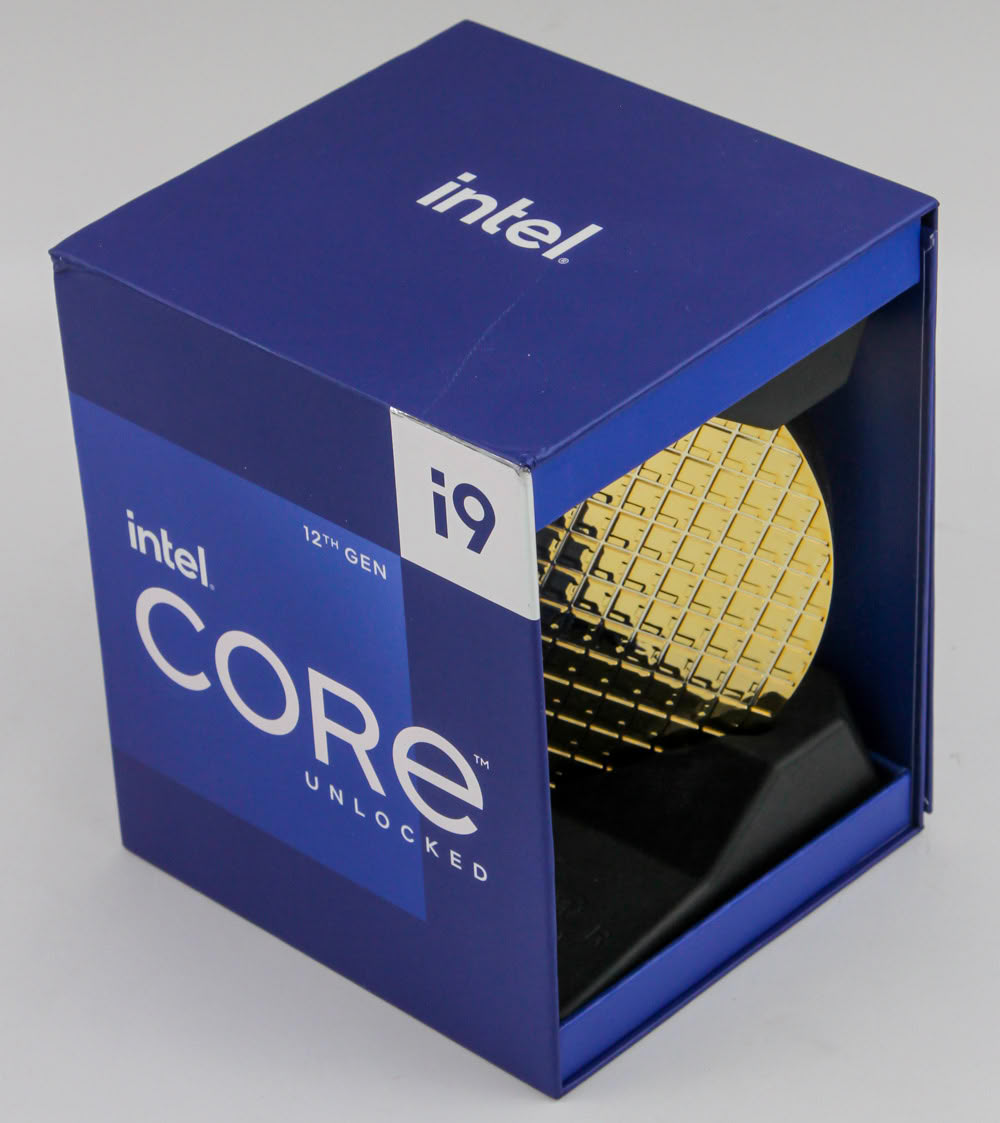
| Processor: | Intel Core i9-12900K @ 5.1 GHz all cores OC Provided by: Intel |
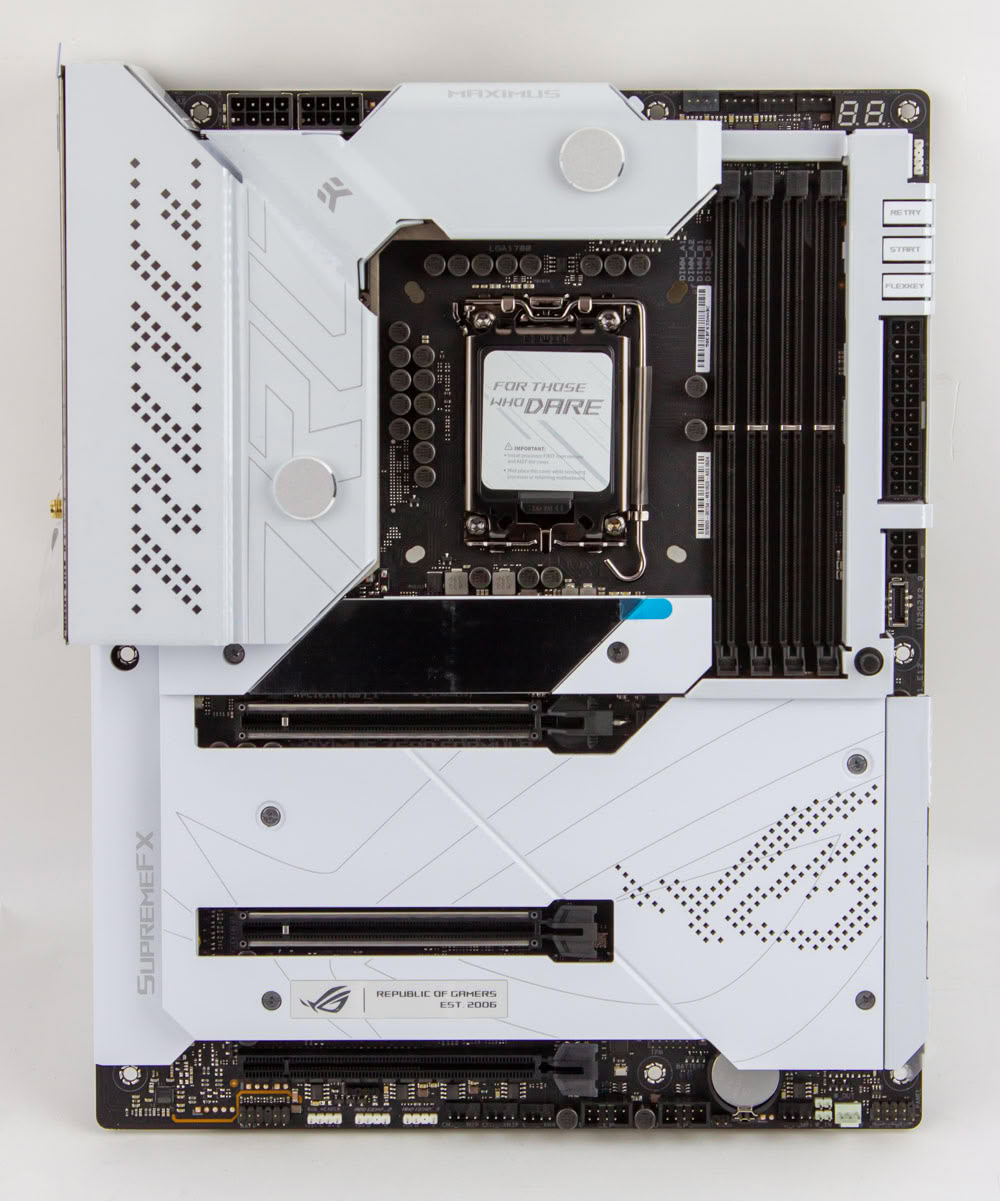
| Motherboard: | ASUS ROG Maximus Z690 Formula Provided by: EKWB |
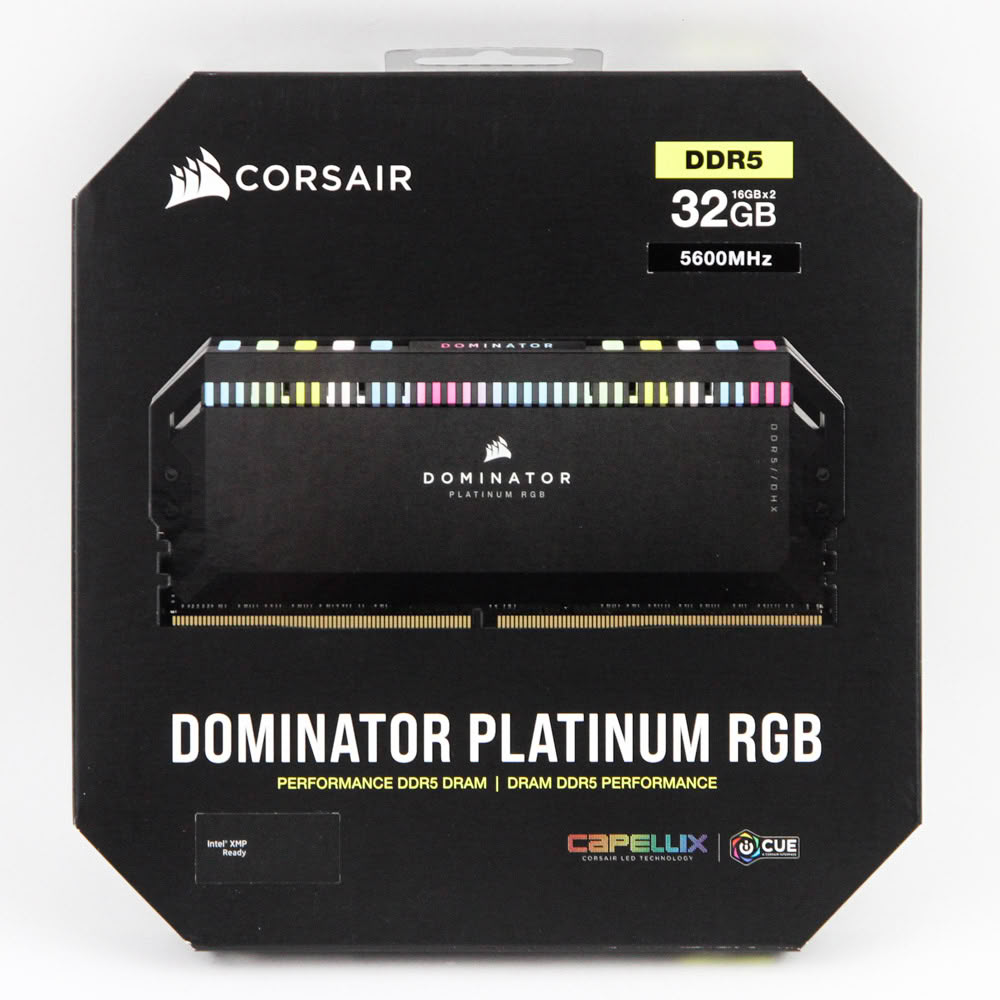
| Memory: | 2x 16 GB DDR5 Dominator Platinum RGB @ 5600 MHz 32-36-36-76 Provided by: CORSAIR |
| Video Card: | NVIDIA GeForce RTX 3070 |
| Storage: | Corsair Force LE 480 GB SSD |
| Power Supply: | EVGA SuperNova 750G2 |
| Case: | Custom test bench |
| Operating System: | Windows 10 64-bit |
| TIM: | Noctua NT-H2 |
Test Methodology
A Xylem D5 pump, Aquaero 6 XT controller, and an EK-Quantum Surface X360M radiator with Phanteks T30-120 fans help complete the loop. The GPU is not placed in the loop to make the only source of heat the CPU, thus limiting testing to the CPU block itself. Average flow rate is set to 1 GPM and calibrated in-line temperature sensors are used to measure the coolant's temperature. Everything required is placed inside an environmental chamber with the ambient temperature set to 25 °C. Thermal paste cure time is taken into account, and three separate mounts/runs are done for statistical accuracy, and to remove chances of any mounting-related anomalies. For each run, a custom Prime95 test with small FFTs and AVX2 load is used, looping for 30 minutes, and CPU core temperatures are measured using AIDA64 with the average core temperature recorded at the end of each run. A delta T between CPU core and loop temperature is thus calculated for each run, with an average delta T that is then obtained across all three runs. This way, the cooling solution is taken out of the picture.Test Results
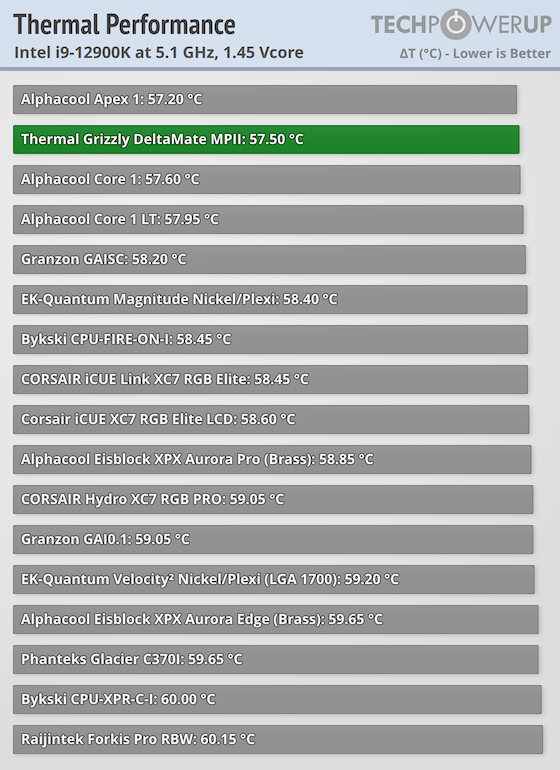
Note that metal top blocks tend to perform slightly better than the non-metal top blocks in my environmental chamber with active ventilation, owing to more uniform and efficient heat distribution. I will also point out that this CPU block was designed with the Intel LGA 1851 socket in mind, and those CPU chiplets are slightly differently placed compared to the LGA 1700 platform I'm using here. As such, this is not the best case scenario to demonstrate what the DeltaMate MPII can do, and I will aim to get an AM5 version in after the AMD test bench is ready. So with the positive buffs from the metal housing countered by the potentially negative ones from the different platform, we see the Thermal Grizzly offering is basically within error margins of the Alphacool Apex 1 at the very top of the list. This is absolutely one of the best—if not the best—thermal performing CPU blocks on the market for Intel that we've tested—presumably also AMD.
Nov 18th, 2026 16:39 PST
change timezone
Latest GPU Drivers
New Forum Posts
- Time to upgrade CPU and MOBO (35)
- Can i play GTA 6 now? (Joke) (8)
- Got a new laptop! What should I do with it? (5)
- Honestly, do you care about GTA VI? (147)
- Dell Workstation Owners Club (3514)
- Making a game in Godot engine (2)
- [Poll] 12V-2x6 Connector Protection: What Are You Using? (WireView / Ampinel / Equalizer / Other / Nothing) (39)
- Last game you purchased? (1406)
- What are you playing? (26234)
- Very unusual two gaming-pc scenarios. (12)
Popular Reviews
- Acemagic Retro X3 Review
- Upcoming Hardware Launches 2027 (Updated Nov 2026)
- AMD Zen 6 Technical Deep Dive
- Ugreen NASync DXP4800 GT Review
- Pulsar Office Tour & First Look at P1 Dual-Sensor Mouse
- Biwin Black Opal NV7400 2 TB Review
- Chieftec Iceberg PRO 360 DARK Review
- Sapphire Radeon RX 7700 XT Pure Review
- ASUS ROG Strix B850-I Gaming Wi-Fi7 W Review
- Sapphire Radeon RX 7700 XT Pulse Review
TPU on YouTube
Controversial News Posts
- NVIDIA Co-Founder and CEO Jensen Huang Officially Resigns (478)
- Report: Jensen Huang Eyes NVIDIA Comeback (195)
- Open Letter Asking NVIDIA to Reinstate Jensen Huang Passes 115,000 Signatures (184)
- OpenAI CEO Argues Home PCs Waste the World's Limited DRAM Supply (152)
- NVIDIA Launches Investigation Into Jensen Huang's Relationship With Suspected Chinese Spy (136)
- Intel "Raptor Lake Next" 16-Core and 20-Core CPUs Surface (130)
- Legendary Game Studio BioWare Shuts Down Following EA Layoffs (104)
- Dell CEO Says the Memory Shortage Will Get Worse in 2027 (95)