News Posts matching #Asus

Return to Keyword Browsing

Maximus IV Gene Gets Z68 Treatment, Too

Recently, ASUS released the Maximus IV Extreme-Z, a variant of the Maximus IV Extreme motherboard, based on Intel Z68 chipset. The original is based on Intel P67. ASUS' premium micro-ATX motherboard, the Maximus IV Gene got the same treatment, with Gene-Z. Back when ASUS was designing its Republic of Gamers lineup for socket LGA1155, P67 was the premium discrete-graphics chipset, which was later dethroned by Z68, which gives you everything P67 does, plus access to the processor's integrated graphics (letting you use Intel QuickSync), and Intel Smart Response SSD caching technology.

The Maximus IV Gene-Z uses a design very similar to its predecessor. The LGA1155 socket is powered by an impressive 12-phase Digi+ Extreme Engine VRM, 2-phase VRM for the dual-channel DDR3 memory, supporting speeds as high as DDR3-2000 MHz. Expansion slots include two PCI-Express 2.0 x16 (x16/NC or x8/x8), supporting NVIDIA SLI and AMD CrossFire; and an open-ended PCI-E x4. ASUS managed to pack in two SATA 6 Gb/s ports, four SATA 3 Gb/s ports, and connectivity that includes SupremeFX X-Fi 8-channel audio, eSATA, gigabit Ethernet, USB 3.0, and HDMI 1.4a (the lone display connector). ASUS nearly all ROG-exclusive features such as consolidated voltage measurement points, iROG, ROG UEFI, etc.

ASUS MARS II Graphics Card Pictured

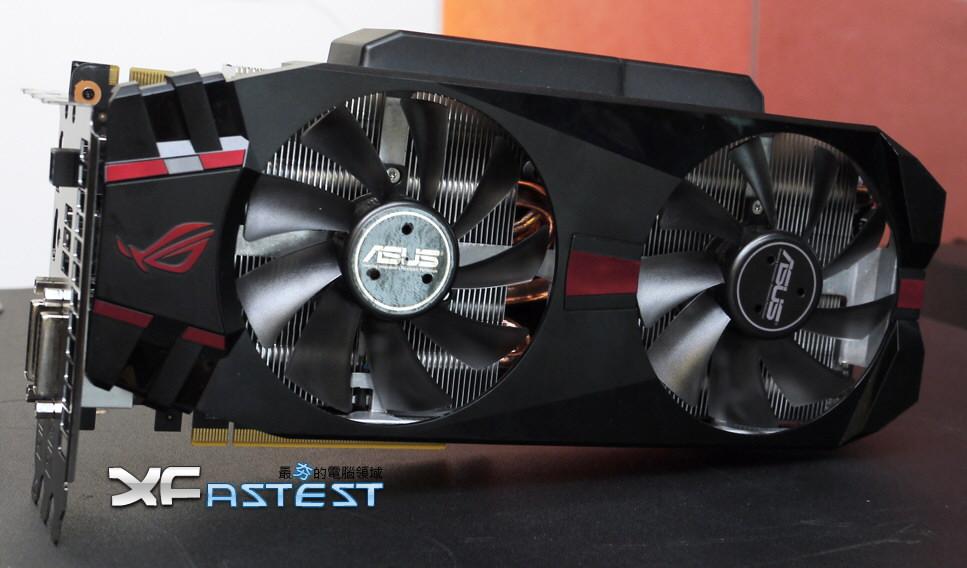
The Republic of Gamers MARS II, detailed earlier, is a new custom dual-GF110 based graphics card in the works at ASUS. Here are some of its first pictures, revealing a monstrosity that's about as long as a Radeon HD 5970, a couple of inches higher, and three slots thick. Its cooler sticks to the black+red color scheme in use with ASUS ROG products for a while now, and uses an intricate cutout design.
The shroud suspends two 120 mm high-sweep fans that blow air on to two heatsinks with highly dense aluminum fin arrays to which heat is fed by copper heat pipes. The card draws power from three 8-pin PCI-Express power connectors. The card uses two NVIDIA GF110 GPUs with the same core configuration and clock profile as GeForce GTX 580, effectively making MARS II a dual-GTX 580, which also provides the overclocking headroom of a GTX 580, something impossible on a NVIDIA GeForce GTX 590.

ASUS C1X79 EVO LGA2011 Motherboard Pictured

With the "entry level" of its socket LGA2011 lineup, ASUS is making a return to its signature gold-colored PCB with the C1X79 EVO. Based on the Intel X79 Express chipset, the board provides a basic feature-set sticking to whatever the chipset provides. The LGA2011 socket is powered by a simple 6+1 phase VRM, the two DDR3 DIMM slots are located on either sides of the socket in groups of two, and are powered by a 4-phase VRM.

Expansion slots include three PCI-Express 3.0 x16 (electrical x16/x16/NC or x16/x8/x8, depending on whether the third slot is populated), two PCI-E x1, and an open-ended PCI-E x4. All 10 of the SATA 6 Gb/s ports provided by the X79 chipset are assigned as internal ports, apart from four additional 3 Gb/s ports. That aside, there's little in terms of connectivity, with just the 8+2 channel HD audio, dual gigabit Ethernet, and a couple of USB 3.0 ports. The board uses ASUS' UEFI setup program with EZMode. We're not entirely sure if the production version of this board sticks to the golden PCB color, let's hope it does.

NVIDIA Gives Notebook Gamers New Levels of Power, Portability With GeForce GTX 560M

NVIDIA today unveiled the first gaming notebook graphics processing unit (GPU) in its award-winning GeForce 500M Series of notebook GPUs. The GeForce GTX 560M graphics processor hits the "sweet spot" for gaming notebooks by delivering a no-compromise gaming experience at full 1080p resolution in the hottest new DirectX 11 titles. For the first time, leading OEMs will also be offering GeForce GTX gaming GPUs with NVIDIA Optimus technology.

"The GeForce GTX 560M and NVIDIA Optimus mean gamers get 50 frames per second in Duke Nukem Forever and five hours of battery life in Microsoft Office," said Rene Haas, general manager of notebook products at NVIDIA. "That's real power and real portability." Available only with NVIDIA GPUs, NVIDIA Optimus technology enables extra-long battery life by automatically switching on and off the GPU so that it runs only when needed. The smart convenience of NVIDIA Optimus technology is designed into over 80 percent of GeForce 500M Series notebooks and is used by every major notebook OEM.

ASUS ROG Launches Bigfoot Networks Killer E2100 Networking With New AMD Motherboard

Bigfoot Networks, the technology company behind the Killer line of high-performance networking products, today at Computex announced that ASUS has expanded its line of Killer E2100-based motherboards with their new ROG Crosshair V Formula/ThunderBolt Motherboard.

The new ASUS ROG Crosshair V Formula/ThunderBolt Motherboard supports AMD FX Series CPUs with up to 8-cores, DDR3 Memory with overclocking speeds up to 2133 MHz, multi-GPU technology for CrossFireX and NVIDIA SLI, 8-ch HD, SupremeFX X-Fi 2 audio from Creative Labs and more. Powered by Bigfoot Networks' Killer E2100 networking platform and a host of other gaming-centric features, this AMD FX-based motherboard combines innovative design and technical intelligence to make the PC gaming experience more rewarding and accessible. This is the second motherboard offering from ASUS to incorporate Killer E2100 gaming network capabilities, preceded by the ROG Rampage III Black Edition.

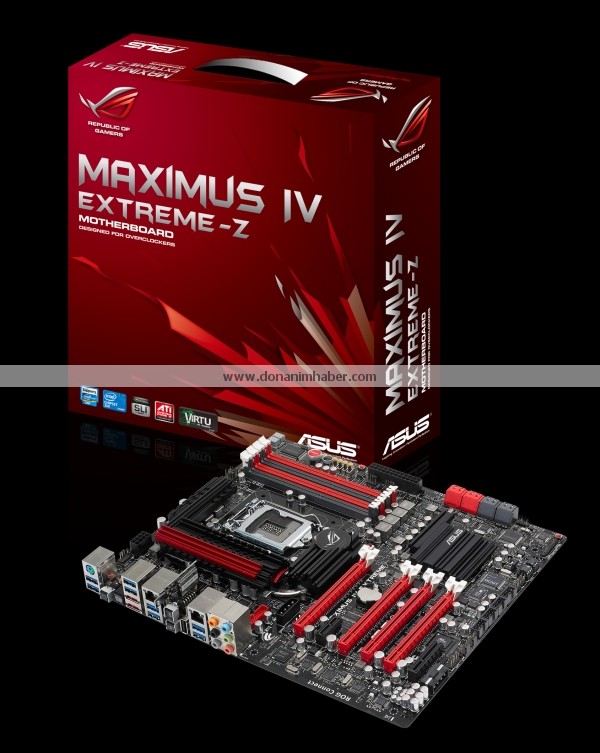
ASUS Readies Z68-based ROG Maximus IV Extreme-Z Motherboard

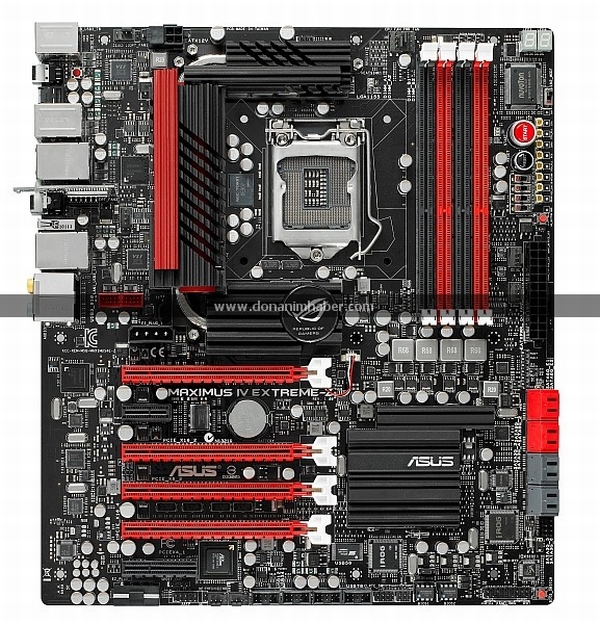
When Intel's Sandy Bridge platform was launched, P67 Express was perceived as the top of the line discrete graphics chipset that gives performance segment users everything they'll ever need. ASUS hence based its prestigious ROG Maximus branded motherboard based on it, and came up with the Maximus IV series. With Intel releasing a higher-end chipset with the Z68 Express, ASUS decided to redo its socket LGA1155 ROG motherboard lineup, with the Maximus IV Extreme-Z. The new motherboard gives users access to the processors' embedded graphics via a HDMI port, and gives them the benefit of Intel Smart Response technology that P67 lacks.

The Maximus IV Extreme-Z looks similar to its P67-based cousin. Based on the Intel Z68 chipset, the motherboard uses an NVIDIA nForce 200 bridge chip to ensure PCI-Express connectivity to up to four graphics cards, supporting NVIDIA SLI and AMD CrossFireX. The CPU is powered by ASUS Digi+ Extreme VRM, backed by high-grade components and proadlizers to condition power. There are four DIMM slots supporting dual-channel DDR3-2000 MHz memory by overclocking. Expansion slots include four PCI-Express 2.0 x16 (x16/NC/x16/NC or x8/x8/x8/x8), there's also a PCI-E x1 and open-ended PCI-E x4.

ASUS ROG MATRIX GTX 580 Graphics Card Pictured

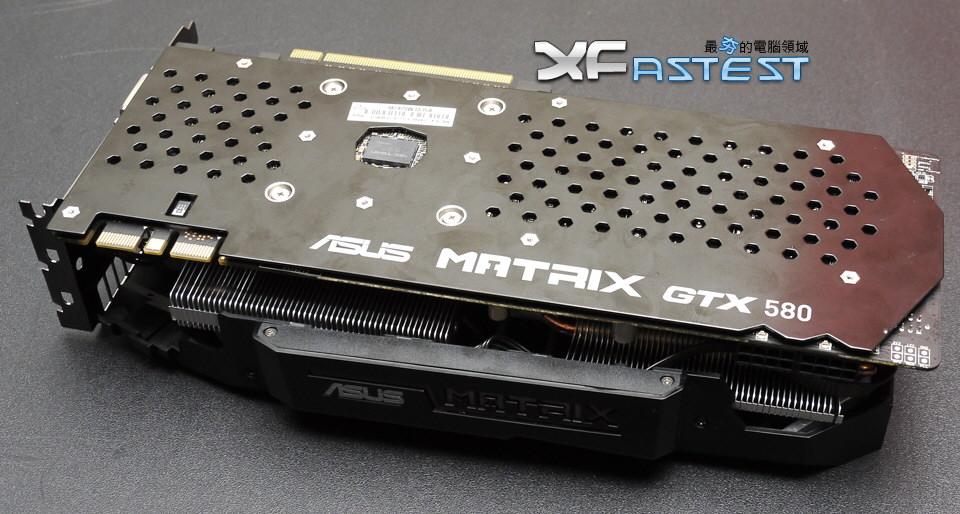
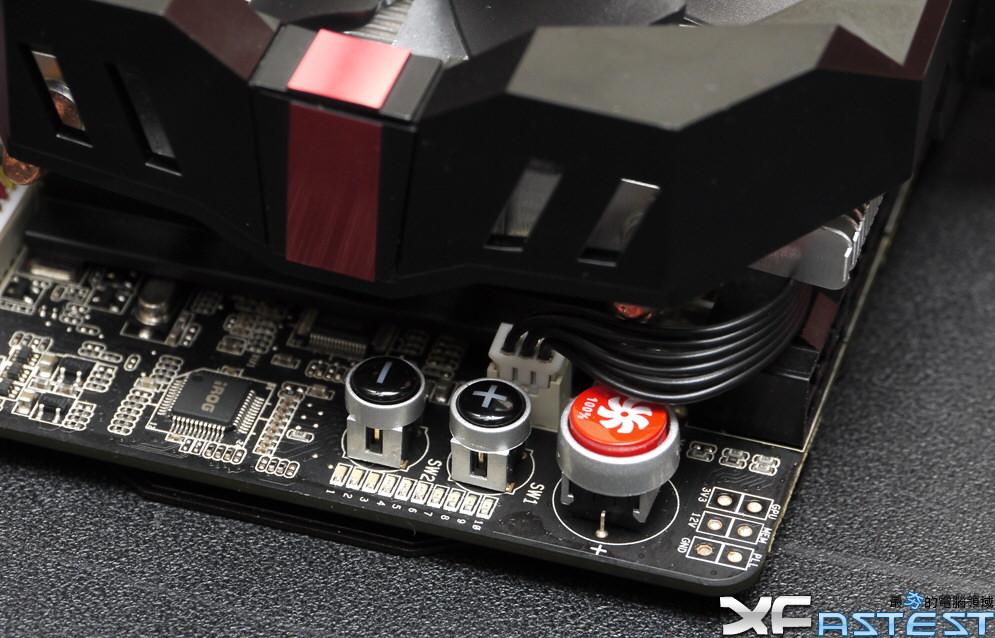
Here are the first pictures of ASUS' Republic of Gamers (ROG) MATRIX GTX 580 graphics card, this triple-slot single-GPU monstrosity is designed to humble every other air-cooled GTX 580 graphics card in the market. The card packs a NVIDIA GF110 graphics processor with high out of the box clock speeds. It is ready for overclocking and easy voltage modifications. The card features redundant BIOS ROM chips to provide a fallback if flashing the BIOS fails. Apart from one-touch BIOS selection, there are buttons on the card itself that gives you on-the-fly fan control.

The ROG MATRIX GTX 580 comes with out of the box clock speeds of 816/1632/4008 MHz (core/CUDA cores/memory effective), and packs 1536 MB of GDDR5 memory over a 384-bit wide memory interface. The card features a number of ROG-exclusive features such as iROG and fancy illuminated MATRIX logo. The card is powered by a large 19-phase VRM that draws power from two 8-pin PCI-Express power connectors. The beast is cooled by a large triple-slot fan-heatsink that uses two large fans to ventilate a complex heatpipe-fed heatsink. Display connectivity includes two DVI, HDMI and DisplayPort. There's no word on the availability.

ASUS ROG Crosshair V Formula Press Shots Leaked

Here are some of the first proper pictures of ASUS ROG Crosshair V Formula motherboard, a set of press-shots leaked to the Czech press, which has since been retracted. The ROG Crosshair V Formula comes in two packages, with and without ASUS Thunderbolt card (an addon card by ASUS that provides Bigfoot Killer NIC and Sound Blaster X-Fi hardware-accelerated audio). The Crosshair V made its first appearance with a box-shot disclosure by NVIDIA announcing SLI on AMD chipset motherboards; later a table listing out specifications of some of ASUS' fist socket AM3+ motherboard was published.

The Crosshair V Formula is a socket AM3+ motherboard based on AMD 990FX + SB950 chipset, supporting AMD's upcoming FX-series processors based on the Bulldozer architecture. It combines the best features ASUS has to offer, targeting both gamers and overclockers. The AM3+ socket is powered by a strong 10-phase Digi+ Extreme Engine VRM, it supports dual-channel DDR3 memory with speeds of over DDR3-2133 MHz. Expansion slots include four PCI-Express 2.0 x16, which configure as x16/x16/NC or x16/x8/x8, with the fourth slot being electrical x4, wired to the southbridge. NVIDIA 3-way SLI and AMD CrossFireX are supported.

ASUS Designs MARS II Dual-GTX 580 Graphics Card for GeForce Enthusiasts

When ASUS first set out to build the MARS, a dual-GeForce GTX 285 graphics card, people thought the designers were crazy. NVIDIA could barely get the two 55 nm G200b GPUs on GeForce GTX 295 to run at GTX 285 specifications of 240 shaders and 512-bit GDDR3 each, and instead ran them with 448-bit wide GDDR3 memory interface, and lower clocks. ASUS managed to back two GPUs with insanely strong VRM and cooling, to achieve a dual-GPU graphics card that was more than just a GTX 295 overclocked. ASUS is back on the drawing boards with MARS II, a new dual-GPU graphics card that runs two GF110 GPUs in the same exact config as on GeForce GTX 580, perhaps with clock speeds higher than those of GTX 580.

The GeForce GTX 590 runs two GF110 GPUs with all CUDA cores and the complete width of the memory bus enabled, but the GPUs and memory are clocked significantly lower at 607 MHz core, 1214 MHz CUDA cores, and 3.42 GHz memory; while the single-GPU GTX 580 runs at 772 MHz core, 1544 MHz CUDA cores, and 4.00 GHz memory. MARS II also aims to get over the various design pitfalls of GTX 590 that made voltage-assisted overclocking practically impossible on air-cooling. To do this, MARS II will make use of a massive 19-phase VRM with Super Alloy chokes. To cool the beast, ASUS will put to use the expertise it gathered over time with its DirectCu series video card coolers. The new cooler will provide uniform cooling to both GPUs. More details, particularly about the when the card will be released, are awaited.

ASUS Announces P8Z68 Series and Maximus IV Gene-Z LGA1155 Motherboards

Continuing its legacy of leadership, ASUS offers consumers a range of new motherboards based on the Intel Z68 Express chipset. The ASUS P8Z68 Series and ROG Maximus IV GENE-Z motherboards all have numerous powerful features that fully exploit the performance benefits of Sandy Bridge technology without compromise, packing more features and new innovations onto the Z68 platform while maintaining unmitigated performance and reliability.

ASUS is the only motherboard manufacturer able to integrate diverse new technologies in tandem on its Z68-based motherboards on launch. These include the universal implementation of LucidLogix Virtu switchable graphics to harness the capabilities of Intel Quick Sync Video for faster video transcoding and the extreme performance of the latest NVIDIA and AMD graphics cards, along with Intel Smart Response Technology to accelerate hard drive performance and reduce energy consumption.

ASUS Announces Radeon HD 6770 DirectCu and HD 6750 Formula Graphics Cards

ASUS announced the launch of the new self-designed HD 6770 DirectCU and HD 6750 Formula graphics cards. Both are equipped with the ASUS-exclusive Super Alloy Power technology that delivers a 15% performance boost along with a lifespan that is 2.5 times longer than conventional graphics cards.

The HD 6770 DirectCU features copper pipes that are in direct contact with the GPU to offer a 20% cooler performance than reference graphics cards, while the HD 6750 Formula's integrated aerodynamic cover and micro surface treatment technology achieves a cooling performance 13% better than references. With this combination of ultimate cooling and durability, the HD 6770 DirectCU and HD 6750 Formula graphics cards allow users to enjoy unprecedented levels of realistic PC gaming and multimedia entertainment.

ASUS M5A Series Socket AM3+ Motherboard Lineup Detailed

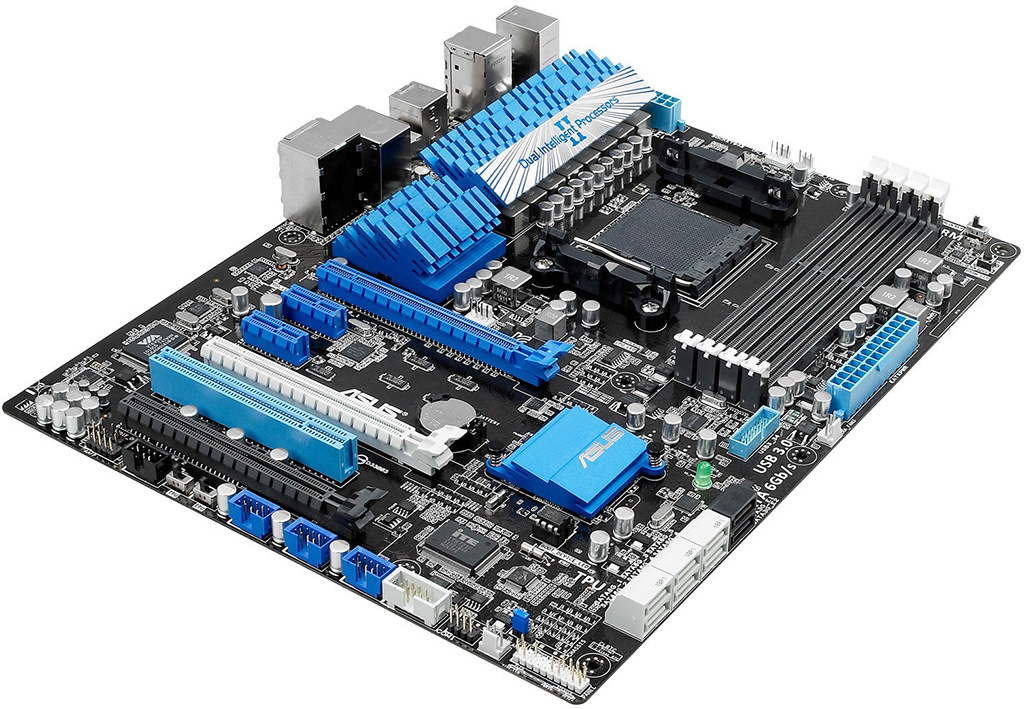
Here is the complete socket AM3+ motherboard first-wave of ASUS, the M5A series, short and sweet. Based entirely on AMD 9-series chipset, including 9-series southbridge chips, the first-wave caters to gamer, performance, and enthusiast market segments, and only includes those chipset models that rely on discrete graphics (leaving out AMD 980G, 990GX). The lineup even includes models from ASUS' gamer/enthusiast-oriented Republic of Gamers (ROG) family, and The Ultimate Force (TUF) family.

The lineup starts with three models based on AMD 970 + SB950 chipset, which is a single discrete graphics card platform. The M5A97 is the entry-point, it bases itself entirely on what the chipset offers, plus two USB 3.0 ports. Moving up is M5A97 Pro, which has everything its little sibling has, plus a stronger 6+2 phase Digi+ VRM, and two eSATA ports. The M5A97 EVO, which was pictured a little while ago. This has everything the Pro variant has, plus two front-panel USB 3.0 ports, and FireWire.

ASUS M5A99X EVO Motherboard Pictured

Here is the first picture of the M5A99X EVO, an upcoming socket AM3+ motherboard by ASUS based on the AMD 990X + SB950 chipset designed AMD's FX-Series "Zambezi" 8-core, 6-core, and 4-core procesors. The AMD 990X is designed for discrete graphics with up to two graphics cards in CrossFireX. It is likely that the final iteration has NVIDIA SLI support out of the box. The AM3+ Black socket is powered by 8-phase Digi+ VRM, cooled by a large heatsink that sits next to the northbridge heatsink. ASUS came up with a new heatsink design theme. While the P8P67 series uses heatsinks with curvy/wavy fins, the M5A series uses sharp edges.

The AMD 990X northbridge gives out 16 PCI-Express 2.1 lanes split between two x16 slots. When both slots are populated, the graphics cards run on x8 bandwidth. The third black x16 slot is wired to the SB950 southbridge, and is likely x4. Other slots include two PCI-Express x1 and a PCI. Storage connectivity includes six SATA 6 Gb/s ports from the SB950 southbridge that support RAID 0, 1, 0+1, 5, 10 modes; a third-party controller drives two additional SATA 6 Gb/s internal ports. We don't know if there's another such controller handling eSATA.

TechPowerUp Releases GPU-Z ROG Edition v0.5.3

TechPowerUp in association with ASUSTek, today unveiled a special Republic of Gamers (ROG) edition of GPU-Z, our popular graphics hardware information, diagnostic, and monitoring utility. GPU-Z gives you a quick glance on the graphics hardware installed in your machine, and lets you monitor its vital stats such as clock-speeds, fan-speeds, voltages, and even fine details such as graphics memory usage on supported GPUs. The new GPU-Z ROG Edition is based on GPU-Z version 0.5.3, and includes a vast database of discrete GPUs.

GPU-Z is backed by our expansive video card BIOS database, and Overclock Validation system, making up for a nifty, portable application that is every GPU overclocker's companion. TechPowerUp is happy to be associated with one of the most renowned brands in the PC enthusiast industry, ASUS Republic of Gamers. ASUS Republic of Gamers is a fine selection of enthusiast motherboards and graphics cards from one of the biggest names in the hardware industry.

DOWNLOAD: TechPowerUp GPU-Z ROG Edition v0.5.3

LucidLogix Virtu to Bridge Discrete and Integrated Graphics on ASUS Z68 Motherboards

Expanding their relationship beyond hardware, LucidLogix today announced that its' Virtu GPU virtualization software will be integrated into various SKUs of ASUS motherboards based on the Intel Z68 chipsets. Virtu allows the systems to simultaneously take full advantage of both the low-power best-in-class media processing features of the 2nd generation Intel Core processor graphics and the 3D gaming performance of add-in cards with graphics processing units (GPUs) from AMD and NVIDIA.

"Since ASUS supplies a third of the world's motherboards, their knowledge and expertise in the market magnifies the importance of a seamless media experience only provided by Lucid," said Offir Remez, president and founder of Lucid. "The Virtu solution is rapidly becoming a standard, must-have feature and its expanding market acceptance creates a runway for further innovation in both desktop and notebook PC graphics."

SLI on AMD Chipsets Confirmed, ASUS Crosshair V Box Pictured

It could be curtains down for NVIDIA nForce SLI chipset for AMD platform, as the GPU giant formally announced its intentions to license NVIDIA SLI technology for use on AMD chipset-based motherboards starting from AMD's upcoming 9-series chipset. Rumors about this development started trickling in around late March. NVIDIA's public release confirms most of what was outlined in the leaked company slide in the older article, that licenses will be only offered to 9-series (and later) chipset-based motherboards, and that only those motherboard manufacturers that are licensed by NVIDIA for SLI on their Intel platform motherboards will be given licenses. NVIDIA specifically mentions ASUS, Gigabyte, ASRock, and MSI as qualifying partners.

The more interesting part of the release, however, was the box-art of ASUS' upcoming high-end socket AM3+ motherboard, the Republic of Gamers (ROG) Crosshair V Formula. Its salad of product logos is what is most fascinating. For one, it confirms the product name and logo of AMD's new high-end desktop processors to be "FX", as revealed by the box designs. The next logo is of Phenom II, and as we know, AM3+ gives backwards compatibility to older AM3 processors. Next up is the AMD 9-series chipset logo, another Radeon-like logo by AMD. Next to it is the logo of the moment: NVIDIA SLI, and lastly ATI CrossFireX. There is a newer rectangular logo of "AMD CrossFire" that succeeds the ATI CrossFireX logo, but maybe ASUS, like many, found it too hideous. You can probably make a better one on MS Paint.

ASUS P6Z68-V Pro Pictured, Detailed

Pictures of ASUS' upcoming upper-mid range LGA1155 motherboard based on the Intel Z68 chipset, the P8Z68-V Pro surfaced on Chinese websites, revealing what comes across as a blend of P8P67's feature-set, and P8H67's display connectivity (which is what Z68 is all about). The new board makes use of a 14-phase Digi+ VRM to power the CPU. Highlights include CPU overclocking features driven by the UEFI BIOS, coupled with Intel Flexible Display Interface, letting you make use of the processor's embedded Intel HD 3000 graphics with Intel QuickSync accelerated video encoding. Further, the board is Lucid Virtu certified, letting you use (and switch between, depending on graphics load) both the integrated and discrete graphics simultaneously, and saving power in the process.

Expansion slots include two PCI-Express 2.0 x16 (electrical x8 with both populated), one PCI-Express x16 (electrical x4), two PCI-Express x1, and two PCI. This wholesome expansion area is backed by a wealth of connectivity options, including four SATA 6 Gb/s ports (two from PCH, two from Marvell controller), four SATA 3 Gb/s internal, and one eSATA 3 Gb/s; display connectivity that includes one each of dual-link DVI, D-Sub, and HDMI 1.4a; 8-channel HD audio with optical SPDIF output; four USB 3.0 (two internal/by header), a number of USB 2.0 ports, FireWire (by header), Bluetooth, and gigabit Ethernet. A number of overclocking features found on P8P67 series motherboards are present.

ASUS Releases HD 6670, HD 6570 and HD 6450 Graphics Cards

ASUS has released the ASUS HD 6670, HD 6570 and HD 6450 graphics cards that offer users superb performance for vivid graphics. All three contain the latest DirectX 11 technology to support ultra- realistic game characters, enhanced speed, and true-to-life special effects. AMD supported App Acceleration accelerates everyday work applications while the HD 6670 and HD 6570 deliver a smooth, high quality 3D video playback experience.

The HD 6670 and HD 6570 are clocked at 810MHz and 650MHz respectively, and both are built with the latest in ASUS advancements for a refined visual experience. ASUS exclusive Super Alloy Power applies special-formulated components to provide an efficient power supply for a 15% performance boost, 35°C cooler operation and 2.5 times longer lifespan. A unique dust-proof fan design dissipates heat efficiently and extends the graphic card's lifespan by 25% (10,000 hours) through increased dust and particle resistance. Native HDMI, Dual-link DVI and Display Port connections on the EAH6670/DIS/1GD5 allow users to experience AMD Eyefinity, which can extend the visual horizon across three displays for engaging HD entertainment.

ASUS Announces the World's First Two-Way HDMI Streaming Kit

ASUS has launched WAVI, the world's first wireless HDMI kit to feature innovative two-way wireless USB control designed to stream PC content to the big screen TV. WAVI (Wireless Audio Video Interaction) is offered as a pair of devices that bridges the gap between the home office and living room. Watch movies, play the latest PC games, enjoy social networking or even do online shopping, all on the big screen TV from the comfort of a couch.

The WAVI HDMI streaming kit consists of a transmitter and receiver for two-way input and streaming. Unlike other wireless HDMI kits, the WAVI allows users to control the PC content in the living room with a wireless keyboard and mouse, thanks to wireless USB support. The WAVI operates at the wireless 5GHz band and provides up to 25 meters of coverage. Additionally, under the Extend Mode, users can continue working on the PC screen while streaming multimedia content to the living room TV - maximizing the use of a single home PC while also providing home entertainment experiences.

ASUS Releases the ESC4000 GPU Server

The world's most expandable 2U server with quad NVIDIA Tesla GPUs and integrated InfiniBand, the ESC4000 helps professional users conserve space and energy while offering a high density architecture that supports dual CPUs. Flexible 8+1 expansion options and intelligent fan-control technology with 20% energy savings make it the server of choice for users who wish to combine performance, high efficiency, and environmental responsibility.

The ESC4000 joins previous entries in the ESC server series from ASUS, including the ESC1000 and ESC2000, making it the first ever 2U rack model in its category. The ESC4000 offers almost double performance with the same space requirements when compared to similar products thanks to an innovative high density design. Through its advanced parallel computing performance, flexible design and versatile hardware, the ESC4000 serves the needs of high-end professional applications, including scientific, weather and financial modeling, as well as advanced medical and life sciences uses.

ASUS Launches Low-Profile, Silent GeForce GT 520

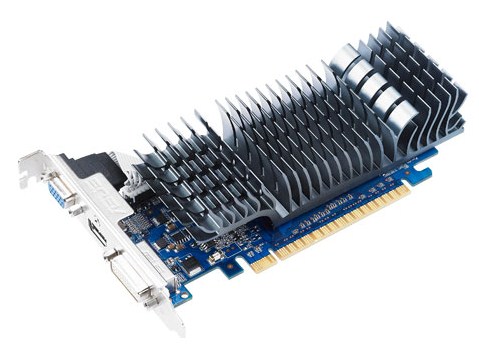
ASUS has released the ASUS GT 520, a graphics card that combines great performance with a low profile that is perfectly suited to be used in an HTPC. With an innovative fanless design, the GT 520 efficiently and silently dissipates heat while still offering outstanding graphics performance. 1GB of DDR3 memory and Microsoft DirectX 11 support means the GT 520 displays the latest in multimedia entertainment with ease.

Based on the NVIDIA GeForce GT 520 GPU, the ASUS GT 520 is equipped with an efficiently designed heatsink that passively cools the GT 520 so absolutely no sound is produced while running. This ensures a quiet environment, and combined with the low profile of the graphics card makes it perfect for hushed gaming and multimedia enjoyment via home theater PCs and multimedia centers.

ASUS Introduces the Xonar U3 Pocket-Sized Mobile USB Soundcard

The ASUS Xonar U3 is a portable, pocket-sized audio solution that delivers an upgraded audio experience for notebook users. Slightly larger than a standard USB flash drive, the U3 is designed for users looking to turn their notebooks into a personal high fidelity audio center complete with Dolby and GX2.5 support.

The onboard audio solution for most notebooks in the market offers just the bare minimum in sound quality and controls. The Xonar U3 with built-in headphone amplifier is the best solution for those users who use their notebooks as personal entertainment centers. Weighing only 25g and easily fitting in a pocket, the U3 enhances treble and bass while driving high fidelity headphones with impedance up to 150 ohms. Also built-in is Xonar exclusive hyper-grounding technology, which works like a watershed to separate audio signals from noise to provide clean and clear sound. Installation is easy and with multiple pre-set equalizer settings and modes for gaming, music, movies and headphone use, upgrading notebook sound is quick and simple.

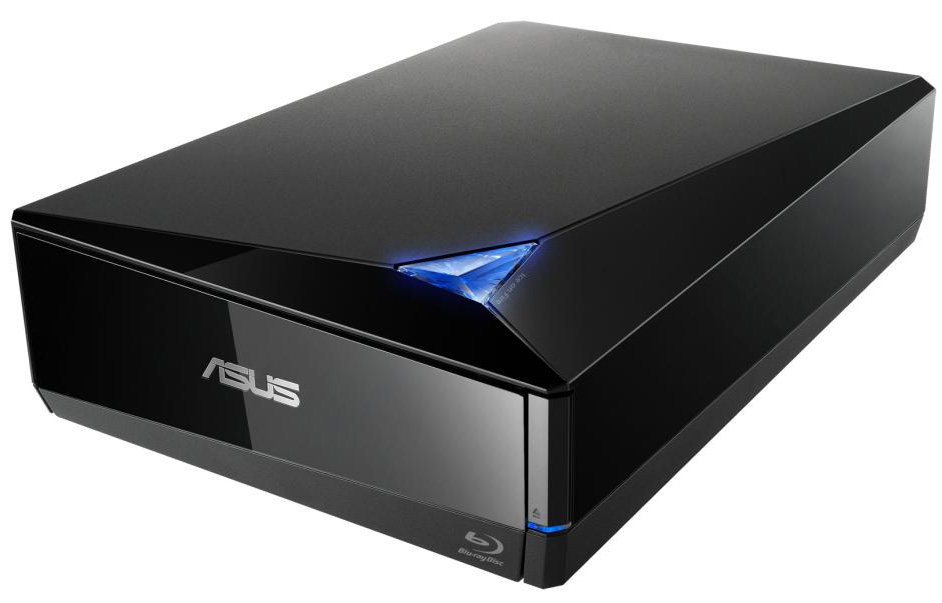
ASUS Demonstrates 3D Blu-ray Leadership with the BW-12D1S-U External Writer

ASUS has just launched the new BW-12D1S-U, the world's fastest external 3D Blu-ray writer. It enables an easy transition from DVD, the fastest and most reliable Blu-ray burning performance, and a unique artistic approach to optical media.

With burning speeds up to 12X via USB 3.0, Optical Tuning Strategy (OTS) technology for the best writing quality available and high definition 3D playback, the BW-12D1S-U further highlights the attention ASUS pays to design, arriving in a form inspired by diamond shapes. It also includes a unique blue power indicator for an artistic touch, and features a matching stand that allows for practical two-way horizontal and vertical placement to help users save space with increased versatility.

ASUS Releases its Dual-GPU GeForce GTX 590 with VoltageTweak

Presenting more graphics processing output than any single-board product developed to date, the ASUS GTX 590 uses dual NVIDIA GF110 cores. With ASUS exclusive Voltage Tweak to drive the card at 918MHz, it enables DirectX 11 gaming in the highest resolutions possible and with all details and effects turned on to maximum, as well as smooth and realistic 3D gaming and movies through NVIDIA 3D Vision Surround for three-screen displays.

ASUS GeForce GTX 590 Unboxed

A Chinese source, probably a distributor/retailer, leaked the first pictures of a retail-grade ASUS GeForce GTX 590 graphics accelerator. The pictures reveal a fairly standard packaging by ASUS, which features the same green box with a mythological warrior character used on most recent GeForce graphics cards by the company. Inside, there's a harder black paperboard box, which contains the graphics card and its accessories. ASUS' card bears a reference design. As with many high-end graphics cards released by ASUS in recent times, there are no fancy anime stickers on the card, rather it features the company badge.

The pictures also reveal a little bit about the card. It's a little longer than most NVIDIA GeForce cards released, including the GTX 295. The two GPU systems look well spaced apart from the central fan, which looks to be engineered for higher air-flow. Flipping the card, reveals that NVIDIA did not use a single full-coverage back-plate, rather two smaller ones, that just cover the area behind each GPU, and spread heat from memory chips located at the reverse side of the PCB. Display IO includes three DVI and a mini HDMI. You can use all three DVI connectors at a time, to drive a 3-display NVIDIA 3DVision Surround setup.
Return to Keyword Browsing
Nov 25th, 2026 23:55 CST change timezone

New Forum Posts

Popular Reviews

TPU on YouTube

Controversial News Posts