News Posts matching #MBA

Return to Keyword Browsing

AMD Radeon RX 9050 4 GB Will Be OEM-Exclusive

AMD quietly announced its latest entry-level RDNA 4 GPU, the Radeon RX 9050. The GPU is available in 4 GB and 8 GB editions; however, only the 8 GB edition will be sold as a standalone, discrete graphics card, while the 4 GB edition is exclusive to OEMs. According to Wccftech's Hassan Mujtaba, AMD confirmed that the 4 GB version exists, but it is intended solely for OEMs and system integrators to include in their low-end PC configurations. For gamers, the 8 GB edition will be marketed as the entry-level RDNA 4 GPU and is expected to be priced at $279, making it the most affordable card AMD currently offers. There appear to be no Made by AMD (MBA) designs, as add-in board partners are handling the launch.

We previously reported that the 4 GB model is a scaled-down version of the Radeon RX 9050 8 GB, with differences only in memory configuration. Both cards feature 1,024 Streaming Processors across 16 Compute Units and can boost up to a 2.6 GHz clock speed. However, the lower-end GPU includes only 4 GB of GDDR6 memory on a 64-bit bus, resulting in a memory bandwidth of 144 GB/s, which is significantly lower than the 8 GB version. The 8 GB version of the Radeon RX 9050 uses 8 GB of GDDR6 on a 128-bit bus, providing a memory bandwidth of 288 GB/s, double the throughput.
AMD Radeon RX 9070 and RX 9070 XT Finally Reach MSRP

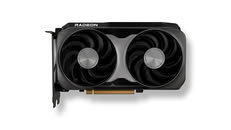
AMD's Radeon RX 9070 and Radeon RX 9070 XT graphics cards have finally reached their MSRPs of $549 and $599, respectively. According to US retailer Newegg listing, these GPUs are now trading at the price AMD artificially set at the launch eight months ago. AMD's AIB partners have used this MSRP model as a general guide, but priced the cards historically higher to preserve margins. Since no reference Made by AMD (MBA) cards were shipped to the masses, AMD's MSRP had little influence over the pricing decision made by AIB partners. Consumers couldn't get MBA cards at their MSRPs, so they had to opt for custom PCB designs from third parties like ASUS, Sapphire, ASRock, XFX, and others. Since all of these were custom designs, AIBs have priced it higher to account for custom engineering going into their GPUs.

Thankfully, gamers can now get both the Radeon RX 9070 and Radeon RX 9070 XT at AMD-set MSRP at US retailers like Newegg. Below, you can check out the images from Newegg for PowerColor Reaper Radeon RX 9070 trading at $549 and ASRock Challenger Radeon RX 9070 XT trading at $599. As a reminder, AMD launched both the Radeon RX 9070 XT and RX 9070 on March 6th, 2025. Both cards are built on the 4 nm process using Navi 48 chips and come with 16 GB of GDDR6 memory and PCIe 5.0 x16 connectivity. The RX 9070 XT uses the Navi 48 XTX variant and features 4096 SPs, 64 ray tracing acceleration cores, and 128 tensor cores. It can boost up to 2970 MHz, and has a maximum power draw of 304 W. The RX 9070, meanwhile, uses the Navi 48 XT variant with some shaders disabled, resulting in 3584 SPs, 56 ray tracing acceleration cores, and 112 tensor cores. It boosts up to 2520 MHz and draws up to 220 W.

USB-C Power Delivery is Fine on RX 7900 XTX, We Tested It, AMD Confirms

Yesterday, we reported that the latest AMD Software Adrenalin 25.10.2 WHQL drivers disable USB-C power delivery on reference Radeon RX 7900 XTX and RX 7900 XT. However, it appears that this was a mistake, and AMD has contacted TechPowerUp to clarify the situation. To make sure that the functionality is back, we tested USB-C power delivery on our own reference card. Readers might remember that the Made by AMD (MBA) reference Radeon RX 7900 XTX and RX 7900 XT graphics cards include USB Type-C ports. These ports support DisplayPort 2.1 passthrough and provide USB power delivery up to the PD 3.0 standard of 30 W.

While the port does not support USB data transfer, it is wired for DisplayPort and power delivery. This theoretically allows you to connect certain monitors that use a single USB-C connection for both display input and power. We tested the feature to make sure it is supplying the port with sufficient power. Using a USB-C power meter, we recorded 27 W of power output from the AMD Radeon RX 7900 XTX. Impressively, the card can supply full power to the port even without a driver installed, as demonstrated in our test. Installing the latest driver doesn't alter this behavior, indicating that the original driver changelog was just incorrect. To confirm that the 27 W charging is consistent, we charged a laptop with a completely empty battery to full capacity. While charging, we loaded Furmark test, and the load was maintained, proving that the feature works as intended.
AMD's statement follows after the break.

AMD Teases "Not Available For Purchase" Radeon RX 9060 XT Reference Card Design

In an almost uncanny case of recent history repeating itself, AMD has kicked off another RDNA 4 new product teaser campaign. Today's reminder—regarding Jack Huynh's upcoming Computex presentation—included a promotional render of a stubbier dual-fan Radeon RX 9000 Series card design. Casting our memories back to late January (2025), Team Red rolled out an ill-timed advertisement—not long after the official delay of Radeon RX 9070 XT and non-XT cards. Despite denying the existence of "Made-By-AMD" (MBA) reference designs, AMD staffers were likely enraged by Chinese black market channel offerings of alleged "real deal examples." Days after first wave RDNA 4's March 6 global launch, a triple-fan specimen was outed.

Throughout early Q2, insiders and members of the Chiphell forum have played around with Radeon RX 9070 XT and RX 9070 MBA cards. The latter unit (see photo below) seems to utilize a dual-fan configuration in a fairly long enclosure format. Team Red's latest promo post likely points to a forthcoming unveiling of Radeon RX 9060 XT partner models, but curious industry observers will be wondering whether the shorter reference design actually exists in real life. As per usual, a tiny disclaimer claims otherwise: "Artistic Render. Not Available For Purchase." So far, leaks have suggested the presence of Acer, ASUS, GIGABYTE, and XFX custom options during introductory proceedings. Today's refresher outlined upcoming new product categories and partner contributions: "join AMD on May 21 as we reveal what's next in gaming, AI PCs, and more. (Our) SVP and GM of Computing and Graphics Group, along with industry leaders and partners showcase what is built to power the next level."

AMD Radeon RX 9070 XT "Reference Design" Tinkered With & Tested, Max. VRAM Temp Reduced to 82 °C

AMD's Radeon RX 9070 XT and RX 9070 "MBA" graphics cards are no longer "best kept secrets"—as demonstrated recently by the "leaking out" of supposed reference models through black market/back alley channels in China. Late last month, a dual-fan non-XT specimen was snapped up by Chiphell forum member—alleged benchmark results were soon shared within that community. A few days later, a "Made-by-AMD" Radeon RX 9070 XT sample was dissected and compared to Sapphire's PULSE Radeon RX 9070 XT 16 GB SKU. An additional MBA XT example emerged last week, courtesy of another in-depth Chiphell thread. A "bored" enthusiast happened upon a 5499 RMB (~$748 USD) when idly browsing through Xianyu listings (Taobao's Ebay equivalent platform). Their buying experience was described as follows: "(I) found a 'public version' Radeon RX 9070 XT in Tianjin. It was said to be manufactured by (an) OEM, so I bought it without hesitation...I made an appointment to meet today and got it successfully. I don't have to wait for a graphics card anymore."

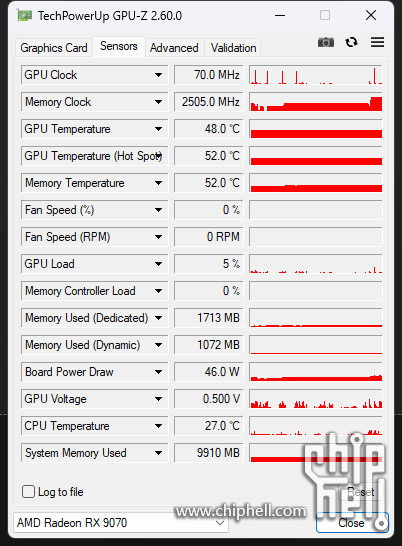
For unknown reasons, AMD decided to launch its first wave of RDNA 4 gaming graphics cards sans first-party designs. Leaked specimens have attracted much attention in China; with owners bragging about their respective ownerships of reasonably priced rarities. The latest back channel customer expressed satisfaction when inspecting Team Red's all-black flagship Navi 48 GPU-based solution: "after I got it, I have to say that it is not very heavy and is quite light. But the appearance is really what I like." After initial tests, they discovered that VRAM temperatures were not up to snuff—as alluded to (pre-launch) by other Chiphell figures. Their personal DIY improvements were described: "(I) took it apart to measure the thickness of the thermal grease pad. Everyone said the temperature of the video memory was high, so I decided to change to something better....(with) original silicone grease FurMark 2K resolution for 20 minutes: maximum core temperature was 62 degrees, maximum hot spot temperature was 84 degrees, maximum memory temperature was 88 degrees, maximum power was consumption 346 W."

AMD-built Radeon RX 9070 non-XT Tested Out by Chiphell Member

Around late January, out-of-date AMD marketing material teased the existence of a Radeon RX 9070 series reference card design. Almost a month later, PC hardware news outlets picked up on an official signal about Team Red's launch lineup consisting entirely of board partner-produced options. First-party enthusiasts were disappointed by the apparent total lack of "Made by AMD" (MBA) solutions, but some unusual specimens appeared online roughly two weeks post-RDNA 4's launch. Reports pointed to triple-fan Radeon RX 9070 XT and dual-fan RX 9070 MBA cards being exchanged for cash via Chinese black market channels. Photographed examples seemed to sport a somewhat muted black shroud design—not quite as exciting when compared to AMD's marketed/rendered brushed metal effect promo units.

Members of the Chiphell forum have spent months leaking many aspects of Team Red's foray into a new generation of graphics architecture—going back to the days of old nomenclature: Radeon RX 8800 XT. Yesterday, one participant revealed their fresh purchase of a Radeon RX 9070 non-XT MBA card. They sold their old GeForce RTX 4070 SUPER 12 GB graphics card, in favor of Navi 48 GPU-based OEM hardware. The post focused mainly on photo uploads and screenshots, but a brief description stated: "purchased at original price (TPU note: presumably 4499 RMB), room temperature is 16 degrees Celsius. Dual fans on the front. The back panel has an AMD logo, but it's a sticker." As theorized by VideoCardz, AMD likely produced a limited number of pre-release "public" MBA cards. The publication reckons that partner companies have received a smattering of samples for evaluation or software development purposes. The presence of an old school Radeon logo (pre-RDNA era) is a head scratcher, given the unit's supposed first-party origin.

AMD Radeon RX 9070 non-XT "Made by AMD" OEM Design Pictured

Last week, we got a leaked picture of AMD's reference/OEM/Made by AMD (MBA) design of the Radeon RX 9070 XT in China. However, we have a non-XT card on the menu today, with the reference design also pictured in China. We already know that AMD is not releasing any MBA reference designs of its latest Radeon RX 9000 series GPUs based on the RDNA 4. However, the Chinese black market is the place to be when it comes to finding these MBA cards, probably manufactured in high double-digit or low tripe-digits of units. AMD usually has one of its AIB partners manufacture these for OEM integrated system distribution or partner testing/software optimization.

Pictured below is the Radeon RX 9070 non-XT GPU with an all-black shroud. Unlike official renders, this design is much more toned down. The official render shows a black/gray color combination with an LED-illuminated Radeon logo. However, the official version appears with only a simple aesthetic, without a hint of LED illumination. The card wasn't pictured running, but we assume that there is no LED illumination. Below, you can compare the pictured/leaked Radeon RX 9070 GPU with the official render.

AMD's Reference Radeon RX 9070 XT "Made by AMD" Pictured in China

AMD is not releasing any "Made by AMD" (MBA) reference designs of its latest Radeon RX 9070 XT GPUs based on the RDNA 4 IP. However, leakers in China managed to get ahold of what appears to be an MBA Radeon RX 9070 XT design, assumingly being used as a prototype. While there are custom designs by AMD's AIB partners, AMD itself hasn't released the reference design to the public. The latest leak from Chinese forums confirms that this GPU actually exists beyond the standard press renders/mockups, meaning that someone can get their hands on it. The seller is offering a brand-new reference edition of the AMD Radeon RX 9070 XT with a warranty for one year, with the second year requiring self-paid repairs. They specify no disassembly and no damage to the unit.

The standard price is set at 5000 RMB, with a preference for local pickup. For buyers outside the city, shipping via SF Express is available with insurance, requiring a payment of at least 5800 RMB. The physical card matches the previously leaked render with its three-fan design, though with a notable color difference. Instead of the expected gray finish, the actual unit features a complete black design. Currently sealed in an antistatic bag, the card appears unused. The asking price of approximately $800 initially seems high but aligns with current market rates for custom versions. The listing has already disappeared, suggesting someone has already snagged this rare prototype. With serial codes visible, AMD can potentially trace the person who put it up for sales, so its not a good outlook for anyone that wanted to sell it.

AMD Debuted Radeon RX 9070 Series MSRPs in China, 12 Hours Ahead of Global Event

International corporate entities have to deal with global time differences; causing uncountable logistical headaches. As evidenced by local reports; AMD and board partner representatives decided to debut their next-gen Radeon RX 9070 Series in front of a (mostly) Chinese audience. The much earlier than anticipated presentation took place well in advance of the "main event," with Jack Huynh and other Team Red big brass showcasing brand-new products to regional distributors and media outlets. VideoCardz believes that this "surprise" press mini-junket occurred—roughly—twelve hours ahead of the officially scheduled international "special broacast."

Baseline price points—VAT included—of 4999 RMB (~$686 USD) and 4499 RMB (~$617 USD) were announced, for the incoming Radeon RX 9070 XT and RX 9070 models (respectively). We now know that North American MSRPs (excluding tax) are $599 and $549 (respectively). AMD's presentation slides included more shots of their reference designs (MBA), in triple or dual-fan configurations. Earlier in the week, industry watchdogs proposed that the Radeon RX 9070 Series would launch with an all-custom card lineup; with no AMD-built options. Attendees noted several on-stage board partner company reps, including Jack Yu (ASUS China). ASRock, GIGABYTE, PowerColor, VASTARMOR, XFX and Yeston were the other participants; with demonstration hardware in their hands.

AMD Mentions Sub-$700 Pricing for Radeon RX 9070 GPU Series, Looks Like NV Minus $50 Again

Late last week, AMD posted a helpful reminder; a special RDNA 4 Friday (February 28) event is on the calendar. Additionally, they quietly confirmed that the upcoming launch of Radeon RX 9070 series graphics cards will not include reference/MBA models. Team Red enthusiasts and other interested parties are anticipating an official unveiling of performance data, technical specifications, and decisive pricing. Recent leaks have produced speculative figures for various board partner options, but industry whispers suggest that AMD's guide MSRP has fluctuated over the past couple of weeks. An almost definitive answer has arrived online, courtesy of another VideoCardz investigative piece.

The article does not class the latest pre-release disclosure as a true "leak," VideoCardz believes that their sharing of AMD press briefing slides serves as an intriguing teaser. The report dismisses yet another case of pre-launch retail spillage: "there are many rumors about relatively high prices for the RX 9070 series. For instance, a Reddit thread allegedly shows prices from Best Buy's internal system, with prices starting at $739 (see screenshot below)... From what we have been told and shared during the media briefing, AMD showed one slide that may confirm where the prices will be. The Radeon RX 9070 series is focusing on a sub-$700 price point, and AMD wants their cards to be 'more accessible.' AMD says that 85% of gamers buy cards below $700, and this is what the RDNA 4 series will focus on." Another leaked presentation slide indicates that Team Red is targeting higher resolutions (1440p and 4K), better performance; especially with "ray tracing games," as well as "easy upgrades." The last point emphasizes drop-in 8-pin power connector options. ASRock and Sapphire appear to be breaking away from this traditional connection mold with their upcoming premium-tier designs, but the majority of AIB cards are expected to stick with a tried and trusted solution.

AMD Radeon RX 9070 Series Launches without AMD-Built Reference Designs

Last Friday, the AMD Radeon social media account sent out a friendly reminder to its audience: "it's almost time. Meet the next gen AMD Radeon RX 9000 series on February 28th at 8am ET/7am CT/5am PT." Later this week, Team Red and its board partners are expected to present the first wave of RDNA 4-based graphics cards with an in-depth/detailed presentation. TechPowerUp and other PC hardware press outlets have—so far—covered plenty of custom Radeon RX 9070 XT and RX 9070 (non-XT) designs, but MBA (made-by-AMD) reference models have only emerged online through official marketing channels. Previously released promotional product renders indicate that Team Red has dual and triple-fan next-gen solutions lined up, but last week's social media post implies that first-party options will not be available on day one.

A small disclaimer—stating: "artistic render: not available for purchase"—was placed below AMD's render of a triple-fan cooled reference card. VideoCardz has interpreted this stealthy disclosure; they believe that Team Red will not be releasing any Radeon RX 9070 XT and RX 9070 MBA models. Since a muted introduction at CES 2025, TechPowerUp's GPU database maintainer has adorned these entries with placeholder imagery (see example below). The lack of reference "Navi 48-based" designs could be a boon for involved AIBs. Based on historical events, VideoCardz reckons that AMD has often "prioritized" its own offerings—to the detriment of board partner shipments; insiders have allegedly complained or expressed dissatisfaction about this (past) arrangement.

AMD Radeon "RDNA 4" RX 9000 Series Will Feature Regular 6/8-Pin PCI Express Power Connectors

AMD will continue using traditional PCI Express power connectors for its upcoming Radeon RX 9000 series RDNA 4 graphics cards, according to recent information shared on the Chiphell forum. While there were some expectations that AMD would mimic NVIDIA's approach, which requires the newer 16-pin 12V-2×6 connector for its GeForce RTX 50 series, the latest information suggests a more traditional power approach. While AMD plans to release its next generation of graphics cards in the first quarter, most technical details remain unknown. The company's choice to stick with standard power connectors follows the pattern set by their recent Radeon RX 7900 GRE, which demonstrated that conventional PCI Express connectors can adequately handle power demands up to 375 W. The standard connectors eliminate the need for adapters, a feature AMD could highlight as an advantage. An earlier leak suggested that the Radeon RX 9070 XT can draw up to 330 W of power at peak load.

Intel reportedly cited similar reasons for using standard power connectors in their Arc "Battlemage" graphics cards, suggesting broader industry support for maintaining existing connection standards. NVIDIA's different approach reportedly requires all board partners to use the 12V-2×6 connector for the RTX 50 series, removing the option for traditional PCI Express power connectors. In contrast, AMD's decision gives its manufacturing partners more flexibility in their design choices, and MBA (Made by AMD) reference cards don't enforce the new 12V-2×6 power connector standard. Beyond the power connector details and general release timeframe pointing to CES, AMD has revealed little about the RDNA 4 architecture's capabilities. Only the reference card's physical appearance and naming scheme appear to be finalized, leaving questions about performance specifications unanswered, as early underwhelming performance leaks are somewhat unreliable until final drivers and final optimizations land.

AMD Radeon RX 7600 MBA Model Becomes Purchasable in EU

AMD's entry-level Radeon RX 7600 GPU launched last May—critical reception was lukewarm, and Team Red enthusiasts found more compelling "budget" options within the preceding RDNA 2 generation. AMD's board partners rolled out customized Radeon RX 7600 8 GB cards—as planned—but the reference design was a scarcity around launch time. As pointed out by TPU's resident graphics card reviewer extraordinaire, W1zzard, a "Made by AMD" (MBA) model was lined up for direct sale via official AMD online stores, "as well as through its board partners, with minimal re-branding." Plans were (apparently) scuppered by a discovery of 8-pin power cable insertion issues—review outlets informed AMD about these problems prior to launch.

According to a fresh VideoCardz report, AMD has started to offer its Radeon RX 7600 reference design through official European channels: "despite the initial promise of offering the RX 7600 directly to gamers through their webstore, AMD has struggled to generate significant interest in the card nearly a year after its launch. Furthermore, there hasn't been a substantial change in pricing, with the card still retailing at $269 (in the US). Turns out, the Radeon RX 7600 MBA is now available in Germany." Several European shop portals display prices of €295 (~$318) and €300 (~$324)—at the time of writing. Potential customers will have to weigh up the benefit of AMD's extra time spent on ironing out the reference design's past issues, versus market-tested + custom-cooled partner models.
Return to Keyword Browsing
Nov 11th, 2026 18:50 CST change timezone

New Forum Posts

Popular Reviews

TPU on YouTube

Controversial News Posts