News Posts matching #NVIDIA

Return to Keyword Browsing

Dell Announces New XPS Line-up: Futuristic Design, with Built-in AI

With our XPS portfolio, we have a long history of taking risks, being inquisitive and asking big design questions. At CES 2022, we showcased our vision of the future with XPS 13 Plus—an elegant and modern device, designed with simplicity at the core. The design turned heads and continues to do so today, with headlines calling it elegant, stylish, stunning, beautiful and our personal favorite—referring to the design as "the future is here."

This bold design has forever changed the ID of the XPS brand. Now, we are unifying the design across our XPS portfolio, introducing new screen sizes with the XPS 16 and XPS 14 and revamping the XPS 13 Plus to XPS 13. This trio of laptops share elements that eliminate distractions and place the focus on productivity.

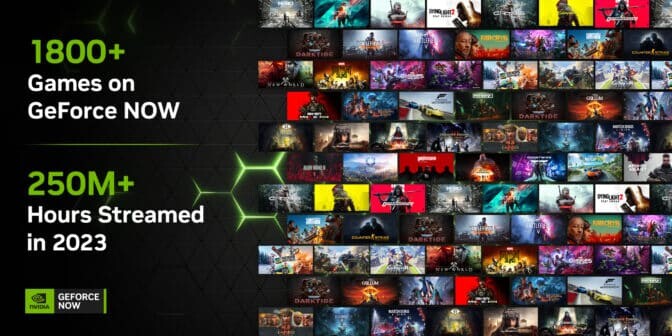
GeForce NOW Adds 20 New Titles This Month

Celebrate the new year with more cloud gaming. Experience the power and performance of the cloud with more than 20 new games to be added to GeForce NOW in January. Start with five games available this week, including The Finals from Embark Studios. And tune in to the NVIDIA Special Address at CES on Monday, Jan. 8, at 8 a.m. PT for the latest on gaming, AI-related news and more.

It's the Final Countdown
Fight for fame on the world's biggest stage with Embark Studios' The Finals. The free-to-play, multiplayer, first-person shooter is newly supported in the cloud this week, with RTX ON for the most cinematic lighting and visuals for GeForce NOW Ultimate and Priority members. In The Finals, take part in a deadly TV game show that pits contestants against each other as they battle for a huge reward. Fight alongside teammates in virtual arenas that can be altered, exploited and even destroyed. Manipulate the environment as a weapon itself and use it to take down other players. Drive viewers wild with thrilling combat and flair, using tricks like crashing a wrecking ball into opponents.

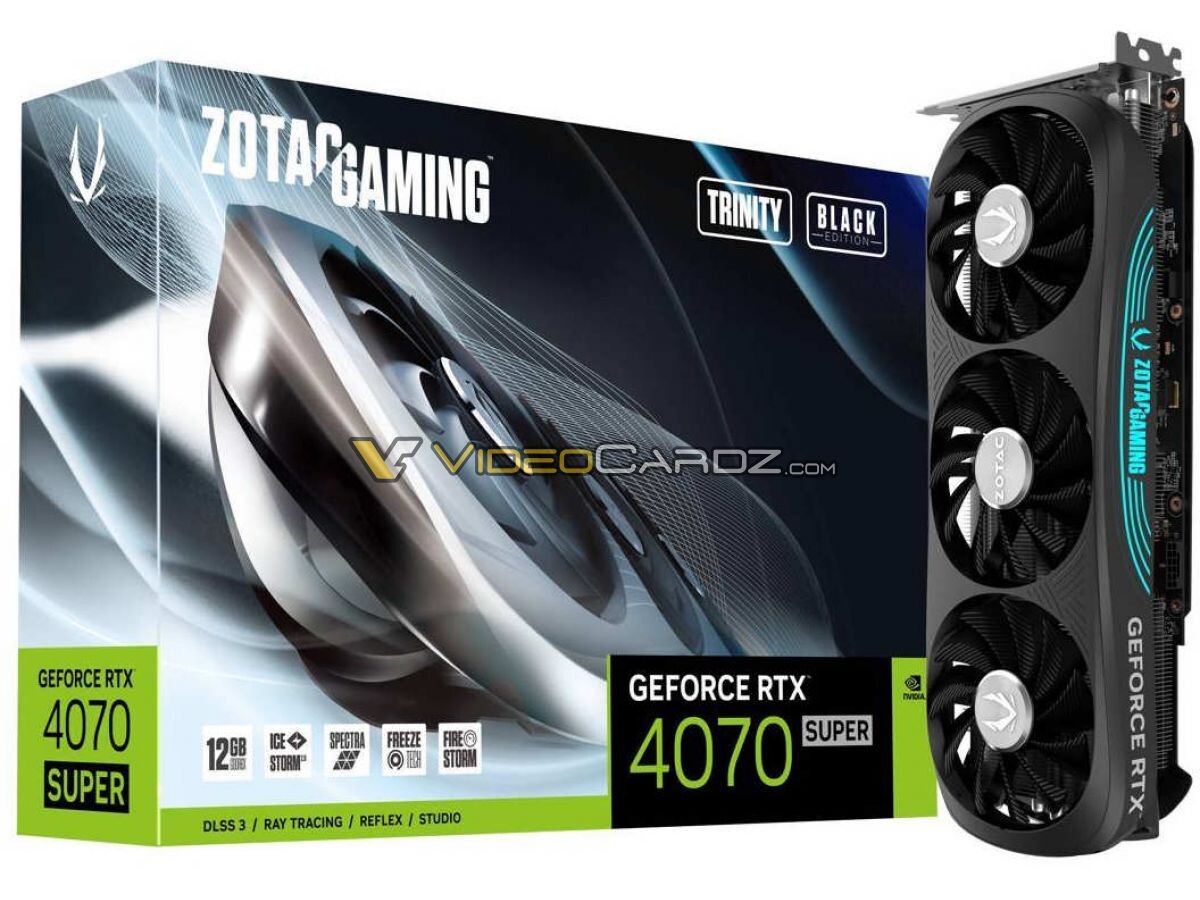
ZOTAC GeForce RTX 4070 SUPER Lineup Leaked

Pictures of ZOTAC's custom-design GeForce RTX 4070 SUPER graphics cards hit the web. These look, unsurprisingly, similar to the company's custom-design RTX 4070 and RTX 4070 Ti graphics cards, reusing existing cooler designs, with the exception being the new SKU markings on the boxes. It's what's on the silicon that counts. ZOTAC's custom RTX 4070 SUPER lineup includes the TwinEdge and TwinEdge OC at price points close to NVIDIA's baseline price; and a premium SKU in the form of the Trinity Black. There may be more SKUs than the pictures leaked, given that there is an RTX 4070 AMP AIRO.

The TwinEdge is a compact board design that covers the basics. It is 2 slots thick, although about a half inch taller than what constitutes "full height." The cooler features a compact aluminium fin-stack heatsink, which is ventilated by a pair of fans. Unlike the RTX 4070 TwinEdge, the RTX 4070 SUPER TwinEdge could replace the single 8-pin PCIe power connector with a 12VHPWR, given that the TGP of the GPU is rumored to be 220 W. The Trinity Black is a more high-end looking product, with a triple-slot cooler, a roughly 31 cm card length, and 12 cm height, if the RTX 4070 Ti Trinity Black is anything to go by.

LG Unveils Latest OLED evo TVs with 144 Hz Refresh Rate

LG Electronics (LG) is introducing the company's 2024 OLED TV lineup, taking home entertainment experience to a new level. Powered by the company's latest AI processor with 4-fold higher AI performance, these new additions to the OLED lineup deliver unparalleled viewing experiences with even more vibrant, lifelike picture quality.

Driven by a customer-centric approach, LG's "Sync to You, Open to All" vision expresses the company's aim to create personalized experiences for every lifestyle, with products that are accessible to all. To this end, LG's webOS smart TV platform provides tailored solutions and services with an expanded ecosystem featuring extended connectivity, offering unique encounters as a media and entertainment platform company to provide the ultimate TV experience for all.

AMD Withholds Radeon RX 7600 XT Launch in China Amid Strong RX 6750 GRE Sales

According to the latest round of reports, AMD has decided not to include China in the initial global launch of its upcoming Radeon RX 7600 XT graphics card. The RX 7600 XT, featuring 16 GB of memory and based on AMD's next-generation RDNA 3 architecture, was expected to launch soon at a price of around $300. However, the company is currently re-evaluating its Chinese GPU launch strategy due to the runaway success of its existing Radeon RX 6750 Golden Rabbit Edition (GRE) series in the region. The RX 6750 GRE cards with 10 GB and 12 GB configurations retail between $269-$289 in China, offering exceptional value compared to rival NVIDIA RTX models. AMD seems hesitant to risk undercutting sales of its popular RX 6750 GPUs by launching the newer 7600 XT.

While the RX 7600 XT promises more raw performance thanks to advanced RDNA 3 architecture, 6750 GRE, with its RDNA 2 design, seemingly remains efficient enough for most Chinese mainstream gamers. With the RX 6750 GRE still selling strongly in China, AMD has postponed the RX 7600 XT introduction for this key market. Final launch timelines for the 7600 XT in China and globally remain unconfirmed by AMD at time of writing. The company appears to be treading cautiously amidst the shifting competitive landscape.

NVIDIA Teases GeForce RTX 40-series SUPER for CES Unveiling

The Twitter handle of NVIDIA GeForce just updated its header picture, with that seems to us like the silhouette of its upcoming GeForce RTX 40-series SUPER graphics card. NVIDIA is expected to debut three new high-end graphics card SKUs at its CES event on January 8, with reviews and product availability of the three expected to go live in the following weeks. The lineup includes the RTX 4070 SUPER, the RTX 4070 Ti SUPER, and the RTX 4080 SUPER. Market availability of the three, according to older reports, pin them at January 17 for the RTX 4070 SUPER, January 24 for the RTX 4070 Ti SUPER, and January 31 for the RTX 4080 SUPER.

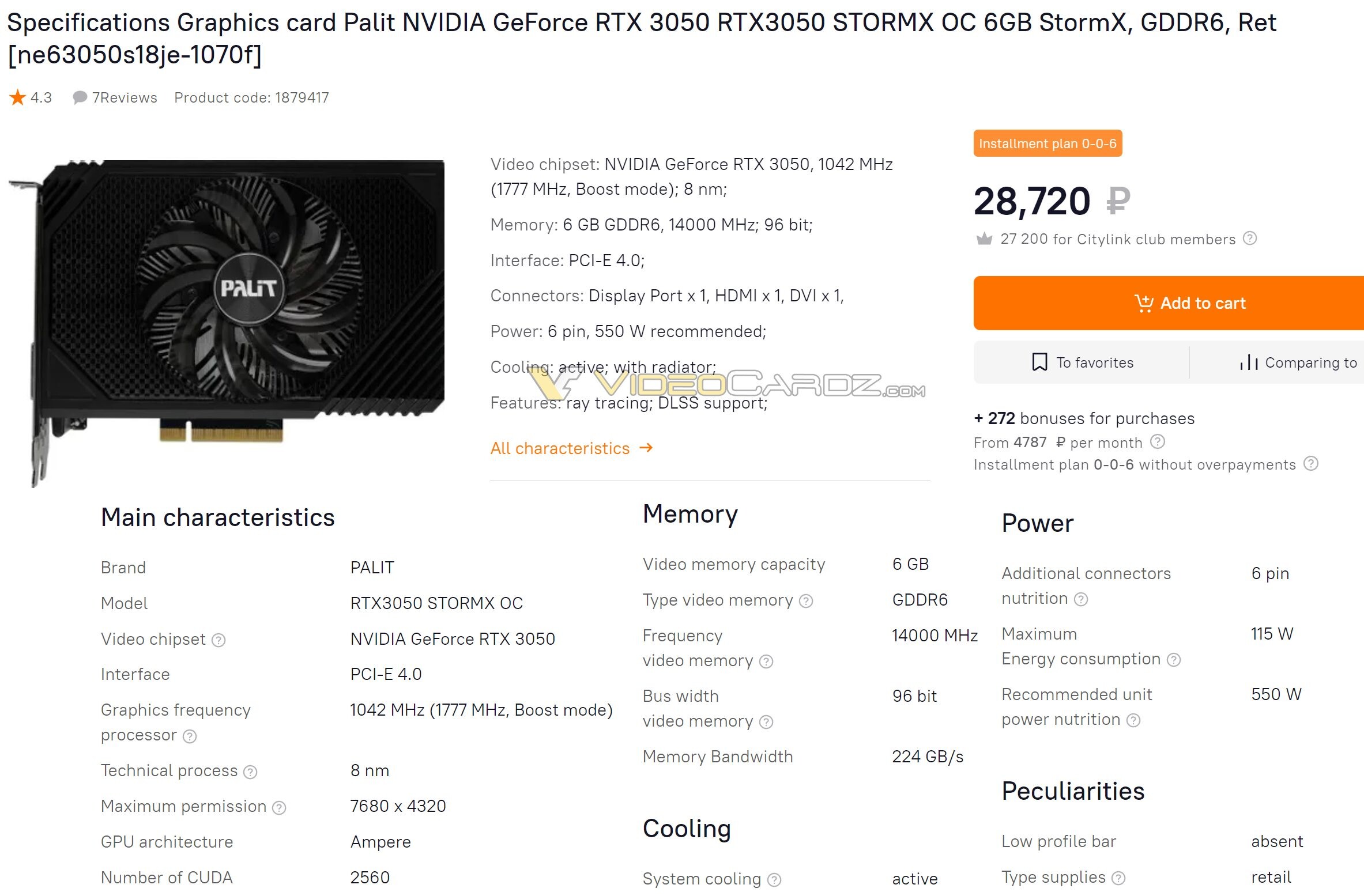
Palit Readies Fanless KalmX GeForce RTX 3050 6GB

Palit is preparing to bring back its fanless line of graphics cards, under the KalmX brand, with a fanless custom-design model planned for the upcoming GeForce RTX 3050 6 GB. NVIDIA is preparing to cap the bottom end of its product stack with the "new" GeForce RTX 3050 6 GB, a cut-down variant of the original 8 GB RTX 3050, with a TGP of around 70 W, enabling these to be fanless, and lack any additional power connectors (rely entirely on the PCIe slot power). VideoCardz fished out at least three RTX 3050 6 GB SKUs from Palit. These include the StormX OC (model: NE63050S18JE-1070F), StormX (model: NE63050018JE-1070F), and the KalmX (NE63050018JE-1070H). The three cards began appearing on Russian e-tailers, where they are priced at around 28,720 RUB (USD $320).

NVIDIA Releases GeForce 546.34 WHQL Drivers for RTX 4090D

NVIDIA has released the latest version of its GeForce graphics drivers, the GeForce 546.34 WHQL Game Ready drivers. The GeForce 546.34 WHQL Game Ready drivers bring the same game optimizations and fixes that were previously introduced with GeForce 546.33 WHQL drivers release, which include optimizations and support for DLSS 3 in THE FINALS and Squad games, as well as support for DLSS Super Resolution in Fortnite Chapter 5. The only new thing with this release is the support for the newly announced NVIDIA GeForce RTX 4090D graphics card released in China.

The list of fixes include muted colors when streaming gameplay with Discord and multiplication of the NVIDIA system tray icon whenever user is switched in Windows.

DOWNLOAD: NVIDIA GeForce 546.33 WHQL Game Ready Drivers

Update: The GeForce 546.34 WHQL Game Ready drivers only support the new GeForce RTX 4090D graphics card. For other graphics cards, you can download the GeForce 546.33 WHQL Game Ready drivers.

NVIDIA GeForce NOW Ends The Year With Over 40 New Titles

Before ringing in the new year, GeForce NOW is taking a look back at a 2023 full of top-notch gaming. Explore GeForce NOW's year in review, which brought more hit games, improved service features and the launch of the Ultimate membership tier. Plus, GFN Thursday is raising a toast to the GeForce NOW community by delivering more than 40 new games to stream from the cloud.

Wrapping It Up
It's been an amazing year of cloud gaming. The launch of the Ultimate tier brought high-performance cloud gaming across North America and Europe, streaming from newly rolled out GeForce RTX 4080 SuperPODs. For the first time in the cloud, members could stream up to 240 frames per second, or 4K 120 FPS on the native PC and Mac apps, and experience support for ultrawide resolutions for the smoothest and most immersive gameplay - all thanks to the powerful NVIDIA Ada Lovelace GPU architecture. To prove the power of the cloud, NVIDIA gave gamers the ultimate test of latency on KovaaK's, a latency-sensitive, first-person-shooter aim trainer.

NVIDIA's China-only GeForce RTX 4090D Launched with Fewer Shaders than Regular RTX 4090

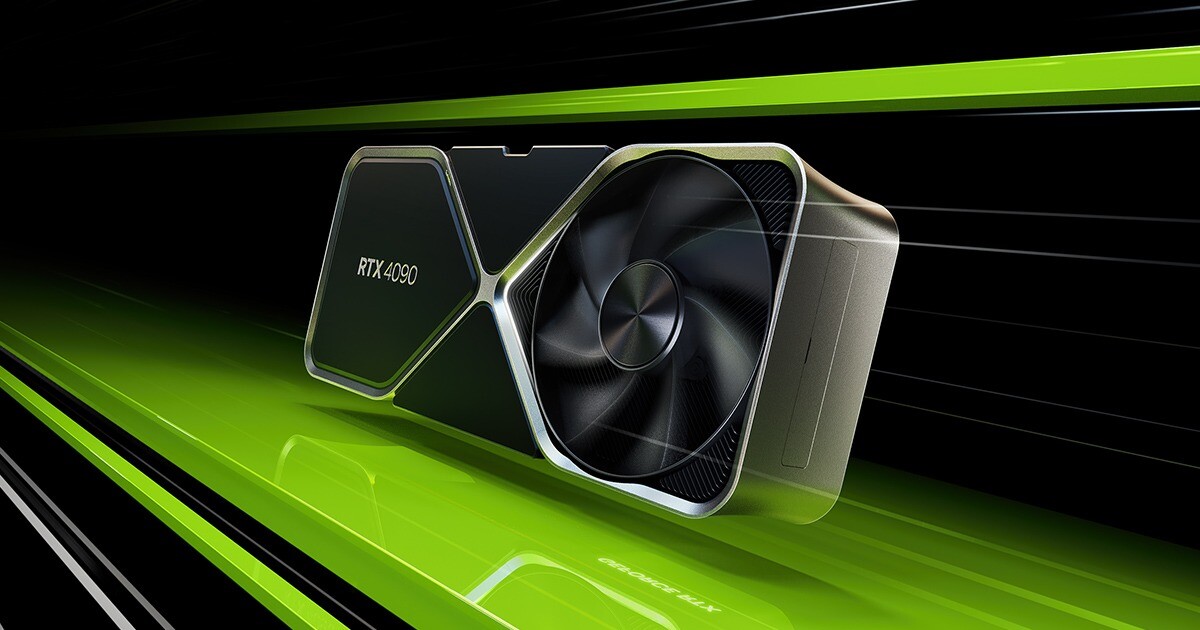
NVIDIA today formally launched the China-specific GeForce RTX 4090D graphics card for gaming and creator applications, after it was banned this October by the United States Federal Trade Commission from exporting the RTX 4090 (among other AI GPUs) to China. The RTX 4090D comes with a reduced AI inference performance than the RTX 4090 to comply with the US-FTC limits, and measures are put in place to prevent end-users from modifying it into a regular RTX 4090. Besides firmware and driver-level performance limiters, the card gets a completely different ASIC code, a different device ID (which prevents BIOS transplants from the RTX 4090); and a different core-configuration of the 5 nm "AD102" silicon itself.

The "AD102" silicon physically has 72 TPCs (144 SM), from which NVIDIA carved out the original RTX 4090 by enabling 64 TPCs (128 SM). The new RTX 4090D only gets 57 TPCs (114 SM), which reduces the counts of the CUDA cores, Tensor cores, and RT cores. While the original RTX 4090 has 16,384 CUDA cores, 512 Tensor cores, and 128 RT cores; the new RTX 4090D is configured with 14,592 CUDA cores, 456 Tensor cores, and 114 RT cores. The GPU clocks are the same, both boost up to 2.52 GHz, although the power limits are reduced, with the TGP lowered by 25 W. The memory sub-system appears untouched. We are also hearing that overclocking of the RTX 4090D will be limited, with lower slider limits—all to prevent end-users from regaining AI inference performance levels comparable to an RTX 4090. NVIDIA is pricing the RTX 4090D at a baseline price of RMB ¥12,999 ($1,840), which was the launch price of the original RTX 4090 in China, before it was scalped out of existence there.

Nerfed GeForce RTX 4090D for China to Launch Today

NVIDIA this October was barred by the US Federal Trade Commission from selling the GeForce RTX 4090 in the Chinese domestic market. The company scampered to create a China-specific variant of the RTX 4090 that would comply with the FTC's limits on the AI inference performance, while mostly being as fast as the regular RTX 4090 at gaming. The resulting product is the RTX 4090D. This card has significantly lower AI inference performance, probably due to a lower Tensor core count as VideoCardz reports, or a firmware based performance limiter similar to LHR (lite hashrate) GPUs during the peak of the crypto-scalping GPU shortage. This card goes on sale today. To prevent modding of this GPU back to a regular RTX 4090, it probably comes with a different device ID, and other barriers that prevent video BIOS from regular RTX 4090 from being transplanted over; and overclocking of the GPU is disabled beyond the maximum boost frequency advertised. The TGP has been lowered to 425 W, too.

NVIDIA RTX 4080 SUPER Sticks with AD103 Silicon, 16GB of 256-bit Memory

Recent placeholder listings of unreleased MSI RTX 40-series SUPER graphics cards seem to confirm that the RTX 4070 Ti SUPER is getting 16 GB of memory, likely across a 256-bit memory interface, as NVIDIA is tapping into the larger "AD103" silicon to create it. The company had maxed out the "AD104" silicon with the current RTX 4070 Ti. What's also interesting is that they point to the RTX 4080 SUPER having the same 16 GB of 256-bit memory as the RTX 4080. NVIDIA carved the current RTX 4080 out of the "AD103" by enabling 76 out of 80 SM (38 out of 40 TPCs). So it will be interesting to see if NVIDIA manages to achieve the performance goals of the RTX 4080 SUPER by simply giving it 512 more CUDA cores (from 9,728 to 10,240). The three other levers NVIDIA has at its disposal are GPU clocks, power limits, and memory speeds. The RTX 4080 uses 22.4 Gbps memory speed, which it can increase to 23 Gbps.

The current RTX 4080 has a TGP of 320 W, compared to the 450 W of the AD102-based RTX 4090, and RTX 4080 cards tend to include an NVIDIA-designed adapter that converts three 8-pin PCIe connectors to a 12VHPWR with signal pins denoting 450 W continuous power capability. In comparison, RTX 4090 cards include a 600 W capable adapter with four 8-pin inputs. Even with the 450 W capable adapter, NVIDIA has plenty of room to raise the TGP of the RTX 4080 SUPER up from the 320 W of the older RTX 4080, to increase GPU clocks besides maxing out the "AD103" silicon. NVIDIA is expected to announce the RTX 4070 Ti SUPER and RTX 4080 SUPER on January 8, with the RTX 4080 SUPER scheduled to go on sale toward the end of January.

Various MSI RTX 40-series SUPER Graphics Cards Get Placeholder Listings with E-Tailers

Unreleased MSI GeForce RTX 40-series SUPER graphics cards are beginning to show up on European online retailers, VideoCardz reports. These are placeholder listings, meaning that they're just there to feed the spiders and get customers to check back for pre-orders. A Swiss retailer has the MSI GeForce RTX 4080 SUPER listed at prices ranging between 1,230 CHF ($1,465) for the cheapest Ventus 3X model, and 1,355 CHF ($1,613) for the most premium SUPRIM X model. These prices are inclusive of 18% taxes, which points to the likelihood that the RTX 4080 SUPER has an NVIDIA MSRP of approximately $1,200, displacing the current RTX 4080 from its launch MSRP. The RTX 4080 can be occasionally seen listed for as low as $1,180.
Meanwhile, the RTX 4070 Ti SUPER is seeing its prices range from 992 CHF ($1,180, including taxes) for the cheapest model to 1,063 CHF ($1,265), pointing to the possibility of a $950 MSRP. This SKU might not displace the current RTX 4070 Ti from its $800 MSRP, with street prices starting at $790. Lastly, there's the RTX 4070 SUPER, starting at 777 CHF ($924) including taxes for the cheapest model, and 848 CHF ($1009) for the priciest one, which points to the likelihood of a $700 MSRP, which again, doesn't seem to be displacing the RTX 4070 from its $600 starting price. Again, placeholder prices tend to be wildly off the mark, and we'll only know what's on NVIDIA's mind on January 8, when it announces the three in its CES presentation.

NVIDIA to Address 2024 International CES on January 8, Possibly Announce SUPER

NVIDIA confirmed that it will address the 2024 International CES on January 8, at 8 am PT. This aligns perfectly with reports that the company is planning to refresh its GeForce RTX 40 series with the introduction of three new high-end graphics card SKUs, namely the RTX 4070 SUPER, RTX 4070 Ti SUPER, and the RTX 4080 SUPER. The three are expected to be announced in this address, with product launches across the following three weeks. NVIDIA might not confine its CES spotlight to GeForce RTX, and we can expect some action even in the data-center front, given that 2024 might see the company debut its "Blackwell" architecture. In the meantime, head over to the NVIDIA YouTube channel, where the stream's placeholder is up, and where you can set up a notification.

TSMC Plans to Put a Trillion Transistors on a Single Package by 2030

During the recent IEDM conference, TSMC previewed its process roadmap for delivering next-generation chip packages packing over one trillion transistors by 2030. This aligns with similar long-term visions from Intel. Such enormous transistor counts will come through advanced 3D packaging of multiple chipsets. But TSMC also aims to push monolithic chip complexity higher, ultimately enabling 200 billion transistor designs on a single die. This requires steady enhancement of TSMC's planned N2, N2P, N1.4, and N1 nodes, which are slated to arrive between now and the end of the decade. While multi-chipset architectures are currently gaining favor, TSMC asserts both packaging density and raw transistor density must scale up in tandem. Some perspective on the magnitude of TSMC's goals include NVIDIA's 80 billion transistor GH100 GPU—among today's largest chips, excluding wafer-scale designs from Cerebras.

Yet TSMC's roadmap calls for more than doubling that, first with over 100 billion transistor monolithic designs, then eventually 200 billion. Of course, yields become more challenging as die sizes grow, which is where advanced packaging of smaller chiplets becomes crucial. Multi-chip module offerings like AMD's MI300X and Intel's Ponte Vecchio already integrate dozens of tiles, with PVC having 47 tiles. TSMC envisions this expansion to chip packages housing more than a trillion transistors via its CoWoS, InFO, 3D stacking, and many other technologies. While the scaling cadence has recently slowed, TSMC remains confident in achieving both packaging and process breakthroughs to meet future density demands. The foundry's continuous investment ensures progress in unlocking next-generation semiconductor capabilities. But physics ultimately dictates timelines, no matter how aggressive the roadmap.

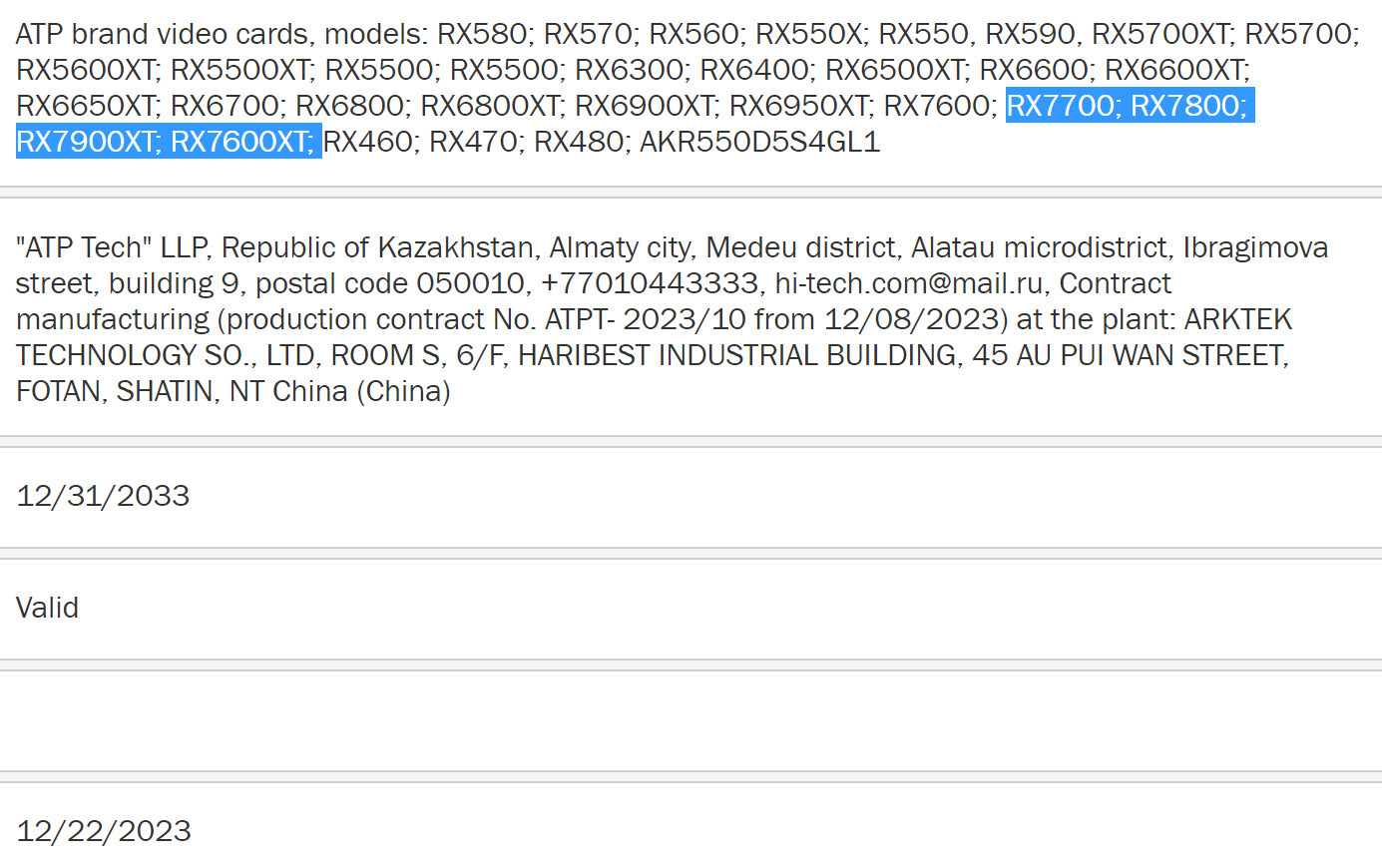
AMD Readies Radeon RX 7600 XT, RX 7700, and RX 7800

Even as NVIDIA inches close to the launch of its RTX 40-series SUPER graphics cards in January, AMD could be preparing a product stack update of its own. While NVIDIA's refresh focuses on the higher end of its lineup, AMD looks to spread out more into the mainstream-performance segments. A regulatory filing with the Eurasian Economic Commission mentions the terms "RX 7600 XT," "RX 7700," and "RX 7800," which fill gaps between the RX 7600, RX 7700 XT, and RX 7800 XT.

There exists a rather big gap between the $230 Radeon RX 7600 and the $450 RX 7700 XT, which AMD is looking to fill with the RX 7600 XT and RX 7700 (non-XT). How AMD goes about carving out these two will be interesting to see. The RX 7600 already maxes out the 6 nm "Navi 33" silicon that it's based on, which means to create the RX 7600 XT, AMD might have to tap into the larger (and much more expensive) "Navi 32" MCM. There is a vast gap between the 32 CU (compute units) available to the RX 7600, and the 54 CU that the RX 7700 XT has (while the silicon itself has 60). Besides CU count, AMD has other levers, such as the MCD (memory cache die) count, which could be down to just 2 for the RX 7600 XT, or 3 for the RX 7700. The Radeon RX 7800 is a different beast. AMD faced quite some flack for positioning the RX 7700 XT within $50 of the RX 7800 XT, and now the former can be had for a street price of roughly $430. To be able to squeeze the RX 7800 between the two, AMD might need to widen the gap by pushing the RX 7700 XT down.

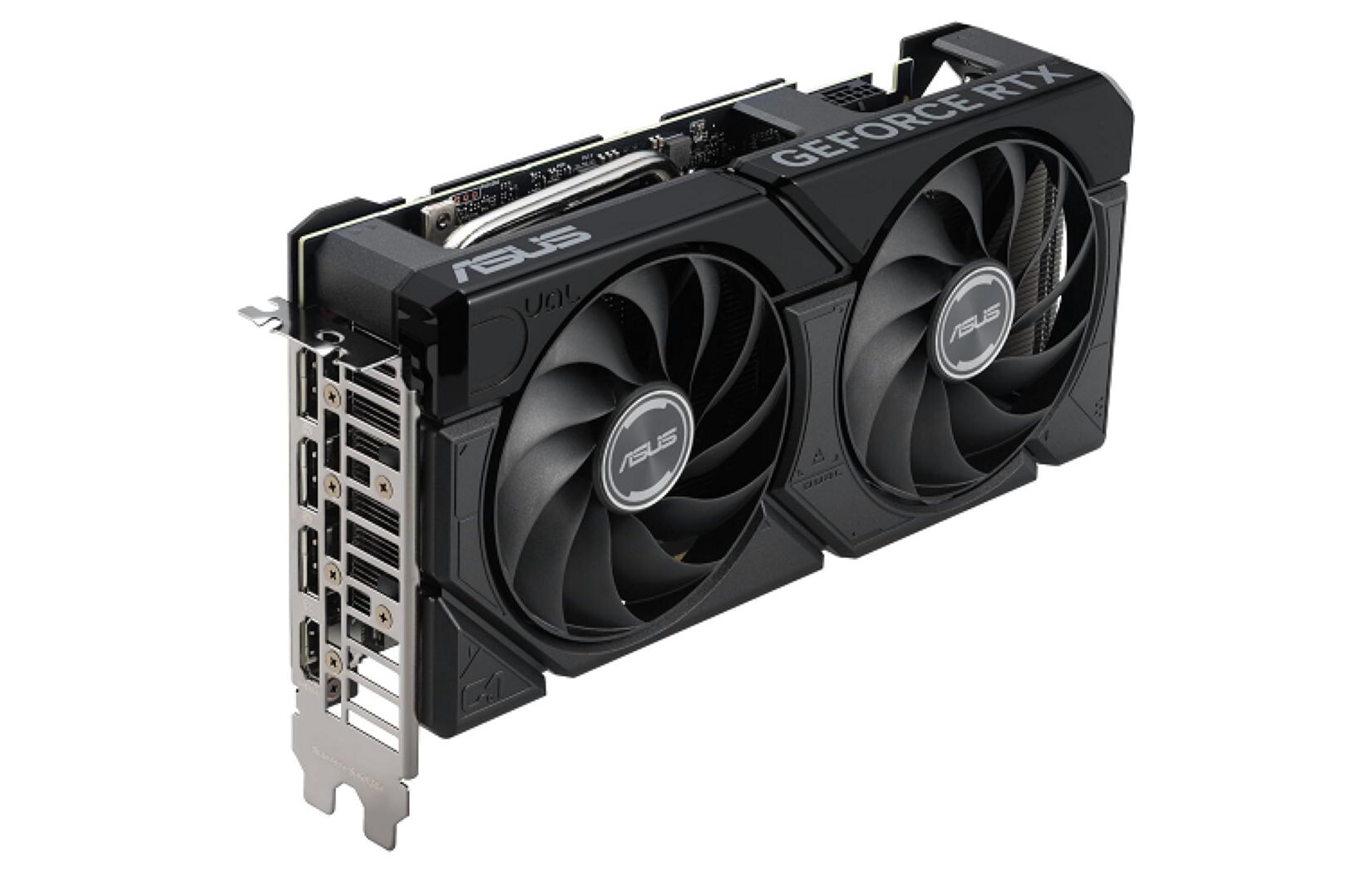
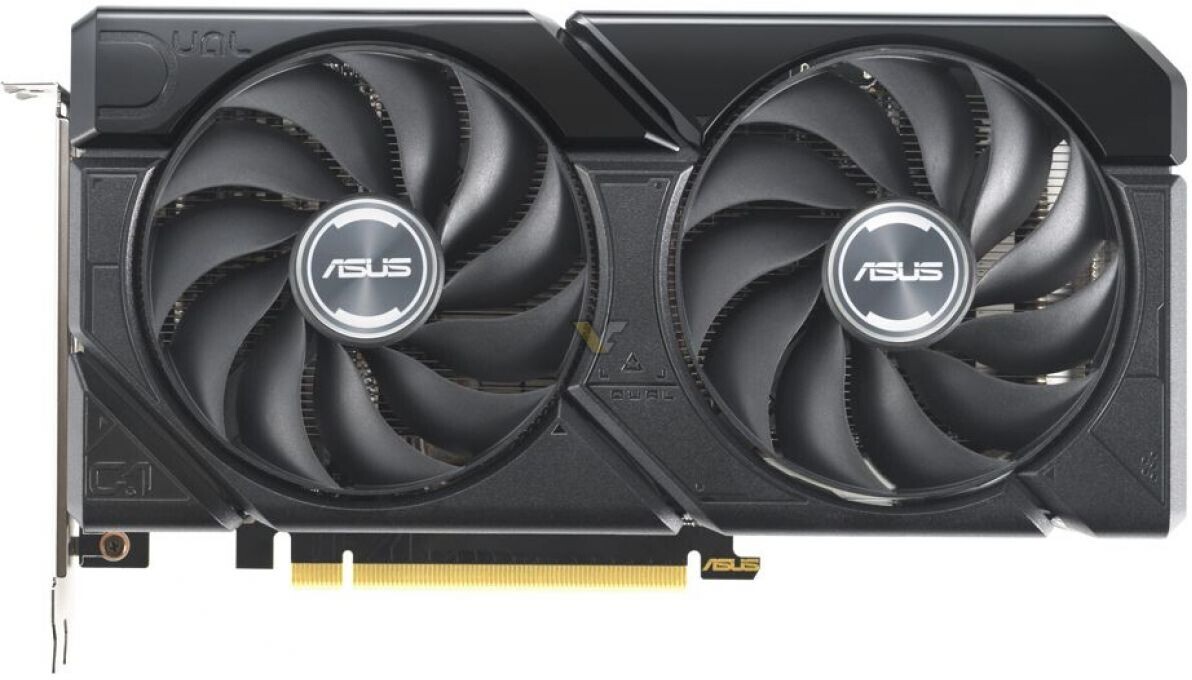
ASUS GeForce RTX 4070 SUPER Dual OC Snapped—Goodbye 8-pin

Here are some of the first pictures of the ASUS GeForce RTX 4070 SUPER Dual OC, the company's close-to-MSRP custom-design implementation of the upcoming RTX 4070 SUPER, which is expected to be announced on January 8, with reviews and retail availability a week later. The card very closely resembles the design of the RTX 4070 Dual OC, but with one major difference—the single 8-pin PCIe power connector makes way for a 16-pin 12VHPWR. Considering that the ASUS Dual OC series tends to come with a nominal factory OC at power limits matching NVIDIA reference, this is the first sign that the RTX 4070 SUPER in general might have typical graphics power (TGP) above what a single 8-pin could fulfill, and so we've given a 12VHPWR, just like every RTX 4070 Ti. The cards will include an NVIDIA-designed adapter that converts two 8-pin PCIe to a 12VHPWR, with its signal pins set to tell the graphics card that it can deliver 300 W of continuous power.

The GeForce RTX 4070 SUPER is based on the same AD104 silicon as the RTX 4070 and RTX 4070 Ti, with its ASIC code rumored to be "AD104-350." The SKU allegedly enables 56 out of 60 streaming multiprocessors (SM) present on the silicon, giving it 7,168 out of 7,680 CUDA cores. This is a big increase from the 5,888 CUDA cores (46 SM) that the vanilla RTX 4070 is configured with. The memory subsystem is expected to be unchanged from the RTX 4070 and RTX 4070 Ti—12 GB of 21 Gbps GDDR6X across a 192-bit memory interface; leaving NVIDIA with one possible lever, the ROP count. While the RTX 4070 Ti has 80 ROPs, the RTX 4070 has 64. It remains to be seen how many the RTX 4070 SUPER gets. Its rumored TGP of 225 W is behind the switch to 12VHPWR connectors.

NVIDIA GeForce RTX 50 Series "Blackwell" On Course for Q4-2024

NVIDIA's next-generation GeForce RTX 50-series "Blackwell" gaming GPUs are on course to debut toward the end of 2024, with a Moore's Law is Dead report pinning the launch to Q4-2024. This is an easy to predict timeline, as every GeForce RTX generation tends to have 2 years of market presence, with the RTX 40-series "Ada" having debuted in Q4-2022 (October 2022), and the RTX 30-series "Ampere" in late-Q3 2020 (September 2020).

NVIDIA's roadmap for 2024 sees a Q1 debut of the RTX 40-series SUPER, with three high-end SKUs refreshing the upper half of the RTX 40-series. The MLID report goes on to speculate that the generational performance uplift of "Blackwell" over "Ada" will be smaller still, than that of "Ada" over "Ampere." With AI HPC GPUs outselling gaming GPUs by 5:1 in terms of revenues, and AMD rumored to be retreating from the enthusiast segment for its next-gen RDNA4, we get to see why this is the case.

NVIDIA to Reveal New AI Innovations at CES 2024

In the lead-up to next month's CES trade show in Las Vegas, NVIDIA will unveil its latest advancements in artificial intelligence - including generative AI - and a spectrum of other cutting-edge technologies. Scheduled for Monday, Jan. 8, at 8 a.m. PT, the company's special address will be publicly streamed. Save the date and plan to tune in to the virtual address, which will focus on consumer technologies and robotics, on NVIDIA's website, YouTube or Twitch.

AI and NVIDIA technologies will be the focus of 14 conference sessions, including four at CES Digital Hollywood, "Reshaping Retail - AI Creating Opportunity," "Robots at Work" and "Cracking the Smart Car." And throughout CES, NVIDIA's story will be enriched by the presence of over 85 NVIDIA customers and partners.

Samsung and Naver Developing an AI Chip Claiming to be 8x More Power Efficient than NVIDIA H100

Naver, the firm behind the HyperCLOVA X large language model (LLM), has been working with Samsung Electronics toward the development of power-efficient AI accelerators. The collaboration brings Naver's expertise with Samsung's vast systems IP over silicon design, the ability to build complex SoCs, semiconductor fabrication, and its plethora of DRAM technologies. The two recently designed a proof of concept for an upcoming AI chip, which they iterated on an FPGA. Naver claims the AI chip it is co-developing with Samsung will be 8 times more energy efficient than an NVIDIA H100 AI accelerator, but did not elaborate on its actual throughput. Its solution, among other things, leverages energy-efficient LPDDR memory from Samsung. The two companies have been working on this project since December 2022.

Autistic Lapsus$ Hacker Who Leaked GTA 6 Clips Sentenced to Life in a Hospital

18-year old Arion Kurtaj from Oxford, UK, was a key member of the international hacking gang Lapsus$, which, among several cases of cyber crime against tech giants, has been behind the recent leak of the Grand Theft Auto VI video clips, ahead of the official trailer by Rockstar Games. Over the years, Lapsus$ hit big tech companies, including Rockstar Games, NVIDIA, and Uber, with their exploits assessed to have caused these companies about $10 million in losses. In an interesting twist to the case, the Kurtaj was deemed by doctors unfit to stand trial as he is severely autistic, and so the jury in the case was asked to determine only whether or not he committed the acts of cyber crime, and not if he did so with criminal intent.

The judge hearing the case said Kurtaj's skills and desire to commit cyber crime meant he remained a high risk to the public. While on bail from his previous arrest for hacking NVIDIA and UK telecommunication giants EE and BT, and in police protection in a hotel, Kurtaj pulled off his most daring hack of breaching Rockstar Games, using only an Amazon Firestick, his hotel's TV, and a mobile phone. He stole 90 clips of unreleased footage from gameplay of Grand Theft Auto VI. He also broke into Rockstar's internal Slack channel, threatening to leak the game's source code if the studio didn't contact him within 24 hours. He was immediately re-arrested and in lock-up until his trial. Rockstar Games told the court that it cost the company $5 million to recover from the hack, in staff billable hours.

NVIDIA GeForce NOW Gets 12 New Titles This Week

Time to gear up, hunters - Capcom's Monster Hunter: World joins the GeForce NOW library, bringing members the ultimate hunting experience on any device. It's all part of an adventurous week, with nearly a dozen new games joining the cloud gaming service.

A Whole New World
Join the Fifth Fleet on an epic adventure to the New World, a land full of monstrous creatures, in the acclaimed action role-playing game (RPG) Monster Hunter: World. It's the latest in the series to join the cloud, following Monster Hunter Rise. Members can unleash their inner hunter and slay ferocious monsters in a living, breathing ecosystem. Explore the unique landscape and encounter diverse monster inhabitants in ferocious hunting battles. Hunt alone or with up to three other players, and use materials collected from fallen foes to craft new gear and take on bigger, badder beasts. Step up to the Quest Board and hunt monsters in the cloud at up to 4K resolution and 120 frames per second as an Ultimate member - or discover the New World at ultrawide resolutions. Members don't need to wait for downloads or worry about storage space, and can take the action with them across nearly all devices.

Intel Should be Leading the AI Hardware Market: Pat Gelsinger on NVIDIA Getting "Extraordinarily Lucky"

Intel CEO Pat Gelsinger considers NVIDIA "extraordinarily lucky" to be leading the AI hardware industry. In a recent public discussion with the students of MIT's engineering school to discuss the state of the semiconductor industry, Gelsinger said that Intel should be the one to be leading AI, but instead NVIDIA got lucky. We respectfully disagree. What Gelsinger glosses over with this train of thought is how NVIDIA got here. What NVIDIA has in 2023 is the distinction of being one of the hottest tech stocks behind Apple, the highest market share in a crucial hardware resource driving the AI revolution, and of course the little things, like market leadership over the gaming GPU market. What it doesn't have, is access to the x86 processor IP.

NVIDIA has, for long, aspired to be a CPU company, right from its rumored attempt to merge with AMD in the early/mid 2000s, to its stint with smartphone application processors with Tegra, an assortment of Arm-based products along the way, and most recently, its spectacularly unsuccessful attempt to acquire Arm from Softbank. Despite limited luck with the CPU industry, to level up to Intel, AMD, or even Qualcomm and MediaTek; NVIDIA never lost sight of its goal to be a compute hardware superpower, which is why, in our opinion, it owns the AI hardware market. NVIDIA isn't lucky, it spent 16 years getting here.

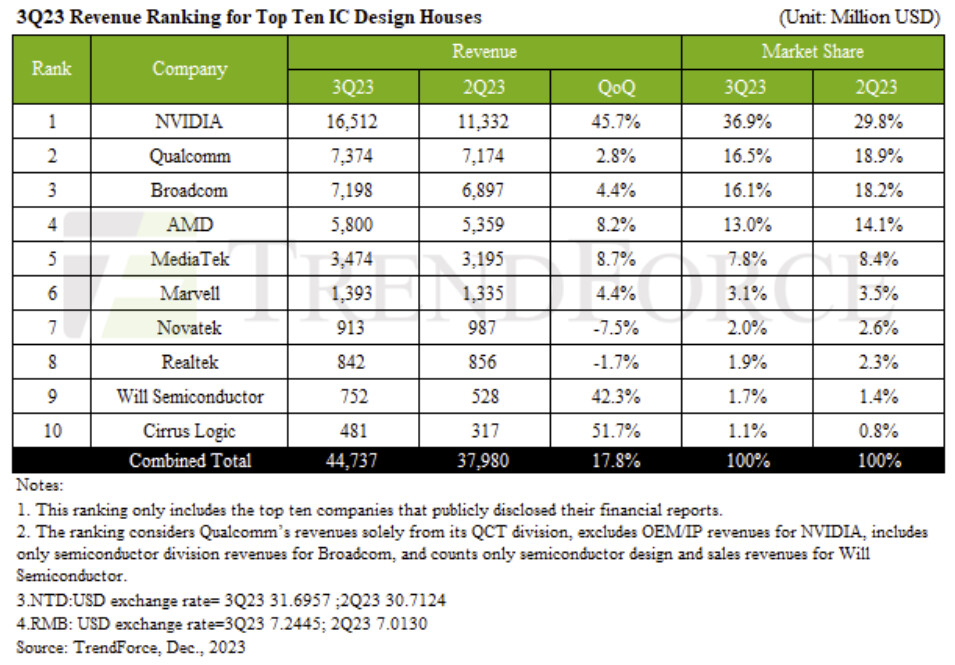
Top Ten IC Design Houses Ride Wave of Seasonal Consumer Demand and Continued AI Boom to See 17.8% Increase in Quarterly Revenue in 3Q23

TrendForce reports that 3Q23 has been a historic quarter for the world's leading IC design houses as total revenue soared 17.8% to reach a record-breaking US$44.7 billion. This remarkable growth is fueled by a robust season of stockpiling for smartphones and laptops, combined with a rapid acceleration in the shipment of generative AI chips and components. NVIDIA, capitalizing on the AI boom, emerged as the top performer in revenue and market share. Notably, analog IC supplier Cirrus Logic overtook US PMIC manufacturer MPS to snatch the tenth spot, driven by strong demand for smartphone stockpiling.

NVIDIA's revenue soared 45.7% to US$16.5 billion in the third quarter, bolstered by sustained demand for generative AI and LLMs. Its data center business—accounting for nearly 80% of its revenue—was a key driver in this exceptional growth.

Intel Preparing Habana "Gaudi2C" SKU for the Chinese AI Market

Intel's software team has added support in its open-source Linux drivers for an unannounced Habana "Gaudi2C" AI accelerator variant. Little is documented about the mystery Gaudi2C, which shares a core identity with Intel's flagship Gaudi2 data center training and inference chip, otherwise broadly available. The new revision is distinguished only by a PCI ID of "3" in the latest patch set for Linux 6.8. Speculations circulate that Gaudi2C may be a version tailored to meet China-specific demands, similar to Intel's Gaudi2 HL-225B SKU launched in July with reduced interconnect links. With US export bans restricting sales of advanced hardware to China, including Intel's leading Gaudi2 products, creating reduced-capability spinoffs that meet export regulations lets Intel maintain crucial Chinese revenue.

Meanwhile, Intel's upstream Linux contributions remain focused on hardening Gaudi/Gaudi2 support, now considered "very stable" by lead driver developer Oded Gabbay. Minor new additions reflect maturity, not instability. The open-sourced foundations contrast NVIDIA's proprietary driver model, a key Intel competitive argument for service developers using Habana Labs hardware. With the SynapseAI software suite reaching stability, some enterprises could consider Gaudi accelerators as an alternative to NVIDIA. And with Gaudi3 arriving next year, the ecosystem will get a better competitive advantage with increased performance targets.
Return to Keyword Browsing
Nov 27th, 2026 20:19 CST change timezone

New Forum Posts

Popular Reviews

TPU on YouTube

Controversial News Posts