News Posts matching #NVIDIA

Return to Keyword Browsing

NVIDIA Introduces Generative AI Foundry Service on Microsoft Azure for Enterprises and Startups Worldwide

NVIDIA today introduced an AI foundry service to supercharge the development and tuning of custom generative AI applications for enterprises and startups deploying on Microsoft Azure.

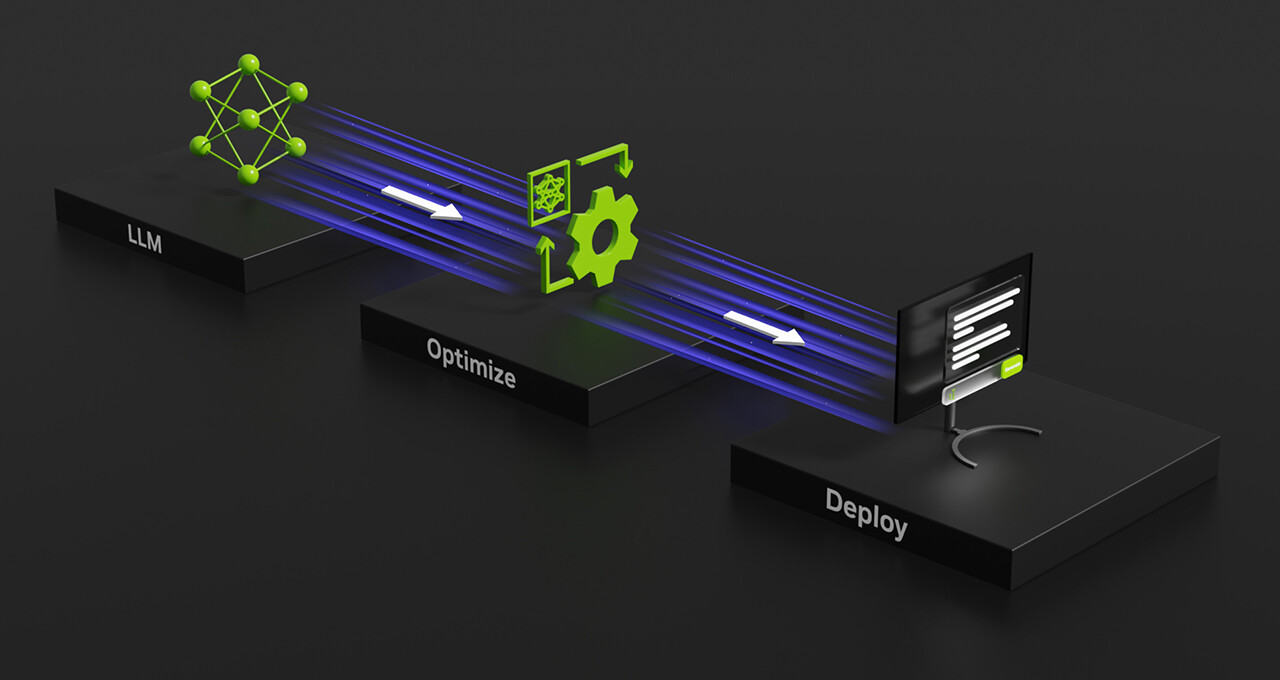
The NVIDIA AI foundry service pulls together three elements—a collection of NVIDIA AI Foundation Models, NVIDIA NeMo framework and tools, and NVIDIA DGX Cloud AI supercomputing services—that give enterprises an end-to-end solution for creating custom generative AI models. Businesses can then deploy their customized models with NVIDIA AI Enterprise software to power generative AI applications, including intelligent search, summarization and content generation.

NVIDIA Announces up to 5x Faster TensorRT-LLM for Windows, and ChatGPT API-like Interface

Even as CPU vendors are working to mainstream accelerated AI for client PCs, and Microsoft setting the pace for more AI in everyday applications with Windows 11 23H2 Update; NVIDIA is out there reminding you that every GeForce RTX GPU is an AI accelerator. This is thanks to its Tensor cores, and the SIMD muscle of the ubiquitous CUDA cores. NVIDIA has been making these for over 5 years now, and has an install base of over 100 million. The company is hence focusing on bring generative AI acceleration to more client- and enthusiast relevant use-cases, such as large language models.

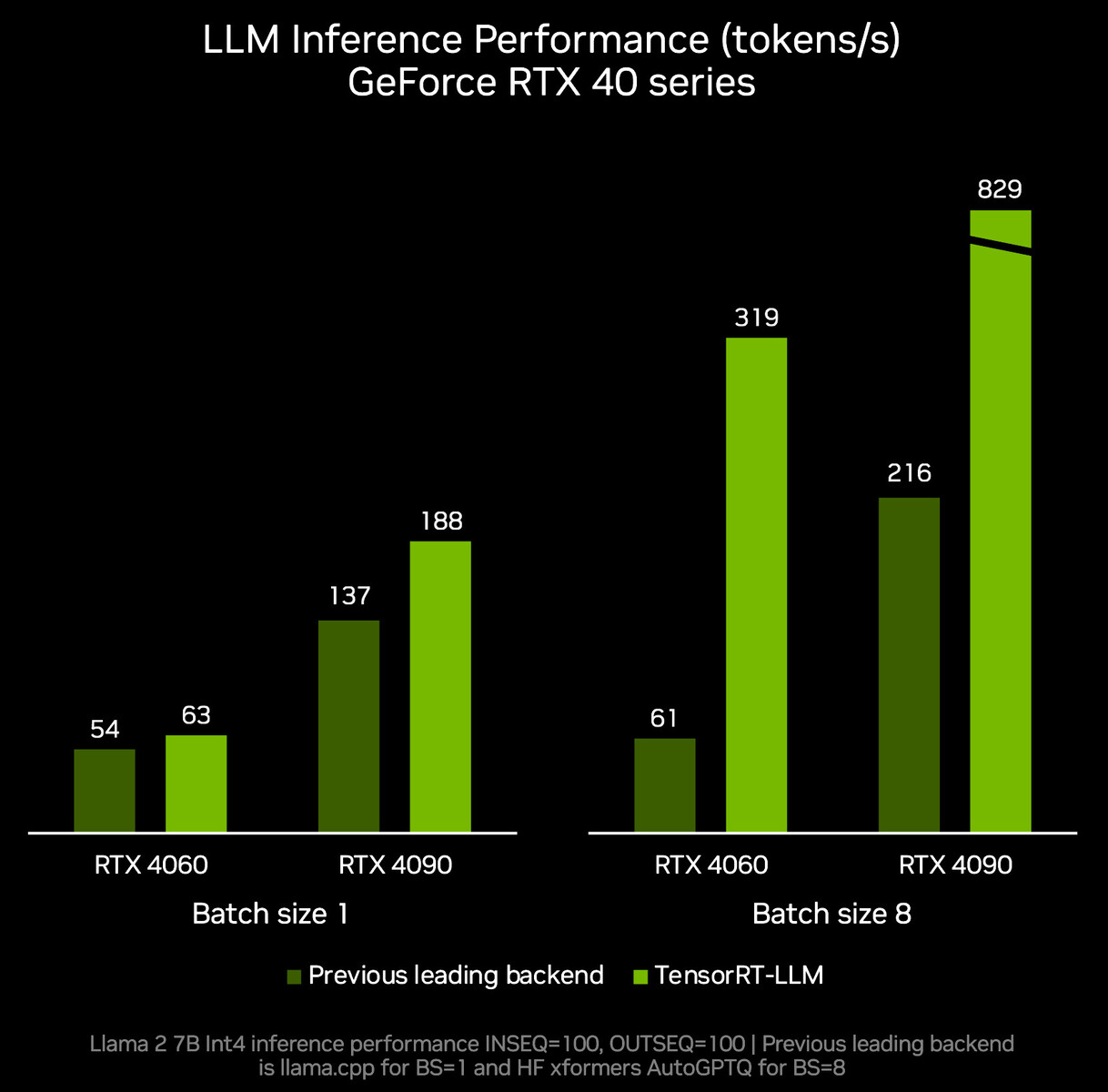
NVIDIA at the Microsoft Ignite event announced new optimizations, models, and resources to bring accelerated AI to everyone with an NVIDIA GPU that meets the hardware requirements. To begin with, the company introduced an update to TensorRT-LLM for Windows, a library that leverages NVIDIA RTX architecture for accelerating large language models (LLMs). The new TensorRT-LLM version 0.6.0 will release later this month, and improve LLM inference performance by up to 5 times in terms of tokens per second, when compared to the initial release of TensorRT-LLM from October 2023. In addition, TensorRT-LLM 0.6.0 will introduce support for popular LLMs, including Mistral 7B and Nemtron-3 8B. Accelerating these two will require a GeForce RTX 30-series "Ampere" or 40-series "Ada" GPU with at least 8 GB of main memory.

NVIDIA DLSS Coming to Desynced, Warhammer Age of Sigmar: Realms of Ruin, and More Games

Each week, we bring you news of the latest DLSS and RTX integrations in games and apps. Last week, Call of Duty: Modern Warfare III launched with DLSS 3, and Like A Dragon Gaiden: The Man Who Erased His Name with DLSS 2. This week, Desynced adds support for DLSS 3, Warhammer Age of Sigmar: Realms of Ruin arrives with DLSS 2, the DLSS 2-enhanced Earth: Revival Open Beta begins, and the DLSS 3-enhanced Remnant II gets even better with the launch of The Awakened King DLC later today. Additionally, Starfield's Steam beta update is now available with DLSS 3, DLAA and NVIDIA Reflex, ahead of its official release at a later date.

Desynced Update Adds DLSS 3 On November 16th
Desynced is an Early Access sci-fi strategy game with fully customizable units and behaviors, from Stage Games Inc. and Forklift Interactive. Gather, build, research, and explore the unknown. Alone or with friends, unveil the mystery of an AI on the edge of self-awareness and uncover the hidden truth in this blend of strategy, automation, and exploration.

TOP500 Update: Frontier Remains No.1 With Aurora Coming in at No. 2

The 62nd edition of the TOP500 reveals that the Frontier system retains its top spot and is still the only exascale machine on the list. However, five new or upgraded systems have shaken up the Top 10.

Housed at the Oak Ridge National Laboratory (ORNL) in Tennessee, USA, Frontier leads the pack with an HPL score of 1.194 EFlop/s - unchanged from the June 2023 list. Frontier utilizes AMD EPYC 64C 2GHz processors and is based on the latest HPE Cray EX235a architecture. The system has a total of 8,699,904 combined CPU and GPU cores. Additionally, Frontier has an impressive power efficiency rating of 52.59 GFlops/watt and relies on HPE's Slingshot 11 network for data transfer.

NVIDIA Releases GeForce 546.17 WHQL Game Ready Drivers

NVIDIA has released the latest version of its GeForce graphics drivers, the GeForce 546.17 WHQL. The new drivers are once again Game Ready drivers for Call of Duty: Modern Warfare III but also add optimizations for DLSS 3 in Starfield game.

The new GeForce 546.17 WHQL drivers also fixes several game bugs including stability and performance degradation issues in Alan Wake 2, bring an improved functionality and performance for NVIDIA Reflex in Counter Strike 2, fixes stuttering issues on some Advanced Optimus notebooks in Starfield and Cyberpunk 2077, and fixes stability issues in Control. The new drivers also fix several general bugs which can be seen in the release notes.

DOWNLOAD: NVIDIA GeForce 546.17 WHQL

ASRock Rack Announces Support of NVIDIA H200 GPUs and GH200 Superchips and Highlights HPC and AI Server Platforms at SC 23

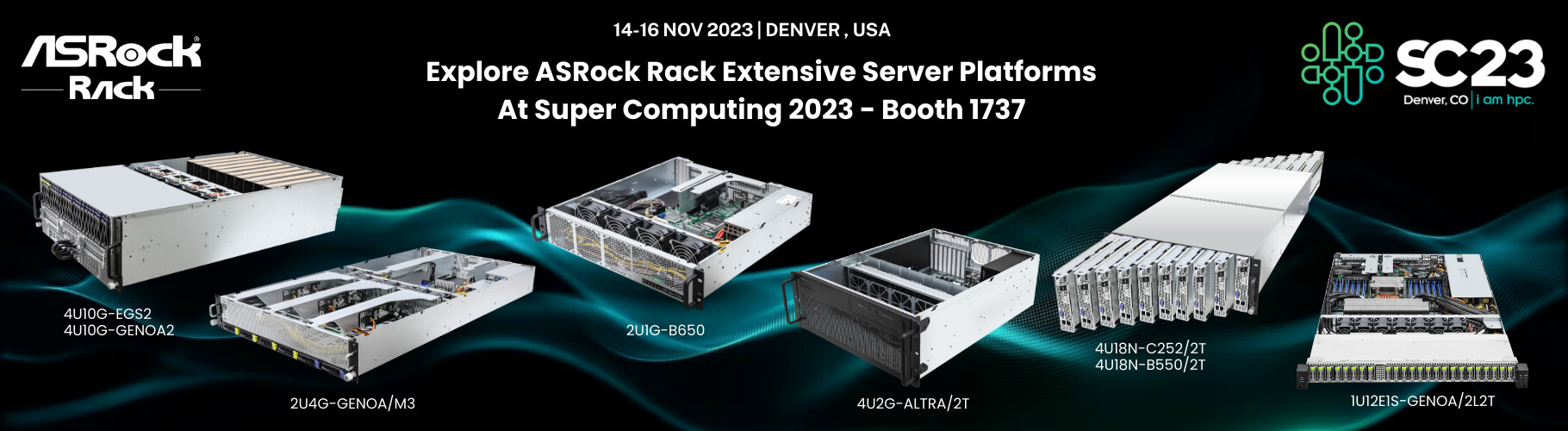
ASRock Rack Inc., the leading innovative server company, today is set to showcase a comprehensive range of servers for diverse AI workloads catering to scenarios from the edge, on-premises, and to the cloud at booth #1737 at SC 23 held at the Colorado Convention Center in Denver, USA. The event is from November 13th to 16th, and ASRock Rack will feature the following significant highlights:

At SC 23, ASRock Rack will demonstrate the NVIDIA-Qualified 2U4G-GENOA/M3 and 4U8G series GPU server solutions along with the NVIDIA H100 PCIe. The ASRock Rack 4U8G and 4U10G series GPU servers are able to accommodate eight to ten 400 W dual-slot GPU cards and 24 hot-swappable 2.5" drives, designed to deliver exceptional performance for demanding AI workloads deployed in the cloud environment. The 2U4G-GENOA/M3, tailored for lighter workloads, is powered by a single AMD EPYC 9004 series processor and is able to support four 400 W dual-slot GPUs while having additional PCIe and OCP NIC 3.0 slots for expansions.

Lenovo Announces the ThinkStation P8 Powered by AMD Ryzen Threadripper PRO 7000 WX-Series and NVIDIA RTX Graphics

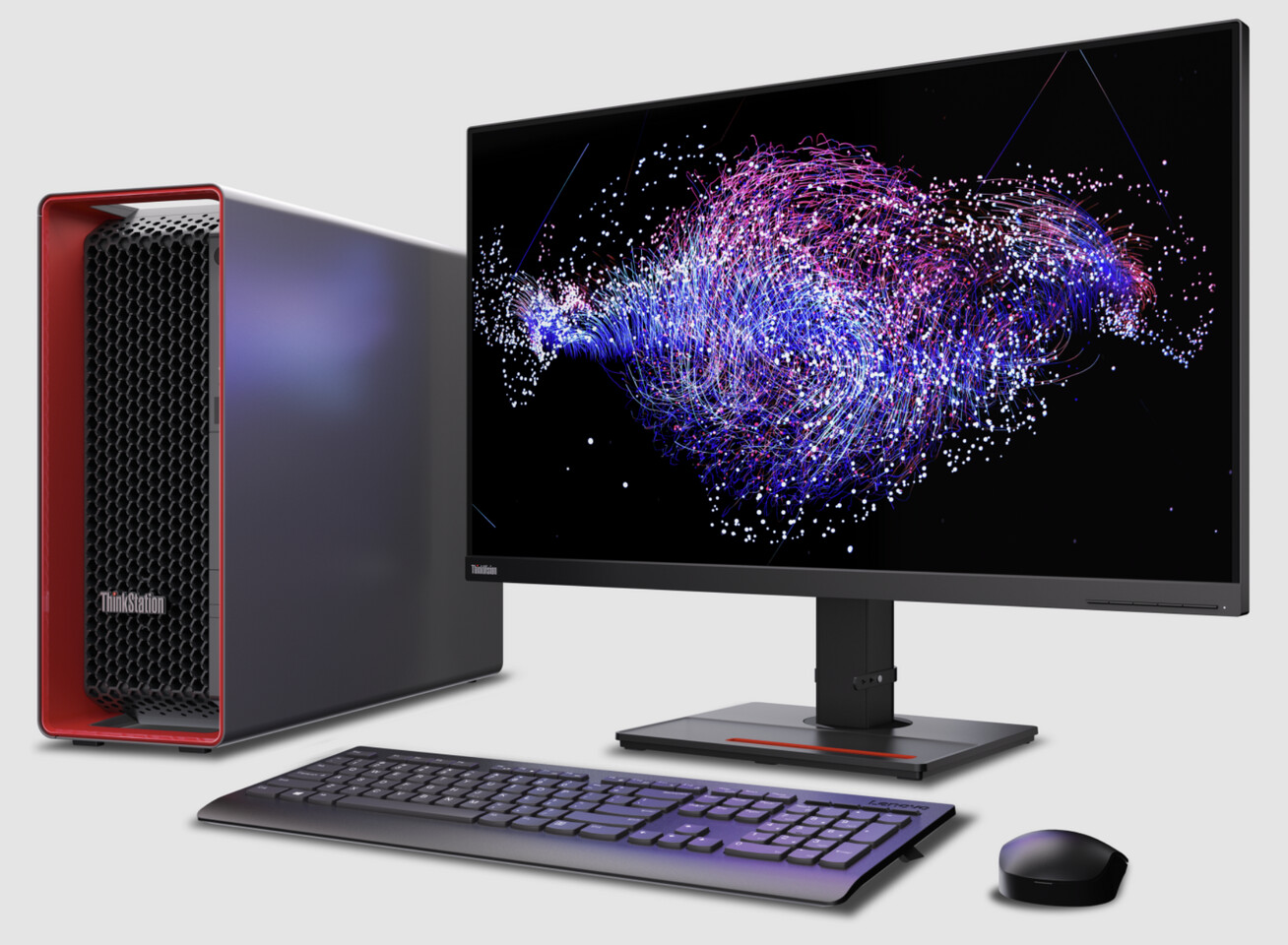
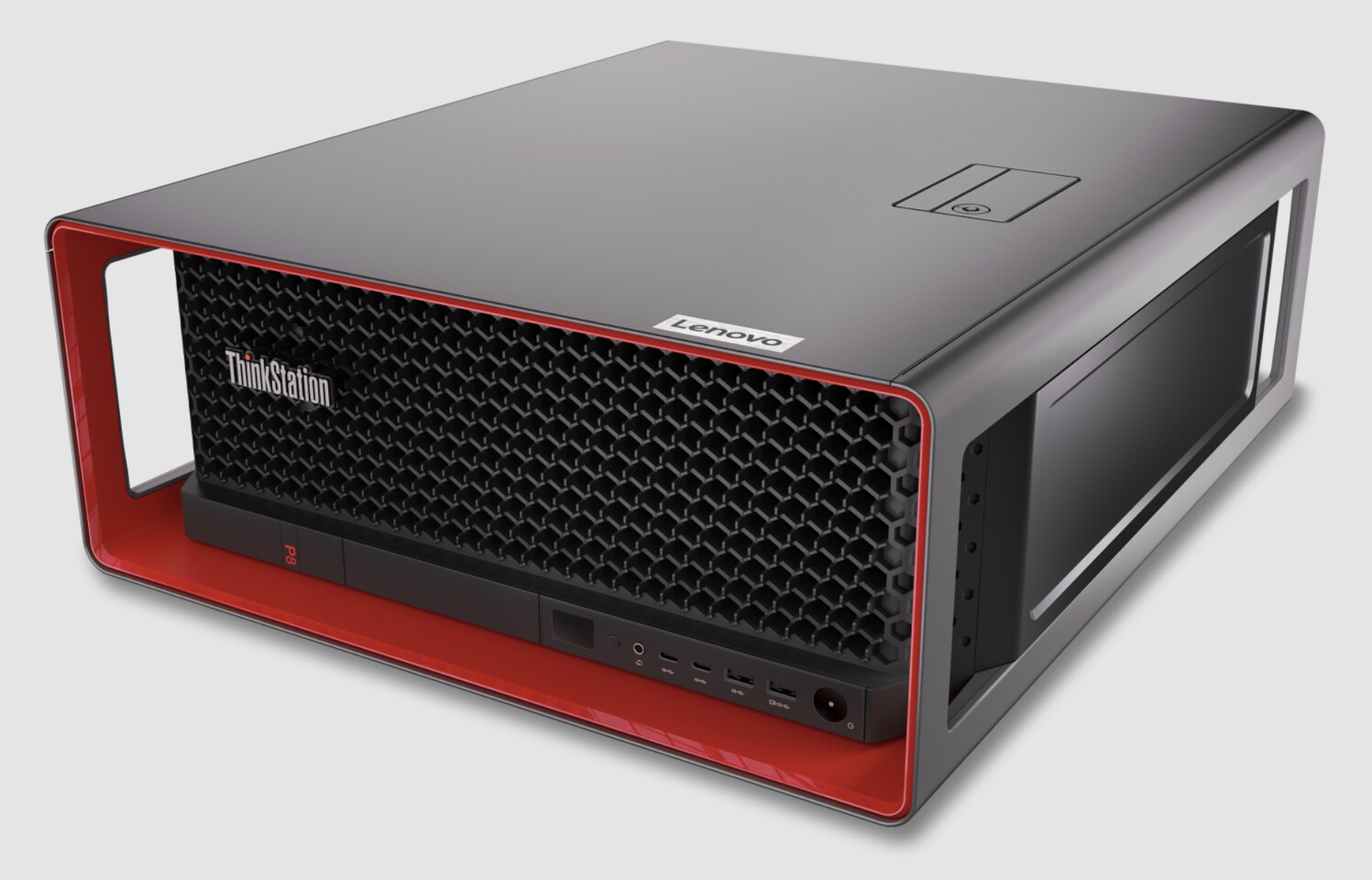
Today, Lenovo announced the new ThinkStation P8 tower workstation powered by AMD Ryzen Threadripper PRO 7000 WX-Series processors and NVIDIA RTX GPUs. Designed to deliver unparalleled performance, reliability and flexibility for professionals who demand the best from their workstations, the bold new ThinkStation P8 builds on the success of the award-winning P620, the world's first workstation powered by AMD Ryzen Threadripper PRO processors. Featuring an optimized thermal design in a versatile Aston Martin inspired chassis, the ThinkStation P8 combines Lenovo's legendary reliability, customer experience and innovation with breakthrough compute architecture courtesy of AMD and NVIDIA. ThinkStation P8 raises the bar for intense workloads across multiple segments focused on outcome-based workflow agility.

"At Lenovo, we understand that our customers need high-quality workstations that can adapt to their changing and diverse needs. That's why we collaborated with AMD and NVIDIA to create the ThinkStation P8, a workstation that combines power, flexibility and enterprise-grade features," said Rob Herman, vice president and general manager, Workstation and Client AI Business Unit, Lenovo. "Designed to offer unparalleled performance and scalability, whether to run complex simulations, render stunning visuals, or develop cutting-edge AI applications, the ThinkStation P8 can handle it all. And with Lenovo's certifications, security and support, you can trust that the ThinkStation P8 will exceed expectations."

Supermicro Expands AI Solutions with the Upcoming NVIDIA HGX H200 and MGX Grace Hopper Platforms Featuring HBM3e Memory

Supermicro, Inc., a Total IT Solution Provider for AI, Cloud, Storage, and 5G/Edge, is expanding its AI reach with the upcoming support for the new NVIDIA HGX H200 built with H200 Tensor Core GPUs. Supermicro's industry leading AI platforms, including 8U and 4U Universal GPU Systems, are drop-in ready for the HGX H200 8-GPU, 4-GPU, and with nearly 2x capacity and 1.4x higher bandwidth HBM3e memory compared to the NVIDIA H100 Tensor Core GPU. In addition, the broadest portfolio of Supermicro NVIDIA MGX systems supports the upcoming NVIDIA Grace Hopper Superchip with HBM3e memory. With unprecedented performance, scalability, and reliability, Supermicro's rack scale AI solutions accelerate the performance of computationally intensive generative AI, large language Model (LLM) training, and HPC applications while meeting the evolving demands of growing model sizes. Using the building block architecture, Supermicro can quickly bring new technology to market, enabling customers to become more productive sooner.

Supermicro is also introducing the industry's highest density server with NVIDIA HGX H100 8-GPUs systems in a liquid cooled 4U system, utilizing the latest Supermicro liquid cooling solution. The industry's most compact high performance GPU server enables data center operators to reduce footprints and energy costs while offering the highest performance AI training capacity available in a single rack. With the highest density GPU systems, organizations can reduce their TCO by leveraging cutting-edge liquid cooling solutions.

GIGABYTE Demonstrates the Future of Computing at Supercomputing 2023 with Advanced Cooling and Scaled Data Centers

GIGABYTE Technology, Giga Computing, a subsidiary of GIGABYTE and an industry leader in high-performance servers, server motherboards, and workstations, continues to be a leader in cooling IT hardware efficiently and in developing diverse server platforms for Arm and x86 processors, as well as AI accelerators. At SC23, GIGABYTE (booth #355) will showcase some standout platforms, including for the NVIDIA GH200 Grace Hopper Superchip and next-gen AMD Instinct APU. To better introduce its extensive lineup of servers, GIGABYTE will address the most important needs in supercomputing data centers, such as how to cool high-performance IT hardware efficiently and power AI that is capable of real-time analysis and fast time to results.

Advanced Cooling
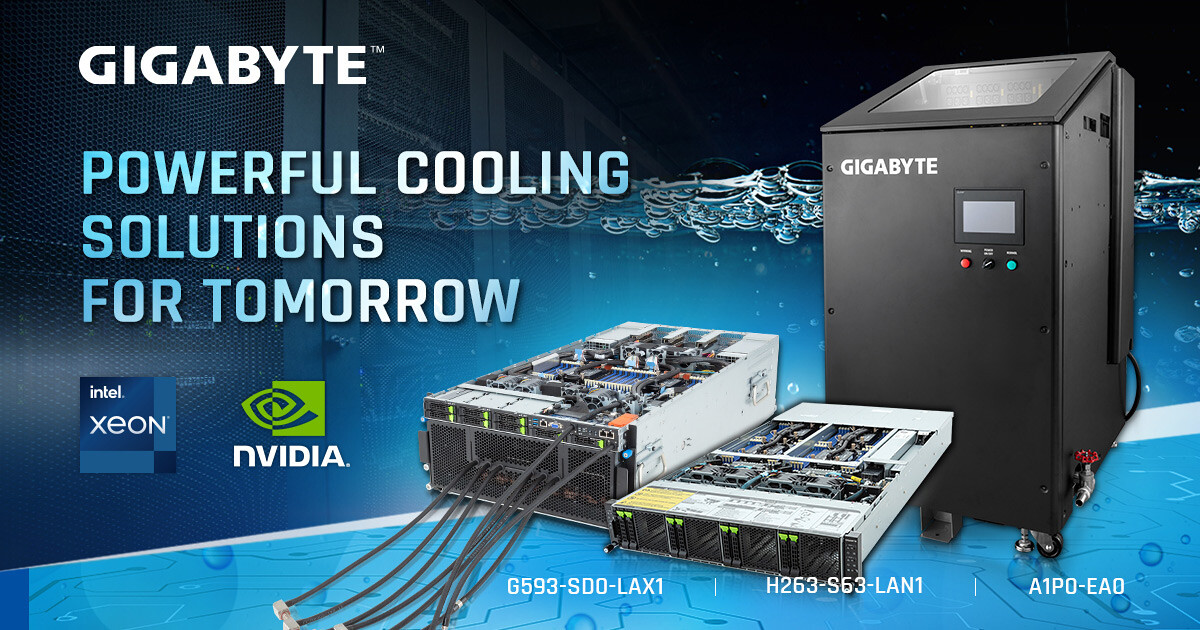
For many data centers, it is becoming apparent that their cooling infrastructure must radically shift to keep pace with new IT hardware that continues to generate more heat and requires rapid heat transfer. Because of this, GIGABYTE has launched advanced cooling solutions that allow IT hardware to maintain ideal performance while being more energy-efficient and maintaining the same data center footprint. At SC23, its booth will have a single-phase immersion tank, the A1P0-EA0, which offers a one-stop immersion cooling solution. GIGABYTE is experienced in implementing immersion cooling with immersion-ready servers, immersion tanks, oil, tools, and services spanning the globe. Another cooling solution showcased at SC23 will be direct liquid cooling (DLC), and in particular, the new GIGABYTE cold plates and cooling modules for the NVIDIA Grace CPU Superchip, NVIDIA Grace Hopper Superchip, AMD EPYC 9004 processor, and 4th Gen Intel Xeon processor.

NVIDIA and IQM Quantum Computers to Advance Future Hybrid Quantum Applications

IQM Quantum Computers (IQM), a global leader in building quantum computers, today announced a collaboration with NVIDIA to advance future hybrid quantum applications through NVIDIA CUDA Quantum, an open-source platform for integrating and programming quantum processing units in one system. As part of this collaboration, users of IQM's quantum processing units across enterprises and research institutions can program and develop the next generation of hybrid quantum-classical applications with NVIDIA CUDA Quantum.

The collaboration aims to accelerate the development and utilization of quantum computing in various applications, fostering innovation, collaboration, and potential breakthroughs in science and industry. Leading institutions, such as CSC - IT Centre for Science and the VTT Technical Research Centre of Finland, plan to utilise CUDA Quantum on VTT's 5-qubit quantum computer developed in co-innovation partnership by IQM and VTT.

ASUS Demonstrates AI and Immersion-Cooling Solutions at SC23

ASUS today announced a showcase of the latest AI solutions to empower innovation and push the boundaries of supercomputing, at Supercomputing 2023 (SC23) in Denver, Colorado, from 12-17 November, 2023. ASUS will demonstrate the latest AI advances, including generative-AI solutions and sustainability breakthroughs with Intel, to deliver the latest hybrid immersion-cooling solutions, plus lots more - all at booth number 257.

At SC23, ASUS will showcase the latest NVIDIA-qualified ESC N8A-E12 HGX H100 eight-GPU server empowered by dual-socket AMD EPYC 9004 processors and is designed for enterprise-level generative AI with market-leading integrated capabilities. Related to NVIDIA announcement on the latest NVIDIA H200 Tensor Core GPU at SC23, which is the first GPU to offer HBM3E for faster, larger memory to fuel the acceleration of generative AI and large language models, ASUS will offer an update of H100-based system with an H200-based drop-in replacement in 2024.

NVIDIA Supercharges Hopper, the World's Leading AI Computing Platform

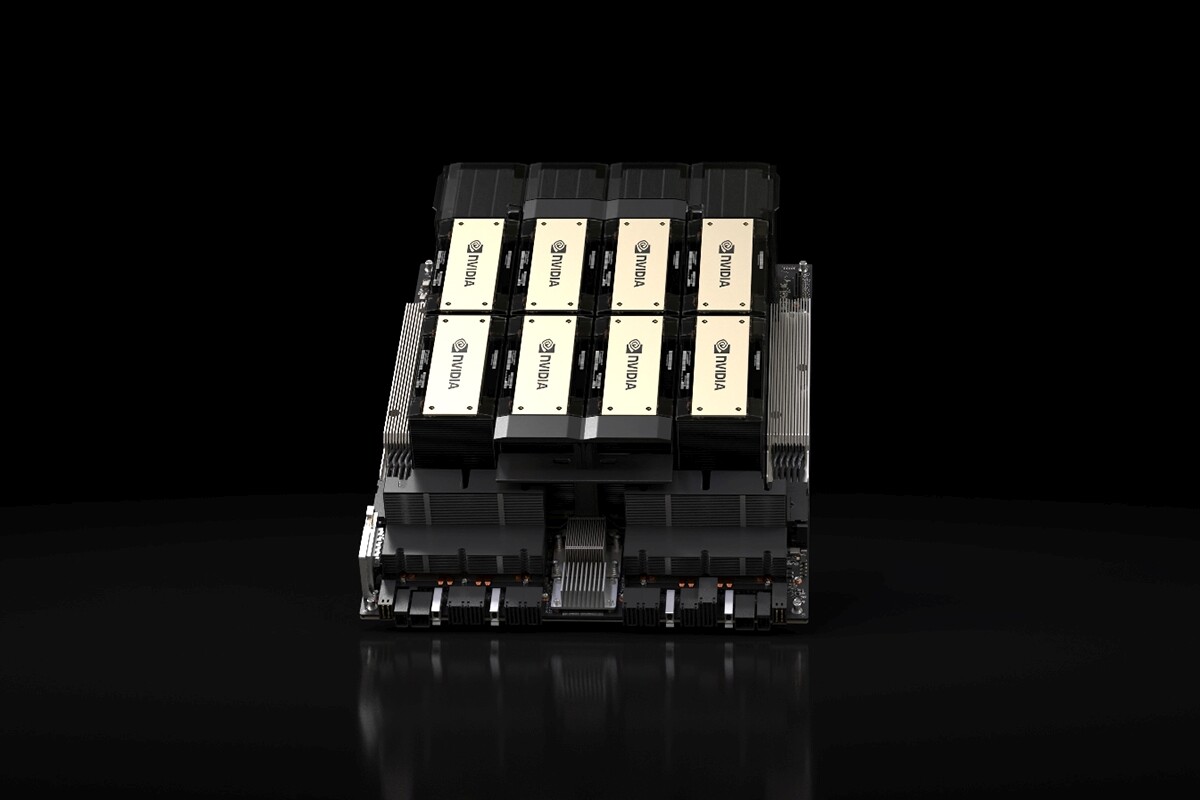
NVIDIA today announced it has supercharged the world's leading AI computing platform with the introduction of the NVIDIA HGX H200. Based on NVIDIA Hopper architecture, the platform features the NVIDIA H200 Tensor Core GPU with advanced memory to handle massive amounts of data for generative AI and high performance computing workloads.

The NVIDIA H200 is the first GPU to offer HBM3e - faster, larger memory to fuel the acceleration of generative AI and large language models, while advancing scientific computing for HPC workloads. With HBM3e, the NVIDIA H200 delivers 141 GB of memory at 4.8 terabytes per second, nearly double the capacity and 2.4x more bandwidth compared with its predecessor, the NVIDIA A100. H200-powered systems from the world's leading server manufacturers and cloud service providers are expected to begin shipping in the second quarter of 2024.

NVIDIA Grace Hopper Superchip Powers 40+ AI Supercomputers

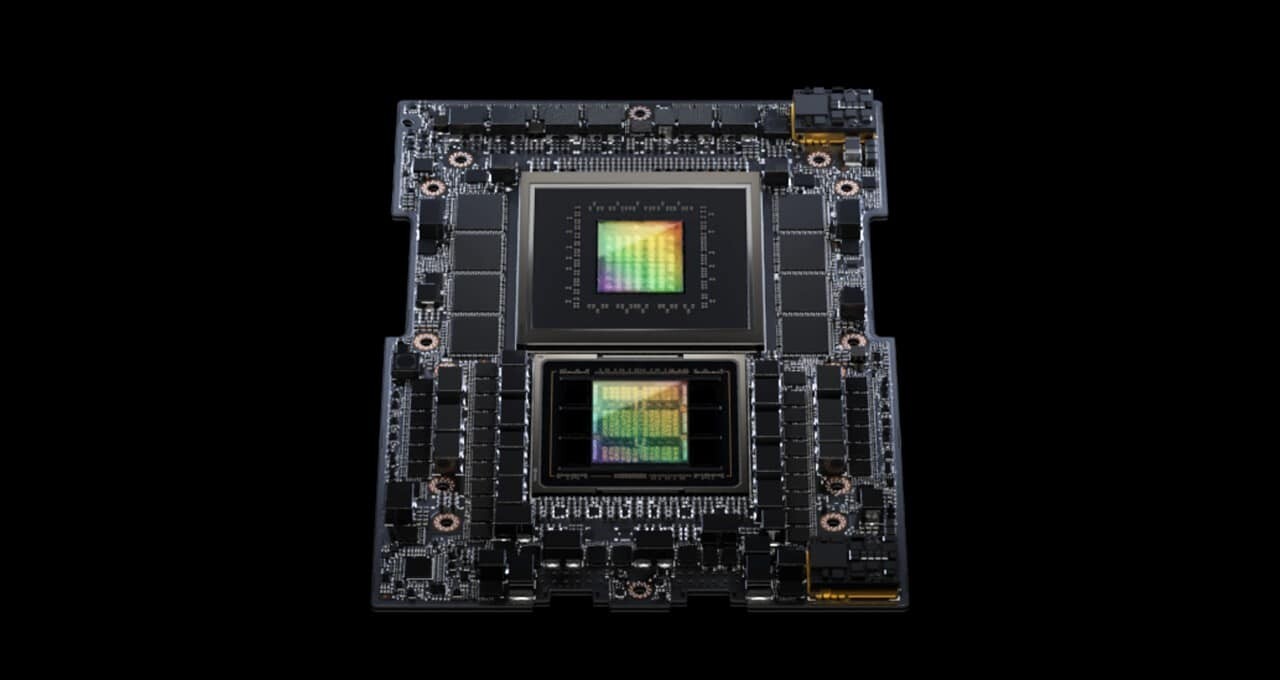
Dozens of new supercomputers for scientific computing will soon hop online, powered by NVIDIA's breakthrough GH200 Grace Hopper Superchip for giant-scale AI and high performance computing. The NVIDIA GH200 enables scientists and researchers to tackle the world's most challenging problems by accelerating complex AI and HPC applications running terabytes of data.

At the SC23 supercomputing show, NVIDIA today announced that the superchip is coming to more systems worldwide, including from Dell Technologies, Eviden, Hewlett Packard Enterprise (HPE), Lenovo, QCT and Supermicro. Bringing together the Arm-based NVIDIA Grace CPU and Hopper GPU architectures using NVIDIA NVLink-C2C interconnect technology, GH200 also serves as the engine behind scientific supercomputing centers across the globe. Combined, these GH200-powered centers represent some 200 exaflops of AI performance to drive scientific innovation.

NVIDIA GeForce NOW Gets Onimusha: Warlords and 16 More Games

Wield the blade and embrace the way of the samurai for some thrilling action - Onimusha: Warlords comes to GeForce NOW this week. Members can experience feudal Japan in this hack-and-slash adventure game in the cloud. It's part of an action-packed GFN Thursday, with 16 more games joining the cloud gaming platform's library.

Forging Destinies
Capcom's popular Onimusha: Warlords is newly supported in the cloud this week, just in time for those tuning into the recently released Netflix anime adaptation.Fight against the evil warlord Nobunaga Oda and his army of demons as samurai Samanosuke Akechi. Explore feudal Japan, wield swords, use ninja techniques and solve puzzles to defeat enemies. The action-adventure hack-and-slash game has been enhanced with improved controls for smoother swordplay mechanics, an updated soundtrack and more. Ultimate members can stream the game in ultrawide resolution with up to eight hours each gaming session for riveting samurai action.

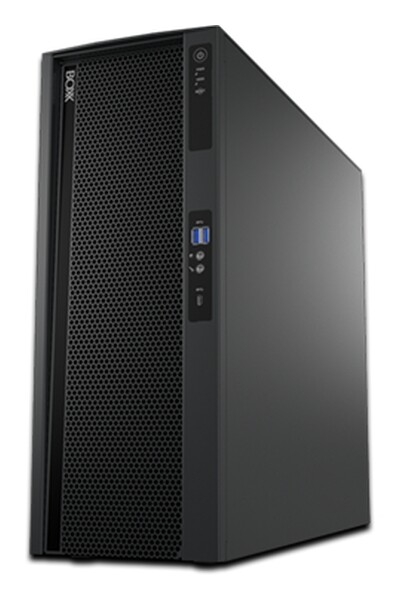
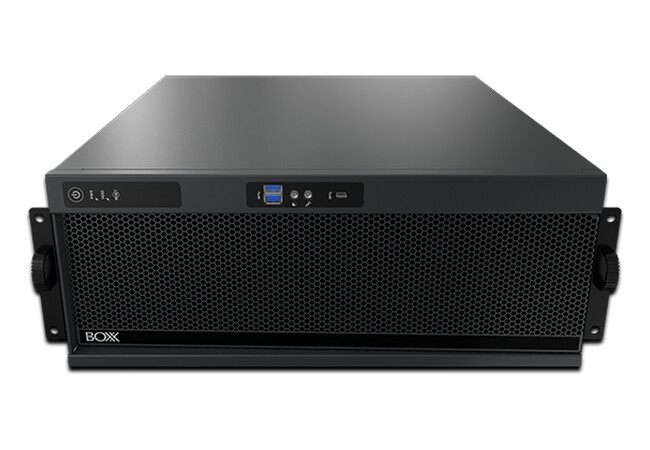
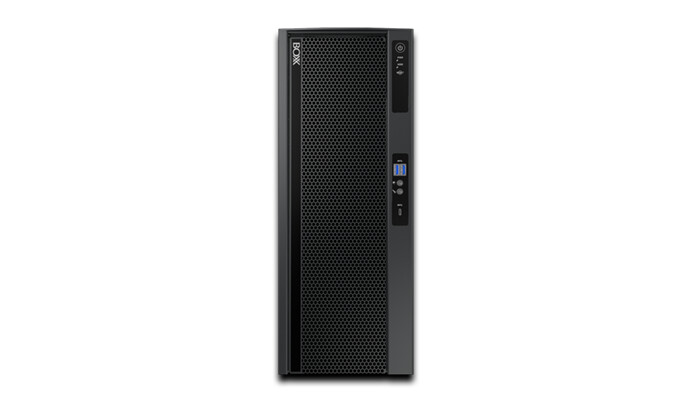
BOXX Workstation Tower Upgrades with New Intel Core 14th Gen Processors

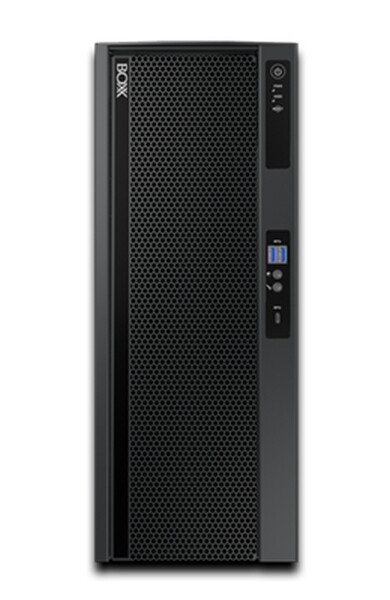
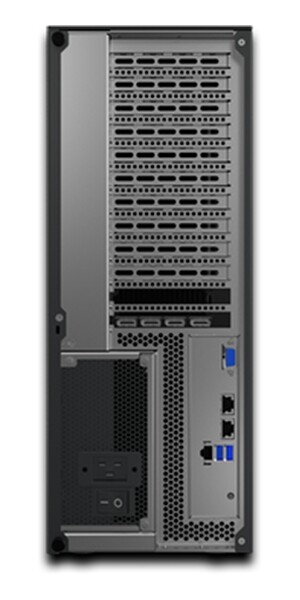
BOXX Technologies, the leading innovator of high-performance computer workstations, rendering systems, and servers, today announced that its APEXX S4 workstation now features Intel Core i7 and i9 14th gen processors. The new CPUs provide outstanding performance for CAD, 3D design, motion media, and other professional software applications. The workstation joins the flagship APEXX S3 (announced 10/16/23) and entry level APEXX E3 in the Intel Core 14th gen BOXX workstation product line. BOXX is among the first workstation manufacturers to ship systems equipped with the new processors.

"The new APEXX S4 significantly accelerates demanding 3D workflows," said Wes Breyfogle, BOXX CEO. "The addition of Intel Core 14th gen processors to this multi-GPU workstation empowers architects, engineers, animators, VFX artists, video editors, and other creative professionals to create and render faster and more efficiently than ever before."

Latest Beta Patch for Starfield Adds NVIDIA DLSS 3 Support and Brings CPU and GPU Optimizations

Bethesda has released its latest beta patch for Starfield, adding official support for NVIDIA DLSS 3 Frame Generation, fixing several issues, and implementing further CPU and GPU optimizations. The November 8th Beta Update, as it is called, is only available via Steam Beta Update, and it should go live to all Xbox and PC players later this month.

According to the release notes, the new update adds NVIDIA DLSS support with DLSS Super Resolution, Deep Learning Anti-aliasing (DLAA), Nvidia Reflex Low Latency, and DLSS Frame Generation. The update also fixes several performance and stability issues, including a fix for a number of memory related issues and leaks, additional GPU optimizations that will benefit higher-end graphics cards, and improvements to the renderer threading model that should improve CPU usage on higher-end systems. The update also includes various stability and performance improvements.

NVIDIA Turbocharges Generative AI Training in MLPerf Benchmarks

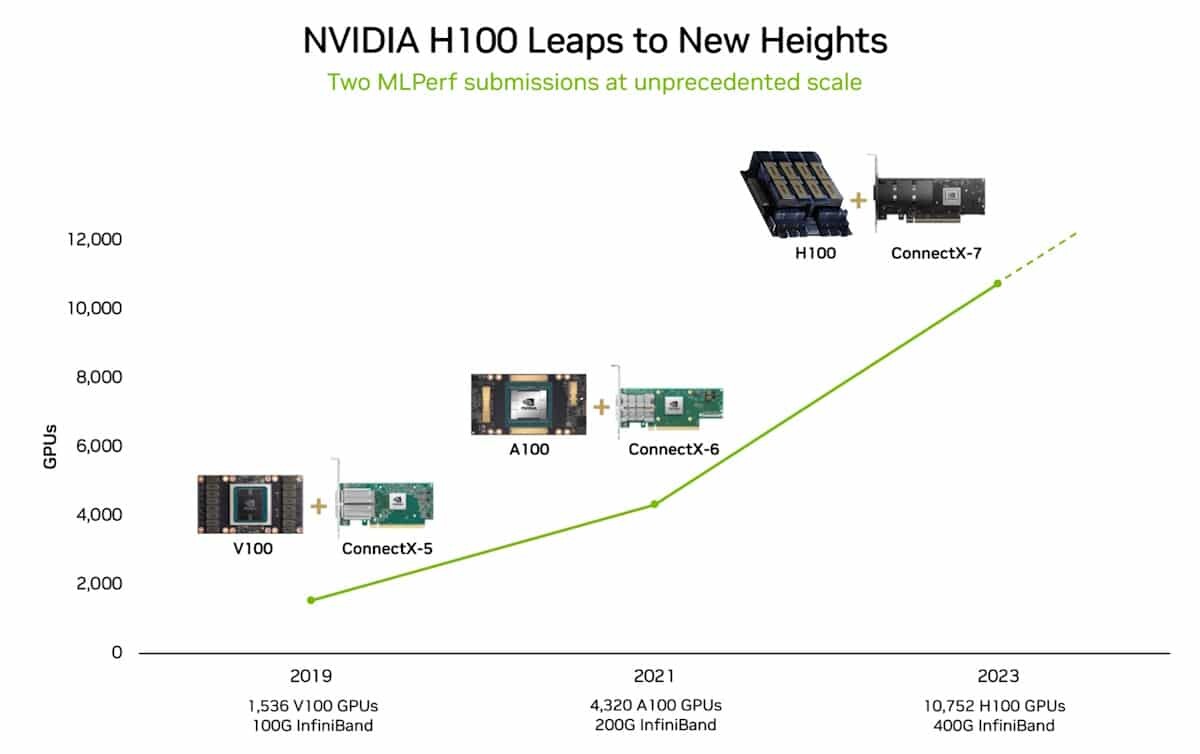
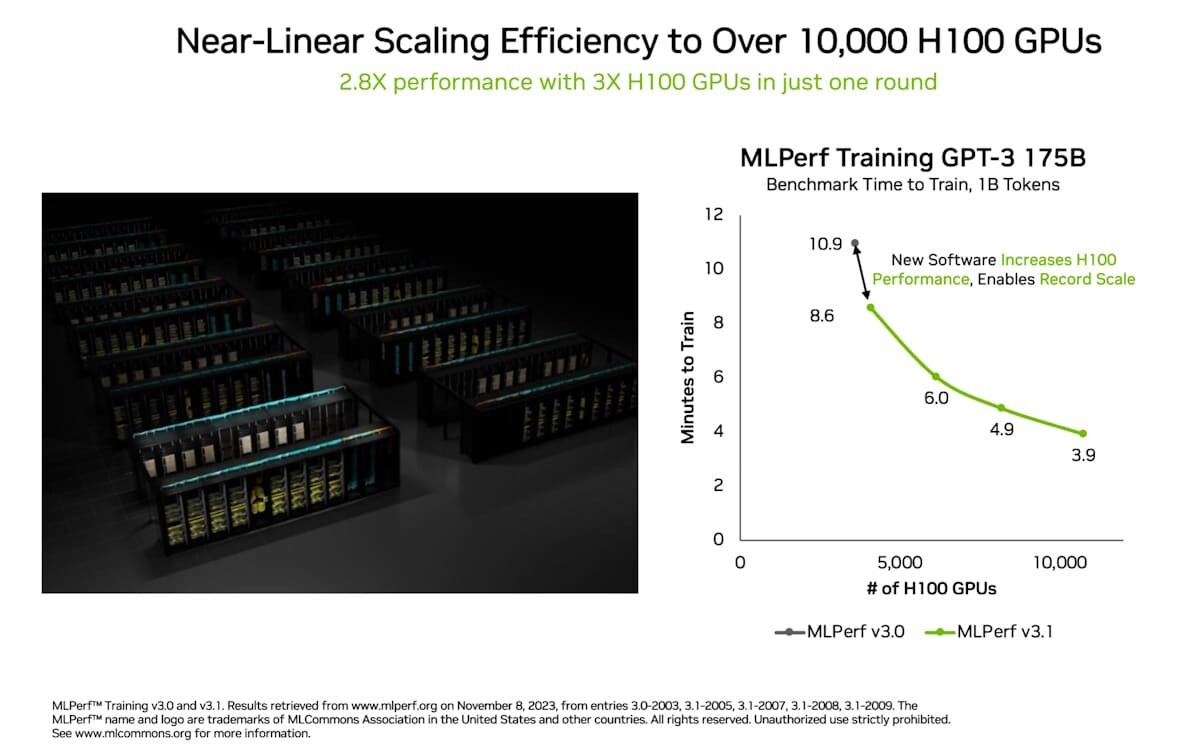
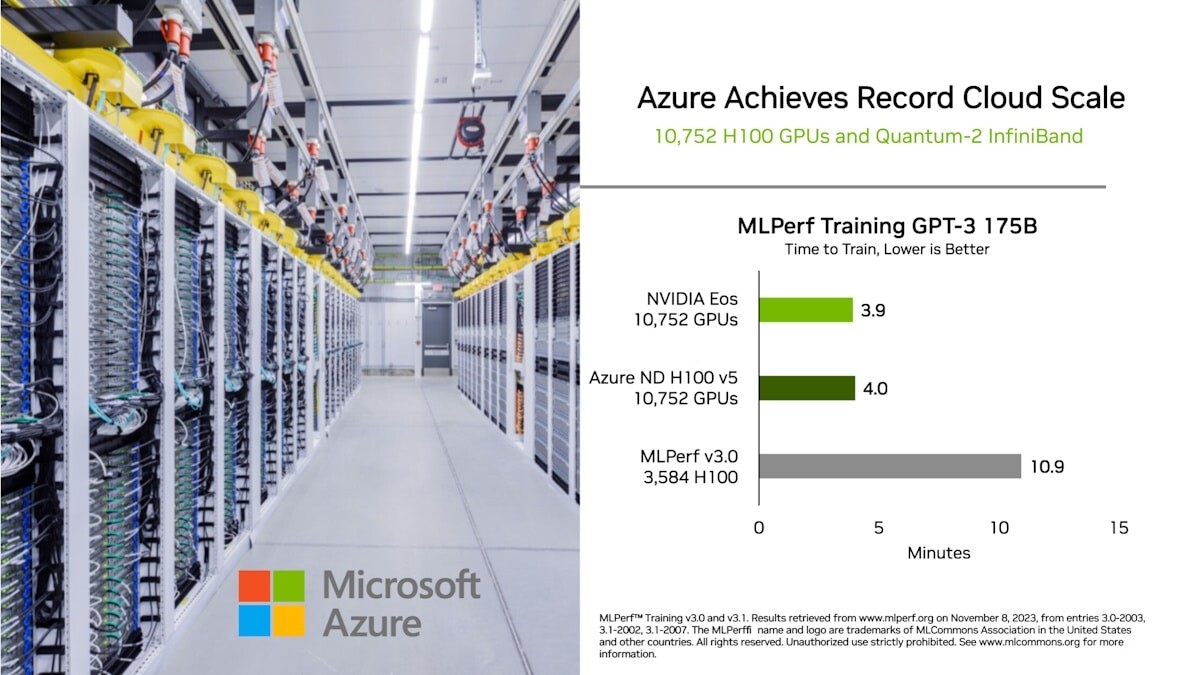
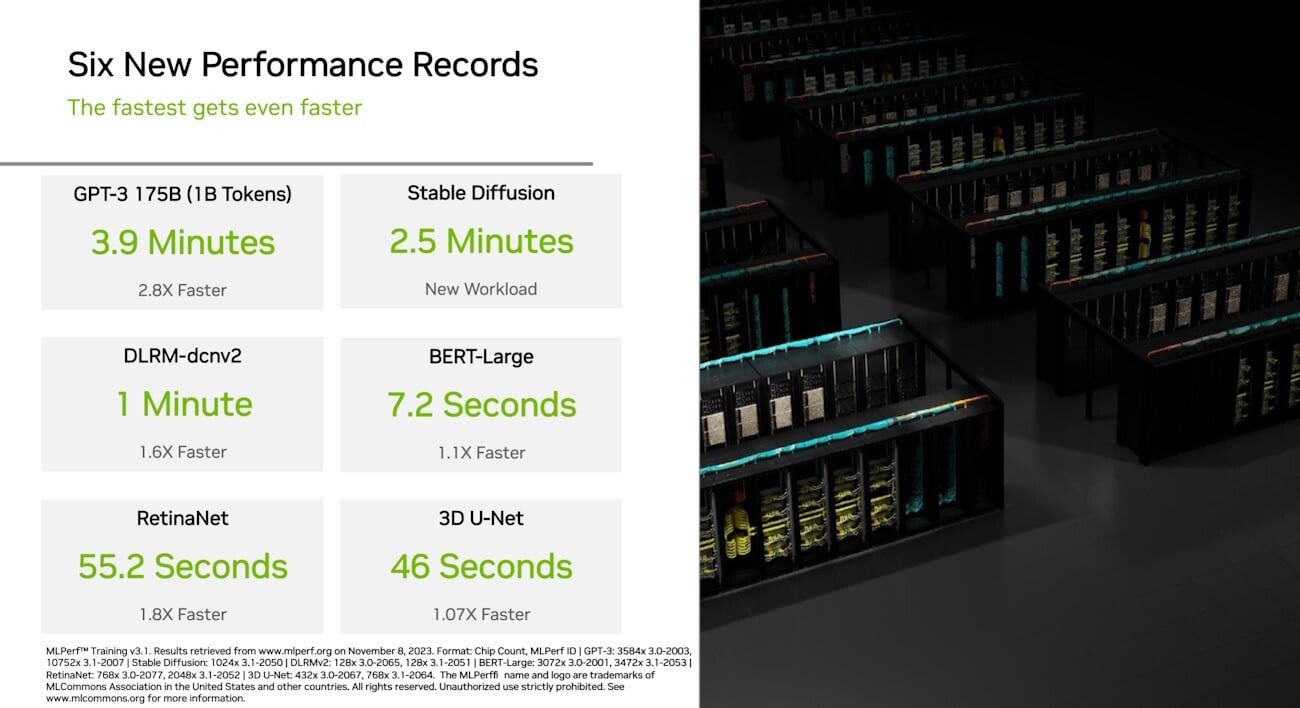
NVIDIA's AI platform raised the bar for AI training and high performance computing in the latest MLPerf industry benchmarks. Among many new records and milestones, one in generative AI stands out: NVIDIA Eos - an AI supercomputer powered by a whopping 10,752 NVIDIA H100 Tensor Core GPUs and NVIDIA Quantum-2 InfiniBand networking - completed a training benchmark based on a GPT-3 model with 175 billion parameters trained on one billion tokens in just 3.9 minutes. That's a nearly 3x gain from 10.9 minutes, the record NVIDIA set when the test was introduced less than six months ago.

The benchmark uses a portion of the full GPT-3 data set behind the popular ChatGPT service that, by extrapolation, Eos could now train in just eight days, 73x faster than a prior state-of-the-art system using 512 A100 GPUs. The acceleration in training time reduces costs, saves energy and speeds time-to-market. It's heavy lifting that makes large language models widely available so every business can adopt them with tools like NVIDIA NeMo, a framework for customizing LLMs. In a new generative AI test this round, 1,024 NVIDIA Hopper architecture GPUs completed a training benchmark based on the Stable Diffusion text-to-image model in 2.5 minutes, setting a high bar on this new workload. By adopting these two tests, MLPerf reinforces its leadership as the industry standard for measuring AI performance, since generative AI is the most transformative technology of our time.

NVIDIA DLSS Coming To More Games This Month

Call of Duty: Modern Warfare III officially launches on November 10th, boasting day-one support for NVIDIA DLSS 3 and NVIDIA Reflex. Additionally, Remnant II: The Awakened King DLC launches November 14th - experience it at its best thanks to DLSS 3. And max out frame rates in Like A Dragon Gaiden: The Man Who Erased His Name thanks to day-one support for DLSS 2. These latest launches follow last week's release of EA SPORTS WRC, Desynced, Jusant, RIPOUT, RoboCop: Rogue City, and The Talos Principle 2, all with support for DLSS, giving GeForce RTX gamers the definitive day-one experience.

Call of Duty: Modern Warfare III Available November 10th With DLSS 3 & Reflex
Call of Duty: Modern Warfare III campaign early access began November 2nd for all pre-purchases, with the full release following this Friday, November 10th. In the cinematic campaign, Captain Price and Task Force 141 face off against the ultimate threat, the ultranationalist war criminal Vladimir Makarov, who's extending his grasp across the world, causing Task Force 141 to fight like never before. Once you've dug into the action-packed single-player campaign, head online to defeat Zombies in an exciting open-world co-op experience that takes the Zombies mode everyone knows and loves to the next level. If you prefer Multiplayer, dip into the selection of Core Multiplayer maps from the 16 iconic launch maps of 2009's Call of Duty: Modern Warfare 2 that are being brought over and modernized for Call of Duty: Modern Warfare III.

AGON by AOC Unveils U27G3X and U32G3X 4K Ultra HD Gaming Monitors

AGON by AOC - one of the world's leading gaming monitor and IT accessories brands - is delighted to introduce two innovative monitors designed to enhance the everyday gaming experience. The AOC GAMING U27G3X/BK and U32G3X/BK offer all the comfort and technology required to enjoy high-quality visuals and versatile performance for a wide range of gaming adventures.

Both of these models feature an IPS panel with UHD (3840x2160) resolution to achieve an impressive sharpness and clarity. With the new AI-powered GPU technologies, achieving high framerates on 4K resolution is becoming much easier than ever. The 4K models U27G3X/BK and U32G2X/BK come to the market at a perfect time for gamers looking for extra sharpness matched with high refresh rates.

NVIDIA Plans 2024 CES (January) Launch for RTX 40-series SUPER?

NVIDIA is reportedly planning to time the launch of its GeForce RTX 40-series SUPER line of graphics cards with the 2024 International CES, scheduled for January. This is according to kopite7kimi, a reliable source with NVIDIA leaks. The company tends to plan special GeForce RTX gaming events along the sidelines of big trade-shows for new product launches.

The mid-life refresh of the RTX 40-series "Ada" will see the introduction of three new enthusiast-segment graphics card models without disturbing RTX 4090 as the series flagship. In the higher end of things, the company is planning to launch the RTX 4080 SUPER, which could push the performance envelope further above that of the AMD Radeon RX 7900 XTX, and possibly prepare for the upcoming RX 7950 XTX. The unusually named RTX 4070 Ti SUPER could be designed to consolidate at the $800 price-point against the RX 7900 XT. The new RTX 4070 SUPER, meanwhile, could be designed to fix the company's standing at the $600 mark by beating the RX 7800 XT.
Update 05:29 UTC: MEGAsizeGPU revealed the retail branding inserts for boxes, for the RTX 40-series SUPER family. NVIDIA has changed the SUPER logo, replacing a stylized typeface with the same bland sans-serif typeface it uses for the main GeForce RTX branding. It even confirms the existence of the RTX 4070 Ti SUPER (two brand extensions clumped together).

GIGABYTE Announces New Direct Liquid Cooling (DLC) Multi-Node Servers Ahead of SC23

GIGABYTE Technology, Giga Computing, a subsidiary of GIGABYTE and an industry leader in high-performance servers, server motherboards, and workstations, today announced direct liquid cooling (DLC) multi-node servers for NVIDIA Grace CPU & NVIDIA Grace Hopper Superchip. In addition, a DLC ready Intel-based server for the NVIDIA HGX H100 8-GPU platform and a high-density server for AMD EPYC 9004 processors. For the ultimate in efficiency, is also a new 12U single-phase immersion tank. All these mentioned products will be at GIGABYTE booth #355 at SC23.

Just announced high-density CPU servers include Intel Xeon-based H263-S63-LAN1 and AMD EPYC-based H273-Z80-LAN1. These 2U 4 node servers employ DLC for all eight CPUs, and although it is dense computing CPU performance achieves its full potential. In August, GIGABYTE announced new servers for NVIDIA HGX H100 GPU, and now adds the DLC version to the G593 series, G593-SD0-LAX1, for NVIDIA HGX H100 8-GPU.

AMD FidelityFX Super Resolution Could Come to Samsung and Qualcomm SoCs

AMD FidelityFX Super Resolution (FSR) is an open-source resolution upscaling technology that takes lower-resolution input and uses super-resolution temporal upscaling technology, frame generation using AMD Fluid Motion Frames (AFMF) technology, and built-in latency reduction technology to provide greater-resolution output images from lower-resolution settings. While the technology is open-source, it battles in market share with NVIDIA and the company's Deep Learning Super Sampling (DLSS). However, in the mobile space, there hasn't been much talk about implementing upscaling technology up until now. According to a popular leaker @Tech_Reve on X/Twitter, we have information that AMD is collaborating with Samsung and Qualcomm to standardize on upscaling technology implementations in mobile SoCs.

Not only does the leak imply that the AMD FSR technology will be used in Samsung's upcoming Exynos SoC, but some AMD ray tracing will be present as well. The leaker has mentioned Qualcomm, which means that future iterations of Snapdragon are up to adopt the FSR algorithmic approach to resolution upscaling. We will see how and when, but with mobile games growing in size and demand, FSR could come in handy to provide mobile gamers with a better experience. Primarily, this targets Android devices, which Qualcomm supplies, where Apple's iPhone recently announced MetalFX Upscaling technology with an A17 Pro chip.

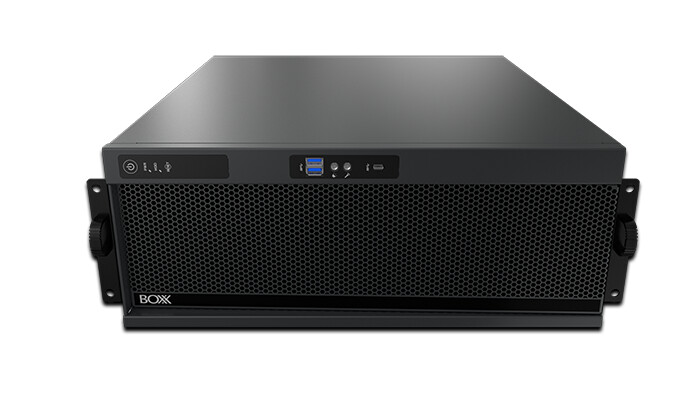
BOXX Introduces New APEXX T4 PRO AMD Ryzen Threadripper PRO 7000 WX-Series Workstation

BOXX Technologies, the leading innovator of high-performance computer workstations, rendering systems, and servers, today introduced APEXX T4 PRO, a workstation featuring new, AMD Ryzen Threadripper PRO 7000 WX- Series processors. The most powerful AMD platform ever, Ryzen Threadripper PRO delivers state-of-the-art performance for a variety of creative industries.

"The new AMD Ryzen Threadripper PRO 7000-WX Series provides an outstanding platform for APEXX T4 PRO," said BOXX founder and VP of Engineering Tim Lawrence. "The number of processing cores and innovative features, optimized by BOXX liquid cooling which is essential for high performance CPUs, will empower VFX artists, animators, motion media editors, architects, engineers, and data scientists, to create faster than ever before."

NVIDIA GeForce NOW Gets Over 50 New Games In November

Gear up with gratitude for more gaming time. GeForce NOW brings members a cornucopia of 15 newly supported games to the cloud this week. That's just the start - there are a total of 54 titles coming in the month of November. Members can also join thousands of esports fans in the cloud with the addition of Virtex Stadium to the GeForce NOW library for a "League of Legends" world championship viewing party.

Esports Like Never Before
This year's League of Legends world championship finals are coming to Virtex Stadium - an online virtual stadium now streaming on NVIDIA's cloud gaming infrastructure. In Virtex Stadium, esports fans can hang out with friends from across the world, create and personalize avatars, and watch live competitions together - all from the comfort of their homes. Starting on Thursday, Nov. 2, watch League of Legends Worlds 2023 in Virtex Stadium with thousands of others. Use props and emotes to cheer players on together via chat.

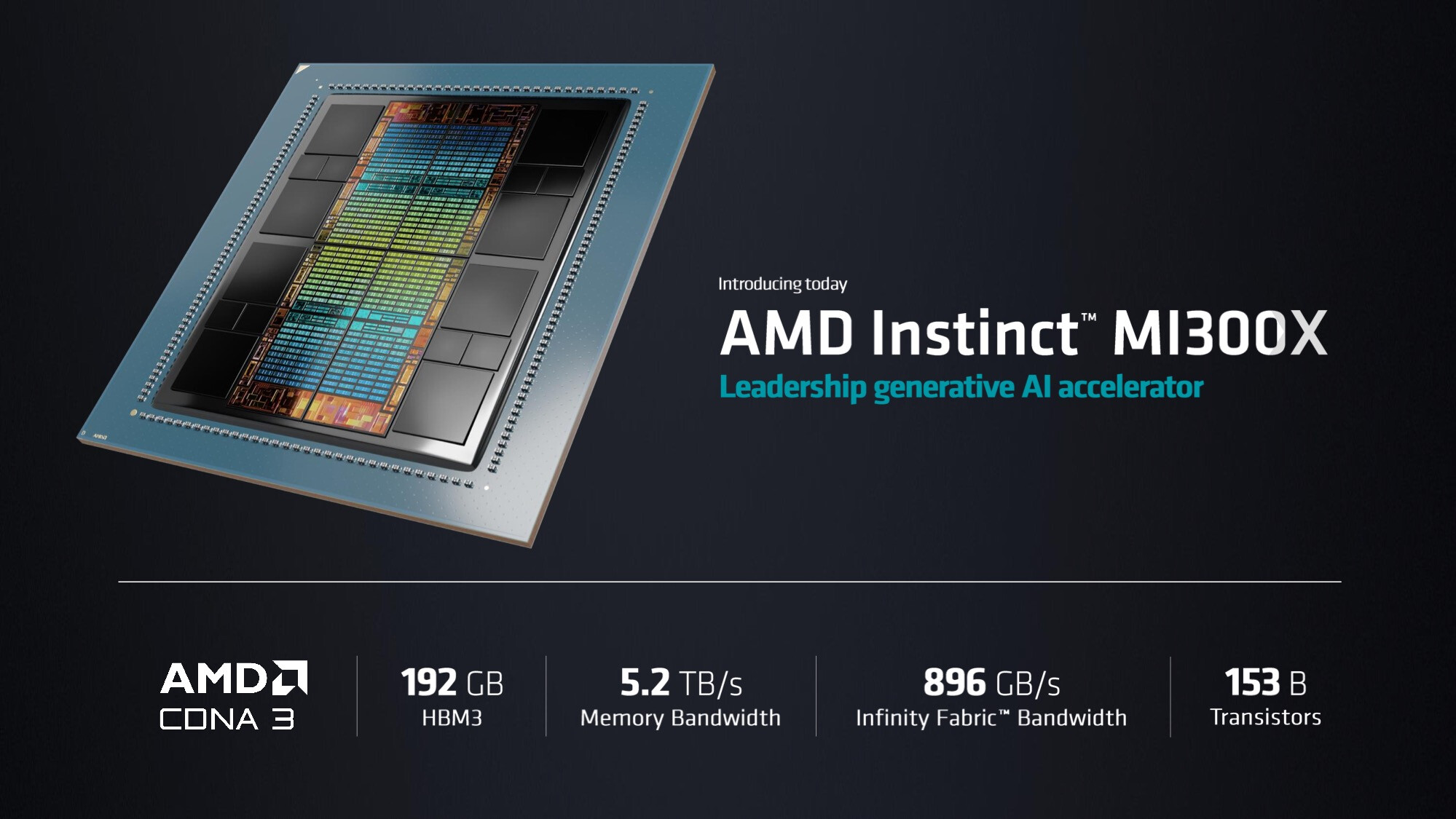
AMD Instinct MI300X Could Become Company's Fastest Product to Rake $1 Billion in Sales

AMD in its post Q3-2023 financial results call stated that it expects the Instinct MI300X accelerator to be the fastest product in AMD history to rake in $1 billion in sales. This would be the time it took for a product in its lifecycle to register $1 billion in sales. With the MI300 series, the company hopes to finally break into the AI-driven HPC accelerator market that's dominated by NVIDIA, and at scale. This growth is attributable to two distinct factors. The first of which is that NVIDIA is supply bottlenecked, and customers and looking for alternatives, and finally found a suitable one with the MI300 series; and the second is that with the MI300 series, AMD has finally ironed out the software ecosystem backing the hardware that looks incredible on paper.

It's also worth noting here, that AMD is rumored to be sacrificing its market presence in the enthusiast-class gaming GPU segment with its next-generation, with the goal of maximizing its foundry allocation for HPC accelerators such as the MI300X. HPC accelerators are a significantly higher margin class of products than gaming GPUs such as the Radeon RX 7900 XTX. The RX 7900 XTX and its refresh under the RX 7950 series, are not expected to have a successor in the RDNA4 generation. "We now expect datacenter GPU revenue to be approximately $400 million in the fourth quarter and exceed $2 billion in 2024 as revenue ramps throughout the year," said Dr. Lisa Su, CEO AMD, at the company's earnings call with analysts and investors. "This growth would make MI300 the fastest product to ramp to $1 billion in sales in AMD history."

Return to Keyword Browsing
Nov 27th, 2026 20:31 CST change timezone

New Forum Posts

Popular Reviews

TPU on YouTube

Controversial News Posts