News Posts matching #RAM

Return to Keyword Browsing

ASUS Prepares ROG Zephyrus Duo GX650 Laptop With Upcoming AMD Ryzen 9 6900HX and NVIDIA GeForce RTX 3080 Ti

Prominent chip designers like AMD and NVIDIA could bless consumers with a broader offering of their new products as soon as CES 2022 arrives. AMD should present its rumored Rembrandt-H lineup of processors based on the enhanced Zen 3 core, sometimes referred to as Zen 3+. According to the latest report coming from MyLaptopsGuide, Bluetooth SIG has some data entry about ASUS'es upcoming ROG Zephyrus Duo GX650 laptop that integrates AMD Rembrandt-H processors and NVIDIA GeForce RTX 30-series graphics. As the website claims, the heart of this laptop will be AMD Ryzen 9 6900HX processor built on TSMC's 6 nm manufacturing process. We don't know much about this model, but we expect it to refine the previous Ryzen 9 5900HX.

We again see the rumored NVIDIA GeForce RTX 3080 Ti graphics card for mobile, powering the graphics side of things. This model is supposedly based on GA103S GPU SKU, which is likely tailor-made for laptops in mind and exclusive to them. ASUS has also paired 16 GB of DDR5-4800 RAM with an AMD Ryzen processor, suggesting that Rembrandt-H has a new memory controller in place. This laptop model also has a 16-inch 300 Hz Full HD screen with anti-glare; however, the amount of information ended there. We have to wait for CES 2022 launch to find out more.


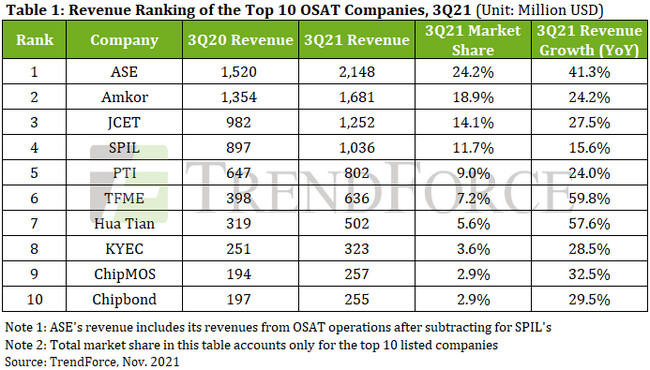
Global OSAT Revenue for 3Q21 Reaches US$8.89 Billion Thanks to Peak Season Demand, Says TrendForce

As the global vaccination rate rose, and border restrictions in Europe and North America eased, social activities also began to enter a period of recovery, with the consumer electronics market seemingly ready for the arrival of the traditional peak season in 2H21, according to TrendForce's latest investigations. At the same time, however, the global supply chain was affected by delays in maritime transport, skyrocketing shipping costs, and component shortages, in addition to already-prohibitive price hikes for certain components in 1H21. Given the parallel rise in both material and manufacturing costs, the market for end products has not undergone the expected cyclical upturn in 2H21. Even so, the overall demand for and shipment of smartphones, notebook computers, and monitors experienced QoQ increases in 3Q21, thereby driving up businesses for major OSAT (outsourced semiconductor assembly and test) companies. For 3Q21, the revenues of the top 10 OSAT companies reached US$8.89 billion, a 31.6% YoY increase.

Micron and MediaTek First to Validate LPDDR5X

Micron Technology, Inc. announced today that MediaTek Inc. has validated Micron's low-power double data rate 5X (LPDDR5X) DRAM for MediaTek's new Dimensity 9000 5G flagship chipset for smartphones. Micron is the first semiconductor company to sample and validate this fastest, most advanced mobile memory in the industry and has shipped the first batch of samples of LPDDR5X built on its first-to-market 1α (1-alpha) node. Designed for high-end and flagship smartphones, Micron's LPDDR5X allows the smartphone ecosystem to unlock the next wave of data-intensive applications powered by artificial intelligence (AI) and 5G innovation.

The market delivery and validation of Micron's industry-leading 1α-based LPDDR5X solidifies its product innovation and leadership in the mobile ecosystem, following industry-first launches for LPDDR5, 1α-based LPDDR4X, 176-layer NAND-based UFS 3.1 and uMCP5 solutions. This most recent milestone follows quickly on the heels of JEDEC's July release of the LPDDR5X extension to LPDDR5, created to offer higher bandwidth and memory speed for enhanced 5G communication and performance while still conserving power. Micron has validated samples supporting data rates up to 7.5 Gb/s, with samples supporting data rates up to 8.533 Gb/s to follow. Peak LPDDR5X speeds of 8.533 Gb/s deliver up to 33% faster performance than previous-generation LPDDR5.

"Innovating cutting-edge smartphone experiences requires memory technology built to address the massive bandwidth demands of the mobile market," said Raj Talluri, senior vice president and general manager of Micron's Mobile Business Unit. "Our collaboration with MediaTek to validate the world's most advanced mobile memory empowers the ecosystem to deliver the next wave of rich mobile features enhanced by 5G and AI."

Report: DDR5 Already Facing Production Issues In Wake of Global Chip Shortages

DDR5 may soon have reason to be an even more expensive early-adopter piece of tech than it currently is, according to electronic component supplier 12chip. While semiconductor manufacturers worldwide grapple with logistics and components shortages, the DRAM market has been left somewhat unscathed - up to now. DRAM fabrication - even DDR5 - isn't done on leading-edge nodes but on older, more mature ones (such as 14 nm). According to 12chip, manufacturers are having no problem in scaling their DRAM manufacturing on these older nodes to meet demand.

However, DDR5 is being directly impacted by the current logistics issues due to lack of adequate Power Management Integrated Circuit (PMIC) chips - which DDR5 has integrated in the DIMM proper. Currently, lead times for PMIC orders are estimated at 35 weeks, placing additional strain on system assemblers and DRAM manufacturers - and forcing delays and bottlenecks throughout the supply chain. Additionally, the fact that PMIC chips for DDR5 are ten times as expensive as equivalent DDR4 power management solutions doesn't bode well for future price action on DDR. Should this situation continue, higher prices for DDR5 modules are to be expected due to a deteriorating supply/demand ratio - particularly relevant if you're thinking about putting together a build based on Intel's Alder Lake platform. As always, take this report with a grain of salt.

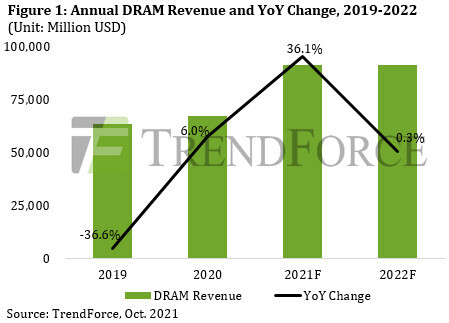
Annual DRAM Revenue for 2022 Expected to Reach US$91.5 Billion, with Prices Likely to Rally in 2H22, Says TrendForce

Despite the forecasted 18.6% YoY growth in total DRAM bit supply next year, the global DRAM market is still expected to shift from a shortage situation to an oversupply, according to TrendForce's latest investigations. This shift can primarily be attributed to the fact that, not only are most buyers now carrying a relatively high level of DRAM inventory, but DRAM bit demand is also expected to increase by only 17.1% YoY in 2022. On the price front, the oversupply situation will result in a drop in DRAM ASP in 2022 but not a major decline in annual DRAM revenue, thanks to the oligopolistic nature of the DRAM industry. Annual DRAM revenue for 2022 is expected to reach US$91.54 billion, which represents a slight YoY increase of 0.3%.

Based on an analysis of DRAM sufficiency ratio (which refers to the surplus of supply in comparison with demand) for each quarter in 2022, TrendForce forecasts a 15% YoY decrease in DRAM ASP for 2022, with prices undergoing the more noticeable declines during the first half of the year. Heading into 2H22, however, owing to the rise in DDR5 penetration rate, as well as the arrival of peak seasonal demand, the decline in DRAM ASP will likely narrow. TrendForce does not rule out the possibility that DRAM ASP may even hold flat or undergo an increase in 2H22.

ADATA Unveils LEGEND Series PCIe M.2 2280 Solid State Drives

ADATA Technology, a manufacturer of high-performance DRAM modules, NAND Flash products, mobile accessories, gaming products, electric power trains, and industrial solutions today announces a new series of solid state drives (SSD), the ADATA LEGEND series, geared toward creators of different needs and budgets. They include the ADATA LEGEND 740, 750, and 840.

The LEGEND 740 and 750 utilize PCIe Gen3 x4 and NVMe 1.3 to deliver sequential read and write speeds of up to 2,500/2,000 and 3,500/3,000 MB per second, respectively, to give creators the performance they need to create without limitations. Their M.2 2280 specifications support the latest Intel and AMD platforms for creating on the latest PCs, including desktop and laptops. For users seeking a further boost, the LEGEND 840 takes advantage of PCIe Gen4 x4 and NVMe 1.4 to offer read and write speeds of up to 5,000/4,500 MB per second.

Patriot Reveals Signature DDR5 Memory Series

PATRIOT, a global leader in performance memory, SSDs, gaming peripherals, and flash storage solutions, today is proud to announce their first DDR5 high-performance memory will be available in the market in November 2021. The Signature DDR5 memory is approximately 75% faster performance over similar high-end and overclocked DDR4 memory right out of the gate. The memory kit provides high-speed frequencies up to 4800 MHz, with future versions ranging up to 8400 MHz. The single modules are available in various capacities, from 8 GB to 64 GB, and the perfect choice for system integrators and those looking to expand their DDR5 system memory.

"We've been working jointly with motherboard makers to ensure our DDR5 memory product line has excellent stability and compatibility with INTEL's latest ALDER LAKE desktop processor and Z690 platforms," said Roger Shinmoto, the VP of PATRIOT Memory. PATRIOT Signature DDR5 memory is designed to deliver a significant performance improvement. Only requiring 1.1 V of power, Signature DDR5 offers lower power consumption and produces less heat despite the higher frequency of 4800 MHz. Further power improvements include an onboard Power Management IC (PMIC), which provides better control of local voltage regulation while offering increased threshold protection, simultaneous monitoring, INTELligent voltage, and power management supporting increased voltage tweaking and more comprehensive adjustment ranges.

JEDEC Publishes Update to DDR5 SDRAM Standard Used in HPC Applications

JEDEC Solid State Technology Association, the global leader in standards development for the microelectronics industry, today announced publication of the JESD79-5A DDR5 SDRAM standard. This update to the JEDEC DDR5 SDRAM standard includes features designed to enhance reliability and performance in a wide range of applications involving client systems and high-performance servers. JESD79-5A is now available for download from the JEDEC website.

Added features designed to meet industry demand for improved system reliability include bounded fault error-correction support, Soft Post-Package Repair (sPPR) undo and lock, Memory Built-In Self-Test Post Package Repair (MBIST and mPPR), Adaptive RFM, and an MR4 extension. JESD79-5A expands the timing definition and transfer speed of DDR5 up to 6400 MT/s for DRAM core timings and 5600 MT/s for IO AC timings to enable the industry to build an ecosystem up to 5600 MT/s. The nomenclature for core timing parameters and their respective definitions has been revamped to closely align with the upcoming JEDEC JESD400-5 DDR5 Serial Presence Detect (SPD) Contents V1.0 standard. The document can be accessed here.

Galaxy Shows off First DDR5 AIDA64 Memory Benchmarks

Remember the "Lego"/"Tetris" DRAM modules that Galaxy was showing off last week? Well, now we have the first benchmarks of said memory running at 4,800 MHz/MT/s with standard timings of 36-36-36-76 and the results are pretty much in line with DDR4 at the same clocks, but with a CAS latency of 19. That said, this doesn't take the latency into account and this is where the issue lies, just as expected.

Despite the change in memory architecture by going to a dual 32-bit bus per DIMM, instead of a 64-bit bus, there is somewhat surprisingly no real gains to be had in AIDA64, even when using two DIMMs. Earlier AIDA64 DDR5 memory benchmarks have only been with a single DIMM, so it has been a bit hard to compare the performance. However, the latency is up by about 30 ns compared to equivalent speed DDR4 memory, which is quite a jump. This does admittedly happen every time there's a transition to a new DRAM technology, but the increase in memory latency has never been this high before. Hopefully RAM with tighter timings and improved CPU memory controllers will help reduce the latency over time, since it'll have an adverse affect on a lot of things, least not many games.

Micron Announces Over $150 Billion in Global Manufacturing and R&D Investments to Address 2030 Era Memory Demand

Micron Technology, Inc. (Nasdaq: MU), the only U.S.-based manufacturer of memory and one of the world's largest semiconductor manufacturers, today announced that it intends to invest more than $150 billion globally over the next decade in leading-edge memory manufacturing and research and development (R&D), including potential U.S. fab expansion. Micron's investment will address increasing demand for memory that is essential to all computing.

Memory and storage are a growing portion of the global semiconductor industry, and today represent approximately 30% of the semiconductor market. Secular growth drivers like 5G and AI will expand usage of memory and storage across the data center and the intelligent edge, and in areas like automotive and a diversity of user devices.

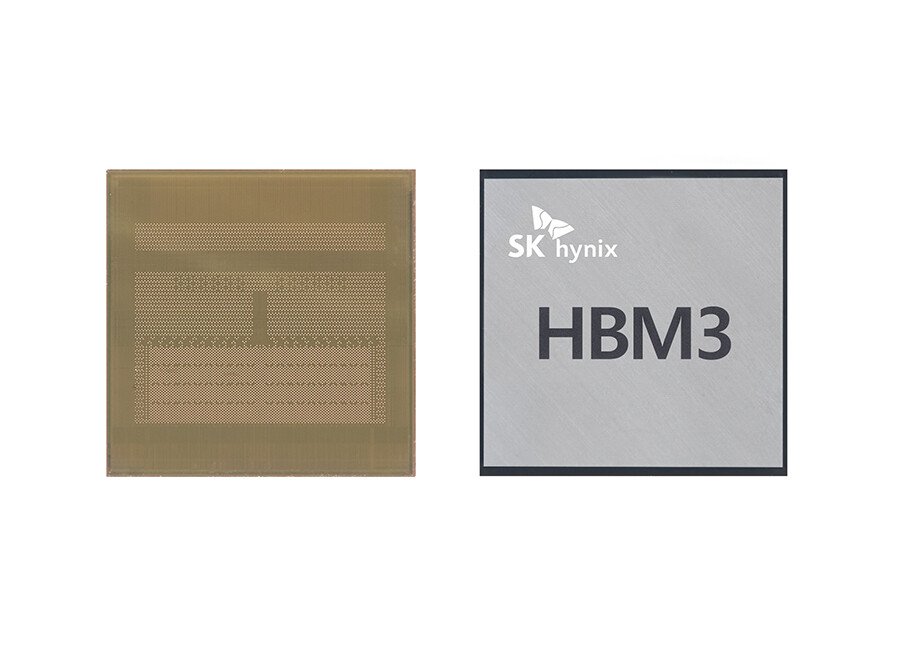
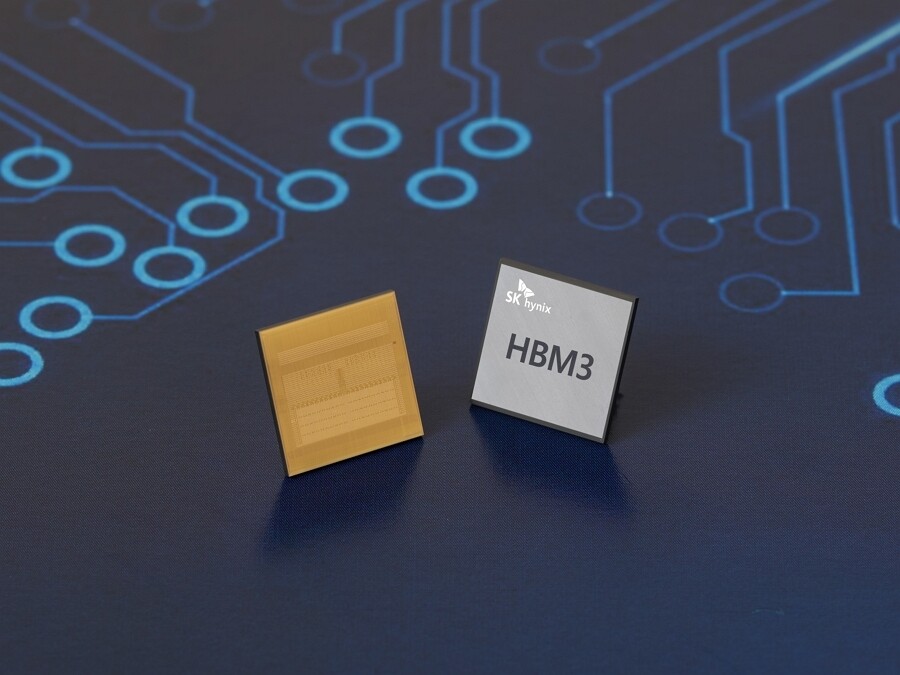
SK hynix Announces Development of HBM3 DRAM

SK hynix Inc. announced that it has become the first in the industry to successfully develop the High Bandwidth Memory 3, the world's best-performing DRAM. HBM3, the fourth generation of the HBM technology with a combination of multiple DRAM chips vertically connected, is a high value product that innovatively raises the data processing rate.

The latest development, which follows the start of mass production of HBM2E in July last year, is expected to help consolidate the company's leadership in the market. SK hynix was also the first in the industry to start mass production of HBM2E. SK hynix's HBM3 is not only the fastest DRAM in the world, but also comes with the biggest capacity and significantly improved level of quality.

Galax Shows off its Gamer RGB DDR5 Modules

DIMM designs by the various DRAM module manufacturers are always something of a personal taste thing and then there's the polarising issue of RGB or not. Well, it looks like Galax has worked on something special for its upcoming Gamer RGB DDR5 modules that is likely to cause mixed reactions, but we have a feeling they'll potentially be popular with younger gamers.

The new modules are expected to come in kits of two, ranging in size from 16 to 64 GB, with the 32 GB kit launching first. These are merely 4800 MHz modules, so there's not too much to get excited about there and no timings have been announced. However, these are the first customisable DIMMs we've ever come across, as the RGB LED strip at the top of the module is compatible with LEGO bricks, although presumably there's no official license involved here. Based on the fact that it's Galaxy China that has shown off these modules, they're unlikely to make an appearance in markets outside of China.

DRAM Prices Projected to Enter Period of Downswing in 2022 as Demand Lags Behind Supply, Says TrendForce

DRAM contract prices are likely to exit a bullish period that lasted three quarters and be on the downswing in 4Q21 at a QoQ decline of 3-8%, according to TrendForce's latest investigations. This decline can be attributed to not only the declining procurement activities of DRAM buyers going forward, but also the drop in DRAM spot prices ahead of contract prices. While the buying and selling sides attempt to gain the advantage in future transactions, the DRAM market's movement in 2022 will primarily be determined by suppliers' capacity expansion strategies in conjunction with potential growths in demand. The capacity expansion plans of the three largest DRAM suppliers (Samsung, SK hynix, and Micron) for 2022 are expected to remain conservative, resulting in a 17.9% growth in total DRAM bit supply next year. On the demand side, inventory levels at the moment are relatively high. Hence, DRAM bit demand is expected to grow by 16.3% next year and lag behind bit supply growth. TrendForce therefore forecasts a shift in the DRAM market next year from shortage to surplus.

ADATA Launches DDR5-4800 Memory Module

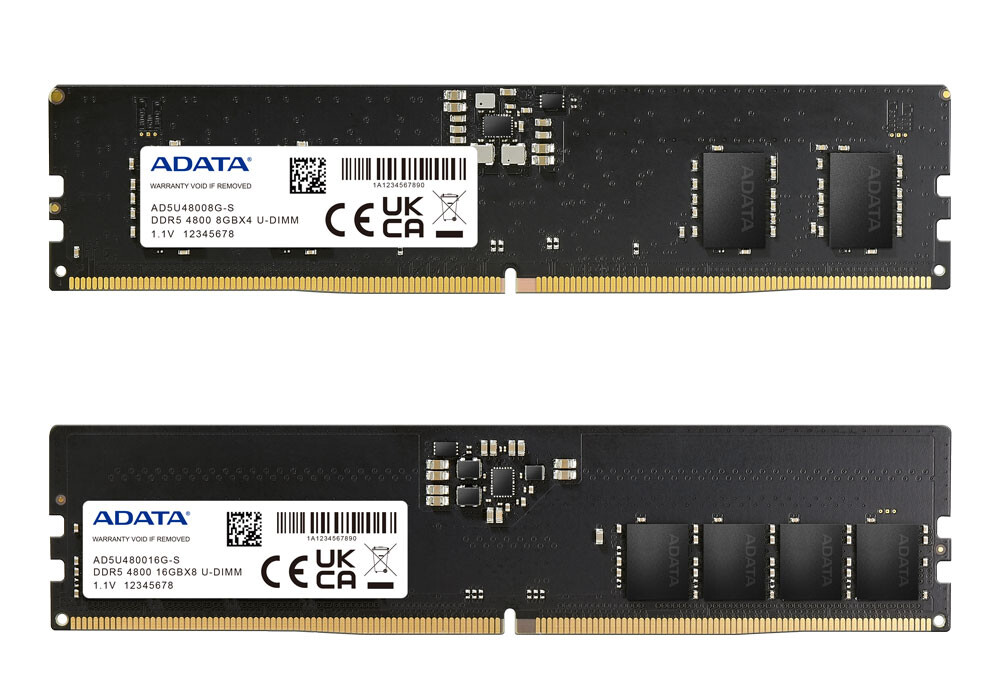
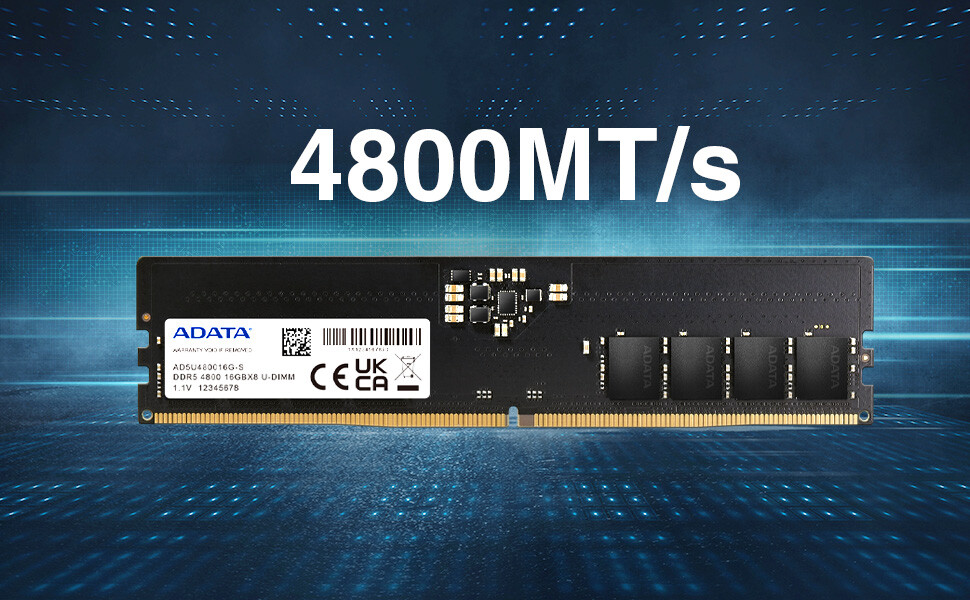
ADATA Technology, a manufacturer of high-performance DRAM modules, NAND Flash products, mobile accessories, gaming products, electric power trains, and industrial solutions today announces the ADATA DDR5-4800, a next-generation DDR5 memory module that is capable of reaching frequencies of up to 4800MT/s and comes with up to 32 GB of capacity. In addition, ADATA has worked with six major motherboard brands, including AORUS, ASROCK, ASUS, GIGABYTE, MSI and ROG to ensure optimal performance and compatibility across a wide range of motherboards.

"Through our strong R&D capabilities and close partnerships with the world's leading motherboard makers, we are committed to offering memory modules with next-generation performance, higher capacities, and enhanced stability," said Nick Dai, Senior Manager of DRAM Products at ADATA. "In the coming months, we will continue to launch a diverse array of DDR5 products to meet the different needs of creators, gamers, and other users."

Synopsys Accelerates Multi-Die Designs with Industry's First Complete HBM3 IP and Verification Solutions

Synopsys, Inc. today announced the industry's first complete HBM3 IP solution, including controller, PHY, and verification IP for 2.5D multi-die package systems. HBM3 technology helps designers meet essential high-bandwidth and low-power memory requirements for system-on-chip (SoC) designs targeting high-performance computing, AI and graphics applications. Synopsys' DesignWare HBM3 Controller and PHY IP, built on silicon-proven HBM2E IP, leverage Synopsys' interposer expertise to provide a low-risk solution that enables high memory bandwidth at up to 921 GB/s.

The Synopsys verification solution, including Verification IP with built-in coverage and verification plans, off-the-shelf HBM3 memory models for ZeBu emulation, and HAPS prototyping system, accelerates verification from HBM3 IP to SoCs. To accelerate development of HBM3 system designs, Synopsys' 3DIC Compiler multi-die design platform provides a fully integrated architectural exploration, implementation and system-level analysis solution.

GOODRAM Announces IDRM RGB DDR4 Memory Modules

The latest IRDM modules are designed for gamers and professionals to provide not only an aesthetic experience, but also high performance. Each module is equipped with 8 LEDs and is compatible with RGB lighting control software from leading motherboard manufacturers such as ASUS, MSI, GIGABYTE, and ASRock. This ensures that the lighting effects can be programmed in many different ways, resulting in the ability to synchronize with other RGB devices like the motherboard, computer case, cooling system, keyboard, headphones, or computer mouse. Initially, the modules will be available for sale in the currently most popular kit of 2x 8 GB 3600 MHz, but the manufacturer announces that products with other specifications will soon be added to the series.
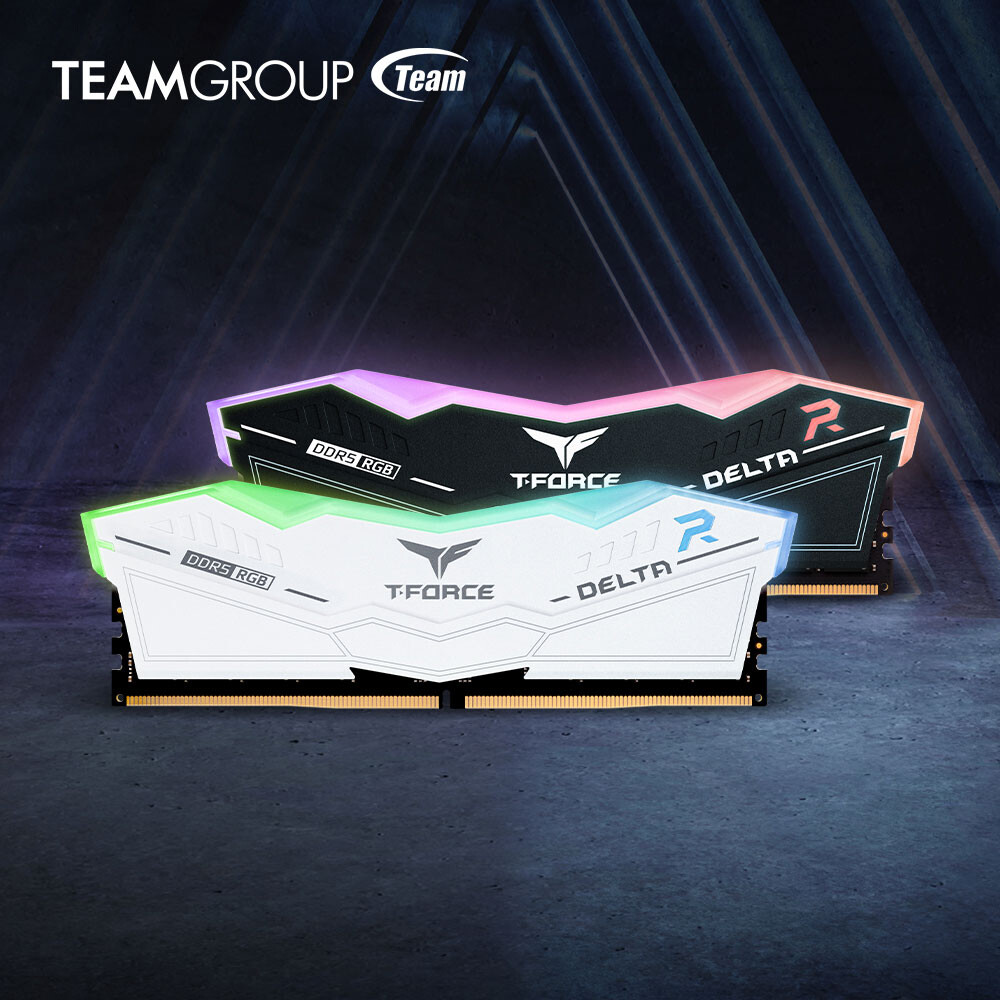
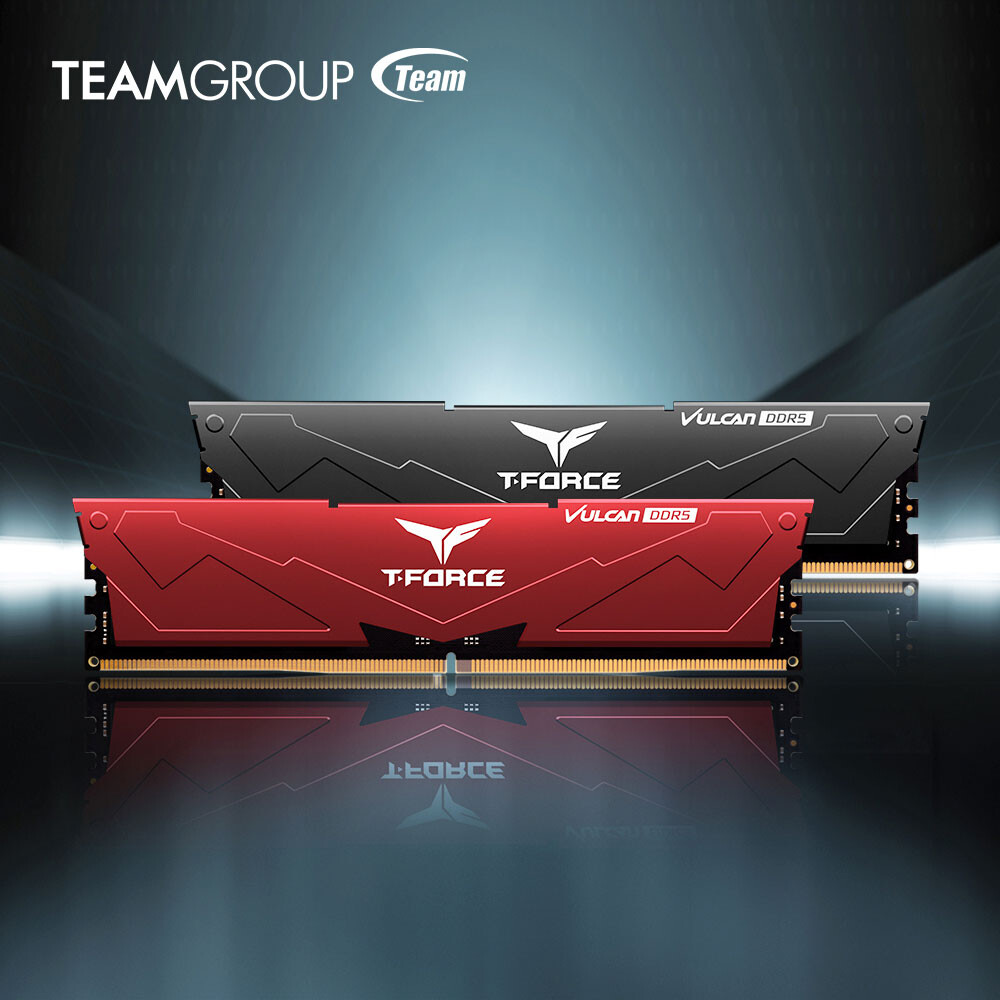
IRDM RGB DDR4 modules are built from carefully selected components and Micron memory chips. The 3600 MHz frequency at 18-22-22 timings ensures fast and stable operation of the modules, while the black heatsink built from a combination of aluminium, silicon, and magnesium perfectly dissipates heat, even during intensive use. "We are handing our customers a product that has been long-awaited and desired on the market. We are convinced that the parameters of the new IRDM memory will be appreciated by the most demanding users, especially gamers, case modders, and enthusiasts of computer sets with RGB lighting. We wanted to provide the best product in terms of both technical characteristics and a timeless design", says Wiesław Wilk, the CEO of Wilk Elektronik SA.

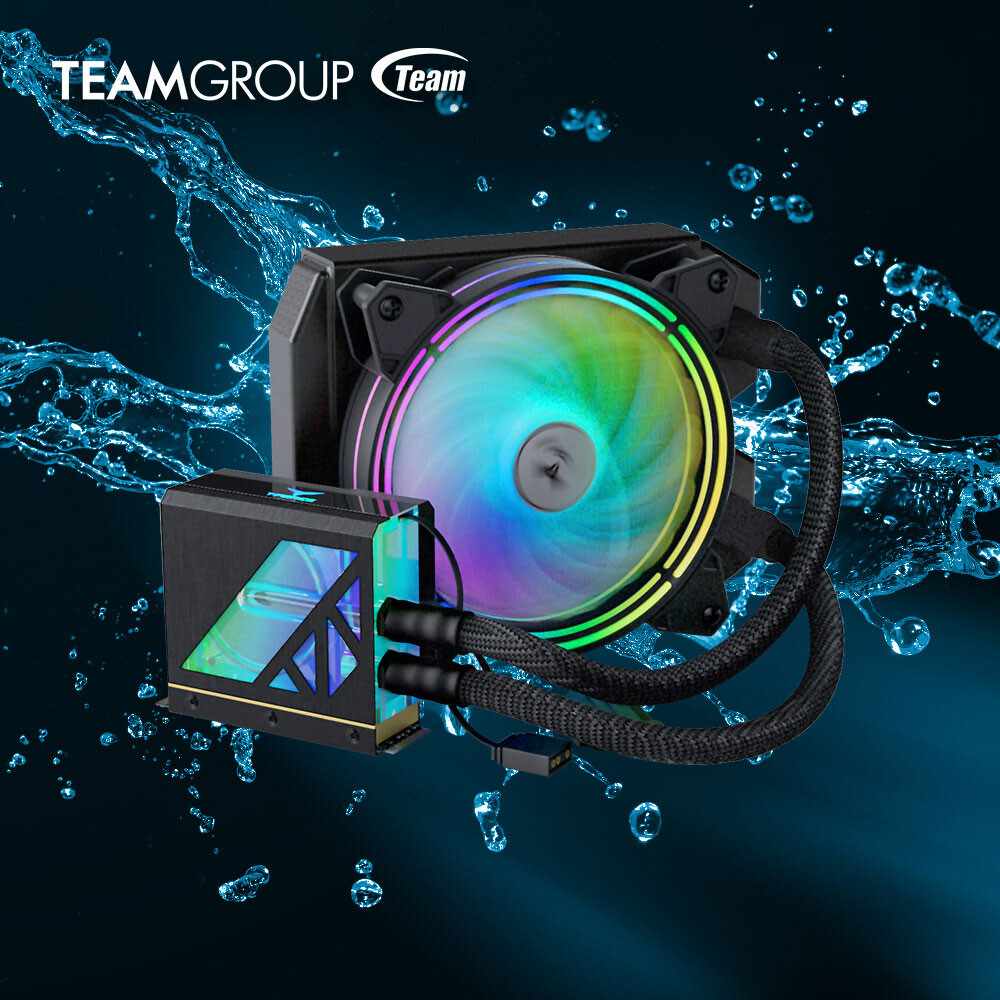
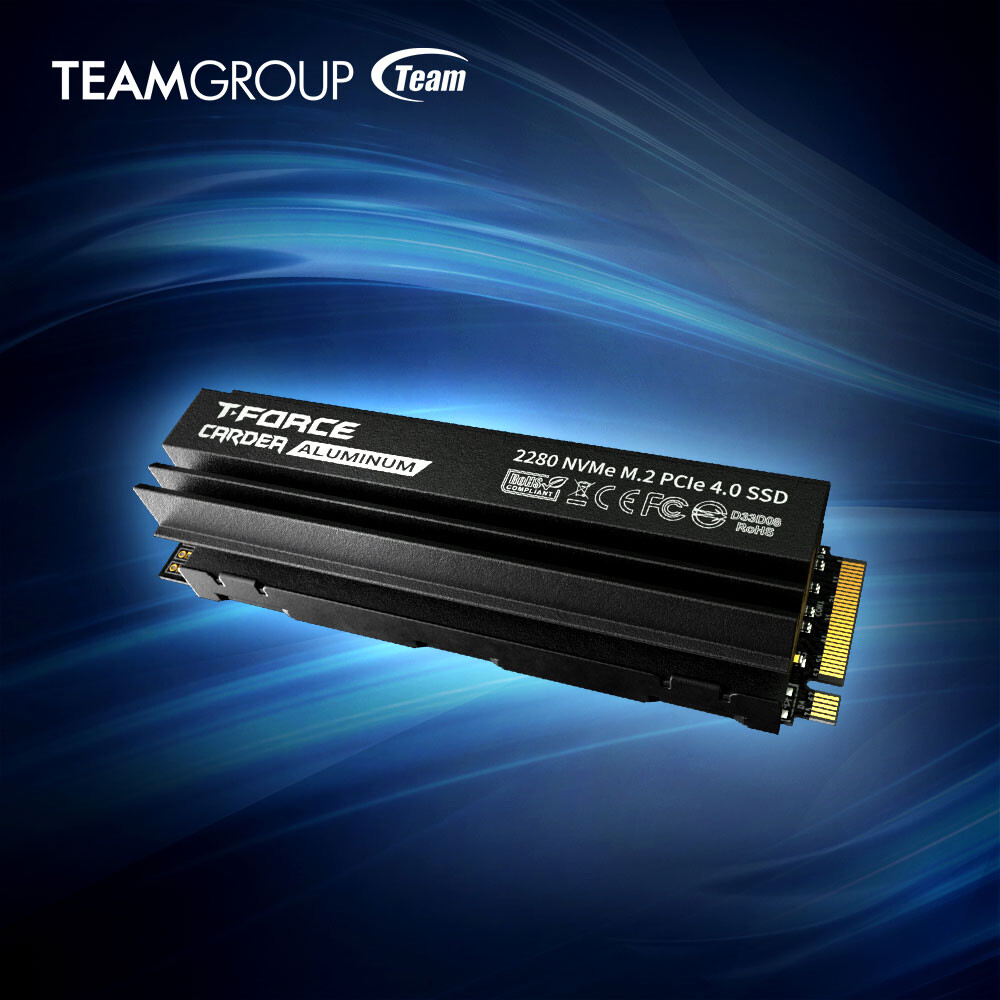
TEAMGROUP Announces Several New Product Lines: DDR5, AIO CLCs, Portable SSDs, and More

At the COMPUTEX 2021 Virtual Expo in May, TEAMGROUP presented the core value underlying its new products in 2021: "Chill the Heat, Feel the Speed, Make it Big", representing cooling, DDR5, and large capacity, the three major focuses TEAMGROUP builds its new products and design concepts around. Tonight at 10 PM (GMT+8), everyone is sincerely invited to the TEAMGROUP Online Launch Event 2021 via official website, Facebook Page, and YouTube channel as it again takes the three focuses to the next level with its powerful new technical capabilities and innovative technologies. To celebrate the event with the world, TEAMGROUP will give away a Gaming Desktop PC and other prizes worth up to $7,000 USD. Make sure to stay tuned for the TEAMGROUP Online Launch Event 2021.

In recent years, TEAMGROUP has been focusing on developing diverse cooling solutions and applying unique materials to the SSD of the Gaming product line, T-FORCE. Inspired by the four natural elements of wind, fire, water, and earth, TEAMGROUP has utilized four exclusive components of cooling to T-FORCE gaming products. The wind element can be found in TEAMGROUP's CARDEA A440 Pro M.2 PCIe SSD as further improvements are made on existing aluminium fin thermal conductivity technology for fluid ventilation and more effective cooling performance. The impressive read/write speeds of the CARDEA A440 Pro are also approaching the defined maximum speeds for Gen4 x4 by PCI-SIG at an outstanding 7,400/7,000 MB/s.

DRAM Prices Projected to Decline by 3-8% QoQ in 4Q21 Due to Rising Level of Client Inventory, Says TrendForce

Following the peak period of production in 3Q21, the supply of DRAM will likely begin to outpace demand in 4Q21, according to TrendForce's latest investigations (the surplus of DRAM supply is henceforth referred to as "sufficiency ratio", expressed as a percentage). In addition, while DRAM suppliers are generally carrying a healthy level of inventory, most of their clients in the end-product markets are carrying a higher level of DRAM inventory than what is considered healthy, meaning these clients will be less willing to procure additional DRAM going forward. TrendForce therefore forecasts a downward trajectory for DRAM ASP in 4Q21. More specifically, DRAM products that are currently in oversupply may experience price drops of more than 5% QoQ, and the overall DRAM ASP will likely decline by about 3-8% QoQ in 4Q21.

Although WFH and distance learning applications previously generated high demand for notebook computers, increasingly widespread vaccinations in Europe and North America have now weakened this demand, particularly for Chromebooks. As a result, global production of notebooks is expected to decline in 4Q21, in turn propelling the sufficiency ratio of PC DRAM to 1.38%, which indicates that PC DRAM will no longer be in short supply in 4Q21. However, PC DRAM accounts for a relatively low share of DRAM manufacturers' DRAM supply bits, since these suppliers have allocated more production capacities to server DRAM, which is in relatively high demand. Hence, there will unlikely be a severe surplus of PC DRAM in 4Q21. It should also be pointed out that, on average, the current spot prices of PC DRAM modules are far lower than their contract prices for 3Q21. TrendForce therefore expects an imminent 5-10% QoQ decline in PC DRAM contract prices for 4Q21, with potential for declines that are even greater than 10% for certain transactions, as PC OEMs anticipate further price drops in PC DRAM prices in the future.

Thermaltake Starts Selling 64GB (2x 32GB) ToughRAM XG RGB DDR4 Memory Kit

Thermaltake released its highest-capacity dual-channel (2-module) DDR4 memory kit, the ToughRAM XG RGB R016R432GX2-3600C18A. This kit uses modules that are a swansong of DDR4 in terms of capacity—32 GB x 2. The 32 GB module is dual-rank, and only compatible with some of the later generations of Intel Core and AMD Ryzen processors that feature memory controllers with support for up to 128 GB of memory in total. On its part, Thermaltake claims that the modules were only tested to be compatible with Intel 10th Gen and 11th Gen Core; and AMD Ryzen 2000 series and above. In terms of performance, the ToughRAM XG RGB R016R432GX2-3600C18 packs an Intel XMP 2.0 profile for DDR4-3600 with 18-22-22-42 + CR2T timings, and 1.35 V module voltage. The module is aesthetically identical to the ToughRAM XG RGB series the company debuted in March 2021.

ZeroPoint Technologies wants to Compress the Data in your RAM

Some of you might be old enough to remember various "RAM doubling" software software solutions that appeared back in the late 1980's for Apple, as well as in the mid 90's for Windows 95 computers. Most of them never really delivered on their claims, but now it looks like we might be getting something similar, albeit in hardware.

Swedish company ZeroPoint Technology AB has announced that it has raised €2.5 million in a seed round to bring its Ziptilion patented memory compression technology IP to the market. ZeroPoint claims a compression ratio of two to three times depending on the workload, which seems very impressive. Unlike current software compression technologies such as ZSWAP or ZRAM that are used to compress data in RAM at a rate of 1.4 to 1.5 times, ZeroPoint promises that it's hardware IP won't have any real world negative effects on system performance. In fact, they claim it'll only cause one nanosecond of extra latency when writing data and 100 nanoseconds delay when it comes to reading the compressed data from RAM.

DRAM Module Revenue Undergoes 5% YoY Growth for 2020, with Varying Performances Among Suppliers, Says TrendForce

Annual shipment of notebook computers and desktop PCs underwent a massive increase in 2020 thanks to the proliferation of the stay-at-home economy brought about by the COVID-19 pandemic last year, according to TrendForce's latest investigations. In particular, notebook shipment increased by a staggering 26% YoY, thereby generating a corresponding demand for DRAM chips. Although the movement of DRAM prices remained stable in 2020, there was a palpable growth in actual DRAM bit demand. Hence, global DRAM module revenue increased by about 5% YoY to US$16.9 billion for 2020.

Looking back at the price trend of DRAM modules for 2020, TrendForce indicates that the market adopted a relative conservative outlook going forward in view of the ongoing pandemic. In turn, various end-products differed wildly in their respective market performances as well. For instance, while demand for notebooks remained strong, smartphone demand was relatively bearish. Server shipment, on the other hand, was at the same time consistent yet indicative of uncertainties, to some degree. In light of the varying performances in the end-markets, PC DRAM prices did not undergo drastic fluctuations throughout the year, and DRAM module suppliers posted earnings performances that were a direct result of their sales strategies, with certain suppliers, including Kimtigo and ADATA, able to raise their revenues by a massive margin.

Foundry Revenue for 2Q21 Reaches Historical High Once Again with 6% QoQ Growth Thanks to Increased ASP and Persistent Demand, Says TrendForce

The panic buying of chips persisted in 2Q21 owing to factors such as post-pandemic demand, industry-wide shift to 5G telecom technology, geopolitical tensions, and chronic chip shortages, according to TrendForce's latest investigations. Chip demand from ODMs/OEMs remained high, as they were unable to meet shipment targets for various end-products due to the shortage of foundry capacities. In addition, wafers inputted in 1Q21 underwent a price hike and were subsequently outputted in 2Q21. Foundry revenue for the quarter reached US$24.407 billion, representing a 6.2% QoQ increase and yet another record high for the eighth consecutive quarter since 3Q19.

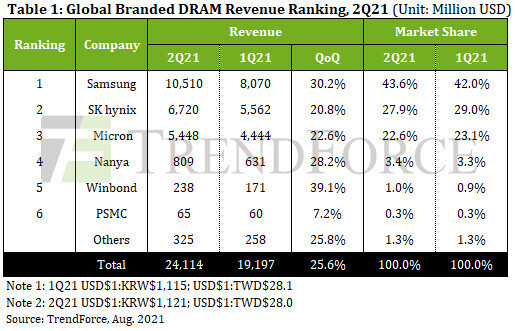
DRAM Revenue Undergoes 26% Increase QoQ for 2Q21 Owing to Rising Quotes and Higher-Than-Expected Shipment, Says TrendForce

After DRAM prices made a rebound into an upward trajectory in 1Q21, buyers expanded their DRAM procurement activities in 2Q21 as they anticipated a further price hike and insufficient supply going forward, according to TrendForce's latest investigations. Not only was demand robust from clients in the notebook segment, which benefitted from ongoing WFH and distance learning applications, but CSPs also sought to gradually replenish their DRAM inventories. Furthermore, demand for products that are relatively niche, including graphics DRAM and consumer DRAM, remained strong. Hence, DRAM suppliers experienced better-than-expected QoQ increases in their DRAM shipment for 2Q21. At the same time, DRAM quotes grew by a greater magnitude compared to the first quarter as well. With both shipment and quotes undergoing growths in tandem, DRAM suppliers registered remarkable growths in their revenues in 2Q21. Total DRAM revenue for 2Q21 reached US$24.1 billion, a 26% QoQ increase.

Contract Prices of PC DRAM Expected to Decline by 0-5% in 4Q21 as Spot Prices of DRAM Modules Continue to Weaken, Says TrendForce

Now that most negotiations over contract prices of PC DRAM for 3Q21 have concluded, DRAM suppliers' low inventories and the arrival of the peak season for DRAM procurement have resulted in a 3-8% QoQ increase in PC DRAM contract prices for 3Q21, although this is a relatively muted growth compared to the 25% increase experienced in 2Q21, according to TrendForce's latest investigations. However, demand for PC DRAM in the spot market began to show signs of bearish movement in early July ahead of time, as DRAM suppliers continued to lower prices in order to adjust their DRAM inventories. Regarding the contract market, PC OEMs currently carry relatively high levels of DRAM inventory because they substantially stocked up on PC DRAM beforehand in anticipation of an upcoming shortage. Not only has PC OEMs' high DRAM inventory put downward pressure on possible price hikes for PC DRAM, but the gradual lifting of COVID-related restrictions in Europe and the US will also likely lower the overall demand for notebook computers, thereby pulling down the overall demand for PC DRAM. TrendForce therefore forecasts a 0-5% QoQ decline in PC DRAM contract prices for 4Q21.

Sudden Drop in Cryptocurrency Prices Hurts Graphics DRAM Market in 3Q21, Says TrendForce

The stay-at-home economy remains robust due to the ongoing COVID-19 pandemic, so the sales of gaming products such as game consoles and the demand for related components are being kept at a decent level, according to TrendForce's latest investigations. However, the values of cryptocurrencies have plummeted in the past two months because of active interventions from many governments, with the graphics DRAM market entering into a bearish turn in 3Q21 as a result. While graphics DRAM prices in the spot market will likely show the most severe fluctuations, contract prices of graphics DRAM are expected to increase by 10-15% QoQ in 3Q21 since DRAM suppliers still prioritize the production of server DRAM over other product categories, and the vast majority of graphics DRAM supply is still cornered by major purchasers.

It should be pointed out that, given the highly volatile nature of the graphics DRAM market, it is relatively normal for graphics DRAM prices to reverse course or undergo a more drastic fluctuation compared with other mainstream DRAM products. As such, should the cryptocurrency market remain bearish, and manufacturers of smartphones or PCs reduce their upcoming production volumes in light of the ongoing pandemic and component supply issues, graphics DRAM prices are unlikely to experience further increase in 4Q21. Instead, TrendForce expects prices in 4Q21 to largely hold flat compared to the third quarter.
Return to Keyword Browsing
Nov 16th, 2026 04:24 CST change timezone

New Forum Posts

Popular Reviews

TPU on YouTube

Controversial News Posts