News Posts matching #Ryzen 5

Return to Keyword Browsing

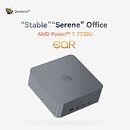
Beelink Launches 'Near-Silent' EQR7 Mini PC With AMD Zen 3+ CPU, RDNA2 iGPU, and 32 GB LPDDR5 RAM

Beelink has officially released the EQR7 mini PC, which was previously limited to China, for global markets, and it pitches the mini PC as a quiet workstation PC for office use, although it should be more than capable of some light gaming workloads, as well. The EQR7 is only available with 32 GB of soldered LPDDR5 RAM in dual channel and a 1 TB 2280 M.2 SSD, but it can be had from Beelink directly with an AMD Ryzen 7 7735U for $339 or AMD Ryzen 5 7535U for $329. It is also available on Amazon, albeit at a slightly higher price. While RAM is soldered, the EQR7 has dual 2280 M.2 slots for expandable storage. Those AMD APUs mean that the EQR7 is available with up to an AMD Radeon 680M, which is more than capable of casual gaming, even if it is showing its age.

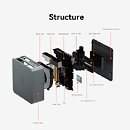
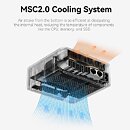
Despite the small form factor, measuring in at just 126 mm × 126 mm and 44.2 mm tall, the Beelink EQR7 features decent connectivity, with dual gigabit Ethernet ports, Wi-Fi 6, and Bluetooth 5.2. The physical ports include a front-mounted USB 3.2 Gen 2 type-A port, a USB 3.2 Gen 2 Type-C port, and a 3.5 mm combo audio jack. On the rear, there are dual HDMI 2.0 ports, dual USB 3.2 Gen 2 ports, and a solitary USB 2.0 port, alongside the aforementioned Ethernet ports and an AC power input. That AC power input also conveniently connects directly to the wall, with no power adapter necessary. There are no USB4 ports, so gamers can forget about connecting an eGPU for additional performance, but the EQR7 isn't really marketed as a gaming mini PC, to begin with. Beelink says that the MCS2.0 cooling system and the "silent" internal fan allow the EQR7 to operate at 32 dB, but it's unclear whether that is under load or at idle, so this claim should be taken with a grain of salt.
AMD Continues AM4 Support with New Ryzen 5 CPU

AMD has announced the Ryzen 5 5600F, a new six cores processor for the AM4 platform, nearly nine years after the socket's initial launch. According to VideoCardz, the 5600F is a lower-clocked variant of the existing Ryzen 5 5600, featuring a 3.0 GHz base clock and 4.0 GHz boost clock—300 MHz and 400 MHz lower than the standard 5600, respectively. The processor uses Vermeer (Zen 3 architecture) silicon instead of mobile Cezanne architecture, which means proper PCIe support and desktop-level performance features. It adds to AMD's extensive AM4 lineup, which now has over 24 processors just from the Ryzen 5000 series.

AMD launched its AM5 platform in 2022 with Ryzen 7000 series processors; however, to upgrade, you need new DDR5 memory and PCIe 5.0 motherboards. The ongoing AM4 support helps users who don't want to switch platforms. This makes sense because high-end AM4 processors like the Ryzen 7 5800X3D can still handle modern graphics cards at 1440p and 4K resolutions. AMD seems to aim the Ryzen 5 5600F at OEMs and system integrators for budget builds, not enthusiast upgrades. This new processor (probably the last for the AM4 platform) is another example of AMD keeping affordable options on its well-established platform, especially as any other higher-tier AM4 processors will most likely not be released.

AMD Ryzen 5 9500F Arrives in Stores on September 16

AMD has confirmed that the entry-level Zen 5 chip, the Ryzen 5 9500F, will be available in retail on September 16, 2025. The chip sits at the middle of the Ryzen 9000 line and packs six cores and 12 threads, with a base clock of 3.8 GHz and a boost clock of up to 5.0 GHz. It features 6 MB of L2 cache and 32 MB of L3 cache, totaling 38 MB, and has a 65 W TDP. The "F" suffix indicates that there is no integrated GPU, so a discrete graphics card will be required. AMD's slides position the 9500F as a budget-friendly Zen 5 option and show a price of ¥1,299 in China, which is about $181 before taxes. AMD's internal numbers claim roughly a 9% average uplift in triple-A games and about 11% in competitive titles compared with the Ryzen 5 7500F, with a few titles showing larger gains.

Early, independent benchmarks that have appeared online show much smaller improvements in some setups and place the 9500F near Intel's mid-range parts in real-world gaming tests, and only 3.5% improvement over the Ryzen 5 7500F. There is also confusion surrounding availability and part numbers, as some listings suggest early shipments in China, while presentation slides list a September 16 retail date. Therefore, the SKU may be region-specific or later rebranded for other markets. Once complete reviews arrive, we should have a clearer picture of the segmentation and performance, as well as final details of availability.

AMD Ryzen 7 9700F and Ryzen 5 9500F CPUs Appear Online

AMD is expanding its AM5 lineup with two iGPU-less "Granite Ridge" processors, which have been spotted in retailer feeds, indicating a likely near-term launch. ShopBLT listed the Ryzen 7 9700F and Ryzen 5 9500F, with the 9700F shown as an eight-core, 16-thread part with a 65-watt TDP, priced at $294, and the 9500F listed as a six-core, 12-thread part with a 65-watt TDP, priced at $218. Both chips were previously hinted at in motherboard BIOS updates and benchmarking logs, and they were widely expected during the late summer window. AMD has not confirmed dates, but seeing retail listings in September after an August forecast suggests the company is close to announcing availability. For builders who do not require integrated graphics, these F variants offer the same core counts and thermal envelopes, relying on a discrete GPU instead. Retail availability could surface within the coming weeks.

The pricing snapshot is currently painting a messy picture. Retail and distributor feeds sometimes show placeholder numbers, and early listings do not always match final street prices. For context, the 9700X is currently listed near the $329 range, while six-core parts have been trading under $200 in some channels. Since F variants lack an iGPU, they are usually positioned below their iGPU-equipped siblings, but the ShopBLT figures do not yet paint a consistent picture. In terms of performance, the two F SKUs are expected to match their non-F counterparts since the architectural configuration appears the same. Official AMD product pages and independent reviews should settle the details shortly, so we are waiting to see if these new SKUs make sense for AMD to add to the AM5 product family.

GMKtec Launches NucBox M6 Ultra Mini PC with AMD Ryzen 5 7640HS

GMKtec today announced the global availability of its latest high-performance Mini PC, the NucBox M6 Ultra, now officially launched on the GMKtec Global Website. Designed for professionals, creators, and everyday users seeking performance in a compact form, the M6 Ultra delivers cutting-edge specifications with flexible configurations and worldwide power compatibility (Japan, US, EU, UK, AU).

The NucBox M6 Ultra is offered in multiple configurations - Barebone, 16 GB RAM + 512 GB SSD, and 32 GB RAM + 1 TB SSD - providing users with the freedom to select the right setup for their performance needs.

AMD Ryzen AI 9 HX 475 & 470 "Gorgon Point" APUs Surface in Shipping Manifests

Last month, a confidential presentation in China gave AMD's laptop partners their first glimpse of what's coming next. The slides hinted at modest clock-speed improvements and the addition of more entry-level models, all under the codename "Gorgon Point." Not long after, NBD's shipping manifests today show a series of new FP8, FP10, and FP12 product codes. These identifiers don't match any existing "Strix Point" or "Kracken Point" chips, so it's clear AMD is gearing up for a Ryzen AI 400-series refresh set to roll out around mid-2026. Despite the new name, Gorgon Point sticks with the same winning formula. It still uses Zen 5 and Zen 5c CPU cores alongside RDNA 3.5 graphics and XDNA 2 neural accelerators. Core counts haven't changed, so you'll see configurations ranging from 4 to 12 cores just like before, with up to 4x Zen 5 and 8x Zen 5c cores.

What's different, according to the leaked partner slides, is a slight bump in boost clocks. The top-end Ryzen AI 9 HX 475 and 470 chips are now rated for up to 5.2 GHz, a slight but welcome increase from the previous 5.1 GHz, while maintaining a 28 W default TDP. AMD is also broadening its reach into budget laptops. In addition to the Ryzen 9 HX upgrades, the company will introduce new Ryzen 5 and Ryzen 3 models. Early leaks mention parts numbered 440 and 430, as well as a mystery Ryzen 3 SKU. These entry-level chips will use the same Gorgon Point silicon but will be tuned for cost-sensitive devices. Branding will likely follow AMD's recent pattern. Given how AMD has renumbered previous families, slotting Gorgon Point into familiar retail channels should be straightforward. Until AMD makes an official announcement, these shipping manifests and partner leaks are the best clues we have about the performance and efficiency gains in the next wave of AI-accelerated laptops.

AMD Silently Releases the Ryzen 5 5500X3D CPU

A little over a year has passed since we last heard rumors about AMD releasing a sub-$200 chip for price-conscious gamers, the Ryzen 5 5500X3D for AM4. Well those rumors recently became reality as leaker @Zed__Wang on X spotted it on AMD's website. The "new" AMD Ryzen 5 5500X3D is a six-core, twelve-thread processor built on the Zen 3 architecture using TSMC's 7 nm process. It operates at a base clock of 3 GHz with boost speeds up to 4 GHz (the old 5600X3D runs 3.3 GHz base and 4.4 GHz boost clocks), with a 105 W power budget. The processor features 384 KB of L1 cache, 3 MB of L2 cache, and a substantial 96 MB of L3 cache.

The 5500X3D's main selling point is its 3D V-Cache technology combined with AM4 socket compatibility for existing systems. If you already have an AM4 system and aren't ready for a complete upgrade, the 5500X3D could be worth considering as a drop-in performance boost. The decision will largely depend on pricing when it becomes available since currently it isn't yet listed on any e-commerce websites. For new builds, a modern AM5 processor like the Ryzen 5 7600X or 9600X would be a better choice, offering more future upgrade paths.

AMD Ryzen 5 9600 Nearly Matches 9600X in Early Benchmarks

The AMD Ryzen 5 9600 launched recently as a slightly more affordable variant of the popular Ryzen 5 9600X. Despite launching over a month ago, the 9600 still appears rather difficult to track down in retail stores. However, a recent PassMark benchmark has provided some insights as to the performance of the non-X variant of AMD's six-core Zen 5 budget CPU. Unsurprisingly, the Ryzen 5 9600X and the Ryzen 5 9600 are neck-and-neck, with the 9600X scraping past its non-X counterpart by a mere 2.2% in the CPU benchmark.

According to the PassMark result, the Ryzen 5 9600 scored 29,369, compared to the Ryzen 5 9600X's 30,016, while single-core scores were 4581 for the 9600X and 4433 points for the 9600, representing a 3.2% disparity between the two CPUs. The result is not surprising, since the only real difference between the 9600 and the 9600X is 200 MHz boost clock. All other specifications, including TDP, core count, cache amount and base clock speed, are identical. Both CPUs are also unlocked for overclocking, and both feature AMD Precision Boost 2. While the Ryzen 5 9600 isn't available just yet, it will seemingly be a good option for those who want to stretch their budget to the absolute maximum, since recent reports indicate that it will be around $20 cheaper than the Ryzen 5 9600X, coming in at around the $250-260 mark.

AMD Lists Six "New" Ryzen 5000G SKUs, Zen 3's Lifespan Extended Again

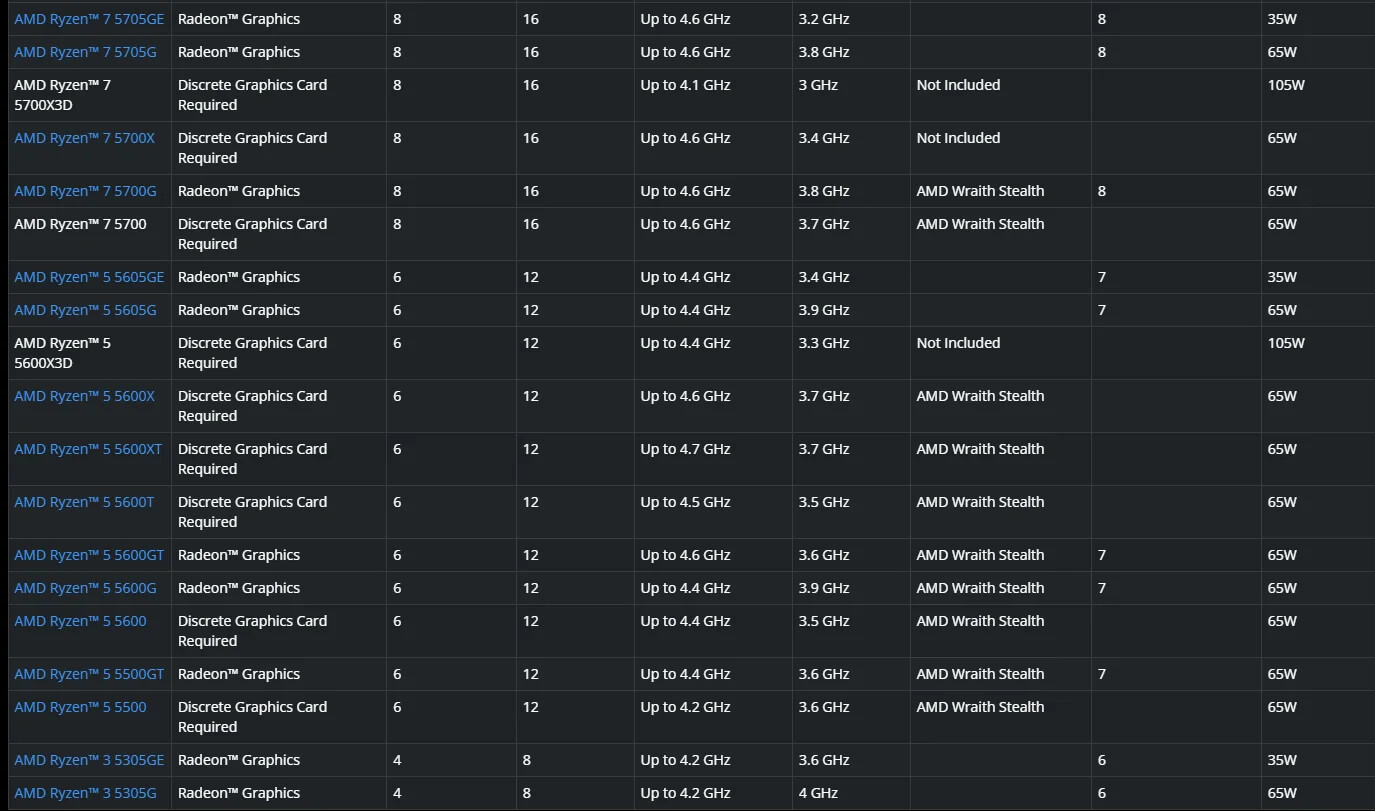
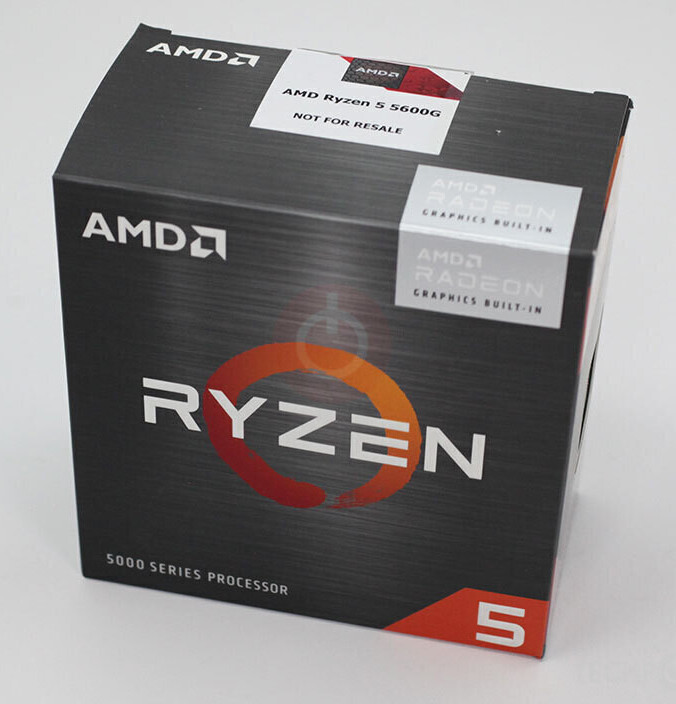
AMD has quietly updated its web presences with six new processor SKUs—as spotted by Everest (aka Olrak29), and a member of Team Red's subreddit. Community detective work indicates official CPU support lists being updated at some point after February 11. Model names and product identifiers were highlighted; AMD is likely introducing additional Zen 3 "Cezanne" options for OEM partners. The Ryzen 5000G lineup of Zen 3 and Vega iGPU-powered APUs was already well populated, going back to 2021. The "newly" listed AM4 models are: Ryzen 7 5705GE, Ryzen 7 5705G, Ryzen 5 5605GE, Ryzen 5 5605G, Ryzen 3 5305GE and Ryzen 3 5305G.

The familiar "G" tag indicates the presence of an integrated graphics solution; a Cezanne GPU that utilizes GCN 5.1 architecture. A "GE" designation denotes lower power variants; with 35 W TDPs. A small selection of Zen 3-based Ryzen PRO models are available in GE form, including the Ryzen 5 PRO 5650GE SKU. Three of the recently discovered models seem to share identical specifications with Team Red's well established roster of Ryzen 7 5700G, Ryzen 5 5600G, and Ryzen 3 5300G options. Currently, dedicated product pages are not populated with information; instead you are greeted with a "404: Page Not Found" warning. AMD is well known for keeping its older technologies alive for long periods; its RDNA 3+ graphics architecture is expected to last until 2027 (or beyond).

Gigabyte Brix BTIP-N250 Mini PC Unveiled With Quad-Core CPU and 2.5" Bay

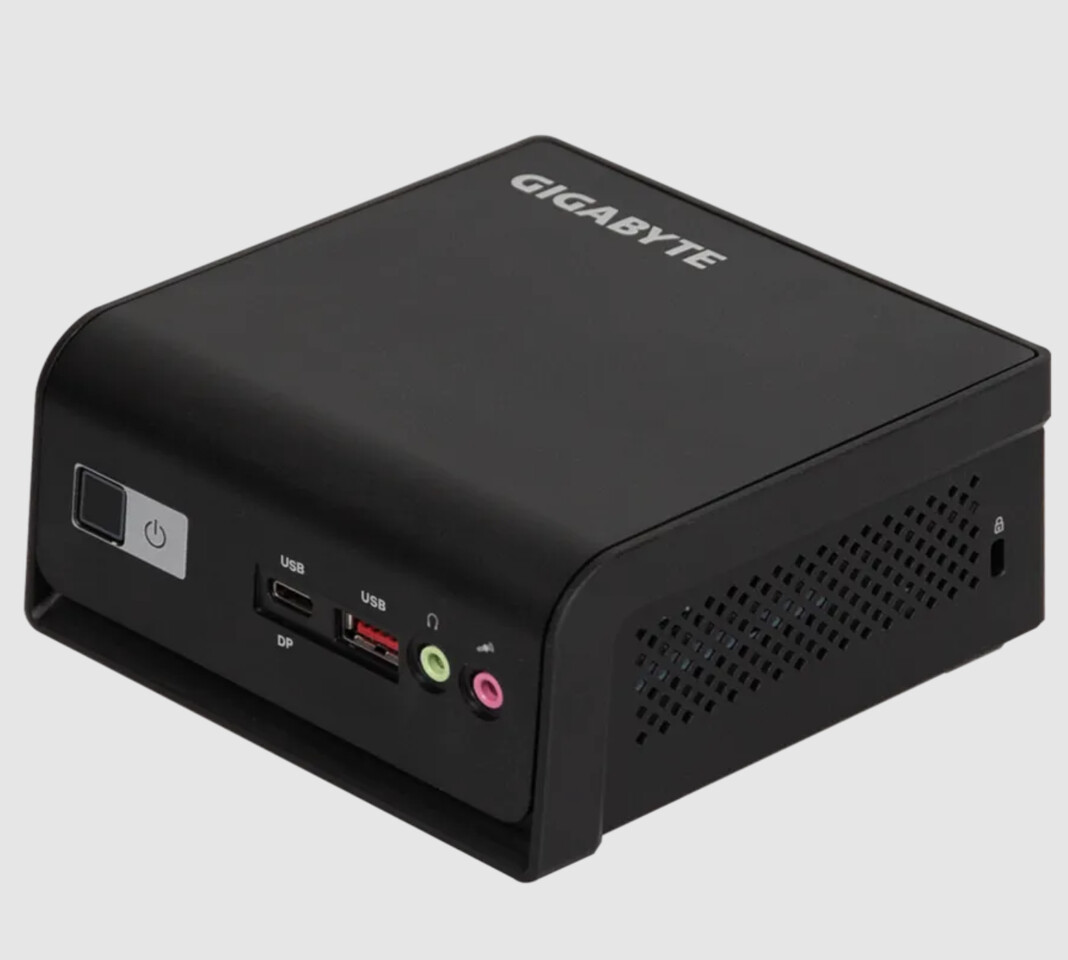
Yet another Brix mini PC from Gigabyte has hit the scene, powered by the very modest six-watt Intel N250 CPU. Undoubtedly, this mini PC is targeted at folks with modest computing demands. If the system's specifications are anything to go by, the BTIP-N250 is most likely to command an affordable price tag, although that cannot be said with certainty for now considering that Gigabyte is yet to reveal any pricing or availability details regarding the system.

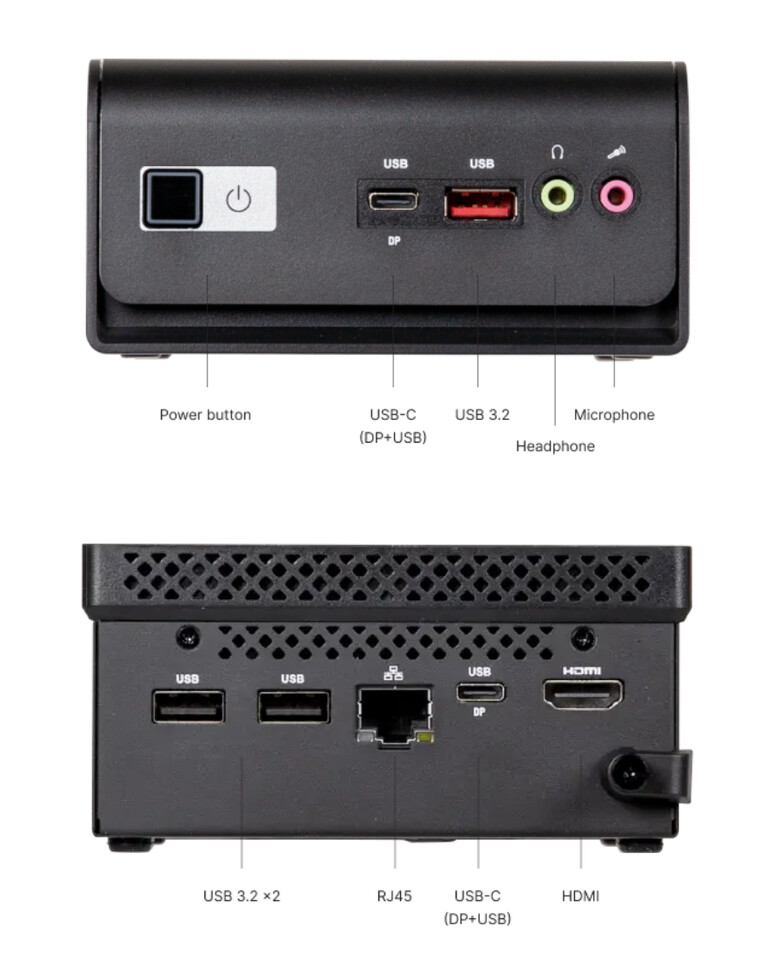
As mentioned, the Intel N250 quad-core, quad-thread processors is not here to set any performance records. That said, the N250 is actually as performant as the Zen+ Ryzen 5 3500U, which means moderate workloads and office-based workflows are likely not going to be much of a challenge for the system. The processor can be paired with up to 16 GB of DDR5 memory, and the system supports M.2 as well as 2.5" drives to take care of storage requirements. Dual USB-C 3.2 Gen 2, dual USB-A 3.2 gen 2, HDMI, and audio in/out ports are also present. Wireless connectivity can be added via the M.2 2230 slot, while the 1G ethernet takes care of wired networking.

AMD Ryzen 5 7400F CPU Priced at $116 in China, The Most Affordable AM5 CPU

AMD's most affordable AM5 processor, the Ryzen 5 7400F, has emerged in Chinese retail channels priced at 849 RMB (approximately $116 with taxes). The pricing suggests the processor could retail for around $100 in other markets before local taxes. The newest silently announced CPU features 6 cores and 12 threads, joining AMD's existing Zen 4 processor lineup. Operating at a base clock of 3.7 GHz with boost capabilities up to 4.7 GHz, the chip maintains the same 32 MB L3 cache as its predecessors while running at a 65 W TDP. Unlike the previous Ryzen 5 7500F, which was limited to system builders and OEMs, the 7400F will be sold directly to consumers through regular retail channels. The processor includes a basic AMD Wraith Stealth cooler in its retail package.

The chip supports standard features found across the AM5 platform, including memory overclocking through AMD EXPO and CPU performance tuning via Precision Boost Overdrive. Like other Ryzen processors, it maintains unlocked multipliers for manual overclocking. The 7400F's appearance follows AMD's recent pattern of quiet releases, similar to the Ryzen 5 9600 that appeared during CES 2025. No official announcement preceded the processor's retail availability. Early listings show the processor available through several Chinese retailers, though availability in other regions remains unclear. The competitive price point could make AMD's AM5 platform more accessible to users building on tighter budgets, though potential buyers will still need to factor in the cost of DDR5 memory and AM5 motherboards required by the platform.

AMD Silently Introduces Ryzen 7400F Raphael 6-core/12-thread 65 W CPU

While the Ryzen 5 7500F was the least expensive Raphael AM5 Zen 4 CPU that you could find, AMD has now silently launched the Ryzen 5 7400F, a new 6-core/12-thread SKU. Similar to the Ryzen 5 9600 (non-X) that was silently introduced during CES 2025, the Ryzen 5 7400F was not officially announced, but rather just showed up on AMD's product pages. Unlike the Ryzen 5 7500F, which was available only to OEMs and system integrators (SIs), the Ryzen 5 7400F will apparently be available in retail/e-tail as well.

As said, the Ryzen 5 7400F is a Raphael architecture CPU with Zen 4 CPU cores and fits into an AM5 socket. It is a 6-core CPU with support for AMD Simultaneous Multithreading (SMT), so it packs 12-threads and has the same 32 MB of L3 cache. The base clock is set at 3.7 GHz, with a maximum boost clock of 4.7 GHz. The TDP is still at 65 W. As with the rest of the lineup, it is an unlocked CPU, so overclocking is possible, and it supports AMD EXPO Memory Overclocking technology, as well as Precision Boost Overdrive. In the boxed version, it comes with an AMD Wraith Stealth cooler.

AMD Achieves Top 10 Best-Selling and Most Sought-After CPUs on Amazon

AMD has claimed the top ten spots in Amazon's best-selling and most wished-for category with its Ryzen processors. The success of AMD's CPUs can be attributed to the competitive pricing, top-tier performance, and overall features provided by Team Red. In its best-sellers category, Amazon lists the following CPUs: AMD Ryzen 7 5700X, Ryzen 5 5600X, Ryzen 7 7800X3D, Ryzen 5 7600X, Ryzen 7 9800X3D, Ryzen 9 5900X, Ryzen 7 5700X3D, Ryzen 7 7700X, Ryzen 7 5800X, Ryzen 5 7600, and Ryzen 5 5500. The first Intel CPU to appear in the list, at the time of writing, is the Intel Core i5-13600KF CPU, sitting in the spot number 12 in the best-selling department.

Another interesting list to look at is the most wished-for, where Amazon shoppers put CPUs on their wishlist and wait for a purchase. The number one most wished-for CPU is the AMD Ryzen 7 9800X3D with 3D V-Cache. The eight spots are occupied by: AMD Ryzen 7 7800X3D, Ryzen 7 5700X3D, Ryzen 9 5900X, Ryzen 7 5800X, Ryzen 7 7700X, Ryzen 5 7600X, Ryzen 9 9900X, and Ryzen 5 5600X. Intel Core i9-14900K CPU currently occupies the number ten spot. This truly shows the enthusiasm of Amazon shoppers towards AMD's CPU offerings and the company's current mindshare. With an increasing market share, AMD is challenging Intel in the CPU department, providing great competition to tech enthusiasts.

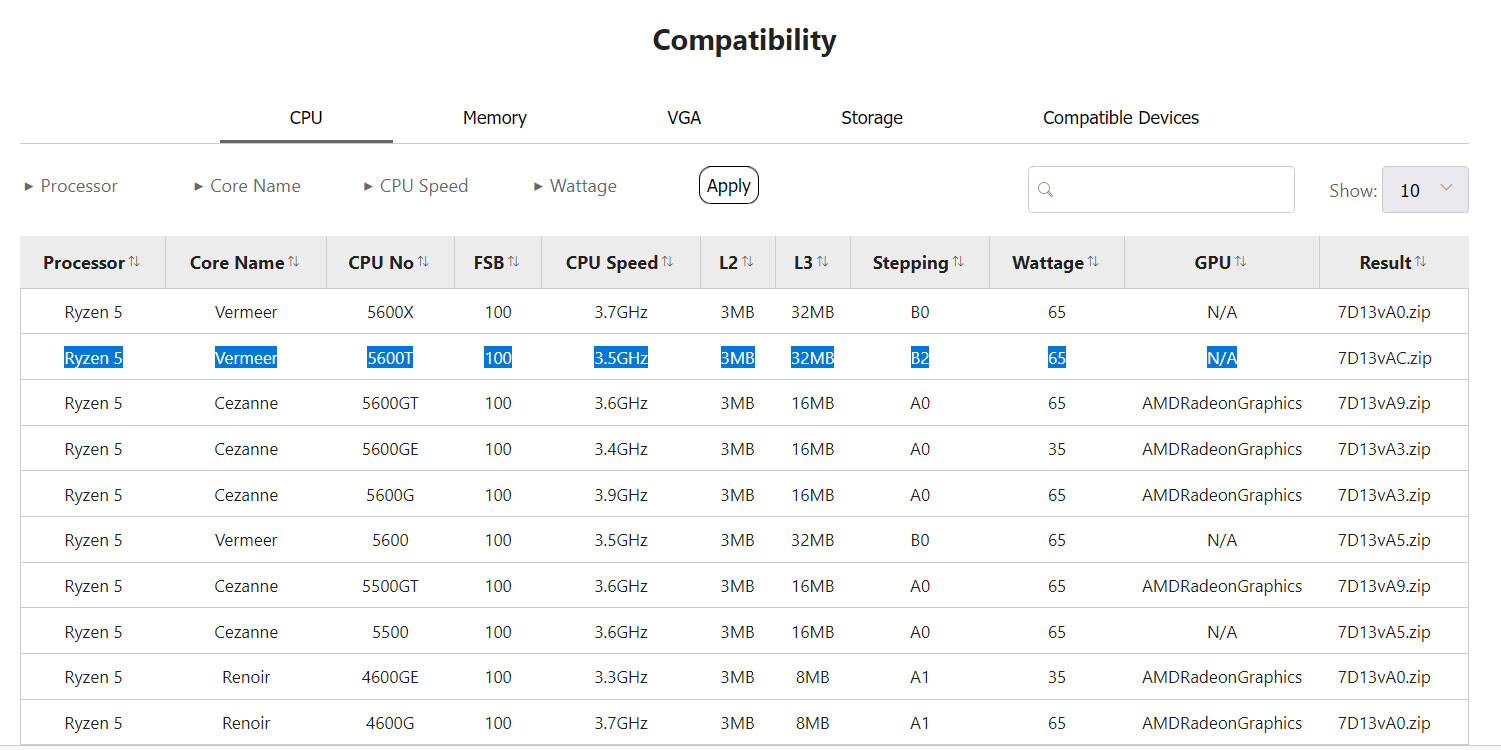
AMD Set to Extend AM4 Platform with New Ryzen 5 5600XT and 5600T Processors

AMD continues to expand the AM4 platform with new processors, despite having already released 145 AM4 SKUs over the past nine years. According to Videocardz, citing a post from @momomo_us on the X platform, AMD plans to launch two new ones: the Ryzen 5 5600T and 5600XT. The leak was later confirmed on ASUS and MSI websites, with these 6-core CPUs appearing on lists of supported motherboards. The MSI page confirms that (at least) the 5600T is a Vermeer processor without integrated graphics. Additionally, AMD intends to make the Ryzen 3 5300G available to consumers as a boxed retail product; until now, this model has been available exclusively for OEM markets since its launch in 2021.

Going into more detail, these new SKUs have the following specifications: The Ryzen 5 5600XT features a 6-core design, 32 MB L3 cache, 65 W TDP, and a base frequency of 3.8 GHz. The Ryzen 5 5600T also has a 6-core design, 32 MB L3 cache, and 65 W TDP, but with a lower base frequency of 3.5 GHz. The Ryzen 3 5300G comes with a 4-core design, 8 MB L3 cache, 65 W TDP, a base frequency of 4 GHz, and is equipped with 6CU scale core graphics (no information regarding turbo clocks for any of these SKUs yet). As mentioned, the current lineup for the AM4 platform includes 145 SKUs, with the Ryzen 5000 series alone already having 20 models. While AMD's dedication to supporting the AM4 platform is admirable, a simple question arises: who will buy or distinguish these new AM4 SKUs from such a vast offering?

Gigabyte Releases 105 W TDP Ryzen 9700X and 9600X BIOS Update for its AM5 Motherboards

GIGABYTE TECHNOLOGY Co. Ltd, a leading manufacturer of motherboards, graphics cards, and hardware solutions, announced today the latest BIOS release to include TDP to 105 W option for AMD Ryzen 7 9700X and Ryzen 5 9600X processors, which can boost CPU performance up to 13%.

The September latest BIOS version AGESA 1.2.0.1a provides a new option enabling users to raise the CPU TDP from 65 W to 105 W with just one click for Ryzen 9600X and 9700X on GIGABYTE 600 series motherboards. This new BIOS has been verified to show an approximately 13% multicore performance boost compared to default TDP 65 W by Cinebench R23 test results.

"Black Myth: Wukong" Game Gets Benchmarking Tool Companion Designed to Evaluate PC Performance

Game Science, the developer behind the highly anticipated action RPG "Black Myth: Wukong," has released a free benchmark tool on Steam for its upcoming game. This standalone application, separate from the main game, allows PC users to evaluate their hardware performance and system compatibility in preparation for the game's launch. The "Black Myth: Wukong Benchmark Tool" offers a unique glimpse into the game's visuals by rendering a real-time in-game sequence. While not playable, it provides valuable insights into how well a user's system will handle the game's demanding graphics and performance requirements. One of the tool's standout features is its customization options. Users can tweak various graphics settings to preview the game's visuals and performance under different configurations. This flexibility allows gamers to find the optimal balance between visual fidelity and smooth gameplay for their specific hardware setup.

However, Game Science has cautioned that due to the complexity and variability of gaming scenarios, the benchmark results may not fully represent the final gaming experience. This caveat shows the tool's role as a guide rather than a definitive measure of performance. The benchmark tool's system requirements offer a clear picture of the hardware needed to run "Black Myth: Wukong." At a minimum, users will need a Windows 10 system with an Intel Core i5-8400 or AMD Ryzen 5 1600 processor, 16 GB of RAM, and either an NVIDIA GeForce GTX 1060 6 GB or AMD Radeon RX 580 8 GB graphics card. For an optimal experience, the recommended specifications include an Intel Core i7-9700 or AMD Ryzen 5 5500 processor and an NVIDIA GeForce RTX 2060, AMD Radeon RX 5700 XT, or Intel Arc A750 graphics card. Interestingly, the benchmark tool supports DLSS, FSR, and XeSS technologies, indicating that the final game will likely include these performance-enhancing features. The developers also strongly recommend using an SSD for storage.

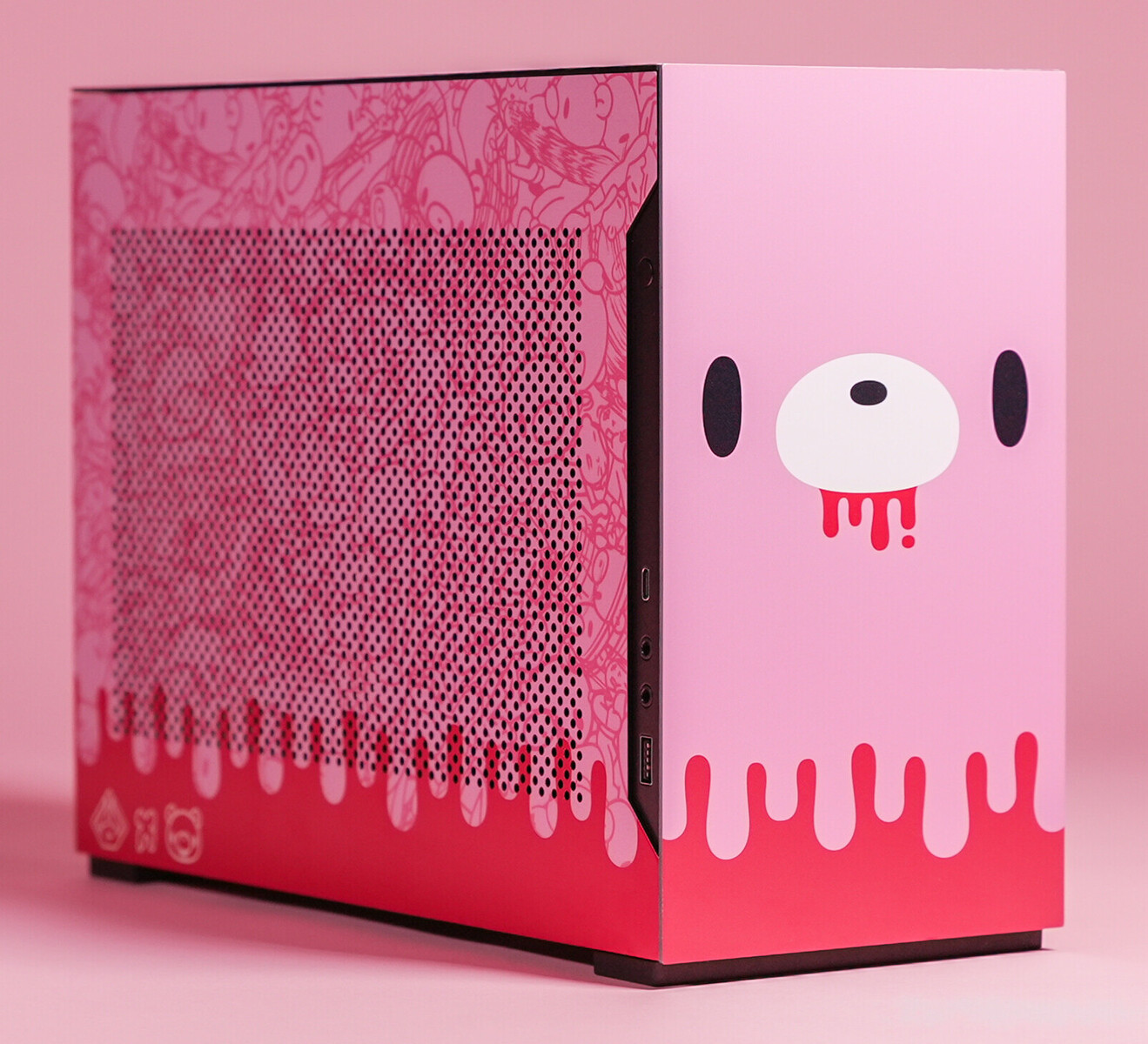
Starforge Systems Launches "GLOOMY BEAR" Limited Edition PC Line

Anime fans rejoice! Starforge Systems has teamed up with Crunchyroll-licensed IP GLOOMY BEAR to unleash a fierce new addition to their Limited Edition lineup. Featuring designs inspired by Japanese artist and writer Mori Chack's fan-favorite anime series, "Gloomy the Naughty Grizzly," this ultra-pink (and deceptively vicious) lineup includes a small form factor PC and case, desk mats and acrylic wall art featuring the naughty grizzly bear anime fans know and love.

GLOOMY BEAR diehards can choose from 6 unique acrylic wall art designs and 5 different desk mat designs to upgrade their desktops with adorable ferocity. Established in 2000, GLOOMY BEAR has amassed a fanbase around the globe, and includes a range of licensed products and collaborations with some of the top Vtubers in the world.

Ryzen 9000-series Pricing Leak Ahead of Launch

Official Ryzen 9000-series pricing has leaked just ahead of the launch, courtesy of Newegg and BestBuy in the US. Serial leaker @momomo_us over at X/Twitter managed to snap screenshots of the pricing before it was removed by the retailers. This might've been because of a mixup, since the Ryzen 9000-series was supposed to launch today, before being pushed back to the 8th and 14th of August respectively, depending on the SKU. Admittedly the pricing might still change, but it's highly likely that the leaked pricing is AMD's MSRP for the four new CPUs, as both of the retailers have listed identical pricing for the four SKUs.

The good news for prospective buyers of the new CPUs is that AMD has lowered the pricing across the board compared to the launch pricing for the Ryzen 7000-series, especially at the higher-end. The Ryzen 5 9600X should have an MSRP of US$279, followed by US$359 for the Ryzen 7 9700X. That's US$20 and US$40 lower than their Ryzen 7000-series counterparts respectively. The Ryzen 9 9900X should retail for US$449, followed by US$599 for the Ryzen 9 9950, both US$100 less than their Ryzen 7000-series counterparts. This could in part be due to the expected X3D parts coming at a later point in time and AMD now knowing it has to offer the non X3D SKUs for a more competitive price point.

Slovenian Retailer Puts AMD's Ryzen 9000-series up for Pre-order

As we're getting close to the launch of AMD's 9000-series Ryzen processors, local retailers have already started to put the new CPUs up for pre-order and this gives us a first glimpse into the pricing we can expect. The first company to do so in Europe is Slovenian retailer Funtech, which has put up all four SKUs on its site. For those not familiar with European pricing, Slovenia has a VAT or sales tax rate of 22 percent, which obviously makes the pricing higher than in the US and some other countries. As Funtech also sells AMD's current CPUs, we can also get an idea of how much more the new CPUs will cost, at least compared to what the online retailer sells the equivalent 7000-series models for.

Starting from the bottom, the Ryzen 5 9600X goes for €310 (US$332) and the shop has the Ryzen 7 7600X up for sale at €212. The Ryzen 7 9700X goes for €400 (US$429), whereas the Ryzen 7 7700X is sold for €305. The Ryzen 9 9900X is listed at €500 (US$536) with the Ryzen 9 7900X at €392. Finally the Ryzen 9 9950X is listed at €660 (US$707), compared to €510 for the Ryzen 9 7950X. This is in line with earlier leaked pricing from the Philippines and with the VAT removed, we end up close to proposed MSRP pricing by various leakers over the past couple of months, or even somewhat lower. If anything, it doesn't look like AMD is going to increase the MSRP over the 7000-series of Ryzen processors.

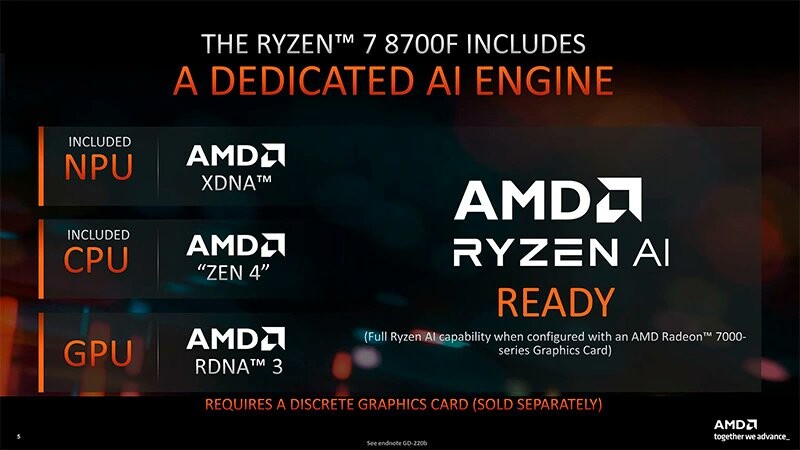
AMD Ryzen 7 8700F and Ryzen 5 8400F Detailed

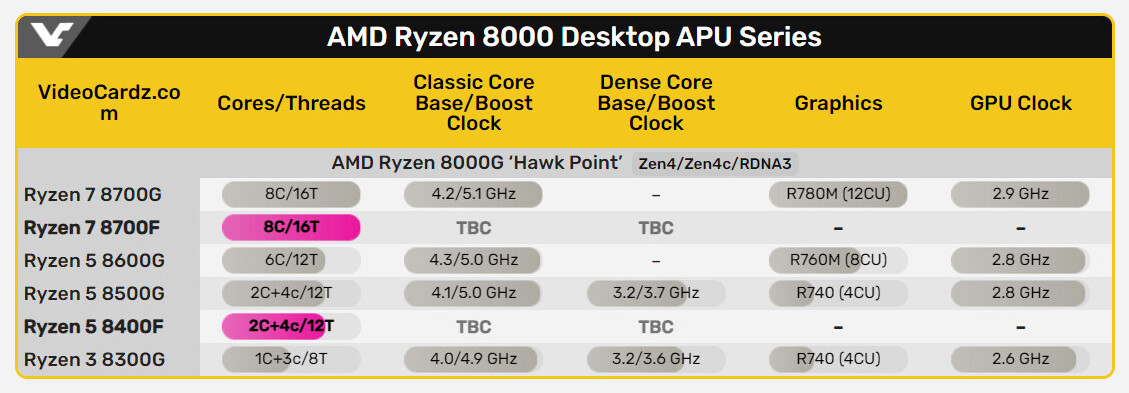
AMD is indeed bringing the Ryzen 7 8700F and Ryzen 5 8400F desktop processors to the retail PIB channel. Both these processors are based on the 4 nm "Hawk Point" or "Phoenix 2" silicon, but with their iGPU disabled, hence the "F" in the model name. Company slides related to the two were leaked to the web. The processors feature CPU cores based on the "Zen 4" microarchitecture, and are built in the Socket AM5 package.

The Ryzen 7 8700F features the 8-core/16-thread "Zen 4" CPU that the 8700G, but with lower CPU clock speeds of up to 5.00 GHz boost (compared to up to 5.10 GHz for the 8700G). Although its iGPU is disabled, its NPU isn't. The Ryzen AI NPU offers 16 AI TOPS performance. The processor retains the 65 W TDP of the 8700G. Moving on to the 8400G, and here we see the processor being based on the "Phoenix 2" silicon, with 6 CPU cores. Two of these are "Zen 4," and can reach the processor's 4.70 GHz maximum boost frequency; while the other four are "Zen 4c," and operate at lower clock speeds. The chip physically lacks an NPU, and its iGPU is disabled. It still has 65 W TDP to feed its CPU cores. In their retail packages, both processors include a Wraith Stealth cooling solution that's meant for 65 W TDP processors.

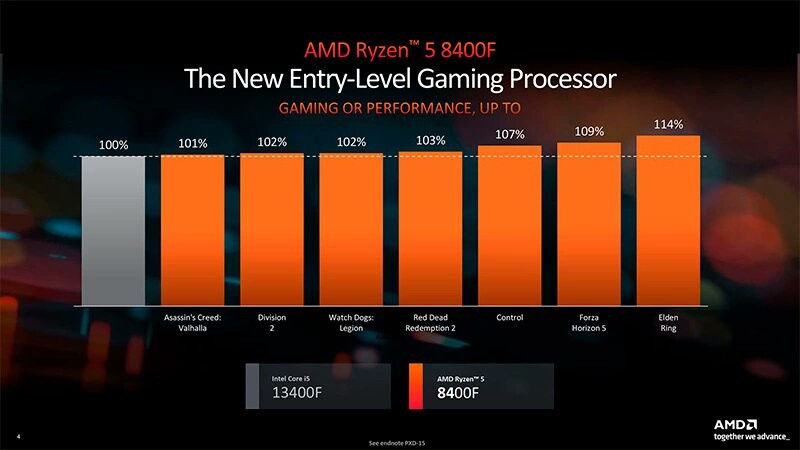
AMD Readies Ryzen 7 8700F and Ryzen 5 8400F for Retail Channel Launch

AMD is reportedly planning to launch the Ryzen 7 8700F and Ryzen 5 8400F Socket AM5 desktop processors for a global launch, in the retail channel, as boxed processors. The two chips had launched earlier this month in the Chinese retail market. The 8700F reportedly comes with an OPN of 100-100001590BOX, while the 8400F is marked 100-100001591BOX. The "F" in both SKUs denotes a lack of integrated graphics. The Ryzen 7 8700F is an 8-core/16-thread processor based on the 4 nm "Hawk Point" silicon, while the 8400F is a 6-core/12-thread processor based on "Phoenix 2," which offers two "Zen 4" cores that run at higher clock speeds, and four "Zen 4c" cores that run at lower speeds.

The lack of an iGPU isn't the only thing differentiating the 8700F from the 8700G, the new chip even comes with slightly lower CPU clock speeds—100 MHz lower base and maximum boost frequencies. The 8700F CPU runs at a base frequency of 4.10 GHz, with 5.00 GHz maximum boost, when compared to the 4.20/5.10 GHz speeds of the 8700G. The 8400F, on the other hand, runs at 4.20 GHz base frequency, and a 4.70 GHz maximum boost frequency that applies to at least its two "Zen 4" cores; its four "Zen 4c" cores run at lower frequencies. There is no word on pricing. One reason you could want an 8700F over something like a 7700 would be its appetite for memory overclocking, if you can overlook the lack of integrated graphics, a smaller L3 cache, and most importantly, the lack of PCIe Gen 5, and four fewer PCIe lanes.

AMD Debuts Ryzen 7 8700F & Ryzen 5 8400F SKUs at Beijing AI PC Summit

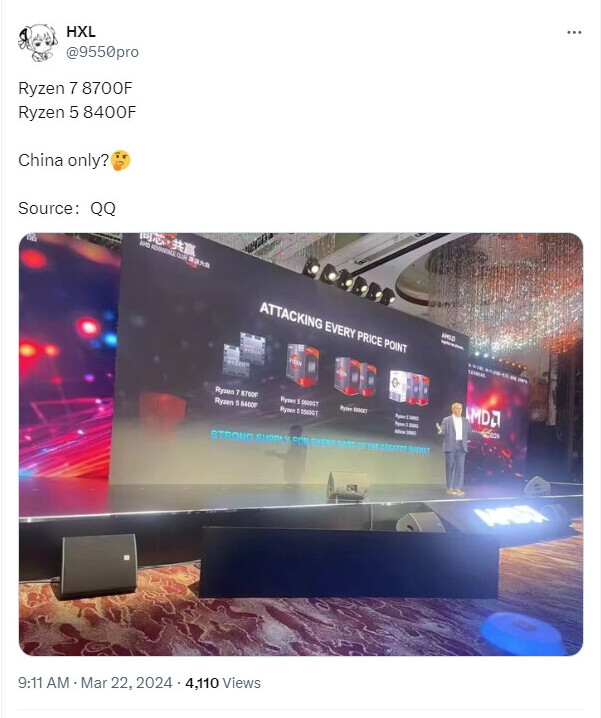
AMD's Beijing AI PC Innovation Summit served as introduction point for a Chinese market launch of "Hawk Point" Ryzen 8040 mobile series and 8000G desktop processors—news coverage has, so far, focused on that rollout as well as a teasing of next-gen "Strix Point" processors. HXL/9550pro has put a spotlight on an easy-to-miss presentation slide—their social media post revealed the existence of new budget-friendly Ryzen 8000F CPUs. Team Red seems to be preparing two China-exclusive SKUs: Ryzen 7 8700F and Ryzen 5 8400F—not many details were revealed on-stage, so reporters have played a guessing game with speculated technical information. Industry experts believe that the 8700F is an iGPU-less version of AMD's "Hawk Point" Ryzen 7 8700G APU—utilizing the same 8 core and 16 thread configuration, but missing the Radeon 780M integrated graphics solution.

The lower-end SKU is a more perplexing product, since AMD did not elaborate much during "budget" product unveilings—VideoCardz put its thinking hat on for this one: "meanwhile, the 8400F might be harder to guess, as the name sits between 8500G and 8300G, both featuring vastly different configurations. An educated guess would be 6 cores and 12 threads, possibly with two Zen 4 and four Zen 4c cores." The "F" model suffix gained attention last year—courtesy of Team Red's Ryzen 5 7500F CPU. This iGPU-less "Raphael" Zen 4 SKU was initially released as a Chinese market exclusive, but eventually headed West as an option for system integrators.

The Zen 4c Cores in the Ryzen 8000G APUs are Clocked Slower than the Zen 4 Cores

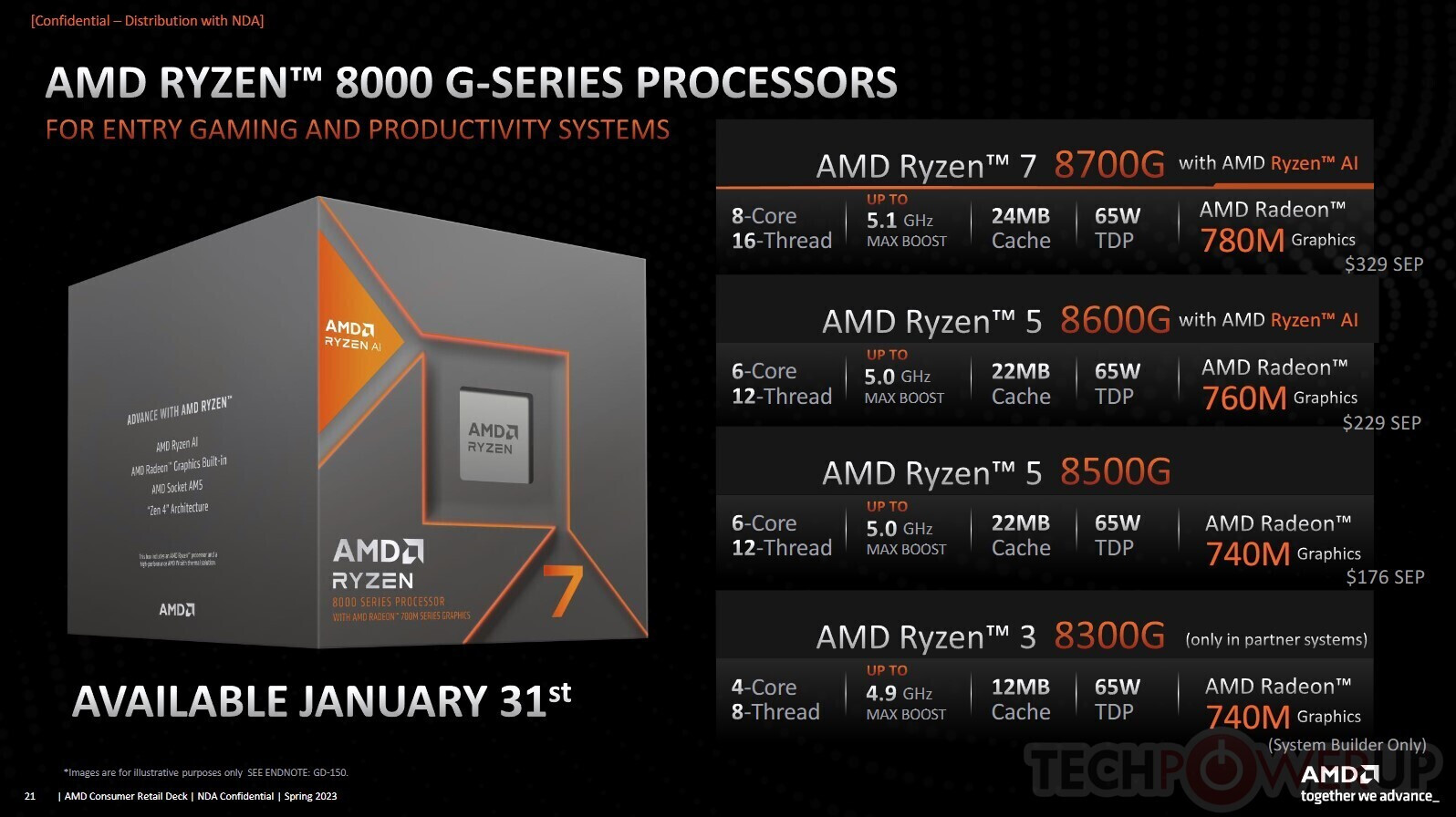
AMD has revealed the full specs of its upcoming Ryzen 8000G APUs and it turns out that the Zen 4c cores aren't clocking as high as the Zen 4 cores in the Ryzen 5 8500G and Ryzen 3 8300G. We should point out that the 8300G has a singular Zen 4 core and three Zen 4c Cores here, so there's no confusion. The Zen 4 cores in the 8500G have a base clock of 4.1 GHz, while the 8300G comes in at 4.0 GHz, with both of the APU's Zen 4c cores having a base clock of 3.2 GHz. Oddly enough, AMD lists the overall base clock of the 8500G as 3.5 GHz and the 8300G as 3.4 GHz with a notice that reads "Represents the average effective base frequency of all cores." AMD is in other words averaging the clock speeds of the two different cores to come up with an approximate base clock.

The Zen 4 cores in the 8500G boost up to 5 GHz, with the 8300G boosting to 4.9 GHz, whereas the Zen 4c cores in the 8500G boost up to 3.7 GHz and in the 8300G to 3.6 GHz. Here AMD doesn't provide an estimated frequency equivalent. Despite being budget models in the Ryzen 8000G-series of APUs, both SKUs get two USB4 ports with full 40 Gbps capabilities, plus a pair of USB 3.2 Gen 2 (10 Gbps) ports. Furthermore the Radeon 740M GPU will be clocked at 2.8 GHz in both APUs, but both SKUs are limited to a mere four graphics cores, whereas the Ryzen 5 8600G gets eight at the same clock speed and the Ryzen 7 8700G gets 12 at 2.9 GHz. All four APUs also support DisplayPort 2.1.

AMD's Phoenix 1 and Phoenix 2 APUs Differ in PCIe Lane Count, Affects NVMe Drive Performance and GPU PCIe Lane Count

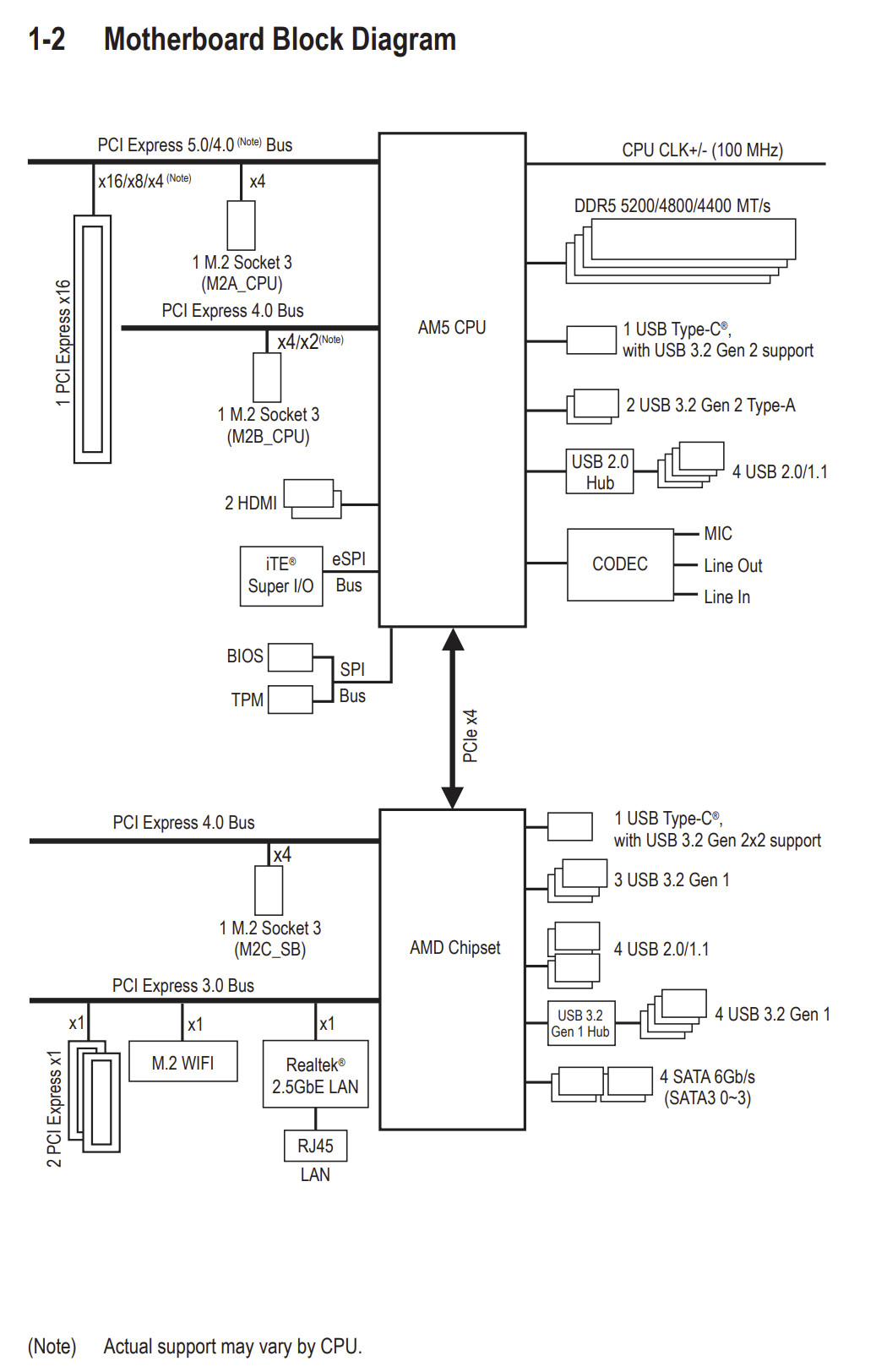
At CES, AMD didn't give away too many technical details of its upcoming Ryzen 8000G-series APUs, but details are starting to trickle out and it's not all good news. As has been known for some time, AMD is using two different chips to make the Ryzen 8000G APUs and they're known as the Phoenix 1 and Phoenix 2, where the Phoenix 2 parts feature Zen 4c cores, which are not present in the Phoenix 1 APUs. This in and of itself shouldn't be a huge issue, although the Zen 4c CPU cores can be slightly slower in some tasks based on testing of AMD's EPYC server parts.

However, PCGamesN noticed that Gigabyte has posted the full specs for the B650E Aorus Elite X AX Ice motherboard and it looks like there's a much bigger difference between the Phoenix 1 and Phoenix 2 based APUs. Namely, the Phoenix 2 APUs have fewer PCIe lanes and as such are limited to two PCIe 4.0 lanes for the secondary NVMe slot. As if this wasn't bad enough, the Phoenix 2 APUs only have four PCIe 4.0 lanes for add-in GPUs, whereas the Phoenix 1 APUs have eight. This is very likely to lead to reduced performance if a higher-end GPU is used with such an APU. Note that this will vary depending on the motherboard design, but many B650/B650E boards feature a similar design with regards to the PCIe lanes coming from the CPU socket. Luckily, it's easy to avoid this issue, as the Ryzen 5 8600G and the Ryzen 7 8700G are both Phoenix 1 designs, whereas the Ryzen 5 8500G is the only Phoenix 2 design available in retail, as the Ryzen 3 8300G is an OEM only part.

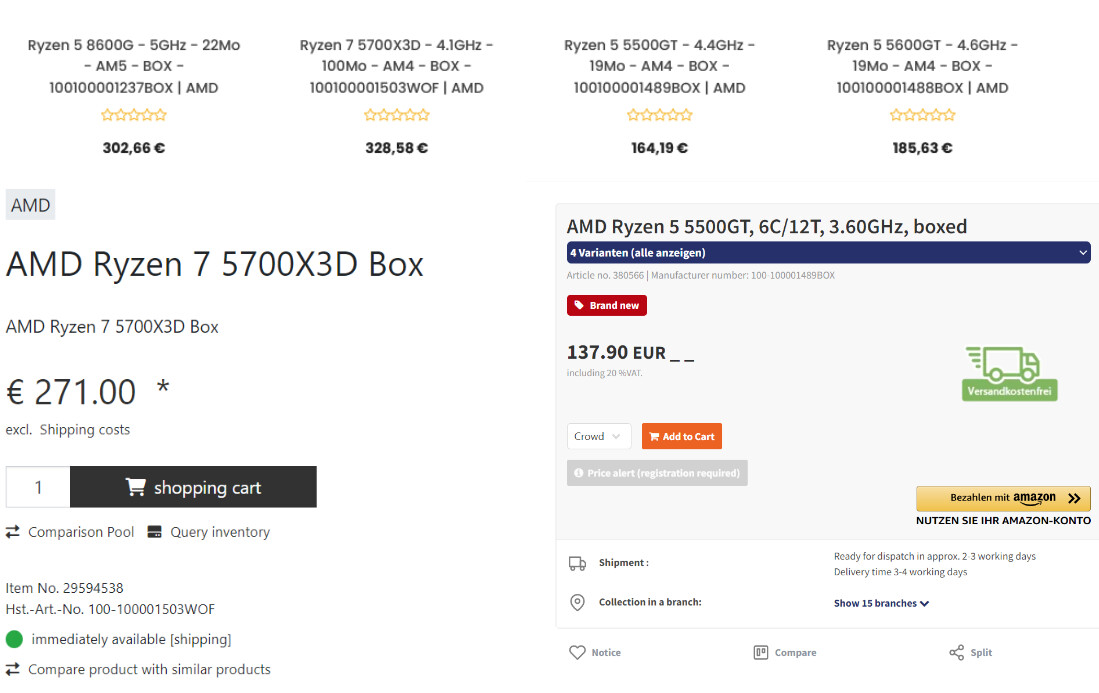
AMD Ryzen 7 5700X3D and 5000GT Chips Start Selling in Europe

The AMD Socket AM4 platform is still alive and kicking, with AMD releasing new processor models in its 7th year. Many of these chips started selling online in Europe. The Ryzen 7 5700X3D is a slightly lower clocked version of the 5800X3D, which for many of those still on AM4 is the final upgrade to their platform. The 5800X3D may be based on the older "Zen 3" microarchitecture, but thanks to its 3D Vertical Cache technology, offers gaming performance comparable to the Core i9-12900K "Alder Lake," making even 7-year old AM4 gaming desktops contemporary. To cash in on this exact market, AMD released a more cost-effective option, the Ryzen 7 5700X3D.

The 5700X3D is an 8-core/16-thread Socket AM4 processor that features 96 MB of L3 cache thanks to the 3D V-cache technology, just like the 5800X3D, but comes with a maximum boost frequency of 4.10 GHz, compared to the 4.50 GHz of the 5800X3D. Store listings do not mention its TDP or base frequency. The 5700X3D is being listed at 271€ including taxes, or about 15-20% cheaper than the 5800X3D. A word of caution when choosing the 5700X3D would be its close to non-existent overclocking headroom, so this probably isn't a chip that you can manually overclock to performance levels of a 5800X3D while saving some 40€ on the side.
Return to Keyword Browsing
Nov 28th, 2026 15:35 CST change timezone

New Forum Posts

Popular Reviews

TPU on YouTube

Controversial News Posts