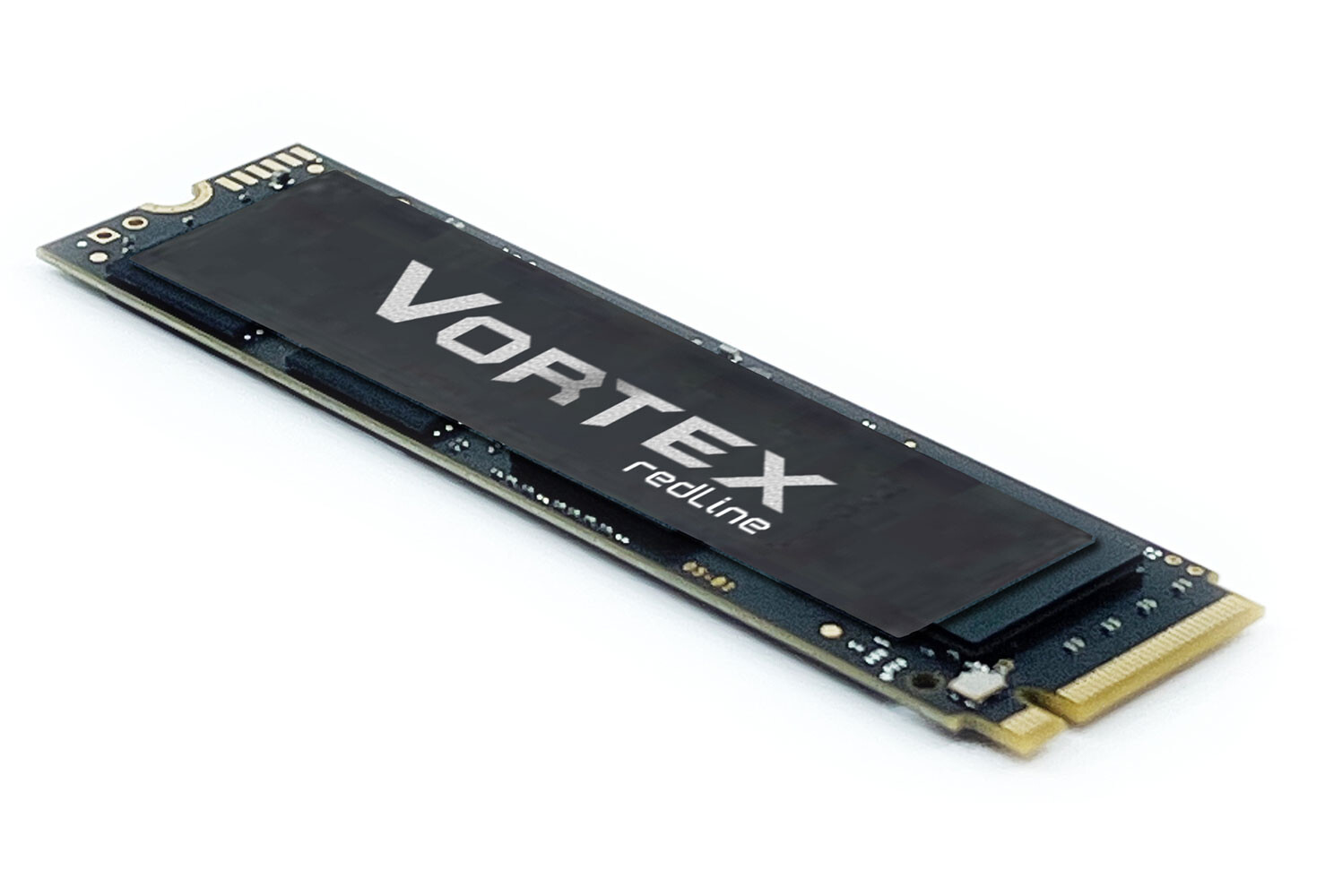
HDD and SSD Shortages Drive Customers to Sign 5-Year Supply Contracts
Hard Disk Drives (HDDs) and Solid State Drives (SSDs) are among the most sought-after commodities in computing today, as the expansion of AI data centers consumes everything in its path. According to Seagate, Sandisk, and Western Digital, demand is so high that customers are signing long-term supply agreements lasting up to five years. This duration is significant because customers are now planning their contracts around demand expansion, which is not only substantial but will also bring better balance to the supply chain. With customers driving steady demand, HDD and SSD manufacturers know exactly how much spinning rust or NAND Flash to produce to meet this demand. Over time, this is a positive development for a supply chain that will adapt with expanding production capacity. However, it poses a short-term challenge for PC gamers.
For example, at the start of this year, we reported that HDD prices have soared by an average of 46% since mid-September. These changes have made spinning rust an expensive commodity, but this is minor compared to NAND Flash prices, which have increased 500% in just a few months. The expansion of AI data centers has depleted any remaining inventory of HDDs and SSDs, leaving the consumer PC market to compete for the few remaining units available for gaming PCs. Interestingly, HDDs contain almost no silicon for storage purposes, so their significant price increases are a supply chain issue unrelated to the semiconductor industry. Apart from the controllers that use silicon, HDD platters are made from materials that are not currently in short supply. However, high demand keeps their prices elevated.
For example, at the start of this year, we reported that HDD prices have soared by an average of 46% since mid-September. These changes have made spinning rust an expensive commodity, but this is minor compared to NAND Flash prices, which have increased 500% in just a few months. The expansion of AI data centers has depleted any remaining inventory of HDDs and SSDs, leaving the consumer PC market to compete for the few remaining units available for gaming PCs. Interestingly, HDDs contain almost no silicon for storage purposes, so their significant price increases are a supply chain issue unrelated to the semiconductor industry. Apart from the controllers that use silicon, HDD platters are made from materials that are not currently in short supply. However, high demand keeps their prices elevated.