DeepComputing Launches DC-ROMA RISC-V Mainboard III for Framework Laptop 13
DeepComputing today announced the official launch of the DC-ROMA RISC-V Mainboard III for the Framework Laptop 13, marking a major milestone in bringing practical, high-performance RISC-V computing into a modular laptop form factor. Starting at $699, the new mainboard represents a significant step toward making RISC-V a developer-ready, everyday computing platform—combining open architecture, modern performance, and seamless integration with the Framework ecosystem.
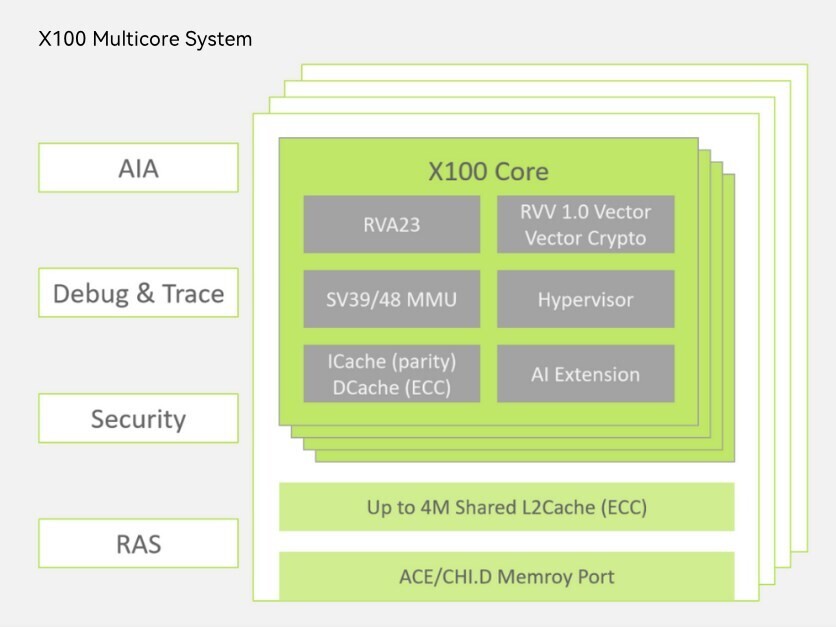
Built on the RISC-V architecture and designed for full compatibility with the Framework Laptop 13, the DC-ROMA RISC-V Mainboard III is powered by the SpacemiT K3 RISC-V AI SoC—the world's first RISC-V SoC to support the RVA23 profile. This standardization milestone helps provide a more consistent software target for developers, accelerating ecosystem maturity.


Built on the RISC-V architecture and designed for full compatibility with the Framework Laptop 13, the DC-ROMA RISC-V Mainboard III is powered by the SpacemiT K3 RISC-V AI SoC—the world's first RISC-V SoC to support the RVA23 profile. This standardization milestone helps provide a more consistent software target for developers, accelerating ecosystem maturity.