News Posts matching #Wildcat Lake

Return to Keyword Browsing

Maxsun Readies Panther Lake and Wildcat Lake MoDT NAS Motherboards for November

Maxsun has shared full specifications for the SK-PTLNAS and SK-WCLAIO, two NAS-focused MoDT (Mobile on Desktop) motherboards built around Intel's Panther Lake and Wildcat Lake chips. Both were first shown at Computex 2026 and are expected to launch this month, though pricing is still unknown. The SK-PTLNAS now tops out at the Core Ultra 9 386H, a 16-core chip with four Xe3 GPU cores, a 25 W base power and up to 80 W of turbo power. The Computex listing mentioned options up to the Core Ultra X9 388H, which no longer seems to be on the table. It supports up to 128 GB of DDR5-7200 memory across two SO-DIMM slots, with five M.2 slots and three Mini SAS ports for storage. The board also gets a PCIe 5.0 x8 slot, 10GbE, 2.5GbE and two 1GbE ports, plus two Thunderbolt 4 ports. Maxsun lists Windows 11 and Ubuntu support.

The SK-WCLAIO measures just 90 x 165 mm, a big change from the mATX design shown in June. It runs the six-core Core 7 350 (2P + 4LPE) with two Xe3 cores, a single DDR5-6400 SO-DIMM slot for up to 48 GB, 1 TB of onboard UFS 3.1 storage and four M.2 slots. Wildcat Lake has very few PCIe lanes, so those drives probably won't each get full x4 bandwidth. Maxsun rates the system at 45 W when active and 16 W with drives on standby, which should suit an always-on home NAS. The power input is a bit unclear for now, since the listing mentions both a 12 V DC jack and USB-C PD.
Intel Readies "Moon Lake" and "Wildcat Lake Refresh" Built on 18A Node

Intel is reportedly preparing two new processor SKUs focused on extremely low-power computing. The first, called "Moon Lake," is designed as a pure low-power efficiency (LPE) core SoC. The "Moon Lake" generation features no P-Cores and up to 4 "Darkmont" LPE-Cores on the Intel 18A die. Unlike "Wildcat Lake," which includes at least 2 P-Cores, "Moon Lake" is intended to be a much smaller design for embedded devices like NAS. The base power of "Moon Lake" is reportedly rated at 6 W, similar to an SoC typically used in smartphones. The number of Xe3 cores in this SKU is unknown, but since "Wildcat Lake" has up to 2 Xe3 cores, we expect "Moon Lake" to have half of that to maintain its 6 W TDP. Intel has manufactured "Moon Lake" on its 18A node and placed it on the BGA1516 package, the same platform used by "Wildcat Lake." The official moniker for "Moon Lake" is MNL, and it could be a successor to the N-Series, like the previous "Alder Lake-N" series of low-power processors.

Additionally, Intel is preparing an overhaul of "Wildcat Lake" with the new "Wildcat Lake Refresh." When Intel launched the Core 300 Series "Wildcat Lake" earlier this year, these processors came with up to 2 P-Cores, 4 E-Cores, and up to 2 Xe3 GPU cores, with a package reaching up to 35 W. However, the new "Wildcat Lake Refresh" is expected to increase the number of P-Cores to 4 while keeping the same base microarchitecture of "Cougar Cove" and maintaining 4 "Darkmont" LPE-Cores. The integrated graphics remain similar, with up to 2 Xe3 cores. Importantly, this refresh adds support for Intel's vPro technology, meaning that enterprise customers are in for a surprise with a new low-cost option for their PCs.

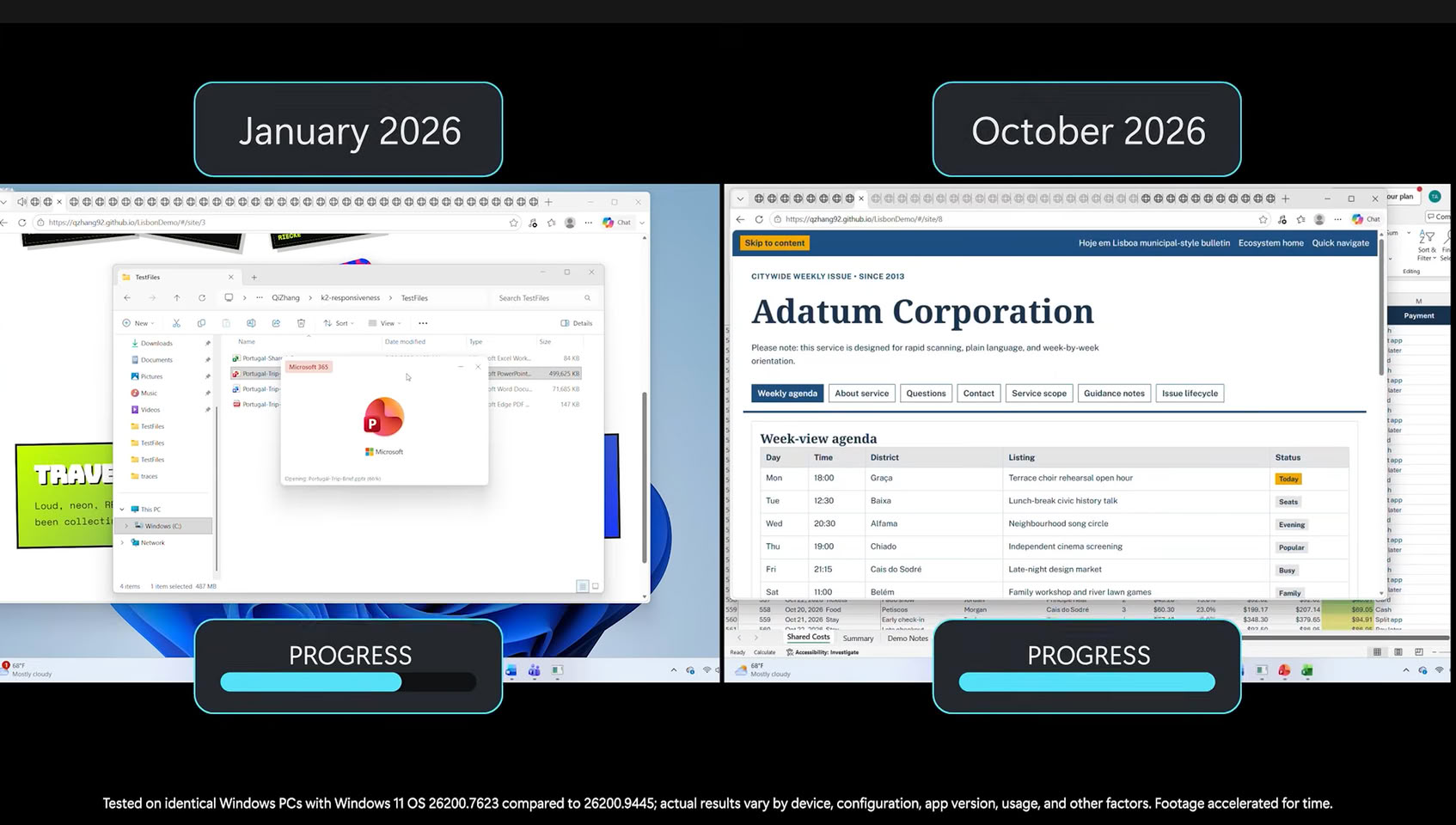
Windows 11 Optimizations Bring Up to 40% Faster Multitasking to 8 GB PCs

Microsoft today released a series of optimizations for Windows 11 PCs running on 8 GB of system RAM, promising significant improvements for those with smaller RAM capacities. Especially in the age of RAM shortages, Windows 11 is getting an update that might be most beneficial for those with lower PC specifications. With Windows 11, version 26H2, build 26300.9818 or later, users with systems equipped with 8 GB RAM can expect up to a 20% more responsive Windows operating system experience with day-to-day tasks, as well as up to 40% faster multitasking.

Microsoft's labs tested around 20,000 PCs to find solutions for lower hardware specifications and discovered that keeping more data in RAM significantly enhances the Windows experience. For systems with 8 GB of RAM, the OS will now retain up to 2 GB more of your active application data in memory, rather than moving it to slower SSD or HDD storage. This change directly results in a smoother experience. Additional benefits include reducing committed-memory growth by up to 900 MB in apps like Microsoft Edge and 365 apps, and decreasing the memory usage of Word, PowerPoint, Excel, and Outlook by 360 MB. Third-party apps can also take advantage of improved memory management, with Microsoft noting that WhatsApp is already utilizing these enhancements.

Intel "Wildcat Lake" Powers Zotac's New Fanless ZBOX Mini PCs

Zotac has updated its webstore with the listing of three new ZBOX mini PCs based on Intel's "Wildcat Lake" platform. According to FanlessTech, who first spotted these mini PCs, this marks one of the first instances of passively-cooled mini PCs using Intel "Wildcat Lake" SoCs. There are three models in total: the CI431 nano, CI451 nano, and CI471 nano. They all share a passively cooled chassis measuring 204 × 129 × 68 mm, with a volume of 1.79 liters. The entry-level CI431 nano features a Core 3 304 processor with 1 P-Core and 4 low-power E-Cores, totaling five cores and five threads, and boost speeds reaching 4.3 GHz. The CI451 nano is equipped with a Core 5 320, while the CI471 nano has a Core 7 350. Both of these models feature 2 P-Cores and 4 low-power E-Cores, providing six cores and six threads, with maximum clock speeds of 4.6 GHz and 4.8 GHz, respectively.

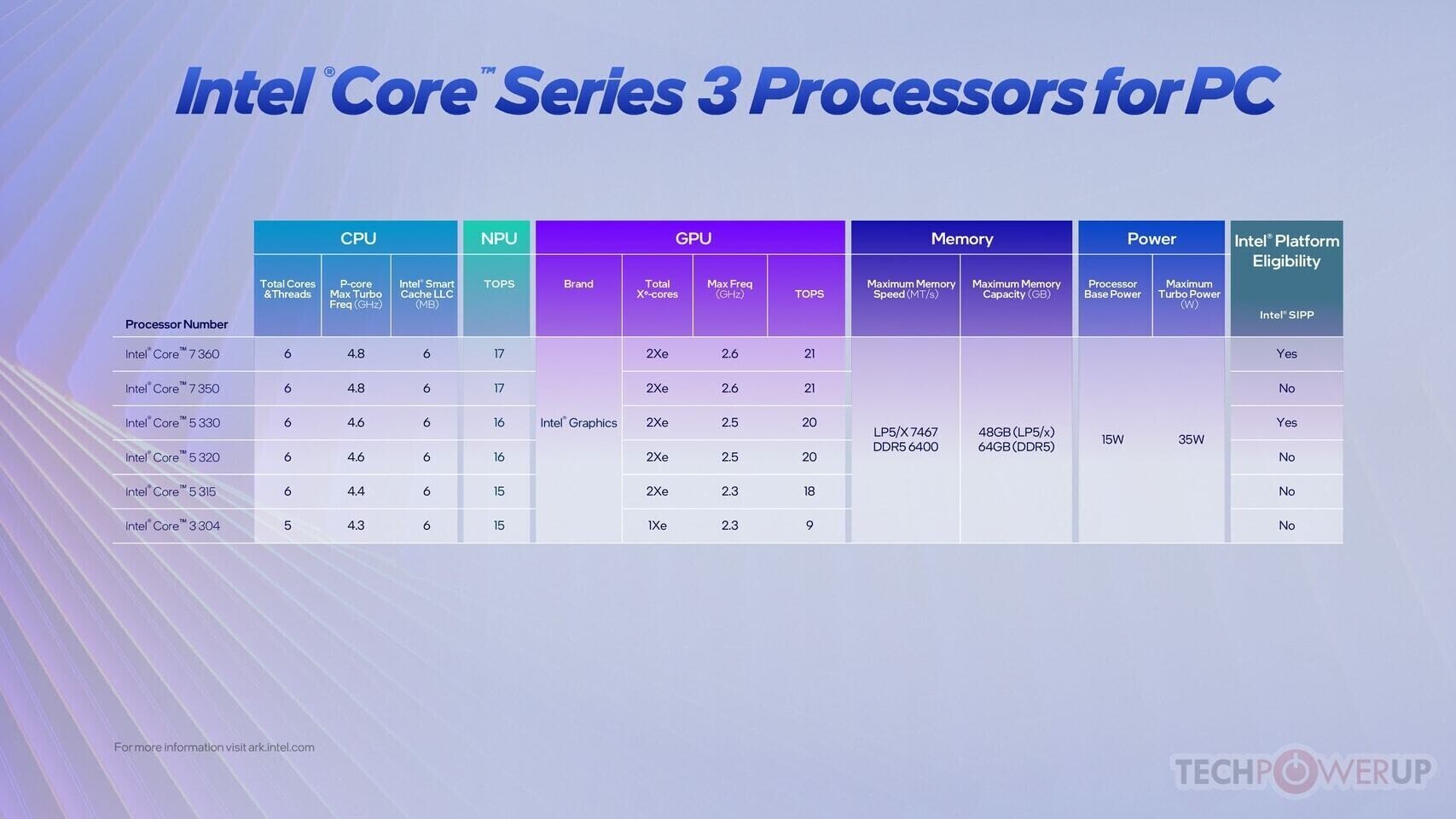
Intel specifies 6 MB of Smart Cache, 15 W base power, and 35 W maximum turbo power for all three processors, which are manufactured using its 18A process. The graphics capabilities differ between models: the Core 3 has one Xe-core running at up to 2.3 GHz, while the Core 5 and Core 7 have two Xe-cores running at up to 2.5 GHz and 2.6 GHz, respectively. Their integrated NPUs deliver up to 15, 16, and 17 TOPS, respectively. Each system supports up to 64 GB of DDR5-6400 memory through one SO-DIMM slot, along with an M.2 2280 PCIe 4.0 x4 SSD.
Intel Diverts 18A Capacity From Panther Lake to Meet Xeon Demand

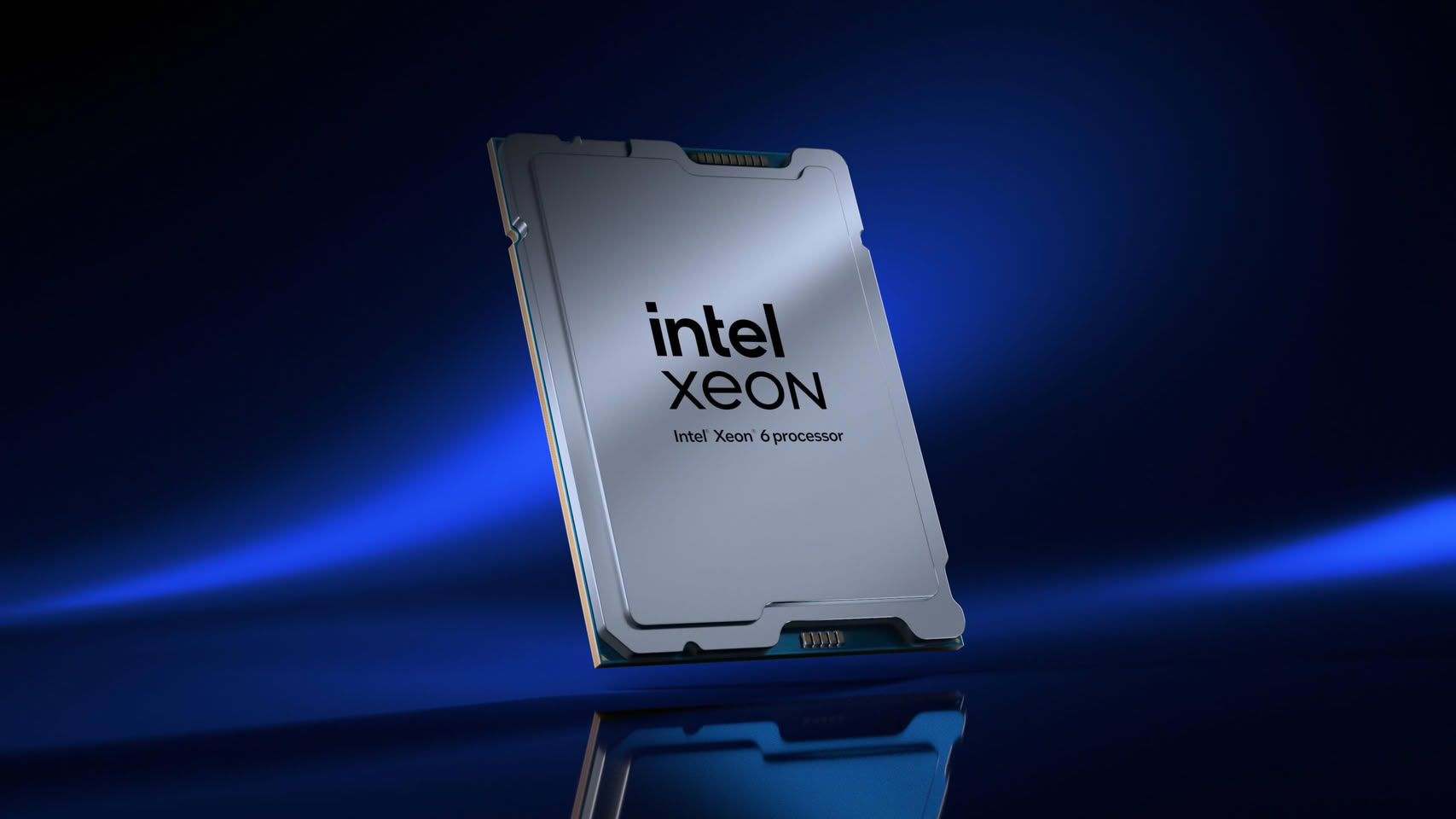
Intel is moving some manufacturing capacity away from consumer chips to keep up with demand for its Xeon server processors. During its Q3 2026 earnings call, the company said it will convert some Intel 18A resources at its Oregon facilities to Intel 3, the node behind Xeon 6 "Granite Rapids." According to CFO Dave Zinsner, those 18A wafers "are generally going to build Panther Lake products." Zinsner also indicated that weaker PC demand gives Intel room to make the switch, as the company expects the PC slowdown to last at least through the first half of next year. CEO Lip-Bu Tan said the added Intel 3 capacity should be in production in the second half of 2027.
Intel CEO Lip-Bu TanThe industry continues to navigate one of the most significant supply shortages in the history, driven by the unprecedented demand for Super Intelligence. Against this backdrop, I am pleased by the progress we made growing our server supply in Q3. I'm mindful about the ongoing challenges we face in the future quarters to keep pace with the server demand.

Xiaomi Redmi Book 14 2027 With Intel Wildcat Lake CPU and 2.8K Display Confirmed

Xiaomi has officially spilled the beans on the 2027 update to its Redmi Book laptop series, detailing both a launch date and what to expect from the laptops in terms of performance and battery life. The information comes courtesy of the Xiaomi Redmi account on Weibo, and the announcement reveals an October 27 release date for the Redmi Book 14 and likely the 16, alongside it. It's so far unclear if and when the new Redmi Book laptops will launch internationally or what the pricing will be, but the outgoing Redmi Book 14 starts at 6,499 CNY with 16 GB of RAM and 512 GB of storage.

With the post, Xiaomi also confirms that the Redmi Book 14 and 16 will be using Intel's Wildcat Lake Core Series 3 processors, with previous leaks having tipped the Core 5 320 for the Redmi Book 16, and the fine print on the marketing images now confirming the Core 5 320 for the Redmi Book 14. The Redmi Book 14 2027 has also been confirmed to ship with a 72 Wh battery, which Xiaomi claims will deliver over 20 hours of office use, with a claimed 1.26 days of local video playback. It will also use LPDDR5X-7467 RAM, although capacities are unclear at the time of writing, aside from the confirmation that there will be a 16 GB version available. The fine print also confirms that the display will be 2.8K, however the panel tech isn't mentioned.

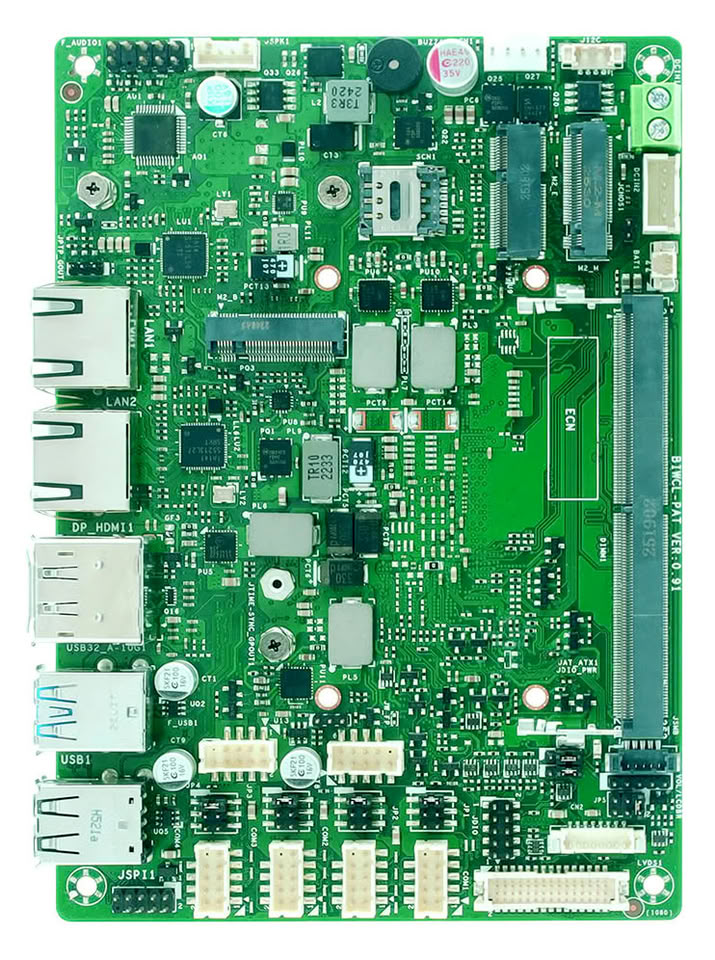
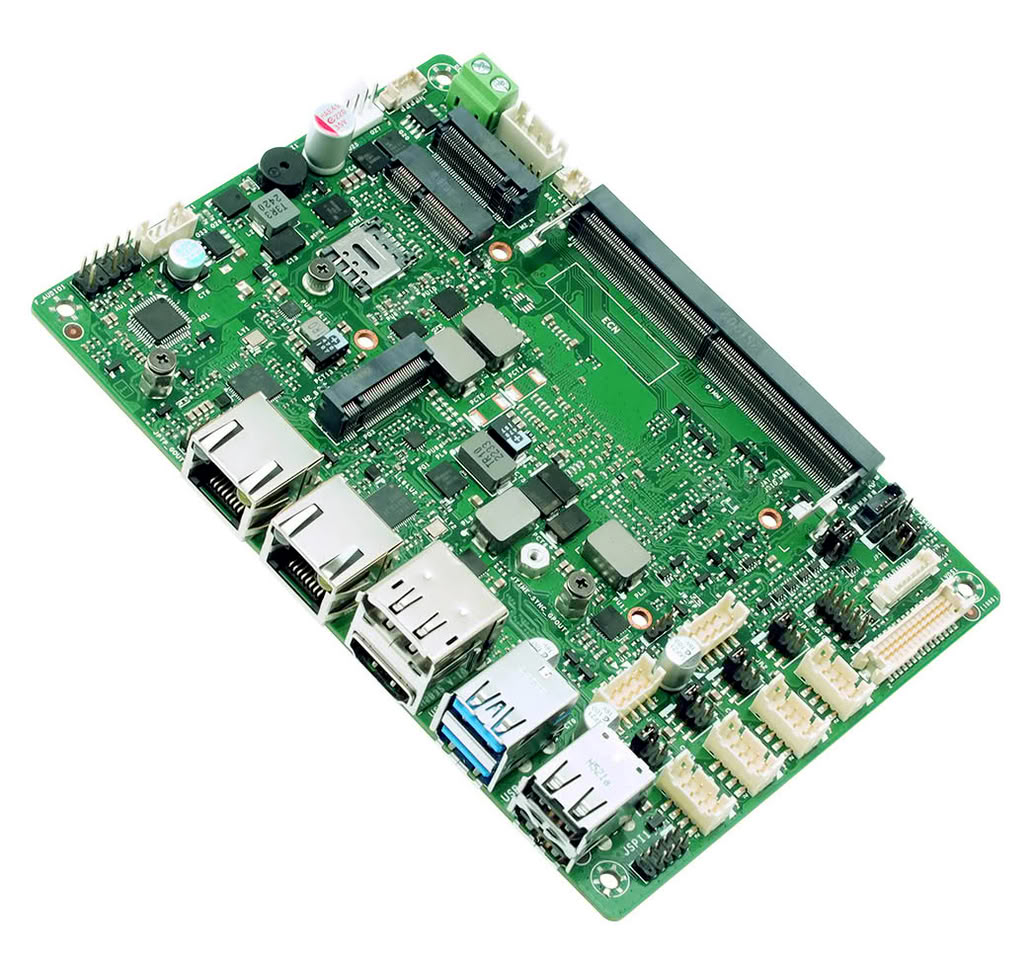
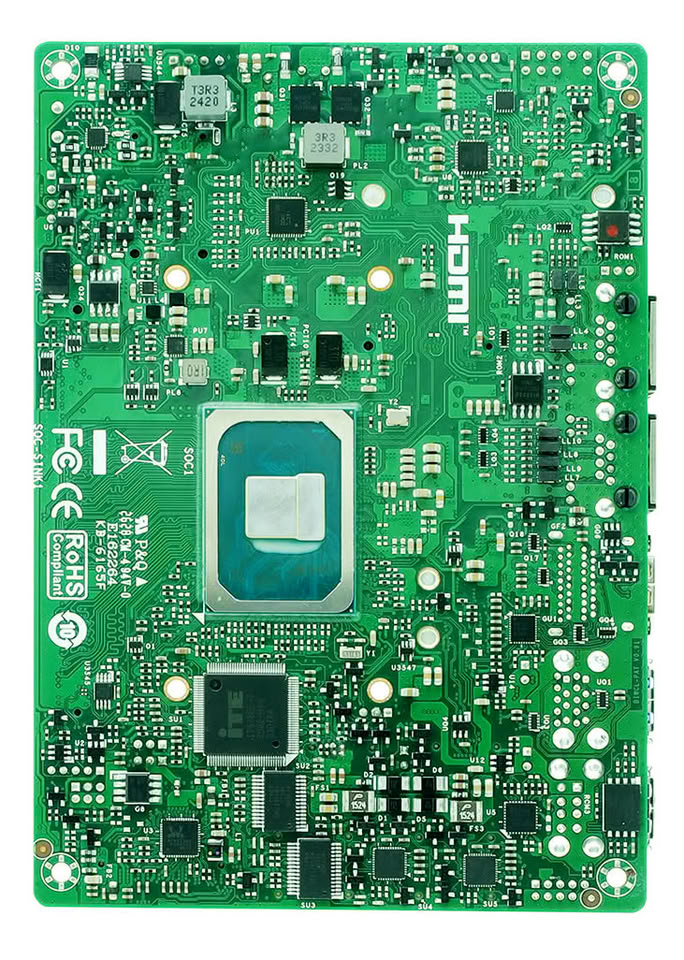
Biostar Introduces the BIWCL-PAT Industrial Motherboard for Edge Computing and AIoT Applications

BIOSTAR, a leading manufacturer of consumer and industrial motherboards, edge computing solutions, graphics cards, and storage devices, today introduced the BIWCL-PAT industrial motherboard. Powered by Intel Core Series 3 (Wildcat Lake) processors, the BIWCL-PAT brings triple independent displays, high-speed NVMe storage expansion, and versatile wired and wireless connectivity into a small-form-factor platform. Designed for system integrators, it supports applications across industrial automation, AIoT, and edge computing, as well as human-machine interfaces (HMI), POS systems, and self-service kiosks.

With a 148 × 102 mm footprint, the BIWCL-PAT is built for integration into space-constrained equipment. It supports processor options from Intel Core 3 to Intel Core 7, and its single DDR5-6400 SO-DIMM slot supports up to 64 GB of memory, providing capacity for multitasking and local data processing. This combination gives developers a solid foundation for systems that bring computing closer to factory equipment, retail terminals, and networked devices.

ASRock Industrial Expands Mainstream Edge Computing With Intel Core Series 3 Platforms

ASRock Industrial proudly presents its latest lineup of industrial edge computing platform powered by Intel Core Series 3 processors (Wildcat Lake-U), designed to bring power-efficient computing and integrated AI acceleration to mainstream industrial and embedded edge applications. Featuring integrated CPU, GPU, and NPU compute engines with up to 40 platform TOPS, the new platforms support up to 64 GB DDR5 6400 MHz memory, high-speed expansion and storage, rich I/O connectivity, and multi-display capabilities. Spanning industrial motherboards, NUC motherboards, and compact NUC BOX systems, ASRock Industrial's Intel Core Series 3 portfolio provides right-sized computing options for industrial control, HMI, intelligent gateways, smart retail, digital signage, and other mainstream edge applications.

NUC Core 300 BOX Series: Compact, Power-Efficient Edge Computing
The NUC BOX-320 and NUC BOX-304 integrate Intel Core Series 3 processors into compact fanned embedded BOX PCs, powered by the Intel Core 5 processor 320 and Intel Core 3 processor 304, respectively. The systems support up to 64 GB of single-channel DDR5 6400 MHz memory with In-Band ECC. For expansion, the systems provide one M.2 Key E (2230) slot with Wi-Fi 6E and Bluetooth 5.3 for wireless connectivity. Networking includes one Intel 2.5 Gigabit LAN and one Realtek 2.5 Gigabit LAN. Storage configuration includes one M.2 Key M (2242) slot with PCIe Gen 4 x1 and one M.2 Key M (2242/2280) slot with PCIe Gen 4 x2 for SSDs. I/O connectivity includes two USB 3.2 Gen2x2 Type-C and three USB 3.2 Gen 1 Type-A ports. The series supports triple-display output up to 4K through two HDMI 2.1 and DisplayPort 1.4a outputs from Type-C. Intel PTT and a 19 V/90 W power adapter further support secure, ready-to-deploy system integration. Built in a compact 117.5 x 110 x 49 mm fanned chassis with VESA mounting support, the NUC Core 300 BOX Series provides a space-efficient computing platform for smart retail, digital signage, kiosks, HMI, and other mainstream edge applications.

Biostar Shows Industrial Motherboards and EdgeComp Systems at Embedded World North America 2026

BIOSTAR, a leading manufacturer of consumer and industrial motherboards, edge computing solutions, graphics cards, and storage devices, is currently presenting its latest innovations at Embedded World North America 2026, running from September 22 to 24 at the Anaheim Convention Center in California, USA. At Hall B, Booth 6512, BIOSTAR is spotlighting its comprehensive industrial motherboards, advanced EdgeComp systems, and a cutting-edge EdgeComp MT-N150 DX-M1 edge AI demonstration, delivering high-performance computing solutions tailored for smart manufacturing, smart cities, and smart retail applications.

BIOSTAR's industrial motherboard lineup features the BIW88-AHS, BIH61-AHA, BIPTL-IHT, BITWL-IHT, BIWCL-IHT, BIWCL-PAT, BIRPL-PAT, and BIAST-PAT, offering a versatile range of computing platforms, form factors, and connectivity options for embedded system development. Highlights include the BIW88-AHS, which combines the Intel W880 platform with support for Intel Core Ultra 200 series processors, DDR5 ECC and non-ECC memory, and four 2.5GbE LAN ports. The BIPTL-IHT features the Intel Panther Lake-H platform, DDR5 memory, and quad-display support, while the Wildcat Lake-based BIWCL-IHT and BIWCL-PAT provide Mini-ITX and 3.5-inch single-board computer options, respectively.

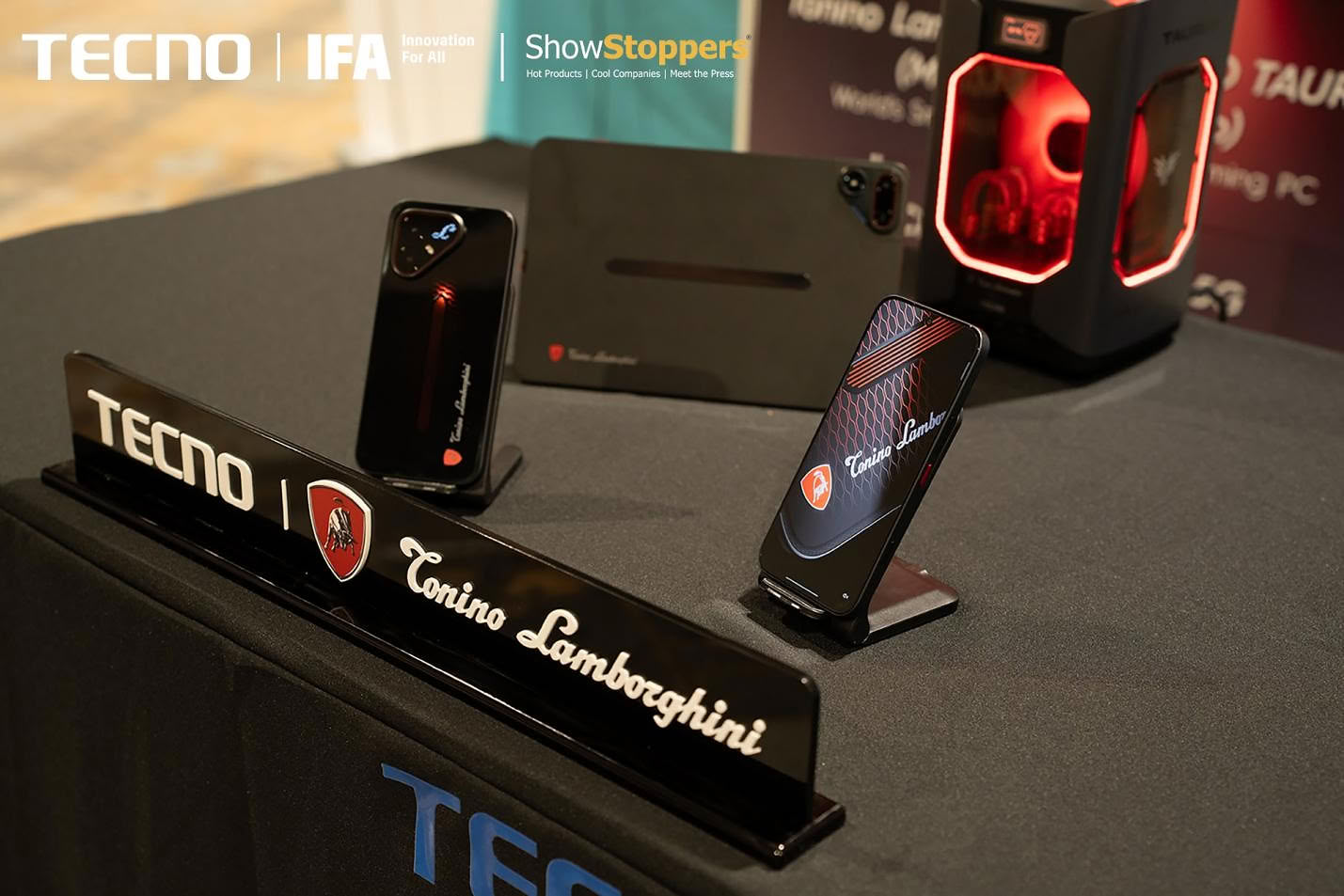
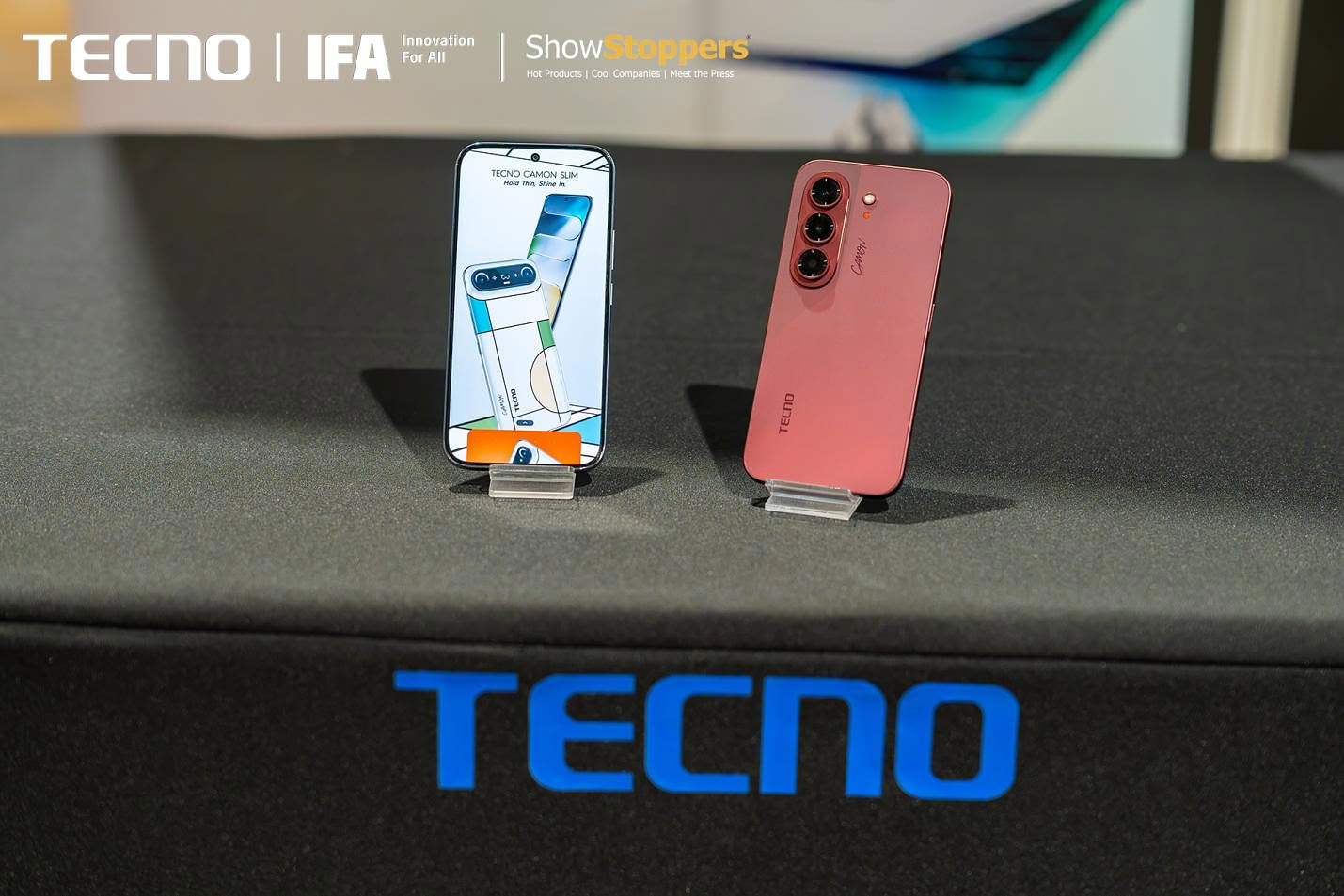
Tecno Showcased New Megabook Laptops and New Phones at IFA ShowStoppers 2026

Tecno, the AI-driven innovative technology brand, today launched the Megabook T15 360 Series at IFA ShowStoppers 2026, marking the debut of its first laptop series with a 360° hinge and touchscreen support. Tecno IFA ShowStoppers 2026 showcase also featured the 17-inch Megabook T17 Ultra, Tecno's first Intel Wildcat Lake-based laptop Megabook K15S WCL, the Next-Gen Bezelless Concept Phone, the upcoming Tecno POVA 8 Pro 5G Tonino Lamborghini Limited Edition, and the Tecno CAMON Slim 5G.

Megabook T15 360 Series: Tecno's First 360° Hinge Touchscreen Laptop
The Megabook T15 360 Series, comprising the Megabook T15 360 and Megabook T15 360 Pro, is designed around the increasingly fluid ways people work, study, create and enjoy content and dual demand for both tablet and laptop. The series delivers the flexibility to navigate diverse daily scenarios with a single device. It brings premium versatility and on-the-go convenience of convertible, touch enabled laptops for mobile executives, solopreneurs and business presenters.

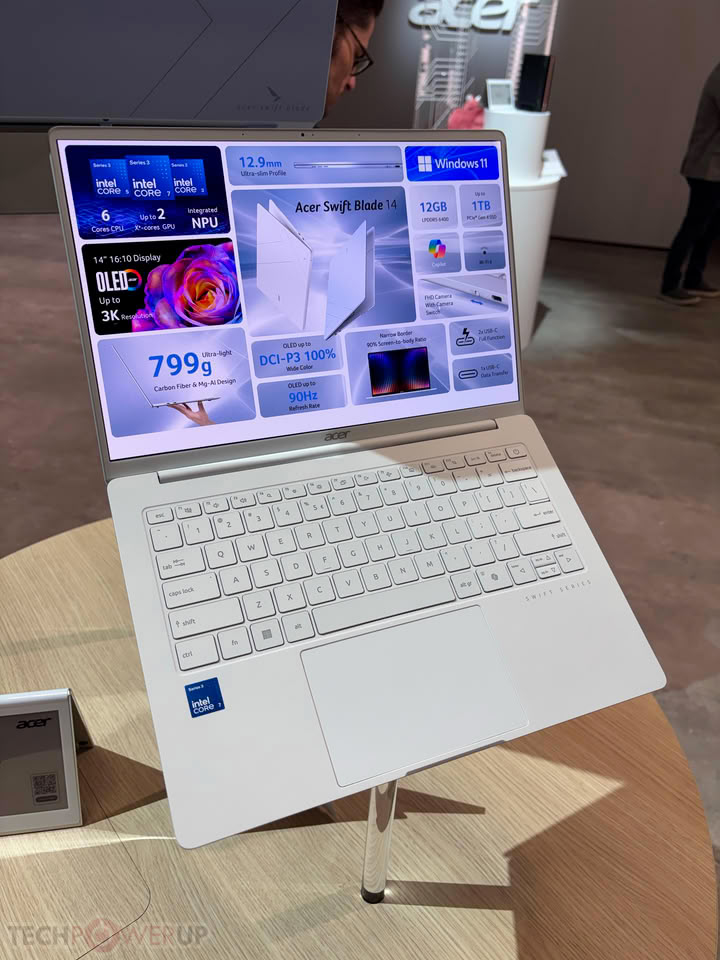
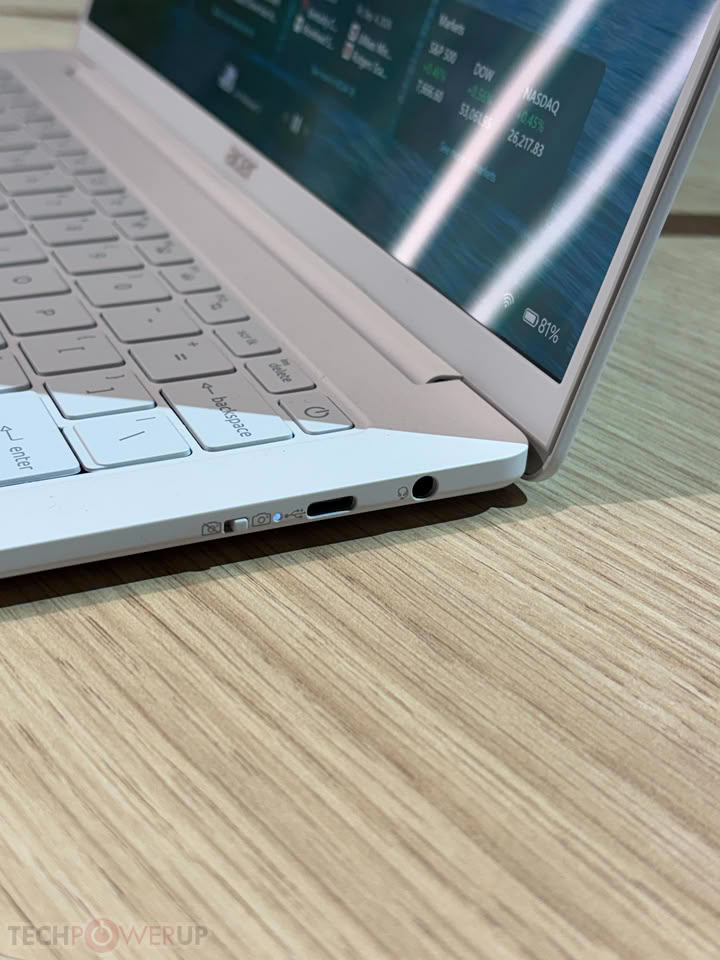
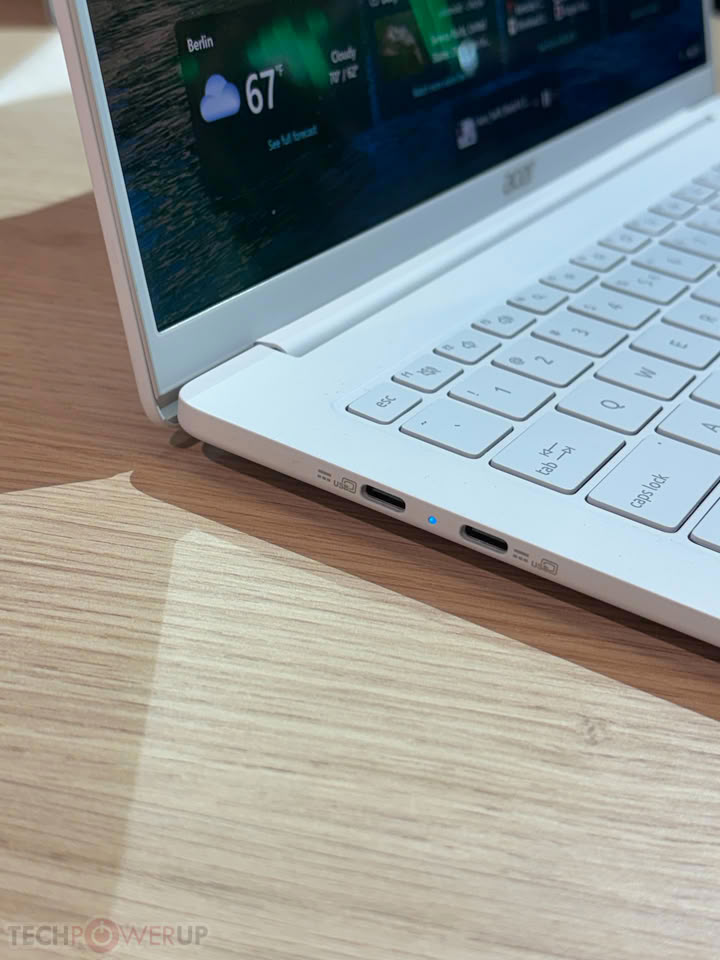
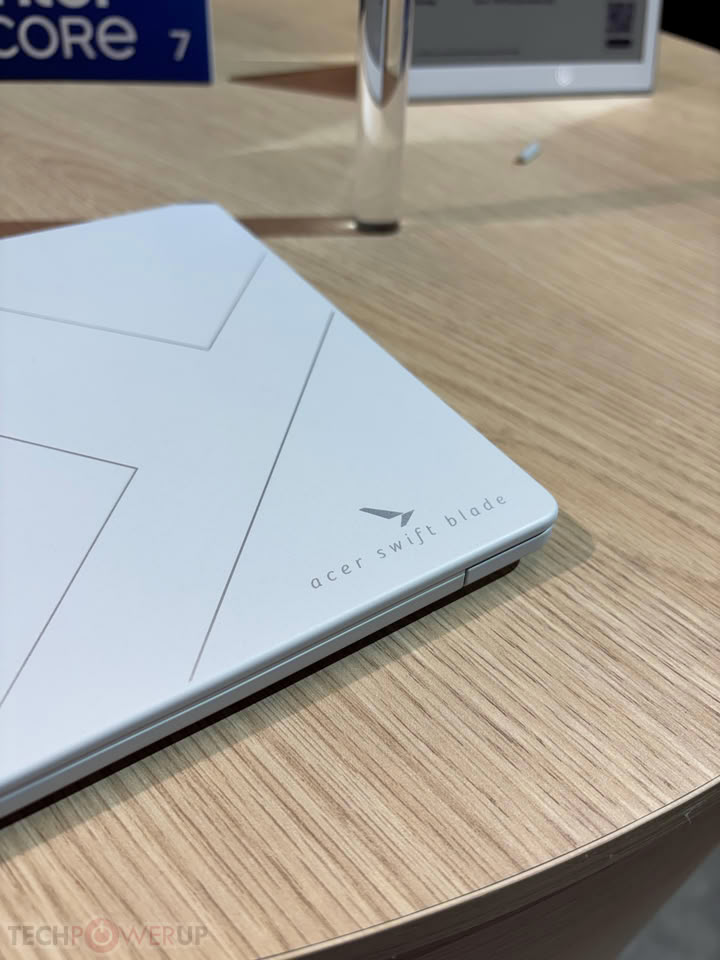
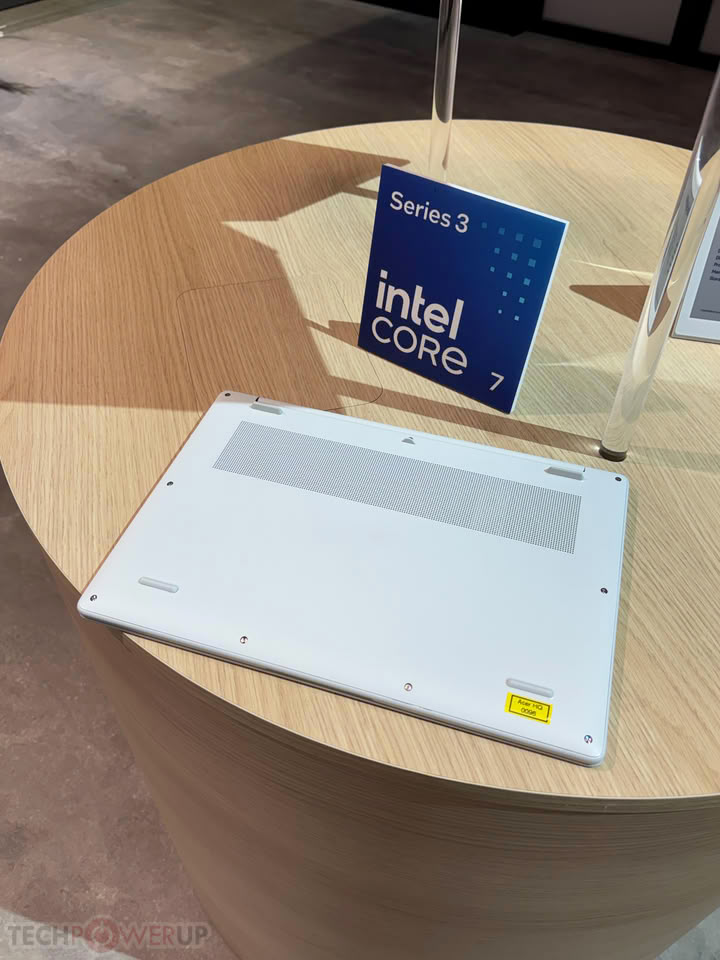
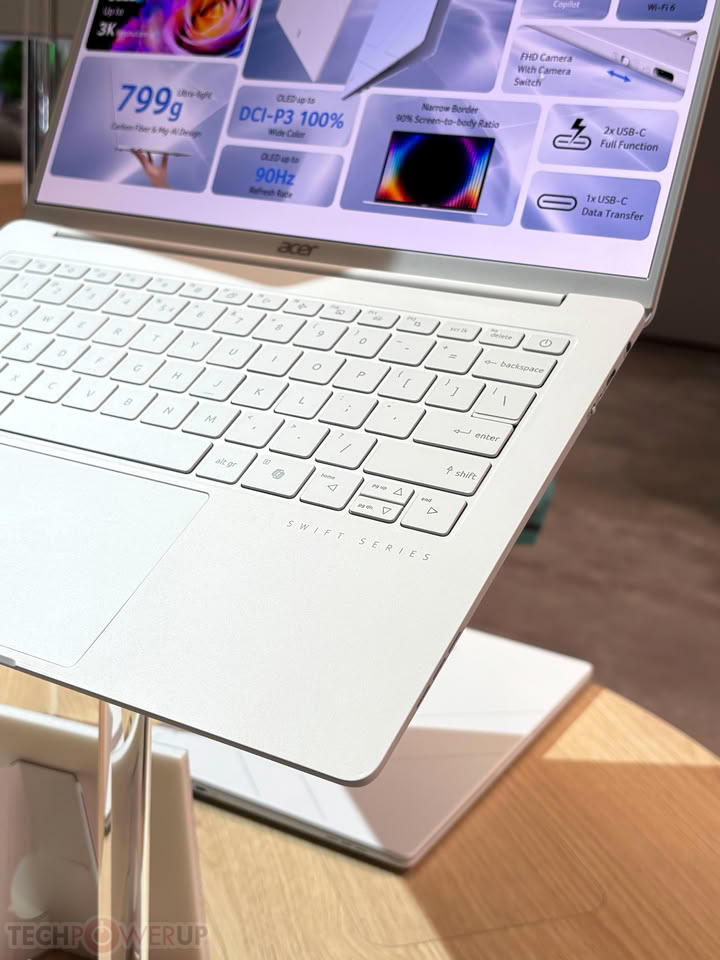
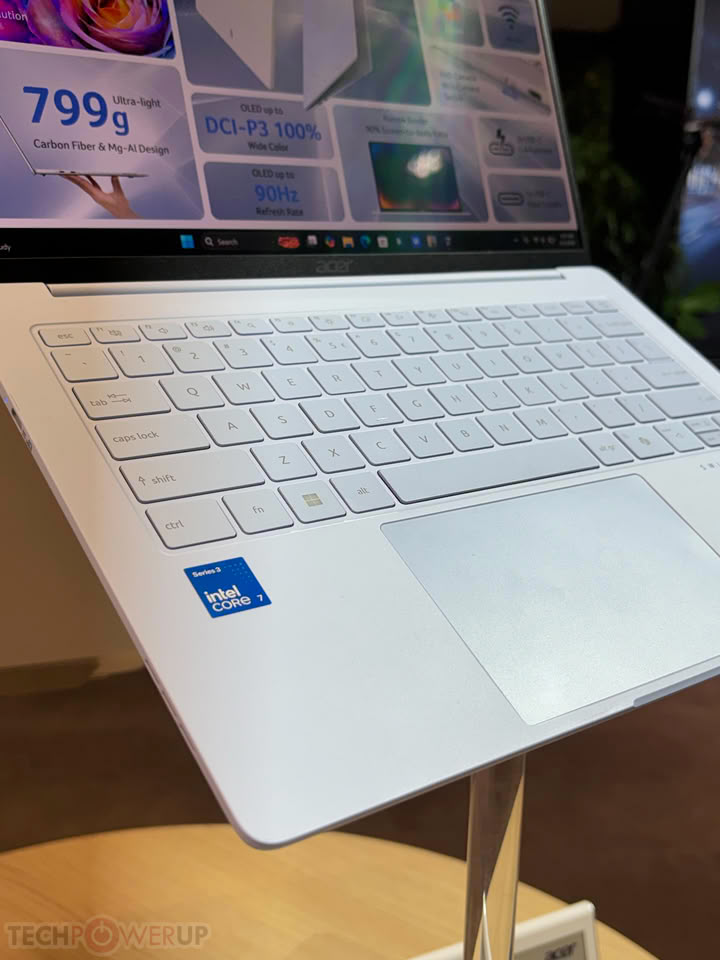
Acer Shows Off the 799g Swift Blade 14 at IFA

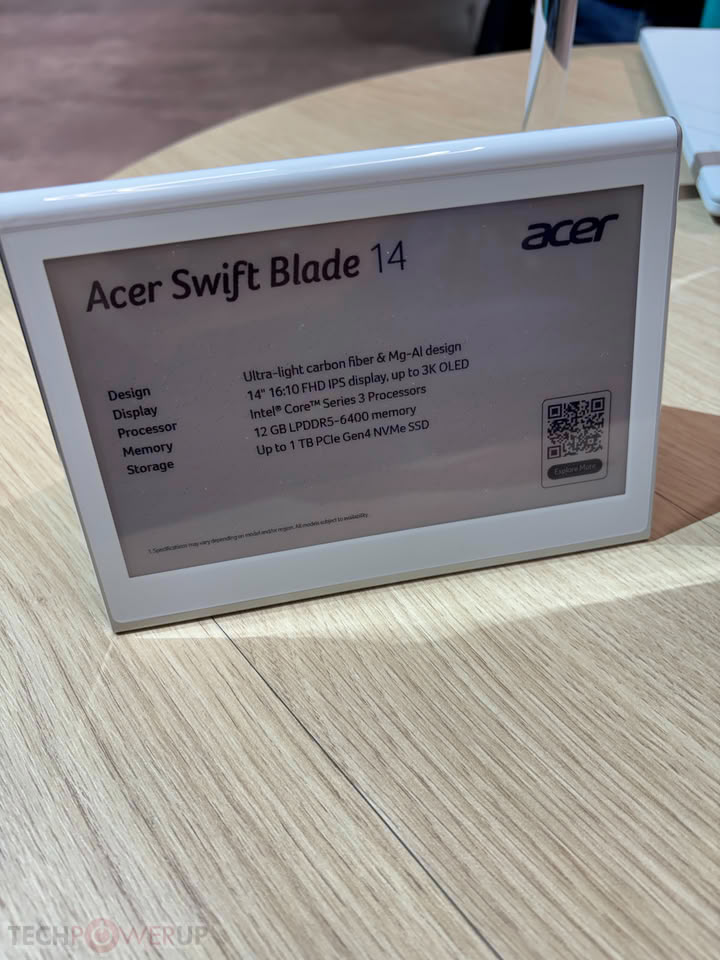
We're on the ground at IFA in Berlin this week, and one of the more interesting machines we walked past on the show floor was the Acer Swift Blade 14. It's a new sub-brand under Acer's Swift lineup, and the first thing you notice picking it up is just how little of it there is to hold. Acer built the Swift Blade 14 to weigh just 799 grams (1.76 pounds), making it one of the lightest 14-inch Windows laptops we've come across. The chassis pairs carbon fiber on the top and bottom covers with a magnesium-aluminum alloy keyboard deck, keeping the weight down without the machine feeling flimsy in hand. It measures 12.9mm thin on the base configuration and 13.5mm on OLED models. That's not quite as thin as a 13-inch MacBook Air, but it is significantly lighter.

Inside, the laptop runs on Intel's Wildcat Lake platform, scaling up to a Core 7 350 CPU alongside 12GB of onboard LPDDR5-6400 memory and up to 1TB of PCIe Gen 4 NVMe storage. The display comes in three tiers, topping out at a 3K OLED WQXGA+ panel running at 90Hz with 400 nits and full DCI-P3 coverage, packed into a 90% screen-to-body ratio with 4.3mm bezels. A 50Wh battery, three USB Type-C ports, Wi-Fi 6, and Bluetooth 5.3 round out the spec sheet. Of course, thermal performance will be a concern in a chassis this thin, so we'll have to wait for independent testing to comment on that. Acer confirmed the Swift Blade 14 launches across EMEA in December, though pricing hasn't been announced yet.

TECNO Will Bring Next-Gen Bezelless Concept Phone and 360° Hinge MEGABOOK T15 360 Pro to IFA ShowStoppers 2026

AI-driven innovative technology brand TECNO is set to showcase at IFA ShowStoppers 2026 a broad portfolio that reimagines technology through advanced innovations, distinctive design and more personalized experiences. Highlights include the Next-Gen Bezelless Concept Phone, 360° hinge touchscreen laptop MEGABOOK T15 360 Pro and the Tonino Lamborghini TECNO Collection.

Visitors are invited to experience TECNO's newest products first-hand at the TECNO table, located at IFA ShowStoppers tables 501 and 503 in Hall 5.3, Berlin Messe, on September 3rd from 6 to 9 PM.

Lenovo Googlebook 15 Renders Appear Months Ahead of Launch

In mid-May, Google announced that it is working on bringing its new Googlebook devices to the masses, with a promise to introduce a new operating system featuring integrated Gemini AI across the board. As the company collaborates with multiple OEMs, including Acer, ASUS, Dell, HP, and Lenovo, we have received the first leak of the Lenovo Googlebook 15 model. This model is set to offer a 15-inch experience of Google's upcoming "Aluminium" operating system. Thanks to a leak by Digital Citizen, we can see the first renderings of the Lenovo Googlebook 15, showcasing a sandblasted aluminium casing in a 15-inch body. The device features the traditional Lenovo bezel and overall design, housed in a medium-thickness body.

On the keyboard front, Lenovo has included a small "G" button with the Google icon, reminiscent of the Windows key on standard Windows-based laptops. Two speakers flank the keyboard, and the left side of the unit includes an HDMI port, a USB-C or Thunderbolt port, and a 3.5 mm headphone jack. On the right, there is another USB-C port, a USB Type-A port, and a slot similar to an SD card reader. Specifications such as display resolution, refresh rate, and details about the processor powering this PC are currently unknown, but we expect to learn more when Googlebooks officially launch. Scheduled for release in the fall of this year, we are still months away from the official debut.

Bosgame Introduces E6 ECO Mini PC Powered by Intel "Wildcat Lake" CPU

BOSGAME, a technology-based electronic product brand, today announced the upcoming launch of the E6 ECO, the newest addition to its Ecolite Series of Mini PCs. Scheduled for global release on August 15, 2026, the E6 ECO is designed to deliver reliable everyday computing, energy efficiency, and versatile connectivity in a compact form factor. Among its key highlights, the E6 ECO is one of the first Mini PCs to feature Intel's new Core 3 processor 304 based on the next-generation Wildcat Lake platform.

Built for home offices, students, families, remote workers, and small businesses, the E6 ECO combines responsive performance with low power consumption, making it well suited for productivity tasks, web browsing, media streaming, and daily computing needs. "The E6 ECO is proof that everyday computing doesn't have to be complicated or expensive. Just fast, quiet, and ready for whatever the day brings," said James Cao, General Manager of BOSGAME.

AceMagic Intros Kron Mini K5 Mini PC Powered by Intel "Wildcat Lake" Processor

AceMagic on Wednesday launched the Kron Mini K5, a compact mini PC powered by Intel Core 5 320 "Wildcat Lake" mobile processor. This chip features a 2P+4LPE core configuration, with a 4.60 GHz maximum P-core boost frequency, and 6 MB of L3 cache. AceMagic maxed out its cTDP to offer 15 W base power and 35 W maximum turbo power. The chip is paired with 16 GB of LPDDR5-6400 memory, and a 512 GB M.2 Gen 3 x4 NVMe SSD.

Networking options include 802.11ax (Wi-Fi 6) + Bluetooth 5.2; along with a 2.5 GbE wired LAN. Display outputs include one each of HDMI 2.0, DisplayPort 1.4, and USB-C with DisplayPort 1.4 passthrough. Among the USB connections are four 5 Gbps USB 3.2 Gen 1 type-A, two 10 Gbps USB 3.2 Gen 2 type-A, and one 20 Gbps USB 3.2 Gen 2x2, which doubles up as a 100 W power input, although there is also a separate 2-pin DC input jack. The USB-C provides single-cable convenience if you want to pair it with docking stations that also put out USB-PD power to their upstream USB sources.

AAEON Unveils Three New Platforms Powered by Intel "Wildcat Lake"

Following the unveiling of the new Intel Core processors (Series 3) (formerly Wildcat Lake) in April, AAEON's UP brand has announced its development timeline for four new platforms that will feature the processor line, with both developer boards and edge systems included. Expected to enter mass production in late Q3, 2026, the developer boards included in AAEON's roadmap are the UP WCL and UP Nexus WCL. The first of these is a credit card-sized board consistent with the original UP board's form factor, while the UP Nexus WCL represents a branding shift for the UP Squared Pro form factor, measuring 101.6 mm × 101.6 mm. Both boards will also offer a fully embedded edge system version, the UP WCL Edge and UP Nexus WCL Edge, designed to appeal to customers requiring plug-and-play systems.

All four platforms will be available with the option of Intel Core 7 processor 350 and Intel Core 5 processor 320 CPUs from the Wildcat Lake family, while the UP WCL will also provide SKUs with the Intel Core 3 processor 304. Delivering up to 40 TOPS of AI performance via integrated GPU and NPU but with a CPU prioritizing low power E-cores, the Intel Core series' first integrated heterogeneous compute architecture sees AAEON position its upcoming products as suitable for building advanced applications across market segments, but with the benefit of a lower power footprint than platforms tailored to high-performance computing needs.

ECS at Computex 2026: "Wildcat Lake" and "Panther Lake" Make their Way to LIVA Mini PCs

ECS at Computex 2026 showed off its latest advancements in compact and scalable hardware under the theme of Power AI Computing. This includes a new crop of LIVA Mini PCs, with an emphasis on practical implementations for AI Agent workloads, edge processing, smart healthcare, and embedded deployments.A major highlight of the ECS booth is the practical demonstration of Openclaw AI Agent applications running on an AMD-powered mini PC. This setup showcases how local AI agents can streamline user interactions by handling routine scenarios such as system status queries, rapid information retrieval, and intelligent content summarization.

ECS is extending edge AI into specialized environments with the LIVA Z11 Plus. Powered by Intel Core Ultra "Panther Lake" processors and equipped with dual networking alongside USB4 connectivity, the Z11 Plus is shown running a complex healthcare application. The newly introduced LIVA Z15 Plus is built on the Core Series 3 "Wildcat Lake" processor. For users requiring upgradeable architectures, the LIVA One H810 introduces support for the socketed LGA1851 "Arrow Lake-S" processors. The fanless LIVA Z4F designed for silent, reliable embedded operation, alongside the ultra-compact LIVA Q4, which utilizes a flexible 45 W USB Type-C power input for severely space-constrained environments.

MSI Puts "Wildcat Lake" and "Panther Lake" into Mini PCs

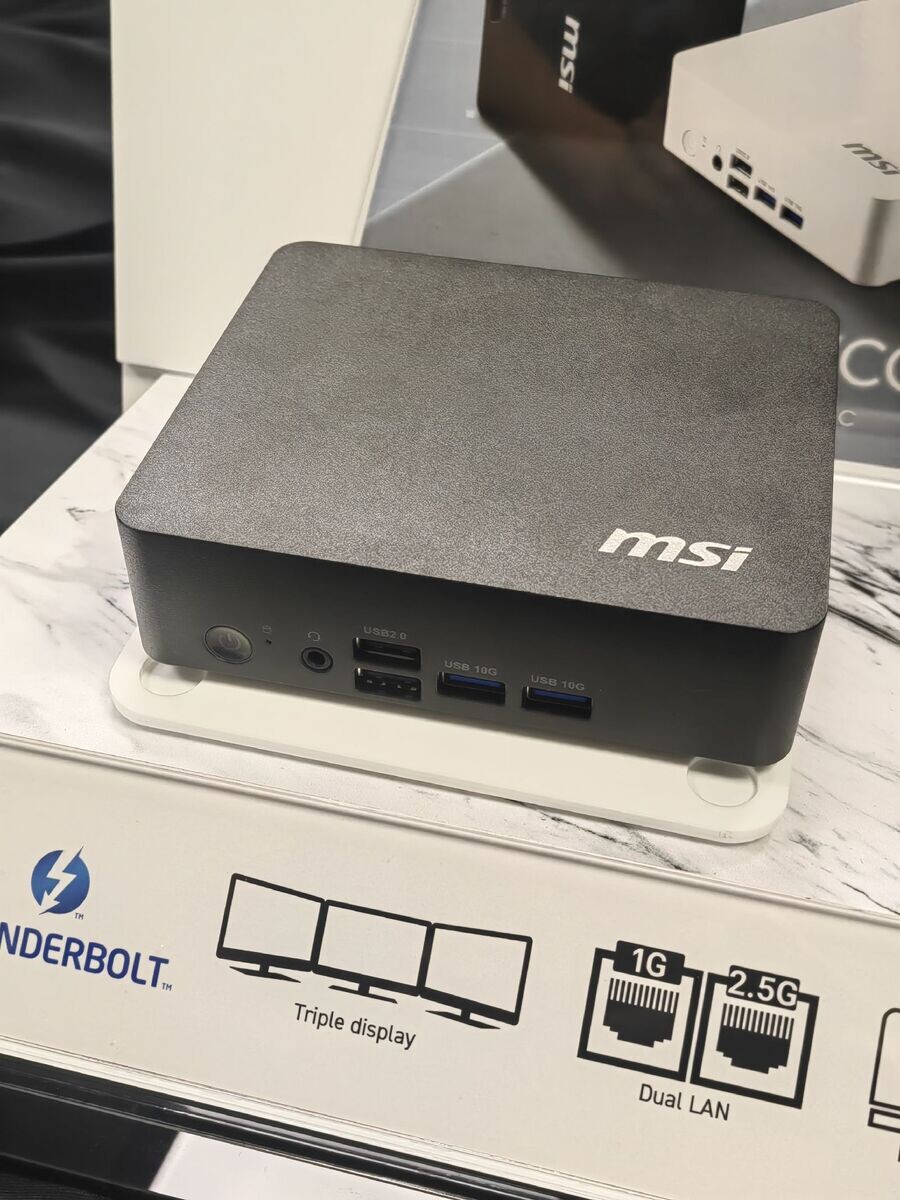
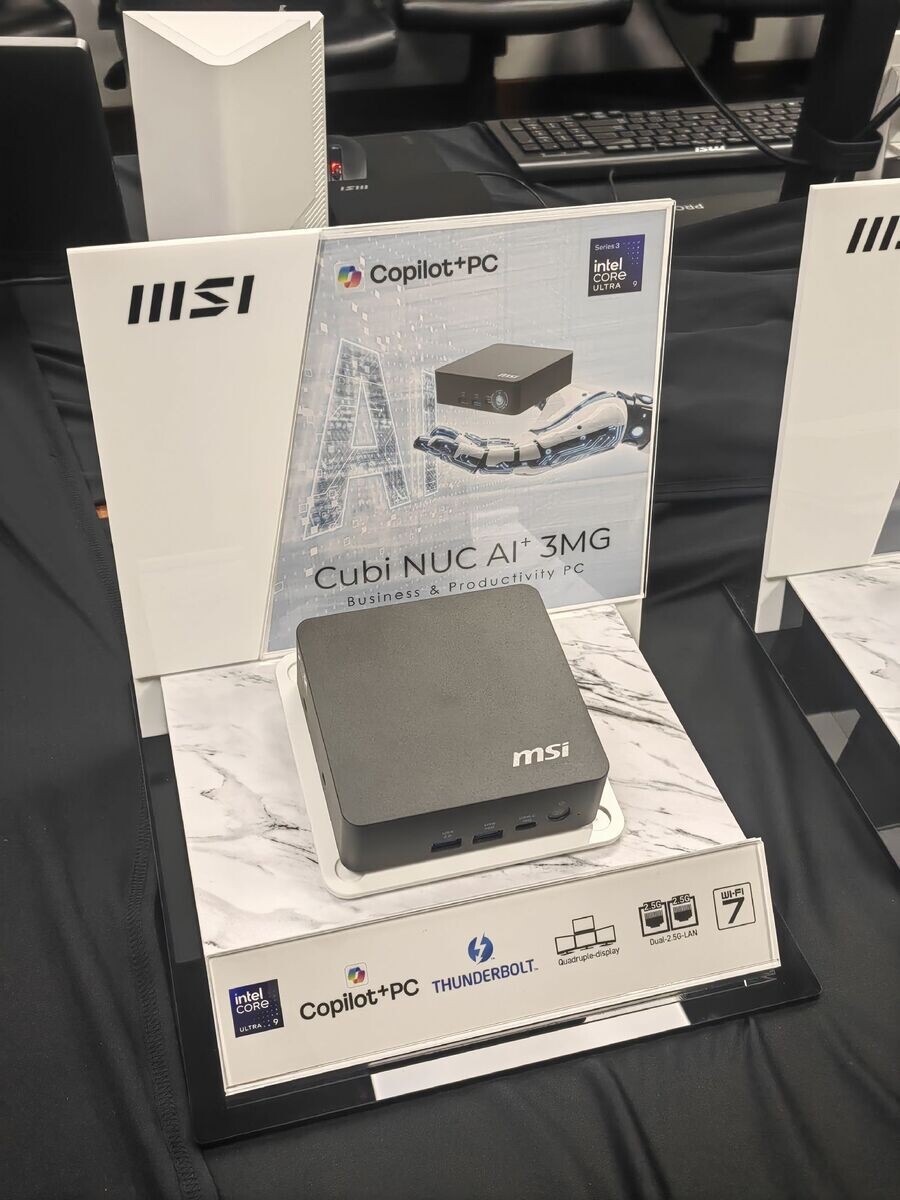
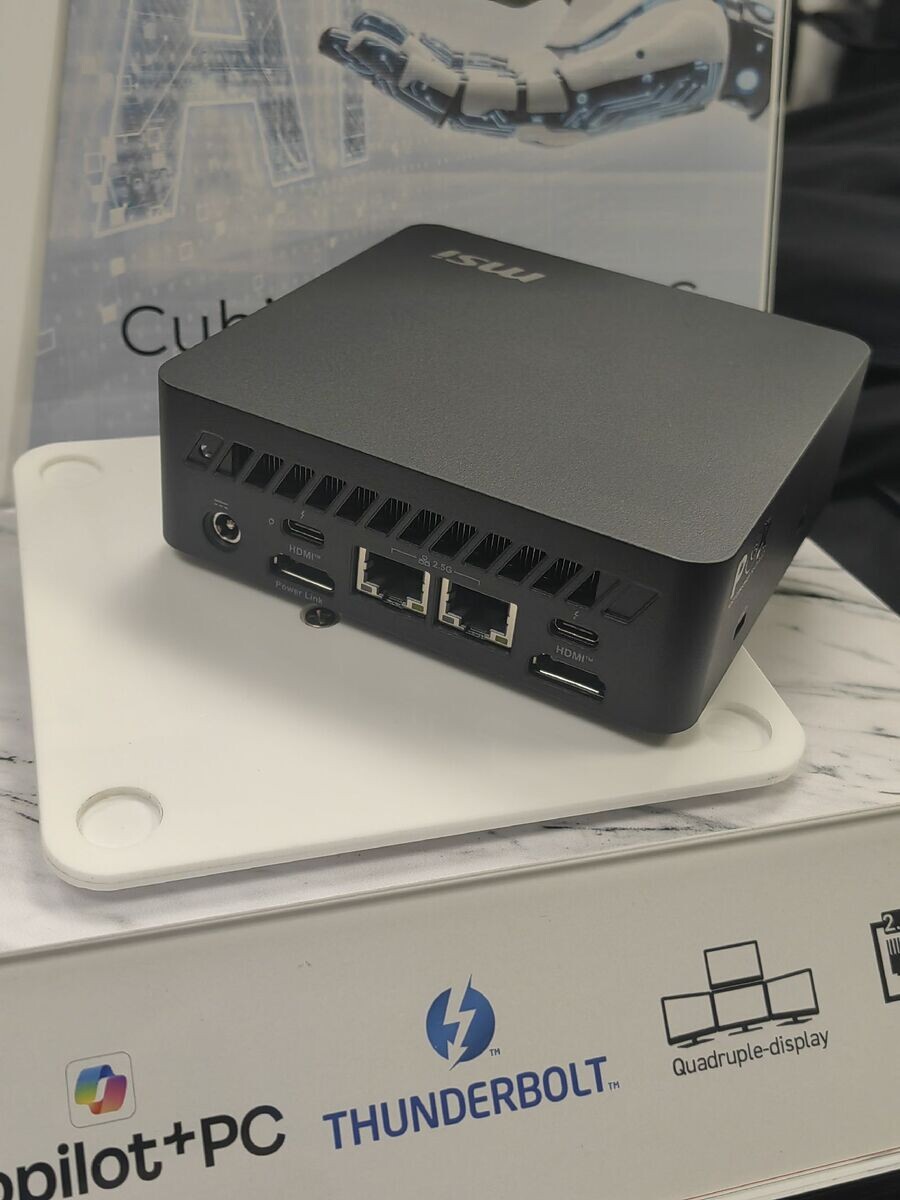
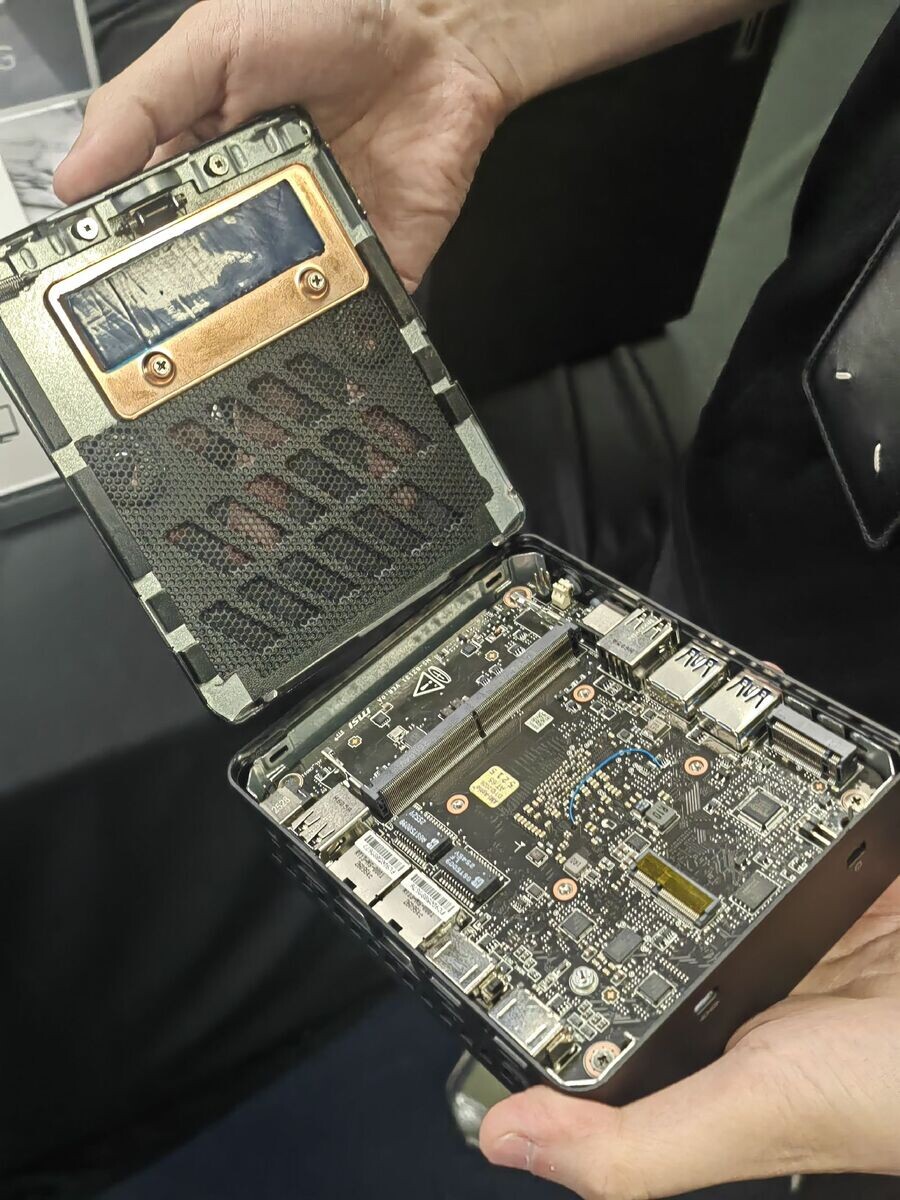
MSI in its Computex 2026 booth showed us some of their latest mini PCs. The Cubi NUC WCG is designed to be an affordable desktop for client edge deployments. It features a Core 7 360 "Wildcat Lake" processor, and comes in black and white color options. The box is rich in connectivity, featuring up to three display outputs (two HDMI, one USB-C DisplayPort passthrough), two wired Ethernet interfaces (1 GbE + 2.5 GbE), and feature USB-C based PowerLink. You also get one 40 Gbps Thunderbolt 4 port. It uses DDR5 SO-DIMM memory. Next up, is the Cubi NUC AI+ 3MG, a powerful and compact Copilot+ ready mini PC powered by Core Ultra Series 3 "Panther Lake" processors, going all the way up to the top Core Ultra 9 386H. You get Thunderbolt 5, four display interfaces, dual 2.5 GbE, and Wi-Fi 7.

Dell Introduces XPS 13 at $600, MacBook Neo Meets its Match

Dell, at Computex 2026, unveiled the new XPS 13. This is a 13-inch ultraportable notebook that's purpose-built to compete with the Apple MacBook Neo. The notebook is built in an aluminium unibody chassis that's both thinner and 20% lighter than a MacBook Neo. It comes with a vibrant 2.5K touchscreen display that meets 100% DCI-P3 and comes with anti-glare treatment. You get two USB 3.2 Gen 2 ports that double up as charging ports. A 53 Wh battery outclasses the 36.5 Wh battery of the Neo, providing all-day battery life. Under the hood, the Dell XPS 13 is driven by an Intel Core 5 320 "Wildcat Lake" processor with a 2P+4LPE CPU, and Xe3 iGPU. Memory options include 8 GB and 16 GB LPDDR5X-7467. You get 512 GB of M.2 Gen 4 NVMe storage, compared to 256 GB on the Neo. Dell is offering the notebook for $600 to students, and $700 regularly.

ECS to Showcase AI-ready Computing Platforms at COMPUTEX 2026

Elitegroup Computer Systems (ECS), a leading global provider of motherboards, mini PCs, and computing solutions, will participate in COMPUTEX 2026 from June 2 to 5, 2026, at Taipei Nangang Exhibition Center, Hall 1, Booth J1317a. Under the theme Power AI Computing, ECS will present its latest motherboards and LIVA Mini PCs, highlighting how compact and scalable PC platforms can support AI Agent workloads, Edge AI processing, smart healthcare applications, and embedded deployments.

ECS will demonstrate how LIVA Mini PCs can be flexibly deployed in edge computing environments to support AI-assisted information retrieval, private knowledge base applications, healthcare data monitoring, and embedded commercial deployments. Through these demonstrations, ECS will highlight the role of LIVA Mini PCs in data processing, application execution, real-time monitoring, and vertical use cases. ECS will also showcase motherboard platforms with high-performance expansion capabilities, providing customers with a broader choice of computing foundations for AI and edge applications.

Beelink Unveils Wildcat Lake Lineup Powered by Intel 18A

Beelink has officially introduced its first product lineup based on Intel's latest Wildcat Lake low-power platform, bringing next-generation performance, AI capabilities and efficiency to compact desktop systems. The new series includes two mini PCs and one NAS-oriented device, making Beelink the first tech brand to deploy Wildcat Lake across multiple product categories.

Intel 18A: A Fundamental Leap
At the core of the platform is Intel's advanced 18A process technology. The new node introduces RibbonFET gate-all-around transistors and PowerVia backside power delivery, significantly improving power efficiency, thermal performance, and signal stability compared to previous FinFET-based designs. Combined with Intel's new Cougar Cove performance cores and Darkmont efficiency cores, Wildcat Lake delivers higher performance at lower power consumption.

Chuwi Announces the UniBook Powered by Core "Wildcat Lake" Processors

CHUWI today unveiled the UniBook, the world's first laptop powered by Intel's Wildcat Lake Core 3 304 processor (Core Series 3, Intel 18A, 5 cores/5 threads, up to 4.30 GHz). Primarily targeted for university students, entrepreneurs, and young professionals, the battery life can reach 15-20 hours (under comprehensive working conditions). Starting at an estimated $449, the UniBook directly challenges Apple's MacBook Neo with clear advantages in connectivity, keyboard backlight, display color accuracy, and price.

Key specs for CHUWI UniBook: 14-inch FHD (1920 x 1200) 100% sRGB IPS display, 8 GB LPDDR5X, 256 GB PCIe 3.0 SSD, Wi-Fi 6 + BT5.2, a full port suite (2x full-function USB-C, 1x HDMI 2.0, 2x USB 3.2 Gen 1, 1x USB 2.0, Gigabit Ethernet, TF card slot, 3.5 mm audio), white backlit keyboard, 180-degree hinge, active cooling, 53.38 Wh battery, and Windows 11 Pro.
The specifications follow.

Laptops Powered by Intel "Wildcat Lake" Arrive in China, Starting at $449

China appears to be the first in line to receive laptops powered by Intel's "Wildcat Lake" Core 300 series processors, and the initial models have already arrived. The most affordable option is the CHUWI UniBook, which features a five-core Intel Core 3 304 processor. This is the lowest in the series and the only five-core "Wildcat Lake" processor available. The laptop comes with 8 GB of LPDDR5X memory running at up to 7,467 MT/s and 256 GB of SSD storage. All of this is housed in a 14-inch body with a 1920x1200 IPS display. Interestingly, this model poses a direct challenge to Apple's MacBook Neo, operating on Windows 11 Pro and a different x86 platform.

Additionally, other laptop manufacturers have started listing their "Wildcat Lake" models on the Chinese retailer JD, including ASUS, HP, and Honor. These offerings include the ASUS Fearless 14SE 2026, HP OmniBook 3, and Honor Notebook X14 2026 Combat Edition. All three models are powered by the Intel Core 5 320 processor, which features a six-core design. They also come with 16 GB of LPDDR5X memory and 512 GB of SSD storage. The prices for these models are $597 for the ASUS, $571 for the Honor, and $662 for the HP OmniBook 3. These laptops offer twice the storage and memory compared to the popular Apple MacBook Neo, aiming to surpass Apple in the entry-level PC market. Interestingly, sales tax is not included in these prices.

Intel CPUs Set to Power Googlebook Laptops, with "Wildcat Lake" in Play

Google launched its "Googlebook" laptops yesterday, introducing a new intelligent platform that leverages Gemini AI, succeeding its Chromebook offerings. Initially, it was unclear what hardware Google would use for its upcoming laptop models. However, Intel announced that it has been collaborating with Google on these models, with Intel Core processors at the core of the platform. Google is likely to pair these laptops with Intel's latest Core Series 300 "Wildcat Lake" processors, which the company recently launched. This means that Googlebooks will feature an x86 platform based on Intel processors, with six CPU cores consisting of two "Cougar Cove" P-cores and four LPE "Darkmont" cores. They will also include an NPU 5 with 40 TOPS of INT8 data, an Xe display and media engine, and a GPU with up to two Xe3 cores, all built on Intel's 18A internal node.

However, Intel will not be the exclusive platform provider for Googlebooks. In an exclusive interview with Google VP John Maletis, ChromeUnboxed learned that Google has set strict requirements for its OEM partners, including specifications for CPU, memory, keyboard layout, and storage configurations for its upcoming devices. Since launch partners will also include Qualcomm and MediaTek, we can expect to see Arm-powered Googlebooks as well. Acer, ASUS, Dell, HP, and Lenovo will be participating in the launch of the new Googlebook lineup, with devices reportedly arriving this fall.

Minisforum Unveils S5 and S7 All-Flash NAS Units with Intel Core Series 3 Processors

Minisforum and Intel held a joint launch event in Xiamen, introducing two new all-flash NAS systems built around Intel Series 3 processors, the compact S5 and the seven-bay S7. The S5 is the more distinctive of the two. It runs Intel Core Series 3 (Wildcat Lake), Intel's 18A-based platform for edge, laptops and commercial devices and adopts a no-HDDs approach featuring five M.2 2280 PCIe 4.0 x1 SSD slots. The fanless design combined with the all-SSD layout means it runs completely silent. Minisforum is even pitching it at home theater setups and anywhere noise is a concern. Memory goes up to 16 GB of LPDDR5X-7200, and connectivity includes a 10 GbE RJ45, a 2.5 GbE RJ45, two USB4 40 Gbps ports, two USB 3.2 Type-A ports, and HDMI 2.1. Wi-Fi 7 is also on board, and combined SSD throughput is rated at up to 10.8 GB/s.

The S7 is built on the MS-03 workstation platform and steps up to seven NVMe slots for heavier storage workloads. Networking is more enterprise-oriented, with dual 10G SFP+ fiber ports, a 10G RJ45, a 2.5G RJ45, and two USB4 40 Gbps ports. An LED status display lets users check system and storage activity making it more suited to home-lab and power user setups. Both systems support Minisforum MinisOpenClaw AI agent, which includes features like AI semantic photo search and installs in one click. No pricing or release date has been announced.
Return to Keyword Browsing
Nov 22nd, 2026 05:47 PST change timezone

New Forum Posts

Popular Reviews

TPU on YouTube

Controversial News Posts