 8
be quiet! Pure Power 11 FM 850 W Review
(8 Comments) »Introduction

We would like to thank be quiet! for supplying the review sample.

The be quiet! Pure Power 11 line addresses users who want a good PSU at a reasonable price. The line boast a high performance per dollar ratio, and so far, the highest capacity model has had 750 W maximum power output. The 550-750 W FM models of the Pure Power 11 line use CWT platforms, while the CM (semi-modular) is based on the FSP Raider platform, at least for the 700 W unit I evaluated.
Since 750 W are not enough for high-end gaming systems, be quiet! has now added 850 W and 1 kW models to the Pure Power 11 line. These two new units will complete the line, rendering the Pure Power 11 FM models direct competitors to Corsair's popular RMx and RM units. Instead of CWT, be quiet! teamed with HEC for these Pure Power 11 models, so it will be interesting to see how the be quiet! Pure Power 11 FM 850 W model fares against the CWT-made Corsair RM850x.
Compared to the RM850x and RM850, the FM 850 has half the warranty, at five years, and uses an inferior fan with a rifle bearing, as Corsair's offering uses a topnotch ML fan. That said, the ML fan is noisier. The new RM850x has over ten dBA higher average noise output than its predecessor using a rifle bearing fan. Lastly, the FM 850 has two +12 V rails, while the RM850(x) only has one. Several users, including me, prefer single +12 V rail to multi +12 V rail PSUs because chances for shutdowns during power spikes are lower. That said, PSUs with multiple +12 V rails are slightly safer when something goes wrong. However, I have been pushing PSUs to the limit (and beyond) for many years and never encountered a problem that forced me towards multiple +12 V rail designs.
Specifications
| Features & Specifications | |
|---|---|
| Max. DC Output | 850 W |
| PFC | Active PFC |
| Efficiency | 80 PLUS Gold, Cybenetics Gold (89–91%) |
| Noise | Cybenetics A- (25–30 dBA) |
| Modular | Yes (fully) |
| Intel C6/C7 Power State Support | Yes |
| Operating Temperature | 0–40 °C |
| Protections | Over Voltage Protection Under Voltage Protection Over Power Protection Over Temperature Protection Over Current Protection Short Circuit Protection |
| Cooling | 120mm rifle bearing fan (BQ QF2-12025-HS) |
| Semi-Passive Operation | No |
| Dimensions (W x H x D) | 150 x 85 x 160 mm |
| Weight | 1.83 kg (4.03 lb) |
| Compliance | ATX12V v2.52, EPS 2.92 |
| Warranty | 5 years |
| Price at Time of Review (excl. VAT) | $129.9 |
| Power Specifications | ||||||||
|---|---|---|---|---|---|---|---|---|
| Rail | 3.3 V | 5 V | 12 V1 | 12 V2 | 5 VSB | -12 V | ||
| Max. Power | 22 A | 22 A | 40 A | 36 A | 3 A | 0.3 A | ||
| 120 W | 70.8 A | 15 W | 3.6 W | |||||
| 849.6 W | ||||||||
| Total Max. Power | 850 W | |||||||
| Power Distribution | |
|---|---|
| 12V1 | ATX, PCIe (left), Peripheral |
| 12V2 | EPS, PCIe |
Photos

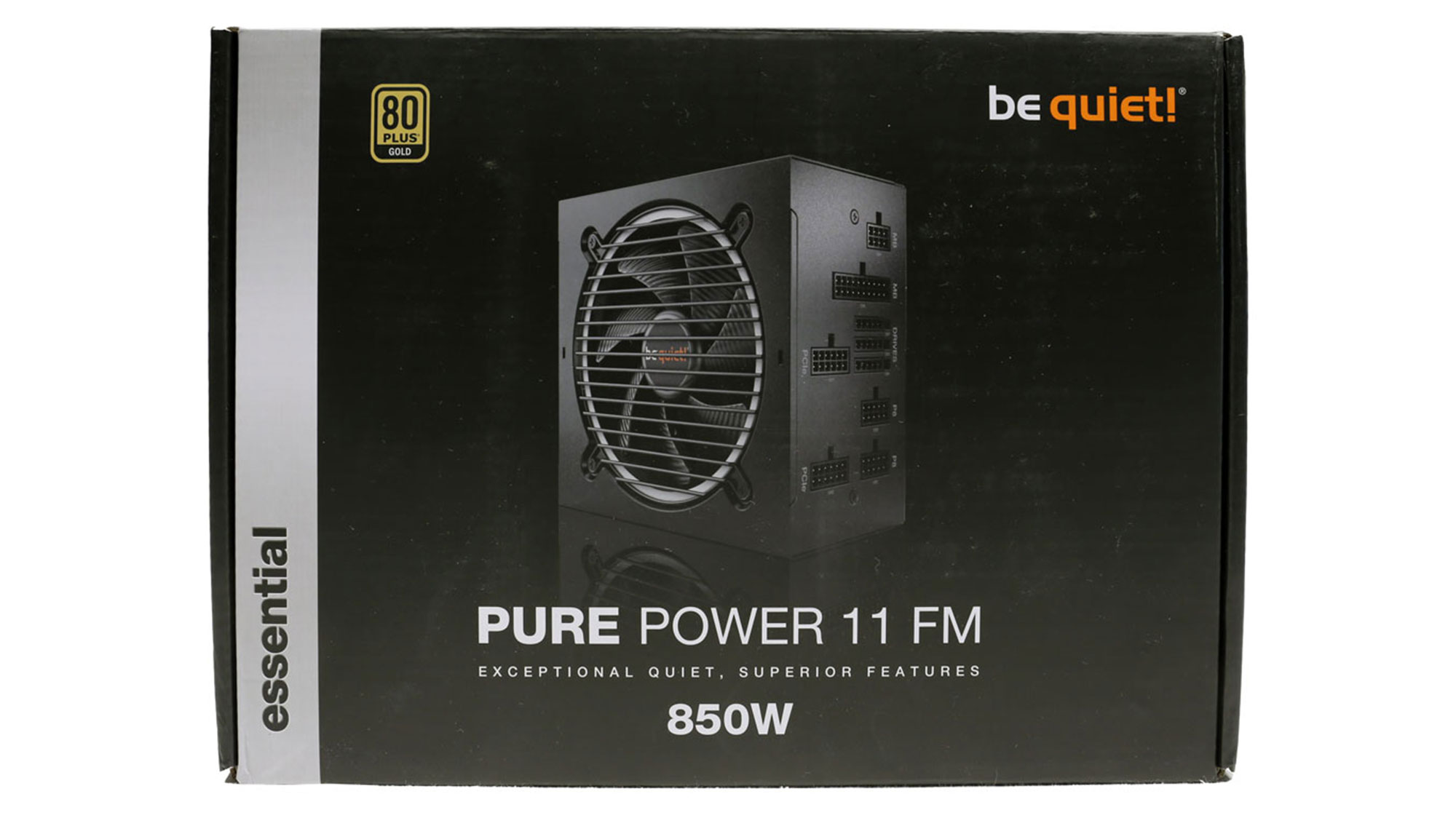
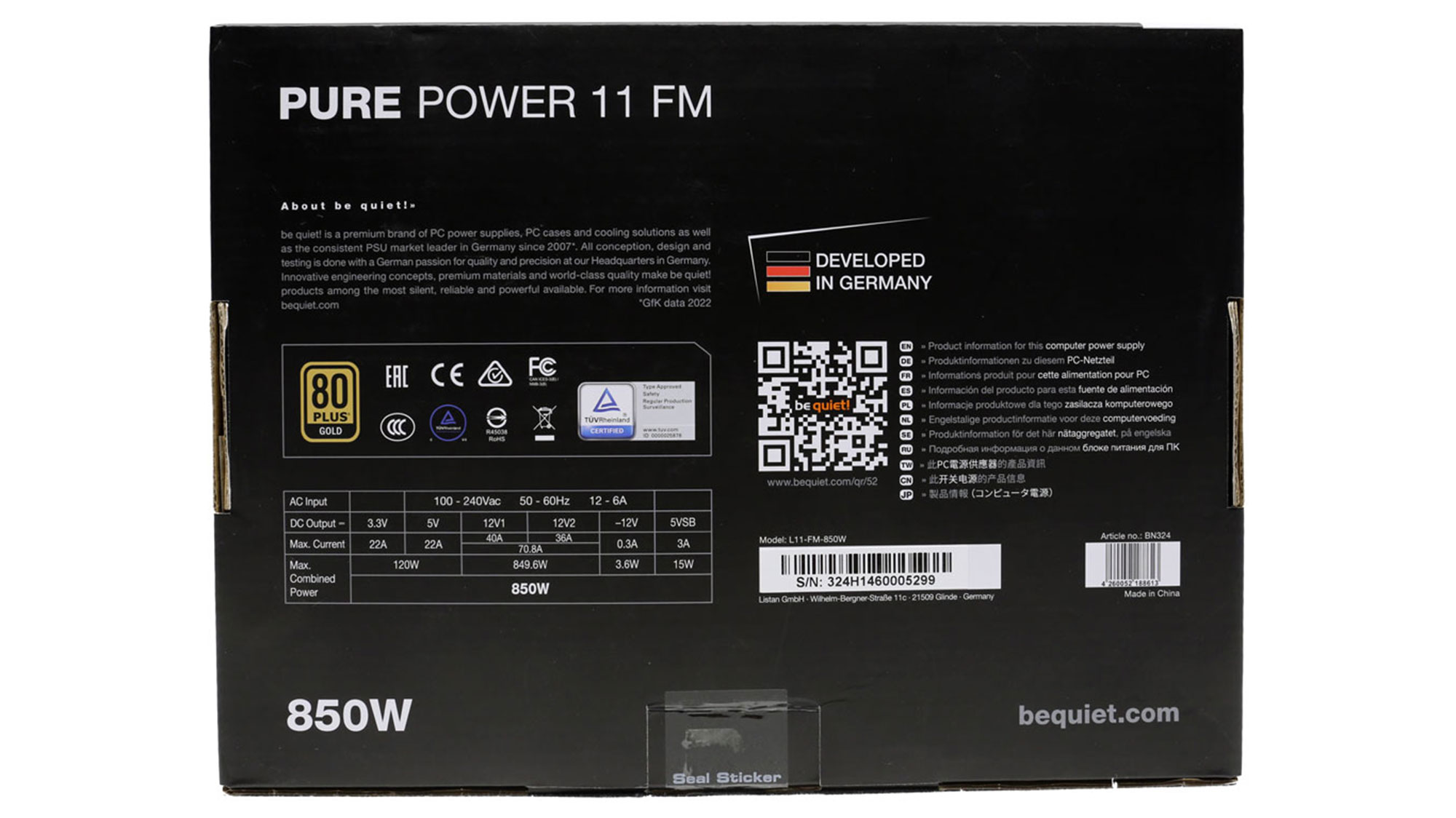
At the face of the box is a photo of the PSU with the model and wattage descriptions. The power specifications, various badges, and icons describing the PSU's compliances and certifications are on the back.
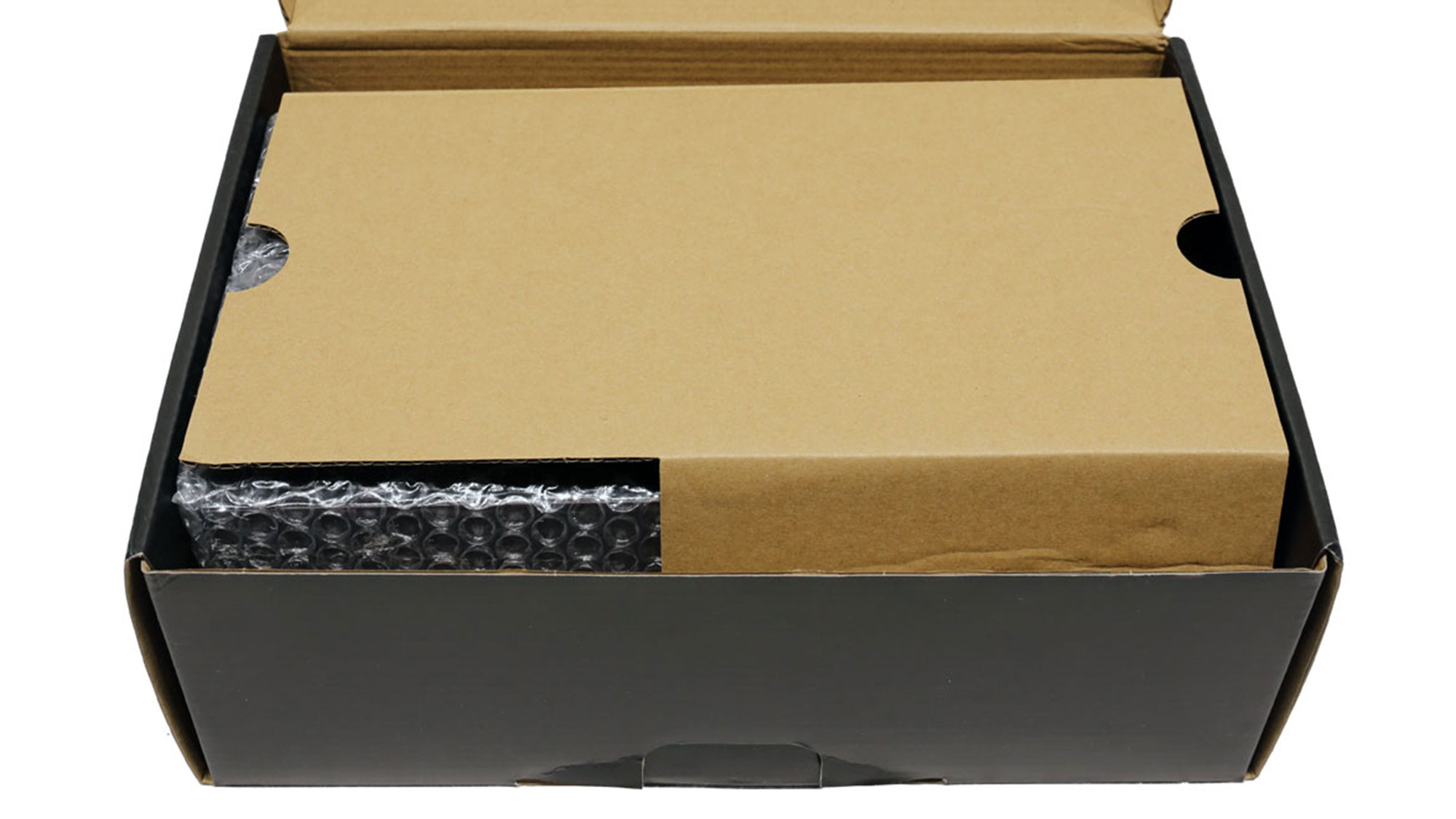
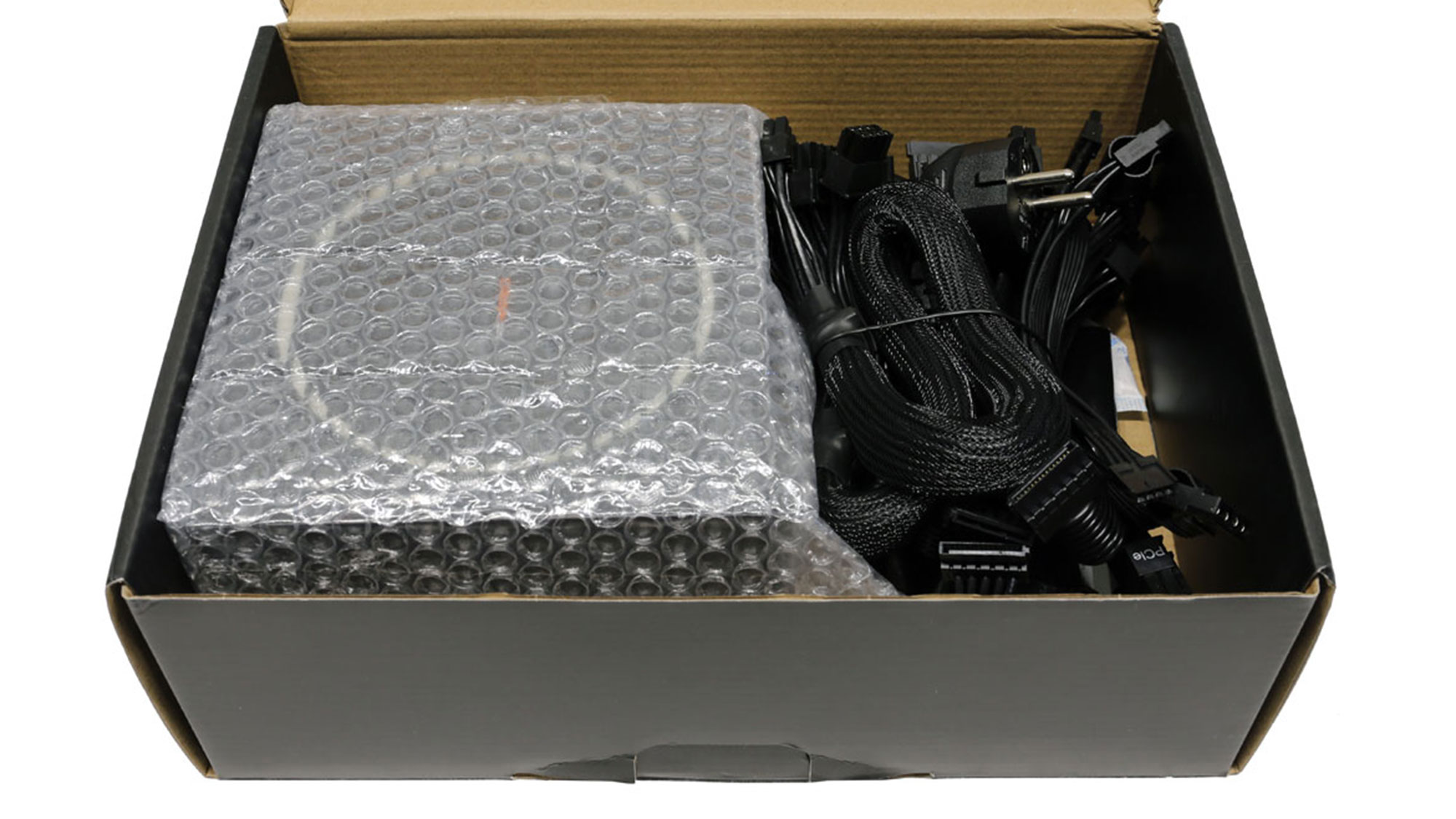
Protection inside the box is mediocre since only a bubble wrap protects the PSU. It would be way better with packing foam surrounding the product.

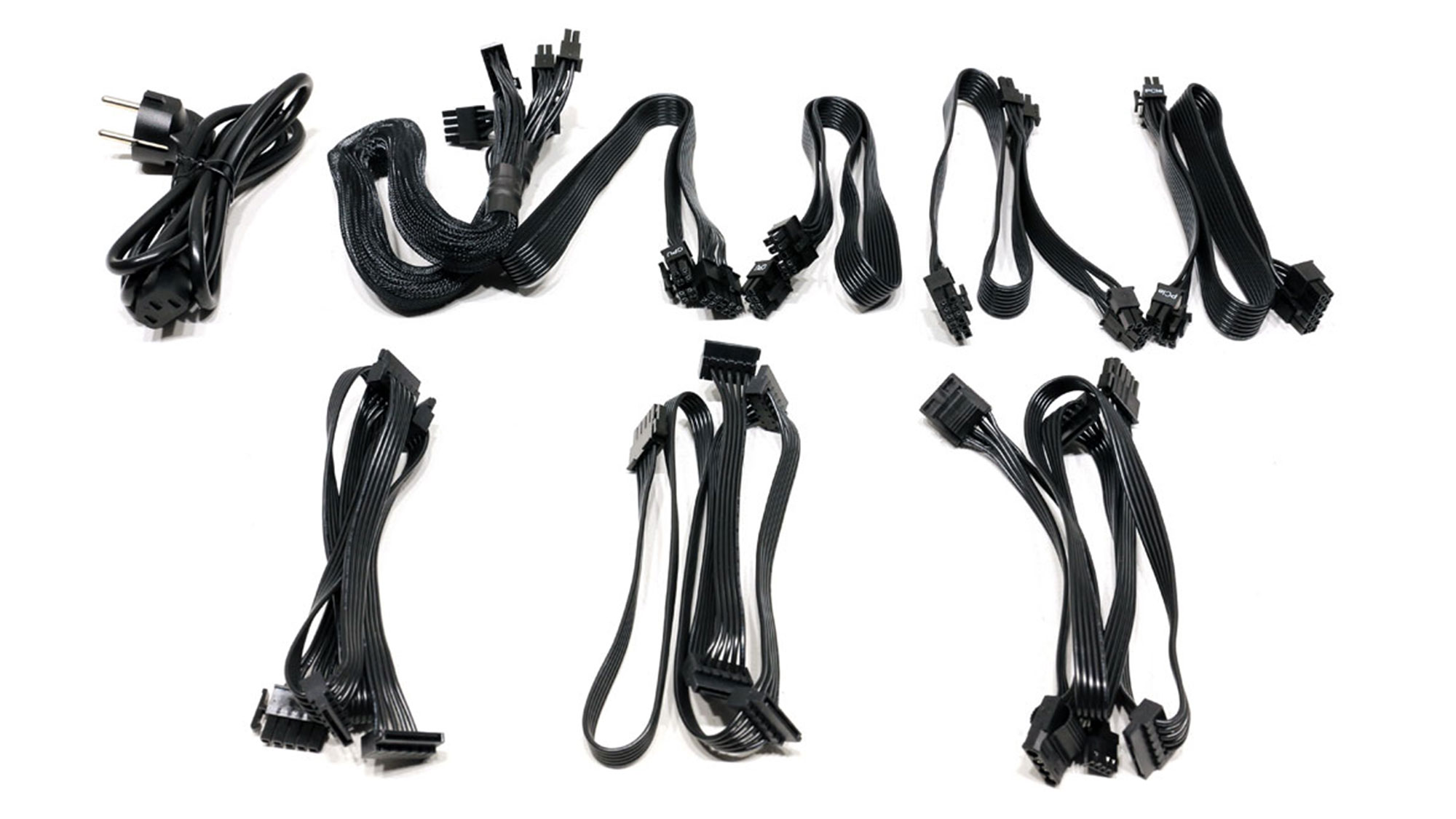

The bundle includes fixing bolts, zip ties, the user manual, and cables.
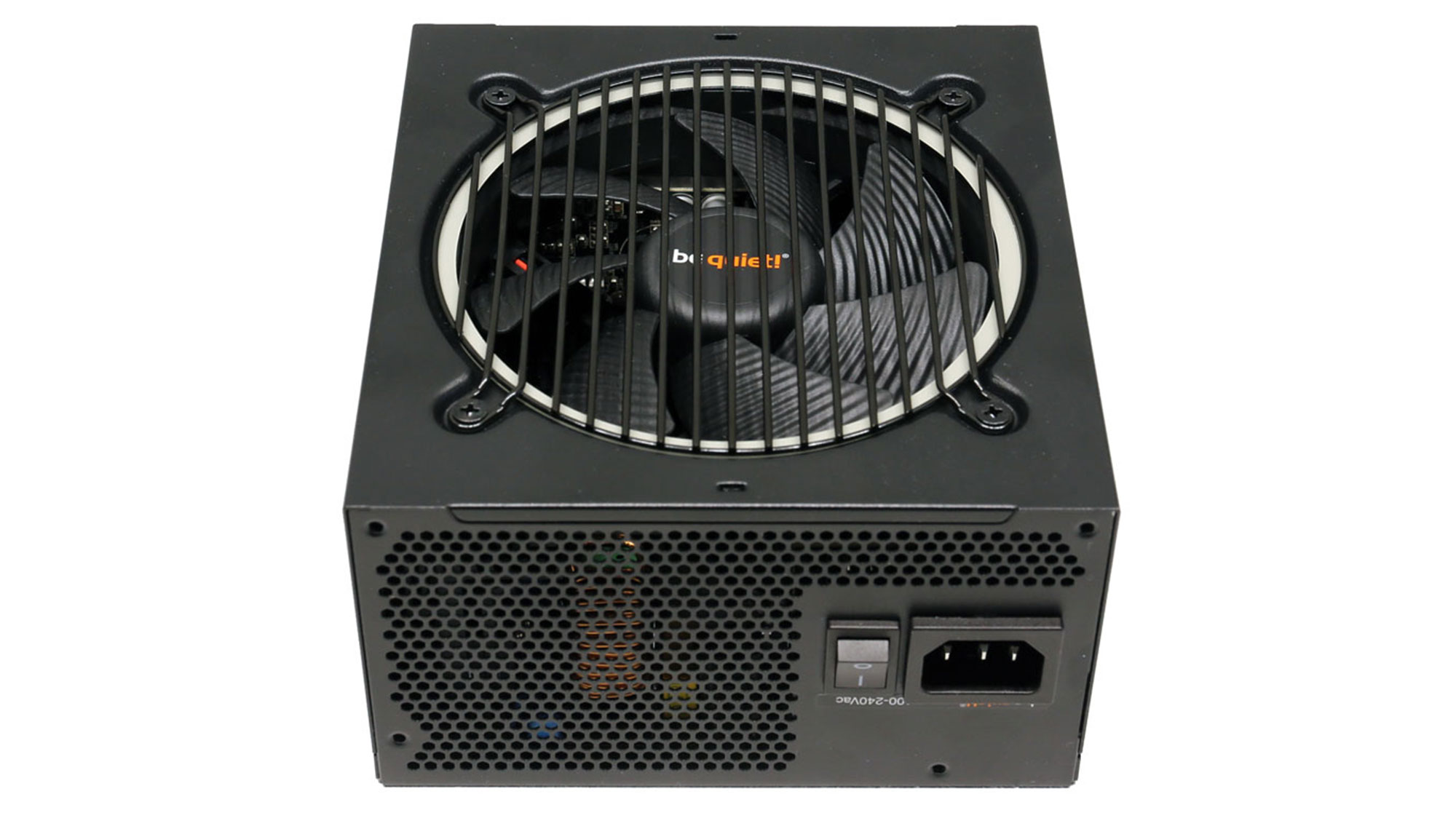
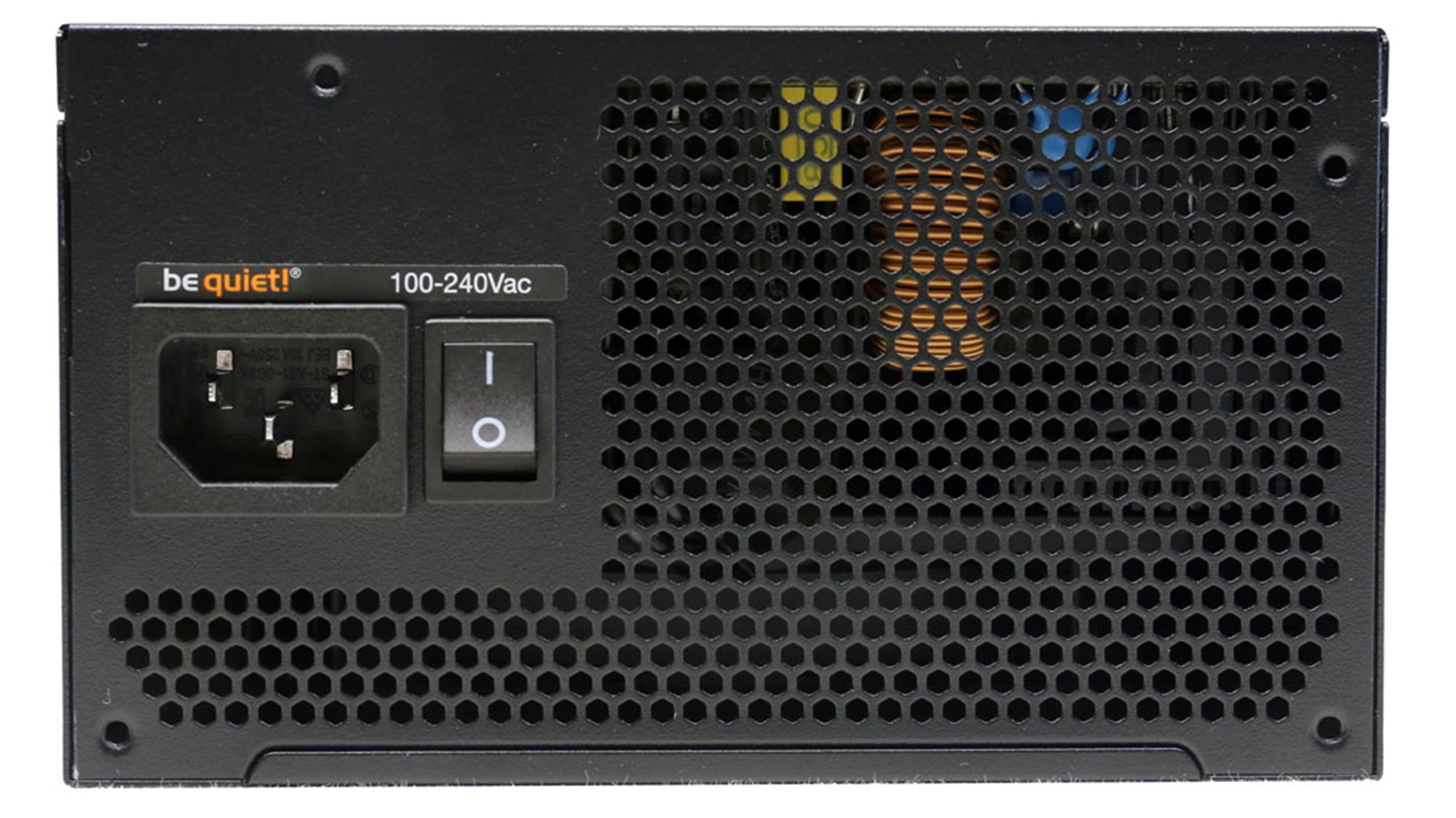
The fan grille is not restrictive and makes for a clear look at the fan blades with their airflow-optimized design.
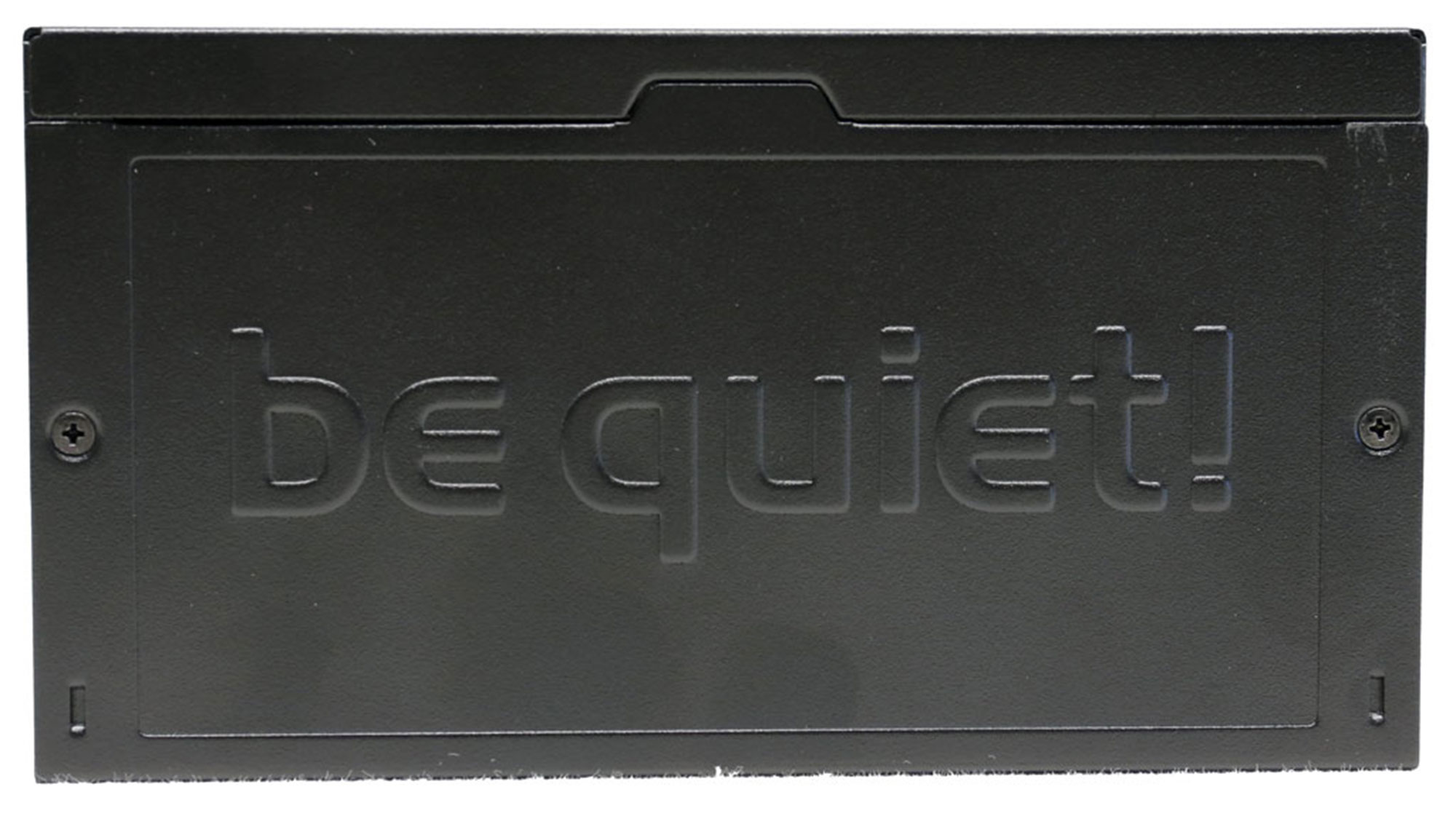
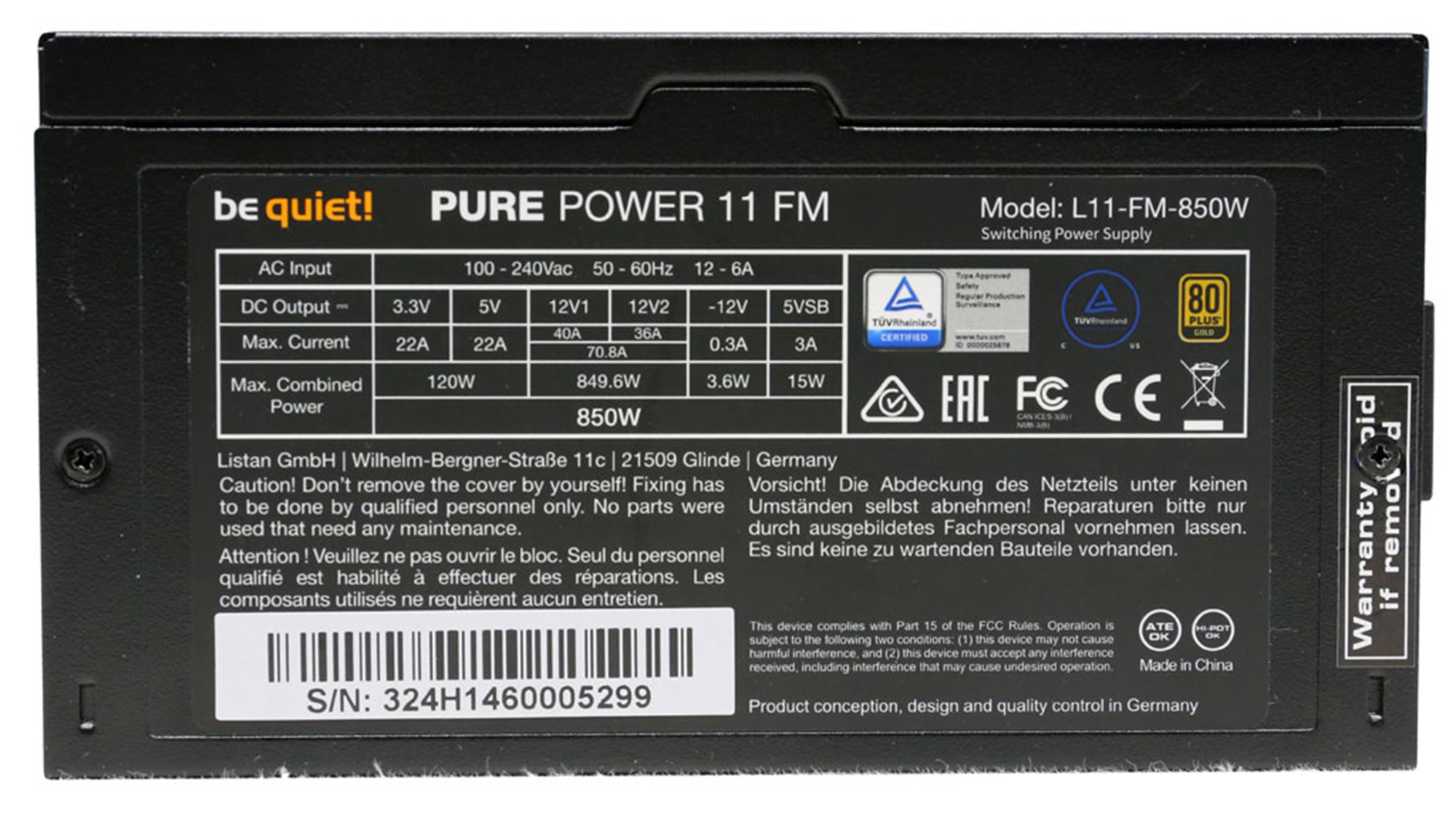
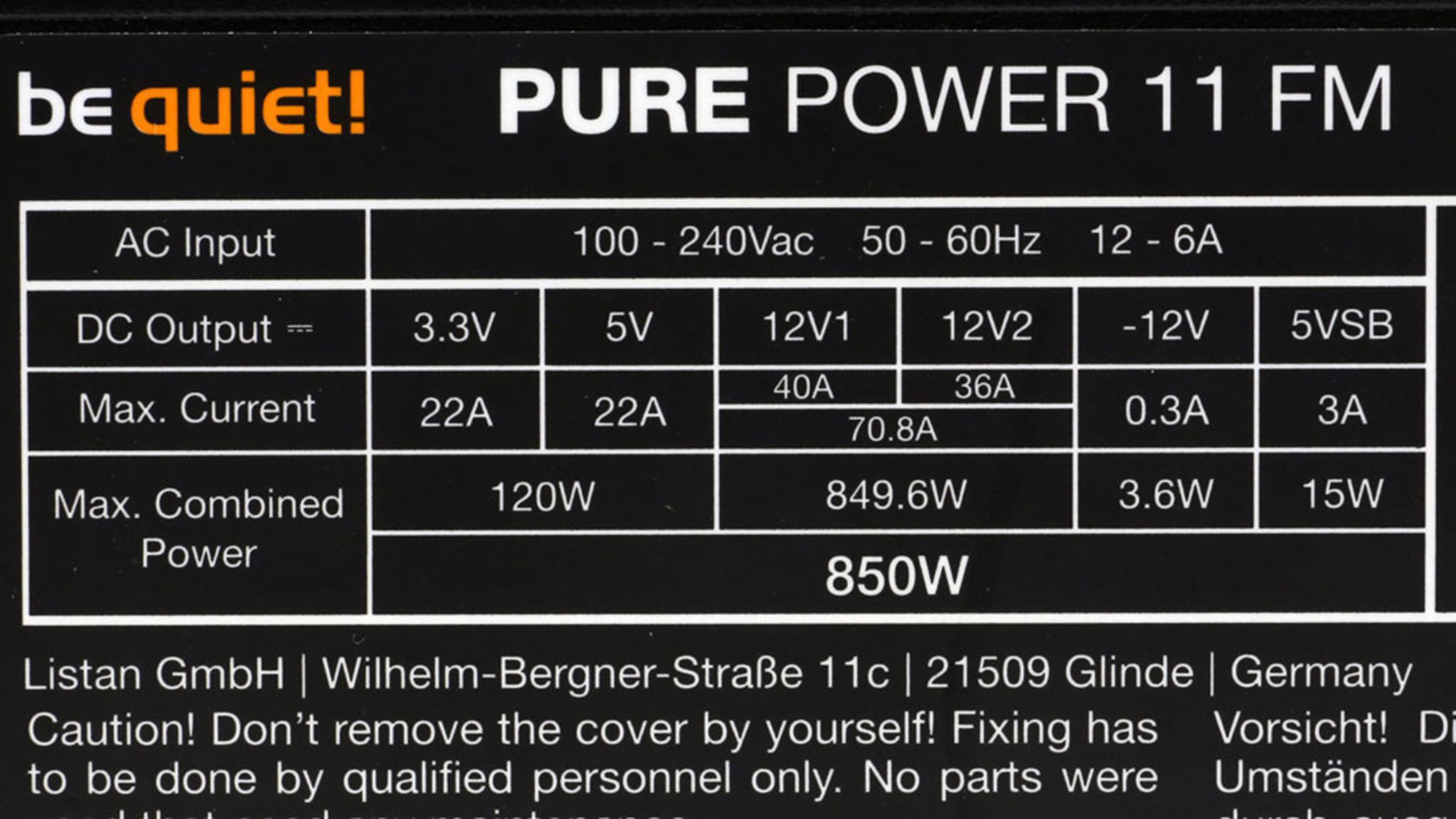
The power specifications label has been put on one of two sides. On the other, we find a stamped logo of the brand.
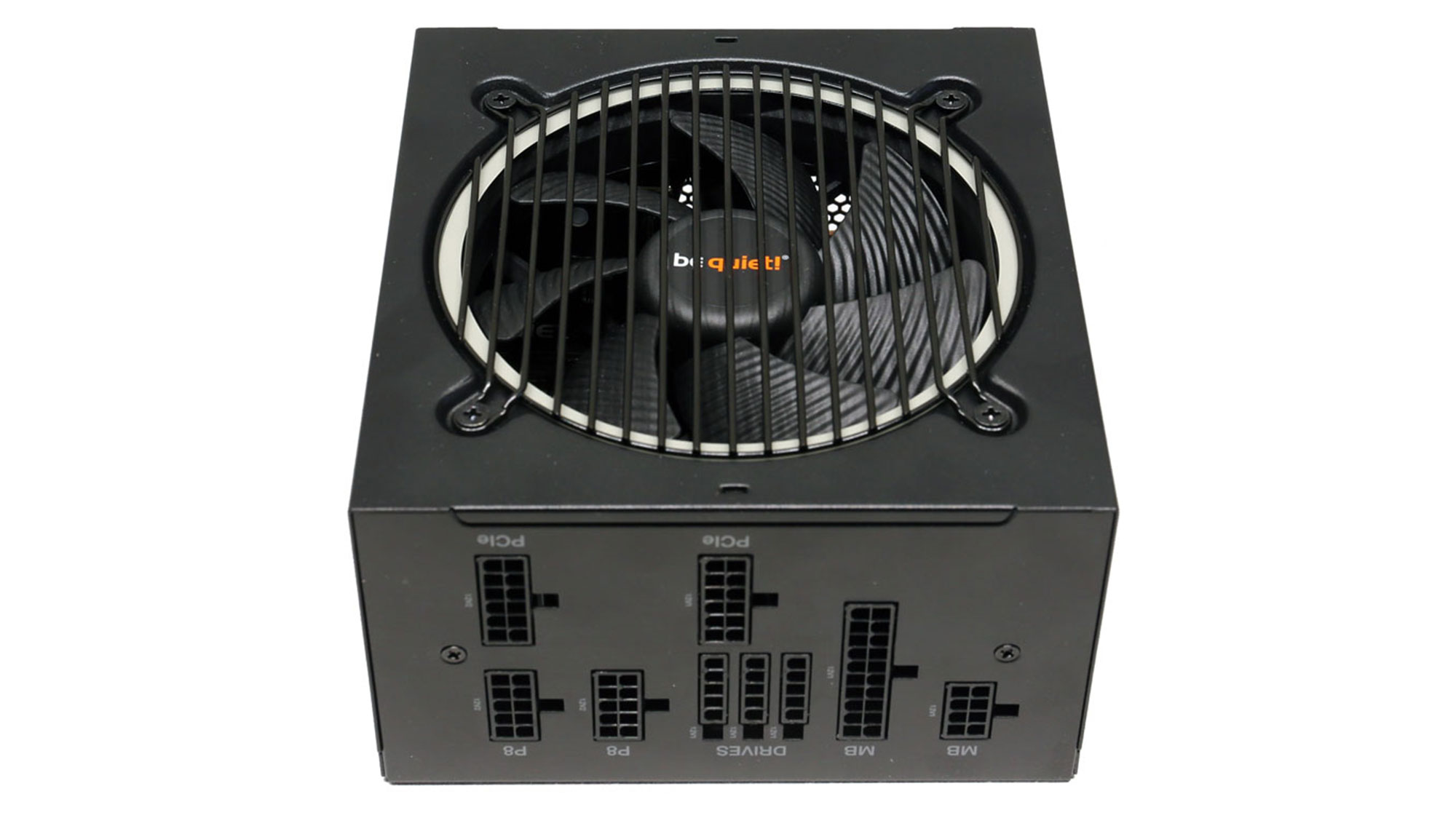
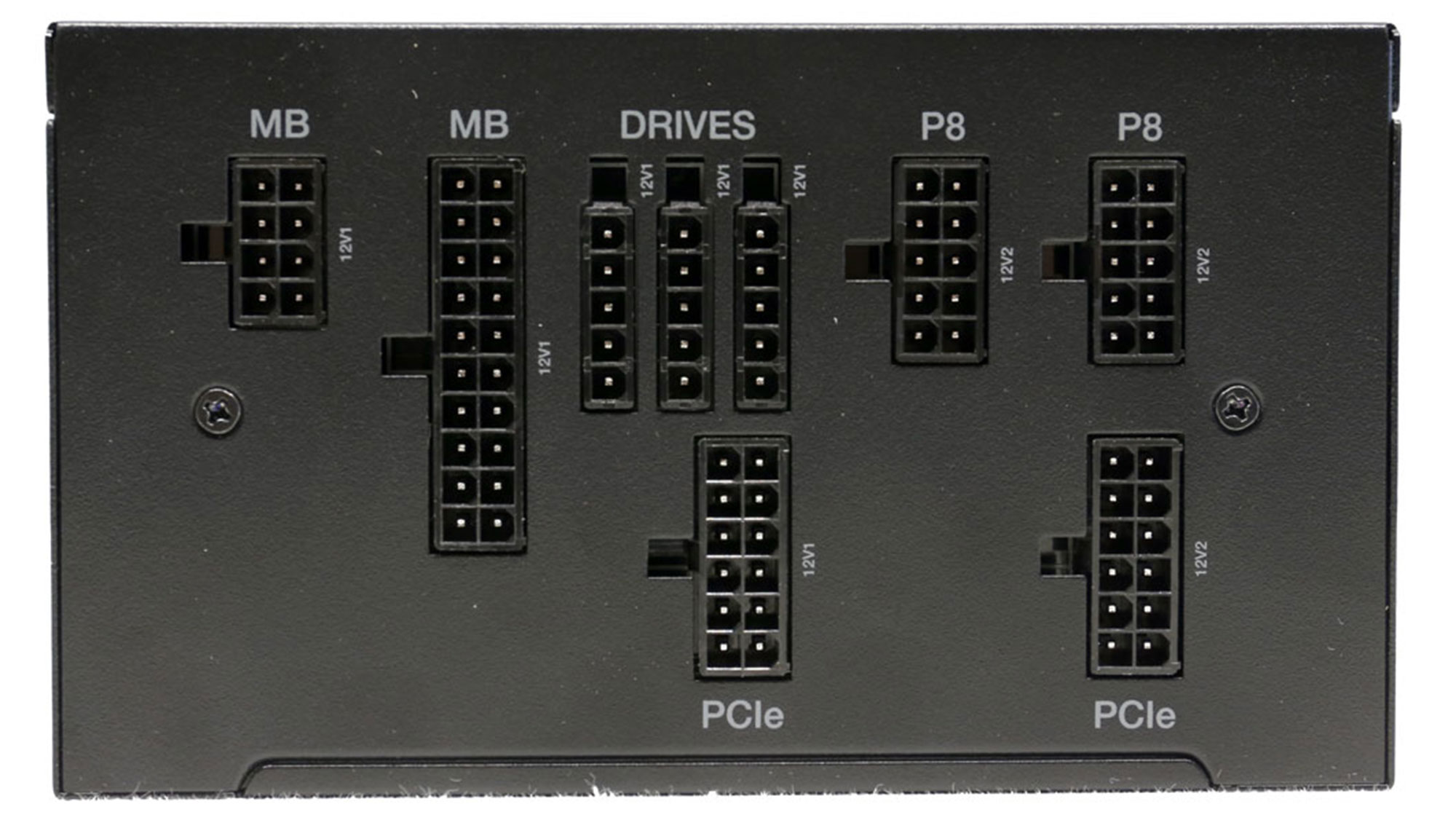
The modular panel has nine sockets.
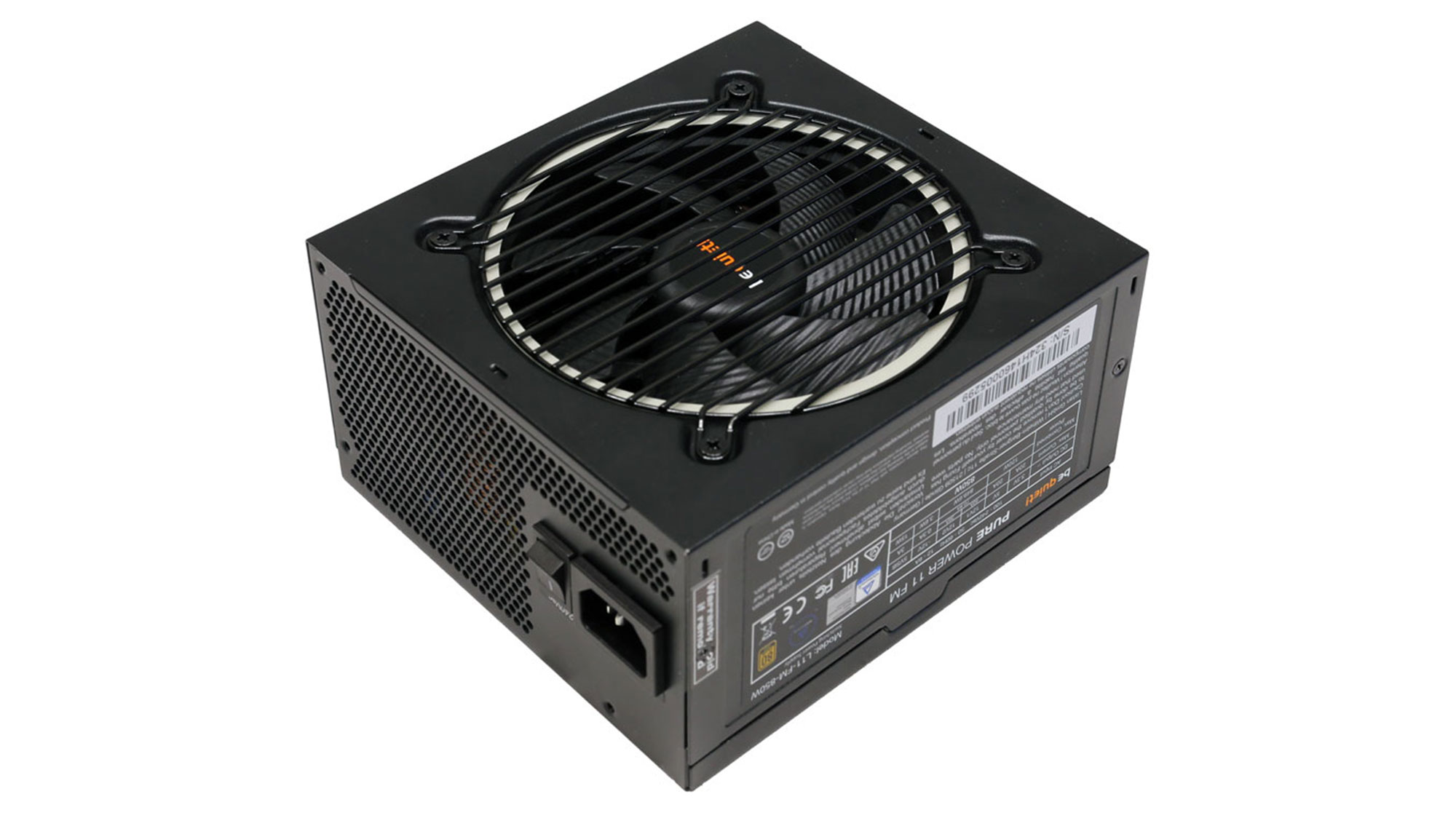

160 mm is normal for a 850 W PSU. There are smaller, PSUs of similar capacity, but they are also noisier.

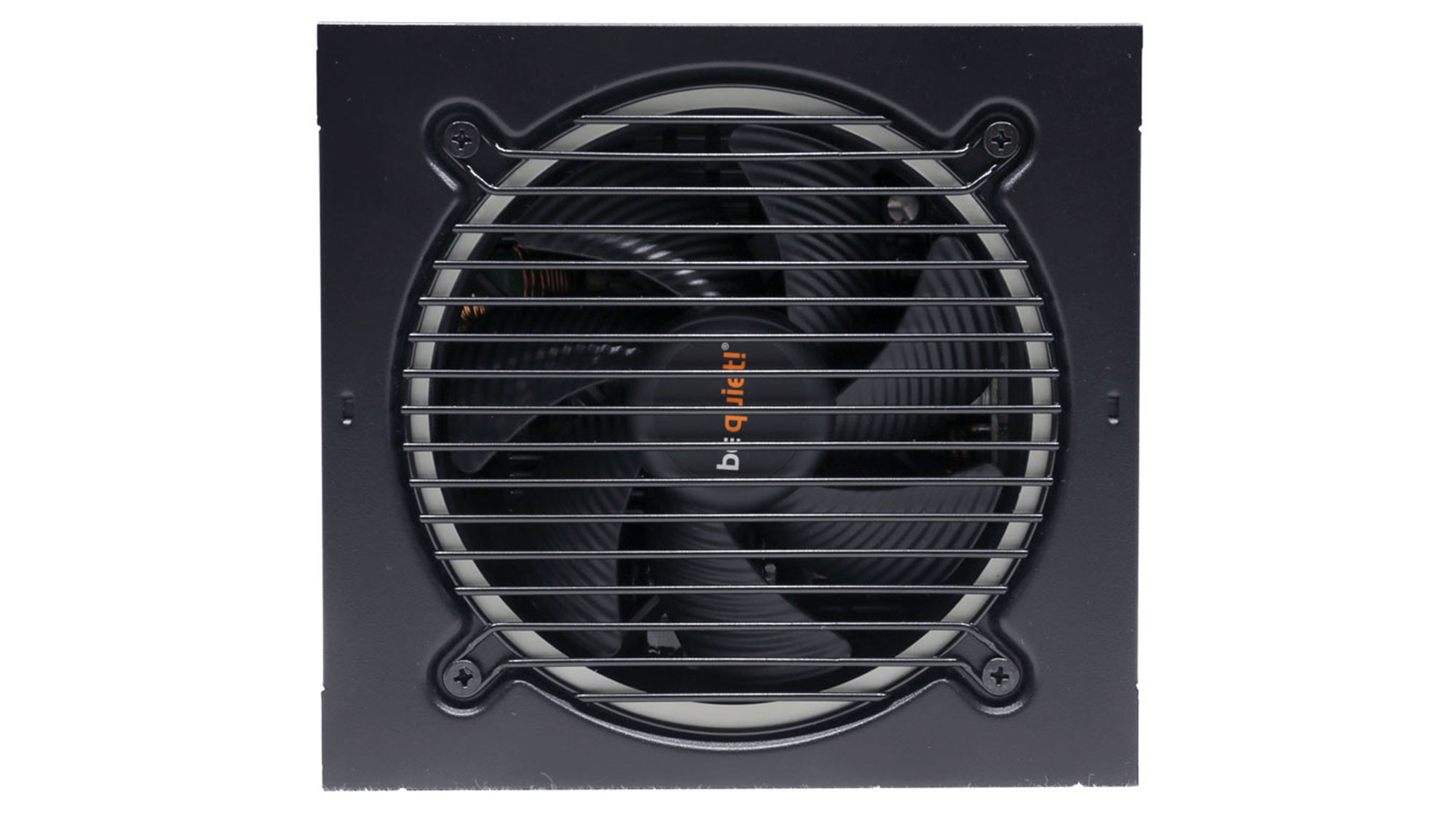
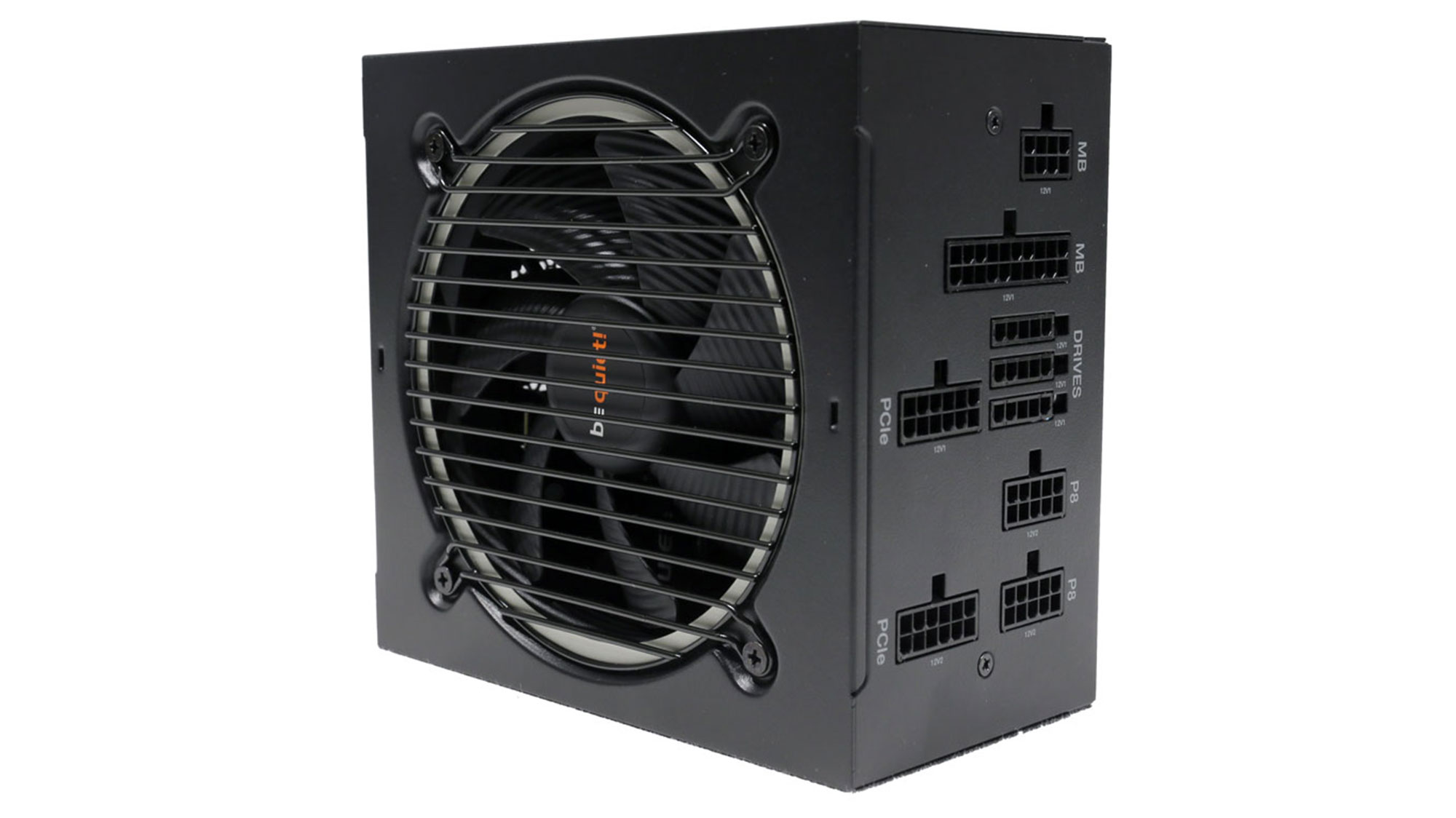
Some more photos of the PSU from various angles.
Cables and Connectors
| Modular Cables | ||||
|---|---|---|---|---|
| Description | Cable Count | Connector Count (Total) | Gauge | In-Cable Capacitors |
| ATX connector 20+4 pin (550 mm) | 1 | 1 | 16–22AWG | No |
| 4+4 pin EPS12V (600 mm) | 1 | 1 | 18AWG | No |
| 8 pin EPS12V (600 mm) | 1 | 1 | 18AWG | No |
| 6+2 pin PCIe (500 mm+150 mm) | 2 | 4 | 16–18AWG | No |
| SATA (500 mm+150 mm+150 mm+150 mm) | 2 | 8 | 18AWG | No |
| SATA (500 mm+150 mm) / 4-pin Molex (+150 mm+150 mm) / FDD (+150 mm) | 1 | 2 / 2 / 1 | 18-20AWG | No |
| AC Power Cord (1400 mm) - C13 coupler | 1 | 1 | 18AWG | - |
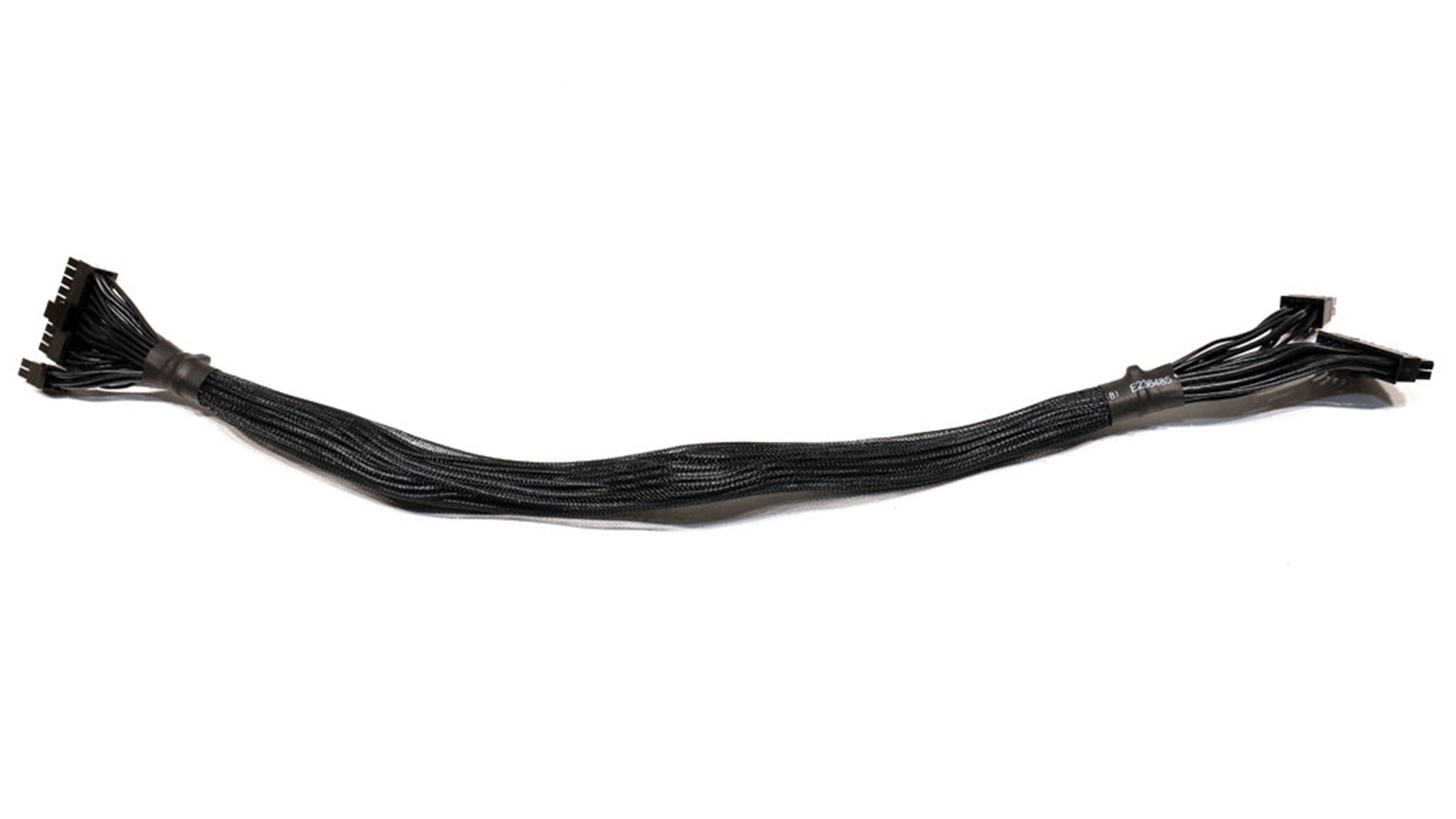
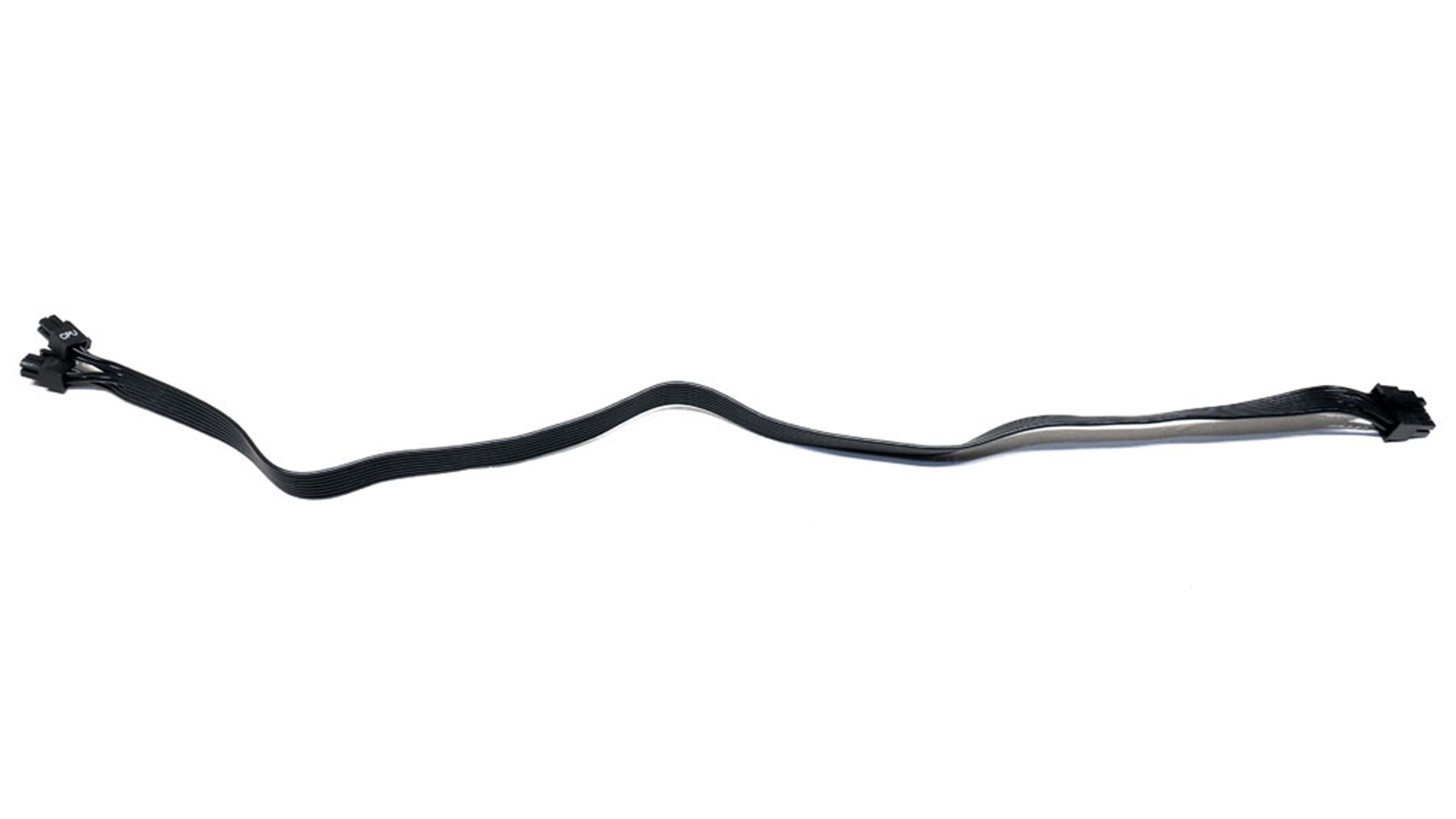
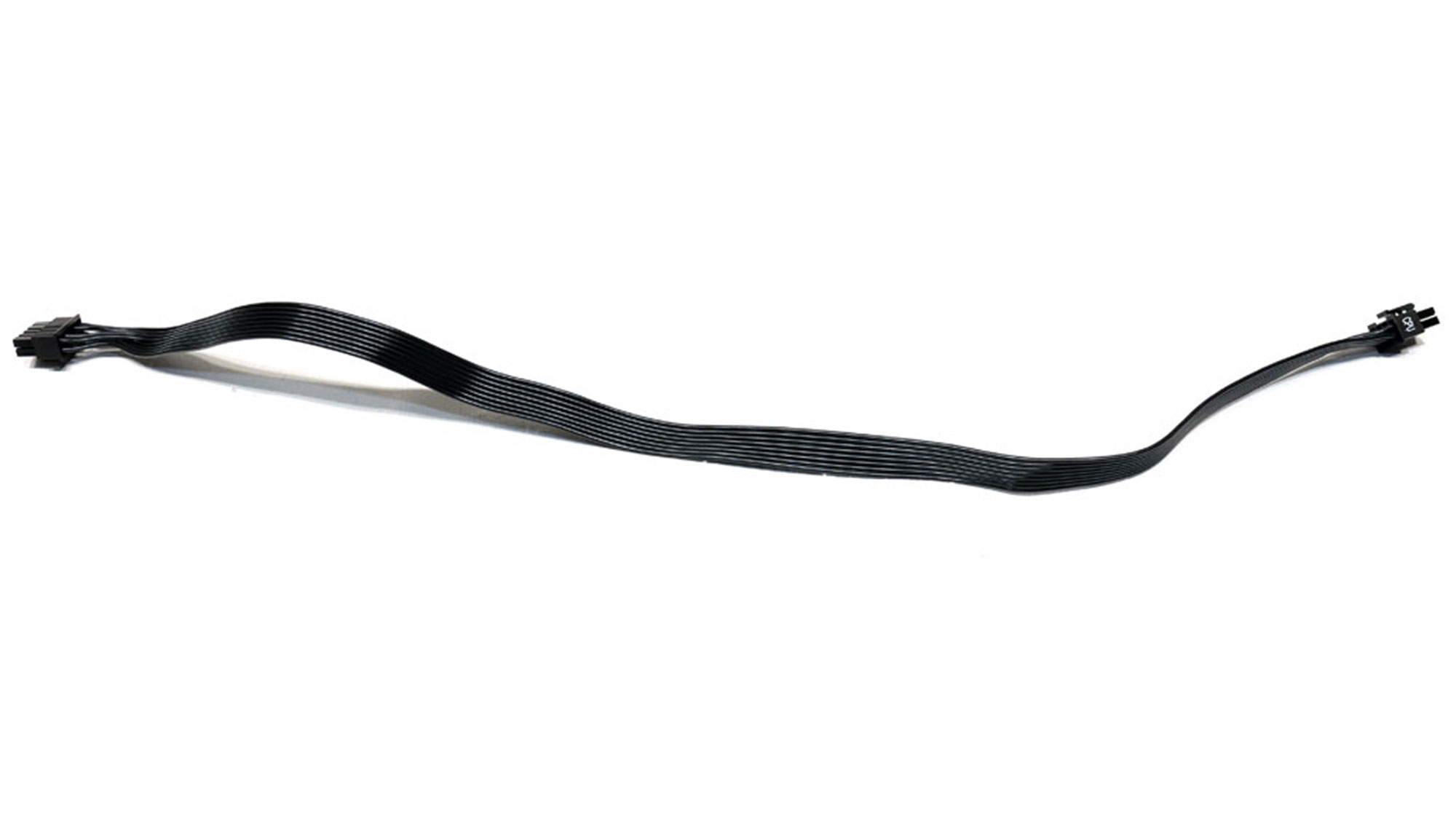
At just 550 mm, the ATX cable is not that long—It should at least be 600 mm long. The same goes for the EPS cables, which should be 650 mm long. You probably won't have an issue in normal-sized cases, but an 850 W PSU can also be used in larger cases. Lastly, the number of connectors is good. Four PCIe and two EPS connectors are enough for a PSU of this capacity.
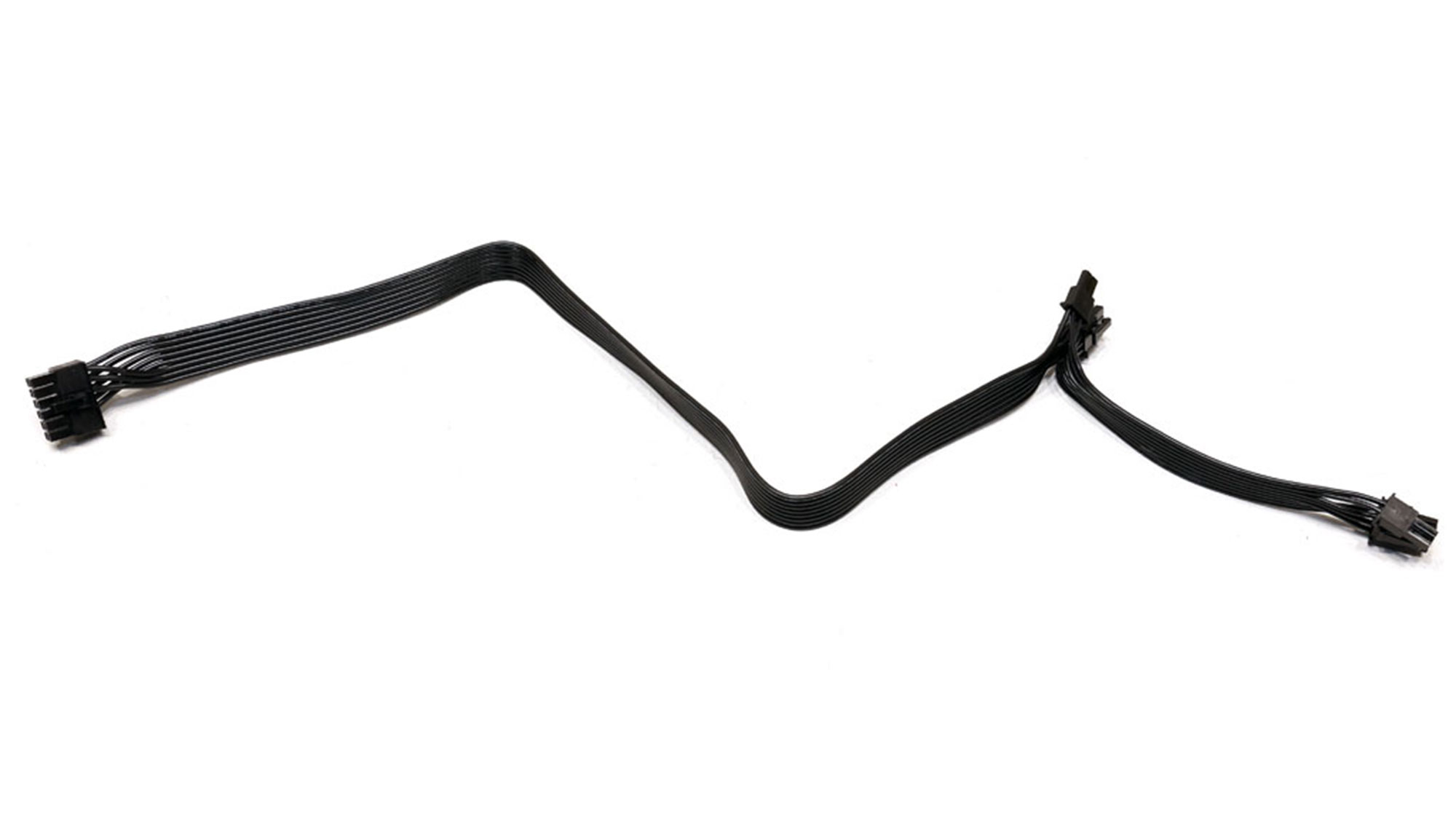
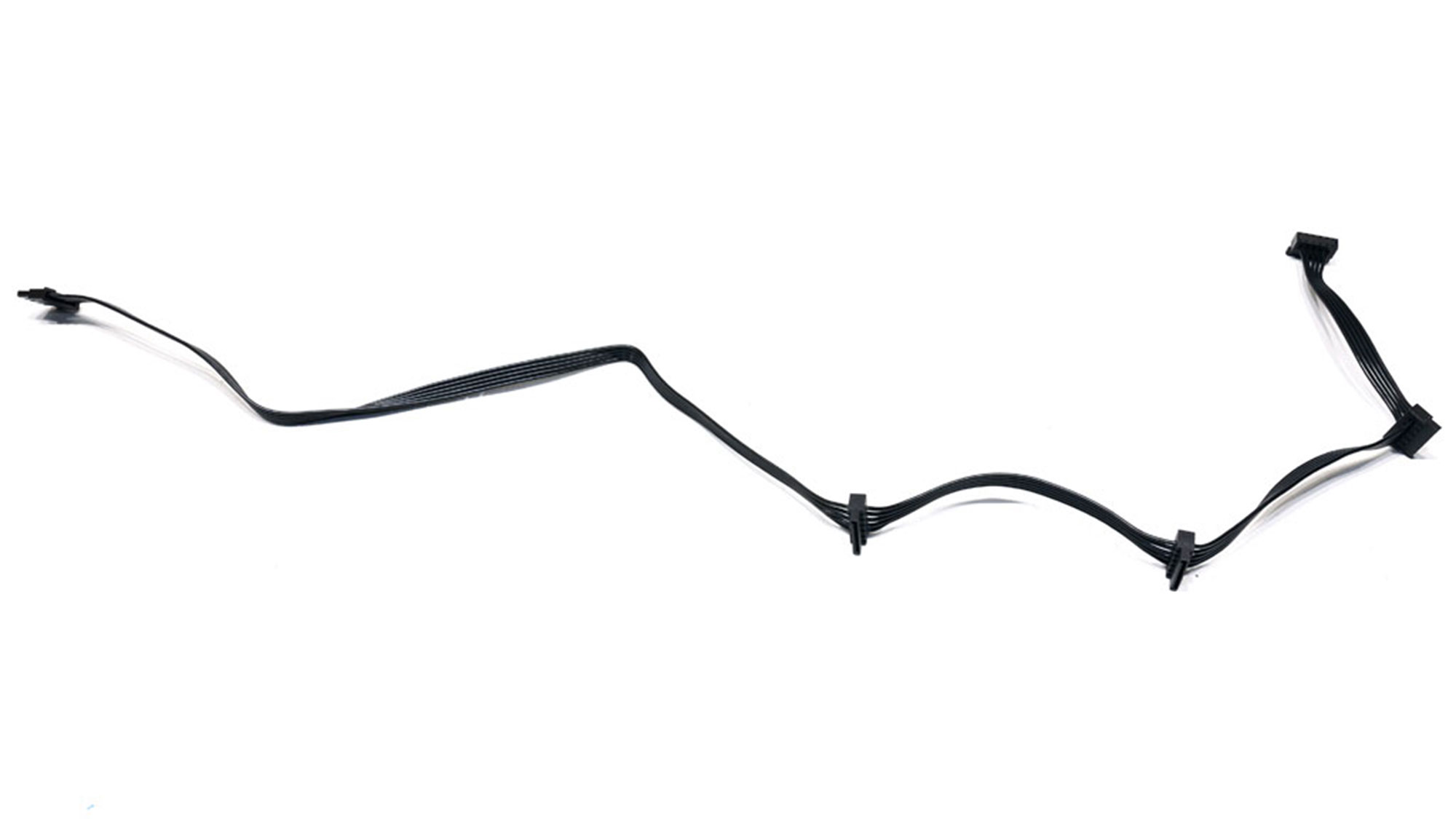
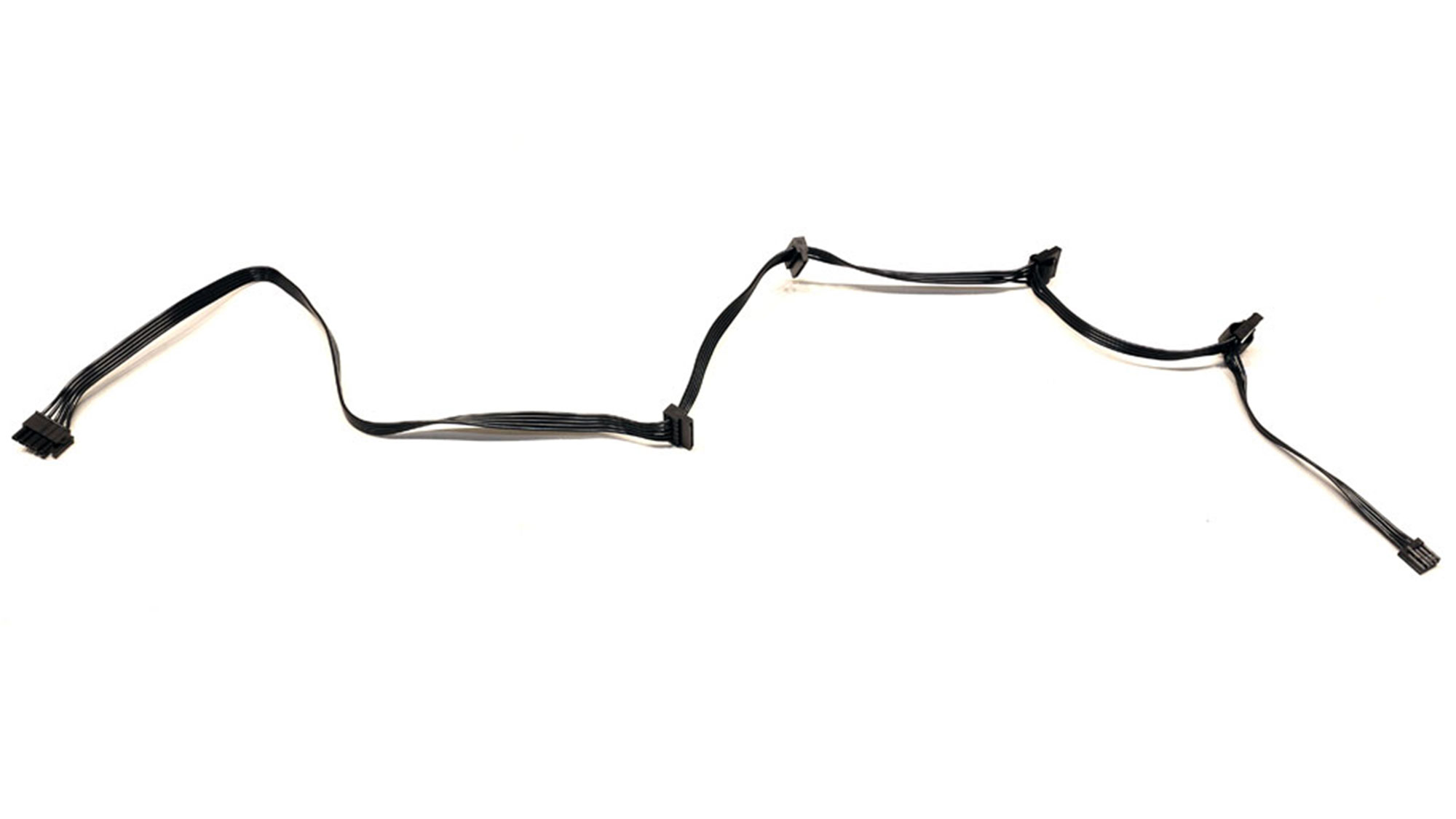
There are many SATA connectors, but I would like to have four 4-pin Molex connectors. There is no need for a fixed FDD connector. They should install a Molex connector instead and provide an FDD adapter. The distance between peripheral connectors is ideal, though.
Component Analysis
Before reading this page, we strongly suggest looking at this article, which will help you better understand the insides of a PSU.| be quiet! Pure Power 11 FM 850W Parts Description | |
|---|---|
| General Data | |
| Manufacturer (OEM) | HEC |
| PCB Type | Double-Sided |
| Primary Side | |
| Transient Filter | 4x Y caps, 3x X caps, 2x CM chokes, 1x MOV, 1x MPS HF81 (discharge IC) |
| Bridge Rectifier(s) | 2x MCC GBU15KL (800 V, 15 A @ 100 °C) |
| Inrush Current Protection | NTC Thermistor (SCK-056) (5 ohm) & Relay |
| APFC MOSFETs | 3x Infineon IPAW60R180P7S (600 V, 11 A @ 100 °C, Rds (on): 0.18 ohm) |
| APFC Boost Diode | 1x CREE C6D08065A (650 V, 8 A @ 155 °C) |
| Bulk Cap(s) | 2x Teapo (400 V, 390 uF each or 780 uF, 2,000 h @ 105 °C, LG) |
| Main Switchers | 2x Infineon IPA60R120P7 (600 V, 16 A @ 100 °C, Rds (on): 0.12 Ohm) |
| APFC Controller | Champion CM6500UNX & CM03AX |
| Switching Controller | Champion CM6901T6X |
| Topology | Primary Side: APFC, half-bridge & LLC converter Secondary Side: synchronous rectification & DC-DC converters |
| Secondary Side | |
| +12 V MOSFETs | 6x Hunteck HGN016N04BL (40 V, 110 A @ 100 °C, Rds (on): 1.7 mOhm) |
| +5 V & +3.3 V | DC-DC Converters |
| Filtering Capacitors | Electrolytic: 13x Teapo (1–3,000 h @ 105 °C, SC) Polymer: 12x Teapo 16x no information is available |
| Supervisor IC | Weltrend WT7527RT (OCP, OVP, UVP, SCP, and PG) |
| Fan Model | be quiet! BQ QF2-12025-HS (120 mm, 12 V, 0.30 A, rifle bearing fan) |
| 5VSB Circuit | |
| Rectifier(s) | 1x PS1060L SBR (42 V, 10 A) |
| Standby PWM Controller | Excelliance MOS Corp EM8569D |


This is a new platform by HEC, made under the supervision of be quiet!'s PSU PM. Contrary to CWT's designs, the heatsinks are large to allow for higher heat dissipation and lower noise output. Despite the large heatsinks, there is ample space between parts for better airflow. The normal-sized PCB also plays a crucial role here. Soldering quality is good, but I disagree with the caps choice on the secondary side. The Corsair RM850x uses Japanese caps and RM850 quality Elite caps, while be quiet! went with mainstream Teapo caps. The price difference between the FM 850 and RM850x should be more than $20 to justify using Teapo caps, and there is also the RM850 currently being sold at $125, $5 less than the FM 850's MSRP.


The transient filter starts on the AC receptacle and continues on the main PCB.


A Metal Oxide Varistor (MOV) handles voltage surges, while an NTC thermistor suppresses large inrush currents. A bypass relay supports the latter.

The bridge rectifiers can handle up to 30 A of current combined.


The APFC converter uses three Infineon FETs and a CREE boost diode. The bulk caps are by Teapo and offer 780uF combined capacity. They are rated for 2,000 h at 105 °C, so they are pretty good on paper. That said, I would prefer Chemi-Con or Rubycon caps here.
The APFC controller is a Champion CM6500UNX, supported by a CM03AX IC.


The two main switching FETs are installed in a half-bridge topology, and an LLC resonant converter is used for higher efficiency. The resonant controller is a Champion CM6901T6X.


The main transformer is next to the resonant tank and capacitive parts of the LLC resonant converter.


Six Hunteck FETs regulate the +12 V rail. They are installed on the solder side of the main PCB. Three heatsinks above these keep operating temperatures under control.


Under normal operating temperatures, the electrolytic filtering caps most likely won't have a problem outliving the provided warranty. Still, I would like to see higher-quality electrolytic caps. Many polymer caps are also used.

Two DC-DC converters generate the minor rails.

The supervisor controller is a Weltrend WT7527RT.


The standby PWM controller is an EM8569D. The rectifier on the low side is a PS1060L SBR.


Several polymer and electrolytic caps at the face of the modular panel form an extra ripple-filtering layer.


Soldering quality is pretty good.


The cooling fan is by be quiet!, and its model number is QF2-12025-HS. It uses a rifle bearing, which will have it last for quite a while.
Our Patreon Silver Supporters can read articles in single-page format.
Nov 13th, 2026 21:57 CST
change timezone
Latest GPU Drivers
New Forum Posts
- Tell me about your favourite graphics card (29)
- no "PhysX" workable (8)
- AI generated images... (224)
- Crimson Desert (31)
- RenoDX HDR - how to view the differnce Before&After in game? (0)
- Displayport DP80 3M (10ft) cable that can achieve 80gbps stable? (5)
- I'll flash a ASUS ROG Strix RX480 O8G in Cause of Code 43, as a Newbie (1)
- Opinion on Monitor Replacement (6)
- TMOG - post your benchmark results here (16)
- Microsoft Exchange/365 outages? (61)
Popular Reviews
- AMD Zen 6 Technical Deep Dive
- Corsair HX1000i Shift Crystal Review
- NZXT C1200 Platinum Review
- Upcoming Hardware Launches 2027 (Updated Nov 2026)
- ASUS ROG Strix B850-I Gaming Wi-Fi7 W Review
- Montech King 95 3D PRO Review
- NZXT H7 RGB+ Review
- NZXT H5 Review
- Phantom Blade Zero Performance Benchmark Review - 35 GPUs Tested
- XPG NIMBUS PLUS Review - Mid-range Chair With Strong Competitors
TPU on YouTube
Controversial News Posts
- NVIDIA Co-Founder and CEO Jensen Huang Officially Resigns (379)
- OpenAI CEO Argues Home PCs Waste the World's Limited DRAM Supply (152)
- NVIDIA Launches Investigation Into Jensen Huang's Relationship With Suspected Chinese Spy (136)
- Intel "Raptor Lake Next" 16-Core and 20-Core CPUs Surface (130)
- Legendary Game Studio BioWare Shuts Down Following EA Layoffs (104)
- Dell CEO Says the Memory Shortage Will Get Worse in 2027 (95)
- NVIDIA GeForce RTX 50-Series Scheduled for up to $500 Price Hike This Week (89)
- Modder Fits RTX 5090 With Four 8-Pin Connectors, Halving Current per Wire (80)