 30
Endorfy Meta Review - Budget-friendly Gaming Chair
Value & Conclusion »User Experience

We've taken a close look at every part of the Endorfy Meta, so now it's time to answer what seems like a simple question—though in reality it rarely is: how has this chair been for me over the past two weeks? Even though I've managed to get somewhat used to it, I've never felt fully comfortable, and there are a few key reasons for that.
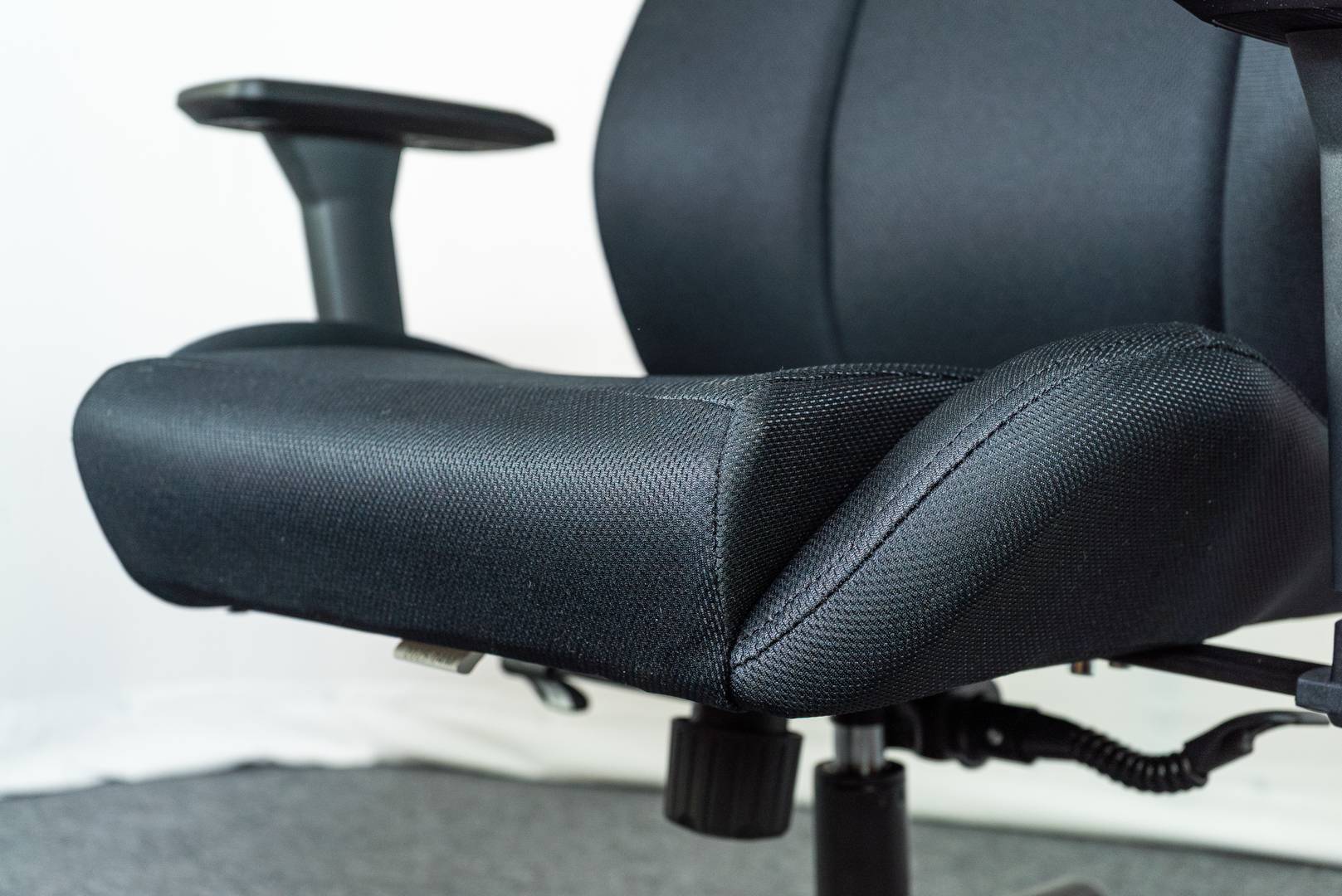
One of them is, of course, the fact that this chair is designed for users up to 185 cm (6'1") tall, while I'm 190 cm (6'2"). Interestingly, however, that wasn't even the biggest issue. The more noticeable problem was the backrest itself. Despite the decent upholstery and padding, which prevent it from feeling overly firm, the narrowing at shoulder height and the less-than-ideal contouring around the lumbar area became apparent during daily use.
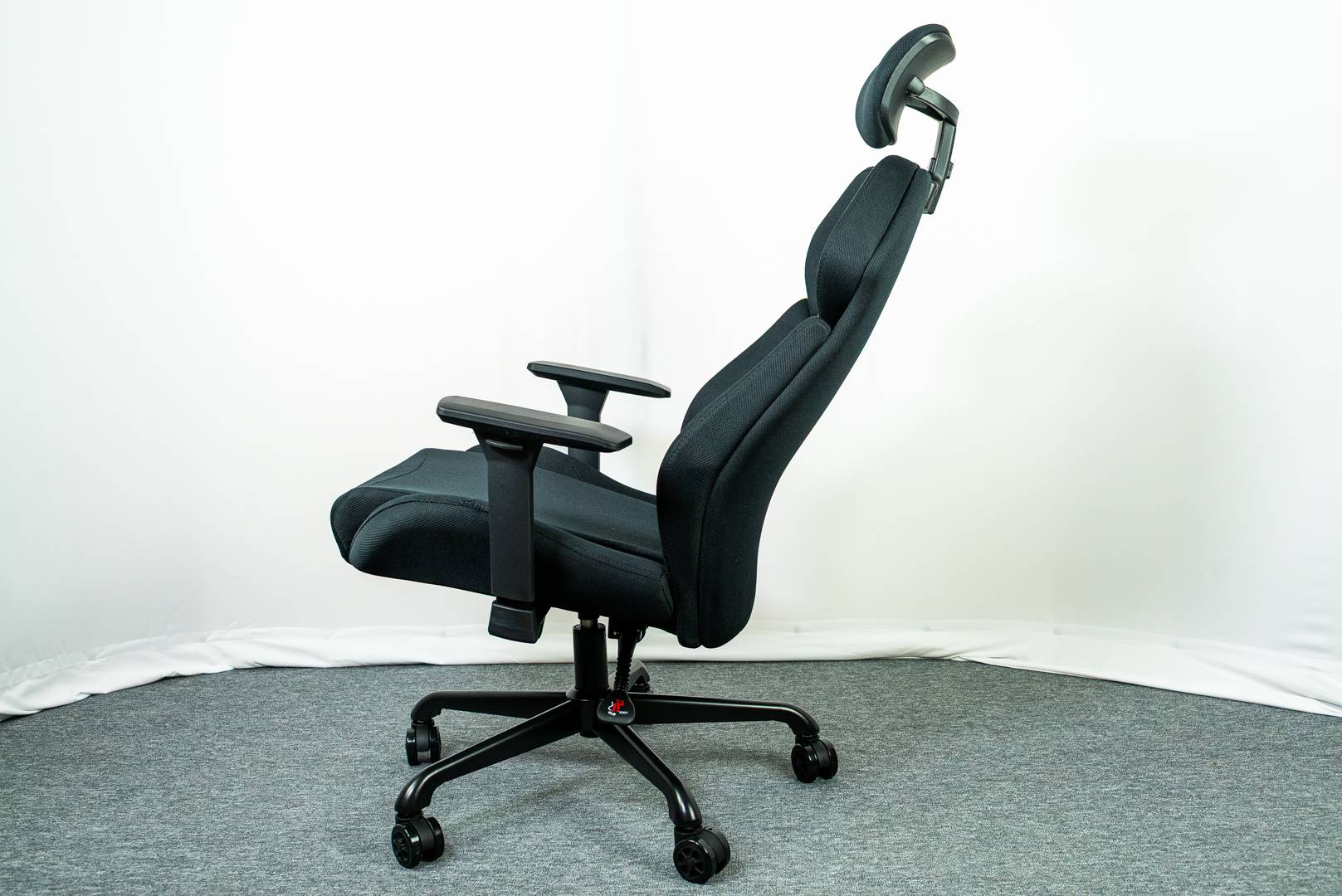
It's simply not comfortable when a chair forces your shoulders and shoulder blades into a forward position. As for the lumbar support, the discomfort may also be partially related to my height and the manufacturer's intended user range. On the other hand, the headrest deserves praise—it does a good job of supporting the cervical spine.
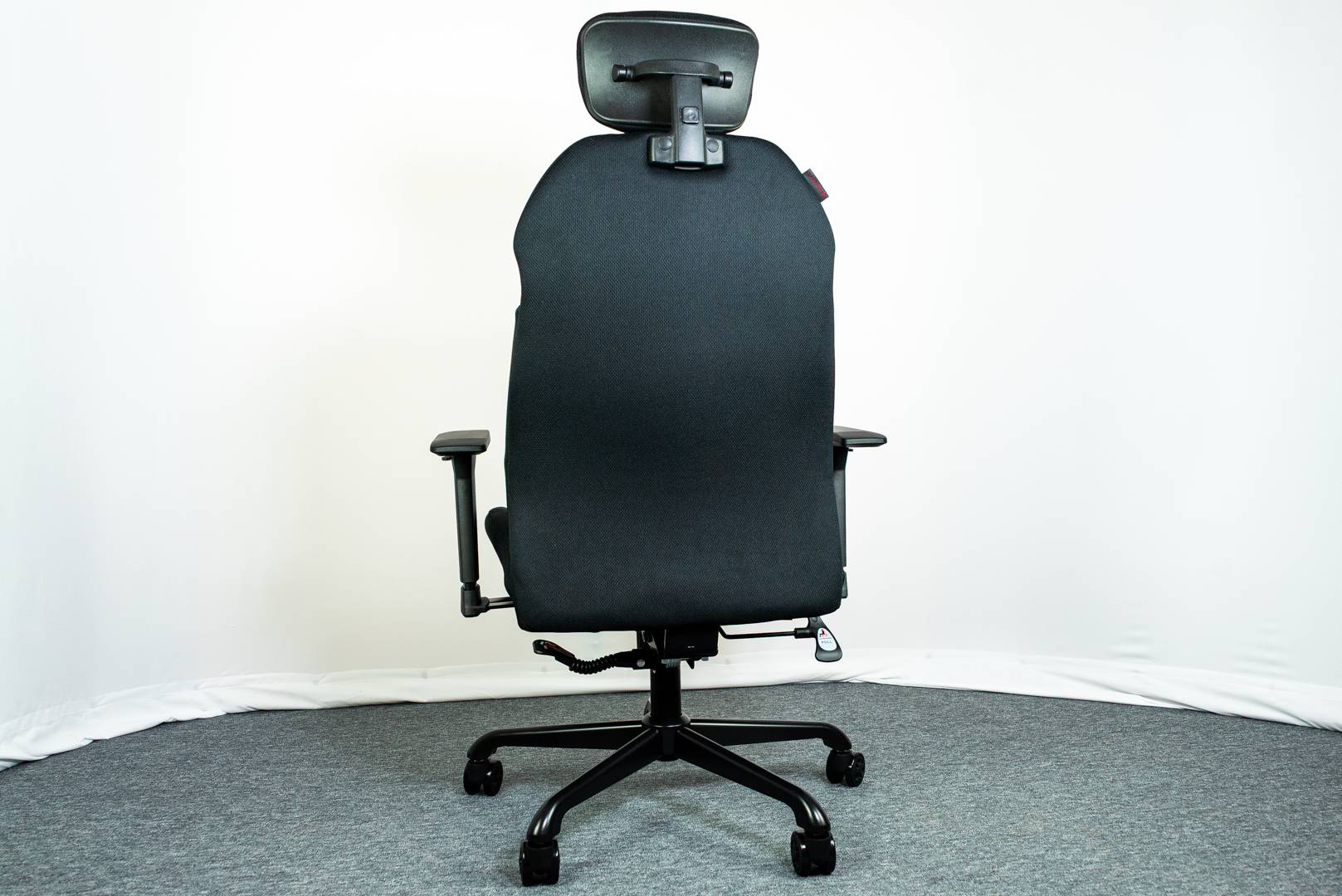
This is also not a chair with an extensive range of adjustments. We get 3D armrests, tilt, height adjustment, and a headrest—that's about it. While that may not sound particularly impressive on paper, everything works as it should, especially the armrests. They are relatively comfortable, mainly because they're not as hard as those found in some other chairs I've tested.
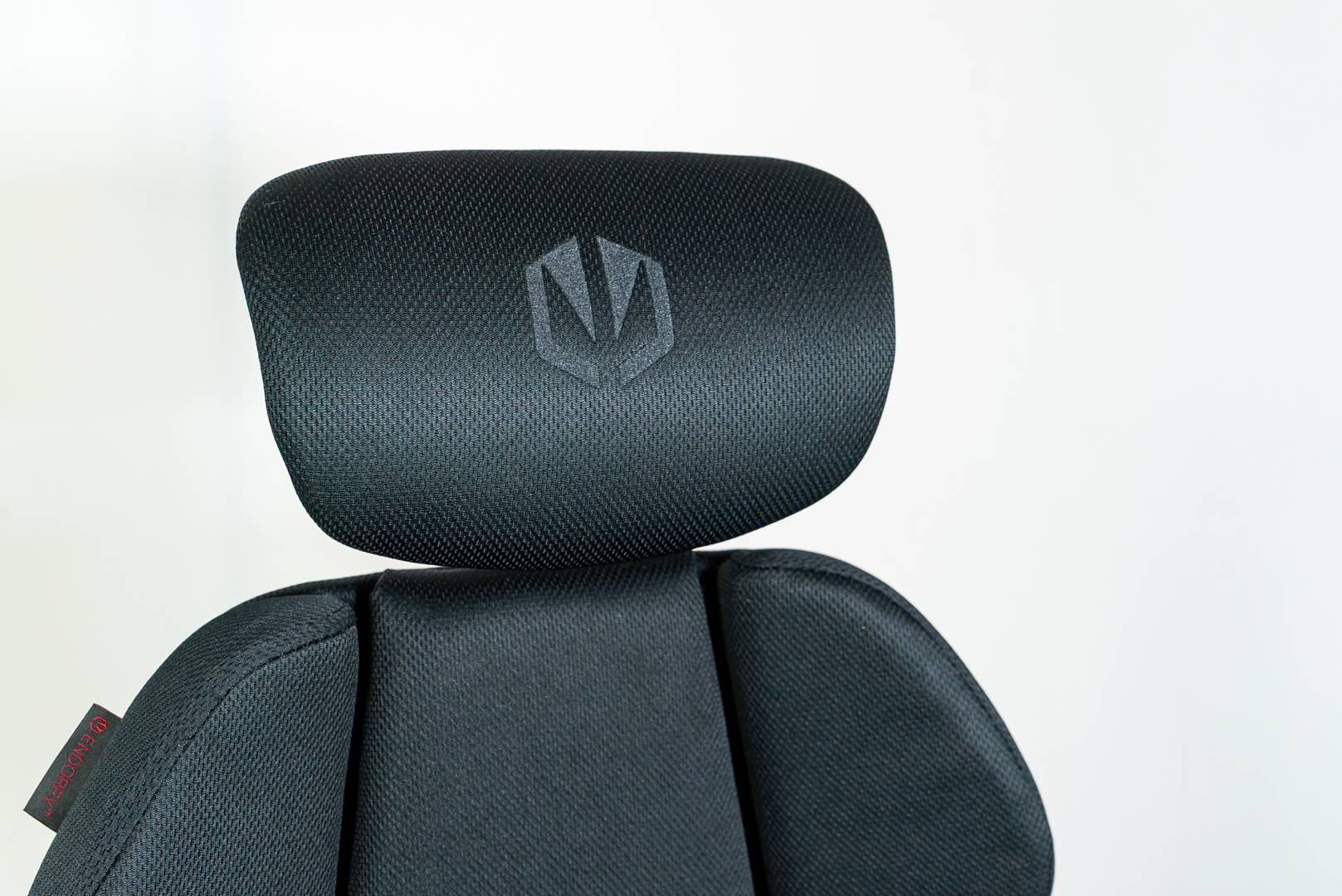
As usual, I also asked my friends to share their impressions, and for shorter users, this chair performs noticeably better—especially for those who aren't broad-shouldered. The shape of the backrest plays a major role here; if it were less bucket-like and more "flat," the overall comfort would be significantly improved.
Nov 14th, 2026 03:13 CST
change timezone
Latest GPU Drivers
New Forum Posts
- Ryzen 7 8700G OC (7)
- What are you playing? (26217)
- Post your Cinebench R23 Score (3172)
- Tell me about your favourite graphics card (38)
- AI generated images... (225)
- 3D Printer Club (850)
- Browser Bechmark scores (132)
- MSI RTX 4090 SUPRIM X: FBPA5 training failure; seeking signed 20 GB VBIOS with 0x20 mask (0)
- Requesting original VBIOS for Gigabyte RX 5700 XT GAMING OC 8G Rev 2.0 (Micron) (1)
- no "PhysX" workable (9)
Popular Reviews
- AMD Zen 6 Technical Deep Dive
- Corsair HX1000i Shift Crystal Review
- NZXT C1200 Platinum Review
- ASUS ROG Strix B850-I Gaming Wi-Fi7 W Review
- Upcoming Hardware Launches 2027 (Updated Nov 2026)
- Montech King 95 3D PRO Review
- NZXT H7 RGB+ Review
- NZXT H5 Review
- Phantom Blade Zero Performance Benchmark Review - 35 GPUs Tested
- XPG NIMBUS PLUS Review - Mid-range Chair With Strong Competitors
TPU on YouTube
Controversial News Posts
- NVIDIA Co-Founder and CEO Jensen Huang Officially Resigns (382)
- OpenAI CEO Argues Home PCs Waste the World's Limited DRAM Supply (152)
- NVIDIA Launches Investigation Into Jensen Huang's Relationship With Suspected Chinese Spy (136)
- Intel "Raptor Lake Next" 16-Core and 20-Core CPUs Surface (130)
- Legendary Game Studio BioWare Shuts Down Following EA Layoffs (104)
- Dell CEO Says the Memory Shortage Will Get Worse in 2027 (95)
- NVIDIA GeForce RTX 50-Series Scheduled for up to $500 Price Hike This Week (89)
- Modder Fits RTX 5090 With Four 8-Pin Connectors, Halving Current per Wire (80)