 126
Intel Panther Lake Technical Deep Dive
Conclusion »Measured Gains and Intel's Claimed Advantages

Intel positions Panther Lake as a full generational leap over Lunar Lake, advancing both compute throughput and power efficiency. According to Intel's internal metrics, Panther Lake delivers up to a 10% improvement in single-thread performance at the same power level, while offering 50% higher multithreaded (MT) performance at comparable power. This also implies significantly reduced power consumption for the same workloads, resulting in much better efficiency across a wide range of applications.


The Cougar Cove P-core shows a considerable uplift over the previous Lion Cove design, bringing stronger per-core performance and improved scaling under load. Meanwhile, the new Darkmont E-core architecture achieves up to 50% higher performance at the same power level, which enhances efficiency and overall responsiveness, especially in multithreaded and background task scenarios.

Darkmont cores now surpass even Raptor Cove performance levels while operating within tighter power limits. This improvement underscores Intel's continued focus on optimizing efficiency without sacrificing raw performance.
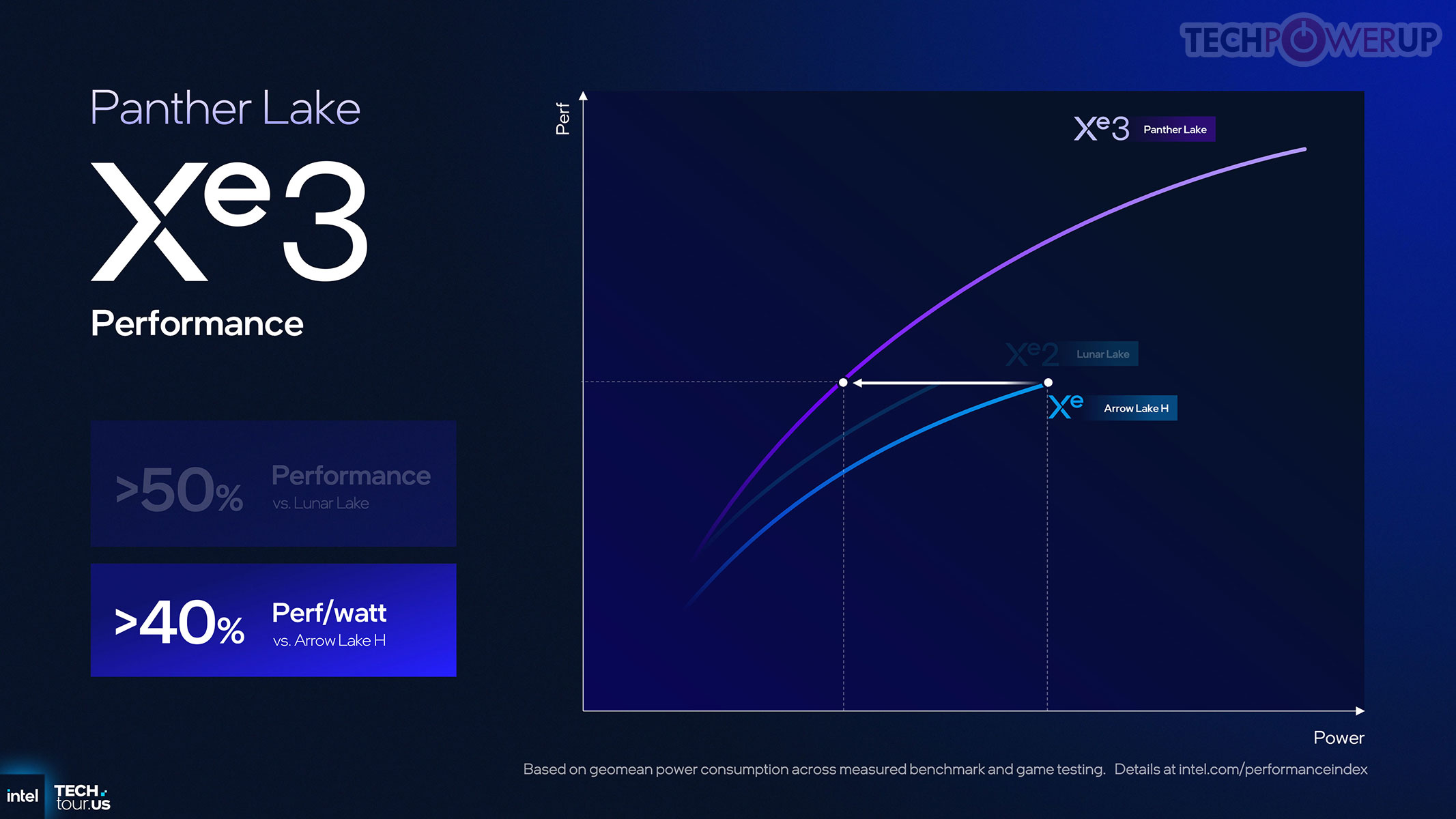

The integrated Xe3 GPU, featuring twelve Xe cores, is 50% faster than Lunar Lake's GPU and 40% more efficient per watt than Arrow Lake H. Gaming performance at lower power settings has improved significantly as well.
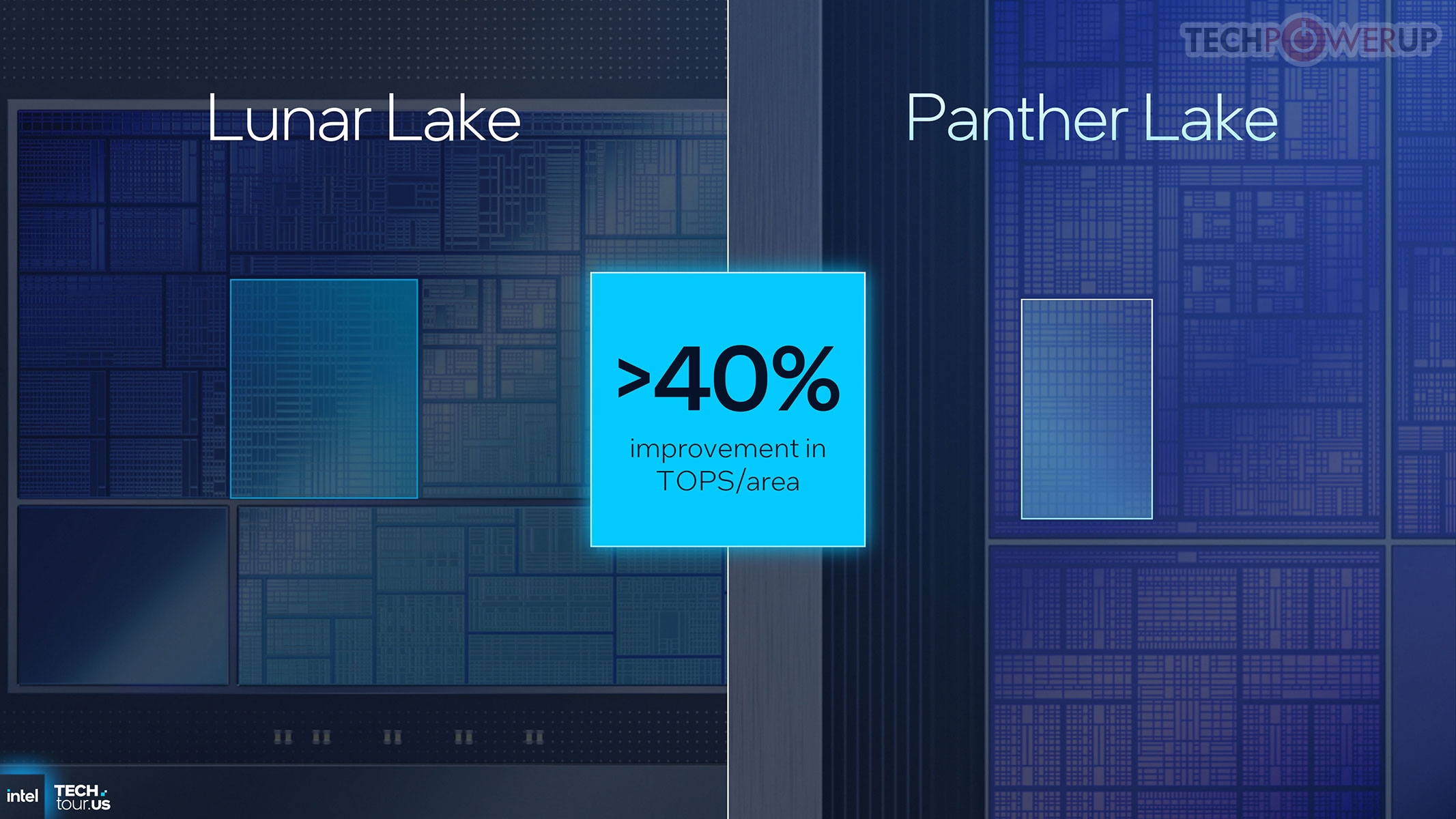
The NPU is now smaller than the version in Lunar Lake, freeing up die space for other components. Despite its smaller size, Intel still includes it in every processor, encouraging wider software support for NPU workloads.


Additional support for INT8 within the NPU allows it to process specific workloads faster while consuming less memory and power.
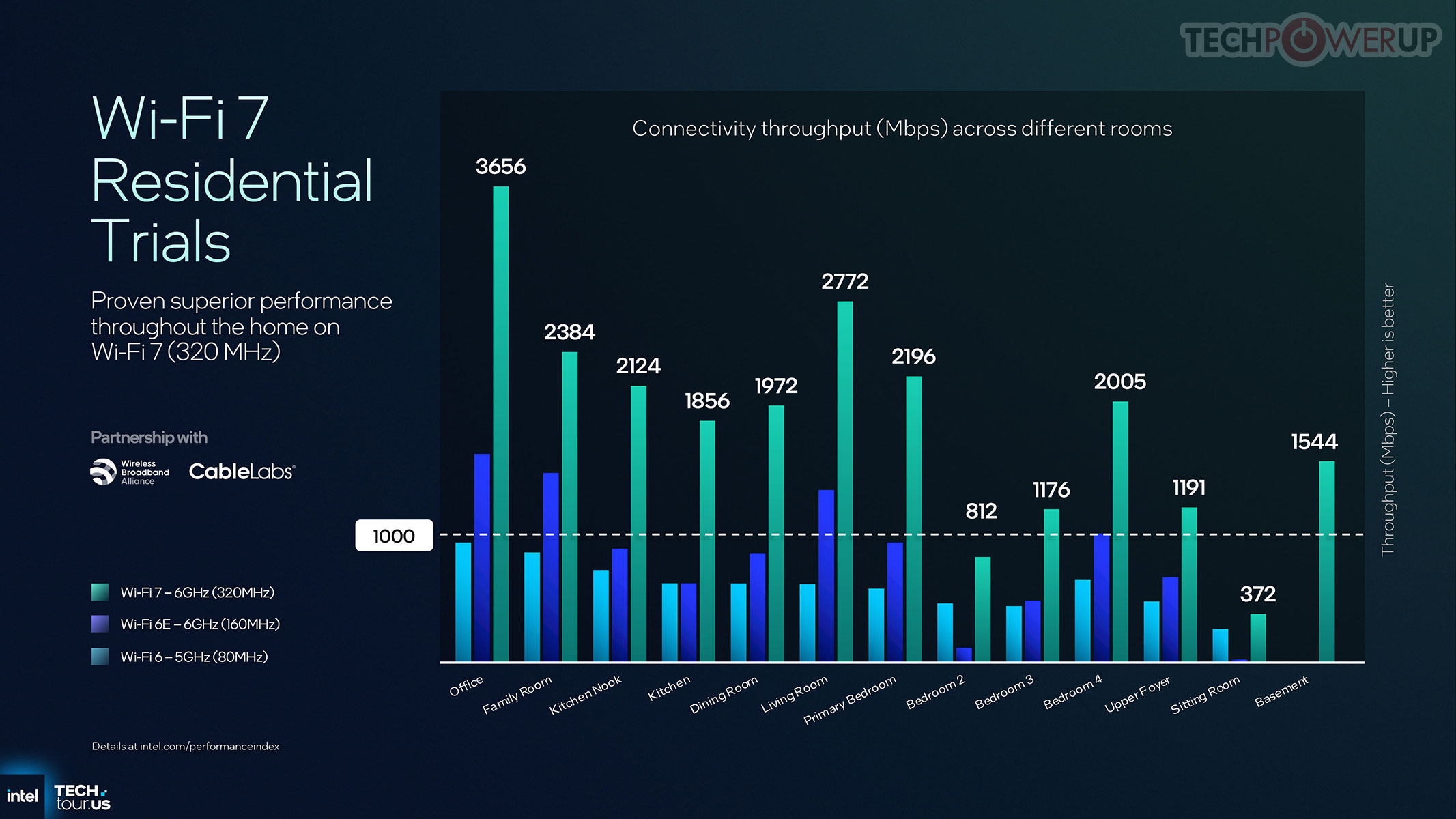
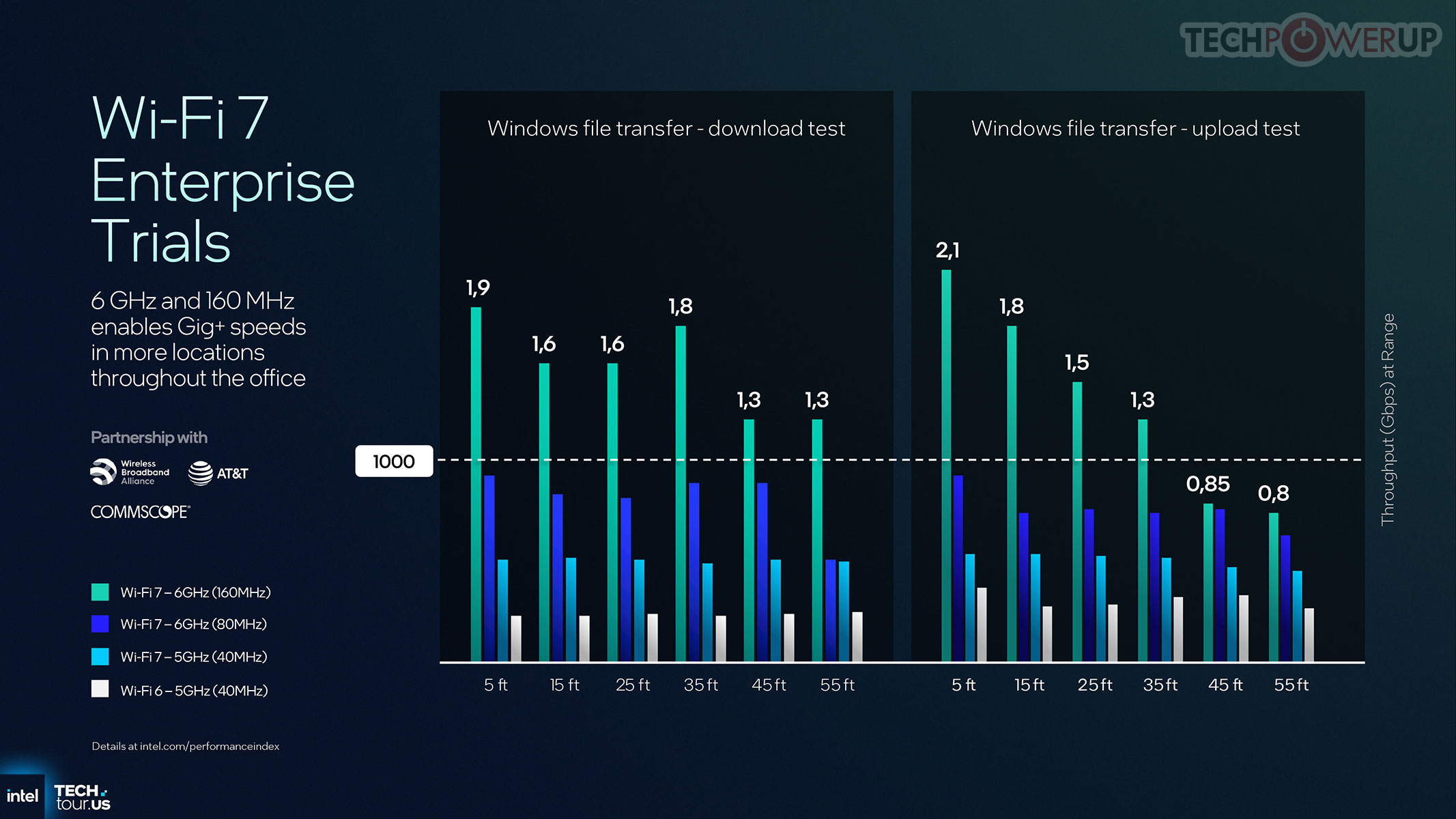
Wireless connectivity has much better range than competing solutions, and the addition of Wi-Fi 7 lets you either run at higher bandwidth, but it could also be useful to extend the signal range.
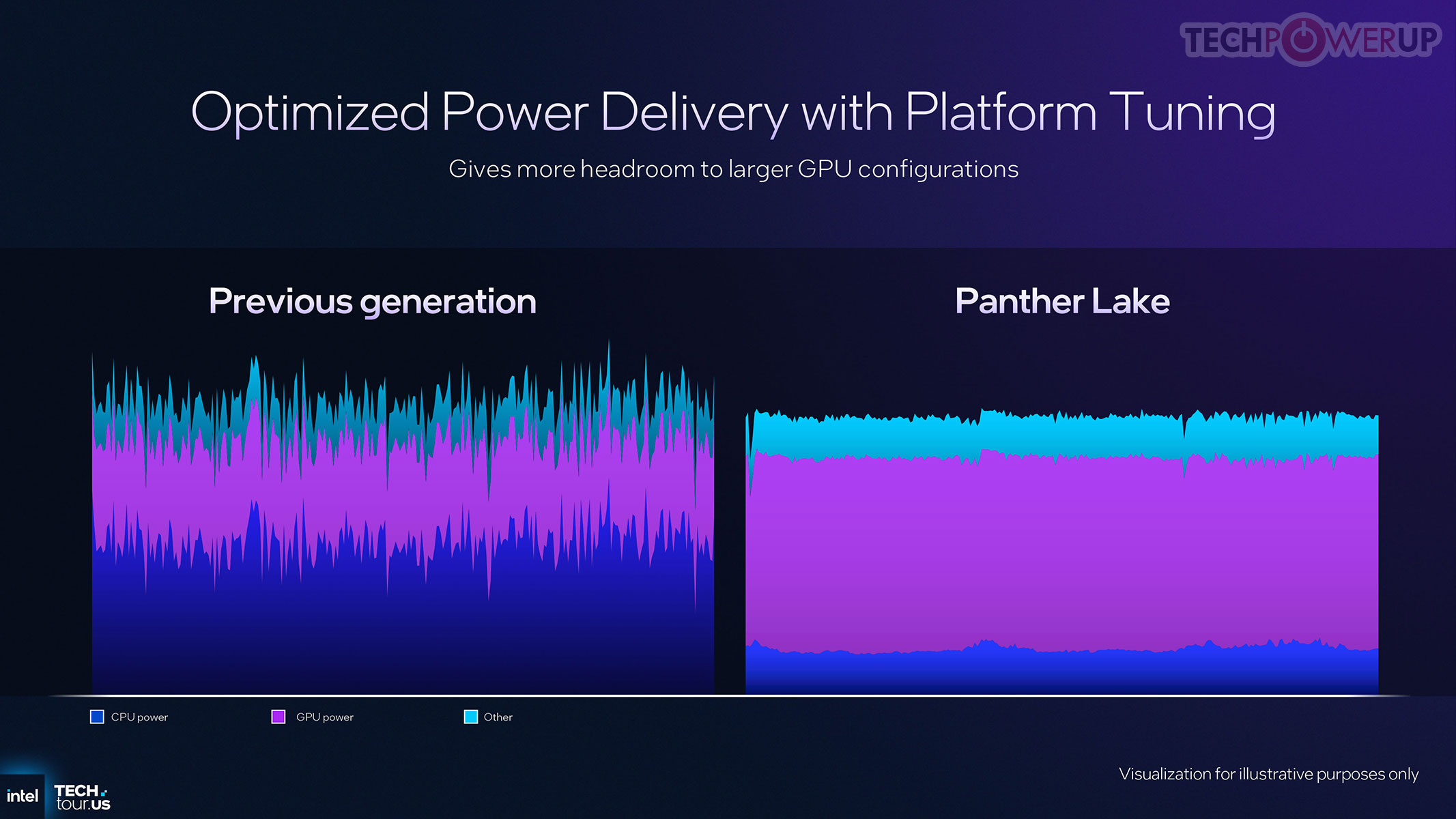
Various platform optimizations ensure that the energy is distributed more fairly now, so that, depending on the workload, each hardware unit can perform at its best, without starving others.
Nov 12th, 2026 12:21 PST
change timezone
New Forum Posts
- WarpCoreBench scores! (16)
- I won't download games that are larger than 30–40 GB. (94)
- Classic Blizzard games (WarCraft 1-2, Diablo 1-2, StarCraft 1) (6)
- When you could finally run Crysis maxed out? (56)
- What are you playing? (26208)
- Current Sales, Bundles, Giveaways (10446)
- 3050 Ti 120W TGP Shunt Mod Result [Legion 5 2021] (6)
- TPU's Nostalgic Hardware Club (22148)
- Any other old-timers here planning to play WoW Forever? (148)
- Slow SSD read speeds - help! (0)
Popular Reviews
- AMD Zen 6 Technical Deep Dive
- Upcoming Hardware Launches 2027 (Updated Nov 2026)
- NZXT C1200 Platinum Review
- XPG NIMBUS PLUS Review - Mid-range Chair With Strong Competitors
- NZXT H7 RGB+ Review
- Montech King 95 3D PRO Review
- NZXT H5 Review
- Corsair HX1000i Shift Crystal Review
- Phantom Blade Zero Performance Benchmark Review - 35 GPUs Tested
- Gigabyte Z890I Aorus Ultra Review
TPU on YouTube
Controversial News Posts
- NVIDIA Co-Founder and CEO Jensen Huang Officially Resigns (216)
- OpenAI CEO Argues Home PCs Waste the World's Limited DRAM Supply (152)
- NVIDIA Launches Investigation Into Jensen Huang's Relationship With Suspected Chinese Spy (136)
- Intel "Raptor Lake Next" 16-Core and 20-Core CPUs Surface (130)
- Legendary Game Studio BioWare Shuts Down Following EA Layoffs (104)
- Dell CEO Says the Memory Shortage Will Get Worse in 2027 (95)
- NVIDIA GeForce RTX 50-Series Scheduled for up to $500 Price Hike This Week (89)
- Modder Fits RTX 5090 With Four 8-Pin Connectors, Halving Current per Wire (80)