 11
MSI MEG Maestro 900R Review
A Closer Look - Inside »A Closer Look - Outside
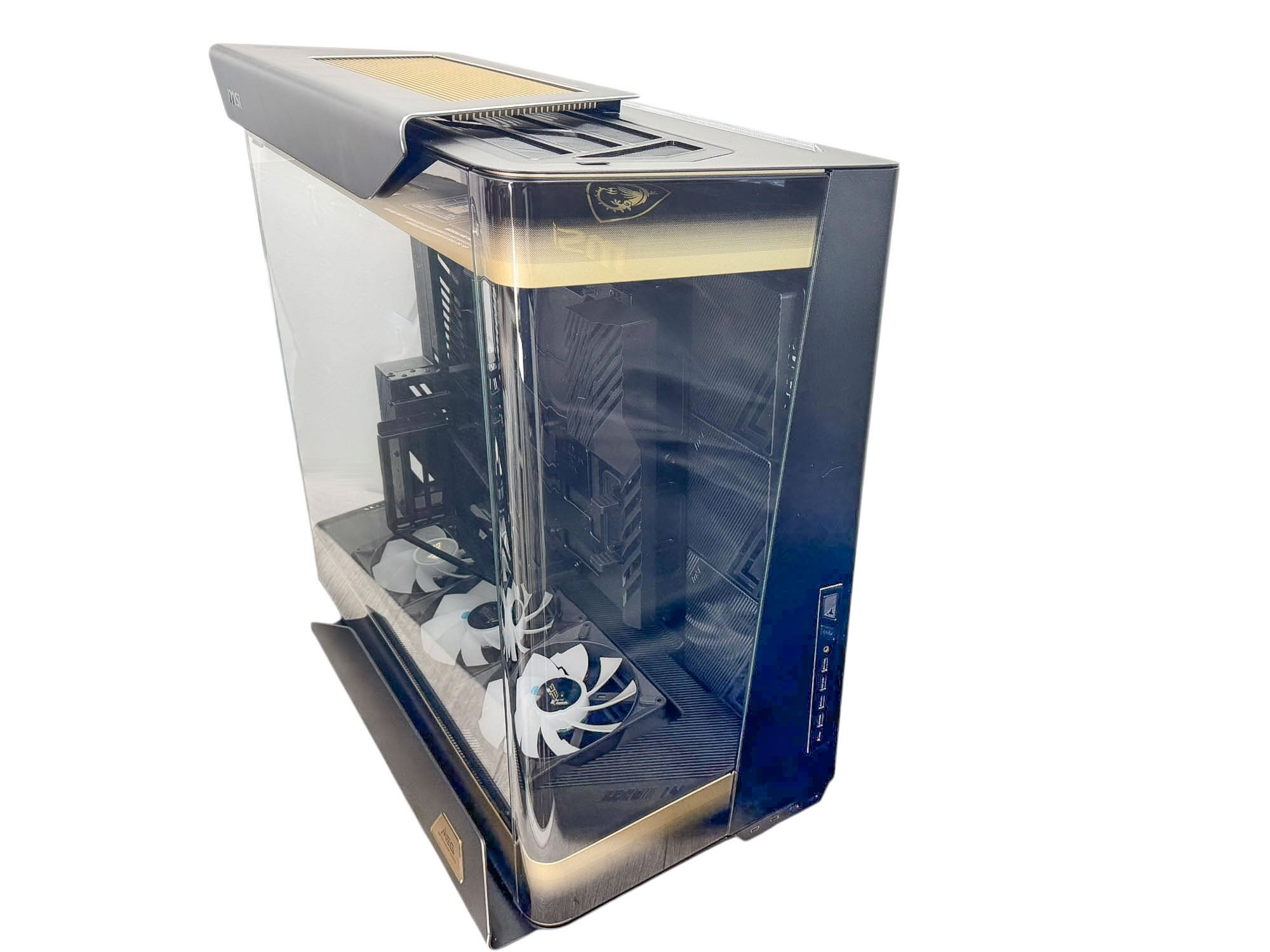
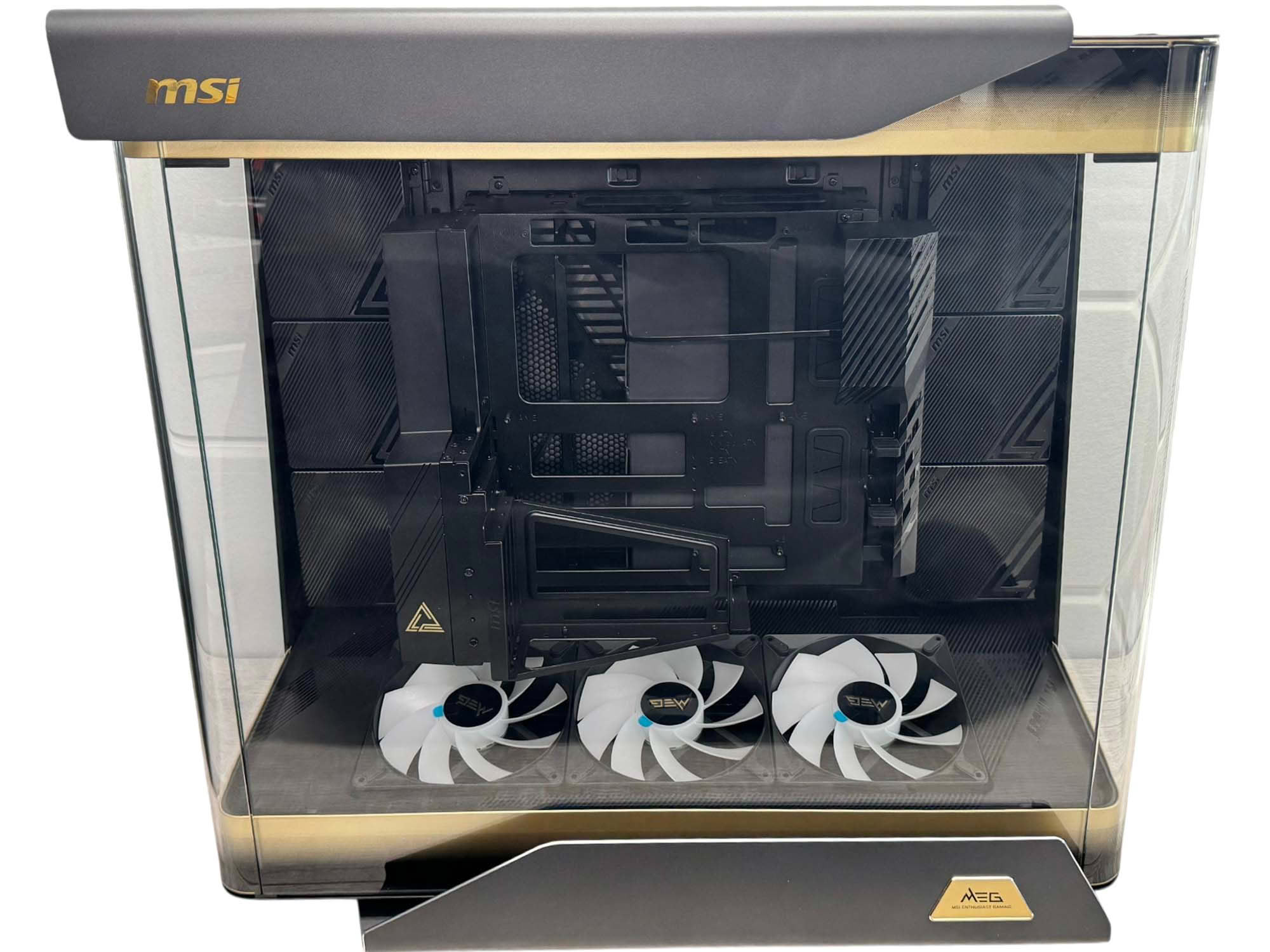
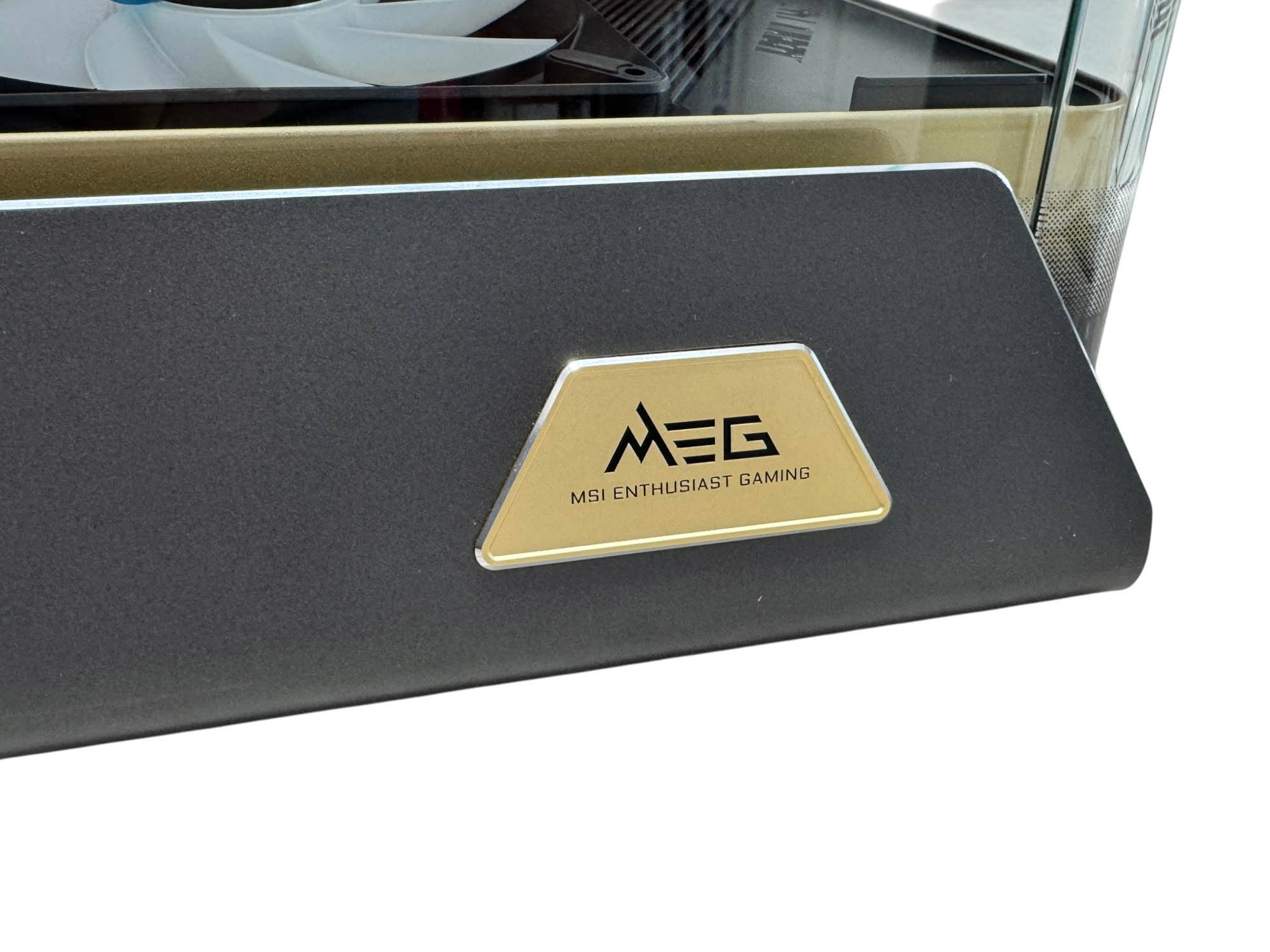
The MSI MEG Maestro 900R features panoramic glass panels split into three sections. These use push-pins to secure to the chassis and are very easy to remove and install, although they do add a significant amount to the case's 30 kg weight. The case features gold details to match MSI's MEG branding. The gunmetal gray finish here is one color option, with a Draco Epic Edition model opting for a blue finish in celebration of MSI's 40th anniversary.
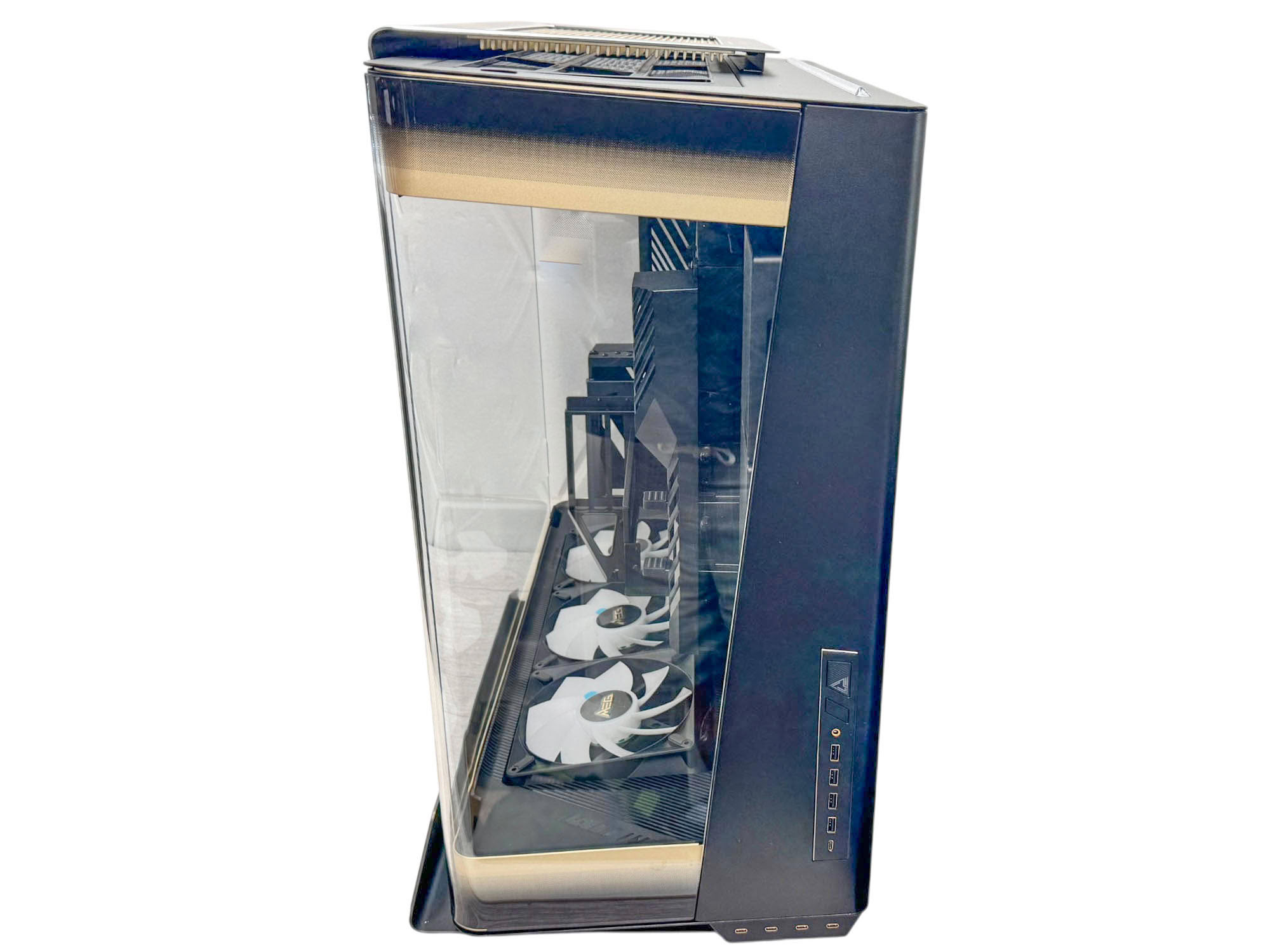
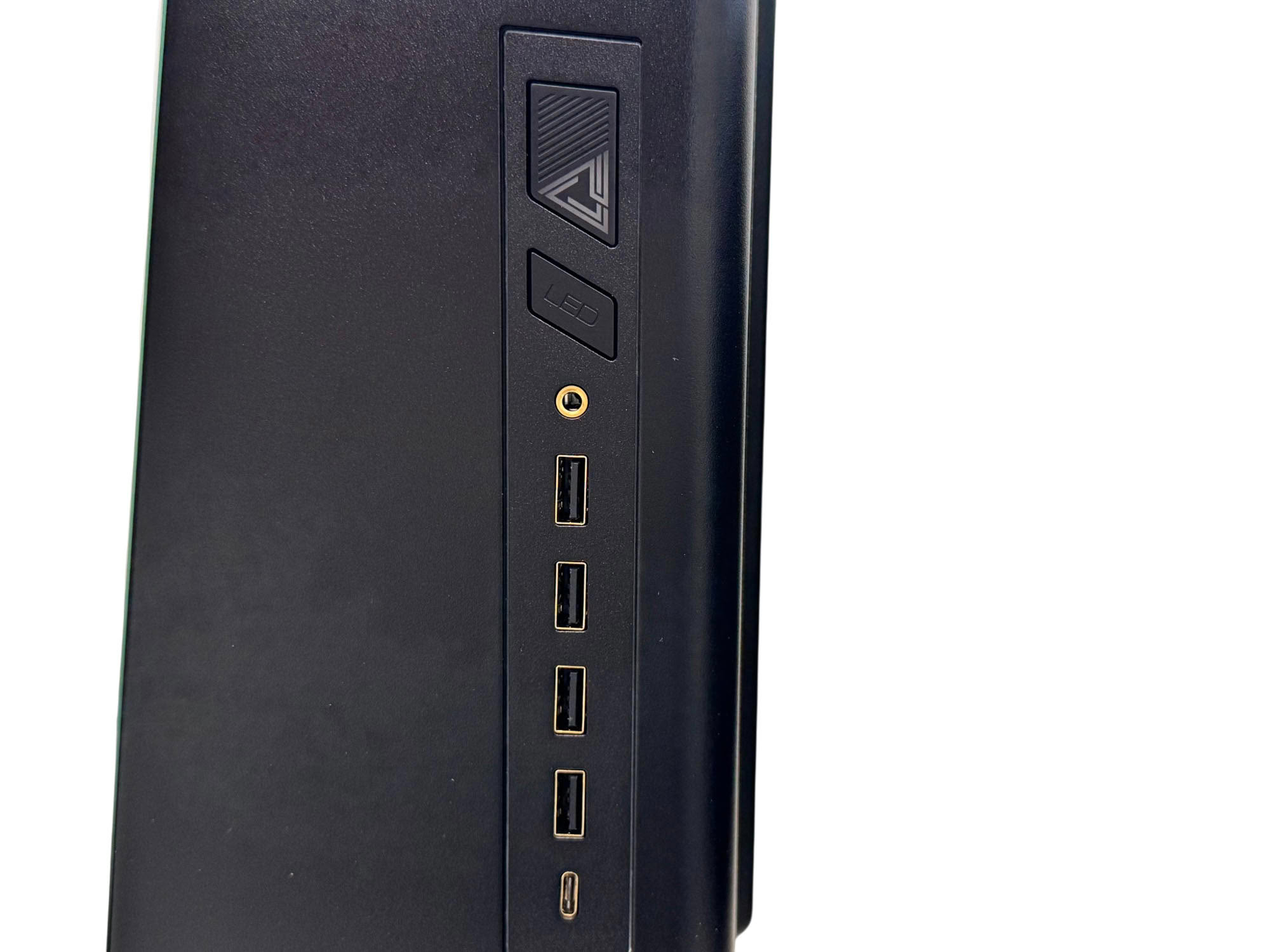
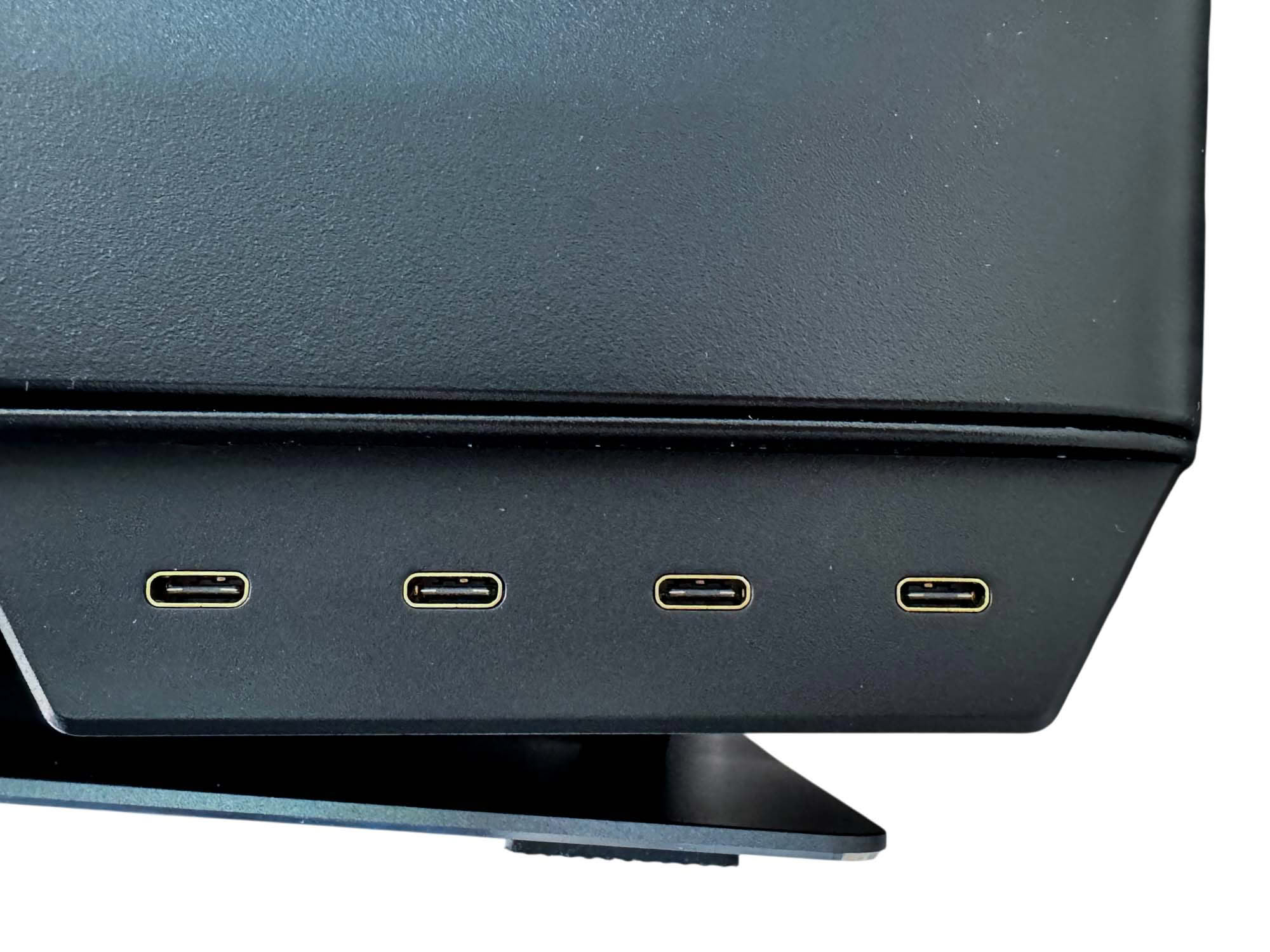
The front section comprises one glass panel along with a large angular aluminium plate that houses the front panel. There are two groups of ports, with the primary front panel area offering power and LED control buttons along with an audio combo port, four USB 3.0 ports and a USB 3.2 Gen 2x2 20 Gbps Type-C port. There are four further Type-C ports at the lower end all offering USB 3.2 Gen 2 10 Gbps speeds.
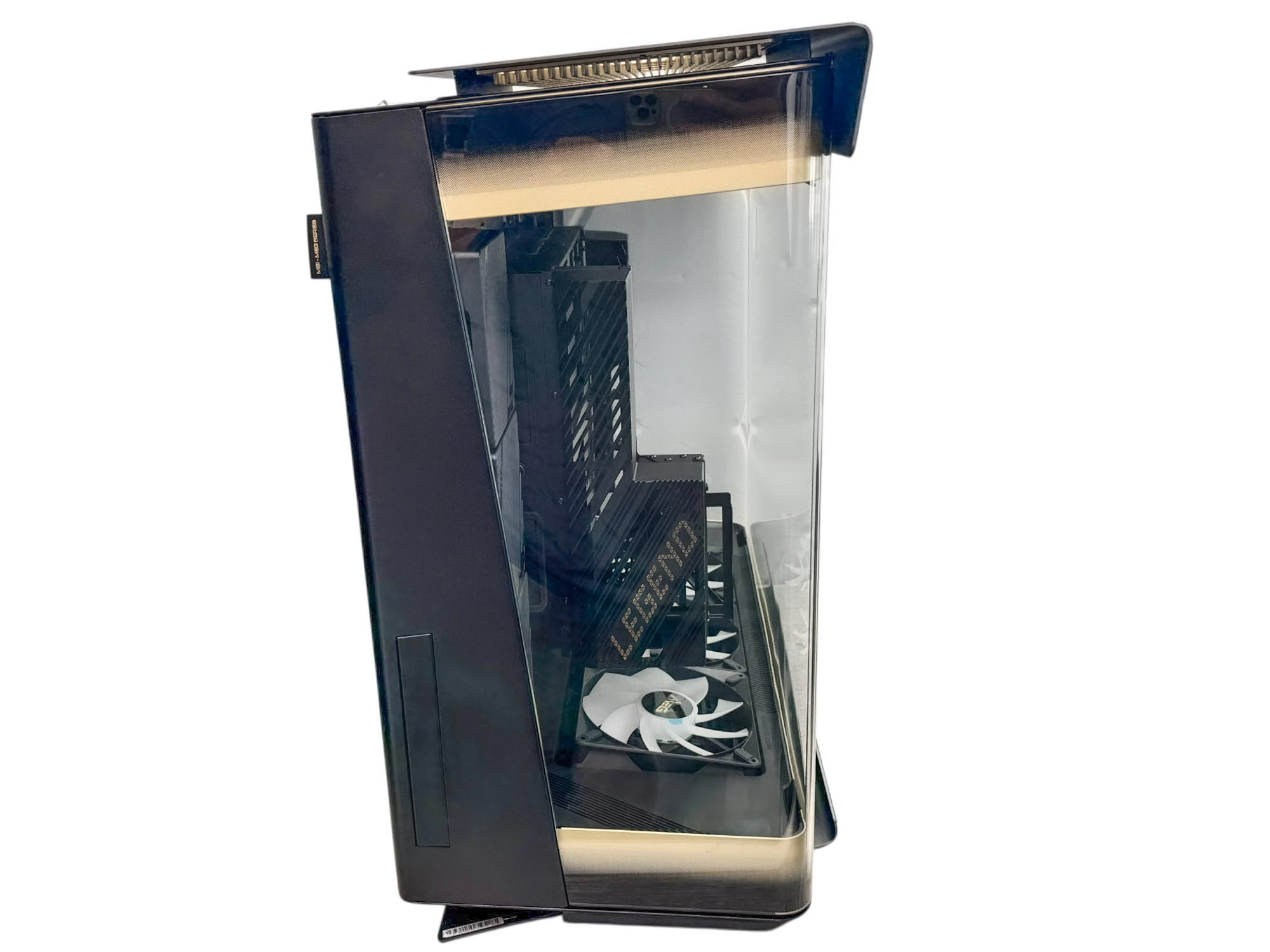
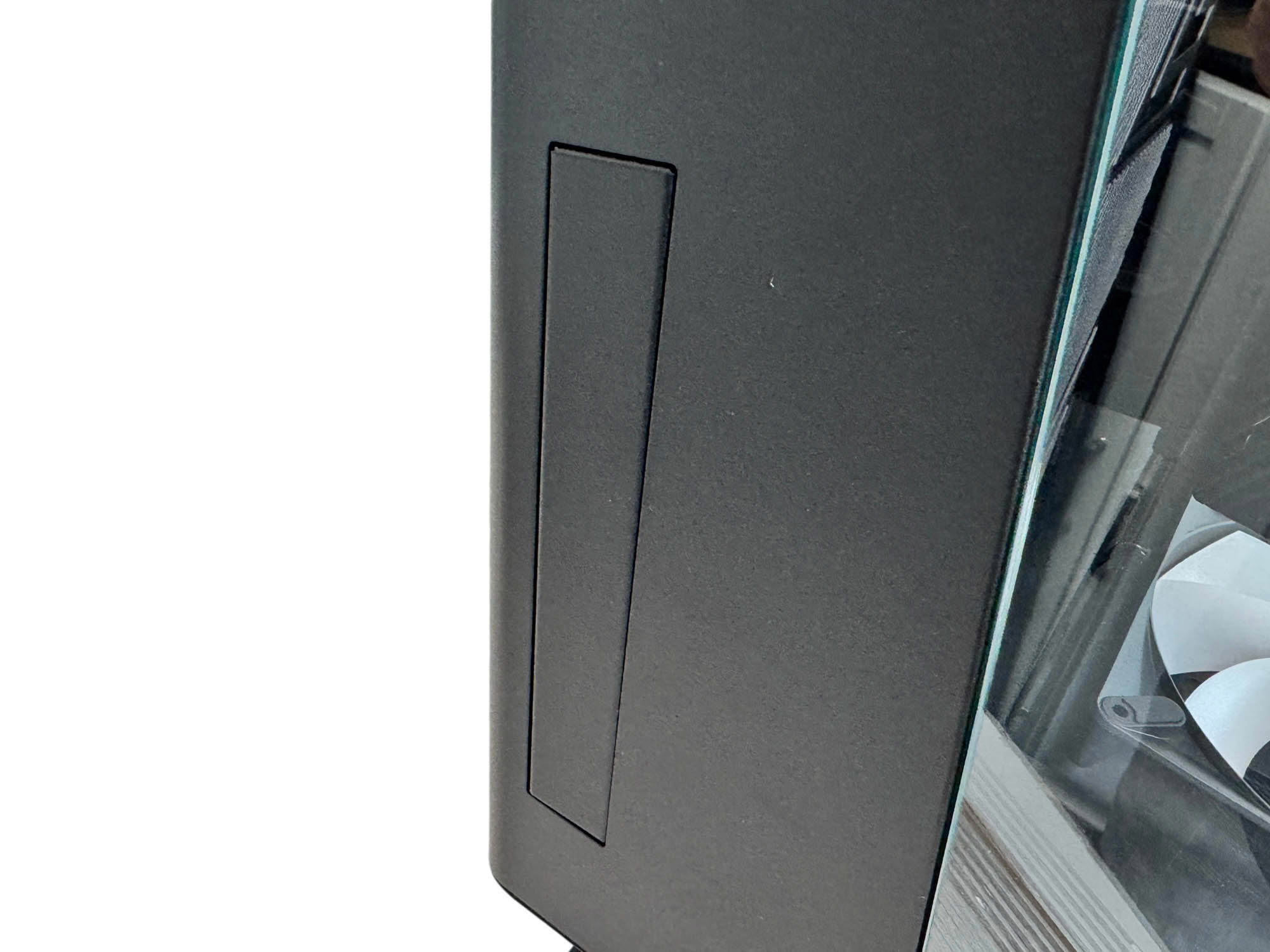
The rear of the case is very much a mirror image of the first and the usual discussion of rear panel features is absent because there aren't any. Much of the case's usual functions are located on the inside, which we'll talk about in more detail over the page. The glass panel here is removable like the front and the fascia here is to allow the front panel to be moved to the rear. In short, this combined with the case's symmetry allows it to sit on your right or left and still have a great view of the interior.
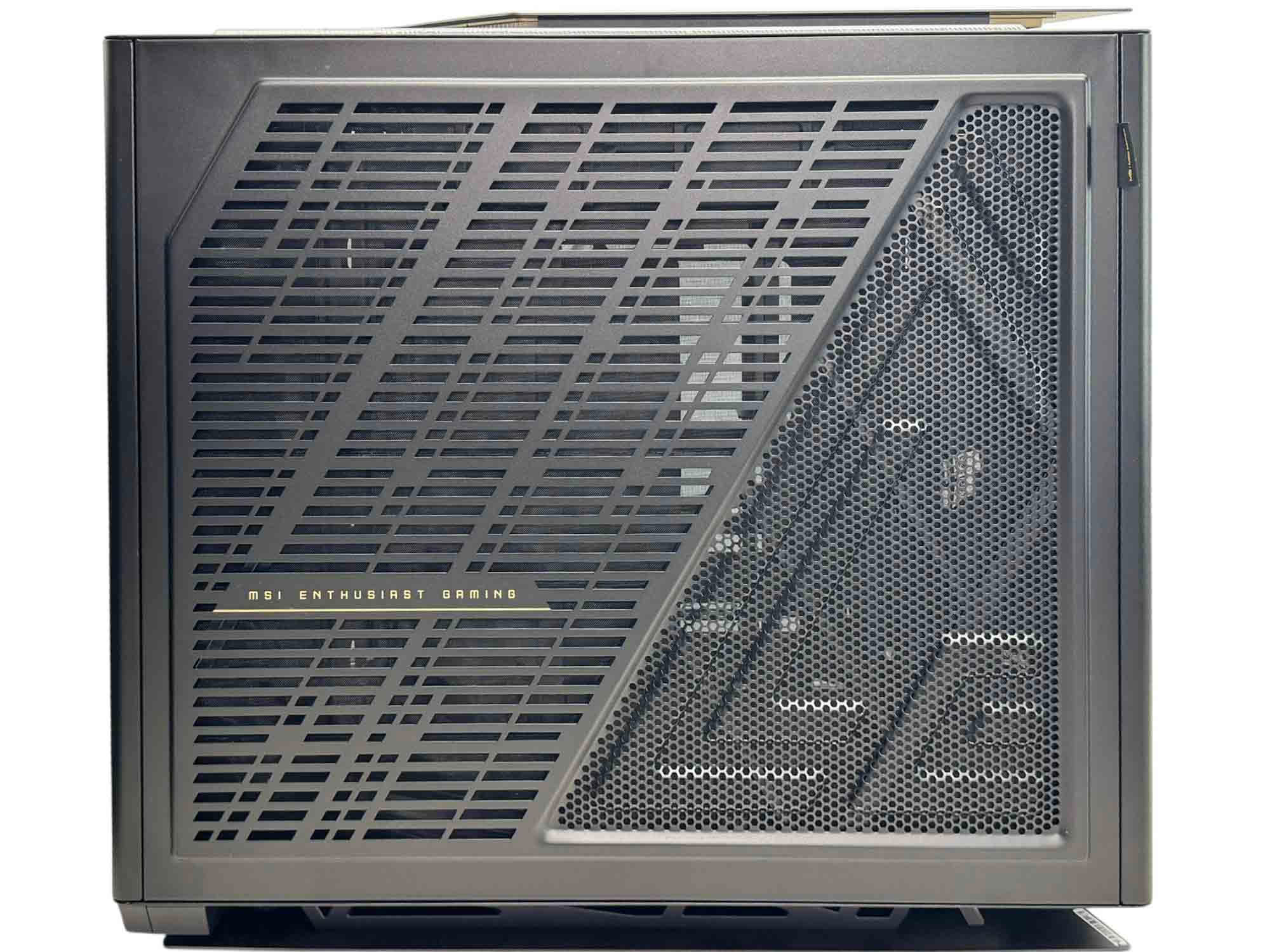
The enormous side glass panel can be tricky to deal with due to its weight, but also because it doesn't have particularly large supports guiding it into place, with push-pins above and below needing to be lined up, all while trying not to prang the beautifully crafted aluminium panel at the base. The far side panel is huge and features extensive vents. Like the other panels, it's tool-free and uses push-pins to secure itself.
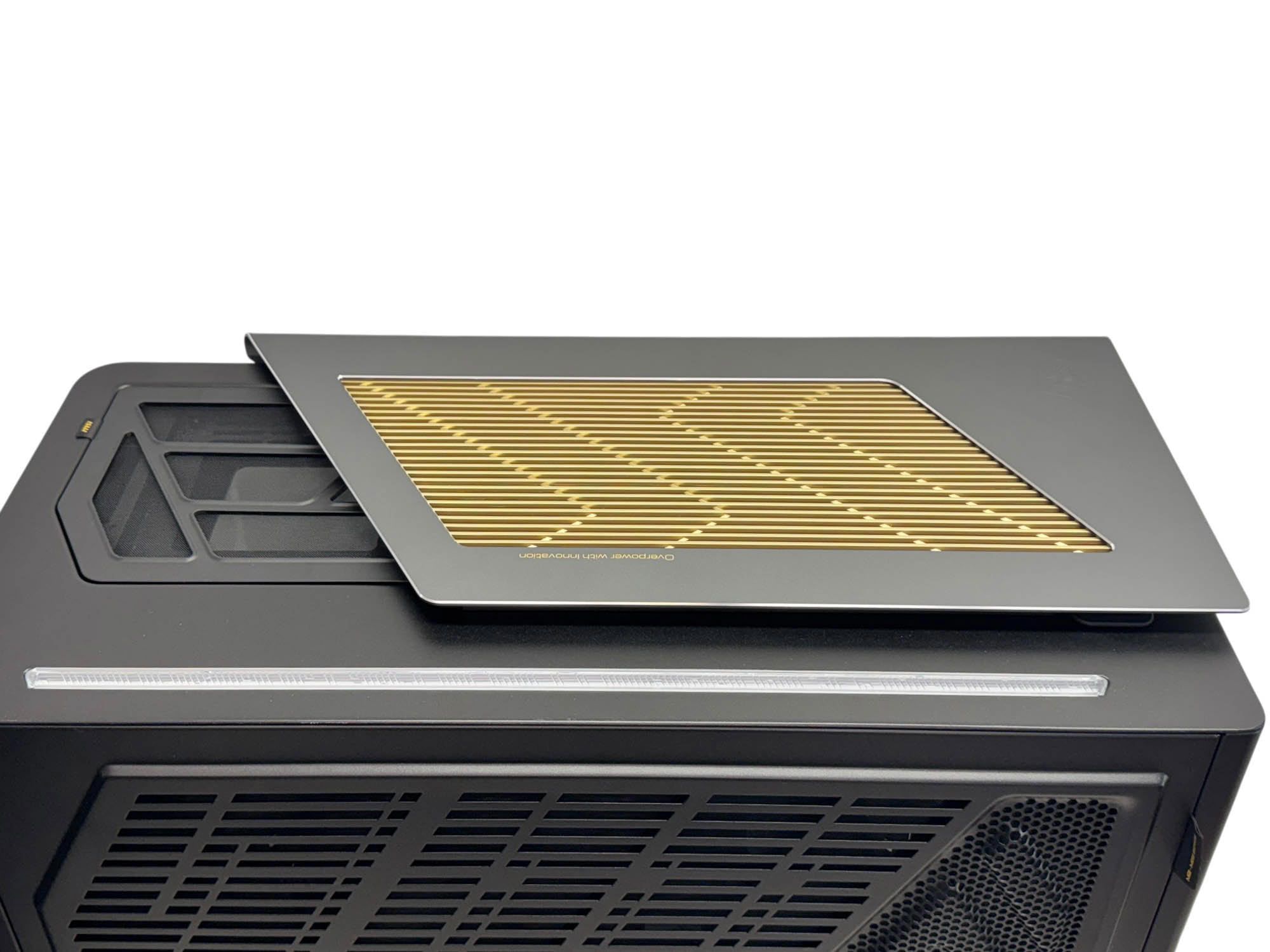
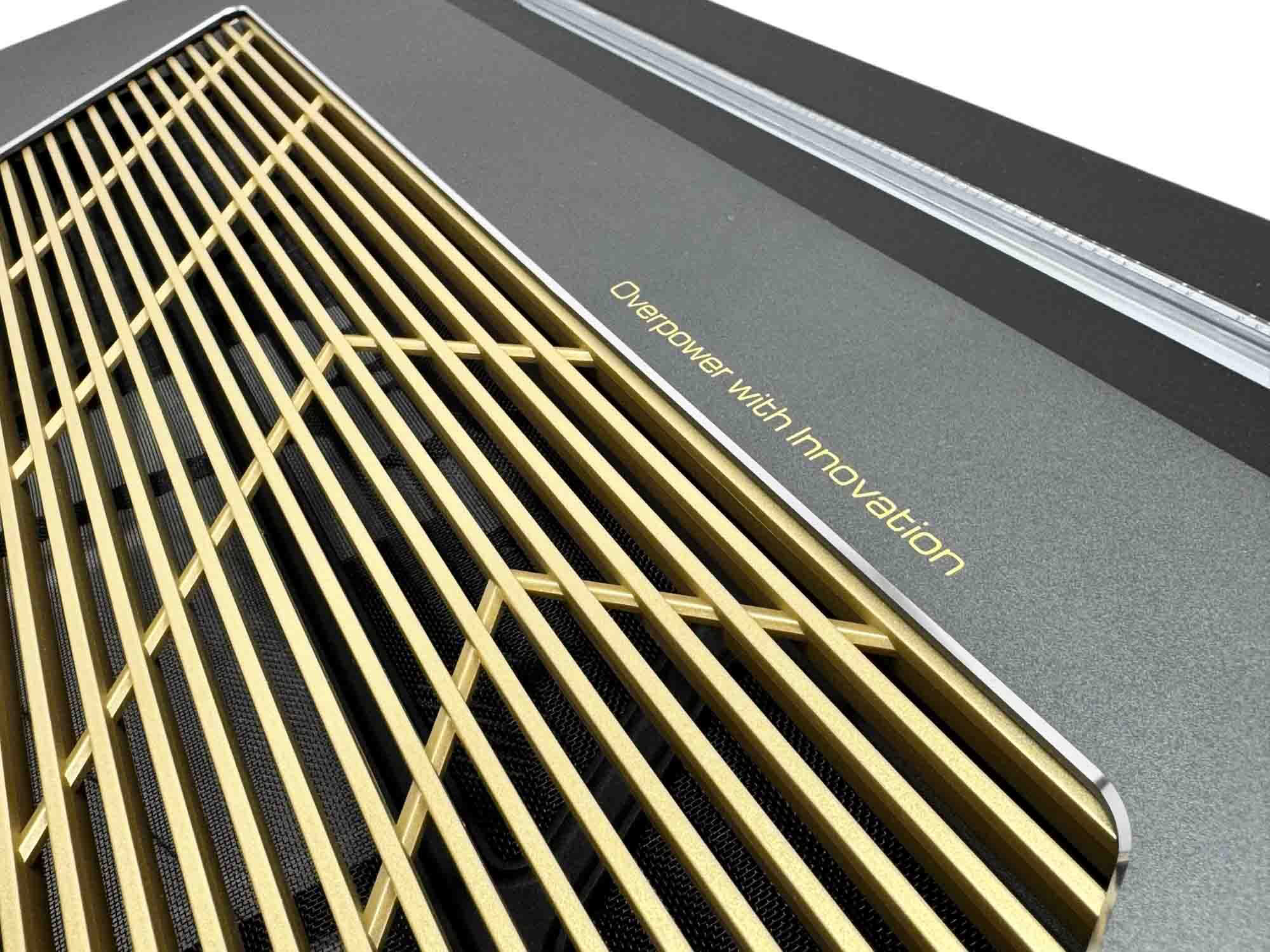
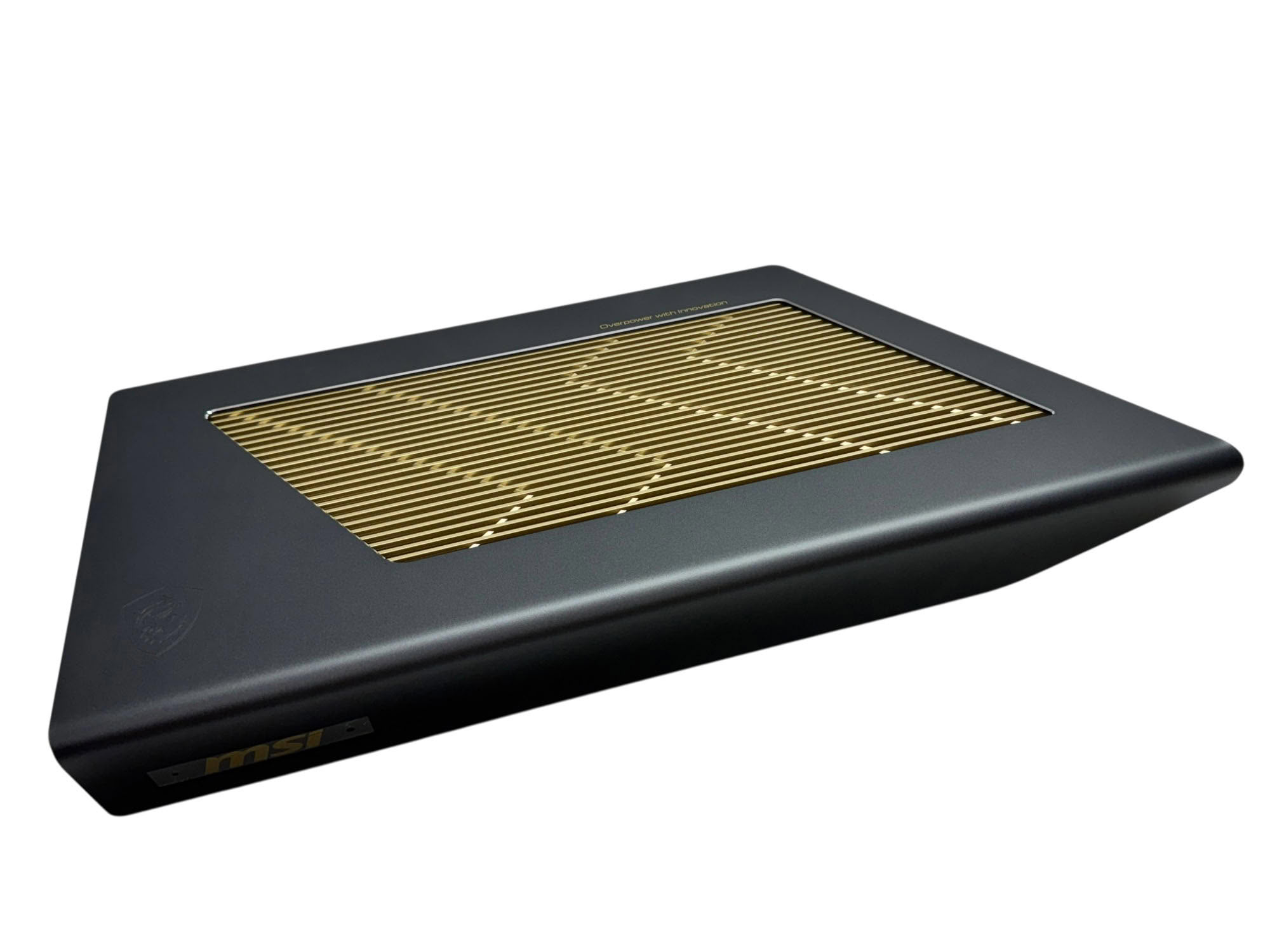
The roof features a separate aluminium panel that uses push-pins to secure it. It serves no function other than aesthetics and to cover the dust filter beneath. The long white strip next to it is an RGB light strip that can be controlled using a 3-pin header or using a button on the front of the case to cycle colors and effects.
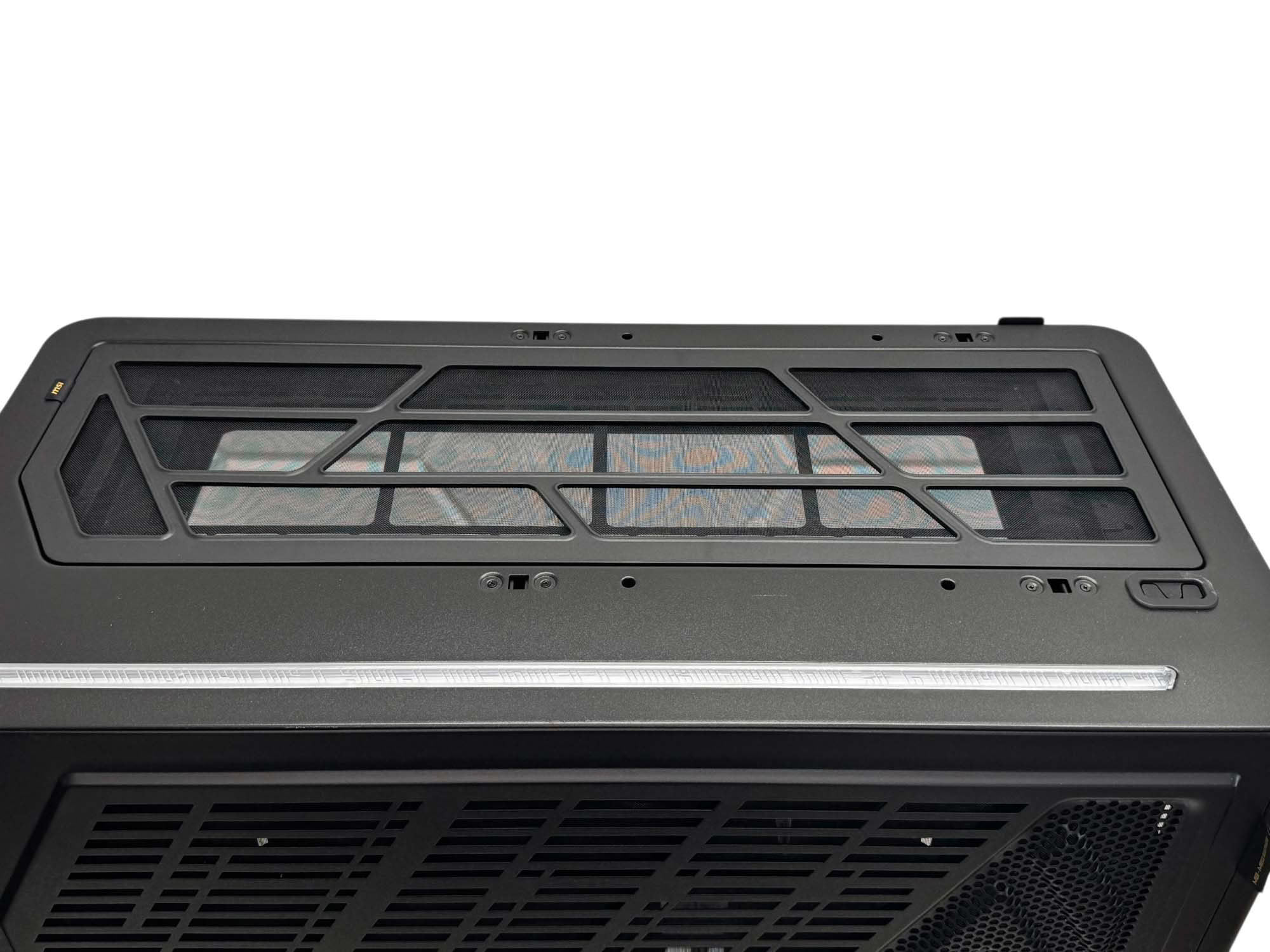
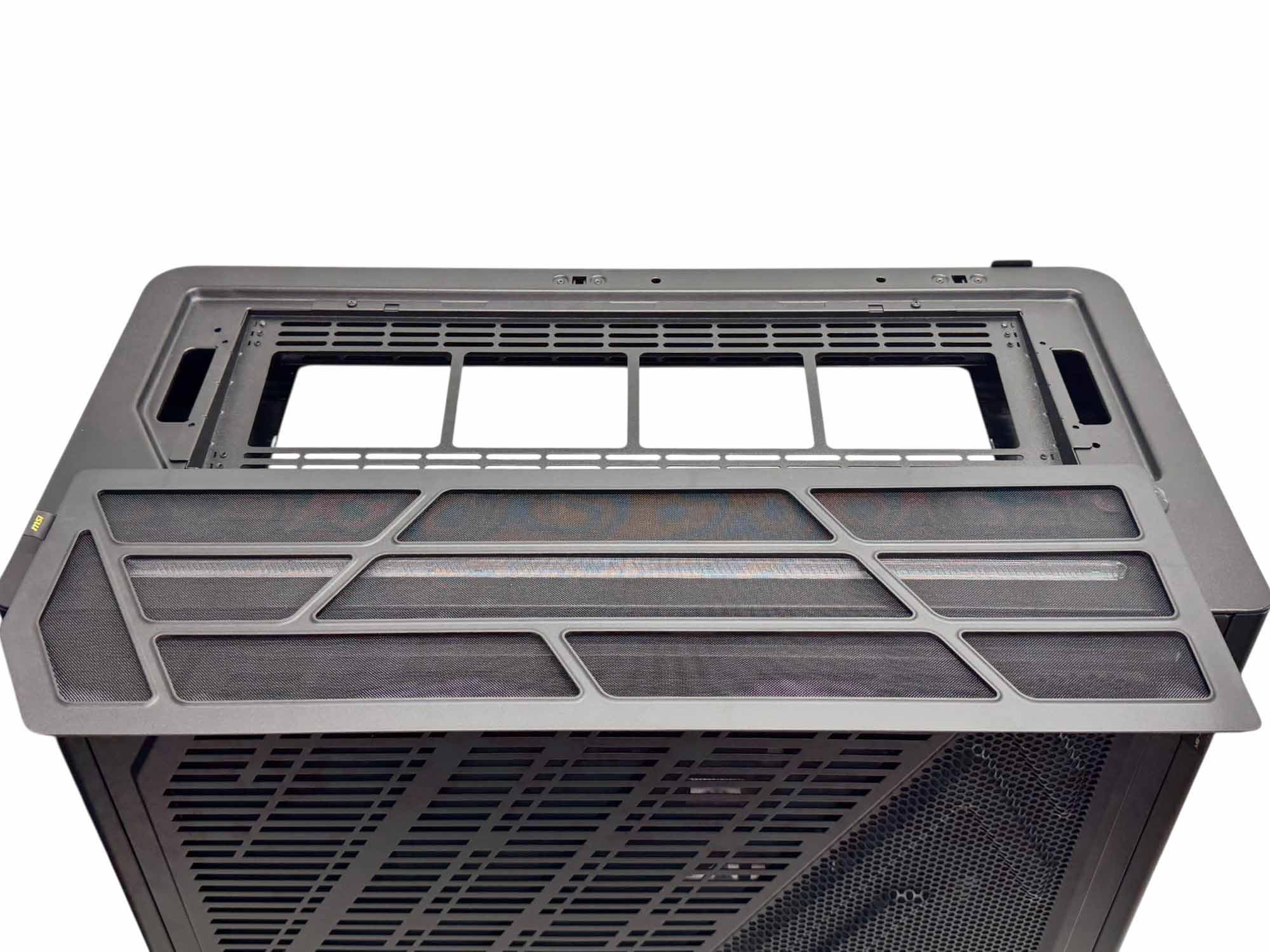
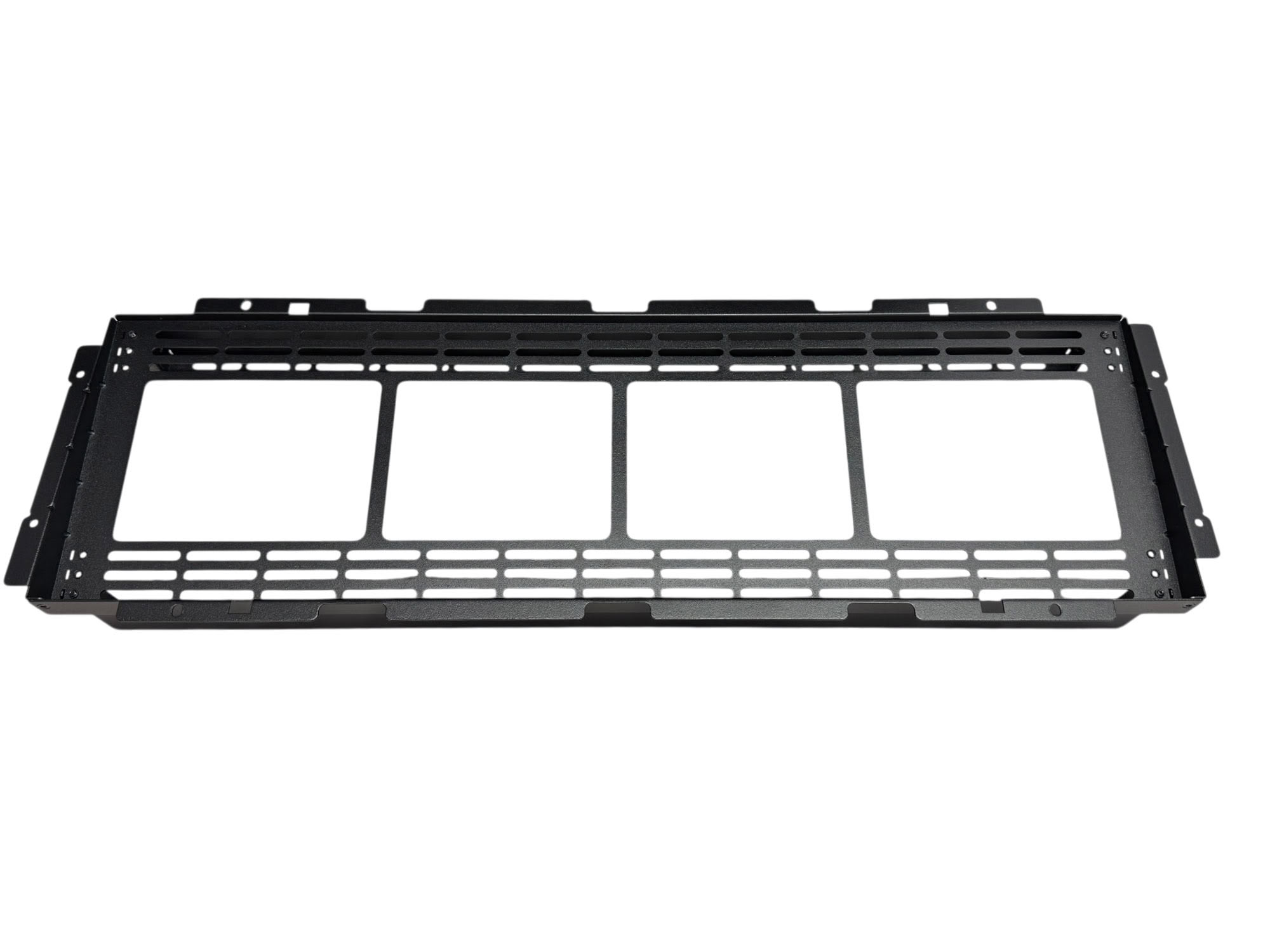
The roof features one of the larger fan mounts with large radiator support. A large magnetic dust filter sits in place and is flush with the top panel. Beneath is a removable fan mount that supports 360 mm or 420 mm radiators as well as up to 160 mm fans.
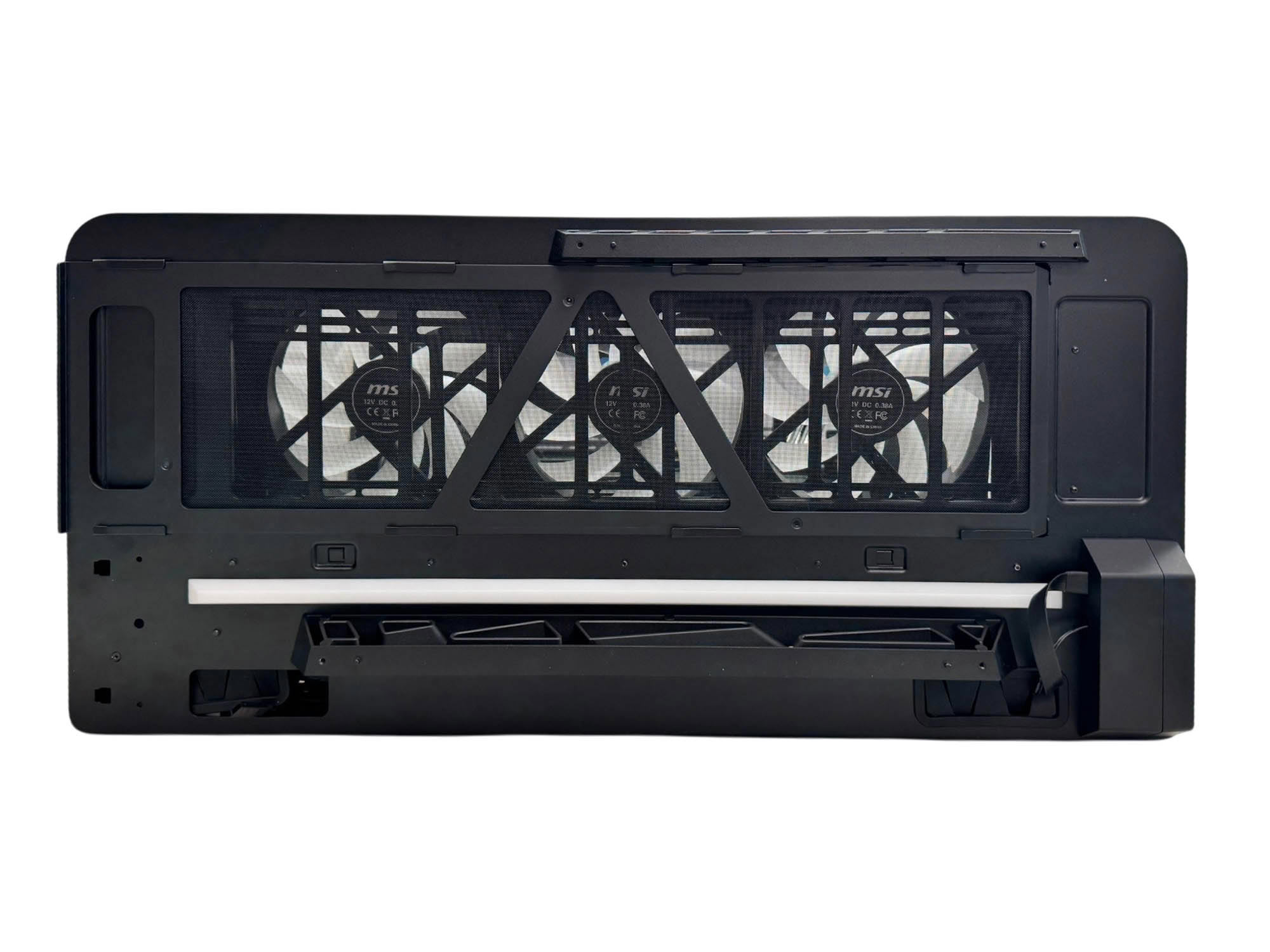
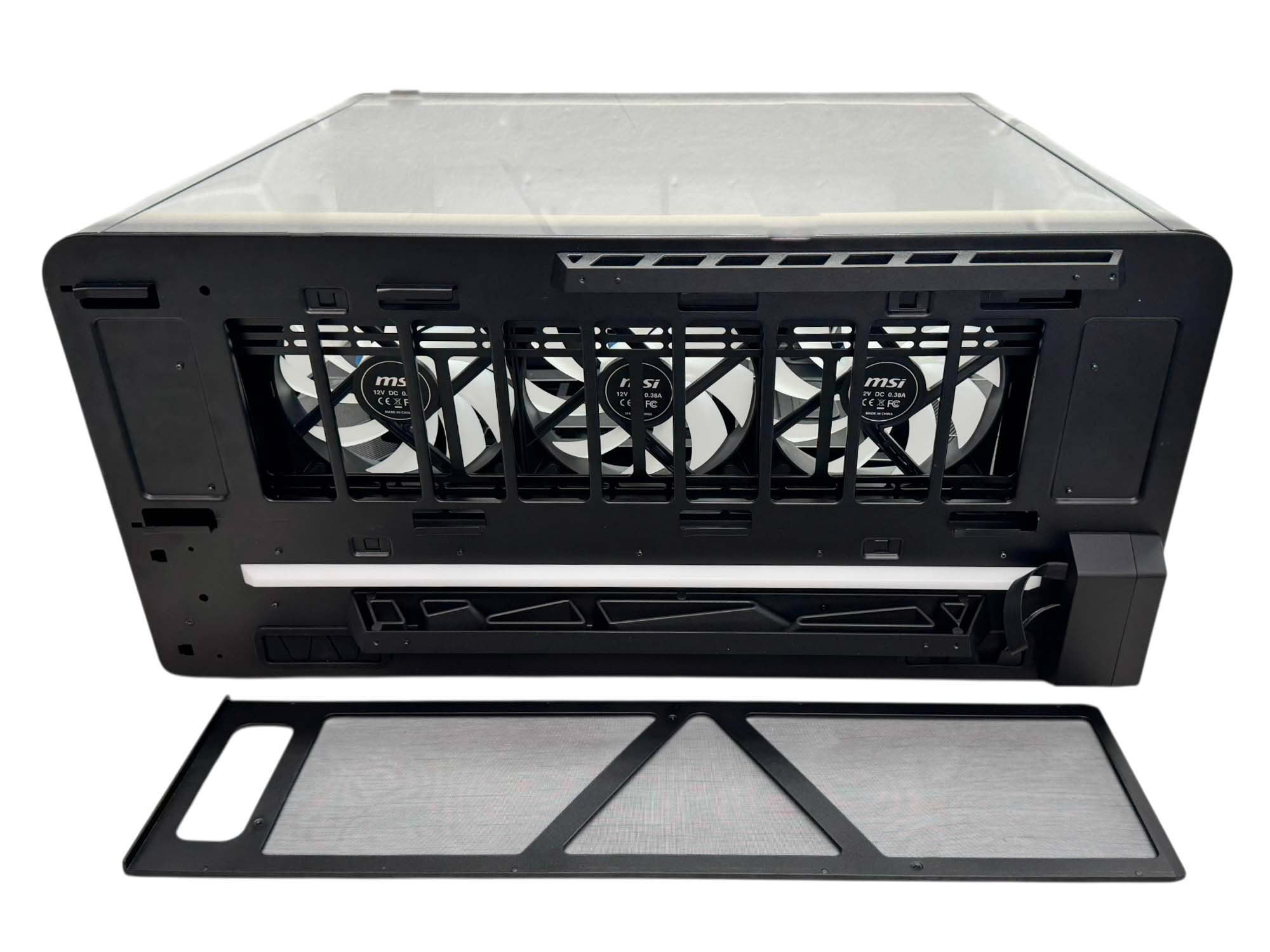
The lower panel is very much a mirror of the top panel, with four 120 mm or three 160 mm fan mounts plus an RGB lighting strip. There's also a dust filter that can be pulled out from what is the rear of the case out of the box.
Nov 14th, 2026 19:31 CST
change timezone
Latest GPU Drivers
New Forum Posts
- 9070 GRE 3.9ghz validation reached. (11)
- Honestly, do you care about GTA VI? (20)
- AI generated images... (226)
- What is in your fleet, size and contents? (28)
- WarpCoreBench scores! (33)
- X79 and/or rampage IV OC'ing thread for those of us still left.... (2452)
- Can you guess Which game it is? (317)
- What can the FX 8320 do today? Here is the answer. (43)
- Ryzen 7 8700G OC (8)
- auto-closed by somethings by actions (2)
Popular Reviews
- AMD Zen 6 Technical Deep Dive
- ASUS ROG Strix B850-I Gaming Wi-Fi7 W Review
- Corsair HX1000i Shift Crystal Review
- Upcoming Hardware Launches 2027 (Updated Nov 2026)
- Montech King 95 3D PRO Review
- NZXT C1200 Platinum Review
- NZXT H7 RGB+ Review
- NZXT H5 Review
- Phantom Blade Zero Performance Benchmark Review - 35 GPUs Tested
- AMD Ryzen 7 9800X3D Review - The Best Gaming Processor
TPU on YouTube
Controversial News Posts
- NVIDIA Co-Founder and CEO Jensen Huang Officially Resigns (406)
- OpenAI CEO Argues Home PCs Waste the World's Limited DRAM Supply (152)
- NVIDIA Launches Investigation Into Jensen Huang's Relationship With Suspected Chinese Spy (136)
- Intel "Raptor Lake Next" 16-Core and 20-Core CPUs Surface (130)
- Legendary Game Studio BioWare Shuts Down Following EA Layoffs (104)
- Dell CEO Says the Memory Shortage Will Get Worse in 2027 (95)
- NVIDIA GeForce RTX 50-Series Scheduled for up to $500 Price Hike This Week (89)
- Modder Fits RTX 5090 With Four 8-Pin Connectors, Halving Current per Wire (80)