 5
Ninkear L20 Review
A Look Inside »Design and Build
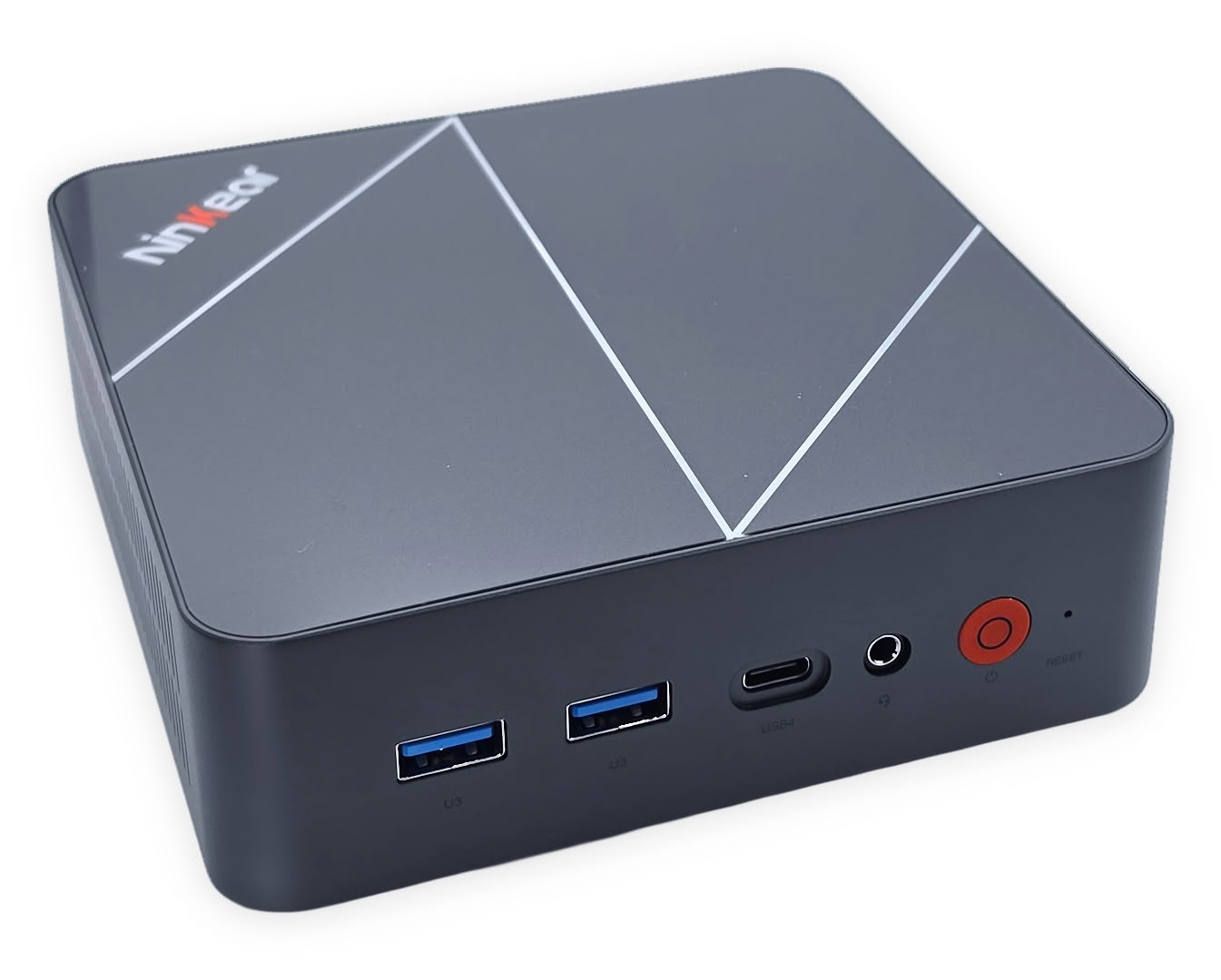
The L20 is surprisingly light when you pick it up, but it doesn't feel flimsy. The dark gray chassis has a pretty simple look overall, with a glossy top panel and a few thin geometric lines to break things up. I like the design, though the glossy top does show fingerprints pretty quickly.
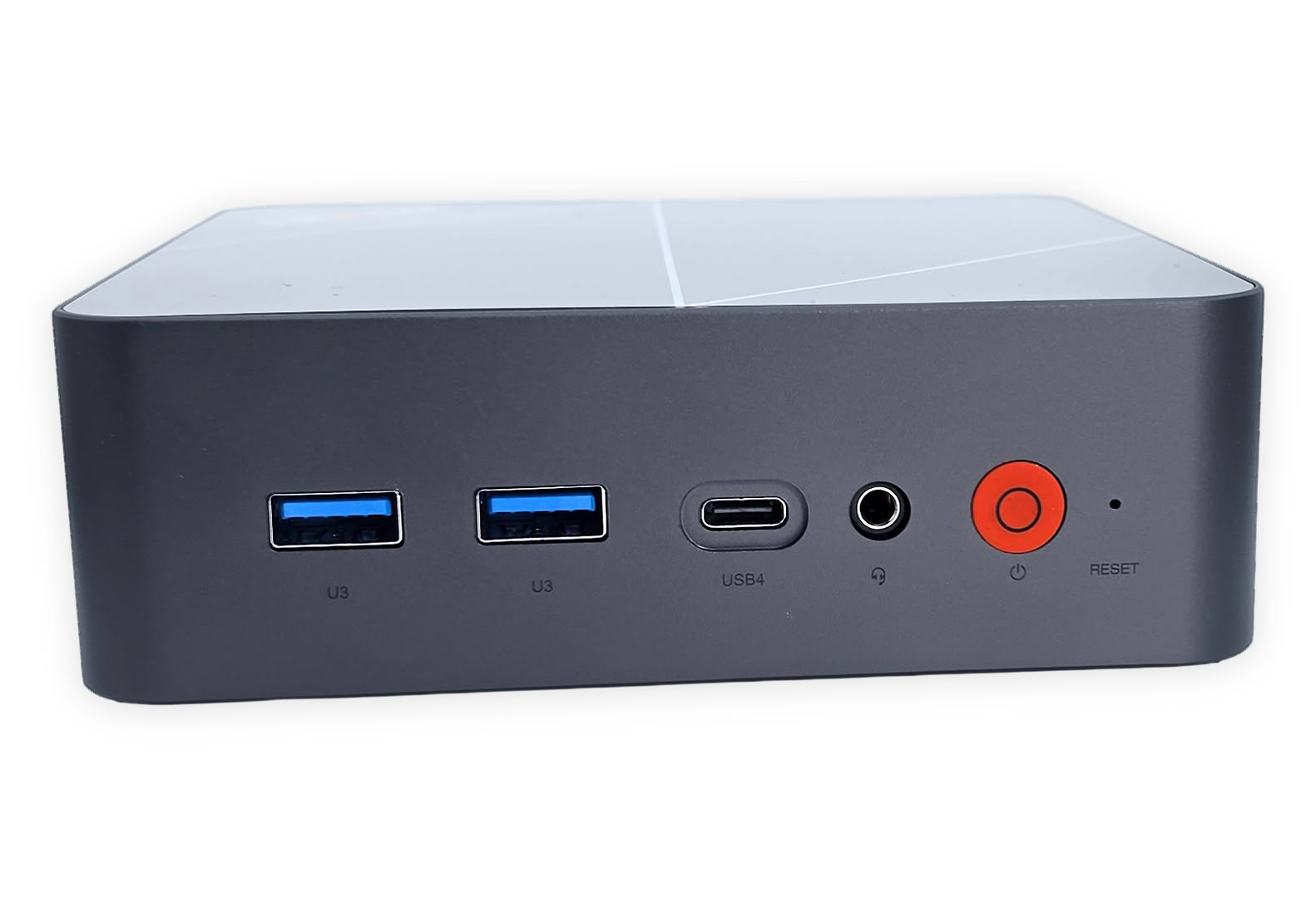
The front has the ports I would expect to use most often, with two USB-A ports, USB4, and a 3.5 mm audio jack sitting beside the orange power button. Having USB4 on the front is especially useful, since it is easy to reach for fast external storage, docks, or a temporary display, without having to run another cable around the back.
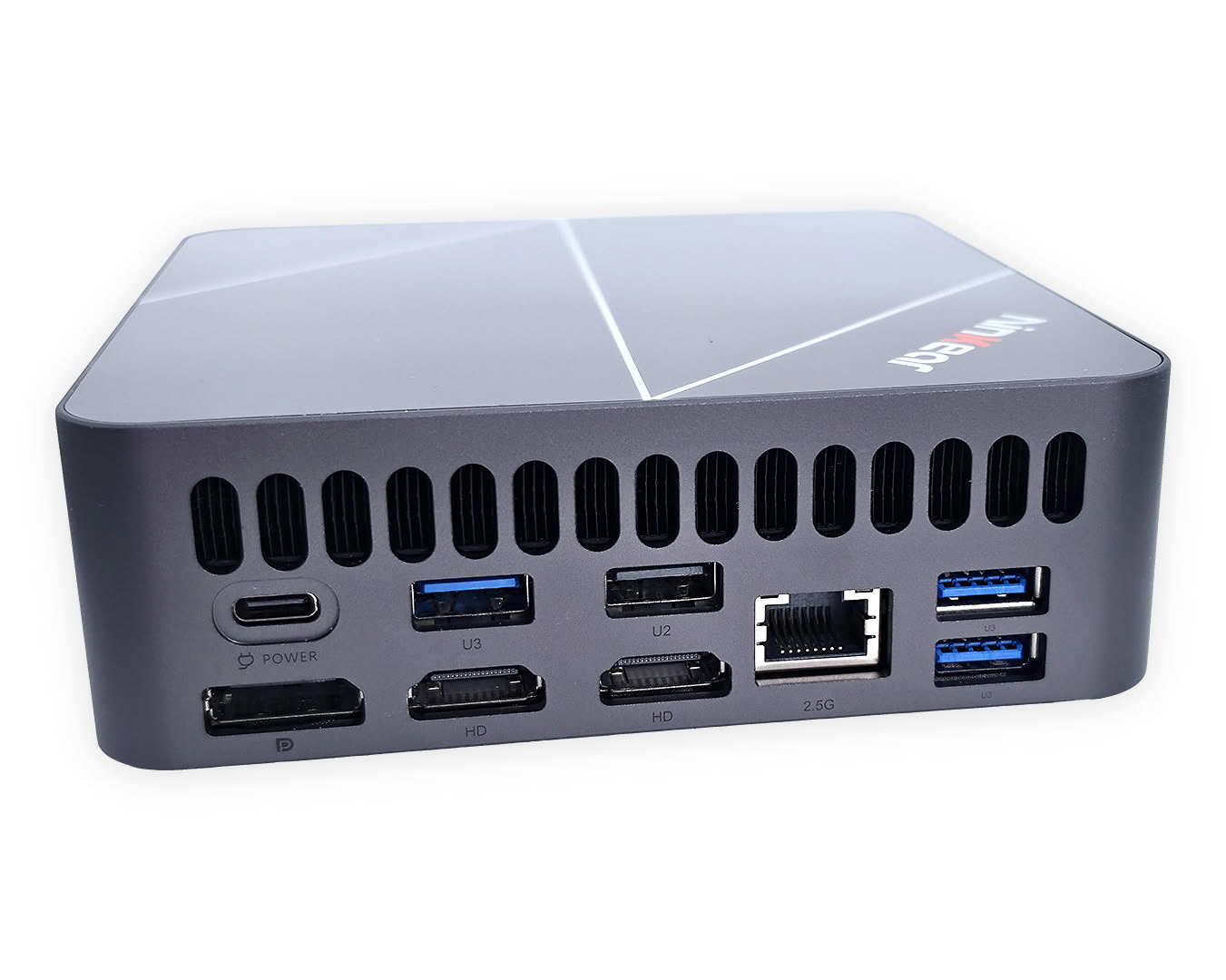
Most of the permanent connections are on the rear, including 2.5 GbE, DisplayPort 1.4, HDMI 2.1, HDMI 1.4, four more USB-A ports, and the dedicated USB-C power input. There are enough display outputs for a three-monitor setup, with the secondary HDMI 1.4 port limited to 4K at 30 Hz. I would probably reserve that connection for a secondary display at lower resolutions.
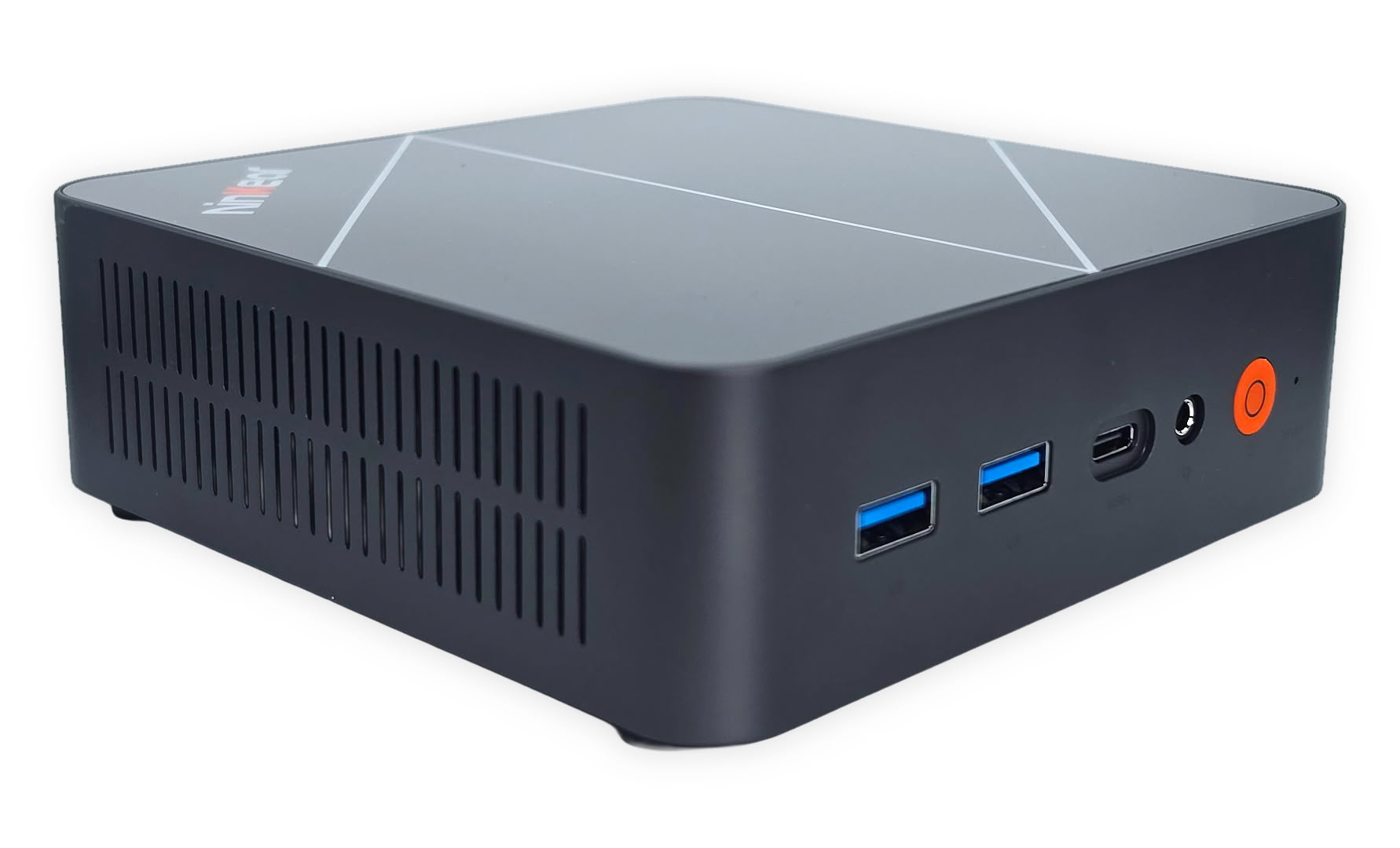
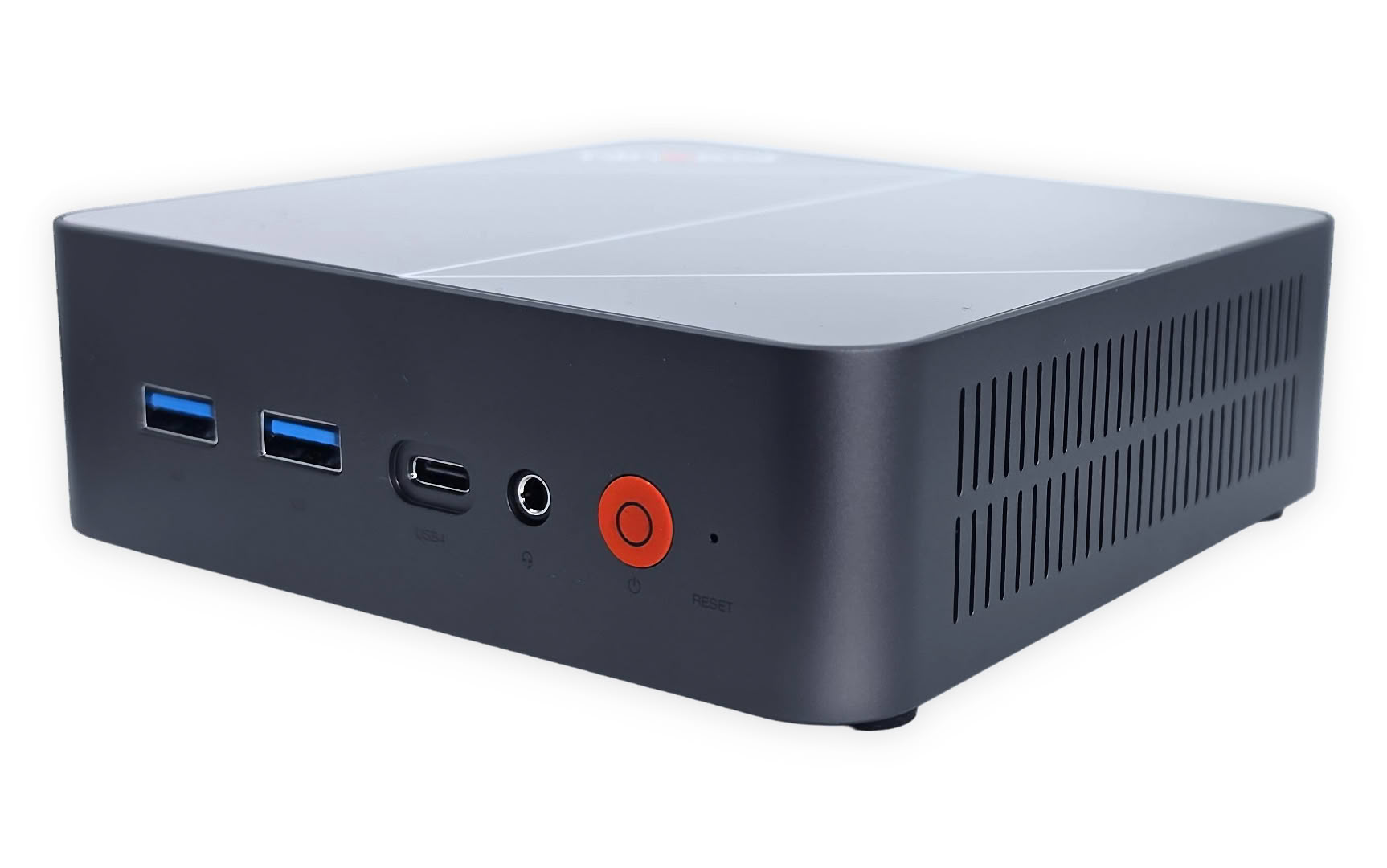
Ventilation runs along both sides and across the rear, giving the internal fan plenty of room to move air through the chassis. The L20 is also very compact at 129 × 129 × 43 mm and weighs just 625 g, so it barely takes up any desk space and is easy to move around when needed.
Nov 22nd, 2026 21:17 CST
change timezone
Latest GPU Drivers
New Forum Posts
- Increasing Power Limit? (9)
- DTS DCH Driver for Realtek HDA [DTS:X APO4 + DTS Interactive] (2818)
- Honestly, do you care about GTA VI? (266)
- What are you playing? (26240)
- UPS what one to get? (48)
- Your PC ATM (36458)
- Gacha Games - Discussions, Pulls, Updates, etc. (1157)
- Last game you purchased? (1414)
- Making a game in Godot engine (19)
- Intel D270 (5)
Popular Reviews
- Microsoft Surface Laptop Ultra Review - The Next-gen Arm Laptop
- Corsair RM1200e (Second Generation) Review
- Upcoming Hardware Launches 2027 (Updated Nov 2026)
- Pulsar Office Tour & First Look at P1 Dual-Sensor Mouse
- Ugreen NASync DXP4800 GT Review
- AMD Ryzen 7 9800X3D Review - The Best Gaming Processor
- AMD Zen 6 Technical Deep Dive
- AMD Ryzen 7 5800X3D 10th Anniversary Review
- Phantom Blade Zero Performance Benchmark Review - 35 GPUs Tested
- Biwin Black Opal NV7400 2 TB Review
TPU on YouTube
Controversial News Posts
- NVIDIA Co-Founder and CEO Jensen Huang Officially Resigns (492)
- Report: Jensen Huang Eyes NVIDIA Comeback (266)
- Open Letter Asking NVIDIA to Reinstate Jensen Huang Passes 115,000 Signatures (184)
- OpenAI CEO Argues Home PCs Waste the World's Limited DRAM Supply (152)
- NVIDIA Launches Investigation Into Jensen Huang's Relationship With Suspected Chinese Spy (136)
- Intel "Raptor Lake Next" 16-Core and 20-Core CPUs Surface (130)
- NVIDIA GeForce RTX 50-Series Scheduled for up to $500 Price Hike This Week (89)
- Intel Razor Lake Gets a 12 P-Core bLLC Chip With No E-Cores, Per Leak (86)