Sunday, May 14th 2023

NVIDIA RTX 4060 Ti 16GB Model Features 5W Higher TDP, Slightly Different ASIC Code
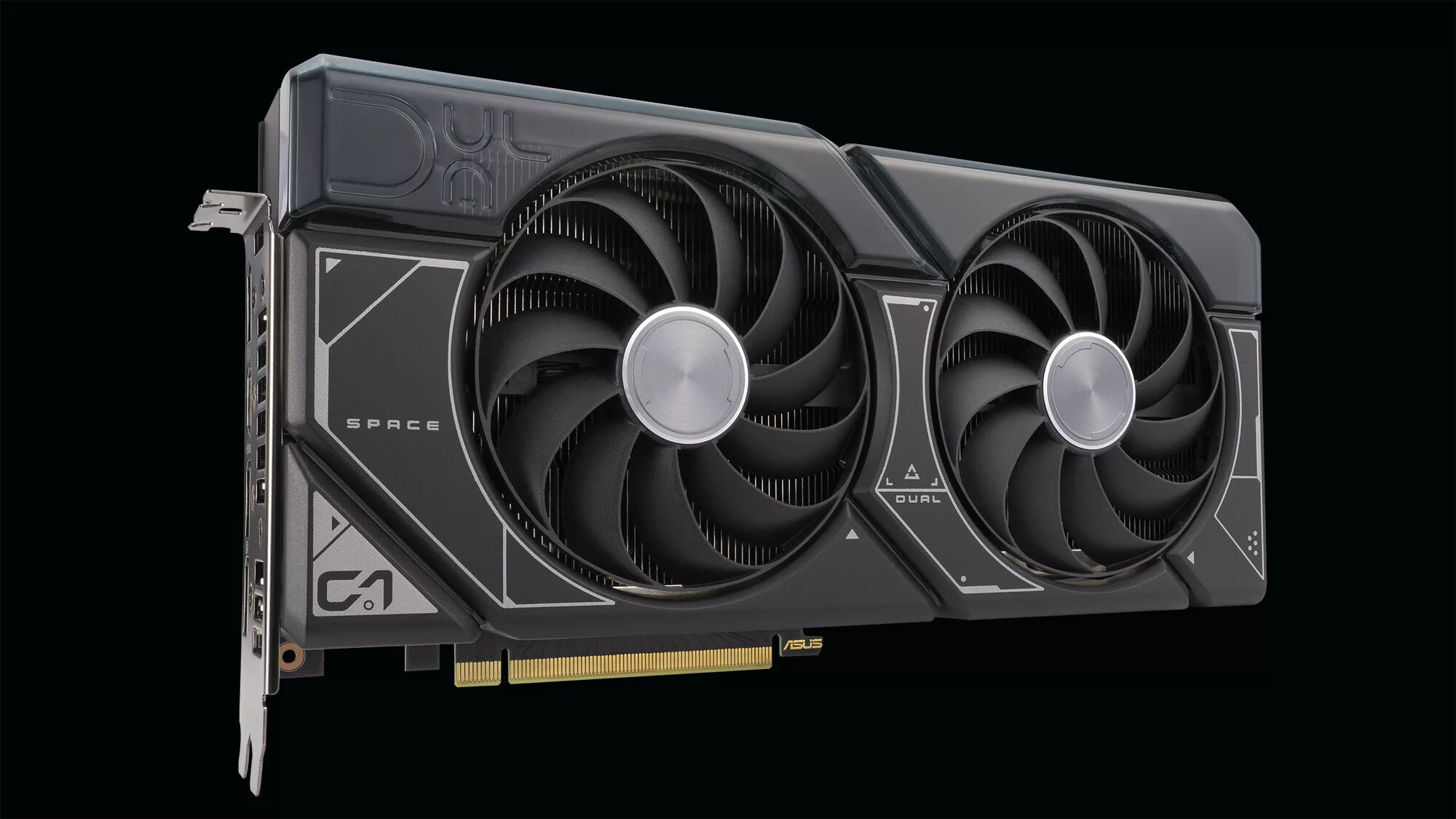
NVIDIA is launching 8 GB and 16 GB variants of its upcoming GeForce RTX 4060 Ti graphics card, with the 8 GB model debuting later this month, and the 16 GB model slated for July, as we learned in an older article. We are learning what else sets the two apart. Both are based on the 5 nm "AD106" silicon, by enabling 34 out of 36 SM physically present on the silicon, which works out to 4,352 out of 4,608 CUDA cores present. While the 8 GB model has the ASIC code "AD106-350," the 16 GB model gets the ASIC code "AD106-351."
The 16 GB model of the RTX 4060 Ti also has a slightly higher TDP, rated at 165 W, compared to 160 W of the 8 GB model. This is the TDP of the silicon, and not TGP (typical graphics power,) which takes into account power drawn by the entire board. The 16 GB model is sure to have a higher TGP on account of its higher-density memory. NVIDIA is likely to use four 32 Gbit (4 GB) GDDR6 memory chips to achieve 16 GB (as opposed to eight 16 Gbit ones with two chips piggybacked per 32-bit path).
Source:
VideoCardz
The 16 GB model of the RTX 4060 Ti also has a slightly higher TDP, rated at 165 W, compared to 160 W of the 8 GB model. This is the TDP of the silicon, and not TGP (typical graphics power,) which takes into account power drawn by the entire board. The 16 GB model is sure to have a higher TGP on account of its higher-density memory. NVIDIA is likely to use four 32 Gbit (4 GB) GDDR6 memory chips to achieve 16 GB (as opposed to eight 16 Gbit ones with two chips piggybacked per 32-bit path).
59 Comments on NVIDIA RTX 4060 Ti 16GB Model Features 5W Higher TDP, Slightly Different ASIC Code
This is only going to happen in more and more games as devs drop PS4 and Xbox One development and focus solely on PC, PS5 and Series X.
It's not always about blinking first.
I was misled by 4070TI's review benchmarks. I pulled a trigger on it to replace my 3090 due to favorable poweer consumption and oh boy what a mistake that has been. My primarly use of these GPUs is for VR gaming at around 3124 x 3056 px*2 resolution (HP reverb G2's 1SS resolution) and at this res 4070TI's narrow bus comes into play, causing really bad micro stutters with huge ms spikes, making it borderline unusable for VR. True, fps averages of 4070TI are slightly better than that of 3090, but 3090 totally kills it in terms of smoothness, even when undervolted/underclocked to 1750MHz/750mV to get consuption down to 250W. The whole ADA gen with exception of 4090 is an utter joke :banghead:
It's about choosing the relevant statistic for the issue at hand, and the issue is that developers make games for the largest demographic - which is console-first and PC second. Of those 80% of machines in the Steam Hardware Survey that have 8GB or less, only a tiny fraction of them will be playing the latest AAA titles.
Quest 2 doesn't like the AMD encoder so I can't really go with them. Nvidia the 4070s are gimped and lots of people on the flight simulator forum where complaining of the stutter your experiencing.
Thanks to Nvidia artificially raising the price of the 4070 to $600-650 range I can't even really get a worthwhile price on a used 3080 (which I would need a worthwhile price if I'm going to gamble on a card that 50% chance was mined on).
I'll be waiting for RDNA 4 and Blackwell, in the meantime, I upgraded my processor to something that will last a considerable amount of time and will be going after finally buying a super high end display.