Monday, October 13th 2025

NVIDIA Moves to 800 Volt DC Power Infrastructure to Drive Gigawatt-Scale AI
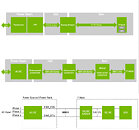
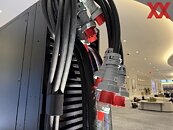
NVIDIA is implementing a major change in data center power architecture by using 800-volt DC distribution as the practical foundation for next-generation AI systems. Presented at the 2025 OCP Global Summit, the company's specifications and partner commitments frame 800 VDC not as an experimental idea but as a necessary response to racks that already draw well over 100 kW and are headed toward megawatt levels, soon to reach gigawatt of power per cluster. The core problem is simple and physical: low-voltage, high-current delivery forces bulky copper conductors and complex buswork into every rack, wasting space and money while creating thermal and installation headaches. Raising the distribution voltage reshapes those tradeoffs. At 800 volts, the same conductors can carry substantially more power, shrinking copper mass and freeing rack real estate for compute instead of power hardware.
NVIDIA's approach also simplifies the conversion chain by moving the main AC-to-DC rectification to the grid edge and using compact DC-DC modules in racks, reducing the number of conversion stages that generate heat and incur losses. Across large installations that efficiency improvement compounds. Even a few percentage points saved in delivery translates to megawatts less wasted energy at the gigawatt scale. Practical deployment plans tie the electrical advances to cooling and mechanical design: water-cooled busbars and integrated liquid cooling will be central to new rack designs that pack hundreds of GPUs while keeping temperatures and copper needs manageable.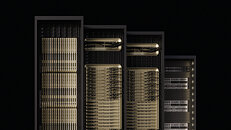
 NVIDIA is contributing designs to the Open Compute Project and working with power-infrastructure and component manufacturers to standardize connectors, protection, and safety practices. The result is likely a split market: greenfield gigawatt facilities built around 800 VDC, and legacy sites that remain on lower-voltage systems until major refreshes. For AI's appetite for scale, the higher-voltage path looks like the more sustainable way forward. NVIDIA's Kyber rack-scale system is the first in the adoption path. With 800 VDC, the same copper design as previous NVL systems can deliver over 150% more power, removing the need for massive 200-kilogram busbars to supply a single rack.
Source:
NVIDIA
NVIDIA's approach also simplifies the conversion chain by moving the main AC-to-DC rectification to the grid edge and using compact DC-DC modules in racks, reducing the number of conversion stages that generate heat and incur losses. Across large installations that efficiency improvement compounds. Even a few percentage points saved in delivery translates to megawatts less wasted energy at the gigawatt scale. Practical deployment plans tie the electrical advances to cooling and mechanical design: water-cooled busbars and integrated liquid cooling will be central to new rack designs that pack hundreds of GPUs while keeping temperatures and copper needs manageable.


27 Comments on NVIDIA Moves to 800 Volt DC Power Infrastructure to Drive Gigawatt-Scale AI
So in the end, those private companies don't really do much, besides piggybacking on the network. They won't build new nuclear plants; they have to buy that energy from EDF at a very low price, but EDF still gotta handle the maintenance of those plants alone.
EDF was partially privatised when the market was opened, but the state had to buy it back. Turns out, state money is needed to handle something so critical. Even with 75% of market share, there was a noticeable drop in performance. Along with a massive debt.