Friday, June 26th 2026

Intel "Nova Lake-S" 52-Core OC SKU to Draw 474 W in PL2 Mode

Intel's next-generation "Nova Lake" CPU microarchitecture is shaping up to be quite power-hungry. According to the latest leak, confirmed by well-known Intel leaker Jaykihn, Intel's top-end, overclocking-focused, dual compute die "Nova Lake-S" CPU with 52 cores will feature a PL2 mode with a power level of 474 W. This is an unprecedented number for an Intel consumer desktop platform, typically expected from a high-end desktop (HEDT) design. However, since this is a 52-core design that can be overclocked, it represents the newest high CPU PL2 setting that Intel will be shipping with "Nova Lake-S." Previous rumors suggested that the Intel Z990 platform would be a power-hungry consumer design, but now we understand just how power-hungry it is.

Reportedly, Intel's reference Z990 motherboard design, which it provides to partners like ASUS, MSI, GIGABYTE, ASRock, and others, now includes the possibility of three 8-pin CPU power connectors. This is an intriguing design choice, considering that most enthusiast boards typically ship with two 8-pin EPS CPU connectors. The three 8-pin connectors are mainly intended for the highest-end overclocking designs, rather than being required to run the dual compute die designs. Motherboards equipped with either two or three EPS connectors are still expected to support Intel's upcoming high-end 44-core and 52-core processors on the 175 W platform, meaning that only the overclocking-focused models will feature three connectors for additional overclocking headroom.
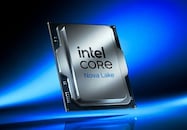
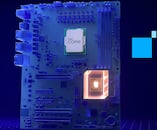
According to current information, Intel is introducing a tiled approach to having more compute enabled across "Nova Lake-S" SKUs. Perhaps the most interesting news is the introduction of dual-die processors. These are SKUs with two compute tiles connected to the SoC tile, allowing Intel to achieve extremely high CPU core counts. Since this is essentially the same approach to high core counts as AMD, both compute tiles have equal access to memory and PCIe. A single compute tile SKU can yield a maximum of 28 cores, while a dual-compute SKU will carry up to 52 cores.
Source: via Jaykihn on X
Add your own comment

292 Comments on Intel "Nova Lake-S" 52-Core OC SKU to Draw 474 W in PL2 Mode

#226
AleXXX666
do we need 2x "12V-HPWR" EPS cable for that "powwaa"?:D
Posted on Reply
#227
JustBenching
thestryker6This is the most recent list I'm aware of from Jaykhin:
16+32 288MB
16+24 264MB
8+16 144MB
8+12 132MB
6+12 108MB
Ok, if this is the case that is perfect.
Posted on Reply
#228
Tek-Check
BoggledBeagleAre you jealous that ordinary Intel users will have access to workstation level performance on a normal desktop platform?
Under this twisted logic, ordinary users already have an access to "workstation" level performance on a normal desktop platform.
As a reminder, current real HEDT and workstation CPUs from Intel and AMD start with 12 cores only. Those are slower than top desktop CPUs.

So, workstation level of performance is not defined by the number of cores, I am afraid. It's about entire basket of platform features that desktop platforms simply do not have, even if some desktop CPUs are faster in Cinebench.
Posted on Reply
#229
BoggledBeagle
That "true workstation platform" can work with low core count CPUs is nice, but the reason why these platforms exists is high raw performance, which of course better should come accompanied by possibility to hook up a few GPUs, have high memory bandwidth, etc.

But implying that high raw performance accompanied by lower RAM bandwidth and ability to connect just one GPU is totally useless and should not exist is very silly IMO.

If the price of these CPUs will be good I predict that Intel will have no problem selling them. They may be the most affordable way for many consumers to get the high raw performance they need for their applications.
Posted on Reply
#230
JustBenching
Current high end (13k $) 8 memory channel threadripper have less bandwidth per core than the 270k or the 9950x. I don't see how memory bandwidth will be an issue.
Posted on Reply
#231
BoggledBeagle
I must admit that memory bandwidth is not my expertise, but whatever it is and how it works, in the end it will always just somehow affect performance differently for each application and consumers should choose products based on their needs and real performance of the product and value it brings to them, and not specs alone.

So a person saying that a CPU is useless just because it has only two memory channels makes no sense to me.
Posted on Reply
#232
thestryker6
JustBenchingCurrent high end (13k $) 8 memory channel threadripper have less bandwidth per core than the 270k or the 9950x. I don't see how memory bandwidth will be an issue.
It depends on what you're comparing here because TR Pro and Xeon W do have significantly more bandwidth on tap. It does of course vary significantly depending on core usage.

Per core in MB/s (I'm picking lowest core count, closest to the NVL dual Compute Tile, and maximum core count):
TR Pro:
12c: ~34133
32c: 12800
96c: ~4266

GNR Xeon Workstation:
RDIMM:
18c: ~22755
32c: 12800
86c: ~4762

MRDIMM:
28c: ~18285
32c: 16000
86c: ~5953

285K/270K Plus:
DDR5-6400: ~4266
DDR5-7200: 4800
DDR5-8000: ~5333
DDR5-9600: 6400

For the NVL dual Compute Tile you have to halve those numbers which puts it way behind current workstation parts even if you just look at 8000/9600. I do think both AMD and Intel are bringing a whole new era of MT performance capability to desktop platforms this generation. This is somewhat like when AMD released Zen 2 16-core except these parts are also going to be leading IPC as well.

To me the high core count desktop parts have always been hard to justify as a regular user. Historically Intel has binned the higher end parts so they reach higher clocks otherwise their top SKUs wouldn't sell as much volume. AMD doesn't do that as much and dual CCD can have some issues on lighter workloads which simply don't happen on single CCD or Intel parts (though maybe with dual Compute Tiles that'll happen for them too). I think with NVL/Zen 6 they'll be even harder to justify since AMD will have 12 cores on a single CCD (which I imagine could be around 7950X levels of performance). Intel will have competing 8p/16e parts with and without bLLC which likely means the one without will be cheaper than current flagships because I cannot imagine them trying to raise the price for extra cache when there are going to be two even higher core count models.

I think unless people are doing actual work on their systems the majority of the high performance desktop sales are likely going to be single CCD/Compute Tile due to the sheer level of performance they should provide without downside. Of course with the level of performance for the top core counts going up so much that may open up a new market for both companies. I'm sure some people need compute without all the memory bandwidth and high throughput PCIe and these will be perfect for that.
Posted on Reply
#233
JustBenching
thestryker6It depends on what you're comparing here because TR Pro and Xeon W do have significantly more bandwidth on tap. It does of course vary significantly depending on core usage.

Per core in MB/s (I'm picking lowest core count, closest to the NVL dual Compute Tile, and maximum core count):
TR Pro:
12c: ~34133
32c: 12800
96c: ~4266

GNR Xeon Workstation:
RDIMM:
18c: ~22755
32c: 12800
86c: ~4762

MRDIMM:
28c: ~18285
32c: 16000
86c: ~5953

285K/270K Plus:
DDR5-6400: ~4266
DDR5-7200: 4800
DDR5-8000: ~5333
DDR5-9600: 6400

For the NVL dual Compute Tile you have to halve those numbers which puts it way behind current workstation parts even if you just look at 8000/9600. I do think both AMD and Intel are bringing a whole new era of MT performance capability to desktop platforms this generation. This is somewhat like when AMD released Zen 2 16-core except these parts are also going to be leading IPC as well.

To me the high core count desktop parts have always been hard to justify as a regular user. Historically Intel has binned the higher end parts so they reach higher clocks otherwise their top SKUs wouldn't sell as much volume. AMD doesn't do that as much and dual CCD can have some issues on lighter workloads which simply don't happen on single CCD or Intel parts (though maybe with dual Compute Tiles that'll happen for them too). I think with NVL/Zen 6 they'll be even harder to justify since AMD will have 12 cores on a single CCD (which I imagine could be around 7950X levels of performance). Intel will have competing 8p/16e parts with and without bLLC which likely means the one without will be cheaper than current flagships because I cannot imagine them trying to raise the price for extra cache when there are going to be two even higher core count models.

I think unless people are doing actual work on their systems the majority of the high performance desktop sales are likely going to be single CCD/Compute Tile due to the sheer level of performance they should provide without downside. Of course with the level of performance for the top core counts going up so much that may open up a new market for both companies. I'm sure some people need compute without all the memory bandwidth and high throughput PCIe and these will be perfect for that.
So the 96c has similar bandwidth to a 6400mhz 270k (per core), which doesn't take into account that the TR pro has more big cores which probably require more bandwidth.

Yeap, dual tiles will have the same issue as dual ccds id assume. But this is in general a non issue for either since you can pin apps with the press of a button with capframe X, I never understood the complaints with dual ccds about this issue. Again, im much more concerned about idle power draw on the dual tile than anything else. Performance will be there no matter what, they will be chart toppers, that's a given.
Posted on Reply
#234
tsurugi
Tek-CheckThey are essentially forced to offer two huge compute dies at ~300 mm2
Forced to provide TR performance, haha.
Tek-CheckThis means that it will become gradually harder to run hardware in such conditions and more energy will be used to cool it down.
It is basically irrelevant. People in tropical and subtropical regions can turn on the AC at any time when needed. If you run a 5090, it will also raise the room temperature. In summer, the only way to coexist with a high-power PC is the AC.
Tek-CheckIt's not really "gotcha". Far away from that. 3D cache is a separate, small die at ~36 mm2. So, 75+36=111 mm2 vs 150 mm2. Still much smaller, if you want to be pedantic. The smaller the die, the higher the yield. Intel's solution is more expensive due to the fact how yields work in relation to die size and defect rate on a wafer.
Consistent with the upper CCD area, cache die 70-75mm2. And 3d packaging costs are also very high.
The 150mm2 is not a very large die, and it can bring twice the thermal performance of zen6, which is a very important design for running 52c. If defects occur, in most cases it can be made into a downgraded chip, while the performance of 8+12 is still significantly better than the full die zen6 12 cores, and 6+12 is also very likely to be better.
Posted on Reply
#235
Tek-Check
tsurugiForced to provide TR performance, haha.
Current desktop CPUs already provide TR performance, as there are TR SKUs with 12 cores only. Moving on...
tsurugican turn on the AC at any time
And AC runs on thin air... I see. Very knowledgeable, indeed.
tsurugicache die 70-75mm2
Cache die is 36 mm2
tsurugiwhile the performance of 8+12 is still significantly better than the full die zen6 12 cores
Is current offer of 8+12 significantly better than 12 cores? No.
www.techpowerup.com/review/intel-core-ultra-7-265k/30.html
BoggledBeagleBut implying that high raw performance accompanied by lower RAM bandwidth and ability to connect just one GPU is totally useless and should not exist is very silly IMO.
And where did you read that this was implied?
BoggledBeagleIf the price of these CPUs will be good I predict that Intel will have no problem selling them. They may be the most affordable way for many consumers to get the high raw performance they need for their applications.
As I said, this SKU with high PL2 will mostly sell to some buyers from 'KS+' crowd that used to pay $690 for 14900KS. This is less than 1% of global buyers. And, make no mistake about price. This SKU could easily edge towards $1,000, which would raise eyebrows even among enthusiasts who used to buy halo desktop CPUs.
thestryker6Of course with the level of performance for the top core counts going up so much that may open up a new market for both companies. I'm sure some people need compute without all the memory bandwidth and high throughput PCIe and these will be perfect for that.
This is unclear. The 'KS' crowd used to pay $690 for 14900KS. Top NVL and Zen6 SKUs could easily edge towards $1,000, which would inevitably raise eyebrows among some of KS crowd. Plus memory price crisis... Those systems will be very expensive indeed.

Some new opening could be on quasi-HEDT side and entry server side. Some of those who overpaid for Xeons and TRs and didn't fully utilise extra memory bandwidth and extended IO enough could find the halo desktop attractive.

AMD already offers popular server Grado AM5 platform, so their 24 core CPUs will be selling like hot cakes there, as a drop in upgrade and as entry server option. Intel has not offered, to my knowledge, such platofrm with Arrow Lake. There was Raptor Lake refresh for two channel server.
Posted on Reply
#236
thestryker6
Tek-CheckThis is unclear. The 'KS' crowd used to pay $690 for 14900KS.
I don't think these parts will appeal to that crowd at all no matter what the price is unless Intel does something crazy and saves the best bins for them and they somehow clock higher. Historically that crowd was buying for high clock speeds that weren't available elsewhere to get that last edge of performance.
Tek-CheckSome new opening could be on quasi-HEDT side and entry server side. Some of those who overpaid for Xeons and TRs and didn't really use memory bandwidth and extended IO enough could find the halo desktop attractive.
This is exactly my line of thinking for these parts, because it's an awful lot of compute brought to the table if you don't need the rest provided by a workstation platform.
Tek-CheckIntel has not offered, to my knowledge, such platofrm with Arrow Lake.
Intel has not done anything with ARL beyond the W880 chipset for workstation environments like they did with ADL/RPL with the W680. I just think doing long term support on LGA1851 likely didn't make sense to them and would have been necessary for Xeons.
Tek-CheckThere was Raptor Lake refresh for two channel server.
They've done this multiple times with RPL and there's a Xeon version of BTL now as well.
Posted on Reply
#237
Sol_Badguy
thestryker6That gap is largely irrelevant because what you should do is compare the 270K Plus to the 9700X and go from there. The vast majority of the difference between the 9700X and 9800X3D is the cache alone. There's no reason to believe Intel's cache increase is not going to have the same effect. So what Intel needs to do to win at gaming is for NVL to be faster than Zen 6 and let the cache do its part for beating the X3D in turn.

I'm not saying they will as I don't think anyone has enough data to even take a guess just that the comparisons need to make sense.
Some estimates after using these:
tpucdn.com/review/amd-ryzen-7-9800x3d/images/relative-performance-cpu.png
tpucdn.com/review/intel-core-ultra-7-270k-plus/images/relative-performance-cpu.png
In the new tests the 9900X is absent but if it were tested then it would score 89.9-90% in the app avg based on the past behavior relative to the 9600X, 9700X, 9800X3D and 9950X.
A 9900X3D would be 93% based on the latest 9950X -> 9950X3D gain.

Why do I bring the 9900X3D into the picture when future apples to apples is bLLC vs 3D V-Cache?
Because the 9900X is 6+6 instead of 12 and I reckon the X3D gain (in app avg) is pretty much the same as having 12 cores on a single CCD. Of course most of that gain can be already made today by changing the 9900X from 6+6 to 8+4.

Anyway, let's say that today we could have this "special 9900X" at 93% (max at 170 W) vs the 270K at 100% (max at 260 W).
Aha the 270K wins because of the extra power no?
Well no, based on my estimations here for 175 W the 270K would lose 2% max in app avg.
So at the same power ceiling the "single CCD 9900X" is at 93% and the "capped 270K" at 98%.
And no, juicing the hell out of the 9900X did not yield much gain.
tpucdn.com/review/amd-ryzen-9-9900x/images/relative-performance-cpu.png
tpucdn.com/review/amd-ryzen-9-9900x/images/power-applications-compare-vs-pbo.png
Therefore the efficiency sweetspot is always down and not up. CPU makers need to be aware of this when their tunnel vision takes over and they throw everything out the window just to win.

Based on these numbers if the arch gains are roughly equal for both camps we should see almost the same performance between the two new SKUs at a similar power ceiling.

Now regarding gaming yes using the 9700X vs 270K as a starting point is valid.
tpucdn.com/review/intel-core-ultra-7-270k-plus/images/relative-performance-games-1280-720.png
Again if the arch gains are roughly equal then the new CPUs would perform almost the same. Add cache on top and performance is improved for both.
But is the improvement also equal?
Can Intel match AMD just by adding that cache?
Or will it still be somewhat behind because of first implementation issues?

Okay let's go for an outcome that most people are expecting.
What if the single full tile with bLLC is a bit better in app avg using somewhat more power but a couple of percent behind in gaming avg compared to the "10800X3D"?
Is this enough to get Intel back in the game and be considered a viable alternative or is winning the only option?

For me personally a very close trade off is absolutely fine, what's more important is that the new arches don't have glaring handicaps like:
- Arrow Lake in AI Photo Enhance and to a lesser extent in Chess, V-Ray and Corona;
- Zen5 in AI NLP, AI GPT2 and to a lesser extent in Genomics and Stable Diffusion.
tpucdn.com/review/intel-core-ultra-9-285k/images/performance-matchup-9950x.png
tpucdn.com/review/intel-core-ultra-9-285k/images/power-applications-compare-vs-9950x.png
Because polarization and specialization means less versatility and the narrowing of options for a general purpose build.
Posted on Reply
#238
JustBenching
Sol_BadguySome estimates after using these:
tpucdn.com/review/amd-ryzen-7-9800x3d/images/relative-performance-cpu.png
tpucdn.com/review/intel-core-ultra-7-270k-plus/images/relative-performance-cpu.png
In the new tests the 9900X is absent but if it were tested then it would score 89.9-90% in the app avg based on the past behavior relative to the 9600X, 9700X, 9800X3D and 9950X.
A 9900X3D would be 93% based on the latest 9950X -> 9950X3D gain.

Why do I bring the 9900X3D into the picture when future apples to apples is bLLC vs 3D V-Cache?
Because the 9900X is 6+6 instead of 12 and I reckon the X3D gain (in app avg) is pretty much the same as having 12 cores on a single CCD. Of course most of that gain can be already made today by changing the 9900X from 6+6 to 8+4.

Anyway, let's say that today we could have this "special 9900X" at 93% (max at 170 W) vs the 270K at 100% (max at 260 W).
Aha the 270K wins because of the extra power no?
Well no, based on my estimations here for 175 W the 270K would lose 2% max in app avg.
So at the same power ceiling the "single CCD 9900X" is at 93% and the "capped 270K" at 98%.
And no, juicing the hell out of the 9900X did not yield much gain.
tpucdn.com/review/amd-ryzen-9-9900x/images/relative-performance-cpu.png
tpucdn.com/review/amd-ryzen-9-9900x/images/power-applications-compare-vs-pbo.png
Therefore the efficiency sweetspot is always down and not up. CPU makers need to be aware of this when their tunnel vision takes over and they throw everything out the window just to win.

Based on these numbers if the arch gains are roughly equal for both camps we should see almost the same performance between the two new SKUs at a similar power ceiling.

Now regarding gaming yes using the 9700X vs 270K as a starting point is valid.
tpucdn.com/review/intel-core-ultra-7-270k-plus/images/relative-performance-games-1280-720.png
Again if the arch gains are roughly equal then the new CPUs would perform almost the same. Add cache on top and performance is improved for both.
But is the improvement also equal?
Can Intel match AMD just by adding that cache?
Or will it still be somewhat behind because of first implementation issues?

Okay let's go for an outcome that most people are expecting.
What if the single full tile with bLLC is a bit better in app avg using somewhat more power but a couple of percent behind in gaming avg compared to the "10800X3D"?
Is this enough to get Intel back in the game and be considered a viable alternative or is winning the only option?

For me personally a very close trade off is absolutely fine, what's more important is that the new arches don't have glaring handicaps like:
- Arrow Lake in AI Photo Enhance and to a lesser extent in Chess, V-Ray and Corona;
- Zen5 in AI NLP, AI GPT2 and to a lesser extent in Genomics and Stable Diffusion.
tpucdn.com/review/intel-core-ultra-9-285k/images/performance-matchup-9950x.png
tpucdn.com/review/intel-core-ultra-9-285k/images/power-applications-compare-vs-9950x.png
Because polarization and specialization means less versatility and the narrowing of options for a general purpose build.
The 8+16+4 die would be a lot faster in MT performance compraed to the 12core part. Just like the 270k is a lot faster compared to the 9900x. The Overall Application performance of TPU doesn't give you the full picture on that front cause it includes single threaded metrics. Even the 265k which has lower core counts beats the 9900x in MT workloads

Posted on Reply
#239
Sol_Badguy
JustBenchingThe 8+16+4 die would be a lot faster in MT performance compraed to the 12core part.
I don't see the point in adding the LPE cores, I don't think those get engaged when the compute tile is in active state thus I don't think they contribute anything to the overall performance but if they do I doubt it's meaningful.
JustBenchingJust like the 270k is a lot faster compared to the 9900x.
Is it? Sometimes yes but not every time.
Correlate the power draw:
tpucdn.com/review/intel-core-ultra-9-285k/images/power-applications-compare-vs-9900x.png
With the results:
tpucdn.com/review/intel-core-ultra-9-285k/images/y-cruncher.png
tpucdn.com/review/intel-core-ultra-9-285k/images/stockfish-chess.png
tpucdn.com/review/intel-core-ultra-9-285k/images/ai-topaz-photo-ai.png
You might be surprised.
Yes I know it's older data, driver fine wine doesn't change the outcome even if the latest numbers are slightly closer or further apart than initially.
JustBenchingThe Overall Application performance of TPU doesn't give you the full picture on that front cause it includes single threaded metrics.
I never said I'm only interested in heavy MT performance.
Posted on Reply
#240
Tek-Check
thestryker6This is exactly my line of thinking for these parts, because it's an awful lot of compute brought to the table if you don't need the rest provided by a workstation platform.
The question is how big is the crowd beyond KS enthusiasts who are not willing to pay up to 1K for a lot of compute, up until HEDT users who are willing to ditch four channel platform and pay less for two channel rig?

Intel must have done at least some market research on this topic in order to find out whether they shoot in darkness. AMD always has more than one option to sell the halo SKU. If it doesn't go into enthusiast desktop rig, there is entry server crowd. I am sure that Intel has noticed this.
Posted on Reply
#241
JustBenching
Sol_BadguyI don't see the point in adding the LPE cores, I don't think those get engaged when the compute tile is in active state thus I don't think they contribute anything to the overall performance but if they do I doubt it's meaningful.

Is it? Sometimes yes but not every time.
Correlate the power draw:
tpucdn.com/review/intel-core-ultra-9-285k/images/power-applications-compare-vs-9900x.png
With the results:
tpucdn.com/review/intel-core-ultra-9-285k/images/y-cruncher.png
tpucdn.com/review/intel-core-ultra-9-285k/images/stockfish-chess.png
tpucdn.com/review/intel-core-ultra-9-285k/images/ai-topaz-photo-ai.png
You might be surprised.
Yes I know it's older data, driver fine wine doesn't change the outcome even if the latest numbers are slightly closer or further apart than initially.

I never said I'm only interested in heavy MT performance.
Stockfish and ycruncher are AVX accelerated, so best case scenario for the 6+6 and it still loses. The AI topaz doesn't seem to be using cores at all since scaling is atrocious so it isn't a mt workload
Posted on Reply
#242
Sol_Badguy
JustBenchingStockfish and ycruncher are AVX accelerated, so best case scenario for the 6+6 and it still loses.
Ahahah of course you had to nitpick so you can spin it in your favor. Lost? Lol are you going to split hairs over those close results, correlate them with the power draw man, those are some sour victories.
JustBenchingThe AI topaz doesn't seem to be using cores at all since scaling is atrocious so it isn't a mt workload
Really, the 285K goes over 150 W but somehow it's not MT? Then what is it because it sure isn't ST.
No scaling you say?
tpucdn.com/review/intel-core-ultra-9-285k/images/ai-topaz-photo-ai.png
Correlate the results with the power draw for 9950X, 9900X, 9700X, 9600X, 285K, 265K, 245K.
tpucdn.com/review/intel-core-ultra-9-285k/images/power-applications-compare-vs-9950x.png
tpucdn.com/review/intel-core-ultra-9-285k/images/power-applications-compare-vs-9900x.png
tpucdn.com/review/intel-core-ultra-7-265k/images/power-applications-compare-vs-9700x.png
tpucdn.com/review/intel-core-ultra-5-245k/images/power-applications-compare-vs-9600x.png
Yes it's not heavy MT like Blender, Chess and Keyshot but it's not ST like Photoshop, Premiere Pro, MP3 or Git.
Multi means more than one but not necessarily all.

An L is still an L no matter if the font is Times New Roman, Calibri, Arial or whatever.
Take the L bro you lost this one. :p
Posted on Reply
#243
tsurugi
Tek-CheckCurrent desktop CPUs already provide TR performance, as there are TR SKUs with 12 cores only. Moving on...
TR does not have bllc, and the memory controller only handles 6000mhz, so it relies heavily on quad channel. You can reach dual channel 10000mhz gear4 with novalake, and the bandwidth is very close, while because of bllc, the latency performance is also very close.
So it actually is the performance of TR, I mean high-end products like 9985wx, 9975wx, and the results will vary depending on different applications, obviously novalake ST has an advantage, and the price is much lower than TR, I don't care about the 12-core TR.
Tek-CheckAnd AC runs on thin air... I see. Very knowledgeable, indeed.

Cache die is 36 mm2
Don't you run your computer when the day is hot? This is a matter of human comfort.
The cache and ccd of 9800x3d are the same size.
Tek-CheckIs current offer of 8+12 significantly better than 12 cores? No.
The IPC of Arcticwolf E-core is very high, and the clock is also improved a lot, so the results will be different from arrowlake. And the performance of the downgraded chip of Lioncove is actually not as good as the full version, the reduction of L3 has a big impact, and Novalake is expected to fix the problem. And bllc can also improve some performance. So the conclusion has not changed.
Posted on Reply
#244
JustBenching
Sol_BadguyAhahah of course you had to nitpick so you can spin it in your favor. Lost? Lol are you going to split hairs over those close results, correlate them with the power draw man, those are some sour victories.
In my favor? What is my favor? What are you talking about
Sol_BadguyReally, the 285K goes over 150 W but somehow it's not MT? Then what is it because it sure isn't ST.
No scaling you say?
tpucdn.com/review/intel-core-ultra-9-285k/images/ai-topaz-photo-ai.png
Correlate the results with the power draw for 9950X, 9900X, 9700X, 9600X, 285K, 265K, 245K.
tpucdn.com/review/intel-core-ultra-9-285k/images/power-applications-compare-vs-9950x.png
tpucdn.com/review/intel-core-ultra-9-285k/images/power-applications-compare-vs-9900x.png
tpucdn.com/review/intel-core-ultra-7-265k/images/power-applications-compare-vs-9700x.png
tpucdn.com/review/intel-core-ultra-5-245k/images/power-applications-compare-vs-9600x.png
Yes it's not heavy MT like Blender, Chess and Keyshot but it's not ST like Photoshop, Premiere Pro, MP3 or Git.
Multi means more than one but not necessarily all.
The 9700x scores 7.8s. The 9900x (50% more cores) score 7.3s. So 50% more cores result in 0.005% performance improvement. Yes, it does not scale with cores.

So to use your own language (I don't know why you talking about Ls and Ws, wtf?) take the L man, you lost on this one.
Posted on Reply
#245
Sol_Badguy
JustBenchingIn my favor? What is my favor? What are you talking about
You're trying to have Intel win on everything.
If there's a win for AMD you're like nah man it's not fair, they're using AVX voodoo 'n' shieeet.

Yes because it's part of the package, it's 100% fair to run AMD chips with AVX enabled, you know what's not fair? Intel selling hamstrung CPUs which aren't competitive in those workloads just so they protect their enterprise turf even though AMD smokes them on that playground as well.
JustBenchingThe 9700x scores 7.8s. The 9900x (50% more cores) score 7.3s. So 50% more cores result in 0.005% performance improvement. Yes, it does not scale with cores.
You might want to redo the math on that one. 7.3s is 6.4% faster than 7.8s.
How about we look at another example?
265K 16.4s and 285K 11.1s. 32.3% faster. Both have the same MTP as opposed to 9700X vs 9900X which have different TDP/PPT.
How do you explain this one?
If it does not scale with cores how is the power draw that high compared to genuinely ST apps?
Because the AI Topaz app definitely does not boost a single core to 7.5-8 GHz while drawing ~100 W.
Posted on Reply
#246
JustBenching
Sol_BadguyYou're trying to have Intel win on everything.
If there's a win for AMD you're like nah man it's not fair, they're using AVX voodoo 'n' shieeet.

Yes because it's part of the package, it's 100% fair to run AMD chips with AVX enabled, you know what's not fair? Intel selling hamstrung CPUs which aren't competitive in those workloads just so they protect their enterprise turf even though AMD smokes them on that playground as well.
I did not say it's not fair, I said it's an AVX accelerated workload - which is the best case for amd - and it still loses. Especially ycruncher, is also extremely memory sensitive - if you actually take advantage of intels imc and use faster kits than the 6k used in the review it would be a comfortable win over the 9900x. For example this is my stock 13900k with 7600mhz ram - 53 seconds in ycruncher2b vs 61s on the review using 6000 (?)


I don't understand how Intel is smoked though, their 270k costs the same as the 9700x and it decisively dismantles it even in AVX accelerated workloads. Huh?

Sol_BadguyYou might want to redo the math on that one. 7.3s is 6.4% faster than 7.8s.
How about we look at another example?
265K 16.4s and 285K 11.1s. 32.3% faster. Both have the same MTP as opposed to 9700X vs 9900X which have different TDP/PPT.
How do you explain this one?
If it does not scale with cores how is the power draw that high compared to genuinely ST apps?
Because the AI Topaz app definitely does not boost a single core to 7.5-8 GHz while drawing ~100 W.
So 6% difference out of a 50% increased core count and you think it scales with cores?

I don't know, lot's of apps flood cores without gaining any performance out of them. I've never used AI topaz so I cant tell you but from the results it's obvious it's not scaling with cores. For example this one doesn't scale with cores either


Posted on Reply
#247
BoggledBeagle
Tek-CheckThis is unclear. The 'KS' crowd used to pay $690 for 14900KS. Top NVL and Zen6 SKUs could easily edge towards $1,000, which would inevitably raise eyebrows among some of KS crowd. Plus memory price crisis... Those systems will be very expensive indeed.
I must admit that your posts seem pretty mysterious to me.

Because people buying KS models are hardcore enthusiasts, who overclock, build custom watercooling loops, delid CPUs, etc. They are completely different sort of people, than those who will be interested in Threadripper like CPUs ideal for productivity heavy MT tasks.
Posted on Reply
#248
Tek-Check
BoggledBeaglethan those who will be interested in Threadripper like CPUs ideal for productivity heavy MT tasks.
I did mention HEDT users too. Did you actually read properly?
Posted on Reply
#249
Sol_Badguy
JustBenchingEspecially ycruncher, is also extremely memory sensitive - if you actually take advantage of intels imc and use faster kits than the 6k used in the review it would be a comfortable win over the 9900x.
Well it just so happens that AMD can do high speed RAM as well, using 1:2 ratio but nevertheless the Y-Cruncher score is better.
www.techpowerup.com/review/ddr5-memory-performance-scaling-with-amd-zen-5/4.html
Let's not forget the 270K/285K draws more than the 9900X.
Would it win that comfortably if it were capped at ~175 W?
Yeah you remember the previous discussion about efficiency? The tables can turn.

So where do we draw the line regarding fairness? Both using 6000 RAM? Both using 8000? One using 6000 and the other 8000? Both at the same power level or both at default?
JustBenchingI don't understand how Intel is smoked though, their 270k costs the same as the 9700x and it decisively dismantles it even in AVX accelerated workloads. Huh?
It costs now as Intel needed that humble pie.
It's a fluke.
We won't get charity with Nova Lake, unless nVidia is pumping Intel full of money just so they can undercut AMD and take back a ton of market share.
It's not impossible that nVidia would pay for the losses just to screw AMD through Intel, but I wouldn't bet on it. Seriously I wouldn't.
As such my cautious take is to expect Nova Lake vs Zen6 MSRPs to follow the initial Arrow Lake vs Zen5 MSRPs. Not in absolute terms but in relative ones, meaning parity for each performance tier.
Posted on Reply
#250
JustBenching
Sol_BadguyWell it just so happens that AMD can do high speed RAM as well, using 1:2 ratio but nevertheless the Y-Cruncher score is better.
www.techpowerup.com/review/ddr5-memory-performance-scaling-with-amd-zen-5/4.html
Let's not forget the 270K/285K draws more than the 9900X.
Would it win that comfortably if it were capped at ~175 W?
Yeah you remember the previous discussion about efficiency? The tables can turn.
But it doesn't scale that well, 6000 ---> 8000 dropped 3 seconds. From the 9900x review, even with PBO maxed out with x10 scalar the 9900x does 55.2 seconds. The 270k at stock is at 49.2. Oced and crap it's at 47.8. So best case scenario AVX accelarated workload it still loses, no?
Sol_BadguySo where do we draw the line regarding fairness? Both using 6000 RAM? Both using 8000? One using 6000 and the other 8000? Both at the same power level or both at default?
Running both platforms at same speed (especially 6000) is unfair. The reason is obvious, 6000 is the sweetspot for AM5, it's far from it from Intel. You are already getting the penalty of 1:2 gear ratio on Intel when running at 6k, so why stop there and not take advantage of the fact that since you already are at 1:2 gear ration push frequencies higher? No one on a 270k would run 6k memory to be honest (outside of this weird situation we are in with ram prices) while the majority of AM5 owners would run 6000-6200. It would be equally unfair if you run both platforms at say 7200mhz, cause suddenly you are also penalizing AMD with a 1:2 gear ratio when instead now that you are in 1:2 mode you can push for 8k.
Sol_BadguyIt costs now as Intel needed that humble pie.
It's a fluke.
We won't get charity with Nova Lake, unless nVidia is pumping Intel full of money just so they can undercut AMD and take back a ton of market share.
It's not impossible that nVidia would pay for the losses just to screw AMD through Intel, but I wouldn't bet on it. Seriously I wouldn't.
As such my cautious take is to expect Nova Lake vs Zen6 MSRPs to follow the initial Arrow Lake vs Zen5 MSRPs. Not in absolute terms but in relative ones, meaning parity for each performance tier.
Why do you think it's a fluke? Honestly. When was the last time Intel wasn't decisively winning in MT performance at the low / midrange? It's not a fluke, it's what's been happening the last half a decade. i5's have been decisively beating R5s and i7s have been decisively beating R7's since 2021. Im strictly talking about MT performance, since what I assume you are calling a fluke is the increased core counts on the 270k.
Posted on Reply
Add your own comment
Nov 27th, 2026 15:20 CST change timezone

New Forum Posts

Popular Reviews

TPU on YouTube

Controversial News Posts