News Posts matching #10 Gbps

Return to Keyword Browsing

Anker Launches its First USB4 Type-C Docking Station

To date, there's something of a shortage of actual USB4 devices on the market and to date it appears that VLI with its VL830 endpoint device controller is leading the market. Although we can't be certain that Anker's new 568 USB4 Type-C hub uses the VL830, the VLI chip has appeared in almost all similar devices on the market and the specs suggest it's built around the VL830. The Anker 568 supports a single USB4 input, fortunately it doesn't rely on a captive cable as it has a standard USB-C port as the input. Thanks to a 180 W power input via a 20 V 9 A power brick, it can charge laptops up to 100 W via the USB-C port.

Outputs consist of one HDMI port capable of 4K 60p output and a pair of DisplayPort outputs, both capable of 8K 30p individually or 4K 60p when both are used. There's also a Gigabit Ethernet port, four 5 Gbps USB-A ports and two USB 2.0 ports around the rear of the dock. The front houses a pair of 10 Gbps capable USB-C ports that can also deliver up to 30 W of power for charging various portable electronics. The MSRP for the Anker 568 is US$299.99.

Sabrent Intros EC-U2SA USB-to-SATA and U.2 Backplane, with Zero Interface Bottlenecks for SATA

Sabrent introduced the EC-U2SA, a portable USB-to-SATA and U.2 backplane dongle that's designed for zero interface bottlenecks for SATA. The device uses a USB 3.2 Gen 2 interface with 10 Gbps bandwidth and UASP (USB-attached SCSI), to ensure no bottlenecks for a connected SATA 6 Gbps drive. For SATA SSDs, the dongle can be used on its own, where the drive is powered by the power drawn from the USB port. For HDDs, you'll need to connect an additional power source using a 2-pin DC jack, in the form of an included 10 W power adapter. The U.2 backplane features a PCIe x2 interface, which means even with the 10 Gbps USB upstream connection, there will be heavy interface bottlenecks. Luckily it passes through several NVMe functions to the OS, including TRIM command. Available now, the EC-U2SA is priced at $34.99.

Nokia Introduces Beacon 10, its First Wi-Fi 6E Gateway for a Multi-gigabit World at MWC 2023

Nokia has today launched the Beacon 10, its first gateway supporting Wi-Fi 6E to provide seamless, high-capacity mesh networking. The Beacon 10 is a true tri-band device which can provide Wi-Fi throughput of 10 Gbps. It includes a 10G WAN interface to pair with 10 Gb/second fiber modems for multi-gigabit services to the home. The new gateway is shown for the first time at Mobile World Congress, Barcelona.

Widespread roll-out of 10G fiber powered by XGS-PON requires upgrades to home and business Wi-Fi to deliver super high speeds to enabled devices. The 'E' in Wi-Fi 6E means faster speeds and lower latencies, ideal for the latest office applications, home entertainment and home working experiences.

Philips Announces a Pair of 45-inch Ultra Wide Monitors with USB-C and KVM Support

Last month, Philips introduced a pair of 40-inch ultrawide monitors targeting office work, both with a resolution of 3440 x 1440 pixels. Now the company has introduced a pair of larger 45-inch displays for the same target market, but with a wider 5120 x 1440 pixel resolution and a 32:9 aspect ratio. The 45B1U6900C and 45B1U6900CH are largely identical as with the 40-inch models, with the differentiator being that the latter has a built-in 5 Megapixel webcam with support for Windows Hello. The other difference being that the 45B1U6900C sports one USB-C and one USB-B port for the KVM functionality, whereas the 45B1U6900CH is equipped with a pair of USB-C ports.

The display panel is of VA type with a refresh rate of up to 75 Hz and a typical response time of 4 ms. It has a brightness of 450 cd/m² and a typical contrast ratio of 3000:1. It's also DisplayHDR 400 certified. Outside of the USB inputs, these displays have two HDMI 2.0 inputs, a DisplayPort 1.4, with the USB-C ports on both models offering DP Alt mode, 10 Gbps data speeds and USB PD support up to 100 W. Both models have four downstream USB-A ports, one which supports fast charging and an additional USB-C downstream port that delivers up to 15 W of power. There's also Gigabit Ethernet and an audio jack, as well as a pair of built in 5 W speakers, making these displays decent docking stations at work. The stand is height adjustable and the display can be tilted and swivelled, but not rotated, for obvious reasons. No pricing is available at the moment, but both models should be available shortly.

Qualcomm Sparks the Next Phase of 5G With the World's First 5G Advanced-Ready Modem-RF System

Qualcomm Technologies' 6th generation modem-to-antenna solution is the first ready to support 5G Advanced, the next phase of 5G. It introduces a new architecture, a new software suite and includes numerous world's first features to push the boundaries of connectivity including coverage, latency, power efficiency and mobility. Snapdragon X75 technologies and innovations empower OEMs to create next generation experiences across segments including smartphones, mobile broadband, automotive, compute, industrial IoT, fixed wireless access and 5G private networks.

Snapdragon X75 is the first Modem-RF System with a dedicated hardware tensor accelerator, Qualcomm 5G AI Processor Gen 2, enabling over 2.5 times better AI performance compared to Gen 1 and introduces Qualcomm 5G AI Suite Gen 2 with new AI-powered optimizations to achieve better speeds, coverage, mobility, link robustness and location accuracy. The Qualcomm 5G AI Suite features advanced AI-based capabilities including world's first sensor-assisted mmWave beam management and AI-enhanced GNSS Location Gen 2, which uniquely optimize Snapdragon X75 for superior 5G performance.

ASUS Launches the Pro WS W790 Series of Workstation Motherboards

Yes, you read that correctly, ASUS didn't launch just one, but two W790 based LGA-4677 motherboards today, namely the Pro WS W790-Sage SE and the Pro WS W790-Ace. The main difference here is that the Sage supports up to seven PCIe 5.0 x16 slots—one is a x8 slot electrically—and is designed for the Xeon W-3400 series, whereas the Ace supports five PCIe 5.0 x16 slots and is in turn designed for the Xeon W-2400 series. One downside of these boards is that they might not fit in a standard ATX case, as the Sage follows the SSI-EEB form factor and the Ace the SSI-CEB form factor, both of which are a fair bit wider than an ATX motherboard and with different mounting holes.

The Pro WS W790-ACE also sports eight DDR5 DIMM slots that operate in quad-channel and supports up to 2 TB of RAM if ECC R-DIMMs are used. Furthermore, ASUS has kitted out the Ace with a pair of PCIe 4.0 M.2 slots, one 2280 and one 22110 slot, four SATA ports, three slim SAS ports, a Marvell 10 Gbps and an Intel 2.5 Gbps Ethernet interface, a single USB 3.2 Gen 2x2 20 Gbps USB Type-C port around the back and an internal header for a second, case mounted port. Finally the board has four USB 3.2 Gen 2 10 Gbps Type-A ports around the back and a header for a further two., as well as eight USB 2.0 ports around the back and audio courtesy of a Realtek S1220A based solution with optical S/PDIF out.

OWC Announces 2-Port 10 Gigabit Ethernet PCIe Network Adapter Expansion Card

OWC - the leading end-to-end ecosystem solution of computer hardware, accessories, and software for both consumers and professionals - today announced the all-new 2-Port 10 Gigabit Ethernet PCIe Network Adapter Expansion Card. Whether users need connectivity for high bandwidth workstations or need to move large resolution (up to 8K) files without dropped frames, the new OWC 2-Port 10G Ethernet PCIe Network Adapter is focused on eliminating bottlenecks and keeping data flowing to any mission-critical project.

Double the Opportunities
Like all OWC products, the 2-Port 10 Gigabit Ethernet PCIe Network Adapter Expansion Card is a solution designed to solve hassles throughout the creative process, expanding data streams and opening a new world of access and storage options:

SiFive Reveals HiFive Pro P550 RISC-V Development Platform in microATX Form Factor

Back in February 2022 SiFive announced its partnership with Intel Foundry Services (IFS), to bring its "Horse Creek" SoC to market and now SiFive has announced that it's getting ready to launch its first development board on said SoC. This summer, SiFive will launch the HiFive Pro P550 development board, which will kick things up a serious notch when it comes to embedded SoC development boards, regardless of the CPU core the SoC is built around. The HiFive Pro P550 will be one of few microATX based embedded SoC development boards out there and so far, to our knowledge, the only one with a RISC-V based SoC. The Horse Creek SoC sports quad core, 2.2 GHz, 13-stage, triple-issue, out-of-order pipeline RISC-V RV64GBC CPU built on the Intel 4 node. The SoC also has a DDR5 5600 MHz memory interface, support for eight lanes of PCIe 5.0 and comes in a 19 x 19 mm FBGA package.

The HiFive Pro P550 will offer 16 GB of DDR5 memory, but based on the render of the motherboard, this is soldered to the board, rather than relying on standard DDR5 DIMMs. Furthermore, the board has two x16 PCIe 3.0 expansion slots, although it's unclear how many PCIe each slot features, as well as a PCIe 3.0 M.2 2280 M-key slot for NVMe SSDs and a PCIe 3.0 M.2 E-key slot for a WiFi/Bluetooth module. The board also sports multiple USB/USB 3.0 ports and even a pair of USB-C ports. The press release also mentions both Gigabit and 10 Gbps Ethernet support, as well as support for onboard graphics and remote system management, without going into any further details. It'll be interesting to see if the Horse Creek SoC can deliver on its expected performance target, especially as SiFive has a lot to prove, especially as the company calls the RISC-V architecture inevitable.

ASRock Returns to its Roots with Wacky X670 Upgrade Card

For those that don't remember the early days of ASRock, the company started out making some rather unusual motherboards, often with some wild and wacky upgrade paths, such as both a slot and a socket for a CPU or both AGP and PCIe graphics card slots. Since then, ASRock has become a much more mainstream motherboard maker, but the company appears to have gone back to its roots with what the company calls the X670 Xpansion Kit. Right now, the expansion card appears to be working with the B650 LiveMixer motherboard and it's unknown if it's compatible with other models from ASRock. It seems to be limited to ASRock motherboards only, due to the fact that the add-in card requires not only a x4 PCIe slot with all lanes attached, on the motherboard, but also a custom cable that is most likely for "low-speed" I/O's such as I2C, SPI and so on.

As the name suggests, the X670 Xpansion Kit allows B650 motherboards to be turned into X670 motherboards, more or less. The card is home to a second chipset, which enables not only two additional M.2 slots for PCIe 4.0 NVMe SSDs, but it also features two SATA ports, a 10 Gbps USB-C port, three USB-A ports and—maybe most interestingly—a 10 Gbps Ethernet interface. It's unclear if this will be a retail product, but the card provided to Level1Techs doesn't appear to be an engineer unit, but a full retail ready product. It's definitely an interesting upgrade path for those that have invested in a B650 motherboard and there's no real reason why this shouldn't work as well as having the second chipset on the motherboard, especially as ASRock appears to have fitted a signal re-driver on the add-in card to make sure the PCIe signals are handled properly.

QNAP Introduces the Half-width Rackmount QSW-M2106R-2S2T 2.5GbE & 10GbE L2 Web Managed Switch

QNAP Systems, Inc., a leading computing, networking, and storage solutions innovator, today released the Half-width Rackmount QSW-M2106R-2S2T 10-port Layer 2 Web managed Switch. Supporting 2.5GbE, 10GbE and practical Layer 2 management functions, the QSW-M2106R-2S2T satisfies high-bandwidth requirements of servers and LAN infrastructure for SMBs. With its half-width design, the QSW-M2106R-2S2T is an ideal networking solution for server rooms in small businesses and organizations.

"Compared with the previous QSW-M2108R-2C, the QNAP QSW-M2106R-2S2T includes two 10GbE SFP+ and two 10GbE RJ45 ports," said Ricky Ho, Product Manager of QNAP, adding "the half-width rackmount design also allows IT administrator to make efficient space utilization of server racks and cabinets, fulfilling high-bandwidth applications at a cost-optimized price."

QNAP Introduces TVS-h874 NAS with 12th Gen Intel Core i9 Sixteen-core, i7 Twelve-core Processor and Intel Core Hybrid Technology

QNAP Systems, Inc., a leading computing, networking, and storage solution innovator, today launched new high-performance TVS-h874 QuTS hero NAS models that incorporate 12th Gen Intel Core i9 sixteen-core, i7 twelve-core multi-thread processors with Intel Core Hybrid Technology for optimal computing performance and smooth multiple virtual machine (VM) operation. Integrating the reliable ZFS-based operating system, PCIe Gen 4 expandability, M.2 NVMe SSD caching, and 2.5GbE/10GbE connectivity, the TVS-h874 assists businesses in building high-performance storage environments for hosting multiple VM, application servers, and running business data backup/restore applications.

"The new TVS-h874 models adopt Intel Core Hybrid Technology, combining Performance-cores and Efficient-cores," said Andy Chuang, Product Manager of QNAP, adding "The Performance Hybrid Architecture intelligently allocates CPU cores to different tasks, thus increasing the performance of the new TVS-h874 models by 3.55 times compared with previous models."

MSI's RadiX BE22000 Turbo WiFi 7 Router Looks Like Something From a Sci-Fi Movie

If you're looking at upgrading to WiFi 7, but don't want a router that looks like a dead bug, then maybe MSI has the router for you, with its upcoming RadiX BE22000 Turbo router. The BE22000 part in the name refers to 802.11be which is the IEEE naming for WiFi 7 and the max theoretical throughput of the router, i.e. 22 Gbps combined across all bands. The RadiX BE22000 Turbo supports 320 MHz channel width, or twice that of WiFi 6 and it's the main reason why WiFi 7 can be so much faster than WiFi 6.

Other features include AI QoS which MSI claims automatically prioritises gaming packets over other types of data packets being sent by the router and it can be configured via a companion app. The RadiX BE22000 Turbo also supports MLO or Multi-Link Operation, which enables supported clients to connect to the router using more than one frequency band for increased throughput. MSI didn't reveal much when it comes to the hardware features of the router, but it does have a pair of 10 Gbps ports, as well as four 2.5 Gbps, making it a better choice than ASUS' recently announced RT-BE96U, which only has Gigabit ports in addition to its two 10 Gbps ports.

Zyxel Launches 2.5G Ethernet Managed Switches for SMBs

Zyxel Networks, a leader in delivering secure, AI- and cloud-powered business and home networking solutions, today announced the launch of the XMG1930 Series of Multi-Gigabit Lite-L3 Smart Managed Switches. XMG1930 series switches provide SMBs, system integrators, managed service providers, and small internet service providers with an ideal solution to support the increasing bandwidth requirements driven by advanced business applications.

XMG1930-30 and XMG1930-30HP switches are layer 2 switches that are equipped with 24 2.5G multi-gigabit ports, delivering higher bandwidth capacity to support wireless access points, servers, and workstations. Both switches can be upgraded to Lite-L3 with the purchase of a license that also adds the capability to manage the switches via Command Line Interface (CLI). A first for SMBs, both XMG1930 models offer six 10G uplinks that support fiber or copper infrastructures, enabling service providers to upgrade customers' network speeds from 1G to 2.5G without re-cabling, and provide extensibility and resilience for network expansion.

ASUS Unveils Cutting-Edge Arsenal of Gaming and Business Routers at CES 2023

ASUS today announced the ROG Rapture GT-BE98, the world's first quad-band WiFi 7 gaming router, and the ASUS RT-BE96U, a tri-band WiFi 7 router for home and business, at CES 2023. Both routers feature the latest technologies exclusive to WiFi 7, including extended 320 MHz channels in the 6 GHz band, 4K QAM modulation, Multi-Link Operation and Multi-RU Puncturing.

For businesses, ASUS is also unveiling three new ExpertWiFi devices: the EBM68 mesh system, EBR63 router and EBA63 access point, with more networking solutions to follow in the second half of 2023. These devices support the highest number of SSIDs in the industry, self-defined networks, up to 12 mesh nodes, and enterprise-grade network security. Each device can be easily managed using the free ASUS Router mobile app. For locations impacted by thick walls made of brick or concrete, ASUS offers the ZenWiFi Hybrid XC5, the world's first Multimedia over Coaxial (MoCA) mesh router, which provides four ways to connect to hybrid backhauls while supporting up to 2.5 Gbps connections through wired backhauls.

Patriot Viper Shows Off Swanky New Gen 5 NVMe SSDs, Fast Gen 4 SSDs, and More Storage Products This CES

Patriot Memory showed off its fastest gaming PC storage solutions at the 2023 International CES. The star attraction is an unnamed prototype M.2 PCIe Gen 5 NVMe SSD which features active cooling. This is actually the second Gen 5 SSD we've come across today that has active cooling, signaling that future NVMe SSDs are about to get hot. The ES drive comes in capacities ranging between 1 TB to 4 TB, features a PCI-Express 5.0 x4 interface with NVMe 2.0 protocol, an unknown controller+flash combination, and claimed performance of up to 12 GB/s sequential reads, with up to 10 GB/s sequential writes.

Among the other internal drives shown are the Viper P450, a Gen 4 NVMe drive offering sequential speeds of up to 7 GB/s and up to 6 GB/s writes; and capacities ranging between 512 Gb to 2 TB; a more cost-effective VPR450 drive based on a DRAMless Phison Gen 4 controller offering up to 6 GB/s reads and up to 5 GB/s writes. The Viper VXD is an external SSD enclosure meant for M.2-2280 PCIe SSDs. It offers a USB-C connection, which connects to a Realtek RTL9210B chip that converts a 10 Gbps USB 3.2 Gen 2 uplink to a PCI-Express 3.0 x4 downlink, offering sequential transfer rates of up to 1 GB/s.

CommScope Enters Wi-Fi 7 Retail Market with Launch of SURFboard G54 DOCSIS 3.1 Quad-Band Wi-Fi 7 Cable Modem at CES

CommScope, a global leader in home networks, today announced its entry into the Wi-Fi 7 retail market with the launch of the SURFboard G54 DOCSIS 3.1 quad-band Wi-Fi 7 cable modem. The flagship SURFboard G54 provides significant performance enhancements, including the latest Wi-Fi 7 technology, and supports multi-gigabit Internet plans. The SURFboard G54 is designed to include other advanced features, including DOCSIS 3.1, quad-band Wi-Fi 7 (BE17880, or the total speed the system can support), a 10 Gbps Ethernet port, and four 1 Gbps LAN ports.

As the journey to the multi-gigabit network of the future continues, consumers can be ready to support next generation, higher speed internet plans with the SURFboard G54. Coupling the latest DOCSIS 3.1 technology with new Wi-Fi 7 capabilities, the SURFboard G54 provides multi-gigabit speeds (dependent upon service provider plan) throughout the home. In addition, a 10 Gbps Ethernet port ensures the home network can support additional Gigabit services directly to the Ethernet connection.

ASUS ROG Rapture GT-BE98: World's first quad-band WiFi 7 gaming router

ROG Rapture GT-BE98 is the world's first quad-band WiFi 7 gaming router. Leveraging the full potential of WiFi 7 with 320 MHz channel support in the 6 GHz band, it delivers up to 160% faster speeds than the previous generation. In addition, with 4K QAM modulation that can pack more data into transmissions, peak data rates are up to 20% higher, delivering incredible speeds of up to 25,000 Mbps. Furthermore, two additional revolutionary features, Multi-Link Operation and Multi-RU Puncturing, allow the GT-BE98 to deliver more efficient and reliable wireless connections.

Multi-link operation simultaneously transmits across different bands and channels to increase throughput to the device, lower the latency, and improve reliability. Multi-RU puncturing segments a wide channel bandwidth into smaller units, enabling puncturing to eliminate interference for the remaining bandwidth and increase efficiency. Gamers can enjoy up to 10X-faster data-transfer speeds for bandwidth-demanding tasks with one 10 Gbps WAN/LAN port and two 10 Gbps LAN ports. In addition, for gamers who live in larger homes, the exclusive ASUS RangeBoost Plus improves signal range and overall coverage. And, ROG-exclusive triple-level game acceleration offers fantastic gaming experiences.

Comcast Completes World-First Live 10G Connection Delivering Multi-Gig Symmetrical Speeds

Comcast today announced the world's first live, multigigabit symmetrical Internet connection powered by 10G and Full Duplex DOCSIS 4.0. 10G technology will revolutionize the availability of ultra-fast speeds, by delivering multigigabit symmetrical services over the connections already installed in hundreds of millions of homes worldwide, without digging up yards or installing new connections.

For the world-first live trial, Comcast connected a business location in the Philadelphia region to its live network including a DOCSIS 4.0-enabled 10G node and multiple cable modems to deliver high speed data service to the site. Comcast engineers tested symmetrical speeds over the connection and will continue trialing 10G technologies over the next several months in preparation for offering 10G-enabled services to customers in the second half of 2023.

QNAP Releases TS-x62 Series Home NAS Powered by Celeron N4505 SoC

QNAP Systems, Inc., a leading computing, and storage solutions innovator, today launched the TS-x62 NAS series. Powered by Intel Celeron dual-core processors, the series includes the 2-bay TS-262 and 4-bay TS-462 models. Both models feature a 2.5GbE port and two M.2 PCIe slots for SSD caching, enabling higher transfer speeds and faster data access to supercharge diverse storage applications. There is also a PCIe Gen 3 slot allowing users to expand NAS functionality with a range of QNAP PCIe cards. Multimedia stored on the TS-x62 can be streamed throughout the home, an enjoyed directly on a TV or monitor with the HDMI 2.1 output.

"We are pleased to have worked with QNAP to release the TS-x62 series which covers various use scenarios for home users, such as 4K media streaming, centralized storage, and efficient file backup. The Intel Celeron N4505 processor delivers attractive performance for home NAS models with its greater collaboration and multitasking capability," said Jason Ziller, General Manager, Client Connectivity Division at Intel Corporation.

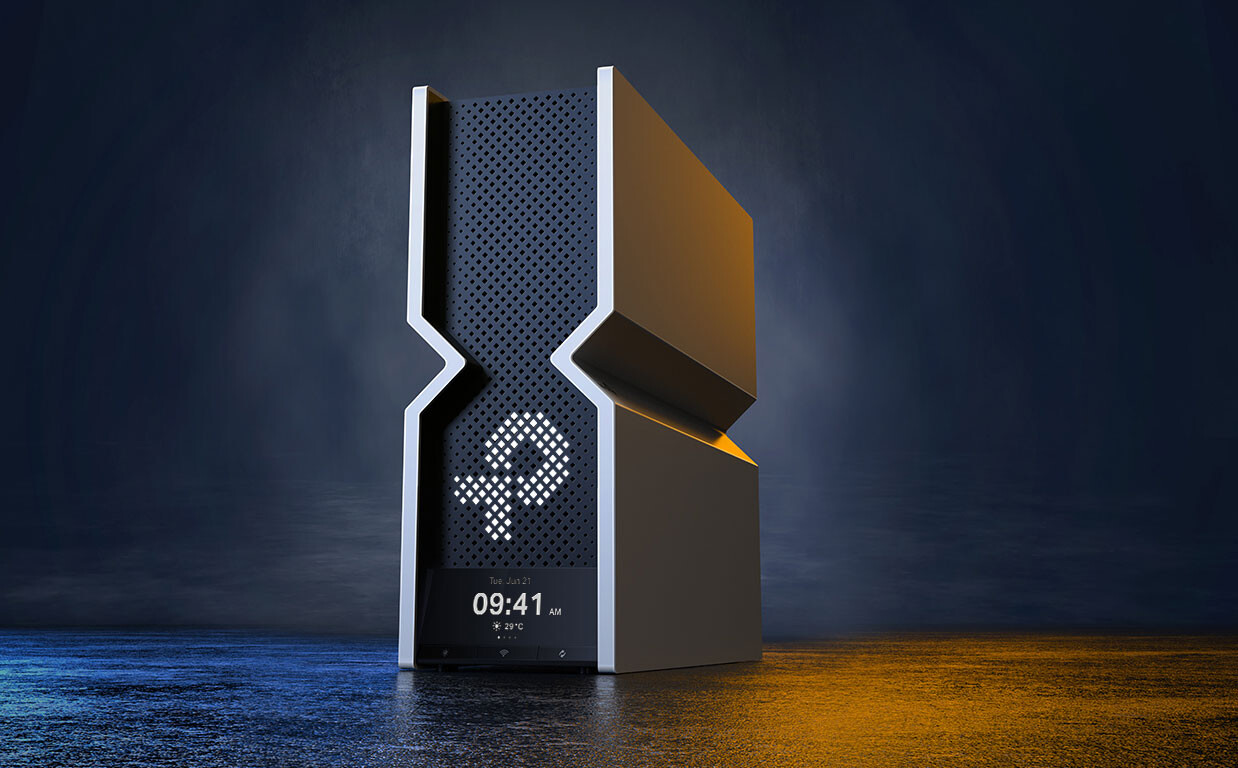
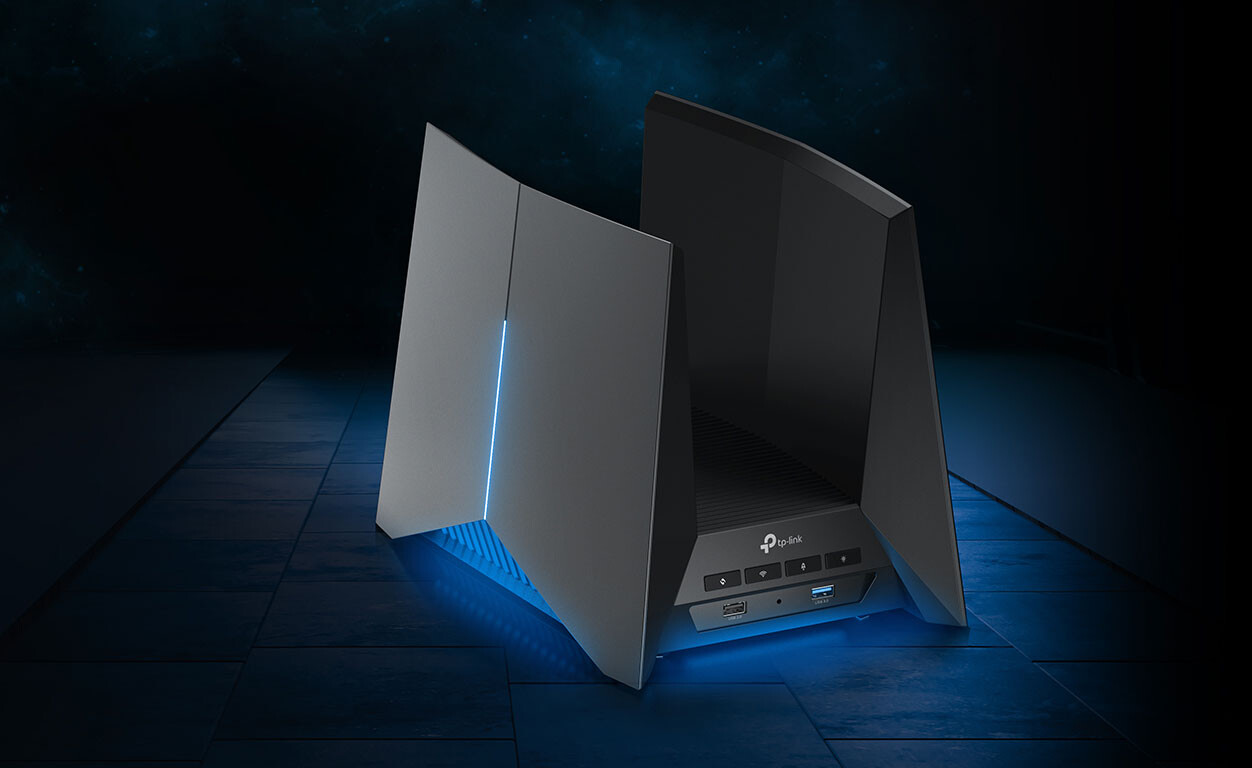
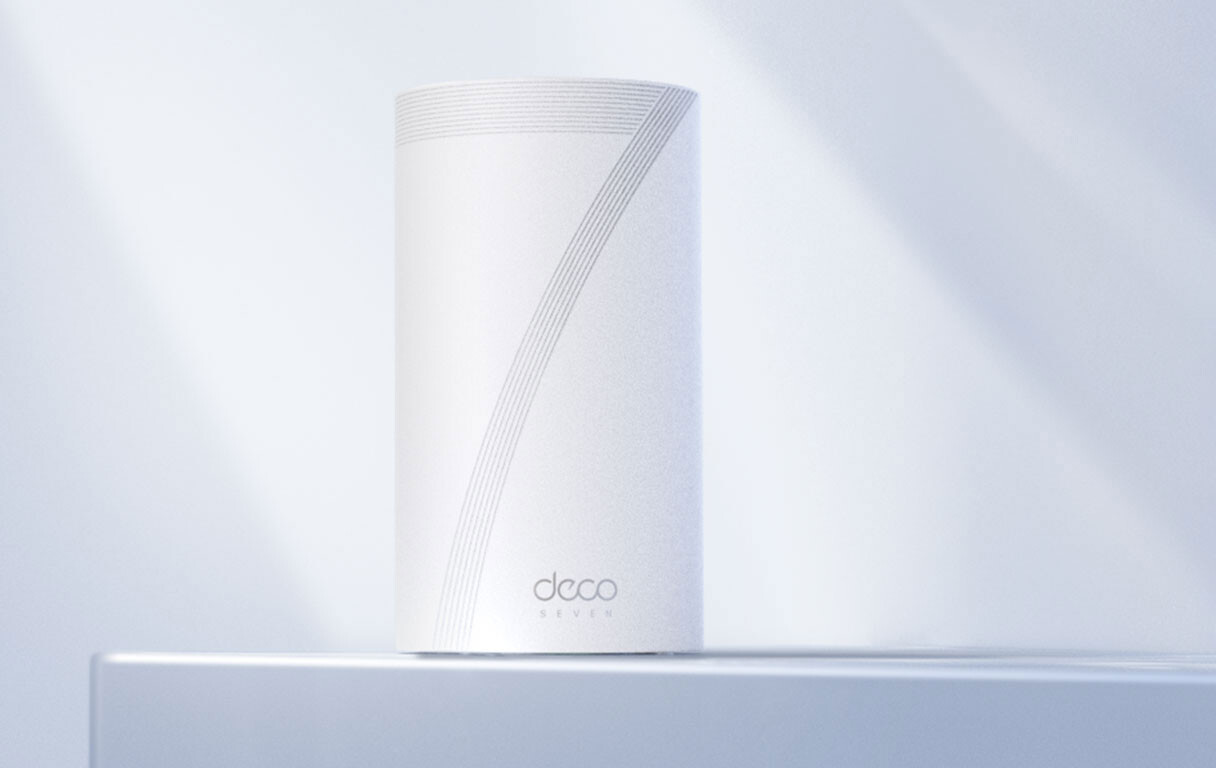
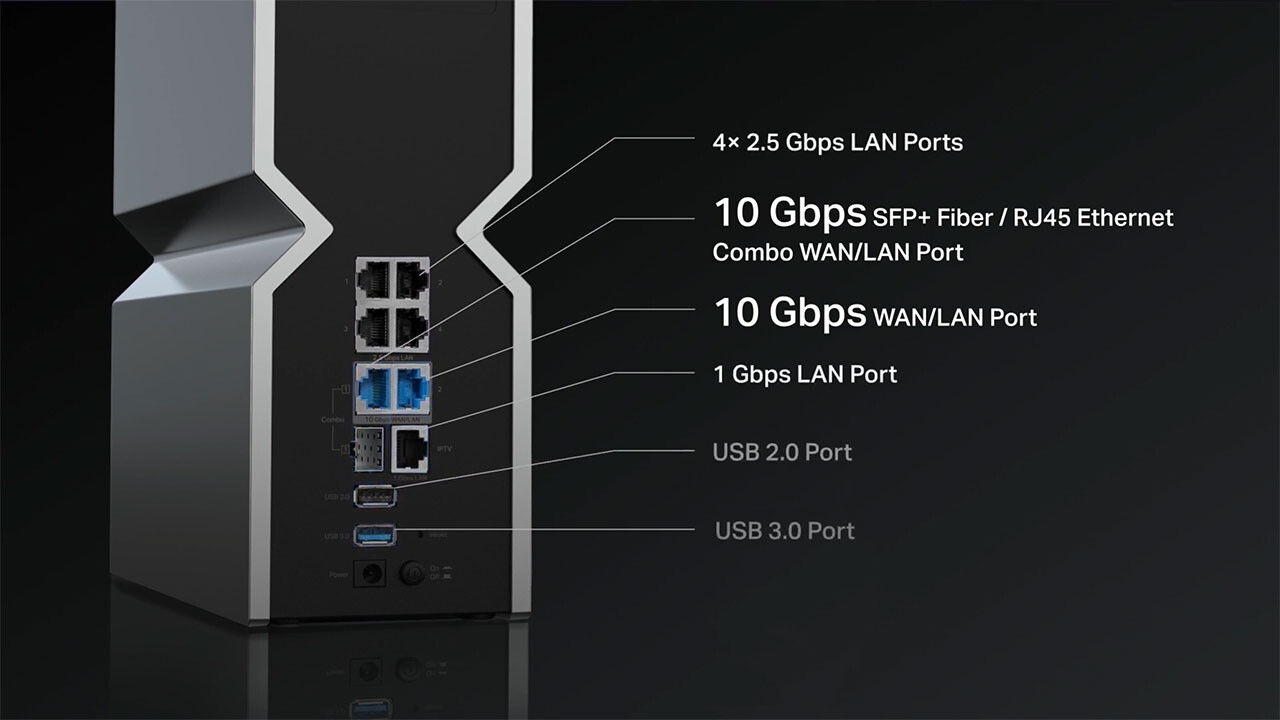
TP-Link Unveils the World's 1st Complete WiFi 7 Networking Solution for Homes and Enterprises

TP-Link, a leading global provider of consumer and business networking products, today held an epochal WiFi 7 product launch to announce its WiFi 7 networking solution.

As the world's first vendor to release a full home and enterprise WiFi 7 product line, TP-Link launched new WiFi 7 routers, Deco products, Omada EAPs, and Aginet products for ISP markets to cover all usage scenarios. Additionally, TP-Link's new HomeShield 3.0 provides more reliable and smarter network solutions.

ASUS Announces More Intel Z790 ROG, TUF Gaming and ProArt Motherboards

ASUS today announced the availability of new Intel Z790 motherboards, including the ROG Maximus Z790 Apex, TUF Gaming Z790-PLUS WiFi and ProArt Z790-Creator WiFi - all of which provide DDR5 memory module support and PCIe 5.0 slots for video cards and storage.ASUS Z790 motherboards offer tremendous value to anyone assembling an Intel 13th Gen machine that includes AEMP II, AI Overclocking, AI Cooling II, PCIe 5.0 M.2 slots, Thunderbolt 4, WiFi 6E, Quick Charge 4+ technology and comprehensive connectivity. Overall, new ASUS Z790 motherboards are ideal solutions for any user who wants to build a next-gen machine or upgrade their existing system.

First up is the ROG Maximus Z790 Apex. The ultimate option for memory overclocking enthusiasts, this motherboard boasts a cutting-edge feature set. Then, for creative professionals of all kinds, ASUS offers the ProArt Z790-Creator WiFi. This motherboard offers premium connectivity and bespoke style, and it's fully ready for next-gen graphics cards and ultra-fast PCIe 5.0 storage. Finally, ASUS is bolstering its TUF Gaming lineup with the TUF Gaming Z790-Plus WiFi, which brings DDR5 support to the family.

VESA Releases DisplayPort 2.1 Specification

The Video Electronics Standards Association (VESA) announced today that it has released DisplayPort 2.1, the latest version of the DisplayPort specification, which is backward compatible with and supersedes the previous version of DisplayPort (DisplayPort 2.0). VESA has been working closely with member companies to ensure that products supporting DisplayPort 2.0 would actually meet the newer, more demanding DisplayPort 2.1 spec. Due to this effort, all previously certified DisplayPort 2.0 products including UHBR (Ultra-high Bit Rate) capable products - whether GPUs, docking station chips, monitor scalar chips, PHY repeater chips such as re-timers, or DP40/DP80 cables (including both passive and active, and using full-size DisplayPort, Mini DisplayPort or USB Type-C connectors) - have already been certified to the stricter DisplayPort 2.1 spec.

Achieving a robust, end-to-end user visual experience remains the utmost priority for VESA's DisplayPort specification, whether across a native DisplayPort cable, via DisplayPort Alt Mode (DisplayPort over the USB Type-C connector), or tunneled through the USB4 link. As such, DisplayPort 2.1 has tightened its alignment with the USB Type-C specification as well as the USB4 PHY specification to facilitate a common PHY servicing both DisplayPort and USB4. In addition, DisplayPort 2.1 has added a new DisplayPort bandwidth management feature to enable DisplayPort tunneling to coexist with other I/O data traffic more efficiently over the USB4 link. This increased efficiency is on top of mandated support for VESA's visually lossless Display Stream Compression (DSC) codec and VESA's Panel Replay capability. DSC bitstream support can reduce DisplayPort transport bandwidth in excess of 67 percent without visual artifacts, while VESA's Panel Replay capability can reduce DisplayPort tunneling packet transport bandwidth in excess of 99 percent when Panel Replay operation is taking place.

Netgear Paves the Way for the Fastest Home Broadband Speeds Available With New 10 Gig Orbi Tri-Band Wifi 6 Mesh System

NETGEAR, Inc., the leading provider of award-winning connected products designed to simplify and improve people's lives, today launched a new addition to its Orbi line. The Orbi 860 Series builds on the award-winning Orbi 850 Series by future-proofing the best seller with a 10Gb Ethernet port, supporting multi-gig internet connections; upgraded antenna design for greater WiFi performance and a bundled year of NETGEAR Armor, providing homes with an automatic shield of security against internet threats across every connected device.

Following on the tremendous success of the Orbi 850 Series (WiFi 6 AX6000 Mesh System RBK853), the Orbi 860 Series joins NETGEAR's industry-leading WiFi 6 Whole Home Mesh WiFi portfolio. The past few years have seen huge changes to internet usage spurred by the pandemic, including a dramatic increase in just about everything from home-- working, shopping, learning, and socializing. As Internet Service Providers enable faster multi-gig internet speeds, up to 10 Gigabits per second, and hackers create new sophisticated cyber-attacks, high-performance and secure WiFi become imperative.

Western Digital Turbocharges Versatility with New SanDisk Professional PRO-G40 SSD

Western Digital Corp today announced it has expanded its SanDisk Professional line of premium storage solutions with the new PRO-G40 SSD that supports dual-mode compatibility with both Thunderbolt 3 and USB 3.2 Gen 2 interfaces. Inspired by the way people create and share data today, this new drive is the company's most rugged offering to date with a high-level IP68 rating, allowing professionals to immerse themselves in the action wherever their work or vision takes them.

"The nature of my work is unpredictable and as a result I must be incredibly flexible and versatile. I share the same expectations for every piece of equipment that I use from capture to archive which is why the SanDisk Professional PRO-G40 drive will immediately be a crucial part of my workflow," said Andy Handcock, action, portrait and reportage photographer, and PRO-TEAM ambassador. "I need storage solutions that are lightweight, compact, rugged, and insanely fast. This checks all the boxes for me. The PRO-G40 SSD can easily withstand the rigors of travel and location work while doing so with a minimal footprint. Thanks to SanDisk Professional products like these, workflow is one less thing I need to stress about which frees me to focus more on the creative. That is paramount."

NZXT Announces the N7 B650E AM5 Motherboard

Last week NZXT announced its high-end Z790 motherboard for Intel's upcoming 13th gen Core processors and this week, the company is following up that announcement with its first AM5 motherboard for the Ryzen 7000 series, in the shape of the N7 B650E. The board comes with either white or black shielding, although the PCB is black in both cases, as is the rear I/O cover. NZXT has gone for a mid-range feature set, with a 16+2+1 Smart Power Stage design rated at 90 A, which places it on par with ASRock's B650E Steel Legend. Speaking of ASRock, it has been NZXT's OEM in the past, but we can't find a board with the same general layout as the N7 B650E in ASRocks' lineup this time around, so this is either a proper custom design or NZXT has changed its OEM partner.

The board has one PCIe 5.0 x16 slot and two PCIe 4.0 x16 slots, with one having four lanes of bandwidth and the other two lanes of bandwidth. The board also features three M.2 slots, one PCIe 5.0 and two PCIe 4.0, one of which is limited to two lanes of PCIe bandwidth. Other features include 2.5 Gbps Ethernet, a WiFi 6E/Bluetooth 5.2 combo module, an HDMI 2.1 port, four SATA ports and sadly what appears to be a 10 Gbps rather than a 20 Gbps USB-C port around the back. There's also a front header for another 10 Gbps USB-C port. NZXT has all the standard features you'd expect to see on a modern motherboard such as rear mounted clear CMOS and BIOS flashing buttons, debugging LEDs, albeit the basic kind and a good spread of fan headers and RGB LED connectors. A full set of audio connectors are also present and the audio chip of choice is the Realtek ALC1220. The only real hurdle for this board to become a success is going to be the price tag, as NZXT lists the board on its site for US$349.99/€429.99/£429.99, which is a very steep asking price for what's on offer here.
Return to Keyword Browsing
Nov 11th, 2026 04:11 CST change timezone

New Forum Posts

Popular Reviews

TPU on YouTube

Controversial News Posts