News Posts matching #Asus

Return to Keyword Browsing

Bitspower Introduces New Mono Block for ASUS Crosshair VIII Hero

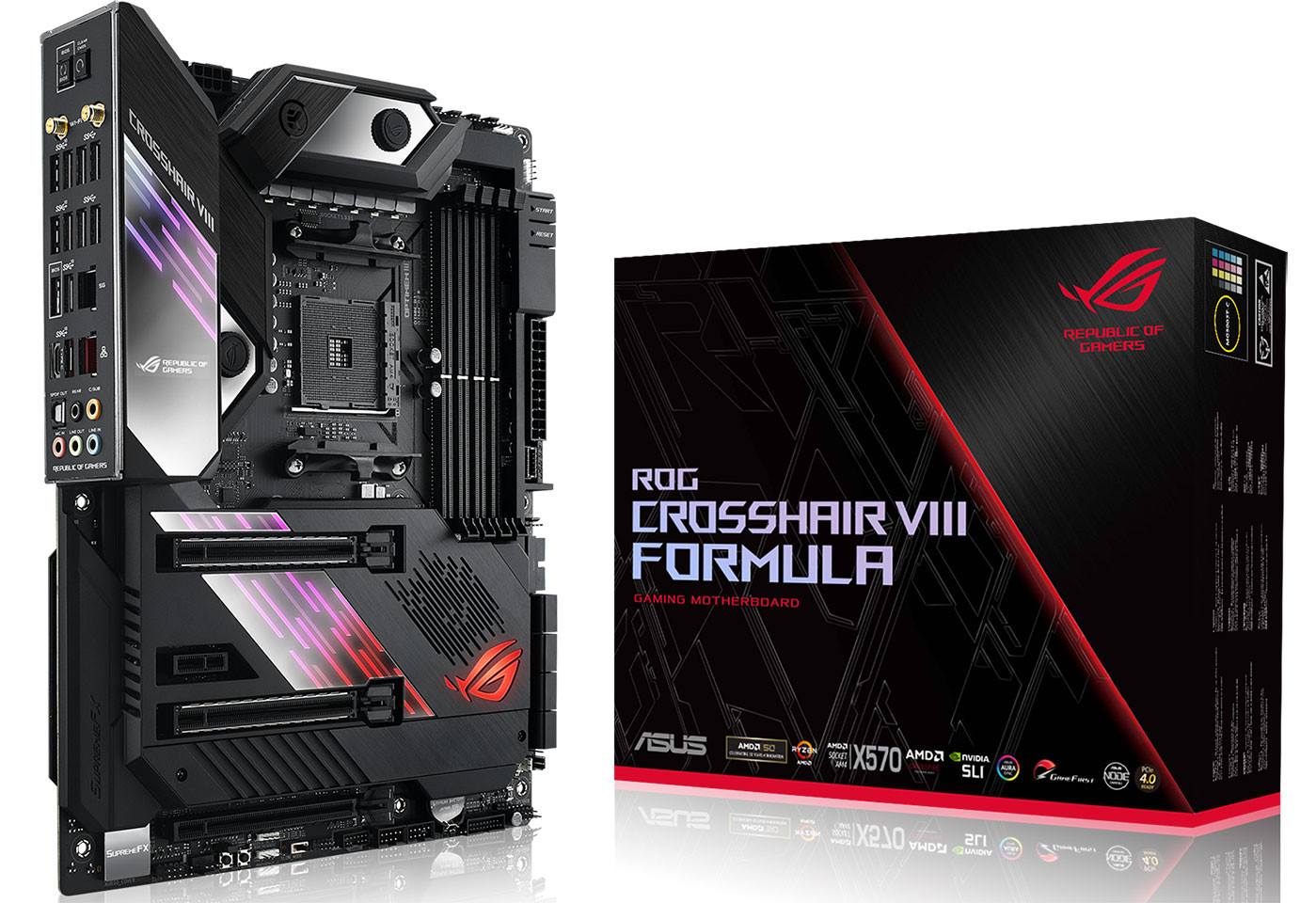
Bitspower informed us earlier today that they have a new mono block out for the ASUS Crosshair VIII Hero motherboard based on AMD's X570 chipset. Titled the BP-MBASX570CVIIIH, it features an acrylic top to allow the end user to see through into the cooling engine and the coolant flow in use and a nickel-plated copper coldplate. The latter, as with any mono block, is massive relative to just a CPU water block since it covers the CPU in addition to the critical power delivery section of the motherboard to ensure no thermal throttling, be it direct or indirect.

The direct injection of the coolant over the microfins via the split central-inlet flow design allows for the CPU to be cooled first, before a parallel split through the VRM section and also a flow indicator wheel as seen in the images below. The mono block also has integrated lighting support via Bitspower's digital RGB LEDs, which in turn are compatible with ASUS Aura Sync and onboard LED headers in addition to Bitspower's TouchAqua dRGB controller. Bitspower also teased more mono blocks on the way, with owners of the ASRock X570 Taichi and Gigabyte X570 Auros Master going to see support coming up shortly.
G.Skill Releases 64GB (8GBx8) Memory Kits in DDR4-4300 CL19 & DDR4-4000 CL16

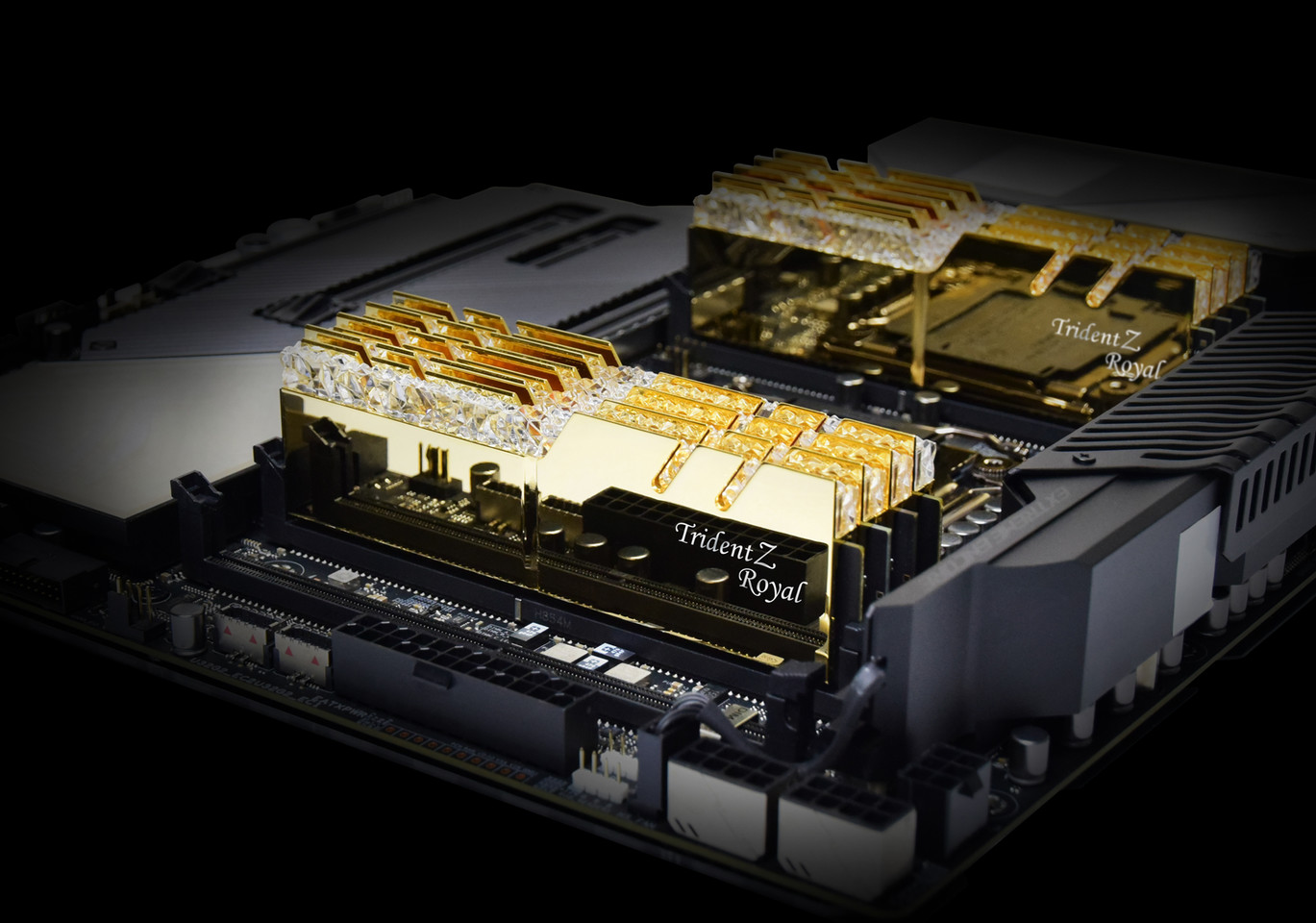
G.SKILL International Enterprise Co., Ltd., the world's leading manufacturer of extreme performance memory and gaming peripherals, is excited to announce high-frequency, high-capacity memory kit specifications to the G.SKILL Trident Z Royal series at DDR4-4300 MHz CL19-19-19-39 and DDR4-4000 MHz CL16-18-18-38, both in kit capacity of 64 GB (8x 8 GB) and 32 GB (4x8GB). Once again, these extraordinary G.SKILL Trident Z Royal memory kits are built with high performance Samsung B-die components.

As an excellent choice for tasks that require both high-capacity and extreme speed memory, the high-performance DDR4-4300 MHz CL19-19-19-39 64 GB (8x 8 GB) is shown in the stress test screenshot below, validated on the latest ASUS ROG Rampage VI Extreme Encore motherboard and the Intel Core i9-9820X processor. This is the perfect memory solution for building an all-powerful workstation for various content creation workloads, including 3D rendering and multimedia editing.

NVIDIA Quadro RTX 6000 Powers World's Fastest Laptop - ASUS ProArt StudioBook One

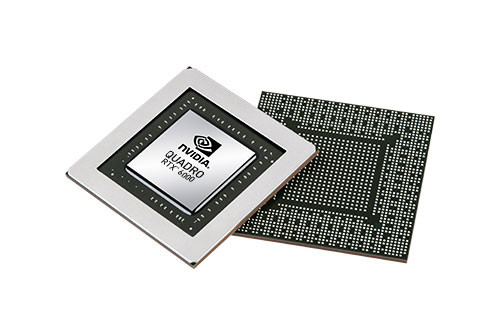
NVIDIA and ASUS today announced that the Quadro RTX 6000 GPU will power the world's fastest laptop, the ASUS ProArt StudioBook One, which joins 11 other new RTX Studio systems, launched just in time for IFA, the world's largest electronics conference, bringing the total number of RTX Studio systems to 39.

The Quadro RTX 6000 at the heart of the ProArt StudioBook One enables creatives and other innovators to tap into the power of a high-end deskside workstation without being chained to their desks. Wherever their work takes them, professionals can harness the RTX Studio-based system to handle massive datasets and accelerate compute-intensive workflows, such as creating 3D animations, rendering photoreal product designs, editing 8K video, visualizing volumetric geophysical datasets and conducting walk-throughs of photoreal building designs in VR.

Lian Li and EKWB Launch O11D Distro-Plate G1

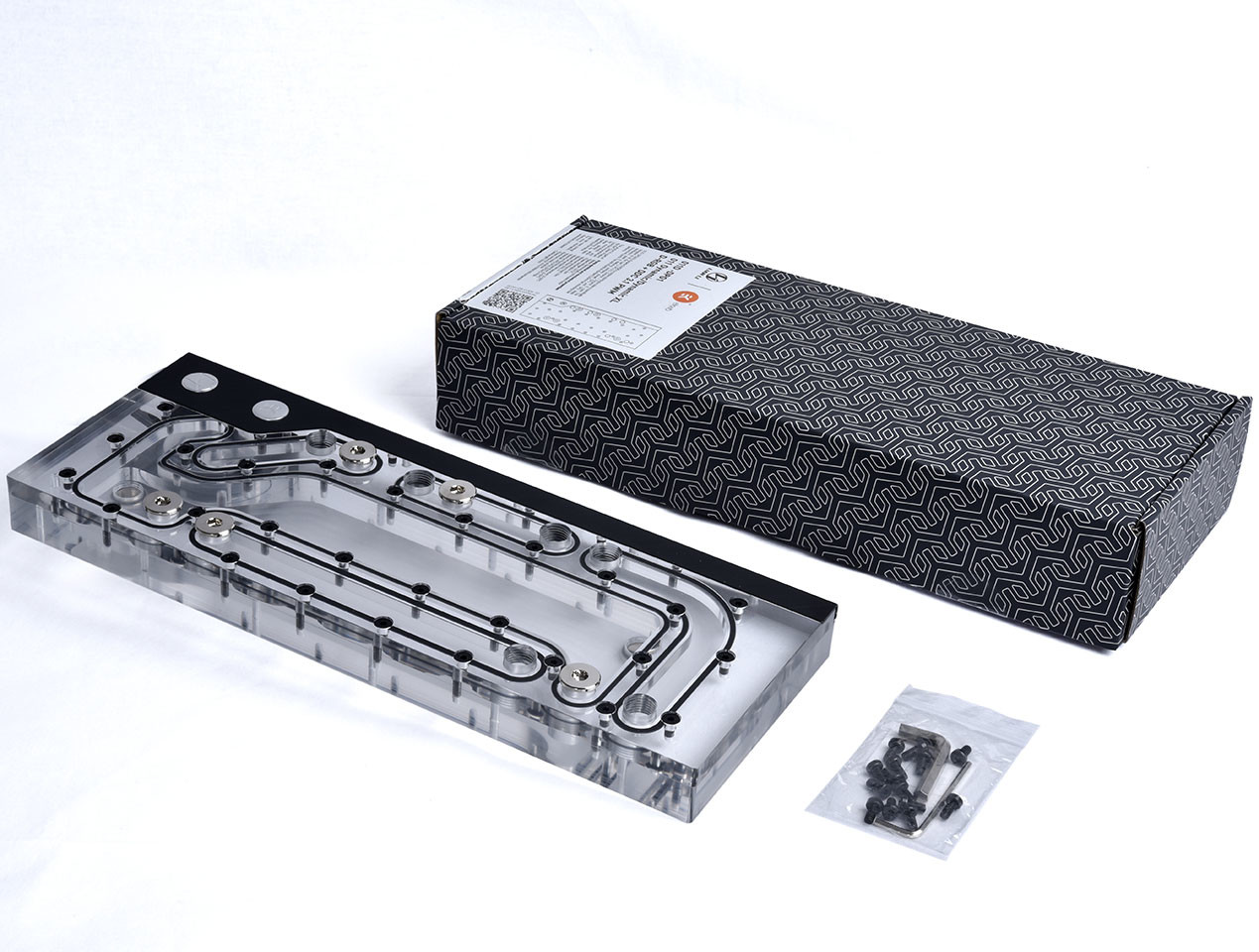
LIAN LI Industrial Co. Ltd., a world-leading manufacturer of aluminium chassis and PC accessories, is proud to announce the launch of the O11D Distro-Plate G1, a custom water cooling reservoir, routing and pump solution designed in partnership with EKWB, a world-renown custom water cooling company. The unique result from this great collaboration is specifically designed to provide a comprehensive water cooling solution for the famous O11D and O11D XL chassis by LIAN LI.

Designed to simplify the custom water cooling build process for beginners PC builders who enter the hard tubing water cooling world, the O11D Distro-Plate G1 offers an all in one solution that includes pump, reservoir, simple mounting mechanism, and multiple industry standards G1/4 threaded inlet and outlets. The placement of these inlets and outlets are perfectly aligned to fit inline with the PC components in order to minimize the number of bends the user has to make in order to create the loop. Able to support, 1 CPU, 2 GPU and up to 2 radiators, custom water cooling has never been so accessible.

Lian Li Announces O11 Dynamic XL ROG Certified Case

LIAN LI Industrial Co. Ltd., a leading manufacturer of aluminium chassis and PC accessories, joins forces again with Germany's renowned overclocker Der8auer to design the O11 Dynamic XL, a bigger and improved version of the award-winning O11 Dynamic. Built with the user's feedback in mind, the O11D XL is set to become the PC chassis of choice for custom loop water cooling, workstation powerhouse build, and gaming enthusiasts for maximum customization.

Made from aluminium and tempered glass, available in black or white, the O11 Dynamic XL is loaded with features to make every PC DIY project a dream come true. Bigger in every way (O11XL D 471 mm, H 513 mm, W 285 mm vs. O11D D 445 mm, H446 mm, W272 mm), cool options becomes limitless.Water cooling enthusiasts can use thicker and longer radiators as well as taller GPU water blocks. Or if air cooling is used instead, the O11 Dynamic XL can accommodate some of the largest tower coolers on the market. Lastly, the increased width of 285 mm, provides improved airflow with the option of adding a 120 mm fan at the rear.

AMD Readies Three HEDT Chipsets: TRX40, TRX80, and WRX80

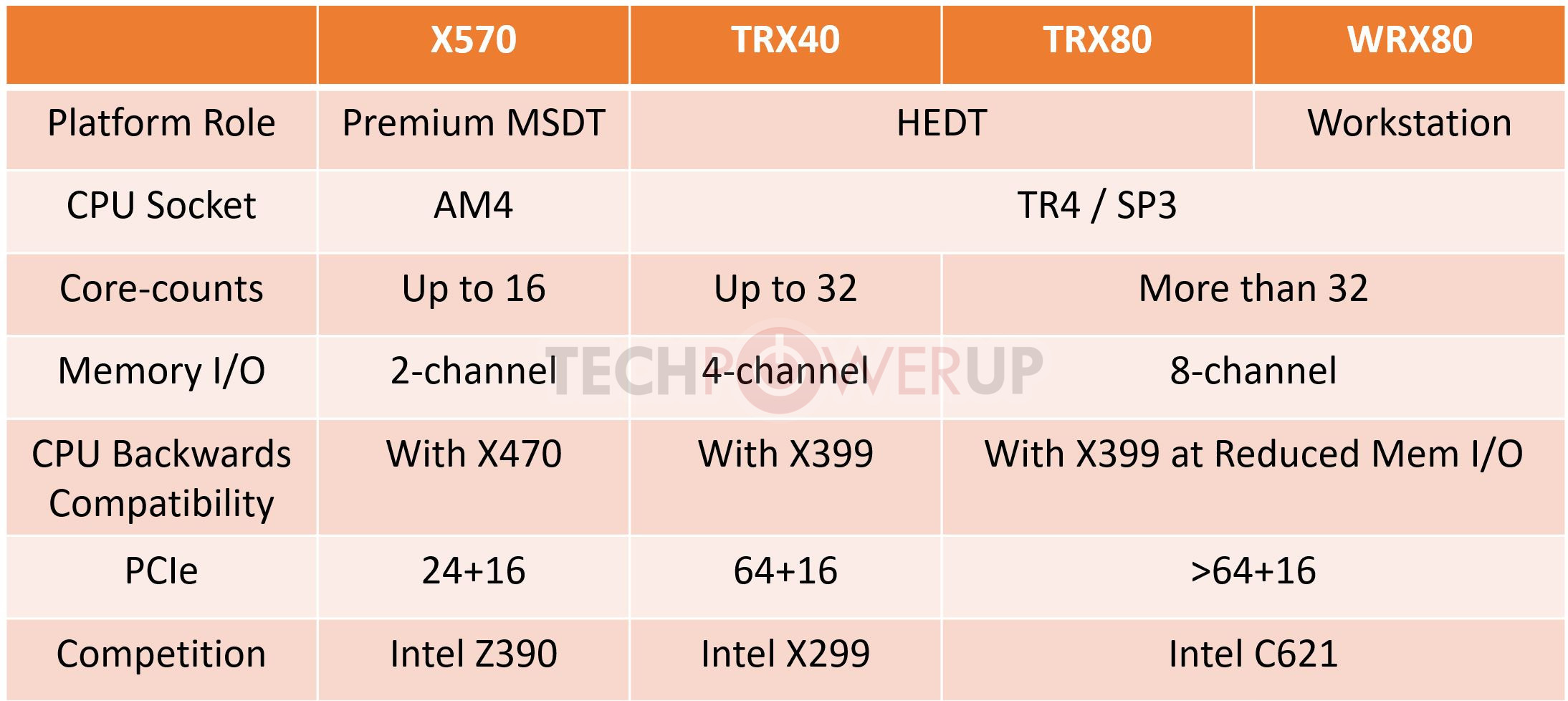
AMD is preparing to surprise Intel with its 3rd generation Ryzen Threadripper processors derived from the "Rome" MCM (codenamed "Castle Peak" for the client-platform), that features up to 64 CPU cores, a monolithic 8-channel DDR4 memory interface, and 128 PCIe gen 4.0 lanes. For the HEDT platform, AMD could reconfigure the I/O controller die for two distinct sub-platforms within HEDT - one targeting gamers/enthusiasts, and another targeting the demographic that buys Xeon W processors, including the W-3175X. The gamer/enthusiast-targeted processor line could feature a monolithic 4-channel DDR4 memory interface, and 64 PCI-Express gen 4.0 lanes from the processor socket, and additional lanes from the chipset; while the workstation-targeted processor line could essentially be EPYCs, with a wider memory bus width and more platform PCIe lanes; while retaining drop-in backwards-compatibility with AMD X399 (at the cost of physically narrower memory and PCIe I/O).

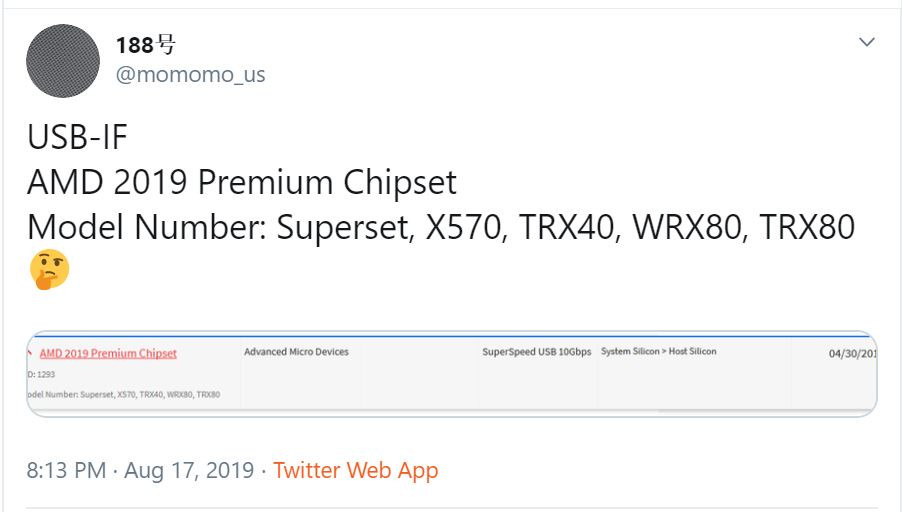
To support this diverse line of processors, AMD is coming up with not one, but three new chipsets: TRX40, TRX80, and WRX80. The TRX40 could have a lighter I/O feature-set (similar to the X570), and probably 4-channel memory on the motherboards. The TRX80 and WRX80 could leverage the full I/O of the "Rome" MCM, with 8-channel memory and more than 64 PCIe lanes. We're not sure what differentiates the TRX80 and WRX80, but we believe motherboards based on the latter will resemble proper workstation boards in form-factors such as SSI, and be made by enterprise motherboard manufacturers such as TYAN. The chipsets made their way to the USB-IF for certification, and were sniffed out by momomo_us. ASUS is ready with its first motherboards based on the TRX40, the Prime TRX40-Pro, and the ROG Strix TRX40-E Gaming.

Windows 10 1903 Has a Nasty Audio Stutter Bug Microsoft Hasn't Managed to Fix

Windows 10 May 2019 Update (version 1903) is the pinnacle of neglect and contempt Microsoft has shown towards the all-important audio subsystem of the modern PC. With it, Redmond has one-upped its last big move against audio, by killing the DirectSound hardware pipeline and mongrelizing PC audio under Intel's lousy and fundamentally anti-competitive Azalia specification that solves common audio compatibility problems under a scorched-earth guiding principle - "kill any feature that could possibly lick our aftersales support budget, by dumping every aspect of audio onto a very restrictive host-signal processing (HSP) architecture, let people come up with their own soft DSPs, because CPUs can handle them." Windows 1903 proves how this approach wasn't a silver bullet against PC audio problems, and is fallible.

I've never owned a PC without a discrete sound card. My first "multimedia PC experience" was powered by a Creative kit that included a Sound Blaster PCI, an Infra-CDROM drive, a clip-on mic, and tiny stereo speaker boxes. ISA-based integrated audio solutions back then were bested by greeting cards. I've since made it a habit to buy a sound card every 5 or so years. No gleaming SNR numbers by Realtek can convince me that an integrated audio solution can best a $100 discrete sound-card, and I've owned plenty of motherboards over the years with the most premium Azalia implementations (be it the ALC889 or the modern ALC1220). My current machines feature an ASUS Xonar AE (a bang-for-the-buck ESS ES9023P implementation with a 150 Ω amp), and a Creative SB Recon 3D. Both cards implement the Azalia pipeline at some level, to survive operating with post-Vista Windows. The SB Recon 3D uses a chip that converts PCIe to the HDA bus; while the Xonar AE uses a PCIe to USB chip and a USB (Azalia) to I2S chip (essentially a USB headset laid out on a sound card with a high-quality analog side). Both cards are borked after the "upgrade" to Windows 10 May 2019 Update (1903), and two successive "Patch Tuesday" updates haven't managed to solve it.

ASUS Outs ROG Strix Scope TKL Deluxe Keyboard

ASUS today rolled out the Republic of Gamers (ROG) Strix Scope TKL Deluxe gaming keyboard. This tenkeyless keyboard is roughly 60% the volume of a full-size keyboard, and has 84 keys. The keyboard features a detachable cushioned palm-rest with faux-leather upholstery. This palm-rest snaps into place with magnetic locks, much like an iPad Smart Cover. The top-plate of the keyboard is made of brushed aluminium. The keycaps are raised above the top-plate.

Function keys F5 to F12 are macroed out, and in their place, ASUS put media control buttons as the primary function. You don't need to hold down any key to switch between the media keys and the Function keys, a 2-way switch does that. The "Stealth Key" is a glorified boss key that hides all your apps and mutes audio for instant privacy. Under the hood, the ROG Strix Scope TKL has Cherry MX RGB mechanical switches, and comes in a variety of flavors such as MX Speed Silver, MX Red, MX Brown, and MX Blue. The electronics provide N-key rollover and anti-ghosting. ASUS Aura Sync RGB handles the keyboard's lighting including color configuration for individual keys. The company didn't reveal pricing.

ASUS Launches its TUF Gaming X3 Radeon RX 5700-series Graphics Cards

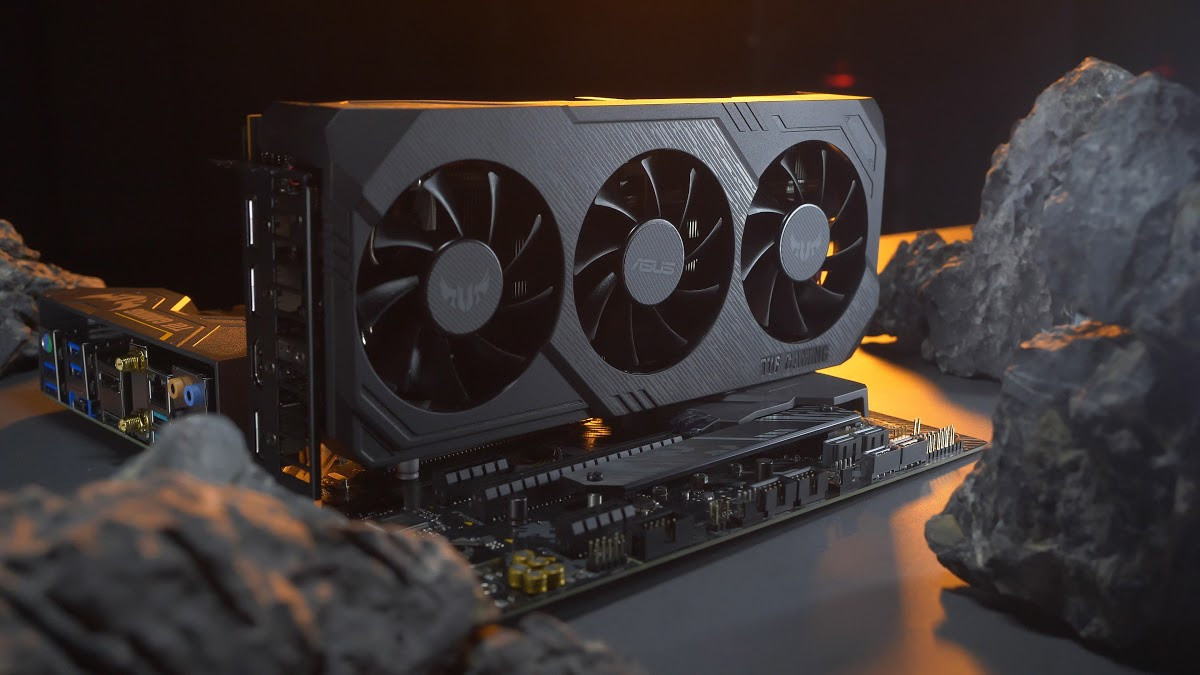
ASUS today launched its TUF Gaming X3 Radeon RX 5700-series "Navi" graphics cards. The TUF Gaming series is positioned a notch below the company's premium ROG Strix RX 5700-series, and above its cost-effective custom-design Dual-series. A common board design is used for both the RX 5700 XT and the RX 5700. It features a macho-looking plastic cooler shroud with the TUF "urban camo" pattern. There's also a metal backplate with the same pattern. The card is based on a custom-design PCB that's shorter than that of the ROG Strix card.

The triple-slot cooling solution of the TUF Gaming X3 Radeon RX 5700-series features a compound aluminium fin-stack heatsink much like the ROG Strix, albeit slightly smaller. Three 80 mm fans ventilate it, although the cooler lacks idle fan-stop. The fans feature IP5X-certified dust-resistance and fluid-dynamic bearings with a "space-grade lubricant." Both cards come with factory-overclocked speeds. The TUF Gaming X3 RX 5700 XT ships with 1650 MHz base, 1795 MHz "gaming" clocks, and 1905 MHz boost; while the TUF Gaming X3 RX 5700 ships with 1565 MHz base, 1720 MHz "gaming" clocks, and 1750 MHz boost. Both cards feature software-based one-click "OC" modes that dial up clock speeds by around 4 percent, which require you to install the GPUTweak utility. The company didn't reveal pricing.

Intel Debuts Visual Identifier for Project Athena

Intel announced that laptops verified through its innovation program, code-named "Project Athena," will feature the visual identifier "Engineered for Mobile Performance." PC manufacturers and retailers can use the identifier across promotional activities and in-store and online retail environments to draw consumers to the laptops that meet the high standards of the program's target specification and key experience indicators (KEI).

The new identifier can be found for the first time today with the new Dell XPS 13 2-in-1, one of the initial systems verified through Project Athena and now available for U.S. customers to purchase from Dell.com. Over the coming weeks, the identifier will also be visible in marketing efforts for the HP Elitebook 1040 and HP Elitebook 830, which are also among the initial laptops verified through the program. Additional laptops are expected from Acer, ASUS, Dell, HP, Lenovo and Samsung for the holiday season.

ASUS ROG Strix Radeon RX 5700 XT OC Detailed Some More

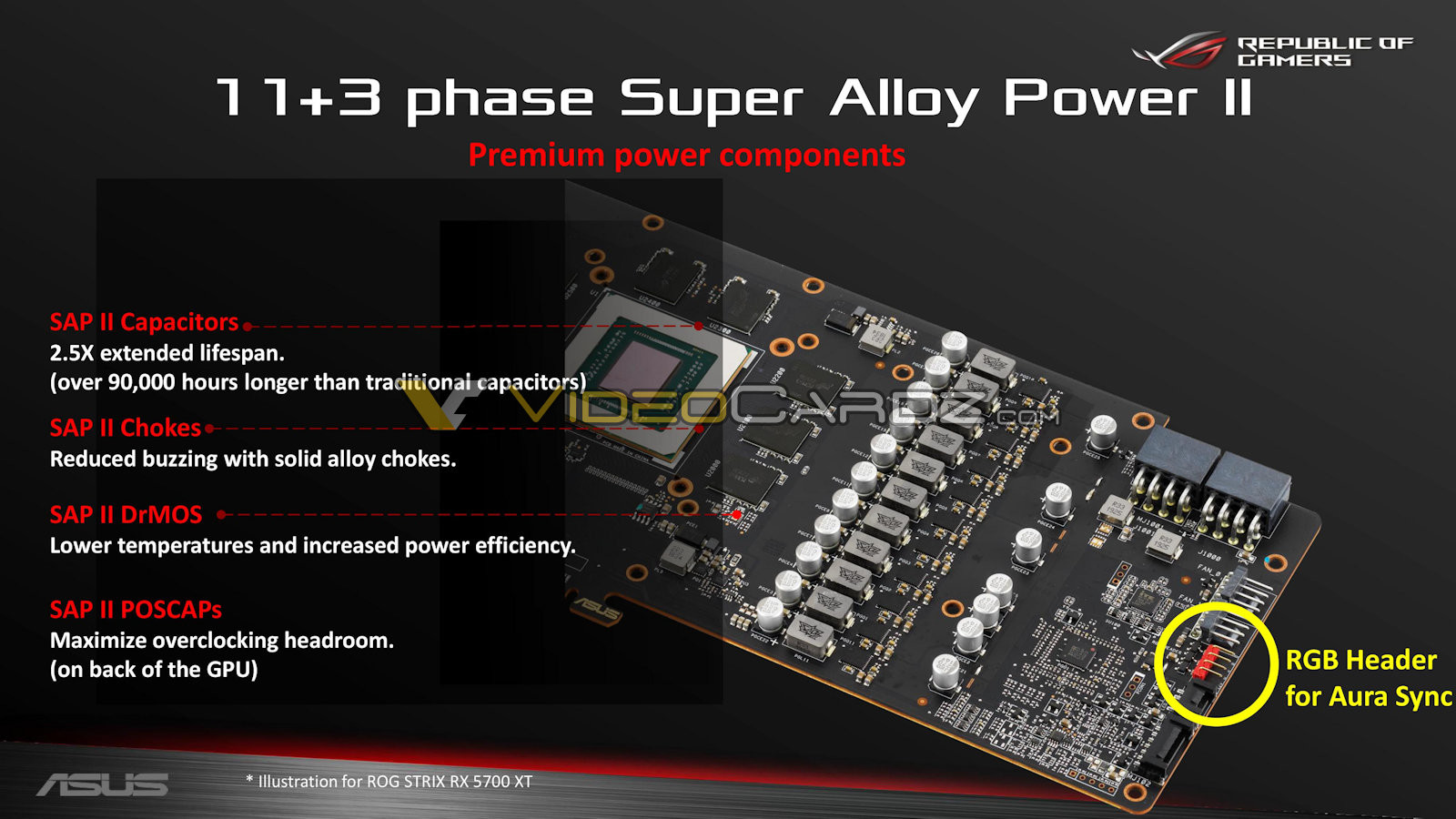
Ahead of its launch, the press-deck of ASUS' premium custom-design Radeon RX 5700 XT graphics card, the ROG Strix RX 5700 XT OC, was leaked to the web by VideoCardz, revealing some fascinating details. Out of the box, the card ships with clock-speeds of 1770 MHz base, 1905 MHz "game clock," and 2010 MHz boost clock, which are closer to AMD's reference-design boost clocks. A software-activated "OC mode," which requires you to install the GPU Tweak software, runs the card at 1840 MHz base, 1965 MHz game clock, and 2035 MHz boost clock. The card features dual-BIOS, which have identical clock-speeds, but change the fan-behavior. Both BIOSes enable idle fan-stop, but one of them reduces fan-speeds when gaming, compared to the other, trading temperatures for noise.

The ROG Strix RX 5700 XT OC is a purely custom-design RX 5700 XT graphics card, with a custom-design PCB that's larger than AMD's reference-design, and features a 14-phase VRM (11-phase vGPU and 3-phase vMem). ASUS deployed its latest Super Alloy Power II (SAP II) component selection, consisting of chokes that don't buzz or whine; and high quality DrMOS. The card draws power from a pair of 8-pin PCIe power connectors, and features a combination of three DisplayPorts and one HDMI. The card also puts out a 4-pin/3-pin RGB/ARGB header, and two 4-pin PWM case-fan headers. The DirectCU III cooling solution features a mirror-finish base that makes contact with the GPU. ASUS claims that the card is 32 percent quieter than the reference-design, and runs 18 percent cooler. It's also 4.7 percent faster than the reference-design

Update Aug 12th: Our review of the ASUS Radeon RX 5700 XT STRIX OC is live now.
More slides follow.

ASUS Radeon RX 5700 XT ROG Strix and RX 5700 TUF Gaming X3 Pictured

ASUS is ready with its custom-design Radeon RX 5700-series graphics cards, and is lining them up to launch some time mid-August. The company is giving the RX 5700 XT some premium treatment with a Republic of Gamers (ROG) Strix OC product; while both the RX 5700 and RX 5700 XT will get a TUF Gaming product. The RX 5700 XT ROG Strix features a large custom-design PCB with a meaty VRM that draws power from a pair of 8-pin PCIe power connectors; and ASUS' premium DirectCU III cooling solution that combines an aluminium fin-stack heatsink with three AxialTech fans.

The ROG Strix RX 5700 XT also offers several high-end features, such as dual-BIOS, idle fan-stop, one-touch RGB-off toggle, power-supply fault LEDs, voltage measurement points, and additional 4-pin PWM case-fan headers with which you can sync your case fans to the graphics card's cooling. It also features addressable RGB LED embellishments on the cooler shroud, the back-plate, and top. Display outputs include three DP 1.4 and one HDMI 2.0b. The RX 5700 and RX 5700 XT TUF Gaming X3 are a slightly different beast. This board design uses a slightly lighter aluminium fin-stack heatsink, yet still ventilated by three fans, and a stylish back-plate. We don't expect features such as idle fan-stop. Both cards will feature factory-overclocked speeds.

Update Aug 12th: Our review of the ASUS Radeon RX 5700 XT STRIX OC is live now.

ASUS Confirms Existence of X590 Boards for AMD Ryzen CPUs

According to VideoCardz'es sources at ASUS, they have received confirmation that ASUS is working on new motherboards for AMD's unannounced chipset offerings, X590 and possibly even X599. In ASUS'es internal documentation two motherboards are appearing with X590 name, PRIME X590-PRO and ROG STRIX X590-E.

These motherboards are named similarly as the current offering from ASUS, the PRIME X570-PRO and ROG STRIX X570-E Gaming, so even though that we don't know if these models will ever hit the market, there is great possibility. Additionally, there is another chipset refresh coming, but now for the HEDT space. ASUS is working on ZENITH II EXTREME, an update to first ZENITH EXTREME motherboard (based on X399 chipset), which is expected to feature updated X599 chipset and should support new ThreadRipper 3000 series of CPUs. For now, we don't have any details of either two chipsets nor the improvements they will bring.

NVIDIA RTX Studio Laptops and Mobile Workstations - Purpose-Built for Creators - Coming from Every Major OEM

NVIDIA today announced that 10 new NVIDIA RTX Studio laptops and professional-grade mobile workstations are being released by major partners, delivering real-time ray tracing, advanced AI and ultra-high-resolution video editing to the world's 40 million creatives.

The latest designs from Dell, HP, Lenovo and BOXX bring the number of RTX Studio models to 27 - including 17 that are now available. These laptops power more than 40 creative and design applications that have turned "RTX On", enabling tens of millions of creatives to harness ray tracing and AI in their workflows. NVIDIA RTX features are being shown at SIGGRAPH this week in software from a diverse set of independent software vendors, including Adobe, Autodesk and Blackmagic Design.

ASUS Rolls Out Pro WS C246-ACE Motherboard with Xeon E-series Support

ASUS today rolled out of the WS C246-ACE, a sober-looking workstation motherboard in the ATX form-factor based on the Intel C246 chipset, which supports not just Intel Xeon E-series processors in the LGA1151 package, but also 8th and 9th generation Core processors. The board draws power from a combination of 24-pin ATX and 8-pin EPS power connectors, conditioning it for the processor with a 9-phase VRM that's cooled by heavy ridged heatsinks. The CPU socket is wired to four DDR4 DIMM slots that support up to 128 GB of dual-channel DDR4 memory, and two metal-reinforced PCI-Express 3.0 x16 slots (x16/NC or x8/x8). Two open-ended PCIe 3.0 x1 and a PCI-Express x16 (electrical gen 3.0 x4) make for the rest of the expansion area.

Storage connectivity on the ASUS WS C246-ACE include two M.2-22110 slots with PCI-Express 3.0 x4 and SATA 6 Gbps wiring, a U.2 port, and four SATA 6 Gbps ports. Networking is care of two 1 GbE interfaces, driven by a combination of Intel i211-AT and i219-LM controllers. The onboard audio solution combines a Realtek ALC1220S CODEC with EMI shielding, ground-layer isolation, and a headphones amp circuit. USB connectivity includes four 10 Gbps USB 3.1 gen 2 ports, all on rear panel, one of which is a type-C port; and six 5 Gbps USB 3.1 gen 1 ports, of which two are via headers. Display connectivity include HDMI and DisplayPort. The company didn't reveal pricing.

AMD AGESA 1.0.0.3ABA Buggy, Company Pulls it from Motherboard Vendors

The latest version of AGESA ComboAM4 microcode that enables 3rd generation Ryzen support on AMD 400-series chipset motherboards has been deemed buggy and pulled from motherboard vendors. AGESA ComboAM4 1.0.0.3ABA (not to be confused with 1.0.0.3AB that's being widely distributed), was originally released to fix an application crash noticed with "Destiny 2." The microcode inadvertantly destabilizes PCI-Express on motherboards, with users of ASUS motherboards complaining of stability issues with the latest BIOS updates that include 1.0.0.3ABA.

Peter "Shamino" Tan from ASUS commented that the company was under a tight schedule to push 1.0.0.3ABA out as BIOS updates, and didn't have the time to properly validate it. "We just got told to pull (was undergoing validation prior) 1003 ABA version," he said, adding the root cause of the problem being "that PCIE speed of BXB-C downgraded from gen4 to gen2,..." He comments "so its not surprising that bugs emerge since the source has hidden bugs that only gets unraveled with thorough testing. combine that with trying to get firmwares out in a tight time frame, kinda damn if you do (release firmware quickly) and damn if you dont (dont release firmware quickly) situation." It's interesting to note that in their BIOS update change-logs, quite a few motherboard vendors omit the full version string of AGESA. You may encounter ComboAM4 1.0.0.3AB being referred to simply as "AGESA ComboAM4 1.0.0.3."

Corsair Announces New 32GB Vengeance LPX DDR4 Memory Modules

CORSAIR, a world leader in PC gaming peripherals and enthusiast components, today announced the addition of 32 GB modules to its range of VENGEANCE LPX high-performance DDR4 memory, allowing PC builders to equip their systems with more DDR4 memory than ever before. VENGEANCE LPX has long been a premiere choice for custom PC builders looking for high frequencies and ambitious overclocks, and that tradition continues with the launch of 32 GB modules - the first time that such a capacity of premium DRAM has been made widely available to consumers in a standard size DDR4 module.

The new modules feature the same craftsmanship and quality that CORSAIR customers expect from the VENGEANCE LPX name. Thoroughly tested for wide compatibility with most current DDR4 motherboards, designed for high-performance overclocking with a pure aluminium heatspreader, and available in multiple colors to match your system's look, VENGEANCE LPX 32 GB DDR4 modules set the standard for enthusiast memory. Launching in frequencies of 2,400 MHz and 2,666 MHz in kits of 1x, 2x,4x and 8x modules, or 3,000 MHz in kits of 1x and 2x modules, you'll be sure to find a configuration to fit your custom PC and take its memory capacity up to 128 GB on mainstream 4-DIMM slot, and up to 256 GB on high-end desktop 8-DIMM slot motherboards.

GeIL launches the EVO X II and EVO X II ROG-certified and Ryzen 3000-optimized Editions

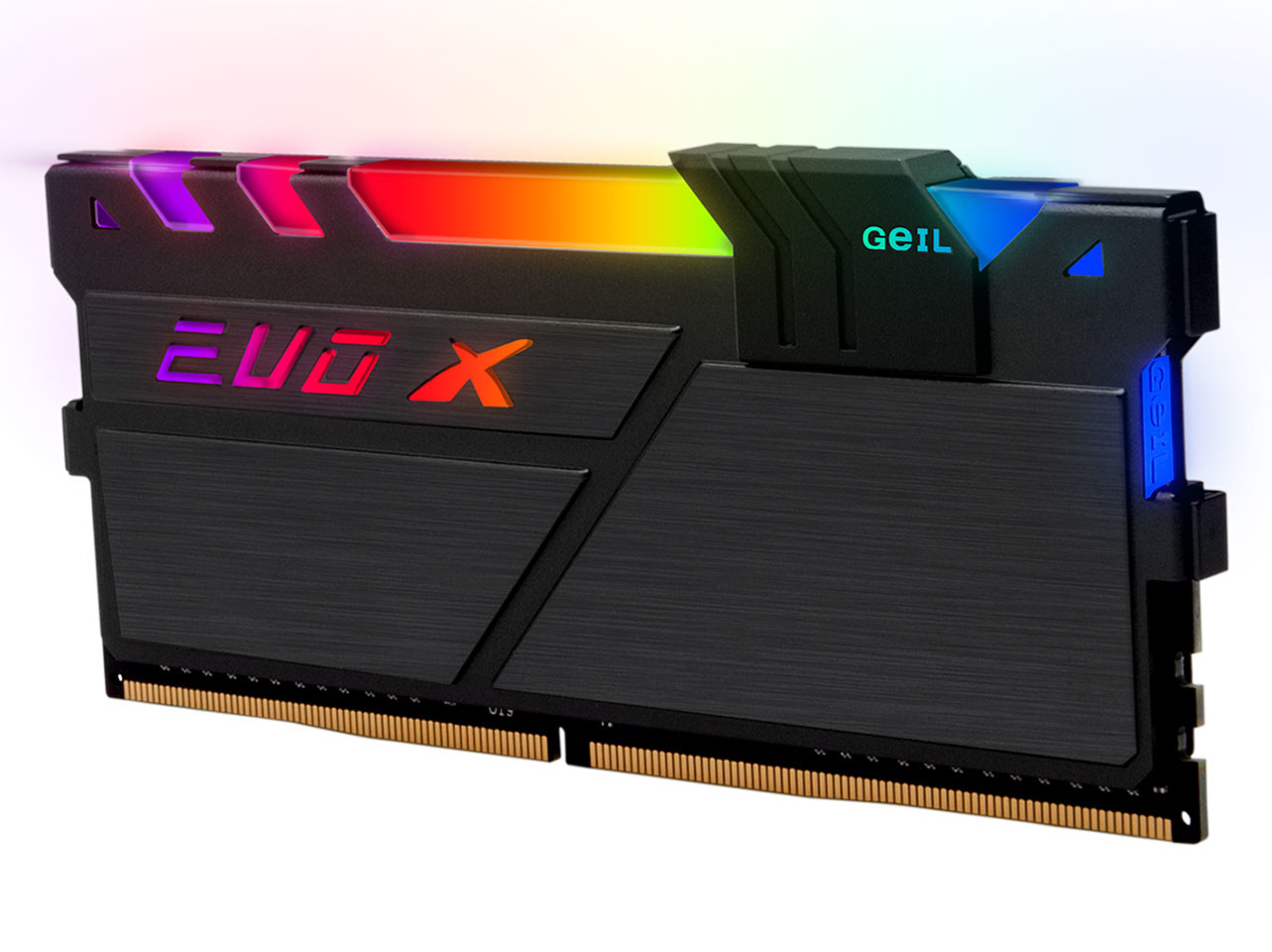
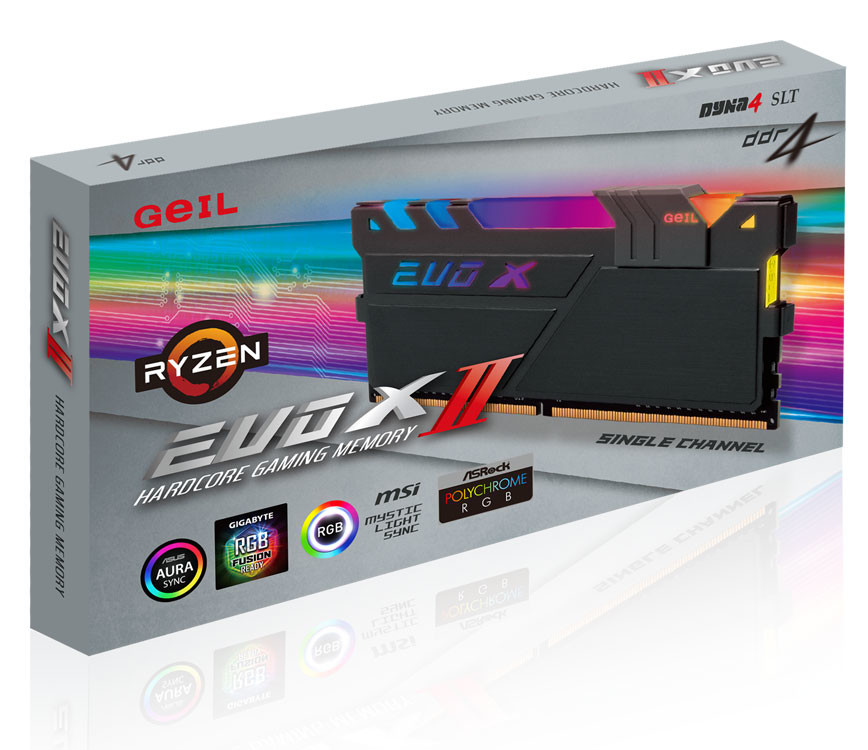
GeIL, Golden Emperor International Ltd. - one of the world's leading PC components & peripheral manufacturers released new additions to their EVO X and EVO X ROG-certified RGB Gaming Memory today. The new EVO X II and EVO X II ROG-Certified inherit their previous generation, and provide an advanced modder-friendly "cableless RGB illumination design" for offering a fascinating RGB lighting effect without hassles of power cable management. Manufactured with outstanding components, the EVO X II dedicated to unlocking hidden overclocking ability and comprehensive compatibility across the latest 3rd Gen AMD Ryzen and Intel platforms. GeIL EVO X II ROG-certified RGB Gaming Memory perfectly supports ASUS AURA lighting control app, when paired with most ASUS ROG motherboards, an automatic performance boost will be enabled for a better overclocking experience.

The EVO X DDR4 series is one of the first RGB DDR4 memory modules in the industry, and it brought the series tremendous praise from gamers and PC enthusiasts around the world. The new EVO X II and EVO X II ROG-certified equipped with "cableless RGB illumination design" offering RGB lighting without power cables or the need for advanced cable management. The EVO X II is available in a new stealth black and frost white design and features high-quality aluminium for better heat dissipation and extra stability.

ASUS Begins Enabling Limited PCIe Gen 4.0 on AMD 400-series Chipset Motherboards

ASUS believes that PCI-Express gen 4.0 support on older socket AM4 motherboards based on the AMD 400-series chipset is technically possible, even if discouraged by AMD. The company's latest series of motherboard BIOS updates that expose PCIe Gen 4 toggle in the PCIe settings, does in fact enable PCIe gen 4.0 to all devices that are directly wired to the SoC. These would be the PCI-Express x16 slots meant for graphics, and one of the M.2 slots that has PCIe x4 wiring to the SoC. Below is a list of motherboards scored by Chinese tech publication MyDrivers, which details the extent of PCIe gen 4.0 support across a number of ASUS motherboards based on the X470 and B450 chipsets.

AMD apparently did not explicitly block PCIe gen 4.0 for older chipsets. It merely suggested to motherboard manufacturers not to enable it, since the newer AMD 500-series motherboards are built to new PCB specifications that ensure PCIe gen 4.0 signal-integrity and stability. ASUS wants to leave it to users to decide if they want gen 4.0. If their machines are unstable, they can choose to limit PCIe version to gen 3.0 in their BIOS settings. Among other things, AMD's specifications for 500-series chipset motherboards prescribe PCBs with more than 4 layers, for optimal PCIe and memory wiring. Many of the motherboards on ASUS' list, such as the TUF B450 Pro Gaming, use simple 4-layer PCBs.

ASUS Rolls Out the Prime A320I-K Mini-ITX Motherboard

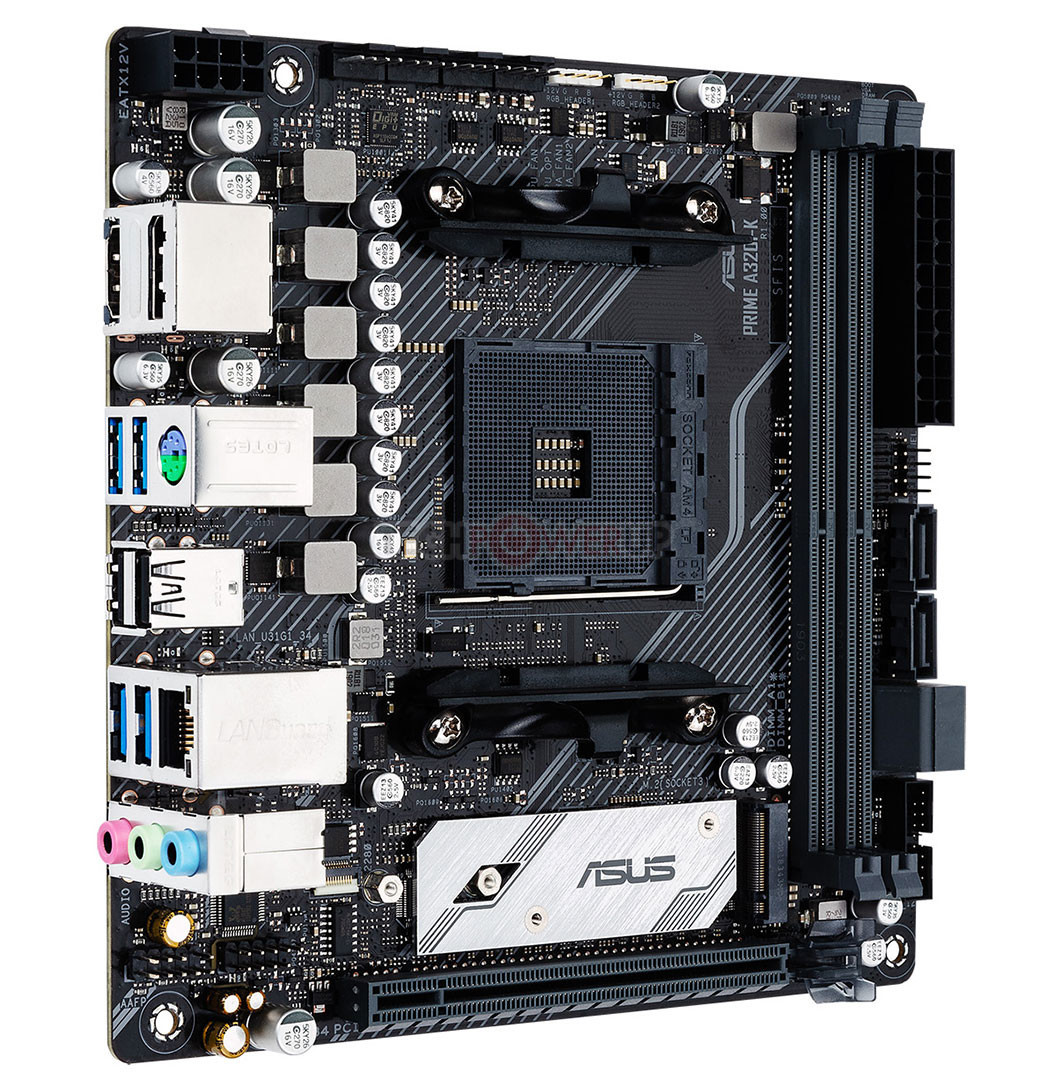
ASUS today rolled out an entry-level mini-ITX motherboard for the AMD socket AM4 platform, the Prime A320I-K. Based on the AMD A320 chipset, the board supports 1st and 2nd generation Ryzen processors out of the box, including the 8-core models. The tiny A320 chipset is tucked away behind a metal heatspreader underneath the M.2-2280 slot. The board draws power from a combination of 24-pin ATX and 8-pin EPS connectors, conditioning it with a 6-phase VRM that makes do without a heatsink.

Storage connectivity on the A320I-K includes four SATA 6 Gbps ports, and an M.2-2280 slot with PCI-Express 2.0 x4 and SATA 6 Gbps wiring from the SoC. The board's lone expansion slot is a PCI-Express 3.0 x16. USB connectivity includes six USB 3.1 gen 1 ports, four on the rear-panel and two via headers; and four USB 2.0 ports, of which two are via headers. Display connectivity includes one each of DisplayPort and HDMI. Networking is care of a single 1 GbE interface driven by a Realtek RTL8111H controller, and the onboard audio solution is an entry-level Realtek ALC887. We expect the Prime A320I-K to be priced around $60.

Scythe Announces Mugen 5 TUF Gaming Alliance Edition with RGB Enhancement

Japanese cooling expert Scythe announces a special edition of the Mugen 5 CPU Cooler as part of the ASUS TUF Gaming Alliance series. Outstanding performance with overclocking potential, high cooling efficiency and an exceptionally sophisticated heatsink design are just three of the many advantages the Scythe Mugen series has to offer. Mugen 5 TUF Gaming Alliance incorporates all the features of the acclaimed series and combines them with the unique TUF Gaming Alliance design along with exclusive RGB illumination. For an even more convenient installation, Scythe has implemented the third revision of its Hyper Precision Mounting System for Mugen 5 TUF Gaming Alliance.

The new Mugen 5 TUF Gaming Alliance CPU Cooler features a carefully designed top-cover, which incorporates the unique patterns as well as logo of the TUF Gaming Alliance series from ASUS . The large and translucent surface area in the top-plate is fitted with RGB LEDs. This illumination is further enhanced thanks to the new Kaze Flex 120 RGB fan, offering rich colors and versatile effects. Kaze Flex 120 utilizes eight RGB LEDs inside the ring around the fan motor for consistent and bright illumination. Users are able to take full control of the RGB settings by connecting the fan directly to a RGB-enabled motherboard. This way it is possible to synchronize the colors and effects using the Asus Aura or other compatible RGB systems.

ASUS Expands ROG Strix LC Lineup with a 360mm Model

ASUS today expanded its ROG Strix LC line of all-in-one liquid CPU coolers with a new top variant that comes with a large 360 mm x 120 mm radiator for better cooling. The ROG Strix LC series had debuted in May with 120 mm and 240 mm variants. ASUS bundles three of the same 120 mm fans it includes with the pricier Ryuo series, which take in 4-pin PWM input, spin between 800 to 2,500 RPM, pushing up to 80.95 CFM of air, with a noise output of up to 29.7 dBA, each. Characteristic to the ROG Strix LC series, the pump-block features spirally-projecting RGB LED diffusers along the sides, and an illuminated ROG logo on top. All lighting is controlled by addressable-RGB (ASUS Aura Sync RGB). The cooler supports nearly all modern CPU socket types, including AM4, LGA115x, and LGA2066. The pump-block supports the Asetek-standard AIO CLC retention module AMD Ryzen Threadripper processors include in their PIB packages.

ASUS ROG Announces First Monitor With Display Stream Compression Technology at E3 2019

ASUS ROG at AMD's Next horizon's event introduced the world's first Display Stream Compression (DSC) capable monitor. The new, 43" behemoth makes use of industry-standard DSC to enable 144 Hz gaming at 4K resolution via a single data cable, with no need to hack image fidelity down to pieces (potentially) by usage of chroma subsampling. AMD's Navi chips will feature this technology, which is why ASUS ROG took to AMD's event to showcase the new monitor.

FreeSync 2 HDR support is guaranteed, as is a Display HDR 1000 rating for increased contrast and improved visuals for HDR content. There's 10-bit color depth available, and the display covers up to 90% of the DCI-P3 gamut. No pricing or release date have been confirmed.

G.SKILL DDR4 Memory Achieves DDR4-5886 and 23 Overclocking Records

G.SKILL International Enterprise Co., Ltd., the world's leading manufacturer of extreme performance memory and gaming peripherals, is excited to announce that 23 overclocking records in various benchmark categories were broken during the Computex 2019 time frame, including the world record for the fastest memory frequency, all using G.SKILL DDR4 memory kits built with high performance Samsung 8Gb components, the latest Intel processors, and high performance motherboards.

This week at the G.SKILL Computex booth, a new world record for fastest memory frequency was set by Toppc, a renowned professional extreme overclocker, reaching an incredible DDR4-5886MHz using the Trident Z Royal memory on a MSI MPG Z390I GAMING EDGE AC motherboard and an Intel Core i9-9900K processor. At the end of Computex 2019, the top two results for the fastest memory frequency are set by team MSI using an identical hardware setup.

ASUS Rolls Out the Hyper M.2 x16 V2 NVMe RAID Card

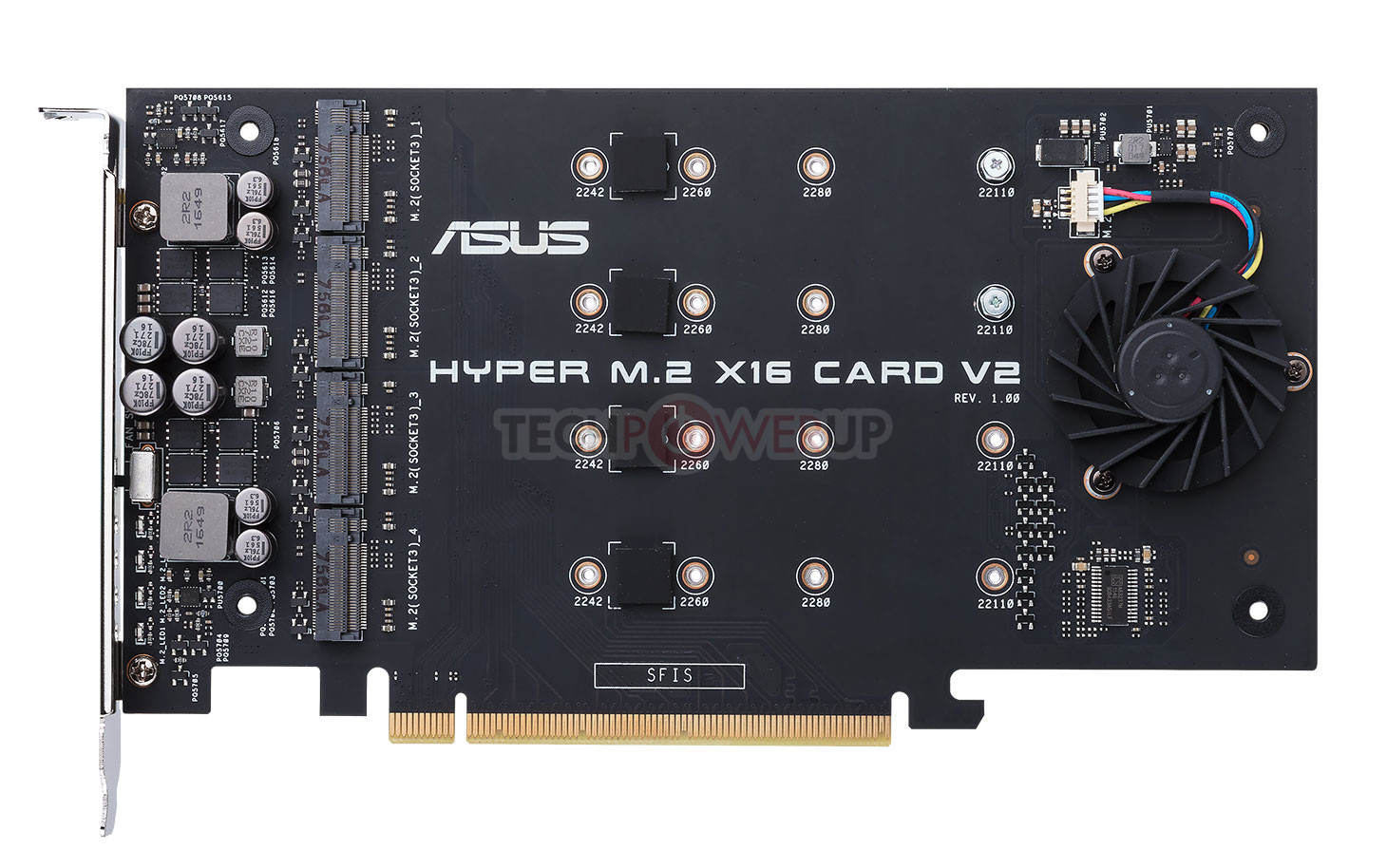
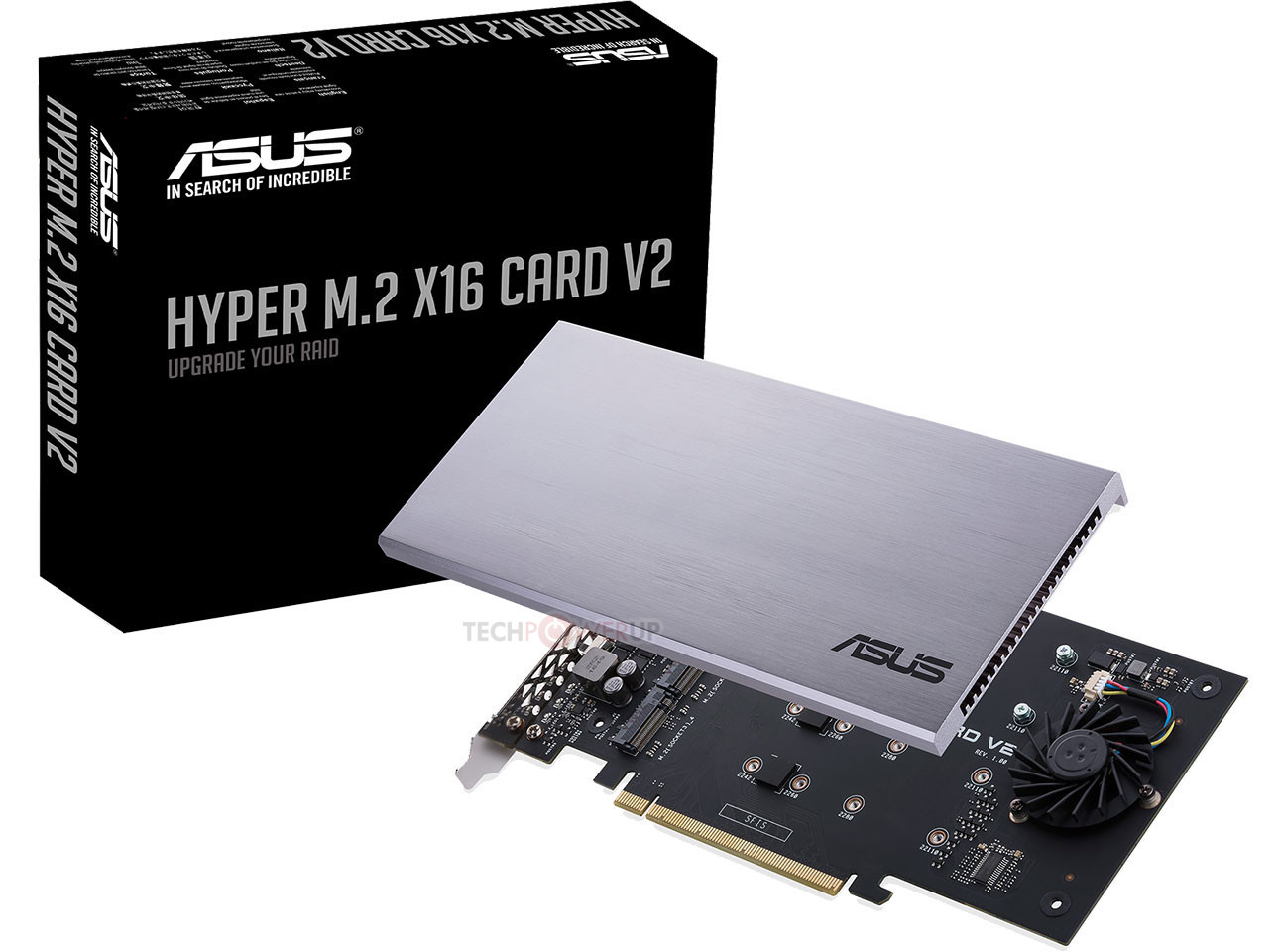
ASUS today rolled out the latest in its series of M.2 NVMe RAID add-on cards, the Hyper M.2 x16 Card V2. A successor to a similar card ASUS released back in 2017, this one comes with improved electrical components, so each of its four slots is guaranteed to put out 14 Watts of power. The card splits a PCI-Express 3.0 x16 link to four M.2-22110 slots, each with PCI-Express 3.0 x4 wiring. There's no PCIe switch logic involved, so your motherboard is required to support PCIe lane segmentation (most HEDT motherboards since 2016 do). The card supports Intel VROC (virtual RAID on CPU), and is tested to work on AMD Ryzen Threadripper processors. ASUS didn't change the thermal solution. You still get a chunky aluminium shroud covering the whole card, and lateral-flow fan pushing air across the drives, which can be turned off. The company didn't reveal pricing.
Return to Keyword Browsing
Nov 26th, 2026 02:03 CST change timezone

New Forum Posts

Popular Reviews

TPU on YouTube

Controversial News Posts