News Posts matching #Display

Return to Keyword Browsing

AMD's RDNA 5 Inches Closer as GFX13 Support Lands in Linux Driver Patches

AMD has begun integrating its next-generation graphics IP into the Linux kernel, releasing a series of eight patches that add GFX13 support to the open-source AMDGPU driver. These patches, submitted to the mailing list on November 9 by AMDGPU maintainer Alex Deucher, contain over 12,600 lines of code, excluding the typically large header files. GFX13 is anticipated to be the graphics core for RDNA 5, although AMD has not officially confirmed this connection. However, since GFX12 has been linked to RDNA 4, it is assumed that GFX13 is the correct codename for RDNA 5.

The patches introduce version 13 of three IP blocks: the "graphics" GFX block itself, the MicroEngine Scheduler (MES), and the IMU. On the compute side, the AMDKFD driver gains initial GC 13 support, a CWSR trap handler for saving and restoring compute wave state, and a temporary change that disables queue reset in the topology. The final patch enables the MGCG, CGCG, and CGLS clock gating features, which reduce power consumption when parts of the GPU are idle. Interestingly, the series mentions two specific targets, GFX 13.0.1 and GFX 13.0.4, indicating that AMD is preparing at least two graphics IP configurations. These version numbers do not correspond to any specific GPU models, so it is unclear which products they relate to. RDNA 5 is expected to be a significant advancement over RDNA 4, necessitating numerous patches to add support.



Fraunhofer IPMS Develops Compact 2K OLED Microdisplay Package with MIPI DSI-2

Researchers at the Fraunhofer Institute for Photonic Microsystems IPMS have developed a new compact package for their 2K OLED microdisplay. The microdisplay package integrates MIPI DSI-2 control and the generation of all required display voltages. The new solution will be presented for the first time at SEMICON Europa 2026 from November 10 to 13, 2026, in Munich - at the Silicon Saxony joint booth in Hall B1, Booth B1-221-25.

OLED microdisplays are frequently used in portable applications such as helmets and smart glasses as well as in optical devices. The new microdisplay package simplifies the integration of Fraunhofer IPMS's 2K microdisplays into such systems, as it combines the microdisplay with the complete electronics required for its control. An integrated 20 mm x 20 mm system-on-module (SoM) implements the MIPI DSI-2 interface via D-PHY, which is widely used in mobile processors and transmits image data and control commands serially at high speeds. The microdisplay package supports up to four data lanes with a data rate of up to 2.5 Gbit/s per lane.

Dead Pixels Creep In Along the Edges of Older WOLED TVs, RTINGS Finds

Fourteen of the 16 WOLED TVs in RTINGS' 18,000-hour accelerated longevity test developed what the outlet calls "edge rot," meaning dead pixels and other damage creeping in along the panel edges. All of these sets use LG Display panels and were released between 2020 and 2023, and the test works out to roughly ten years of typical U.S. viewing. Older WBC panels fared worst, with nine of ten affected and five rated severe, while five of six newer WBE panels also showed it. Only the LG A2 and LG G3 came out clean. Meanwhile, the three QD-OLED TVs in the test, Samsung's S95B and S95C and Sony's A95K, didn't have a single dead pixel. However, RTINGS says three units are too few to call QD-OLED immune.

Unlike burn-in, edge rot doesn't depend on what you watch, so the usual advice of mixing up content won't help. RTINGS suspects contamination during manufacturing or flaws in the encapsulation layer that keeps moisture out, though confirming that would need proper failure analysis. Two staffers also found it on their own LG GX and C1 at home. In a statement to RTINGS, LG said the issue may appear in a very small number of products under prolonged heat, humidity or other harsh conditions, and isn't expected in normal use, which is interesting given that LG Display once argued QD-OLED was more prone to burn-in. RTINGS now rates WOLEDs slightly lower for expected reliability, including newer models as a precaution, though it still considers OLEDs more durable than LCDs. Its next planned test includes 2025 and 2026 models, some with LG's RGB Tandem panels, which should show if it's been fixed.

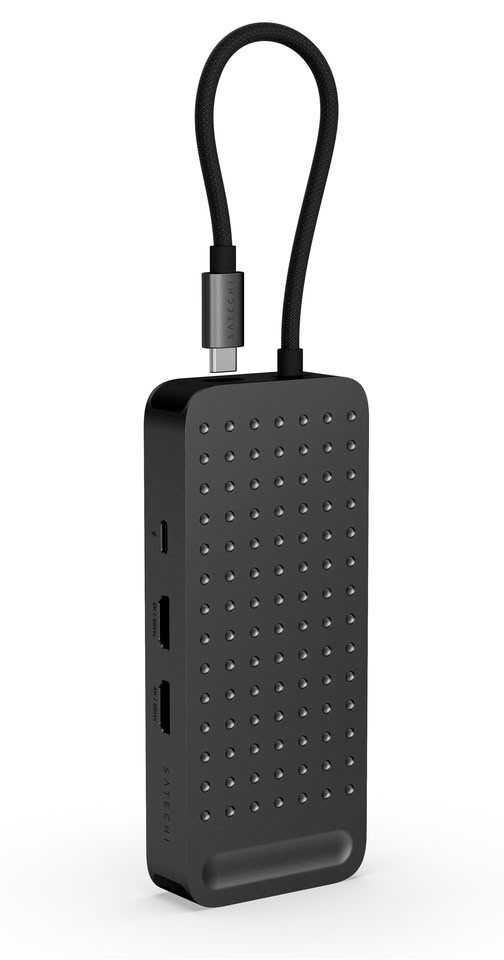
Satechi Launches ExtendView USB4 Dual HDMI Multiport Adapter

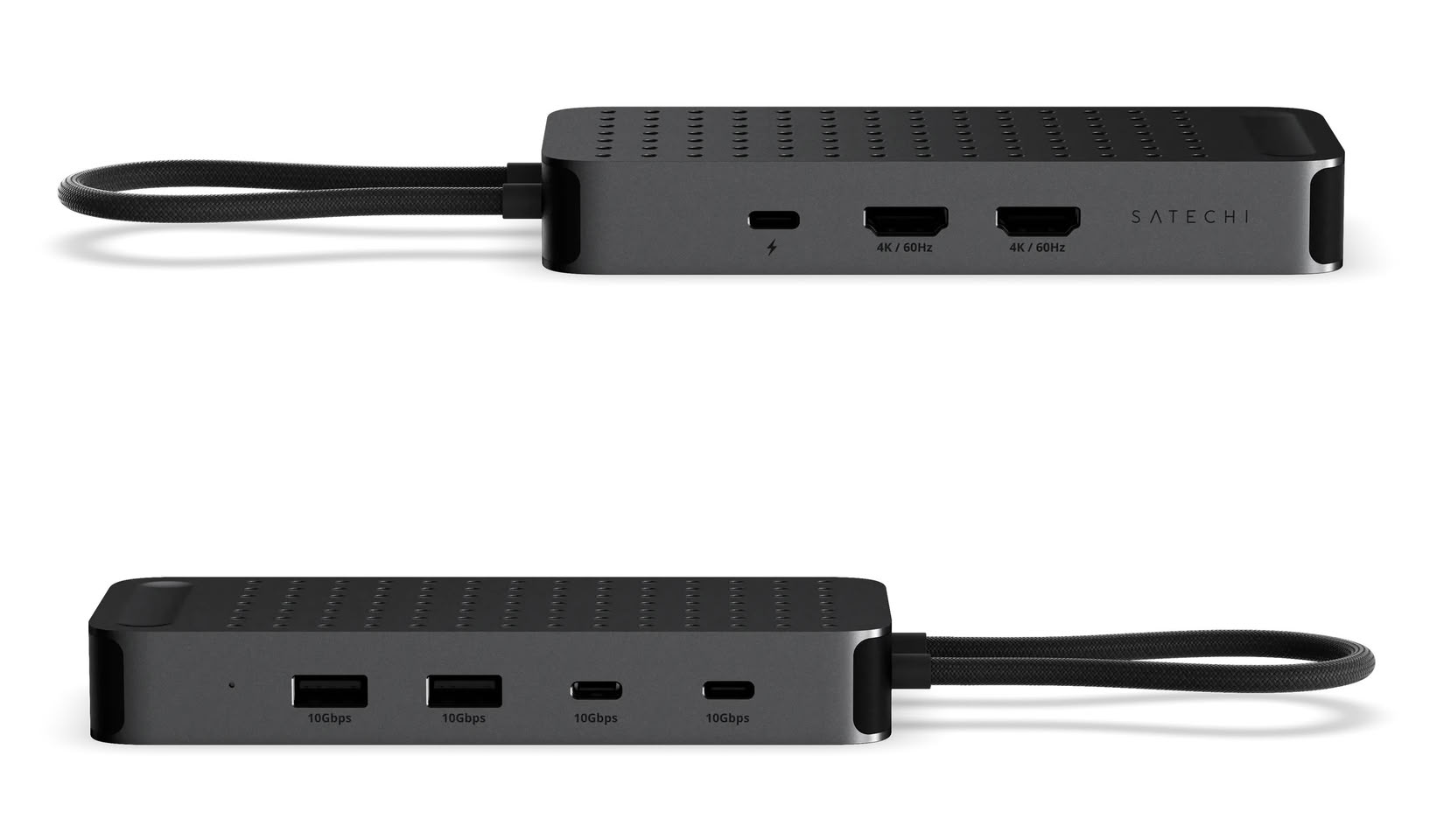
Satechi has introduced the ExtendView USB4 Dual HDMI Multiport Adapter. This is a compact, seven-port hub that connects two 4K displays at 60 Hz through a USB4 cable. The adapter works with Mac and Windows laptops without additional drivers or DisplayLink software. Besides the two HDMI 2.0 outputs, the adapter features two USB-A 3.2 Gen 2 and two USB-C 3.2 Gen 2 ports, all supporting up to 10 Gbps of data transfer speeds. The dedicated USB-C power delivery port accepts up to 140 W from an external charger and delivers up to 125 W to the connected laptop. The USB-C data ports do not support video output, while the power delivery port is limited to charging.

The adapter connects to the host through an integrated 20.1 cm long braided USB4 cable with a bandwidth of up to 40 Gbps. It also features a built-in cable storage slot and an LED power indicator. The aluminium enclosure has an anodized Space Black finish and measures 140 x 59 x 20 mm, with a weight of 168.5 g.

HP Introduces Series 3 Pro 34-inch 120Hz Ultrawide Professional Monitor with 90 W USB-C Power Delivery

HP has introduced the Series 3 Pro 334wp G2 to its monitor lineup, a 34-inch curved ultrawide model for office work. It features a VA panel with a 1500R curve, a WQHD (3440 x 1440) resolution, 120 Hz refresh rate, 3,500:1 contrast, and 300 nits of brightness. Using overdrive, the response time could reach 5 ms GtG. The monitor also works as a USB-C docking display, a single cable can carry video, data, and up to 90 W of power to a laptop. On the connectivity side, it has three USB-A 5 Gbps, one USB-C 5 Gbps with DisplayPort 1.2 Alt Mode, a USB-B upstream, one DisplayPort 1.2, one HDMI 2.0 and an audio jack. HP also added two 5 W speakers in case you need them. There's no webcam or HDR support, and the color gamut is a bit modest, just 85% NTSC coverage. With that color gamut, image or video retouching/editing is possible but not recommended, stick to documents and spreadsheets.

The HP Series 3 Pro 334wp G2 is priced at $329 in the U.S. and comes with a three-year warranty. For comparison, another 34-inch ultrawide docking monitor that just launched, the Lenovo ThinkVision T34WD-4v, is priced higher at €599. However, that model adds a built-in camera, wider color coverage, an ambient light sensor, and Gigabit Ethernet, to name a few.

Global OLED Notebook Shipments Forecast to Grow Over 40% YoY in 2027

Apple's newly unveiled MacBook Pro with PROLED XDR Display marks a significant milestone in the evolution of MacBook display technology and user experience, becoming the first model in the lineup to feature a tandem OLED touchscreen. TrendForce estimates that shipments of the new model will reach 1.2-1.5 million units in 2027. Apple's entry into the OLED notebook market is also providing fresh impetus for panel makers to accelerate the development of advanced display technologies.

However, TrendForce notes that the new MacBook Pro's premium starting price of US$2,899 for the 14-inch model, coupled with its initial availability alongside existing Mini-LED models, could temper near-term replacement demand.

EIZO Releases FlexScan EV2401S Energy-Efficient 23.8-inch Monitor

EIZO Corporation (TSE: 6737) today announced the FlexScan EV2401S - a 23.8-inch Full HD (1920 x 1080) monitor designed for extended deployment across office and homework environments. Building on the proven performance of its predecessor, the EV2480, it combines enhanced visual performance, low power consumption, and an industry-leading warranty to support organizations seeking lasting value from workplace technology.

As organizations reevaluate the technology used across offices and home workspaces, attention is increasingly shifting from short-term specifications to lifecycle value. As one of the most frequently used devices in the workplace, the monitor plays an important role in reducing both operating costs and environmental impact. The EV2401S addresses these priorities with a typical power consumption of just 9 watts and a range of power-saving technologies designed to reduce energy use over time.

Philips Evnia Unveils Latest Gaming Monitors, Featuring the World's First 36-inch 260Hz Display Built for Gamers

Philips Evnia adds the 36M4C5500P, its world's first 36-inch gaming monitor, adopting a 36-inch curved fast VA 1500R panel with Ultra-Wide QHD resolution and a 260 Hz overclockable refresh rate. The 21:9 ultrawide form paired with high refresh delivers crisp visuals and fluid gameplay. Certified DisplayHDR 400 brings immersive HDR effects, while tailored game modes auto-adjust settings for varied game genres.

Introducing the 36-inch Gaming Monitor
Sitting between conventional ultrawide gaming monitor sizes, the 36-inch form factor creates an enticing new category for immersive gameplay. Gamers seeking bigger displays previously had to pick standard ultrawide or upgrade to bulky, TV-sized panels.

Darmoshark Air28 Revealed As 28 G Wireless Fingertip Gaming Mouse

Darmoshark, the Chinese mouse maker previously responsible for the Darmoshark M9, a flagship-spec gaming mouse for gamers with big hands, has come out swinging at the likes of the new Pulsar X2F CrazyLight and G-Wolves Lupine II with the Air28. The new asymmetrical fingertip gaming mouse packs flagship-tier specs into a small shape optimized for a fingertip grip.

Much like the aforementioned G-Wolves Lupine II, the Darmoshark Air28 is an asymmetrical "ergo" fingertip mouse, and it comes in at a claimed 28 g, hence the name. Pricing is unclear as of the time of writing, but the brand has released the specs on its Bilibili page, revealing a PixArt PAW 3955 sensor and a Nordic 54L15 MCU, granting it 8 kHz polling, up to 30,000 DPI, 60 G acceleration, and 850 IPS tracking speed. The Air28 will also have optical mouse switches when it launches, although an exact launch date is as yet unclear. When it launches, it will feature both 2.4 GHz wireless and USB Type-C wired connectivity.

TCL Readies 700 Hz OLED Panels for 2028

TCL's panel arm, TCL CSOT (China Star), is planning OLED monitor panels with refresh rates of up to 700 Hz, according to a new Omdia report on OLED monitor shipments. The panels will apparently come from TCL's Gen 8.6 inkjet-printed (IJP) OLED line in Guangzhou, which is expected to begin production in 2028, and will include larger sizes such as 32-inch and 34-inch. No resolutions were given, and it's not clear whether 700 Hz will be a native refresh rate or a dual-mode setting at a lower resolution. TCL is starting smaller, with its Gen 5.5 line set to ship 27-inch UHD 120 Hz IJP OLED panels in Q3 2026 for an MSI content-creation monitor. If the 2028 timeline pans out, TCL could be the first to mass-produce IJP OLED monitor panels at Gen 8.6.

The 700 Hz figure isn't a record, however. LG Display already makes a 24.5-inch 1080p 720 Hz OLED panel, used in the ASUS ROG Swift OLED PG259QWS Ace, and the ROG Swift PG27AQWP-W hits 720 Hz in its lower-resolution dual mode. The interesting part is getting that kind of speed onto 32-inch and 34-inch panels, using a printing process that wastes less material. As for the rest of the industry, Omdia expects 6.1 million OLED monitor panels to ship in 2026, a 79% jump over last year, rising to 7.5 million in 2027. Prices are falling too, as 27-inch 240 Hz OLED monitors dropped over 40% this year. A third major supplier next to Samsung Display and LG Display should help that trend, though 2028 is still a long way off.

AOC Intros U27G4Z Dual-Mode 4K Fast IPS 240/480 Hz Gaming Monitor

AOC introduced a new 27-inch gaming monitor in China, the U27G4Z model features a dual-mode Fast IPS panel capable of 240 Hz at 3840 x 2160 or 480 Hz at 1920 x 1080. The monitor has a 1 ms GtG response time, a claimed 0.3 ms MPRT (Moving Picture Response Time), and Adaptive-Sync and NVIDIA G-SYNC Compatible certifications. Speaking of certifications, the AOC U27G4Z also carries VESA DisplayHDR 400 certification, with 350 nits in SDR mode and 450 nits in HDR mode. It has a 1,300:1 static contrast ratio and covers 99% of sRGB and 95% of DCI-P3. For connectivity, it offers two HDMI 2.1, one DisplayPort 2.1 and two USB 3.2 Gen 1 Type-A downstream ports, a USB upstream port, and audio output since the monitor does not feature any speakers. Display Stream Compression (DSC) is required for the highest-bandwidth display modes.

The AOC monitor also supports Picture-in-Picture and Picture-by-Picture, and gaming features such as crosshair overlays, shadow control, and motion-blur reduction through MBR and MBR Sync. The included stand provides the full range of adjustments, while the monitor itself also supports VESA 100 x 100 mm mounting. AOC lists the U27G4Z on its Chinese website as mentioned above, however, it has not announced pricing or availability in other regions.

TITAN Xp Finally Runs on Windows XP Thanks to a Modded NVIDIA Driver

A modder going by SupraGSX has released an unofficial Windows XP driver on GitHub that adds support for NVIDIA's GeForce GTX 10-series "Pascal" graphics cards, including the TITAN Xp. Called Forceware 382.69, it is a patched version of NVIDIA's 368.81 driver from July 2016 and only works on 32-bit Windows XP. The timing is a bit funny, since NVIDIA ended regular driver support for Pascal last year and later dropped the cards from its 590 driver branch. However, Forceware's latest release covers the GTX 1060, GTX 1070, GTX 1070 Ti, GTX 1080, GTX 1080 Ti, TITAN X (Pascal) and TITAN Xp, along with some GTX 900-series and Quadro cards.

It also adds DisplayPort 1.4 HBR3 and HDMI 2.0 handling. SupraGSX notes that these are INF additions, and that not every model was individually validated. The October 4 build fixes OpenGL crashes on Pascal, which was verified on a GTX 1080 Ti. Support for GP107 cards such as the GTX 1050 Ti is experimental and untested on real hardware. X user @TheBobPony, who shared a GPU-Z screenshot of a GTX 1080 running on Windows XP, described the driver as "vibe coded." That claim remains unconfirmed currently, as the project's README and release notes make no mention of AI tools. Readers are cautioned to keep unverified drivers off their primary PCs, AI-coded or otherwise. Still, the effort deserves some credit, if only for keeping the Xp on XP meme alive.

TDK Demonstrates New Direct Retinal Projection Display Technology for Smart Glasses

TDK Corporation (TSE:6762) has successfully demonstrated, for the first time in the world, a direct retinal projection (DRP) display for smart glasses using a meta-optic mirror. The flat mirror uses nanoscale reflectors, measures just 150 nm thick and can be embedded directly into a lens. With a visible-light transmittance of approximately 80 percent, it enables smart glasses with transparency equivalent to that of ordinary eyeglass lenses, giving them a natural appearance suitable for everyday use. TDK will exhibit a prototype at CEATEC 2026, beginning on October 13, 2026, and at electronica, November 10-13, 2026.

TDK has established technologies for an ultra-compact full-color laser module (FCLM), one of the smallest of its kind in the world, and a visible-light full-color laser control device capable of achieving 4K resolution. The company has also been developing the key devices required for DRP in smart glasses. Conventional DRP systems used a curved mirror mounted in front of the user's eye to project images onto the retina, making it difficult to achieve smart glasses with a natural appearance. By arranging unique nanoscale reflectors on a plane and creating a structure that changes the angle of light reflection depending on the position of the mirror, it is possible to reflect laser light incident from various angles at the reflection angle necessary for DRP. Therefore, it is possible to replace conventional curved mirrors.

Raspberry Pi Announces Availability of Its Smart Display Module

Back in January, we introduced the Raspberry Pi Smart Display Module, an adapter board for Raspberry Pi Compute Module 5 that is designed to deliver high-quality, low-power display experiences for digital signage and other visual applications. Today, we are delighted to announce that the Smart Display Module is available to buy now from our global network of Approved Resellers.

The Raspberry Pi Smart Display Module was developed in collaboration with Sharp Display Solutions Europe and works with any display or device that supports products conforming to the Intel Smart Display Module (SDM) specification. It provides cost-effective performance with 4K video playback and is fully compatible with numerous content management systems that already support Raspberry Pi 5 or Compute Module 5.

Lenovo Unveils the ThinkVision P27UL-40 IJP OLED Professional Monitor

Lenovo recently unveiled the ThinkVision P27UL-40 IJP (Inkjet Printing) OLED professional monitor—the brand's first 27" UHD IJP OLED Thunderbolt docking monitor for commercial environments and remote collaboration. Created for professionals who demand exceptional visual accuracy, the new display produces sharper text, uninterrupted workflows, and all-day comfort across office work, content creation and multimedia entertainment. The new display is the latest to be powered by TCL CSOT's IJP OLED technology, which delivers major improvements in text color fringing and is already being mass produced across a range of consumer and professional applications.

An all-new professional OLED monitor built for work
Featuring a 27-inch UHD 120 Hz IJP OLED panel, the ThinkVision P27UL-40 leverages TCL CSOT's IJP OLED technology to produce vivid contrast and vibrant color accuracy with improved energy efficiency while bringing OLED technology into reach for more professionals. With UHD (3840 x 2160) resolution, 99% DCI-P3, 100% sRGB color gamut coverage, and VESA DisplayHDR True Black 500 certification, the ThinkVision P27UL-40 delivers exceptionally clear visuals, while the IJP OLED panel's Real Stripe RGB pixel layout reduces color fringing, providing altogether sharper text and improved clarity for content creation, design, and other professional applications.

AMD Adds GDDR7 Support in GPU Driver, Preparing for RDNA 5 Launch

AMD has submitted patches to its open-source graphics card drivers for Linux, adding support for GDDR7 memory, as anticipation builds for the company's next-generation RDNA 5 GPUs. In the AMDGPU open-source driver, GDDR7 is now listed among the supported VRAM types. Currently, AMD's graphics cards use GDDR6 for the consumer RDNA 4-based Radeon RX 9000 series, while Instinct MI data center and workstation GPUs use HBM3E and HBM4 memory. Since AMD is developing data center GPUs with HBM and consumer cards are the only models using GDDR, the GDDR7 placeholder indicates future support for RDNA 5.

Switching to GDDR7 will allow AMD to significantly boost the memory speeds of its graphics cards and potentially increase capacity, all while improving energy efficiency. The latest GDDR6 memory modules top out at 20 Gb/s, while GDDR7 can achieve 36 Gb/s today and even 48 Gb/s in future versions, according to JEDEC specifications. This could enable AMD's gaming and workstation GPUs with RDNA 5 technology to achieve significantly higher memory bandwidth, enhancing performance in memory-bound workloads.

LG Display Launches 24.5-inch 720Hz Gaming OLED Panel

LG Display, the world's leading innovator of display technologies, announced today its launch of a 24.5-inch 720 Hz Gaming OLED panel, leading the esports monitor market paradigm. The company's 24.5-inch 720 Hz Gaming OLED panel is the first-ever OLED panel tailored specifically for esports.

Standard monitors used for esports are primarily in the 24-inch class, enabling players to view the entire screen at a glance. By initiating mass production of its 24.5-inch 720 Hz Gaming OLED panel, LG Display aims to pioneer the mainstreaming of OLED technology across the esports monitor market.

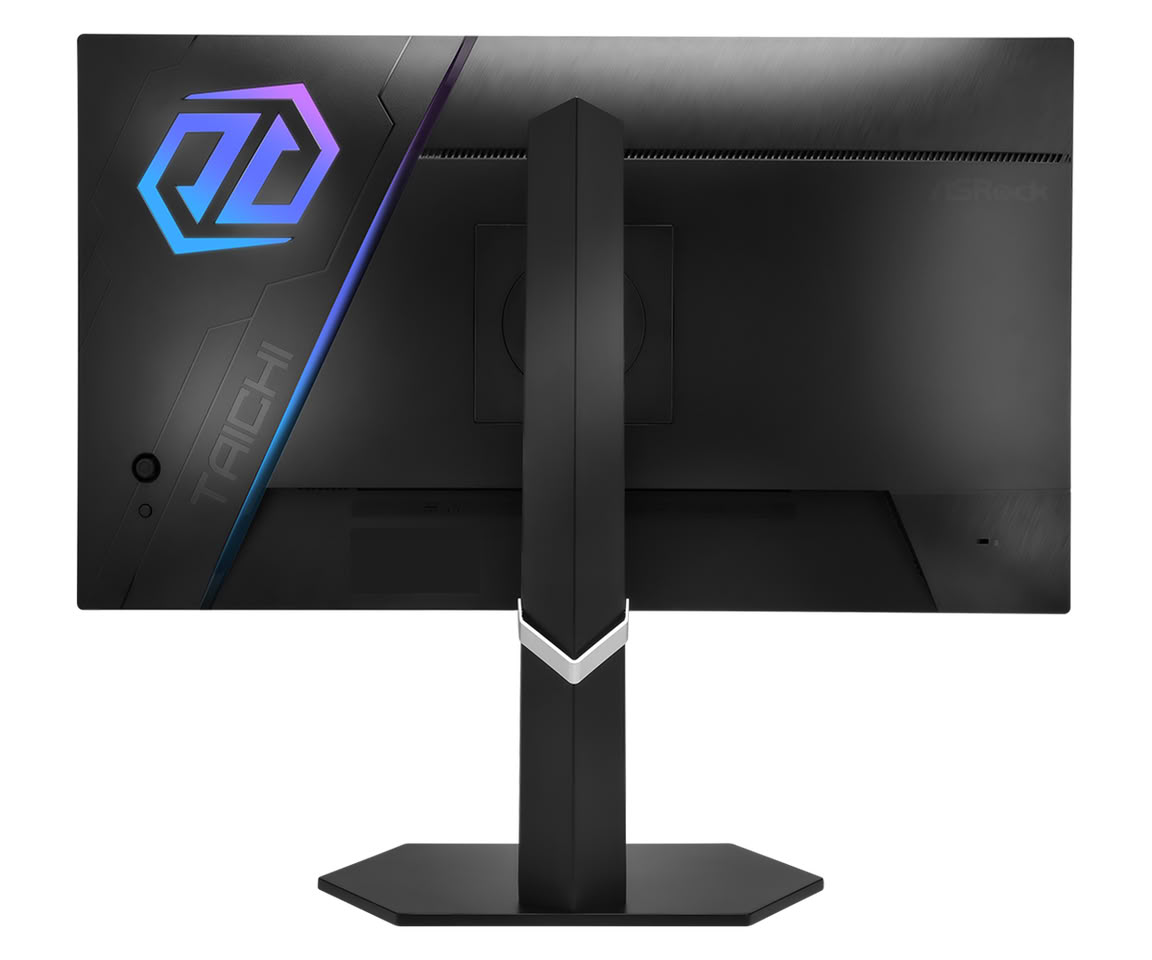
ASRock Brings Taichi Brand to Monitor Sector With Up to 720 Hz Panels

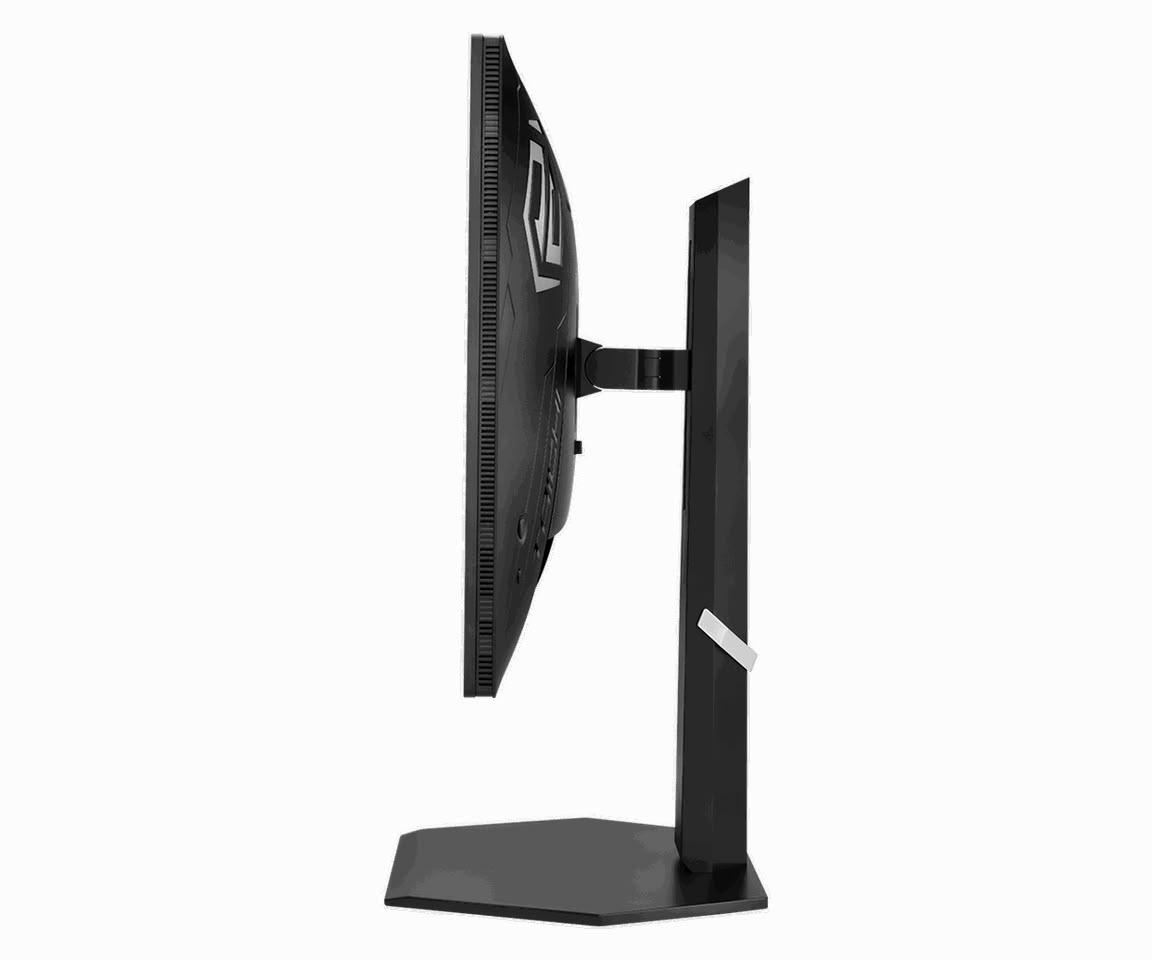
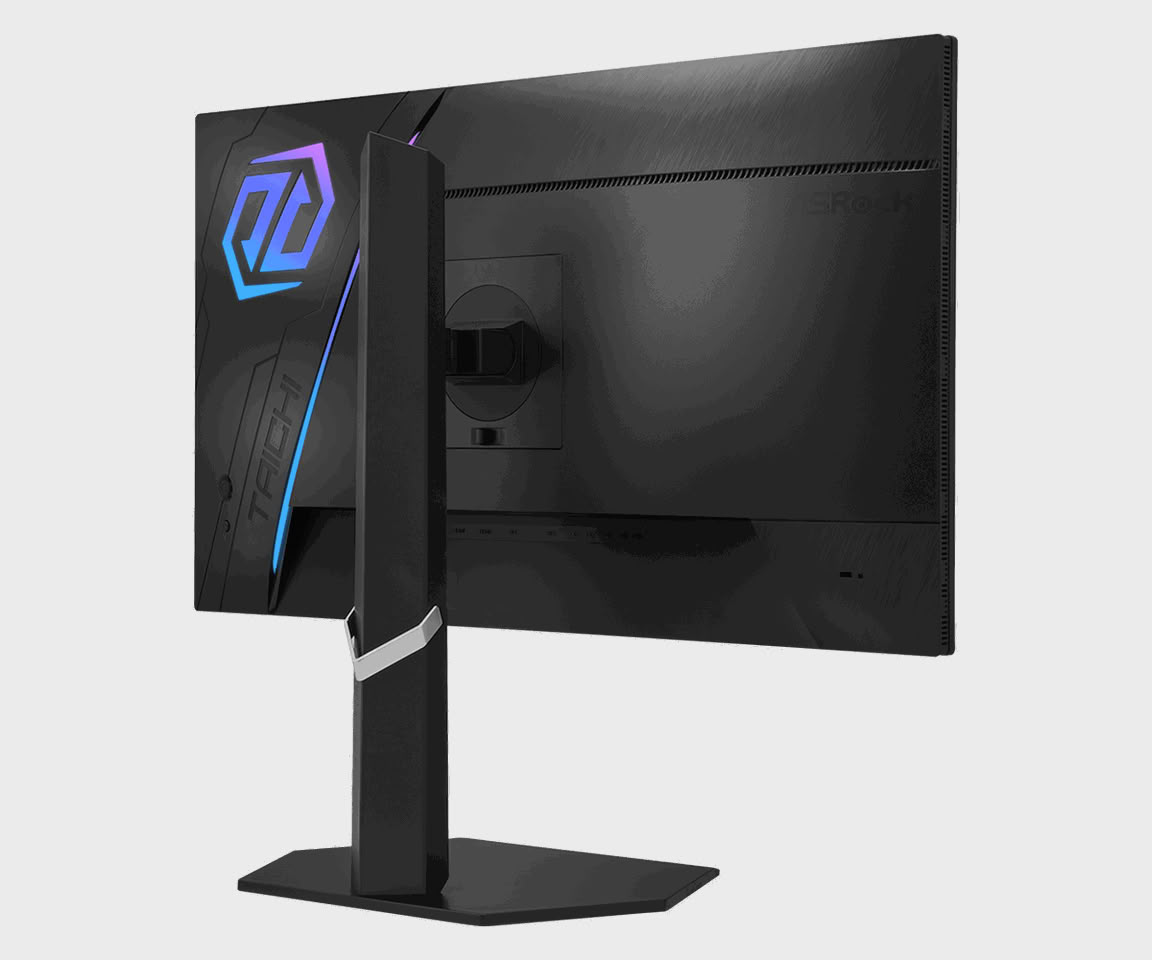
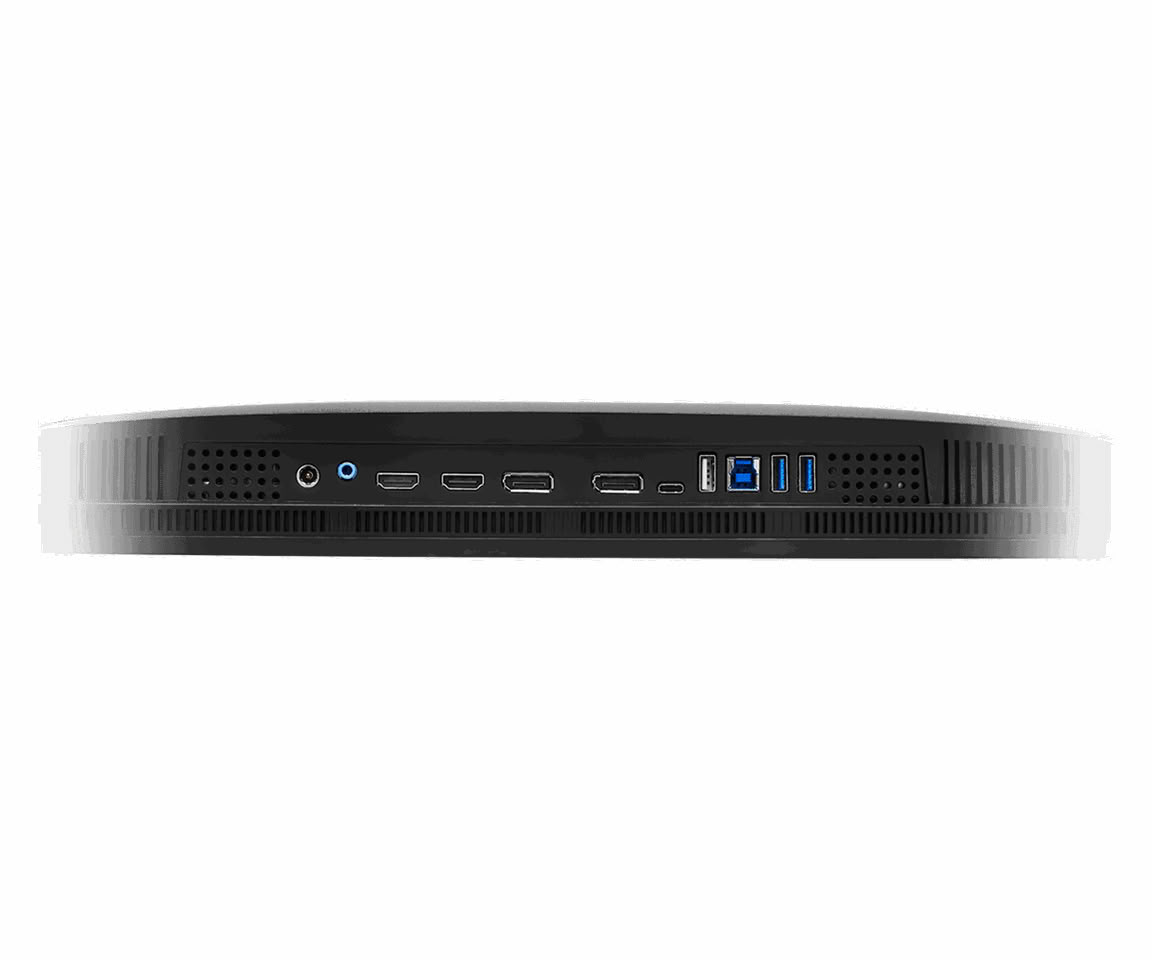
ASRock announced today that it is updating its monitor lineup with its flagship Taichi brand, introducing three new 27-inch models to the company's offerings. First in line is the new TCO27USA, designed as a flagship model with a 27-inch 4K UHD Penta Tandem QD-OLED display and a 240 Hz refresh rate. ASRock has equipped this panel with a 0.03 ms gray-to-gray response time, 99% DCI-P3 color accuracy, and other technologies such as AMD FreeSync, VESA's DisplayHDR True Black 400, and proprietary low blue light technology to reduce eye strain. For those with multiple setups, there is a built-in KVM switch. Regarding port selection, the ASRock Taichi TCO27USA features two HDMI 2.1 ports, two DisplayPort 2.1 with UHBR20, and a single USB 3.2 Gen 1 Type-C serving as a DisplayPort alternative or a 65 W power delivery line.

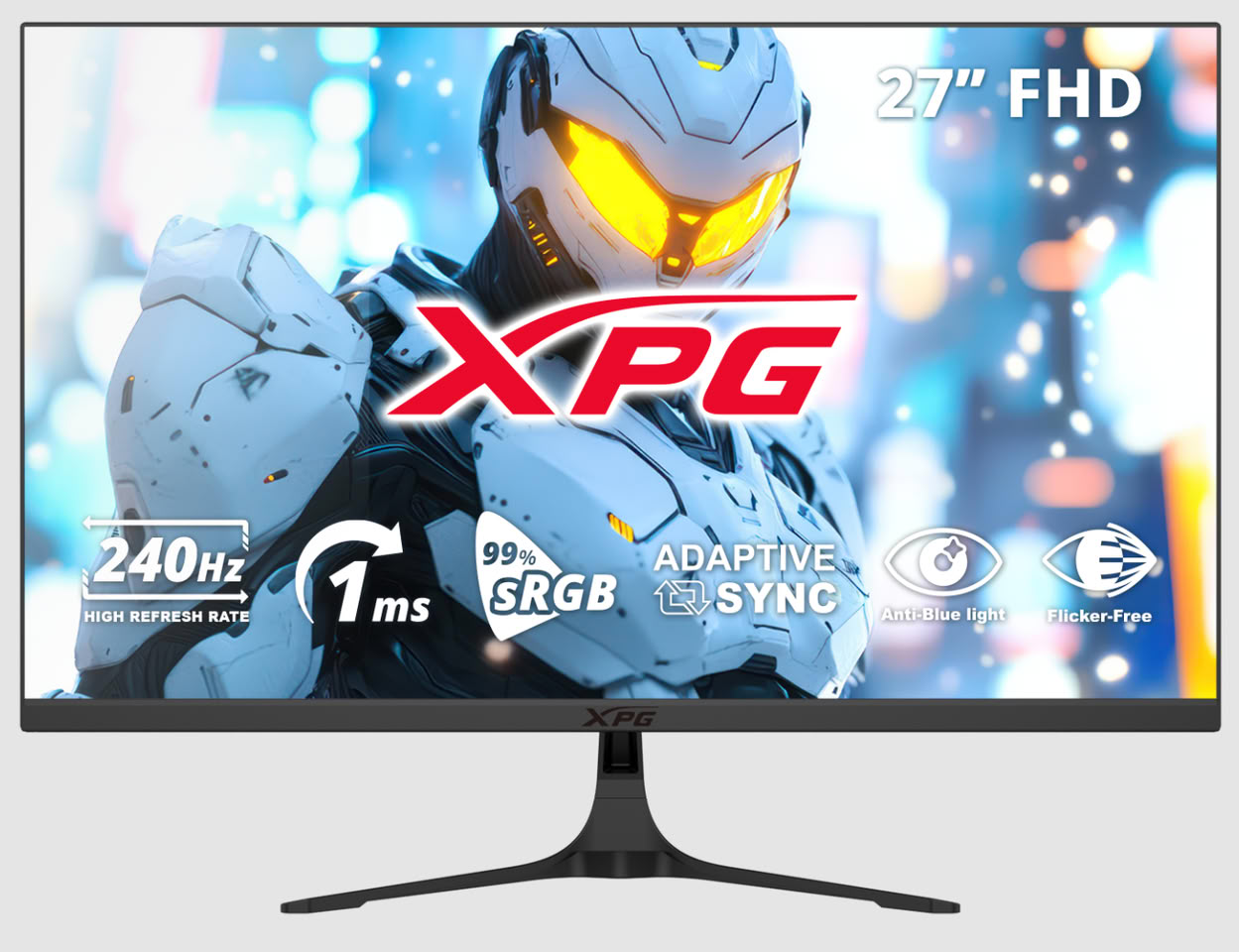
XPG Expands Its Gaming Monitor Lineup with Four New RIFT and APERTURE Models

As gaming continues to evolve, players are looking for more immersive and responsive visual experiences, with growing expectations for smooth gameplay, higher
resolution, and greater visual immersion. XPG, the gaming brand of ADATA Technology, continues to expand its gaming monitor lineup with four models across the RIFT and APERTURE series, offering players a new way to experience the gaming world through immersive displays. Featuring a range of specifications, including a 34-inch 21:9 ultrawide curved display, QHD resolution, and high refresh rates, the new lineup provides versatile options for different gaming needs. This expansion also
extends XPG's existing portfolio of memory, SSDs, PC components, and gaming peripherals into the display segment, further embodying the "GAME TO THE XTREME" brand spirit and building a more complete gaming ecosystem.

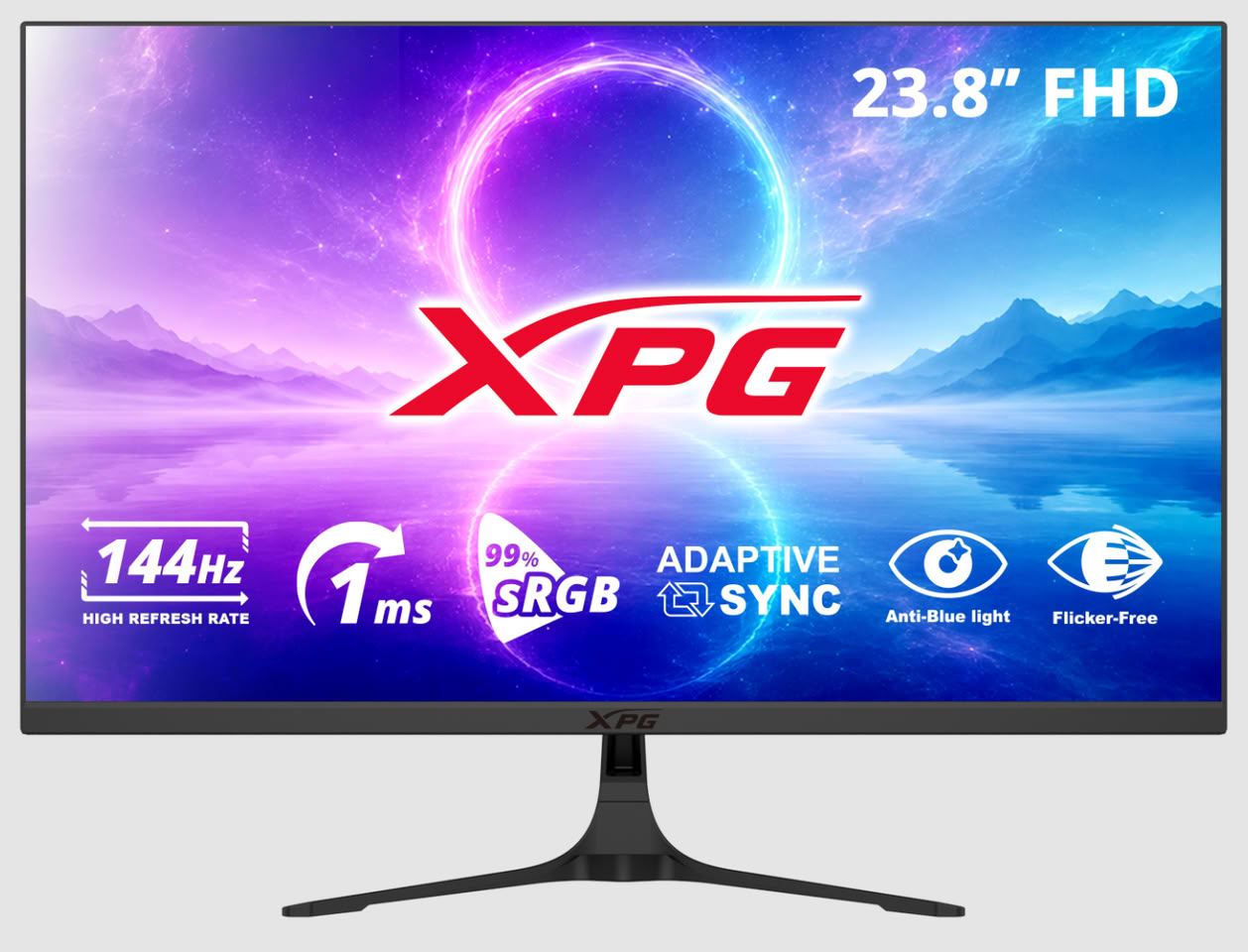
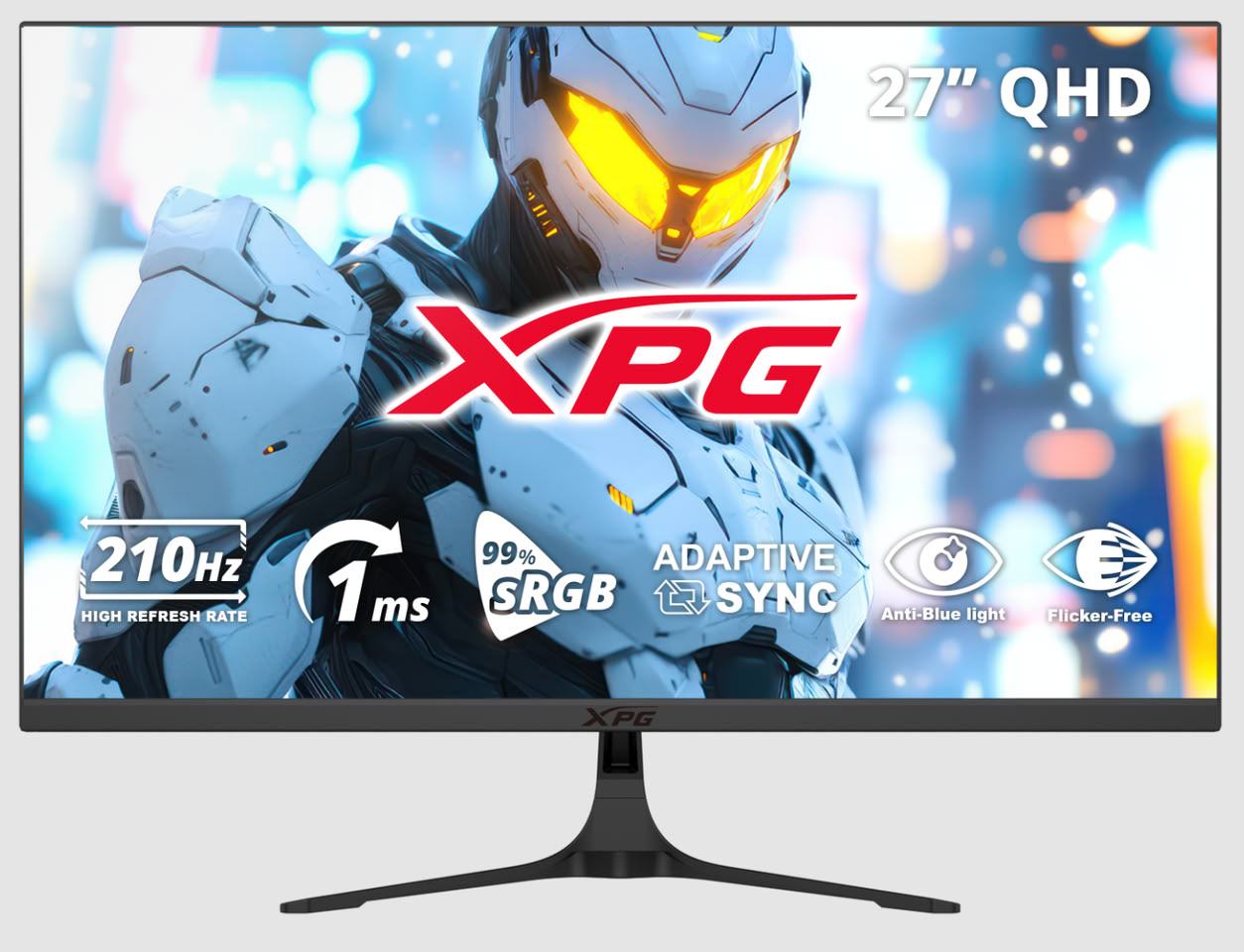
XPG Expands Its Gaming Monitor Lineup to Strengthen Its Gaming Product Portfolio
XPG continues to expand its gaming monitor lineup with four models: RIFT R34WXC, RIFT R24F4, APERTURE A27Q1, and APERTURE A27F4. Covering a range of features from immersive ultrawide curved displays and high resolutions to high refresh rates, the lineup offers a variety of sizes and specifications to meet different gaming needs. All four models feature 1 ms MPRT response time and support Adaptive Sync technology to reduce screen tearing, delivering smooth and responsive visuals across different game genres and usage scenarios.

Linux Kernel 7.4 Gets HDMI Upgrade With FreeSync, VRR, and Auto Low-Latency

HDMI 2.1 has long been a goalpost for many players in the Linux world, including Valve and AMD, who were both previously working on an open-source implementation of HDMI 2.1 drivers for the Linux kernel, despite roadblocks from the HDMI forum. Now, that appears to be a reality, with the Linux kernel mailing list citing patches that will likely be merged into the upstream kernel driver stack in Linux kernel 7.4

According to the merge request, HDMI 2.1 FRL will be landing in Linux with support for AMD FreeSync, VRR, and Auto Low-Latency Mode, all of which should be very useful for both desktop gamers and for couch gamers on machines like the Valve Steam Machine or its many SteamOS-touting alternatives. Linux kernel 7.4 is slated to land in October 2026, although an exact release date has yet to be determined. Valve also previously declared the work for HDMI 2.1 to be complete for the Steam Machine, although it seemingly has yet to implement the new driver in SteamOS, since the Steam Machine product page still cites HDMI 2.0.

JAPANNEXT Introduces Compact 7.8-inch Vertical IPS Portable Display

JAPANNEXT, the Japanese manufacturer known for some unique monitor designs with distinctive form factors, has now listed the JN-MD-IPS7443. This is a compact 7.8-inch IPS portable display with a vertical 400 x 1280 resolution in a 5:16 aspect ratio, all packed in 211 x 74 x 15 mm. The unusual form factor is aimed at chat apps, status displays, and similar narrow vertical content. The panel has a refresh rate of 60 Hz, with 550 cd/m² brightness, a 900:1 contrast ratio and a glossy surface. There is no support for adaptive sync, HDR, or flicker-free, also, the panel is not touch-sensitive. The small display comes with a dedicated stand to change from vertical to horizontal mode when needed, though Windows 11 is required for orientation switching while macOS is not supported.

From the connectivity side, there is one USB-C and one mini-HDMI, both running at 400 x 1280 at 60 Hz. When using mini-HDMI, separate USB-C power is required. There are no built-in speakers. Power draw is up to 5 W under load and 0.5 W in standby. JAPANNEXT listed the JN-MD-IPS7443 small mobile display currently only on the Japanese website so worldwide availability is not certain. The product comes with a two-year warranty and is priced at 14,480 yen (around $94).

AWOL Vision Showcases World's First 4K 120 Hz Ultra-Short-Throw Projector with Optical Shift

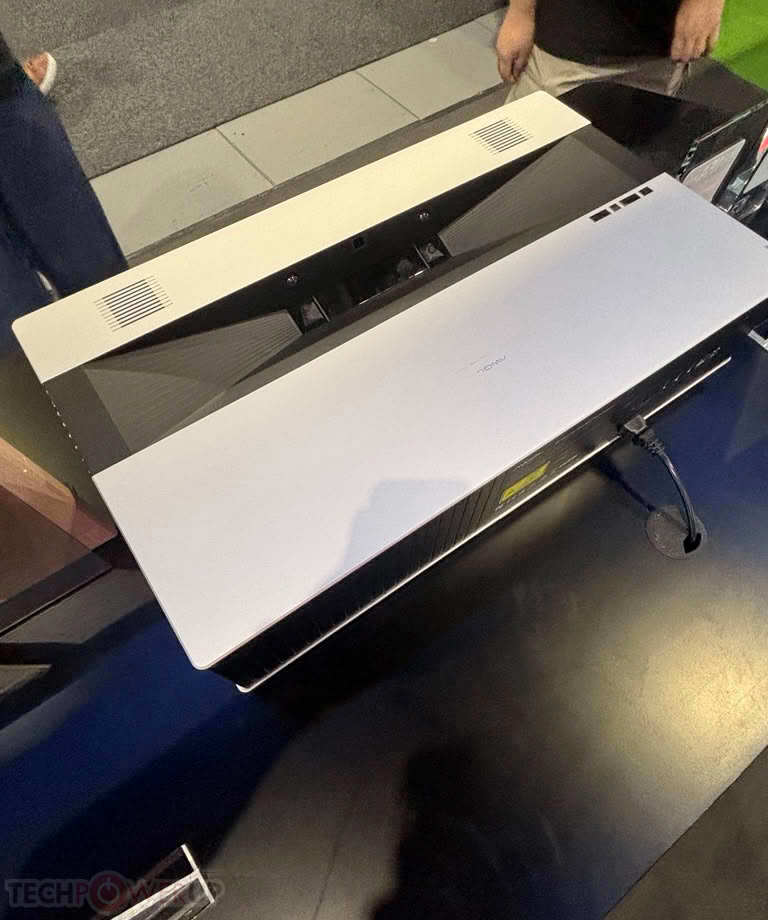
At IFA 2026, we visited the AWOL Vision booth to explore what the company had in store. The highlight was the AWOL LuxVision ultra-short-throw (UST) projector, the company's flagship model designed for high-end home entertainment and theater spaces. As the world's first UST projector with 4K resolution, a 120 Hz refresh rate, and optical shift, this model boasts an output of 6000 ISO lumens and triple-laser RGB projection. It supports a 0.18:1 throw ratio and can project a screen size of up to 200 inches, transforming your home's wall into a large-format entertainment space at the click of a button. The projector features a motorized lens cover and a zero-light-leakage lens that automatically adjusts for optimal alignment and focus with the screen.

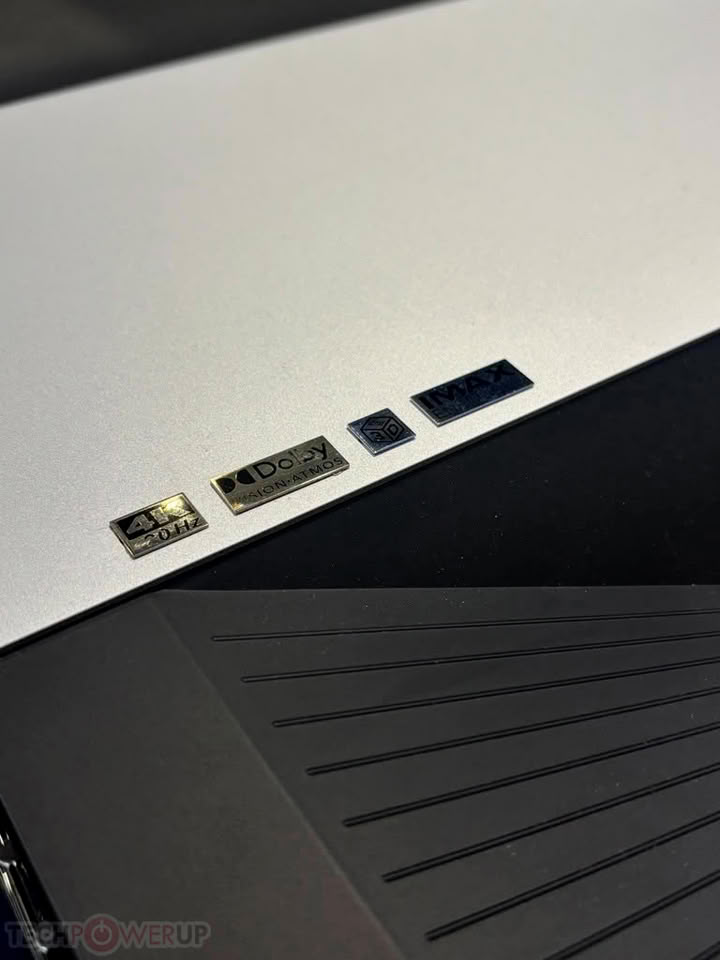
The projector delivers a highly vivid image with 110% Rec. 2020 coverage, Dynamic Tone Mapping, and a 7-level dynamic IRIS that fine-tunes color, contrast, and light scene by scene. Dolby Vision, IMAX Enhanced, Filmmaker Mode, and 3D support enhance the cinematic experience for all types of content. It caters not only to cinematic enthusiasts but also to gamers, with features like a 1 ms input lag, Auto Low Latency Mode (ALLM), Variable Refresh Rate (VRR), and Dolby Vision Gaming. For connectivity, it offers three HDMI 2.1 ports and a single DisplayPort.

TCL CSOT Showcases Latest Display Innovations at IFA 2026

IFA 2026 officially opened today in Berlin, presenting the latest products and cutting-edge innovation in consumer technology from around the world. At this year's show, TCL CSOT is showcasing a broad portfolio of innovative display products under its advanced display technology brand, APEX. Built on technologies including IJP OLED and oxide backplanes, these products and technologies represent TCL CSOT's vision for what a great display should be.

Cutting-Edge Display Innovation Earns Top International Recognition
As the display industry evolves, what defines a great display is no longer just brightness or refresh rate but a more holistic experience spanning image quality, visual health, sustainability, and form factor.

Hands-On with the Acer Predator XB253Q U1 1000 Hz Monitor at IFA 2026

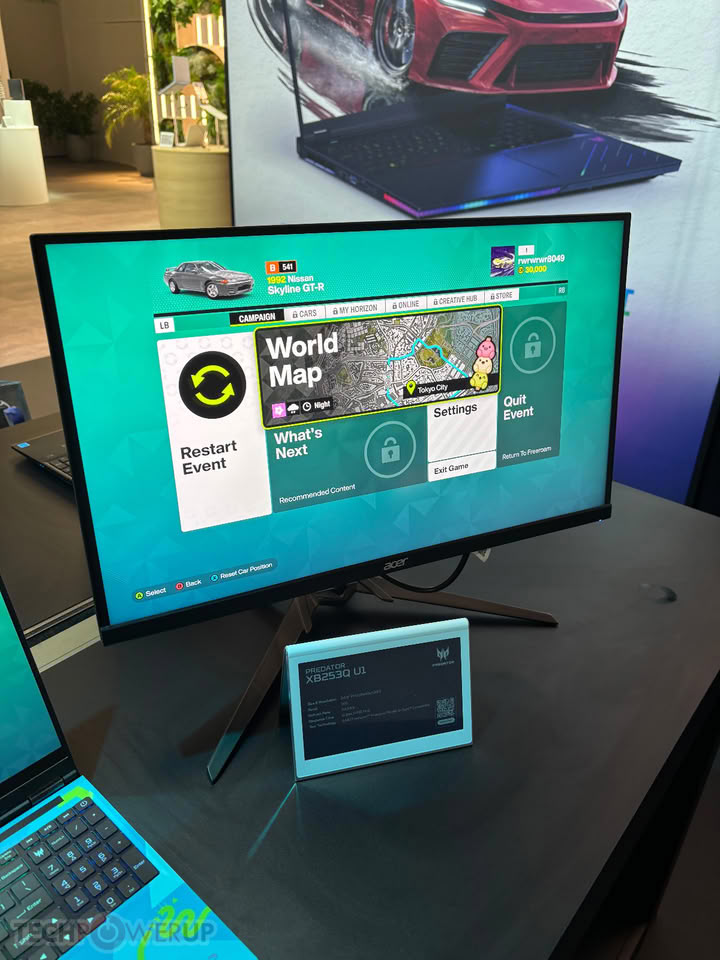
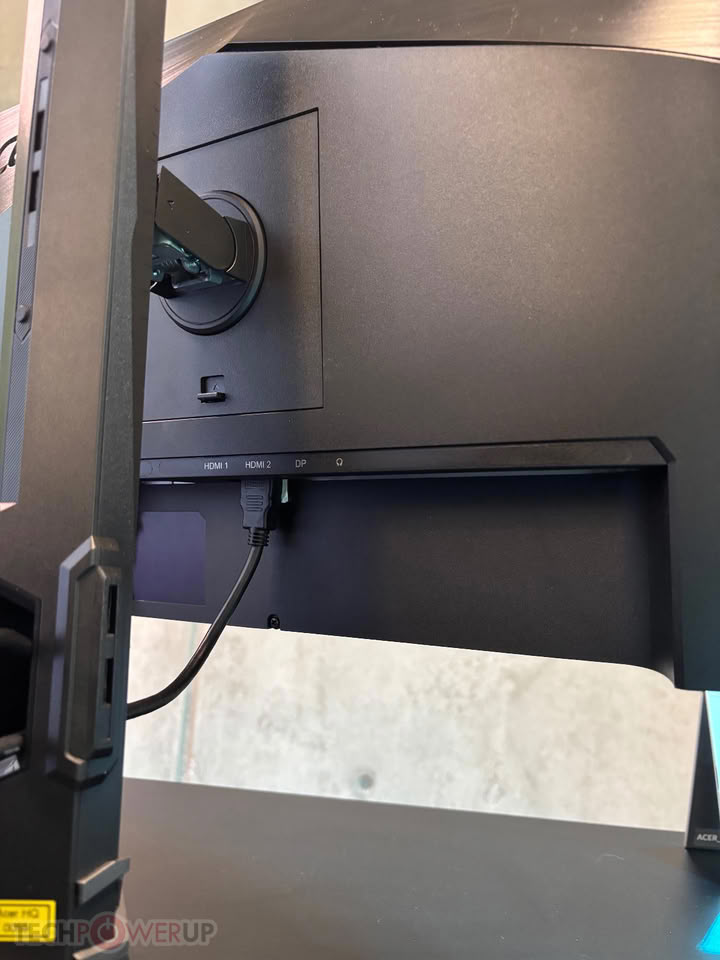
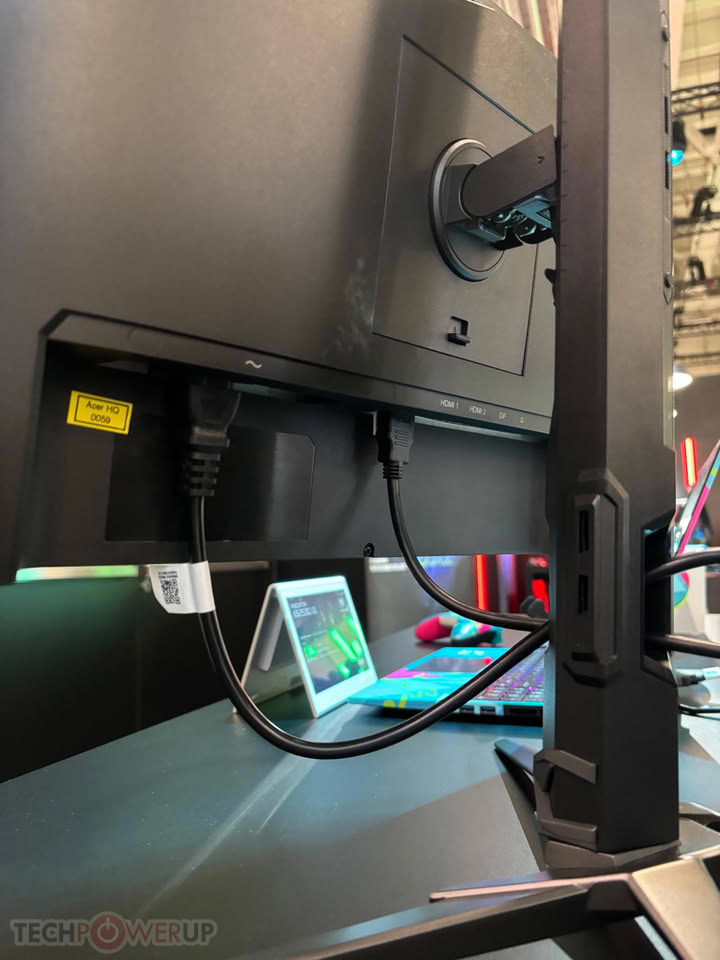
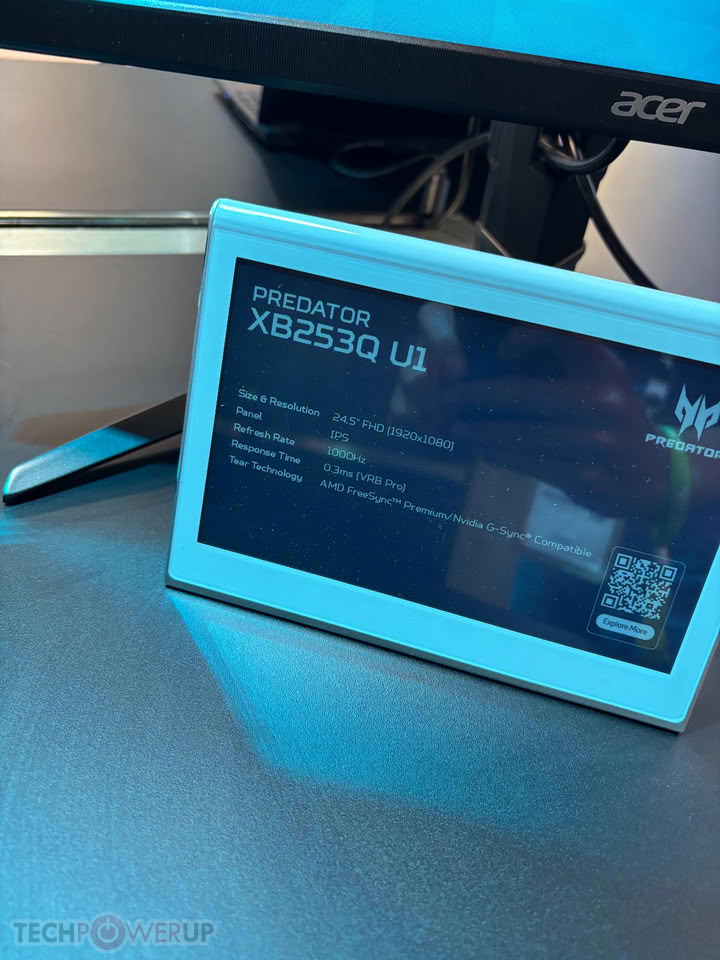
Acer used IFA Berlin to show off the Predator XB253Q U1, a 24.5-inch monitor that hits 1000 Hz at its native 1920x1080 resolution. That's notable because most "1000 Hz" monitors so far have needed a resolution cut to get there. Acer's own XB273U F6 from CES 2026, for example, only reaches 1000 Hz at 720p, dropping down from its native 1440p resolution. The XB253Q U1, on the other hand, uses an IPS panel and skips that compromise, offering full FHD at the full refresh rate. It also comes with Acer's VRB Pro backlight strobing tech to cut down motion blur, along with a circular polarizer layer aimed at reducing eye strain during long sessions. It's also VESA DisplayHDR 400 certified.

It's not the first monitor to pull this off. LG's UltraGear 25G590B got there first, also at 25 inches and 1000 Hz native FHD, and launched at $999.99. Acer's asking $1,099.99 for the XB253Q U1, a $100 premium over LG's price. In Europe it's priced at €1,099, and in China at RMB 7,999. Availability is set for Q1 2027 across North America, EMEA, and China, so this isn't a monitor you can buy just yet. We'll have to wait for independent testing to confirm whether the panel's 0.3 ms response times can actually keep up with 1000 Hz in real gameplay, rather than just on a spec sheet

Lenovo Introduces New Think-Family Devices, Displays, and Security Solutions at IFA 2026

As AI becomes increasingly embedded across the workplace, organizations need solutions that not only deliver strong performance but support the way their employees work. At Lenovo Innovation World at IFA 2026, Lenovo unveiled its latest commercial portfolio, advancing Hybrid AI for business with new technologies spanning AI-powered devices, displays, enterprise security, and breakthrough proof-of-concepts that help organizations accelerate AI adoption and confidently embrace the next generation of enterprise computing. Together, these innovations build on Lenovo's broader Hybrid AI strategy, bringing together intelligent devices, infrastructure, and services to help organizations move from AI experimentation to production.

Showcased at a special event in Berlin, the portfolio includes new ThinkCentre desktops, ThinkBook laptops, ThinkVision monitors, ThinkShield security innovations, and ThinkBook proof-of-concepts, highlighting Lenovo's commitment and vision in the future of business technology.
Return to Keyword Browsing
Nov 11th, 2026 03:12 CST change timezone

New Forum Posts

Popular Reviews

TPU on YouTube

Controversial News Posts