News Posts matching #apps

Return to Keyword Browsing

Microsoft Hints at WinUI 3 Overhaul for Windows 11's Leftover Legacy Dialogs

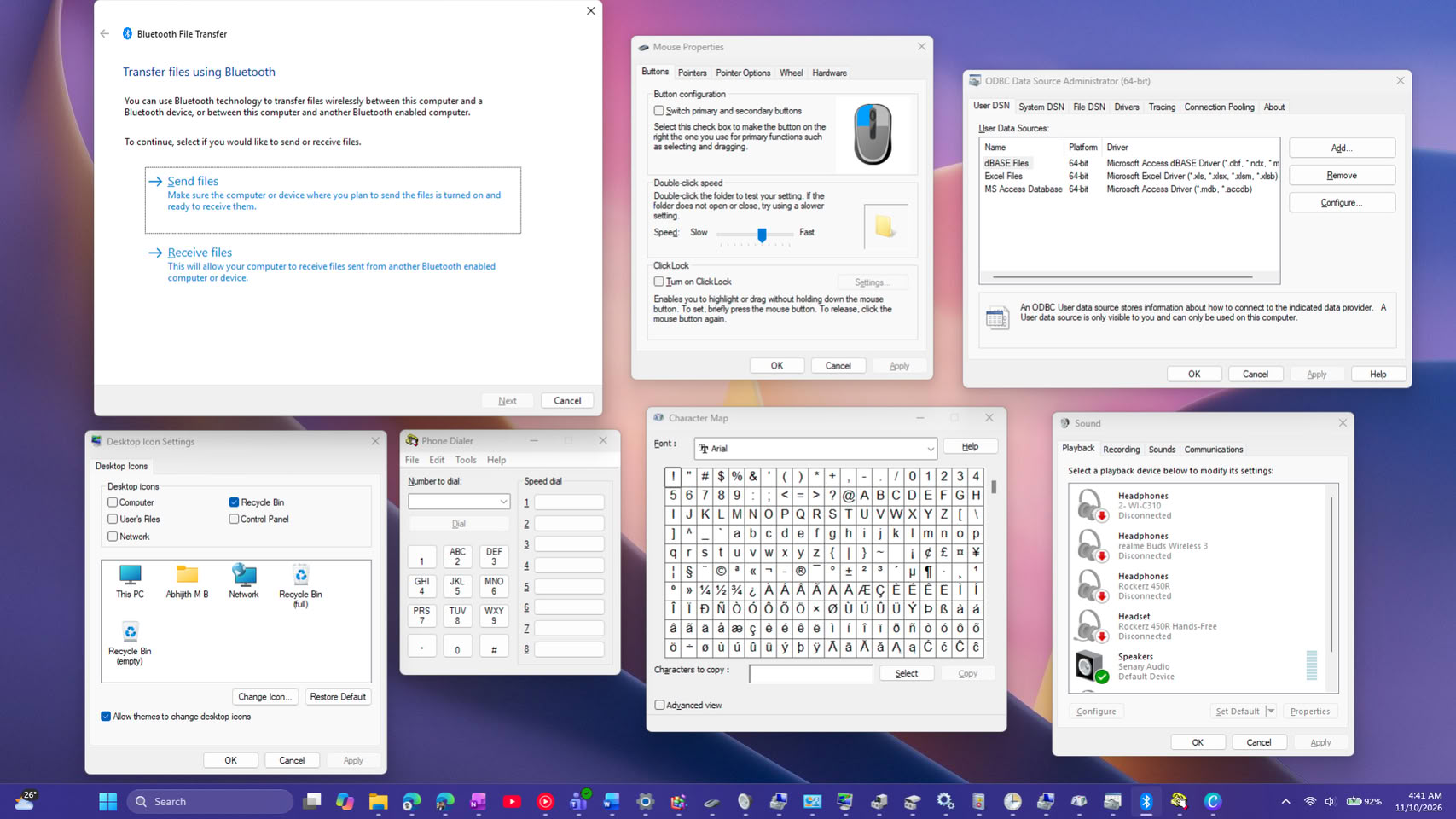
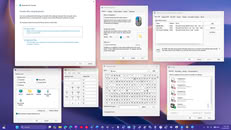
Marcus Ash, Microsoft's design and research lead for Windows and Devices, has hinted that more of Windows 11's old dialogs and admin tools could get a modern makeover. Under Jen Gentleman's post about the new option to silence the Sticky Keys prompt, a user asked Microsoft to "winui-fy" the legacy Win32 dialogs and MMC apps, and to fully move Control Panel into Settings. Ash replied with a short "Noted and working on that too." He didn't give a timeline or name any tools, so it's more like a nod than a roadmap.

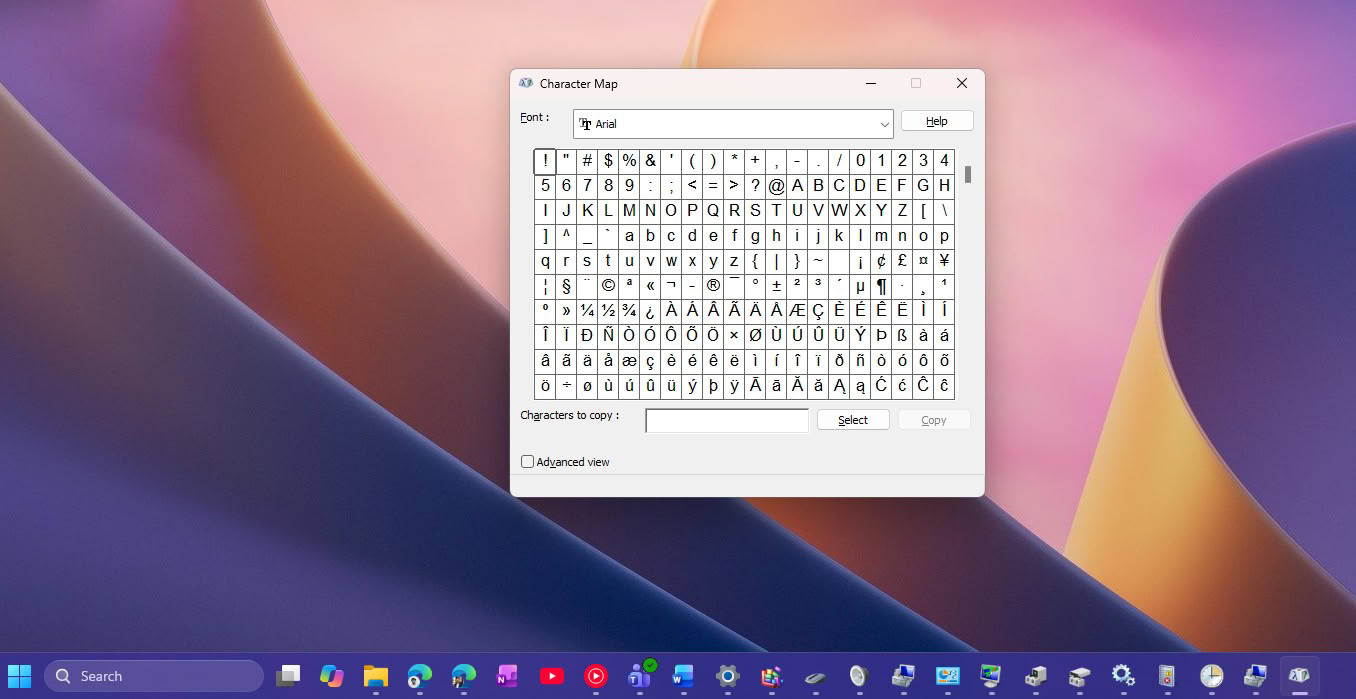
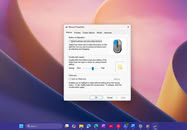
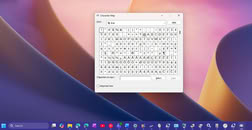
There's plenty to work with, as Windows 11 still ships more than 20 tools with older interfaces, including Defragment and Optimize Drives, Disk Cleanup, Device Manager, Event Viewer, and the DirectX Diagnostic Tool. Folder Options and the Sticky Keys prompt still have no dark mode, and some links in Settings, such as the extra sound and mouse options, open the old Control Panel windows. Microsoft's recent dark mode update for Hyper-V Manager, another legacy tool, also came out incomplete.
Nintendo Switch 2 Jailbreak Reportedly Patched With Firmware 23.5.0

Nintendo's latest Switch 2 system update, version 23.5.0, seems to have shut down ns2jb, the console's first software-only jailbreak. Dataminer OatmealDome says the OS exploit the jailbreak relied on is now patched, and that dumping and modding games won't be possible from here on. The one exception, he says, could be some cartridge games, and maybe game updates, released in the near future. Exploits inside individual titles, such as the SmileBASIC 4 programming app and Civilization VII, still work. However, it is no longer possible to break out of those apps into the rest of the system, so homebrew is stuck with whatever they can already do.

Nintendo's patch notes don't mention any of this. The listed changes cover accessibility options during first-time setup, groundwork for eShop gifting within family groups, and a new text-to-speech language, plus general fixes. It is also the first Switch 2 firmware since 23.0.1, the version ns2jb targeted when security researcher Sammy "pepsipu" Hajhamid released it on October 22. His exploit began with an integer overflow bug in SmileBASIC 4, a Switch 1 programming app that runs on the Switch 2 through backward compatibility. It was tethered to a PC and didn't survive reboots. Nintendo pulled SmileBASIC 4 from the eShop shortly after the release.

GTA 6 Comes to Xbox One at Launch via Cloud Gaming, PC Players Out of Luck

Xbox One owners will be able to play GTA 6 when it launches on November 19, while PC players still have no official way in. In its pre-load announcement, which also confirmed a 30 FPS target on consoles, Rockstar says the game will be available through Xbox Cloud Gaming on Xbox Series X|S and Xbox One consoles, using Xbox Series S graphics settings. Xbox says streaming opens at 1 AM ET on launch day, and the game still has to be bought separately. Rockstar also warns that connection speed and other technical factors may affect performance in ways that local play would not.

Xbox CEO Asha Sharma framed the news as the start of a much bigger deal with Rockstar's parent company. In a post on X, she called the Xbox One cloud launch the first step of a new 10-year strategic partnership with Take-Two, adding that GTA 6 is already the most pre-ordered game ever on the Microsoft Store. Neither company has shared the terms of that partnership so far. Xbox did confirm that GTA 5, Red Dead Redemption 2, and more Rockstar titles will join Xbox Cloud Gaming in the coming months. Back in October, Sharma reportedly told staff at an internal town hall that Xbox had something planned around GTA 6 that "no other platform holder is doing," which led to reports of exclusive streaming rights. Xbox CSO Matthew Ball shot those down shortly after, saying the game "will not be streaming exclusively or to PC."

Firefox 160 Releases With New Mini Floating Windows and UI Improvements

Mozilla has officially released Firefox Browser version 160, which brings with it both a number of under-the-hood and user-facing changes to improve the average browsing experience. Aside from a few technical changes, like support for MKV playback with FLAC, MP3 or PCM audio, the biggest new user-facing changes are the new Mini Windows and an updated UI for the PiP (Picture-in-Picture) video player.

Mini Windows is a new early implementation of a feature that allows users to move a tab or a part of a page into an always-on-top window. To access Mini Windows, you right-click a tab, and select "Move to Mini Window," and you can then right-click any section of page content and select "Move Section to Mini Window," which will bring up a new UI to select and isolate a particular section of a page for use in the mini window.

Discord Is Rebuilding Its App in Rust, Early Build Uses Just 290 MB of RAM

Discord is rewriting its desktop app in Rust and dropping Electron, and the early numbers look very promising. Discord CTO and co-founder Stanislav Vishnevskiy posted a Task Manager screenshot on X showing the new client, listed as "Discord Phoenix," using just 290.2 MB of RAM. In the same screenshot, Steam's WebHelper sits at 856 MB and Battle.net at 344 MB. That's a big drop, as Discord said late last year that its current Windows client normally stays under 1 GB, and it even tested auto-restarting the app once it crossed 4 GB. Vishnevskiy also shared a side-by-side clip on two laptops showing the new client booting much faster, adding that clicking around "feels instant."

Mobile is getting the same treatment. According to Vishnevskiy, Discord is dropping React Native as well, so the mobile apps will keep their native interface while sharing app code with the desktop client through Rust. The new client is built on GPUI, the Rust UI framework from the team behind the Zed code editor, rather than Tauri as many had guessed. There's no release date yet, and Discord only says it hopes to get it into testing with users soon.

Google Says Detachable Googlebooks Are Next in Line

Google has confirmed that Googlebooks with removable keyboards are on the way. During its Android Dev Summit 2026 keynote last week, the company said its Chromebook successor "spans across large screen form factors from clamshells, convertibles, and soon detachables." That's all Google said, so there's no date, price, or specific device attached to it yet. The current lineup is mostly made up of clamshells, and the Acer Googlebook 14, with its 360-degree hinge, is the only convertible in it.

Reports claim that the first detachable will most likely come from Lenovo, which already sells the Googlebook 15. Its Googlebook Duet m, codenamed "Sapphire," showed up in the Bluetooth SIG database back in August, and a matching keyboard and Lenovo Pen Pro stylus have now cleared the FCC under the IDs O57DUET13BTKB and O57AP501U1. The keyboard schematics carry Googlebook branding on the left palm rest, and it seems to work both through pogo pins when attached and over Bluetooth LE on its own battery. Leaks point to a 13-inch OLED panel and a MediaTek chip, though reports disagree on which one, and Lenovo hasn't confirmed any of it.

Microsoft Adds Cloud Rebuild Recovery to Windows 11 in Latest Preview Update

Microsoft has introduced Cloud Rebuild, a recovery option that can wipe and reinstall Windows 11 by pulling a fresh image and the PC's drivers from Windows Update, even when the system refuses to boot. It ships with KB5127936, the optional preview update released on October 28 for Windows 11 25H2 and 26H2, and it's rolling out gradually. If Windows still loads, the option sits under Settings > System > Recovery as "Rebuild PC." If it doesn't, the PC falls back to the Windows Recovery Environment (WinRE) after a few failed boots, where Cloud rebuild shows up under the Troubleshoot menu.

The "Reset this PC" menu has had a Cloud download mode for a while. According to Microsoft, Cloud rebuild goes a step further by grabbing drivers as well and by not depending on the installed copy of Windows being intact. It is a clean slate, though. The system drive gets reformatted, wiping apps, settings, user accounts, and local files, and only data synced to services like OneDrive survives. Anyone handing the PC off can pick a sanitize mode that has the drive securely erase itself first, and IT admins can kick off a rebuild remotely through the Recovery CSP.

Steam Deck Plugin Brings PS5 and Xbox Series UI to Handheld Gaming

Since Valve launched the Steam Deck, there has been no question that its user-friendly UI has been one of its biggest selling points, with its openness and publisher-agnostic approach coming in a close second. A new Decky Loader plugin makes use of this openness to implement both the PlayStation 5 and Xbox Series X|S home screen user interface layouts on the Steam Deck, effectively replacing the stock Steam UI. The projects are available for free on GitHub (as decky-ps5-dashboard and decky-xbox-dashboard, both from the same user. The project lead, kromossomom-debug on GitHub, is a self-described AI user, notably not self-identifying as a developer, and Claude is openly listed as a contributor in the projects, so it's safe to assume they're mostly vibe-coded.

Decky PS5 Dashboard features the rounded UI elements from the PlayStation UI, with square game tiles and a screenshot from the highlighted game as the dashboard background, and it includes info cards under the highlighted game, with detailed HowLongToBeat data shown in the card alongside user play-time, review scores, achievements, and game install size. It also implements the PS5's Media tab, accessible with L1/R1, and it implements the PS5 color scheme across the Steam UI menus.

New Project Lets Nintendo Switch Games Run Natively on Apple Silicon Macs and iPhones

An open-source project called nxnative lets Nintendo Switch games run natively on Apple Silicon, without an emulator in between. Built by developer seedds, the tool takes a user's own game files and prod.keys and turns them into an app for iPhone, iPad, or Mac. YouTuber Andrew Tsai put it to the test on Macs, where Monster Hunter Rise held a locked 60 FPS on a base fanless M1 MacBook Air with 8 GB of RAM. Unicorn Overlord, Dragon Quest XI S, and Dark Souls Remastered also ran, though Doom Eternal refused to boot.

Since the Switch and Apple's chips both use the Arm64 instruction set, nxnative rewrites the game's code to run directly on the Apple chip, swaps the Switch's Horizon OS for a small stand-in host, and rebuilds Nintendo's NVN graphics API on top of Metal. Shader translation is borrowed from Ryujinx, the Switch emulator that Nintendo shut down in 2024. The approach itself comes from d2r-mobile, which did the same for Diablo II: Resurrected. The README now lists around 70 tested games, mostly aimed at the iPhone 15 Pro or newer and iPads with M1 or later, and Mac apps need an extra build step. There's also no online play or amiibo support.

KDE Plasma 6.8 Officially Launches with UI and Performance Tweaks

KDE Plasma is arguably one of the most widely used desktop environments in the Linux world, especially since the Valve Steam Deck introduced many gamers to the world of Linux using KDE Plasma in SteamOS when it launched the Steam Deck. Now, KDE has officially announced Plasma 6.8, the latest iteration of the Plasma DE, which comes with a number of improvements, including better accessibility options, a new system monitoring tool, the next step in the KDE Union theming engine, and new tricks to make misbehaving app windows look more aesthetically pleasing.

One of the smaller, but more impactful UI updates in KDE Plasma 6.8 is support for window rules that allow users to add rounded corners, shadows, and outlines to client-side-decorated applications that can't otherwise obey KDE's themes. In the blog detailing the updates in Plasma 6.8, the development team says that the Union theming engine is designed to look identical to the standard KDE theming, but with the ability to theme Qt Widgets applications, making it easier to achieve a unified look across different applications and frameworks. KDE also notes that Wayland has now been fully adopted, but that KDE will continue to work with X11 apps thanks to XWayland. Additionally, Plasma 6.8 will use less memory and load faster, and NVIDIA GPUs now use triple buffering by default with KWin. There are also under-the-hood improvements to HDR and ICC profile handling that will make HDR content look better when using ICC profiles.

Meta Unveils AI Tools That Build Playable Games From Text Prompts

Meta has detailed Horizon Create and Horizon Studio, two generative AI tools that can let people build playable 2D and 3D games from text prompts. Horizon Create is a mobile app aimed at quick, on-the-go creation, while Horizon Studio is a web-based tool with more granular controls for editing details like difficulty, art direction, and progression systems. Both run on the Meta Horizon Engine and let creators publish across Meta's apps, including Facebook and Instagram. Describing what the tools can do, Horizon VP Saxs Persson said:
"You have an idea, you open the app, describe the game you want to build in your own words, and the system starts building it with you. It's not a sketch, it's not a prototype, you build playable 2D and 3D games with real depth. From there, everything is one prompt away; reimagine the environment, change the characters, make a new quest or a new level, tweak the difficulty so new players can stay with it."

Microsoft CEO Satya Nadella Calls Updated Copilot a "New OS for Work"

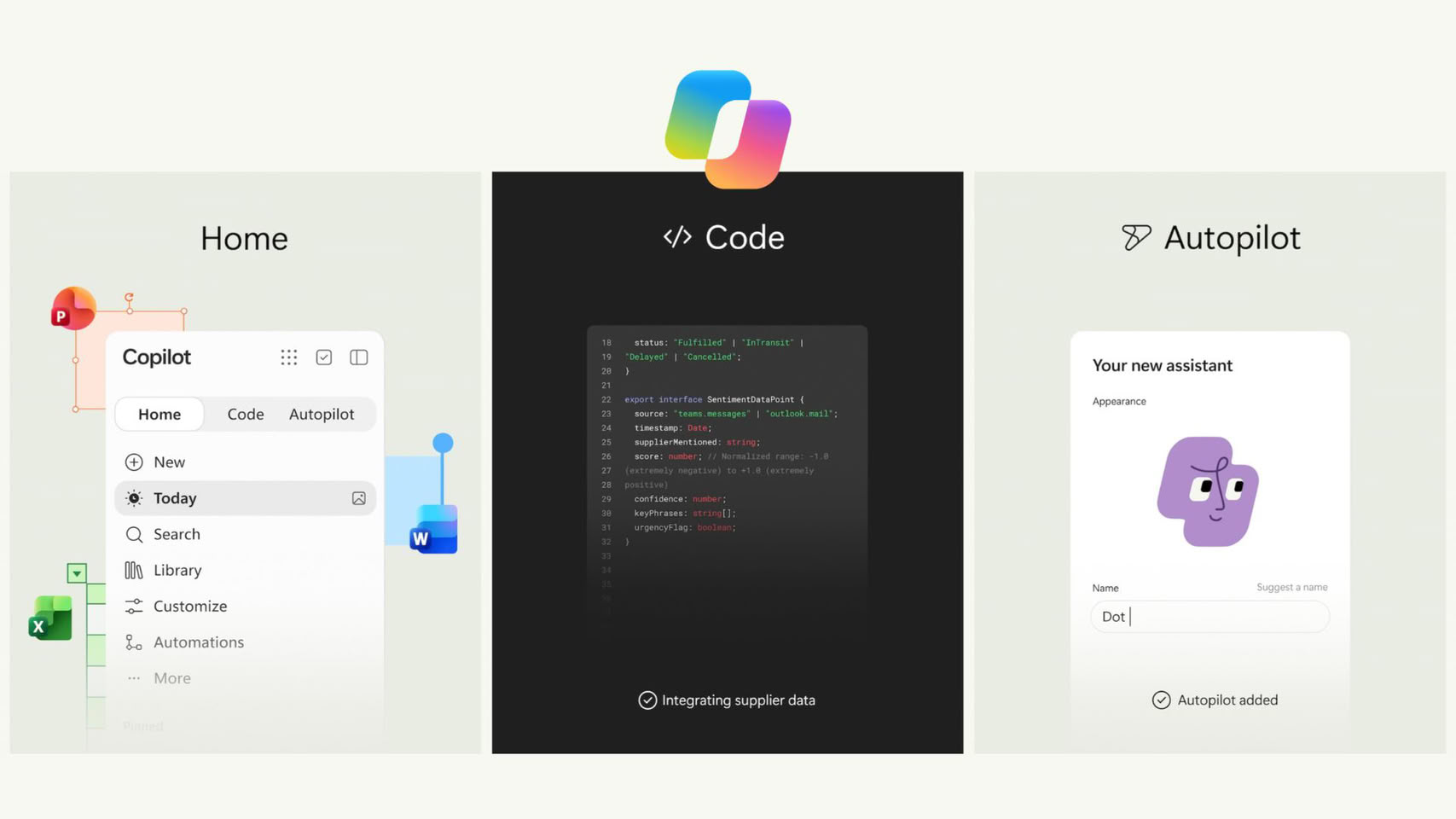
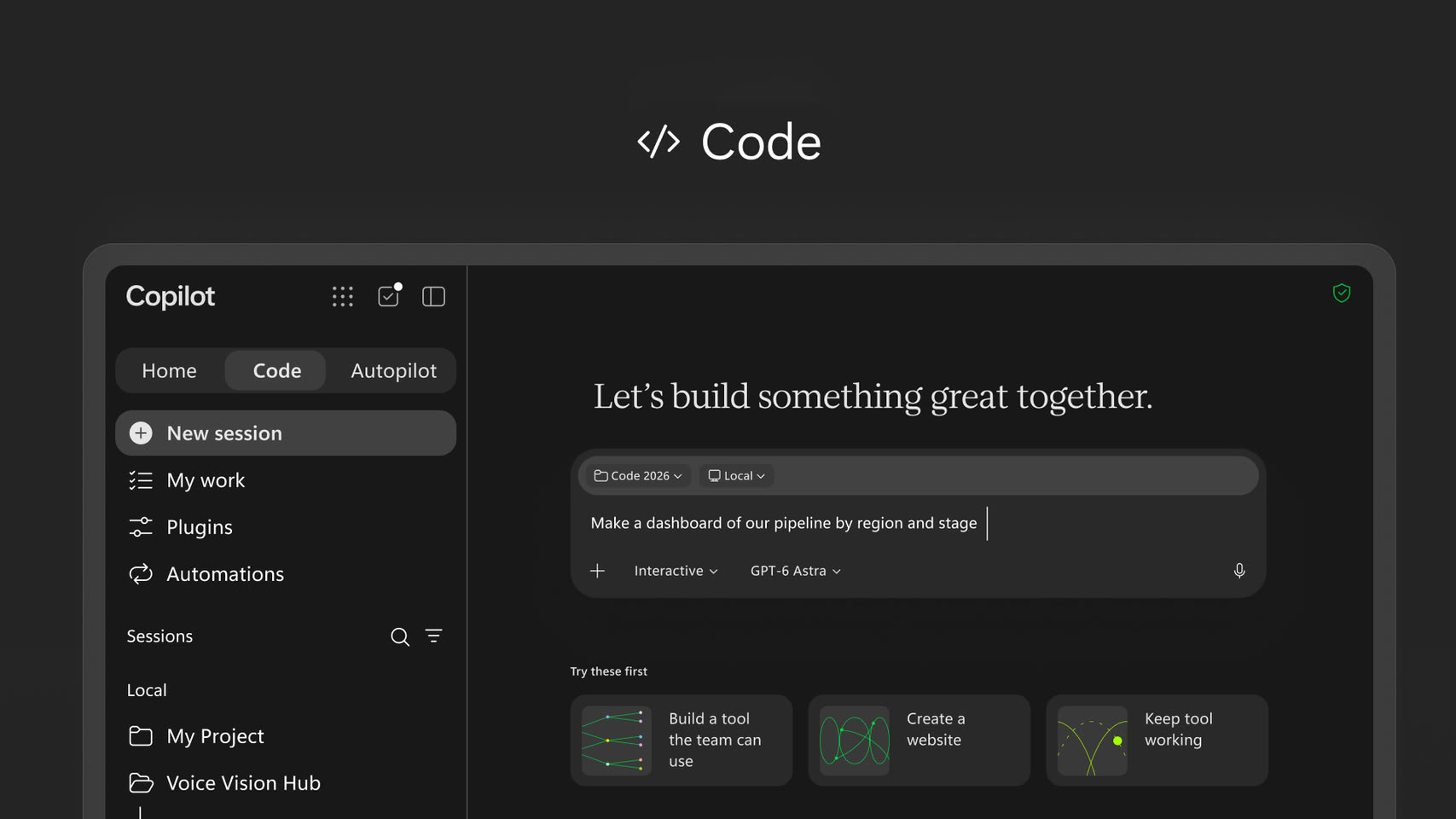
Microsoft CEO Satya Nadella has laid out his most direct pitch yet for what Copilot is supposed to become, calling it a "new OS for work that spans every model, every form factor, and every task." The comment came alongside Microsoft's biggest Copilot overhaul to date, which merges four pieces into one app: Autopilot (a long-running enterprise agent), Code (an in-app builder that hosts apps inside a company's own tenant), Home (which combines Chat and Cowork), and Office, with Word, Excel, and PowerPoint now built directly into Copilot. Nadella also mentioned Copilot support inside Teams, plus a new feature called Today that pulls relevant information from across Microsoft 365 without the user having to ask.

It looks like Microsoft wants Copilot to work more like a proactive layer sitting across a person's entire workday instead of a chat window they open on demand (or by accident). Interestingly, Microsoft avoided calling Copilot part of the Windows 11 operating system this time, a year after its "agentic OS" framing for Windows drew a fairly rough reception from users. This is not even the first time Microsoft has thought about expanding Copilot in this way. Microsoft did explore a full Copilot-centered operating system internally, under the codename Project Aion, though that reportedly dates back to 2024 and there's no word on whether it's still active.

Microsoft 365 Companion Apps Are Getting Retired

Back in early 2025, Microsoft added three new "companion" applications to its Microsoft 365 suite—Calendar, People, and Files. These were designed to provide quick access to people, files, and calendar events directly from the Windows 11 taskbar. However, it seems that Microsoft 365 customers did not find them particularly useful, and Microsoft plans to retire them on December 16, 2026. This is one of Microsoft's examples of short-lived mini applications. These mini applications pulled data from Microsoft 365 applications to generate quick insights about a person, a file, or a calendar event. Existing only as a WebView2 wrapper, they added an unnecessary layer of applications.

For Microsoft 365 users, previously known as Office suite users, the company actively tried to install these applications automatically on many PCs. After the forced installation, the company even pinned these applications to the taskbar. Although Microsoft confirmed it would automatically install these companion apps, administrators had the option to opt out. However, regular users had to manage them continuously. Interestingly, after the December 16 deadline, Microsoft confirmed that these applications would stop working, but users would need to remove them manually. Essentially, after forcing users to install these applications, Microsoft is leaving them to handle the cleanup themselves.

Microsoft Now Lets AI Build Native WinUI 3 Apps for Windows 11 in Under 30 Minutes

Microsoft has published a quick-start guide showing developers how to build a native WinUI 3 app for Windows 11 in about 30 minutes using AI. The workflow runs on free tools, VS Code,.NET 10, GitHub Copilot's free tier, and Microsoft's winapp CLI, so Visual Studio isn't needed. The guide covers scaffolding a project, using an AI agent to add features like a settings page, testing the result, and packaging it as an MSIX installer for the Microsoft Store.

The agent used here, called winui-dev, isn't the general Copilot chatbot most Windows users already know. Rather, it's a specialized plugin with skills for WinUI design, code review, UI testing, packaging, and migrating older apps. Microsoft also recommends connecting it to its Learn MCP server so it pulls current WinUI documentation instead of relying on training data, since WinUI 3 is newer and less represented in AI training sets than older frameworks like WPF and UWP.
Return to Keyword Browsing
Nov 11th, 2026 06:14 CST change timezone

New Forum Posts

Popular Reviews

TPU on YouTube

Controversial News Posts