Monday, March 16th 2026

NVIDIA Unveils DLSS 5 with Real-Time Neural Rendering
NVIDIA today unveiled NVIDIA DLSS 5, the company's most significant breakthrough in computer graphics since the debut of real-time ray tracing in 2018. DLSS 5 introduces a real-time neural rendering model that infuses pixels with photoreal lighting and materials. Bridging the divide between rendering and reality, DLSS 5 empowers game developers to deliver a new level of photoreal computer graphics previously only achieved in Hollywood visual effects.
"Twenty-five years after NVIDIA invented the programmable shader, we are reinventing computer graphics once again," said Jensen Huang, founder and CEO of NVIDIA. "DLSS 5 is the GPT moment for graphics—blending hand-crafted rendering with generative AI to deliver a dramatic leap in visual realism while preserving the control artists need for creative expression."
 Bridging The Cinematic Gap
Since the dawn of GeForce, NVIDIA has strived to deliver the graphics horsepower required for game developers to create incredible, realistic worlds—where lighting, reflections and shadows obey the laws of nature.
From programmable shaders with GeForce 3 in 2001, to CUDA with GeForce 8800 GTX in 2006, to real-time ray tracing with GeForce RTX 2080 Ti in 2018, to path tracing and neural shaders with GeForce RTX 5090 in 2025, NVIDIA has delivered major architectural innovations and a massive 375,000x increase in compute to meet this challenge.
However, the rendering horsepower available to a 16-millisecond game frame remains a tiny fraction of that available to a photoreal Hollywood VFX frame, which can take minutes to hours to render. Real-time rendering cannot bridge the gap to photorealism through brute force alone.
NVIDIA DLSS was released in 2018 as an AI technology to boost performance, first by upscaling resolution, and then by generating entirely new frames. It has been integrated in over 750 games, becoming a gold standard for the industry. Launched at CES this year, DLSS 4.5 uses AI to draw 23 out of every 24 pixels seen on the screen. Today, DLSS is evolving beyond performance to transform visual fidelity in games.
Video AI models have rapidly learned to generate photoreal pixels, but they run offline, are difficult to precisely control and often lack predictability, with every new prompt generating bespoke content. For games, pixels must be deterministic, delivered in real time and tightly grounded in the game developer's 3D world and artistic intent.
DLSS 5 takes a game's color and motion vectors for each frame as input, and uses an AI model to infuse the scene with photoreal lighting and materials that are anchored to source 3D content and consistent from frame to frame. DLSS 5 runs in real time at up to 4K resolution for smooth, interactive gameplay.
The AI model is trained end to end to understand complex scene semantics such as characters, hair, fabric and translucent skin, along with environmental lighting conditions like front-lit, back-lit or overcast—all by analyzing a single frame. DLSS 5 then uses its deep understanding to generate visually precise images that handle complex elements such as subsurface scattering on skin, the delicate sheen of fabric and light-material interactions on hair, all while retaining the structure and semantics of the original scene.
DLSS 5 provides game developers with detailed controls for intensity, color grading and masking, so artists can determine where and how enhancements are applied to maintain each game's unique aesthetic. Integration is seamless, using the same NVIDIA Streamline framework used by existing DLSS and NVIDIA Reflex technologies.
Availability & Game Developer Support
DLSS 5 will be supported by the industry's biggest publishers and game developers, including Bethesda, CAPCOM, Hotta Studio, NetEase, NCSOFT, S-GAME, Tencent, Ubisoft and Warner Bros. Games.
"Bethesda has such a rich history pushing graphics with NVIDIA, going all the way back to Morrowind, with that incredible water," said Todd Howard, studio head and executive producer at Bethesda Game Studios. "When NVIDIA showed us DLSS 5 and we got it running in Starfield, it was amazing how it brought it to life. We've played it. We can't wait for all of you to do so as well."
"At CAPCOM, we strive to create experiences that feel cinematic, compelling and deeply believable—where every shadow, texture and ray of light is crafted with intention to enhance atmosphere and emotional impact," said Jun Takeuchi, executive producer and executive corporate officer at CAPCOM. "DLSS 5 represents another important step in pushing visual fidelity forward, helping players become even more immersed in the world of Resident Evil."
"Immersion is about making the world feel real. DLSS 5 is a real step towards that goal," said Charlie Guillemot, co-CEO of Vantage Studios. "The way it renders lighting, materials and characters changes what we can promise to players. On Assassin's Creed Shadows, it's letting us build the kind of worlds we've always wanted to."
DLSS 5 will come to games including AION 2, Assassin's Creed Shadows, Black State, CINDER CITY, Delta Force, Hogwarts Legacy, Justice, NARAKA: BLADEPOINT, NTE: Neverness to Everness, Phantom Blade Zero, Resident Evil Requiem, Sea of Remnants, Starfield, The Elder Scrolls IV: Oblivion Remastered, Where Winds Meet, and more.
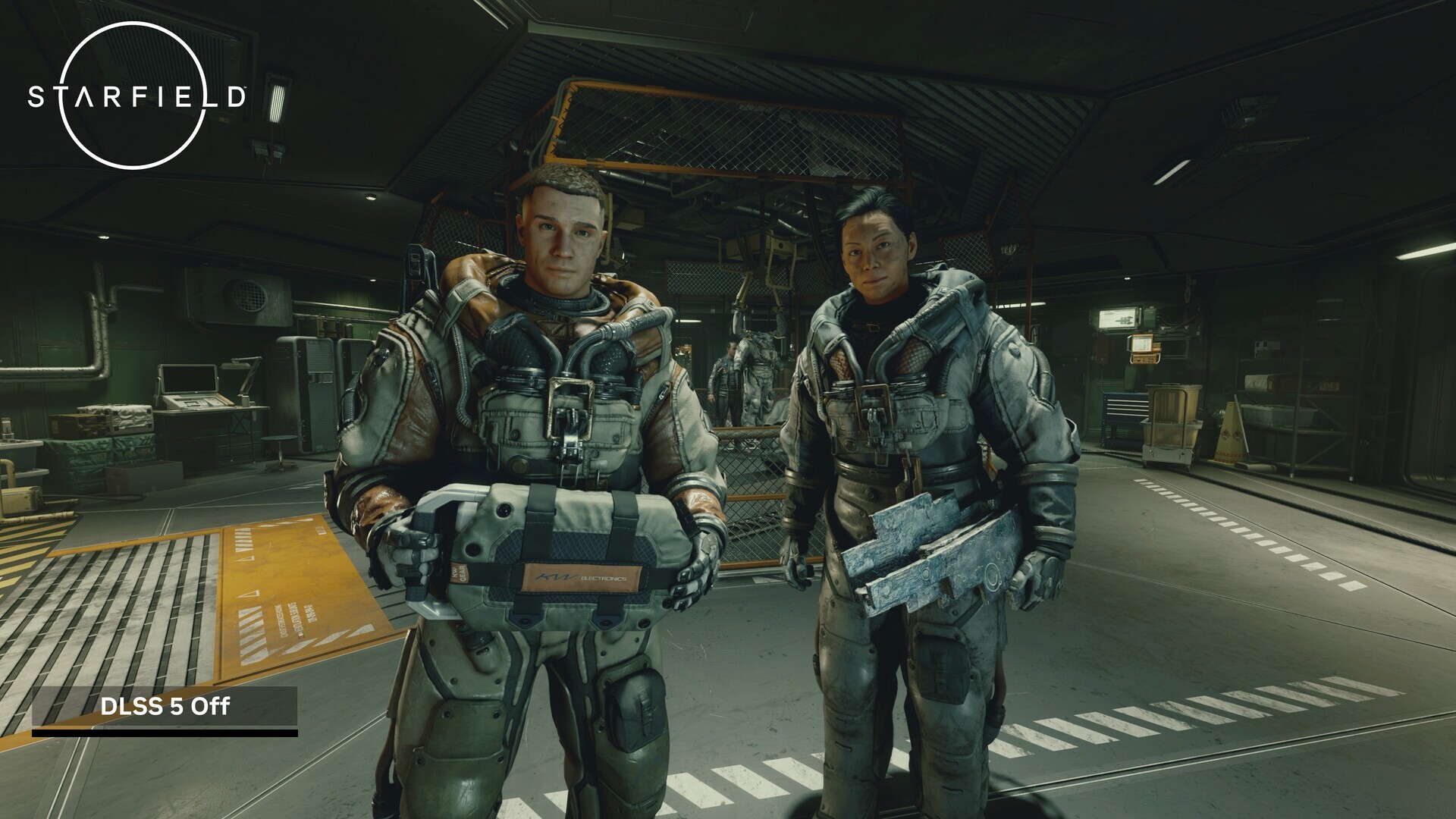
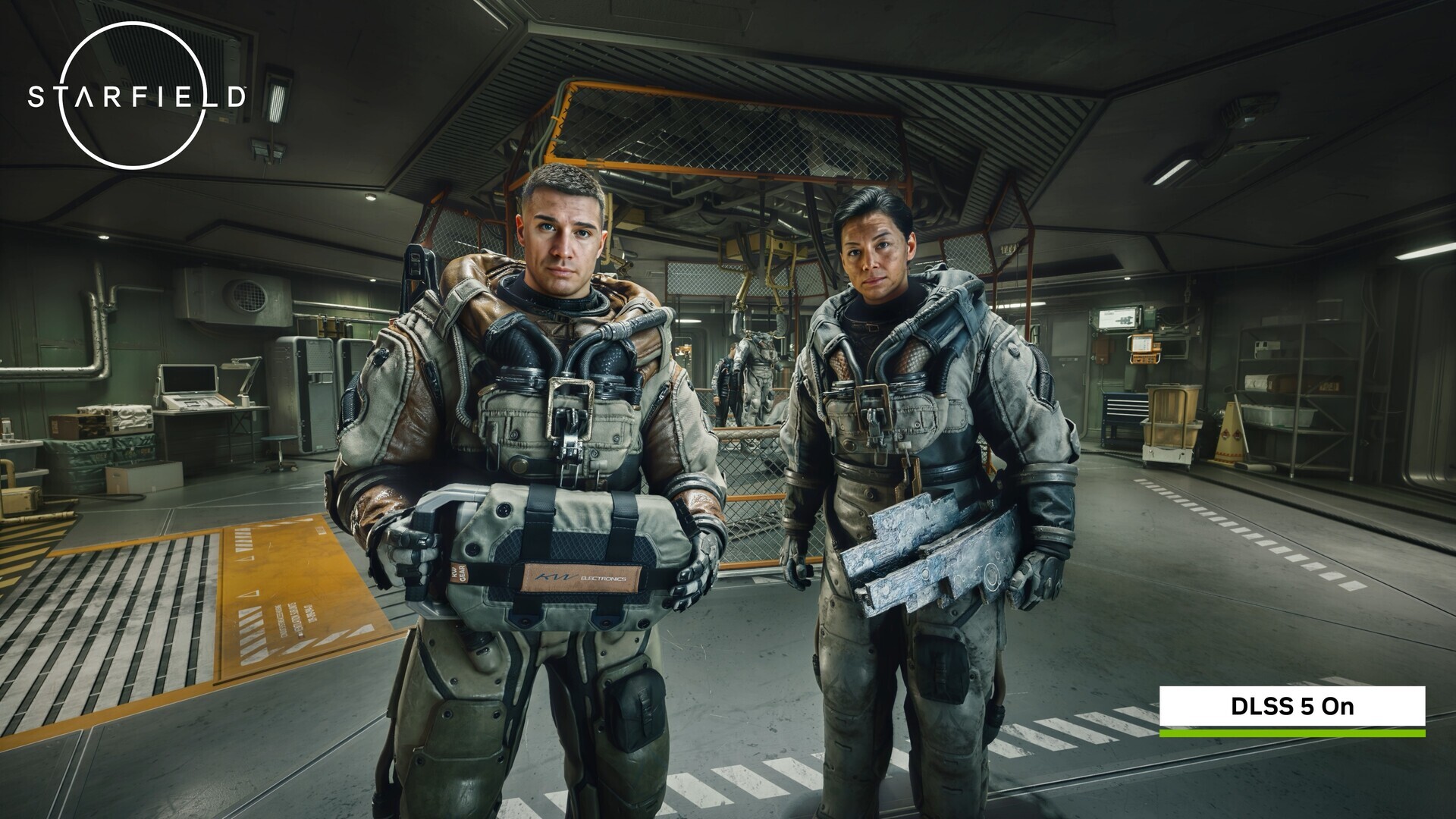
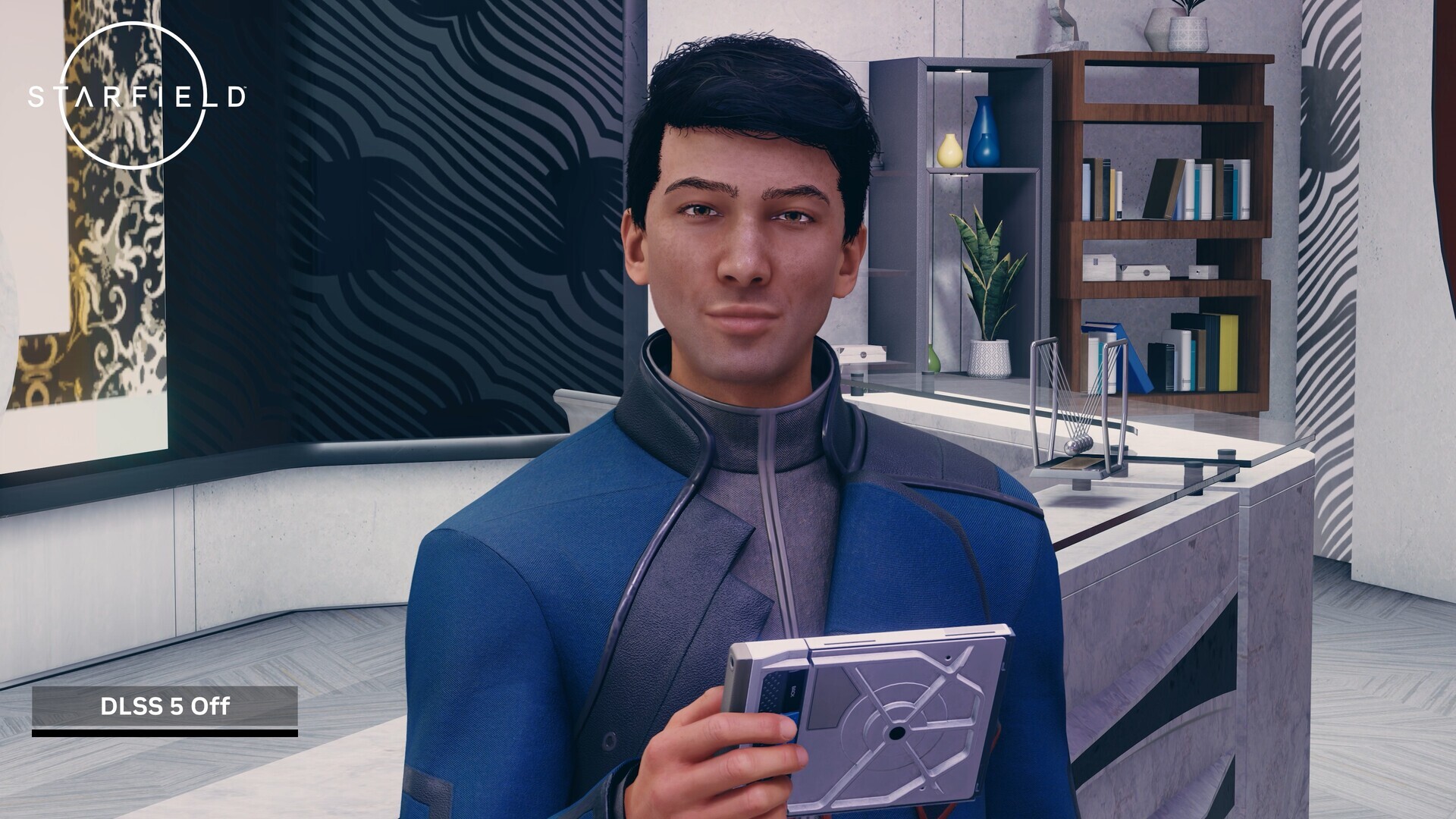
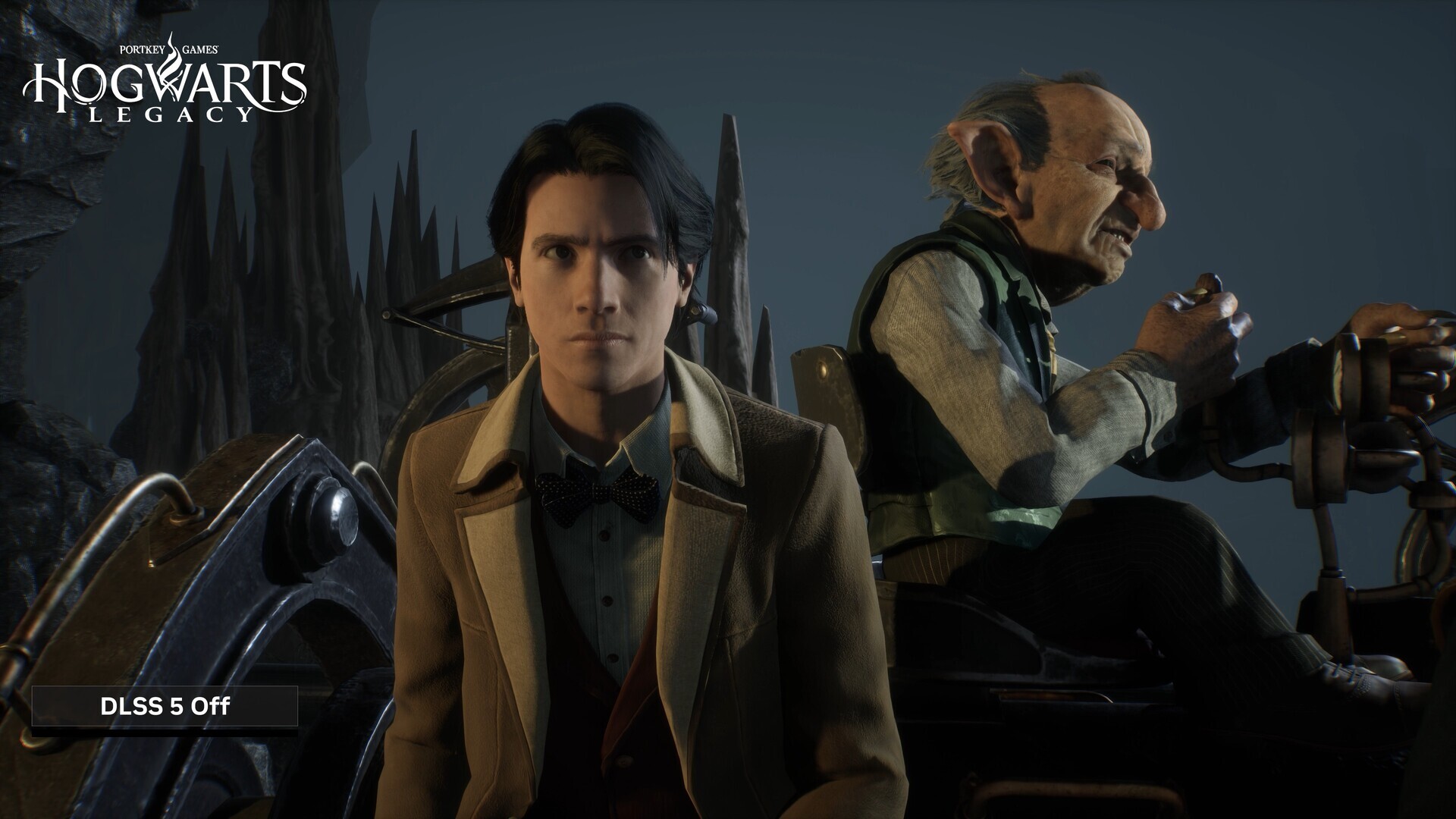
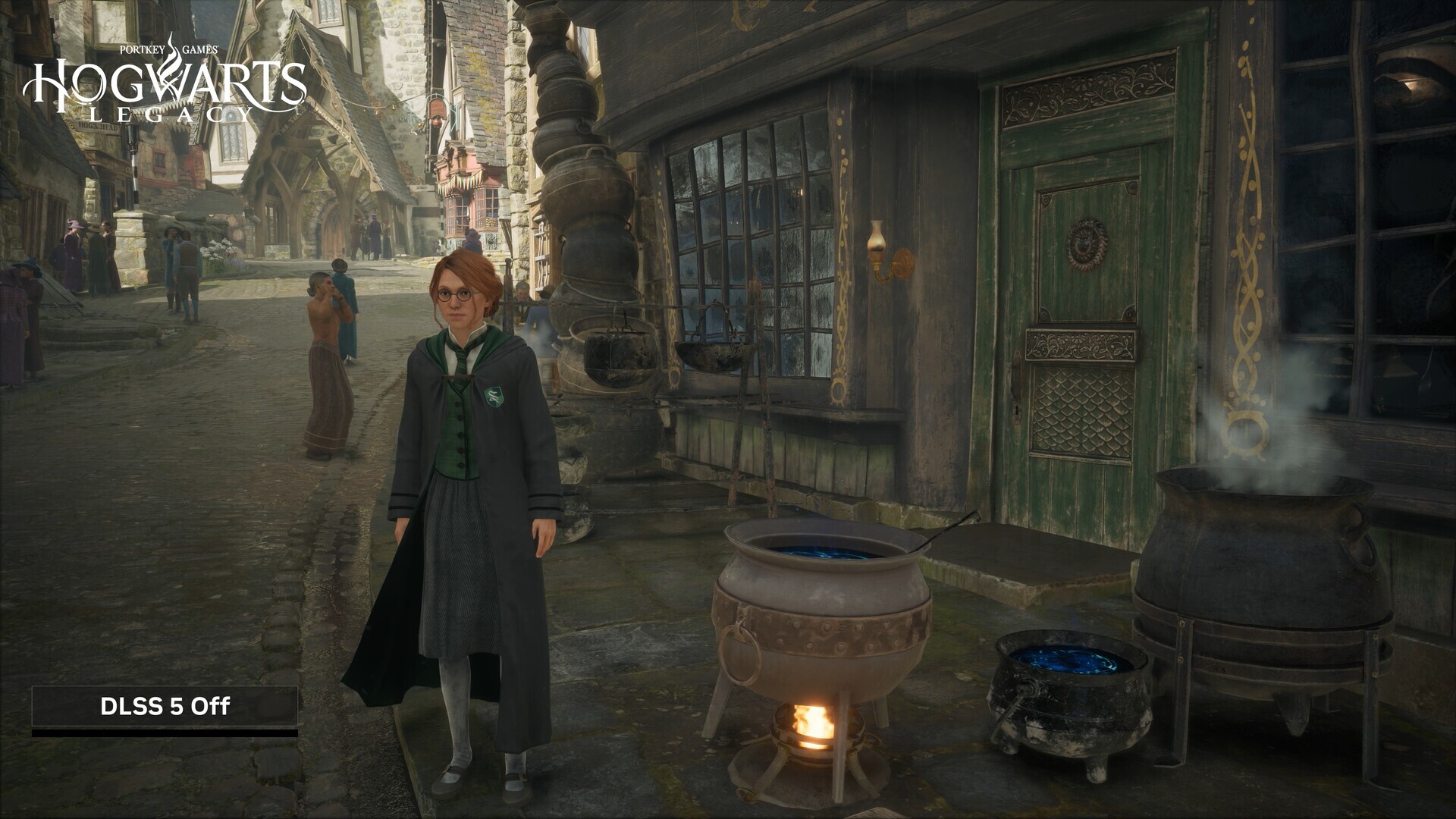
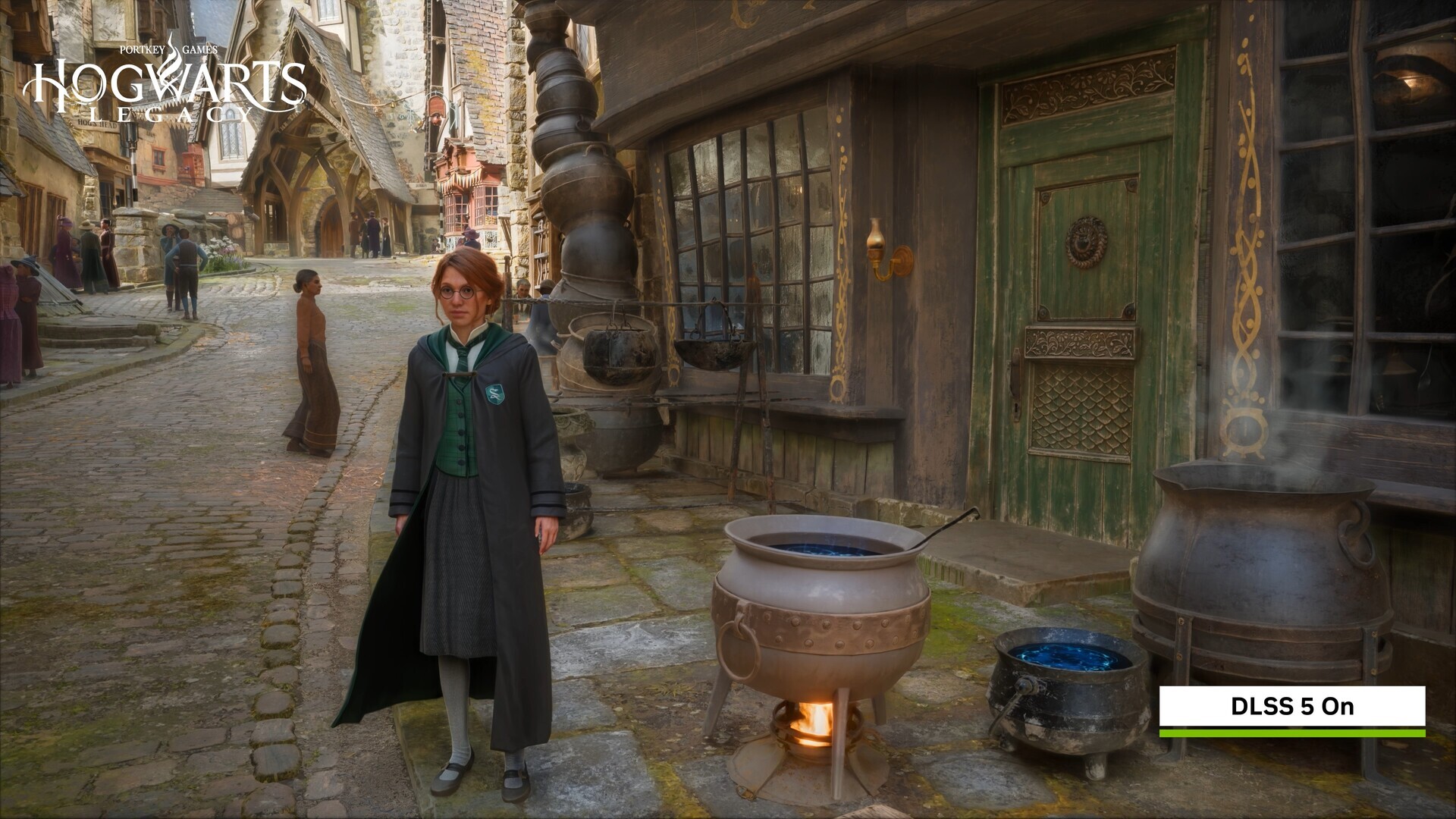
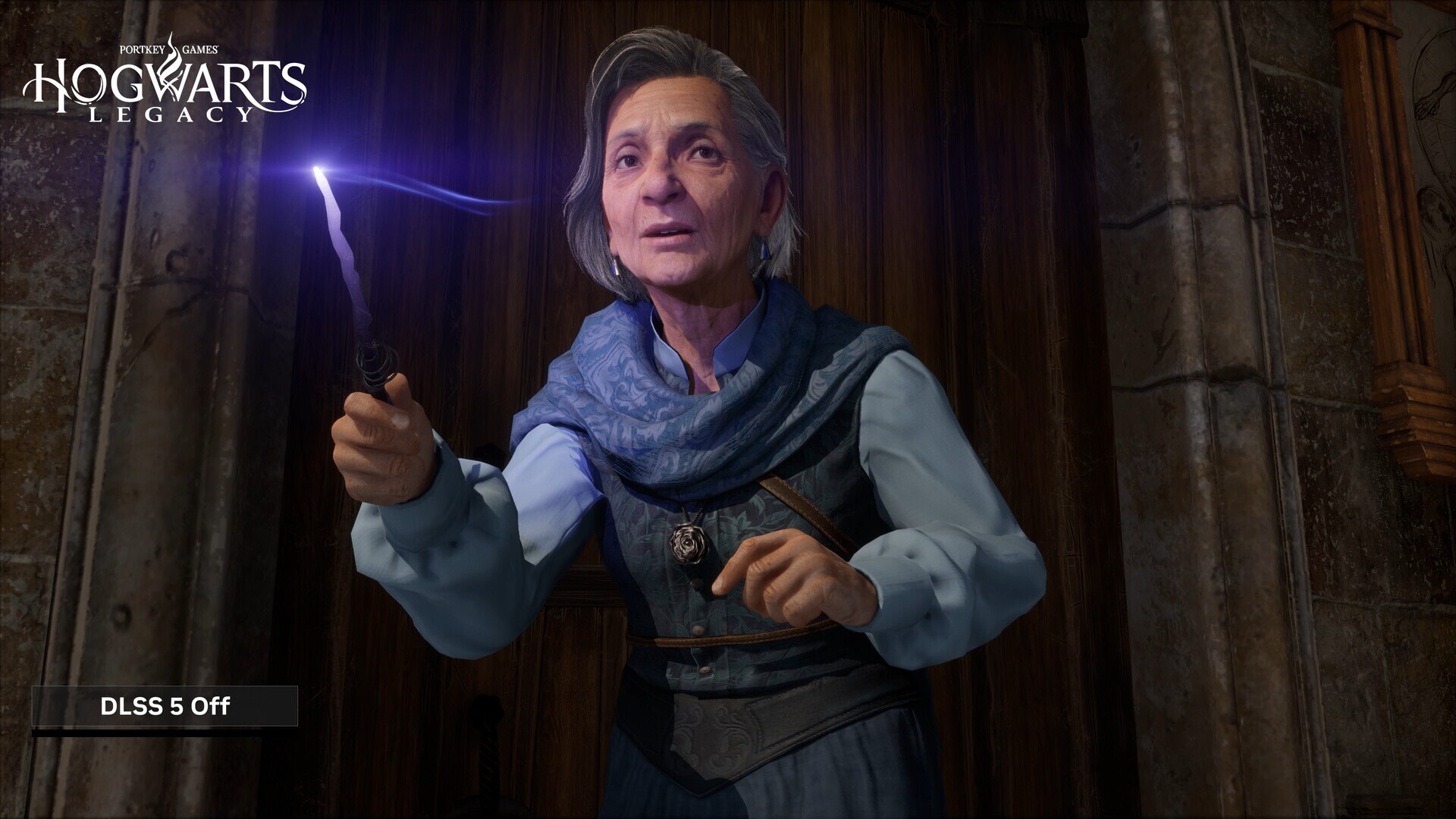
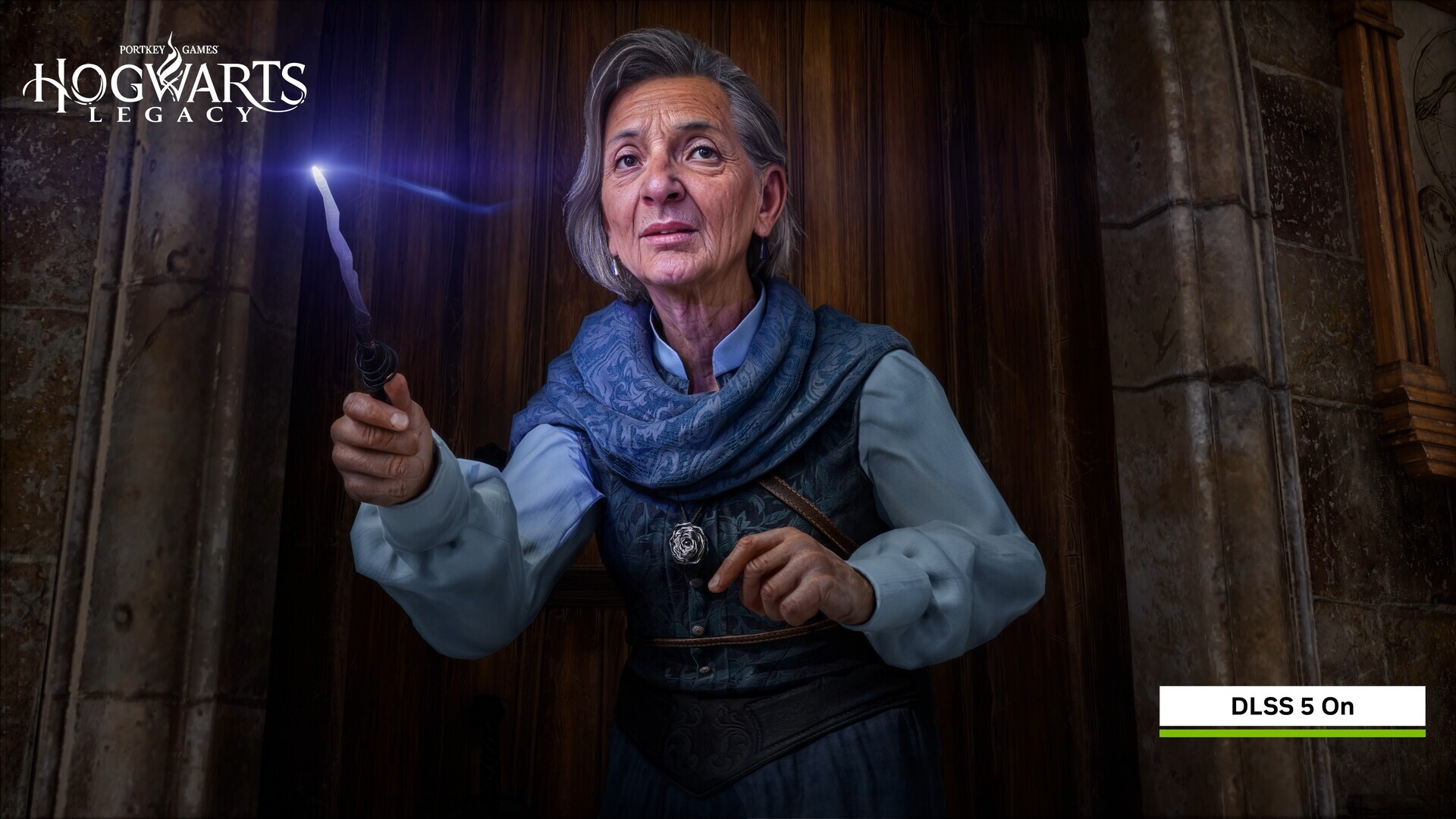
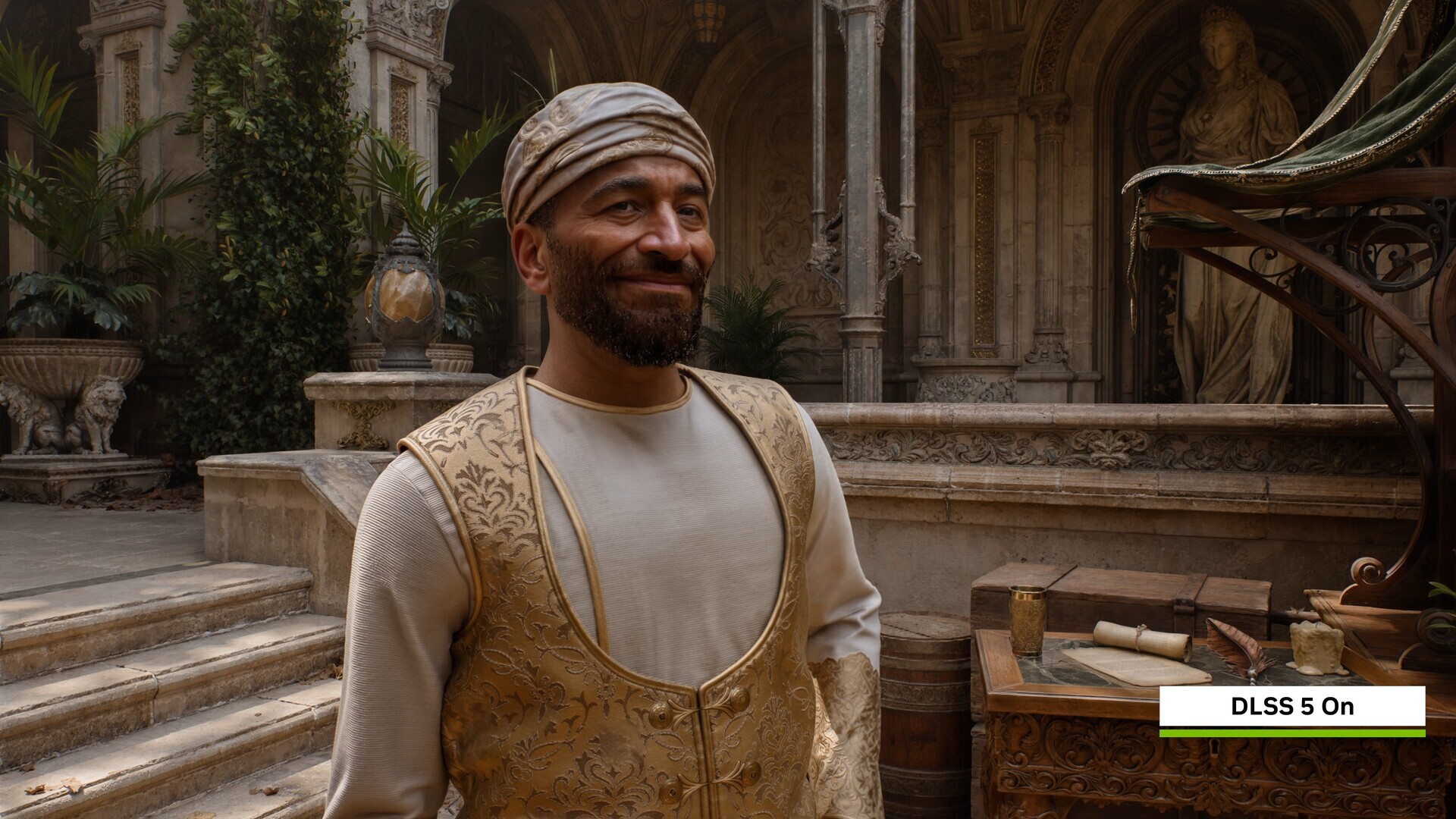
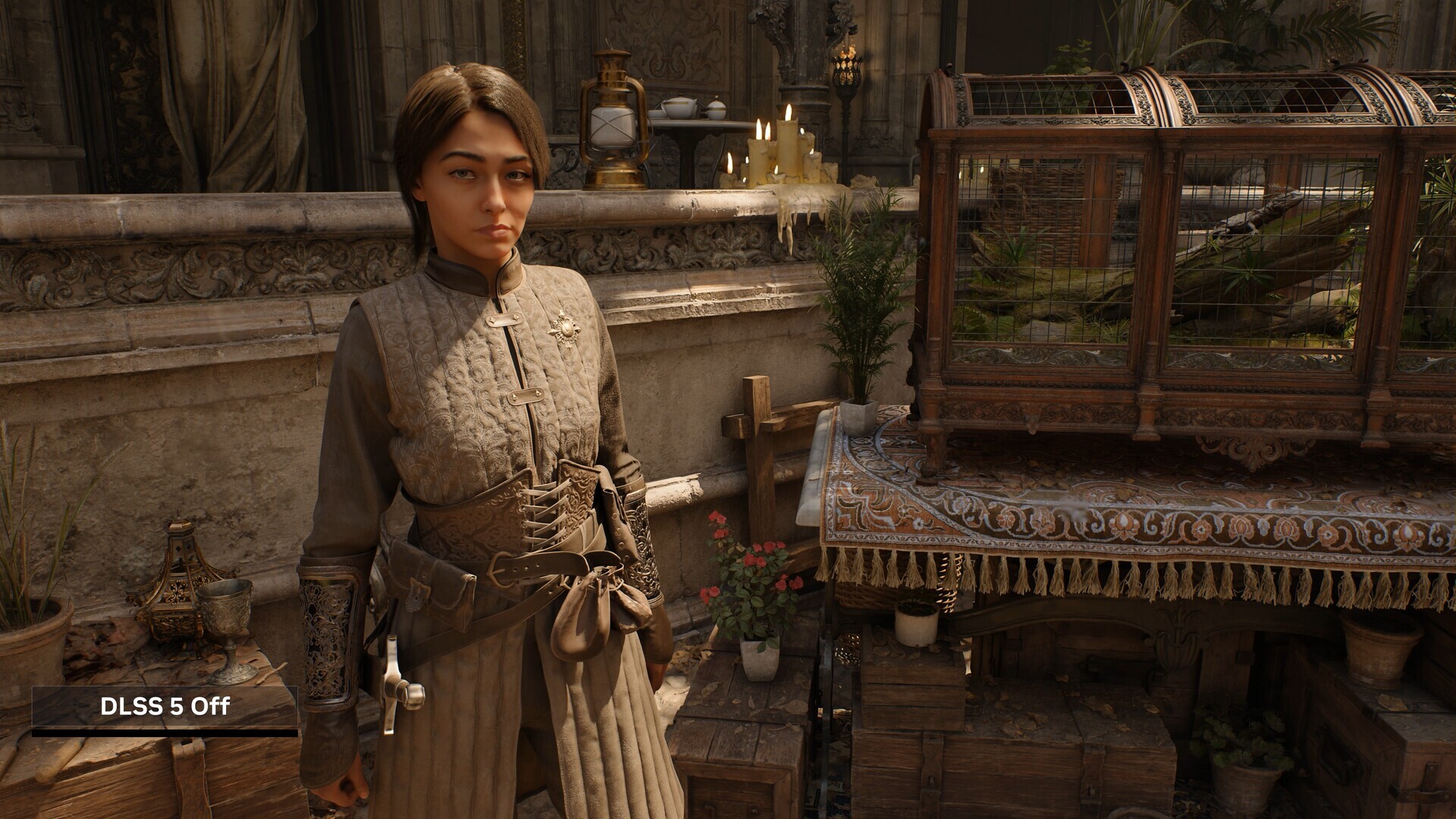
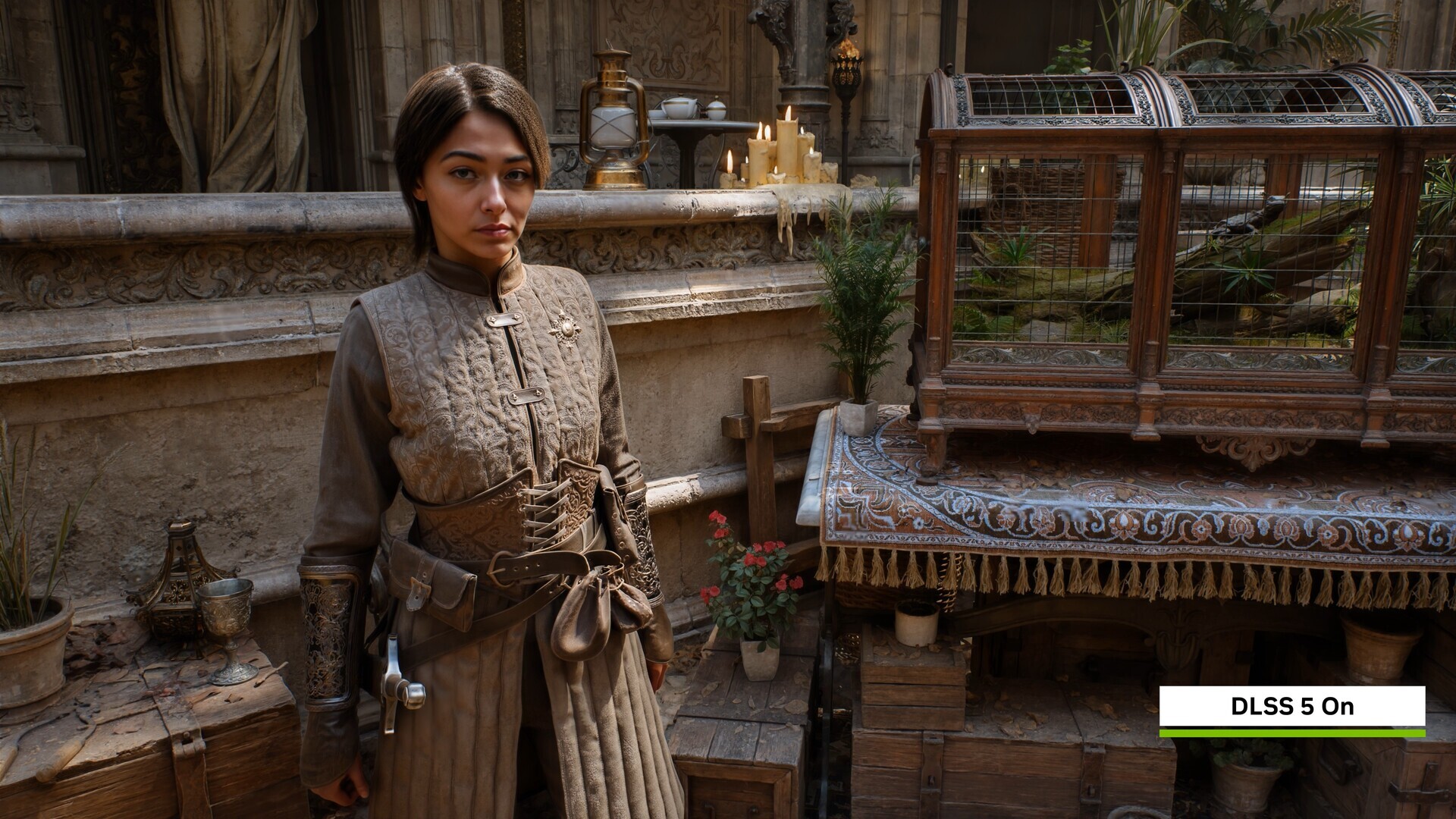
DLSS 5 will arrive this Fall. See the first preview this week at GTC, and below, you can check out several examples of NVIDIA DLSS 5 in Resident Evil Requiem, EA SPORTS FC, Starfield, Hogwarts Legacy, and the NVIDIA Zorah tech demo.
Resident Evil Requiem




 EA SPORTS FC



 Starfield





 Hogwarts Legacy





 NVIDIA Zorah Tech Demo










Source:
NVIDIA
"Twenty-five years after NVIDIA invented the programmable shader, we are reinventing computer graphics once again," said Jensen Huang, founder and CEO of NVIDIA. "DLSS 5 is the GPT moment for graphics—blending hand-crafted rendering with generative AI to deliver a dramatic leap in visual realism while preserving the control artists need for creative expression."


Since the dawn of GeForce, NVIDIA has strived to deliver the graphics horsepower required for game developers to create incredible, realistic worlds—where lighting, reflections and shadows obey the laws of nature.
From programmable shaders with GeForce 3 in 2001, to CUDA with GeForce 8800 GTX in 2006, to real-time ray tracing with GeForce RTX 2080 Ti in 2018, to path tracing and neural shaders with GeForce RTX 5090 in 2025, NVIDIA has delivered major architectural innovations and a massive 375,000x increase in compute to meet this challenge.
However, the rendering horsepower available to a 16-millisecond game frame remains a tiny fraction of that available to a photoreal Hollywood VFX frame, which can take minutes to hours to render. Real-time rendering cannot bridge the gap to photorealism through brute force alone.
NVIDIA DLSS was released in 2018 as an AI technology to boost performance, first by upscaling resolution, and then by generating entirely new frames. It has been integrated in over 750 games, becoming a gold standard for the industry. Launched at CES this year, DLSS 4.5 uses AI to draw 23 out of every 24 pixels seen on the screen. Today, DLSS is evolving beyond performance to transform visual fidelity in games.
Video AI models have rapidly learned to generate photoreal pixels, but they run offline, are difficult to precisely control and often lack predictability, with every new prompt generating bespoke content. For games, pixels must be deterministic, delivered in real time and tightly grounded in the game developer's 3D world and artistic intent.
DLSS 5 takes a game's color and motion vectors for each frame as input, and uses an AI model to infuse the scene with photoreal lighting and materials that are anchored to source 3D content and consistent from frame to frame. DLSS 5 runs in real time at up to 4K resolution for smooth, interactive gameplay.
The AI model is trained end to end to understand complex scene semantics such as characters, hair, fabric and translucent skin, along with environmental lighting conditions like front-lit, back-lit or overcast—all by analyzing a single frame. DLSS 5 then uses its deep understanding to generate visually precise images that handle complex elements such as subsurface scattering on skin, the delicate sheen of fabric and light-material interactions on hair, all while retaining the structure and semantics of the original scene.
DLSS 5 provides game developers with detailed controls for intensity, color grading and masking, so artists can determine where and how enhancements are applied to maintain each game's unique aesthetic. Integration is seamless, using the same NVIDIA Streamline framework used by existing DLSS and NVIDIA Reflex technologies.
Availability & Game Developer Support
DLSS 5 will be supported by the industry's biggest publishers and game developers, including Bethesda, CAPCOM, Hotta Studio, NetEase, NCSOFT, S-GAME, Tencent, Ubisoft and Warner Bros. Games.
"Bethesda has such a rich history pushing graphics with NVIDIA, going all the way back to Morrowind, with that incredible water," said Todd Howard, studio head and executive producer at Bethesda Game Studios. "When NVIDIA showed us DLSS 5 and we got it running in Starfield, it was amazing how it brought it to life. We've played it. We can't wait for all of you to do so as well."
"At CAPCOM, we strive to create experiences that feel cinematic, compelling and deeply believable—where every shadow, texture and ray of light is crafted with intention to enhance atmosphere and emotional impact," said Jun Takeuchi, executive producer and executive corporate officer at CAPCOM. "DLSS 5 represents another important step in pushing visual fidelity forward, helping players become even more immersed in the world of Resident Evil."
"Immersion is about making the world feel real. DLSS 5 is a real step towards that goal," said Charlie Guillemot, co-CEO of Vantage Studios. "The way it renders lighting, materials and characters changes what we can promise to players. On Assassin's Creed Shadows, it's letting us build the kind of worlds we've always wanted to."
DLSS 5 will come to games including AION 2, Assassin's Creed Shadows, Black State, CINDER CITY, Delta Force, Hogwarts Legacy, Justice, NARAKA: BLADEPOINT, NTE: Neverness to Everness, Phantom Blade Zero, Resident Evil Requiem, Sea of Remnants, Starfield, The Elder Scrolls IV: Oblivion Remastered, Where Winds Meet, and more.
DLSS 5 will arrive this Fall. See the first preview this week at GTC, and below, you can check out several examples of NVIDIA DLSS 5 in Resident Evil Requiem, EA SPORTS FC, Starfield, Hogwarts Legacy, and the NVIDIA Zorah tech demo.
Resident Evil Requiem





















305 Comments on NVIDIA Unveils DLSS 5 with Real-Time Neural Rendering
Best regards,
Fred.
Besides, those who feel like they must have access to such a novel feature certainly can splurge for a high-end Nvidia GPU anyways.
Although I was wondering why this felt vaguely similar to something I noticed DX11 RT off Bright.
RTX on DARKER by a LOT.
DLSS 5 just seems brighter like DX11 would've already been.
¯\_(ツ)_/¯
You are thinking about this while considering that the vanilla image is correct and just needs to have a bit more detail, when DLSS 5 assumes that the base image isn't correct, and the shading needs to be recalculated to match the output of a pathtracer that would have many more samples than what is currently used in real-time right now.
What bothers me, though, besides the rendering stability, is that sometimes (looking at you, Hogwarts and starfield), the focus on micro details is too strong, as if there's an ambient occlusion setting that's been cranked up to 11. Less contrast wouldn't hurt, especially for skin rendering, even in real life, people try to avoid that super sharp look for something a bit more "analog"
You can see it on starfield, one screenshot goes from having a mostly green look with limited light placement to being almost neutral while it feeling like the room was flooded with light, borderline stage lighting.
Then on every demo that moves you can see clear instability, some faces looking extra fucked, a lot of haloing (especially around characters, the parts of the scene that traditionally move the most), and some added blur on top, for good measure. At one point in the oblivion demo you could see a character's eyes be anything but eyes.
Believe it or not, we don't need to fuck shit up with unstable models to achieve such lighting results, many times developers don't do it because they don't want to. So far all environments I've seen that use this go from looking unique to unoriginal, landscapes almost feel smoothed out (visible in the AC Shadows landscape shots), oddly enough having lighting that feels even less natural.
Whatever this is, I don't think it will see much developer adoption beyond some likely sponsored deals, including the games currently slated to receive DLSS5.
None of this is worth the RAMpocalypse though. I'll take shitty graphics and cheap PCs over whatever the hell this is.
“game developers have full, detailed artistic control”
Have none of you ever heard of “showroom mode” on televisions?
This was captured straight from a GeForce video. I checked lol. I was also noticing 6 fingers at one point in the video on a player. I'm surprised they put this out there.
As for the artefacts some are seeing, my suspicion would be they're more FG related.. but in any event this is a preview look of something still clearly needing much development, something seemingly lost on many like the devs having artistic control.
Honestly the naming of this feature is the biggest problem.
It should have been called Ray Reconstruction 2.0.It’s GTC this week. Many tech demos will be shown.
In a few years, 3D faces will be low poly trash, because they will expect you to turn on DLSS neural rendering.
The people reacting are such a small percentage of the gaming pie though it'll be interesting what more casual gamers think of this assuming affordable hardware can do it anytime soon.
Also if it's much easier just to turn it on vs fine tune it, what do you think developers are gonna do... I personally think nothing lol other than turning it on.
It'll also be interesting to see what Microsoft means by AI assisted neural rendering on the next Xbox.I fully believe Nvidia developed this to get developers more dependent on AI more so than the good for us gamers. They need to keep that money train rolling lol.
I'm not anti AI but I still don't like generic AI slop either like the 1000s of fake Ai trailers on YouTube. If this does that to gaming no thanks.
But people will lap it up for sure