Tuesday, April 14th 2026

OneXPlayer Plans AMD Ryzen AI Max+ 395 Gaming Handheld With Detachable Controllers, 8.8-inch OLED Display
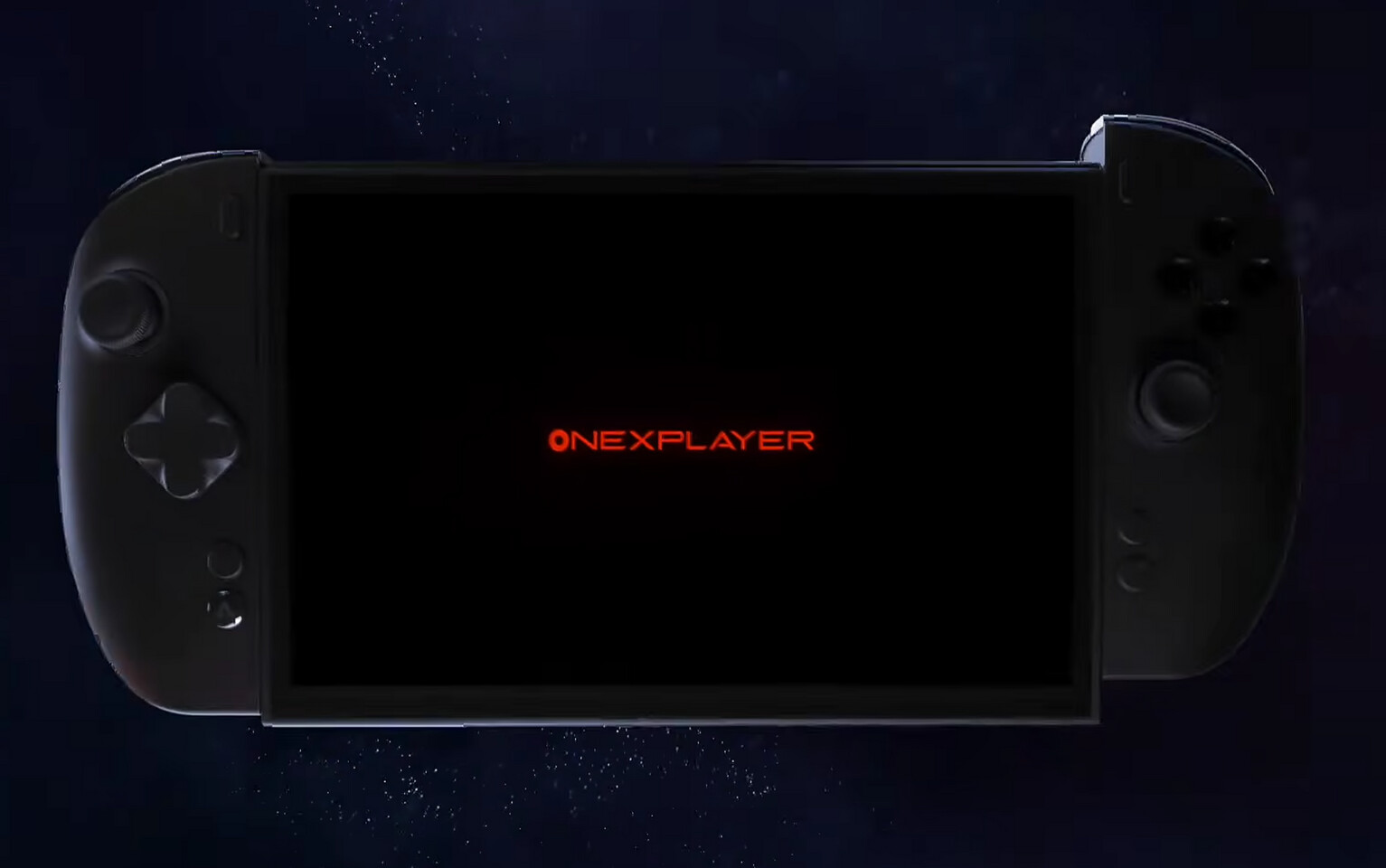
Shortly after announcing the OneXPlayer ONEXStation, powered by the AMD Ryzen AI Max+ 395 APU, OneXPlayer is apparently planning to launch the OneXPlayer X2 Mini, a new gaming handheld powered by the same powerful AMD Strix Halo APU with its Radeon 8060S iGPU. The OneXPlayer X2 Mini features many of the same features and design cues as the X1 Pro that released in 2025, but in a more compact form factor, much like the OneXPlayer Apex that we saw at CES 2026. The new X2 Mini, however, also has a few upgrades over the Apex, including a slightly larger display, an optional exclusively air-cooled version, and a modular design. Pricing has not yet been revealed, although the X2 Mini is slated to launch on May 10.
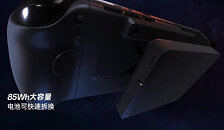
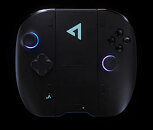
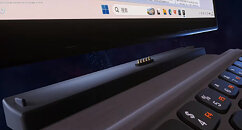
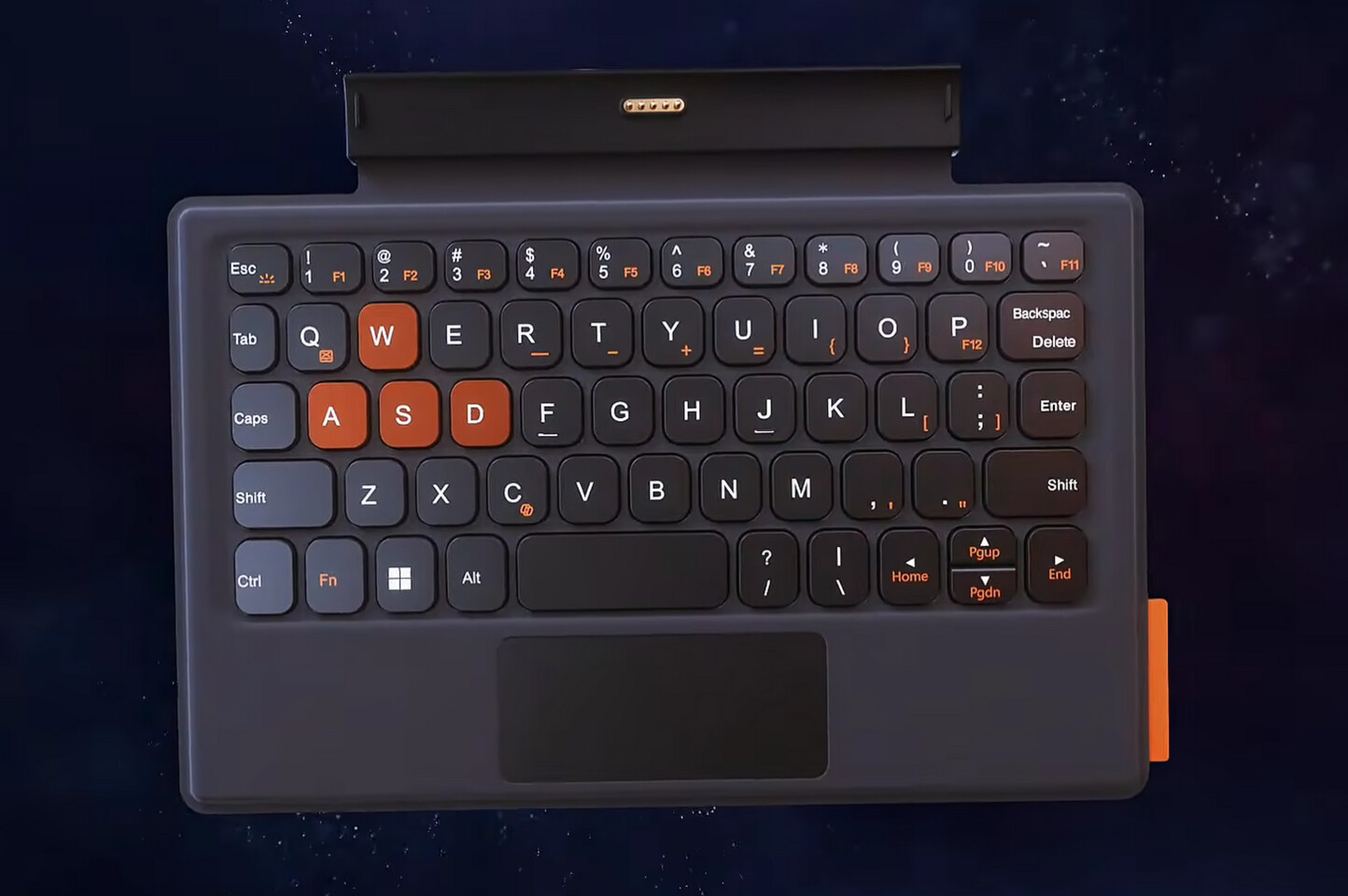
According to a video posted by Nitrix on YouTube, the X2 Mini will have an 8.8-inch, 144 Hz, OLED display with VRR and HDR. It will feature an 85 Wh battery that is user-swappable, allowing users to keep an extra battery on-hand to swap in when the battery dies. The rest of the console is modular, as well. The detachable controllers will feature user-replaceable buttons, casings, joysticks, and vibration motors, and the display will also be user-serviceable. The Joy Con-like controllers will also have a frame to join the two halves into a single mini controller, and the X2 Mini will include two d-pad configurations—the standard cross and an octagonal pad, similar to Microsoft's Xbox Series Elite controller. One point of contention that has been mentioned on Reddit is that the X2 Mini will feature micro switches for the face buttons—although notably not the d-pad—which means the buttons will have lower travel and be slightly louder than a normal membrane switch. There will also be a magnetic connection with pogo pins to attach a keyboard accessory to the bottom of the gaming handheld. The full video showing off the device follows below.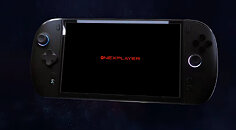

Source:
Nitrix on YouTube
According to a video posted by Nitrix on YouTube, the X2 Mini will have an 8.8-inch, 144 Hz, OLED display with VRR and HDR. It will feature an 85 Wh battery that is user-swappable, allowing users to keep an extra battery on-hand to swap in when the battery dies. The rest of the console is modular, as well. The detachable controllers will feature user-replaceable buttons, casings, joysticks, and vibration motors, and the display will also be user-serviceable. The Joy Con-like controllers will also have a frame to join the two halves into a single mini controller, and the X2 Mini will include two d-pad configurations—the standard cross and an octagonal pad, similar to Microsoft's Xbox Series Elite controller. One point of contention that has been mentioned on Reddit is that the X2 Mini will feature micro switches for the face buttons—although notably not the d-pad—which means the buttons will have lower travel and be slightly louder than a normal membrane switch. There will also be a magnetic connection with pogo pins to attach a keyboard accessory to the bottom of the gaming handheld. The full video showing off the device follows below.



5 Comments on OneXPlayer Plans AMD Ryzen AI Max+ 395 Gaming Handheld With Detachable Controllers, 8.8-inch OLED Display
Unfortunately this will be $2300 for the 32 GB model again, but they'll probably launch it at $1999 through crowdfunding first. AI Max+ 395 is still an expensive APU, especially with the soldered LPDDR5X-8000+ RAM needed.
The screen is obviously the Samsung AMS881KB01 that the Lenovo Legion Go 2 uses, since its the only 8.8" OLED panel with VRR, which means native landscape.
They still have shitty customer support though, but that's not unexpected from boutique ODMs (e.g. Ayaneo, GPD, GEEKOM, etc.).
For the 395 to perform far better than other APUs (using 258V and Z2 Extreme as basis), it needs at least 25W TDP (this is ~60 FPS in CP2077 1200p medium settings, no RT), which can push the total to around 35W to 40W, so only around two hours of gaming time.
The 395 can work as a mobile APU for a handheld, but the problem with it is that its expensive by itself (which is why all these devices that have it are $2000+) and it has absolute minimum TDP of 15W, which IMHO is a waste if you only use it around that level.