Thursday, September 3rd 2026

Leak Confirms Intel's Long-Term Socket Plan with LGA-1954

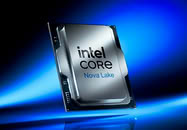
Intel's "Nova Lake-S" desktop processors are drawing nearer, and today a leaked partner slide from China confirmed many of the plans we anticipated. Starting with the LGA-1954 socket, Intel's testing tools had already verified the pin count. This slide not only confirms the pin count but also introduces a small detail about it. In the bottom left corner, there is a disclaimer stating that Intel plans to keep the LGA-1954 socket for multiple generations. This allows enthusiasts to make a one-time investment and maintain the platform for many years. This is a welcome change, considering Intel has switched between three sockets in the last five years: from LGA-1200 to LGA-1700, and then to LGA-1851.

This long-term socket support suggests that Intel is finally adopting a strategy similar to AMD's, as seen with the introduction of AM4, which served for nearly a decade, and AM5, which is planned for support until 2029. With LGA-1954, Intel aims to achieve the same result, providing enthusiasts and cooler makers with a single socket solution for multiple generations. The slide below is machine-translated from Chinese.

The timeline for the "Nova Lake-S" rollout is also confirmed, with mass production set to begin in Q4 2026, and the first SKUs arriving in Q1 2027. The initial edition of "Nova Lake-S" will feature a 28-core, single-compute die SKU, while the flagship 52-core version remains undefined for now. Intel has only indicated that this powerful SKU will be available on desktops within 2027. Looking beyond 2027, "Razor Lake" and "Hammer Lake" are expected.
Sources: wxnod on X, via HardwareLuxx
Add your own comment

45 Comments on Leak Confirms Intel's Long-Term Socket Plan with LGA-1954

#1
Space Lynx
Astronaut
28 cores on a single die, wow

AMD = best I can do is 8

or am I misunderstanding something?
Posted on Reply
#2
qcmadness
As of Zen 5, the best that AMD could do in a single CCD is 16.
Posted on Reply
#3
darakian
Space Lynx28 cores on a single die, wow

AMD = best I can do is 8

or am I misunderstanding something?
Hard to say. It could be 28 cores across a set of chiplets too
Posted on Reply
#4
_JP_
I, too, believe that for hardware we should start having LTS releases, where "LTS" does stand for "Long-Term Socket".
While novel for Intel, aside from the 775/771 "Mighty T" wild times, AMD has kind-of managed to have almost all of their sockets cover a considerable amount of time and uArch releases.
Posted on Reply
#5
oxrufiioxo
Space Lynx28 cores on a single die, wow

AMD = best I can do is 8

or am I misunderstanding something?
8P/16E and 4 LP cores

Not much different than the current 8P/16E or Raptorlake 13900k/14900k just the 4 extra LP cores.

All the benefits over the 270K+ will have to be architecture related.

9950X vs 270K+ are very similar even though the intel part has 8 extra cores

Zen 6 will be 12+12 unless there is a 6c configuration then it could be 24+24
Posted on Reply
#6
AGlezB
Space Lynx28 cores on a single die, wow

AMD = best I can do is 8

or am I misunderstanding something?
Not all cores are the same size and Intel is very happy not saying how many of those are E-cores.
Posted on Reply
#7
AntiX3DGlazer
oxrufiioxoAll the benefits over the 270K+ will have to be architecture related.
I suppose categorically this is true, but I assume that you mean core microarchitecture. This is not quite true, as Nova Lake has a new SoC tile. This will doubtless bring some improvement on its own (as Arrow was super uncore limited).
Posted on Reply
#8
evernessince
Space Lynx28 cores on a single die, wow

AMD = best I can do is 8

or am I misunderstanding something?
8 is fine so long as they continue to get approximately faster IPC wise. Software isn't at the point where it's shown that 8-core CPUs are a hinderance.
Posted on Reply
#9
Hecate91
Intel could be more honest with their cores counts, mixed cores shouldn't add to the total core count, though ofc Intel would rather use bigger number more better as marketing.
Having longer term socket support is nice, hopefully its better support than minor refreshes.
Posted on Reply
#10
Space Lynx
Astronaut
oh i see, ya i misunderstood. thanks all

still looking forward to Nova Lake benchmarks later this year or early next year though ^^
Posted on Reply
#11
enb141
Same socket ≠ will work with all CPUs with that socket (correct me if I'm wrong), that socket could change from DDR 5 to DDR 6, so I doubt DDR 6 Processors will work with old motherboards with DDR 5 RAM
Posted on Reply
#12
Ed_1
enb141Same socket ≠ will work with all CPUs with that socket (correct me if I'm wrong), that socket could change from DDR 5 to DDR 6, so I doubt DDR 6 Processors will work with old motherboards with DDR 5 RAM
right, while the socket maybe the same, the feature set can't keep up, if Nova lake is say DDR5 and next one is DDR6 only thing it could do is CPU would have to support both memory types, or you need a new MB with DDR6 slots.
Posted on Reply
#13
AGlezB
enb141Same socket ≠ will work with all CPUs with that socket (correct me if I'm wrong), that socket could change from DDR 5 to DDR 6, so I doubt DDR 6 Processors will work with old motherboards with DDR 5 RAM
Same socket is almost a 100% guarantee the new CPU will work, but the mobo will require a BIOS update.

RAM support is part CPU (memory controller) part mobo (chipset, bios, slots, voltages, etc.) so if the CPU supports more than one RAM generation you might find mobos for each and in some cases combo mobos like ASTock G610M COMBO that support both, although not at the same time. Also, it's more an Intel thing; I don't recall any recent AMD CPU architecture suporting more than one RAM gen, which makes sense because it adds complexity which in most cases isn't needed.
Posted on Reply
#14
oxrufiioxo
AntiX3DGlazerI suppose categorically this is true, but I assume that you mean core microarchitecture. This is not quite true, as Nova Lake has a new SoC tile. This will doubtless bring some improvement on its own (as Arrow was super uncore limited).
I meant Both.
Posted on Reply
#15
notoperable
Since Intel confirms it, what could possibly go wrong? They did confirm a lot in the past as well, Socket 1700 comes to mind.
Intel's long-term is one of those open to interpretation relatives.

"... with DDR6 slots."
- DDR6, the aiobtanium, launching earliest in 2030s for the Enterprise
Posted on Reply
#16
ir_cow
So 10 years of the same CPU but "refresh" with a new name?
Posted on Reply
#17
enb141
AGlezBSame socket is almost a 100% guarantee the new CPU will work, but the mobo will require a BIOS update.

RAM support is part CPU (memory controller) part mobo (chipset, bios, slots, voltages, etc.) so if the CPU supports more than one RAM generation you might find mobos for each and in some cases combo mobos like ASTock G610M COMBO that support both, although not at the same time. Also, it's more an Intel thing; I don't recall any recent AMD CPU architecture suporting more than one RAM gen, which makes sense because it adds complexity which in most cases isn't needed.
You've contradicted yourself, if AMD only supports one RAM gen, why Intel will support multiple RAM?

Mi guess is that future DDR6 processors will need DDR6 ready motherboards, even if use the same Socket, to me using a long term socket is only useful for keeping CPU coolers and motherboard dimensions standard, nothing else.
Posted on Reply
#18
kazuviking
oxrufiioxoZen 6 will be 12+12 unless there is a 6c configuration then it could be 24+24
Amd could easily make 12+12+12+12 as 4 chiplets fits snuggly but that would eat into their threadripper territory.
oxrufiioxo9950X vs 270K+ are very similar even though the intel part has 8 extra cores
- AVX512 which is the biggest low.
Posted on Reply
#19
AGlezB
enb141You've contradicted yourself,
How exactly?
enb141if AMD only supports one RAM gen, why Intel will support multiple RAM?
Besides being a competitive advantage you'd have to ask Intel. Regardles, it is a fact their CPUs from 12th to 14th gen support both DDR 4 and 5.

Posted on Reply
#20
Sol_Badguy
Hecate91Intel could be more honest with their cores counts, mixed cores shouldn't add to the total core count, though ofc Intel would rather use bigger number more better as marketing.
Why does core count matter that much? And core config while we're at it.
Isn't it about price to performance ratio?
Who cares how they get there?
If you're satisfied with the performance you get for the money you pay then you buy it, no?
And why shouldn't E-cores get added to the total? Don't they contribute to the performance?
notoperableSince Intel confirms it, what could possibly go wrong?
Nah we all know we need Hallock on video saying it. :laugh:
kazuvikingAmd could easily make 12+12+12+12 as 4 chiplets fits snuggly but that would eat into their threadripper territory.
Where?
www.techpowerup.com/img/UnNSJqy477WHaGZV.jpg
Posted on Reply
#21
Steevo
Intel, king of if and or butt.

They will keep the socket for multiple generations if they can sell other things with it, but not if it’s just a CPU, and as long as you don’t take them at their word to not force a socket upgrade that was later proven to be unnecessary. Trust the science!!!’


Seems like their turn at “Moar Cores”.
Posted on Reply
#22
Tek-Check
enb141Same socket ≠ will work with all CPUs with that socket (correct me if I'm wrong), that socket could change from DDR 5 to DDR 6, so I doubt DDR 6 Processors will work with old motherboards with DDR 5 RAM
No, it cannot happen on this platform. DDR6 is several years away, even on data centre CPUs. Don't expect it on desktop before 2030, especially not in this crazy DRAM market.
Posted on Reply
#23
enb141
AGlezBHow exactly?
Because you said that AMD CPU work with either DDR5 or DDR6 not both.
AGlezBBesides being a competitive advantage you'd have to ask Intel. Regardles, it is a fact their CPUs from 12th to 14th gen support both DDR 4 and 5.

If that's the case, that could work with first generation DDR6 CPUs (two generations best case scenario), but my bet is that later processors will work only with DDR6, so even if they don't change the socket, the user will need to upgrade the motherboard.
Tek-CheckNo, it cannot happen on this platform. DDR6 is several years away, even on data centre CPUs. Don't expect it on desktop before 2030, especially not in this crazy DRAM market.
DRAM hell doesn't means DDR6 won't be ready soon. Overpriced, yes but will appear.

If this socket will last so long, we are talking that in 5 years, this socket will continue to be in use.
Posted on Reply
#24
AGlezB
enb141Because you said that AMD CPU work with either DDR5 or DDR6 not both.
Really? Do you mind sharing the exact quote where I said or implied that?
enb141If that's the case, that could work with first generation DDR6 CPUs (two generations best case scenario), but my bet is that later processors will work only with DDR6, so even if they don't change the socket, the user will need to upgrade the motherboard.
Unlikely. DDR6 is expected to go full CAMM2 and that'll mean new sockets, new CPUs and zero backwards compatibility.
enb141DRAM hell doesn't means DDR6 won't be ready soon. Overpriced, yes but will appear.
The spec is scheduled for 2028 and as with previous generations you will not see mainstream adoption until 2030 at the very least, possibly later given the expected change in form factor and higher initial pricing.
Posted on Reply
#25
cyberdamn
enb141Same socket ≠ will work with all CPUs with that socket (correct me if I'm wrong), that socket could change from DDR 5 to DDR 6, so I doubt DDR 6 Processors will work with old motherboards with DDR 5 RAM
Why would you out Intel's plans like that? They're a poor indie company.
Posted on Reply
Add your own comment
Nov 12th, 2026 07:34 PST change timezone

New Forum Posts

Popular Reviews

TPU on YouTube

Controversial News Posts