Friday, September 18th 2026

ASUS Announces the Snapdragon X2 Elite Based Ascent QN10 Mini PC
ASUS today announced ASUS Ascent QN10, the world's first AI mini PC featuring an 80 TOPS NPU, redefining AI computing in an ultracompact form factor. Powered by the latest Snapdragon X2 Elite platform with an 18-core Qualcomm Oryon CPU, Ascent QN10 exceeds Copilot+ PC requirements and delivers exceptional performance, responsive AI experiences, and outstanding energy efficiency.
With advanced on-device AI acceleration and enterprise-grade security, ASUS Ascent QN10 enables real-time AI workloads, intelligent content generation, productivity enhancement, and AI-assisted applications directly on the device. Designed for creators, developers, and enterprises, it empowers next-generation intelligent workflows in a compact yet powerful device, making it ideal for edge AI environments.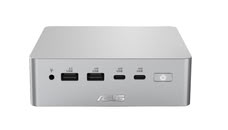
 Ultracompact design with AI desktop-class performance
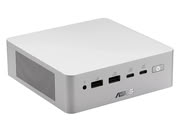
At under 0.7 liters, ASUS Ascent QN10 packs AI desktop-class performance into an exceptionally compact chassis that is 86% smaller than conventional 5-liter desktop systems. It comes with integrated graphics powered by a Qualcomm Adreno GPU that provides 2.3X faster performance than its previous generation. This sleek, space-saving design integrates seamlessly into offices, creator studios, enterprise environments, and modern workspaces.
Next-generation AI powered by Snapdragon X2 Elite
ASUS Ascent QN10 is for users seeking a highly-capable AI system in an ultracompact footprint. Offering sustained performance with cool and quiet operation, the Ascent QN10 is powered by Snapdragon X2 Elite featuring up to 18 CPU cores. It delivers significant achievements in performance and efficiency for multitasking, content creation, and AI-assisted workflows. Snapdragon X2 Elite also introduces enhanced graphics and next-generation AI processing designed specifically for the evolving AI PC era.
The integrated Qualcomm Hexagon NPU provides up to 80 TOPS of AI performance to accelerate on-device AI experiences, enabling intelligent applications such as real-time language translation, content generation, video enhancement, AI assistants, and workflow automation.
ASUS Ascent QN10 allows users to stay productive during intensive workloads and extended work sessions.
Enterprise-grade chip-to-cloud security
ASUS Ascent QN10 features a multi-layered security architecture designed to protect devices, data, and AI workloads across hardware, firmware, operating system, and cloud environments. Built for modern AI computing, it helps organizations safeguard sensitive information while enabling secure deployment of intelligent applications.
Security capabilities include fTPM 2.0 for hardware-rooted credential and encryption protection, Microsoft Pluton security processor for enhanced identity and key protection for always-connected device management and recovery capabilities. Together, these technologies provide a secure foundation for AI-powered workflows, helping defend against evolving threats while supporting privacy-focused and enterprise-ready deployments.
Built for AI-assisted productivity workflows and edge AI deployments
ASUS Ascent QN10 delivers scalable on-device AI performance for modern workflows, enabling low-latency execution, enhanced privacy, and responsive AI experiences. From AI-assisted productivity and local LLM inferencing to content creation and edge AI applications, ASUS Ascent QN10 is built to support diverse AI-driven use cases. To streamline on-device AI creation, ASUS Ascent QN10 can access the Qualcomm AI Hub, a developer website that simplifies model optimization, validation, and deployment on hardware along with the Qualcomm AI Stack. Qualcomm AI Hub provides access to 175+ pre-optimized AI models and supports Bring Your Own Model (BYOM) and Bring Your Own Data (BYOD) workflows, enabling developers to efficiently move from model customization to execution.
Beyond local AI processing, ASUS Ascent QN10 supports hybrid Agentic AI workflows that combine on-device experiences with cloud intelligence. Supporting AI tools such as OpenClaw, Hermes Agent, and other agent frameworks, users can interact with AI agents through familiar platforms such as WhatsApp and LINE for seamless automation experiences.
By intelligently routing workloads between cloud LLM APIs and local NPU processing, the hybrid architecture optimizes performance, responsiveness, power efficiency, and operating costs—providing flexible deployment from cloud-assisted AI to privacy-focused local execution.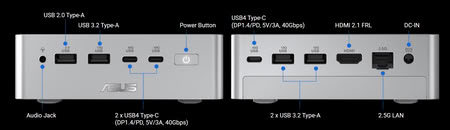 Comprehensive connectivity and expansion
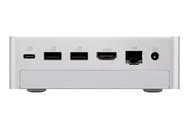
The ASUS Ascent QN10 provides comprehensive high-speed I/O and expansion capabilities designed for AI development environments, peripheral integration, and multi-device workflows. Next-generation wireless connectivity includes WiFi 7 and Bluetooth 6.0, delivering faster, more stable, and lower-latency connections for cloud synchronization, collaborative workflows, and connected AI applications. This ensures seamless integration across enterprise infrastructure, developer ecosystems, and edge computing deployments.
Source:
ASUS
With advanced on-device AI acceleration and enterprise-grade security, ASUS Ascent QN10 enables real-time AI workloads, intelligent content generation, productivity enhancement, and AI-assisted applications directly on the device. Designed for creators, developers, and enterprises, it empowers next-generation intelligent workflows in a compact yet powerful device, making it ideal for edge AI environments.

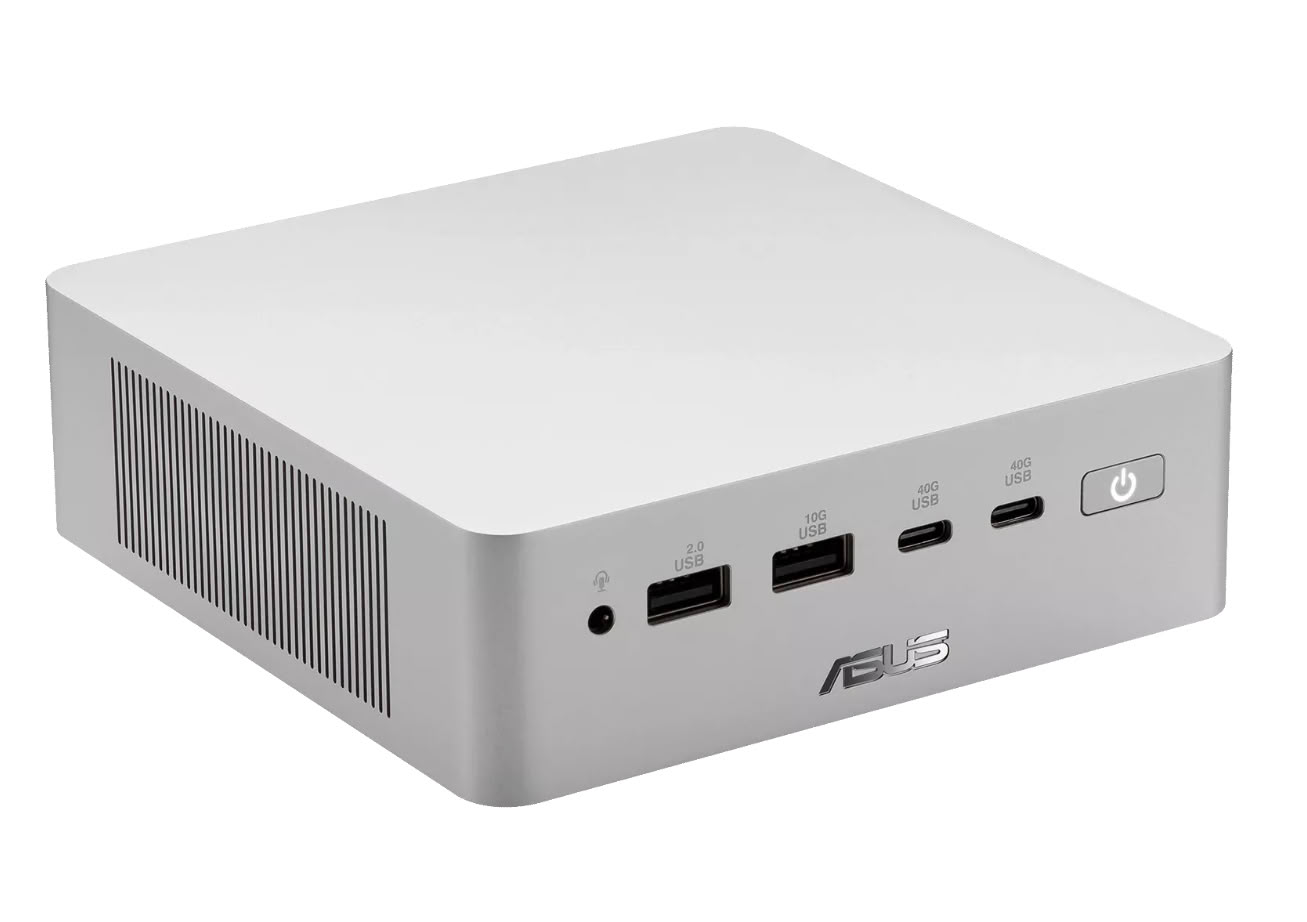
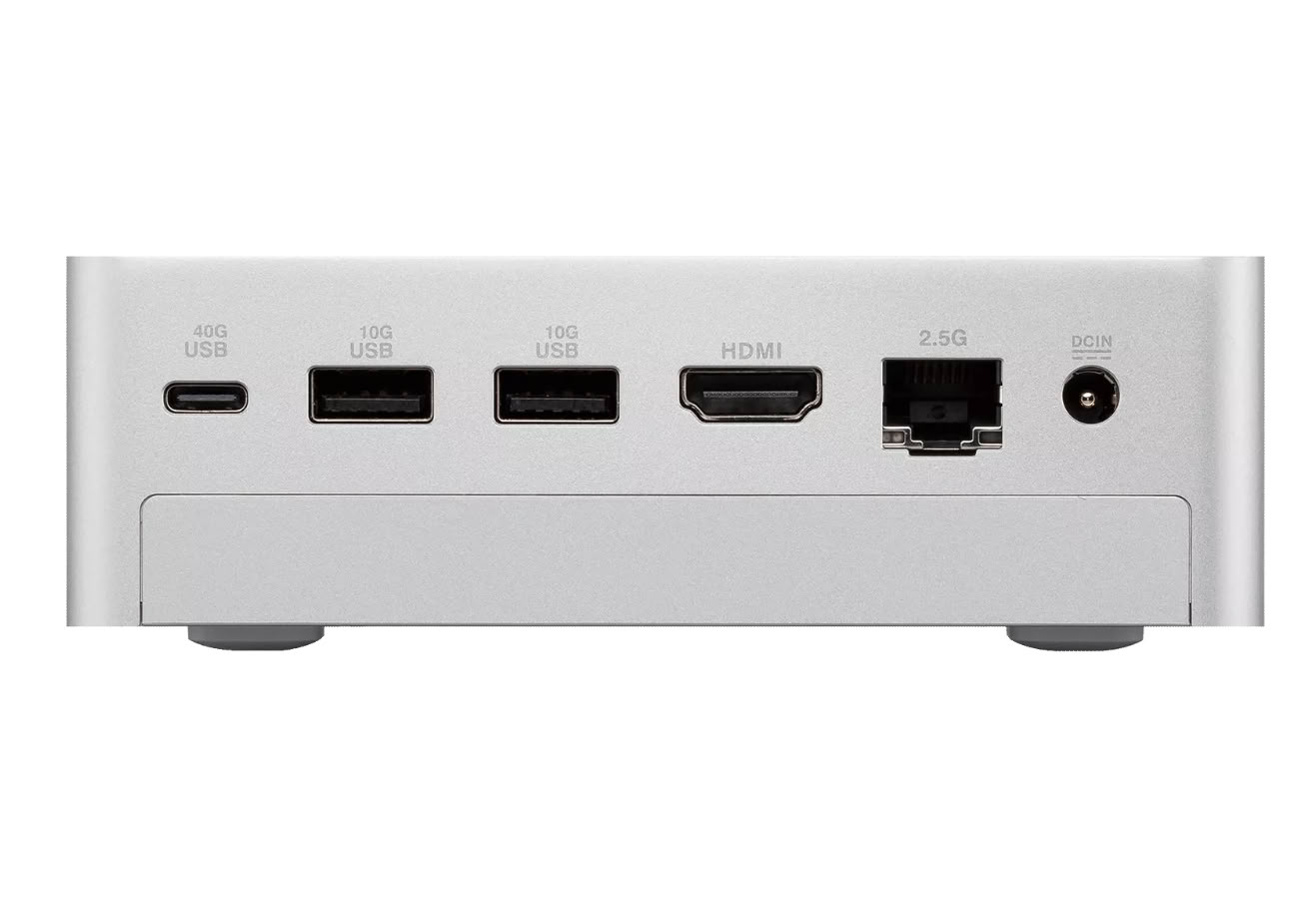
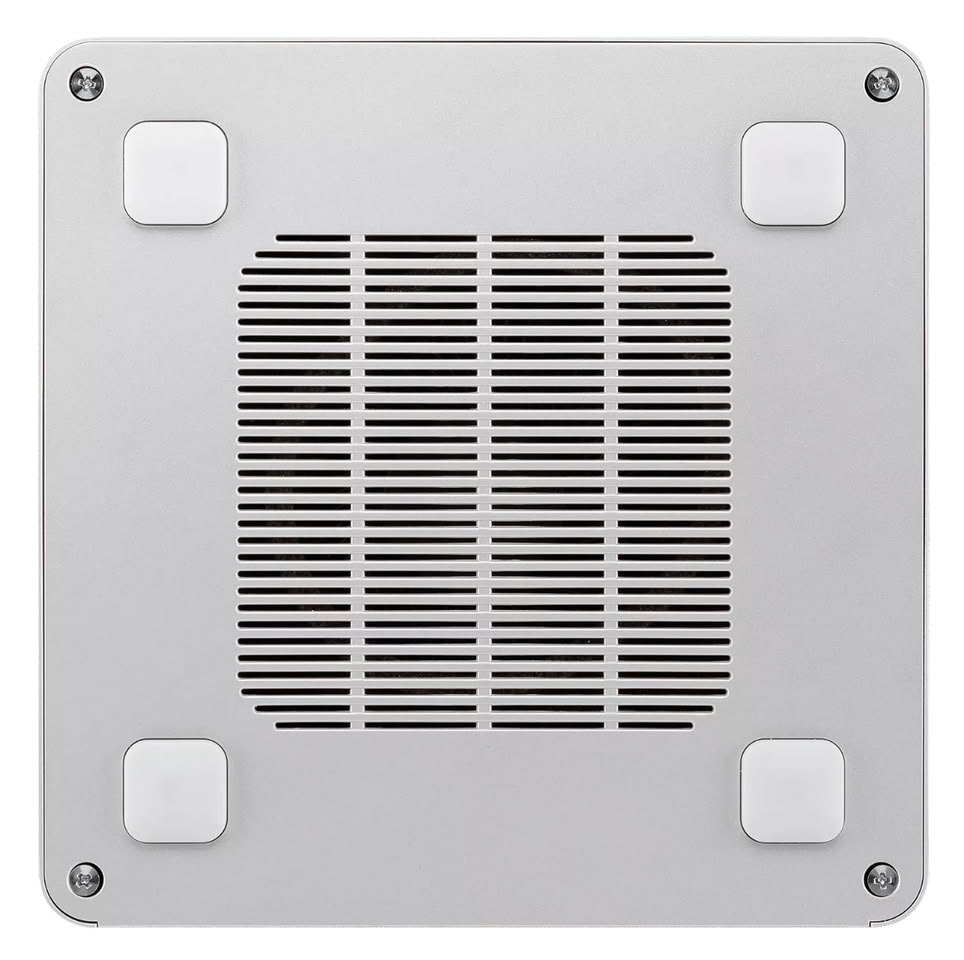
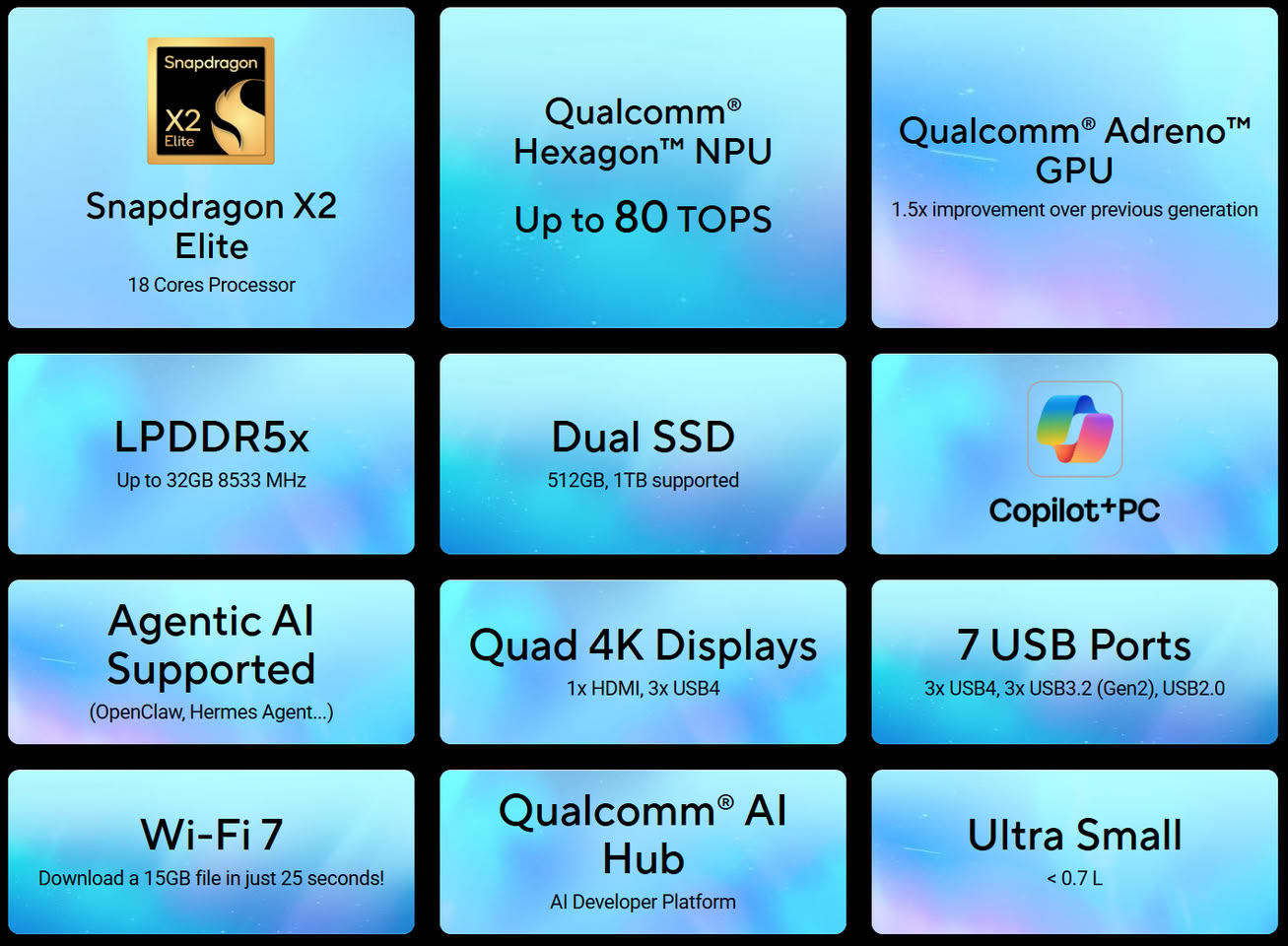
At under 0.7 liters, ASUS Ascent QN10 packs AI desktop-class performance into an exceptionally compact chassis that is 86% smaller than conventional 5-liter desktop systems. It comes with integrated graphics powered by a Qualcomm Adreno GPU that provides 2.3X faster performance than its previous generation. This sleek, space-saving design integrates seamlessly into offices, creator studios, enterprise environments, and modern workspaces.
Next-generation AI powered by Snapdragon X2 Elite
ASUS Ascent QN10 is for users seeking a highly-capable AI system in an ultracompact footprint. Offering sustained performance with cool and quiet operation, the Ascent QN10 is powered by Snapdragon X2 Elite featuring up to 18 CPU cores. It delivers significant achievements in performance and efficiency for multitasking, content creation, and AI-assisted workflows. Snapdragon X2 Elite also introduces enhanced graphics and next-generation AI processing designed specifically for the evolving AI PC era.
The integrated Qualcomm Hexagon NPU provides up to 80 TOPS of AI performance to accelerate on-device AI experiences, enabling intelligent applications such as real-time language translation, content generation, video enhancement, AI assistants, and workflow automation.
ASUS Ascent QN10 allows users to stay productive during intensive workloads and extended work sessions.
Enterprise-grade chip-to-cloud security
ASUS Ascent QN10 features a multi-layered security architecture designed to protect devices, data, and AI workloads across hardware, firmware, operating system, and cloud environments. Built for modern AI computing, it helps organizations safeguard sensitive information while enabling secure deployment of intelligent applications.
Security capabilities include fTPM 2.0 for hardware-rooted credential and encryption protection, Microsoft Pluton security processor for enhanced identity and key protection for always-connected device management and recovery capabilities. Together, these technologies provide a secure foundation for AI-powered workflows, helping defend against evolving threats while supporting privacy-focused and enterprise-ready deployments.
Built for AI-assisted productivity workflows and edge AI deployments
ASUS Ascent QN10 delivers scalable on-device AI performance for modern workflows, enabling low-latency execution, enhanced privacy, and responsive AI experiences. From AI-assisted productivity and local LLM inferencing to content creation and edge AI applications, ASUS Ascent QN10 is built to support diverse AI-driven use cases. To streamline on-device AI creation, ASUS Ascent QN10 can access the Qualcomm AI Hub, a developer website that simplifies model optimization, validation, and deployment on hardware along with the Qualcomm AI Stack. Qualcomm AI Hub provides access to 175+ pre-optimized AI models and supports Bring Your Own Model (BYOM) and Bring Your Own Data (BYOD) workflows, enabling developers to efficiently move from model customization to execution.
Beyond local AI processing, ASUS Ascent QN10 supports hybrid Agentic AI workflows that combine on-device experiences with cloud intelligence. Supporting AI tools such as OpenClaw, Hermes Agent, and other agent frameworks, users can interact with AI agents through familiar platforms such as WhatsApp and LINE for seamless automation experiences.
By intelligently routing workloads between cloud LLM APIs and local NPU processing, the hybrid architecture optimizes performance, responsiveness, power efficiency, and operating costs—providing flexible deployment from cloud-assisted AI to privacy-focused local execution.
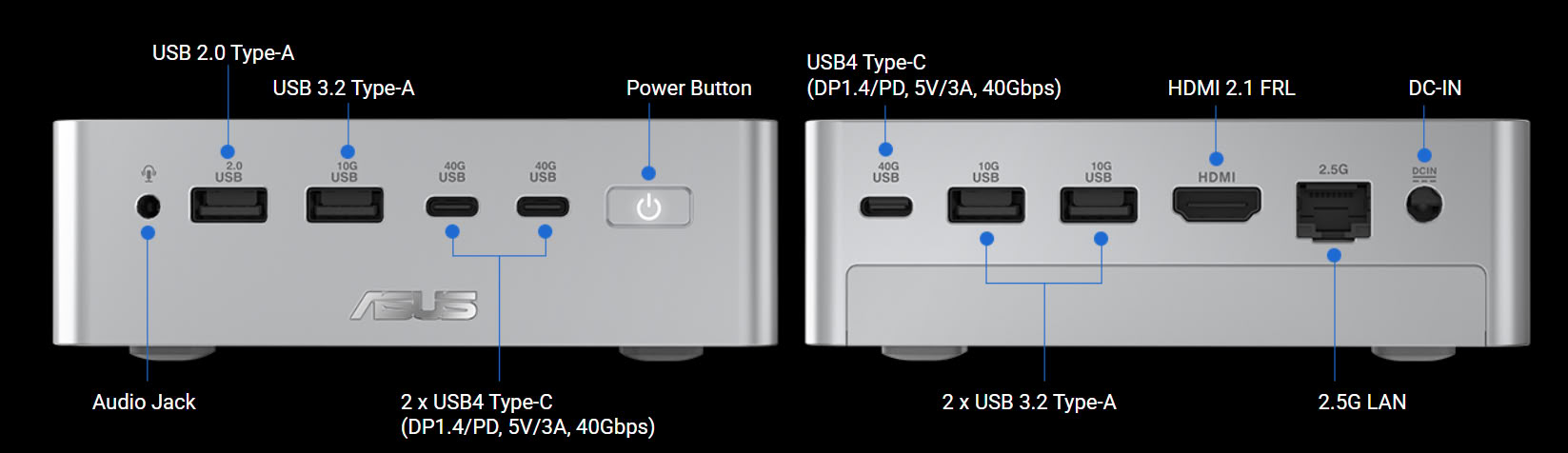
The ASUS Ascent QN10 provides comprehensive high-speed I/O and expansion capabilities designed for AI development environments, peripheral integration, and multi-device workflows. Next-generation wireless connectivity includes WiFi 7 and Bluetooth 6.0, delivering faster, more stable, and lower-latency connections for cloud synchronization, collaborative workflows, and connected AI applications. This ensures seamless integration across enterprise infrastructure, developer ecosystems, and edge computing deployments.
6 Comments on ASUS Announces the Snapdragon X2 Elite Based Ascent QN10 Mini PC
Why people will prefer this over Nvidia's offerings?
A somewhat lengthy techno-babble laced PR that conveniently leaves out one of the most important pieces of information............
like how many arm, legs, kidneys and left testicles/mammories this little box is gonna cost us ???????????????
--Ed--
This seems to cap at 32GB and apparently uses Windows, huh.I don't think it will even compare directly. Spark goes up to 128GB of RAM while this caps at 32GB, the GPU in the Spark should be WAY better, but this Qcom one should have a slightly better CPU.
Let's wait to see the pricing for both the RTX Spark models as well as this QN10, if they end up in totally different price brackets then there won't be anything to discuss lolNo, DGX Spark is for the developer, RTX Spark (which the user referred to) is targeted at the end-consumer, with WoA and whatnot.
OFC DGX Spark is the official dev hardware. That's true.