News Posts matching #OEM

Return to Keyword Browsing

Xbox Bundles 25 Games With New Windows PCs Until End 2026

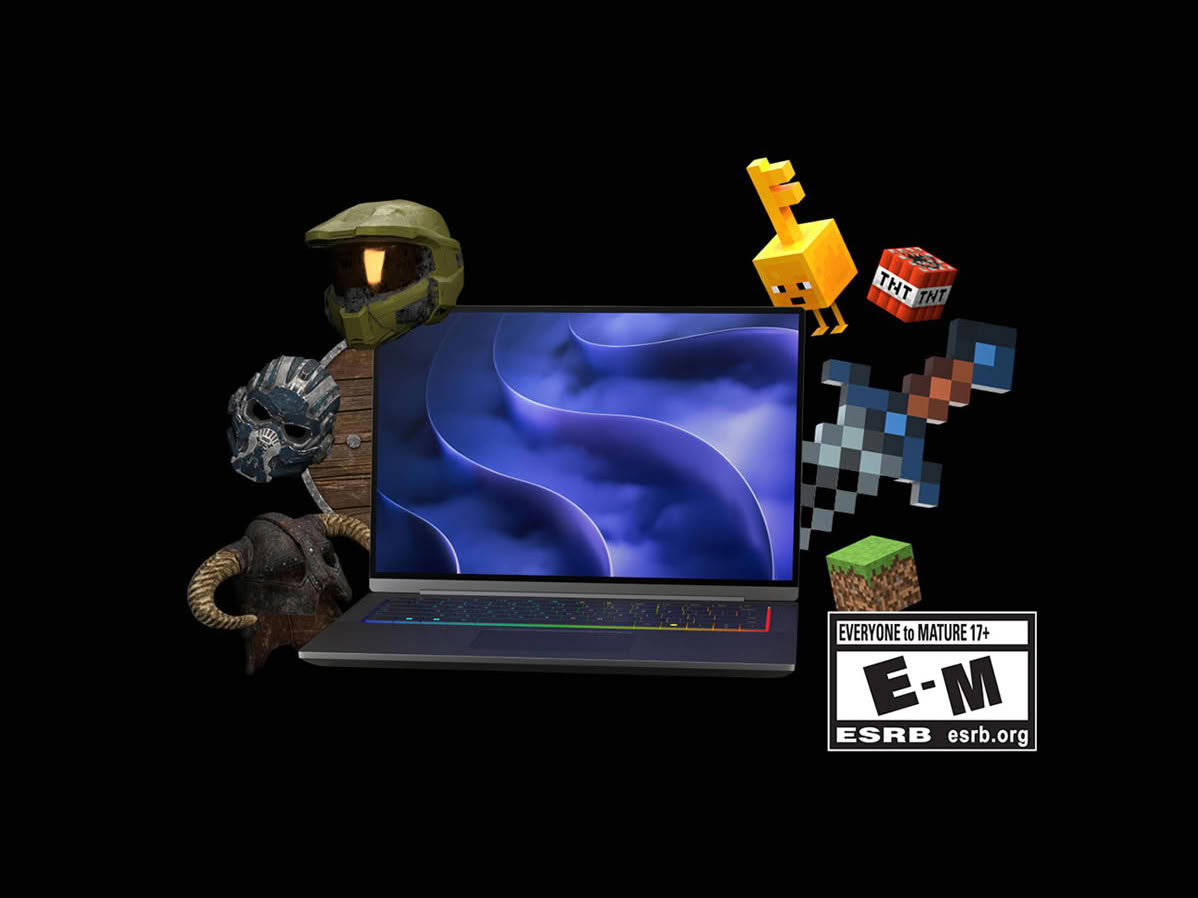
Xbox is currently celebrating its 25th anniversary, during which it announced 21 new games coming to the Xbox Backwards Compatibility program, and, as part of its anniversary celebrations, Microsoft and Xbox are giving PC gamers 25 Xbox Game Studios games for free when they register a new Windows 11 PC. The deal is valid in the US, and it is only valid for PCs purchased until December 31, 2026.

Some of the highlights in the game bundle include Halo Combat Evolved Anniversary, The Elder Scrolls V: Skyrim Special Edition, Doom and Doom II, The Outer Worlds, and Gears of War: Reloaded. While Microsoft has been vague about the eligible devices, it includes select PCs with Windows Home or OEM and NVIDIA Spark PCs with Windows Pro. There is also a page on the Microsoft online store that lists eligible PCs, which include everything from the Microsoft Surface Pro 2-in-1 to the HP OmniDesk AI and the Dell Alienware Aurora desktop. PCs purchased from authorized retailers will also be eligible, and the announcement deliberately calls out gaming handhelds, like the ASUS ROG Xbox Ally.


Intel and Altera Partner for Edge and Physical AI Development

Intel and Altera today announced a collaboration to develop a flexible, real-time sensor bridge for a range of Edge & Physical AI industries including healthcare, aerospace and defense, and robotics applications. By combining Intel compute, connectivity and software with Altera FPGAs, the companies aim to help original equipment manufacturers (OEMs) address the growing complexity of connecting, processing and acting on real-world data across increasingly sensor-rich edge environments.

Edge and Physical AI systems can require data from different sensors and interfaces to be brought together while meeting requirements for timing, performance, power and cost. Some applications also require very high bandwidth or flexible form factors in which input/output (I/O) is located away from the compute board. Sensor data must then be streamed rapidly into memory for the host Intel processor to use across edge, robotics and other workloads.

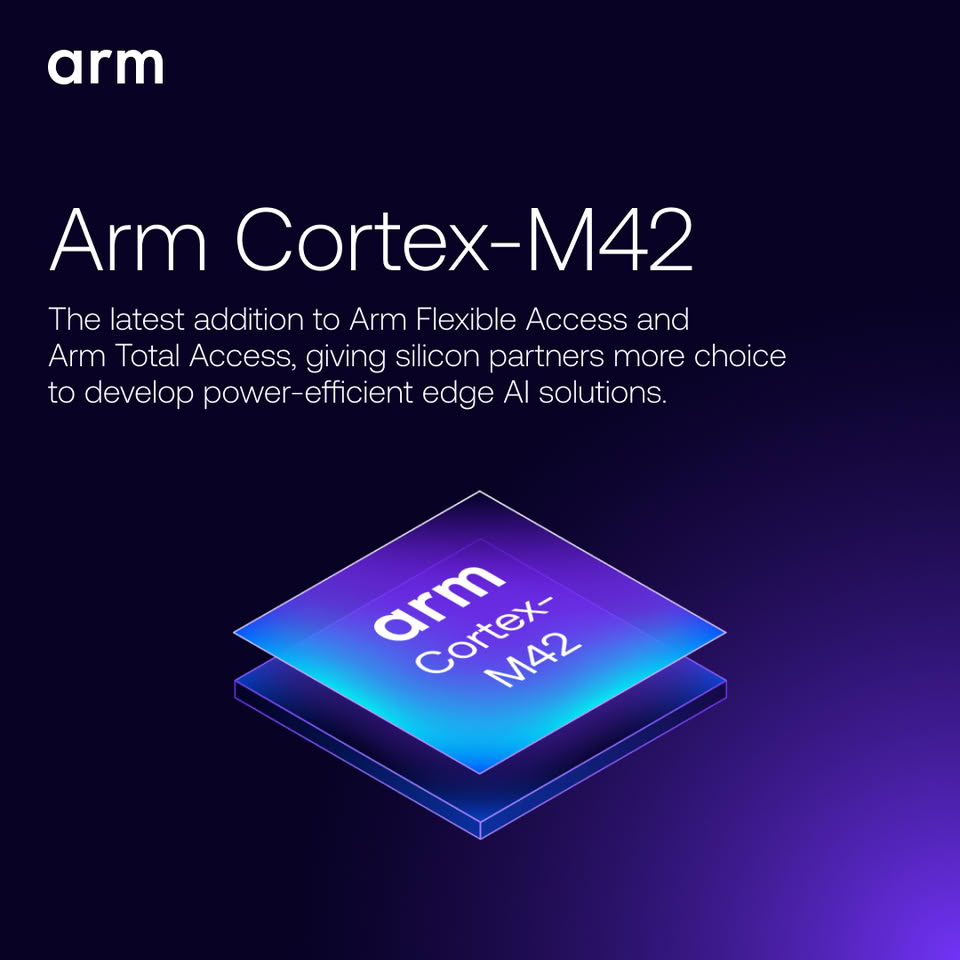
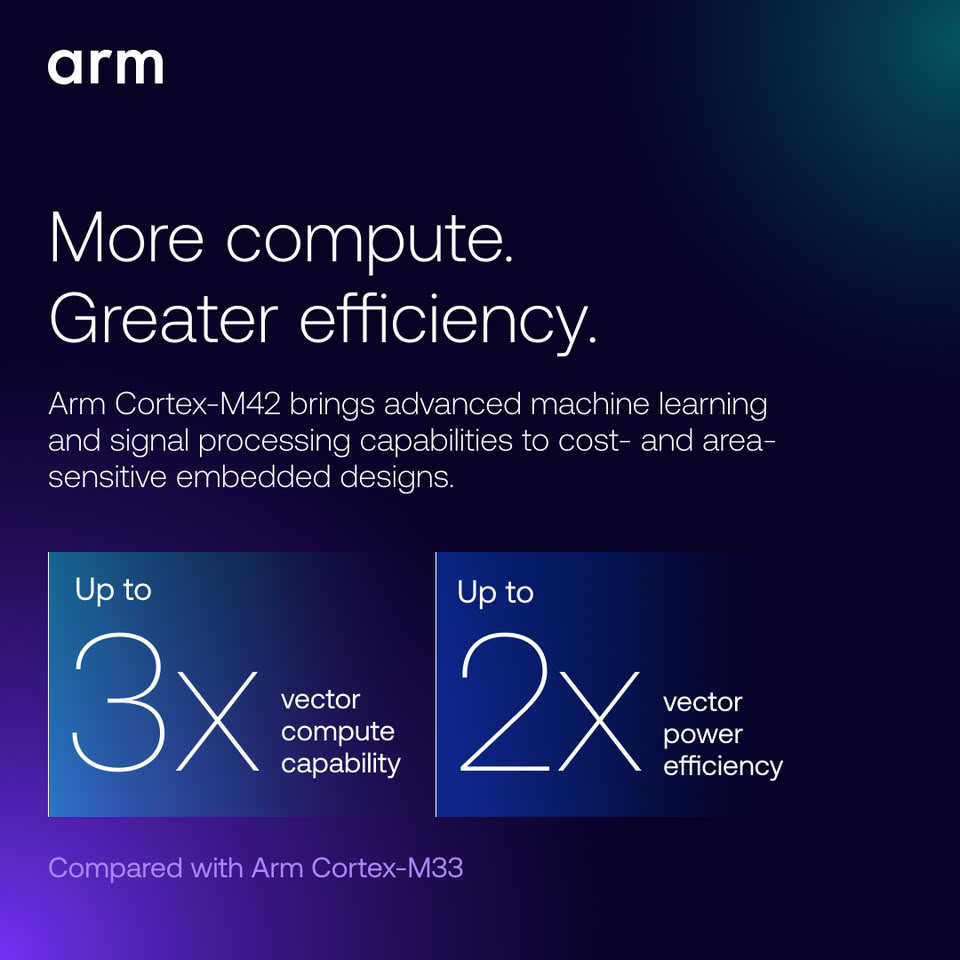
Arm Expands Its Portfolio with New Arm Cortex-M42 Processors

Innovation across the semiconductor industry continues to accelerate, driven by growing demand for AI, more capable intelligent connected devices, and specialized computing across industries. As applications become increasingly diverse, silicon partners need access to a broad portfolio of advanced, power-efficient compute technologies to meet different performance, power and cost requirements.

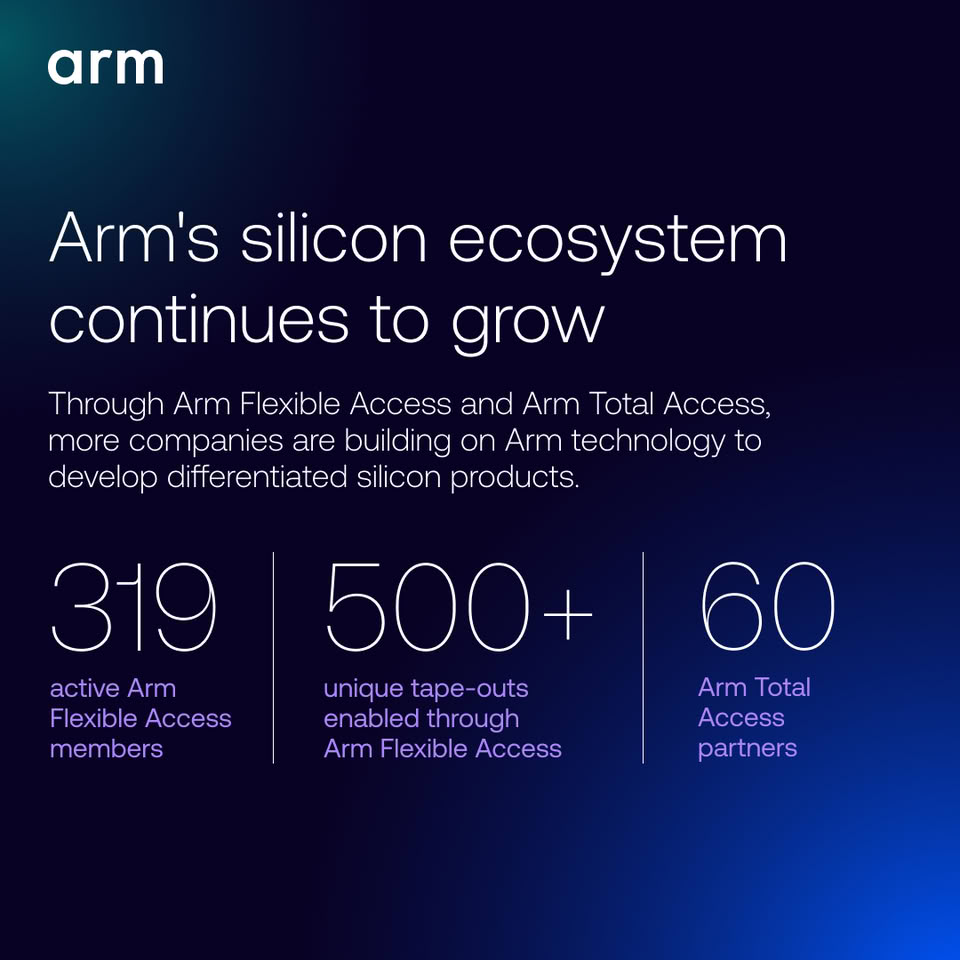
Through Arm Flexible Access and Arm Total Access, Arm provides that choice, giving silicon partners access to a wide range of technologies to develop differentiated products and bring them to market faster. Today, Arm is expanding both portfolios with the new Arm Cortex-M42 processor, bringing efficient AI compute capabilities to more intelligent devices.

Microsoft Reports 22% Decline in Windows OEM and Devices Revenue

Microsoft reported strong Q3 2026 results with $92.3 billion in revenue. However, the company's earnings report also revealed that, despite overall revenue growing 19% year-over-year, the Windows OEM licensing business is struggling, with a 22% decline on a yearly basis. This quarter, revenue from Windows 11 OEM licensing and Surface PCs amounted to $3.6 billion, a significant drop from the $4.6 billion this segment generated last year. Several factors contribute to this decline, making it the only business unit, alongside Xbox, to experience a downturn. The first factor is the drop in consumer PC demand. As Microsoft sells Windows 11 licenses to PC OEMs, weakening demand in this space, caused by rising prices, has directly resulted in fewer licenses sold to major PC OEMs like ASUS, HP, Dell, and Lenovo.

Additionally, Microsoft Surface PCs are included in this mix. The generally weak PC demand means consumers are less willing to spend on other brand PCs, and they are behaving similarly toward Microsoft. Surface PC shipments have seemingly declined, as these products are historically priced for mid-tier to high-end buyers. When recent increases in memory and storage supply chain costs affected Microsoft's procurement, general price increases followed. Consequently, consumers are opting to wait for another opportunity to purchase a PC.

Zotac Restocks NVIDIA GeForce RTX 5090 Solid OC in Japan Amid Reports of GPU's EOL Status

The latest in the saga of the NVIDIA GeForce RTX 5090 discontinuation rumors is that OEMs are no longer able to order GPUs or VRAM for the 5090 from NVIDIA, however it seems as though Zotac is undeterred, having just published a restock of the NVIDIA GeForce RTX 5090 Solid OC in Japan. The new listing on Zotac's official online store in Japan was spotted by @momomo_us on X, a popular leaker and hardware insider.

While the GPU appears to be in stock, and selling for as much as 1,190,000 JPY (~$7 558,17 converted), there's no telling if this will remain the case for the foreseeable future. It appears as though Zotac may have had some stock ready to go, but it's also entirely possible that the lack of supply or back-order availability that was previously reported by other board partners could have been due to regional or AIB limitations on GPU allocation by NVIDIA. It may also be an indication that previous reports of the RTX 5090 being end-of-life were inaccurate.

NVIDIA Allegedly Stops Accepting RTX 5090 Orders

Although NVIDIA has officially denied the discontinuation of the GeForce RTX 5090, more rumors are emerging that substantiate claims about the flagship gaming GPU being discontinued. This time, NVIDIA board partners are reporting that NVIDIA has officially stopped accepting orders for the 5090, according to a recent report by Der8auer on YouTube, and it appears as though it's not just a temporary freeze on GB202 supply, as has been the case prior, since pre-orders are also not available to buyers.
Unnamed AIB partner via Der8auer on YouTubeNo, NVIDIA did not inform us that the RTX 5090 is EOL. But currently we cannot purchase GB202 together with 32 GB GDDR7 as a complete set, and we also don't know if ordering will be possible in again in future. Similar supplier shortages already happened several times before. But in the past NVIDIA always allowed us to place backorders, which is currently not possible anymore.

PlayStation Handheld May Be Only Portable Console With RDNA 5

It has long been rumored that Sony is working on a PlayStation 6 handheld with a powerful AMD APU codenamed Canis, which has been alleged to feature a combination of Zen 6 CPU cores—potentially with all-new Zen 6 LP cores—and RDNA 5 tech for the iGPU. Now, according to Richard Leadbetter on episode 287 of the Digital Foundry Direct Patreon-exclusive podcast, Sony may be the only gaming handheld to feature this RDNA 5 iGPU. However, it may not be an exclusivity agreement in the traditional sense of the word, since it appears to be as a result of AMD's requirements to build custom silicon for hardware OEMs.

Rumors, albeit disputed rumors, have mentioned that part of the reason Xbox cancelled its own in-house handheld console is because AMD wanted a minimum commitment of 10 million unit sales before it would engineer a custom APU for a console. This may also be why Valve's Steam Deck 2 will seemingly use an off-the-shelf component instead of another custom silicon design. This leaves questions about what CPU and GPU combo will be in the upcoming Steam Deck 2 and Xbox's previously leaked handheld, which now seems like it will be another third-party device, like the ROG Xbox Ally series.

Rumored Steam Deck 2 APU Appears in Leaked Benchmarks with 50% More CPU Cores

A new AMD Gainsborough APU, which has been identified as a potential candidate for the Valve Steam Deck 2, has apparently been leaked onOpenBenchmarking. The new engineering sample shows a total of six cores and twelve threads on the CPU, an increase of 50% over the current Steam Deck APU, and a base clock of 2.4 GHz.

Another notable change from the original Steam Deck is that the Gainsborough APU in question has 24 GB of LPDDR5 RAM, instead of 16. That memory was also running at a whopping 9600 MT/s, as opposed to the Steam Deck's 6400 MT/s. This isn't necessarily to say that the Steam Deck 2 will have 24 GB of memory, but it's an indication that AMD, Valve, or some other OEM is testing that configuration. In the benchmark results, the APU reaches 3,508 points in Furmark. While it's not directly comparable, since the Gainsburough APU was running at 1024 × 768 the Valve Steam Deck achieved 3,323 in Furmark at 1280 × 800. Those two results are close, especially given the higher resolution in the Steam Deck testing, but if this is on early drivers, it's a good sign for GPU performance on the Steam Deck 2.

PowerColor Readies Low-Profile Radeon RX 9050 8 GB for Small Form Factor PCs

PowerColor seems to be working on a low-profile version of the Radeon RX 9050, which would make it the first card of its kind. Leaker momomo_us spotted a listing for a PowerColor "RX9050 8GB LP," and while nothing else about the card has surfaced yet, the LP tag points to a half-height design meant for small form factor PCs and HTPCs. PowerColor hasn't announced it, and there's no word on specs, clocks, pricing, or availability. For reference, the RX 9050 launched in late July with 16 RDNA 4 compute units, 1,024 stream processors, a boost clock of up to 2.6 GHz, 8 GB of GDDR6 on a 128-bit bus, and a 92 W typical board power. The 4 GB variant is OEM-only, so the 8 GB model is the one most people can actually buy.

That 92 W figure is the interesting part, since it sits just above the 75 W a PCIe slot can deliver. PowerColor's existing Reaper RX 9050 is a 200 mm, dual-slot card with a single 8-pin connector, so the LP model has to make a choice: either keep external power or ship with trimmed power limits and clocks. It's unclear which route PowerColor will take. Low-profile RDNA 4 cards have been rare so far, with Vastarmor's LP RX 9060 XT showing up at CES as one of the few examples. The RX 9050 launched at $279 in Asia-Pacific, Japan, and Latin America only, so the LP model may well follow a similar regional rollout.

Official NVIDIA Marketplace Seemingly Removes GeForce RTX 5090

NVIDIA's official marketplace, where gamers across the United States, Europe, Australia, and Asia could purchase GeForce RTX cards through NVIDIA's official channels, is showing more signs that the GeForce RTX 5090 might indeed be nearing its end of life. There are officially no more GeForce RTX 5090 graphics cards on the NVIDIA Marketplace, which suggests that previous rumors of this GPU being phased out might be accurate. NVIDIA has reportedly stopped allocating GB202 silicon to the GeForce RTX 5090, as this will remain exclusive to the 96 GB RTX PRO 6000. While this theory seemed plausible a week ago, NVIDIA's official withdrawal from the marketplace might confirm that this decision is indefinite, and enthusiasts may no longer be able to get a brand new GeForce RTX 5090 from any source.

At the same time, the PC Games Hardware website issued their own report suggesting that NVIDIA is indeed no longer allocating new GB202 processors for the RTX 5090, according to their OEM and ODM sources. NVIDIA's add-in card partners can continue manufacturing these cards, but only as long as their GB202 stock lasts. Once the GB202 supply runs out, NVIDIA will reportedly not send any more GB202 kits with GDDR7 memory for RTX 5090 graphics cards. This also applies to the GeForce RTX 5090 D and RTX 5090 D V2 SKUs that were previously designed for the Chinese market, meaning that everyone is facing a cut-off in their GeForce RTX 5090 supply.

Astera Labs Unveils Orion: A Compute-Agnostic Rack-Scale Architecture

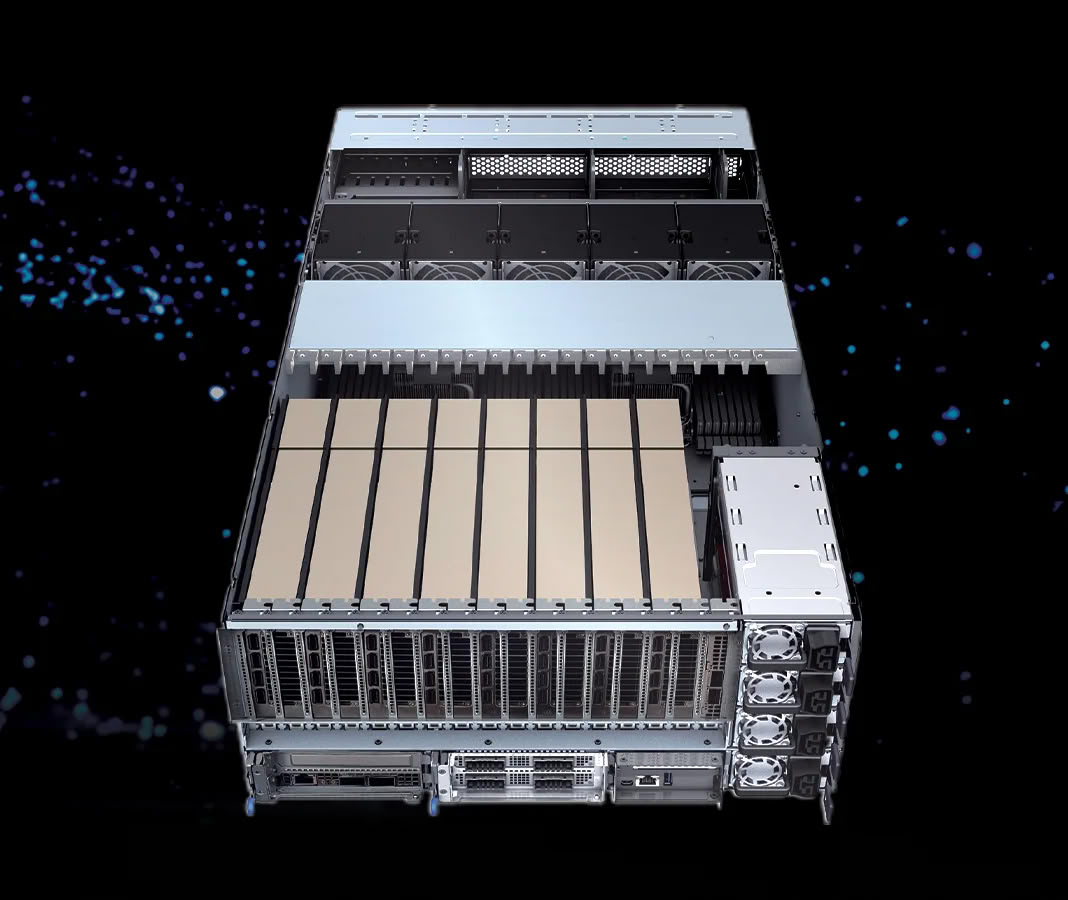
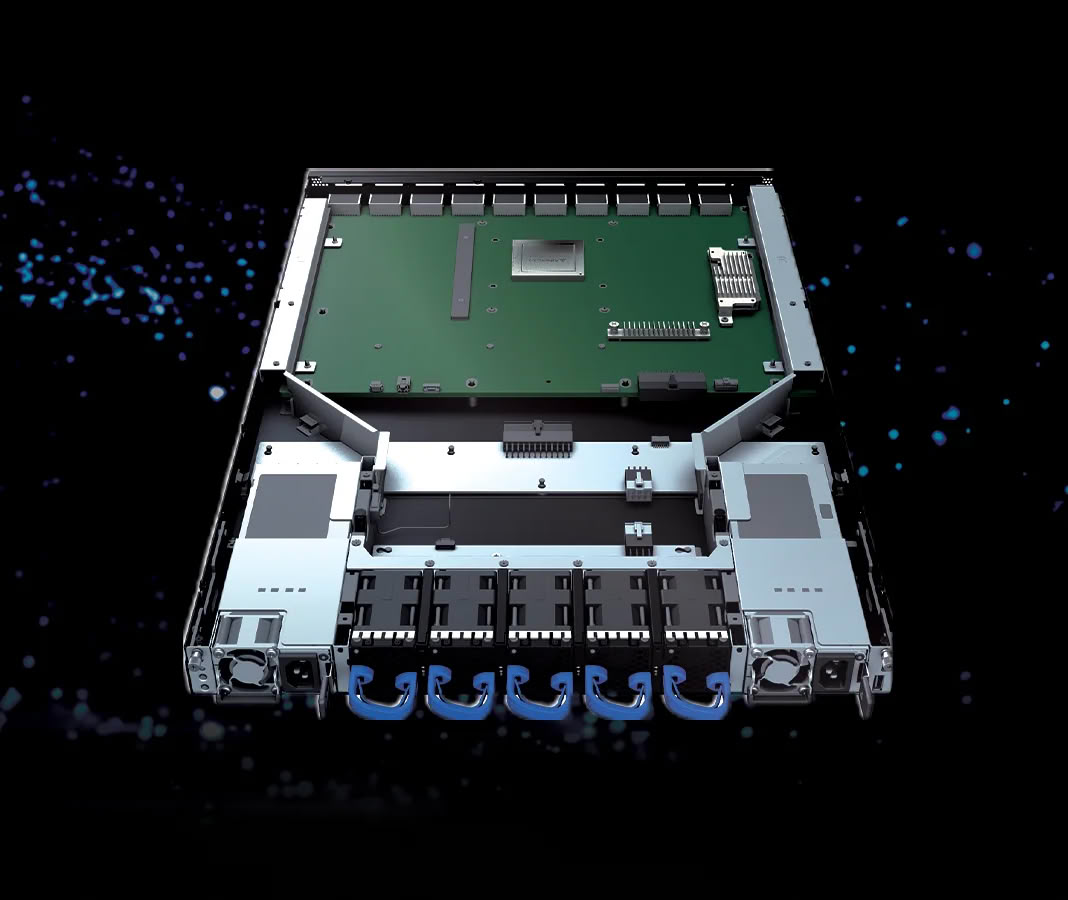
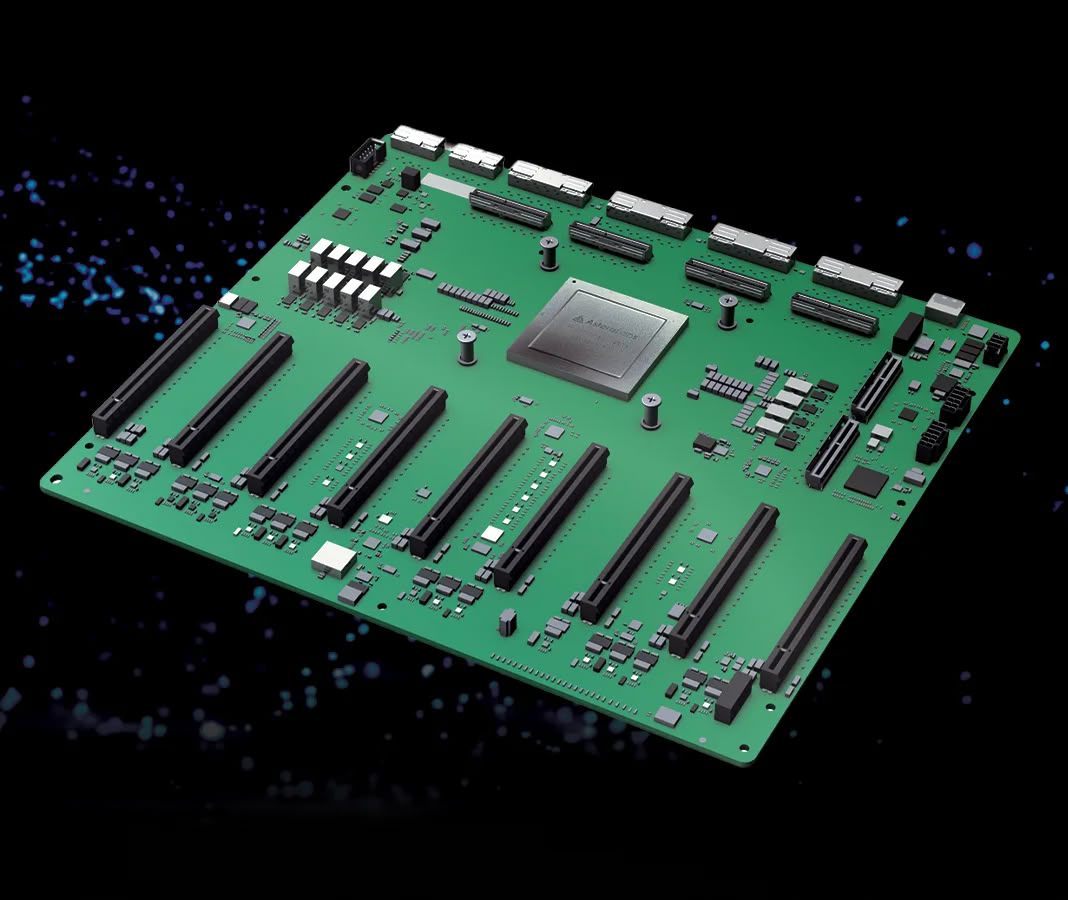
Astera Labs, Inc. (Nasdaq: ALAB), a leader in semiconductor-based connectivity solutions for rack-scale AI infrastructure, today announced Orion: a modular rack-scale reference design with production-grade connectivity that allows customers to choose their own GPU and CPU. To be offered through Astera Labs' ODM and OEM partners, the Orion production-grade reference designs are expected to help enable neocloud and enterprise customers to deploy AI infrastructure faster and run it more efficiently, turning racks built on open standards into token-efficient AI factories.

For neoclouds and enterprises to economically serve inference at scale, they must secure sufficient accelerator and CPU capacity while delivering predictable, low-latency performance across increasingly complex AI infrastructure. But because they must commit to that capacity long before they know which accelerator will be available or affordable for their workloads, tying early investment to a single platform carries unnecessary cost and risk. At the same time, ODMs and OEMs are forced to repeatedly solve complex integration, validation, and software challenges for every new accelerator platform—slowing deployments when inference capacity is in critical demand.

Intel "Panther Lake" Reportedly Gets Up to 20% Price Hike, Older Generations Also Impacted

Intel is reportedly preparing for a significant price increase across its silicon designs, according to supply chain sources cited by Commercial Times Taiwan. The first to experience this price hike is the latest "Panther Lake" processor generation, built on the Intel 18A node, with an increase ranging from 15% to 20% depending on the SKU. Intel reportedly made these adjustments on September 1, but consumer price increases have not yet been observed, or it may take a few more weeks for the old supply to clear. This supply-side price hike doesn't mean that Intel is directly changing its consumer pricing, but rather adjusting the pricing for major laptop OEMs such as Acer, ASUS, Lenovo, Dell, and HP. With a potential 20% price hike, this could translate to a few dozen US dollars more for the OEMs. Laptop manufacturers are likely to pass these increased costs onto consumers, especially given the current challenges with memory and storage pricing, which are already squeezing margins.

The reported price hikes don't stop there. The "Meteor Lake" and "Arrow Lake" processor families are also expected to see price increases, with reports indicating a 5% to 10% hike for these two generations, depending on the SKU. Intel sources silicon from both TSMC and its internal foundry, but the demand for silicon in the form of CPUs is skyrocketing in the age of AI, making price increases likely. Consumer demand remains, but much of the available CPU manufacturing capacity, both internally and externally, is being absorbed by agentic AI workloads, which are pushing server configurations to a 50:50 ratio of CPUs to GPUs.

Akasa Announces Euler MX2 Fanless Mini-ITX Case

Akasa, a leading provider of thermal solutions, introduced the Euler MX2, a premium aluminium fanless case for Mini-ITX motherboards. It supports Intel LGA1851, LGA1700, LGA1200 and LGA115X socket-based processors up to 35 W TDP and pairs an integrated 220 W DC-to-DC power converter with two internal 2.5" SATA drive bays. The Euler MX2 suits commercial systems that run unattended, such as industrial automation, point-of-sale (POS) and kiosks, surveillance, digital signage, and long-life edge computing.

Akasa's patented spring-loaded mounting system gives the Euler MX2 wide compatibility with Mini-ITX form factor motherboards and consistent, stable thermal contact across the supported socket range. The case supports Intel Core (8th-14th Gen) and Core Ultra (15th Gen) processors up to 35 W TDP. Its fully passive aluminium chassis dissipates heat from the CPU through the external fins. With no fans, the system minimizes noise and mechanical points of failure.

AMD Ryzen AI Max+ Pro 495 Framework Desktop Batch 1 Sells Out Despite Sky-High Prices

Framework officially launched pre-orders for its AMD Ryzen AI Max+ Pro 495-powered Desktop mini PCs on September 30, as previously announced. Launch pricing started at $6,799 for the DIY Edition with 192 GB of unified memory and no pre-installed storage. A pre-built version with a 2 TB NVMe 4.0 SSD and Fedora Linux pre-installed comes with a $7,449 price tag.

It was revealed hours before launch that the OEM would only be offering one batch of the new Desktop SKU due to limited RAM quantities. Despite the eye-watering price, the first batch of Ryzen AI Max+ Pro 495 mini PCs sold out within hours of the start of pre-orders. However, in a post on X, Framework confirmed that it had managed to secure another batch of RAM for the Gorgon Halo systems, and it subsequently opened a second limited batch of pre-orders, which remain available at the time of writing and are slated to start shipping in November. Framework added in a separate post on X that prices for the Framework Desktop PC will only increase in the coming months.

AMD Publishes Full EPYC 9006 "Venice" Specs and Pricing: 8-Core at $700, 256-Core at $14,904

AMD has published the full EPYC 9006 "Venice" lineup on its product page, listing specifications and 1,000-unit pricing for all 31 Zen 6 server processors across the SP7 and SP8 platforms. Prices start at $700 for the 8-core EPYC 9016 and top out at $14,904 for the 256-core EPYC 9996. AMD says the specifications are subject to change. The EPYC 9996 is the flagship, with 256 Zen 6c cores and 512 threads, a 2.55 GHz base clock, up to 4.1 GHz boost, 1 GB of L3 cache, and a default CPU power of 600 W (configurable from 400 W to 600 W). That works out to roughly $58 per core, and it costs about the same as the 192-core EPYC 9965 did at launch, which was around $14,800.

The SP7 platform covers nine chips, from the 64-core EPYC 9556 at $8,008 up to the 9996. The 22 chips on the SP8 platform run from 8 cores up to the 128-core EPYC 9746 at $11,679. AMD has also retired TDP as its power label for this generation, using "Default CPU Power" instead. SP7 systems are expected in Q4 2026, with SP8 following in the first half of 2027. These are 1Ku prices, so what OEMs charge for complete systems will probably look quite different. Nevertheless, it looks like the EPYC 9996 is the one to watch for this generation, especially after AMD's claims of beating NVIDIA's Vera CPUs by a significant margin.

Framework Desktop with Ryzen AI Max+ Pro 495 Gets Official Pre-Order Date

After teasing the AMD Ryzen AI Max+ Pro 495 upgrade to the Framework Destkop mini PC, Framework has officially announced that pre-orders for the SFF desktop will start on Wednesday, 30 September. The announcement came in a post on the OEM's official X account, where it also confirmed that, as is typical with its Framework Laptop upgrades, the rest of the motherboard and case will remain the same, for backwards compatibility purposes.

Currently, it is unclear how much the new AMD Ryzen AI Max+ Pro 495-powered mini PC will cost, but it'd be a safe bet to assume it will be more expensive than the current-generation Ryzen AI Max+ 395 model, especially on the high-end version, topping out at 192 GB of LPDDR5X-8533 memory where the 395 version tops out at 128 GB.

Colorful Resorts to RTX 3050 and DDR4 for P15E Budget Gaming Laptop

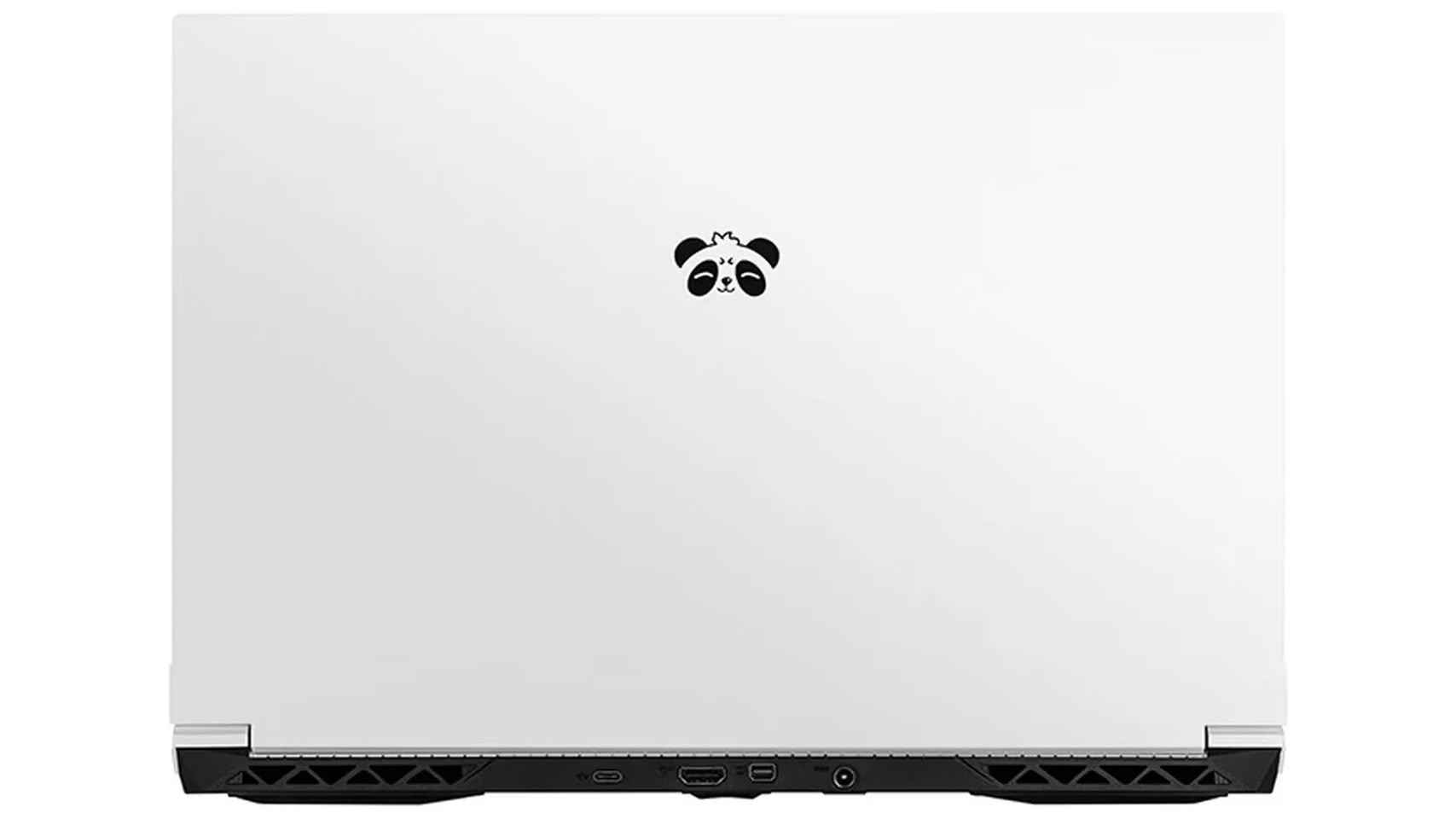
Seemingly in light of the recent PC hardware crisis, which has affected PC OEMs big and small alike, Colorful has just revived the NVIDIA GeForce RTX 3050 for its latest Panda laptop design. The latest revision of the Colorful Panda P15E features the typical 15-inch form factor and chassis from the RTX 5050 version the brand previously sold, but it carries a significant downgrade in internals.

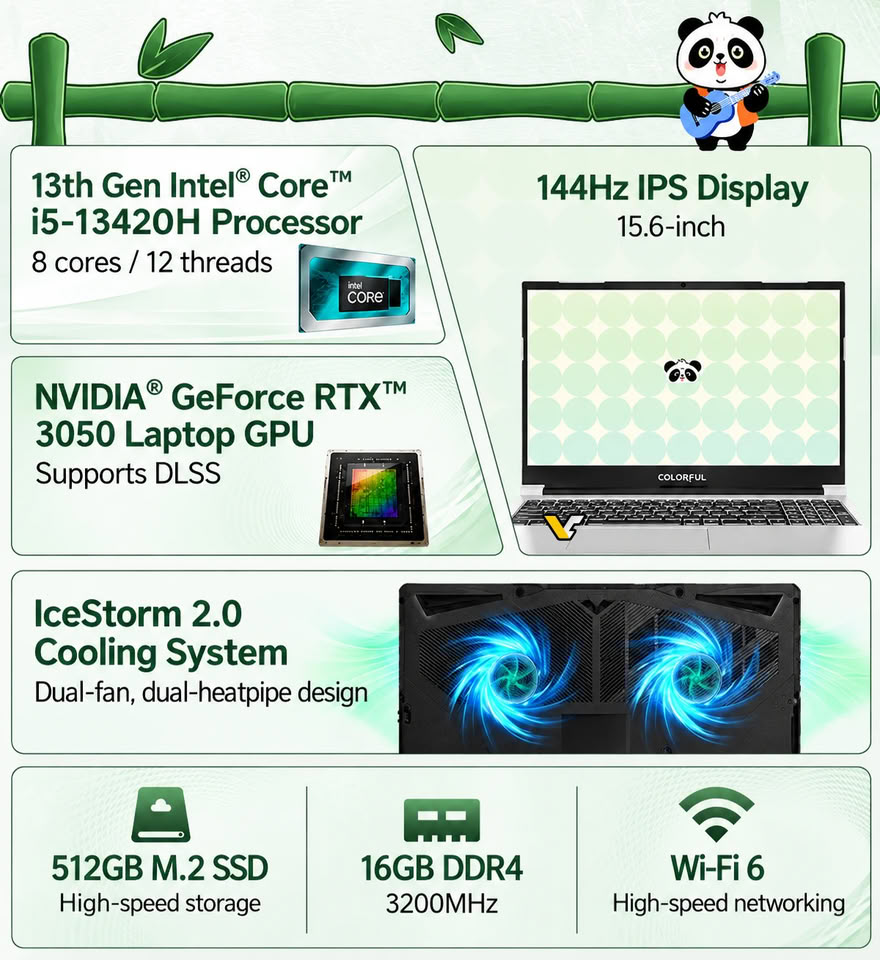
The new CPU in the Panda P15E is the Intel Core i5-13420H, an 8-core, 12-thread part with 4 P-Cores and 4 E-Cores and an Intel Iris Xe 80EU iGPU, while the dGPU featured in the new laptop is the NVIDIA GeForce RTX 3050. As a result of the older platform, the laptop also resorts to 16 GB of DDR4-3200 memory and a 512 GB M.2 SSD. The display is a 144 Hz IPS unit that measures in at 15.6 inches. At the time of writing, it does not appear as though there is an international version of the RTX 3050 version of the laptop, but it is available on JD.com for RMB 6,299, which converts to roughly $938.70.

DRAM Module Revenue Surged 59% YoY in 2025 as Crowding-Out Effect Constrained Chip Supply and Drove Prices Higher

According to TrendForce statistics, the global DRAM module market generated $21.2 billion in revenue in 2025, up a strong 59% YoY. Rising prices and concentrated shipments from DRAM module makers in the second half of the year helped drive growth. This marked a significant acceleration from the 7% growth recorded in 2024.

DRAM market conditions changed dramatically between the first and second halves of 2025. In early 2025, some module makers increased their inventories of DDR4 chips in Q2, spurred by tariffs and the end-of-life (EOL) plans of DRAM suppliers for DDR4. They also supplied PC OEMs and other consumer electronics customers that had pulled forward procurement in response to tariffs.

Googlebook Laptops Arrive with Designs from ASUS, Acer, Dell, HP, and Lenovo

Google's collective effort to introduce a new generation of Gemini-powered laptops, called "Googlebook," has officially launched today. Now available on the Google storefront, Googlebooks are being produced by some of the biggest laptop OEMs, including ASUS, Acer, Dell, HP, and Lenovo. Starting with ASUS, the company has prepared a 14-inch Googlebook 14, powered by the Intel "Panther Lake" Core Ultra Series 3, with 16 GB of RAM and a 512 GB SSD. Acer offers a similarly named Googlebook 14 with comparable specifications, while Lenovo uses the same base but delivers a 15-inch screen. Dell and HP provide Googlebooks in a 14-inch body, powered by Qualcomm's Snapdragon X Elite processors, with 16 GB of memory and 512 GB of storage. Pricing ranges from $899 to $1,299, depending on the manufacturer and specifications.

Generally, Googlebooks follow a consistent philosophy across all models, featuring premium materials like aluminium, magnesium, and carbon fiber instead of traditional plastic. The screens on these models are also higher resolution. A key feature of these laptops is the integration of Android applications and Glowbar, along with Gemini intelligence throughout the operating system experience. Powered by Googlebook OS, the operating system is essentially a desktop version of Android that runs Android applications through the Google Play Store. The OS can run a Linux terminal, and since Android is a heavily modified version of Linux, Linux applications are also supported.

AMD Radeon RX 9050 4 GB Benchmarks Surface, 8 GB Model 37% Faster

Hardware Unboxed and Toasty Bros have both tested the mysterious Radeon RX 9050 4 GB, and the results look rough. AMD only sells this version in OEM systems, so both channels had to buy CyberPowerPC prebuilts to get one. In Hardware Unboxed's 18-game test at 1080p Low, the 4 GB card averaged 78 FPS with 55 FPS 1% lows, against 107 FPS and 78 FPS for the RX 9050 8 GB. That makes the 8 GB model about 37% faster. At the lowest settings tested, it was still around 32% ahead, at 147 FPS versus 111 FPS. Both cards share 1,024 Stream Processors and up to a 2.6 GHz boost clock, so the difference comes from memory. As AMD confirmed, the 4 GB model has a 64-bit bus, 144 GB/s of bandwidth, and 16 MB of Infinity Cache, exactly half of what the 8 GB model has.

Toasty Bros opened their prebuilt and found an XFX dual-fan card with a single 8-pin connector, so it looks like ASRock is not the only partner making one. AMD has said it developed the Radeon RX 9050 4 GB version for a specific partner system aimed at entry-level gaming customers, and that it has no plans to sell it outside that OEM PC. The card was first spotted in a CyberPowerPC Gamer Master prebuilt at Best Buy, which was listed at $889.99. Keep in mind that this is still a small sample, with only two outlets testing the card so far, so it's important to wait for more independent results before drawing firm conclusions. Still, AMD launching a card with only 4 GB of VRAM in 2026 is not looking like a great decision so far.

Glorious Eternal Launches as 96% Compact Gaming Keyboard With a Num Pad

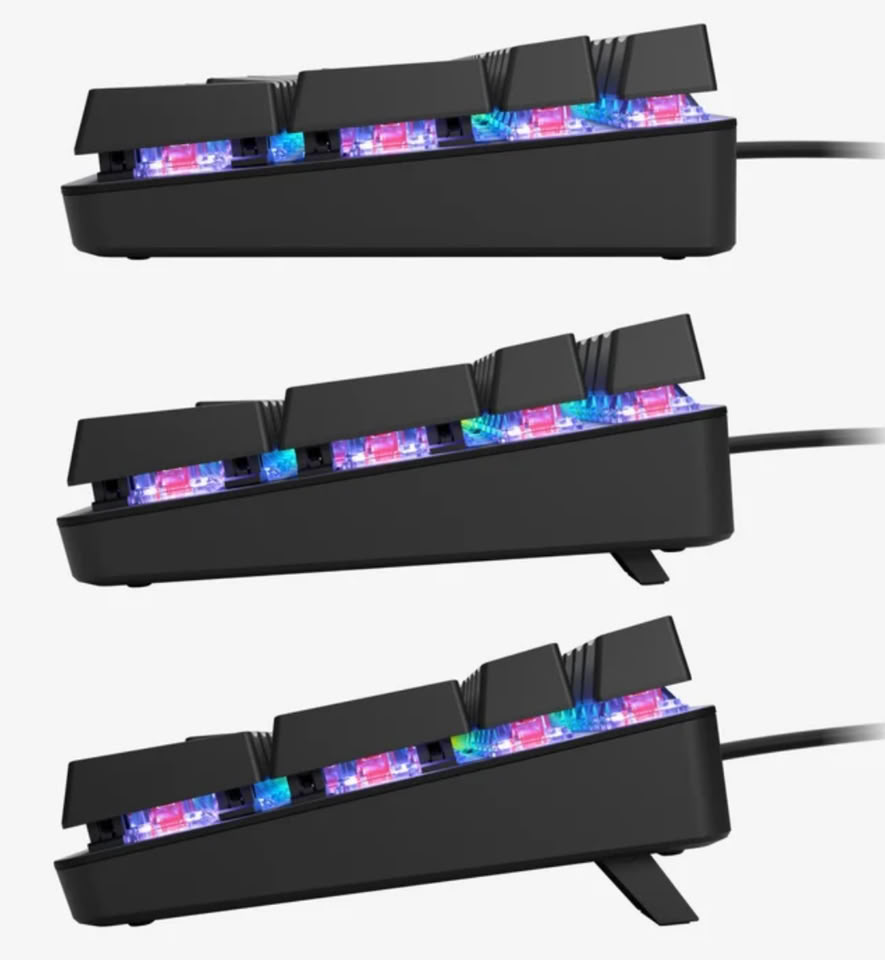
Glorious has apparently taken a break from making membrane and Hall effect gaming keyboards, recently releasing the GMMK Eternal, a new no-nonsense mechanical keyboard based on standard 5- and 3-pin MX-style switches and an easy-to-use, compact 1800 layout that includes a num pad. The Eternal is a wired keyboard that connects to the host system with a detachable USB Type-A-to-C cable, and it comes stock with GMMK Fox linear switches, which are rated to 50 million actuations and have a 50-60 gf actuation force.

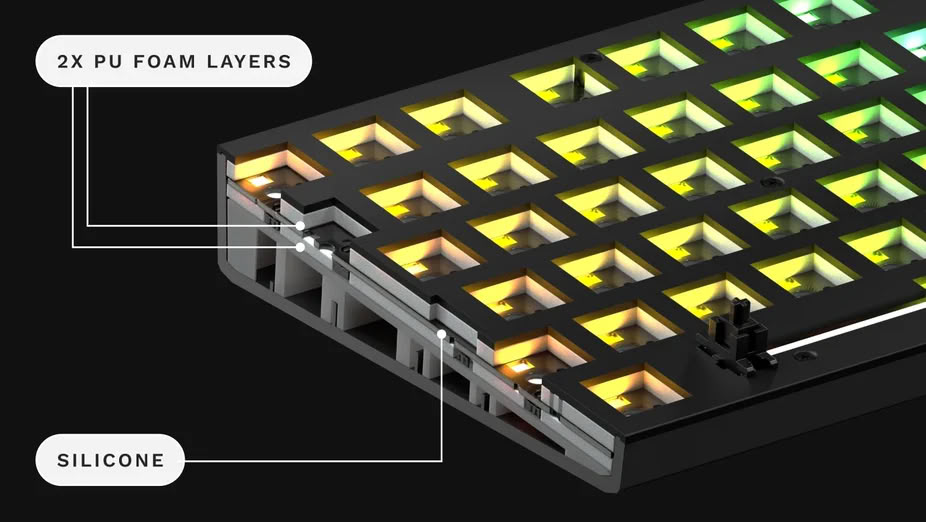
The GMMK Eternal keyboard comes in at $99.99/€99.99 in the US and Europe and $119.99 in the Asia-Pacific market, although even at that price, it takes cues from the enthusiast keyboard market, with three layers of sound-damping materials—a silicone pad and two layers of PU foam—and hot-swap switches, for easy customization of both the keycaps and switches.

Modified GeForce RTX 5090 with 96 GB Memory Shows Up on Alibaba for Nearly $4,000

A Chinese manufacturer is now selling a modified GeForce RTX 5090 with 96 GB of memory, three times the 32 GB on the retail card. Shenzhen Suqiao Intelligent Technology, an OEM/ODM with over a decade of experience building graphics cards, motherboards, and servers, listed the card on Alibaba for $3,888. That's roughly 35% less than a standard RTX 5090 currently costs in the US, and a fraction of what NVIDIA charges for its RTX PRO 6000 Blackwell. The latter uses the same GB202 die and now starts at a whopping $16,000.

Suqiao likely built this with a custom PCB running clamshell memory, packing GDDR7 modules on both sides of the board to double capacity, the same approach NVIDIA itself uses on the Pro 6000. The GPU die may come from harvested RTX 5090 units, reballed onto the new board and running on leaked or modified firmware, a method Chinese workshops already used to push the RTX 4090 to 48 GB VRAM. The listing does raise some doubts, though, since it mentions GDDR6X memory at 14 Gbps, which doesn't line up with a genuine 96 GB Blackwell build.

AMD Quietly Launches Ryzen 5 7500 and Ryzen 5 5500F

Today, AMD quietly launched new CPUs for both the AM4 and AM5 platforms in a surprising twist. Starting with the Ryzen 5 7500, it joins the Ryzen 7000 lineup as a slightly different take on the Ryzen 5 7500F. Meanwhile, the Ryzen 5 5500F introduces another Zen 3 chip to the increasingly hard-to-retire Ryzen 5000 family. Focusing on the newer platform, the Ryzen 5 7500 is a 6-core, 12-thread "Zen 4" processor running at 3.7 GHz by default and reaching up to 5.0 GHz under boost. Its 65 W TDP and 38 MB of combined cache, split between 6 MB of L2 and 32 MB of L3, remain unchanged from the 7500F. The key distinction is the integrated GPU; AMD has equipped the chip with a small RDNA 2 graphics unit containing two Compute Units clocked at up to 2.2 GHz.

However, AMD is apparently not ready to let the Ryzen 5000 series disappear just yet. The new Ryzen 5 5500F adds another 6-core, 12-thread "Zen 3" processor to the AM4 platform, but it is not simply a rebranded Ryzen 5 5500. The 5500F is based on AMD's "Vermeer" silicon, whereas the standard Ryzen 5 5500 uses the "Cezanne" design. Curiously, AMD has paired the "Vermeer"-based chip with just 16 MB of L3 cache, which is half the amount found on 6-core Vermeer parts such as the Ryzen 5 5600. Clock speeds range from 3.0 GHz to 4.4 GHz, with a 65 W default TDP, so the difference is more pronounced compared to the non-F design.

Mobile Intel 12 Xe "Nova Lake" May Support Upgradeable DDR5-8000 Memory

Intel's next-generation Nova Lake mobile chips with 12 Xe-core graphics may support DDR5-8000 memory through CSODIMM modules, according to leaker Golden Pig Upgrade Pack on Weibo. If that pans out, it would be the first mobile Nova Lake variant to officially support DDR5, a notable departure from the soldered LPDDR memory that dominates thin-and-light laptops right now. Current Panther Lake systems with 12 Xe cores, like the Core Ultra X7 358H, don't officially list DDR5 support, though ASRock Industrial already ships mini PCs with two DDR5 SO-DIMM slots running at DDR5-7200 on that platform, and Intel itself includes this configuration among its Core Ultra Series 3 developer systems.

Nova Lake-S, the desktop version, has already been tied to DDR5-8000 through leaked B960 chipset details and platform documents, so Intel appears to be pushing that same memory ceiling down into at least part of the mobile lineup too. Unlike soldered LPDDR5X, CSODIMM support would let OEMs offer upgradable RAM again in these systems, an option that's grown rare in slimmer laptop designs built around battery life and board space. Despite the leaker's solid track record, this is still a single leak rather than anything Intel has confirmed, so I'd hold off treating the exact speeds as final. If it checks out, it suggests Intel is willing to give at least some mobile Nova Lake configurations more memory flexibility, even as most of the market keeps drifting toward soldered memory for efficiency.

Lexar Shows New AI Storage Core Technologies and Storage for Specialized Application Environments at IFA 2026

Beyond portable storage, Lexar is also showcasing the continued evolution of its AI Storage Core at IFA 2026. Combining advanced packaging, chip hardware, Lexar Luma Bridge technologies, and system-level optimization, the showcase includes next-generation AI-grade Gen 5 SSD and AI-grade Gen 5 Storage Stick. With bandwidth of up to 11 GB/s, these concepts support compact AI devices requiring larger local model storage, faster model switching, lower-latency data access, and sustained performance within constrained power and thermal environments.

Underpinning these concepts is an integrated hardware-software architecture built around Longsys' self-developed Gen 5 controller SPU, or Storage Processing Unit, and Lexar Luma Bridge technologies. Manufactured on an advanced 5 nm process with a DRAM-less architecture, the SPU is engineered to improve supply stability while maintaining high-performance AI storage capabilities. Lexar Luma Bridge uses intelligent workload scheduling, predictive prefetch, and optimized cache management to address large Mixture-of-Experts models, expanding KV Cache, and I/O latency—improving local AI performance while reducing DRAM capacity requirements by approximately 40%.
Return to Keyword Browsing
Nov 28th, 2026 12:06 CST change timezone

New Forum Posts

Popular Reviews

TPU on YouTube

Controversial News Posts