Friday, October 12th 2018

New PT Data: i9-9900K is 66% Pricier While Being Just 12% Faster than 2700X at Gaming
Principled Technologies (PT), which Intel paid to obtain some very outrageous test results for its Core i9-9900K eight-core processor launch event test-results, revised its benchmark data by improving its testing methodology partially. Initial tests by the outfit comparing Core i9-9900K to the Ryzen 7 2700X and Ryzen Threadripper 2950X and 2990WX, sprung up false and misleading results because PT tested the AMD chip with half its cores effectively disabled, and crippled its memory controller with an extremely sub-optimal memory configuration (4-module + dual-rank clocked high, leaving the motherboard to significantly loosen up timings).
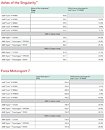
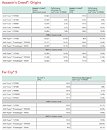
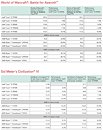
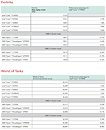
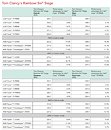
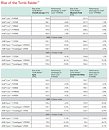
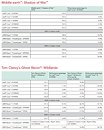
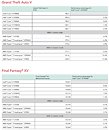
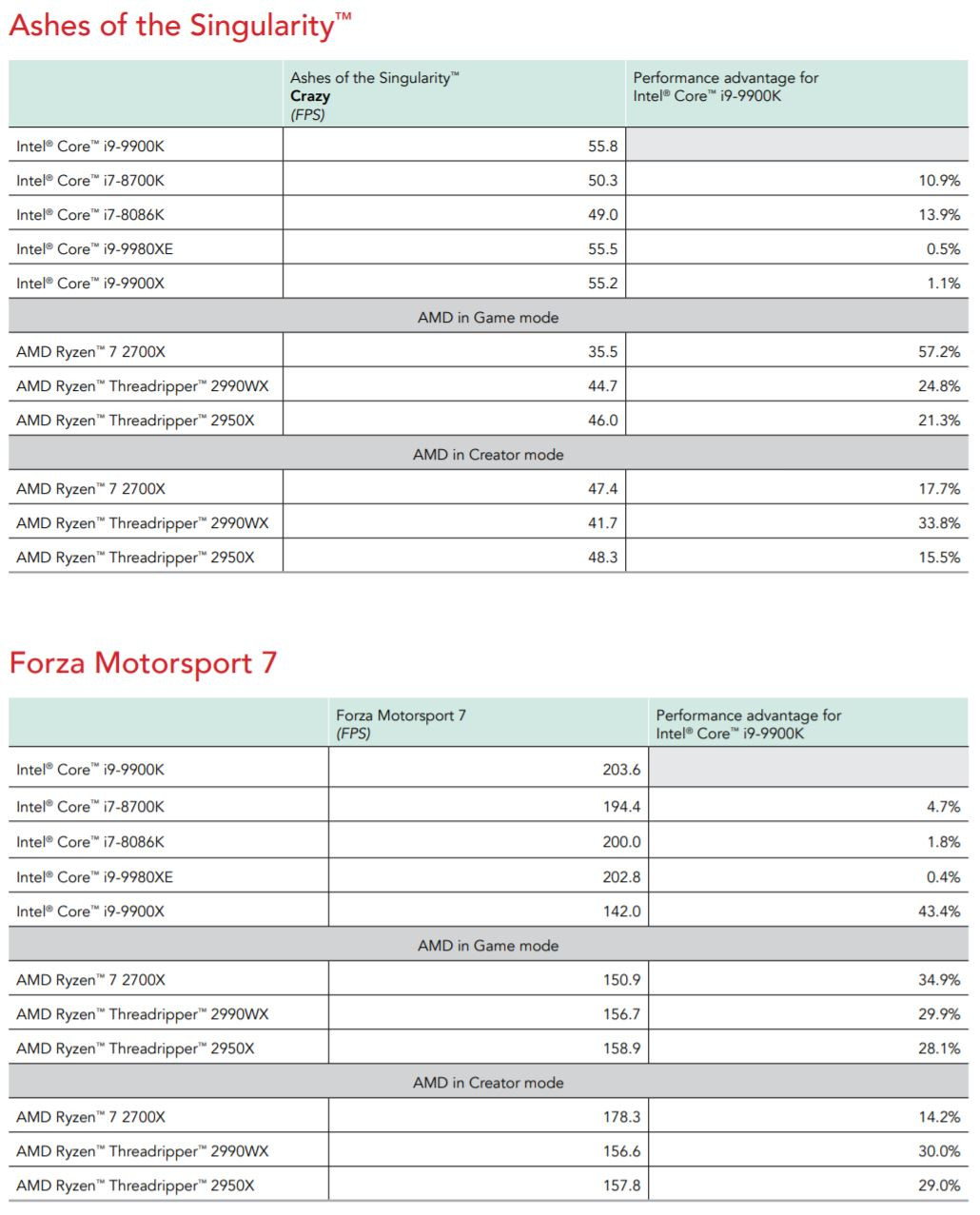
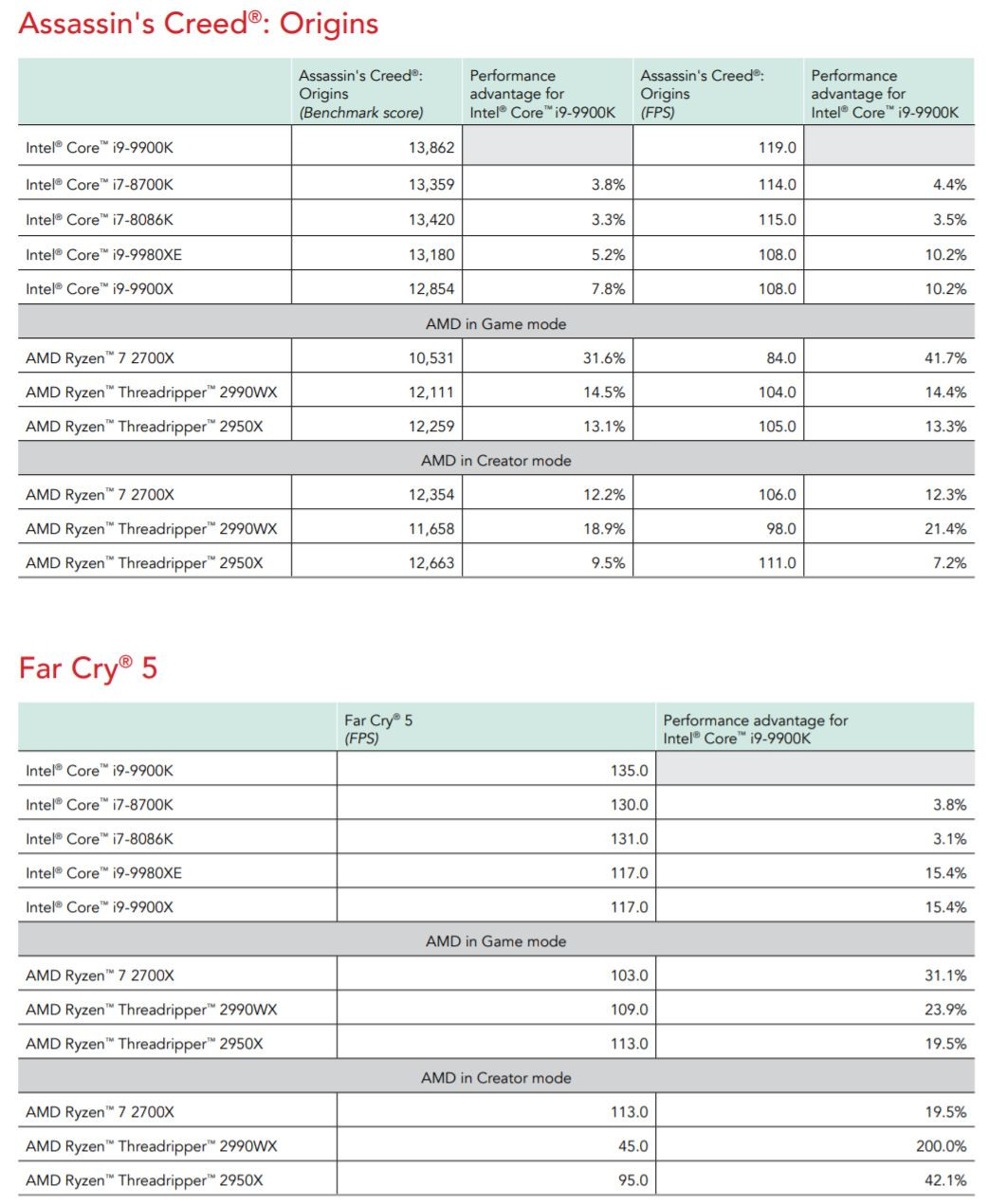
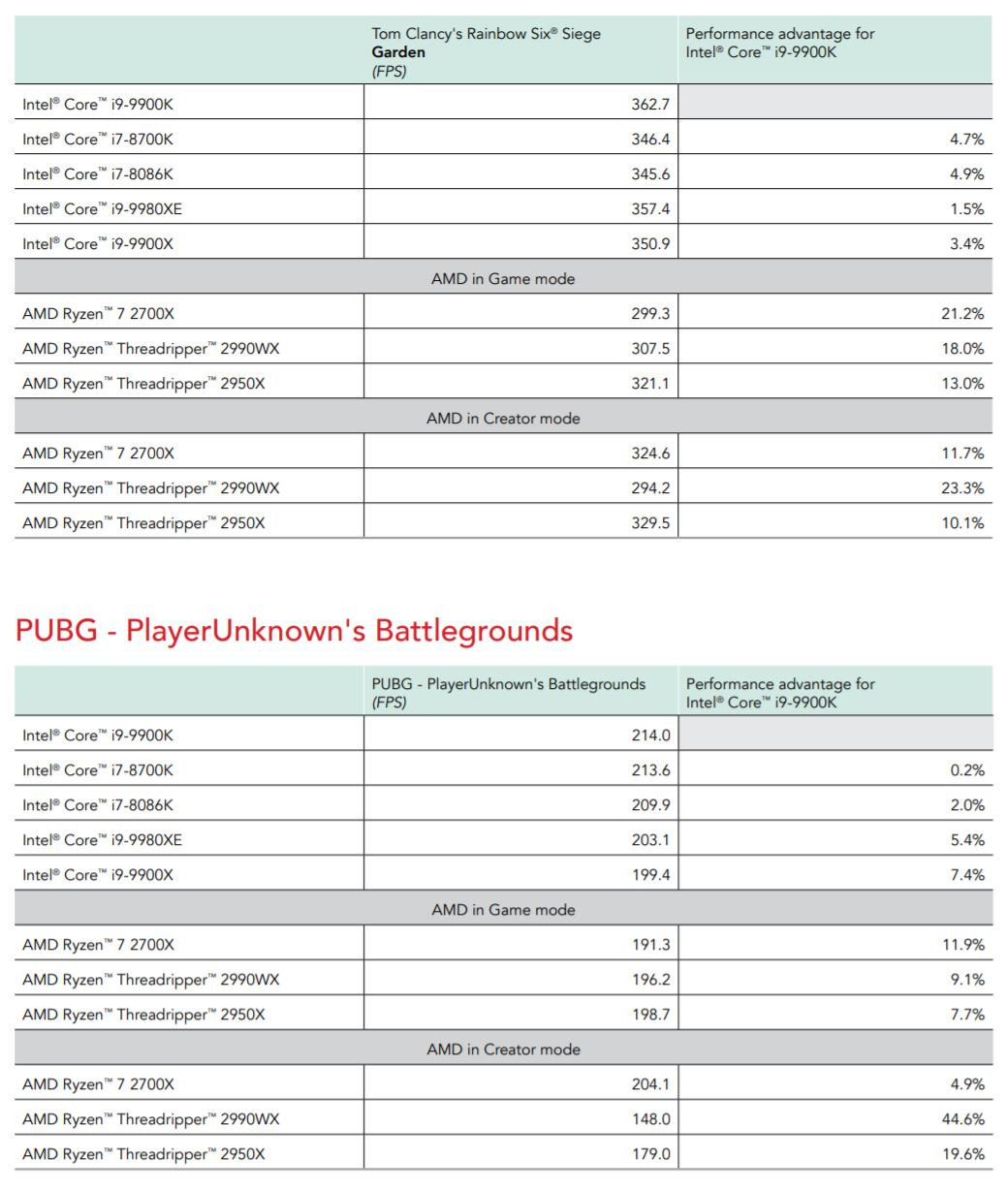
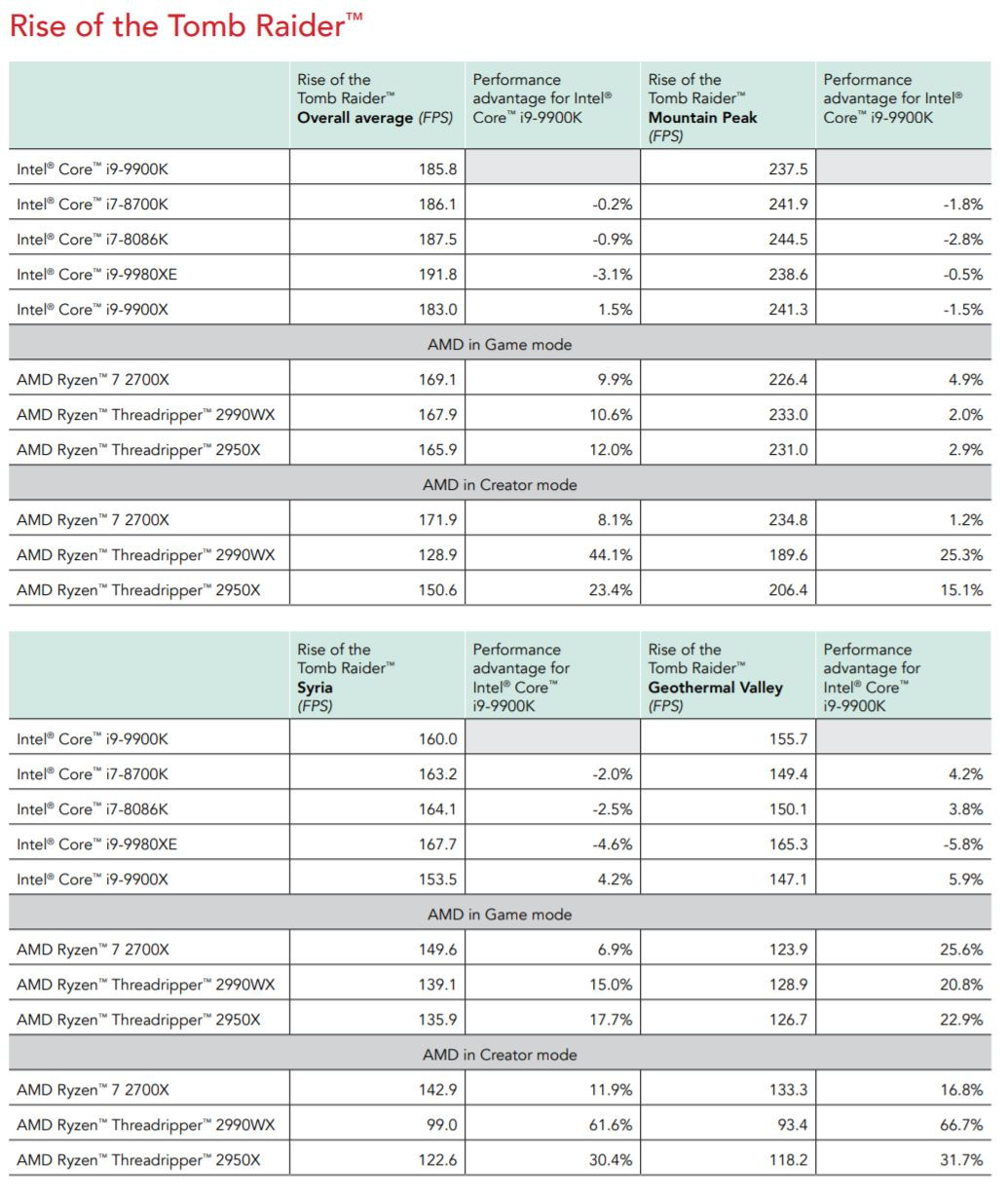
The original testing provided us with such gems as the i9-9900K "being up to 50 percent faster than 2700X at gaming." As part of its revised testing, while Principled Technologies corrected half its rookie-mistakes, by running the 2700X in the default "Creator Mode" that enables all 8 cores; it didn't correct the sub-optimal memory. Despite this, the data shows gaming performance percentage-differences between the i9-9900K and the 2700X narrow down to single-digit or around 12.39 percent on average, seldom crossing 20 percent. This is a significant departure from the earlier testing, which skewed the average on the basis of >40% differences in some games, due to half the cores being effectively disabled on the 2700X. The bottom-line of PT's new data is this: the Core i9-9900K is roughly 12 percent faster than the Ryzen 7 2700X at gaming, while being a whopping 66% pricier ($319 vs. $530 average online prices). This whopping 12.3% gap between the i9-9900K and 2700X could narrow further to single-digit percentages if the 2700X is tested with an optimal memory configuration, such as single-rank 2-module dual-channel, with memory timings of around 14-14-14-34, even if the memory clock remains at DDR4-2933 MHz.
Intel responded to these "triumphant" new numbers with the following statement:
The entire testing data follows: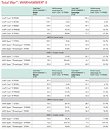
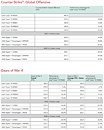
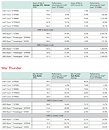

Source:
Principled Technologies (PDF)
The original testing provided us with such gems as the i9-9900K "being up to 50 percent faster than 2700X at gaming." As part of its revised testing, while Principled Technologies corrected half its rookie-mistakes, by running the 2700X in the default "Creator Mode" that enables all 8 cores; it didn't correct the sub-optimal memory. Despite this, the data shows gaming performance percentage-differences between the i9-9900K and the 2700X narrow down to single-digit or around 12.39 percent on average, seldom crossing 20 percent. This is a significant departure from the earlier testing, which skewed the average on the basis of >40% differences in some games, due to half the cores being effectively disabled on the 2700X. The bottom-line of PT's new data is this: the Core i9-9900K is roughly 12 percent faster than the Ryzen 7 2700X at gaming, while being a whopping 66% pricier ($319 vs. $530 average online prices).

Intel responded to these "triumphant" new numbers with the following statement:
Given the feedback from the tech community, we are pleased that Principled Technologies ran additional tests. They've now published these results along with even more detail on the configurations used and the rationale. The results continue to show that the 9th Gen Intel Core i9-9900K is the world's best gaming processor. We are thankful to Principled Technologies' time and transparency throughout the process. We always appreciate feedback from the tech community and are looking forward to comprehensive third party reviews coming out on October 19.The media never disputed the possibility of i9-9900K being faster than the 2700X. It did, however, call out the bovine defecation peddled as "performance advantage data."
The entire testing data follows:






322 Comments on New PT Data: i9-9900K is 66% Pricier While Being Just 12% Faster than 2700X at Gaming
They simply picked one CPU they tested, and that's it.
a 4C/4T processor is utter garbage for some newer games such as AC Odyssey and struggles in BF1 Multiplayer.
Nowadays a 4C/8T CPU is much better for gaming compared to 4C/4T. but if you have 8 real cores then SMT does nothing.
If you go back to the days of Nehalem, you'll find that the HT gains have steadily increased over a period of time, but it's assumed that since Intel's IPC is already so high (smeltdown notwithstanding) their HT will forever be just an afterthought, AMD though needs SMT to draw the maximum performance out of its brand new uarch. It could be due to IF, that their IPC is a bit lower, or a number of other factors but SMT (or HT) gains really depend on the application (or games) & the hardware configuration.
Pick 1700 as example, $329 release price, now $179 brand new, meaning, you can sell as used max at $160, 1 1/2 year later and you lost $169.
What's next, the dual core Pentiums at $200, being 5% faster than the Athlons at $60?
6% That's the figure who preordered. 24% was waiting for the benchmarks, 22% was doubting it and 48% voted for skipping the gen. How many of the 24 and 22% were concvinced after the reviews? Maybe 4-5%.Again: you get that 1x% difference with a last gen flagship GPU, current gens second strongest. Have you checked how many % of gamers bought a 1080Ti with its correct pricing? I help you: 1,54% according to Steam survey. Let's be generous and say it's 2-2,5%. Most players buy GPUs equal to a 1050--1060-1070. LOL in short.
What are JEDEC timings for 2666 MHz and 2933 MHz?
In the end, Intel wins these tests done by PT regardless, performance-wise. So yeah, they charge a premium for it. If they wanted to directly compete with AMD, they'd have given the same price, and killed ALL of AMD's sales.
But they didn't.
Intel's done AMD a great favor with their pricing here, and rather than be mad about it, we should all be happy.