Tuesday, July 23rd 2024

Intel Statement on 13th and 14th Gen Core Instability: Faulty Microcode Causes Excessive Voltages, Fix Out Soon
Long-term reliability issues continue to plague Intel's 13th Gen and 14th Gen Core desktop processors based on the "Raptor Lake" microarchitecture, with users complaining that their processors have become unstable with heavy processing workloads, such as games. This includes the chips that have minor levels of performance tuning or overclocking. Intel had earlier isolated many of these stability issues to faulty CPU core frequency boosting algorithms, which it addressed through updates to the processor microcode that it got motherboard- and prebuilt manufacturers to distribute as UEFI firmware updates. The company has now come out with new findings of what could be causing these issues.
In a statement Intel posted on its website on Monday (22/07), the company said that it has been investigating the processors returned to it by users under warranty claims (which it has been replacing under the terms of its warranty). It has found that faulty processor microcode has been causing the processors to operate under excessive core voltages, leading to their structural degradation over time. "We have determined that elevated operating voltage is causing instability issues in some 13th/14th Gen desktop processors. Our analysis of returned processors confirms that the elevated operating voltage is stemming from a microcode algorithm resulting in incorrect voltage requests to the processor." Modern processor power management runs on an intricate clockwork of collaboration between software, firmware, and hardware, with the software constantly telling the hardware what levels of performance it wants, and the hardware managing its power- and thermal budgets by rapidly altering the power and clock speeds of the various components, such as CPU cores, caches, fabric, and other on-die components. A faulty collaboration between any of the three key components could break this clockwork, as has happened in this case.
Intel is releasing yet another microcode update to its 13th- and 14th Gen Core processors, which will address not just the faulty boosting algorithm issue the company unearthed in June, but also the faulty voltage management the company discovered now. This new microcode should be released some time around mid-August to partners (motherboard manufacturers and PC OEMs), who will then need to validate it on their machines, before passing it along to end-users as UEFI firmware updates.
Meanwhile, an interesting issue has come to light, which that some of Intel's processors built on the Intel 7 node are experiencing chemical oxidation of the die as they age. Intel responded to this, stating that it had discovered the oxidation manufacturing issues in 2023, and addressed it. The company also stated that die oxidation is not related to the stability issues it is embattled with.
Sources:
Intel Community, Intel (Reddit)
In a statement Intel posted on its website on Monday (22/07), the company said that it has been investigating the processors returned to it by users under warranty claims (which it has been replacing under the terms of its warranty). It has found that faulty processor microcode has been causing the processors to operate under excessive core voltages, leading to their structural degradation over time. "We have determined that elevated operating voltage is causing instability issues in some 13th/14th Gen desktop processors. Our analysis of returned processors confirms that the elevated operating voltage is stemming from a microcode algorithm resulting in incorrect voltage requests to the processor."
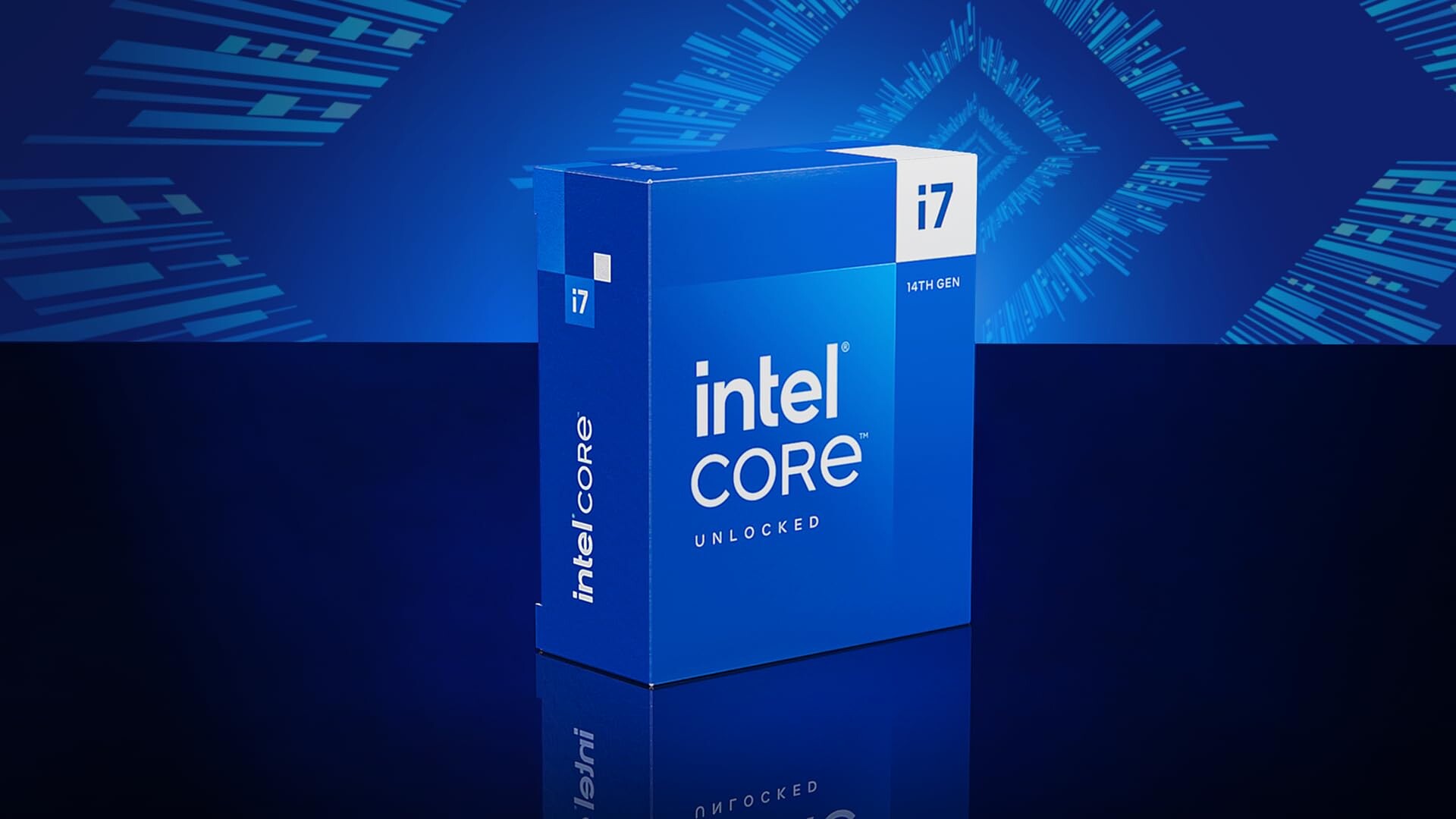
Intel is releasing yet another microcode update to its 13th- and 14th Gen Core processors, which will address not just the faulty boosting algorithm issue the company unearthed in June, but also the faulty voltage management the company discovered now. This new microcode should be released some time around mid-August to partners (motherboard manufacturers and PC OEMs), who will then need to validate it on their machines, before passing it along to end-users as UEFI firmware updates.
Intel is delivering a microcode patch which addresses the root cause of exposure to elevated voltages. We are continuing validation to ensure that scenarios of instability reported to Intel regarding its Core 13th/14th Gen desktop processors are addressed. Intel is currently targeting mid-August for patch release to partners following full validation. Intel is committed to making this right with our customers, and we continue asking any customers currently experiencing instability issues on their Intel Core 13th/14th Gen desktop processors reach out to Intel Customer Support for further assistance, the company stated.It's important to note here, that the microcode update won't fix the issues on processors already experiencing instability, but prevent it on chips that aren't. The instability is caused by irreversible physical degradation of the chip. These chips will, of course, be covered under warranty.
Meanwhile, an interesting issue has come to light, which that some of Intel's processors built on the Intel 7 node are experiencing chemical oxidation of the die as they age. Intel responded to this, stating that it had discovered the oxidation manufacturing issues in 2023, and addressed it. The company also stated that die oxidation is not related to the stability issues it is embattled with.
We can confirm that the via Oxidation manufacturing issue affected some early Intel Core 13th Gen desktop processors. However, the issue was root caused and addressed with manufacturing improvements and screens in 2023. We have also looked at it from the instability reports on Intel Core 13th Gen desktop processors and the analysis to-date has determined that only a small number of instability reports can be connected to the manufacturing issue, the company stated.If you feel your chip might be affected, you can file for an RMA.
387 Comments on Intel Statement on 13th and 14th Gen Core Instability: Faulty Microcode Causes Excessive Voltages, Fix Out Soon
On topic, Matt_AlderonGames also brings up some good questions in the Intel statement thread. One of the most important ones which Intel didn't answer on is will they promise to honor RMA's for those with degraded or failing cpu's, as people were getting denied and being told to run baseline specs before.
intel/comments/1e9mf04/_/leg5umuIntel Alder Lake isn't experiencing any degradation, it seems 12th gen and lower end 13th gens that are rebranded 12th gen are more durable than Raptor Lake whether that is due to a smaller node or adding more ecores I think it would be interesting if there were more findings on why the architecture changes make 13th and 14th gen more prone to degradation.
Wont touch Intel ever again, unless they do something magical. But due to the harsh demise of moores law they cant do anything better than AMD. I would love to be able to say their product lacks innovation and is a turd, but everyone is feeling it, its getting so hard to progress further.
on topic ... well last time i had a forced microcode update (via WU)... was on a 6600K which did not even OC afterward ... so, it's gonna be good? right?
imho, Intel is always like that ... : "optimisation" to make it run faster in bench=>fault found=>mitigation patch=>performances loss
and no, i am not a fan of either side ... but i had more happy time with the reds since the K6 2... and i gave Intel a fair share.
This looks a lot like the nvidia bumpgate scenario, not in terms of picking the wrong packaging, but in terms of how exceeding the capacity of the chip current carrying interconnects and that repeated heat stress is killing off parts of the chip.
Ironically / luckily for Intel, they never bothered to release 2 Raptor Lake dies like they did with Alder Lake (where you had the 6P/0E die, and the 8P/8E die), and just stuck with the 6P only die from Alder Lake to complement the newer Raptor lake dies (Raptor lake added little to the performance per core so no real need to remake it I guess).
Considering the small IPC uplift and the issues that may stem from this, Raptor lake may be the worst ever release in the Intel 'Tick/Tock' release cycle once all these issues are eventually figured out and the cause is known. My point being that Intel didn't really 'need' Raptor Lake to stay competitive (you don't need to compete for the top spot all of the time as you can end up looking dumb, e.g. Pres'hot' P4 vs Athlon 64 X2, AMD FX 9000s vs any Intel i7, etc.) - they were doubling down on being behind and pushing the envelope more than AMD did with the FX series TDP but now using an even more intricate/fragile manufacturing process....
I can't recall where I heard it, but someone mentioned that Raptor Lake came out of nowhere. There was also speculation that the design was rushed. Hard to tell without reliable sources but it makes you wonder.
\
EDIT: spectre was the one.
3% difference can make a significant impact when comparing CPU limited performance scenarios...
And that's assuming the voltage tweaks are only impacting CPU core voltages - it could be something that impacts the rest of the package/uncore logic which could actually reduce potential ring bus performance or impact the other platform hub throughput. Intel info isn't specific as to what 'incorrect voltage requests' are for what chip logic group - i.e. there's multiple ways to hobble something.
Also, poor guys will buy second hand 13 14 gen in the next years without knowing about the damage the CPU endured !.. bad business... then TPU will have more topics open about that (good business).
Intel typically have long-ish warranty windows so it may be worth claiming when you know there is a proper fix in place, preferably at the silicon level, and stick with the platform for the long haul... although realistically socket 1700 so far is unlikely to be looked back on with fondness due to the lack of efficiency alone.
On topic, Intel should not be given the Chips money now. It has not proven it can uses it to the benefit of the country but rather to subsidize lost profits.
Runaway voltage, oxidation and still playing anticompetitive games is the opposite of what the Chips Act is trying to do - secure high quality domestic chip manufacturing to all chip providers.
Also it can depend on BIOS settings, users that disable iGPU by exemple.... will have different CPU reaction.